
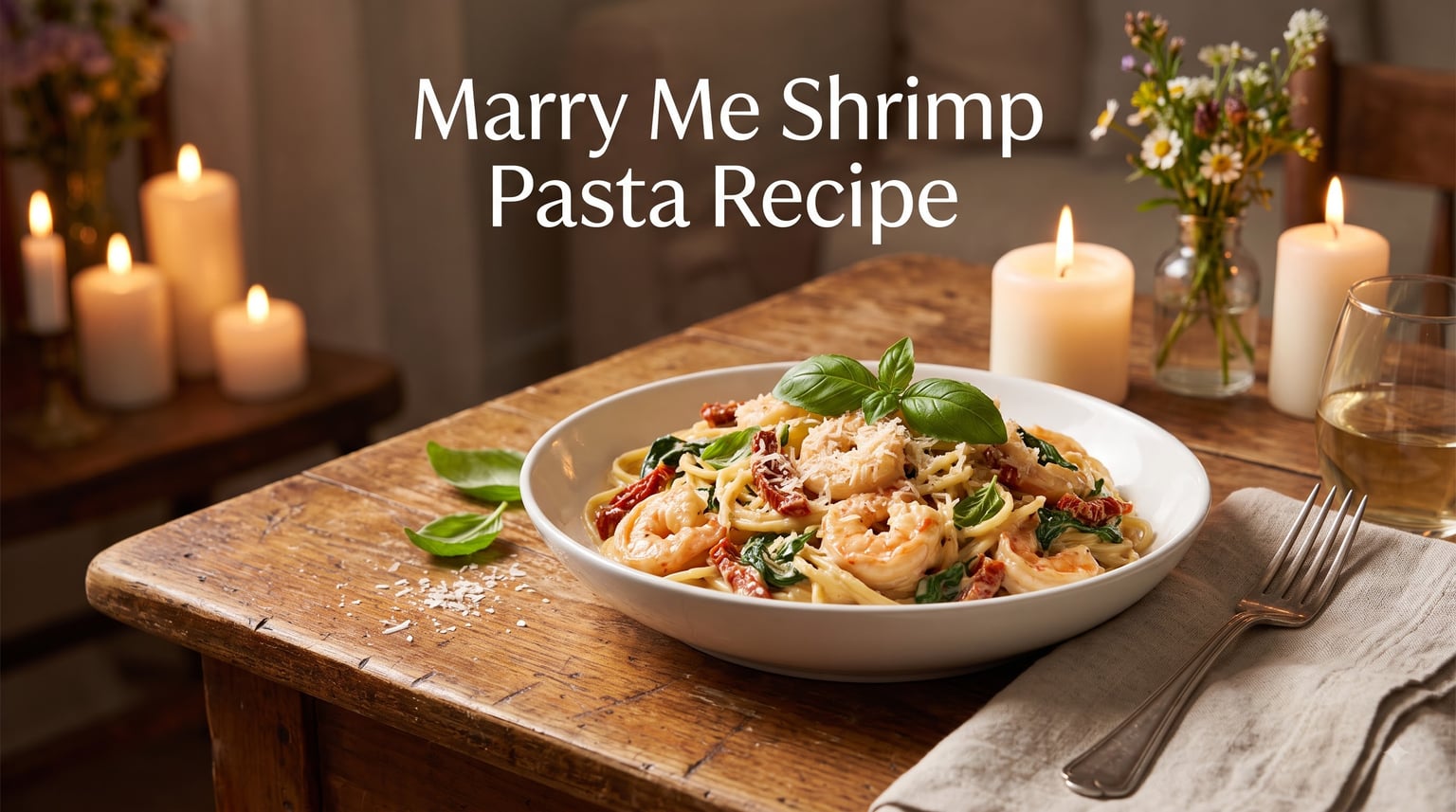
I have made this Marry Me Shrimp Pasta recipe more times than I can count, and every single time someone takes a bite, they ask for the recipe. The name sounds bold, but after one taste of that creamy sun-dried tomato sauce clinging to perfectly cooked shrimp and al dente penne, you will understand why people joke about proposing after eating it.
This is the kind of dish that makes you look like you spent hours in the kitchen when it really only takes about 30 minutes from start to finish. Tender shrimp, a rich Parmesan cream sauce, sweet sun-dried tomatoes, and fresh spinach all come together in one pan for a meal that works equally well for a Tuesday night dinner or a romantic date night at home.
Our team tested this recipe across multiple batches to nail the technique, timing, and ingredient ratios. We also dug through hundreds of forum posts from home cooks to identify the most common problems, like rubbery shrimp and sauces that separate during reheating. Everything we learned is packed into this guide so you can get it right on the first try.
If you love similar viral seafood pasta recipes, this one deserves a spot in your regular dinner rotation. Let me walk you through exactly how to make it.
Table of Contents
What Is Marry Me Shrimp Pasta?
Marry Me Shrimp Pasta is a creamy Italian-inspired pasta dish featuring succulent shrimp in a rich sun-dried tomato cream sauce with Parmesan cheese, fresh spinach, and aromatic herbs. It is ready in about 30 minutes and uses a single large skillet for the sauce.
The name comes from the broader “Marry Me” recipe trend, which started with Marry Me Chicken, a dish so good that people joked it could earn a marriage proposal. The concept is simple. You take a creamy tomato-based sauce, add a protein, and create something so satisfying that the person eating it might just fall in love with you on the spot.
What makes the shrimp version special is how quickly it comes together. Shrimp cooks in just 2 to 3 minutes per side, which means the entire dish, including the sauce, can be on the table in under 30 minutes. The sun-dried tomatoes bring a concentrated sweetness that pairs beautifully with the richness of heavy cream and the salty bite of real Parmesan cheese.
This dish has gone viral on social media, and for good reason. It delivers restaurant-quality flavor with ingredients you can find at any grocery store. You do not need any special equipment or hard-to-find spices.
Why This Recipe Works
The magic of Marry Me Shrimp Pasta comes down to a few smart techniques working together. First, you use the oil from the jar of sun-dried tomatoes to saute the aromatics. That oil is already infused with tomato flavor and herbs, so it gives the sauce a head start on taste before you even add anything else.
Second, the cream sauce is built in the same pan where you seared the shrimp. All those browned bits on the bottom of the pan, what chefs call fond, dissolve into the cream and create a deeper, more complex flavor than you could get from starting with a clean pan. This is why one-pan pasta recipes taste so much better than they have any right to.
Third, the shrimp are cooked briefly and then removed from the pan before the sauce is built. This prevents overcooking, which is the number one complaint home cooks have when making shrimp pasta. The shrimp go back in at the very end, just long enough to warm through and soak up some sauce.
The spinach wilts directly into the hot sauce, adding color and a slight earthy contrast to the richness. Italian seasoning ties everything together with dried oregano, basil, and thyme, while a pinch of red pepper flakes adds a subtle warmth that keeps each bite interesting.
Forum users consistently report that this is the recipe that converts self-described shrimp haters. The combination of the creamy sauce and the sweet sun-dried tomatoes masks any fishiness that turns some people off seafood. Multiple Reddit threads in r/cookingtonight and r/pasta feature stories of picky eaters asking for seconds.
Recipe Overview
Here is the quick breakdown so you know exactly what you are committing to before you start cooking.
Prep time: 10 minutes
Cook time: 20 minutes
Total time: 30 minutes
Servings: 4
Difficulty: Easy
Pan size: 12-inch large skillet or Dutch oven
This recipe scales easily. Double it for a crowd or halve it for a cozy dinner for two. The timing stays the same either way as long as you do not overcrowd the pan when cooking the shrimp.
Ingredients You Will Need
One of the best things about this recipe is that the ingredient list is short and approachable. Everything is available at a standard grocery store. Let me break down what you need and why each ingredient matters.
The Shrimp
1 pound large shrimp (26-30 count), peeled and deveined is the foundation of the dish. Large shrimp give you the best ratio of meat to effort, and they cook quickly without drying out. Look for shrimp that are peeled and deveined to save time, but leave the tails on if you want a more dramatic presentation.
Frozen shrimp work perfectly fine for this recipe. In fact, most shrimp at the grocery store were frozen at sea and thawed for display, so buying frozen and thawing them yourself often means fresher quality. Thaw frozen shrimp overnight in the refrigerator or under cold running water for about 15 minutes.
Pat the shrimp dry with paper towels before cooking. Dry shrimp sear better and develop more flavor than wet shrimp, which tend to steam in the pan instead of getting that golden crust.
The Pasta
12 ounces penne pasta is the classic choice, but rigatoni, fusilli, or farfalle all work beautifully. The key is choosing a pasta shape with enough surface area and nooks to hold onto the creamy sauce. Smooth long pastas like spaghetti work but do not trap the sauce as effectively.
If you are looking for low-carb pasta alternatives or pasta alternatives for dietary reasons, those swaps work well too. You want about 12 ounces of whatever pasta shape you choose for four servings.
Cook the pasta to one minute less than the package instructions for al dente. It will finish cooking when you toss it with the hot sauce, and this prevents the pasta from becoming mushy.
The Sauce Ingredients
1/2 cup oil-packed sun-dried tomatoes, drained and chopped are the star ingredient. These bring a sweet, intense tomato flavor that is completely different from fresh or canned tomatoes. Chop them roughly so you get pockets of concentrated flavor in each bite.
2 tablespoons oil from the sun-dried tomato jar is used for sauteing. This oil has been soaking up tomato and herb flavors, so it is liquid gold. If your jar does not have enough oil, supplement with olive oil.
4 cloves garlic, minced provide the aromatic backbone. Use fresh garlic, not the pre-minced jar version, for the best flavor. Mince it finely so it distributes evenly through the sauce.
1 cup heavy cream creates the luxurious, silky texture that makes this dish feel indulgent. Heavy cream has enough fat to hold up to the acidity of the tomatoes without curdling. Do not substitute with milk or half-and-half, as they will break and create a thin, watery sauce.
1/2 cup grated Parmesan cheese adds saltiness and umami. Buy a wedge of real Parmigiano-Reggiano and grate it yourself. Pre-shredded cheese is coated with anti-caking agents that prevent it from melting smoothly into the sauce.
2 cups fresh baby spinach adds color and a slight nutritional boost. The spinach wilts down significantly, so 2 cups looks like a lot but cooks down to almost nothing in the finished dish.
Seasonings and Garnish
1 teaspoon Italian seasoning brings dried oregano, basil, and thyme to the party. This blend is doing heavy lifting for the flavor profile, so use one that is relatively fresh. If your jar has been in the cupboard for over a year, it is time to replace it.
1/2 teaspoon red pepper flakes add warmth without making the dish spicy. If you love heat, bump this up to a full teaspoon. If you are sensitive to spice, reduce to 1/4 teaspoon or leave it out entirely.
1 tablespoon tomato paste deepens the tomato flavor and gives the sauce a beautiful reddish color. This is an ingredient that many recipes skip, but it makes a noticeable difference in the final taste.
Salt and black pepper to taste. Season the shrimp before cooking, and taste the finished sauce before serving to adjust the seasoning.
Fresh basil leaves for garnish are optional but highly recommended. A sprinkle of fresh basil at the end adds a bright, fresh note that cuts through the richness of the cream sauce.
Optional But Recommended
1/4 cup dry white wine can be added after the garlic to deglaze the pan. A Pinot Grigio or Sauvignon Blanc works well. The alcohol cooks off and leaves behind a bright acidity that balances the cream. If you prefer to skip the wine, add an extra splash of chicken broth or pasta water.
Reserved pasta water is your secret weapon. Before draining the cooked pasta, scoop out about a cup of the starchy cooking water. This water is used to thin the sauce if it gets too thick and helps the sauce cling to the pasta.
Equipment Needed
You do not need any specialty equipment for this recipe, but having the right tools makes the process smoother.
A 12-inch large skillet is the workhorse here. You need a pan wide enough to cook the shrimp in a single layer without crowding and deep enough to hold the sauce and pasta. A cast iron skillet, stainless steel pan, or Dutch oven all work well.
A large pot for boiling the pasta. Use at least 4 quarts of water and salt it generously. The water should taste like the sea.
Tongs for tossing the pasta with the sauce. They make it easy to combine everything evenly without breaking the pasta.
A slotted spoon or spider strainer for removing the shrimp from the pan while you build the sauce.
A microplane or fine grater for the Parmesan cheese and garlic if you prefer a paste-like garlic texture that melts into the sauce.
How to Make Marry Me Shrimp Pasta
Here is the step-by-step process. Follow these instructions in order and you will have a restaurant-quality dinner on the table in 30 minutes.
Step 1: Cook the Pasta
Bring a large pot of well-salted water to a boil. Add 12 ounces of penne pasta and cook for one minute less than the package recommends for al dente. Before draining, scoop out about 1 cup of the pasta water and set it aside. Drain the pasta and toss with a tiny drizzle of olive oil to prevent sticking.
Timing matters here. You want the pasta to finish cooking at roughly the same time as the sauce. If the pasta is done before the sauce, drain it and let it sit in the colander. It will go back into a hot pan soon enough.
Step 2: Prep the Shrimp
Pat 1 pound of large peeled and deveined shrimp dry with paper towels. Season both sides generously with salt and black pepper. If your shrimp are different sizes, try to sort them into piles of similar size so they cook evenly.
If you are using frozen shrimp, make sure they are fully thawed and patted very dry. Wet shrimp will not sear properly and will release water into the pan, diluting the flavor.
Step 3: Sear the Shrimp
Heat 2 tablespoons of sun-dried tomato oil in your large skillet over medium-high heat until it shimmers. Add the shrimp in a single layer, working in batches if needed to avoid crowding the pan. Overcrowded shrimp will steam instead of sear, and you will lose that golden crust.
Cook the shrimp for about 2 minutes per side, or until they turn pink and form a loose C shape. Do not wait for them to curl into a tight O shape, as that means they are overcooked. Remove the shrimp to a plate and set aside. They will finish warming through when you add them back at the end.
Step 4: Build the Aromatic Base
Reduce the heat to medium and add 1 more tablespoon of sun-dried tomato oil to the same pan. Add 4 cloves of minced garlic and cook for 30 seconds, stirring constantly so it does not burn. Garlic goes from golden to bitter in seconds, so stay close to the stove.
Add 1 tablespoon of tomato paste and cook for another minute, stirring to coat the bottom of the pan. The tomato paste will darken slightly and smell intensely fragrant. This step concentrates the tomato flavor and removes the raw paste taste.
If using white wine, pour in 1/4 cup now and scrape the bottom of the pan with a wooden spoon to release all the browned bits. Let the wine simmer for about a minute until it reduces by half.
Step 5: Create the Cream Sauce
Add 1/2 cup of chopped sun-dried tomatoes, 1 teaspoon of Italian seasoning, and 1/2 teaspoon of red pepper flakes to the pan. Stir to combine and let the herbs toast for about 30 seconds. Toasting dried herbs in oil wakes up their flavor and makes them taste fresh again.
Pour in 1 cup of heavy cream and stir well, scraping the bottom of the pan to incorporate all the fond. Bring the sauce to a gentle simmer, then reduce the heat to low. Let it simmer for 3 to 4 minutes until it slightly thickens and coats the back of a spoon.
Do not let the cream come to a hard boil. Boiling can cause the cream to separate and create a grainy texture. A gentle simmer is all you need.
Step 6: Add the Parmesan and Spinach
Remove the pan from the heat and gradually add 1/2 cup of grated Parmesan cheese, stirring constantly. Adding the cheese off the heat prevents it from clumping or becoming stringy. The residual heat of the sauce will melt it smoothly.
Add 2 cups of fresh baby spinach and stir until it wilts, about 30 seconds. The spinach will shrink dramatically as it cooks down into the sauce.
Step 7: Combine Everything
Add the drained pasta and the cooked shrimp back to the pan. Toss everything together with tongs until the pasta and shrimp are evenly coated with the sauce. If the sauce feels too thick, add splashes of the reserved pasta water, a tablespoon at a time, until it reaches the consistency you want.
The pasta water is starchy and helps the sauce emulsify and cling to the noodles. This is a technique borrowed from Italian restaurant kitchens, and it makes a huge difference in the final texture.
Step 8: Taste and Adjust
Taste the finished dish and adjust the seasoning. Add more salt if needed, a squeeze of lemon juice for brightness, or an extra pinch of red pepper flakes for heat. Plate the pasta in warm bowls and top with extra grated Parmesan and fresh basil leaves.
If you want to explore more restaurant-quality Italian shrimp pasta dishes for inspiration, the flavor combinations are endless.
Expert Tips for Perfect Results
After making this recipe dozens of times, here are the tips that make the biggest difference between a good result and a great one.
Do Not Overcook the Shrimp
This is the number one mistake people make. Shrimp cook incredibly fast, and even 30 seconds too long can turn them from tender to rubbery. Watch for the visual cues. The shrimp are done when they turn fully pink, form a loose C shape, and feel slightly firm to the touch.
If you have a meat thermometer, aim for an internal temperature of 120 degrees Fahrenheit. The shrimp will continue cooking slightly from residual heat after you remove them from the pan.
Use Real Parmesan
The green canister of grated Parmesan will not melt the same way as freshly grated cheese from a wedge. Pre-grated cheese is coated with cellulose to prevent clumping, which also prevents smooth melting. Spend the extra two minutes to grate your own. It transforms the sauce.
Reserve That Pasta Water
Pasta water is the difference between a sauce that clings to the noodles and one that pools at the bottom of the bowl. The starch in the water helps the sauce emulsify and adhere to the pasta. Make it a habit to always save a cup before draining.
Salt the Pasta Water Generously
The pasta water should taste like the sea. This is your only chance to season the pasta from the inside out. Use about 1 tablespoon of kosher salt per gallon of water. Under-salting the water is a common reason why restaurant pasta tastes better than homemade.
Do Not Rush the Tomato Paste
When you add the tomato paste, give it a full minute to cook and darken. This step caramelizes the sugars and removes the raw, metallic taste. It seems like a small detail, but it adds depth to the finished sauce that you can taste.
Cook Shrimp in Batches
If your pan is not large enough to hold all the shrimp in a single layer with space between them, cook them in two batches. Crowded shrimp steam rather than sear, and you lose the browning that adds so much flavor to the dish.
Quality Ingredients Matter
Forum users consistently report that using high-quality sun-dried tomatoes and real Parmesan cheese makes a noticeable difference. The oil-packed sun-dried tomatoes from the deli section tend to be softer and more flavorful than the dried ones you rehydrate yourself.
Recipe Variations and Substitutions
This recipe is incredibly flexible. Here are some of the best variations and substitutions based on dietary needs and what you have on hand.
Protein Swaps
Replace the shrimp with diced chicken breast for a Marry Me Chicken Pasta. Cut the chicken into bite-sized pieces and cook for about 5 to 6 minutes per side until golden and cooked through. Sliced sausage, scallops, or even chickpeas for a vegetarian version all work well too.
Pasta Alternatives
Gluten-free penne works seamlessly in this recipe. For a lighter option, try zucchini noodles or spaghetti squash. Just keep in mind that zucchini noodles release water, so you may need to simmer the sauce a bit longer to compensate.
If you are looking for pasta alternatives and variations for different dietary needs, the creamy sauce in this recipe adapts well to almost any base.
Lighter Version
For a lighter version, replace half the heavy cream with chicken broth. The sauce will be slightly thinner and less rich but still flavorful. You can also use half-and-half instead of heavy cream, but add it at a lower temperature to prevent curdling.
Dairy-Free Option
Use full-fat coconut cream in place of the heavy cream and nutritional yeast instead of Parmesan. The flavor profile shifts slightly toward a tropical direction, but the dish remains creamy and satisfying.
Add More Vegetables
Mushrooms, bell peppers, asparagus, or cherry tomatoes all make excellent additions. Saute harder vegetables like mushrooms and bell peppers with the garlic, and add quicker-cooking ones like cherry tomatoes at the end with the spinach.
Spicy Version
For a Cajun-inspired kick inspired by spicy shrimp pasta alternatives, increase the red pepper flakes to 1 teaspoon and add 1 teaspoon of Cajun seasoning to the shrimp before cooking.
Wine Pairing Suggestions
This creamy, tomato-rich pasta pairs beautifully with white wines that have enough acidity to cut through the richness of the cream sauce. Here are the best options.
Pinot Grigio is the classic pairing. Its crisp, light body and citrus notes complement the shrimp without competing with the sauce. Look for one from the Veneto region of Italy for an authentic match.
Sauvignon Blanc brings herbaceous notes that echo the Italian seasoning in the dish. New Zealand Sauvignon Blancs tend to be more assertive, while French Sancerre versions are more subtle and elegant.
A light Chardonnay that has not been heavily oaked works well too. The buttery notes of a lightly oaked Chardonnay mirror the richness of the cream sauce.
For a red wine option, a light Pinot Noir or Dolcetto has enough fruit and acidity to stand up to the sun-dried tomatoes without overwhelming the shrimp.
If you want to get creative with your beverage, try one of these wine pairings for pasta dinners in cocktail form for a fun date night twist.
Serving and Presentation Tips
This dish is called Marry Me Shrimp Pasta for a reason, so make it look the part. A few simple touches elevate it from a weeknight dinner to something that looks like it came from a restaurant.
Use warm, shallow bowls instead of plates. Bowls keep the sauce pooled around the pasta and make the dish look more abundant. Warm the bowls in a low oven for a few minutes before serving so the food stays hot longer.
Twirl the pasta with tongs into a nest shape in the center of each bowl. Arrange 4 to 5 shrimp on top of the pasta so they are visible rather than buried underneath. This makes the shrimp the visual centerpiece of the dish.
Finish with a generous sprinkle of freshly grated Parmesan, a few torn basil leaves, and a crack of black pepper. A drizzle of the sun-dried tomato oil around the edge of the bowl adds a beautiful glossy finish.
For a romantic dinner, dim the lights, light a candle, and serve with crusty bread for soaking up the sauce. A simple pasta side dish is not needed here since this is a complete meal on its own, but a light green salad with vinaigrette makes a nice refreshing contrast.
Storage and Reheating
Leftovers happen, and the good news is that this dish reheats surprisingly well if you do it correctly.
To store: Let the pasta cool to room temperature, then transfer to an airtight container. Store in the refrigerator for up to 3 days. The flavors actually deepen overnight, so many people find the leftovers taste even better than the fresh version.
To reheat on the stove: Place the pasta in a skillet over medium-low heat. Add a splash of milk, chicken broth, or water to loosen the sauce, which will have thickened in the refrigerator. Stir gently until warmed through, about 5 minutes.
To reheat in the microwave: Place the pasta in a microwave-safe bowl, add a tablespoon of liquid, cover loosely, and heat in 30-second intervals, stirring between each. This prevents hot spots and keeps the shrimp from turning rubbery.
Can you freeze it? Cream sauces can separate when frozen and thawed, so freezing is not ideal. If you must freeze it, know that the texture of the sauce may change. Reheat gently over low heat and whisk vigorously to bring the sauce back together.
The biggest complaint from forum users is that the sauce becomes too thick after refrigeration. This is normal and easy to fix. Just add liquid gradually until the sauce returns to its original consistency.
Make-Ahead and Meal Prep Guide
This is an area where almost no competitor recipes offer guidance, but it is one of the most useful things to know for busy households.
Prep the ingredients in advance: Chop the sun-dried tomatoes, mince the garlic, grate the Parmesan, and measure out the seasonings up to 24 hours ahead. Store each component in a small container in the refrigerator. This cuts your active cooking time down to about 15 minutes.
Make the sauce ahead: You can make the cream sauce up to 2 days in advance and store it in the refrigerator. When you are ready to serve, reheat the sauce gently, cook the shrimp and pasta fresh, and combine everything at the last minute. This gives you the best of both worlds, the convenience of prep-ahead and the texture of freshly cooked shrimp and pasta.
Meal prep for the week: Cook the full recipe, portion into containers, and refrigerate for grab-and-go lunches. The dish holds up well for 3 days and reheats cleanly in the microwave with a splash of water.
Do not cook the shrimp ahead: Pre-cooked shrimp become rubbery when reheated. If you are meal prepping, consider storing the shrimp separately and adding them to each portion as you reheat.
Troubleshooting Common Problems
Even with a great recipe, things can go sideways. Here are solutions to the most common issues based on forum discussions and our own testing.
Problem: My shrimp are rubbery. You likely overcooked them. Shrimp only need about 2 minutes per side over medium-high heat. Remove them from the pan the moment they turn fully pink and form a loose C. Next time, set a timer and err on the side of undercooking, since they will continue to cook from residual heat.
Problem: My sauce separated or looks grainy. The cream was heated too aggressively. Cream sauces break when they boil. Reheat gently over low heat and whisk constantly. If the sauce has already separated, whisk in a tablespoon of cold water or cream off the heat to bring it back together.
Problem: My sauce is too thick. Add reserved pasta water, a tablespoon at a time, until the sauce reaches the right consistency. If you forgot to save pasta water, regular hot water or warm chicken broth works too.
Problem: My sauce is too thin. Let it simmer uncovered for a few more minutes to reduce and concentrate. You can also add a bit more grated Parmesan, which will thicken the sauce as it melts.
Problem: My pasta is mushy. You cooked it too long or left it sitting in the sauce for too long before serving. Cook the pasta to one minute less than the package instructions, and serve immediately after combining with the sauce.
Problem: The dish lacks flavor. You probably under-salted. Taste the sauce before combining with the pasta and adjust. Also check that your sun-dried tomatoes are fresh and flavorful, and that your Italian seasoning is not stale.
Frequently Asked Questions
What is the best sauce for shrimp pasta?
A creamy sun-dried tomato sauce made with heavy cream, garlic, Parmesan cheese, and Italian seasoning is the best sauce for shrimp pasta. The richness of the cream balances the sweetness of the shrimp, while the sun-dried tomatoes add concentrated flavor. This is exactly the sauce used in Marry Me Shrimp Pasta.
What is marry me pasta actually called?
Marry Me pasta is not a traditional Italian dish with a formal name. It is part of a modern recipe trend that started with Marry Me Chicken, a creamy tomato chicken dish that became viral on food blogs and social media. The shrimp version applies the same creamy sun-dried tomato sauce to shrimp and pasta.
What are some tips for making marry me pasta?
The top tips are: do not overcook the shrimp (2 minutes per side), use real freshly grated Parmesan instead of pre-shredded, reserve a cup of pasta water to thin the sauce, salt the pasta water generously, and cook the tomato paste for a full minute before adding cream. Also, cook shrimp in batches to avoid crowding the pan.
Can I use frozen shrimp for this recipe?
Yes, frozen shrimp work perfectly. Thaw them overnight in the refrigerator or under cold running water for 15 minutes. Pat them completely dry before cooking so they sear properly instead of steaming in the pan.
Can I make marry me shrimp pasta ahead of time?
You can prep all ingredients and even make the cream sauce up to 2 days in advance. However, cook the shrimp and pasta fresh right before serving for the best texture. Pre-cooked shrimp become rubbery when reheated.
How do I reheat shrimp pasta without ruining it?
Reheat on the stove over medium-low heat with a splash of milk, broth, or water to loosen the thickened sauce. Stir gently for about 5 minutes. If using a microwave, heat in 30-second intervals and stir between each to prevent the shrimp from getting rubbery.
What wine pairs well with Marry Me Shrimp Pasta?
Pinot Grigio is the classic pairing because its crisp acidity cuts through the rich cream sauce. Sauvignon Blanc and a lightly oaked Chardonnay also work well. For red wine, choose a light Pinot Noir or Dolcetto.
Conclusion
The Marry Me Shrimp Pasta recipe proves that you do not need a restaurant kitchen or hours of free time to create a meal that feels special. With just 30 minutes, one large skillet, and a short list of accessible ingredients, you can make a dish that tastes like it came from your favorite Italian restaurant.
The key to success is all in the technique. Cook the shrimp quickly and remove them before building the sauce. Use the sun-dried tomato oil to saute the aromatics. Reserve pasta water to perfect the sauce consistency. Add the Parmesan off the heat so it melts smoothly. These small details add up to a dish that consistently impresses.
Whether you are making this for a romantic date night, a family dinner, or meal prep for the week, this recipe delivers. The creamy sun-dried tomato sauce is the kind of thing that makes people close their eyes on the first bite, and the name Marry Me Pasta suddenly makes perfect sense.
Now you know exactly how to make Marry Me Shrimp Pasta at home. Grab your ingredients, heat up that skillet, and get cooking. The proposal jokes are just a bonus.