
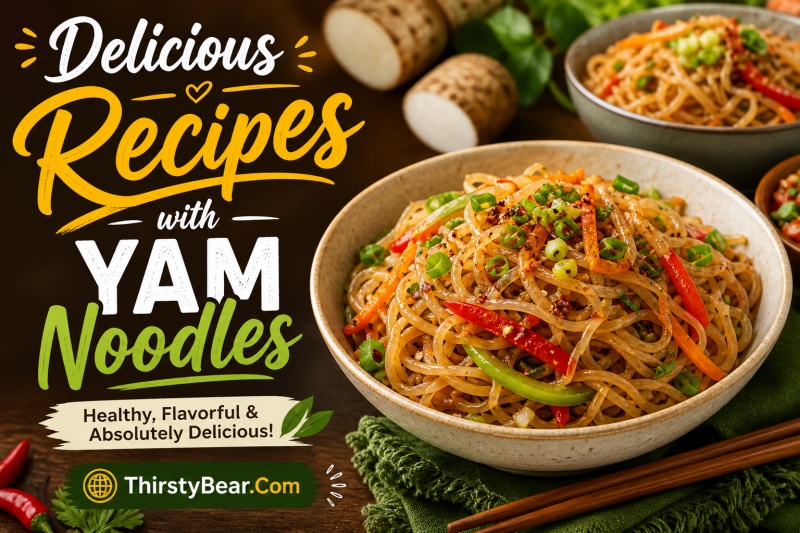
I spent months avoiding yam noodles after my first attempt resulted in a rubbery, fishy-smelling disaster. That all changed when a Korean friend showed me the proper techniques. Now I make these low-calorie noodles at least twice a week.
If you have been curious about recipes with yam noodles but felt intimidated by the preparation or disappointed by the texture, this guide will transform your cooking. I have tested dozens of variations and narrowed them down to the absolute best approaches that deliver restaurant-quality results every time.
Whether you are looking for keto-friendly shirataki dishes or traditional Korean japchae with sweet potato glass noodles, you will find complete recipes with exact measurements, timing, and troubleshooting tips below.
Table of Contents
What Are Yam Noodles
When people say “yam noodles,” they usually mean one of two completely different things. Understanding the distinction is crucial because these noodles cook differently and suit different recipes.
Shirataki Noodles (Konjac Yam)
Shirataki noodles come from the konjac yam, a root vegetable native to Asia. These translucent, gelatinous noodles consist almost entirely of glucomannan fiber and water. A typical serving contains about 10 calories, making them popular for weight loss and keto diets.
The texture is chewy and slightly elastic, which some people love and others find odd. The biggest complaint I hear is the smell when you first open the package. More on fixing that shortly.
Sweet Potato Glass Noodles (Dangmyeon)
Korean dangmyeon, also called glass noodles or cellophane noodles, are made from sweet potato starch. These turn clear when cooked and have a pleasantly chewy, springy texture. Unlike shirataki, they contain actual carbohydrates (about 130 calories per serving) and absorb sauces beautifully.
Dangmyeon is the traditional noodle used in japchae, Korea’s most famous noodle dish. The texture holds up well in both hot and cold preparations.
Nutritional Benefits Comparison
Both types offer advantages over wheat pasta. Shirataki provides virtually zero net carbs and feeds beneficial gut bacteria due to its soluble fiber content. Sweet potato noodles offer more energy, some vitamins, and a lower glycemic index than wheat pasta.
For weight management, shirataki wins with its near-zero calorie count. For athletes or those needing sustained energy, sweet potato noodles make more sense nutritionally.
Types of Yam Noodles: Side-by-Side Comparison
| Feature | Shirataki (Konjac) | Sweet Potato (Dangmyeon) |
|---|---|---|
| Calories per serving | 5-10 | 130-150 |
| Net carbs | 0g | 30-35g |
| Raw appearance | Translucent white | Opaque gray |
| Cooked appearance | Clear, glassy | Clear, glassy |
| Preparation required | Rinsing, boiling, dry frying | Soaking or boiling |
| Best for | Keto, weight loss, soup | Japchae, stir-fry, salads |
| Price (per package) | under $4 | under $6 |
Cooking Tips and Preparation Methods
Proper preparation makes the difference between delicious yam noodles and a disappointing meal. Here is exactly how I handle each type.
How to Remove the Fishy Smell from Shirataki Noodles
This is the technique that changed everything for me. The liquid in shirataki packages has a distinct odor that many find off-putting. Here is my three-step method:
Step 1: Drain the noodles in a colander and rinse thoroughly under cold water for 60 seconds. Use your hands to separate the strands.
Step 2: Place the rinsed noodles in a pot of boiling water for 2-3 minutes. This helps neutralize the remaining odor.
Step 3: Drain again, then transfer to a dry non-stick pan over medium-high heat. Dry-fry for 5-7 minutes without oil, stirring occasionally, until most moisture evaporates and the noodles start to squeak. This step transforms the texture from gelatinous to pleasantly chewy.
Preparing Sweet Potato Glass Noodles
Dangmyeon requires less fuss than shirataki but benefits from proper technique:
Soak the noodles in warm water for 20-30 minutes before cooking. This prevents them from clumping together and ensures even cooking. If you are short on time, you can boil them directly for 6-8 minutes instead.
After cooking, immediately rinse with cold water to stop the cooking process. Toss with a teaspoon of sesame oil to prevent sticking while you prepare the other ingredients.
General Cooking Techniques
For stir-fries, cook your proteins and vegetables first, then add the prepared noodles and sauce at the end. Overcooking yam noodles makes them mushy, so aim for just 2-3 minutes of contact with hot sauce.
For soups, add shirataki directly to the broth in the last 2 minutes of cooking. Sweet potato noodles need 3-5 minutes in hot soup.
For cold salads, prepare the noodles as above, chill them, and toss with dressing just before serving.
Recipe 1: Korean Japchae (Sweet Potato Noodle Stir-Fry)
This is the dish that made me fall in love with yam noodles. My version serves 4 and takes about 45 minutes from start to finish.
Ingredients
For the noodles:
- 8 ounces sweet potato glass noodles (dangmyeon)
- 2 tablespoons soy sauce
- 1 tablespoon sesame oil
- 1 teaspoon sugar
For the vegetables and protein:
- 6 ounces beef sirloin, thinly sliced (or extra-firm tofu for vegetarian)
- 1 medium onion, sliced
- 1 carrot, julienned
- 4 ounces fresh spinach
- 4 ounces shiitake mushrooms, sliced
- 2 cloves garlic, minced
- 2 green onions, cut into 2-inch pieces
For the sauce:
- 3 tablespoons soy sauce
- 1 tablespoon sesame oil
- 1 tablespoon sugar
- 2 teaspoons minced garlic
- 1 teaspoon toasted sesame seeds
- Freshly ground black pepper
Instructions
Step 1: Soak the glass noodles in warm water for 30 minutes. Drain and cut into manageable lengths with kitchen scissors.
Step 2: Bring a pot of water to boil. Add the noodles and cook for 6-8 minutes until soft but still chewy. Drain and rinse with cold water. Toss with the noodle seasoning mixture (2 tbsp soy sauce, 1 tbsp sesame oil, 1 tsp sugar) and set aside.
Step 3: Blanch the spinach in boiling water for 30 seconds. Drain, squeeze out excess water, and season lightly with salt and sesame oil.
Step 4: Heat 1 teaspoon of oil in a large skillet or wok over medium-high heat. Stir-fry the beef until just cooked through. Remove and set aside.
Step 5: In the same pan, add more oil if needed. Stir-fry the onions and carrots for 2 minutes. Add mushrooms and cook for another 2 minutes.
Step 6: Add the noodles to the pan along with the cooked beef, spinach, and green onions. Pour in the sauce mixture and toss everything together for 2-3 minutes until heated through and well combined.
Step 7: Transfer to a serving platter, garnish with additional sesame seeds, and serve hot or at room temperature.
Chef’s Tips
Do not skip the sugar in the sauce. It balances the saltiness and creates the characteristic sweet-savory flavor profile. Japchae actually tastes better the next day as the flavors meld, so feel free to make it ahead.
Recipe 2: Sesame Shirataki Noodle Stir-Fry
This is my go-to weeknight dinner when I want something filling but light. At under 200 calories per serving, it fits any diet plan.
Ingredients
- 2 packages (14 oz) shirataki noodles (fettuccine or spaghetti shape)
- 2 cups baby bok choy, chopped
- 1 cup shiitake mushrooms, sliced
- 1/2 cup carrots, julienned
- 2 cloves garlic, minced
- 1 tablespoon fresh ginger, grated
- 2 tablespoons soy sauce
- 1 tablespoon rice vinegar
- 1 teaspoon sesame oil
- 1/2 teaspoon chili flakes (optional)
- 1 tablespoon sesame seeds
- 2 green onions, sliced
Instructions
Step 1: Prepare the shirataki noodles using the three-step method outlined above. Drain and set aside.
Step 2: Heat a wok or large skillet over high heat. Add the sesame oil, garlic, and ginger. Stir-fry for 30 seconds until fragrant.
Step 3: Add the mushrooms and carrots. Stir-fry for 3 minutes.
Step 4: Add the bok choy and cook for 2 more minutes until slightly wilted.
Step 5: Add the prepared noodles, soy sauce, rice vinegar, and chili flakes. Toss everything together for 2-3 minutes until the noodles absorb some of the sauce.
Step 6: Remove from heat and garnish with sesame seeds and green onions. Serve immediately.
Variations
Add protein by including 4 ounces of sliced chicken breast, shrimp, or tofu with the vegetables. For a richer sauce, whisk in 1 teaspoon of peanut butter with the soy sauce.
Recipe 3: Yam Noodle Salad with Peanut Sauce
This cold noodle salad is perfect for summer lunches or as a side dish at barbecues. I use sweet potato noodles for this because they hold up better when chilled.
Ingredients
For the salad:
- 8 ounces sweet potato glass noodles
- 1 cucumber, julienned
- 1 red bell pepper, julienned
- 1/2 cup shredded purple cabbage
- 1/4 cup fresh cilantro, chopped
- 1/4 cup roasted peanuts, chopped
For the peanut sauce:
- 3 tablespoons natural peanut butter
- 2 tablespoons soy sauce
- 1 tablespoon rice vinegar
- 1 tablespoon maple syrup or honey
- 1 teaspoon sesame oil
- 1 clove garlic, minced
- 1 teaspoon fresh ginger, grated
- 2-3 tablespoons warm water (to thin)
- 1/2 teaspoon chili garlic sauce (optional)
Instructions
Step 1: Prepare the sweet potato noodles by soaking in warm water for 30 minutes, then boiling for 6-8 minutes. Rinse with cold water and drain well. Toss with a splash of sesame oil to prevent sticking.
Step 2: Whisk all peanut sauce ingredients together in a bowl until smooth. Start with 2 tablespoons of water and add more if needed for a pourable consistency.
Step 3: Combine the cooled noodles, cucumber, bell pepper, and cabbage in a large bowl.
Step 4: Pour the peanut sauce over the noodles and vegetables. Toss until everything is evenly coated.
Step 5: Garnish with cilantro and chopped peanuts. Serve chilled or at room temperature.
Make-Ahead Tip
You can prepare the components up to 24 hours ahead. Store the noodles, vegetables, and sauce separately, then combine just before serving for the freshest texture.
Best Sauces for Yam Noodles
The right sauce transforms yam noodles from bland to crave-worthy. Here are my top recommendations based on extensive testing:
- Soy-Sesame: Equal parts soy sauce and water, a splash of sesame oil, minced garlic, and a touch of sugar. This is the classic japchae base.
- Gochujang Glaze: Mix 1 tablespoon gochujang (Korean chili paste) with 2 tablespoons soy sauce, 1 tablespoon rice vinegar, 1 teaspoon sugar, and 1 teaspoon sesame oil. Spicy and addictive.
- Brown Sauce: Combine 1/4 cup chicken or vegetable broth, 1 tablespoon soy sauce, 1 teaspoon cornstarch, 1 teaspoon vinegar, and a few drops of fish sauce. This creates a glossy, restaurant-style coating.
- Peanut Sauce: As detailed in Recipe 3 above. Creamy and satisfying, especially with cold noodle preparations.
- Garlic Oil: Simply fry sliced garlic in oil until golden, then toss with noodles, soy sauce, and chili flakes. Minimal ingredients, maximum flavor.
Serving and Pairing Suggestions
These dishes work beautifully as part of a larger Korean or Asian-inspired meal. Here is how I typically serve them:
- Traditional Korean Spread: Serve japchae alongside kimchi, pickled vegetables, Korean fried chicken, and steamed rice. The variety of textures and flavors creates a memorable dining experience.
- Light Lunch: A bowl of shirataki stir-fry with a side of miso soup makes a complete, low-calorie midday meal that keeps me full until dinner.
- Beverage Pairings: Korean barley tea (boricha) complements the savory flavors without competing. For something stronger, a crisp lager or dry sake cuts through the richness of the sesame oil.
- Protein Additions: Thinly sliced beef, pork belly, shrimp, or firm tofu all work well. Marinate proteins in a mixture of soy sauce, garlic, and sesame oil for 15 minutes before cooking.
- Storage: Leftover yam noodle dishes keep in the refrigerator for 3-4 days. The flavors actually improve overnight. Reheat gently in a pan with a splash of water to restore moisture.
Recipes with Yam Noodles: Frequently Asked Questions
Are yam noodles healthier than regular pasta?
Yes, yam noodles are generally healthier than wheat pasta, though the benefits differ by type. Shirataki noodles contain virtually zero calories and carbohydrates, making them ideal for weight loss and keto diets. They are also high in glucomannan fiber, which may support digestive health and blood sugar control. Sweet potato noodles contain more calories but offer a lower glycemic index than wheat pasta and are naturally gluten-free. Both types provide satisfying noodle textures with fewer carbohydrates than traditional pasta.
What sauce goes best with sweet potato noodles?
Sweet potato noodles pair exceptionally well with soy-based sauces featuring sesame oil, garlic, and a touch of sweetness. The classic Korean japchae sauce combines soy sauce, sesame oil, sugar, and minced garlic. For variety, try gochujang-based sauces for heat, peanut sauce for richness, or a simple garlic oil with chili flakes. The key is balancing salty, sweet, and umami flavors while the chewy noodles absorb the sauce beautifully.
Do you need to cook yam noodles before eating?
Yes, yam noodles require preparation before eating, though the method varies by type. Shirataki noodles must be drained, rinsed thoroughly, boiled for 2-3 minutes, and dry-fried to remove the fishy odor and improve texture. Sweet potato glass noodles should be soaked in warm water for 20-30 minutes or boiled for 6-8 minutes until translucent and chewy. Never eat either type straight from the package without proper preparation.
How do I store leftover yam noodles?
Store leftover cooked yam noodles in an airtight container in the refrigerator for up to 4 days. Toss them with a small amount of sesame oil before storing to prevent sticking. For uncooked sweet potato noodles, keep them in a cool, dry pantry for up to a year. Uncooked shirataki noodles in sealed packages last for months in the pantry. When reheating, add a splash of water or broth and warm gently in a pan rather than microwaving to preserve texture.
Can I use yam noodles in Italian pasta recipes?
Shirataki noodles can work as a low-calorie substitute in Italian pasta dishes, though the texture differs significantly from wheat pasta. They work best with lighter sauces like garlic and oil or simple tomato sauce rather than heavy cream-based sauces. Sweet potato noodles are not recommended for Italian recipes because their chewy, springy texture and tendency to absorb sauce differently will not satisfy traditional pasta expectations. For Italian dishes, consider exploring shirataki with olive oil, garlic, and herbs rather than trying to replicate cream-heavy recipes.
Conclusion
Recipes with yam noodles offer an incredible range of possibilities for anyone seeking delicious, healthy alternatives to traditional pasta. From the nearly calorie-free shirataki noodles perfect for keto diets to the satisfying chew of sweet potato glass noodles in Korean japchae, these ingredients deserve a spot in your regular rotation.
The key to success lies in proper preparation. Take the extra few minutes to rinse, boil, and dry-fry shirataki, or soak your sweet potato noodles before cooking. These simple steps transform potentially disappointing ingredients into restaurant-quality dishes.
I encourage you to start with the Korean Japchae recipe if you are new to yam noodles. It showcases the best qualities of sweet potato noodles and is universally loved. Once you have mastered the basic techniques, experiment with your own sauce combinations and vegetable additions. Your perfect yam noodle dish is waiting to be discovered.