
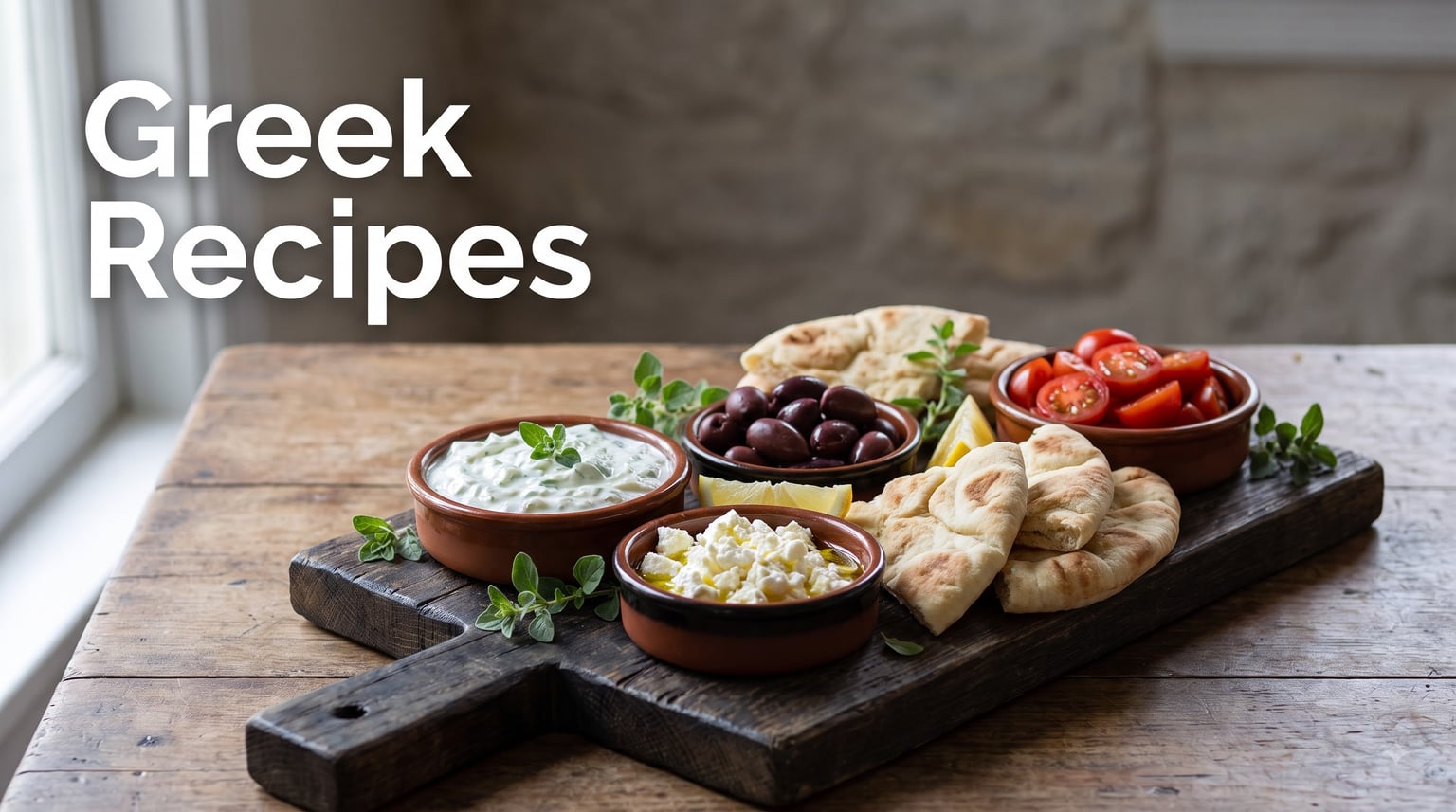
Greek recipes changed the way I cook at home. After years of experimenting with Mediterranean cooking and learning from Greek friends who grew up watching their grandmothers cook, I have collected the recipes that actually work in a home kitchen. These Greek recipes deliver the bold, fresh flavors you expect from a Greek taverna, using ingredients you can find at a regular grocery store.
Whether you are hunting for easy Greek recipes for a weeknight dinner or want to tackle something traditional like moussaka for a special occasion, this guide covers it all. I have organized everything by category, from appetizers and mezze to hearty main dishes, soups, and desserts. If you love Mediterranean recipes and want to add some authentic Greek flavors to your rotation, you are in the right place.
The beauty of Greek cuisine lies in its simplicity. You do not need fancy equipment or rare ingredients to make incredible Greek food at home. What you need is good olive oil, fresh herbs, and a willingness to let quality ingredients speak for themselves. Let me walk you through the essential ingredients, traditional dishes, and techniques that make Greek cooking so special.
Table of Contents
Essential Greek Ingredients Every Home Cook Needs
Greek cooking starts with a well-stocked pantry. Once you have these staples, you can make dozens of authentic Greek dishes without special shopping trips. I keep all of these on hand year-round.
Extra virgin olive oil is the backbone of every Greek recipe. Use it generously for cooking, dressing salads, and finishing dishes. Greek olive oil has a grassy, peppery flavor that defines the cuisine.
Feta cheese brings saltiness and creaminess. Real Greek feta is made from sheep’s milk or a blend of sheep and goat’s milk. It crumbles beautifully over salads and bakes into a golden crust in the oven.
Greek yogurt is thicker and tangier than regular yogurt because it is strained. Use it for tzatziki, marinades, and even baking. It is also a staple of the Mediterranean diet.
Kalamata olives add briny depth to salads and stews. Keep a jar in the fridge for instant Greek flavor.
Dried oregano is the most important herb in Greek cooking. Greek oregano has a more intense flavor than Italian varieties, so a little goes a long way. Other essential herbs include fresh dill, mint, and parsley.
Lemons appear in nearly every Greek dish. The juice brightens marinades and sauces, while the zest adds fragrance to desserts and dressings. Always use fresh lemons, never bottled juice.
Phyllo dough is the paper-thin pastry used for spanakopita, baklava, and other layered Greek dishes. You can find it frozen at most grocery stores. If you want to make something with fresh Mediterranean flavors, phyllo is worth keeping in your freezer.
Traditional Greek Appetizers and Mezze
Greek mezze is all about sharing small plates with good company. These appetizers are the heart of Greek hospitality, and most of them come together quickly. I love building a mezze platter for guests because everything can be prepared ahead of time.
Tzatziki: The Greek Yogurt and Cucumber Dip
Tzatziki is the first Greek dip most people fall in love with. It is cool, garlicky, and refreshing, made with strained Greek yogurt, grated cucumber, garlic, olive oil, and dill. The trick is grating the cucumber and squeezing out every drop of water before mixing it in.
Serve tzatziki with warm pita bread, grilled meats, or fresh vegetables. It also makes a fantastic sandwich spread. If you want a shortcut, check out the best store-bought tzatziki sauces we tested, but homemade is always worth the ten minutes it takes.
Spanakopita: Spinach and Feta Pie
Spanakopita is a golden, crispy phyllo pie filled with spinach, feta, leeks, and fresh herbs. I make this for gatherings because it feeds a crowd and tastes great at room temperature. The layers of buttered phyllo create a shatteringly crisp crust that contrasts beautifully with the creamy filling.
For beginners, frozen phyllo works perfectly. Just keep it covered with a damp towel while you work so it does not dry out and crack. Brush every layer with melted butter or olive oil for maximum crispness.
Dolmades: Stuffed Grape Leaves
Dolmades are tender grape leaves wrapped around a filling of rice, herbs, and sometimes ground meat. The vegetarian version is the most common in Greek home cooking, seasoned with dill, mint, and lemon. Rolling them takes practice, but the process is meditative once you find your rhythm.
Serve dolmades cold with a squeeze of lemon and a dollop of yogurt. They are a staple of any Greek mezze platter and pair wonderfully with a glass of crisp white wine.
Saganaki: Seared Greek Cheese
Saganaki is a pan-seared cheese appetizer that gets crispy on the outside and melty on the inside. Kefalograviera or halloumi works best because they hold their shape under high heat. A squeeze of lemon at the table is all it needs.
In Greek restaurants, the cheese is sometimes flamed with brandy and announced with a loud “opa!” At home, a hot cast iron skillet and a squeeze of lemon deliver the same drama without the fire hazard.
Classic Greek Salads That Taste Like Summer
Greek salads are meant to be simple. No lettuce, no fancy dressings, just ripe tomatoes, crisp cucumbers, and chunks of feta dressed with olive oil and oregano. This is horiatiki, the village salad that every Greek family makes in summer.
Horiatiki: The Authentic Greek Village Salad
A real Greek salad has tomatoes, cucumbers, red onion, green bell pepper, kalamata olives, and a thick slab of feta on top. The dressing is just olive oil, dried oregano, and a splash of red wine vinegar. The feta is not crumbled, it is served in one piece so everyone can break off their own piece.
The secret is using the best tomatoes you can find. In summer, ripe heirloom tomatoes make this salad unforgettable. In winter, cherry tomatoes work better because they hold more flavor.
Maroulosalata: Cabbage and Feta Salad
Maroulosalata is a shredded cabbage salad with dill, scallions, feta, and a lemony dressing. It is crunchy, light, and refreshing. I make it alongside heavier dishes to add freshness to the table. It comes together in five minutes and keeps well in the fridge.
Greek Recipes: Hearty Main Dishes for Dinner
These are the Greek recipes people search for most. They are the dishes you remember from Greek restaurants and family celebrations. Each one has roots in Greek home cooking, and I have adapted them for the average home kitchen without losing authenticity.
Moussaka: The Crown of Greek Casseroles
Moussaka is layered eggplant, spiced ground meat sauce, and a thick bechamel topping baked until golden. It is the most famous Greek main dish, and for good reason. The combination of tender eggplant, savory meat, and creamy bechamel is extraordinary.
This dish takes time, so plan ahead. Salting the eggplant slices draws out bitterness and helps them hold their shape. The meat sauce, called bolognese in Italy and khima in Greece, gets its flavor from cinnamon and a splash of red wine. The bechamel is enriched with egg yolks for a custardy texture.
I make moussaka for dinner parties because it actually tastes better the next day. Assemble it a day ahead, refrigerate overnight, and bake it fresh when guests arrive.
Pastitsio: Greek Baked Pasta
Pastitsio is sometimes called Greek lasagna. It layers bucatini pasta with spiced meat sauce and the same golden bechamel as moussaka. The pasta soaks up the sauce and the top gets crispy and golden in the oven.
If you love traditional ground beef recipes, pastitsio is a must-try. It is comforting, filling, and feeds a family of six easily. Like moussaka, it reheats beautifully for leftovers.
Chicken Souvlaki: Grilled Greek Chicken Skewers
Souvlaki is marinated chicken threaded onto skewers and grilled. The marinade is simple: olive oil, lemon juice, garlic, and dried oregano. Thirty minutes of marinating is enough, but overnight is even better.
Serve souvlaki with warm pita, tzatziki, sliced tomatoes, and red onion. It is one of the easiest Greek recipes for weeknight dinners because the grill does most of the work. You can also cook the skewers under the broiler if you do not have a grill.
Greek Lemon Chicken (Lemonato)
Lemonato is roasted chicken bathed in a lemon and garlic sauce that thickens in the oven. The chicken gets crispy skin while the sauce turns silky and tangy. Potatoes cooked in the same pan absorb all the flavors and become meltingly tender.
This is the kind of one-pan meal that makes Greek cooking so appealing. Everything goes in one dish, and the oven does the work. It is perfect for Sunday family dinners.
Keftedes: Greek Meatballs
Keftedes are juicy Greek meatballs made with ground beef and lamb, soaked bread, onions, and fresh herbs. They are pan-fried until golden and served with tzatziki or a simple tomato sauce. Every Greek family has their own version, and every version is delicious.
The secret to tender keftedes is soaking stale bread in milk and mixing it into the meat. This keeps the meatballs moist even after frying. Serve them as a main dish with rice or as part of a mezze spread.
Greek Soups and Comfort Food
Greek soups are underrated. They are warming, simple, and packed with the same Mediterranean flavors as the main dishes. I turn to these recipes when I want something nourishing without much effort.
Avgolemono: Greek Lemon Chicken Soup
Avgolemono is a silky chicken soup thickened with eggs and lemon instead of cream. The result is bright, rich, and deeply comforting. The technique of tempering eggs into hot broth creates a velvety texture that feels luxurious.
The key is adding the hot broth slowly to the beaten eggs so they do not scramble. Once you master this technique, you will use it for other Greek dishes too, including sauces for vegetables and meat.
Fasolada: Greek White Bean Soup
Fasolada is the national dish of Greece, and it is a humble white bean soup with tomatoes, olive oil, celery, and carrots. It is a staple of the Mediterranean diet and a perfect example of how Greek cooking turns simple ingredients into something special.
Soak the beans overnight for the best texture. A long, slow simmer lets the beans break down slightly and thicken the broth. Finish with a generous pour of olive oil and a handful of fresh parsley.
Horta: Braised Wild Greens
Horta is braised leafy greens dressed with olive oil and lemon. Greeks eat this as a side dish or a light meal. Dandelion greens, chard, or beet greens all work well. The slight bitterness is balanced by the lemon and olive oil.
Horta is one of the healthiest dishes in Greek cooking. It is also incredibly cheap to make, which is why it appears on healthy Mediterranean tables everywhere. Serve it warm or at room temperature.
Authentic Greek Desserts to Finish the Meal
Greek desserts are famous for honey, nuts, and phyllo. They are sweet without being heavy, and many of them pair beautifully with Greek coffee or a glass of dessert wine.
Baklava: Layers of Phyllo, Nuts, and Honey
Baklava is the most iconic Greek dessert. Layers of paper-thin phyllo are brushed with butter and layered with chopped walnuts and pistachios, then soaked in honey syrup scented with cinnamon and lemon. Each bite is crispy, nutty, and sweet.
The trick to great baklava is cutting it before baking so the syrup can seep into every layer. Pour the cooled syrup over the hot pastry straight from the oven for maximum absorption.
Galaktoboureko: Greek Custard Pie
Galaktoboureko is a semolina custard wrapped in crispy phyllo and soaked in lemon syrup. The contrast between the creamy custard and the crisp, syrupy phyllo is what makes this dessert special. It sounds complicated, but it is mostly waiting for things to bake and cool.
Loukoumades: Greek Honey Doughnuts
Loukoumades are small, puffy doughnuts fried until golden and drizzled with honey syrup and cinnamon. They are crispy on the outside and airy inside. Greeks eat them warm, dusted with crushed walnuts and a sprinkle of sesame seeds.
These are popular at Greek festivals and street markets. Making them at home is a fun weekend project, and the smell of honey and fried dough will make your whole house feel like a celebration.
Regional Greek Cuisine: Mainland vs Island Differences
Greek food is not one single cuisine. The mainland and the islands developed distinct cooking traditions based on what was available locally. Understanding these differences helps you appreciate why Greek recipes vary so much from region to region.
Mainland Greece leans toward hearty, meat-heavy dishes. Mountainous regions like Epirus specialize in savory pies, including meat pies and cheese pies. Thessaly is known for its spicy sausages and slow-cooked stews. The mainland’s colder climate means more preserved foods, cured meats, and baked dishes designed to sustain through winter.
The Greek islands reflect the sea. Crete is famous for its wild greens, snails, and liberal use of olive oil, possibly more than anywhere else in Greece. The Cyclades islands build their cuisine around fresh fish, fava beans, and locally made cheeses. The Ionian islands show Italian influence with pastas and tomato-based sauces that you do not see as much in the Aegean.
This regional diversity is one reason no single cookbook can capture all of Greek cuisine. When a recipe claims to be “the” authentic version, remember that there are probably a dozen authentic versions, each tied to a specific place and family tradition.
Greek Cooking Tips for Beginners
Starting with Greek cooking can feel intimidating, but the techniques are simpler than they look. These tips come from years of trial and error, plus advice from Greek home cooks who have been making these dishes their whole lives.
Start simple. Tzatziki, horiatiki salad, and chicken souvlaki are the easiest entry points. Master these three and you will have the confidence to tackle more complex dishes.
Invest in good olive oil. This one ingredient makes or breaks Greek food. A bottle of good extra virgin Greek olive oil costs a bit more, but it transforms every dish you make.
Do not overcomplicate seasoning. Greek cooking relies on a small number of herbs and spices used well. Oregano, garlic, lemon, cinnamon, and dill cover most of what you need. Resist the urge to add twenty spices to a dish that only needs three.
Learn to work with phyllo. Keep it covered with a damp towel, work quickly, and do not worry if a sheet tears. Once it bakes, no one can see the imperfections.
Make extras. Greek dishes like moussaka, pastitsio, and fasolada taste better the next day. Cook once and enjoy twice.
Frequently Asked Questions
What are the most popular traditional Greek dishes?
The most popular traditional Greek dishes include moussaka (layered eggplant and meat casserole), souvlaki (grilled meat skewers), spanakopita (spinach and feta pie), tzatziki (yogurt and cucumber dip), pastitsio (Greek baked pasta), dolmades (stuffed grape leaves), and baklava (honey and nut pastry). Greek salad, known as horiatiki, is also one of the most widely recognized Greek dishes worldwide.
How do I make Greek food taste authentic?
To make Greek food taste authentic, use high-quality extra virgin olive oil generously, fresh lemon juice instead of bottled, real Greek feta made from sheep’s milk, and Greek oregano for its intense flavor. Avoid over-seasoning. Greek cooking depends on a few quality ingredients rather than complex spice blends. Marinating meats overnight in olive oil, lemon, garlic, and oregano also makes a big difference.
What are the easiest Greek recipes for beginners?
The easiest Greek recipes for beginners are tzatziki (10 minutes, no cooking), horiatiki Greek salad (15 minutes, no cooking), chicken souvlaki (30 minutes with marinating), and gigantes plaki (baked giant beans). These recipes use common ingredients and simple techniques while delivering authentic Greek flavors.
What ingredients are essential for Greek cooking?
Essential Greek cooking ingredients include extra virgin olive oil, feta cheese, Greek yogurt, lemons, dried oregano, fresh dill and parsley, kalamata olives, garlic, phyllo dough, and honey. With these staples, you can make the majority of traditional Greek recipes. Optional but helpful additions include grape leaves, semolina, and mastiha.
What is the difference between Greek and Mediterranean food?
Greek food is a specific regional cuisine within the broader Mediterranean food category. While Mediterranean food encompasses Italian, Spanish, Lebanese, and other regional cuisines, Greek food has its own distinct characteristics: heavier use of oregano and dill, phyllo-based pastries, lamb and goat dishes, feta as the primary cheese, and specific dishes like moussaka, souvlaki, and avgolemono that are uniquely Greek.
Can I make Greek recipes if I cannot find authentic Greek ingredients?
Yes. Most Greek recipes can be made with substitutions. Use Pecorino Romano if you cannot find real Greek feta. Regular plain yogurt strained through cheesecloth works in place of Greek yogurt. Italian oregano is less intense but still works. Regular honey substitutes for Greek honey. The key is maintaining the flavor balance of olive oil, lemon, and herbs that defines Greek cooking.
Is Greek food healthy?
Greek food is considered one of the healthiest cuisines in the world and forms a core part of the Mediterranean diet. It emphasizes vegetables, legumes, olive oil, fish, and moderate amounts of meat and dairy. Studies link the Mediterranean diet to lower rates of heart disease and longer lifespans. Dishes like fasolada, horta, and horiatiki salad are especially nutritious.
Conclusion
Greek recipes offer something for every home cook, from the simplicity of a fresh horiatiki salad to the satisfying complexity of a layered moussaka. The common thread is respect for good ingredients and the confidence to let them shine without overcomplicating things. That is what makes Greek cooking so approachable, even for beginners.
Start with the easy recipes like tzatziki and souvlaki, then work your way toward the dishes that take more time. Stock your pantry with quality olive oil, feta, and oregano, and you will be ready to cook Greek food any night of the week. These Greek recipes have become staples in my kitchen, and I am confident they will in yours too.
The best way to learn Greek cooking is simply to start. Pick one recipe from this guide, grab your ingredients, and get cooking. Before long, you will be building mezze platters for friends and family like you grew up in a Greek kitchen.