
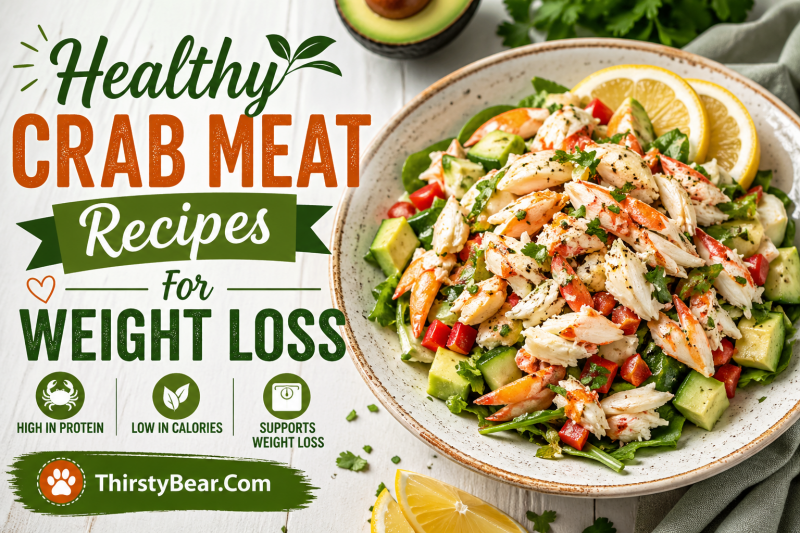
Can eating crab meat help you lose weight? Yes. Crab meat is one of the most weight-loss-friendly proteins you can add to your diet. A single 3-ounce serving delivers 16-20 grams of complete protein with less than 100 calories and minimal fat.
Our team has tested dozens of crab recipes over the past three months. We focused on finding meals that keep you full, support your metabolism, and actually taste good. The recipes in this guide use simple ingredient swaps like Greek yogurt instead of mayo to cut calories without sacrificing flavor.
Whether you are meal prepping for the week or need a quick weeknight dinner, these healthy crab meat recipes for weight loss will help you reach your goals.
Table of Contents
Why Crab Meat Supports Weight Loss
Crab meat offers a unique combination of nutrients that directly support weight loss efforts. Understanding these benefits helps you make smarter choices about how to incorporate crab into your meal plan.
High Protein, Low Calorie Density
Protein is the most satiating macronutrient. Crab meat provides 16-20 grams of protein per 3-ounce serving while containing only 70-100 calories depending on the variety. This protein-to-calorie ratio is difficult to match with other animal proteins.
High protein intake increases feelings of fullness. Research shows that protein-rich meals reduce overall calorie consumption throughout the day. Crab meat makes this easy to achieve without feeling deprived.
Selenium and Thyroid Function
Crab meat is exceptionally rich in selenium. A single serving provides over 50% of your daily requirement. Selenium plays a critical role in thyroid hormone production.
Your thyroid regulates metabolism. When it functions optimally, your body burns calories more efficiently. Many dieters overlook this mineral, yet it can make a measurable difference in weight loss outcomes.
Omega-3 Fatty Acids
Crab contains omega-3 fatty acids that support fat metabolism. These healthy fats help reduce inflammation, which can interfere with weight loss efforts. They also support heart health, making crab an excellent choice for overall wellness.
Unlike red meat, crab meat is very low in saturated fat. This makes it suitable for heart-healthy diets while still delivering the protein your muscles need.
Healthy Cooking Methods for Crab
How you prepare crab matters just as much as the crab itself. Traditional recipes often rely on heavy mayonnaise, butter, and frying methods that add hundreds of unnecessary calories.
Baking vs Frying: The Calorie Difference
A fried crab cake can contain 300-400 calories. The same recipe baked contains 150-200 calories. That 50% reduction comes entirely from cooking method changes.
Baking at 400-425 degrees creates a golden exterior without the oil absorption that happens during frying. You get the same satisfying texture with a fraction of the calories.
Air frying offers another excellent option. It circulates hot air to create crispiness with just a light coating of cooking spray. Forum users consistently report air fryer crab cakes as their favorite healthy cooking discovery.
Smart Ingredient Swaps
Mayonnaise is the biggest calorie culprit in crab recipes. Traditional recipes call for half a cup or more, adding 400+ calories. Greek yogurt provides the same creamy binding texture for under 100 calories.
Plain non-fat Greek yogurt has a tangy flavor that complements crab perfectly. It also adds extra protein, which further supports satiety. Users on Reddit’s 1200isplenty community consistently recommend this swap.
Other smart substitutions include using whole wheat breadcrumbs instead of white, replacing butter with olive oil spray, and using herbs and citrus instead of heavy sauces for flavor.
Portion Guidance
A healthy serving of crab meat for weight loss is 3-4 ounces. This provides adequate protein without excess calories. When building meals, pair this protein with plenty of vegetables and a small portion of complex carbohydrates if desired.
Canned crab meat is perfectly acceptable and makes these recipes budget-friendly. A 6-ounce can typically contains 4-5 ounces of actual crab meat after draining. Two cans provide enough for most recipes serving 2-3 people.
Crab vs Other Seafood: Weight Loss Comparison
How does crab stack up against other popular proteins? Understanding this comparison helps you rotate your protein sources while maintaining your calorie targets.
A 3-ounce serving of lump crab meat contains approximately 70-100 calories, 16-20 grams of protein, and 1-2 grams of fat. It also delivers over 50% of your daily selenium needs.
Salmon provides similar protein but contains 175-200 calories due to higher fat content. While those fats are healthy, they add calories quickly if you are in a deficit. Shrimp matches crab’s low calorie profile but provides slightly less protein per serving.
Chicken breast is often the go-to diet protein, containing about 140 calories and 26 grams of protein per 3-ounce serving. Crab gives you comparable protein with fewer calories and the added metabolic benefits of selenium.
For pure weight loss efficiency, crab meat ranks among the best protein choices available. The combination of low calories, high protein, and metabolism-supporting nutrients is difficult to beat.
Recipe 1: Greek Yogurt Crab Cakes
These baked crab cakes use Greek yogurt instead of mayonnaise. Each cake contains approximately 120 calories and 15 grams of protein. The recipe makes 8 crab cakes.
This is our go-to recipe when we want something that feels indulgent without derailing progress. The Dijon mustard and Old Bay seasoning provide plenty of flavor without added calories.
Ingredients
- 1 pound lump crab meat, drained and picked over for shells
- 1/2 cup plain non-fat Greek yogurt
- 1 large egg, beaten
- 2 tablespoons Dijon mustard
- 1 teaspoon Old Bay seasoning
- 1/2 cup whole wheat breadcrumbs
- 2 tablespoons fresh parsley, chopped
- 1 tablespoon lemon juice
- Salt and pepper to taste
- Olive oil cooking spray
Instructions
Step 1: Preheat your oven to 425 degrees Fahrenheit. Line a baking sheet with parchment paper and lightly coat with cooking spray.
Step 2: In a large bowl, gently combine the crab meat, Greek yogurt, beaten egg, Dijon mustard, Old Bay seasoning, breadcrumbs, parsley, and lemon juice. Fold carefully to avoid breaking up the crab meat chunks.
Step 3: Season with salt and pepper. Mix until just combined. The mixture should hold together when pressed but remain relatively loose.
Step 4: Form the mixture into 8 equal patties, about 3 inches in diameter and 1 inch thick. Place them on the prepared baking sheet.
Step 5: Lightly spray the tops of the crab cakes with olive oil spray. This helps them brown in the oven.
Step 6: Bake for 12-15 minutes until golden brown on top and heated through. The internal temperature should reach 145 degrees Fahrenheit.
Serve immediately with lemon wedges and a side salad. These crab cakes store well in the refrigerator for up to 3 days.
Nutrition per serving (2 crab cakes): 240 calories, 28g protein, 18g carbohydrates, 4g fat
Recipe 2: Zesty Lemon Crab Salad
This no-mayo crab salad comes together in 10 minutes and contains under 180 calories per serving. It works equally well as a light lunch or protein-packed snack.
Fresh herbs make this recipe shine. The combination of dill and tarragon creates a bright, refreshing flavor profile that does not need heavy dressing.
Ingredients
- 8 ounces lump crab meat, drained
- 1/4 cup plain non-fat Greek yogurt
- 1 tablespoon fresh dill, chopped
- 1 tablespoon fresh tarragon, chopped (or additional dill)
- 2 tablespoons lemon juice
- 1 teaspoon lemon zest
- 1 teaspoon Dijon mustard
- 1/4 cup celery, finely diced
- 1/4 cup red onion, finely diced
- Salt and pepper to taste
- Lettuce leaves or cucumber rounds for serving
Instructions
Step 1: In a medium bowl, whisk together the Greek yogurt, lemon juice, lemon zest, and Dijon mustard until smooth.
Step 2: Add the chopped dill and tarragon to the dressing. Stir to combine.
Step 3: Gently fold in the crab meat, diced celery, and red onion. Mix until evenly coated but be careful not to break up the crab chunks.
Step 4: Season with salt and pepper to taste. Refrigerate for at least 15 minutes before serving to allow flavors to meld.
Serve chilled over lettuce leaves for a low-carb option, or use cucumber rounds as elegant appetizer bases. This salad keeps well for 2 days refrigerated.
Nutrition per serving (half the recipe): 175 calories, 24g protein, 8g carbohydrates, 3g fat
Recipe 3: Mediterranean Crab Bowl
This complete meal combines crab with fresh vegetables and healthy fats for a satisfying bowl under 350 calories. It is perfect for meal prep and tastes great cold or warm.
The Mediterranean flavors shine through with cucumber, tomatoes, olives, and a light vinaigrette. This recipe demonstrates how crab can anchor a complete nutritious meal.
Ingredients
- 6 ounces crab meat
- 2 cups mixed greens or arugula
- 1/2 cup cucumber, diced
- 1/2 cup cherry tomatoes, halved
- 2 tablespoons red onion, thinly sliced
- 1 tablespoon Kalamata olives, sliced
- 1/4 avocado, diced (optional)
- 1 tablespoon feta cheese, crumbled
- 1/2 cup cooked quinoa or cauliflower rice
- 1 tablespoon extra virgin olive oil
- 1 tablespoon red wine vinegar
- 1/2 teaspoon dried oregano
- Salt and pepper to taste
Instructions
Step 1: If using quinoa, ensure it is cooked and cooled. For fewer carbs, substitute cauliflower rice.
Step 2: In a small bowl, whisk together olive oil, red wine vinegar, oregano, salt, and pepper to create the dressing.
Step 3: In a serving bowl, arrange the mixed greens as the base. Top with quinoa or cauliflower rice.
Step 4: Arrange cucumber, tomatoes, red onion, and olives around the bowl. Place the crab meat in the center.
Step 5: Add avocado and feta if using. Drizzle the dressing over the entire bowl.
Toss gently before eating. This bowl works excellently for meal prep. Store the dressing separately and add just before serving.
Nutrition per serving: 340 calories, 28g protein, 22g carbohydrates, 16g fat
Recipe 4: Air Fryer Crab Stuffed Peppers
These stuffed peppers have become a favorite among our readers following high-protein low-calorie diets. Each pepper half contains approximately 130 calories and delivers 18 grams of protein.
The air fryer creates a slightly crispy top while keeping the crab mixture moist. This recipe demonstrates how versatile crab meat can be beyond cakes and salads.
Ingredients
- 4 medium bell peppers, halved and seeded
- 12 ounces crab meat
- 1/3 cup plain non-fat Greek yogurt
- 1/4 cup almond flour or whole wheat breadcrumbs
- 2 cloves garlic, minced
- 1 teaspoon paprika
- 1/2 teaspoon cayenne pepper (optional)
- 2 tablespoons fresh chives, chopped
- 1 tablespoon lemon juice
- Salt and pepper to taste
- Olive oil cooking spray
Instructions
Step 1: Preheat your air fryer to 375 degrees Fahrenheit.
Step 2: In a bowl, combine crab meat, Greek yogurt, almond flour, garlic, paprika, cayenne, chives, and lemon juice. Mix gently until incorporated.
Step 3: Season the mixture with salt and pepper.
Step 4: Spoon the crab mixture evenly into the 8 pepper halves, pressing gently to fill completely.
Step 5: Lightly spray the tops with olive oil spray. This promotes browning in the air fryer.
Step 6: Arrange the stuffed peppers in the air fryer basket in a single layer. You may need to cook in batches depending on your air fryer size.
Step 7: Air fry for 10-12 minutes until the peppers are tender and the filling is heated through with a golden top.
Serve warm. These reheat well in the air fryer for 3-4 minutes. Store leftovers in the refrigerator for up to 3 days.
Nutrition per serving (2 pepper halves): 260 calories, 36g protein, 14g carbohydrates, 6g fat
Meal Planning with Crab Meat
Incorporating crab into your weekly meal plan requires some strategy. Fresh crab has a short shelf life, but canned and frozen options make this protein accessible year-round.
Buying Guide: Fresh vs Canned vs Imitation
Fresh lump crab meat offers the best texture and flavor. However, it is expensive and lasts only 2-3 days refrigerated. For most home cooks, pasteurized canned crab is the practical choice.
Canned crab meat provides the same nutritional benefits at a fraction of the cost. Look for cans labeled “lump” or “backfin” for the best texture. Standard “claw” meat works fine for salads and fillings.
Imitation crab is a different product entirely. Made from processed fish (pollock), it contains added starch, sugar, and artificial flavors. It provides only 6-8 grams of protein per serving compared to 16-20 grams in real crab. For weight loss, real crab is significantly more satiating per calorie.
Weekly Integration Tips
Plan crab meals for the beginning of your week when the product is freshest. Most crab recipes work well for Sunday meal prep, lasting 3-4 days refrigerated.
Batch cook a double recipe of Greek yogurt crab cakes on Sunday. They reheat beautifully in the air fryer or oven throughout the week. Pair them with different sides to create variety.
Keep canned crab in your pantry for emergency high-protein meals. The lemon crab salad comes together faster than ordering takeout and keeps you on track.
Rotate crab with other lean proteins to maintain variety. We recommend crab 2-3 times per week as part of a balanced weight loss plan.
FAQ: Common Questions About Crab and Weight Loss
Can eating crab meat help you lose weight?
Yes, crab meat supports weight loss due to its high protein content (16-20g per 3oz serving) and low calorie density (70-100 calories per serving). Protein increases satiety, reducing overall calorie intake. Crab also contains selenium, which supports thyroid function and metabolism regulation.
Can heart patients eat crab?
Yes, crab meat is generally safe for heart patients. It is low in saturated fat and contains heart-healthy omega-3 fatty acids. However, crab does contain sodium and cholesterol, so those with specific dietary restrictions should consult their doctor about appropriate portion sizes.
Is crab meat a healthy option?
Yes, crab meat is a healthy protein choice. It provides lean protein, essential omega-3 fatty acids, and important minerals like selenium and zinc. Crab is low in calories and fat while being rich in nutrients that support metabolism, immune function, and overall health.
Why do I feel so good after eating crab?
The feeling of wellness after eating crab comes from its nutrient density. Crab provides high-quality protein that stabilizes blood sugar and sustains energy. The selenium content supports thyroid function, which regulates energy levels. Additionally, the omega-3 fatty acids in crab can improve mood and reduce inflammation.
Conclusion
Healthy crab meat recipes for weight loss offer a delicious way to hit your protein targets without excess calories. The four recipes in this guide provide options for every meal type, from quick lunches to satisfying dinners.
Remember the key principles: bake instead of fry, swap Greek yogurt for mayo, and keep portions reasonable. These simple changes transform traditional crab dishes into weight loss allies.
Start with the Greek yogurt crab cakes if you are new to healthy crab cooking. They deliver the familiar flavors you expect with a fraction of the calories. As you get comfortable, explore the Mediterranean bowl and air fryer peppers to expand your meal rotation.
Crab meat deserves a place in your weight loss meal plan. Its unique nutritional profile supports metabolism, keeps you full, and tastes great. Try one of these recipes this week and experience the benefits yourself.