
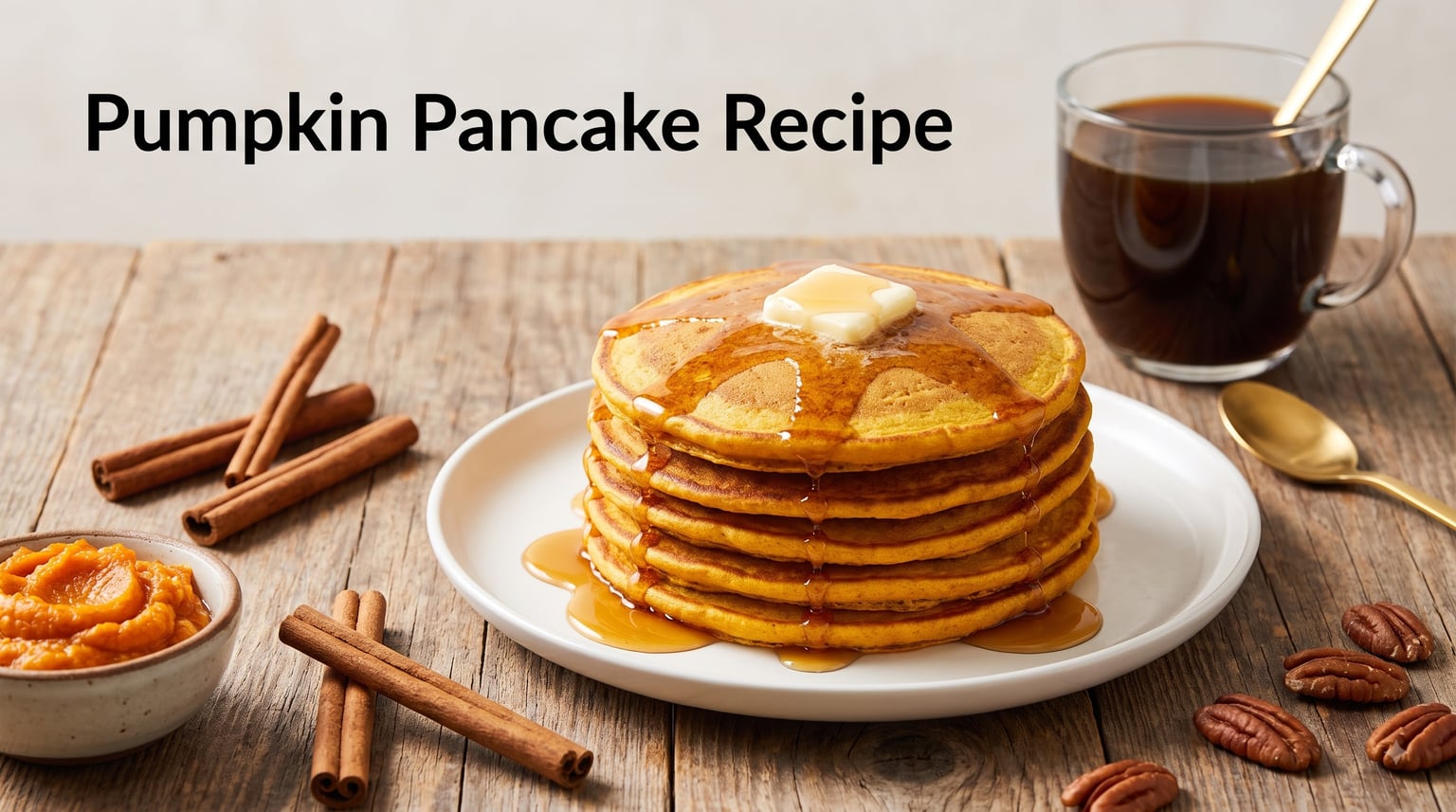
There is something magical about a stack of warm pumpkin pancakes on a crisp autumn morning. The smell of cinnamon, ginger, and nutmeg filling the kitchen is enough to get anyone out of bed. This pumpkin pancake recipe brings together everything great about fall breakfast in one fluffy, golden stack.
After testing this recipe more times than I can count, I have dialed in the exact ratio of pumpkin puree to flour, the right leavening combo, and the perfect griddle temperature. The result is pancakes that are tender on the inside with crispy edges and serious pumpkin flavor. Not dense. Not gummy. Just light, fluffy, and packed with warm spices.
You do not need any special equipment or hard-to-find ingredients. Everything here is probably in your pantry right now. If you have ever struggled with dense pumpkin pancakes or undercooked centers, this guide walks you through every detail to get it right the first time.
If you want to start with our foundational techniques before adding pumpkin, check out our basic pancake recipe for the core principles that make any stack fluffy. Then come back here and let us turn those skills into the best pumpkin pancakes you have ever made.
Here is what we cover: the complete ingredient list with measurements, step-by-step instructions, pro tips for fluffy texture, a full troubleshooting section for common problems, dietary variations, topping ideas, make-ahead instructions, and nutrition information. This is the only pumpkin pancake recipe guide you need.
Table of Contents
Ingredients You Need for the Best Pumpkin Pancake Recipe
The secret to a great pumpkin pancake recipe is balancing the added moisture from pumpkin puree with the right amount of flour and leavening agents. Too much pumpkin and you get dense, wet pancakes. Too little and the flavor disappears. Here is the exact ingredient list we use every single time.
Dry Ingredients
2 cups all-purpose flour
2 tablespoons brown sugar (packed)
2 teaspoons baking powder
1 teaspoon baking soda
1 teaspoon ground cinnamon
1/2 teaspoon ground ginger
1/2 teaspoon ground nutmeg
1/4 teaspoon ground allspice or cloves
1/2 teaspoon salt
Wet Ingredients
1 cup pumpkin puree (not pumpkin pie filling)
1 and 1/2 cups buttermilk (whole milk works too)
2 large eggs
3 tablespoons unsalted butter, melted and slightly cooled
1 teaspoon vanilla extract
That combination of baking powder and baking soda is not accidental. The baking soda reacts with the acidic buttermilk and pumpkin to create lift. The baking powder adds additional rise on its own. Together they produce the fluffiest texture possible when working with heavy, moist pumpkin puree.
Pumpkin Puree vs Pumpkin Pie Filling
This is the number one mistake people make. Pumpkin puree is 100 percent cooked, mashed pumpkin with nothing added. Pumpkin pie filling has sugar, spices, and other flavorings already mixed in. If you accidentally grab the pie filling, your pancakes will be overly sweet and oddly spiced. Always look for the label that says 100 percent pure pumpkin.
Fresh Pumpkin vs Canned Pumpkin
Canned pumpkin is consistent, convenient, and works perfectly every time. Fresh pumpkin can deliver incredible flavor but has more moisture variability. If you use fresh pumpkin, roast it and drain any excess liquid before measuring. For most home cooks, canned pumpkin is the way to go for reliable results.
You can substitute 2 teaspoons of pumpkin pie spice for the cinnamon, ginger, nutmeg, and allspice if you want to simplify. But measuring each spice individually gives you more control over the final flavor profile.
How to Make Pumpkin Pancakes from Scratch?
Making this pumpkin pancake recipe is straightforward once you understand the process. The key is mixing the wet and dry ingredients separately, combining them gently, and letting the batter rest before cooking. Follow these steps exactly for the best results.
Step 1: Whisk the Dry Ingredients
In a large bowl, whisk together the flour, brown sugar, baking powder, baking soda, cinnamon, ginger, nutmeg, allspice, and salt. Whisk vigorously for about 30 seconds to aerate the flour and distribute the leavening agents evenly. This step matters more than people think because it prevents clumps of baking soda in your finished pancakes.
Step 2: Combine the Wet Ingredients
In a separate medium bowl, whisk the pumpkin puree, buttermilk, eggs, melted butter, and vanilla extract until completely smooth. The pumpkin should be fully incorporated with no streaks. If your pumpkin puree is particularly thick, add an extra tablespoon of buttermilk to thin the mixture slightly.
Step 3: Mix Wet and Dry (Gently)
Pour the wet ingredients into the dry ingredients. Using a spatula or wooden spoon, fold them together with gentle strokes. Stop mixing while the batter is still lumpy. Overmixing develops gluten and creates tough, flat pancakes. A few lumps are perfectly fine and actually desirable.
Step 4: Let the Batter Rest
Let the batter sit for 5 to 10 minutes before cooking. This rest period lets the flour hydrate, the baking soda activate with the buttermilk, and the gluten relax. You will see bubbles start to form on the surface. That means the leavening is working and your pancakes will be fluffy.
Step 5: Heat the Griddle
Heat a large non-stick griddle or skillet over medium heat. Test the temperature by flicking a few drops of water on the surface. If they dance and evaporate within a couple seconds, the griddle is ready. Lightly coat the surface with cooking spray or a small amount of butter.
Step 6: Cook the Pancakes
Ladle about 1/4 cup of batter per pancake onto the hot griddle. The batter will be thick, so use the back of the ladle to gently spread each pancake into a circle about 4 inches across. Cook for 2 to 3 minutes until you see bubbles forming across the surface and the edges look set.
Flip carefully with a thin spatula and cook for another 1 to 2 minutes on the second side. The pancake should be golden brown on both sides and spring back lightly when touched. Serve immediately or keep warm on a plate in a 200 degree Fahrenheit oven while you cook the rest.
Tips for Fluffy Pumpkin Pancakes Every Time
Pumpkin adds moisture and weight to pancake batter, which makes achieving fluffiness harder than with regular pancakes. These tips come from months of testing and from conversations with home cooks who shared their struggles on cooking forums. Follow them and your pancakes will be tall, light, and tender.
Do Not Overmix the Batter
This is the golden rule of pancake making. Mix until the dry ingredients are just barely incorporated into the wet. Lumps are your friend. When you overmix, you develop the gluten in the flour, which makes the pancakes chewy and dense instead of fluffy and tender.
Use Buttermilk for Extra Lift
Buttermilk is slightly acidic, which reacts with the baking soda to create carbon dioxide bubbles. Those bubbles are what make your pancakes rise. If you do not have buttermilk, add 1 tablespoon of white vinegar or lemon juice to regular milk and let it sit for 5 minutes.
Rest the Batter
A 5 to 10 minute rest lets the flour absorb liquid and the leavening activate. You will actually see the batter thicken and bubble slightly during this time. Skipping the rest leads to pancakes that spread too thin and do not rise properly.
Cook at the Right Temperature
Medium heat is the sweet spot for pumpkin pancakes. Too hot and the outside burns before the inside cooks through. Too low and the pancakes dry out and get rubbery. The water drop test is the most reliable way to check without a thermometer.
Do Not Press Down After Flipping
This one sounds obvious but it is a common mistake. Pressing the spatula down on the pancake after flipping squeezes out all the air bubbles you worked so hard to create. Let the pancake cook undisturbed on the second side.
Measure the Pumpkin Carefully
Pumpkin puree is dense and moist. Adding even an extra tablespoon can throw off the liquid-to-flour ratio and make your pancakes gummy. Use a measuring cup designed for wet ingredients and level it off precisely.
Troubleshooting Common Pumpkin Pancake Problems
After reading through hundreds of forum posts and recipe comments, the same problems come up over and over. Dense pancakes, raw centers, sticking, and weak pumpkin flavor are the top complaints. Here is how to fix every one of them.
Why Are My Pumpkin Pancakes Dense?
Dense pancakes usually come from one of three causes: too much pumpkin puree, overmixing the batter, or not enough leavening. Measure the pumpkin precisely and do not pack it into the measuring cup. Mix the batter gently and stop while it is still lumpy. Make sure your baking powder and baking soda are fresh and used in the right amounts.
Undercooked Centers in Thick Pancakes
If your pancakes are golden on the outside but raw in the middle, your heat is too high or your pancakes are too thick. Lower the heat slightly and spread the batter thinner with the back of your ladle. You can also cover the pan with a lid for 30 seconds to trap heat and cook the center faster.
Batter Is Too Thick to Spread
Pumpkin batter is naturally thicker than regular pancake batter. But if it will not spread at all, add buttermilk one tablespoon at a time until it reaches a pourable but still thick consistency. Do not thin it too much or the pancakes will spread flat and cook up thin.
Pancakes Sticking to the Pan
Cast iron users report sticking more than anyone else. Make sure your pan is well seasoned and fully preheated before adding batter. A thin coat of butter or cooking spray between each batch helps. Non-stick pans are the easiest surface for beginners. Let the pancake cook fully on the first side before attempting to flip, as it will release naturally when ready.
Burnt Edges with Raw Centers
This means your griddle is too hot. Drop the temperature to medium-low and give the pan a minute to cool down. Spread the batter slightly thinner. The pancake should take 2 to 3 minutes per side at the right temperature.
Not Enough Pumpkin Flavor
If your pancakes taste like regular pancakes with a hint of pumpkin, you need to boost the spices. Try adding an extra 1/4 teaspoon of cinnamon and a pinch more ginger. You can also increase the pumpkin puree by 2 tablespoons, but compensate by adding an extra tablespoon of flour to maintain the right consistency.
Delicious Variations and Dietary Substitutions
One of the best things about this pumpkin pancake recipe is how adaptable it is. Whether you want chocolate chips, a vegan version, or a protein boost, there is a variation that works. Here are the most popular modifications from our testing and from home cooks who have shared their adaptations.
Chocolate Chip Pumpkin Pancakes
Add 1/2 cup of semi-sweet chocolate chips to the batter right after mixing the wet and dry ingredients. Fold them in gently. The chocolate melts slightly during cooking and pairs beautifully with the warm spices. This is the most requested variation in our test kitchen.
Vegan Pumpkin Pancakes
Replace the buttermilk with 1 and 1/2 cups of plant-based milk plus 1 tablespoon of apple cider vinegar. Swap the eggs for 2 flax eggs (1 tablespoon ground flaxseed mixed with 3 tablespoons water per egg, rested for 5 minutes). Use coconut oil instead of butter. The texture will be slightly denser but still delicious.
Gluten-Free Pumpkin Pancakes
Use a 1-to-1 gluten-free flour blend in place of the all-purpose flour. Make sure your blend includes xanthan gum for structure. The rest of the recipe stays the same. For readers managing dietary restrictions, our low histamine recipe collection includes additional pancake variations worth exploring.
Protein Pumpkin Pancakes
Add 1 scoop of vanilla or unflavored protein powder and reduce the flour by 2 tablespoons. You may need an extra splash of buttermilk to keep the batter at the right consistency. This is a popular modification in fitness communities and adds about 20 grams of protein per batch.
Pumpkin Pancakes Using Pancake Mix
Yes, you can use a boxed pancake mix as a shortcut. For every 2 cups of dry mix, add 1/3 cup of pumpkin puree, 1/2 teaspoon of cinnamon, and 1/4 teaspoon of pumpkin pie spice. Reduce the liquid called for on the box by about 3 tablespoons since the pumpkin adds moisture. The result is not quite as fluffy as from scratch but still tasty.
Three-Ingredient Simplified Version
For the simplest version possible, combine 1 cup of pancake mix, 1/2 cup of pumpkin puree, and enough milk to reach pourable consistency. Add a dash of cinnamon if you have it. These will be denser than the full recipe but work in a pinch for a quick weekday breakfast.
Pumpkin Pancakes with Oats
Replace 1/2 cup of flour with 1/2 cup of old-fashioned oats. Let the batter rest an extra 5 minutes so the oats can soften. This adds fiber and a slightly chewy texture that many people love.
Best Toppings and Serving Suggestions
The right toppings take your pumpkin pancakes from good to unforgettable. Classic maple syrup is always a winner, but there are so many other options worth trying. Here are our favorite topping combinations and serving ideas.
Classic Maple Syrup and Butter
You cannot go wrong with real maple syrup and a pat of butter. Use grade A dark maple syrup if you can find it because the robust flavor stands up to the pumpkin spices. Warm the syrup slightly before pouring for the best experience.
Whipped Cream and Toasted Pecans
A dollop of freshly whipped cream and a handful of toasted pecans add richness and crunch. Toast the pecans in a dry skillet over medium heat for 3 to 4 minutes until fragrant. This combination turns breakfast into dessert.
Apple Pie Filling
For a double dose of fall flavor, top your pancakes with warm apple pie filling. The cinnamon-spiced apples complement the pumpkin perfectly and make the whole plate taste like autumn. This is one of our favorite seasonal pairings.
Date Syrup as a Natural Alternative
If you want to skip refined sugar, date syrup is an incredible natural pancake topping. It has a deep, caramel-like sweetness that pairs wonderfully with pumpkin spice. Drizzle it sparingly because it is more intensely flavored than maple syrup.
Yogurt and Honey
A scoop of Greek yogurt with a drizzle of honey adds protein and a pleasant tanginess that cuts through the richness of the pancakes. Add a sprinkle of granola for crunch.
Brunch Pairing Ideas
Pumpkin pancakes shine at brunch. Pair them with a side of crispy bacon or sausage for a savory contrast. For drinks, our brunch cocktail pairings guide has excellent ideas including mimosas and warm apple cider that complement the fall flavors beautifully.
Make-Ahead and Meal Prep Instructions
This pumpkin pancake recipe is perfect for meal prep. You can make a double batch on Sunday and have breakfast ready for the entire week. None of the competitors we analyzed cover make-ahead prep in depth, so here is everything you need to know.
Freezing Cooked Pancakes
Let the cooked pancakes cool completely on a wire rack. Place them in a single layer on a baking sheet and freeze for 1 hour until solid. Transfer to a freezer-safe bag with parchment paper between each pancake to prevent sticking. They will keep for up to 3 months.
Reheating Frozen Pancakes
The best reheating method is a toaster. Pop frozen pancakes straight into the toaster on a medium setting. They come out warm and slightly crispy, almost like they were freshly made. You can also microwave them for 30 to 45 seconds, but the texture will be softer.
Storing Batter in the Fridge
You can mix the batter the night before and store it covered in the refrigerator. The baking soda will lose some of its lift overnight, so add an extra 1/4 teaspoon right before cooking. The batter will keep for up to 24 hours.
Refrigerating Cooked Pancakes
Cooked pumpkin pancakes will last 3 to 4 days in an airtight container in the refrigerator. Reheat in the microwave for 20 to 30 seconds or in a warm skillet. They make an excellent grab-and-go weekday breakfast.
Nutritional Benefits of Pumpkin Pancakes
Pumpkin is not just delicious, it is also packed with nutrients. Adding it to your morning pancakes is an easy way to sneak more vitamins into your breakfast. Here is what you get in every serving.
One cup of pumpkin puree contains about 245 percent of your daily vitamin A needs. Vitamin A supports eye health, immune function, and skin integrity. Pumpkin is also rich in beta-carotene, a powerful antioxidant that gives pumpkin its orange color and helps protect your cells from damage.
Pumpkin provides about 7 grams of fiber per cup, which helps with digestion and keeps you feeling full longer. It also contains vitamin C, vitamin E, iron, and potassium. These nutrients support immune health and help regulate blood pressure.
Some research suggests that the antioxidants in pumpkin may have anti-inflammatory properties. While pumpkin pancakes are still a treat food, they deliver more nutritional value than plain pancakes. Using whole grain flour or oats can further boost the fiber content.
Per pancake (without toppings), this recipe contains approximately 140 calories, 4 grams of protein, 20 grams of carbohydrates, and 5 grams of fat. Adding toppings will increase these numbers, so adjust based on your dietary goals.
Frequently Asked Questions
Can I just add pumpkin to pancake mix?
Yes, you can add pumpkin directly to pancake mix. For every 2 cups of dry mix, add 1/3 cup of pumpkin puree and reduce the liquid by about 3 tablespoons. Add 1/2 teaspoon of cinnamon and 1/4 teaspoon of pumpkin pie spice for extra flavor. The pancakes will be slightly denser than the from-scratch version but still delicious.
How much pumpkin puree should I add to my pancake mix?
Add 1/3 cup of pumpkin puree for every 2 cups of dry pancake mix. Reduce the liquid called for on the package by 3 tablespoons because pumpkin adds significant moisture. Start with this ratio and adjust to taste.
Are pumpkin pancakes healthy?
Pumpkin pancakes are healthier than regular pancakes because pumpkin is rich in vitamin A, fiber, antioxidants, and potassium. One cup of pumpkin puree provides about 245 percent of your daily vitamin A. Using whole grain flour and limiting sugar makes them even more nutritious.
Can you freeze pumpkin pancakes?
Yes, pumpkin pancakes freeze beautifully. Let them cool completely, place in a single layer on a baking sheet to freeze solid, then transfer to a freezer bag with parchment paper between each pancake. They keep for up to 3 months and reheat perfectly in a toaster.
Why are my pumpkin pancakes dense?
Dense pumpkin pancakes are usually caused by too much pumpkin puree, overmixing the batter, or stale leavening agents. Measure the pumpkin precisely, mix only until combined leaving lumps, and make sure your baking powder and baking soda are fresh.
What temperature should I cook pumpkin pancakes?
Cook pumpkin pancakes on a griddle or skillet over medium heat. Test readiness by flicking water drops on the surface. If they dance and evaporate in a couple seconds, the pan is ready. Pumpkin batter is thicker than regular batter, so medium heat ensures the centers cook through without burning the edges.
Can I use fresh pumpkin instead of canned?
Yes, you can use fresh pumpkin instead of canned. Roast the pumpkin until tender, puree it, and drain excess liquid through cheesecloth before measuring. Fresh pumpkin can have more moisture variability, so drain it well. Canned pumpkin is more consistent and convenient for reliable results.
How long do pumpkin pancakes last in the fridge?
Cooked pumpkin pancakes last 3 to 4 days in an airtight container in the refrigerator. Reheat them in the microwave for 20 to 30 seconds or in a warm skillet. For longer storage, freeze them for up to 3 months.
Wrapping Up This Pumpkin Pancake Recipe
This pumpkin pancake recipe is the result of dozens of test batches and careful adjustments to get the ratio of pumpkin, flour, and spices exactly right. The result is a stack that is fluffy, tender, and bursting with warm fall flavor. Once you try it, it will become a staple in your autumn breakfast rotation.
Remember the key principles: measure the pumpkin precisely, do not overmix, let the batter rest, and cook at medium heat. If something goes wrong, check the troubleshooting section for a quick fix. The variations section has you covered for dietary needs or when you want to mix things up.
Make a double batch, freeze the extras, and enjoy pumpkin pancakes all week long. Your future self will thank you on a busy Tuesday morning. Happy cooking, and enjoy every bite of this pumpkin pancake recipe.