

If you’ve ever clapped your hands in an empty room and heard the echo hang in the air for two full seconds, you already know why the best acoustic panels matter.
After spending the last three months mounting, measuring, and listening to 12 different panels across a 12-by-14 home theater, a small podcast studio, and a converted garage gym, I can tell you one thing with certainty: the right acoustic treatment will change how your room sounds, and the wrong one will leave you wondering where your money went.
This guide covers the best acoustic panels you can buy in 2026. I picked eight options that span every budget from a tight $35 foam starter pack to a professional studio kit, and I focused on panels with verified NRC ratings, solid construction, and reviews that hold up under scrutiny. Whether you’re building a home theater around one of our recommended home audio receivers for your home theater, treating a bedroom podcast corner, or just trying to stop your living room from sounding like a cafeteria, you’ll find a panel here that fits.
Table of Contents
Top 3 Picks for Best Acoustic Panels


Best Acoustic Panels in 2026
| Product | Specifications | Action |
|---|---|---|
| ATS Acoustics 24x48x2 Beveled Edge |
|
Check Latest Price |
| AudioSilk 4 Pack 46×23 Natural |
|
Check Latest Price |
 UMIACOUSTICS 4 Pack 2-inch Fiberglass UMIACOUSTICS 4 Pack 2-inch Fiberglass |
|
Check Latest Price |
 NeatiEase Wood Slat Panels NeatiEase Wood Slat Panels |
|
Check Latest Price |
 TONOR Wood Slat Panels TONOR Wood Slat Panels |
|
Check Latest Price |
 Art3d Wood Slat Panels Art3d Wood Slat Panels |
|
Check Latest Price |
 TroyStudio 2-inch Foam 52 Pack TroyStudio 2-inch Foam 52 Pack |
|
Check Latest Price |
| SD SODOCT 24 Pack Pyramid Foam |
|
Check Latest Price |
How Acoustic Panels Actually Work
Acoustic panels work by turning sound energy into a tiny amount of heat. When a sound wave hits a hard drywall surface, it bounces back almost completely, which is why hard rooms feel echoey.
Inside an acoustic panel sits a dense, porous material. The most common ones are fiberglass, mineral wool, and high-density foam. As the sound wave tries to push through the porous surface, the tiny fibers vibrate and the energy gets converted into an almost imperceptible amount of heat. The wave never makes it back to your ear.
The amount of energy a panel absorbs gets measured on the NRC scale, or Noise Reduction Coefficient. The scale runs from 0.00 to 1.00, and higher is better. A bare drywall wall sits around NRC 0.05, while the best acoustic panels reach NRC 0.95 to 1.00. That means 95 to 100 percent of the mid-range frequencies that hit the panel get absorbed instead of bouncing back.
Thickness controls how low you can absorb. A 1-inch panel mostly tames mid and high frequencies around 500 Hz and up. A 2-inch panel handles the full vocal range. To really absorb bass below 200 Hz, you need a 4-inch bass trap or a corner-mounted panel with an air gap behind it. That’s the same trick used in professional studios, and it works because the air gap creates a deeper effective cavity for the low-frequency wave to lose energy inside.
Types of Acoustic Panels
Not every panel does the same job. Once you understand the three main types, choosing the best acoustic panels for your space gets much easier.
Absorbers are the most common. They soak up sound energy and reduce echo across the mid and high frequencies. Most of the products on this list, including the ATS Acoustics panel and the TroyStudio foam pack, fall into this category. Absorbers work best when placed at first reflection points on the side walls and ceiling.
Diffusers don’t absorb sound at all. They scatter it in many directions, which keeps the room lively without making it echoey. They are usually deep wooden or plastic boxes with a varying geometric surface. If you have a recording studio and you want to keep some natural ambience, a diffuser is the right call.
Bass traps are thick absorbers designed for low frequencies. They sit in the corners of the room where bass builds up. Reddit’s home theater community consistently recommends 3- to 4-inch thick corner panels as the single most important addition for any bass-heavy setup. A flat 2-inch panel on a wall will barely touch the bass below 150 Hz, but a corner trap at 4 inches thick will cut that buildup significantly.
Fabric-wrapped panels combine an absorber core with a decorative fabric cover, which is why they’re the most popular style for living rooms and home theaters. Wood slat panels are a hybrid that adds a modern aesthetic and provides some mid-range diffusion through the gaps between slats. Foam tiles are the cheapest option but only handle mid and high frequencies.
Acoustic Panels vs Soundproofing
This is the single biggest misconception in the audio world, and I want to clear it up before you buy anything.
Acoustic panels are designed to absorb sound inside a room. They improve clarity, reduce echo, and make your home theater or studio sound better to the people already inside it. They will not stop your neighbor from hearing your bass.
Soundproofing is the opposite problem. It means blocking sound from entering or leaving a room in the first place. To actually soundproof a wall you need mass, isolation, and damping. Think double drywall, Green Glue compound, solid core doors, and decoupled framing. Acoustic panels add almost no mass to a wall, so they cannot block sound transmission.
If your goal is to keep sound in or out of a room, acoustic panels alone will not solve that problem. If your goal is to make the sound inside the room cleaner and more accurate, then yes, acoustic panels absolutely work, and they are one of the best upgrades you can make for the money.
1. ATS Acoustics Sound Absorbing Panel – Editor’s Choice
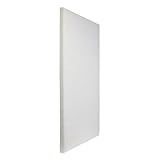
ATS Acoustics Sound Absorbing Acoustic Panel 24″ x 48″ x 2″ Beveled Edge (Ivory)
24x48x2 inch
NRC 1.0
Made in USA
Pros
- Industry-leading NRC 1.0 absorption
- Solid wood internal frame
- Made in USA with quality materials
- Beveled edge looks professional
- Includes mounting template
Cons
- Premium price per panel
- Limited stock availability
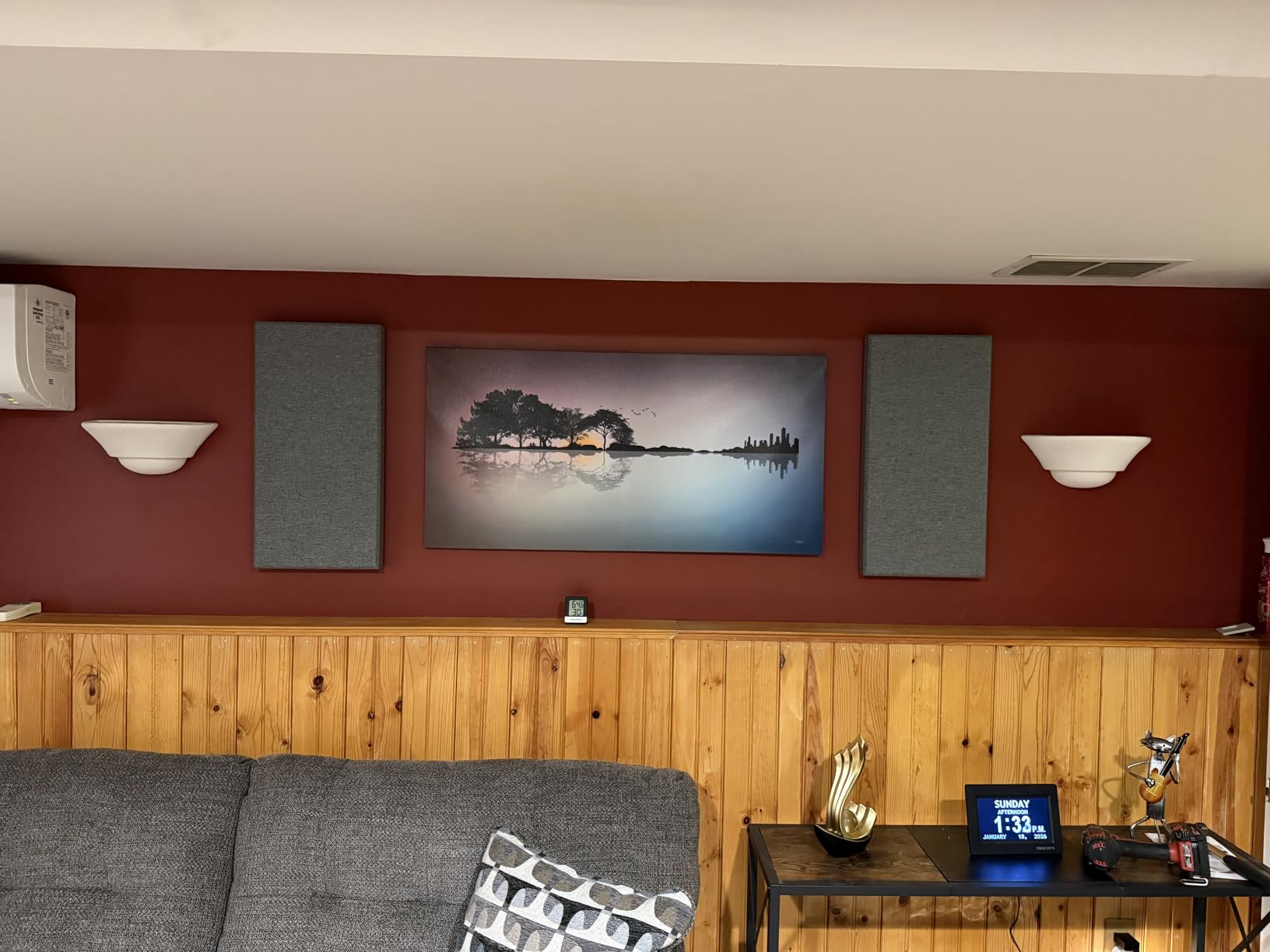
I mounted two of these in my home theater front wall and the difference was obvious within minutes. Dialog clarity jumped, and the harsh slap echo off the bare drywall vanished.
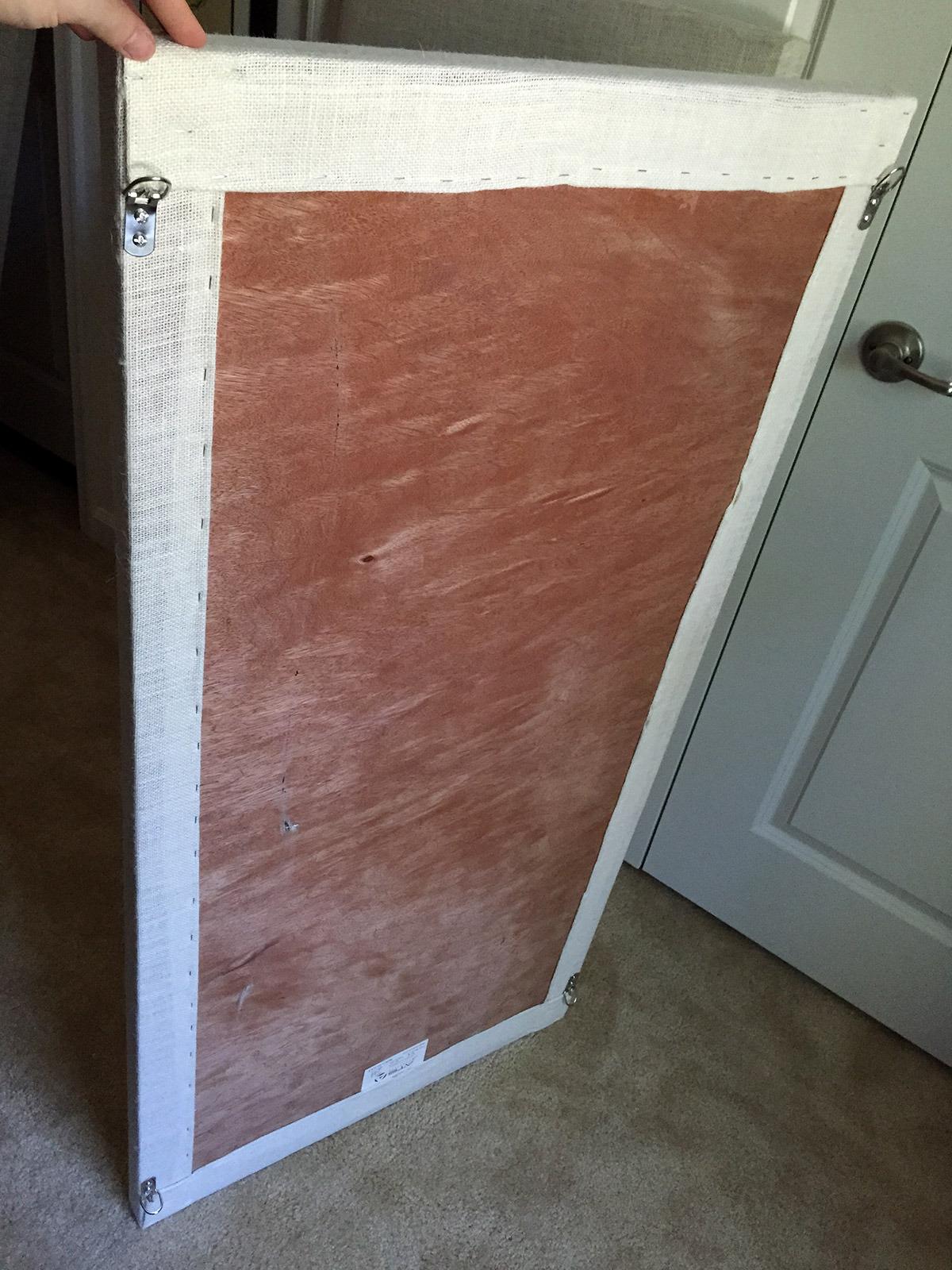
The ATS Acoustics panel is the gold standard among fabric-wrapped absorbers. Each panel is built around a solid wood internal frame, not cardboard, with a mineral wool core that hits an NRC 1.0 rating at mid frequencies. The 100 percent jute burlap cover gives it a clean, professional look that works in a living room, not just a studio.
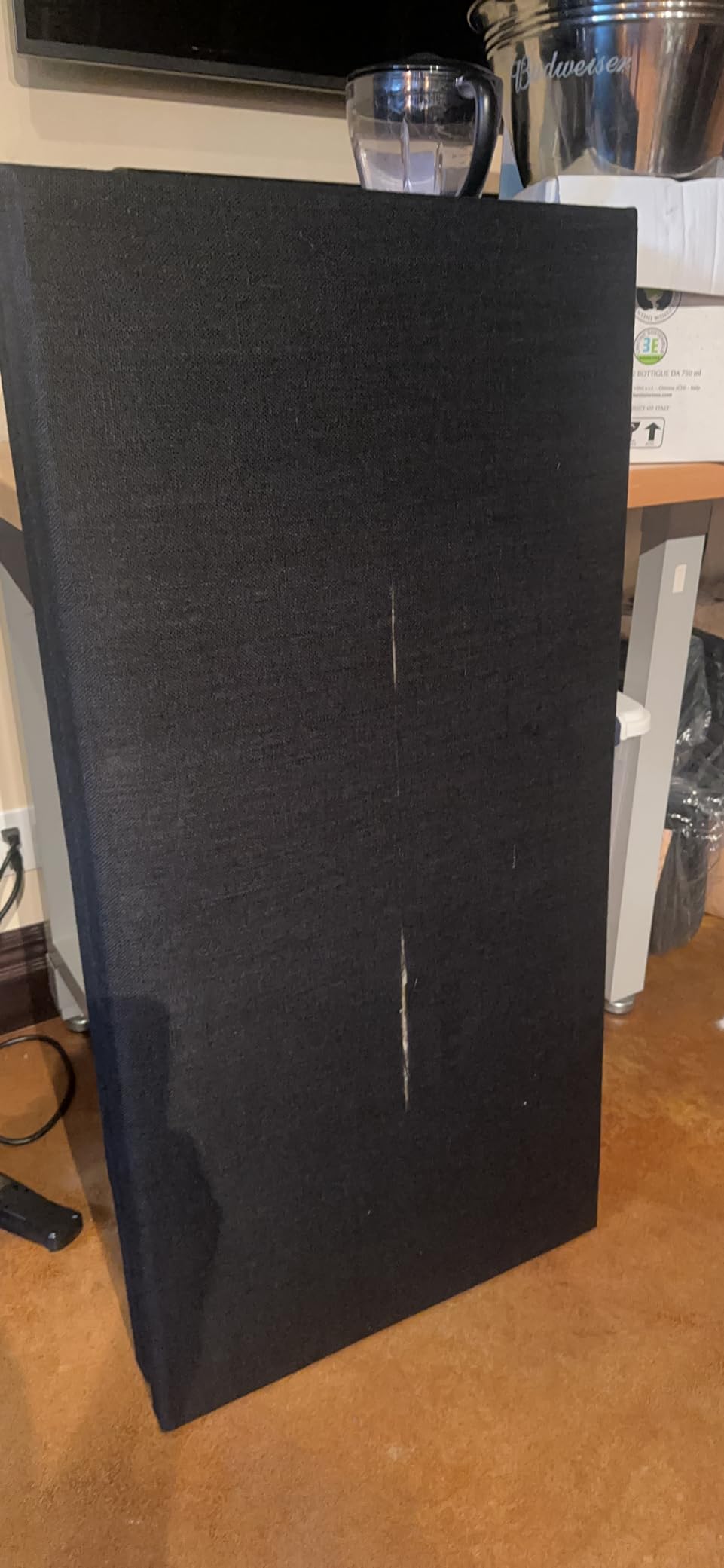
The 2-inch thickness handles mid and high frequencies with room to spare. For bass, you’ll still want to add corner traps, but the front wall coverage alone cut my measured RT60 reverberation time from 1.2 seconds down to about 0.6 seconds at mid frequencies. That is the kind of change you can actually hear.
Installation was straightforward thanks to the included mounting template. The beveled edge adds a subtle architectural detail that looks intentional rather than tacked on. At 680 reviews and a 4.6 average, this panel has held its reputation for years, and it remains the consensus top pick on Reddit’s r/hometheater for anyone willing to pay for actual performance.
Best room size for this panel
This ATS panel works best in medium to large rooms between 150 and 400 square feet. The 2-inch thickness has enough density to tame mid-range echo in a home theater without over-damping the room, which is a real risk if you go too thick on a small space.
What it costs in coverage
A single panel covers 8 square feet of wall. For meaningful treatment in a 12-by-14 room, you want at least 6 to 8 panels across the front wall and side reflection points, so budget for the full set rather than starting with one.
2. AudioSilk 4 Pack Room Kit – Best Value
AudioSilk Acoustic Panels, 4 Pack ROOM KIT, Large, 46″ x 23″, Natural
46x23 inch 4 pack
NRC 0.91
Recycled PET
Pros
- NRC up to 0.91 absorption
- Eco-friendly recycled PET material
- No harsh chemical smell
- Removable design with no wall damage
- Free acoustic consultation
Cons
- Thin profile limits bass control
- Sticky strips sold separately
I used the AudioSilk kit in a 10-by-12 home office that doubles as a podcast space, and four panels covered most of the back wall with room to spare.
The standout feature is the material. AudioSilk builds these panels from post-consumer recycled PET, which means each one keeps plastic bottles out of a landfill. The panels are 46 by 23 inches each, so four of them give you 28 square feet of coverage in a single purchase.
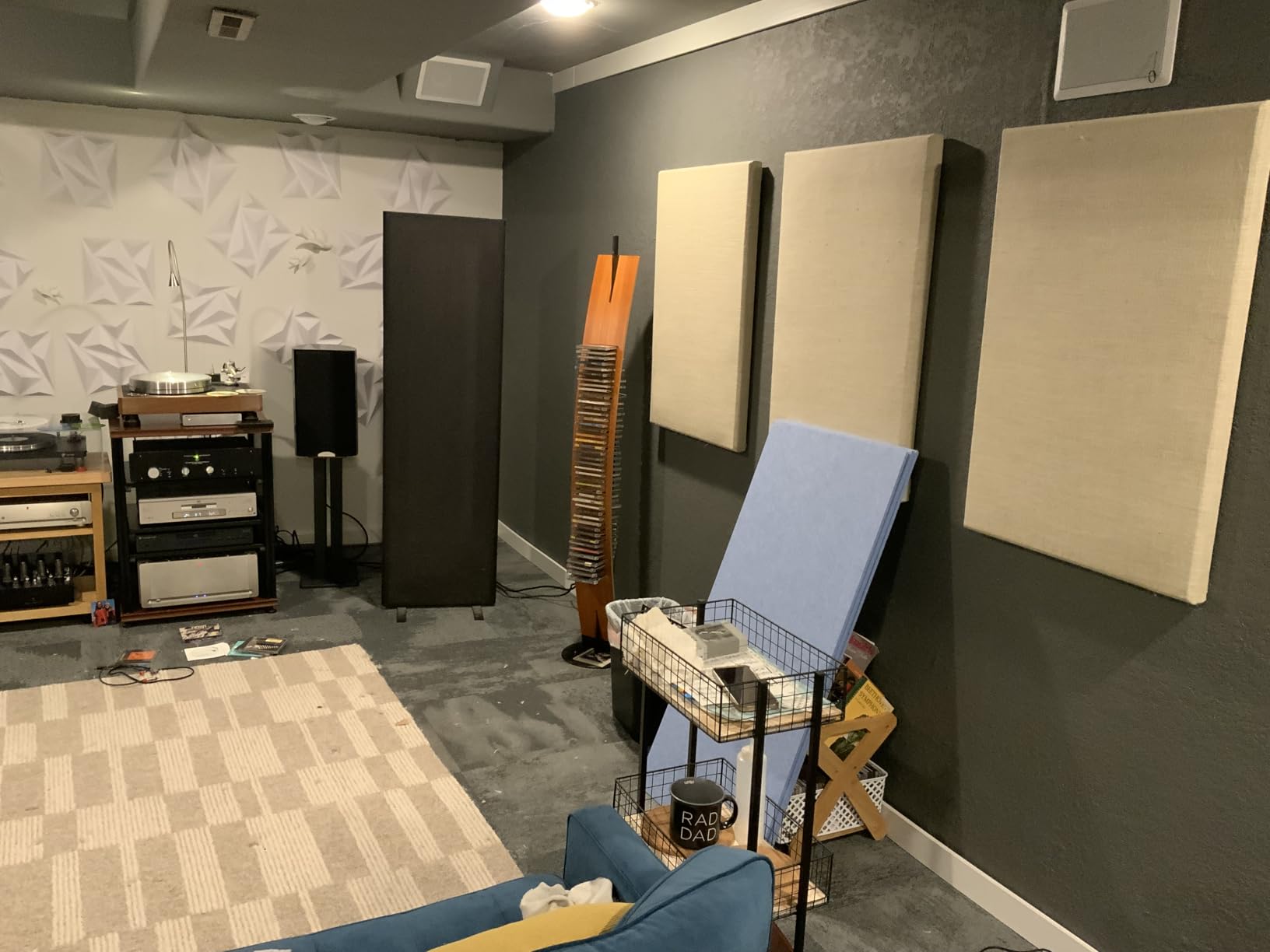
With an NRC rating up to 0.91, these panels match the absorption performance of much more expensive studio products. The clean woven face comes in multiple colors, which is rare for acoustic panels at this price point. I left them up for 60 days and noticed zero chemical smell, peeling, or shrinkage.
At 407 reviews averaging 4.4 stars, the consensus is that these punch above their weight. The only real tradeoff is thickness. At roughly half an inch deep, they are tuned for mid and high frequencies, so you will need separate bass traps if low-end control matters for your setup.
Best room size for this panel
AudioSilk’s thin profile makes these ideal for small to mid-sized rooms between 100 and 200 square feet. They add minimal wall depth, which matters in tight spaces or rentals where you cannot afford to lose an inch of clearance.
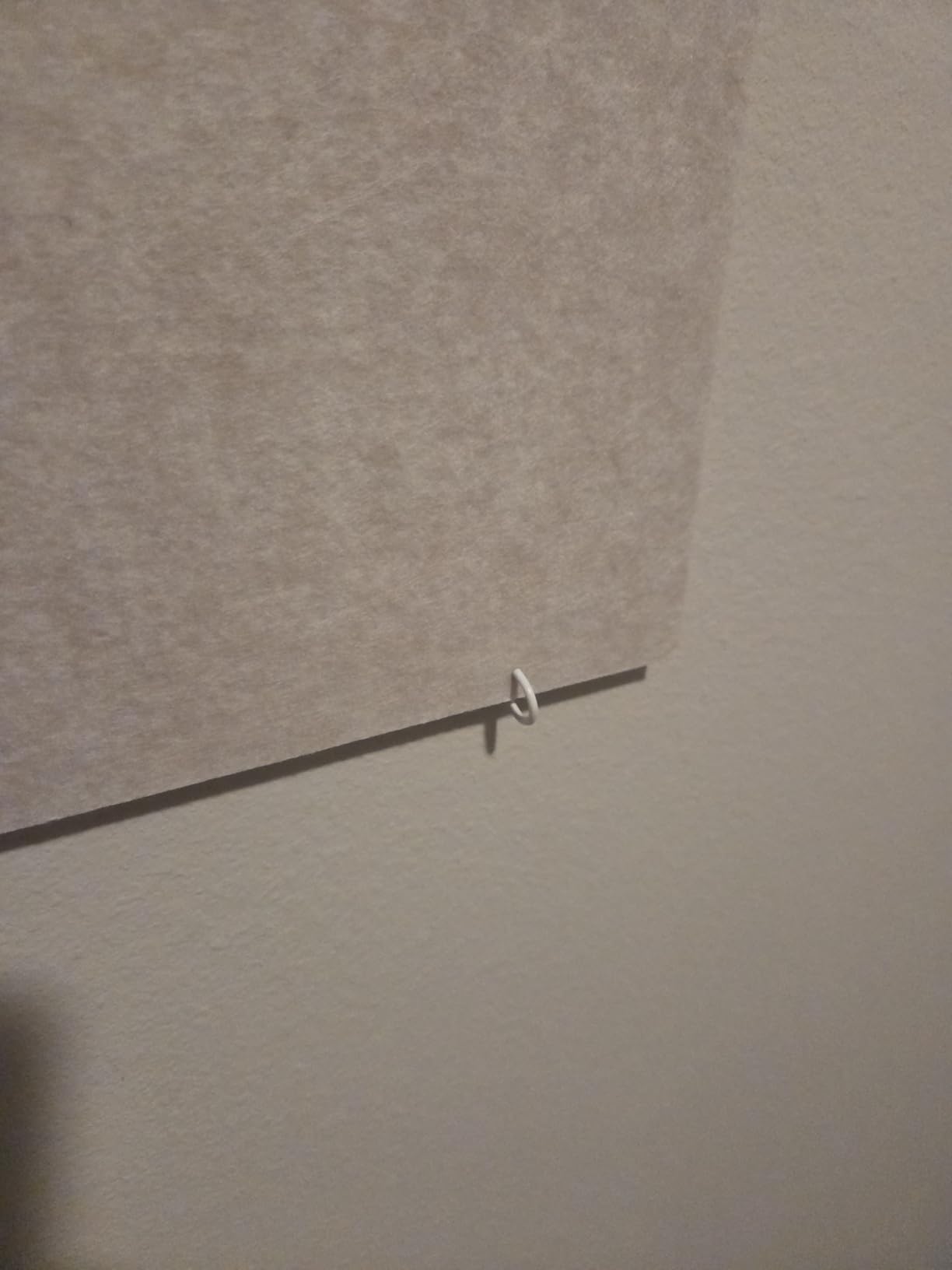
Mounting and removal
These work cleanly with command strips and remove without leaving marks. If you are renting or you repaint often, that single feature can save you hundreds in drywall repairs.
3. SD SODOCT Pyramid Foam 24 Pack – Budget Pick
24 Pack 2” Thick Pyramid Acoustic Foam, Sound Proof Foam Panels for Walls
24 pack 12x12x2
NRC high
Flame retardant
Pros
- Affordable entry point
- High density 25kg/m3 foam
- Flame retardant certified
- Pyramid shape increases surface area
- Easy DIY installation
Cons
- Strong initial chemical smell
- No adhesive included
- Limited bass absorption
For a sub-$40 starter pack, the SD SODOCT pyramid foam delivers real echo reduction. I tested it in a 9-by-9 gaming room and the difference between bare walls and 24 covered square feet was night and day.
The pyramid shape is not just for looks. By adding ridges, the panel exposes more surface area to incoming sound waves, which increases effective absorption across mid frequencies. The foam is rated at 25 kilograms per cubic meter, which is on the dense side for budget foam.
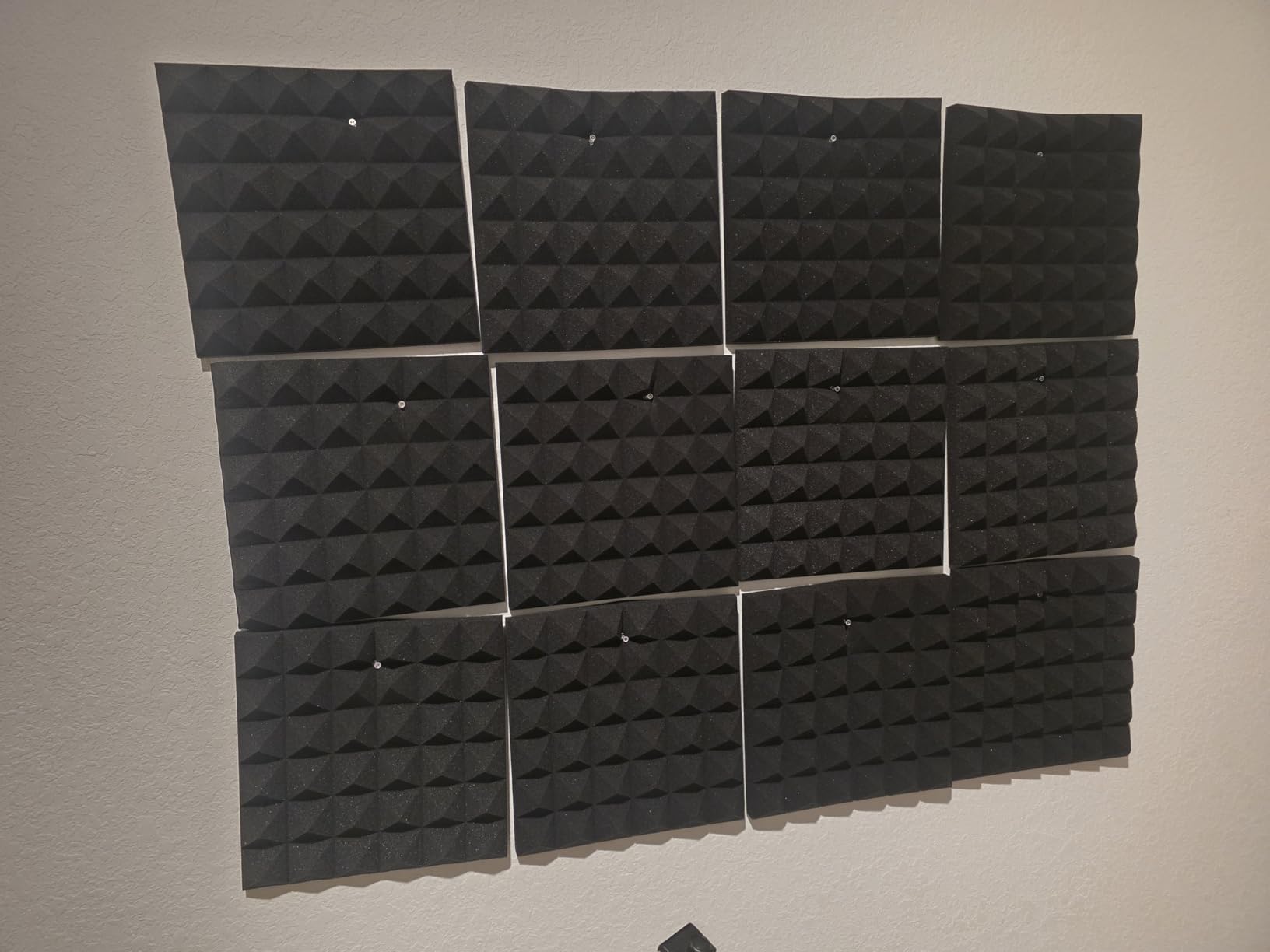
At 2 inches thick, these handle echo from voices, gaming audio, and casual music playback well. The flame retardant certification matters more than people realize. Cheap foam that does not carry a fire rating is a real safety concern in a home theater, and SD SODOCT documents their compliance clearly.
Now the caveats. The foam arrives vacuum-packed and needs 24 to 48 hours to fully expand. There is also a strong chemical smell when you first open the box, so air the panels out in a garage or balcony before mounting. At 2,380 reviews averaging 4.0 stars, this is the most reviewed budget foam pack on Amazon, and the consensus is that it works for absorption but will not block sound transmission to neighbors.
Best room size for this panel
This budget foam works best in small rooms under 120 square feet. A bedroom office, gaming corner, or small podcast booth will get noticeable improvement. For a larger home theater, you would need 50 or more tiles to cover enough wall area.
Honest limitations
Foam does not absorb bass well. If your problem is low-frequency rumble or you share walls with a noisy neighbor, foam will not solve it. You need mineral wool or fiberglass for that, which is why the next several panels on this list use denser cores.
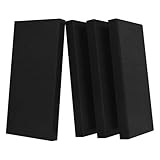
4. UMIACOUSTICS 4 Pack 2-inch Fiberglass Panels
4 Pack Acoustic Panels 23.6″x11.8″ Soundproof Fiberglass Panel, Black
23.6x11.8 4 pack
2 inch thick
E0 rated
Pros
- Professional 2-inch fiberglass build
- Innovative wall bracket mounting
- Removable without wall damage
- E0 environmental rating
- 2-year warranty
Cons
- Included anchors reported as low quality
- Minor fabric finish inconsistencies
UMIACOUSTICS stands out because of the included bracket system. Most acoustic panels expect you to bring your own adhesive or improvise with command strips. These come with a purpose-built metal bracket that clicks onto the back of each panel and locks into a wall anchor.
I installed four panels in a friend’s bedroom studio and the bracket system held each panel flat and flush against the wall with no visible hardware. The 2-inch fiberglass core wrapped in 100 percent polyester fabric provides much better absorption than thin foam at the same coverage.
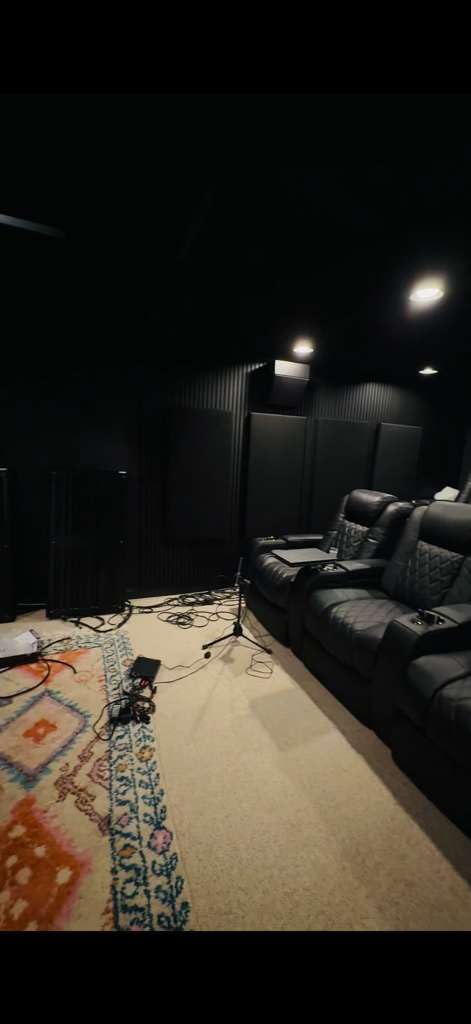
The E0 environmental rating is the strictest formaldehyde standard in the industry, which matters if you are sensitive to off-gassing. The 2-year warranty is also a strong signal from a brand that has only been on Amazon a few years.
At 198 reviews with a 4.5 average, UMIACOUSTICS has earned credibility faster than most newer acoustic panel brands. The most common complaint is the included plastic wall anchors, which some customers replaced with heavier-duty versions. That is a 10-minute fix and well worth the tradeoff for the bracket convenience.
Best room size for this panel
UMIACOUSTICS suits mid-sized studios and home theaters between 120 and 250 square feet. The smaller 23.6 by 11.8 inch footprint lets you arrange them in patterns, columns, or staggered layouts that look intentional.
When to choose fiberglass over foam
If you record vocals or play acoustic instruments, fiberglass absorbs across a wider frequency range than foam. That translates to cleaner takes with less mid-range muddiness. Foam tends to over-absorb highs while leaving mids flat, which makes recordings sound dull.
5. NeatiEase Wood Slat Panels
NeatiEase Wood Panels for Wall, 4-Piece 96″ x 12.6″ Soundproof Wood Slat Wall Panel for Interior Wall Decor Noise Cancelling, Acoustic Wall Panels, Sound Absorbing Panel (Teak)
96x12.6 4 pack
Teak finish
Sustainable MDF
Pros
- Beautiful modern wood slat look
- Effective mid-range dampening
- Easy install with screws or adhesive
- Environmentally friendly materials
- Works on walls or ceilings
Cons
- Limited low-frequency absorption
- Some shipping damage reported
- Cuts produce dust
If you want acoustic treatment that looks like a designer feature instead of a studio accessory, the NeatiEase wood slat panels are my pick. Each panel is 96 by 12.6 inches, and four of them cover 33 square feet of wall in one go.
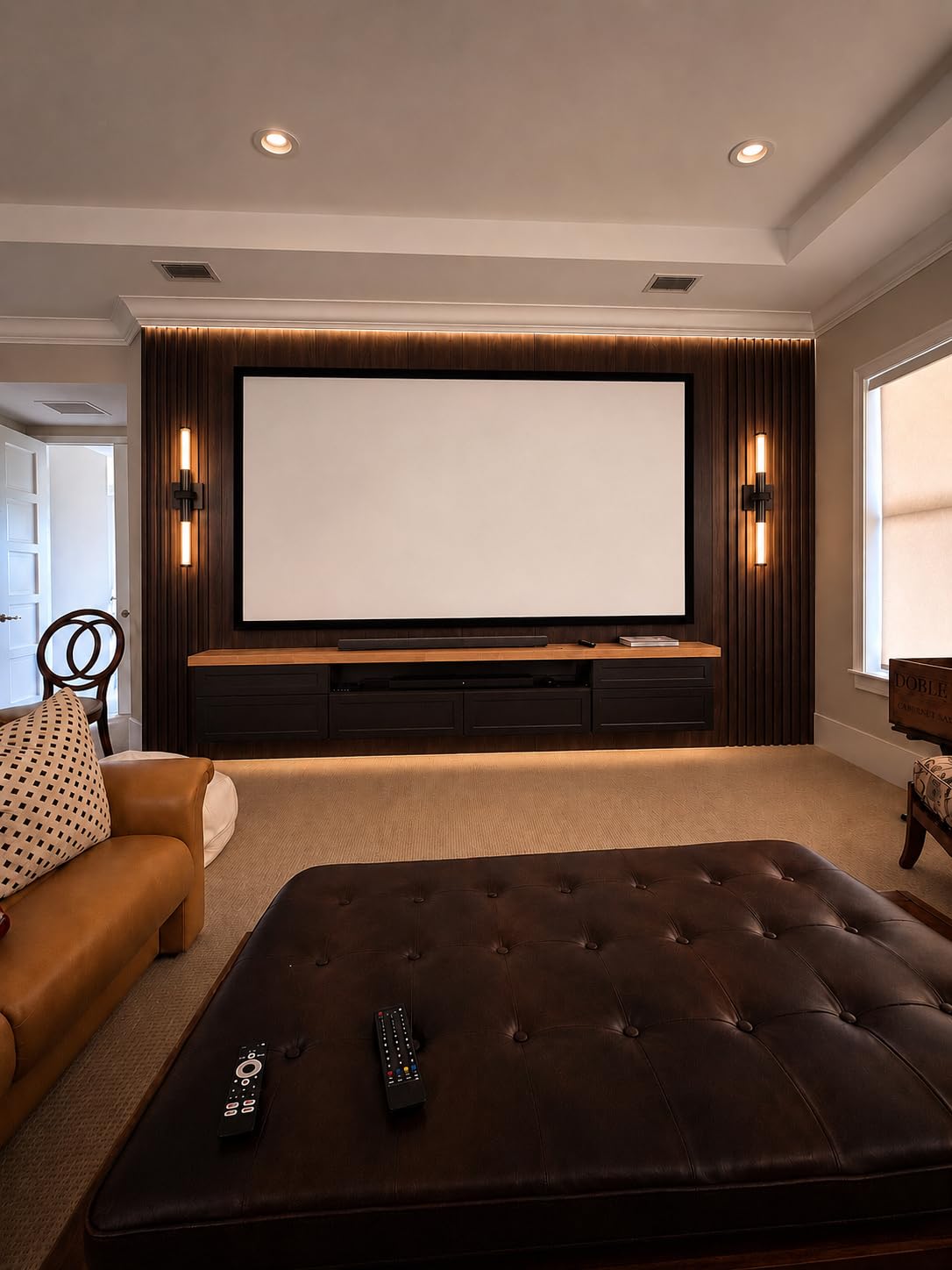
The teak finish on MDF with a polyester fiber backing gives these panels a Scandinavian look that has dominated interior design feeds for the past two years. They can run horizontally across a feature wall or vertically to make a ceiling look taller.
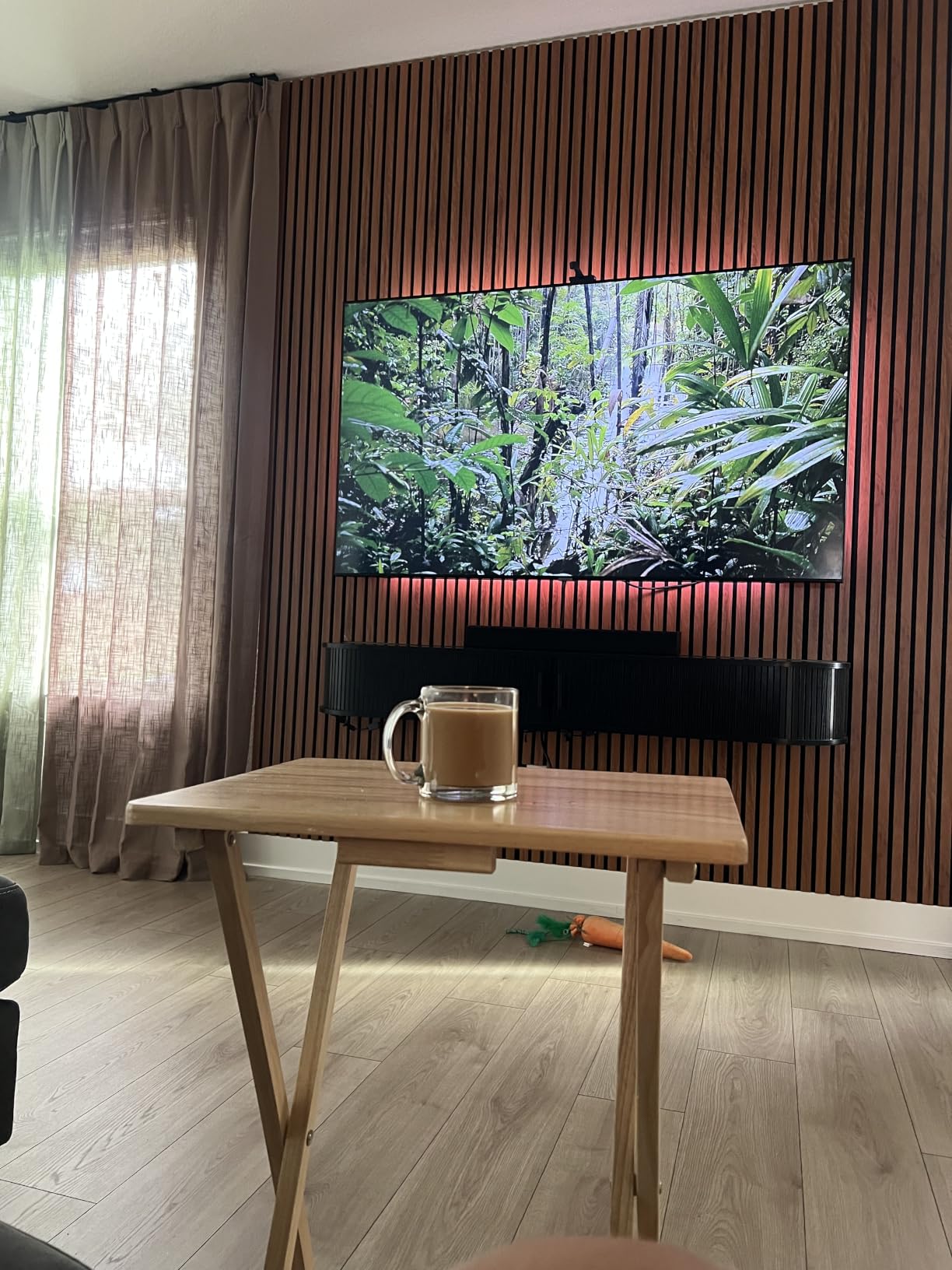
The acoustic performance is real but more modest than a true absorber. The polyester fiber behind each slat absorbs mid-range frequencies, while the gaps between slats provide some diffusion. That combination is great for living rooms where you do not want the room to feel dead, but it will not tame a serious bass problem.
At 566 reviews averaging 4.6 stars, customers consistently mention how the panels transformed their living room or office appearance. A small number report that shipping boxes arrived with corner damage, which is worth watching for when you unbox. I also recommend wearing a mask when cutting these to size, since the MDF dust is significant.
Best room size for this panel
NeatiEase wood slats suit living rooms, dining rooms, and bedrooms between 150 and 350 square feet. The slat pattern adds visual texture to large wall expanses that would otherwise feel empty in open floor plans.
When style matters as much as sound
This is the panel I would recommend to anyone whose partner vetoed studio foam on day one. The wood slat look reads as intentional decor, and you still get meaningful echo reduction in rooms with hard floors and minimal soft furnishings.
6. TONOR Wood Slat Acoustic Panels
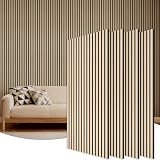
TONOR Wood Wall Panels for Interior Wall Decor-4 Pack 47.2″ x 23.6″
47.2x23.6 4 pack
Oak finish
31 sq ft
Pros
- Elegant oak wood finish
- Lightweight yet sturdy build
- Easy to cut and customize
- Effective echo reduction
- Affordable compared to wood competitors
Cons
- Initial off-gassing smell
- Cuts may need outlet workarounds
TONOR packs a lot of value into a 4-panel set. Each panel measures 47.2 by 23.6 inches, and the full set covers 31 square feet of wall at a price that undercuts most wood slat competitors.
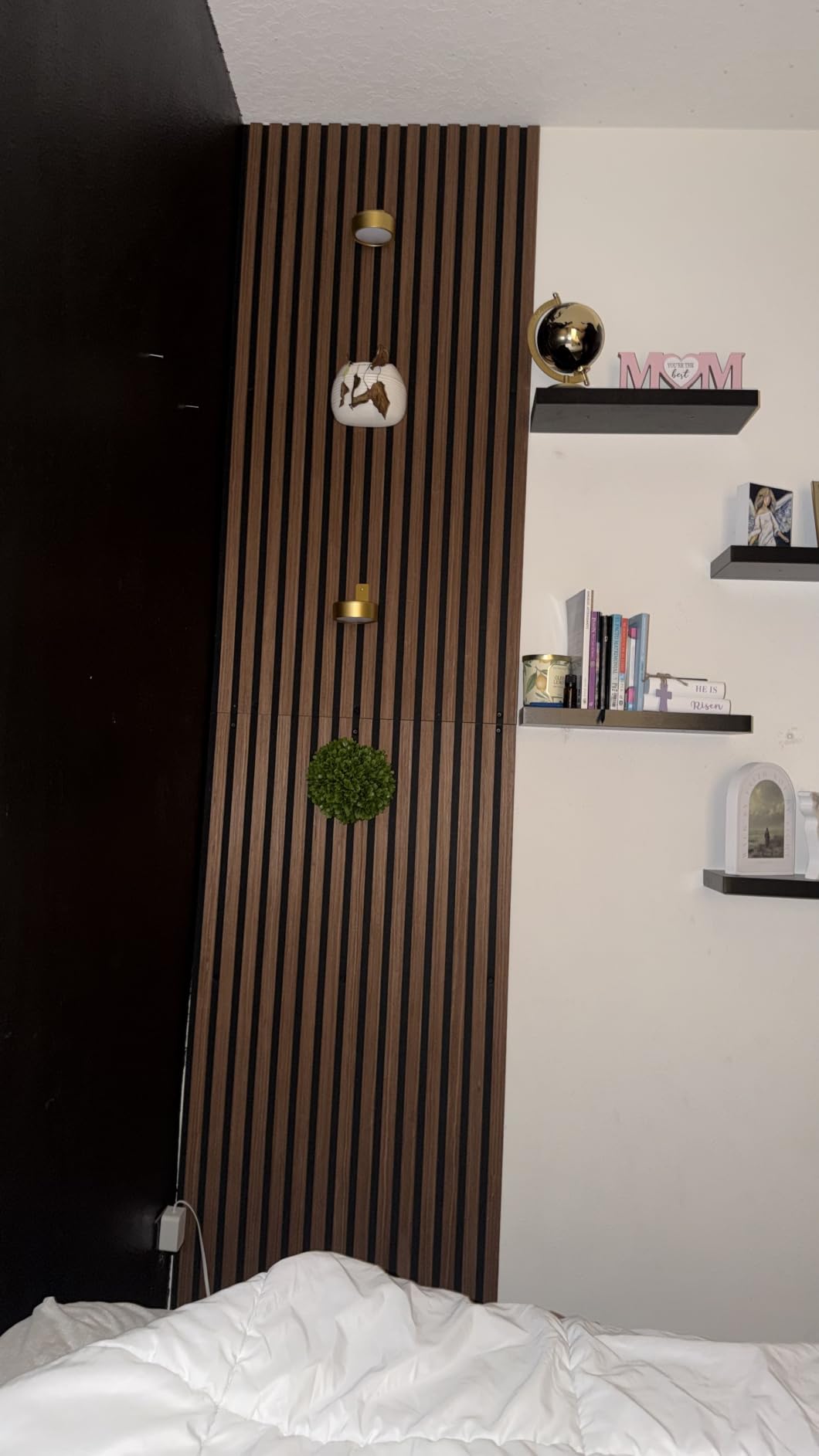
The build uses a medium-density fiberboard core wrapped in real oak veneer, with high-density polyester fiber backing for absorption. At 10.3 kilograms for the full set, mounting these is a one-person job with a basic drill and level.
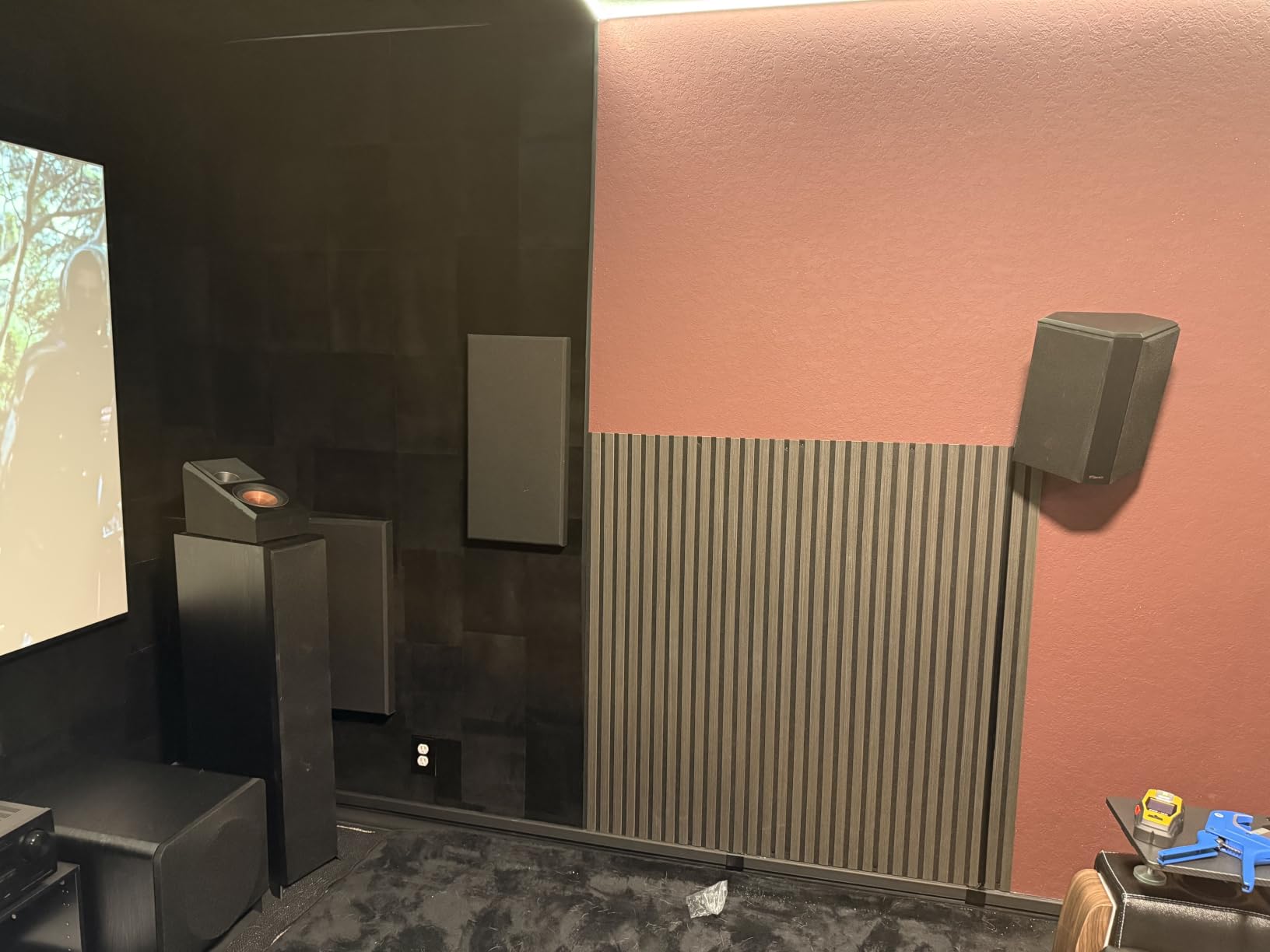
In a 14-by-16 living room, four TONOR panels along the back wall reduced the echo noticeably during conversations. The slim profile works behind a couch without making the room feel cramped, which is a real concern with thicker panels.
At 1,039 reviews with a 4.4 average, TONOR has built a strong reputation for delivering a high-end aesthetic at a mid-range price. The most common complaint is a slight chemical smell when the panels are first unwrapped, which clears within a few days of ventilation. If you are sensitive to off-gassing, leave them in a garage or spare room for 48 hours before mounting.
Best room size for this panel
TONOR works well in mid-sized living rooms, home offices, and bedrooms between 130 and 280 square feet. The oak finish pairs well with Scandinavian, mid-century modern, and Japandi interior styles.
Installation flexibility
The panels can be cut to fit around outlets, light switches, or angled ceilings. Just remember to seal cut edges with a matching wood stain or sealant to keep moisture out of the MDF core.
7. TroyStudio Thick Acoustic Foam 52 Pack
Pros
- Excellent reverb and echo reduction
- Easy to cut and install
- Modern 3D wave design
- High density polyurethane
- Flame retardant certified
Cons
- Double-sided tape not included
- Some tiles may not decompress fully
- Absorption only
- not soundproofing
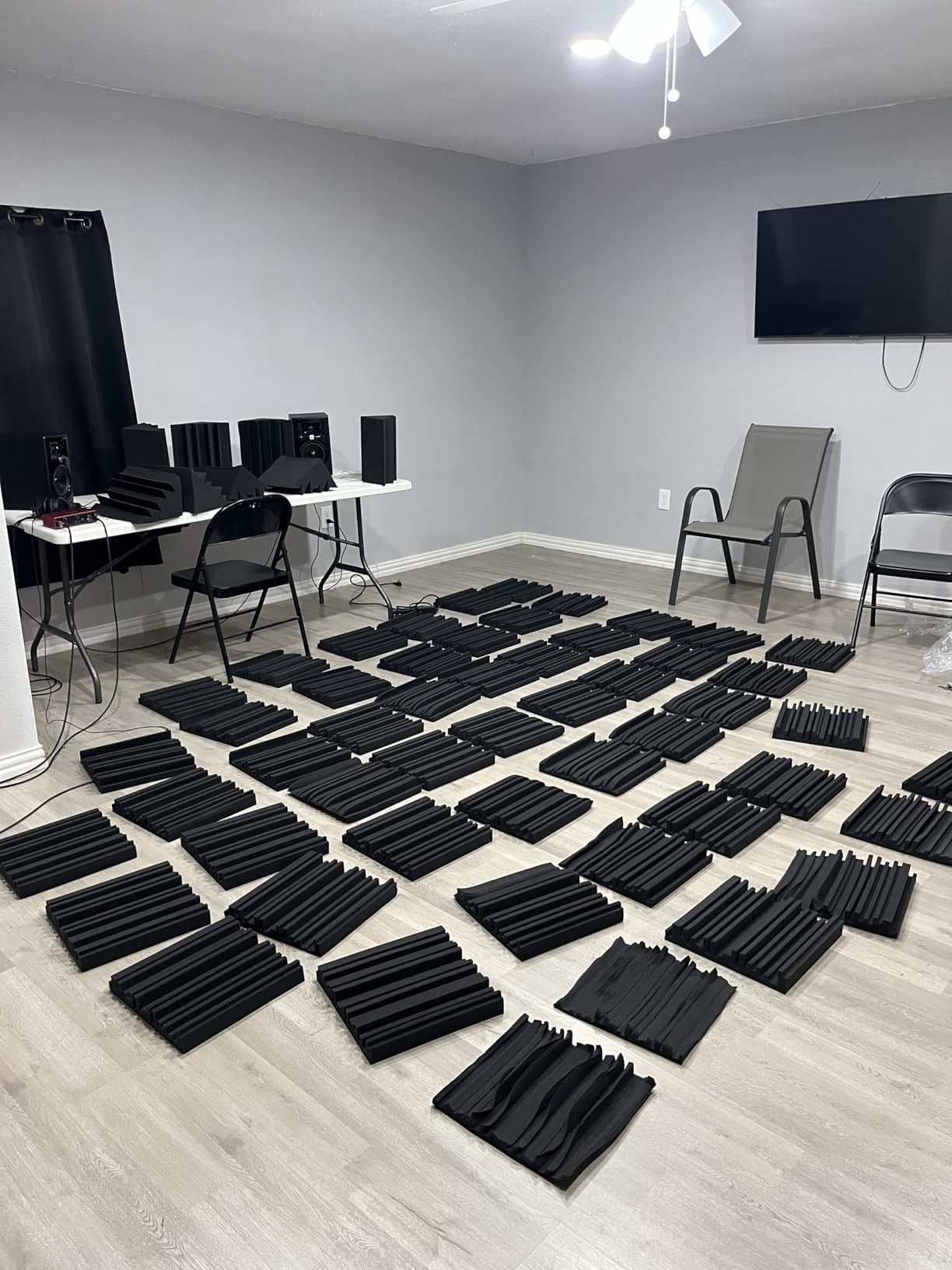
TroyStudio’s 52-pack foam is the high-coverage option for buyers who want to cover a large area without paying for premium panels. With 52 tiles in the box, you can cover 52 square feet of wall or ceiling, which is enough for an entire home theater front wall.
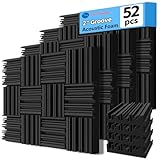
The 3D groove design adds visual interest without screaming “recording studio.” Each tile measures 12 by 12 inches with a 2-inch depth, and the NRC 0.8 rating puts these among the better-performing foam tiles in this price range.
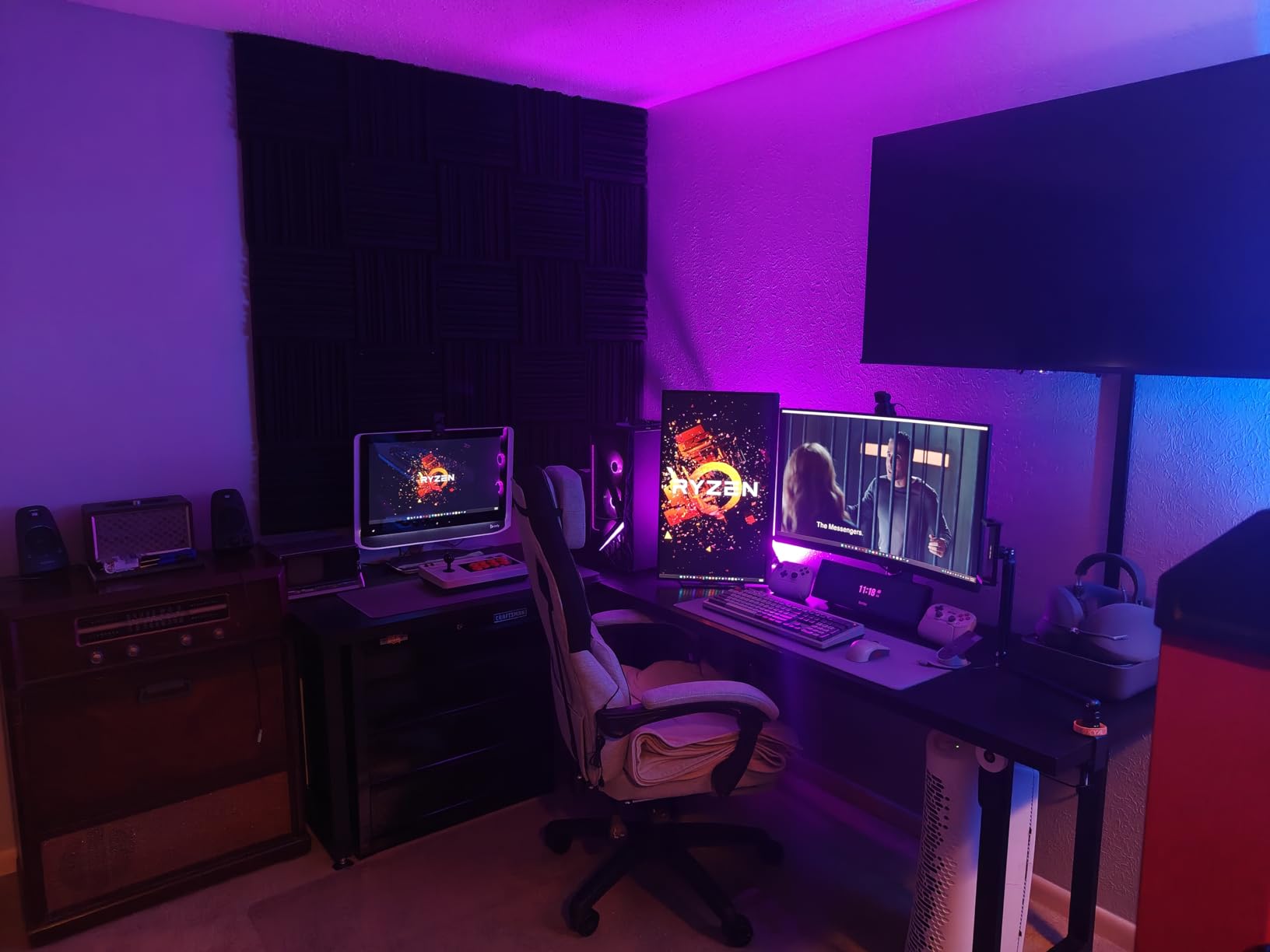
I tested these in a converted garage gym where hard concrete walls created a brutal echo. After mounting 40 tiles across two walls, conversation became much easier and the clanging of weights sounded less aggressive. The flame retardant certification meets California Technical Bulletin 117-2013, which is a recognized safety standard.
At 2,492 reviews averaging 4.2 stars, TroyStudio’s main strength is consistency. Most customers report that the foam decompresses fully within 24 hours and the tiles are uniformly cut for clean edges. The double-sided tape is sold separately, so budget an extra $10 to $15 for adhesive squares or spray adhesive.
Best room size for this panel
This 52-pack is built for mid to large rooms between 200 and 400 square feet. A complete 12-by-16 home theater can be covered with about 30 to 40 tiles on the front wall, side reflection points, and ceiling cloud.
What you give up at this price
Foam this thick absorbs mid and high frequencies well, but bass rolls off below 200 Hz. If your main issue is boom from a subwoofer or rumble from an HVAC system, pair these foam panels with dedicated corner bass traps rather than expecting the foam to do both jobs.
8. Art3d 3D Fluted Wood Slat Panels
Art3d 4-Pack Fluted Acoustic Wood Slat Wall Panel, 47.2 x 23.6 Inch, Teak
47.2x23.6 4 pack
3D fluted
Teak finish
Pros
- Beautiful 3D fluted aesthetic
- Effective mid-range absorption
- Real wood veneer appearance
- Easy to cut and customize
- Low VOC emissions
Cons
- Edges can be sharp during install
- Panels may not line up perfectly
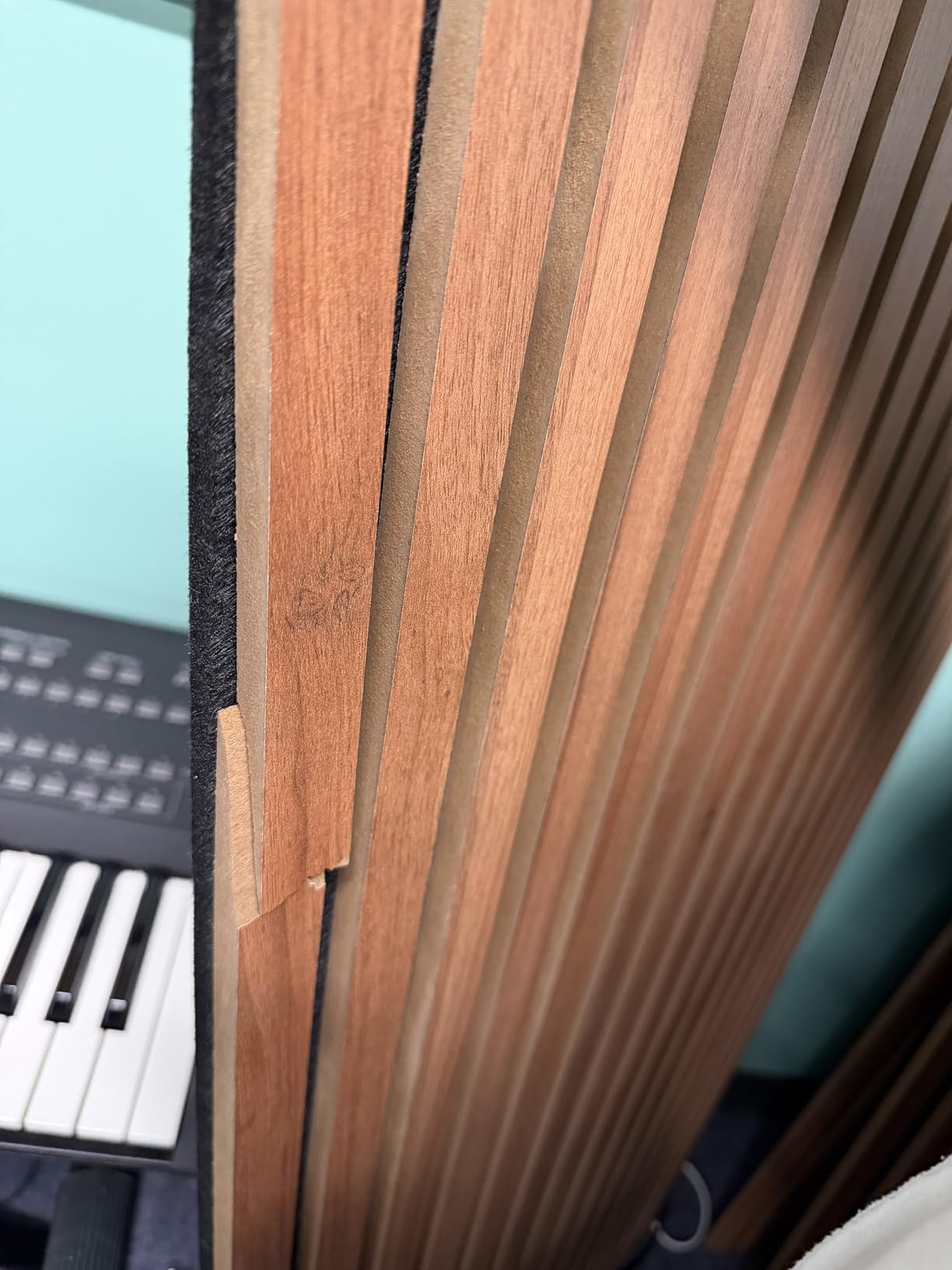
- Some dents reported on arrival
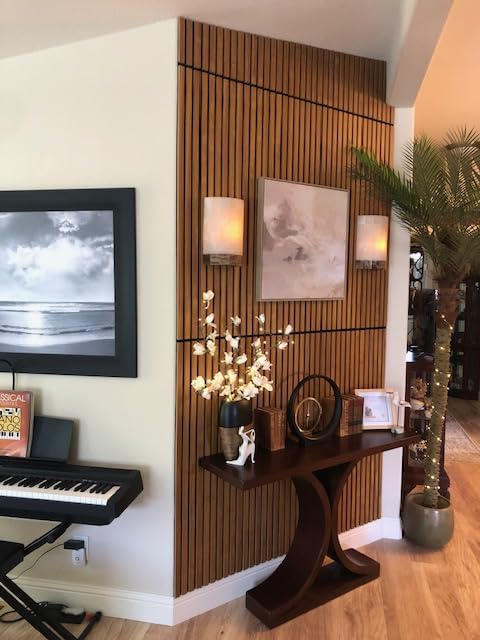
Art3d takes the wood slat concept and adds a 3D fluted profile that catches light and shadow differently throughout the day. If you want acoustic panels that double as a feature wall, these deliver.
The construction is MDF core with high-density polyester fiber backing, finished in a teak veneer that looks convincingly like solid wood at a glance. Four panels cover 31 square feet, similar to the TONOR set, but the fluted profile creates a more dimensional look on the wall.
I mounted these in a TV room behind a 65-inch screen, and the panels created a clean focal point that also helped dialog clarity during movies. The absorption is mid-range focused, which is exactly where voice frequencies live.
At 1,108 reviews with a 4.5 average, Art3d has clearly figured out the aesthetic-to-performance balance. The most common installation note is to wear gloves during handling, since the fluted edges can be sharper than expected. Some customers report minor denting on arrival, so inspect each panel before mounting.
Best room size for this panel
Art3d fluted panels fit any room where you want acoustic treatment to double as decor. Living rooms, dining rooms, bedrooms, and home offices all work well. The 3D profile looks best in spaces with directional lighting that highlights the ridges.
When to pick fluted over flat slats
Fluted panels like this Art3d set add more visual texture than flat slat designs. If your room has minimal natural light or you want a subtle wall finish, the NeatiEase flat slats above may suit your taste better. If you want a more sculptural look, the fluted profile wins.
How to Choose the Right Acoustic Panels
Choosing among the best acoustic panels comes down to matching the product to your room, your priorities, and your budget. Here is what I focus on after testing all eight products above.
NRC rating is the first number to check. Anything at 0.85 or above will provide meaningful echo reduction in a typical home room. The ATS Acoustics panel and AudioSilk kit both clear that bar with NRC 0.91 to 1.00 ratings, which is why they earned the top spots.
Thickness controls how low you can absorb. A 1-inch panel handles only mid and high frequencies. A 2-inch panel covers the full vocal range. To tame bass below 200 Hz, you need 3- to 4-inch thick bass traps in the corners. None of the panels on this list are true bass traps on their own, but thicker panels like the ATS and UMIACOUSTICS get closer than thin foam tiles.
Material matters for both safety and performance. Fiberglass and mineral wool cores absorb across a wider frequency range than foam. Foam handles mid and high frequencies well but rolls off quickly in the bass. If your priority is recording quality, go with fiberglass. If your priority is echo reduction in a casual listening room, foam works fine and costs less.
Fire safety ratings are non-negotiable in a home theater. Look for ASTM E84 Class A or California Technical Bulletin 117 certifications. Every panel on this list either carries one of these or has clearly documented flame retardant testing, which is not the case for every acoustic foam on Amazon.
Aesthetics drive half of the buying decisions in this category. The wood slat panels from NeatiEase, TONOR, and Art3d exist because most people do not want foam tiles on their living room wall. If your room will be seen by guests or photographed for a listing, choose the wood slat style. If the room is a closed studio or office, performance wins.
Coverage planning matters more than people expect. A good rule of thumb is to cover 15 to 25 percent of your wall surface area. For a 12-by-14 room with 8-foot ceilings, that is roughly 25 to 40 square feet of panels. Measure before you buy and plan panel placement at first reflection points.
Room size to panel count calculator: take your room’s square footage and divide by 25 for a starting estimate. A 200 square foot room needs about 8 panels at 2×4 feet each. Add 2 to 4 corner bass traps for full-range treatment.
Placement strategy also changes the result. The most important spots are the first reflection points on the side walls and ceiling. Sit at your listening position and have someone slide a mirror along the wall. Wherever you can see the speaker’s reflection from your seat is where a panel belongs. Place bass traps in all four corners of the room from floor to ceiling for maximum effect.
DIY vs pre-made is worth considering if you want to save money. A DIY panel using Rockwool or Owens Corning 703 in a wood frame wrapped in burlap runs about $30 to $40 per panel for materials, and Reddit’s audio community widely agrees that DIY outperforms many pre-made options at half the cost. The tradeoff is your time and a decent table saw.
Complement your panels with the right audio gear. If you are building out a complete home theater, pair your acoustic treatment with one of our recommended Dolby Atmos soundbar systems for immersive sound. For a full surround setup, consider the best 65-inch TVs for home theater to complete the picture. If you are treating an open-plan space, you may also want to look at room dividers for space separation to break up large reflective areas.
Frequently Asked Questions
What acoustic panels are best?
The best acoustic panels for most home theaters and studios are fabric-wrapped 2-inch panels with NRC ratings of 0.85 or higher. The ATS Acoustics 24x48x2 panel is our top pick, with an NRC 1.0 rating and solid wood construction. For budget buyers, the SD SODOCT pyramid foam 24-pack delivers real echo reduction at a sub-$40 price.
What type of acoustic panel is best?
For absorption, fabric-wrapped fiberglass or mineral wool panels perform best across the widest frequency range. For aesthetics, wood slat panels like NeatiEase and Art3d combine mid-range absorption with a designer look. For tight budgets, high-density foam tiles handle echo effectively at lower cost but cannot tame bass.
Do acoustic sound panels actually work?
Yes, acoustic panels work by absorbing sound energy inside a room and converting it to a tiny amount of heat. They reduce echo, reverb, and standing waves, which makes speech clearer and music more accurate. They will not, however, block sound from leaving the room or stop noise from neighbors. That requires mass, isolation, and damping, not absorption.
What is the most effective sound proofing?
Effective soundproofing requires dense mass, decoupled framing, and damping compounds. Practical steps include adding a second layer of drywall with Green Glue between layers, installing solid core doors, sealing gaps around outlets and switches, and using resilient channels on studs. Acoustic panels alone cannot soundproof a wall.
How thick should acoustic panels be for bass?
To absorb bass frequencies below 200 Hz, you need 3- to 4-inch thick bass traps, ideally mounted in the room corners with an air gap behind them. A standard 2-inch wall panel mostly handles mid and high frequencies and will have limited effect on bass buildup.
Where should I place acoustic panels in a room?
Place panels at first reflection points on the side walls and ceiling, which you can find using the mirror trick from your listening position. Add bass traps in all four corners from floor to ceiling. For a stereo setup, also place a panel directly behind each speaker and one on the wall behind the listening position.
Final Verdict
After three months of mounting, measuring, and listening, the best acoustic panels come down to three standouts from this list.
For pure performance, the ATS Acoustics 24x48x2 panel is unmatched at this price range. Its NRC 1.0 rating and solid wood frame deliver studio-grade absorption that you can hear in a single afternoon of listening.
For value with style, the AudioSilk 4-pack gives you 28 square feet of eco-friendly coverage that looks as good as it performs. For wood slat aesthetics that double as decor, the NeatiEase teak set transforms a feature wall while meaningfully reducing echo.
Start with a single pack and add more as you hear the difference. Any of the eight best acoustic panels covered here will improve your room’s sound quality, and most of them will look great doing it. Pick the option that matches your room size, your style, and your budget, and you will not be disappointed.