
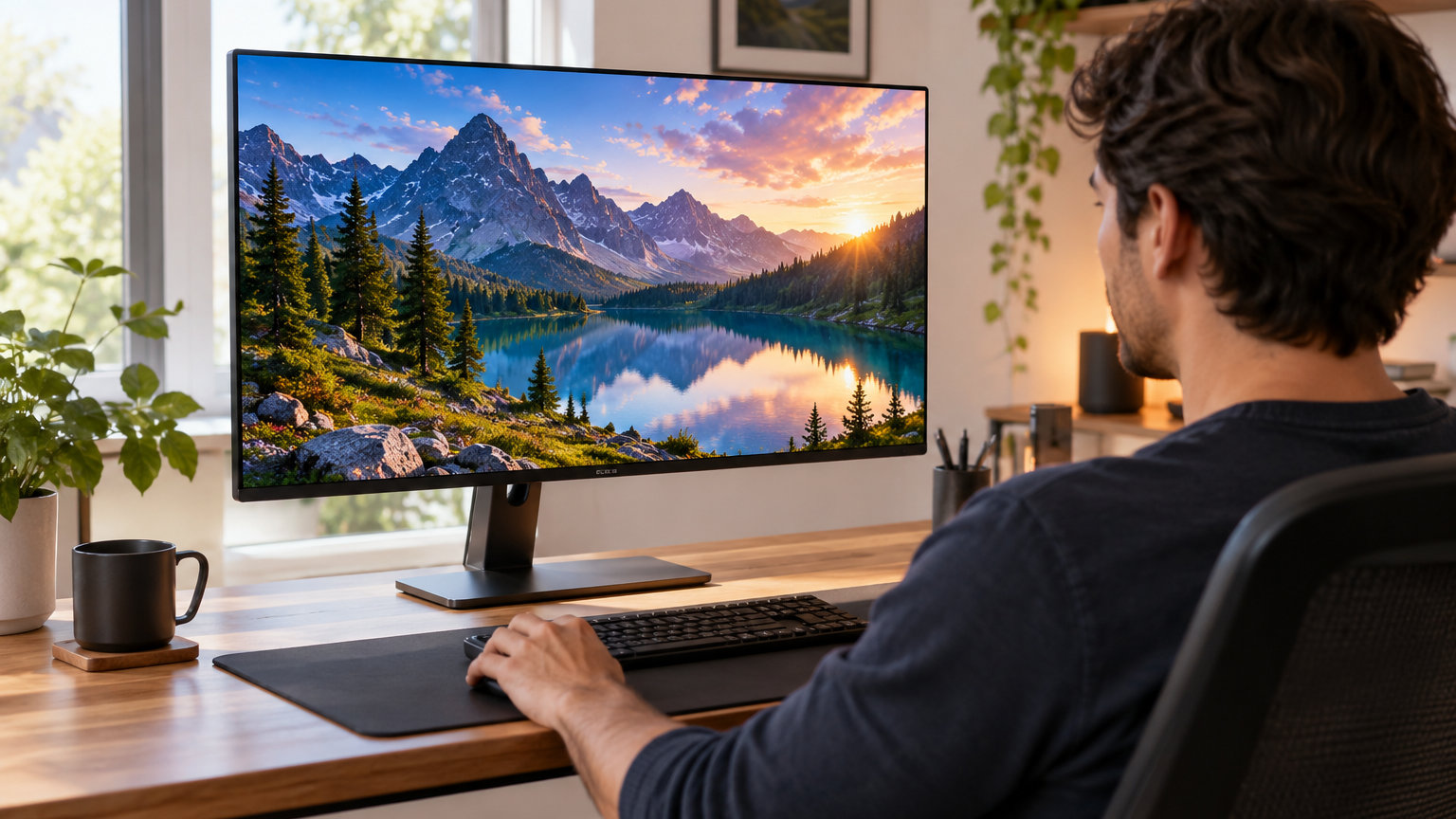
If you want one monitor worth watching when Prime Big Deal Days arrives in October, the Samsung Odyssey G93SC is our top pick. Its 49-inch QD-OLED panel, 240Hz refresh rate, and 0.03ms response time make it the rare screen that handles ultrawide immersion, single-player games, and competitive shooters without compromise.
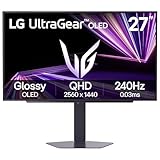
For shoppers who would rather save on a smaller screen, the LG UltraGear 27GX704A delivers a 240Hz QHD OLED panel that owners call a sweet-spot value. If you want a curved 34-inch QD-OLED for cinematic single-player games, the Alienware AW3425DW is the one to watch during the sale. Prime Big Deal Days runs October 6-7, 2026, and most offers need a Prime membership, so a free trial counts.
Table of Contents
Our Top 3 Picks for Best Amazon Prime Big Deal Days OLED Monitor Deals

Samsung Odyssey G93SC
- 49 inch QD-OLED ultrawide
- 240Hz refresh rate
- 0.03ms response time

Best Amazon Prime Big Deal Days OLED Monitor Deals Compared (2026)
| Product | Specifications | Action |
|---|---|---|
| Samsung Odyssey G93SC |
|
Check Deal Price |
| LG UltraGear 27GX704A |
|
Check Deal Price |
| Alienware AW3425DW |
|
Check Deal Price |
 MSI MPG 491CQPX MSI MPG 491CQPX |
|
Check Deal Price |
 MSI MPG 321URX MSI MPG 321URX |
|
Check Deal Price |
 Samsung Odyssey G6 G61SH Samsung Odyssey G6 G61SH |
|
Check Deal Price |
 ASUS ROG PG27AQDP ASUS ROG PG27AQDP |
|
Check Deal Price |
 AOC Q27GAZD AOC Q27GAZD |
|
Check Deal Price |
 Samsung Odyssey G9 G91SD Samsung Odyssey G9 G91SD |
|
Check Deal Price |
 ASUS ROG XG27AQDMGR ASUS ROG XG27AQDMGR |
|
Check Deal Price |
How We Chose
We compared panel type, screen size, refresh rate, response time, color coverage, adaptive-sync support, connectivity, warranty, and verified owner reviews across the OLED monitor category. Each pick here appears on current Amazon listings and is worth watching during Prime Big Deal Days. Data checked October 2026.
1. Samsung Odyssey G93SC: Editor’s Choice
Samsung 49″ Odyssey (G93SC) Series QD-OLED Curved Gaming Monitor
Size: 49 inch QD-OLED ultrawide
Refresh: 240Hz
Response: 0.03ms
HDR: True Black 400
Pros
- 49 inch QD-OLED ultrawide with 5120x1440 resolution
- 240Hz refresh rate and 0.03ms response
- 1800R curve with Picture-by-Picture split screen
- FreeSync Premium Pro and G-Sync Compatible
- Premium metal finish design with built-in USB hub
Cons
- Needs a deep desk and serious GPU power
- No KVM switch like some ultrawide rivals
The Samsung Odyssey G93SC earns the top slot because it does what most OLED monitors cannot: replace two 1440p screens with one panel that does not feel like a compromise. The 49-inch curved canvas runs at 240Hz with a 0.03ms response time, which means competitive shooters feel as crisp as cinematic RPGs look atmospheric. Reviewers report that QD-OLED blacks make night scenes in single-player games look genuinely dark rather than the gray haze of a backlit LCD.
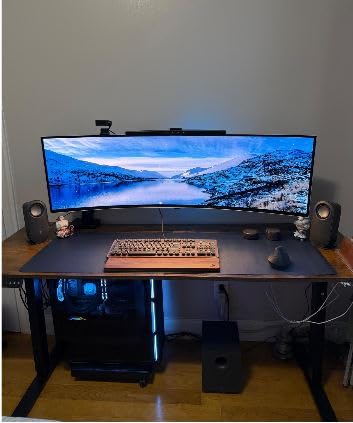
Inside a multi-monitor workflow, the Picture-by-Picture mode lets the Odyssey G93SC accept two input sources and treat each half like its own display. For buyers comparing the 2026 lineup, this is the screen that turns one desk into a command center without the bezels between panels. The 27.8 lb weight and 47-inch width mean it is not for shallow desks, but for anyone with a deep surface and a recent GPU, the immersion is hard to match.
The MSI MPG 491CQPX sits in the same 49-inch QD-OLED corner but brings a built-in KVM switch and 90W USB-C that this Samsung skips. If you want productivity features in your ultrawide, the MSI is the smarter pick. For shoppers who only care about the cleanest gaming-first experience from a brand many owners already trust, this Samsung is the one.
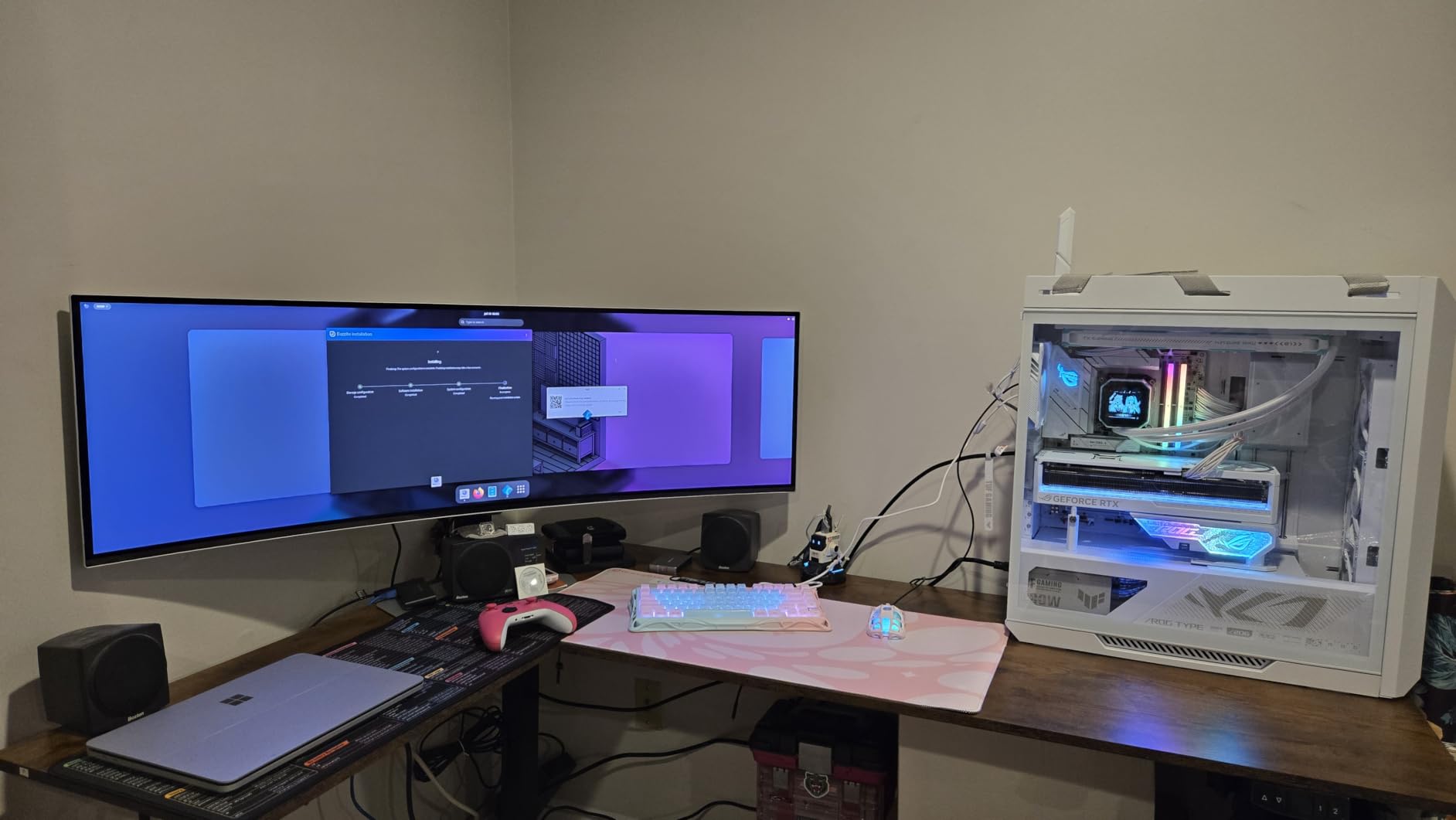
The DisplayHDR True Black 400 tier is the OLED-specific certification designed to deliver sustained blacks in dim scenes, and the HDMI 2.1 and DisplayPort inputs pair naturally with both a PC and a current-generation console.
2. LG UltraGear 27GX704A: Top Rated
LG 27GX704A-B 27-inch Ultragear QHD (2650×1440) OLED Gaming Monitor 240Hz, 0.03ms, NVIDIA G-Sync Compatible, AMD FreeSync Premium Pro, VESA Display HDR TrueBlack400, HDMI 2.1, DisplayPort, Black
Size: 27 inch QHD OLED
Refresh: 240Hz
Response: 0.03ms
HDR: True Black 400
Pros
- 27 inch QHD OLED with 240Hz refresh
- 0.03ms GtG response time
- 98.5 percent DCI-P3 color coverage
- Triple UL certified for flicker free and low blue light
- OLED Care burn-in protection features
Cons
- Glossy finish needs controlled lighting
- Bulky external power brick
- Some text fringing typical of OLED
The LG UltraGear 27GX704A is the value pick because it brings the same 240Hz refresh rate and 0.03ms response time as screens costing far more, on a flat 27-inch QHD panel that fits a normal desk. Reviewers who came from 1440p IPS monitors consistently describe the jump to OLED blacks as the upgrade they wish they had made sooner.
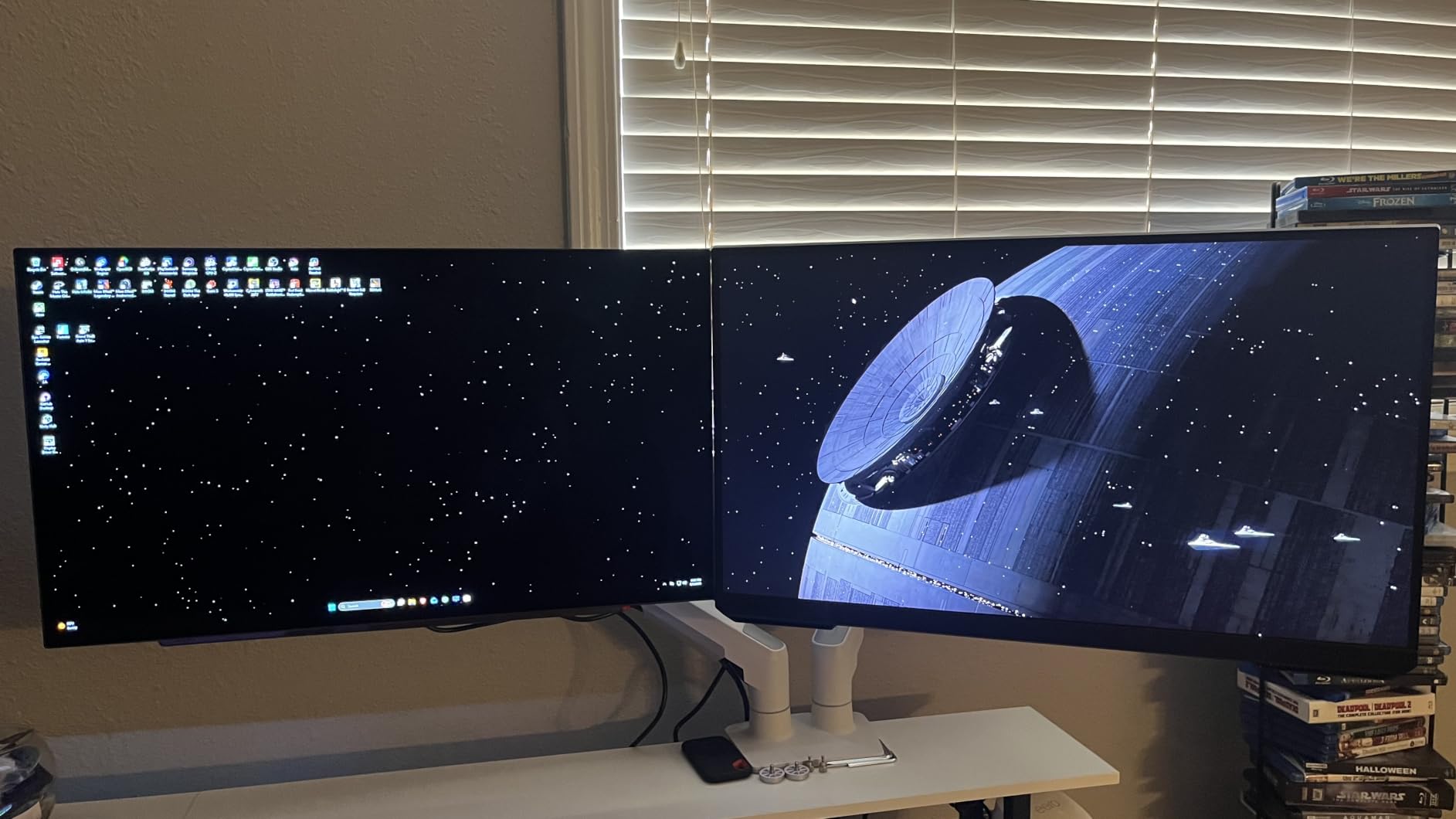
For Prime shoppers building a first OLED setup, this LG covers the essentials: VESA DisplayHDR True Black 400, both NVIDIA G-SYNC Compatible and AMD FreeSync Premium Pro support, and OLED Care features that handle pixel refresh and screen shifting automatically. The adjustable stand supports height, tilt, swivel, and pivot, which is unusual at this price point.
Shoppers weighing this against the Samsung Odyssey G6 G61SH, also a 27-inch OLED with 240Hz, will notice the panel type and the finish differ: this LG uses WOLED with a glossy coat, while the Samsung uses QD-OLED with Glare Free. In a dim room the LG’s punchy contrast feels lively. Near a window, the Samsung’s matte approach reduces reflections better.
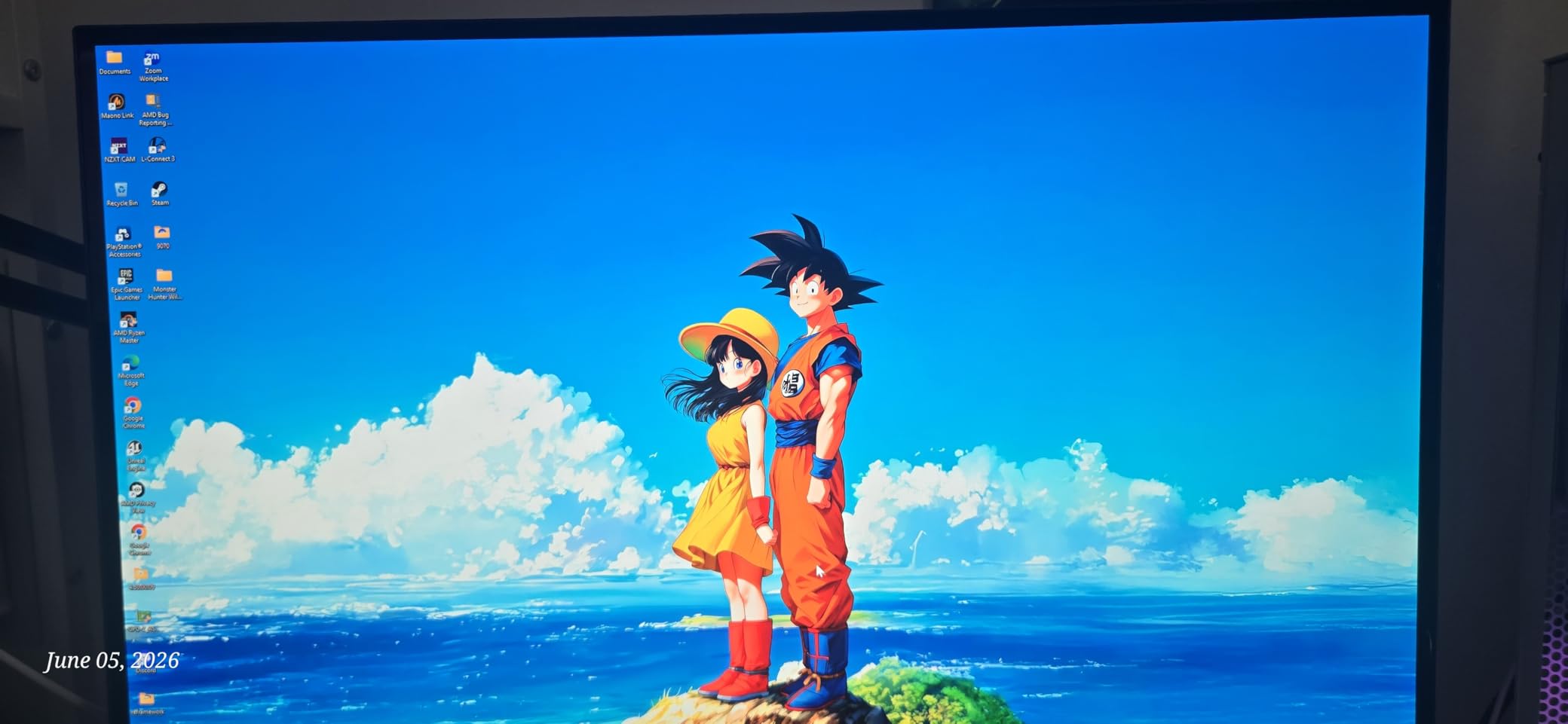
Owners who edit photos or video on the side will appreciate the 98.5 percent DCI-P3 coverage, which lets the panel display nearly all of the cinema-grade color space without a third-party calibrator.
3. Alienware AW3425DW: Best for Ultrawide Immersion
Alienware 34 240Hz QD-OLED Curved Gaming Monitor – AW3425DW – 34.2-inch WQHD (3440 x 1440) 0.03ms Display, 1800R Curve, AMD FreeSync Premium Pro, VESA AdaptiveSync, DisplayHDR TrueBlack 400
Size: 34 inch QD-OLED curved
Refresh: 240Hz
Response: 0.03ms
HDR: True Black 400
Pros
- 34.2 inch QD-OLED with 1800R curve
- 99.3 percent DCI-P3 and Delta E less than 2
- FreeSync Premium Pro and G-SYNC Compatible
- Premium build quality
- DisplayHDR TrueBlack 400 certified
Cons
- Premium price point
- Fewer HDMI ports than some rivals
- No built-in speakers
The Alienware AW3425DW is the ultrawide pick for shoppers who want a curved QD-OLED that wraps around without dominating the room like a 49-inch super ultrawide. The 34.2-inch 1800R curve sits at the natural sweet spot for a desk at typical viewing distance, and the 3440×1440 resolution keeps text readable without scaling.
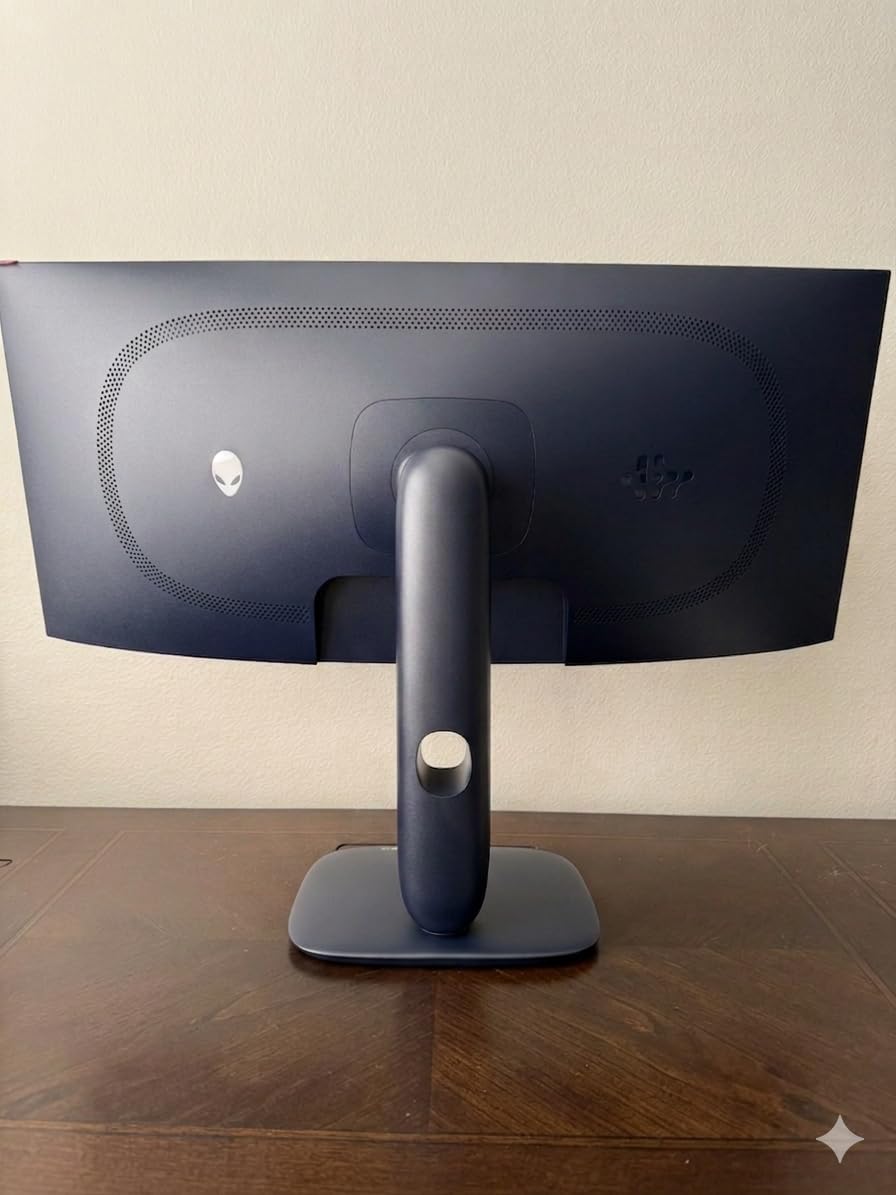
Reviewers describe the out-of-box color accuracy as one of the strongest on this list, with Delta E under 2 and 99.3 percent DCI-P3 coverage. For a creative doing color work between gaming sessions, that combination removes the calibration step most OLEDs require. The 240Hz refresh and 0.03ms response time also hold up well in competitive shooters, even if the 34-inch size is not what tournament players usually reach for.
Stacked next to the LG UltraGear 27GX704A, the Alienware trades the smaller flat form factor for a wider curved canvas and QD-OLED color. Buyers who care about desk space and pixel density will prefer the LG. The Alienware is the cleaner choice for the wraparound feeling without going all the way to 49 inches.
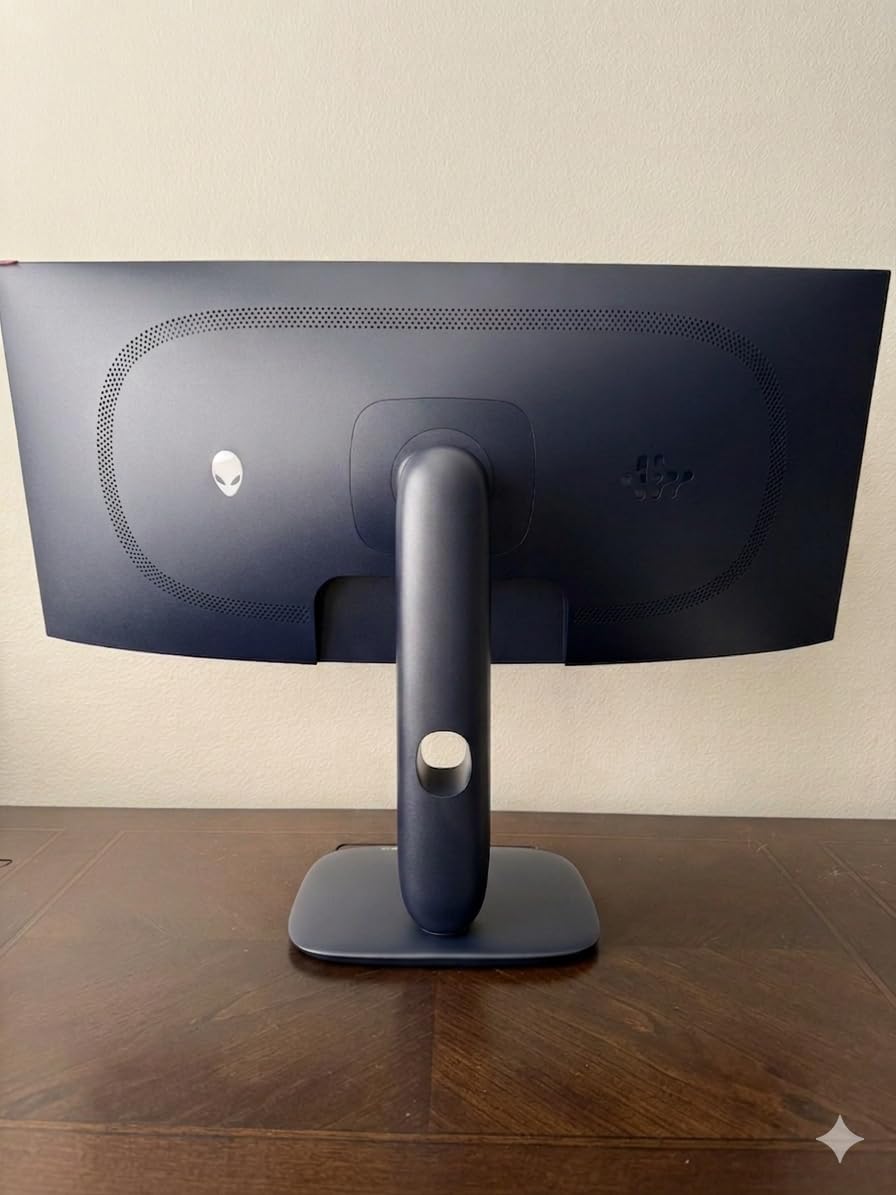
Audio is the one area where this Alienware steps back: there are no built-in speakers, which is common for premium OLED monitors at this size. Most owners pair it with external desktop speakers or a headset for everyday sound.
4. MSI MPG 491CQPX: Best for Productivity
msi MPG 491CQPX QD-OLED 49-inch QD-OLED 5120 x 1440 (DQHD) Computer Monitor, 240Hz, G-SYNC Compatible, HDMI, Display Port, VGA Port, VESA Mountable, Tilt, Height Adjustable, Speaker, 0.03ms, Black
Size: 49 inch QD-OLED super ultrawide
Refresh: 240Hz
Response: 0.03ms
HDR: True Black 400
Pros
- 49 inch DQHD super ultrawide with 32:9 aspect
- Built-in KVM switch
- MSI OLED Care 2.0 burn-in protection
- HDMI 2.1 with 48 Gbps Console Mode
- Fanless graphene heatsink
Cons
- Needs substantial desk space
- OLED care reminders can be intrusive
- Heavy at 22.2 lb
The MSI MPG 491CQPX earns its productivity badge because it pairs the wide canvas of a super ultrawide with a built-in KVM switch. The KVM lets one keyboard and mouse move between two computers shown side by side on the 32:9 panel, which removes the cable dance that usually comes with a dual-monitor setup.
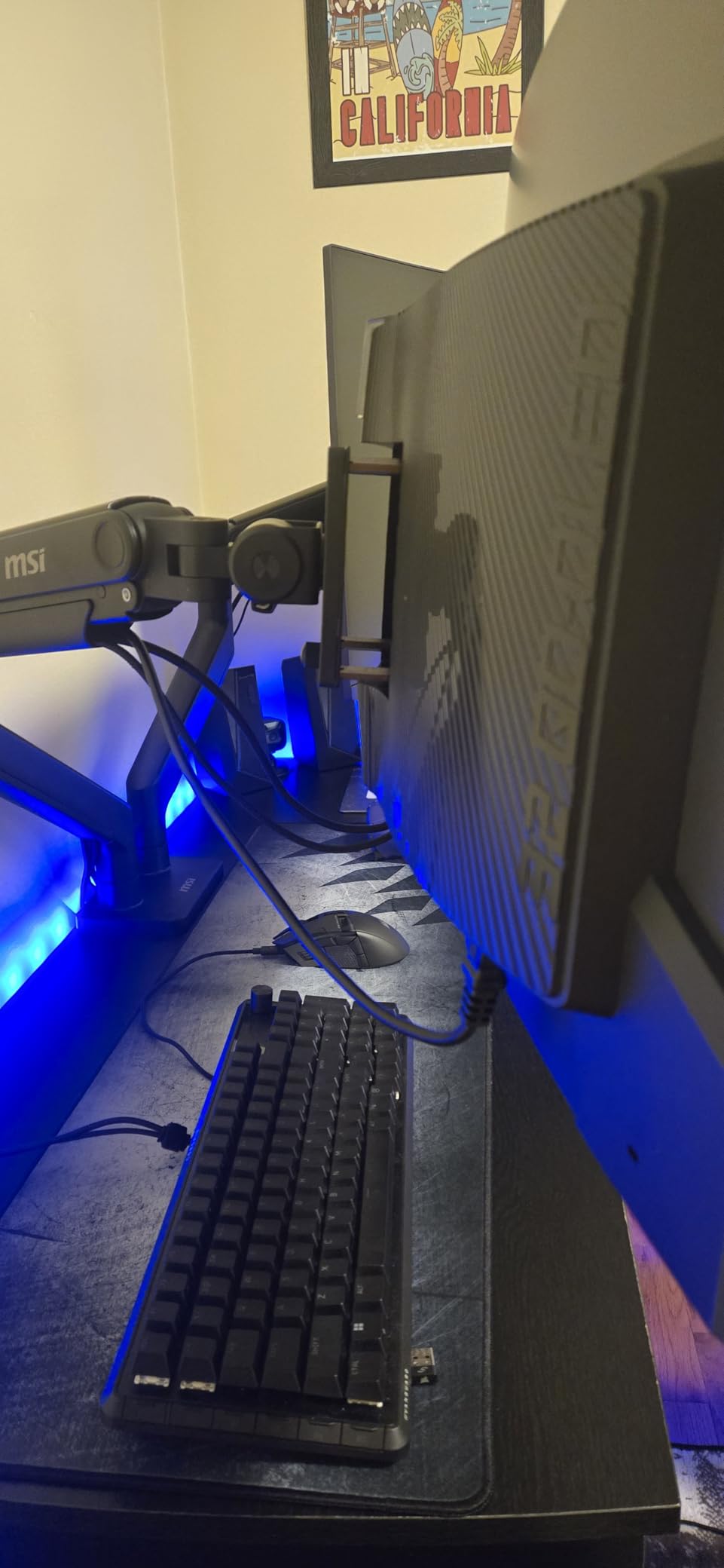
For shoppers who game on one machine and work on another, this MSI handles both roles without needing a second screen. The fanless graphene heatsink keeps the panel quiet during long sessions, and the HDMI 2.1 port at full 48 Gbps bandwidth makes the monitor a useful partner for current-generation consoles that output at 4K.
The Samsung Odyssey G93SC sits in the same 49-inch QD-OLED neighborhood but without the MSI’s KVM switch or fanless graphene cooling. Shoppers who split time between a work laptop and a gaming PC will lean MSI. Buyers who care more about brand familiarity and a clean look on the desk will lean Samsung.
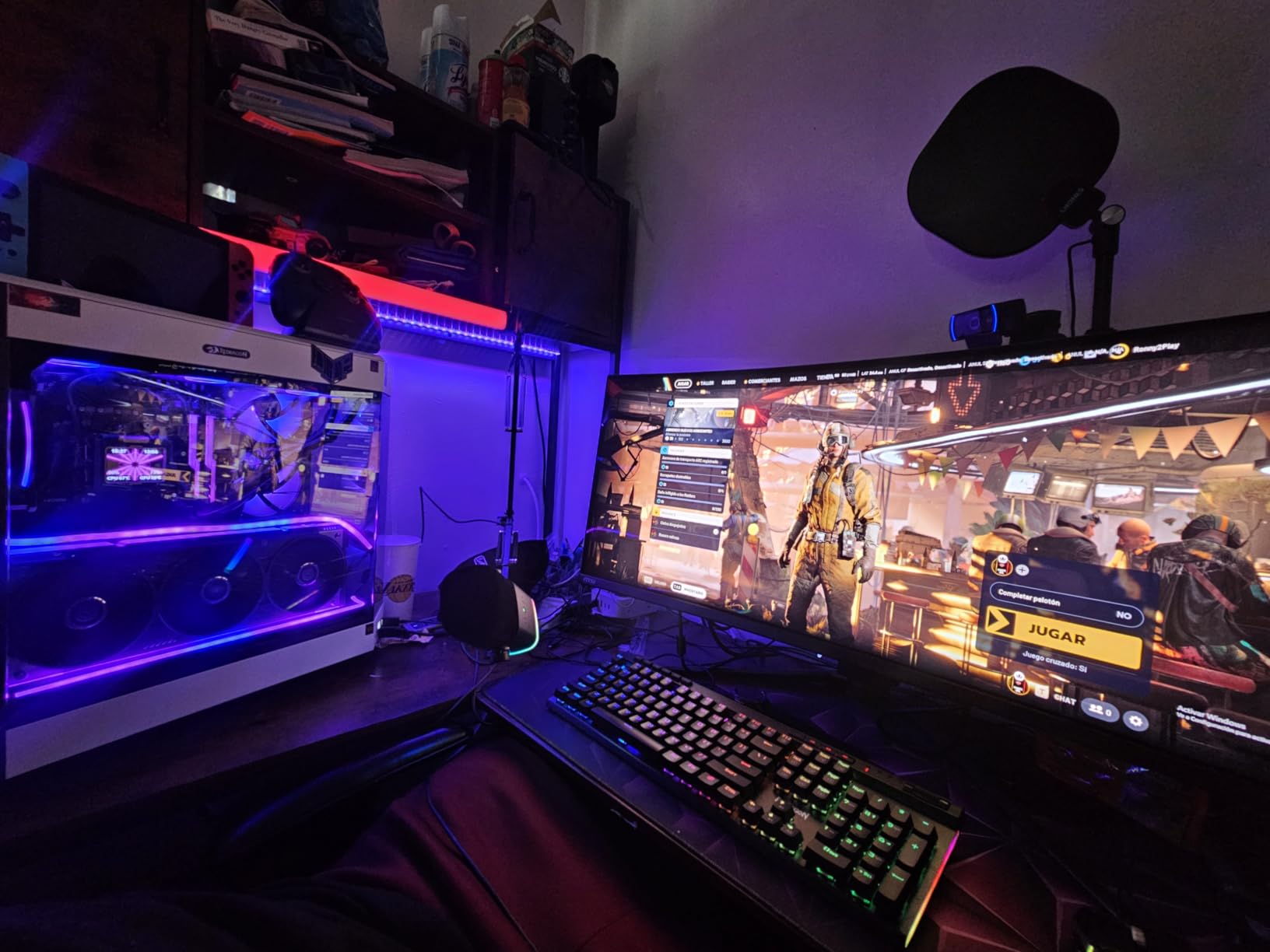
Static UI is the long-term risk on any OLED, and MSI’s OLED Care 2.0 handles it with scheduled pixel refresh and screen shift routines, which keep spreadsheets and code editors from leaving a permanent mark on the panel.
5. MSI MPG 321URX: Best 4K OLED
msi MPG 321URX QD-OLED, 32″ 4K UHD Quantum Dot OLED Gaming Monitor, 3840 x 2160, 0.03ms, 240Hz, True Black HDR 400, 90W USB Type C, HDMI, DP Port
Size: 31.5 inch QD-OLED 4K
Refresh: 240Hz
Response: 0.03ms
HDR: True Black 400
Pros
- 31.5 inch 4K UHD QD-OLED panel
- 90W USB Type-C display and charging
- 99 percent DCI-P3 with Delta E less than 2
- KVM with PiP and PbP
- 10-bit color with OLED Care 2.0
Cons
- Premium price point
- Static content burn-in needs care
- Large physical footprint
The MSI MPG 321URX is the 4K pick for shoppers who want UHD sharpness with a generous 90W USB-C connection. The USB-C port charges a connected laptop while carrying the display signal, which makes this monitor a useful single-cable dock for a workstation and a clean gaming screen after hours.
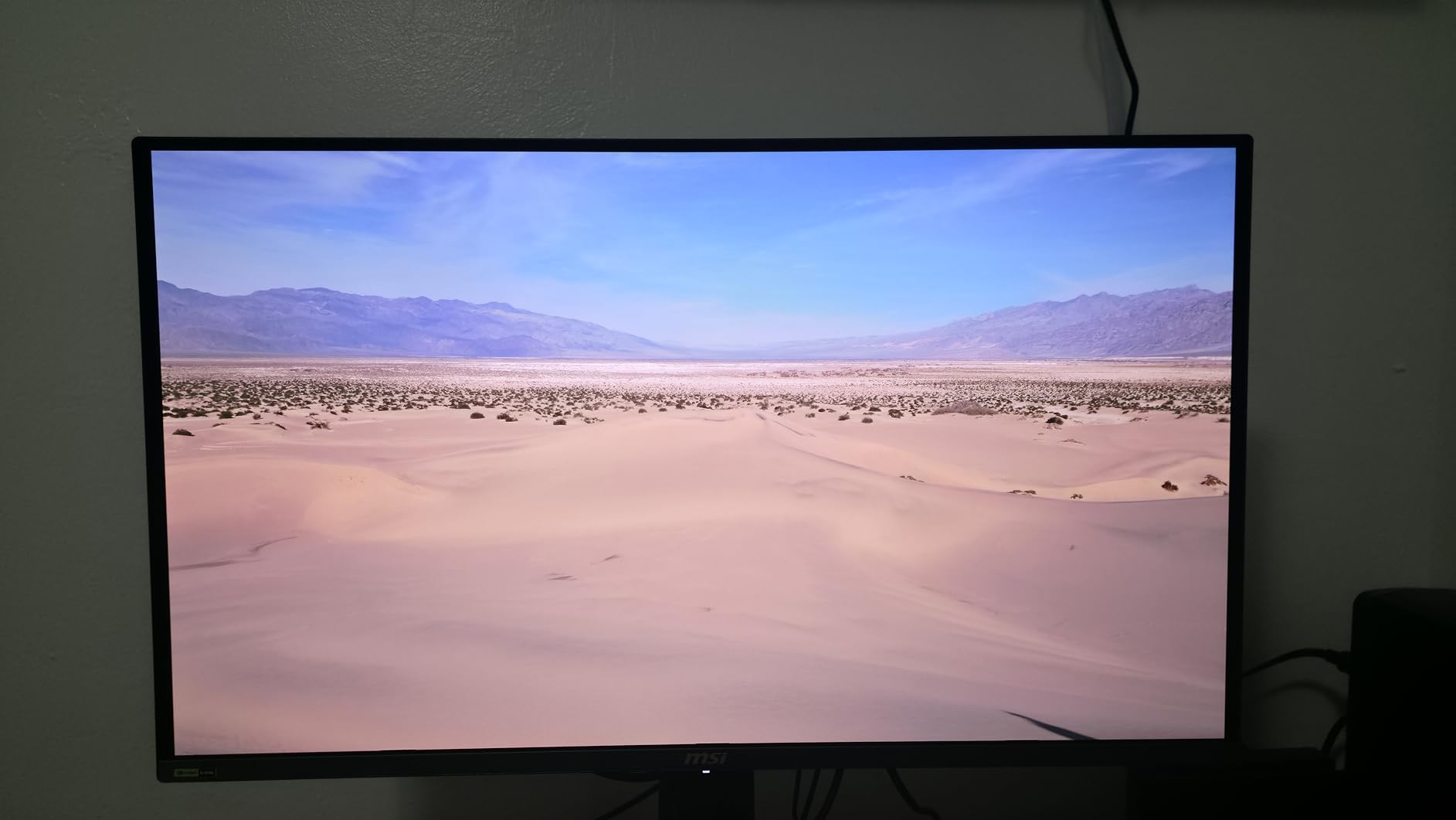
Reviewers call out the 10-bit color depth and Delta E under 2 accuracy as the reason this MSI works for color work between gaming sessions. The KVM with Picture-in-Picture and Picture-by-Picture support also lets you run a laptop and a desktop side by side without a second display.
Buyers cross-shopping the Alienware AW3425DW should know what changes shape here: this MSI gives up the curved 34-inch ultrawide canvas for a flat 31.5-inch 4K panel with 90W USB-C charging. Photo, video, and CAD editors who want the sharpest text rendering will prefer the MSI. Racing and flight sim fans who want wrap-around immersion will prefer the Alienware.
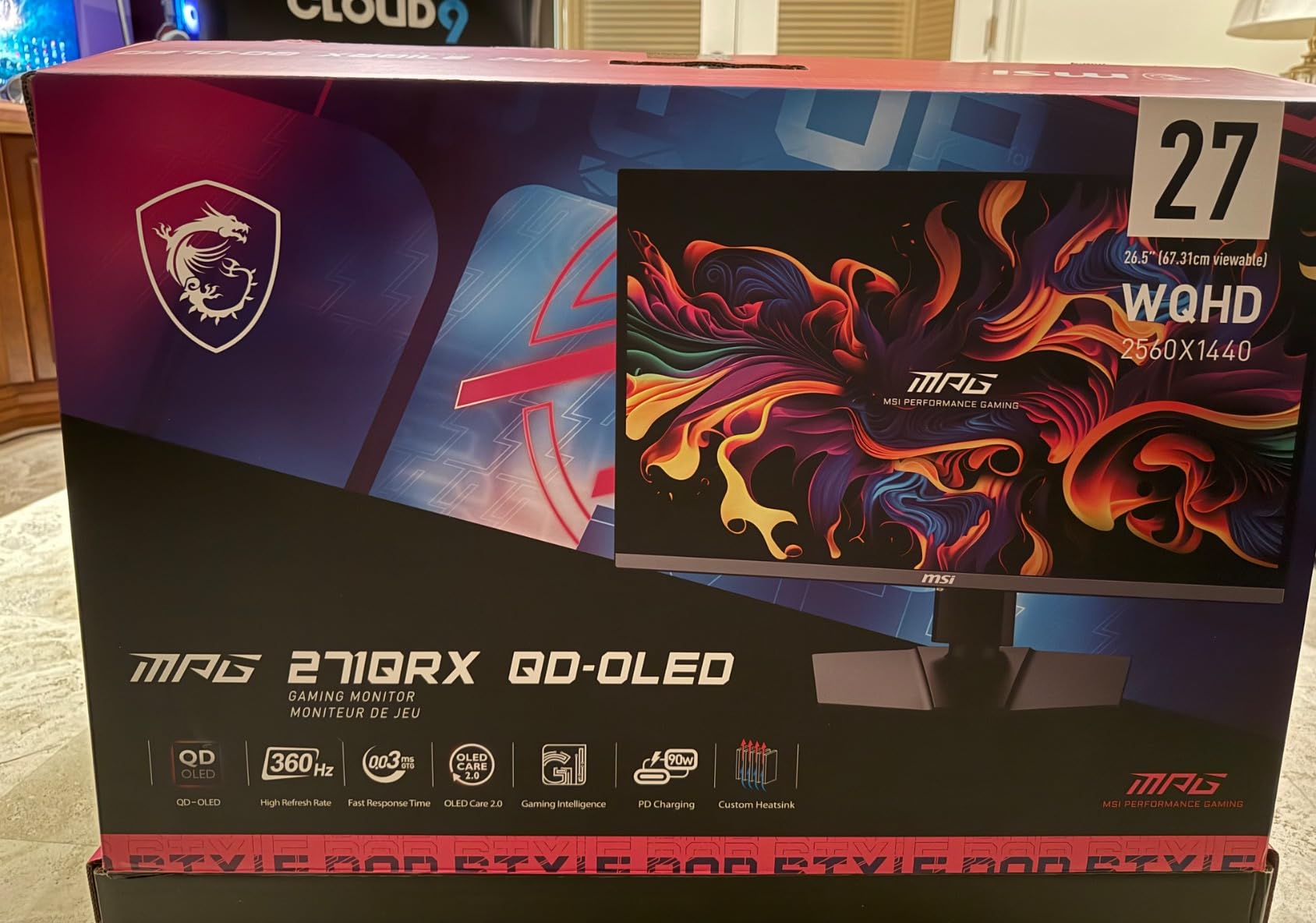
At 3840×2160, the small-text scaling that 4K usually needs on 27-inch screens becomes far more comfortable on a 31.5-inch panel, so buyers will run Windows at a milder zoom than on smaller 4K displays.
6. Samsung Odyssey G6 G61SH: Best Value
Samsung 27″ Odyssey OLED G6 (G61SH) QD-OLED, QHD (1440P) Gaming Monitor
Size: 27 inch QD-OLED
Refresh: 240Hz
Response: 0.03ms
HDR: True Black 400
Pros
- 27 inch QHD QD-OLED panel
- 240Hz refresh with 0.03ms response
- Pantone Validated color accuracy
- OLED Safeguard burn-in protection
- Glare Free Technology for bright rooms
Cons
- Only 1 HDMI port
- No USB hub
- Compact stand footprint
The Samsung Odyssey G6 G61SH earns the top-rated badge because it holds the highest average rating on this list while still packing the panel features that matter. The Pantone Validated color accuracy covers over 2100 colors, which is a useful assurance for anyone who edits photos or video on the side.
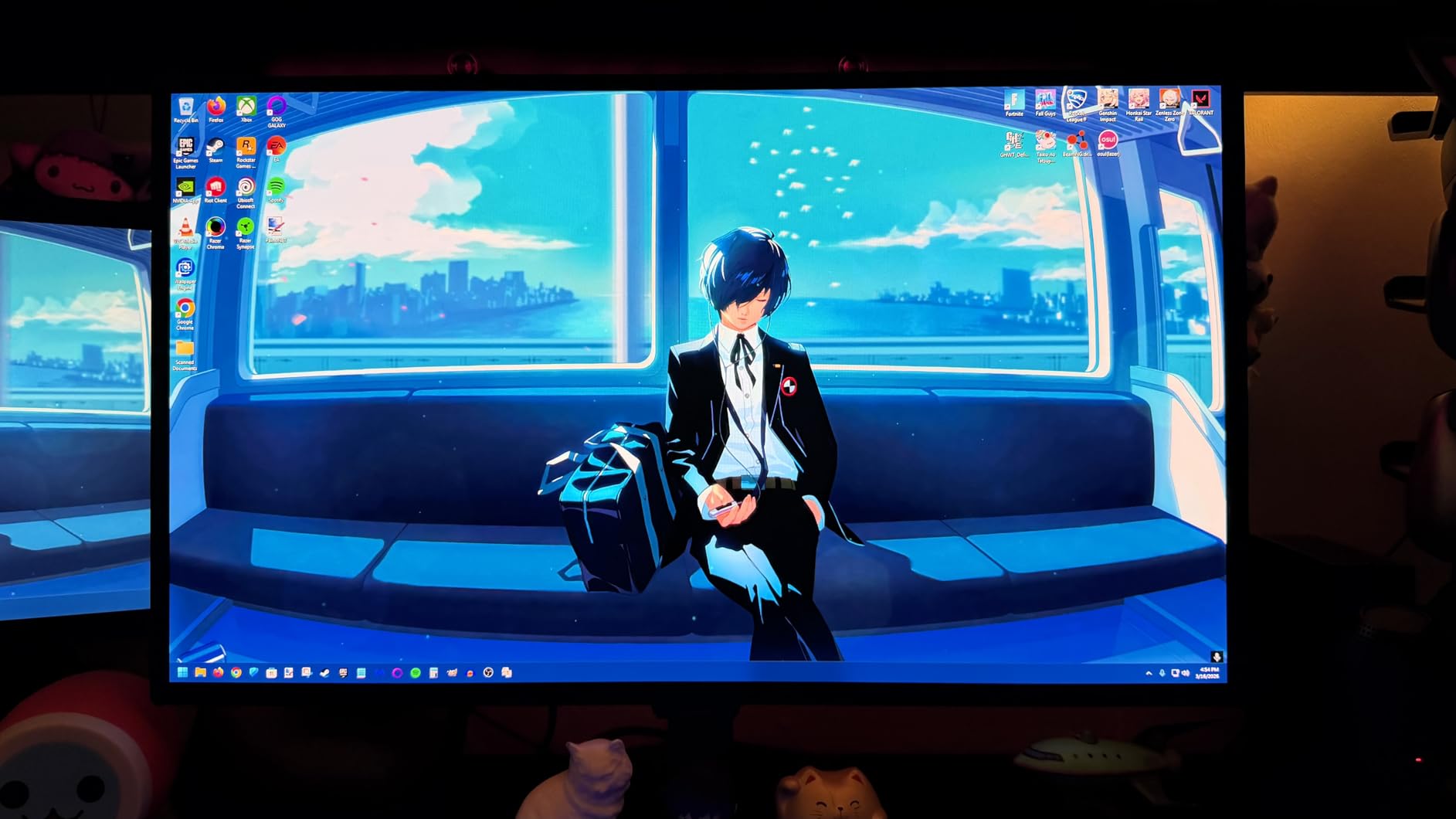
Reviewers consistently highlight the Glare Free Technology, which makes this Samsung the easier choice for desks near a window. Most OLED panels have glossy coatings that pick up reflections, so the matte approach here is a real differentiator. The OLED Safeguard features handle burn-in prevention through pixel shift and brightness management.
Buyers weighing the LG UltraGear 27GX704A should note the panel and finish swap: this Samsung pairs QD-OLED with a matte coating, while the LG pairs WOLED with a glossy coat. In a room with window glare, the Samsung wins. In a dim room with a need for punchier color and a fully adjustable stand, the LG is the better fit.
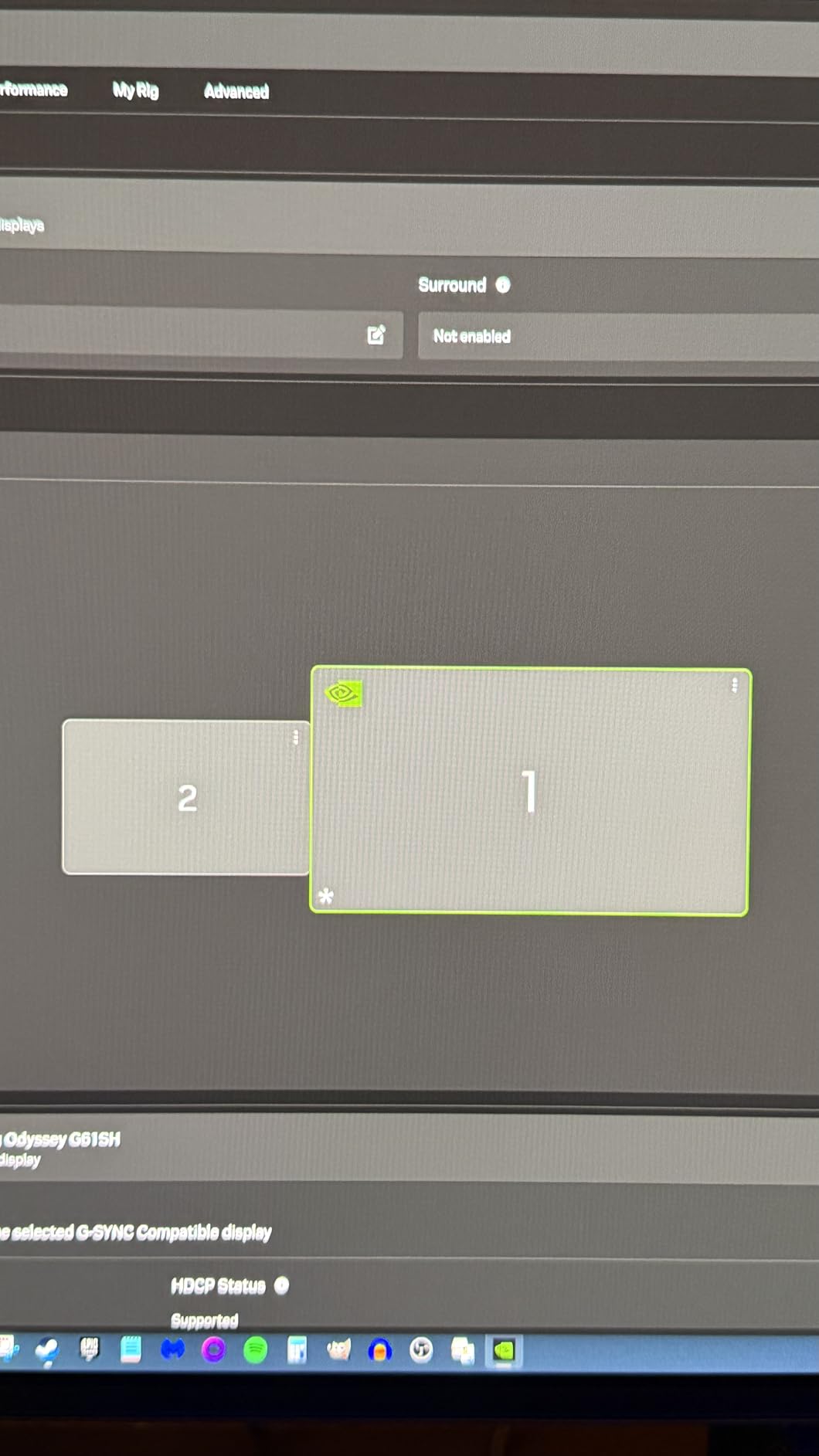
Samsung’s OLED Safeguard suite runs scheduled maintenance cycles and a logo detection routine that dims static on-screen elements, and both are worth keeping enabled for long ownership.
7. ASUS ROG PG27AQDP: Best for Competitive Gaming
ASUS ROG PG27AQDP 27 Inch 1440p 480Hz OLED Gaming Monitor
Size: 26.5 inch WOLED
Refresh: 480Hz
Response: 0.03ms
HDR: True Black 400
Pros
- First 1440p 480Hz OLED gaming monitor
- Exclusive Gaming AI Assistant
- ROG OLED Anti-Flicker technology
- 99 percent DCI-P3 with Delta E under 2
- 3 year warranty with burn-in coverage
Cons
- Premium price for 1440p resolution
- Some mixed reliability reports
- Single HDMI port
The ASUS ROG PG27AQDP is the competitive pick because it is the first 1440p OLED to push 480Hz. That headline speed is meaningful at the top end of esports, where every additional frame of motion clarity can change how a flick shot lands. The 0.03ms response time means the panel does not need overdrive settings to feel responsive.
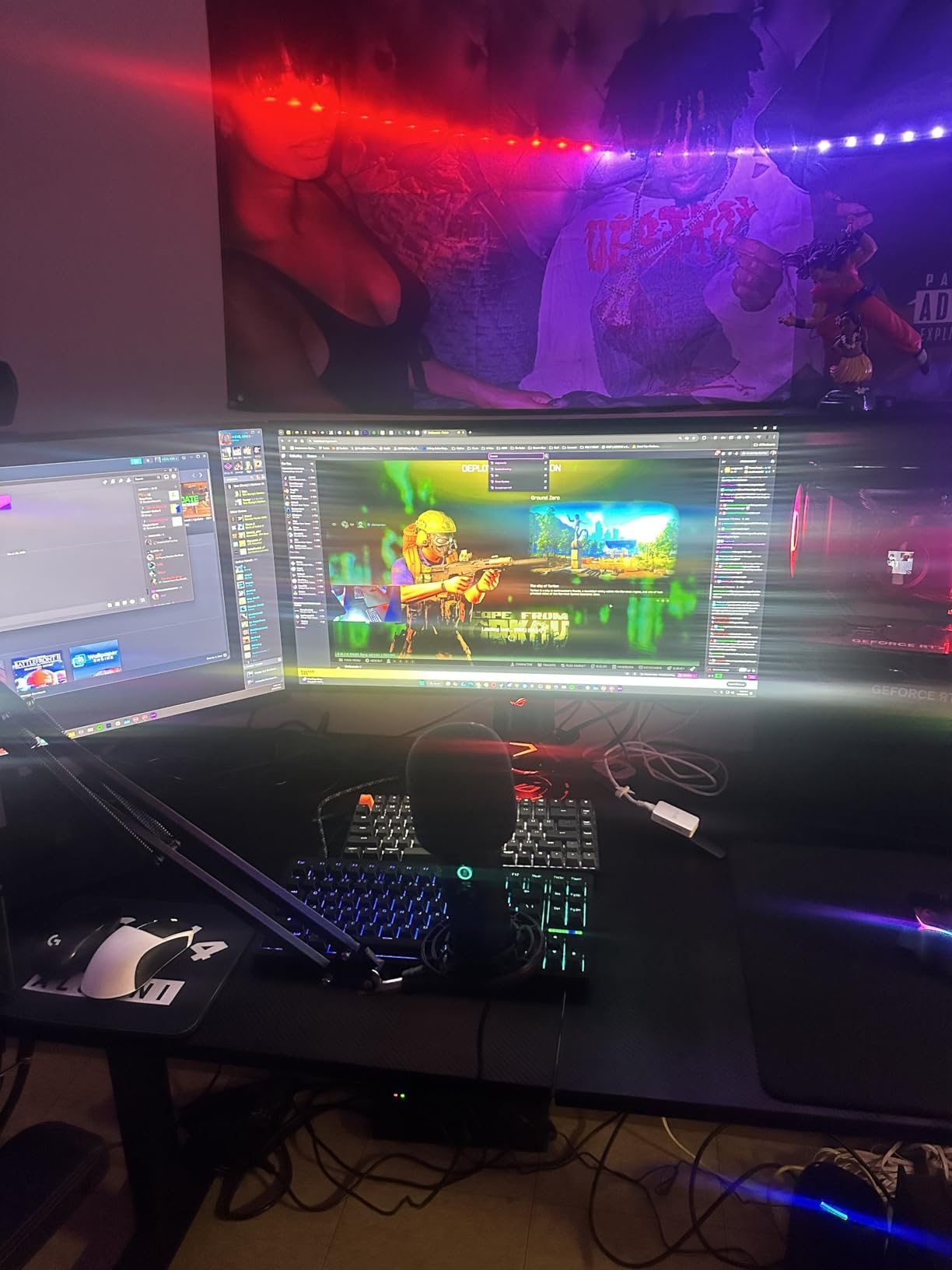
Reviewers appreciate the ROG OLED Anti-Flicker Technology, which addresses one of the long-running complaints about OLED monitors in dim UI scenes. The 3-year warranty with burn-in coverage is also a strong signal: ASUS is willing to stand behind the panel even with heavy tournament use.
The ASUS ROG XG27AQDMGR lives in the same 27-inch ROG OLED family but trades the PG27AQDP’s 480Hz speed for higher HDR brightness and a glossy finish. Esports players who want every frame they can buy will pick the PG27AQDP. Single-player fans who want HDR impact and a glossy look will pick the XG27AQDMGR.
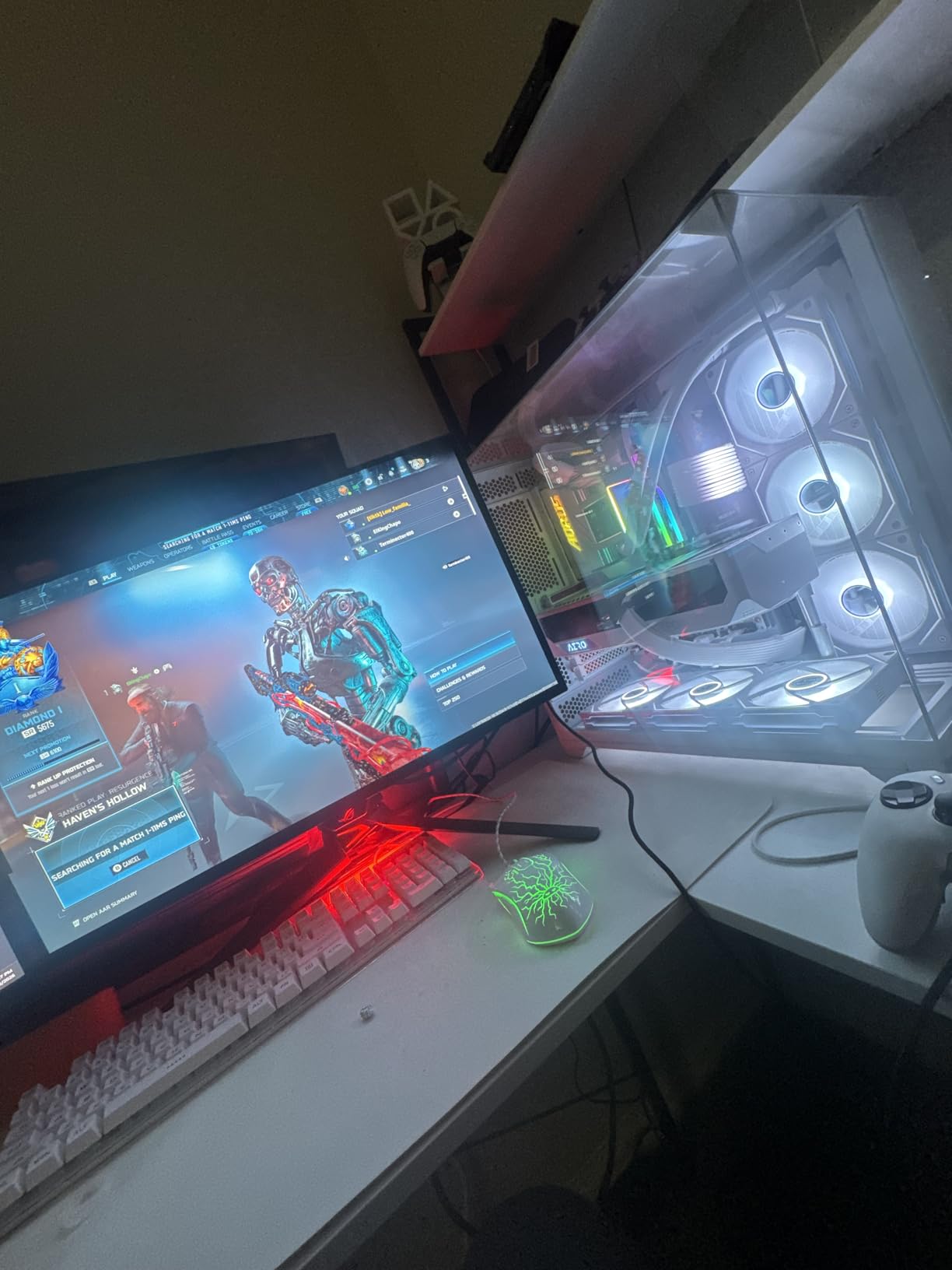
Driving 480Hz at 1440p means a recent graphics card with DisplayPort 2.1 or HDMI 2.1 plus DSC compression support. Older mid-range GPUs will cap out well below the panel ceiling.
8. AOC Q27GAZD: Budget Pick
AOC 27″ Gaming Monitor QHD 240Hz QD OLED NVIDIA G-SYNC Compatible Q27GAZD
Size: 27 inch QD-OLED
Refresh: 240Hz
Response: 0.03ms
HDR: True Black 400
Pros
- 27 inch QHD QD-OLED at an entry price
- 0.03ms GtG response time
- 147.6 percent sRGB and 110.2 percent DCI-P3
- NVIDIA G-SYNC Compatible
- Frameless design with 3 year warranty
Cons
- Only 1 HDMI port
- No USB ports listed
- Limited to 1440p resolution
The AOC Q27GAZD is the budget pick because it brings a QD-OLED panel, 240Hz refresh, and 0.03ms response time to the lowest entry point on this list. For shoppers moving up from a 144Hz IPS panel, this AOC gives them OLED contrast and QD-OLED color without paying for the bigger screen sizes or premium brand tax.
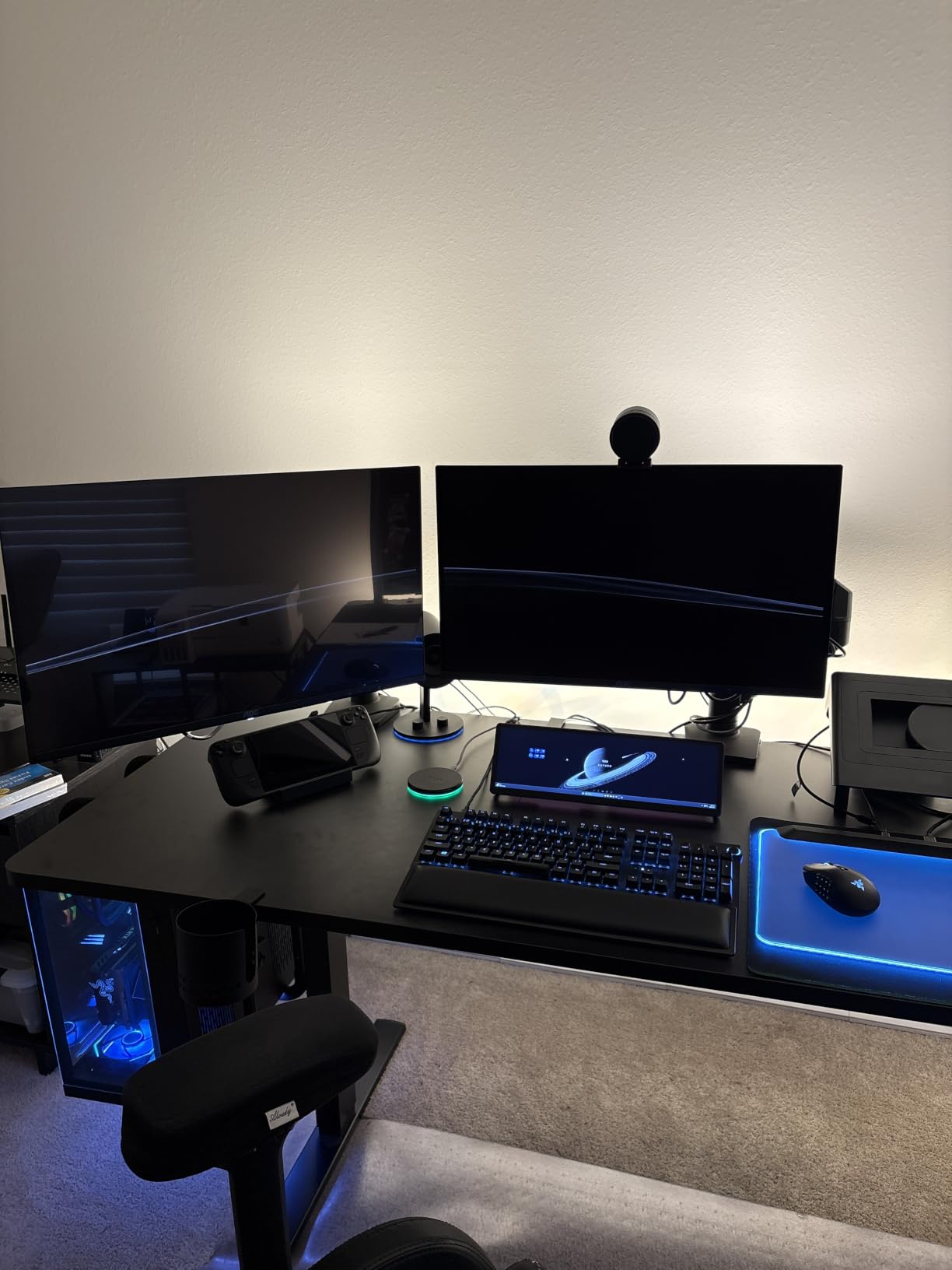
Reviewers note the 147.6 percent sRGB and 110.2 percent DCI-P3 coverage, which means colors look over-saturated by default but respond well to calibration. The frameless design keeps the screen small on the desk, which matters for buyers with shallow tables.
Shoppers cross-shopping the LG UltraGear 27GX704A will notice the AOC trims to reach its price: the adjustable stand, USB hub, and second HDMI port are all gone. Buyers who already own a monitor arm and do not need KVM features will see the AOC as the more sensible Prime choice. Buyers who want a fully featured stand and OLED Care burn-in protection out of the box will find the LG worth the extra spend.
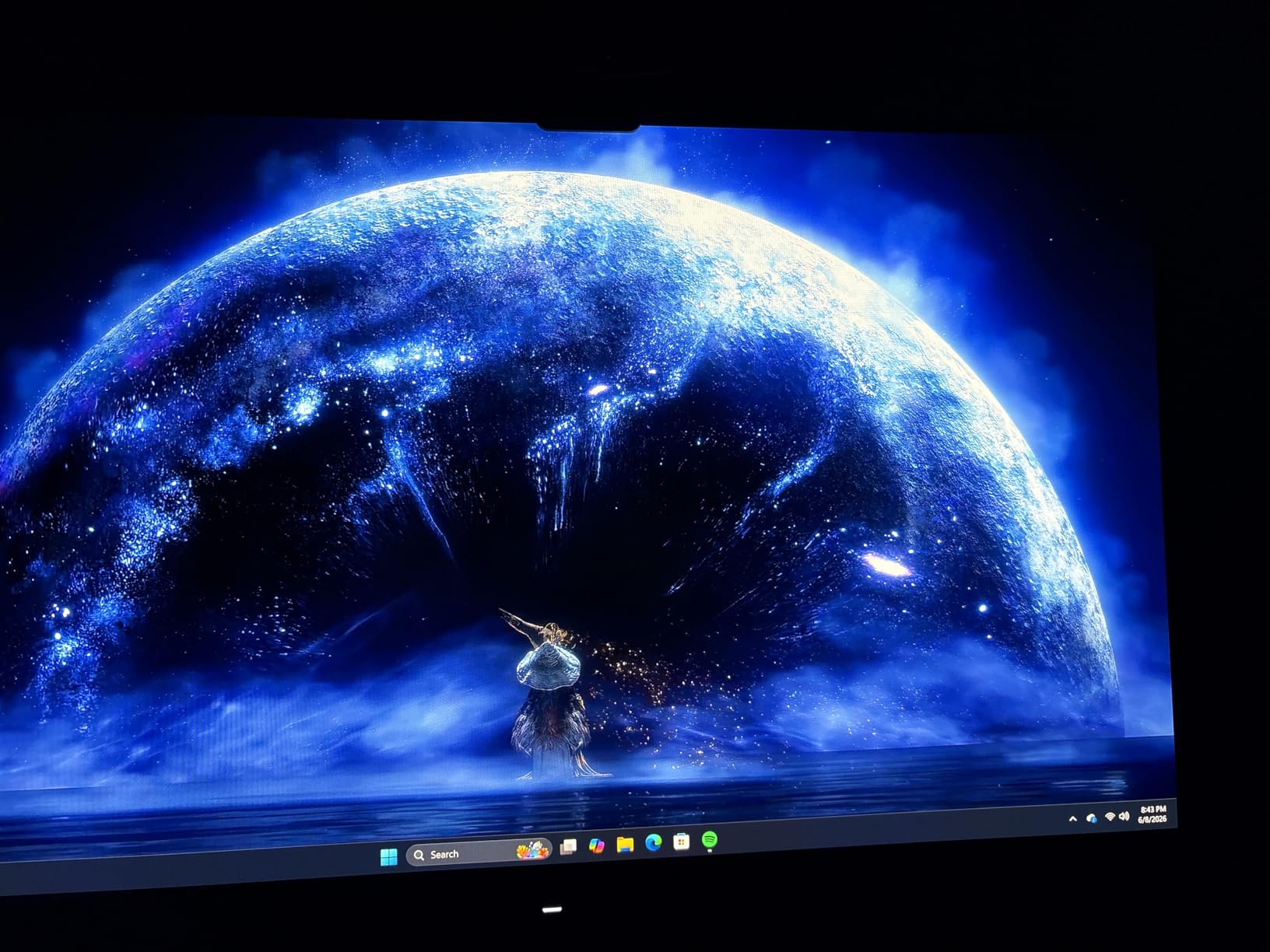
Adding a VESA mount adapter is the easiest way to bring ergonomic adjustment back, since the AOC’s plate is standard and any third-party monitor arm will fit without extras.
9. Samsung Odyssey G9 G91SD: Best Super Ultrawide
Samsung 49″ Odyssey OLED G9 (G91SD) Dual QHD QD-OLED Curved Gaming Monitor
Size: 49 inch QD-OLED super ultrawide
Refresh: 144Hz
Response: 0.03ms
HDR: True Black 400
Pros
- 49 inch Dual QHD QD-OLED curved display
- 32:9 super ultrawide aspect ratio
- Thermal Modulation System for burn-in
- Picture-in-Picture multitasking
- G-SYNC Compatible and FreeSync Premium Pro
Cons
- Lower 144Hz refresh than 240Hz rivals
- Very large footprint
- Single HDMI port
The Samsung Odyssey G9 G91SD is the super ultrawide pick for shoppers who want QD-OLED immersion and prefer Samsung’s burn-in protection approach. The Thermal Modulation System plus Logo and Taskbar Detection together guard the panel during heavy workday use with spreadsheets and chat windows.
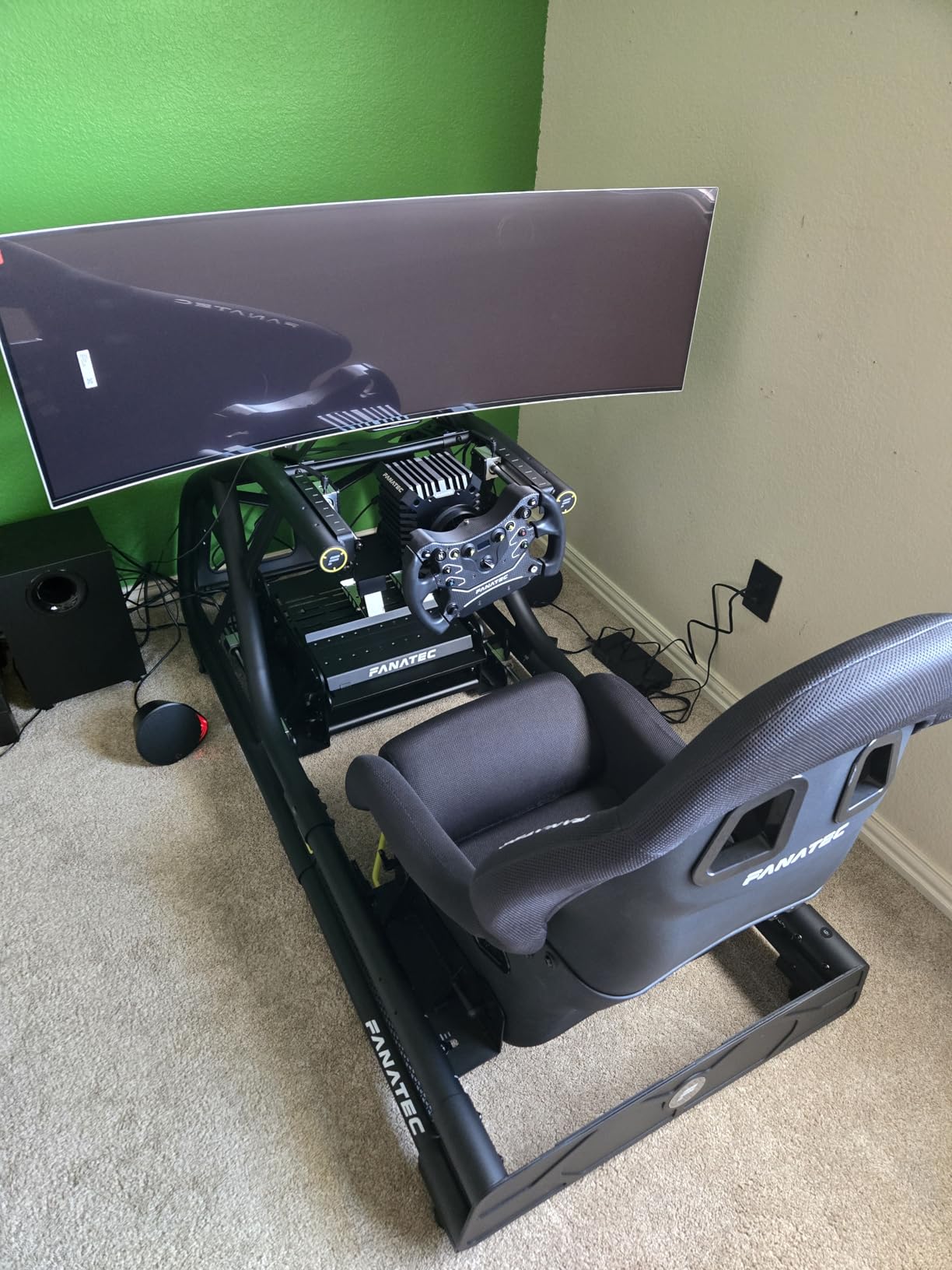
The 49-inch 32:9 canvas behaves like two 27-inch 1440p screens side by side without the bezels. For a buyer who already uses two monitors and wants to consolidate, this Samsung removes the gap between panels. Picture-in-Picture mode also lets you stack a smaller window over your main work for reference material.
The MSI MPG 491CQPX lives in the same 49-inch QD-OLED super ultrawide corner but jumps to 240Hz and adds a KVM switch this Samsung skips. Shooter fans chasing faster refresh on a super ultrawide will lean MSI. Buyers who want Samsung’s burn-in protection system and the PiP layout will lean this Odyssey G9.
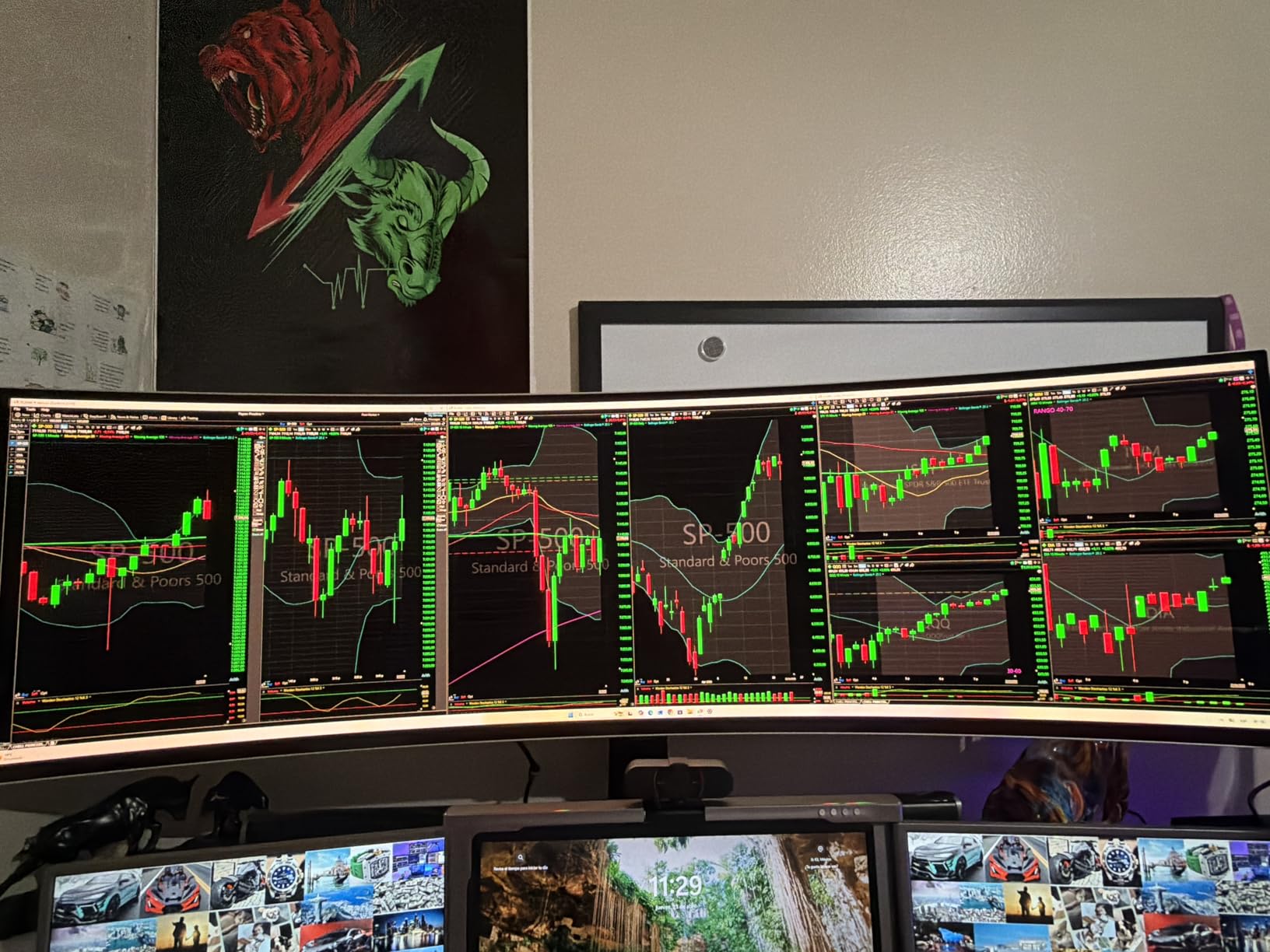
On a 49-inch super ultrawide, 144Hz still feels smooth for cinematic single-player games, racing sims, and most productivity work, and the trade-off against 240Hz shows up clearly only in competitive shooters.
10. ASUS ROG XG27AQDMGR: Best for HDR Glossy
ASUS ROG XG27AQDMGR 27 Inch 1440p 240Hz Glossy OLED HDR Gaming Monitor
Size: 26.5 inch WOLED glossy
Refresh: 240Hz
Response: 0.03ms
HDR: True Black 400
Pros
- TrueBlack Glossy WOLED panel
- 1300 nit peak HDR brightness
- OLED Care Pro with proximity sensor
- 99 percent DCI-P3 and Delta E under 2
- 3 year warranty with burn-in coverage
Cons
- Text can appear slightly blurry due to OLED subpixel
- Limited to 1440p resolution
The ASUS ROG XG27AQDMGR is the HDR glossy pick because it pairs a TrueBlack Glossy WOLED panel with OLED Care Pro protection. For a single-player enthusiast who plays in a controlled environment, the punchier blacks and brighter specular highlights feel closer to a reference display than a matte OLED.
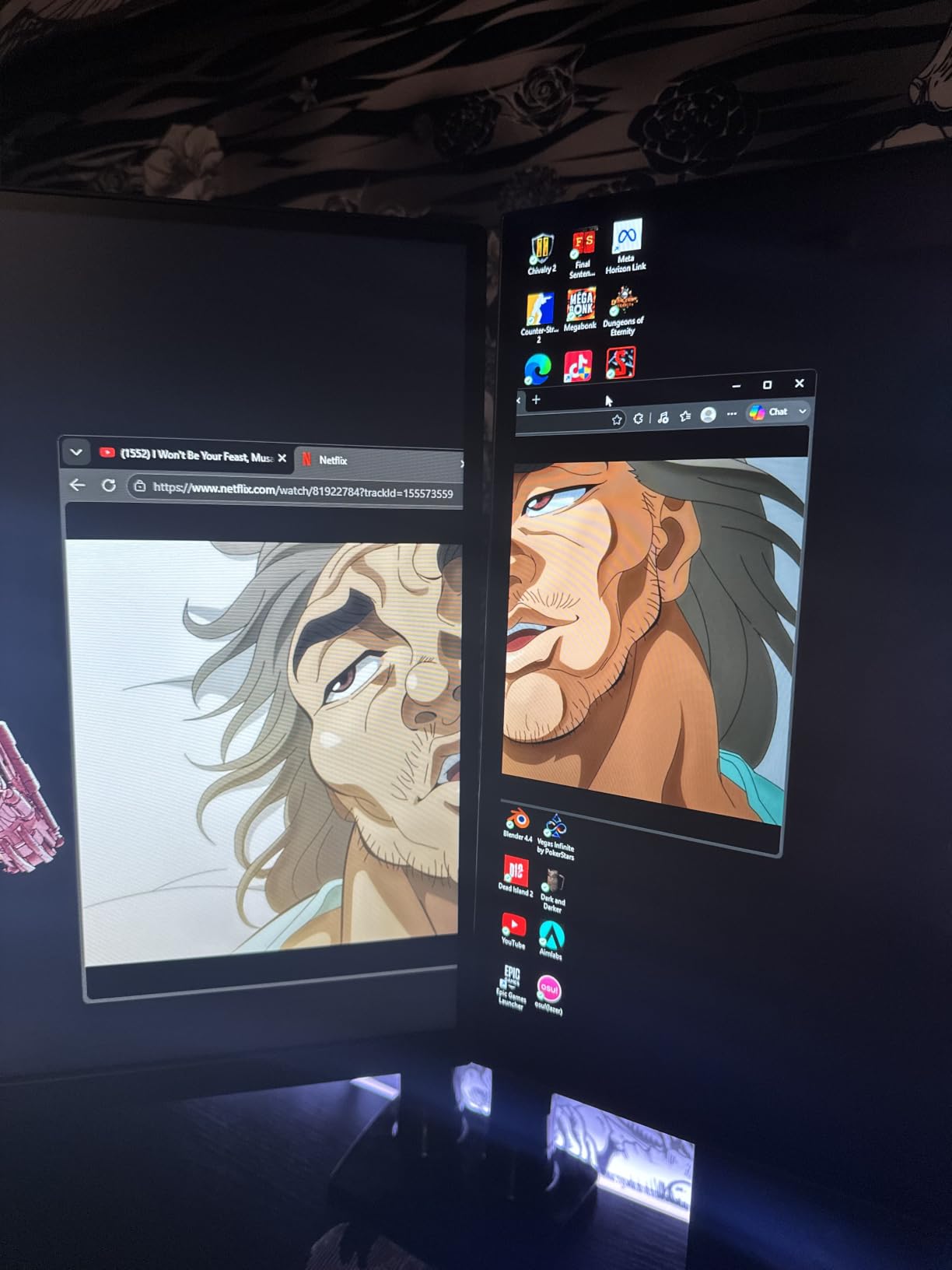
Reviewers like the proximity sensor in OLED Care Pro, which detects when you leave the desk and automatically runs panel refresh routines. For buyers who step away mid-session and forget to let the monitor cycle, this is a practical safeguard against uneven wear.
The ASUS ROG PG27AQDP lives in the same 27-inch ROG OLED family but trades this panel’s HDR brightness and glossy finish for 480Hz speed. Single-player fans who want the punchier specular highlights and a glossy look will pick the XG27AQDMGR. Esports players who prioritize frame rates will pick the PG27AQDP.
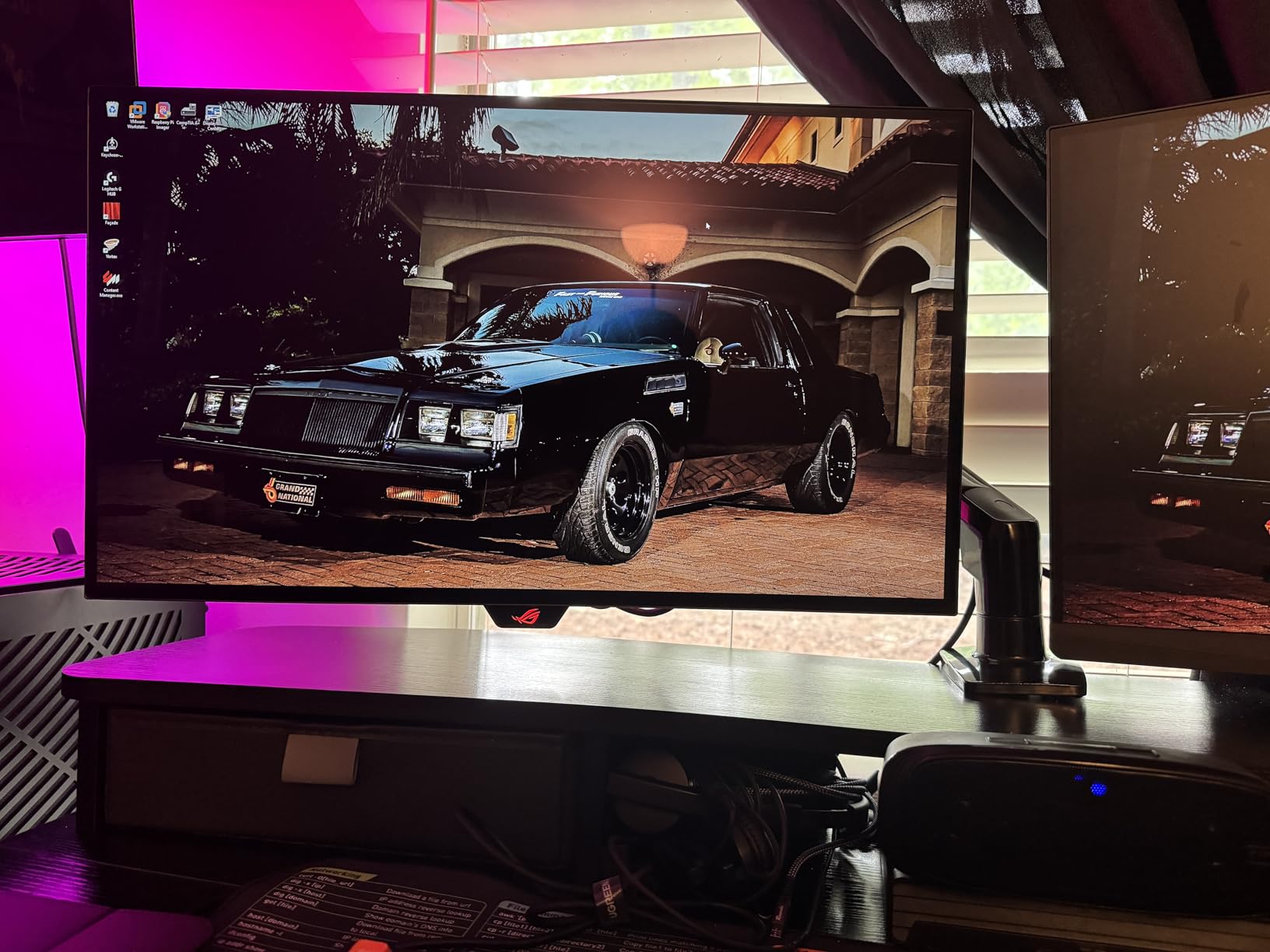
A glossy OLED in a sunlit room can pick up reflections from windows and lamps, so positioning the screen perpendicular to bright light sources, or closing blinds during the day, keeps glare out of dark game scenes.
How to Choose OLED Monitors During Prime Big Deal Days
Resolution and Screen Size
Most OLED monitors come in three shapes: 27-inch QHD for compact desks, 32-inch 4K for sharp productivity and single-player games, and 34-inch or 49-inch ultrawide for immersion. A 27-inch QHD panel pairs well with a recent mid-range GPU, while 4K at 32 inches needs more graphics horsepower to drive 240Hz. If you sit about 2 to 3 feet from the screen, the Samsung Odyssey G6 G61SH and LG UltraGear 27GX704A fit typical desks; for a deeper desk the Samsung Odyssey G93SC and MSI MPG 491CQPX make the ultrawide case. For shoppers reading our related guide on studio monitors for small rooms, the same flat 27-inch shape often works in compact spaces.
Refresh Rate and Response Time
For most single-player and multiplayer games, 240Hz with a 0.03ms panel response time is more than enough. Competitive esports players who already push past 240 frames per second will see a real edge from the 480Hz ASUS ROG PG27AQDP. If you play mostly slower-paced games, the 144Hz Samsung Odyssey G9 G91SD still feels smooth without driving the GPU as hard.
OLED HDR Brightness and Color Quality
Look for VESA DisplayHDR True Black 400, which is the OLED-specific tier designed for sustained dark-scene performance. Color coverage above 99 percent DCI-P3 and Delta E under 2 indicates a panel that holds its calibration, useful for buyers who edit between gaming sessions. The ASUS ROG XG27AQDMGR pushes peak HDR brightness near 1300 nits, the highest on this list, which makes specular highlights in HDR movies and games really pop.
Gaming Features and Connectivity
Both NVIDIA G-SYNC Compatible and AMD FreeSync Premium Pro support prevent tearing when frames fluctuate. For consoles, HDMI 2.1 with full 48 Gbps bandwidth lets a PlayStation 5 or Xbox Series X output 4K at 120Hz. The MSI MPG 321URX adds 90W USB-C, which charges a connected laptop at the same time, useful for buyers who dock a thin-and-light workstation.
Burn-In Protection and Warranty
Modern OLED panels ship with pixel shift, scheduled refresh, and logo detection routines that fight permanent image retention. Samsung’s OLED Safeguard and Thermal Modulation System, LG’s OLED Care, MSI’s OLED Care 2.0, and ASUS’s OLED Care Pro are all worth leaving enabled. For long ownership, ASUS’s 3-year warranty with burn-in coverage on the PG27AQDP and XG27AQDMGR is the strongest protection on this list.
How to Shop OLED Monitor Deals During the Sale
When a sale listing catches your eye, verify the exact model number on the page (B0XXX ASIN, then the model code) so you buy the panel revision in the spec sheet. Check screen size, resolution, refresh rate, panel type, and the package contents so you know whether the stand is included or whether a VESA mount is required. Read the seller, shipper, condition note, and return window so the offer matches what you expect; most of these deals require a Prime membership, and the listings can change throughout the October 6-7, 2026 event.
Quick Shopping Checklist
- Confirm the ASIN matches the model number on the spec sheet.
- Match the panel size and stand to your desk depth.
- Check the refresh rate and response time for your main games.
- Verify HDMI 2.1 and DisplayPort versions for your PC or console.
- Read the warranty terms, especially burn-in coverage.
- Confirm the seller, shipper, condition, and return window before checkout.
Frequently Asked Questions
When does Amazon Prime Big Deal Days run in 2026?
Amazon Prime Big Deal Days runs October 6-7, 2026. Most offers require a Prime membership, and a free trial qualifies. Pricing and availability can shift throughout the two-day event.
Which features matter when comparing Best Amazon Prime Big Deal Days OLED Monitor Deals?
Panel type (QD-OLED or WOLED), screen size, resolution, refresh rate, response time, adaptive sync support, HDR tier, connectivity ports, and warranty coverage. Match those to the games or work you run most, and the deals become easier to sort.
Is an OLED monitor better than a QLED monitor for everyday use?
For most desk setups, an OLED monitor wins on contrast and response time because each pixel turns on and off on its own. A QLED-backlit LCD can stay brighter in a very sunny room, but for general gaming, movies, and creative work OLED usually looks better.
Can OLED monitors develop burn-in during normal home use?
Modern OLED monitors ship with pixel shift, scheduled refresh, and logo detection routines that fight permanent image retention. Owners who leave those features on and avoid full-brightness static UI for many hours rarely report burn-in during normal mixed use.
Is a 144 Hz OLED monitor necessary for competitive gaming?
For most players, 240 Hz at 0.03 ms response is plenty fast. A 480 Hz panel like the ASUS ROG PG27AQDP adds noticeable clarity only if you already push past 240 frames per second in esports titles.
Should I choose a 27-inch or 32-inch OLED monitor?
Choose 27 inches for compact desks, higher pixel density, and the broadest selection of QHD OLED panels. Choose 32 inches when you want 4K sharpness for productivity or single-player games, and your desk and GPU can handle the larger pixel count.
Final Verdict: Best Amazon Prime Big Deal Days OLED Monitor Deals
Buy the Samsung Odyssey G93SC if you want the most immersive screen worth watching during the sale and you have the desk depth and GPU power to drive a 49-inch QD-OLED ultrawide. Choose the AOC Q27GAZD as the budget-friendly alternative for a compact 27-inch QD-OLED that still hits 240Hz and 0.03ms response. Pick the MSI MPG 321URX for 4K sharpness and 90W USB-C charging, the Alienware AW3425DW for curved 34-inch QD-OLED immersion, the MSI MPG 491CQPX for productivity plus gaming with a built-in KVM, the ASUS ROG PG27AQDP for 480Hz competitive esports, the Samsung Odyssey G6 G61SH for matte QD-OLED in a bright space, and the ASUS ROG XG27AQDMGR for punchy HDR on a glossy WOLED panel. Confirm the model number and seller before checkout, and remember that these Best Amazon Prime Big Deal Days OLED Monitor Deals can shift throughout the October 6-7 event.