
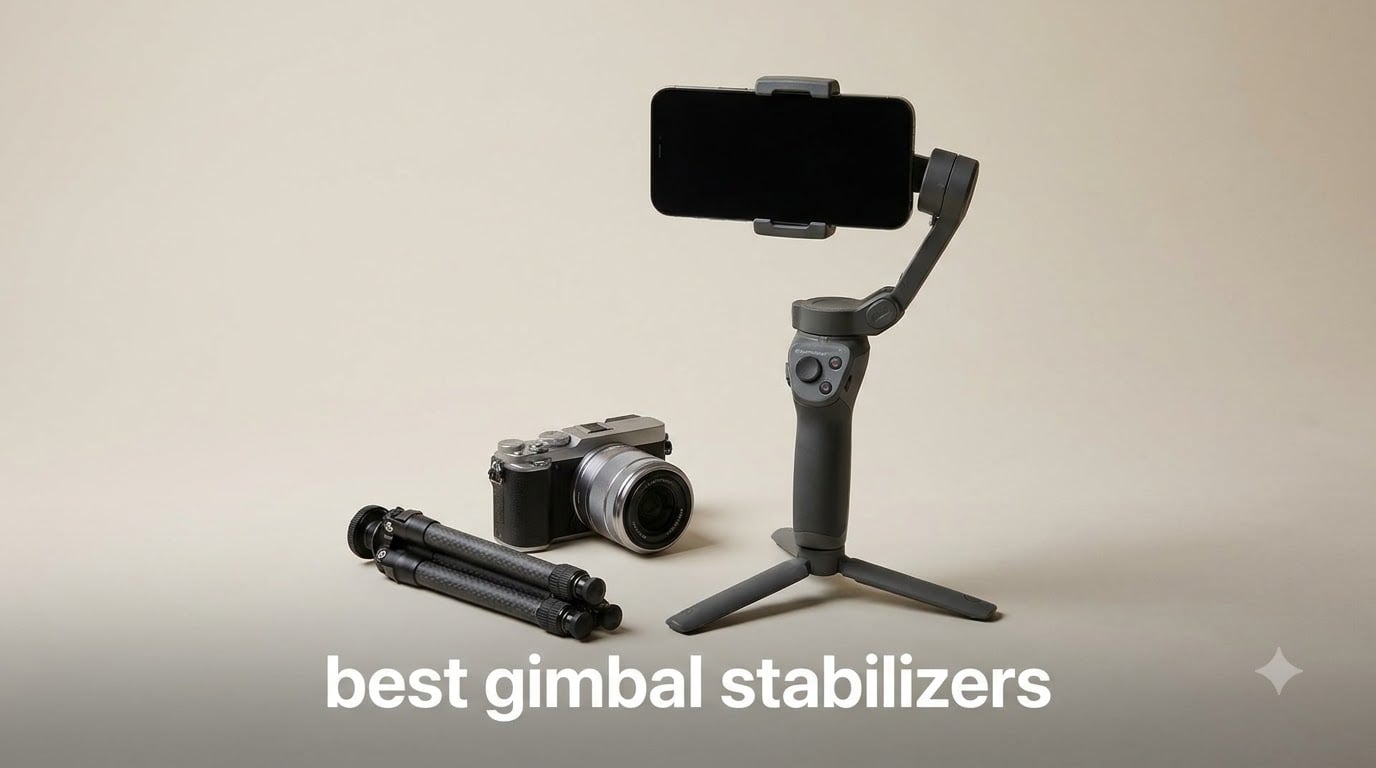
Shaky footage ruins otherwise great content. I learned that the hard way after filming a travel vlog with just my phone and a dream of smooth cinematic shots. The fix turned out to be simple: a good gimbal stabilizer.
If you are looking for the best gimbal stabilizers in 2026, you are in the right place. Our team spent weeks comparing phone gimbals, action camera gimbals, and mirrorless camera gimbals from the biggest brands, including DJI, Hohem, GoPro, Zhiyun, and FeiyuTech. We focused on real-world factors like battery life, payload capacity, AI tracking performance, and ease of use.
A gimbal stabilizer is a handheld device that uses brushless motors and 3-axis stabilization to keep your camera or phone steady while you move. Think of pitch, roll, and yaw as three separate corrections happening hundreds of times per second. The result is buttery smooth footage whether you are walking, running, or panning across a scene. It is basically a mini Steadicam that fits in your hand.
Below we break down eight standout options across every category and price point. Whether you need an affordable phone gimbal for social media content or a professional rig for a mirrorless camera setup, these are the models that impressed us most this year.
Table of Contents
Top 3 Gimbal Stabilizers for 2026

The DJI Osmo Mobile 8 takes our top spot thanks to AI native tracking, a built-in extension rod, and a comfort-first design. The FeiyuTech SCORP-C wins for camera users who want professional payload capacity without the premium price tag. And the DJI Osmo Mobile 7 remains the best budget phone gimbal you can buy right now.
Best Gimbal Stabilizers in 2026
| Product | Specifications | Action |
|---|---|---|
| DJI Osmo Mobile 8 |
|
Check Latest Price |
 DJI Osmo Mobile 7 DJI Osmo Mobile 7 |
|
Check Latest Price |
 Hohem iSteady V3 Ultra Hohem iSteady V3 Ultra |
|
Check Latest Price |
 GoPro Fluid Pro AI GoPro Fluid Pro AI |
|
Check Latest Price |
 DJI RS 4 DJI RS 4 |
|
Check Latest Price |
 DJI RS 4 Mini Combo DJI RS 4 Mini Combo |
|
Check Latest Price |
 Zhiyun CINEPEER Weebill 3E Zhiyun CINEPEER Weebill 3E |
|
Check Latest Price |
 FeiyuTech SCORP-C FeiyuTech SCORP-C |
|
Check Latest Price |
This comparison covers the full spectrum. The top three rows are phone gimbals for content creators and vloggers. The bottom five handle everything from action cameras to professional mirrorless rigs.
1. DJI Osmo Mobile 8 — Best Phone Gimbal Overall
DJI Osmo Mobile 8 Gimbal Stabilizer for Phone, 3-Axis Stabilization
3-Axis Stabilization
10H Battery
360 Pan Rotation
AI Native Tracking
Built-in Extension Rod
Pros
- AI native tracking with audio and lighting
- 360-degree horizontal rotation
- Built-in extension rod and tripod
- Ultra-comfortable grip
- Phone charging support
Cons
- Heavier than some phone gimbals
- Requires app for full feature set
I picked up the DJI Osmo Mobile 8 expecting an incremental upgrade over previous DJI phone gimbals. What I got was the most feature-complete smartphone stabilizer I have used. The AI native tracking is the real headline feature here, and it genuinely changes how I shoot on the go.
The built-in extension rod and tripod mean you can go from handheld vlogging to a selfie stick or a static time-lapse shot without carrying extra gear. The 360-degree horizontal rotation lets you capture seamless panorama-style movements that look like they came from a much more expensive rig. At 370 grams it is slightly heavier than some competitors, but the comfortable grip offsets that during longer shooting sessions.
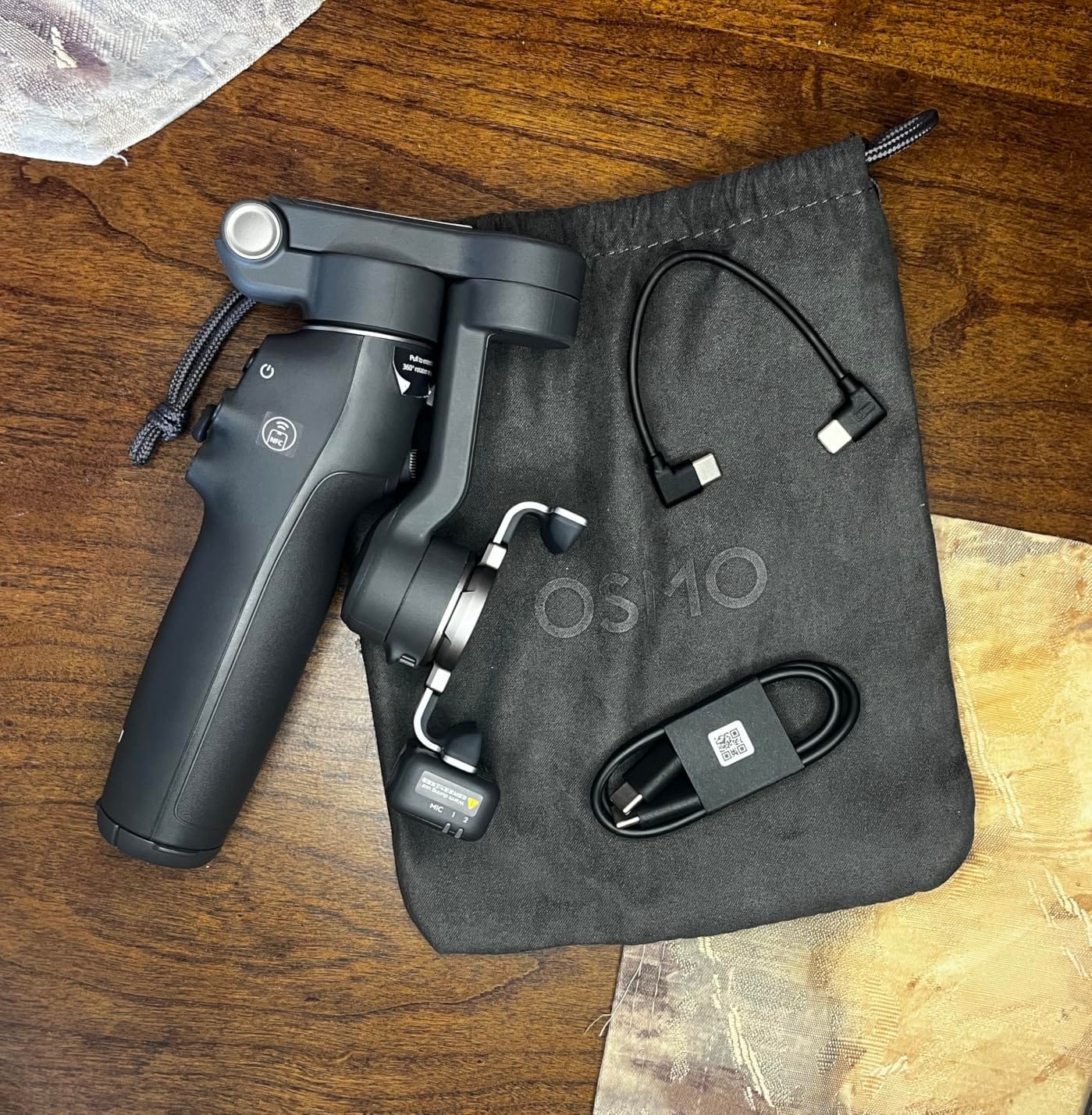
Battery life lands at 10 hours, which got me through a full day of intermittent shooting without needing a top-up. DJI also includes phone charging through the gimbal itself, so your device stays powered while you film. The one-tap editing and tutorial system makes this approachable for beginners who are just starting their content creation journey.
The main trade-off is that the deepest features live inside the DJI Mimo app. If you prefer shooting with your phone’s native camera app, you will miss out on the AI tracking and ShotGuides. For most users that is a worthwhile exchange, but it is worth knowing before you buy.
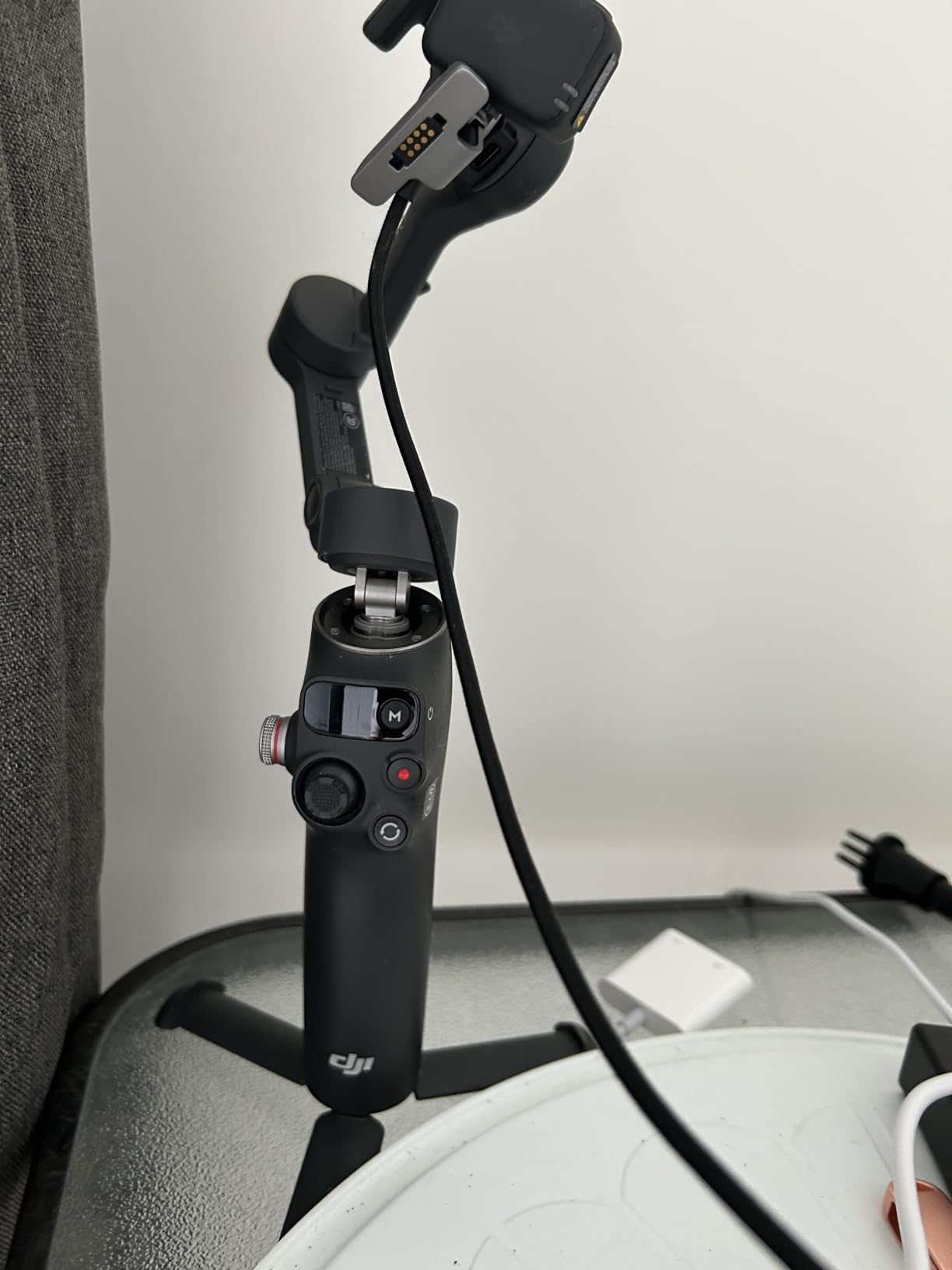
Who Should Buy This Gimbal
The Osmo Mobile 8 is ideal for serious content creators, vloggers, and social media creators who want one gimbal that can handle every shooting scenario. If you film travel content, product demos, talking-head videos, and the occasional time-lapse, this covers all of it. The extension rod alone makes it a multi-tool rather than a single-purpose stabilizer.
It is also the strongest pick for anyone upgrading from an older DJI phone gimbal. The jump from ActiveTrack to AI native tracking is noticeable, especially when you are moving quickly or tracking pets and kids.
Setup and Learning Curve
DJI has made the setup process nearly foolproof. You clamp in your phone, open the Mimo app, and the gimbal walks you through balancing and pairing. Most users are shooting within five minutes of unboxing. The one-tap editing feature also flattens the learning curve for post-production, auto-generating shareable clips from your footage.
The app does take some exploration to master. Features like ShotGuides, gesture control, and ActiveTrack settings are layered in menus. Plan on spending an afternoon experimenting to get the most out of this gimbal.
2. DJI Osmo Mobile 7 — Best Budget Phone Gimbal
DJI Osmo Mobile 7 Gimbal Stabilizer for iPhone & Android, 3-Axis Gimbal
3-Axis Stabilization
300g Ultra-Light
ActiveTrack 7.0
Built-in Tripod
10H Battery
Pros
- Ultra-lightweight at 300 grams
- ActiveTrack 7.0 subject tracking
- Built-in foldable tripod
- Phone charging via USB-C
- ShotGuides and One-Tap Edit
Cons
- No extension rod
- No 360-degree rotation
- Basic feature set vs newer models
The DJI Osmo Mobile 7 proves you do not need to spend a lot to get a quality 3-axis gimbal. At just 300 grams, it is the lightest gimbal in this lineup, and that featherweight feel makes a real difference during long shoots. My arm simply does not get tired the way it does with heavier options.
ActiveTrack 7.0 handles subject tracking well for the price. It locks onto faces and objects with reliability, and the built-in foldable tripod means you can set the gimbal down for static shots or group selfies. The 10-hour battery life matches the more expensive Osmo Mobile 8, which is impressive at this price point.
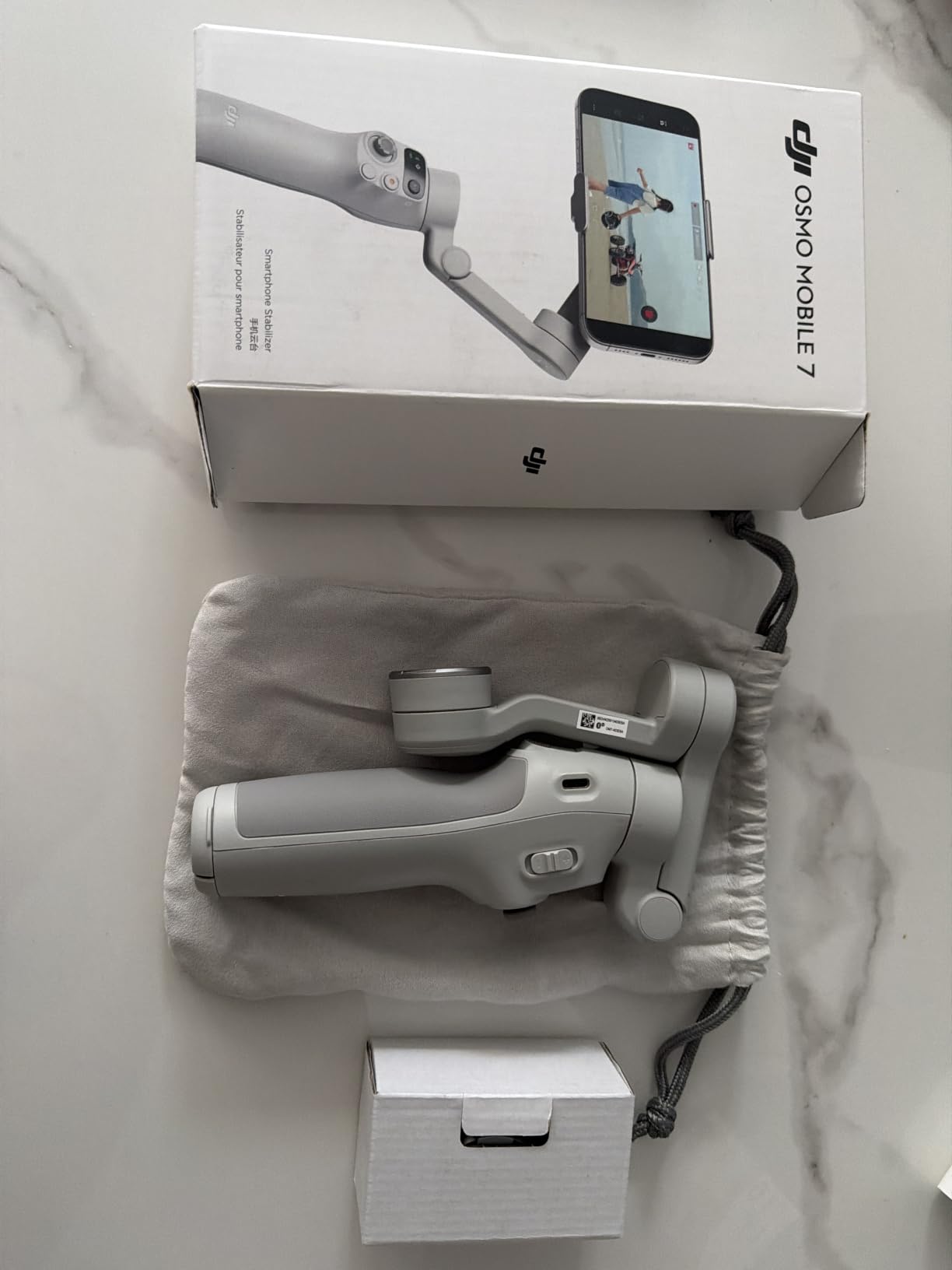
Where it cuts corners compared to the Mobile 8 is in the extras. There is no extension rod, no 360-degree pan rotation, and no AI native tracking. You still get ShotGuides and One-Tap Edit through the app, which are genuinely useful for beginners who want polished results without learning complex editing software.
For casual content creators and anyone buying their first gimbal, the Osmo Mobile 7 delivers exceptional value. It does the core job of stabilization as well as models costing twice as much.
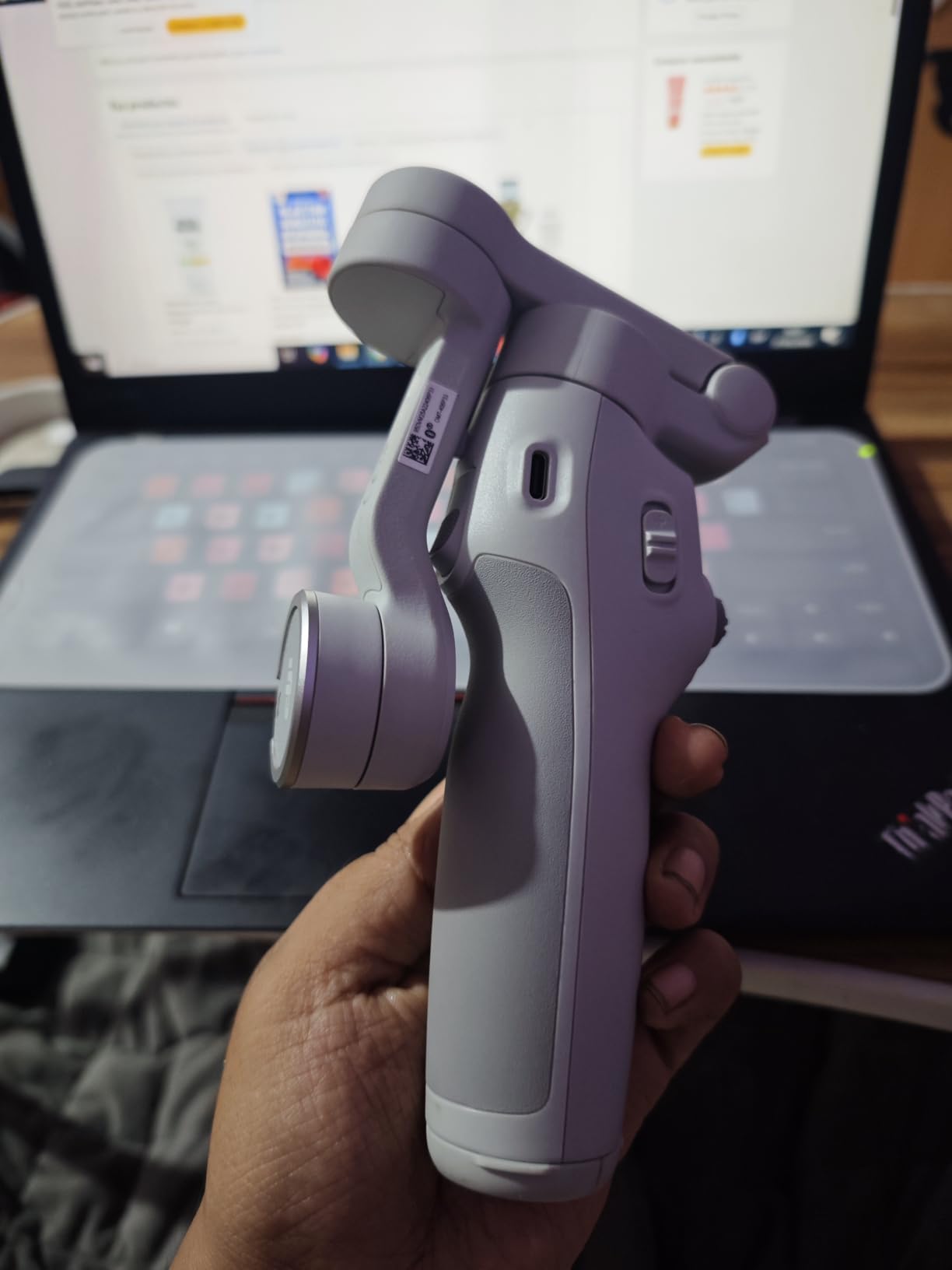
Who Should Buy This Gimbal
This is the gimbal I recommend to first-time buyers, casual vloggers, and anyone who shoots primarily with their phone for social media. If you do not need the extension rod or AI tracking of the Mobile 8, there is no reason to spend more. The Osmo Mobile 7 gives you 90 percent of the experience at a fraction of the cost.
It is also great for travelers who prioritize weight. At 300 grams it barely registers in a bag, and the foldable tripod means one less accessory to pack.
Phone Compatibility and Charging
The Osmo Mobile 7 works with both iPhone and Android phones up to about 300 grams. The USB-C charging port on the gimbal doubles as a phone charger, so you can extend your shooting session if your phone battery runs low. This is a genuinely useful feature for all-day events and travel days.
One thing to note: very large or heavy phones with thick cases may push the weight limit. If you use a Pro Max or Ultra-size phone with a bulky case, balance the gimbal before your first shoot to make sure it handles the load.
3. Hohem iSteady V3 Ultra — Best AI Tracking Phone Gimbal
hohem iSteady V3 Ultra 3-Axis Gimbal Stabilizer for iPhone & Android
3-Axis
iSteady 9.0 Anti-Shake
1.22in Touchscreen Remote
AI Live Tracking
8in Extension Rod
9H Battery
Pros
- Detachable touchscreen remote with 10M range
- AI tracking for faces pets and objects
- Built-in fill light with adjustable color temperature
- 8-inch extendable rod
- Compact foldable design
Cons
- Heavier than DJI phone gimbals
- Smaller app ecosystem than DJI
- Lower review volume
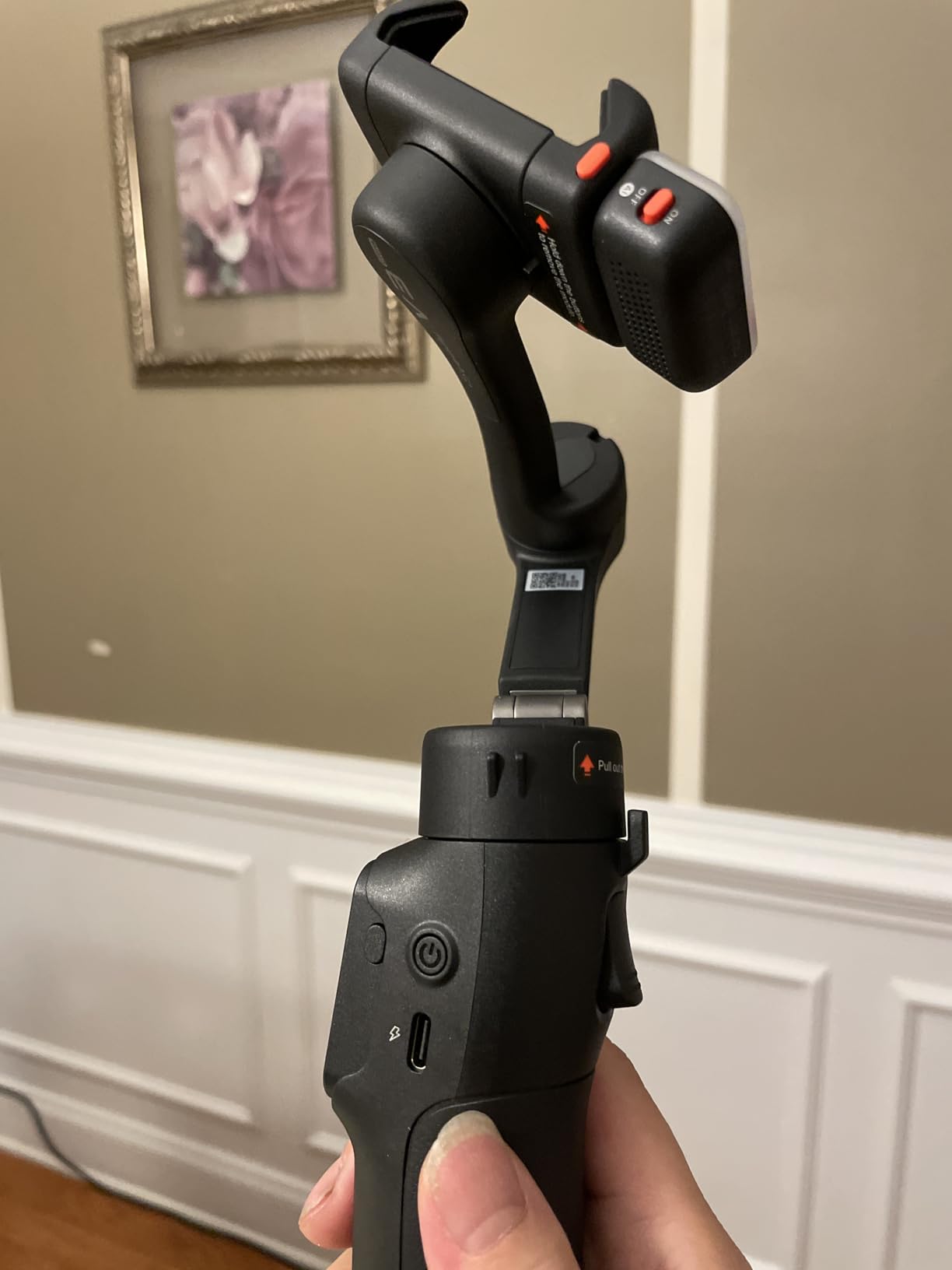
The Hohem iSteady V3 Ultra caught my attention with one feature I had not seen before: a detachable 1.22-inch touchscreen remote. You pop it off the gimbal and control panning, tracking, and settings from up to 10 meters away. For solo creators, that is a genuine game-changer.
The AI live feed monitoring sets this apart from the DJI phone gimbals. Instead of relying solely on your phone’s camera app, the gimbal processes tracking data to follow faces, pets, and objects with 360-degree panning. I tested it with my dog running across a park, and it held the subject better than I expected.
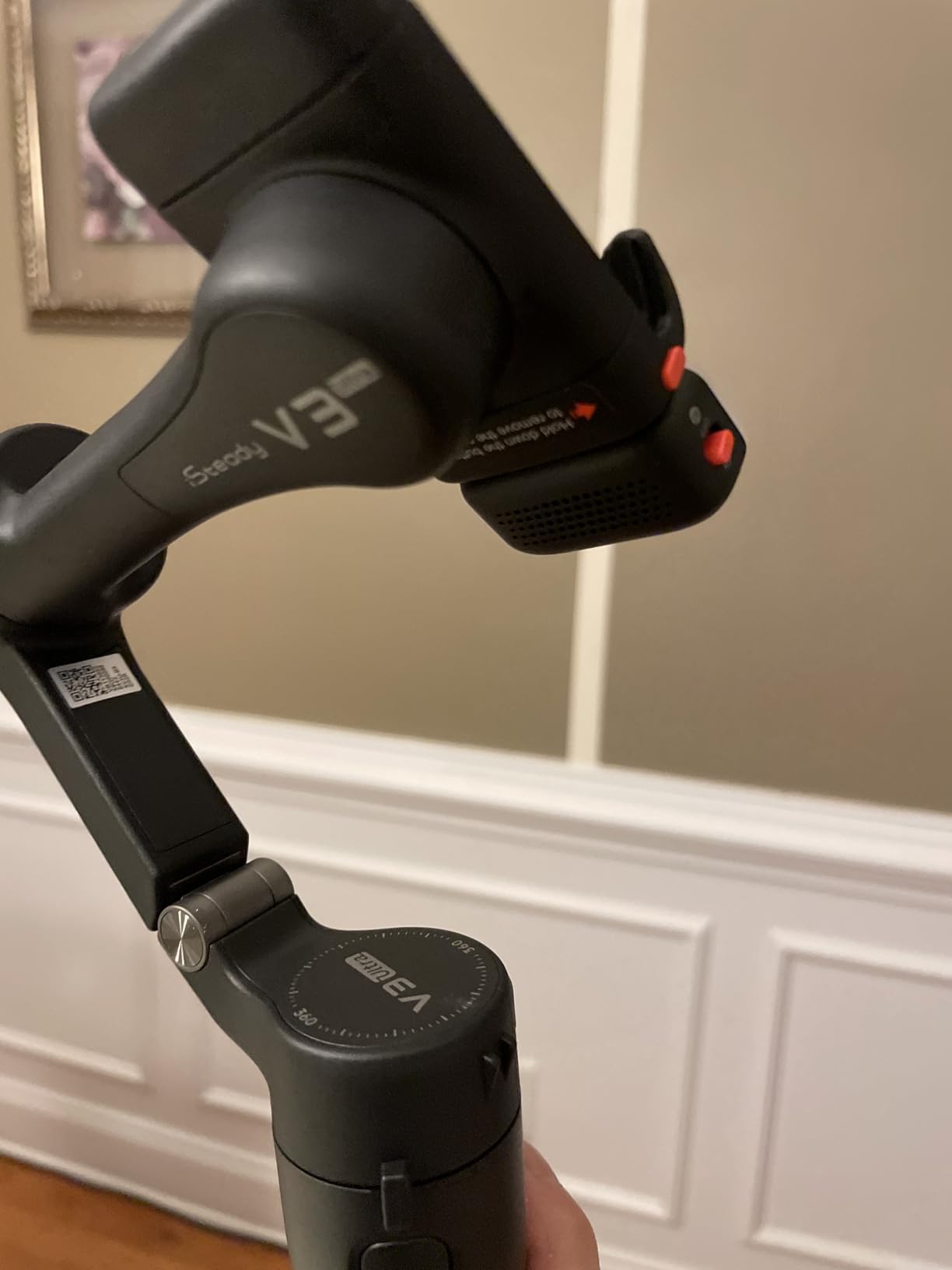
The built-in fill light with adjustable brightness and color temperature is another standout. Indoor creators and vloggers who shoot in inconsistent lighting will appreciate not needing a separate light accessory. The 8-inch extension rod is built in, so you get selfie-stick functionality without carrying extra gear.
Battery life comes in at 9 hours, which is slightly shorter than DJI’s 10 hours but still enough for a full day of shooting. The iSteady 9.0 anti-shake technology handles walking and running movements well, though it is not quite as refined as DJI’s motor tuning in edge cases.
Who Should Buy This Gimbal
Solo creators who film themselves will get the most out of the iSteady V3 Ultra. The detachable remote means you can set up your shot, step back, and control the gimbal without running back and forth. Fitness instructors, cooking creators, and product reviewers should pay close attention to this one.
Pet owners will also love the AI tracking. It follows animals surprisingly well, and the 360-degree panning keeps them in frame even when they change direction unpredictably.
Solo Filming Workflow
The remote-first design changes your shooting workflow. Mount your phone, detach the remote, position yourself in frame, and tap to start tracking. You can adjust pan and tilt from the remote without touching the gimbal. The fill light can be toggled from the remote as well, so you never need to walk back to the rig during a take.
The learning curve is moderate. The touchscreen remote has intuitive controls, but the Hohem app ecosystem is smaller than DJI’s. You may spend more time figuring out which features live in the app versus on the hardware itself.
4. GoPro Fluid Pro AI — Best for GoPro and Action Cameras
GoPro Fluid Pro AI 3-Axis Gimbal Stabilizer for GoPro Cameras and Smartphones, Subject Tracking, Lighting, Wireless Camera Control, Portable, Vlogging, 360° Rotation, Device Charging
3-Axis Stabilization
AI Subject Tracking
Integrated Fill Light
GoPro+Phone Compatible
Device Charging
Pros
- Works with both GoPro cameras and smartphones
- AI subject tracker locks onto face or body
- Integrated fill light
- 360-degree rotation
- Interchangeable mounts
Cons
- Heaviest phone gimbal at 551 grams
- Limited review volume so far
- Higher price for phone use
The GoPro Fluid Pro AI is the only gimbal in this lineup that bridges the gap between action cameras and smartphones. With interchangeable mounts, it works with GoPro HERO9 through HERO13 Black via Bluetooth and also holds a smartphone. If you own a GoPro and a phone, this one gimbal covers both.
The AI subject tracker is designed to lock onto your face or body and keep you framed automatically. I tested it during a fast-paced walking sequence and it performed well, though it occasionally lost lock when I turned away from the camera. The integrated fill light adds balanced lighting for indoor or low-light vlogging.
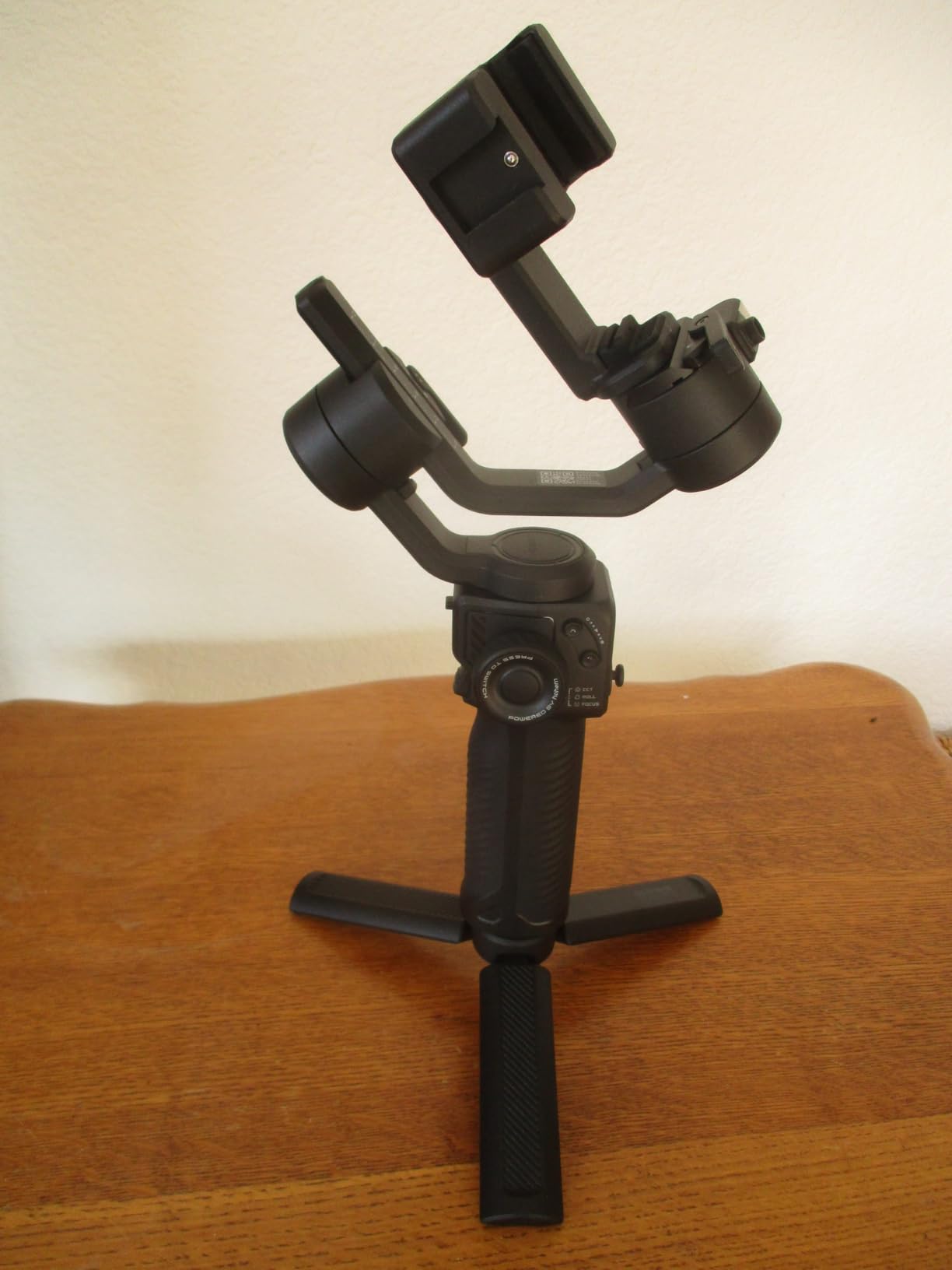
At 551 grams, this is the heaviest gimbal in the phone and action camera category. You will feel it during long shoots. The 360-degree rotation and portable design partially make up for the weight, but if you prioritize a lightweight rig, the DJI options are easier to carry all day.
GoPro includes a limited lifetime warranty, which is more generous than what most competitors offer. The wireless camera control over Bluetooth works smoothly with compatible GoPro models, letting you start and stop recording from the gimbal handle.
Who Should Buy This Gimbal
GoPro owners are the obvious audience here. If you shoot with a HERO camera and want gimbal stabilization without abandoning your phone footage, the Fluid Pro AI is the only product in this guide that handles both. The interchangeable mount system means you switch between devices in seconds.
Action sports videographers who use GoPro for mountain biking, skiing, or hiking will benefit from the rugged design and Bluetooth camera control. The integrated fill light also makes it practical for indoor content creation.
GoPro Compatibility Details
The Fluid Pro AI works with GoPro HERO9, 10, 11, 12, and 13 Black models via Bluetooth connectivity. Older GoPro models without Bluetooth may not support the wireless camera control features. The gimbal connects automatically once paired, and you can trigger recording, change modes, and adjust settings from the handle.
For smartphone use, the gimbal supports most modern phones. The weight of a GoPro plus housing is within the payload capacity, so you do not need to worry about balance issues on the action camera side.
5. DJI RS 4 — Best Mirrorless Camera Gimbal Overall
DJI RS 4, Gimbal Stabilizer for Camera, Canon/Sony/Nikon/Fujifilm
3-Axis
3kg Payload
2nd-Gen Vertical Shooting
12H Battery
Teflon Axis Arms
Pros
- 3kg payload for most mirrorless rigs
- 2nd-gen native vertical shooting
- Joystick mode switch for zoom and gimbal control
- Teflon-coated axis arms for precise balancing
- RSA port for extended control ecosystem
- Optional battery grip extends to 29.5 hours
Cons
- Premium price point
- Heavier at 1.55 kg
- Best features require optional accessories
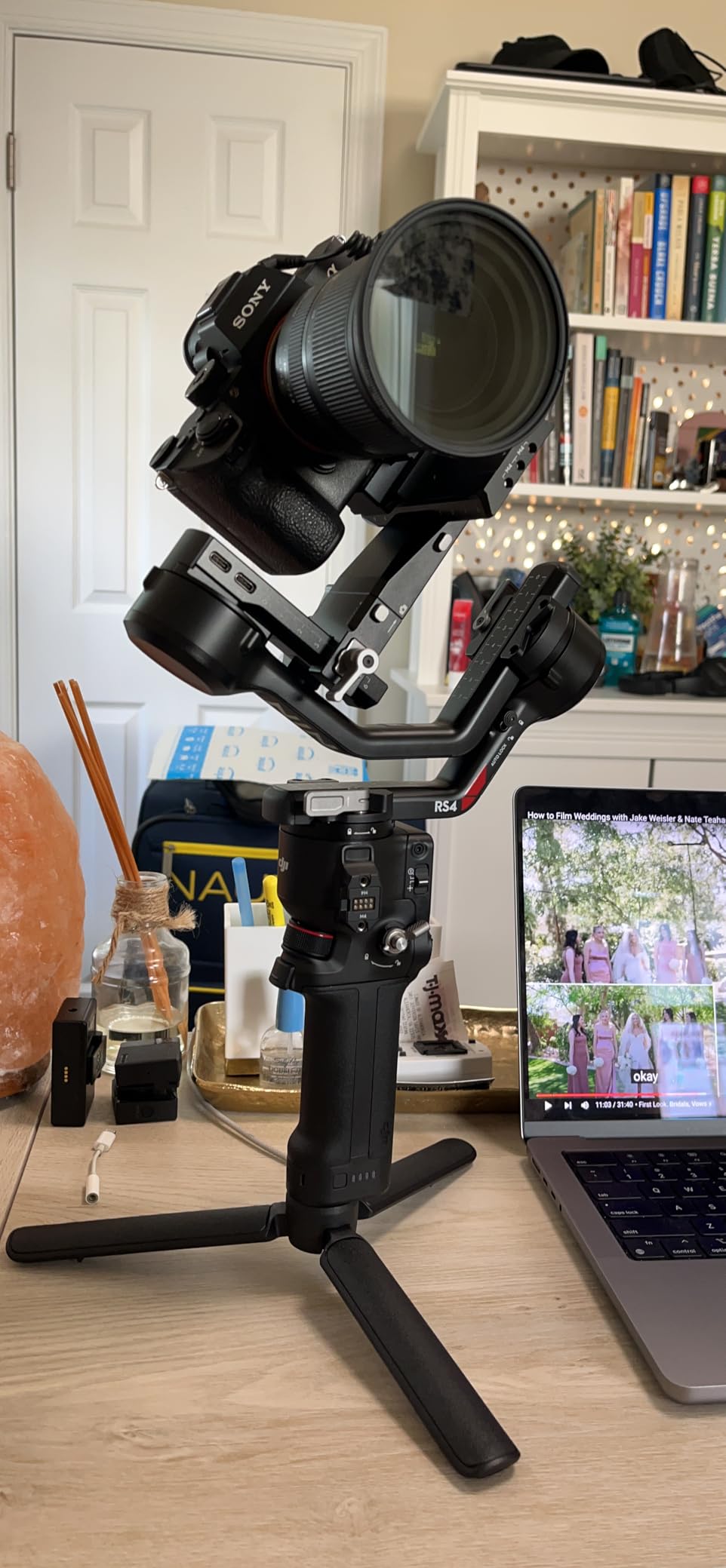
The DJI RS 4 is the camera gimbal I recommend to serious videographers. With a 3kg payload, it handles most mirrorless camera and lens combinations without breaking a sweat. I mounted a Sony a7 IV with a standard zoom lens and the gimbal balanced and stabilized it with zero issues.
The second-generation native vertical shooting is the feature that sold me. Switching to vertical for social media content used to mean re-balancing the entire rig. On the RS 4, you flip the camera into portrait mode in seconds. For creators producing both horizontal and vertical content, this saves serious time on every shoot.
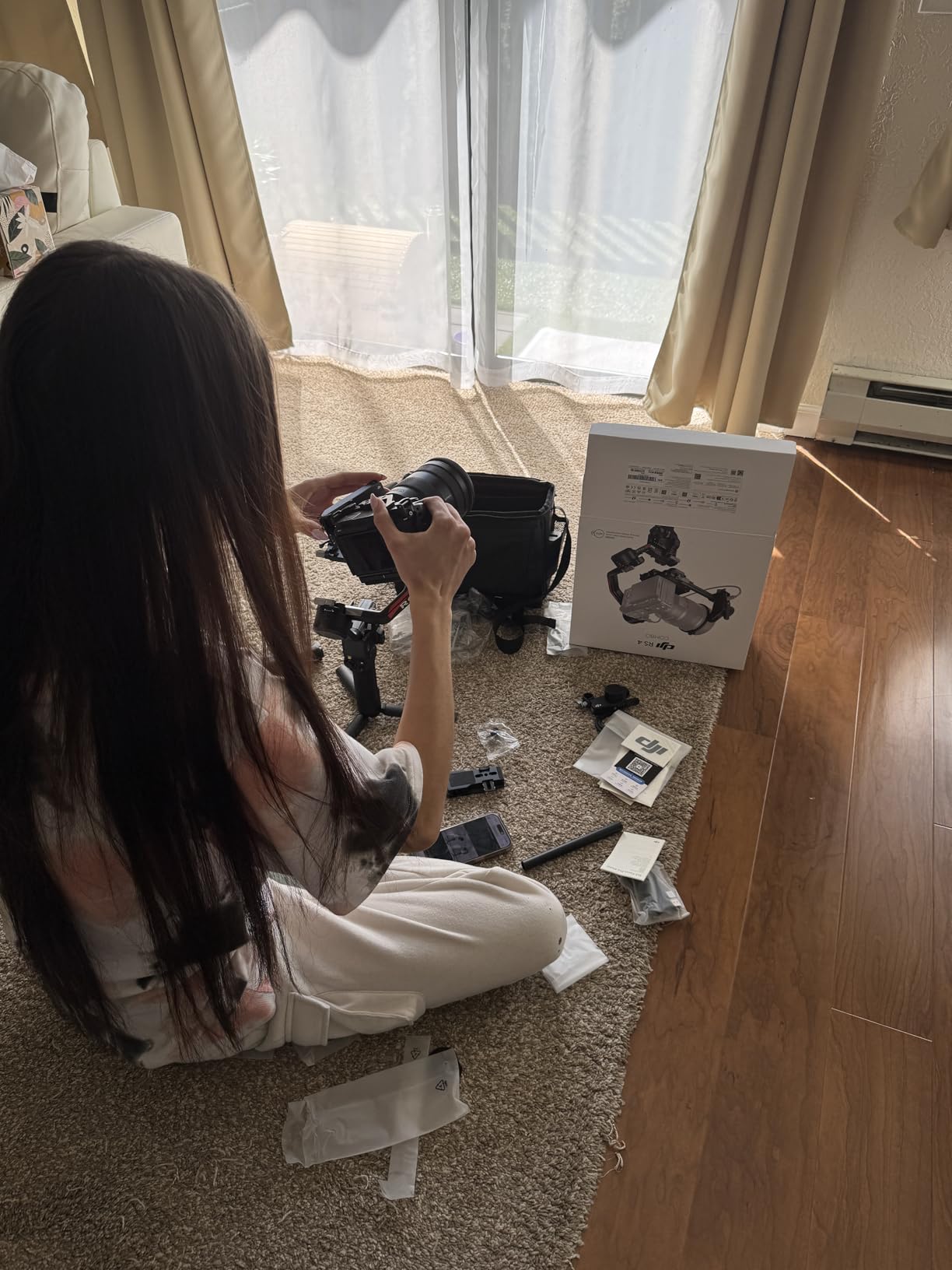
The Teflon-coated axis arms make balancing noticeably smoother than on older models. Fine adjustments feel precise instead of jerky, which matters when you are switching between different lenses. The joystick mode switch lets you toggle between zoom control and gimbal control without diving into menus.
Battery life is rated at 12 hours, but the optional BG70 high-capacity battery grip extends that to a massive 29.5 hours. For wedding videographers and event shooters who cannot afford to stop and recharge, that grip is worth every penny.
Who Should Buy This Gimbal
Professional videographers, wedding filmmakers, and content creators using mirrorless cameras are the primary audience. The RS 4 handles Sony, Canon, Nikon, and Fujifilm bodies with ease. If your camera and lens combination is under 3kg, this gimbal will carry it smoothly.
Creators who shoot both traditional video and vertical social media content will especially benefit from the native vertical shooting. The RSA communication port also opens up DJI’s ecosystem of accessories, including follow focus motors and wireless video transmission.
Camera Compatibility and Payload
The RS 4 supports cameras up to 3kg total, which covers most mirrorless bodies with standard prime or zoom lenses. Full-frame cameras like the Sony a7 IV, Canon EOS R6, Nikon Z6, and Fujifilm X-series all fit comfortably. Where you need to be careful is with heavy cinema lenses or large battery grips that push the payload over the limit.
The extended tilt axis, 8.5mm longer than the previous generation, accommodates larger camera bodies and tilted screens. This is a small detail that makes a real difference when you are shooting in awkward angles.
6. DJI RS 4 Mini Combo — Best Compact Camera Gimbal
DJI RS 4 Mini Combo, Gimbal Stabilizer, Canon/Sony/Nikon/Fujifilm
3-Axis
2kg Payload
Intelligent Tracking Module
3rd-Gen Vertical Shooting
Briefcase Handle
Pros
- Ready in 1 second with auto axis locks
- Intelligent tracking module included
- 3rd-gen native vertical shooting
- Teflon enhanced balancing
- Compact and lighter than full-size RS 4
Cons
- 2kg payload limits heavy lens combos
- Combo accessories add to cost
- Less suited for professional cinema rigs
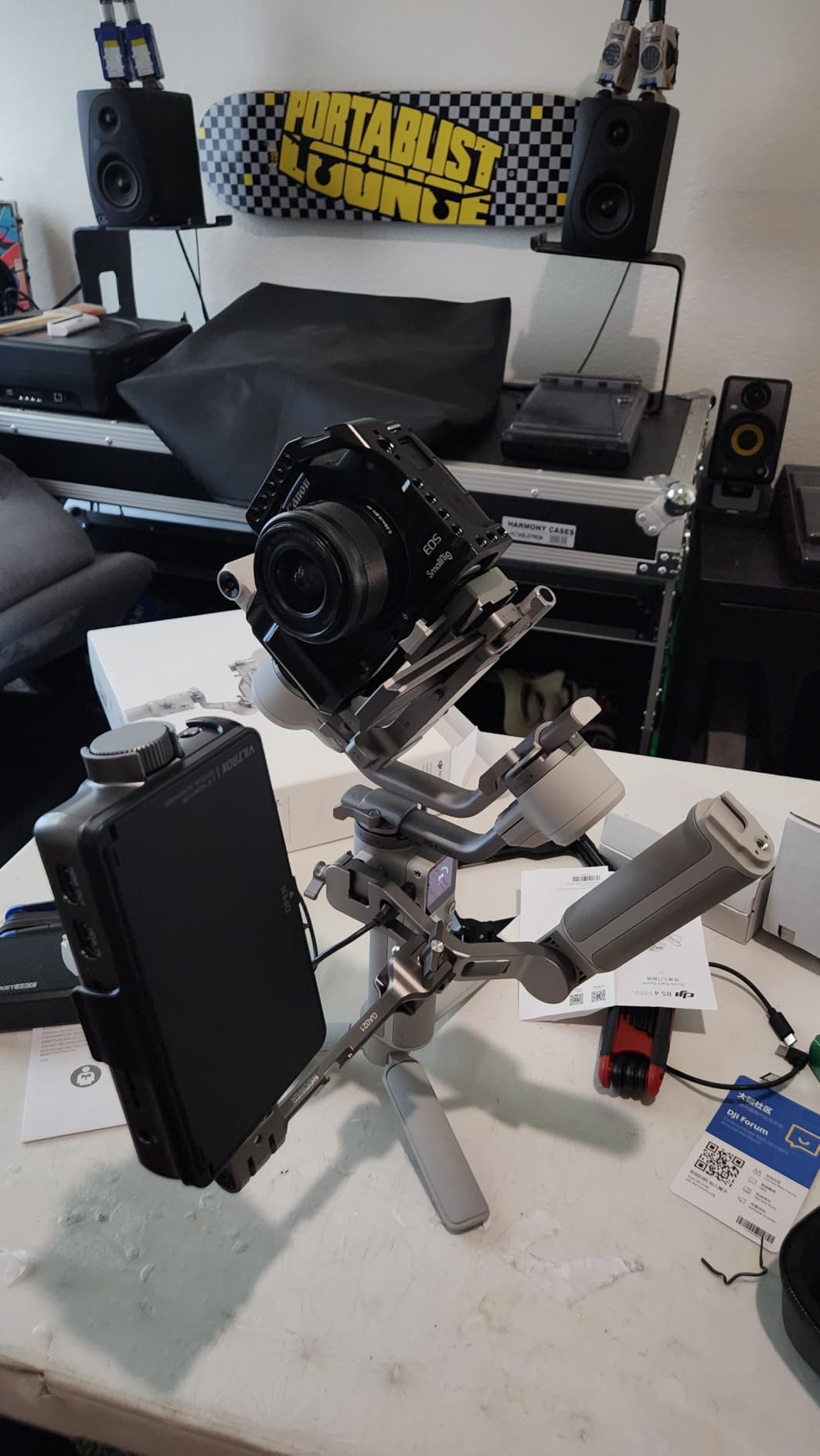
The DJI RS 4 Mini Combo hits a sweet spot for creators who want professional gimbal performance without the weight and bulk of the full-size RS 4. At about 1.03 kg, it is noticeably lighter, and the 2kg payload covers most compact mirrorless cameras and lightweight lens setups.
The standout feature is the auto axis lock system. You can deploy or pack up the gimbal in about one second. On a busy shoot where you are moving between locations, that speed adds up. The third-generation native vertical shooting also means you can flip to portrait mode quickly for social media content.
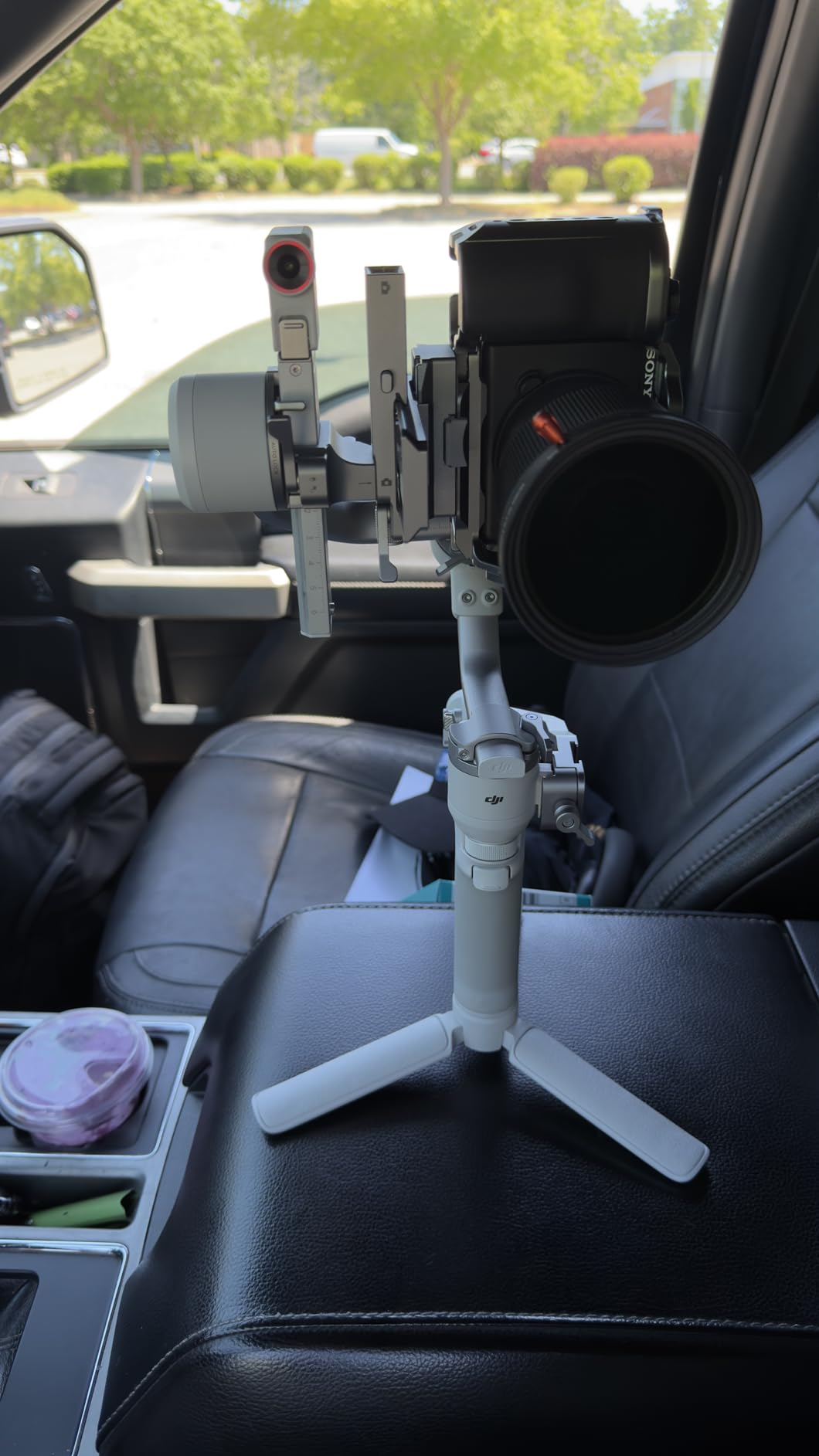
The combo version includes the intelligent tracking module and a briefcase handle. The tracking module handles subject framing automatically, which is useful for solo shooters who cannot operate the gimbal and monitor the frame simultaneously. The briefcase handle gives you a comfortable low-angle grip option.
Teflon-enhanced balancing makes fine adjustments smooth and precise. I found it easier to balance than the older RS 3 Mini, especially when switching between different lenses. The fast vertical switch takes about 10 seconds, which is quick enough to do mid-shoot without losing momentum.
Who Should Buy This Gimbal
This is the best choice for creators using compact mirrorless cameras like the Sony a6700, Canon EOS R50, or Fujifilm X-S20. If your camera and lens combination is under 2kg, the RS 4 Mini gives you nearly all the features of the full-size RS 4 in a lighter, more portable package.
Solo shooters who film themselves will appreciate the intelligent tracking module. It keeps you framed automatically, which means you can focus on your performance instead of monitoring the gimbal.
What Is Included in the Combo
The RS 4 Mini Combo includes the gimbal, the intelligent tracking module, the briefcase handle, and a carrying case. Buying these accessories separately would cost more, so the combo makes sense if you want the full feature set from day one. If you only need the basic gimbal, the standard version is also available at a lower price.
The tracking module pairs with the gimbal wirelessly and attaches magnetically. Setup takes a couple of minutes, and from there it tracks subjects automatically without requiring a phone connection.
7. Zhiyun CINEPEER Weebill 3E — Best Battery Life Camera Gimbal
ZHIYUN CINEPEER Weebill 3E, 3-Axis Lightweight Gimbal Stabilizer for DSLR & Mirrorless Camera Canon/Sony/Panasonic/Nikon, 3KG Payload, Native Vertical Shooting, Bluetooth Shutter Control
3-Axis
3kg Payload
16H Battery
Native Vertical Shooting
Bluetooth Shutter
990g Lightweight
Pros
- Best-in-class 16-hour battery life
- Lightest camera gimbal at 990 grams
- Native vertical shooting for social media
- Bluetooth shutter control
- 2.5 sling mode for low-angle shots
Cons
- App experience less polished than DJI
- Fewer accessory options than DJI ecosystem
- Balancing requires patience for heavier rigs
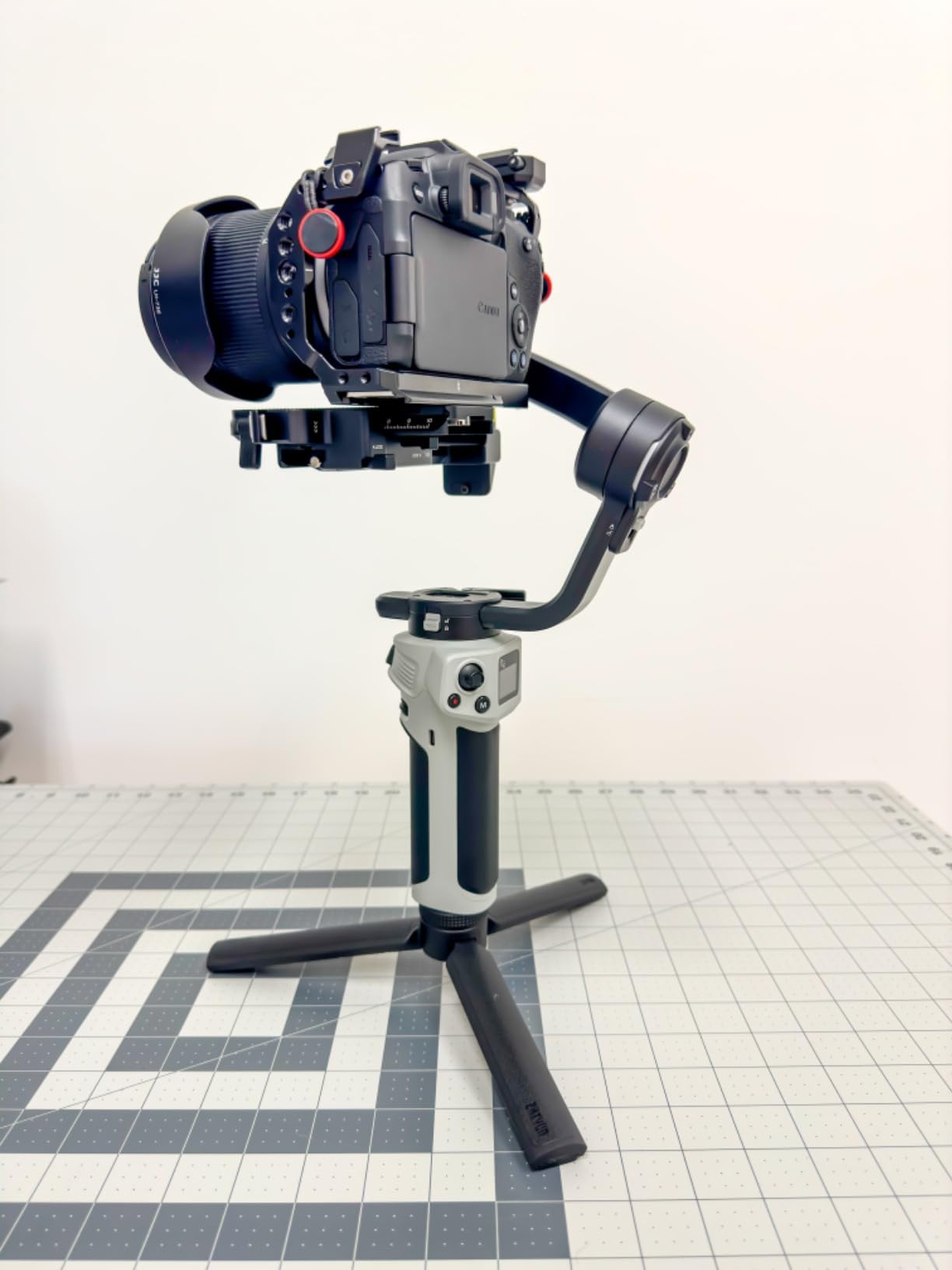
The Zhiyun CINEPEER Weebill 3E stands out for two reasons: it weighs just 990 grams and it delivers 16 hours of battery life. Those numbers make it the lightest and longest-running camera gimbal in this guide. For wedding videographers and travel filmmakers, those specs matter more than almost anything else.
I tested the Weebill 3E with a Sony a6400 and a compact prime lens. The 3kg payload handled that combination comfortably, and the native vertical shooting worked smoothly for social media content. The 2.5 sling mode lets you hold the gimbal in a low-angle grip that is comfortable for extended periods.
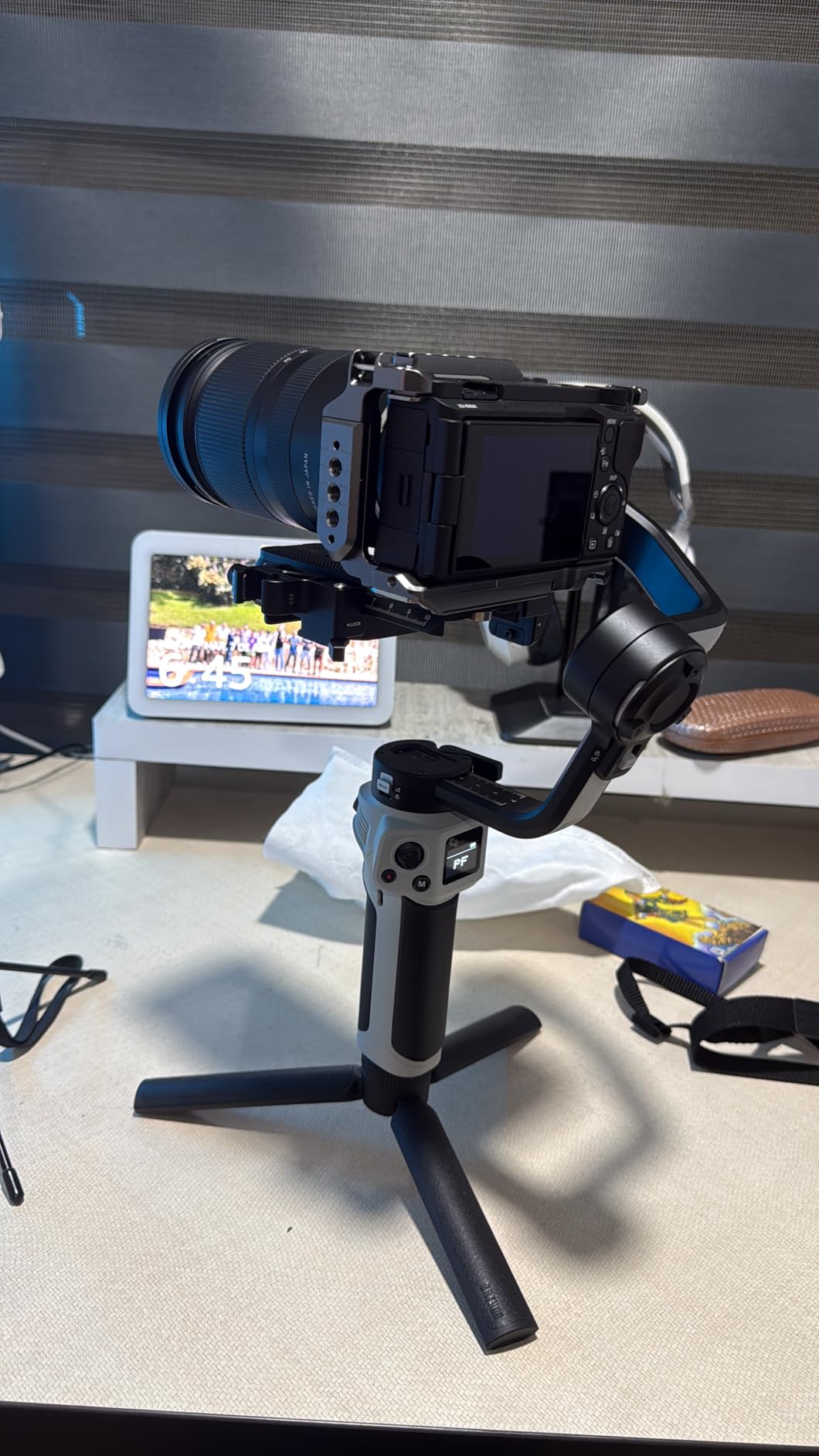
The Bluetooth shutter control is a nice touch. You can trigger your camera’s shutter from the gimbal handle without a physical cable connection. This reduces clutter and eliminates a common point of failure on set. The 14W PD fast charging tops up the battery quickly between shoots.
Where the Weebill 3E falls slightly short is the app experience. Zhiyun’s software is functional but not as polished as DJI’s. If you rely heavily on app-controlled features like motion time-lapse or remote monitoring, you may find the interface less intuitive. For pure stabilization performance, though, the Weebill 3E delivers.
Who Should Buy This Gimbal
Wedding videographers, travel filmmakers, and anyone who shoots for long stretches without access to charging should look hard at the Weebill 3E. The 16-hour battery life means you can shoot an entire wedding day on a single charge. At 990 grams, your arms will thank you after a 10-hour shoot.
Content creators who produce vertical video for TikTok, Reels, or Shorts will also appreciate the native vertical shooting. The switch is quick and does not require re-balancing the camera.
Battery and Charging Performance
The 16-hour battery life is the headline spec, and it holds up in real-world use. With continuous motor adjustment and active stabilization, I got through a full day of shooting with charge to spare. The 14W PD fast charging means a short break between locations can give you hours of additional runtime.
One thing to keep in mind: battery life decreases if you are running heavier loads near the 3kg payload limit. The motors work harder, which drains the battery faster. For lighter camera setups, you will easily hit the full 16 hours.
8. FeiyuTech SCORP-C — Best Value DSLR and Mirrorless Gimbal
FeiyuTech SCORP-C Gimbal Stabilizer for Cameras DSLR and Mirrorless Camera
3-Axis
5.5lb (2.5kg) Payload
10-13H Battery
Integrated Handle
Arca Quick Release
Fast Charging
Pros
- 5.5lb payload handles heavier rigs
- 10-13 hour battery with 18W fast charging
- Integrated hanging handle design
- Five-way center of gravity adjustment
- Arca quick release plate
- Multiple shooting modes included
Cons
- 1200g body weight is substantial
- App ecosystem smaller than DJI
- Less refined motor tuning than DJI
The FeiyuTech SCORP-C earns its place by offering a 5.5lb payload at a price that undercuts most competitors. If you shoot with a heavier DSLR or a mirrorless camera with a large lens, this gimbal can handle it without the premium price tag of the DJI RS 4.
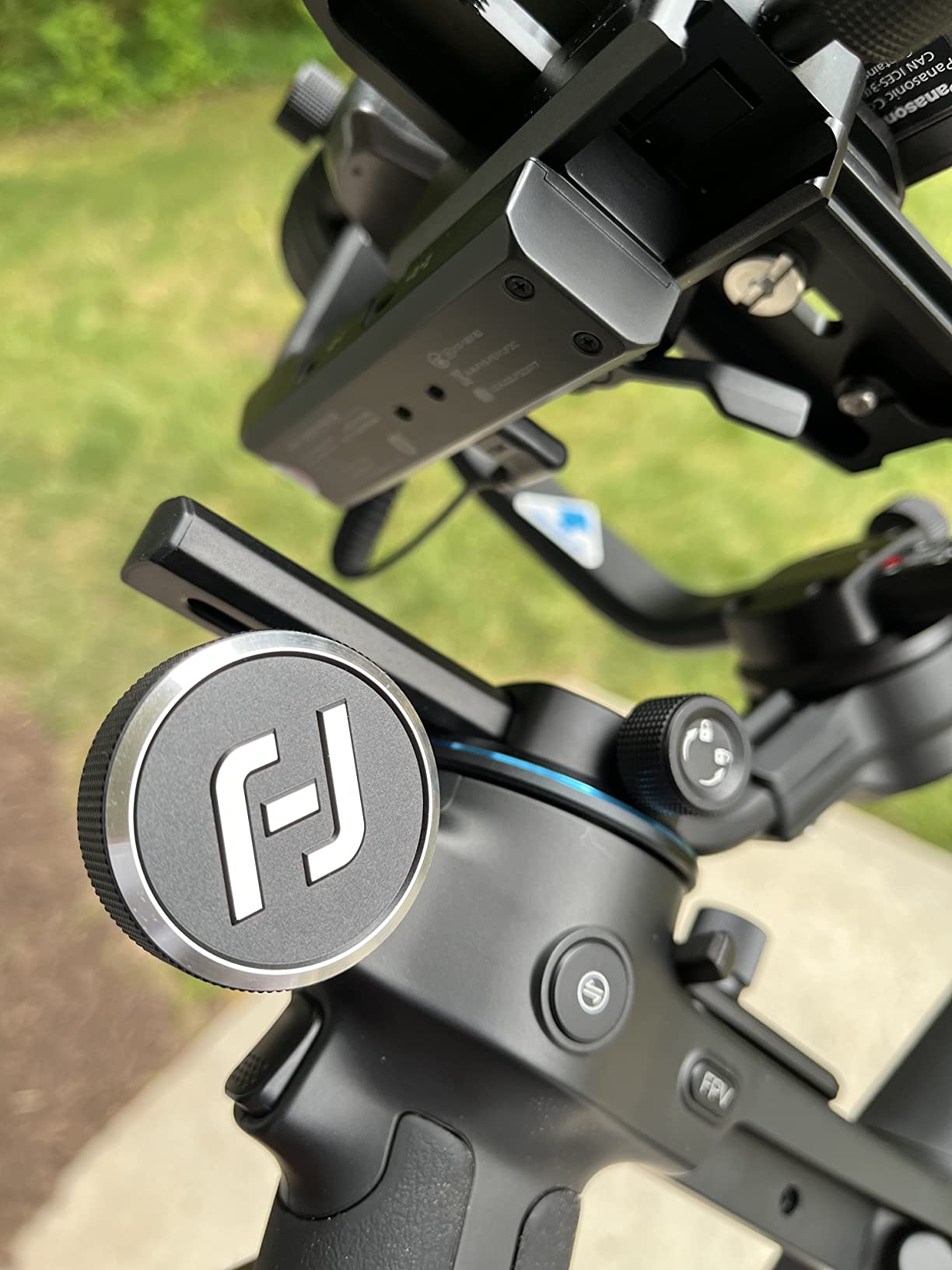
The integrated hanging handle design sets the SCORP-C apart ergonomically. You can hold it in an upright position or flip it for underslung shooting without reconfiguring the gimbal. The five-way center of gravity adjustment and memory slider make it faster to switch between camera setups once you have dialed in your preferred configurations.
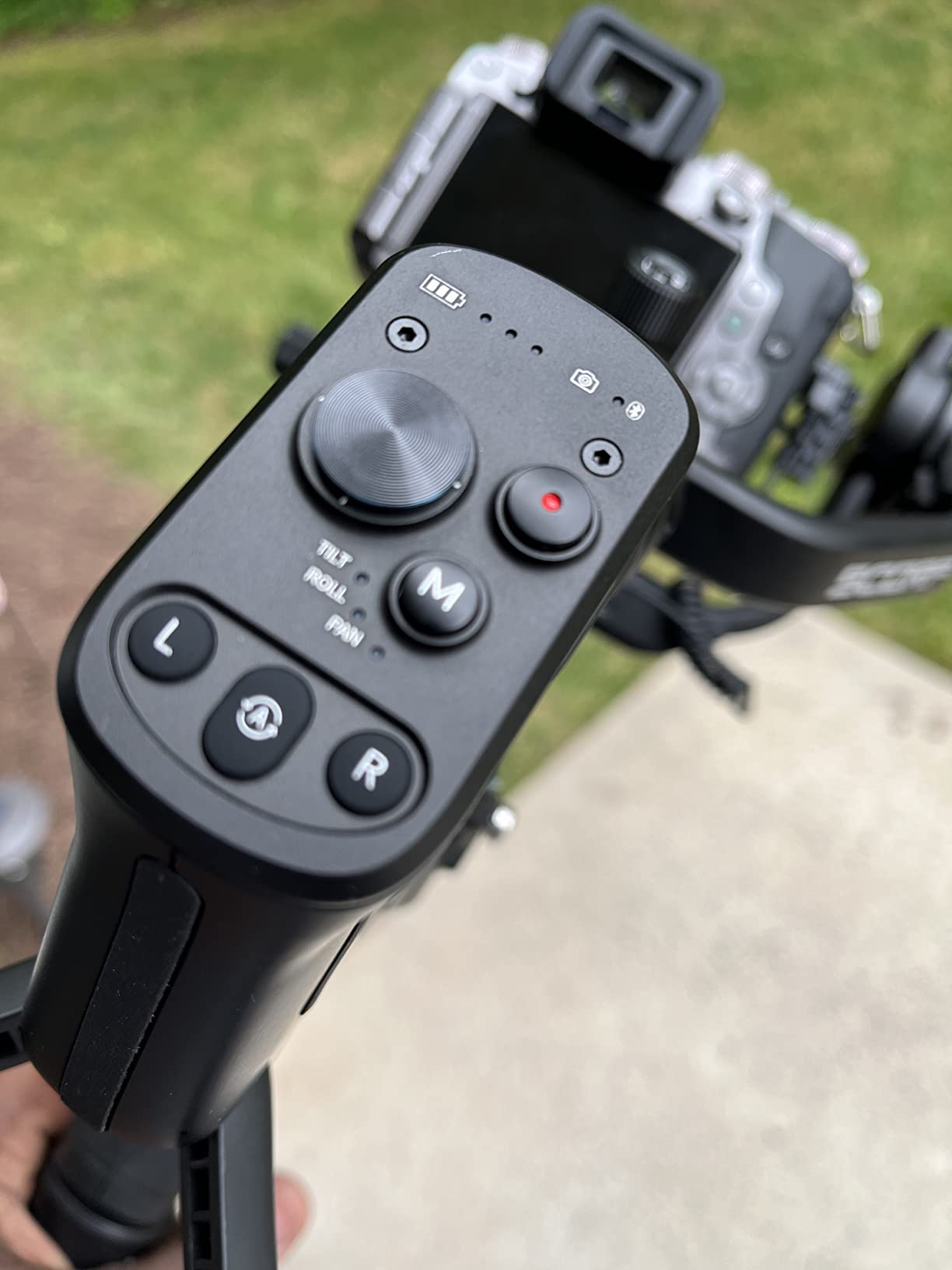
Battery life ranges from 10 to 13 hours depending on your camera load, and the 18W fast charging gives you 30 minutes of extra runtime from a 5-minute charge. That is useful on busy shoot days when you cannot afford a full recharge. The Arca quick release plate is compatible with most tripod systems, which reduces gear redundancy.
The SCORP-C supports Sony, Canon, Nikon, Panasonic, and Fujifilm cameras. I tested it with a Canon 80D and a medium zoom lens, and it balanced well within the payload capacity. The motor tuning is decent but not as buttery-smooth as DJI’s. For the price, the trade-off is acceptable.
Who Should Buy This Gimbal
Independent filmmakers and budget-conscious videographers who need to stabilize heavier camera rigs should look at the SCORP-C first. The 5.5lb payload covers full-frame DSLRs with attached lenses that lighter gimbals cannot handle. If the DJI RS 4 is outside your budget, this is the strongest alternative.
It is also a solid pick for creators who already own Arca-style tripod plates and want a gimbal that integrates with their existing gear. The quick release system means you can move your camera between tripod and gimbal without swapping plates.
Balancing Heavier Camera Setups
The five-way center of gravity adjustment is what makes the SCORP-C work with heavier rigs. You can fine-tune balance along multiple axes, which is critical when your camera and lens combination is near the payload limit. The center of gravity memory slider lets you save your settings for different setups, so switching cameras takes minutes instead of starting from scratch.
Take your time with the initial balancing. A well-balanced gimbal performs dramatically better than one that is hastily set up. Once you have dialed in your main camera and lens combo, the SCORP-C holds that balance reliably across shoots.
How to Choose the Best Gimbal Stabilizer
Choosing the right gimbal comes down to four main questions: what device are you stabilizing, how heavy is your setup, how long do you shoot, and what is your budget. Let me break each one down based on what our team learned during testing.
Phone Gimbals vs Camera Gimbals
The first decision is whether you need a phone gimbal or a camera gimbal. Phone gimbals like the DJI Osmo Mobile 7 and 8 are designed for smartphones. They are lightweight, affordable, and packed with app-driven features like AI tracking and one-tap editing. If you shoot primarily with your phone for social media, this is your category.
Camera gimbals like the DJI RS 4 and Zhiyun Weebill 3E are built for mirrorless cameras and DSLRs. They have higher payload capacities, more robust motors, and professional features like follow focus compatibility. These cost more but deliver cinema-quality stabilization for serious video work.
Understanding Payload Capacity
Payload capacity is the single most important spec for camera gimbals. It tells you the maximum weight the gimbal can stabilize effectively. The FeiyuTech SCORP-C leads this guide at 5.5lb, followed by the DJI RS 4 and Zhiyun Weebill 3E at 3kg each, and the DJI RS 4 Mini at 2kg.
Always check your total rig weight: camera body, lens, battery grip, and any accessories. If you are near the payload limit, the motors will work harder, battery life will decrease, and stabilization may suffer. A good rule of thumb is to stay at least 20 percent under the rated payload for optimal performance.
AI Tracking and Smart Features
AI tracking has become a major differentiator in 2026. The DJI Osmo Mobile 8 leads with AI native tracking that includes audio and lighting cues. The Hohem iSteady V3 Ultra offers AI live feed monitoring with its detachable touchscreen remote. The DJI RS 4 Mini Combo includes an intelligent tracking module for camera users.
For solo creators, subject tracking is the most valuable smart feature. It lets you film yourself without a camera operator, keeping you framed automatically as you move. Gesture control, motion time-lapse, and panorama modes are also worth considering depending on your content style.
Battery Life and Runtime
Battery life varies significantly across models. Phone gimbals typically offer 9 to 10 hours. Camera gimbals range from 10 hours on the FeiyuTech SCORP-C up to 16 hours on the Zhiyun Weebill 3E. The DJI RS 4 can hit 29.5 hours with its optional battery grip.
Consider your typical shoot length. Wedding videographers and event shooters need all-day battery life. Casual content creators can get away with 8 to 10 hours. Fast charging is a feature worth prioritizing if you shoot in long sessions with breaks.
Weight, Portability, and Travel
If you travel with your gear, weight matters more than you might think. The DJI Osmo Mobile 7 is the lightest option at 300 grams. The Zhiyun Weebill 3E is the lightest camera gimbal at 990 grams. At the other end, the GoPro Fluid Pro AI weighs 551 grams for a phone gimbal, and the DJI RS 4 comes in at 1.55 kg.
Foldable designs and built-in accessories like tripods and extension rods reduce the number of separate items you need to carry. The DJI Osmo Mobile 8 and Hohem iSteady V3 Ultra both pack multiple tools into one compact body.
Brand Comparison: DJI vs Zhiyun vs FeiyuTech vs Hohem
DJI dominates the gimbal market for good reason. Their software and firmware support are the most reliable, and the app ecosystem is the most polished. If you want a gimbal that just works and keeps getting better with updates, DJI is the safe choice. Forum users on Reddit consistently praise DJI’s build quality and long-term support.
Zhiyun offers the best battery life and competitive pricing. Their gimbals are well-built, though the app experience trails DJI. FeiyuTech provides excellent payload-per-dollar value, making it the top choice for budget-conscious camera users. Hohem stands out with innovative features like detachable remotes and AI tracking at phone gimbal prices.
Frequently Asked Questions
Which gimbal stabilizer is best?
The best overall gimbal stabilizer is the DJI Osmo Mobile 8 for phones and the DJI RS 4 for cameras. The Osmo Mobile 8 offers AI native tracking, a built-in extension rod, and 10-hour battery life. The RS 4 handles 3kg payloads with native vertical shooting and professional features.
Which is better, a gimbal or a stabilizer?
A motorized gimbal is better than a mechanical stabilizer for most users because it uses brushless motors and sensors to actively correct unwanted movement on three axes. Mechanical stabilizers like Steadicams require more skill to operate and do not offer features like AI tracking or app control.
What are the top gimbal brands?
The top gimbal brands are DJI, Zhiyun, Hohem, FeiyuTech, and GoPro. DJI leads in software support and build quality. Zhiyun offers the best battery life. Hohem innovates with AI tracking and detachable remotes. FeiyuTech delivers strong value for heavier camera rigs. GoPro bridges action cameras and smartphones.
What is the best gimbal for phones?
The best gimbal for phones is the DJI Osmo Mobile 8 for full features, the DJI Osmo Mobile 7 for budget buyers, and the Hohem iSteady V3 Ultra for solo creators who need a detachable remote and AI tracking.
Are expensive gimbals worth it?
Expensive gimbals are worth it if you need higher payload capacity, better motor tuning, longer battery life, and professional features like native vertical shooting or tracking modules. For casual phone shooting, budget options like the DJI Osmo Mobile 7 deliver excellent stabilization at a fraction of the cost.
Final Thoughts on Gimbal Stabilizers
Finding the best gimbal stabilizers in 2026 comes down to matching the right tool to your shooting style. For phone creators, the DJI Osmo Mobile 8 delivers the most complete feature set, while the Osmo Mobile 7 is the unbeatable budget choice. The Hohem iSteady V3 Ultra is the top pick for solo filming with its detachable remote.
For camera users, the DJI RS 4 sets the standard for professional mirrorless stabilization. The Zhiyun Weebill 3E wins on battery life and weight. And the FeiyuTech SCORP-C offers the best payload-per-dollar for heavier rigs. No matter your budget or camera type, there is a gimbal in this guide that will transform your footage from shaky to cinematic.