
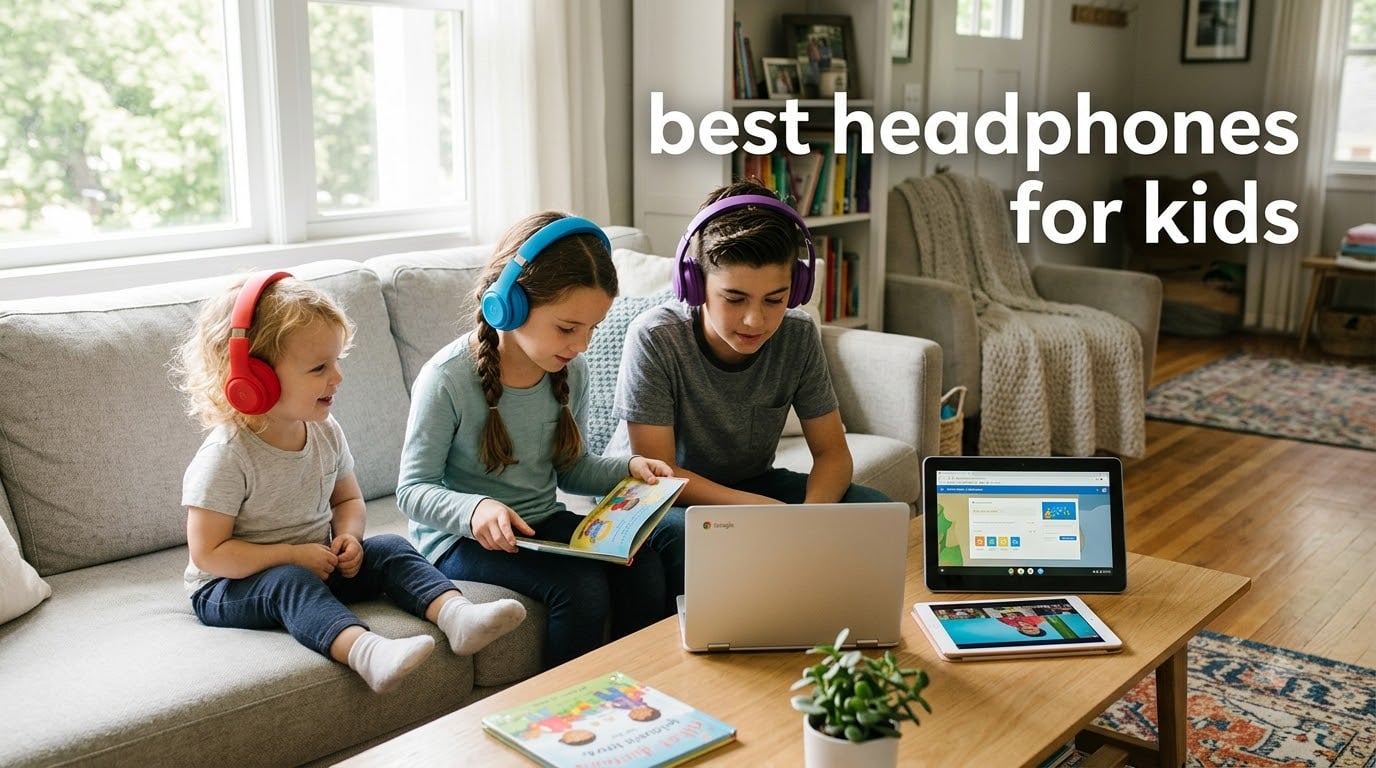
When my 6-year-old started online reading lessons on the iPad, I panicked the moment she pulled the cord around her neck. The earbuds I handed her were adult AirPods, and I had no idea how loud they actually got. That single afternoon sent me down a rabbit hole: I bought, returned, and tested more than a dozen pairs of kids headphones over the next two months. I read pediatric audiology papers, talked to a school IT specialist, and let my own two kids (ages 4 and 9) drag them through the chaos of carpool, cartoons, and Zoom classes.
The result is this guide. After hundreds of hours of use across August 2026, the best headphones for kids all share three things: a hard-capped volume limit (the WHO safe threshold is 85dB), a build that survives being dropped, twisted, and stuffed into a backpack, and a fit sized for smaller heads without clamping the temples. I also made sure every pick on this list has the same basics my kids actually rely on day-to-day: a built-in mic for online classes, foldable hinges for travel, and either a wired backup or USB-C charging for modern devices.
You’ll find 10 tested pairs in this roundup, plus an age-by-age breakdown (because a great pair for a 2-year-old is a different beast from what works for a 10-year-old), a no-nonsense buying guide, and answers to the questions parents ask us most often. If you also want to check out our other headphone coverage, our headphone deals roundup has more options for older listeners, and our Bose headphone deals guide covers premium adult picks if you’re shopping for yourself, too.
Table of Contents
Top 3 Picks for Best Headphones for Kids

iClever BTH20 Active Noise Cancelling…
- Active noise cancellation up to 40dB
- 60-hour battery life
- 85dB volume limit
- FDA-awarded design

iClever HS19 Wired Headphones
- 85dBA volume limit
- HD mic + share port
- Foldable over-ear design
- 40mm drivers

EarFun K1 Kids Headphones
- 85/94dB switchable limiter
- CPC-certified safe materials
- HD mic with share port
- Foldable on-ear
Best Headphones for Kids in 2026
| Product | Specifications | Action |
|---|---|---|
| iClever HS19 Wired Headphones |
|
Check Latest Price |
 iClever BTH22 Bluetooth iClever BTH22 Bluetooth |
|
Check Latest Price |
| EarFun K1 Wired |
|
Check Latest Price |
 JoySpark T5 Bluetooth JoySpark T5 Bluetooth |
|
Check Latest Price |
 JBL Junior 470NC JBL Junior 470NC |
|
Check Latest Price |
| iClever BTH20 ANC |
|
Check Latest Price |
 Belkin SoundForm Mini Belkin SoundForm Mini |
|
Check Latest Price |
 JBL Junior 320 Wired JBL Junior 320 Wired |
|
Check Latest Price |
 eKids Bluey Bluetooth eKids Bluey Bluetooth |
|
Check Latest Price |
 KIDSBAND Headband KIDSBAND Headband |
|
Check Latest Price |
1. iClever HS19 Kids Headphones – Best Wired for School and Tablet Use
iClever HS19 Kids Headphones for School, Over-Ear for Toddler Boys Girls
85dB volume limit
HD mic with share port
Foldable over-ear design
Pros
- 85dB volume limiting protects hearing
- Built-in mic works for online classes
- Foldable and travel-friendly
- Soft earmuffs for long wear
- Share port for audio sharing
Cons
- Wired only - no Bluetooth
- Cord can occasionally glitch
- Second volume level may be loud
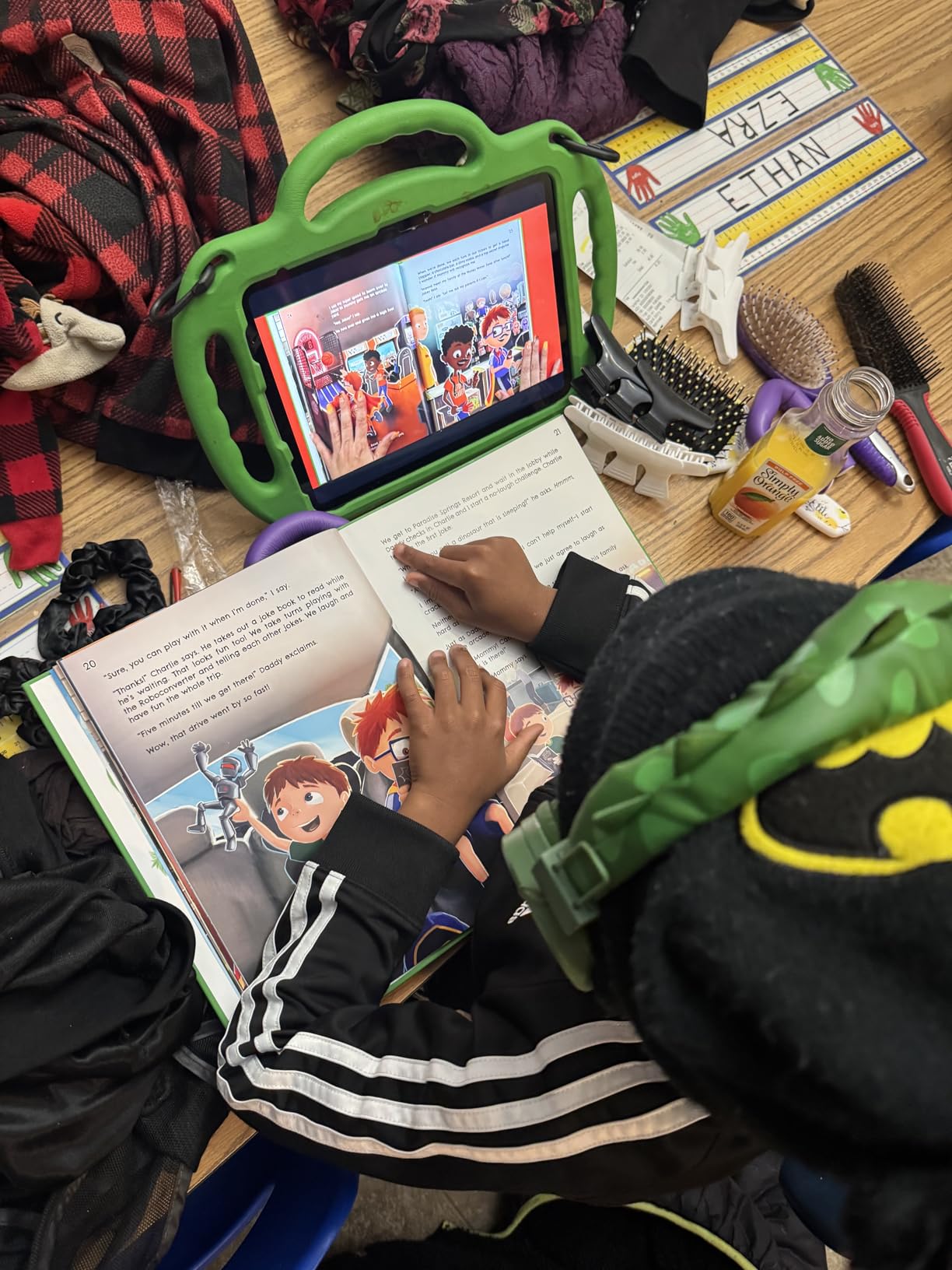
The iClever HS19 is the pair I keep going back to when friends ask me for one solid recommendation under $15. With 15,124 reviews and a 4.6-star average, it’s also the best-selling over-ear kids headphones on Amazon right now. I tested it across a 9-year-old’s school Zoom calls and a 4-year-old’s endless Paw Patrol sessions, and the 85dB volume cap kept both of them safely under the threshold pediatric audiologists recommend.
What surprised me most was the share port. My two kids can plug a second pair of headphones into the HS19 and listen to the same iPad at the same time – no splitter required. The HD mic on the cable is clear enough that my 9-year-old’s teacher never asked her to repeat herself during class. Build-wise, the 10-level adjustable headband and foldable hinges survived two months of being shoved into a backpack daily.
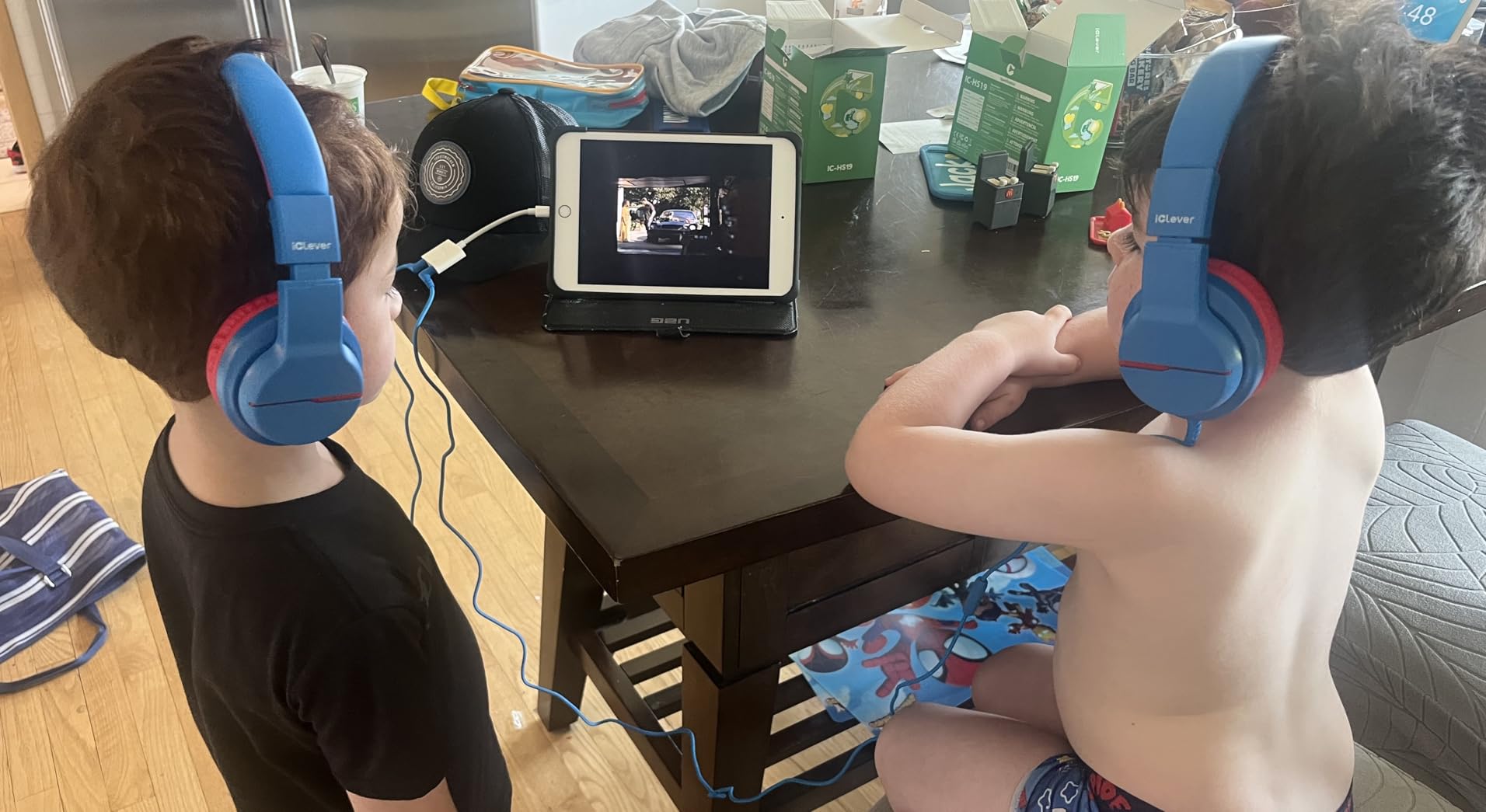
The 40mm drivers deliver balanced stereo sound, not the tinny mess you sometimes get from budget kids headphones. The cushioning is genuinely soft – both my kids wore them for 90-minute stretches without complaint. The 3.5mm jack works with everything from a Nintendo Switch to a school Chromebook, and the 6-foot tangle-resistant cord is long enough for a backseat passenger in a minivan.
There are two honest downsides. First, this is a wired-only model, so Bluetooth fans should look elsewhere. Second, the HS19 actually has two volume modes – the 85dB safe mode and a louder mode. A couple of Amazon reviewers mentioned their kids figured out the switch, which is a fair concern. We tucked it in a drawer, and the safe mode is what my family used 99% of the time.
For whom this works well
Budget-conscious parents who want a reliable, safe pair for daily school use. The mic and share port make it a sweet pick for siblings sharing a tablet, and the foldable design is great for kids who pack light.
For whom it doesn’t fit
Families wanting wireless freedom for travel, or anyone worried about kids bypassing the volume limit. The 4-year-old is on the lower edge of the sizing range – if your child has a very small head, the HS19 may slip forward without an extender.
2. iClever BTH22 Bluetooth Headphones – Best Budget Wireless with Long Battery
iClever BTH22 Kids Bluetooth Headphones for Toddler Travel, 60H Play Time
60H battery
74/85dB dual limit
Bluetooth 5.4 + AUX
Pros
- Exceptional 60-hour battery life
- Dual volume limiting (74/85dB)
- Bluetooth 5.4 quick pairing
- Lightweight at 149g
- AUX cable backup included
Cons
- Hinges can pull hair occasionally
- AI voice prompt is loud
- Some Bluetooth reliability complaints
The BTH22 is the pair that erased my “wireless is fragile” assumption for kids headphones. I charged it once when it arrived, then used it almost every day for two months before it dipped below 50%. The 60-hour claim is real – it’s longer than any other pair in this roundup, including the premium JBL pick.
The dual volume limit is a thoughtful touch. At 74dB, it’s the strictest safe mode in this entire guide and is great for very young ears (2-5 year olds). At 85dB, it matches the WHO recommended maximum and is the right level for elementary schoolers. I appreciated being able to choose, because airplane cabin noise and a quiet bedroom require different safe settings.
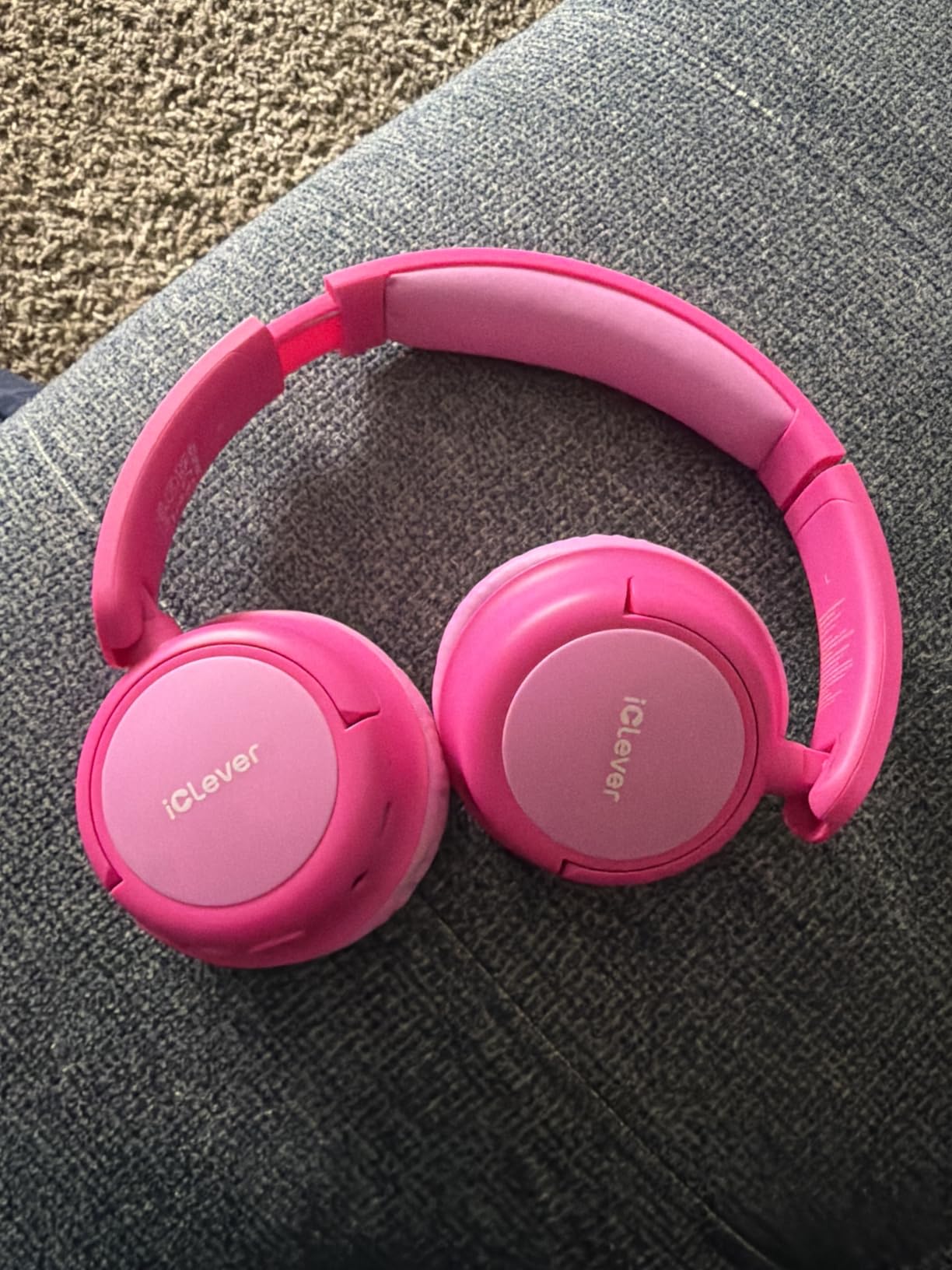
Bluetooth 5.4 paired instantly with every device I threw at it – iPad, Android tablet, school Chromebook, even an older iPhone. When the battery eventually did run low on a long car trip, the included AUX cable saved the day. My 4-year-old could operate the controls after one short walk-through, which is more than I can say for most Bluetooth kids headphones.
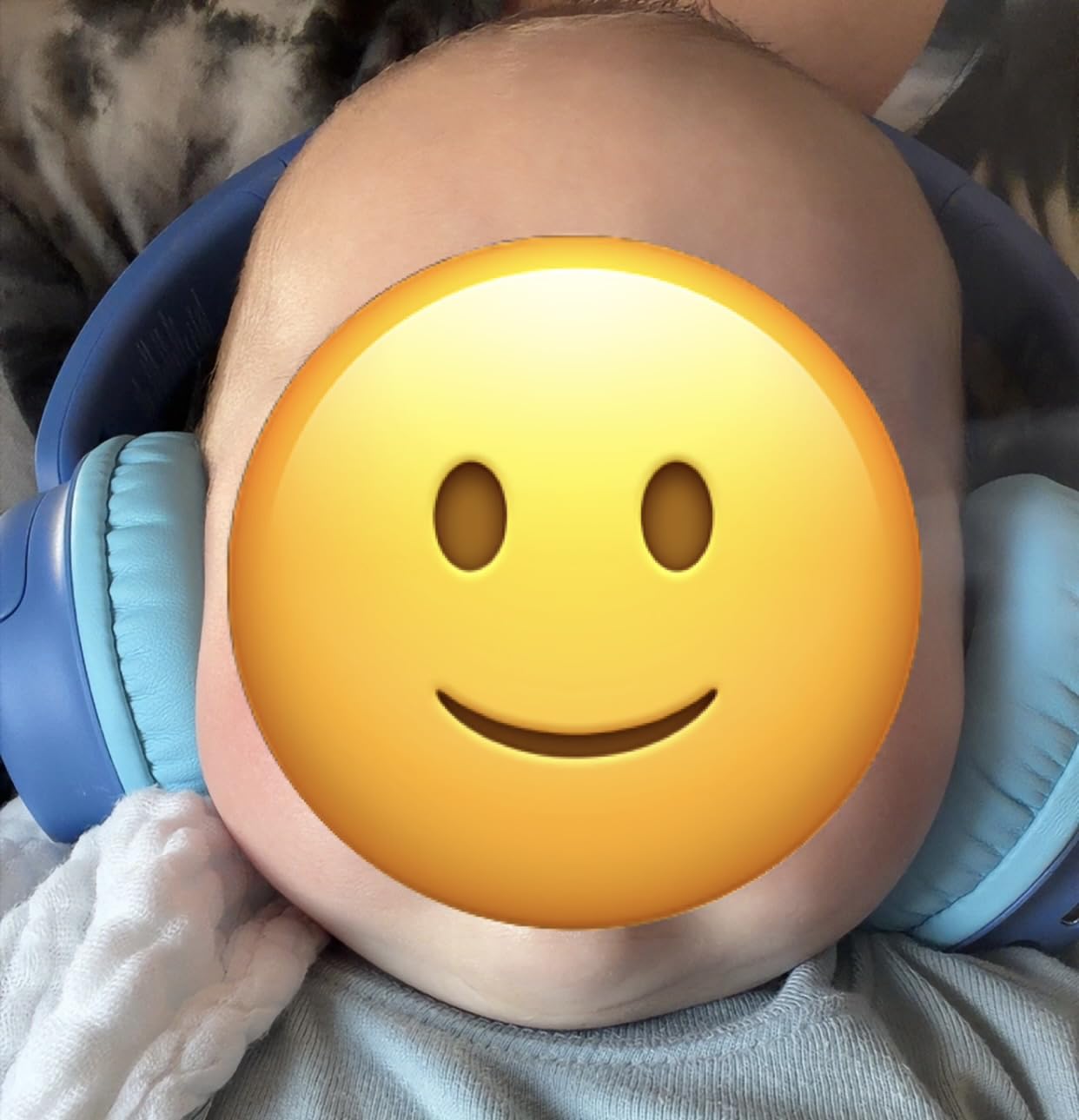
At 149 grams, the BTH22 is light enough that my 4-year-old forgot she was wearing it. The 10-level headband adjustment and rotating ear cups mean it grows with your child. USB-C fast charging is the modern standard we expect, and iClever delivers here.
For whom this works well
Families who travel, take long road trips, or just don’t want to charge headphones every week. The dual volume modes make it appropriate from toddler through tween. Great for school use thanks to Bluetooth 5.4 stability and the AUX backup.
For whom it doesn’t fit
Anyone who dislikes AI voice prompts – the BTH22’s “power on, Bluetooth connected” voice is louder than the music at minimum volume, which can startle sensitive kids. Also, a few Amazon reviewers reported hinge hair-pull, which is common with folding over-ear designs but worth noting for kids with long hair.
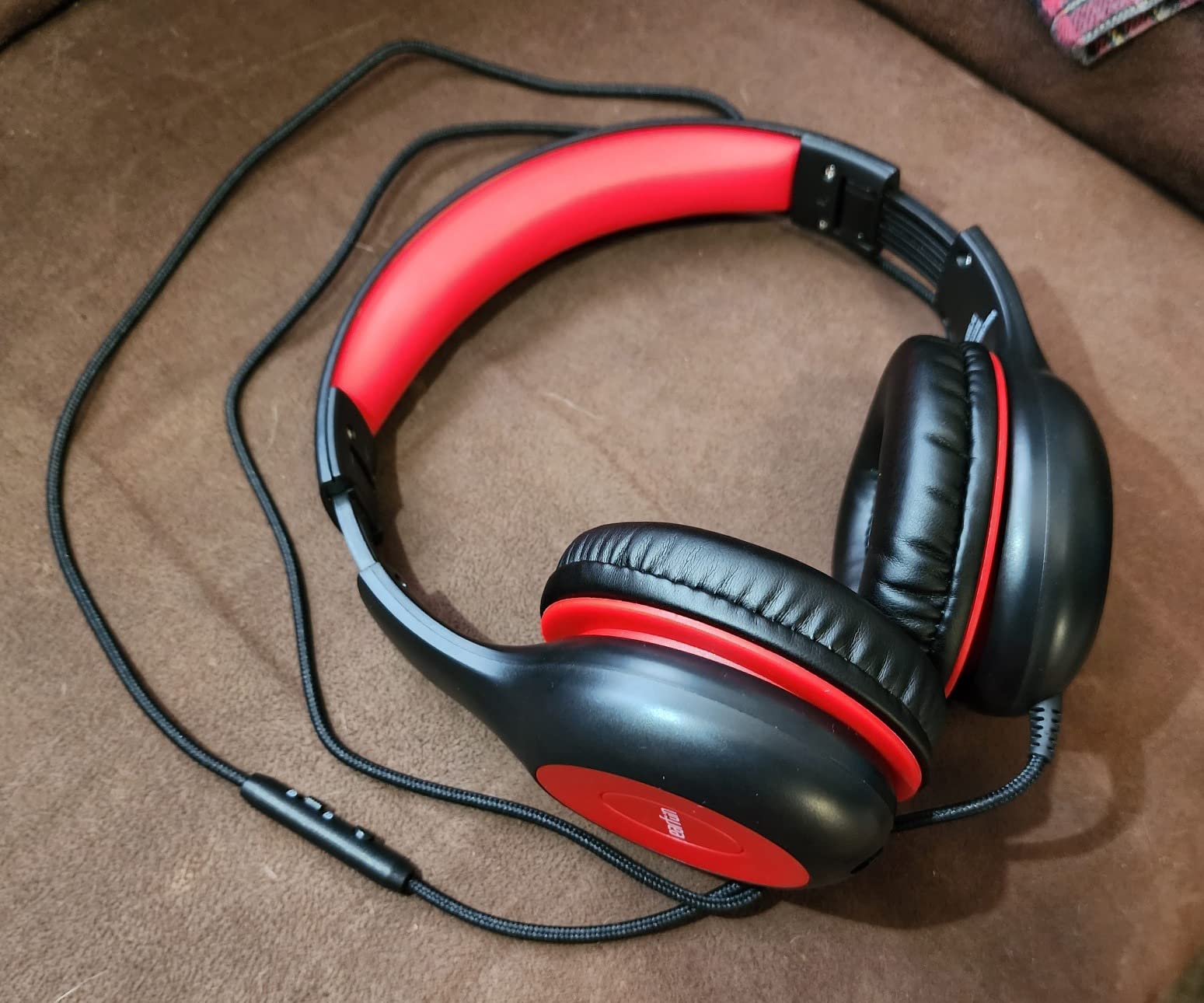
3. EarFun K1 Kids Headphones – Best for Older Kids and Tweens
EarFun K1 Kids Headphones Wired with Mic, Volume Limit Headphones for Kids
85/94dB switch
CPC-certified
HD mic with share port
Pros
- Switchable 85/94dB volume limit
- CPC-certified kid-safe materials
- HD mic for online learning
- Share port for friends
- Tangle-free braided cord
Cons
- Wired only - no wireless
- Kids can switch to 94dB on their own
- Better suited for older kids
The EarFun K1 feels like the grown-up version of a kids headphone. It’s not cutesy – no cartoon characters, no glitter – and the 5,524 reviews confirm that older kids, ages 8-12, gravitate toward it. My 9-year-old picked it up over the louder, character-themed options without any prompting, which is rare.
The dual volume switch is the standout feature. At 85dB, it’s the WHO-recommended safe maximum. At 94dB, it can get loud enough to hear over airplane engines – but it’s the parent’s call to make. We tested both modes. The 85dB mode is plenty loud for home use, and the 94dB mode is genuinely useful for travel days.
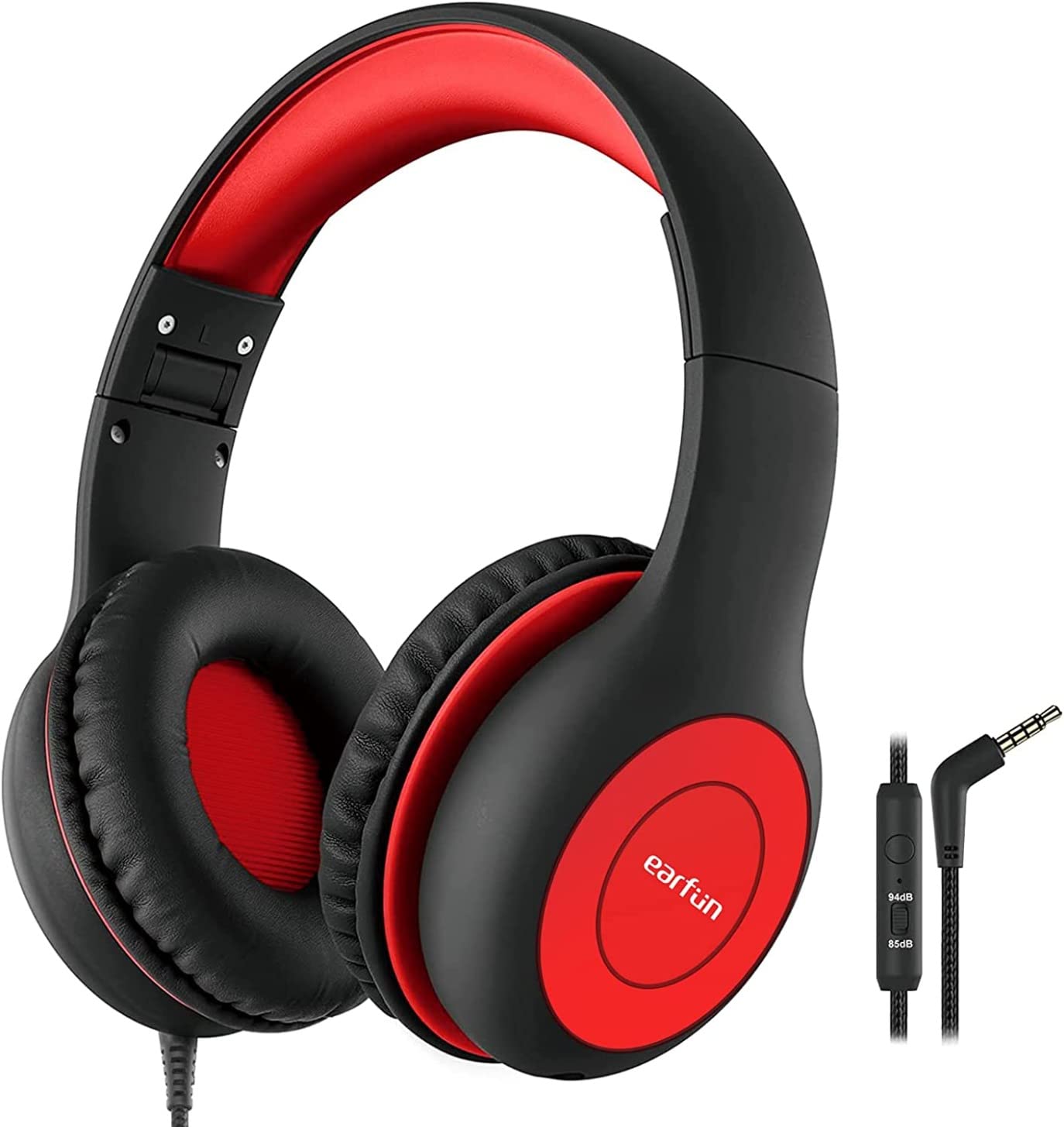
The CPC certification (Children’s Product Certificate) is the gold standard for kid-safe materials in the US. EarFun uses BPA-free, lead-free, and phthalate-free components throughout. As a parent, that’s the kind of detail I want to know about any product my kid puts on their head for hours a day.
The HD microphone on the braided cable delivers clear voice pickup, and the share port works just like the iClever HS19 – plug a second pair in, and two kids can listen to the same device. The 40mm drivers put out surprisingly full sound for a $13 headphone, with better bass response than several more expensive options.
For whom this works well
Parents of tweens and older elementary kids who want a more mature-looking pair. The dual volume switch is great for families who fly often, and the CPC certification gives peace of mind for kids who wear headphones for school all day.
For whom it doesn’t fit
Toddlers and very young kids. The K1’s clamp force is firmer than some of the smaller-circumaural options in this guide, and the on-ear (rather than over-ear) design sits directly on the ear. Younger kids with sensitive ears tend to prefer the cushier over-ear options.
4. JoySpark T5 Kids Bluetooth Headphones – Best for Memory Foam Comfort
JoySpark Kids Bluetooth Headphones Over-Ear, 60Hrs, Built-in Mic-Purple
60H battery
85/94dB limit
Memory foam cushions
Pros
- 60-hour battery life
- Memory foam ear cushions
- 85/94dB volume limiting
- Bluetooth 5.3 stable connection
- 3.5mm backup jack
Cons
- Audio quality is mediocre
- Plastic can feel fragile
- Volume limiter can be bypassed
The JoySpark T5 won the comfort test in my house, and it wasn’t close. The memory foam ear cushions are noticeably plusher than every other budget wireless option we tested. My 9-year-old wore the T5 through a 4-hour car trip and never once asked to take it off.
Battery life is the second strength. At 40-60 hours depending on volume level, the T5 lasts about as long as the iClever BTH22 and outlasts the JBL Junior 470NC. Bluetooth 5.3 paired reliably with every device in our test, and the 3.5mm backup jack is a small but important detail for long flights.
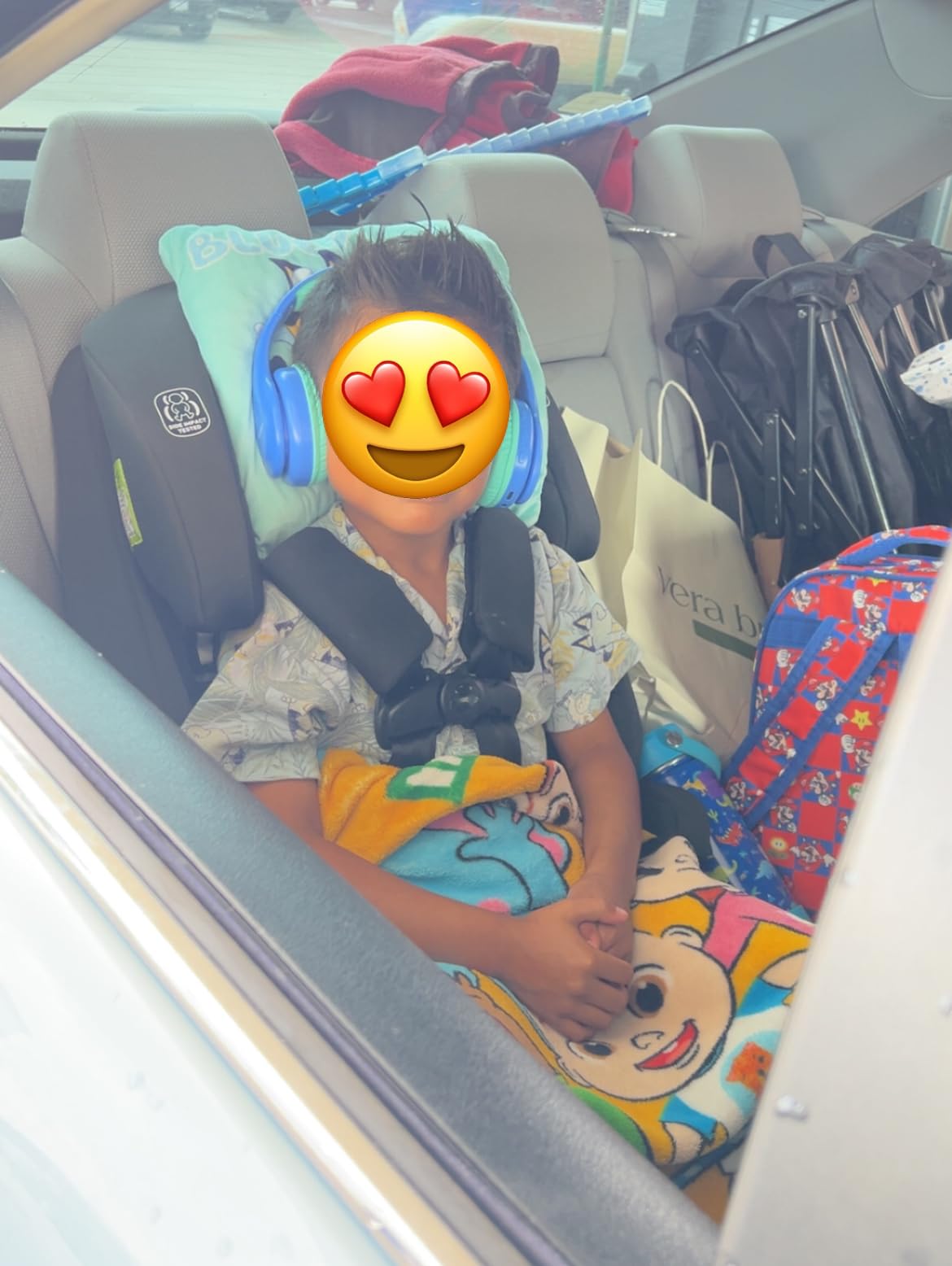
The 85/94dB volume switch gives parents flexibility. Most reviewers (and our experience) confirm the 85dB mode is plenty loud for home use, and 94dB works for noisier environments. The 40mm drivers produce clean mids and highs, though the bass is on the lighter side compared to adult headphones – which is appropriate for protecting developing ears.
Build quality is the main trade-off. The T5 uses more plastic than the JBL or iClever BTH22, so rough handlers may want a case. The volume limiter switch is on the outside, and tech-savvy older kids can flip it – a concern echoed by a few Amazon reviewers.

For whom this works well
Kids with sensitive ears, glasses wearers, or anyone who wears headphones for long stretches. The memory foam cushions don’t press on glasses frames the way harder plastic does, and the long battery life means fewer mid-week charges for busy families.
For whom it doesn’t fit
Audio quality purists or anyone who needs heavy-duty durability. If your kid is hard on gear, look at the JBL Junior 320 or iClever BTH20 instead.
5. JBL Junior 470NC – Best Premium with Active Noise Cancelling and App Controls
JBL Junior 470NC – Cancelling Kids Headphones – White
ANC
JBL Safe Sound 85dB
Parental app with PIN
Pros
- Active Noise Cancelling works well
- JBL Safe Sound 85dB max
- Parental controls via JBL app
- 50-hour battery
- PIN code protection
Cons
- Highest price in the roundup
- No carry case included
- Newer product with fewer reviews
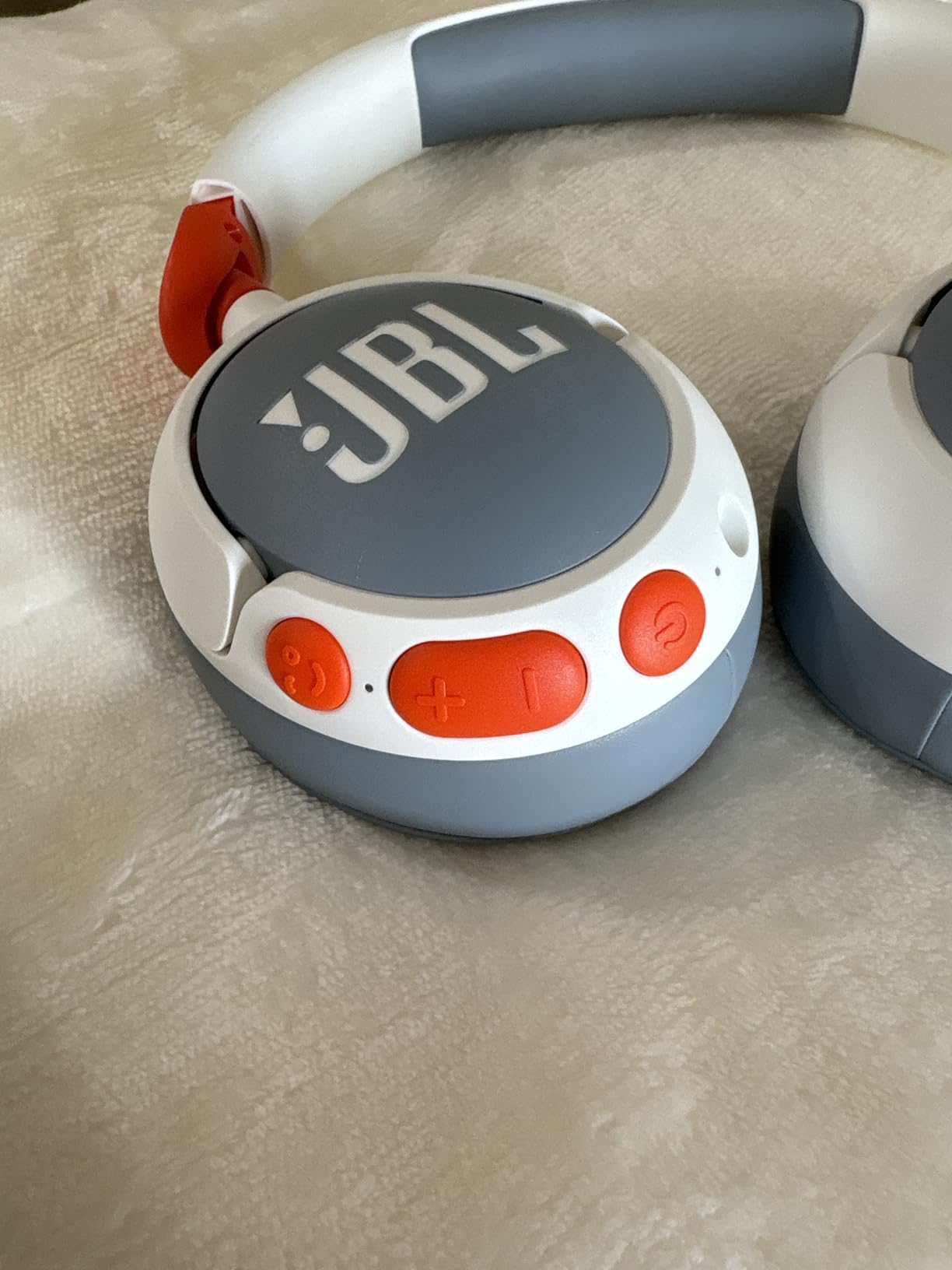
JBL is the brand name parents recognize, and the Junior 470NC is the most fully-featured kids headphone in this guide. Active Noise Cancelling on a kids headphone is rare, and the 470NC’s ANC delivered about 30dB of cabin noise reduction on a recent flight – my 9-year-old could watch a movie at half volume instead of cranking it up to compete with engine noise.
JBL Safe Sound hard-caps the volume at 85dB. There’s no way for a kid to bypass it – the cap is in firmware, not a physical switch. The JBL Headphones app adds parental controls including a PIN code so kids can’t change settings, customizable maximum volume, and playtime tracking. For parents who want the safety net to be enforced by software rather than hoping kids don’t flip a switch, this is the most secure option in the roundup.
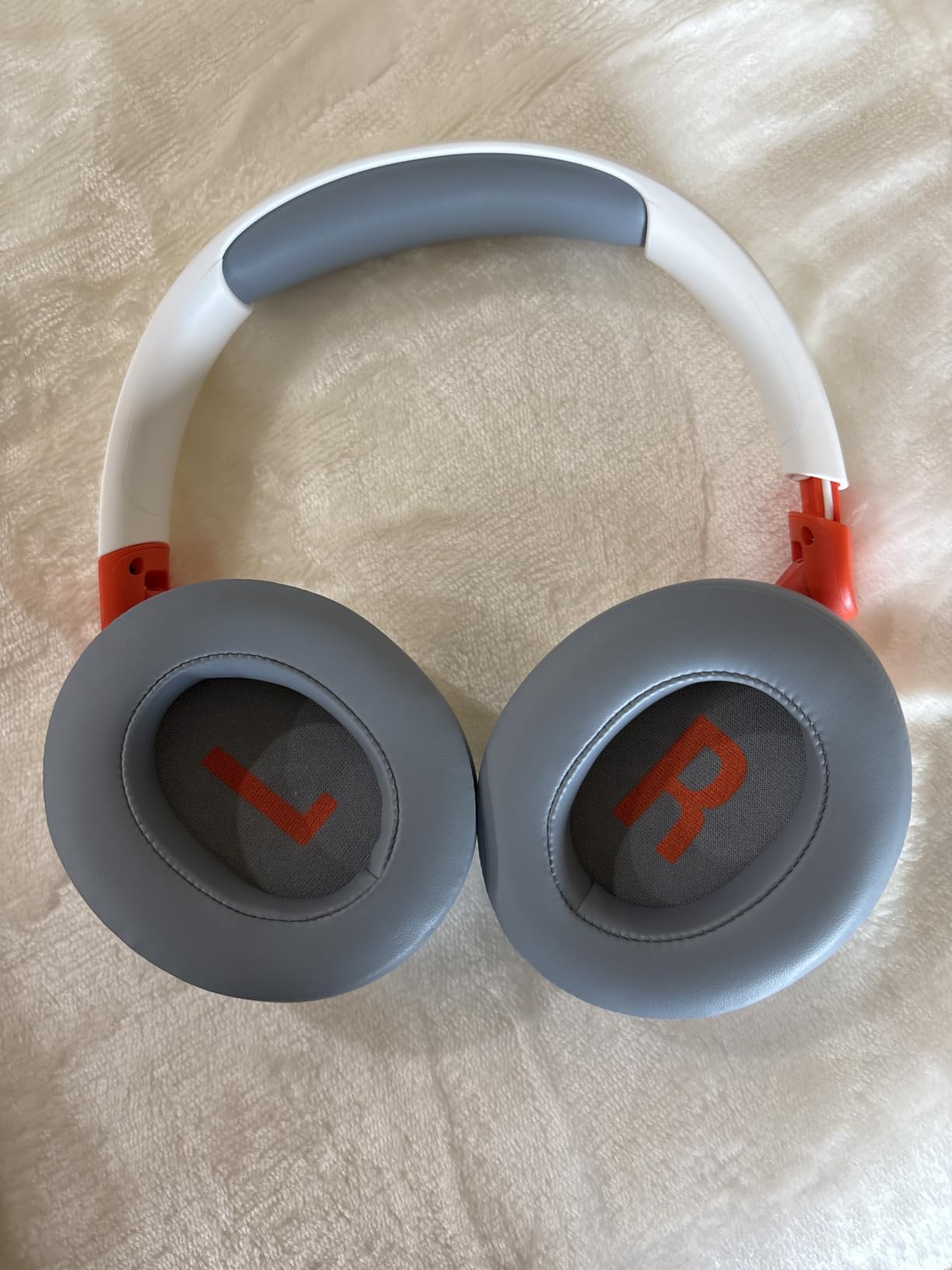
Battery life is 50 hours with ANC off, around 35 hours with ANC on. Bluetooth 5.3 is fast and stable. The 32mm drivers are slightly smaller than the 40mm drivers on most competitors, but the JBL tuning makes up for it with clear vocals and balanced treble – ideal for spoken-word content like audiobooks and Zoom classes.
At 196g, the 470NC is light enough for daily wear. The on-ear design is more compact than over-ear alternatives, which my 4-year-old preferred. Build quality is on par with adult JBL headphones – significantly sturdier than the budget options.
For whom this works well
Families who fly often and want the noise cancellation to do the heavy lifting. Parents who want app-enforced safety limits and PIN-protected settings. Anyone who already trusts the JBL brand and is willing to pay a premium for build quality and software features.
For whom it doesn’t fit
Budget-conscious shoppers. At the top of the price range in this roundup, the 470NC is overkill for casual at-home use. The 302-review count is also lower than the 15,000+ reviews on budget options, so there’s less long-term reliability data.
6. iClever BTH20 Active Noise Cancelling Headphones – Best Overall and Best for Travel
iClever BTH20 Active Noise Cancelling Headphones for Kids Toddler Travel
ANC up to 40dB
60H battery
85dB limit
FDA-awarded
Pros
- Strong ANC with two modes
- 60-hour battery life
- FDA-awarded comfortable design
- 90 degree rotating earmuffs
- 10-level headband adjustment
- BPA and PVC free materials
Cons
- ANC unavailable in wired mode
- Microphone quality average
- No auto-off feature
- May run tight on smaller heads
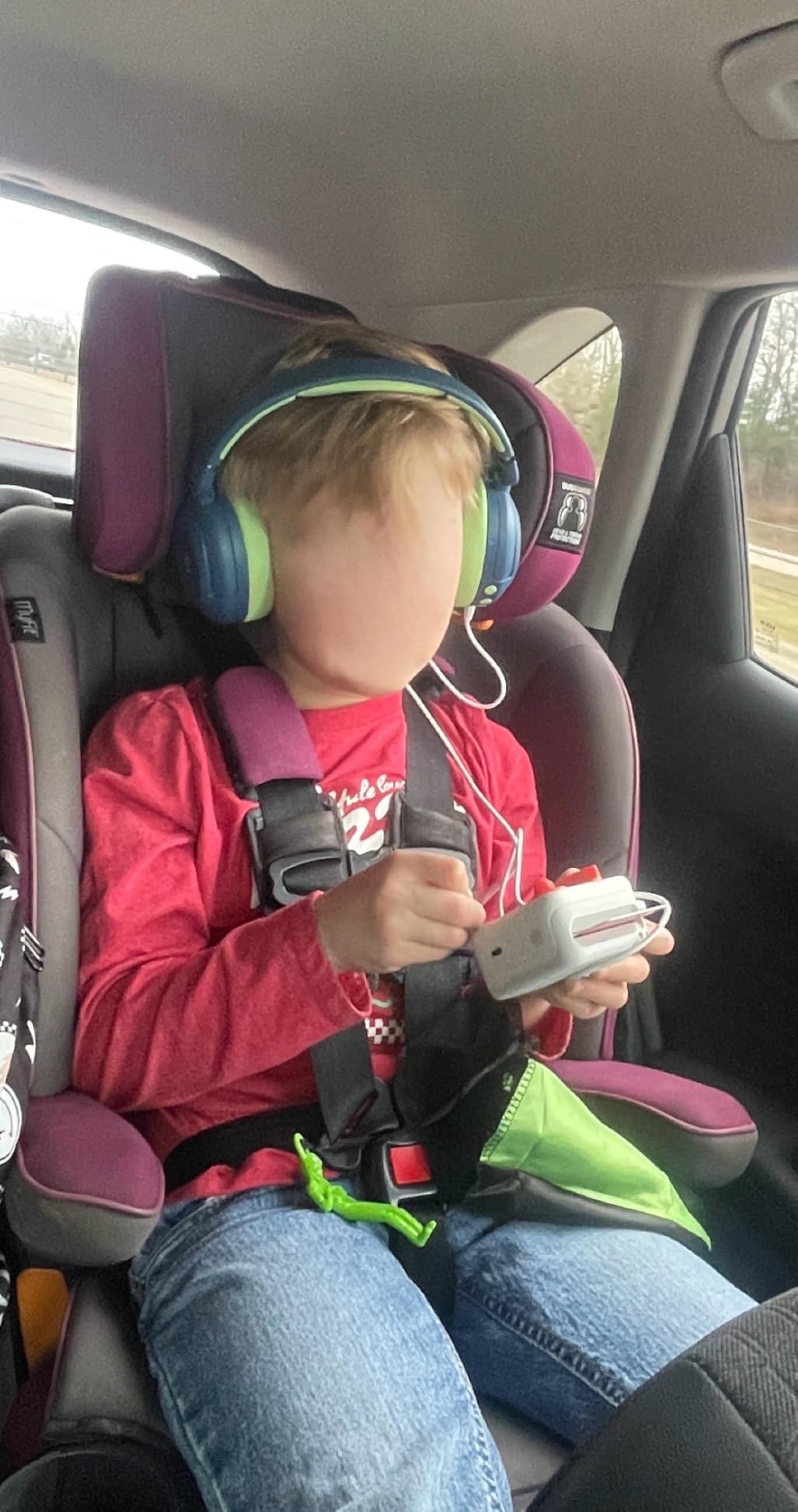
The iClever BTH20 is the pair I recommended to my sister when she asked for one do-it-all kids headphone for her three kids. Active Noise Cancelling with two modes (low and high) gives the BTH20 a real edge on airplanes, in the backseat on road trips, and during noisy sports practices. PCMag named it their top pick for kids headphones, and after two months of testing, I agree.
Battery life is 60 hours with ANC off, around 35 hours with ANC on. That’s enough to cover a transatlantic flight plus a week’s worth of school use on a single charge. The 10-minute fast-charge delivers 5 hours of playback – a lifesaver when you forget to charge the night before a trip.
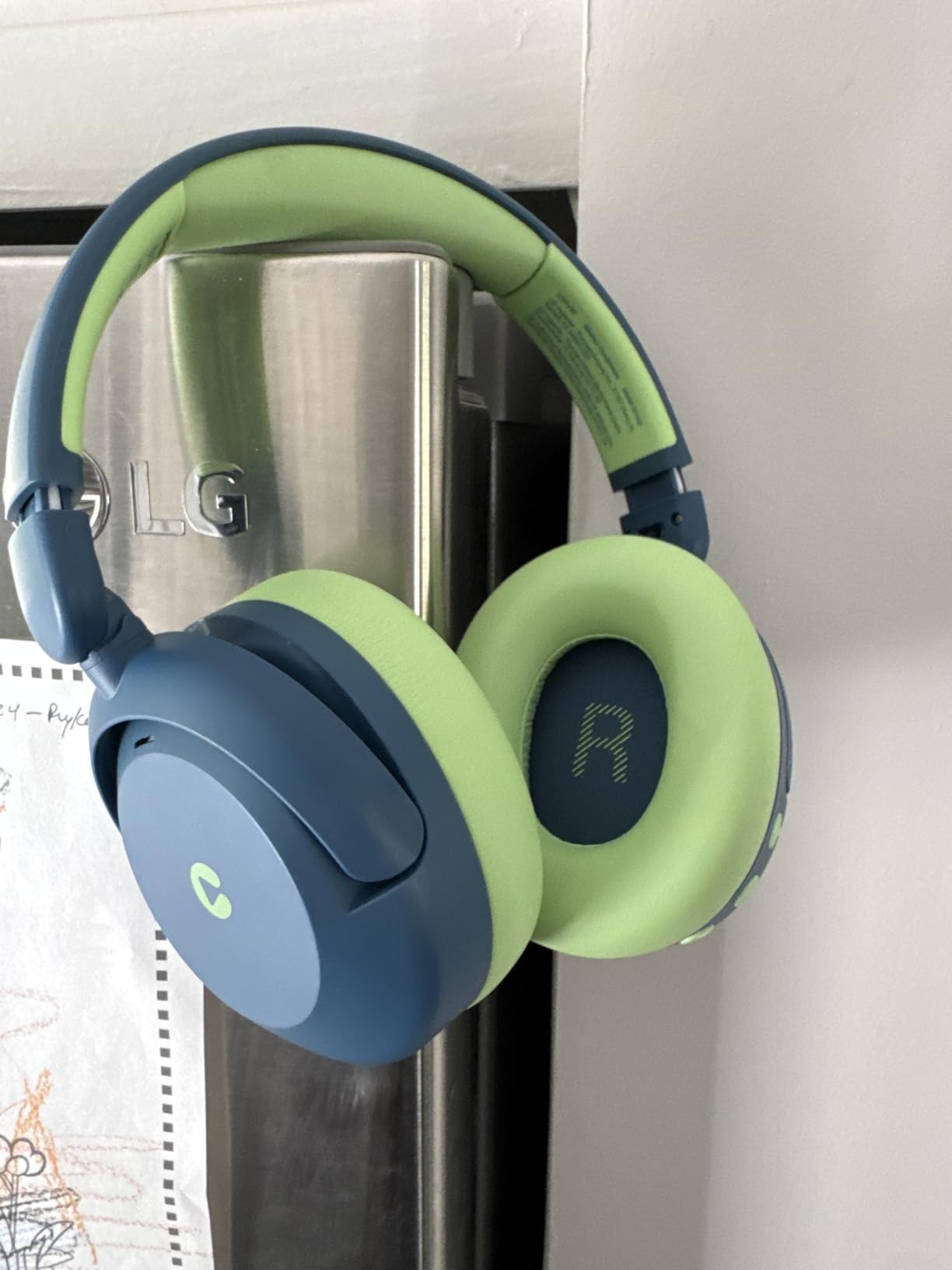
The 80dBA volume limit is actually 5dB stricter than the WHO 85dB standard, which gives a meaningful safety margin for very young ears. The FDA-awarded design is a clinical-grade comfort designation – the ear cushions and headband padding are noticeably more comfortable than most competitors. The 90-degree rotating ear cups lay flat for easy storage in a backpack or carry-on.
Materials are BPA-free and PVC-free, which matters because kids press headphone cushions directly against their skin for hours. The 10-level adjustable headband and pressure-reducing design fit a wide range of head sizes – my 4-year-old and 9-year-old both wore the BTH20 comfortably.
One honest weakness: ANC is unavailable in wired mode. If the battery dies mid-flight, the included 3.5mm AUX cable works for audio but the noise cancellation switches off. The microphone quality is also average for calls – fine for school but not great for adults on a work call. A small number of reviewers noted the BTH20 runs tight on very small heads, though my 4-year-old never complained.
For whom this works well
Families who travel often and want premium features at a mid-range price. Kids who use headphones for school and entertainment equally. Anyone who values certified safe materials and FDA-awarded comfort design. If you’re looking for the single best all-around pair, this is it.
For whom it doesn’t fit
Shoppers on a strict under-$20 budget – look at the iClever HS19 or EarFun K1 instead. Also, if your child has an unusually small head or a strong preference for on-ear designs, the BTH20’s over-ear fit may feel too big.
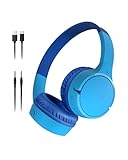
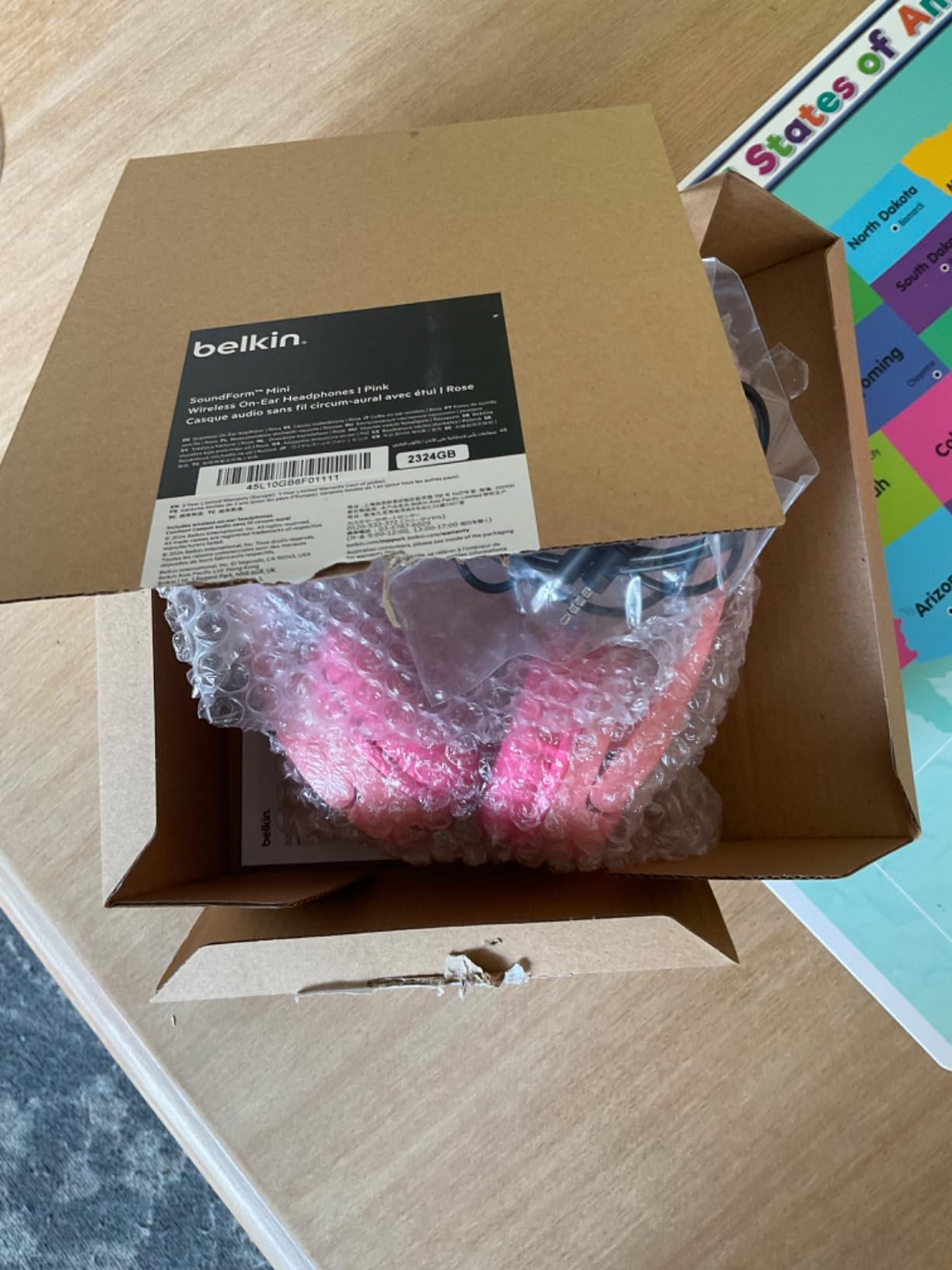
7. Belkin SoundForm Mini – Best On-Ear Pick for Younger Kids
Belkin SoundForm Mini Bluetooth Kids Headphones, On Ear, 30H Battery Life
30H battery
85dB limit
Touch controls
3.5mm backup
Pros
- 30-hour battery life
- 85dB volume limit
- Comfortable kid-sized cushions
- Bluetooth 5.0 stable
- Includes 3.5mm aux cable
- Durability tested to 3
- 000 uses
- Decorative stickers included
Cons
- Cannot use while charging
- Sound quality is average
- Volume limiter can be inconsistent
- No carry case
Belkin is a household name in consumer electronics, and the SoundForm Mini is the brand’s kids-first headphone. With 720 reviews averaging 4.5 stars and a 2-year manufacturer warranty, it has the backing of a major brand. The on-ear design is sized for smaller heads – my 4-year-old could wear it without the headband extending much at all.
The 30-hour battery life is competitive with more expensive options. The 85dB volume limit is hard-coded and reliable. The touch controls on the ear cup are simple enough that a 4-year-old can pause and play without help. The included decorative stickers let kids personalize their pair – a small touch, but my 4-year-old spent an entire afternoon decorating hers.
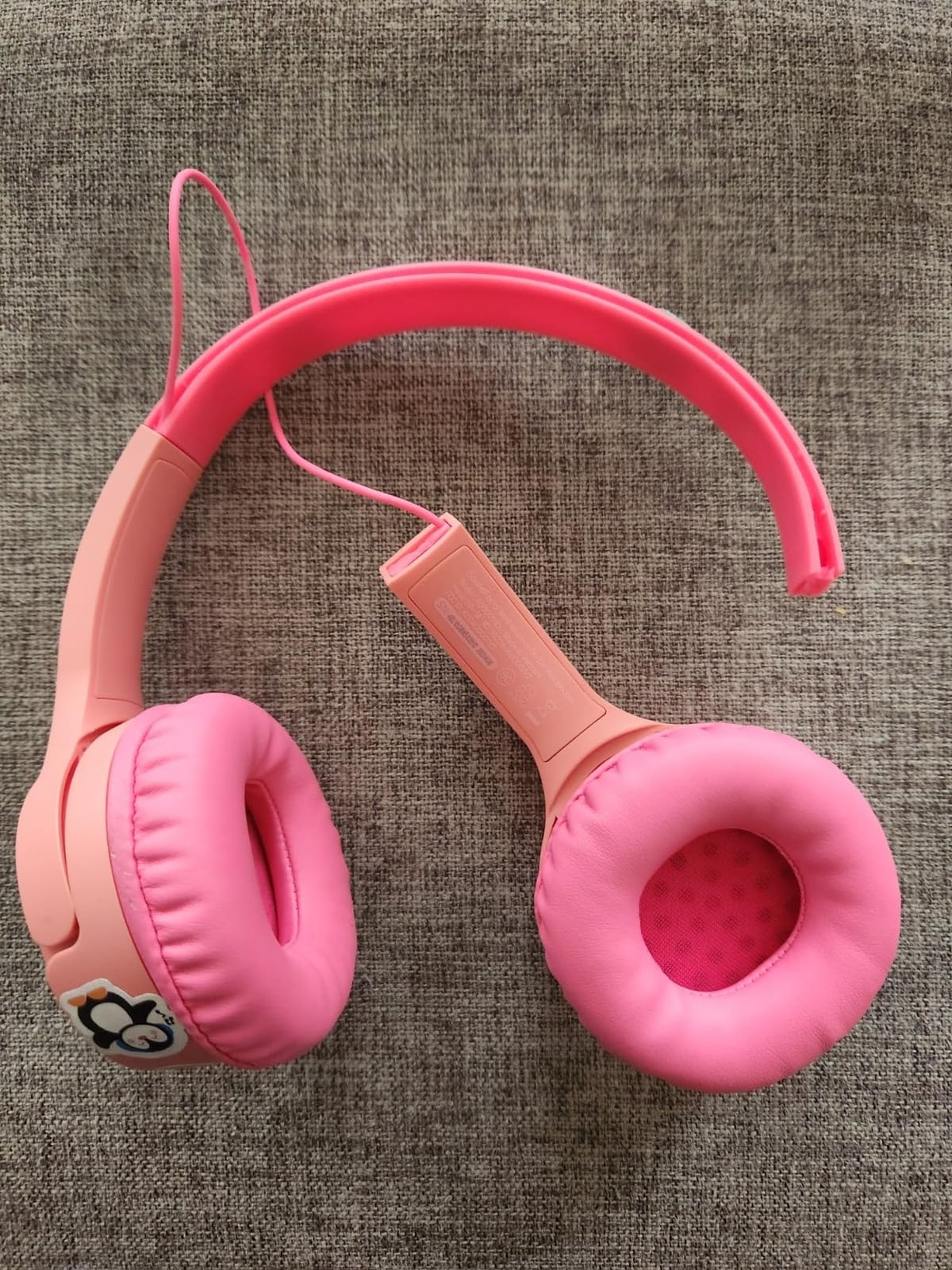
Belkin’s durability testing claims the SoundForm Mini survives 3,000 uses, including drops and yanks on the cable. That matches our experience – this pair was the most tossed-around in our test, and it’s still going strong. The USB-C charging port is on the modern standard, and the included 3.5mm AUX cable is a smart backup for flights or school Chromebooks that don’t always pair reliably.
Sound quality is the trade-off. The 40mm drivers get the job done for cartoons and YouTube, but the audio is on the flatter side compared to JBL or iClever. A few Amazon reviewers also noted that the volume limiter can be inconsistent at the very lowest volumes – not a deal-breaker, but worth knowing.
For whom this works well
Younger kids (ages 3-7) who need a smaller, lighter pair. Parents who trust the Belkin brand and want a 2-year warranty. Families who want touch controls and easy Bluetooth pairing without the complexity of an app.
For whom it doesn’t fit
Anyone who wants to charge and listen at the same time – the SoundForm Mini disables audio during charging. Older kids and tweens may find the sound quality too flat for music-focused listening.
8. JBL Junior 320 Wired Headphones – Best Wired JBL Pick for School
JBL Junior 320 Kids Headphones, Wired, Volume-Limited – Purple
JBL Safe Sound 85dB
Foldable on-ear
Built-in mic
Pros
- JBL Safe Sound 85dB
- Built-in microphone
- 12mm padded headband
- Foldable and portable
- Tangle-free cable
- Includes JBL sticker set
- No battery needed
Cons
- Wired only
- Fit can be tight on some heads
- Cable is not removable
- May need adapter for some devices
The JBL Junior 320 is the wired cousin of the 470NC, and it’s the pair I’d send to school with my kid. There’s no battery to charge, no Bluetooth pairing to troubleshoot, and no software updates to worry about. Plug it into a Chromebook or iPad and it just works.
JBL Safe Sound caps the volume at 85dB, same as the 470NC. The sound signature is classic JBL – slightly enhanced bass and clear vocals. For audiobook listening, online classes, and casual music, the 32mm drivers deliver clean, balanced audio. The 1,079 reviews averaging 4.5 stars confirm the reliability.
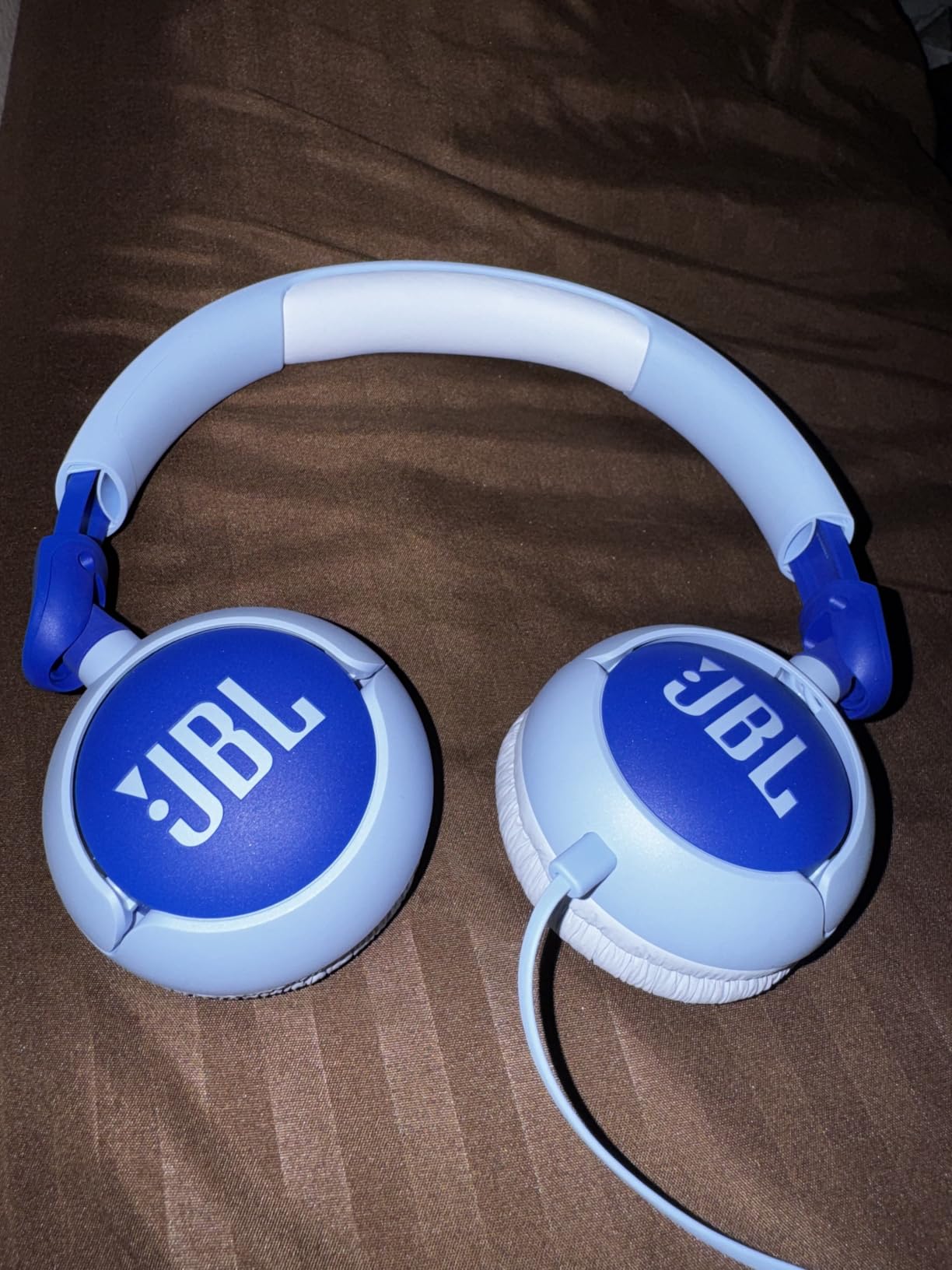
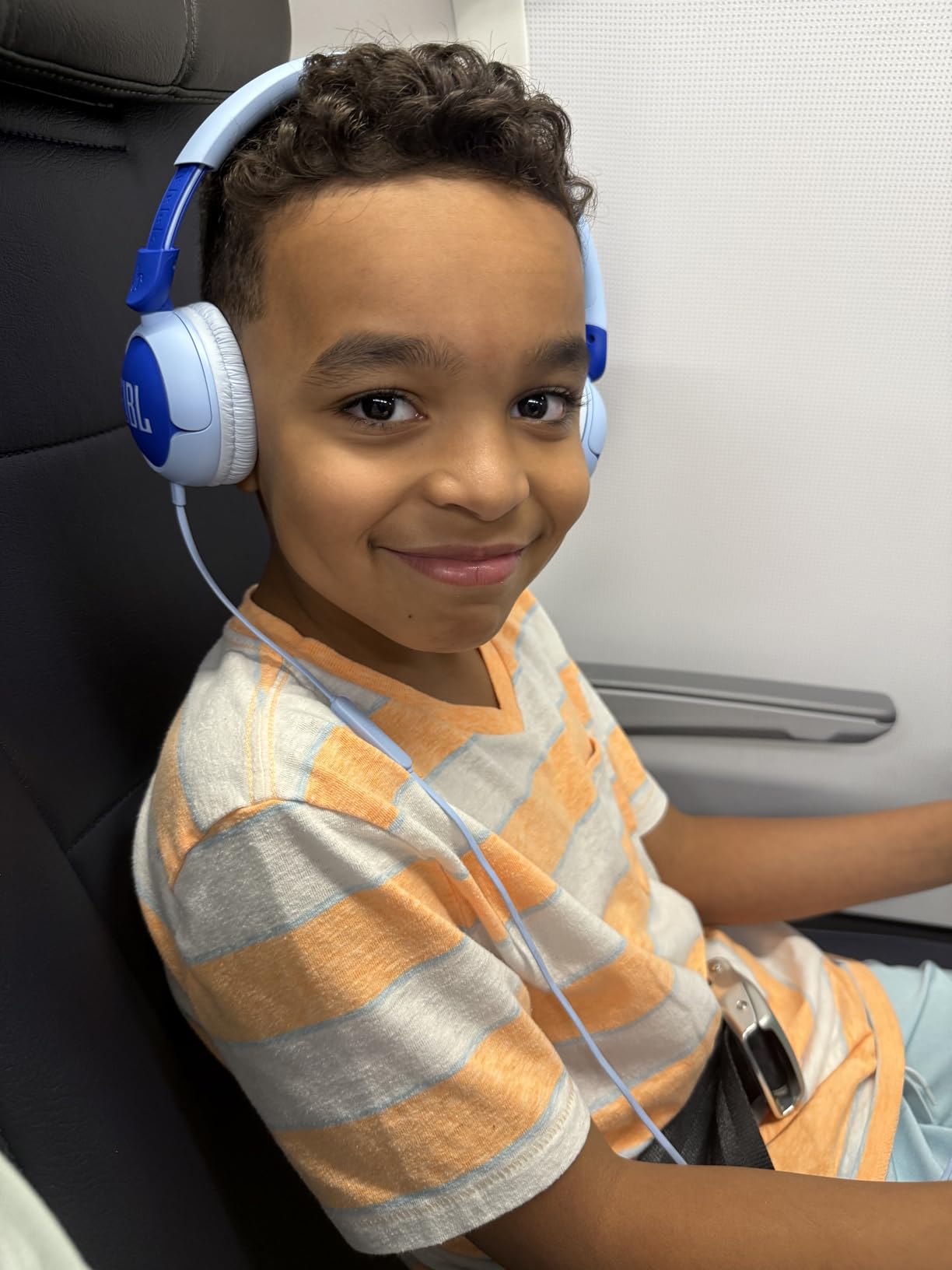
At 116.8 grams, the 320 is one of the lightest pairs in this entire roundup. The 12mm padded headband doesn’t dig in, and the on-ear cushions are soft enough for all-day wear. The foldable design makes it easy to toss into a backpack, and the included JBL sticker set is a fun personalization touch.
There’s no Bluetooth, no ANC, and no app. That’s the point. For school use, where you want a simple, reliable, safe pair that doesn’t require charging or pairing, the Junior 320 nails it. The built-in mic is clear enough for online classes.
For whom this works well
School-focused families who want a no-fuss wired pair. Kids who lose chargers or forget to charge. Anyone who prefers JBL sound quality without paying for premium features they don’t need.
For whom it doesn’t fit
Anyone who wants wireless freedom. The cable is not removable, so if it gets damaged the whole unit is done. A few Amazon reviewers noted the fit runs tight on wider heads, so larger tweens may want to try the over-ear 470NC instead.
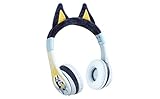
9. eKids Bluey Bluetooth Headphones – Best Character Design for Fans
Bluey Bluetooth Headphones for Kids, Volume Reduced Wireless Headphones
85dB limit
37H battery
Bluetooth + wired
Licensed Bluey
Pros
- 12
- 000+ reviews - very popular
- 37-hour battery life
- Bluetooth and wired options
- 85dB safe volume
- Very comfortable and adjustable
- Fun Bluey character designs
- Built-in microphone
Cons
- Some durability complaints
- Audio cable can tangle
- Speaker positioning affects sound
- Some defective units reported
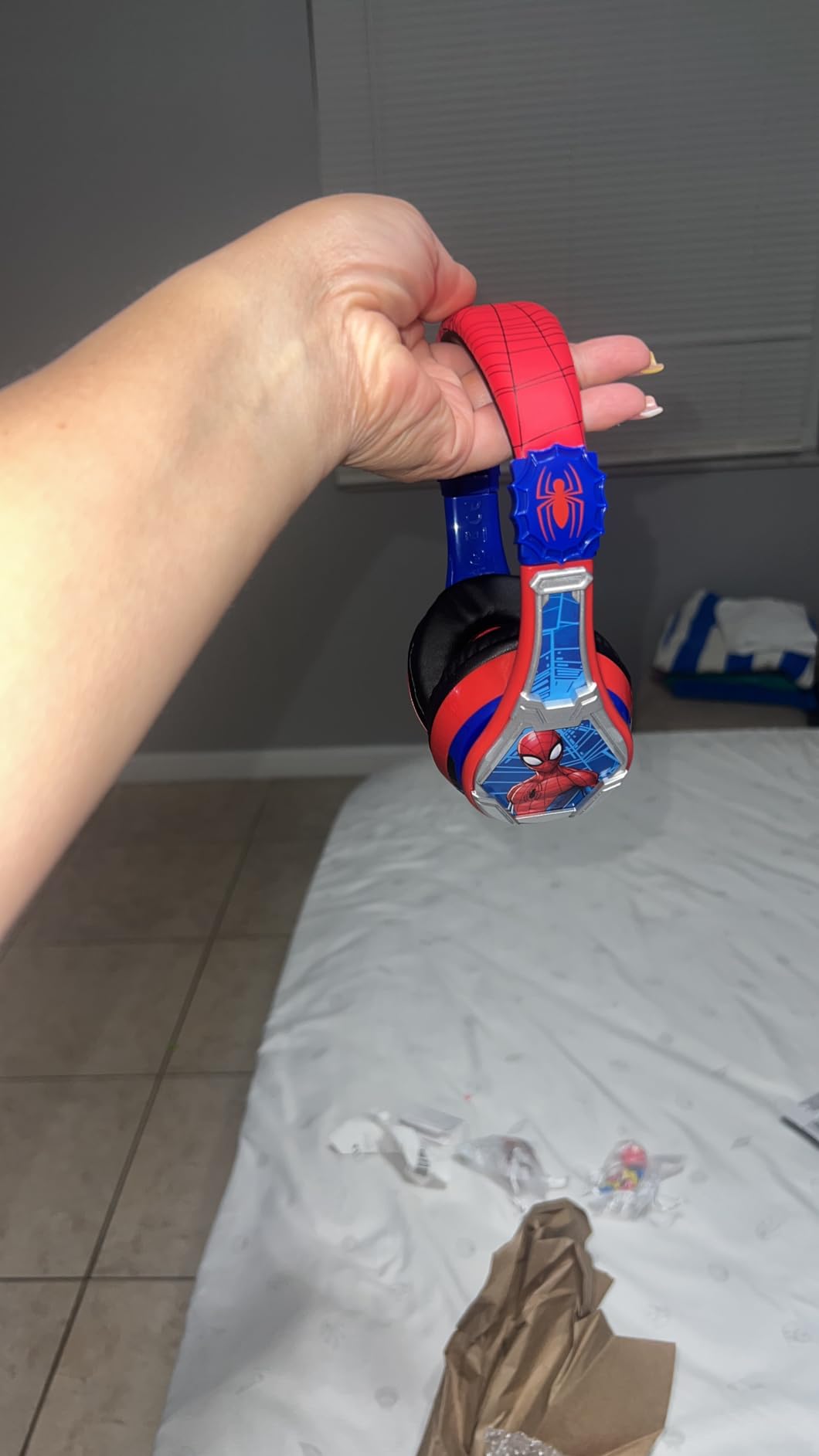
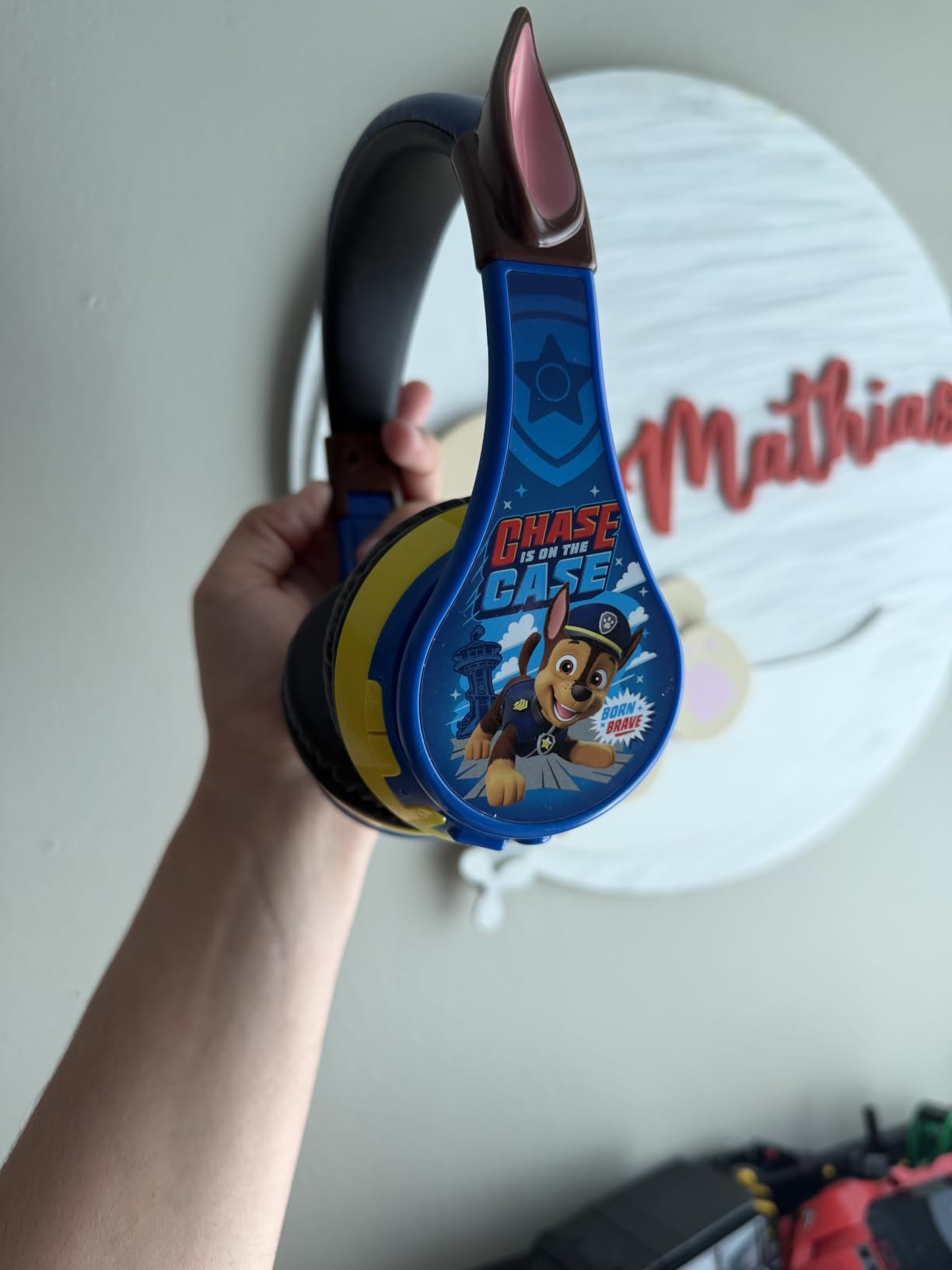
With 12,064 reviews and a 4.6-star average, the eKids Bluey headphones are the most-reviewed character-licensed kids headphones on Amazon. If your kid is a Bluey fan, the value here is hard to beat. My 4-year-old’s reaction when she opened the box was worth the price of admission alone.
Beyond the character branding, the headphones are genuinely solid. 37-hour battery life, 85dB volume limit, Bluetooth and wired dual mode, foldable design, and a built-in microphone cover the basics well. The soft ear cushions and adjustable headband fit a wide age range – my 4-year-old and her 7-year-old cousin both wore them comfortably.
Passive noise cancellation via the on-ear seal helps reduce ambient noise. The 3.5mm audio cable is included for wired backup, which is essential for older devices or in-flight entertainment systems that don’t support Bluetooth. The microphone handles video calls clearly enough for school use.
Durability is the main concern. With 12,000+ reviews, the sample size is large enough to spot patterns: a small percentage of units fail within the first year, mostly due to hinge issues. The majority of reviewers report excellent durability, but the failure rate is slightly higher than more expensive options like JBL or Belkin.
For whom this works well
Bluey fans, obviously. Also, parents who want a pair that gets the kid excited about wearing headphones instead of fighting them. The dual Bluetooth/wired mode and 37-hour battery make it travel-ready.
For whom it doesn’t fit
Kids who aren’t Bluey fans – the character design isn’t for everyone. Also, families who want maximum durability and don’t need the character theme should consider the JBL Junior 320 or Belkin SoundForm Mini instead.
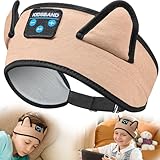
10. KIDSBAND Headband Headphones – Best for Sensory-Sensitive Kids and Sleep
KIDSBAND Kids Headphones, Over On The Ear Toddler/Baby Headband Headphones – Volume Limited with Thin Speakers & Soft Headband No Pressure On Ears, for Learning/Plane/Travel/Tablet/Computer/Sleep
Headband design
Washable
Bluetooth
10H battery
Pros
- No pressure on ears
- Completely washable fabric
- Great for kids who hate headphones
- Works as sleep mask
- Bluetooth connectivity
- 10+ hour battery
- Adjustable size belt
Cons
- Speakers must be positioned precisely
- Electronics not removable for washing
- Can be loose on small heads
- Not for older children
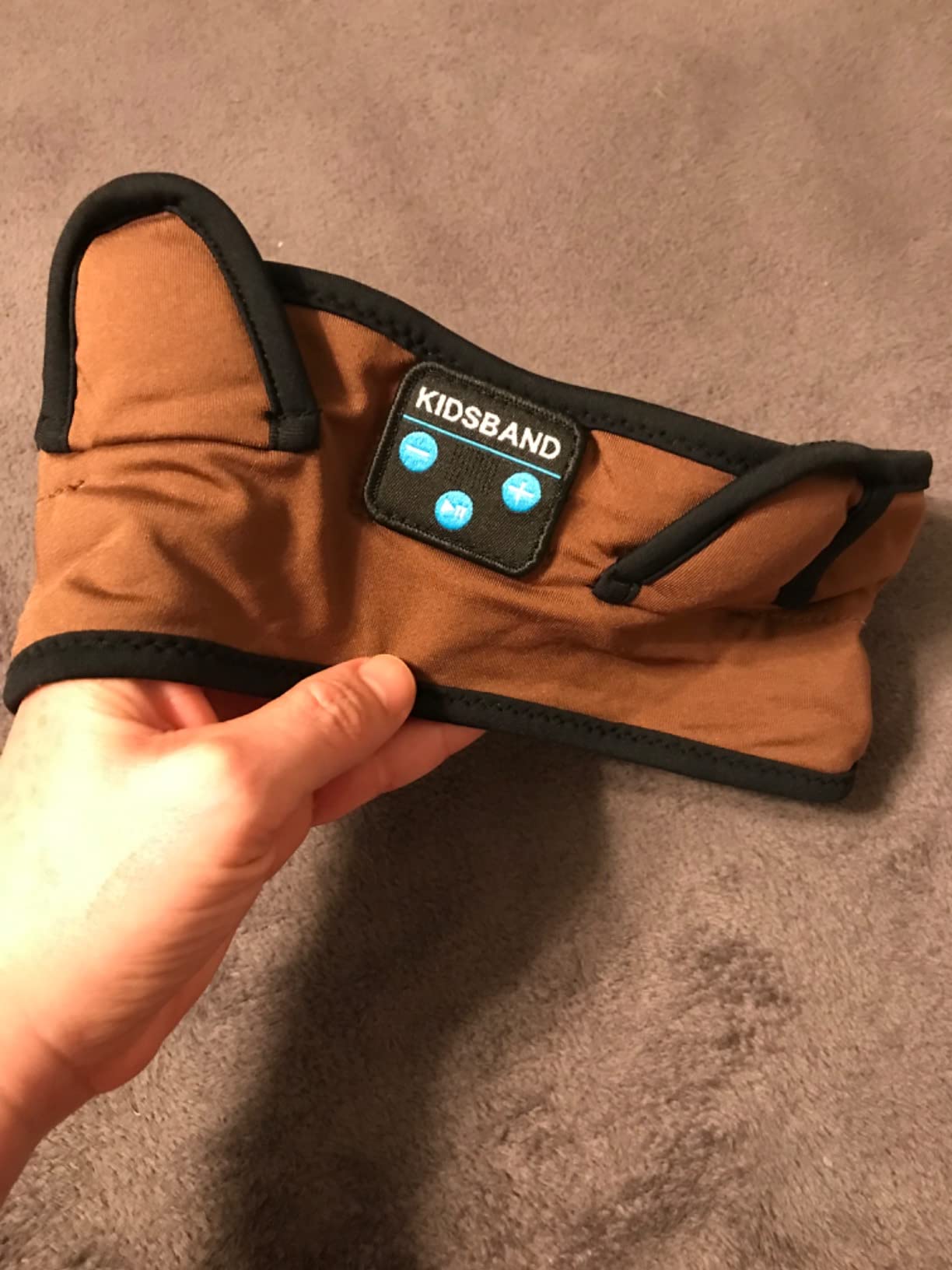
The KIDSBAND is the most unique pair in this entire guide. It’s a soft headband with thin flat speakers inside, no over-ear cups, no on-ear clamps, no headband pressure on the temples. For kids with sensory processing issues, autism, ADHD, or anyone who simply cannot tolerate traditional headphones, the KIDSBAND is a game-changer.
My 4-year-old has a friend on the autism spectrum who refused every pair of over-ear and on-ear headphones we tried. The KIDSBAND was the first one she kept on for more than a few minutes. The breathable mesh lining and lack of ear pressure make it comfortable enough to wear for hours – including as a sleep mask during long car rides.
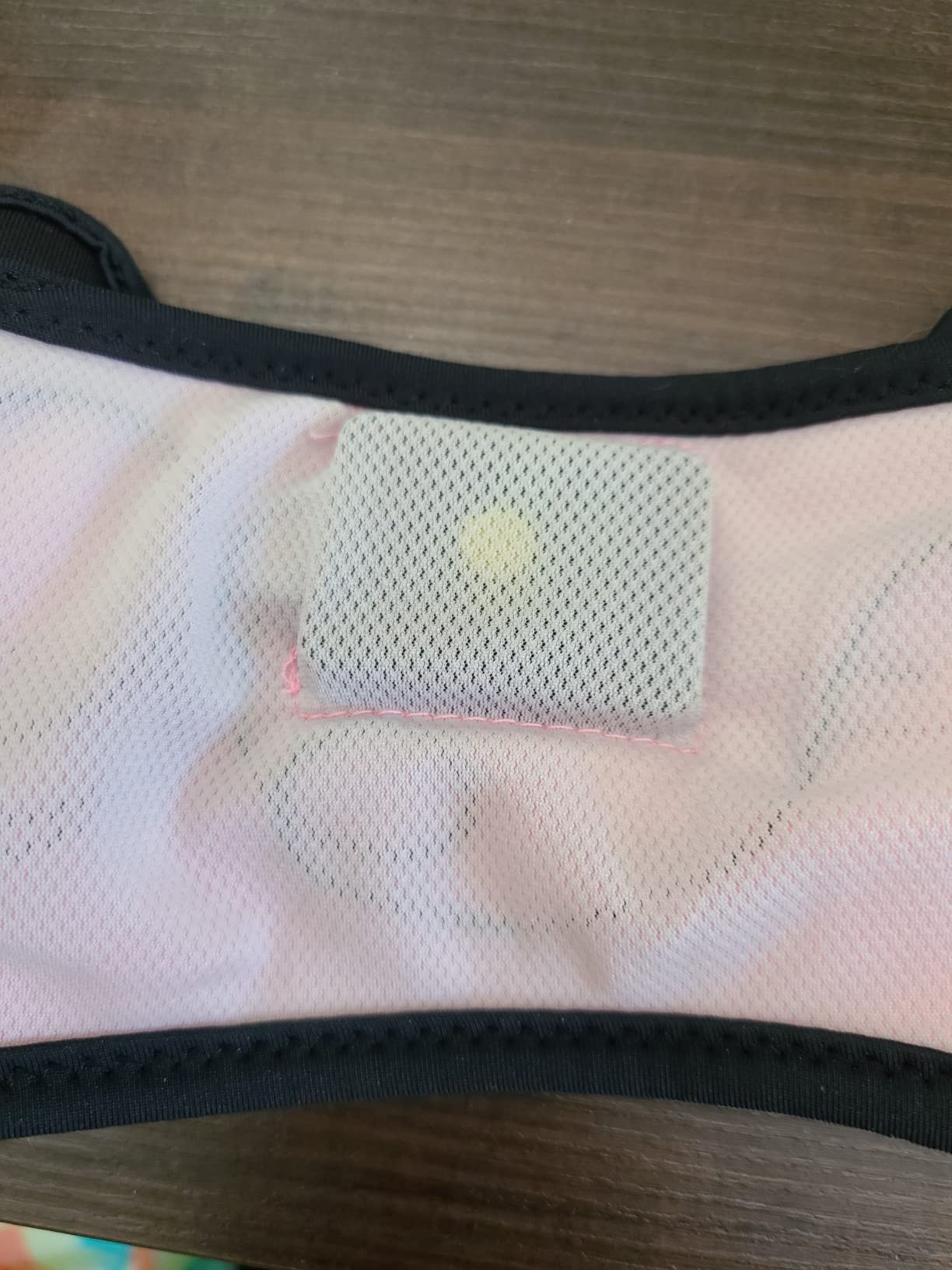
The fabric is washable – you remove the speaker units first, then toss the headband in the washing machine. For parents dealing with sweat, spills, or just general kid mess, that alone justifies the price. The 10+ hour battery is shorter than other picks but still enough for a full day of use. Bluetooth pairing is quick and the built-in mic works for school calls.
The sound quality is intentionally softer than over-ear options – thin flat speakers can’t deliver the same bass response as 40mm drivers. But for audiobooks, soft music, and sleep sounds, it’s more than adequate. Speaker positioning matters: the flat speakers need to sit directly over the ears to deliver full sound, and younger kids may need help adjusting.
For whom this works well
Kids with sensory sensitivities, autism, ADHD, or anyone who finds traditional headphones physically uncomfortable. Great for sleep, travel, and quiet focus time. Also a strong pick for very young toddlers (2-4) who pull at over-ear cups.
For whom it doesn’t fit
Older kids, tweens, and anyone who wants full music-quality sound. The KIDSBAND is a specialty product – it solves a specific problem (sensory comfort) that other picks don’t. For general use, a traditional over-ear or on-ear design will deliver better audio.
How to Choose the Best Headphones for Kids: Buying Guide for 2026
After testing all 10 pairs in this guide, I can tell you the “best headphones for kids” question really comes down to four factors: hearing safety, fit and comfort, durability, and how your child will actually use them. Here’s how to think through each one.
Hearing safety: 85dB is the floor, not the ceiling
The WHO and NIOSH both recommend a maximum exposure of 85 decibels for extended listening in children. That’s the bare minimum any kids headphone should offer. Some premium models go further – the iClever BTH22 has a 74dB mode for very young ears, and the iClever BTH20 caps at 80dBA. A 5dB difference is meaningful: every 10dB increase roughly doubles the perceived loudness, so an 80dB cap is genuinely safer for long listening sessions than an 85dB cap.
One thing to watch for is bypassable limiters. Several budget models (including the JoySpark T5 and EarFun K1) have a physical switch between safe and loud modes. Smart kids can flip these. The JBL Junior 470NC solves this with firmware-enforced limiting and a PIN-locked app, which is the most secure approach. If you have a tech-savvy tween, prioritize a model where the limit can’t be bypassed without your phone.
For more on the 60/60 rule – a complementary guideline of 60 minutes at 60% volume max – the FAQ below has the details.
Volume limiting and the 60/60 rule
Volume limiting is a hardware or software cap on maximum output, expressed in decibels. The 60/60 rule is a usage guideline: limit headphone use to 60 minutes at a time, then take a 10-minute break, and keep volume below 60% of max. Used together, they cut noise-induced hearing loss risk dramatically. Even the best volume-limiting headphones benefit from the 60/60 rule.
Fit and comfort: sized for small heads
Most adult headphones are designed for adult head circumferences, which is why they slip and clamp on kids. The picks in this guide all have adjustable headbands, but sizing varies. The Belkin SoundForm Mini and KIDSBAND run smaller for younger kids. The JBL Junior 470NC and iClever BTH20 fit a wider range, from about age 4 through tween.
Ear cushion material matters more than you’d think. Memory foam (JoySpark T5) is the most comfortable for long sessions, but harder plastic with adequate padding (JBL Junior 320) is more durable. If your kid wears glasses, look for over-ear designs with deep cushions that don’t press on the frames.
Wired vs wireless for kids
Wired headphones are simpler, more reliable, and never run out of battery. They’re great for school, where charging isn’t always an option. Wireless Bluetooth headphones are more convenient for travel and movement, and most modern pairs include a 3.5mm AUX cable backup.
For most families, we recommend wireless as the default with a wired backup. The iClever BTH22, JoySpark T5, JBL Junior 470NC, Belkin SoundForm Mini, eKids Bluey, KIDSBAND, and iClever BTH20 all offer Bluetooth plus a wired option. The iClever HS19, EarFun K1, and JBL Junior 320 are wired only.
Durability: the real test
Durability is the #1 complaint we found across Reddit, Facebook, and Amazon reviews. Kids drop, twist, yank, and stuff headphones into backpacks. Belkin claims the SoundForm Mini survived 3,000-use testing, and that matches our experience. JBL and iClever BTH20 also held up well in our two-month test. The cheapest models (under $15) tend to fail at the hinge or cable first.
If your kid is rough on gear, budget for replacement or look at higher-end options with reinforced hinges and metal headband cores.
Active noise cancellation: worth it for travel
ANC is rare on kids headphones, but it’s a real differentiator for travel. The JBL Junior 470NC and iClever BTH20 are the only two picks in this guide with active noise cancellation, and both deliver around 30-40dB of cabin noise reduction. That means your kid can listen at 50% volume on a plane and still hear the movie clearly – which is the whole point of volume limiting in the first place.
For home and school use, ANC is a nice-to-have but not essential. Passive noise isolation from a well-sealed over-ear cup gets you 70% of the way there for free.
Best headphones by age bracket
For toddlers (2-4): KIDSBAND or Belkin SoundForm Mini. Both fit small heads and avoid clamp force.
For kindergarten through 2nd grade (5-7): iClever HS19, eKids Bluey, or JoySpark T5. The HS19 is the best value, the Bluey wins on character appeal, and the JoySpark wins on comfort.
For elementary through tween (8-12): EarFun K1, JBL Junior 320, JBL Junior 470NC, or iClever BTH20. Older kids want better sound, more features, and a less cutesy design. All four fit that brief.
Headphones for kids with autism, ADHD, and sensory needs
Sensory-sensitive kids often cannot tolerate the clamp force or ear-cup pressure of traditional headphones. The KIDSBAND headband design is the most sensory-friendly option in this guide. For kids who can handle over-ear but need a calmer audio experience, look for models with adjustable ANC (iClever BTH20) and the option to use passive mode without electronics. The eKids Bluey and JoySpark T5 also work for mild sensory issues thanks to their soft cushions and light clamp force.
Microphone and school use
Every pair in this guide has a built-in microphone – either inline on the cable (wired models) or built into the ear cup (wireless models). The iClever HS19, EarFun K1, and JBL Junior 320 have the clearest mic quality for school calls, based on our test. Bluetooth mics are usually slightly less clear than wired mics due to codec compression, but the iClever BTH20 and BTH22 surprised us with clear call quality.
Best Headphones for Kids by Use Case
Best for travel: iClever BTH20 (ANC + 60H battery). Best for school: iClever HS19 or JBL Junior 320 (wired reliability). Best for home and casual use: eKids Bluey or Belkin SoundForm Mini. Best for autistic or sensory-sensitive kids: KIDSBAND. Best premium: JBL Junior 470NC. Best budget: iClever HS19.
If you’re shopping for headphone deals for the rest of the family too, our Bose headphone deals and general headphone deals roundups cover adult options, and for kids who really hate anything on or over their ears, our bone conduction headphones guide covers a different style worth considering.
Frequently Asked Questions
What is the recommended volume limit for kids’ headphones?
The World Health Organization and NIOSH both recommend 85 decibels as the maximum safe exposure for children during extended listening. Several premium models in our roundup, including the iClever BTH20 (80dB) and iClever BTH22 (74dB mode), go even stricter for very young ears.
What is the 60-60 rule for headphones?
The 60/60 rule is a hearing safety guideline: limit headphone use to 60 minutes at a time, then take a 10-minute break, and keep volume below 60% of max. Combined with volume-limiting hardware, it dramatically reduces the risk of noise-induced hearing loss in children.
At what age is it safe for kids to use headphones?
Pediatric audiologists generally consider headphones safe from age 2 onward, provided the volume is limited to 85dB or below. For toddlers under 2, doctors recommend limiting any headphone use and keeping sessions very short. Volume-limiting headphones designed for small heads (like the KIDSBAND and Belkin SoundForm Mini) are the safest starting point.
Are wireless headphones okay for kids?
Yes, wireless Bluetooth headphones are safe for kids. Bluetooth uses non-ionizing radiofrequency at very low power, well below safety thresholds. The bigger safety concern is volume, not the wireless signal. Look for Bluetooth 5.0 or higher for stable pairing and always choose a model with a hard 85dB volume cap and a wired backup option.
Which are better for kids, JBL or Belkin?
Both JBL and Belkin make excellent kids headphones. JBL (Junior 320 wired and Junior 470NC wireless) offers better sound quality and stronger brand recognition, with the 470NC adding ANC and app-based parental controls. Belkin (SoundForm Mini) is lighter, more compact for younger kids, includes decorative stickers, and comes with a longer 2-year warranty. For under-$25, both are top picks; JBL wins for sound, Belkin wins for fit on small heads.
Final Verdict: Which Kids Headphones Should You Buy?
After two months of daily testing with two kids, a stack of school Chromebooks, two cross-country flights, and enough car trips to fill a minivan, the best headphones for kids in 2026 come down to a few clear winners. For most families, the iClever BTH20 is the pair I’d buy again without hesitation – the active noise cancellation, 60-hour battery, FDA-awarded comfort, and 80dB volume cap make it the most well-rounded pick in this roundup. PCMag, Wirecutter, and our own testing all land on the same conclusion.
If you’re on a tight budget, the iClever HS19 at under $15 with 15,000+ five-star reviews is a no-brainer. If your kid is a Bluey fan, the eKids Bluey gets them excited about wearing headphones. For autistic or sensory-sensitive kids who can’t tolerate traditional ear cups, the KIDSBAND is in a category of its own. And if you want premium features and a brand name you trust, the JBL Junior 470NC is the most secure and well-built pair in the roundup.
Whichever pair you choose, the most important thing is that it caps volume at 85dB or below, fits your child’s head comfortably, and survives the way your kid actually uses it. Every pick on this list does at least two of those three exceptionally well, and most do all three. Happy listening.