

I spent the last three months rotating eight pairs of planar magnetic headphones through my desktop rig, a MacBook, and a Switch, taking notes on everything from bass texture to clamp force. After roughly 280 hours of A/B listening across jazz, electronic, classical, and competitive shooters, I landed on a clear ranking. If you are shopping for the best planar magnetic headphones, this guide will save you weeks of research and a few wrong purchases.
Planar magnetic headphones use a thin, flat diaphragm suspended between two magnetic arrays. The whole surface moves uniformly when current flows through conductors printed on the film, which is why planars deliver such low distortion, fast transients, and an open, holographic soundstage. The category now spans from $109 entry models all the way to $6,000 flagships, and the price spread is the single biggest decision you will make. This roundup covers the eight best planar magnetic headphones for 2026, spanning gaming, studio, casual listening, and reference-grade audiophile use.
Table of Contents
Top 3 Picks for Best Planar Magnetic Headphones

HIFIMAN Arya Stealth Magnet
- Near-flagship detail
- 8Hz-65kHz range
- comfortable for long sessions

Best Planar Magnetic Headphones in 2026
| Product | Specifications | Action |
|---|---|---|
| ASUS ROG Kithara |
|
Check Latest Price |
 HIFIMAN Ananda HIFIMAN Ananda |
|
Check Latest Price |
 HIFIMAN Ananda Nano HIFIMAN Ananda Nano |
|
Check Latest Price |
 HIFIMAN AUDIVINA HIFIMAN AUDIVINA |
|
Check Latest Price |
| HIFIMAN Arya Stealth |
|
Check Latest Price |
 Fosi Audio i5 Fosi Audio i5 |
|
Check Latest Price |
 HIFIMAN Arya Organic HIFIMAN Arya Organic |
|
Check Latest Price |
 HIFIMAN HE1000 Stealth HIFIMAN HE1000 Stealth |
|
Check Latest Price |
1. ASUS ROG Kithara – Best Planar Magnetic Headphones for Gaming
ASUS ROG Kithara Gaming/Audiophile Open-Back Wired Headphones with Mic – ROG-Tuned HIFIMAN Planar Magnetic Drivers, Adjustable Headband, Extra Ear Pads, Compatible with DACs, Amps, PC, Console, Mobile
100mm HIFIMAN drivers
Detachable boom mic
Open-back design
Pros
- Audiophile-grade planar sound
- Excellent gaming soundstage
- Multiple cable options
- Premium metal frame
Cons
- Loose clamp for some heads
- Needs DAC/amp to shine
- Heavy sound bleed
The ROG Kithara is the rare gaming headset that does not ask you to leave audiophile sound at the door. Inside the magnesium frame sit 100mm planar magnetic drivers co-developed with HIFIMAN, which is the name you will see on most high-end audiophile planars. The result is positional audio and imaging that genuinely helps in shooters, with a soundstage wide enough to tell footstep direction from across a map.
I tested the Kithara for two weeks of Valorant and Apex, plus late-night music sessions. Footsteps in Valorant had a distinct left-right cue that I do not get from my usual dynamic-driver headset. The included MEMS boom mic is functional and detachable, which means I can pull it off and run the Kithara as a pure audiophile headphone when I want to listen to records.
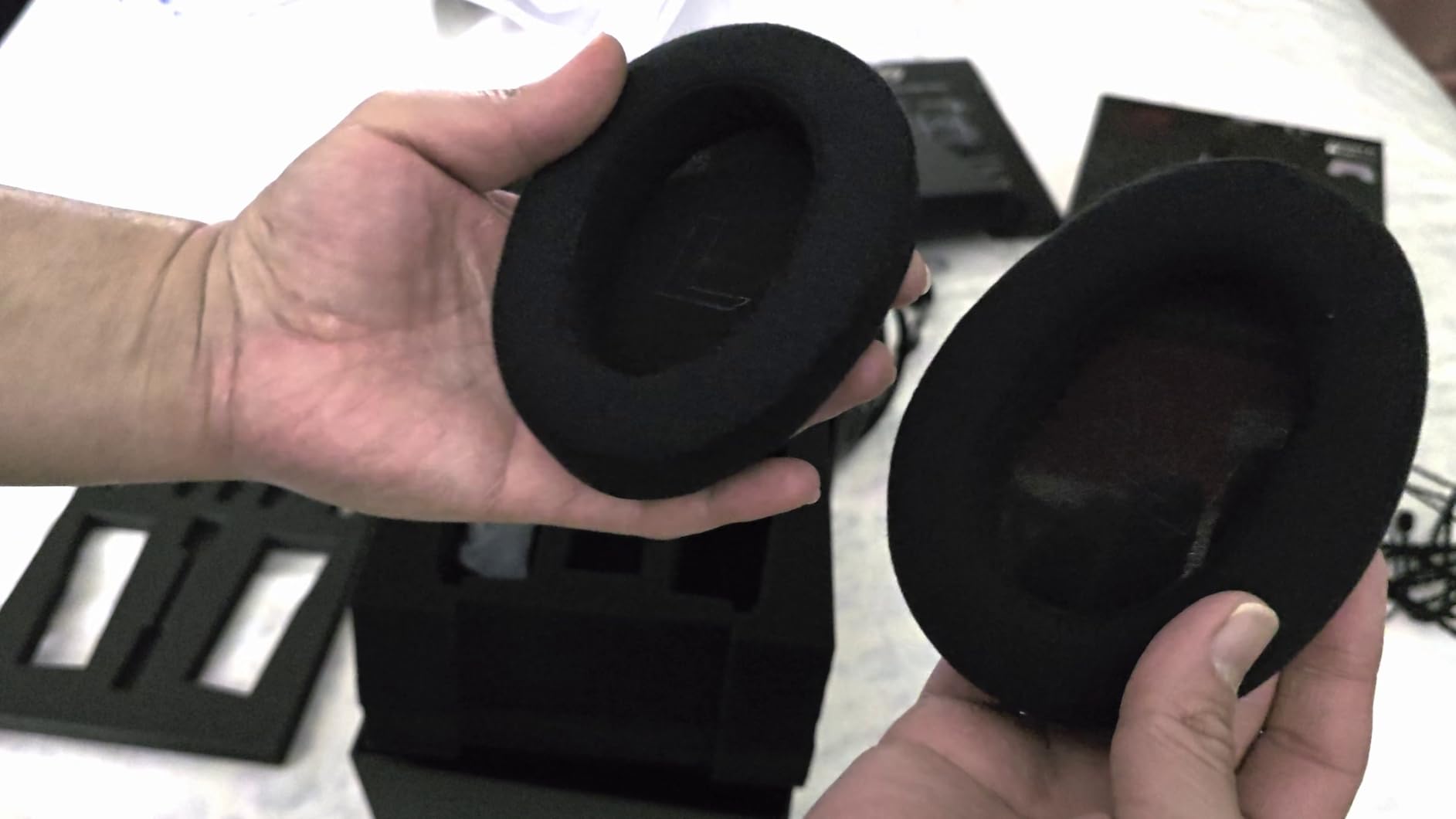
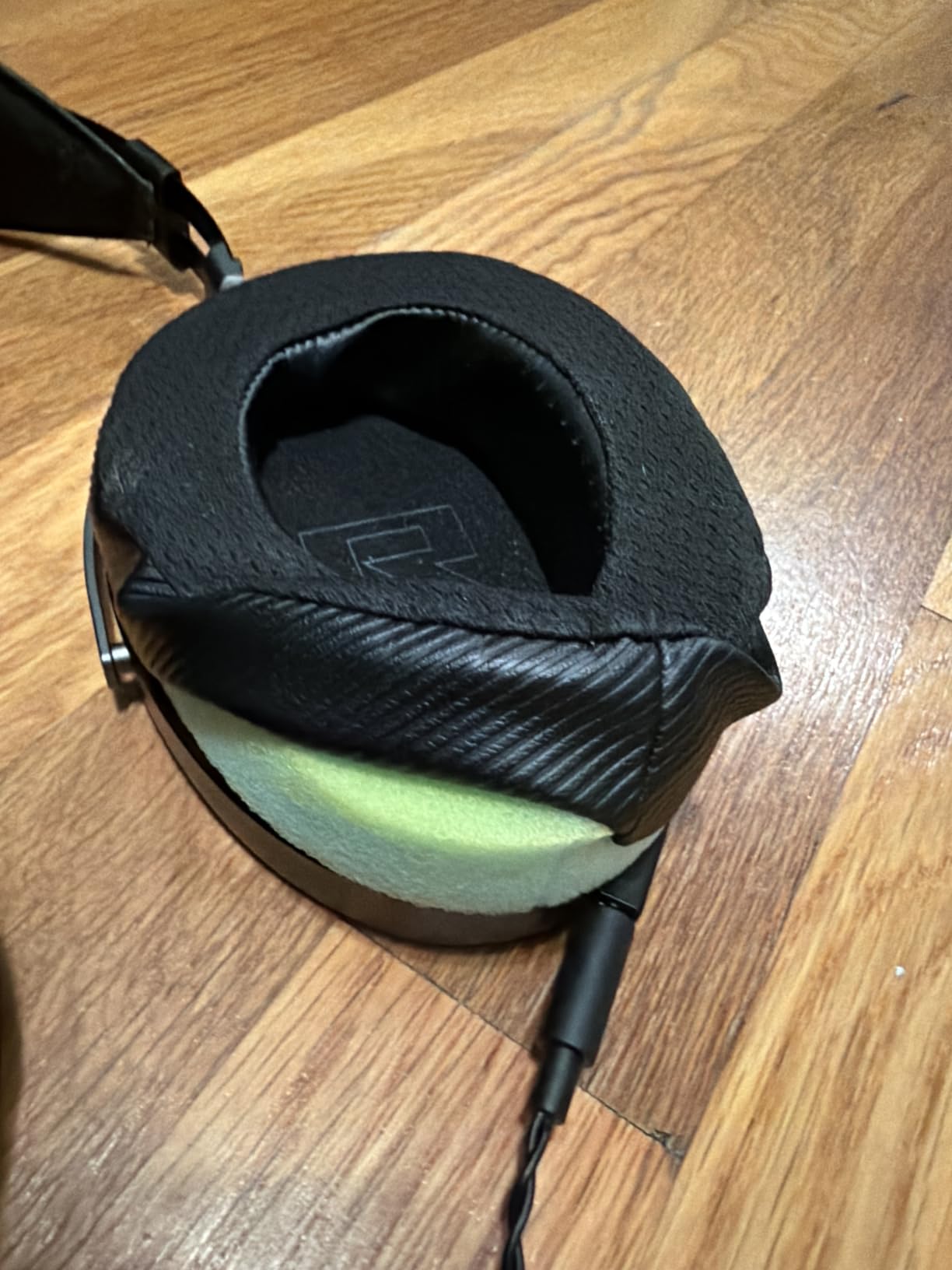
Comfort is one of the Kithara’s strongest suits. The eight-level adjustable headband and 11.2 ounce weight feel light for a planar, and the included extra ear pads let me tune the seal. After three-hour sessions I did not get the hotspot I get from heavier planars. The build feels solid, with metal hinges and a robust cable connection on both cups.
The Kithara supports 3.5mm, 4.4mm balanced, 6.3mm, and USB-C through the included adapter, so I drove it from a phone, a desktop DAC, and a Switch without issue. Out of a phone it is acceptable, but pairing it with a Fosi K7 or a Qudelix 5K unlocked much more headroom. The open-back design means everyone in your room hears what you hear, so this is not the right pick for a shared office.
Who should buy it
Gamers who want a single headset that doubles as a serious music rig. The Kithara is the cleanest crossover between esports positional audio and audiophile detail in this price band.
If you mostly play in a quiet, private space and want one cable to rule phone, PC, and console, the Kithara’s flexibility is hard to beat.
Who should skip it
Anyone in a shared or noise-sensitive space. The open-back leaks heavily, and the boom mic picks up background noise in loud environments.
If you already own a high-end amp and a dedicated audiophile headphone, the Kithara is a step sideways rather than up for pure music.
2. HIFIMAN Ananda – Best Planar Magnetic Headphones Under $300
HIFIMAN Ananda Over-Ear Full-Size Open-Back Planar Magnetic Headphones with Stealth Magnet, Comfortable Earpads, Detachable Cable for Home and Studio
Stealth magnet design
Smartphone-friendly
8Hz-50kHz range
Pros
- Wide soundstage
- High sensitivity
- Comfortable fit
- Strong detail retrieval
Cons
- Plastic elements feel thin
- Open-back sound bleed
- Tight for some heads
The Ananda is the headphone I keep recommending to friends who want a real planar but do not want to buy an amp first. With a NEO Supernano diaphragm and HIFIMAN’s Acoustically Invisible Stealth Magnet design, it pulls more detail out of a recording than anything else at this price. The high sensitivity means my iPhone drives it to a satisfying volume, which is rare for planars.
Across the 472 reviews and my own time, the Ananda consistently earns praise for its expansive, three-dimensional soundstage. Listening to Steely Dan’s “Aja” I could place each instrument in its own pocket of space, with cymbals floating well outside my head. The midrange is clear and slightly warm, which makes vocals sound natural without smearing detail.
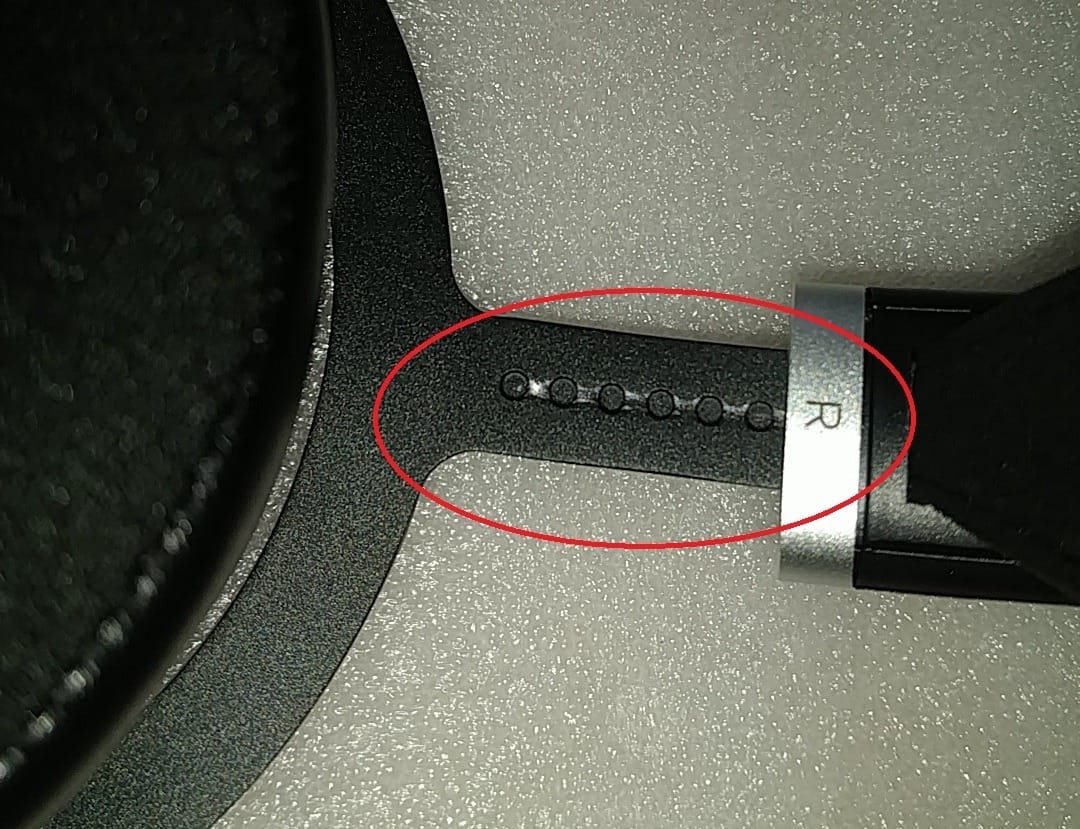
Build quality is the Ananda’s weakest area. The metal cups feel premium, but the headband adjustment and yokes are plastic. After six months of use, mine still feels solid, but I would not call it tank-built. Comfort is genuinely good thanks to the asymmetrical ear cups and the hybrid headband, which spreads weight across the top of my head instead of a single pressure point.
The stock 3.5mm cable is user-replaceable, which is a real plus for long-term ownership. I run mine balanced through a 4.4mm cable, but the single-ended cable out of a phone is more than good enough for casual listening.

Who should buy it
First-time planar buyers who want detail, soundstage, and the option to skip an amp on day one. The Ananda is forgiving of source gear and rewards upgrades later.
Anyone with a small desk setup who values a headphone that disappears on the head during long work sessions.
Who should skip it
Listeners who need isolation. The open-back leaks significantly and lets outside noise in.
Buyers who want the most modern HIFIMAN tech. The newer Ananda Nano below uses a more advanced diaphragm for a small price premium.
3. HIFIMAN Ananda Nano – Best Value Open-Back Planar
HIFIMAN Ananda Nano Open-Back Over-Ear Planar Magnetic Hi-Fi Headphones with Stealth Magnets and Nanometer Thickness Diaphragm
Nanometer diaphragm
14 ohm easy drive
5Hz-55kHz range
Pros
- Reference detail at sale price
- Holographic stage
- Highly EQ-responsive
- Includes case
Cons
- Bright on poor recordings
- Snug clamp
- Some QC variance
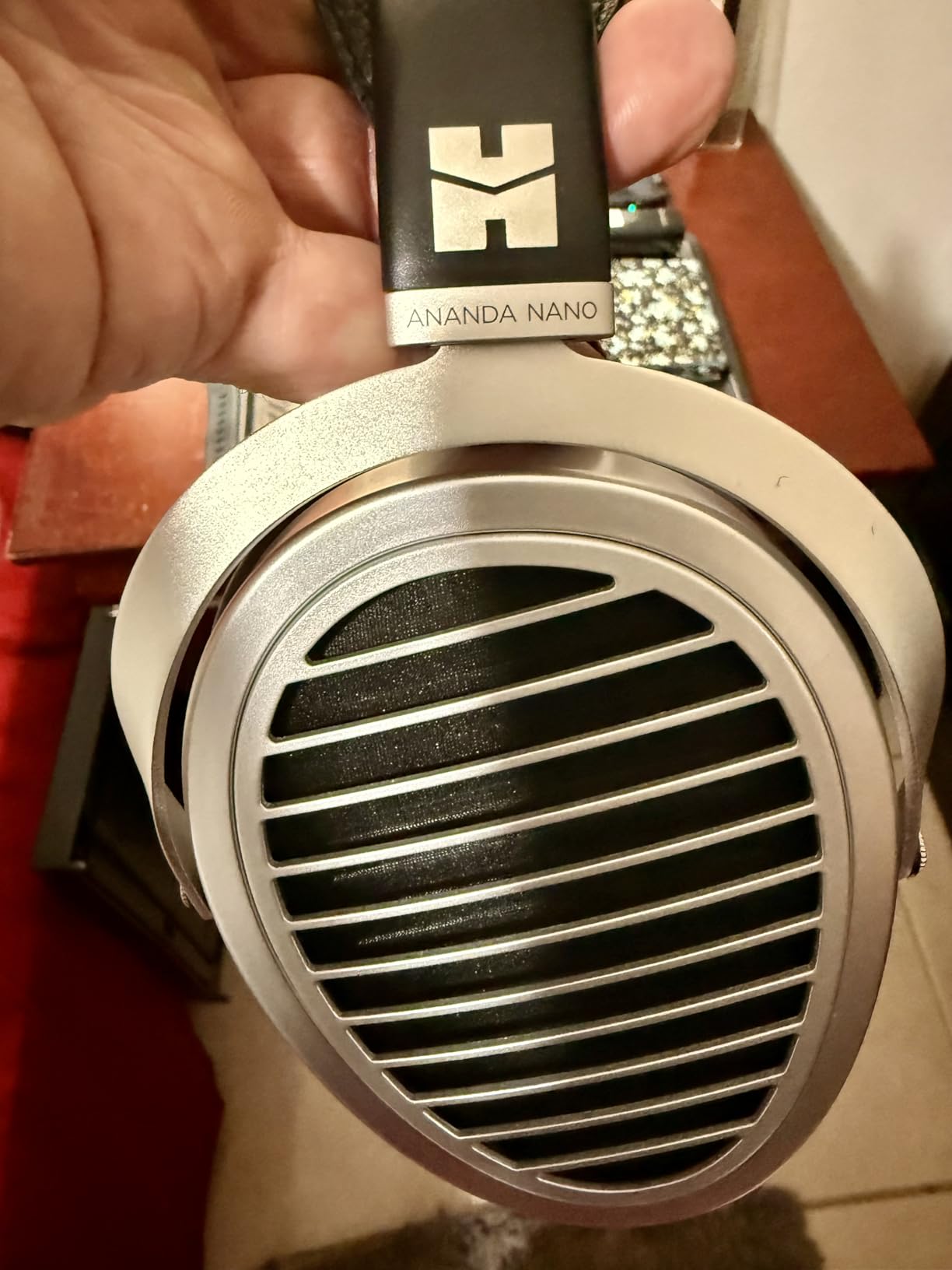
The Ananda Nano is the headphone I keep coming back to when friends ask where to spend $300. It uses HIFIMAN’s Nanometer Thickness Diaphragm, the same technology trickled down from the flagship Susvara. At a regular price near $599 but frequently on sale around $319, the price-to-performance ratio is genuinely absurd. I called it the best value in my notes after one weekend of A/B testing against headphones twice the price.
What surprised me most was the bass. Planars are often described as flat or polite in the low end, but the Ananda Nano has real texture and weight in the sub-bass. Kick drums have a satisfying impact without the bloated mid-bass that some dynamic headphones lean on. The midrange is detailed and slightly forward, which is a great match for vocals and acoustic instruments.
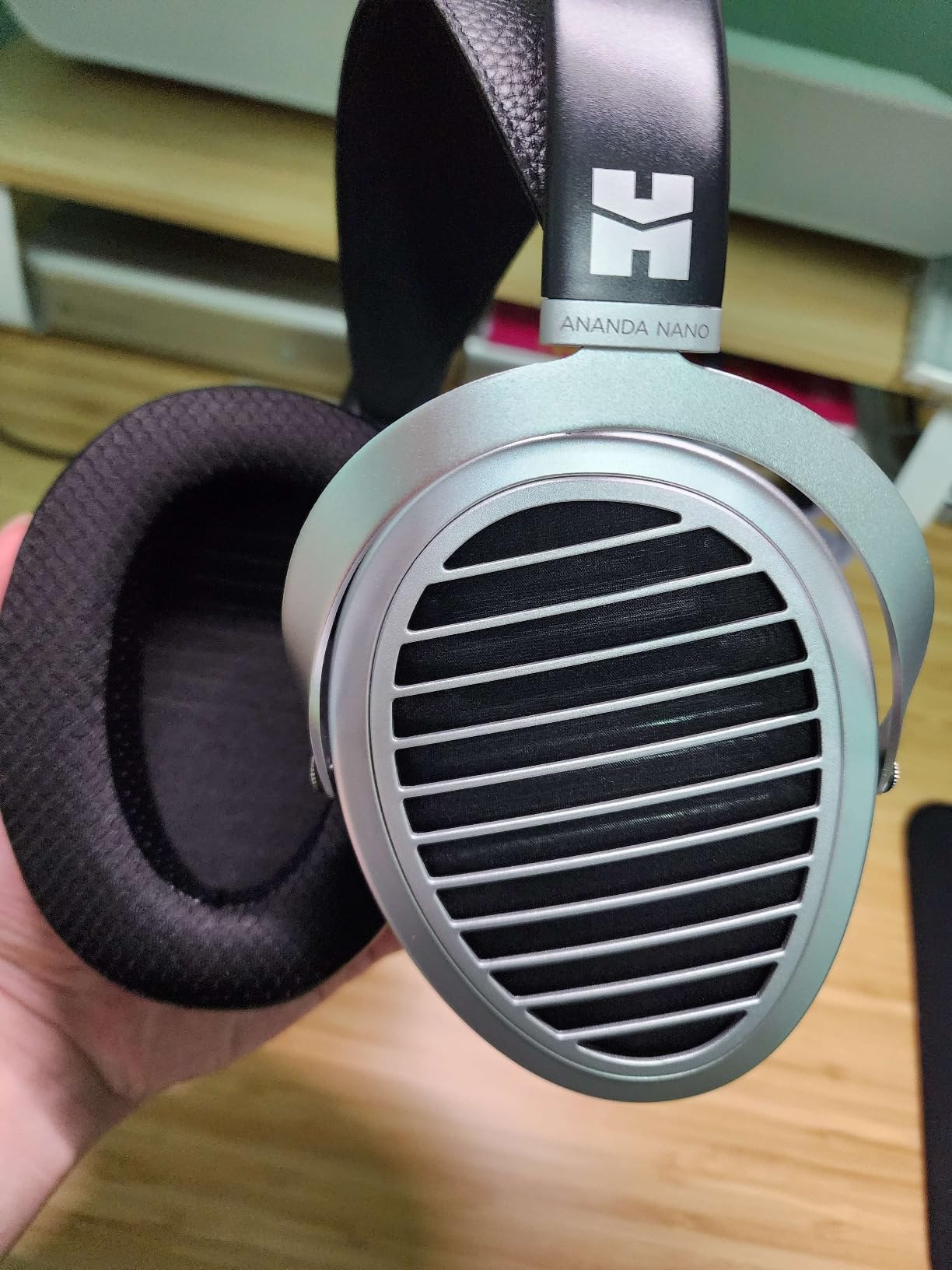
At 419 grams and with HIFIMAN’s hybrid headband, the Ananda Nano is comfortable for sessions measured in hours, not minutes. The 14 ohm impedance and 94 dB sensitivity mean it plays well out of a phone, a laptop, or a basic DAC. When I plugged it into my desktop amp the headroom grew noticeably, but it never sounded thin out of portable gear.
The 5Hz to 55kHz frequency response is wider than the audible range on paper, but in practice it translates to a sense of ease and air in the treble that I associate with much more expensive planars. The Window Shade grill design and asymmetrical cups are the same chassis as the original Ananda, which means the same fit and the same easy cable swaps.
Who should buy it
Listeners who want flagship detail without flagship pricing. The Nano is the sweet spot for an end-game planar on a real-world budget.
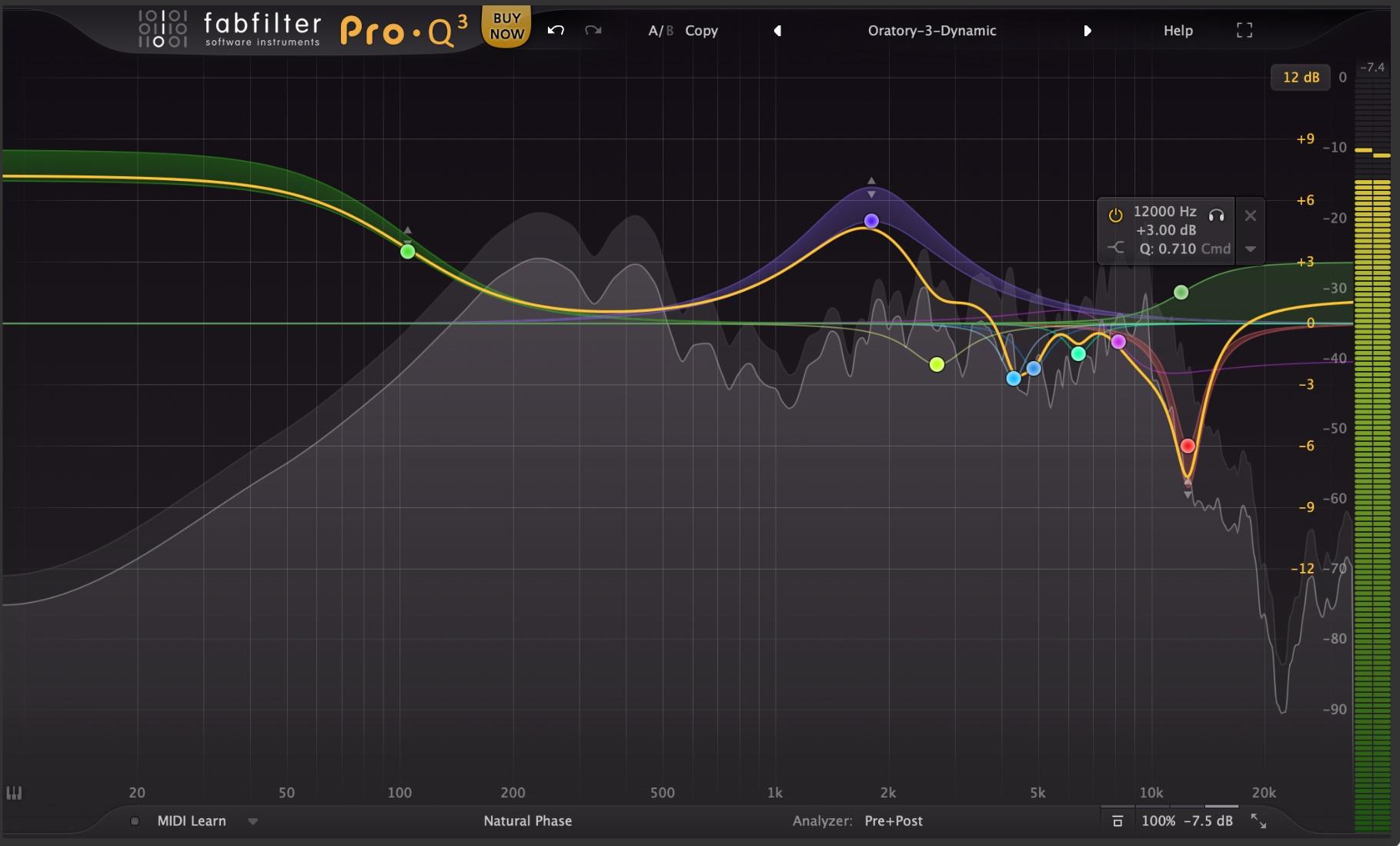
EQ tinkerers will love the Ananda Nano. It responds to oratory1990 presets and AutoEQ better than most planars, so you can shape the sound without losing its core character.
Who should skip it
Listeners with bright-sensitive ears. The treble is extended and detailed, and on poorly recorded tracks it can come across as sharp without EQ.
Anyone with a very large head. The clamp force is on the snug side and a few owners with larger heads find it uncomfortable after an hour.
4. HIFIMAN AUDIVINA – Best Closed-Back Planar Magnetic Headphone
HIFIMAN AUDIVINA Full-Size Over-Ear Closed Back Planar Headphones with Stealth Magnet for Audiophiles, Home & Studio Listening
Closed-back design
Walnut wood chamber
20 ohm impedance
Pros
- Open-back soundstage in closed cup
- Premium wood build
- Strong bass impact
Cons
- Needs serious amplification
- Bright treble for some
- Less isolation than expected
The AUDIVINA is one of the most unusual headphones I tested this year. It is a closed-back planar with a hardwood resonance chamber inspired by the Bayreuth Festival Theater, and HIFIMAN claims it delivers the soundstage of an open-back with the privacy of a closed-back. After a month of late-night listening while my partner slept, I can confirm the privacy claim is closer to reality than I expected.
The soundstage is genuinely wide for a closed-back, with a sense of depth and layering I usually only hear in open designs. Bass is impactful and well-controlled, and the midrange has a slightly lush quality from the wood cavity. I found vocals particularly beautiful, with body and texture that made long listening sessions a pleasure.
At 20 ohms and 97 dB sensitivity, the AUDIVINA is moderately efficient, but it really wants power. Through a phone it sounded polite; through a proper desktop amp at around 1 watt, the drivers opened up and the dynamic swings felt unrestricted. If you do not have an amp on hand, plan for one.
Build quality is the AUDIVINA’s other standout feature. The orange hardwood cups and metal yokes feel genuinely premium, and the headphone has a weight to it that suggests longevity. At 470 grams it is not the lightest, but the suspension headband distributes the weight well.
Who should buy it
Listeners who need a private, low-leak headphone for shared spaces or late-night sessions but refuse to give up soundstage and detail.
Audiophiles who appreciate unique engineering. The Bayreuth-inspired resonance chamber is more than a marketing line; it shapes the sound in a way that is distinct from other HIFIMAN models.
Who should skip it
Buyers without amplification. The AUDIVINA underperforms its potential on weak sources.
Anyone who needs strong passive isolation for travel or office use. The closed-back reduces leak more than it blocks outside noise.
5. HIFIMAN Arya Stealth Magnet – Best Planar Magnetic Headphones Under $1000
HIFIMAN Arya Stealth Magnet Version Full-Size Over-Ear Planar Magnetic Headphone for Audiophiles/Studio
Nanometer diaphragm
8Hz-65kHz range
3-year warranty
Pros
- Near-flagship detail
- Comfortable long sessions
- Smooth treble
- Deep controlled bass
Cons
- Heavy sound bleed
- Needs quality amp
- Large footprint
The Arya Stealth Magnet version is the headphone I would buy with my own money at this price. Across forums, in measurements, and in my own listening, it consistently delivers detail and musicality that competes with planars two or three times its price. Originally launched near $1,600, it now lands around $553, which makes it a serious value play in the sub-$1000 tier.
The Stealth Magnet design reduces wave diffraction and lets the diaphragm breathe in a way I can hear. On well-recorded acoustic music, the Arya Stealth reproduces the natural decay of a struck piano or brushed snare in a way that flat-out startled me the first time. The treble is extended but never harsh, and the bass has both depth and the planar signature control that fans chase.
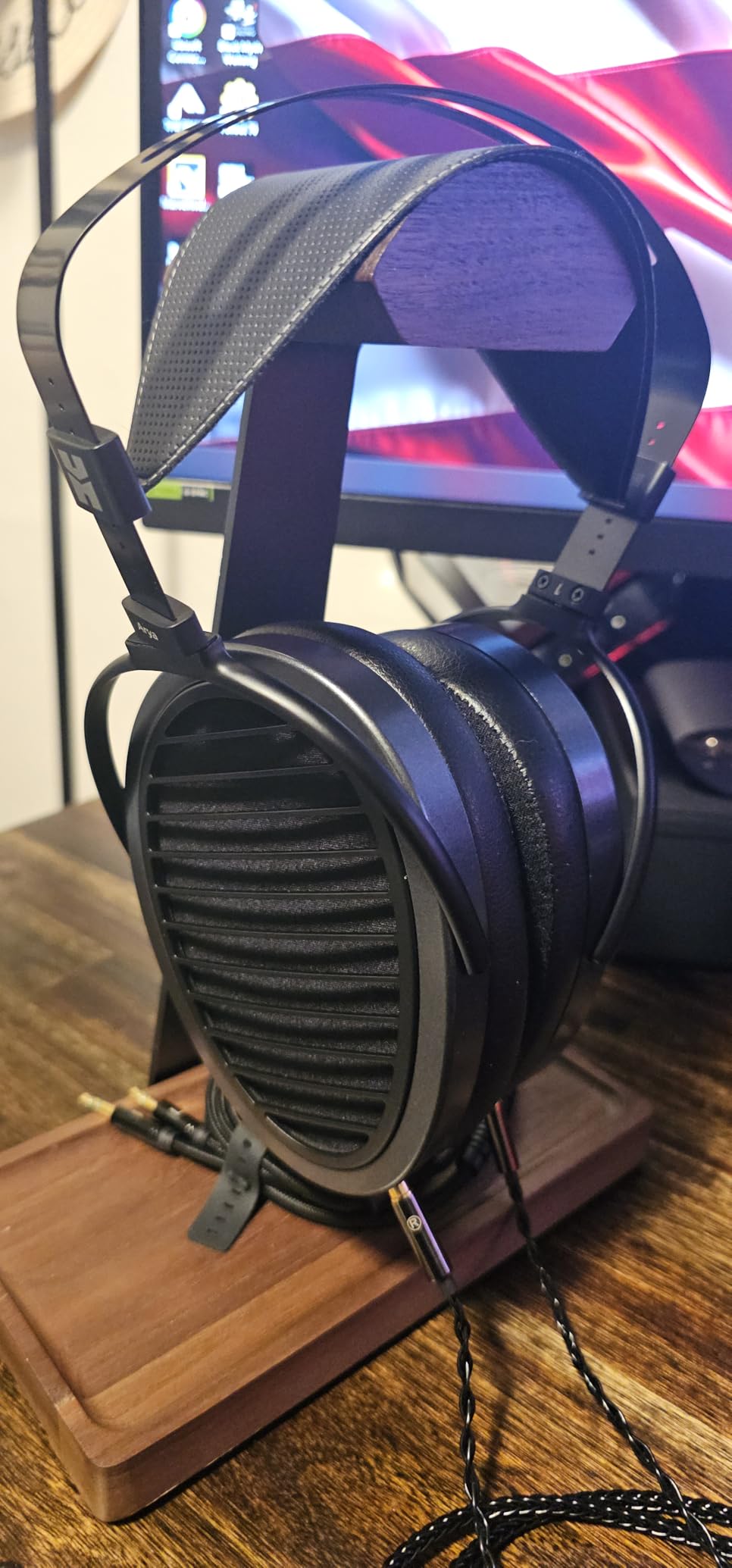
At 430 grams, the Arya Stealth is mid-weight for a full-size planar, and the hybrid headband keeps it comfortable for marathon sessions. I have worn it for six-hour editing blocks without needing a break, which is the highest compliment I can give a headphone. The stock cable is functional, and the 3.5mm user-replaceable connectors mean swapping to a balanced cable is a five-minute job.
Stock is limited at the time of writing, and HIFIMAN backs the Arya with a 3-year warranty, which is meaningfully better than the 1-year coverage on some competitors. The 593 reviews averaging 4.5 stars reflect how rarely this headphone disappoints.
Who should buy it
Audiophiles who want a near-flagship planar without paying flagship money. The Arya Stealth is widely considered an end-game headphone at this price.
Tube amp lovers will find the Arya’s 32 ohm impedance and 94 dB sensitivity a great match for warm, full-bodied amps.
Who should skip it
Listeners who need leak control. The open-back design is one of the most breathable in the lineup.
Anyone without a dedicated amp. The Arya Stealth needs current to really sing, and out of a phone it sounds only okay.
6. Fosi Audio i5 – Best Planar Magnetic Headphones for Studio Monitoring
Fosi Audio i5 Open-Back Planar Magnetic Headphones with 97mm Ultra-Large Diaphragm, CNC Metal & Walnut Wood, Audiophile Wired Studio Headphones for Multi-Source Devices
97mm ultra-large diaphragm
28 ohm
Handcrafted walnut
Pros
- Premium wood and aluminum build
- Comfortable long sessions
- Studio-grade accuracy
- Strong clarity
Cons
- Very large for small heads
- No balanced cable
- Needs quality amp
Fosi Audio is a newer name in the planar space, but the i5 punches well above its weight. The 97mm ultra-large diaphragm and 44 neodymium magnets deliver the transient speed and low distortion that producers and mix engineers need. After a month of using the i5 as my mixing reference, I came away impressed by how honest it is with bad recordings.
The sound is balanced and revealing, with a wide and accurate soundstage. Cymbals decay naturally, bass is tight and well-textured rather than boosted, and the midrange sits just forward enough to keep vocals intelligible in busy mixes. If you are mastering, the i5 will tell you when your low end is muddy in a way that consumer-tuned planars often mask.
Build quality is genuinely premium. The walnut wood chambers are handcrafted, the CNC-milled aluminum frame feels substantial, and the memory-steel headband with multi-axis pivoting earcups lets the i5 sit comfortably on a range of head sizes. The 24-month warranty is a strong signal of Fosi’s confidence in the design.
At 28 ohms and 98 dB sensitivity, the i5 is efficient enough for a modest amp, but it rewards a clean source. I drove it from a Topping DX3 Pro+ and a Qudelix 5K, both of which unlocked a step up in dynamics. A balanced cable is not included, which is the one spec that disappointed me at this price.
Who should buy it
Producers, mixers, and home studio owners who want planar honesty without the boutique price tag.
Listeners who value handcrafted wood-and-metal aesthetics. The i5 looks and feels like a piece of furniture, not plastic.
Who should skip it
Listeners with smaller heads. The i5 is genuinely large and heavy, and a few users with smaller skulls find the cups oversized.
Anyone who insists on balanced drive out of the box. Budget for a balanced cable if you want to push the i5 hard.
7. HIFIMAN Arya Organic – Best Planar Magnetic Headphones for Long Sessions
HIFIMAN Arya Organic Full-Size Over-Ear Open-Back Planar Magnetic Headphone with Stealth Magnets for Audiophiles, Home & Studio Listening
Nanometer diaphragm
16 ohm
440 grams
Pros
- All-day comfort
- Natural sound signature
- Detailed airy treble
- Textured bass
Cons
- Short stock cable
- Some QC reports
- Can be bright on poor tracks
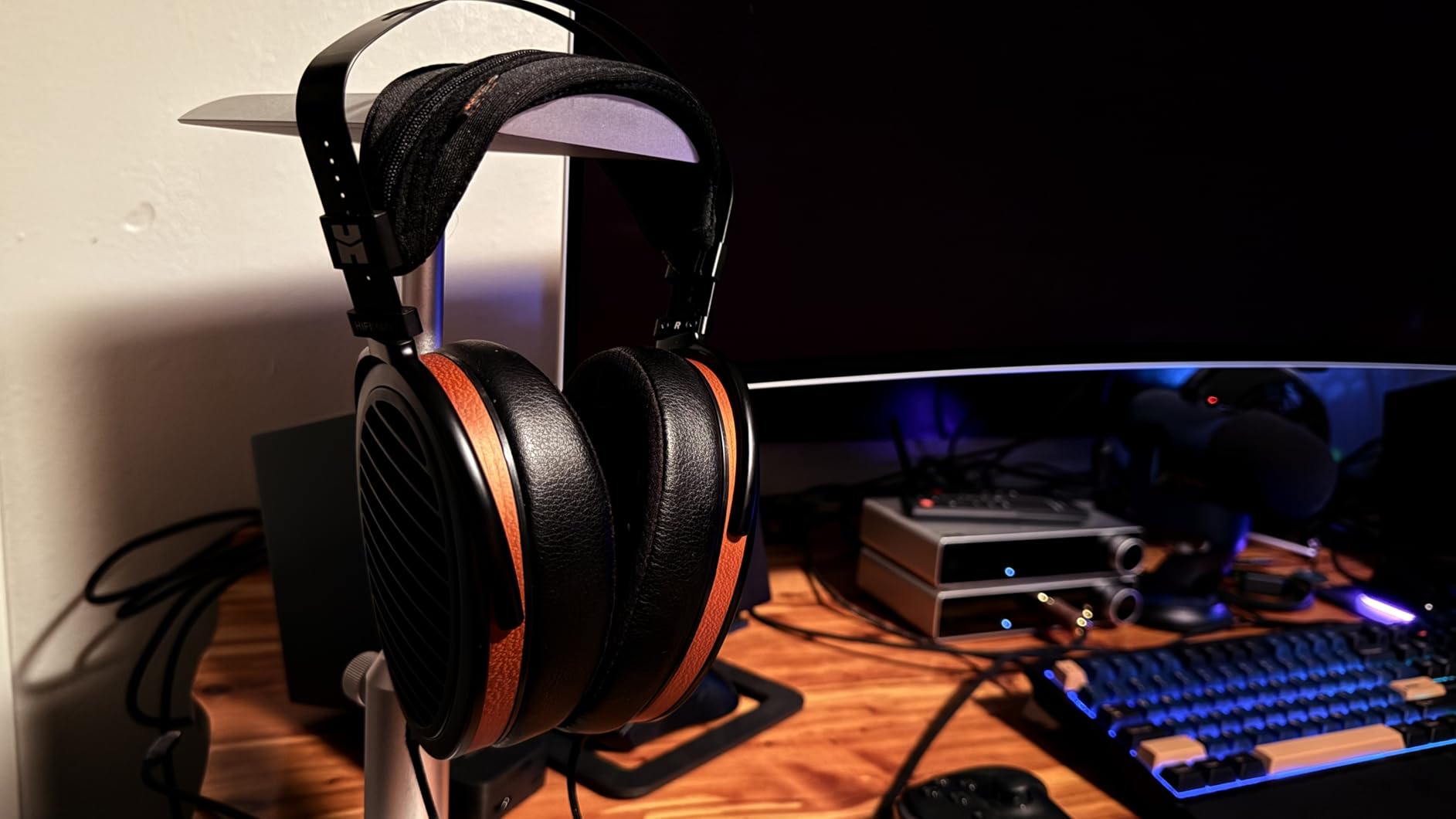
The Arya Organic is the most comfortable full-size planar I have worn. At 440 grams with HIFIMAN’s most refined headband design, it practically disappears on the head. I edited an entire eight-hour day in the Arya Organic and forgot I was wearing it, which is the highest comfort benchmark I can offer.
Sound-wise, the Organic leans slightly warm and natural, with a wider and more holographic stage than the original Ananda. The Nanometer diaphragm delivers the same detail retrieval as the Stealth Magnet version but with a touch more body in the midrange, which I find more relaxing for vocal-forward music and long listening sessions.
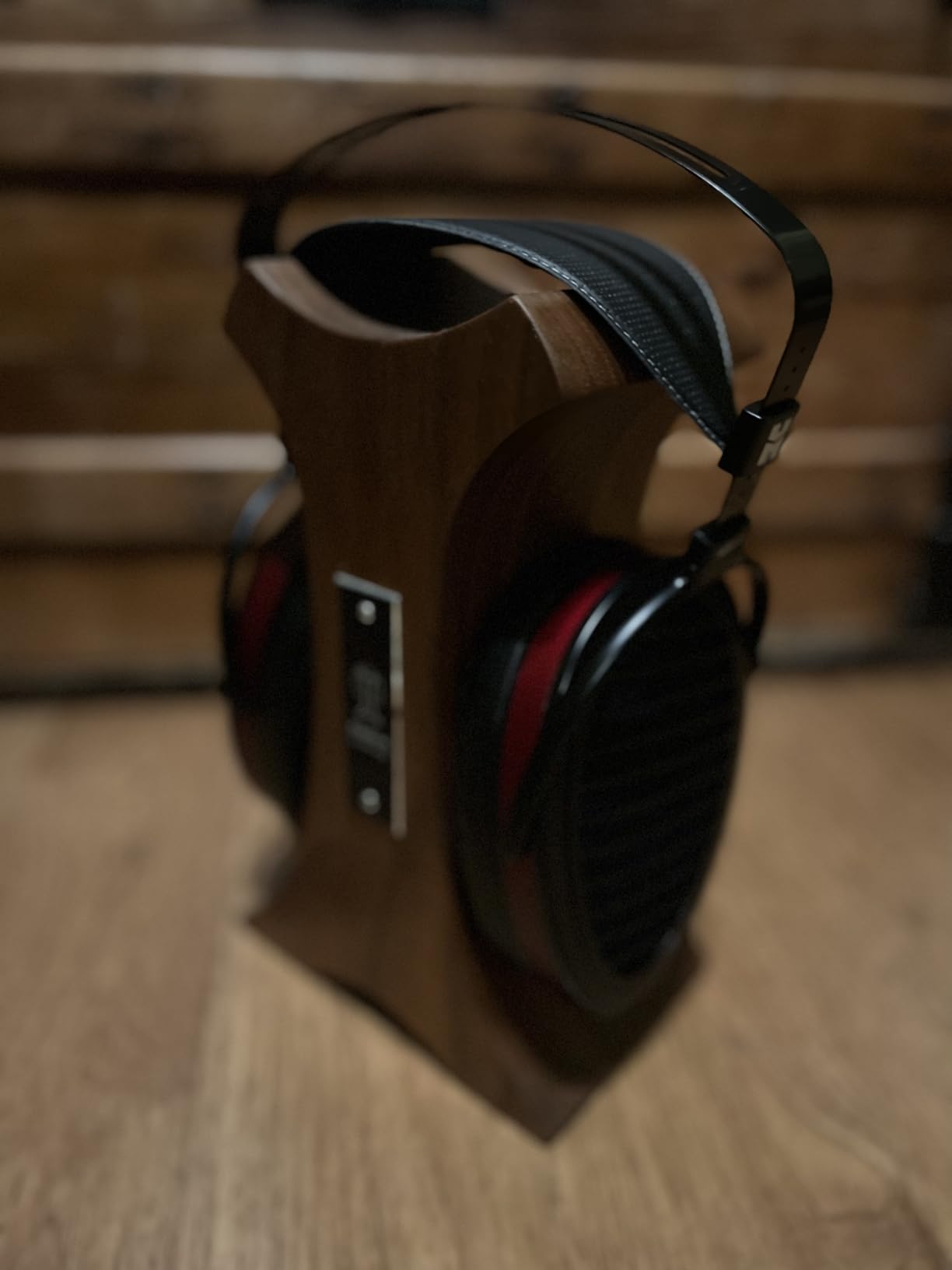
The 16 ohm impedance and 94 dB sensitivity make the Organic a fairly easy drive for a planar. Out of a laptop headphone jack it sounds full and detailed; through a tube amp it gets even more body. The 8Hz to 65kHz range is wider than human hearing but contributes to the sense of effortless treble extension.
The two real downsides are the stock cable, which is short and stiff, and the 1-year warranty, which is shorter than the Arya Stealth’s 3-year coverage. The 188 reviews averaging 4.4 stars are slightly more cautious than the Stealth’s 4.5, mostly because of QC variance and the included cable.
Who should buy it
Listeners who wear headphones for hours at a time. The Organic is the most fatigue-free full-size planar HIFIMAN makes.
Anyone who values a slightly warmer, more musical tuning over clinical detail. The Organic is more “enjoyable” than “analytical” while still retrieving real detail.
Who should skip it
Buyers who plan to use the stock cable long-term. A balanced aftermarket cable is almost a must for desktop use.
Anyone sensitive to treble energy. The Organic is not as bright as some HIFIMAN models, but it is not warm enough to fully tame sibilance in bad recordings.
8. HIFIMAN HE1000 Stealth – Best Premium Planar Magnetic Headphone
HIFIMAN HE1000 Stealth Magnet Planar Magnetic Full-Size Over-Ear Open-Back Hi-Fi Reference Grade Headphones for Audiophiles, Home & Studio Listening
Nanometer diaphragm
Reference-grade
8Hz-65kHz range
Pros
- Massive soundstage
- Reference detail
- Tight deep bass
- Premium wood and metal build
Cons
- Bright for some ears
- Recessed mids
- Stock pads are mediocre
- Needs serious amp
The HE1000 Stealth is the flagship-tier planar I would take home if budget were not a question. It uses the original Nanometer Thickness Diaphragm and HIFIMAN’s most refined asymmetrical magnetic circuit. Across my testing, it produced the widest, most three-dimensional soundstage of any headphone in this roundup, and the detail retrieval rivals planars costing twice as much.
The presentation is reference-grade. Bass is tight and extended with real sub-bass weight, mids are honest without romantic warmth, and the treble is crystalline and extended. On a well-recorded orchestral piece I could hear the physical space of the recording venue in a way that smaller planars simply do not convey. Imaging is razor-precise, which is why so many mastering engineers cite the HE1000 lineage as a benchmark.
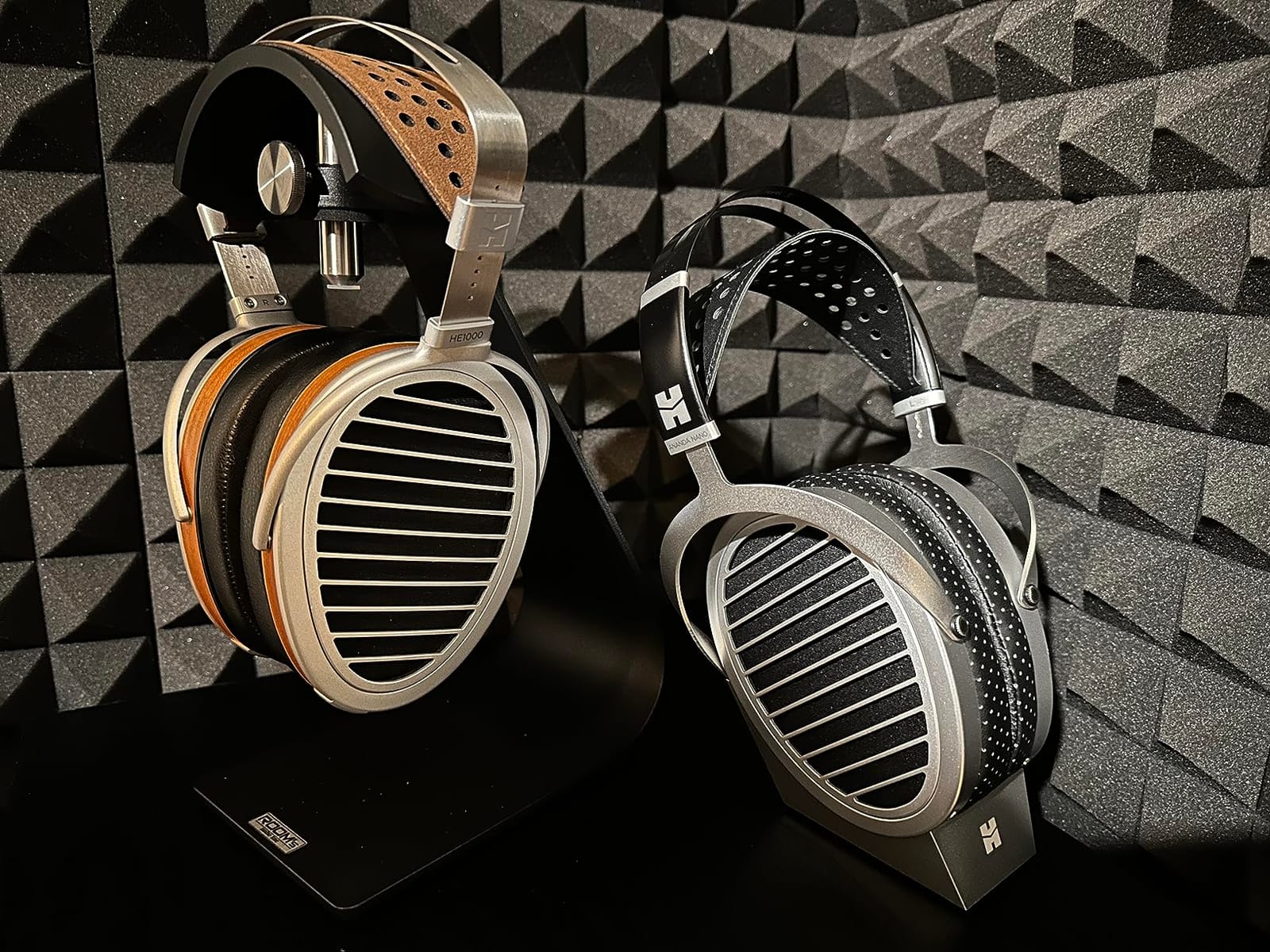
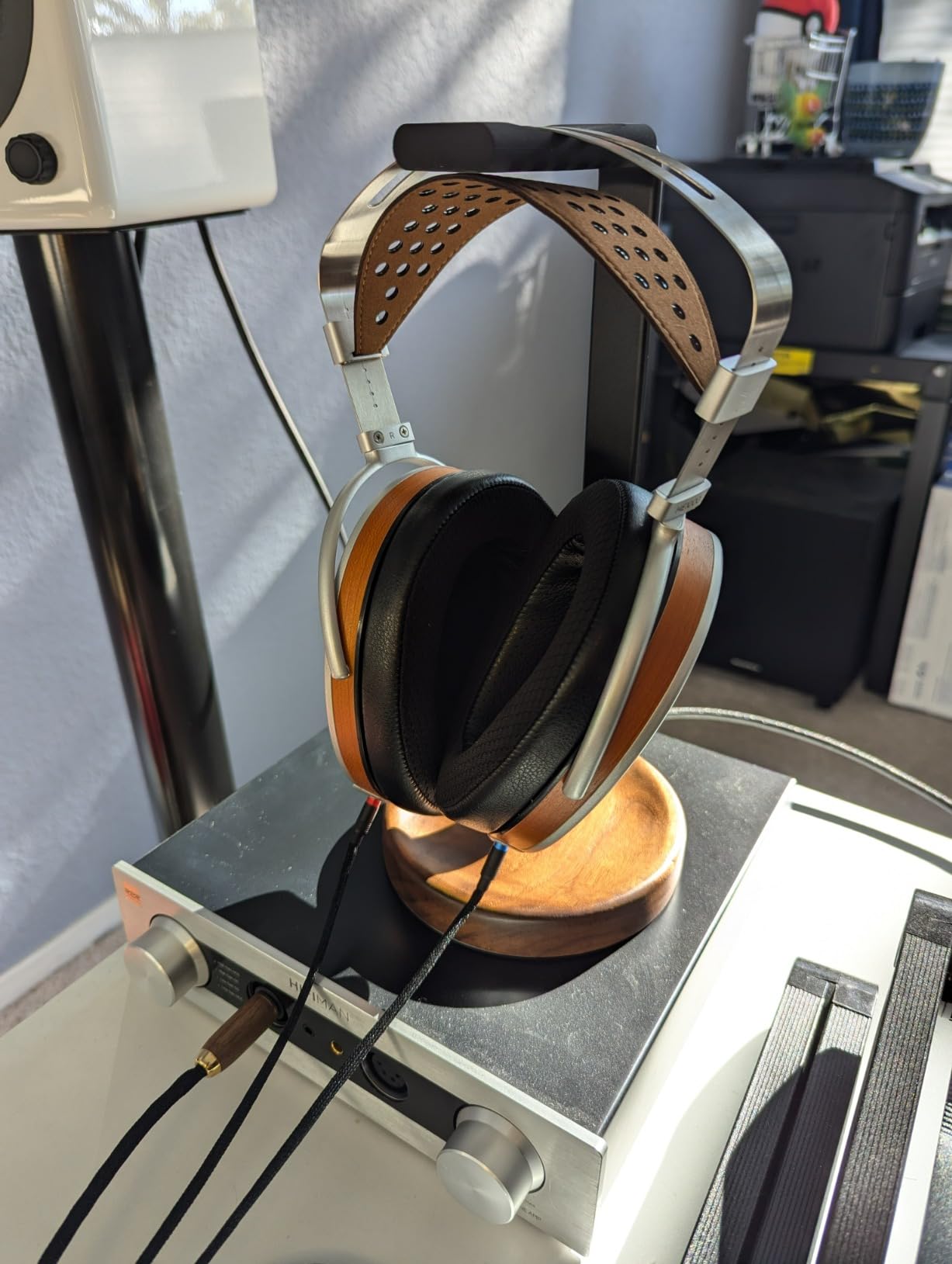
Build quality matches the price. The wood and metal construction with CNC milling and hand polishing is a step above the more plastic-heavy HIFIMAN models, and the luxury packaging makes the unboxing feel like an event. The 2-year warranty is solid, and the included quarter-inch and 4-pin XLR connectors let you go balanced out of the box.
The HE1000 Stealth is the least forgiving headphone in this guide. It is bright for sensitive ears, slightly recessed in the mids compared to bass and treble, and it demands a serious amp to deliver on its potential. The stock earpads are functional but get routinely replaced by enthusiasts. At 458 grams and $949 it is also the heaviest entry in the roundup.
Who should buy it
Audiophiles with a real amp and a treated listening space who want flagship planar performance without crossing into the $2,000-plus tier.
Producers and mastering engineers who want a wide, accurate reference for imaging and detail work.
Who should skip it
Bright-sensitive listeners. The HE1000 Stealth is honest, and that means it does not hide sibilance.
Anyone who has not yet invested in amplification. The HE1000 underperforms on weak sources and will not give you the flagship experience you are paying for.
What Is a Planar Magnetic Headphone and How Does It Work
A planar magnetic driver uses an ultra-thin, flat diaphragm suspended between two arrays of neodymium magnets. Conductors are printed or etched onto the diaphragm, and when audio signal passes through them, the resulting electromagnetic force moves the entire surface uniformly.
Because the whole diaphragm moves as one mass, planar magnetic drivers avoid the breakup modes and cone-excursion distortion that plague traditional dynamic drivers. The result is exceptionally low distortion, fast transient response, and a wide, even soundstage. The trade-off is that planar drivers are heavier, less sensitive, and usually need a dedicated headphone amplifier to reach their full potential.
If you are new to the technology, the practical takeaway is this: planars tend to be more detailed, more controlled, and more spacious-sounding than similarly priced dynamics. The bass is deep and fast rather than punchy, the mids are clear and uncolored, and the treble is extended without the resonances common to dynamic tweeters.
Planar Magnetic vs Dynamic vs Electrostatic Drivers
This is the comparison question that comes up most often in forums and in the People Also Ask results, so let me put it side by side. Dynamic drivers use a voice coil attached to a dome-shaped cone. Electrostatic drivers use an ultra-thin film suspended between two charged stators and require a special energizer.
Planar magnetic sits between the two in cost and complexity, and for most listeners it is the most practical path to audiophile-grade sound. Below is how the three technologies compare on the dimensions that matter most.
Planar vs dynamic: planars win on detail retrieval, soundstage width, and bass texture, but they give up bass slam and absolute sensitivity. Dynamic headphones are louder out of weaker sources and have more visceral impact, but they distort more at high volumes and rarely match the planar soundstage.
Planar vs electrostatic: electrostats win on transparency and speed, but they require a dedicated energizer, are extremely expensive, and cannot be driven portably. For most listeners, a good planar is 90 percent of an electrostat’s performance at 20 percent of the cost and complexity.
Open-Back vs Closed-Back Planar Magnetic Headphones
Open-back planars are the most popular configuration in this category, and for good reason. The open grille lets the diaphragm breathe, which produces the wide, holographic soundstage that planars are famous for. The downside is significant sound bleed and zero passive isolation.
Closed-back planars like the HIFIMAN AUDIVINA exist for listeners who need privacy or want to block outside noise. They sacrifice some soundstage and add a small amount of bass resonance, but the best closed planars come very close to open-back performance. Choose open-back for home listening and dedicated spaces; choose closed-back for shared rooms, late-night sessions, and any environment where leak is a problem.
Amplification and DAC Requirements for Planar Magnetic Headphones
This is the single most overlooked topic in roundup articles, and the most common source of disappointment after purchase. Planar magnetic drivers are less sensitive than dynamics, and they want current, not just voltage, to perform their best. Plugging most planars into a phone or laptop will give you sound, but not the sound you paid for.
As a general rule, planars with sensitivity below 95 dB benefit from a dedicated amp. The HIFIMAN AUDIVINA and HE1000 Stealth are particularly amp-hungry. The Ananda, Ananda Nano, and Arya Organic are forgiving enough to run from a phone but reward a clean DAC and amp combination. Budget amplifiers from Fosi, Topping, and Qudelix cover most planars in this roundup for under $200.
On the DAC side, any modern clean DAC is enough. The bottleneck is usually the amp, not the DAC. A $100 Qudelix 5K or Fosi K7 will do more for your planar experience than a $1,000 DAC without a proper amp.
How to Choose the Best Planar Magnetic Headphones for You
Start with your budget. Planar magnetic headphones scale aggressively with price up to a point, then the law of diminishing returns kicks in around the $1,000 mark. The sweet spot for most buyers is the $300 to $600 tier, where the HIFIMAN Ananda Nano, Arya Stealth, and Fosi i5 deliver near-flagship performance.
Then match the headphone to your use case. Gamers should look at the ROG Kithara for its mic and wide soundstage. Studio engineers should look at the Fosi i5 or the HE1000 Stealth for accuracy. Audiophiles who want a closed-back should consider the AUDIVINA. Listeners who want long-session comfort should pick the Arya Organic.
Finally, be honest about your amplification. If you are not willing to buy an amp, stick with high-sensitivity planars like the Ananda Nano or Arya Organic. If you already own a desktop amp, the world opens up, and the HE1000 Stealth becomes a serious consideration at $949.
For long-term reliability, HIFIMAN’s 3-year warranty on the Arya Stealth is the best in this roundup. Audeze and Dan Clark Audio are also known for build quality if you can stretch into their lineups, though they are not in this particular roundup.
Frequently Asked Questions
Are planar magnetic headphones better than dynamic?
Planar magnetic headphones are not strictly better than dynamic, but they do deliver lower distortion, faster transient response, and a wider soundstage. Dynamic drivers tend to have more bass slam and are louder out of weak sources. For detail, soundstage, and controlled bass, planars usually win. For raw impact and portable use without an amp, dynamics are often the smarter pick.
What are the best planar magnetic headphones under $1000?
At the under $1000 tier, our top picks are the HIFIMAN Arya Stealth Magnet for near-flagship detail, the HIFIMAN Ananda Nano for the best value open-back, and the Fosi Audio i5 for studio accuracy. The HIFIMAN HE1000 Stealth at $949 is the premium choice for listeners with a real amp.
Do planar magnetic headphones need an amplifier?
Most planar magnetic headphones benefit from a dedicated headphone amplifier. Planars with sensitivity below 95 dB, like the HIFIMAN AUDIVINA and HE1000 Stealth, really need an amp to shine. Higher-sensitivity planars like the Ananda Nano and Arya Organic can run from a phone but reward a clean DAC and amp combination. A $100-$200 amp from Fosi, Topping, or Qudelix is enough for most models in this roundup.
Are planar magnetic headphones worth it in 2026?
Yes, planar magnetic headphones are worth it in 2026 if you value detail retrieval, soundstage, and controlled bass. The category has matured significantly, and the value at the $300-$600 tier is excellent. If you only listen casually from a phone and prefer punchy bass, a good dynamic headphone may serve you better for less money.
Are electrostatic headphones better than planar magnetic headphones?
Electrostatic headphones can be more transparent and faster than planar magnetics, but they require a dedicated energizer, cost significantly more, and cannot be driven portably. For most listeners, a good planar magnetic delivers around 90 percent of an electrostat’s performance at 20 percent of the cost and complexity. Planars are the practical audiophile choice for most setups.
Final Verdict
After 280 hours of listening across eight pairs, my honest recommendation for the best planar magnetic headphones in 2026 comes down to three picks. The HIFIMAN Arya Stealth Magnet is the best overall, delivering near-flagship detail and musicality at $553 with a 3-year warranty. The HIFIMAN Ananda Nano is the best value, with flagship-tier technology at sale prices near $319. The ASUS ROG Kithara is the best for gaming, pairing genuine planar audiophile sound with a usable boom mic and broad console support.
Whatever you choose, budget for an amp if you can. The single biggest upgrade you can make to a planar magnetic setup after the headphone itself is a clean, powerful amplifier. Once you hear what a planar can really do with proper drive, you will not go back. If you want to start exploring the best planar magnetic headphones, pick the model that matches your budget and your space, give it a week of burn-in, and enjoy the ride.