
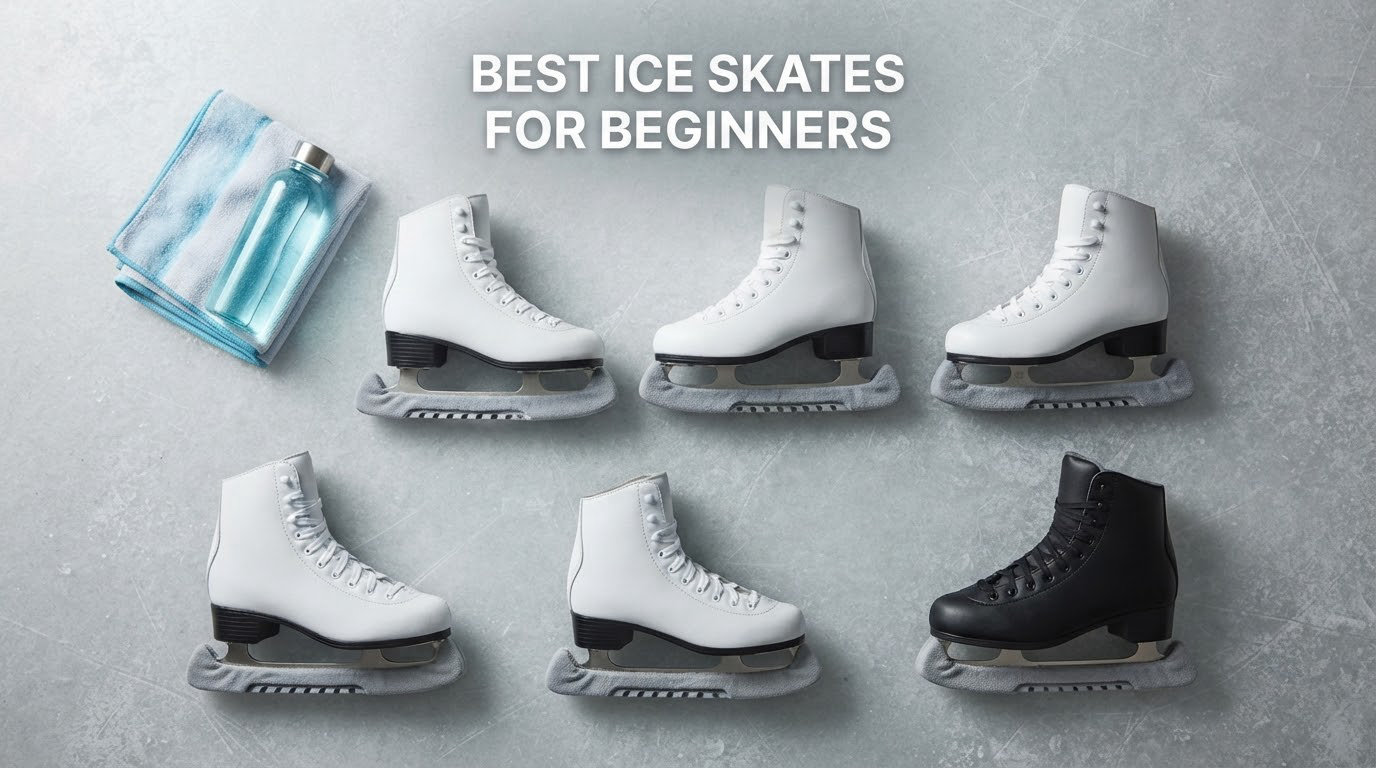
Short answer: the best ice skates for beginners split cleanly into two lanes. Figure skates have a longer blade with a toe pick at the front for jumps and spins. Hockey skates use a shorter, straighter blade with no toe pick, which makes quick turns and stops easier to learn. For a first pair, the Jackson Classic 200 is the safest all-round figure skate, and the Jackson Softec Sport is the easiest hockey-style boot to learn on.
That fork is the first decision every beginner has to make, and getting it wrong is why so many first pairs end up in a closet. A figure blade catches on the toe pick every time a new skater tries to turn, which reads as a balance problem when it is really a skate problem. Buy the wrong lane and no amount of practice fixes it in week one.
We spent the last several weeks working through the entry-level figure, hockey, and adjustable kids boots that dominate the beginner market, reading thousands of buyer reviews and weighing support levels, blade types, closure systems, and real sizing complaints. What follows is the short list of the best ice skates for beginners in 2026, split into the three lanes you actually shop in, plus the fit and break-in guidance that decides whether the first session goes well or badly.
If you want a wider look at skate categories beyond the beginner tier, our picks for the best ice skates overall and the best figure skates tested and reviewed cover the higher-support end of the market.
Table of Contents
Top 3 Picks for the Best Ice Skates for Beginners in 2026

Jackson Classic 200
- Reinforced vinyl upper
- Rolled padded Nylex lining
- Stainless steel Mark 1 blade

Jackson SoftSkate 380
- Thick padded rolled collar
- Reinforced vinyl upper
- Riveted Mark I blade
American Athletic Tricot
- Reinforced PVC boot
- Tricot liner with foam padding
- 3.5mm stainless blade
All three of those boots are built for the first six months of skating rather than for progression. Every pick below is honest about where it stops being enough, because a boot that supports a beginner but frustrates them at month three is a wasted purchase.
All 12 Picks at a Glance in 2026
| Product | Specifications | Action |
|---|---|---|
| Jackson Classic 200 Figure Skates |
|
Check Latest Price |
| Jackson SoftSkate 380 Figure Skates |
|
Check Latest Price |
| American Athletic Tricot Figure Skates |
|
Check Latest Price |
 Lake Placid Cascade Womens Figure Skate Lake Placid Cascade Womens Figure Skate |
|
Check Latest Price |
 5th Element Grace Figure Skates 5th Element Grace Figure Skates |
|
Check Latest Price |
 Jackson Softec Sport Hockey Skate Jackson Softec Sport Hockey Skate |
|
Check Latest Price |
 5th Element Stealth Hockey Skates 5th Element Stealth Hockey Skates |
|
Check Latest Price |
 American Athletic Ice Force Hockey Skates American Athletic Ice Force Hockey Skates |
|
Check Latest Price |
 Lake Placid Summit Adjustable Youth Skates Lake Placid Summit Adjustable Youth Skates |
|
Check Latest Price |
 Lake Placid Nitro 8.8 Adjustable Skates Lake Placid Nitro 8.8 Adjustable Skates |
|
Check Latest Price |
 Xino Sports Adjustable Ice Skates Xino Sports Adjustable Ice Skates |
|
Check Latest Price |
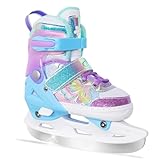 Nattork Girls Adjustable Butterfly Skates Nattork Girls Adjustable Butterfly Skates |
|
Check Latest Price |
Best Figure Skates for Beginners
Figure skates are the right lane if your goal involves spins, jumps, or simply looking like you belong on the ice. The toe pick at the front of the blade is the giveaway, and it also gives new skaters a natural place to push off for a spin once they are ready.
1. Jackson Classic 200 – Best Overall Figure Skate for Beginners
Jackson Classic 200 Womens/Girls Figure Ice Skates, Medium Width, Children’s Size 3
Reinforced vinyl upper
Padded Nylex lining
Stainless steel blade
1.55 kg
Pros
- Highest rated figure skate in this roundup at 4.7 stars
- Holds the foot firmly through multiple lesson sessions
- Accommodates wide toe boxes
- Size range spans tots to womens
- Plastic blade covers double as usable guards
Cons
- Support tops out after about a month of lessons
- Blades often arrive blunt and need a shop sharpening
- Laces are very long and can wrap the ankle
The Classic 200 is the boot our team keeps recommending first, and the review data backs that up rather than contradicting it. It carries a 4.7 rating across more than 1400 reviews and sits at the top of the Figure Skates category, which is rare for an entry-level boot. Adults returning to the ice and parents buying for children both use it the same way, as a solid step up from rental skates.
Fit is the standout. The reinforced vinyl-coated upper holds the foot firmly without the hard pinch of a stiff boot, and several adults with wide feet report a genuinely good fit. The rolled padded Nylex lining spreads pressure rather than concentrating it, and the padded felt tongue stops the laces from pressing into the top of the foot.
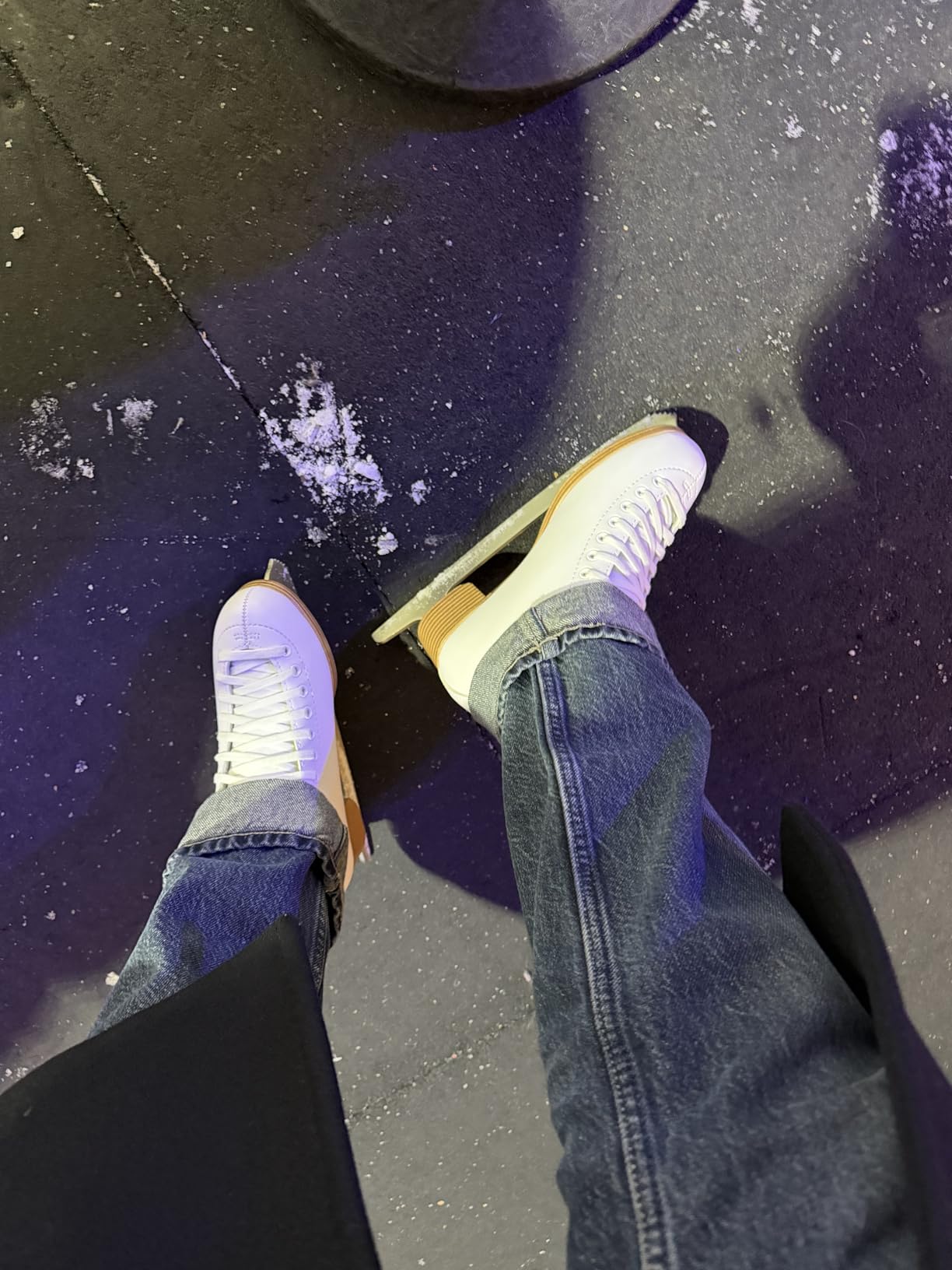
Two practical notes before you order. Buyers report the blades frequently arrive blunt or unsharpened, so plan a shop sharpening before the first session. And the ankle support is pitched at first lessons only. Coaches regularly recommend upgrading after about a month, because the boot stops correcting your alignment once you are past gliding and basic stops.
Is the Classic 200 right for your foot shape?
It suits medium to wide toe boxes, and the sizing chart in the listing images is worth reading before you pick a size. It runs narrower than brands built specifically for very wide feet, so if you have bunions or a notably broad forefoot, look at a roomier option.
How long will a first pair like this last?
Expect a solid season of group lessons and public sessions before the support feels limiting. Because the shell is reinforced vinyl rather than leather, it resists creasing and holds its shape well, which is why many owners keep them for years rather than months.
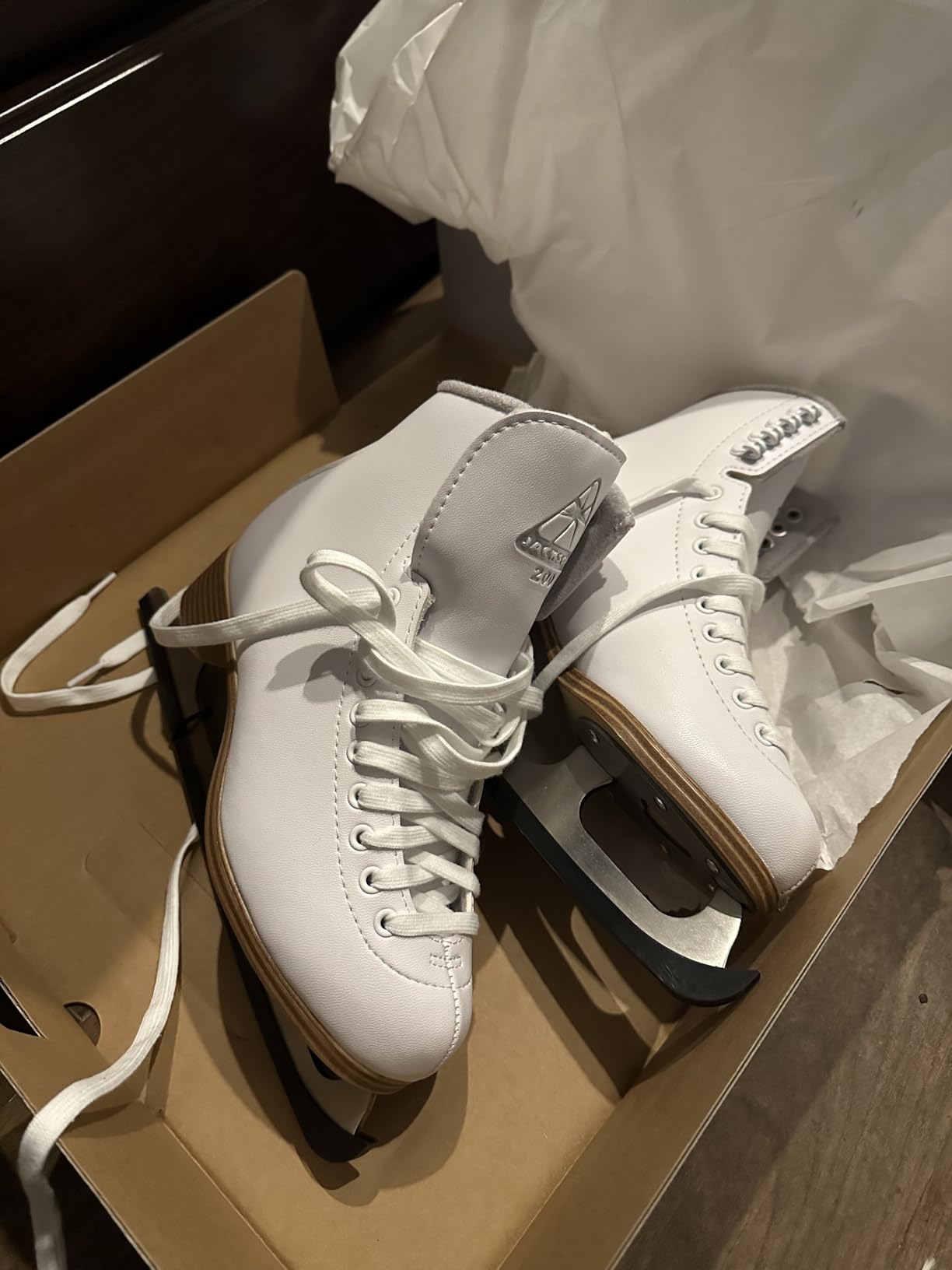
2. Jackson SoftSkate 380 – Best for Cold Outdoor Rinks
Jackson Classic Womens/Girls Figure Ice Skates, Medium Width, Fleece Womens Size 4
Thick padded rolled collar
Medium recreational support
Riveted Mark I blade
1.62 kg
Pros
- Noticeably warm on cold outdoor rinks
- Medium recreational support aimed at first lessons
- Reinforced vinyl upper holds its shape
- Range of colors including fleece-lined options
- Stays in the entry-level price band
Cons
- Bulkier profile than a traditional figure skate
- Not built for jumps or advanced work
- Size and color combinations spread across separate listings
This is the Classic 200 with insulation added, and the thick soft padded rolled collar is the reason to buy it. Anyone heading to an outdoor rink or a frozen pond in real winter will feel the difference immediately, because the collar seals in warmth around the ankle where a traditional boot leaves a cold gap.
The support level is rated medium recreational, which is exactly the beginner band. The reinforced vinyl upper gives durability, the padded covered tongue adds comfort over the instep, and the riveted Mark I blade is the same learn-to-skate hardware used across the Jackson entry line.
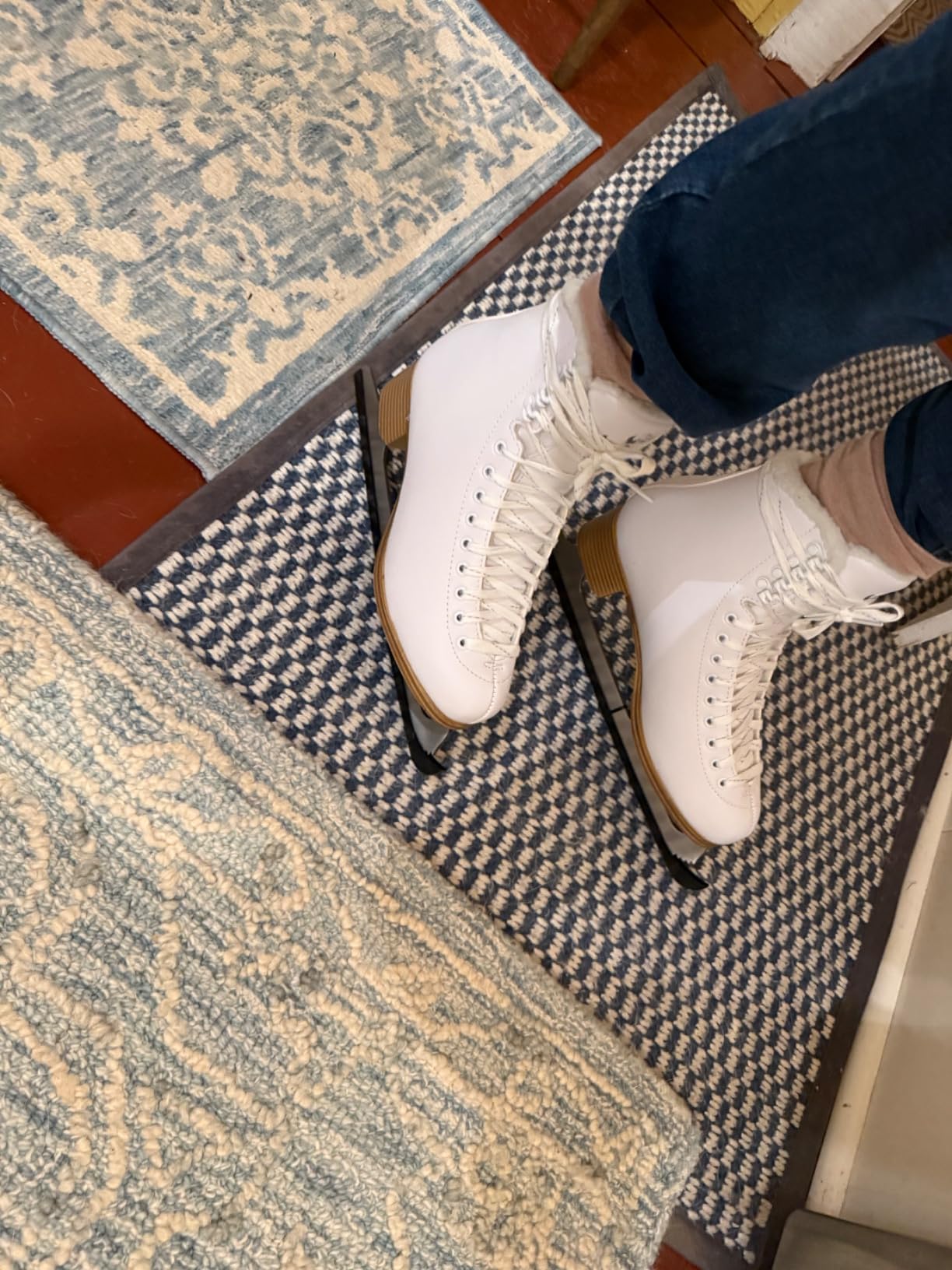
The trade-off is bulk. Fleece and the padded collar make the boot noticeably larger than a standard figure skate, which matters in a rental rack or a narrow skate bag. Support is also honest about its ceiling: this is not a boot to progress into jumps in, and buyers are clear about that.
Should you buy this or the Classic 200?
If you skate indoors on climate-controlled ice, the Classic 200 is the better buy and costs less. If you are outside in genuine cold, the extra padding here is not a luxury, it is the difference between being able to focus and being ready to go home after twenty minutes.
How does the sizing compare for adults?
The model covers women’s and children’s sizes, and many size and color pairings run through separate listings, so check the chart carefully before buying. Fleece-lined variants tend to fit tighter, so size up if you are between ranges and wearing thicker socks.
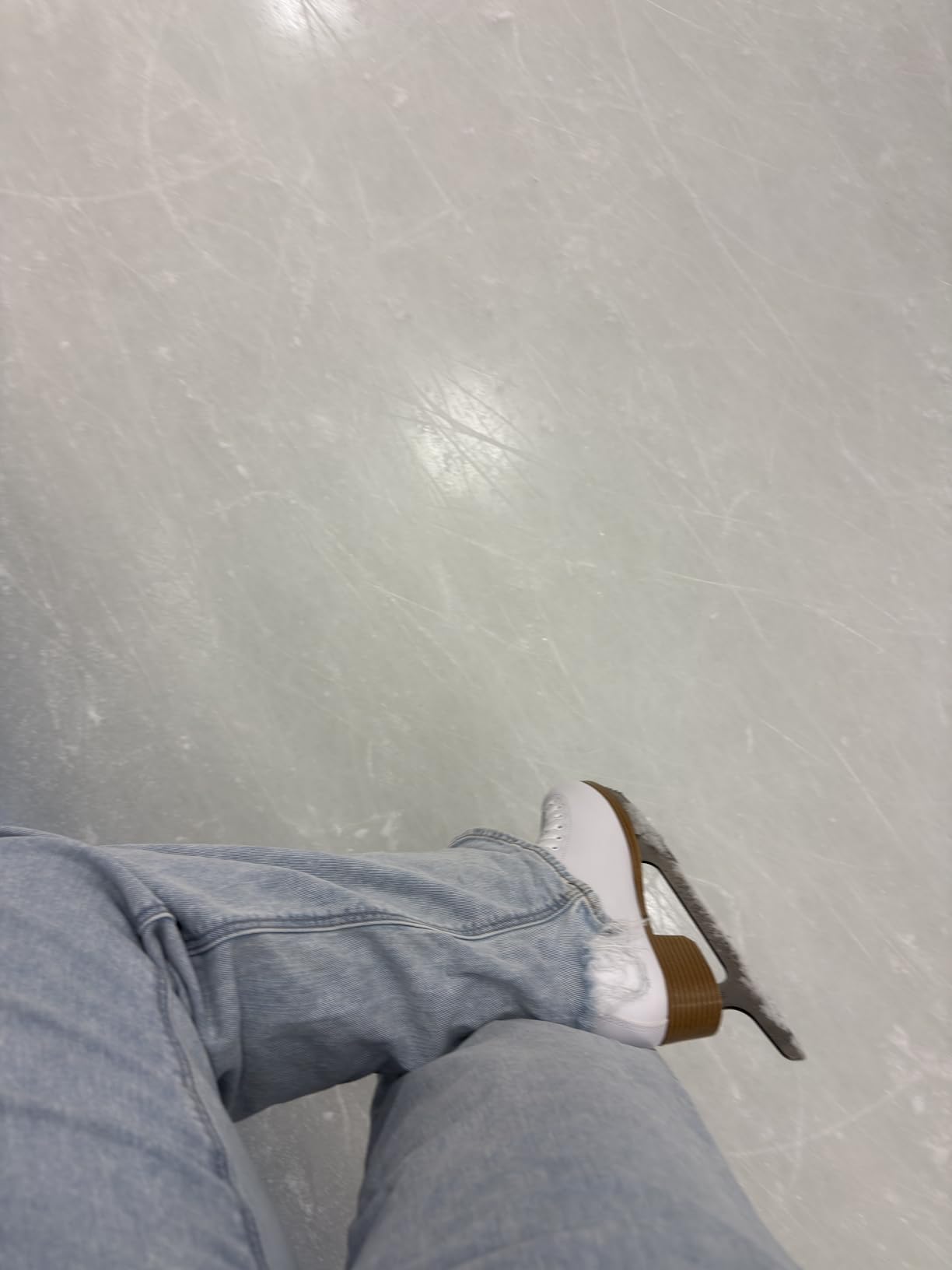
3. American Athletic Tricot – Most Reviewed Figure Skate in the Roundup
American Athletic Tricot Lined Ice Skates for Women – Recreational Figure Skates with Ankle Support, Padded Lining, Stainless Steel Blades – Suitable for Indoor & Outdoor Ice Skating (White, 8)
Reinforced PVC boot
Foam-backed tricot liner
3.5mm stainless blade
4.5 lb
Pros
- Largest review base in the roundup at 4.4 stars
- Tricot liner with foam padding suits long sessions
- Reinforced ankle helps balance without locking movement
- Lighter than typical rental skates
- Owners report multi-year durability
Cons
- Minimal ankle support as the PVC shell creases
- Runs small in some cases
- Included blade guards described as flimsy
With more than 2750 reviews, this is the most examined skate in the set, and the pattern in those reviews is remarkably consistent. Buyers praise comfort, warmth, and value, and many describe it as the first pair that made them keep skating instead of returning a rental set. One owner still has theirs in good shape after ten years.
The construction is simple and effective. A reinforced PVC boot carries a beginner-level toe pick and a 3.5mm stainless steel blade, and the tricot liner backed with extra foam padding is what keeps feet comfortable through multi-hour sessions. It works on both indoor rinks and ungroomed outdoor ice.
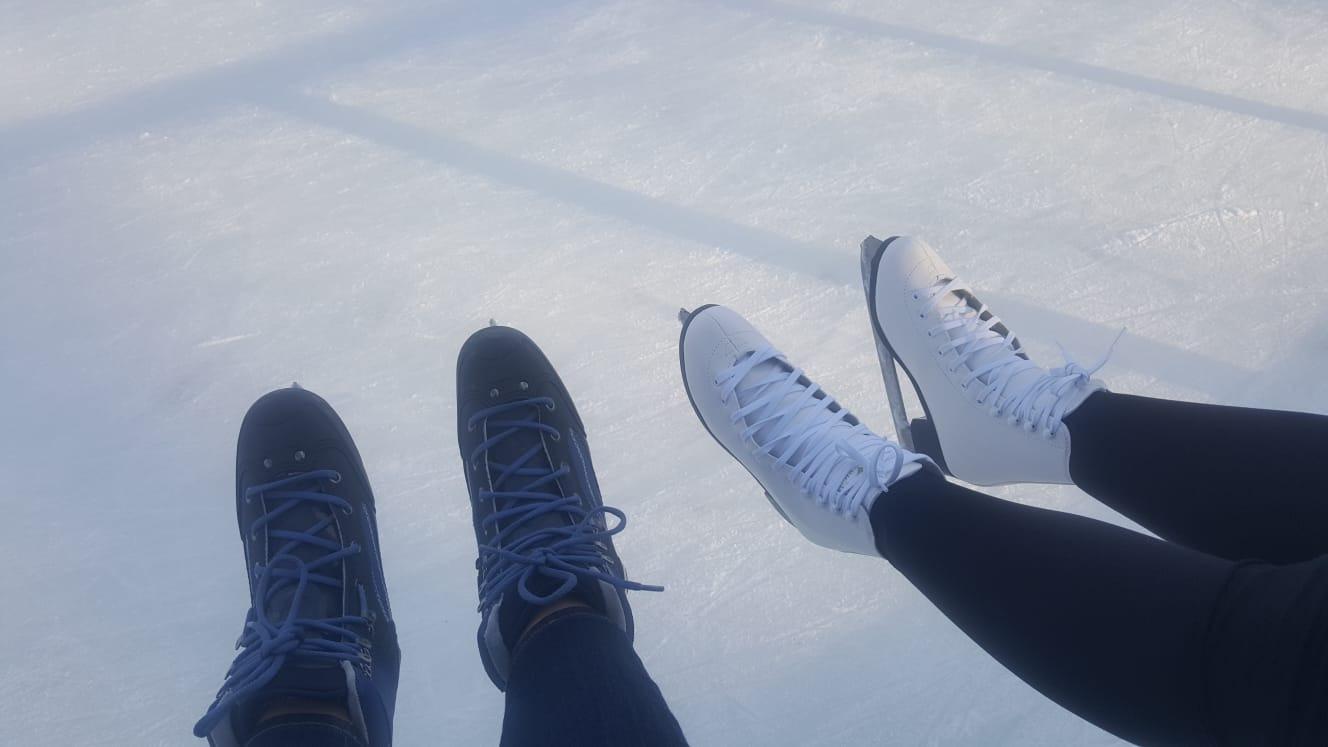
The honest drawback is ankle support. Several reviewers tie it to the soft PVC shell creasing at the ankle rather than holding the foot upright, and one buyer reports an instructor pointing out that the foot leans inward as a result. Sizing also runs small for some feet, so measure rather than assume.
Who should buy this instead of a Jackson?
If you are on a tight budget and want the softest possible first session, this is the pick. Reviewers consistently call the value strong. The PVC shell is easy-care and forgiving, which suits a nervous beginner more than it suits someone training for jumps.
Does the sizing chart actually match?
Not always. One buyer reported a labeled size 6 measuring 23.4cm against a chart figure of 24.4cm, so treat the chart as a starting point rather than a promise. Measure your foot in the afternoon and compare.
4. Lake Placid Cascade – Best Value Womens Figure Skate
Lake Placid Cascade Women’s Figure Ice Skates White Size 8
Synthetic upper with firm ankle
Woven warm liner
Stainless steel blade
Size 10
Pros
- Support and padding rated better than expected
- Laces easily and feels softer than a hard skate
- Blade holds an edge well out of the box
- Classic white styling
- Clear step up from rental skates
Cons
- Blade loses its edge faster than expected
- Padding compresses after about two months of regular use
- Tongue stitching can fold inward and dig in
The Cascade is the one to look at if you want a step above the softest first pair without moving into a harder boot. Buyers rate the ankle support and padding more highly than the price suggests, and several describe it as lacing and fitting more like a soft boot than a hard skate, which is friendly to new feet.
The synthetic upper with firm ankle support and reinforced ankle construction gives a stable platform without the punishing break-in of a leather shell. The warm woven liner with comfort padding handles a full lesson, and the stainless steel blade held its edge well straight out of the box for most owners.
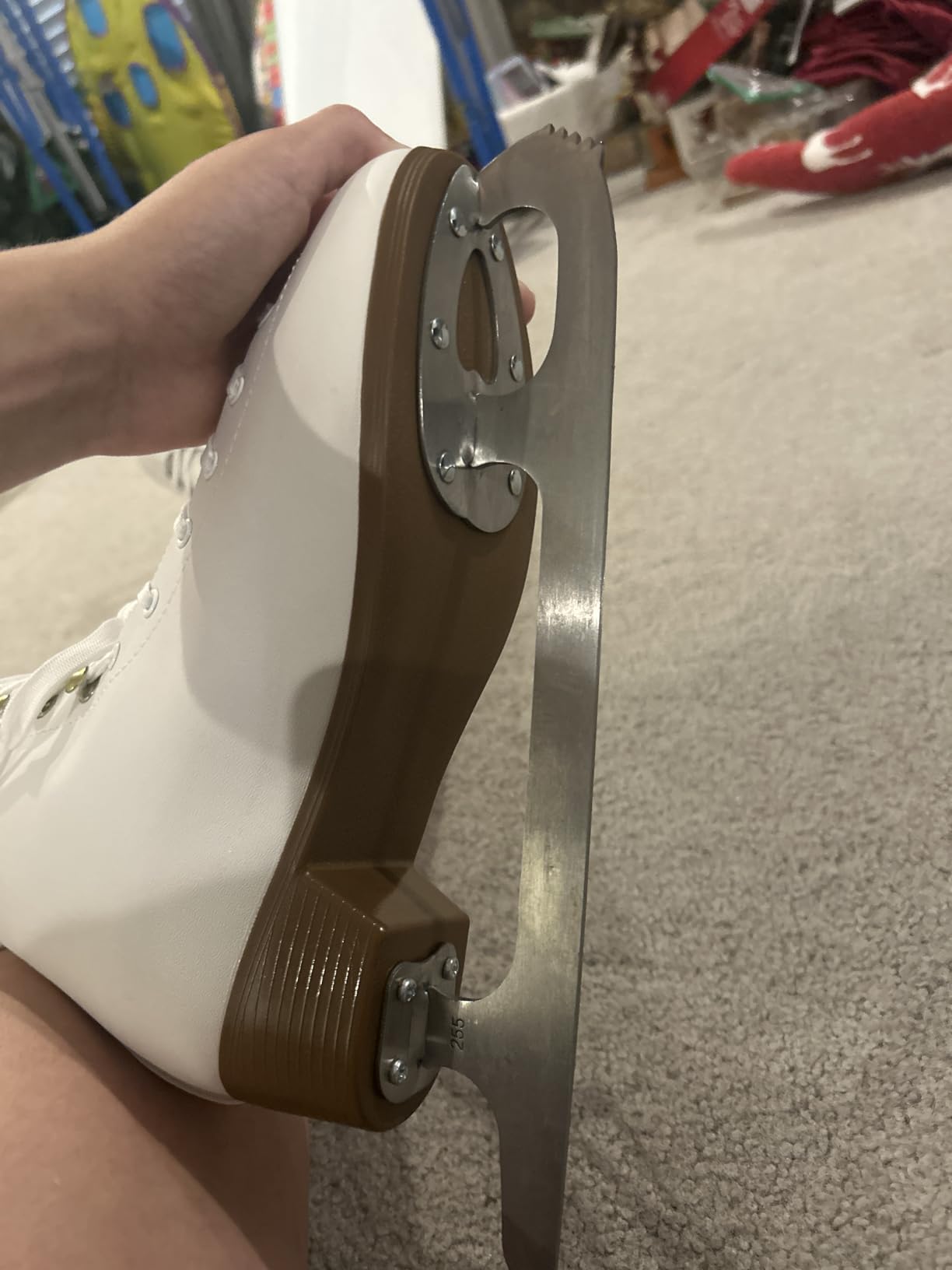
Two limitations come up repeatedly. The blade loses its edge faster than owners expect and needs more regular sharpening, and the padding compresses after roughly two months of regular use. A smaller number of owners report the tongue stitching folding inward near the toe and digging in painfully, and one reviewer saw blades rust after a couple of months outdoors.
Is this supportive enough for a real lesson program?
For gliding, stopping, and beginner group classes, yes. Once a skater starts attempting jumps and crossovers, reviewers say it is not supportive enough, so treat it as a six-to-twelve-month boot rather than a progression boot.
How does it compare with rental skates?
Owners consistently place it well above the rental tier, and a 90-day manufacturer warranty covers the first weeks. The gap that matters most is ankle correction: rental boots let the ankle roll, this one mostly does not.
5. 5th Element Grace – Best Figure Skate for Wide Feet
5th Element Grace Ice Skates for Women, True to Size
True-to-size recreational fit
Soft tricot lining
Stainless toe pick blade
Max skater 205 lb
Pros
- One long-term owner skated 12 hours with very wide feet and no problems
- Soft tricot lining cushions foot and ankle
- Blade covers included
- Works out of the box without sharpening
- Two-year warranty against defects
Cons
- Sizing runs large for some buyers despite the true-to-size label
- Vinyl and metal feel basic and flimsy
- Limited internal cushioning
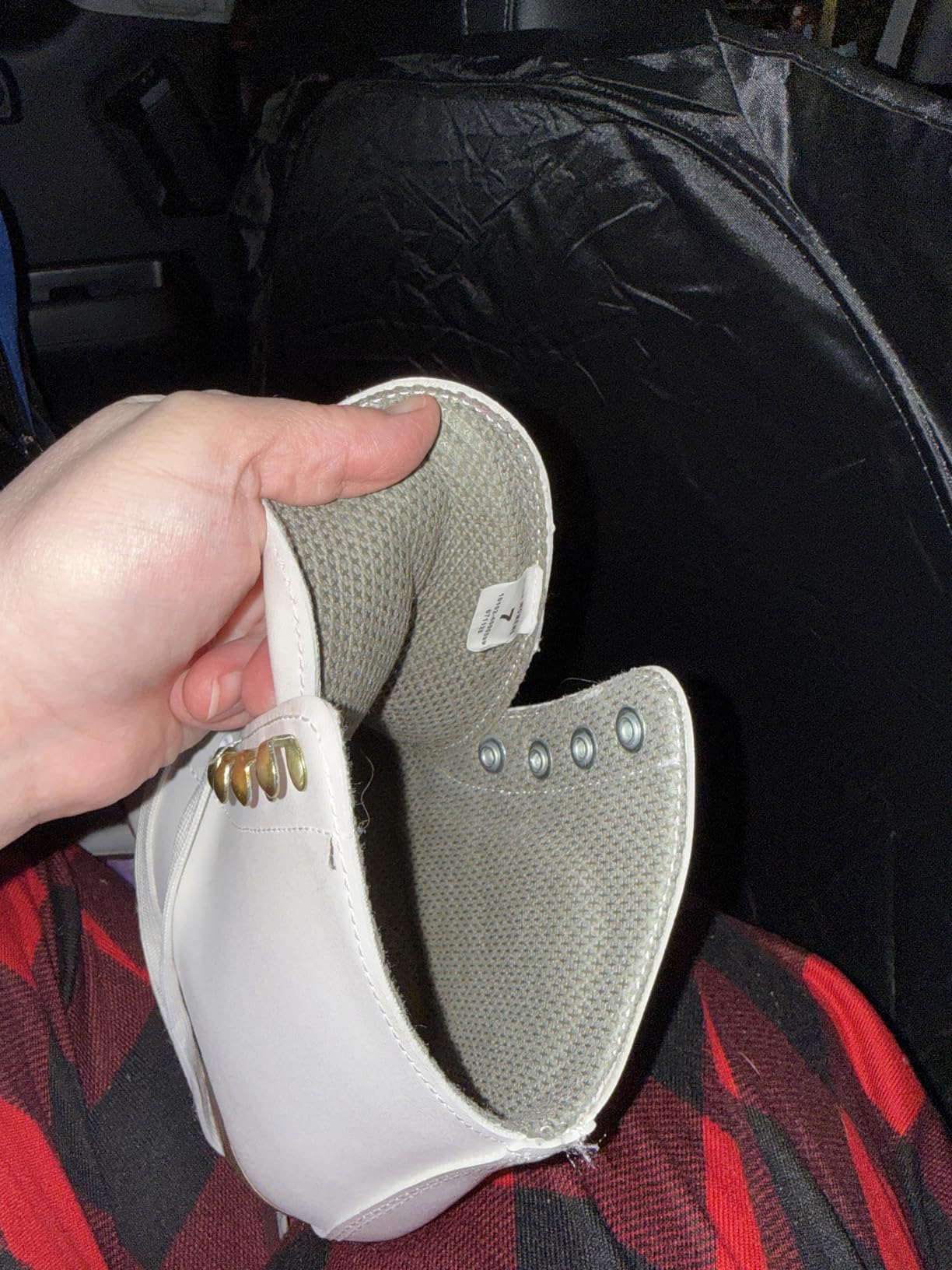
If narrowness is your main worry, this is the boot to shortlist. The soft tricot lining wraps around the foot and ankle without pinching, and one long-term user with very wide feet, including bunions, reports skating twelve hours in them with no problems. That single report is more useful than most sizing charts.
It is a recreational figure skate with a traditional toe pick on a stainless steel blade, reinforced lacing, and ankle support. Buyers like the classic white styling, and several skated in them straight out of the box without a trip to the sharpener. Blade covers are included for protection between sessions.
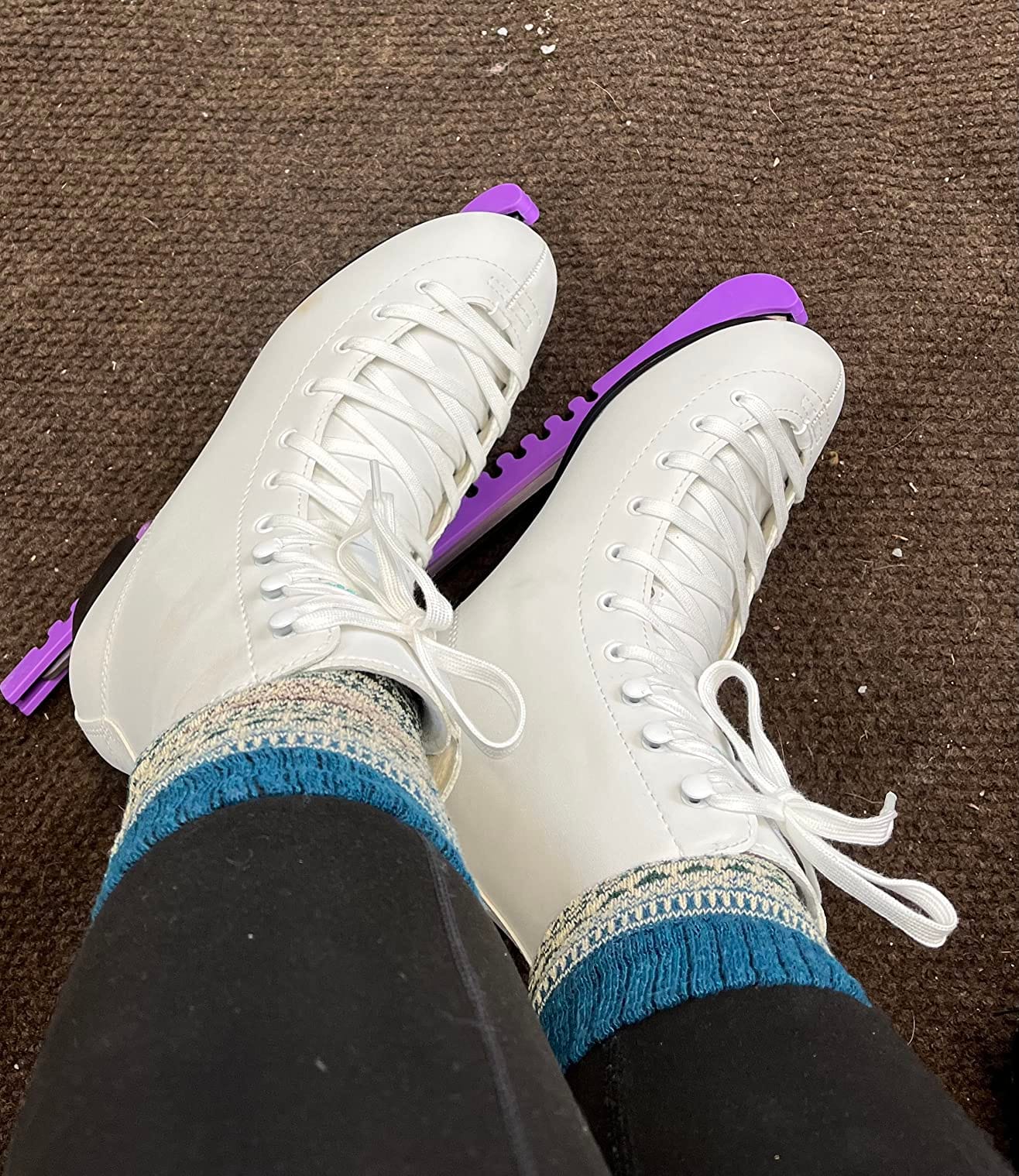
Be careful with sizing. Despite the true-to-size label, a number of buyers report it running large and recommend ordering down, and some describe the vinyl and metal construction as basic and flimsy. One strongly negative account describes a rough, unhelpful ankle on a child’s foot that contributed to falls, so for a very young skater, check the fit in person.
Who is this skate actually for?
It suits an adult beginner testing the hobby before committing to a costly fitting, and it works for wide or high-instep feet better than most of the entry tier. The maximum recommended skater weight is 205 lb, which keeps it firmly in the adult recreational range.
Should you wear thicker socks with it?
Yes. The internal cushioning is limited, and owners specifically recommend thicker socks to make up the difference. Skip that if you are between sizes, because extra bulk plus a boot that may run large is how people end up with blisters.
Best Hockey Skates for Beginners
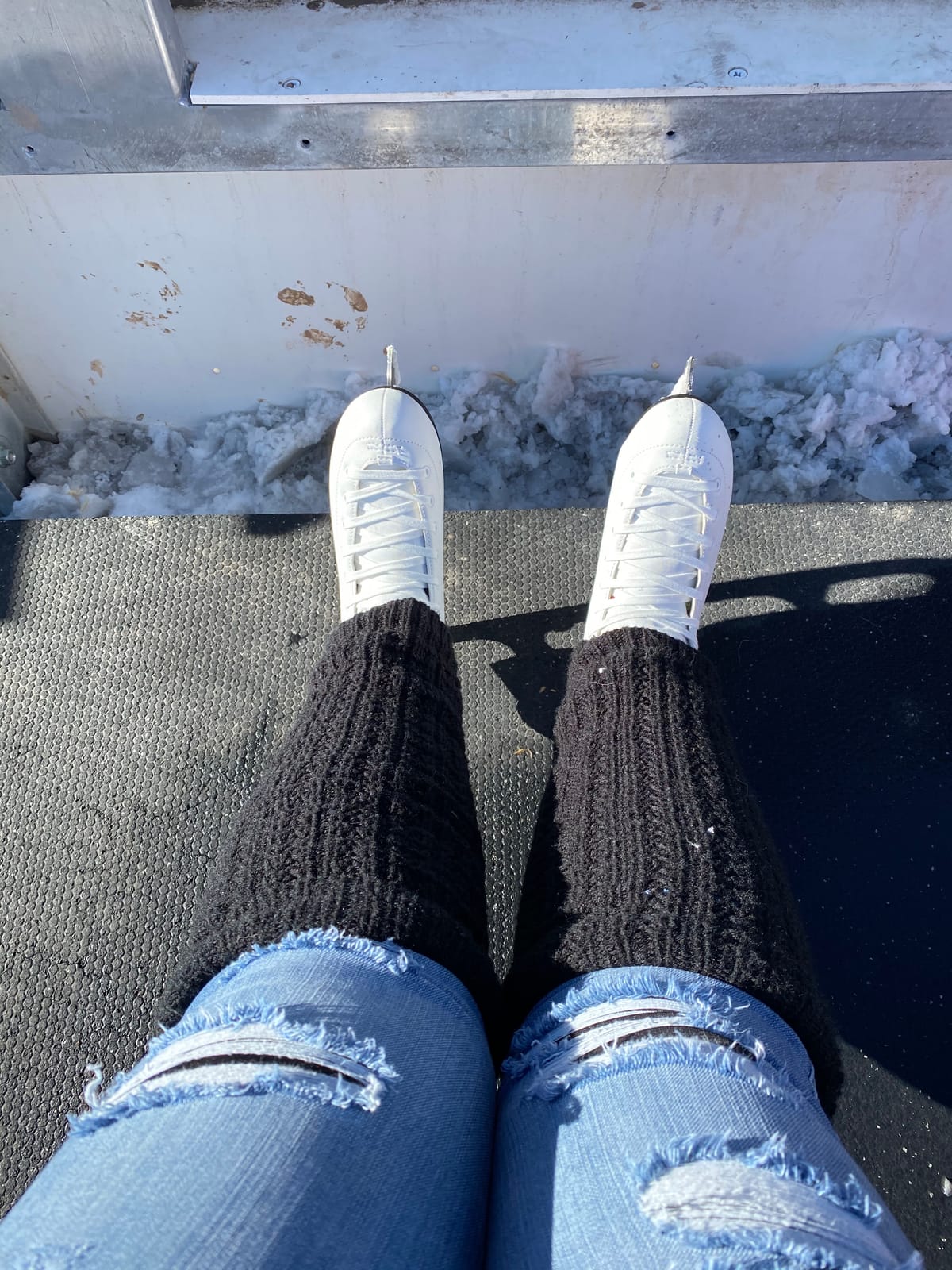
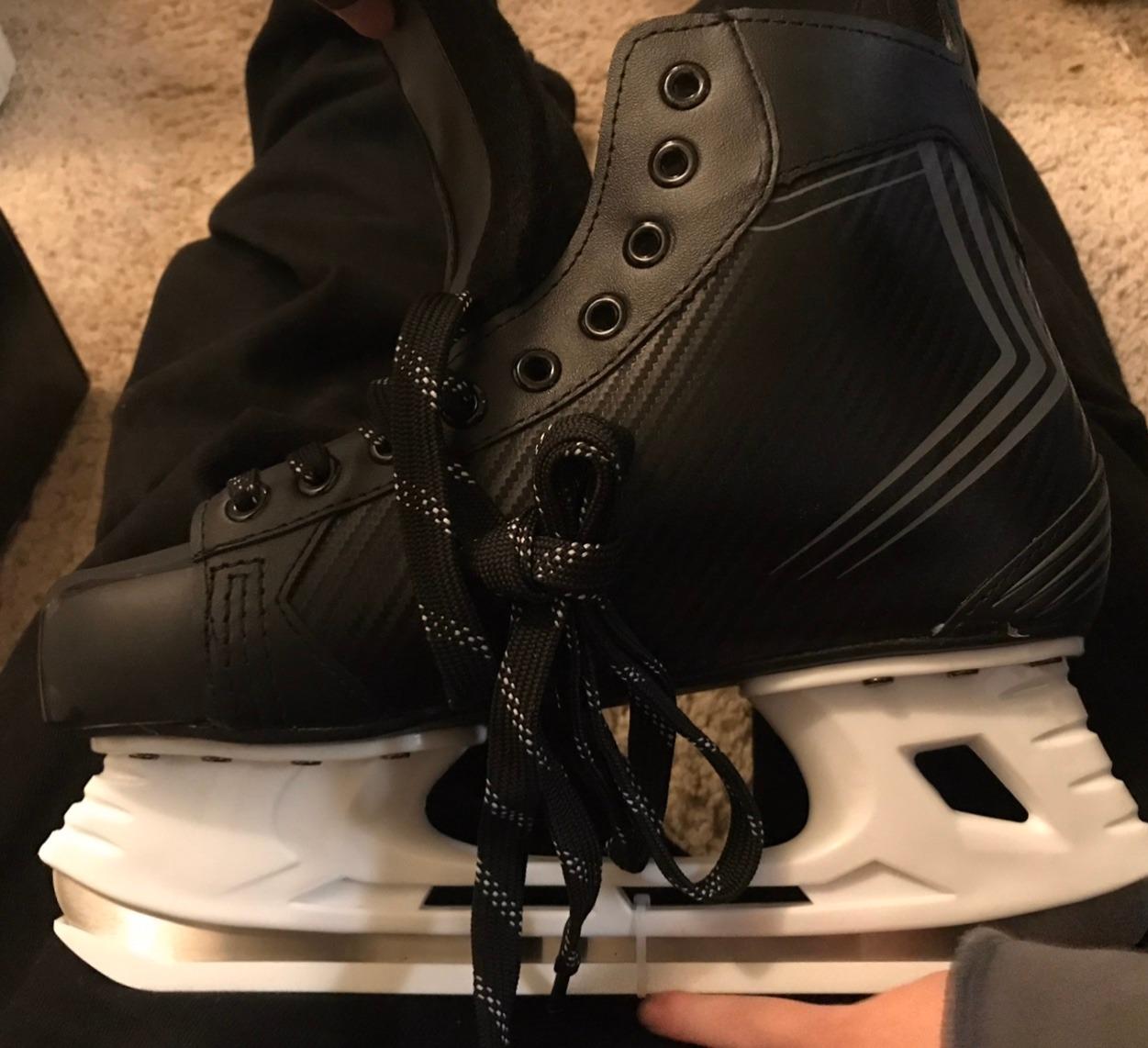
Hockey skates are the right lane for anyone learning stopping, crossovers, or playing pickup. The blade is shorter and straighter than a figure blade and has no toe pick, which means a new skater can lean into a turn without catching the front of the boot.
6. Jackson Softec Sport – Best Hockey Skate for Cold Outdoor Ice
Jackson Ultima Softec Sport Men’s/Boy’s Recreational Hockey Skate – Mens Size 11
Thinsulate lining
Nylon upper and tongue
Factory-sharpened blade
5.79 lb
Pros
- Thinsulate lining keeps feet warm outdoors
- Factory sharpened so it can be used straight away
- Toe-pick-free blade improves stability for learners
- Spans youth size 2 to mens 13
- Solid build from an established skate maker
Cons
- Heaviest boot in the roundup at nearly 5.8 pounds
- Fewer half-size options across adult sizing
- Recreational blade is softer than performance hockey steel
This is the boot we send adult beginners to when they will be skating outside. The Thinsulate lining combined with a nylon upper and tongue is the standout feature, and reviewers credit it with keeping feet warm and confidence high on cold outdoor ice, which is where most first sessions in cold climates actually happen.
It ships with a factory-sharpened leisure blade already attached, so there is no first-session delay while you wait for a sharpening. The hockey-style blade has no toe picks, which is exactly what a learner needs for stability, and the sizing runs from youth size 2 through men’s 13.
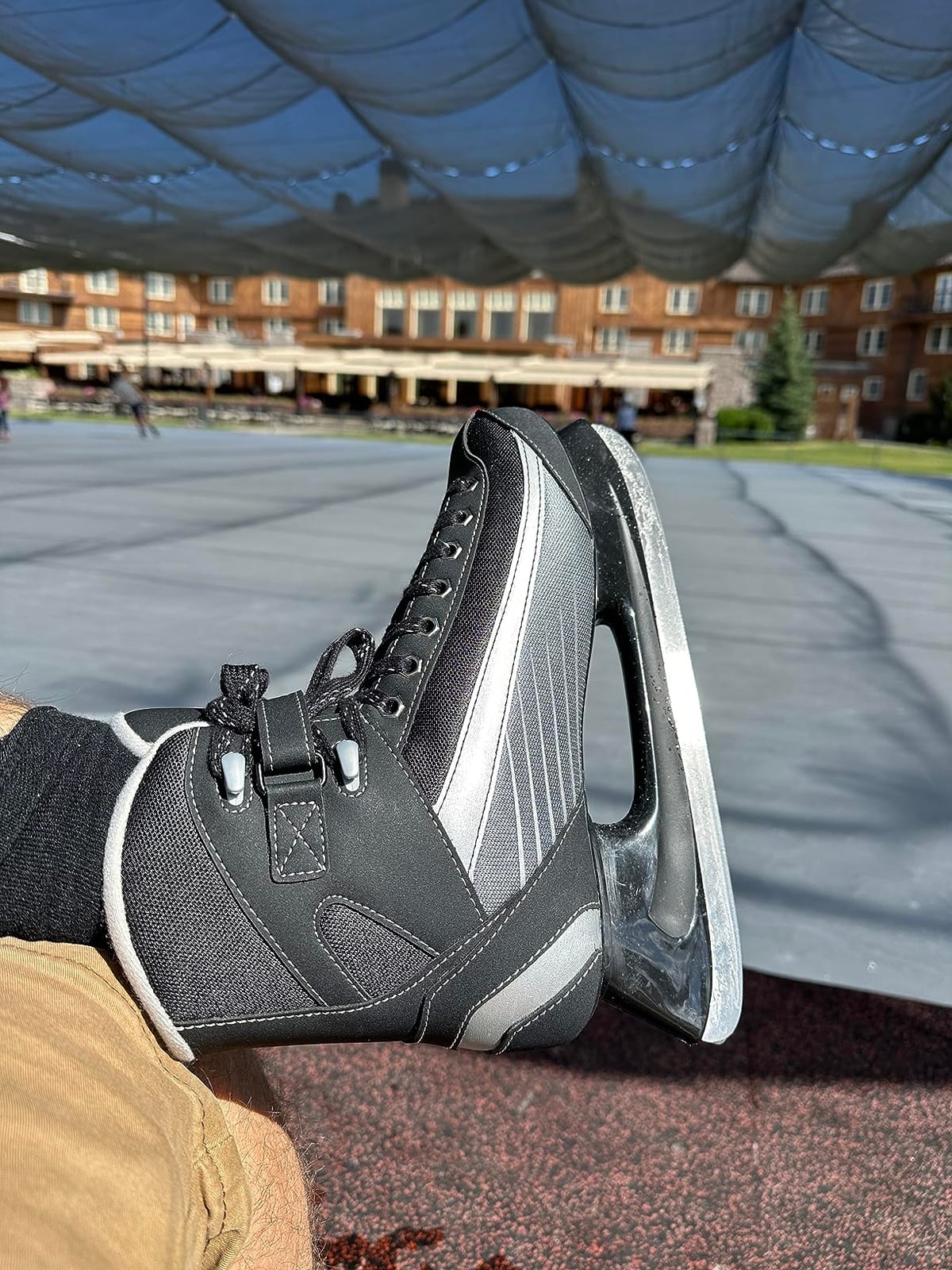
The weight is the real compromise. At nearly 5.8 pounds for the pair, this is the heaviest boot we tested, and reviewers note that it can tire a beginner’s legs during longer sessions. Support is moderate, so it suits recreational hockey-style skating rather than intermediate play, and the leisure blade is softer steel than a performance hockey blade.
Is the weight a real problem for a beginner?
For a 45-minute lesson, no. For a two-hour open skate, yes, and tired legs are exactly what makes new skaters decide they do not enjoy this. If you skate long sessions, a lighter boot such as a composite-mold hockey model will hold up better.
What size should you order?
It comes in a medium width adult fit, and the broad adult sizing means fewer half-size options, with fit varying between variants. If you are between sizes and skate in thicker socks, that is where a fitting in person is worth the trip.
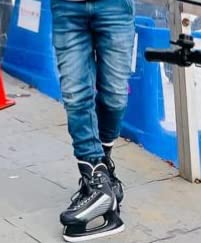
7. 5th Element Stealth – Best Hockey Skate for Straightforward Sizing
5th Element Stealth Men’s Ice Hockey Skates – Recreational Hockey Skates for Men, True-to-Size Fit
True-to-size fit
Supportive foot cradle
Moisture-resistant liner
205 lb max
Pros
- True-to-size grading reduces guesswork on a first purchase
- Supportive foot cradle and reinforced ankle
- Moisture-resistant liner for long sessions
- Reinforced outsole for regular rink use
- Two-year manufacturer warranty
Cons
- Blade ships unsharpened and needs professional sharpening
- 205 lb weight limit rules out larger adults
- Moderate support is not enough for competitive play
Sizing is where most first hockey purchases go wrong, and this boot removes some of that risk by grading honestly. It fits your regular shoe size, and if you wear a half size the guidance is straightforward: take the next full size up. On a first purchase made without a fitting, that clarity is worth paying for.
Inside, a padded tongue, a supportive foot cradle, and a moisture-resistant liner with reinforced ankle support keep the foot secure over long sessions. The reinforced outsole is built for regular rink use, and the whole thing is backed by a two-year manufacturer warranty rather than the 30-day cover common in this category.
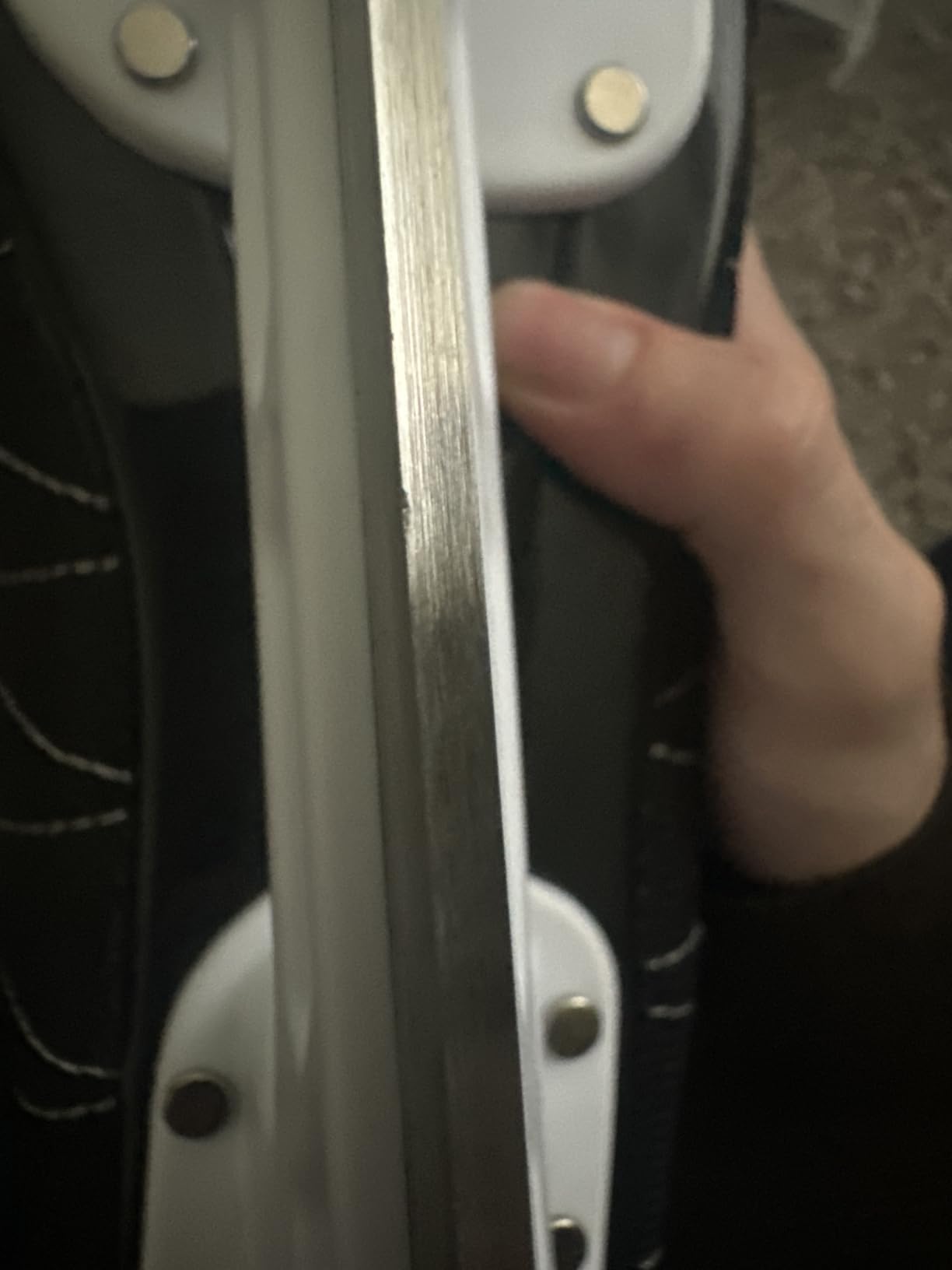
Two things to plan around. The stainless steel blade ships with an unsharpened factory edge, so budget a professional sharpening before your first session, and note the reinforced outsole is rated for adult skaters up to 205 lb. The support level is moderate, which is right for open skating and recreational hockey but not for competitive or intermediate play.
Who is this the right size of boot for?
It is built for adults skating in the recreational tier, so it works well for a first hockey-style season. If you are significantly heavier, or if you already take lessons, you will want a stiffer boot with more ankle structure than a recreational model provides.
How does it compare with buying in a shop?
The honest answer is that a fitting still beats any size chart, but this is one of the few entry hockey boots where the stated grading matches what buyers report. That consistency is why we rate it highly for first-time buyers ordering online.
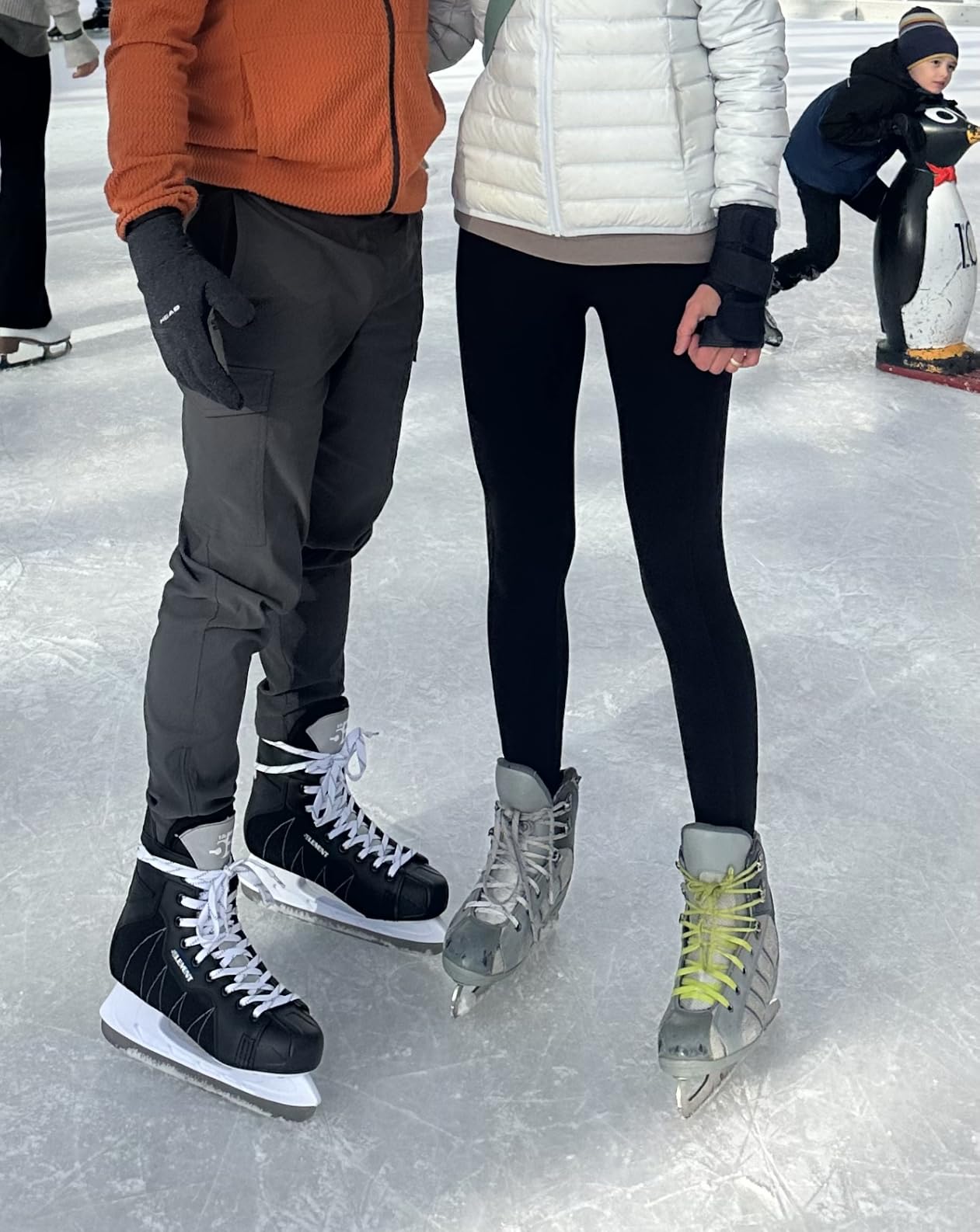
8. American Athletic Ice Force – Lightest Hockey Boot We Tested
American Athletic Ice Force Hockey Skates for Men – Lightweight Ice Skates with Reinforced Ankle Support, Moisture-Resistant Lining, Stainless Steel Blade – Recreational Indoor & Outdoor Use (12)
2.3 lb lightweight build
Cambrelle moisture-resistant lining
Nickel-plated steel blade
Sizes 5-13
Pros
- Lightweight build at 2.3 pounds reduces early fatigue
- Cambrelle lining resists moisture and shortens break-in
- Reinforced composite mold supports posture and balance
- Nickel-plated hollow-ground blade holds an edge
- Long production history and broad size run
Cons
- Lowest average rating in the set at 4.2
- Sold with no manufacturer warranty
- Stiff nylon shell takes a long break-in
At 2.3 pounds, this is by a wide margin the lightest boot in the roundup, and that single number matters more than it sounds. New skaters tire quickly, and a lighter boot lets a beginner stay on the ice for a full session instead of cutting it short after twenty minutes.
The reinforced composite mold construction provides usable ankle support for posture and balance, the Cambrelle lining resists moisture and shortens the break-in period, and the hollow-ground nickel-plated steel blade holds an edge well. It is available across men’s sizes 5 through 13.
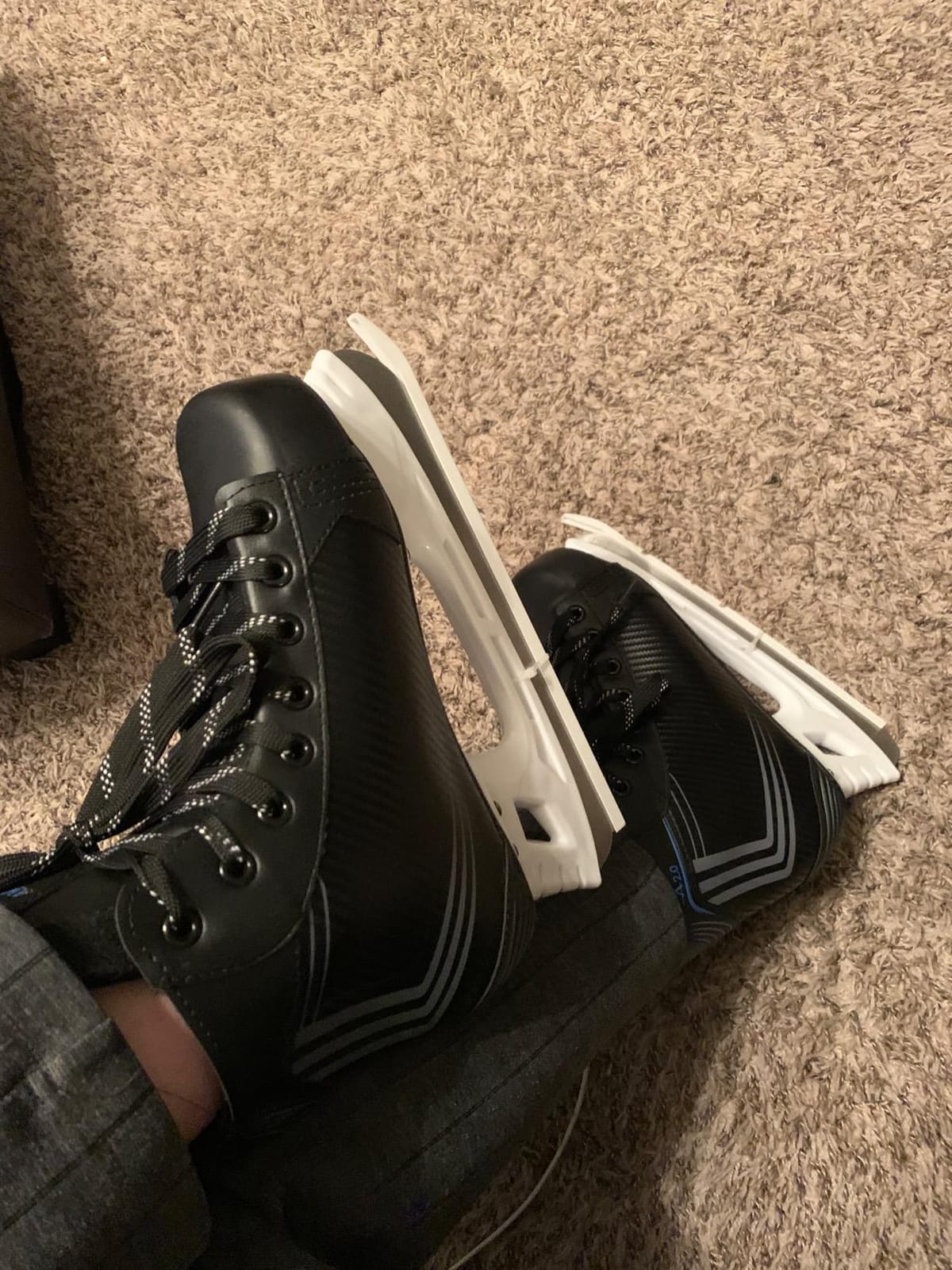
It is also the lowest-rated product in this set at 4.2, with a 7% one-star share, and it ships with no manufacturer warranty at all. The stiff nylon shell takes noticeably longer to break in than the softer boots here, so expect a real adjustment period before it feels right.
Is light weight worth the trade-offs?
For an adult beginner on a budget who is already fighting fatigue, yes. For a skater who will be doing lesson programs or progressing quickly, the lack of warranty and the average rating make a better-supported boot the safer purchase.
How much break-in does this need?
More than the vinyl and PVC options in this roundup. Budget a few sessions of short skating before you judge it, and if you are near a shop, ask whether the liner can be heat-shaped to your foot during that period.
Best Adjustable Ice Skates for Kids
For children, the deciding factor is not support level, it is how many seasons one pair covers. Adjustable push-button boots let you widen the fit as the child grows instead of buying a new pair every six months, which is why parents on skating forums recommend them so consistently.
9. Lake Placid Summit – Best Adjustable Skate for Growing Kids
Lake Placid Summit Boy’s Adjustable Ice Skates, Medium (1-4)
Push-button adjustment
Woven warm lining with padding
Stainless steel blade
Buckle and power strap
Pros
- Adjustment spans roughly three shoe sizes and several years
- Locking buckle and power strap make it easy to put on
- Warm woven lining and deluxe padding suit outdoor ice
- Owners report several years of use per pair
- Wide selection of colors
Cons
- Blades arrive dull and need sharpening
- Support suits beginners rather than serious training
- Hard-to-find guards for these models
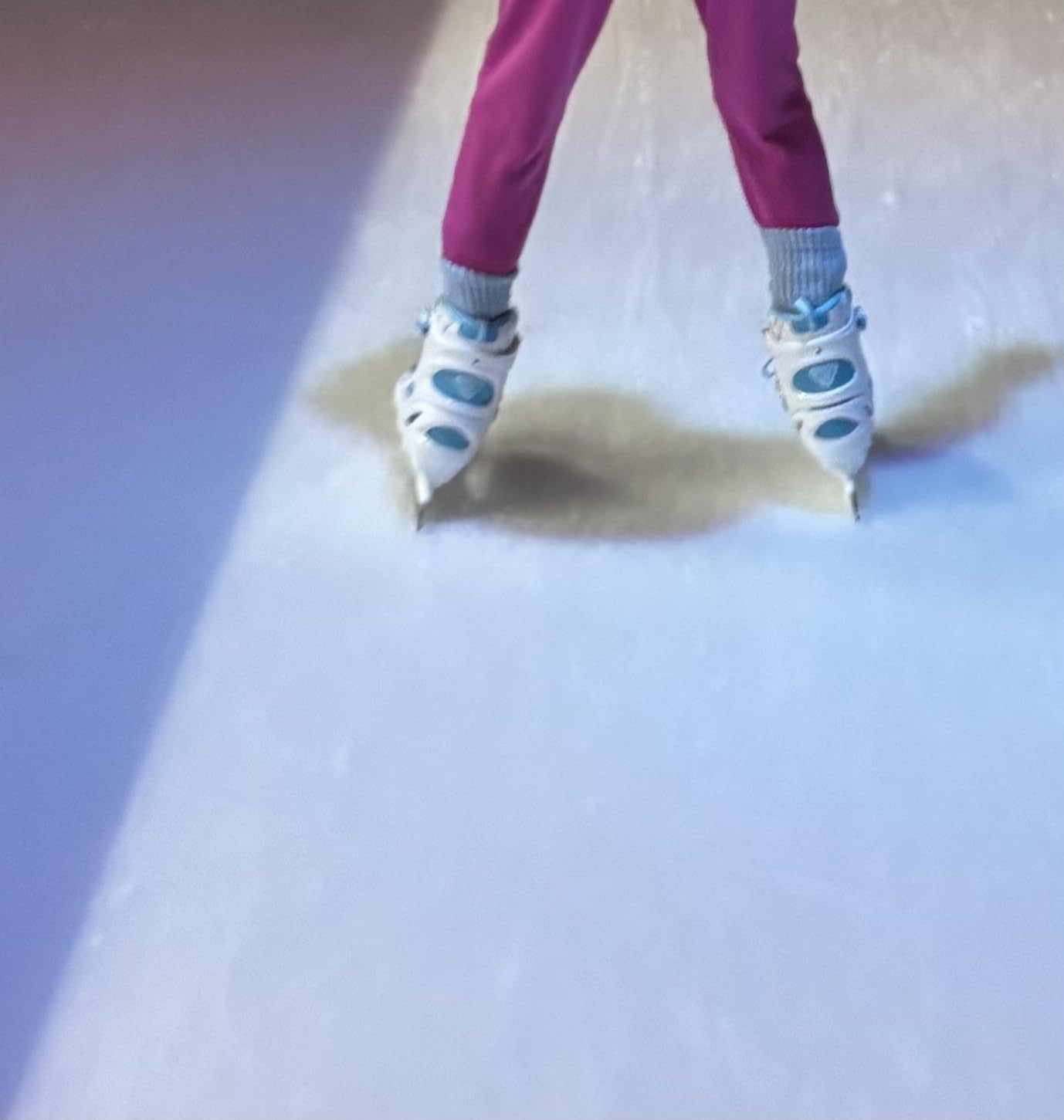
The Summit is the adjustable boot families buy and then size up through. Push-button adjustment covers roughly three shoe sizes, and owners describe several years of use per pair before moving to the next size, which is the entire argument for buying adjustable rather than fixed.
Dressing is easy with a locking buckle and power strap, so a child can get the skates on without an adult fighting laces. The woven warm lining with deluxe comfort padding keeps feet comfortable on outdoor ice, and the stainless steel blade runs on a waterproof sole. Colors include Black/Pink, White/Mint, and Snowflake.
Blades arrive unsharpened, so a sharpening session is needed before the first outing. Owners also note that guards fitting these models are hard to find, so many parents resort to carrying the skates in a skate bag instead.
Is the support enough for a child’s first lessons?
For beginners and casual skating, yes. Reviewers are clear that it is not the right boot for a child moving into serious figure skating or structured skills training, where a stiffer, more corrective ankle becomes the priority.
How long does one pair really last?
Owners commonly report multiple years, and one of the practical benefits is that the pair can be handed to a second child of a different size within the adjustment range. Check the package contents carefully, since some variants list the pair of skates separately from the pack quantity.
10. Lake Placid Nitro 8.8 – Best Budget Skate for a First Child Pair
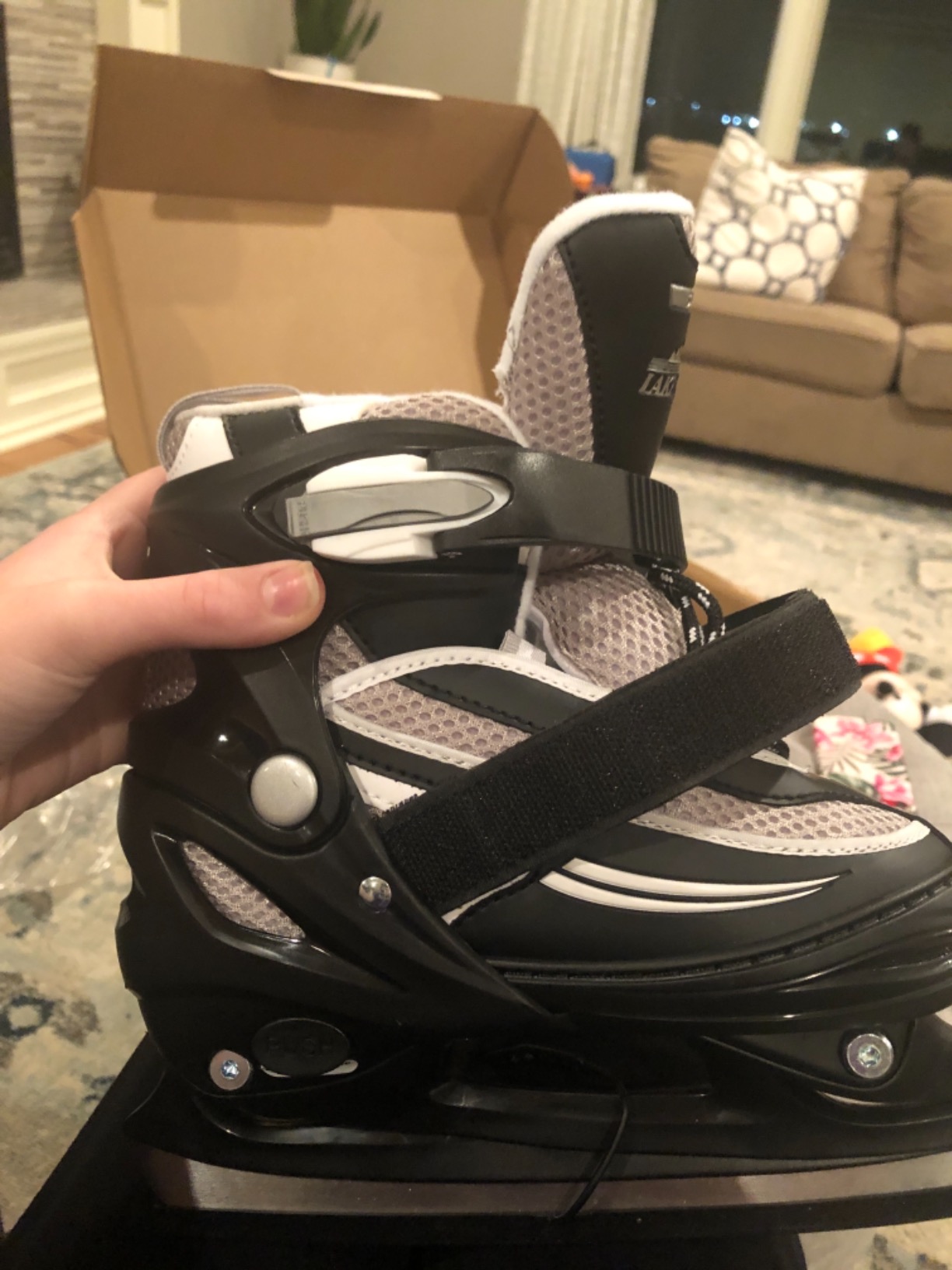
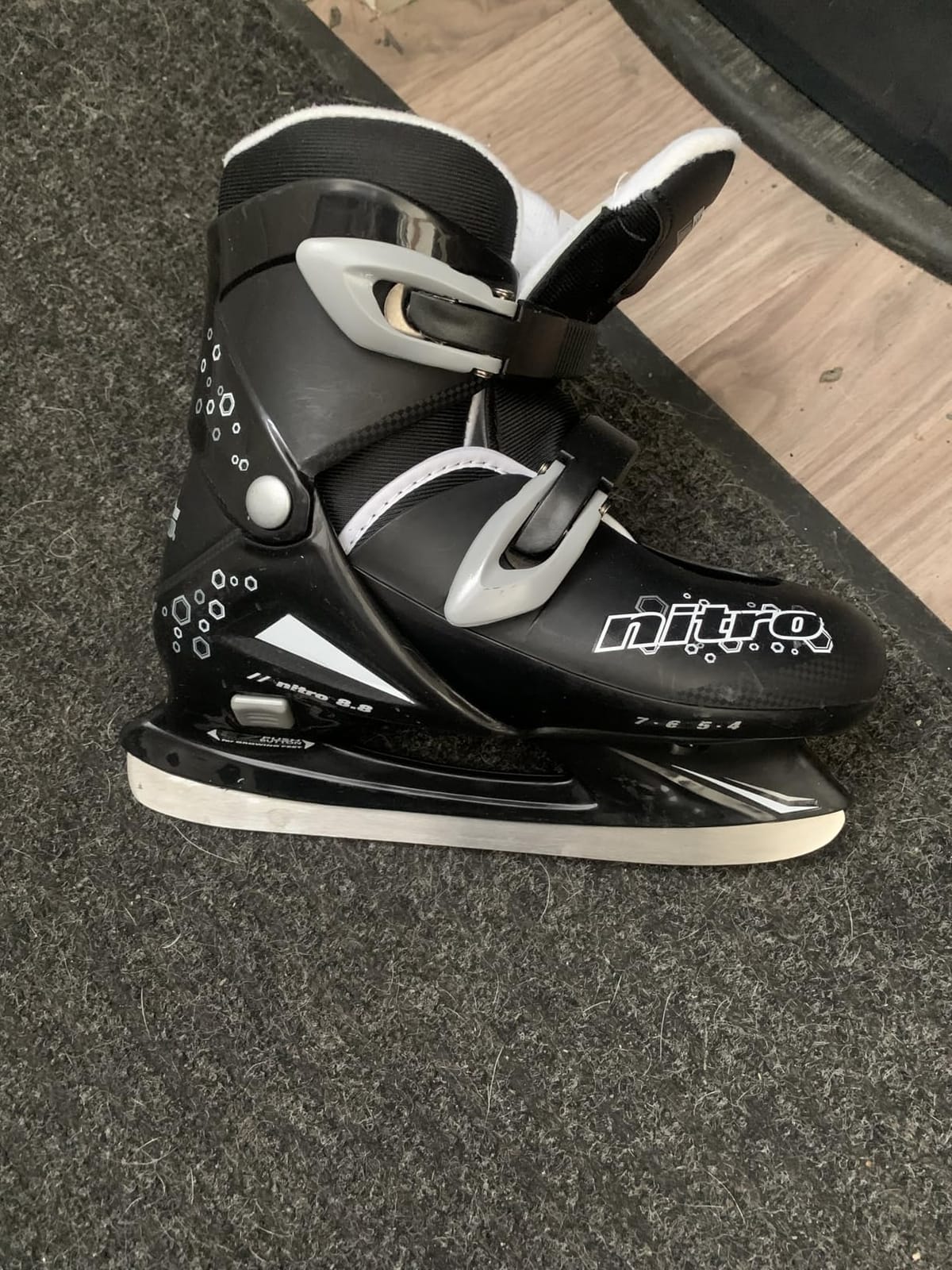
Lake Placid Girl’s Nitro 8.8 Adjustable Ice Skates, Medium (1-4)
Molded shell with hinged cuff
Washable comfort fill liner
Heat-treated carbon steel blade
3 lb
Pros
- Accessible entry point for a child's first pair
- Hinged cuff holds the ankle better than a plain shell
- Quick-fit locking buckles replace laces entirely
- Adjustment across three size ranges
- Washable liner simplifies upkeep
Cons
- Blades arrive blunt and need sharpening
- Support suits recreational use rather than lessons
- Only a 30-day manufacturer warranty
- Carbon steel needs more frequent sharpening
The Nitro 8.8 is the least expensive route into a real pair of skates with a hinged cuff, and that cuff is the feature that separates it from a flat molded shell. Parents reviewing it note that the ankle hold is meaningfully better, which is exactly the part a small beginner needs most.
There are no laces. Locking quick-fit buckles go on and off easily, which matters more than it sounds for a child who has never tied skates. The push-button adjustment runs across Small (11-13), Medium (1-4), and Large (4-7) ranges, and the washable comfort fill liner makes post-outdoor upkeep simple.
The trade-offs are honest ones. The 5-star share among its top ratings is 66%, with a 5% one-star share, blades arrive blunt, and the 30-day manufacturer warranty is the shortest in this roundup. Support is for beginner recreational use rather than lesson programs.
Carbon steel or stainless steel, which matters more?
For a first pair, the difference is sharpening frequency rather than glide quality. The carbon steel blade here is heat treated and nickel plated, and owners simply find it needs sharpening more often than a stainless model, which is worth knowing before you buy.
Is the buckle closure a downgrade?
Only if your child will progress quickly into crossovers and jumps, where laces give finer ankle adjustment. For gliding, stopping, and family recreational skating, the buckles remove a genuine daily frustration and let a small child dress independently.
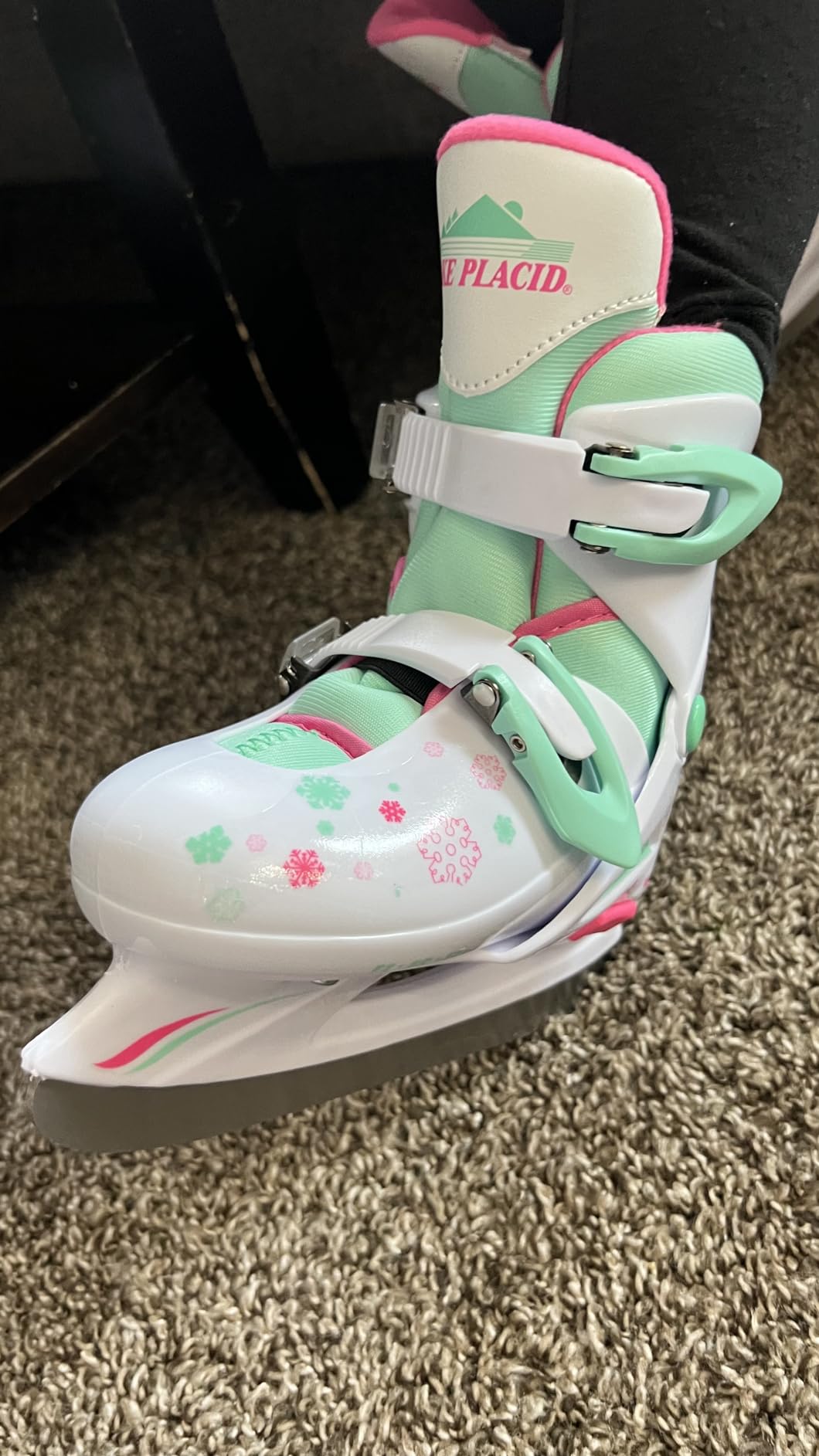
11. Xino Sports Adjustable – Best When You Want Ready-to-Skate Blades
Xino Sports Adjustable Ice Skates, Black, Medium 1-4
Push-button adjustable sizing
Factory-sharpened stainless blade
Protective covers included
Small J10-J13
Pros
- Lowest entry point in the roundup with a stainless steel blade
- Blades arrive already sharpened with covers included
- Push-button adjustment extends usable life
- Fun colors that appeal to young children
- 60-day satisfaction period and one-year parts coverage
Cons
- Support is basic and better suited to casual outdoor skating
- Only two size ranges limit how much growth one pair covers
- Ankle reinforcement is modest
- Thinner padding than higher-priced models
The distinguishing feature here is that the blades arrive already sharpened, with protective covers in the box. In a category where most skates need a shop visit before first use, that removes the single most common first-day frustration for a parent with a restless child.
The push-button system covers Small (J10-J13) and Medium (1-4) ranges, soft padding sits against a reinforced ankle support, and the bright blue and pink colorways make the skates genuinely appealing to a young beginner. It also carries a 60-day satisfaction period, one-year parts and labor coverage, and US-based customer support.
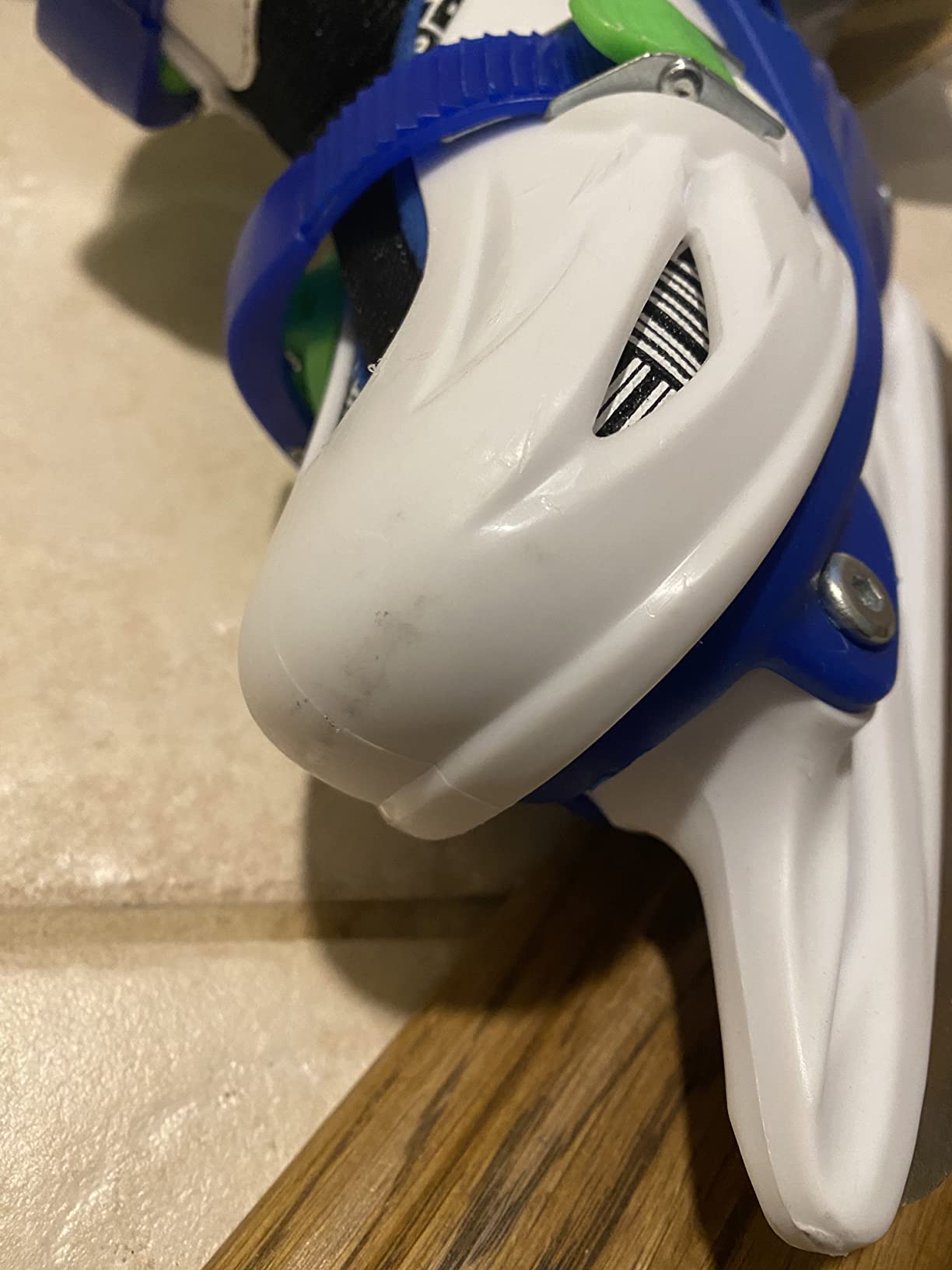
The support level is the honest limitation. Reviewers describe it as better suited to casual outdoor skating than structured lessons, and the ankle reinforcement is modest compared with dedicated lesson skates. With only two size brackets, a fast-growing child will move past it sooner than a three-range adjustable boot.
Is this enough for a learn-to-skate program?
For informal family skating on a pond or a casual public session, yes. For a registered learn-to-skate class, most program skaters are issued a stiffer, more supportive boot, and instructors will say so in the first session.
How does the sizing adjustment work?
Press the button under the tongue and the boot widens to the next range, so one pair can move up as the child grows. Because there are only two ranges, measure your child’s feet in the afternoon and buy the range that will still fit in a few months.
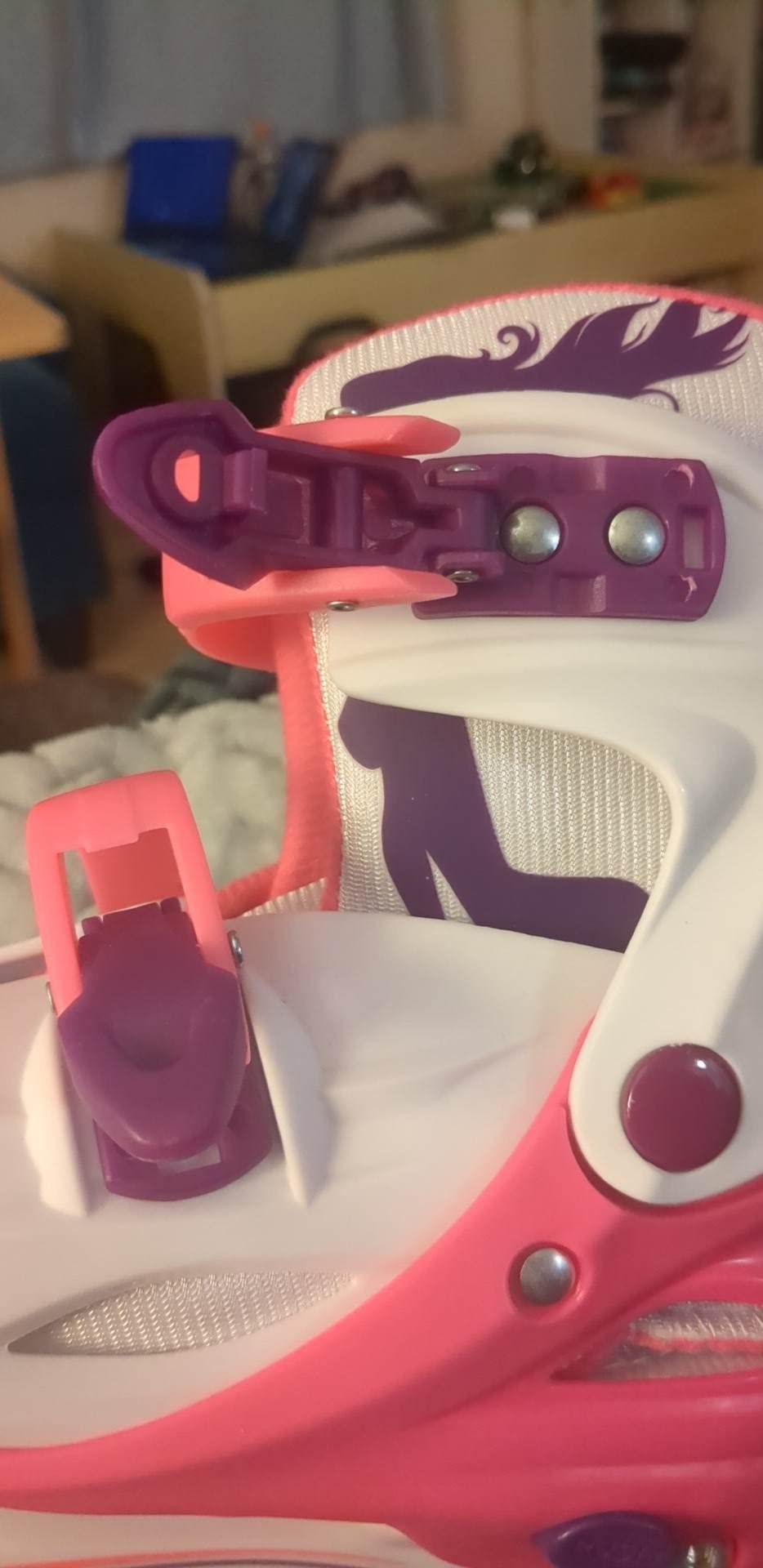
12. Nattork Butterfly – Best Ice Skates for Toddlers
Nattork Girls Ice Skates for Kids 4 Size Adjustable Butterfly Ice Skate with Fleece Lining for Outdoor & Rink Medium(1-4) Purple
Four size ranges from 7C to youth 4
Fleece lining
Stainless steel blades
1.25 kg
Pros
- Covers toddler sizes 7C that most rental programs do not carry
- Easy on and off for a child who has never tied skates
- Fleece lining keeps ankles warm outdoors
- Adjustment spans roughly three years of use
- Inner liner stays put when the skate is removed
Cons
- Molded plastic shell offers limited ankle correction
- Blades need sharpening before they glide smoothly
- Less supportive than a reinforced ankle boot
- Size run tops out around youth size 4
For a child in the 7C to 9C range, this solves a problem that rental programs often cannot. Parents and grandparents on skating forums specifically look for toddler sizes that rental counters do not stock, and this adjustable boot covers four ranges from 7C up to youth size 4, roughly three years of growth.
It is easy to get on and off for a child who has never tied skates, and the fleece lining keeps ankles and feet warm in cold outdoor conditions. One detail owners single out unprompted: the inner liners do not pull out of the boot each time the skate is removed, which is a persistent annoyance in competing brands. The bright butterfly and rainbow designs help too.
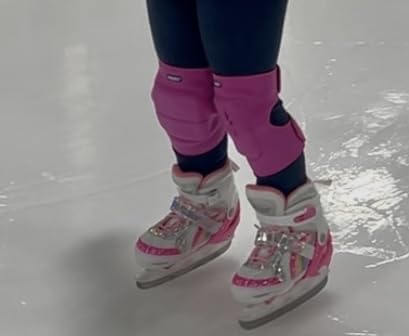
The limitation is support. A cold-resistant molded plastic shell protects the ankle and reduces twisting, but it offers limited correction compared with a boot that has a reinforced ankle, so it suits a very young first skater rather than a child on a skills program. Blades still need sharpening.
Why do parents choose this for a first pair?
Two reasons recur: it fits the smallest sizes, and it grows with the child. A four-range adjustment means one purchase can cover a toddler and a kindergartener, which is a better return than buying two fixed pairs in a year.
When is it time to size up?
When the toes touch the front of the boot while standing, or when the child starts complaining about their feet after a session. Move up one range before the fit becomes painful, since toddlers rarely report pressure early.
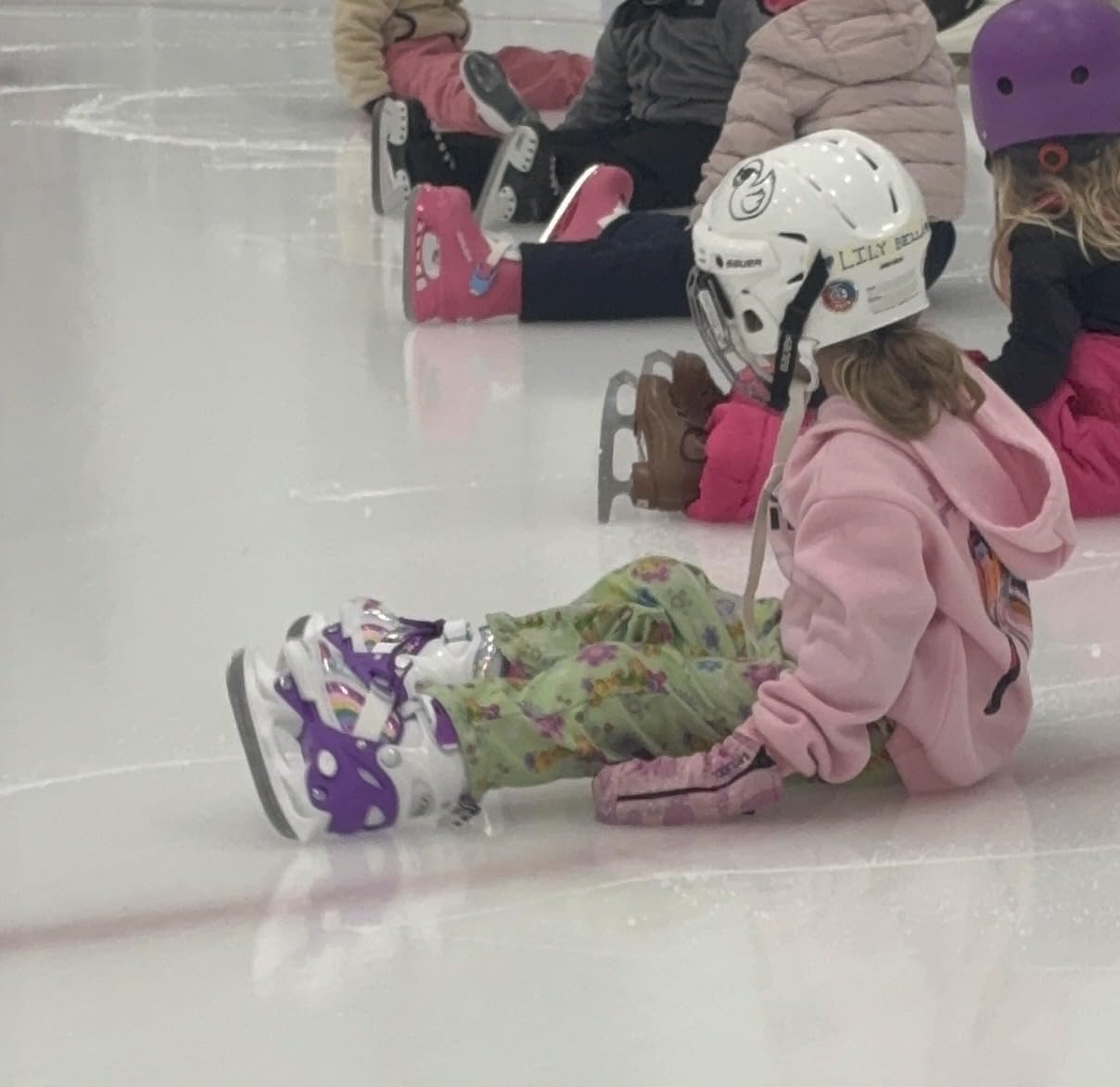
Renting First, or Buying Your Own Ice Skates?
Buy your own when you have decided you will skate more than a handful of times. That is roughly six sessions, which for most adults is about two months of public skating or one season of group lessons. Below that line, renting is cheaper and teaches you what you actually like.
Stay with rentals when your goal is a one-off party, a holiday on a rink, or a sport you have never tried. Rental fleets also carry the widest size range, which matters if you are between sizes or have an unusual foot shape.
Renting has one real cost beyond money: the fleet boots are the softest and least supportive you will ever wear. If you take lessons in rentals, you are learning balance on a boot that actively lets your ankle roll. Skaters who keep progressing in rentals often stall and blame themselves, when the real problem is the boot.
For parents, the same logic applies with a shorter clock. A child who skates twice in a season is well served by rentals, and a child who is at the rink weekly should have their own adjustable pair so lessons are not wasted on a boot that does not fit.
Whatever you buy first, budget for the extras nobody mentions: wrist guards, blade guards, and a skate bag. If you came to ice skating from inline or roller, our guides to the best inline skates and the best roller skates cover the crossover adjustment from dry to ice.
How to Buy Your First Pair of Ice Skates
Figure blade or hockey blade, and how to tell
Look at the front of the boot. A raised toe pick means figure; a smooth rounded front means hockey. Figure blades are longer with more curve for jumps and spins, hockey blades are straighter and shorter for crossovers and hard stops. If you are undecided, hockey is the more forgiving lane for a first season, and switching later is easy.
Skate sizing is not shoe sizing
Street shoe size has almost nothing to do with skate size. Skates are graded in centimeters against the length of the foot, and a common beginner mistake is ordering the same number as your street shoe and then finding it impossible to get on. Measure both feet in the afternoon, take the longer measurement, and add the fit allowance the brand recommends for figure versus hockey.
Adults need a stiffer boot than kids of a similar size
This is the least intuitive rule in the whole category, and experienced fitters on skating forums repeat it constantly. Flex rating tracks adult weight and height, so two skaters of the same age and height may need very different boots. A soft boot rated for a child will feel unstable under an adult and stall progress, which is the named failure case behind a lot of stalled adult beginners.
Boot material sets the break-in clock
Vinyl and PVC boots, like most of the entry skates in this roundup, feel comfortable almost immediately and need almost no break-in. Leather and stiff nylon composite shells hold the foot better over time but require real break-in, sometimes a dozen sessions. Heat molding and baking can accelerate this dramatically, and most modern boot shells are rated for it.
Blades are not interchangeable across brands
You cannot mix any boot with any blade. Mounting patterns differ between manufacturers, and the blade must match the boot it was designed for. Blades also have profiles: a figure blade with a toe pick for spins, a hockey blade with a shallower curve for speed and turning, and a spin rocker on some figure models for easier rotation. Buying a cheap blade first and upgrading later is common advice, but beginners outgrow the cheapest steel within weeks.
What to avoid in a first pair
Avoid unbranded toy skates with a plastic blade. They have no ankle structure, no edge control, and they teach bad habits that a coach then has to unlearn. Also avoid a boot that is obviously too soft for your weight, and any figure skate ordered online without a fitting.
The safety gear nobody tells you about
Wrist guards are the single most useful piece of beginner equipment and the most commonly skipped. Falls forward are the default for a new skater, and most of those injuries happen at the wrist. Add a properly fitted helmet for children, blade guards for walking across any hard surface, and thin socks so you can feel your feet inside the boot.
Fit, Width, and Break-In: Getting It Right the First Time
The three-cue fit test
Stand in the skates with your weight evenly distributed. You want a snug wrap around the foot, a secure heel that does not lift when you raise your toes, and toes that brush the front of the toe cap without being compressed. That combination is the standard fitters use, and it is the difference between snug and painful.
A 60-second width test in store
Tap the side of the toe box with your fingernail while pressing the foot forward. A narrow boot produces a hard, flat, immediate sound; a roomy boot produces a softer, delayed thud. Then lift your heel inside a laced boot. If the heel rises more than a finger’s width, the heel lock is failing and your ankle will roll.
Is tightness normal, or is the width wrong?
Normal break-in tightness eases as the boot softens or as you skate. Pain that increases with skating is a width or size problem, not break-in. The consensus phrasing from experienced skaters is simple: skates should be snug but not tight, and persistent nerve pain in the toes or a burning heel is a signal to stop and re-measure, not to push through.
How to break in new skates faster
First, wear thin socks only, because thick socks change the fit you are trying to judge. Second, skate in short sessions of ten to fifteen minutes rather than one long session, which lets the boot shape gradually. Third, ask a shop to heat-mold or bake the boots, which sets the shape permanently. Fourth, skip the toe pick for the first session and glide in a shallow figure eight, then add stops.
When a good fit still hurts at home
If the skates felt fine in the shop and hurt at the first home session, the fix is usually in the lacing and the liner rather than the size. Skip a lace crossing over a sore spot, add gel pads around the heel and toe box, and give the boot another heat-molding session. If pain persists after a week, the width is wrong and no lacing trick will fix it.
Frequently Asked Questions
Which skates are best for beginners?
Figure skates have a toe pick and suit anyone interested in spins and jumps. Hockey skates have a straighter blade with no toe pick, which makes turns and stops easier for a first-time skater. For a first pair we point beginners to the Jackson Classic 200 on the figure side and the Jackson Softec Sport on the hockey side.
What are the best ice skates for beginners on a budget?
The Lake Placid Nitro 8.8 and the Xino Sports adjustable both sit at the entry tier and use push-button sizing so one pair covers several seasons. The Xino model ships with factory-sharpened blades and protective covers, while the Nitro adds a hinged cuff for better ankle hold. Both are aimed at casual and recreational skating rather than lesson programs.
Is it worth buying my own ice skates?
Buy your own once you expect to skate more than about six times, which is roughly two months of public sessions or one season of lessons. Renting is the better choice for a single party or a one-off holiday. The hidden cost of rentals is that fleet boots are the softest you will ever wear, so lessons taken in them are lessons on balance with a boot that lets the ankle roll.
What are the best ice skates for a beginner child?
For a first child pair, adjustable push-button skates are the most common recommendation because one purchase covers several years of growth. The Lake Placid Summit suits a school-age child, the Xino Sports model has ready-sharpened blades for a first outing, and the Nattork Butterfly covers toddler sizes from 7C up to youth size 4 that rental counters often do not carry.
How to tell if skates are too narrow?
Press your foot forward and tap the side of the toe box with your fingernail. A narrow boot gives a hard, flat sound, while a roomy boot gives a softer thud. Persistent nerve pain in the toes, a burning heel, or pain that gets worse as you skate are width or size symptoms rather than normal break-in, and they mean you should re-measure your foot.
How long do new ice skates take to break in?
Vinyl and PVC beginner boots used in this roundup feel comfortable almost immediately, while stiff nylon and leather shells can take a dozen short sessions to shape to the foot. Skating ten to fifteen minutes at a time rather than one long session speeds this up, and asking a shop to heat-mold or bake the boots compresses the process considerably.
Is it better for ice skates to be tight or loose?
Snug, not loose and not tight. Standing in the skates, you want a snug wrap around the foot, a heel that stays down when you raise your toes, and toes that brush the toe cap without being compressed. A loose skate lets the ankle roll and destroys edge control, while a tight one creates nerve pain and blisters.
Should a beginner buy figure skates or hockey skates?
Choose hockey if you want quick turns, crossovers, and hard stops, or if you are still deciding what you enjoy. Choose figure if your goal involves spins, jumps, or simply the look of a figure skate. The giveaway is the toe pick at the front of the boot. Hockey is the more forgiving lane for a first season, and moving to figure later is straightforward.
The Best Ice Skates for Beginners in 2026
The Jackson Classic 200 is the best ice skates for beginners in 2026 for the simple reason that nothing else in this roundup matches its combination of rating, review volume, and fit forgiveness. It holds the foot firmly, takes wide toe boxes, and runs from toddlers to adults, which means one recommendation works for most of the figure lane.
Pick the Jackson SoftSkate 380 instead if you skate outdoors in real cold and want the padded collar. Pick the 5th Element Stealth if you want hockey and honest true-to-size grading, the American Athletic Ice Force if boot weight is your biggest worry, and one of the adjustable models if the skater is a child whose feet are still growing.
Whatever you choose, get the fit right before you worry about anything else. Measure the foot, use the three-cue test, and buy the lane that matches the sport you actually want to do. Then book the first session, lace up, and go.