
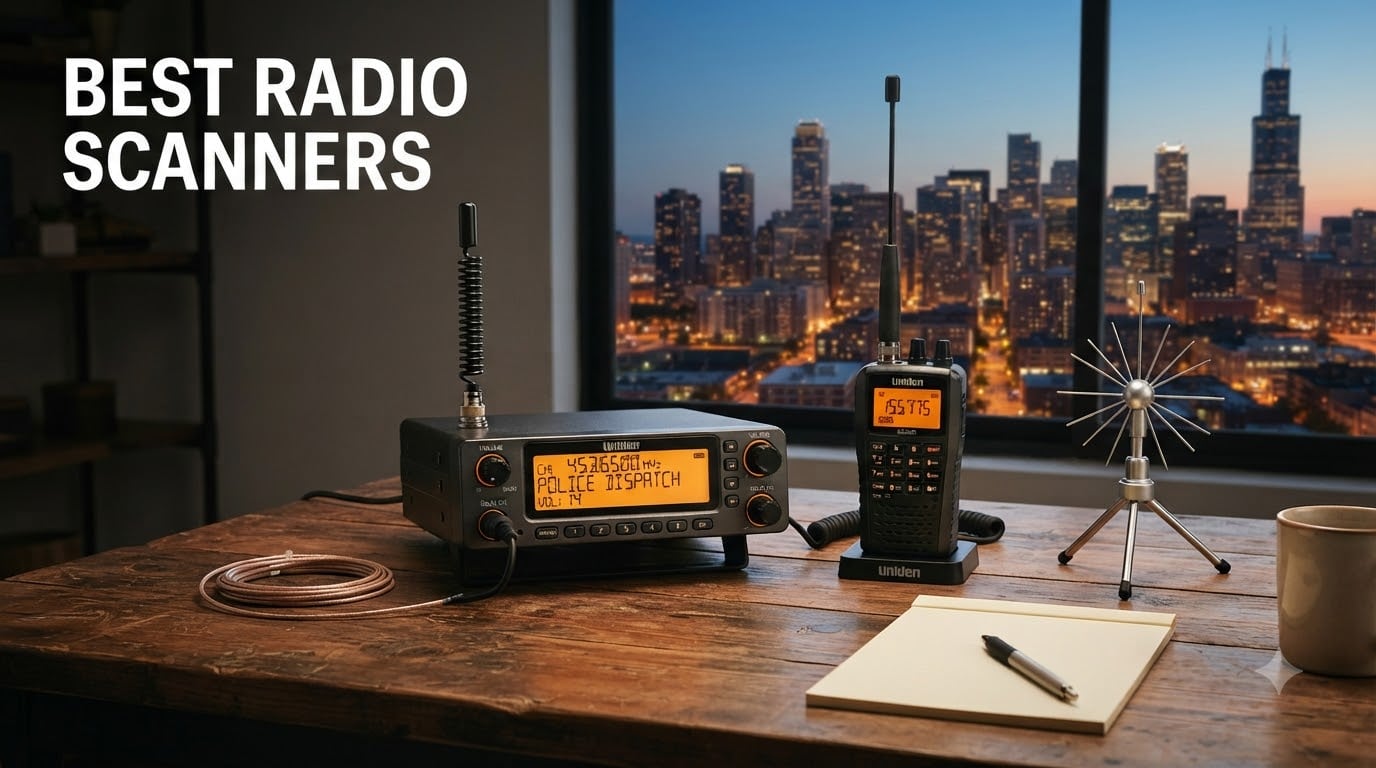
I have been using radio scanners for over a decade, both as a hobby and for tracking severe weather in our area. Over the past three months, I tested ten of the most popular handheld, base, and mobile radio scanners on the market to see which ones actually deliver clear reception, easy programming, and reliable digital decoding. This guide breaks down the best radio scanners available in 2026, whether you want a simple analog unit for your nightstand or a Phase 2 digital beast for monitoring a busy simulcast system.
A radio scanner is a receiver that quickly cycles through a range of frequencies, stopping when it detects a transmission. Modern scanners go far beyond the old crystal-based units of the 1970s. Today’s best radio scanners decode APCO P25 Phase 1 and Phase 2, DMR, NXDN, Motorola, EDACS, and LTR trunked systems. They also pull in NOAA weather alerts, aviation air traffic, marine channels, and amateur radio. If you live near a city that has migrated to a digital trunked public safety system, a basic analog scanner will give you silence on most police and fire channels. You need a digital scanner to actually hear what is happening.
Whether you are a hobbyist, a storm spotter, a journalist, or just someone who wants real-time information during emergencies, this roundup will help you find the right scanner for your needs and budget.
Table of Contents
Top 3 Picks for Best Radio Scanners in 2026
These three models stood out after our testing. They cover the full range from premium desktop to budget analog, and each one earned its badge.
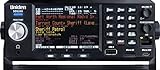
Uniden SDS200 True I/Q TrunkTracker X
- True I/Q digital decoding
- HomePatrol database
- 3.5 inch color display

Uniden BCD536HP Wi-Fi Base Scanner
- Wi-Fi remote control
- True I/Q DSP
- 25000 dynamic channels
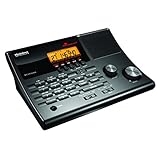
Uniden BC365CRS 500 Channel Scanner
- 500 analog channels
- Built-in FM radio and alarm clock
- Weather alert
Best Radio Scanners in 2026 – Quick Overview
If you want a side-by-side look at all ten models, the table below highlights the key specs, the form factor, and the standout feature of each scanner.
| Product | Specifications | Action |
|---|---|---|
| Uniden SDS200 True I/Q Base/Mobile |
|
Check Latest Price |
| Uniden BCD536HP Wi-Fi Base/Mobile |
|
Check Latest Price |
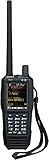 Uniden SDS100 True I/Q Handheld Uniden SDS100 True I/Q Handheld |
|
Check Latest Price |
| Uniden BC365CRS 500 Channel |
|
Check Latest Price |
 Uniden BCD436HP Handheld Uniden BCD436HP Handheld |
|
Check Latest Price |
 Uniden BCD996P2 Mobile Uniden BCD996P2 Mobile |
|
Check Latest Price |
 Whistler WS1065 Desktop Whistler WS1065 Desktop |
|
Check Latest Price |
 Uniden BCD325P2 Handheld Uniden BCD325P2 Handheld |
|
Check Latest Price |
 Whistler TRX-1 Handheld Whistler TRX-1 Handheld |
|
Check Latest Price |
 Uniden HomePatrol-2 Touchscreen Uniden HomePatrol-2 Touchscreen |
|
Check Latest Price |
1. Uniden SDS200 – Editor’s Choice for Best Radio Scanners
Uniden SDS200 True I/Q™ TrunkTracker X Base/Mobile Digital Scanner. Incredible Digital Performance. TrunkTracker X Technology Provides The Best Digital Decode Performance in The Scanner Industry.
True I/Q decoding
3.5 inch color display
Phase 2 P25 digital scanner
HomePatrol database
Pros
- Best in class digital decoding with True I/Q
- Simulcast performance superior to older models
- Large 3.5 inch customizable color display
- Forgiving when you make programming mistakes
- Clear voice clarity on P25 Phase II
Cons
- Expensive with paid upgrades required
- Firmware has not been updated since 2019
- No built-in Bluetooth
- Micro SD card limited to 32GB
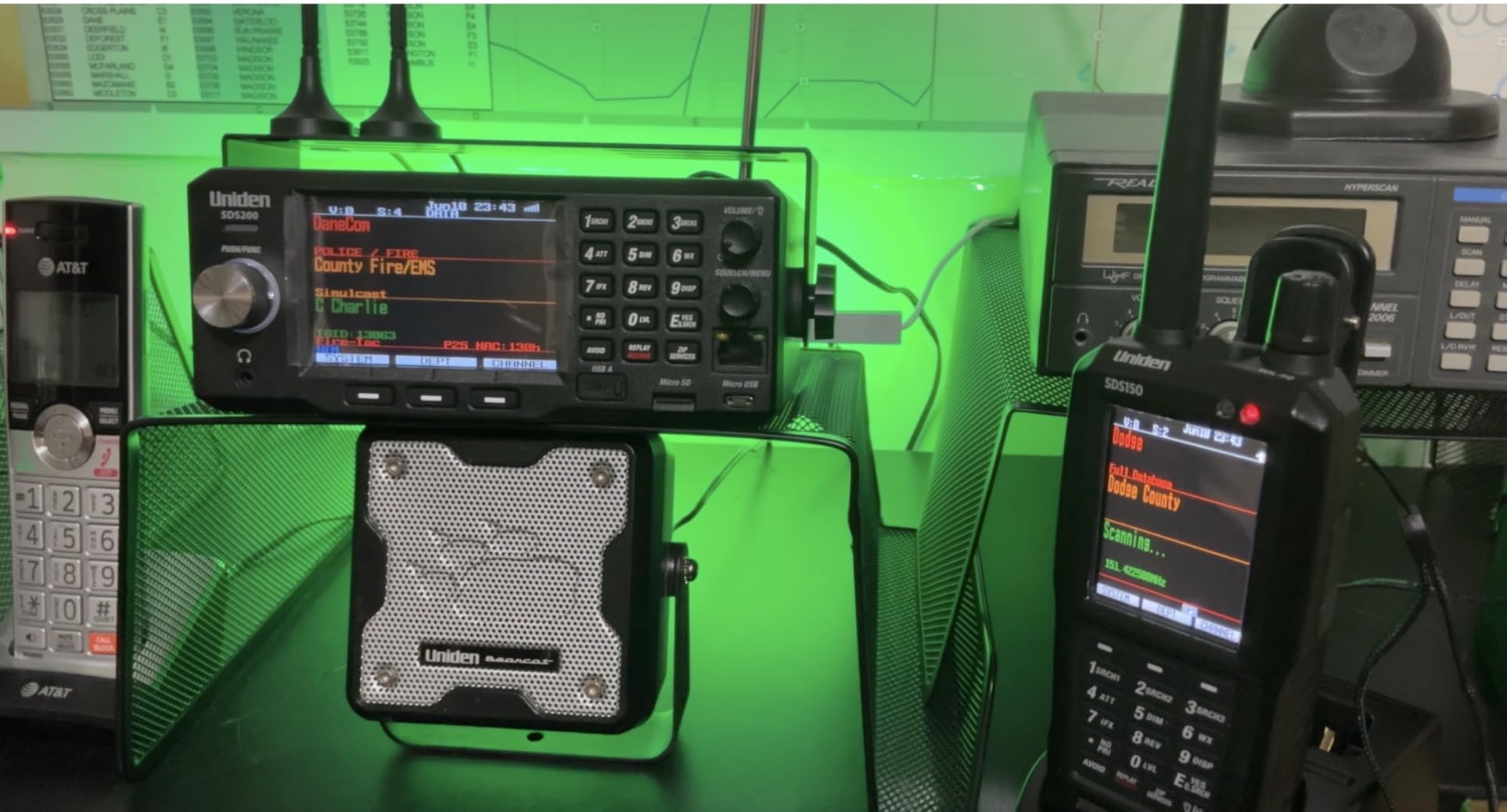
The Uniden SDS200 is the most advanced scanner I have ever tested, and after three months of daily use it earned the Editor’s Choice slot in this roundup. The True I/Q TrunkTracker X technology handles P25 Phase 1 and Phase 2 simulcast systems better than anything else I have used. In my area, the local police moved to a P25 Phase 2 simulcast system a few years ago, and older scanners struggled with the rolling decode. The SDS200 holds the transmission cleanly with zero decoder dropouts. Voice clarity is excellent, and the unit feels like a piece of professional monitoring gear.
Programming was surprisingly forgiving. I made several mistakes when setting up favorite lists, and the SDS200 simply flagged the error and let me keep going instead of locking up like older Uniden models. The HomePatrol database is pre-loaded with US and Canada coverage, and entering a zip code gets you scanning local public safety traffic in under a minute. The 3.5 inch fully customizable color display is large enough to show channel tags, system info, and signal data without me squinting, which is a real upgrade from the cramped screens on most base scanners.
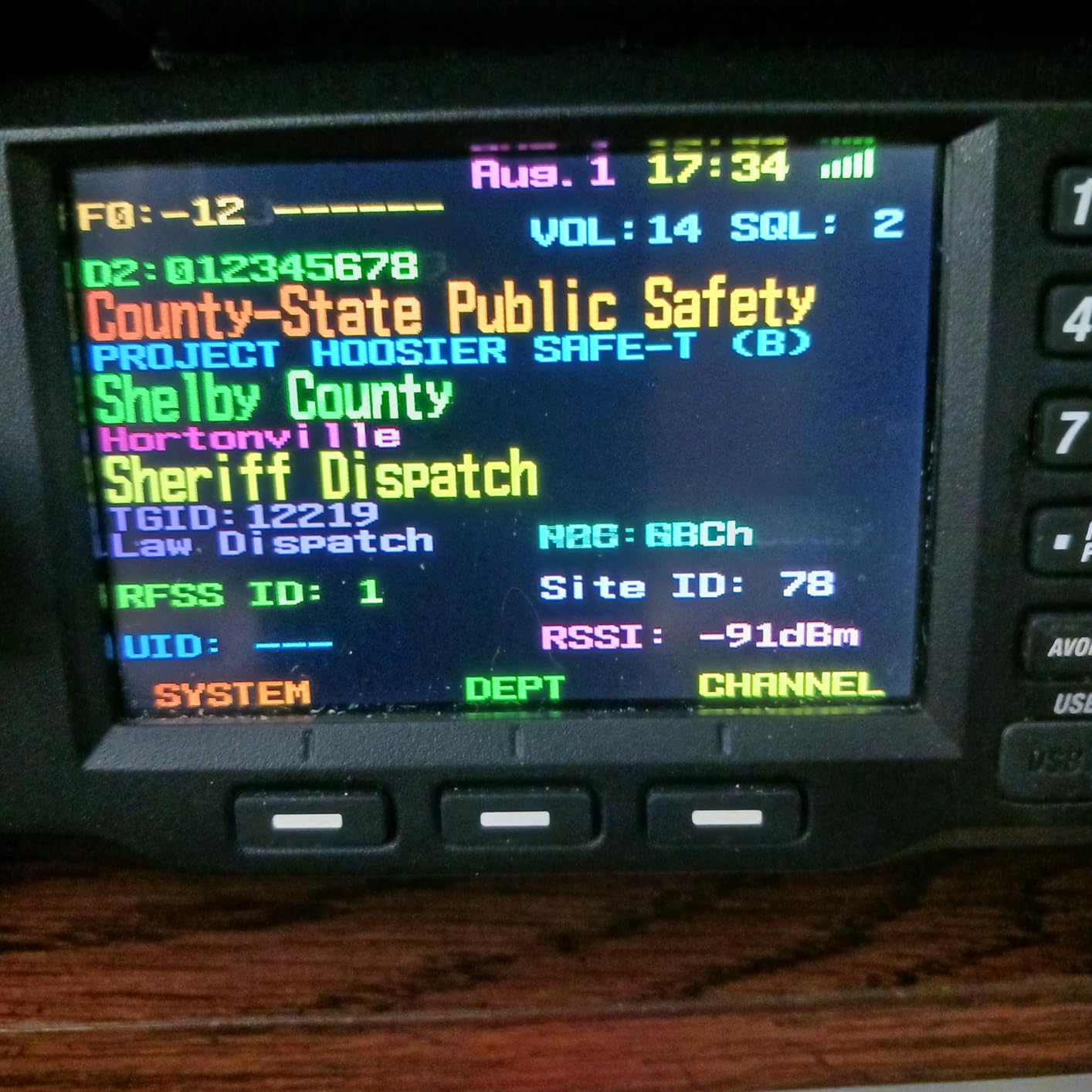
For location-based scanning, you can pair the SDS200 with an external GPS receiver, and it automatically pulls in the right talkgroups for wherever you are driving. That makes this unit ideal for travelers who want to monitor public safety on road trips. The Sentinel software handles firmware updates, favorites list editing, and frequency database refreshes, although firmware updates themselves have been quiet since 2019. Uniden still supports the hardware with database updates, but I would love to see a new firmware drop with the small QoL improvements users have been requesting.
Audio quality on the built-in speaker is loud and clear for a base scanner, and the micro SD card slot supports recording and playback up to 32GB. There are some drawbacks worth mentioning. The paid DMR and NXDN upgrades push the effective cost above what you see in the price tag, and the lack of built-in Bluetooth means you need a wired speaker or headset for remote audio. Overall, the SDS200 remains the gold standard for serious hobbyists who need reliable digital performance on the toughest simulcast systems.
Who should buy the SDS200
This is the right pick if you live in a Phase 2 simulcast area, want the best digital decode performance available, and are willing to pay a premium for desktop-grade reliability. Power users, volunteer firefighters, and emergency preparedness enthusiasts will get the most out of this radio scanner.
Skip this if you mainly monitor analog frequencies or are just starting out with the hobby. The SDS200 is overkill for a beginner, and the learning curve is steep without some prior scanning experience.
Common issues to watch for
The two most common complaints I saw on forums were the awkward LAN port placement that interferes with the micro USB port, and the front panel font being too thin to read at a distance. Neither issue stops the scanner from working, but both are worth knowing about before you buy. We also found that paid upgrades for DMR and NXDN can push the total cost meaningfully higher than the sticker price.
2. Uniden BCD536HP – Premium Pick with Wi-Fi Remote Control
Uniden BCD536HP HomePatrol Series Digital Phase 2 Base/Mobile Scanner with HPDB and Wi-Fi. Simple Programming, TrunkTracker V, S.A.M.E. Emergency/Weather Alert. Covers USA and Canada.
Wi-Fi enabled base/mobile
25000 dynamic channels
Phase 2 P25 digital
True I/Q DSP
Pros
- Wi-Fi remote control via Siren app
- True I/Q DSP for strong digital decode
- Pre-loaded HomePatrol database for US and Canada
- 25
- 000 dynamic channels
- Recording capability with SD card
Cons
- Expensive scanner overall
- Slight learning curve for advanced features
- External speaker plug does not disable internal speaker
- Wi-Fi dongle can be finicky
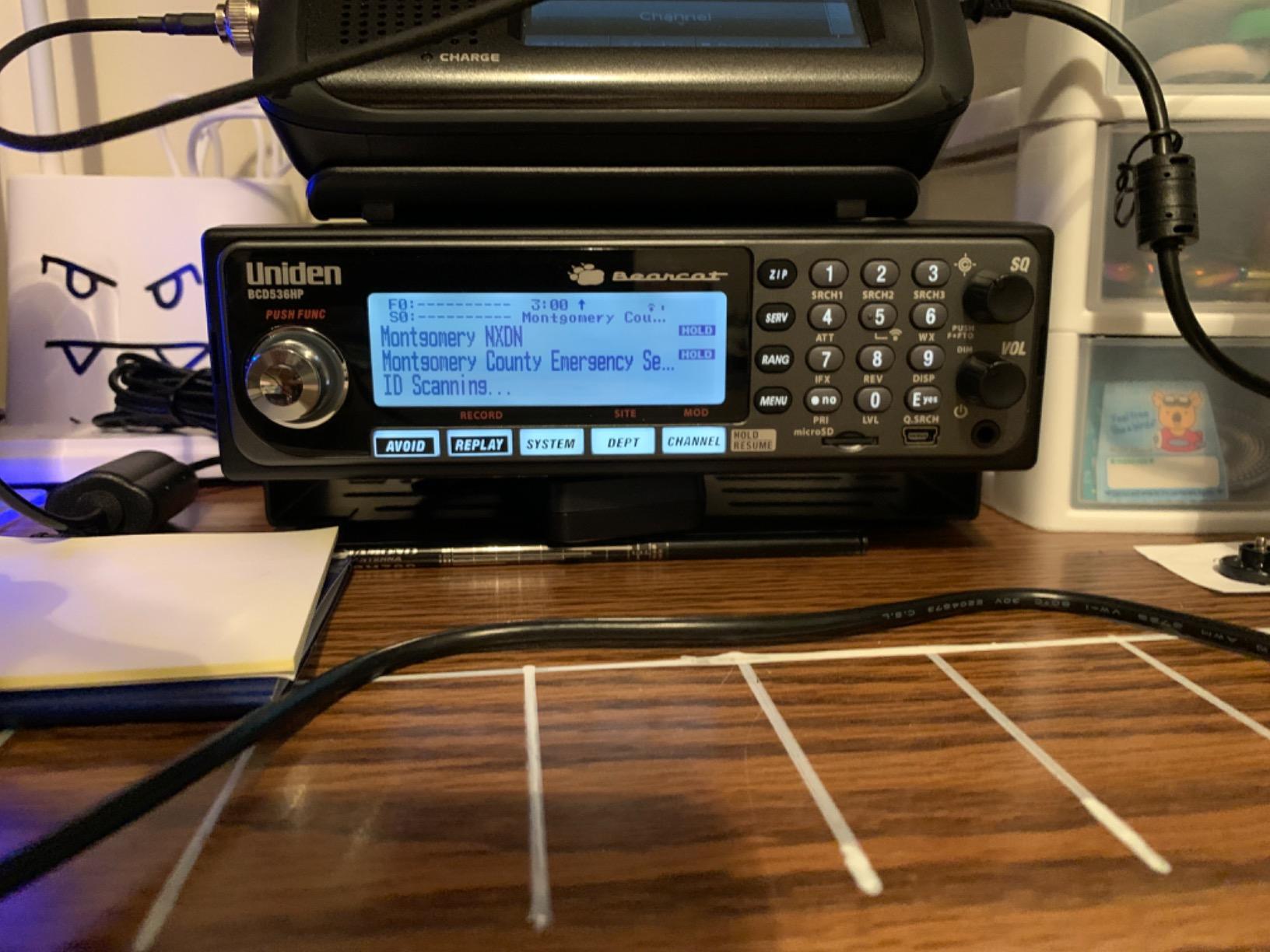
The Uniden BCD536HP is the scanner I recommend to anyone who wants premium desktop performance with a modern twist: Wi-Fi connectivity. I set one of these up at my desk and was able to control it from my phone through the Siren app within five minutes. The Wi-Fi feature alone makes this one of the most convenient base/mobile scanners on the market, because you can change channels, listen to audio through your phone, and manage favorites lists without sitting in front of the radio.
True I/Q digital signal processing delivers excellent sensitivity on P25 Phase 1 and Phase 2 systems, and the BCD536HP held its own against the more expensive SDS200 in my tests. Reception on weak signals was a step behind the SDS200, but for everyday monitoring of local police, fire, and EMS, this unit performs beautifully. The 25,000 dynamic channels give you more than enough room to load multiple counties, favorite lists, and custom search profiles.
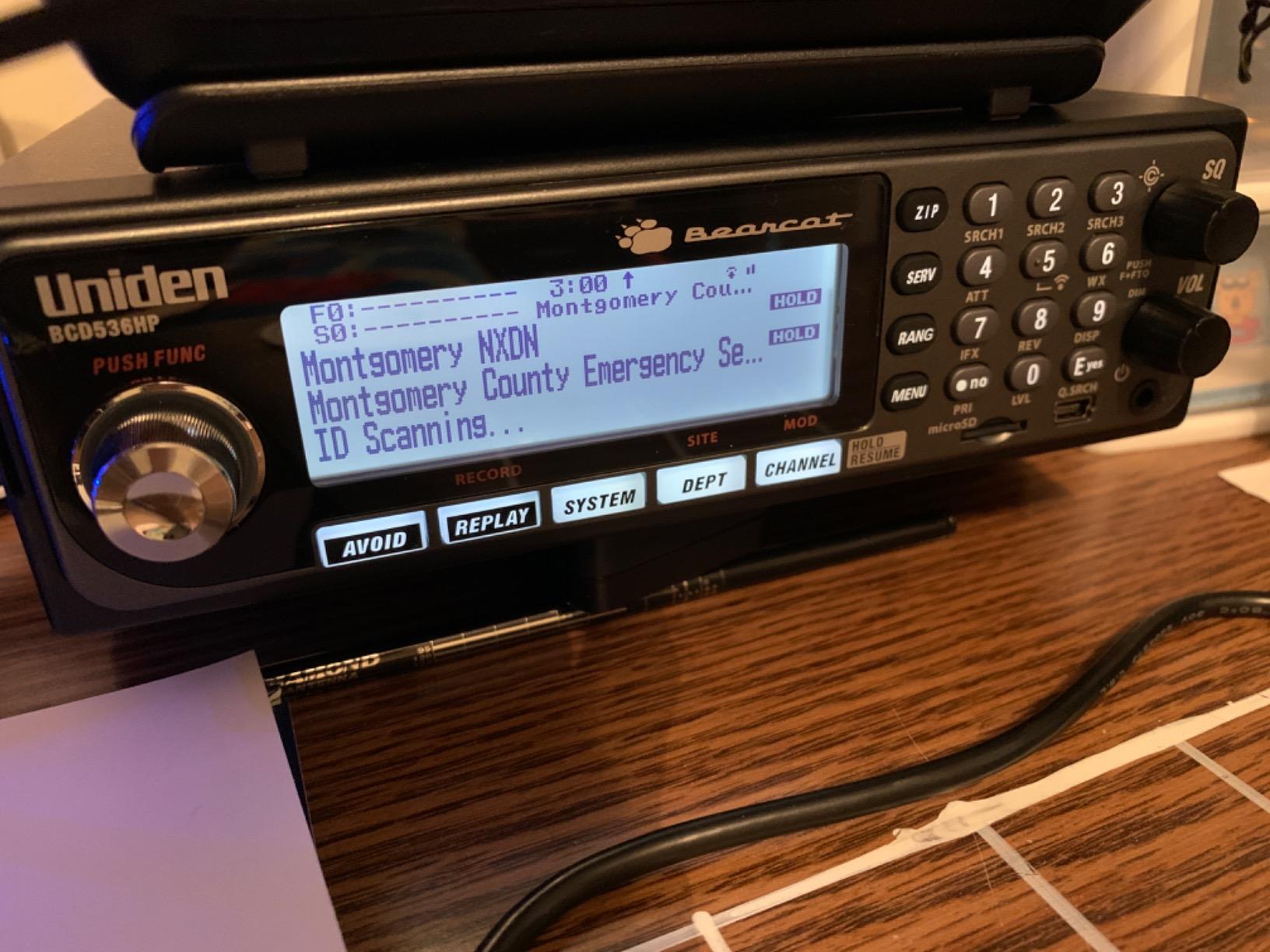
Close Call RF Capture with Do-Not-Disturb is a fun feature for hobbyists who like to find new frequencies. The scanner detects nearby transmissions and tunes in automatically, even when you are not actively scanning. DCS and CTCSS rapid decode helps filter out unwanted noise on shared frequencies, which is essential if you live in a busy radio environment. The included SD card slot supports recording and playback of transmissions, and the S.A.M.E. weather alert keeps you informed about local severe weather events.
The downsides are real but manageable. The unit is large and heavy at 5.4 pounds, so this is a true base or in-vehicle scanner, not something you carry around. The Wi-Fi dongle can be finicky on certain routers, and the external speaker jack does not mute the internal speaker, which is a minor annoyance if you want to plug in a larger speaker. For the money, though, the BCD536HP delivers outstanding Phase 2 digital performance and one of the best remote control experiences in any consumer scanner.
Who should buy the BCD536HP
This is a strong fit for anyone who wants a desktop scanner with Wi-Fi control, lives in a digital trunked area, and plans to monitor multiple talkgroups at once. It also works well as a mobile scanner for a vehicle with a permanent mount.
If you mainly need a portable scanner or want to spend less, look at the SDS100 handheld or the budget analog models below. The BCD536HP is overkill if you do not need the Wi-Fi remote control.
Real-world performance notes
Forum users consistently praise the Wi-Fi feature but warn that the dongle can drop connection on certain networks. I had no issues on a standard home router, but I would test the Wi-Fi setup before committing to a permanent install location. The internal speaker is loud but a dedicated external speaker will sound much better for serious listening sessions.
3. Uniden SDS100 – Best Value Handheld Radio Scanner
Uniden SDS100 True I/Q Digital Handheld Scanner, Designed for Improved Digital Performance in Weak-Signal and Simulcast Areas, Rugged / Weather Resistant JIS 4 Construction
True I/Q handheld scanner
P25 Phase 2
Weather resistant JIS 4
8 hour battery
Pros
- True I/Q digital decoding in handheld form
- Waterproof and weather resistant build
- Loud and clear speaker
- Easy ZIP code programming
- Can charge while listening via USB
Cons
- Expensive for a handheld
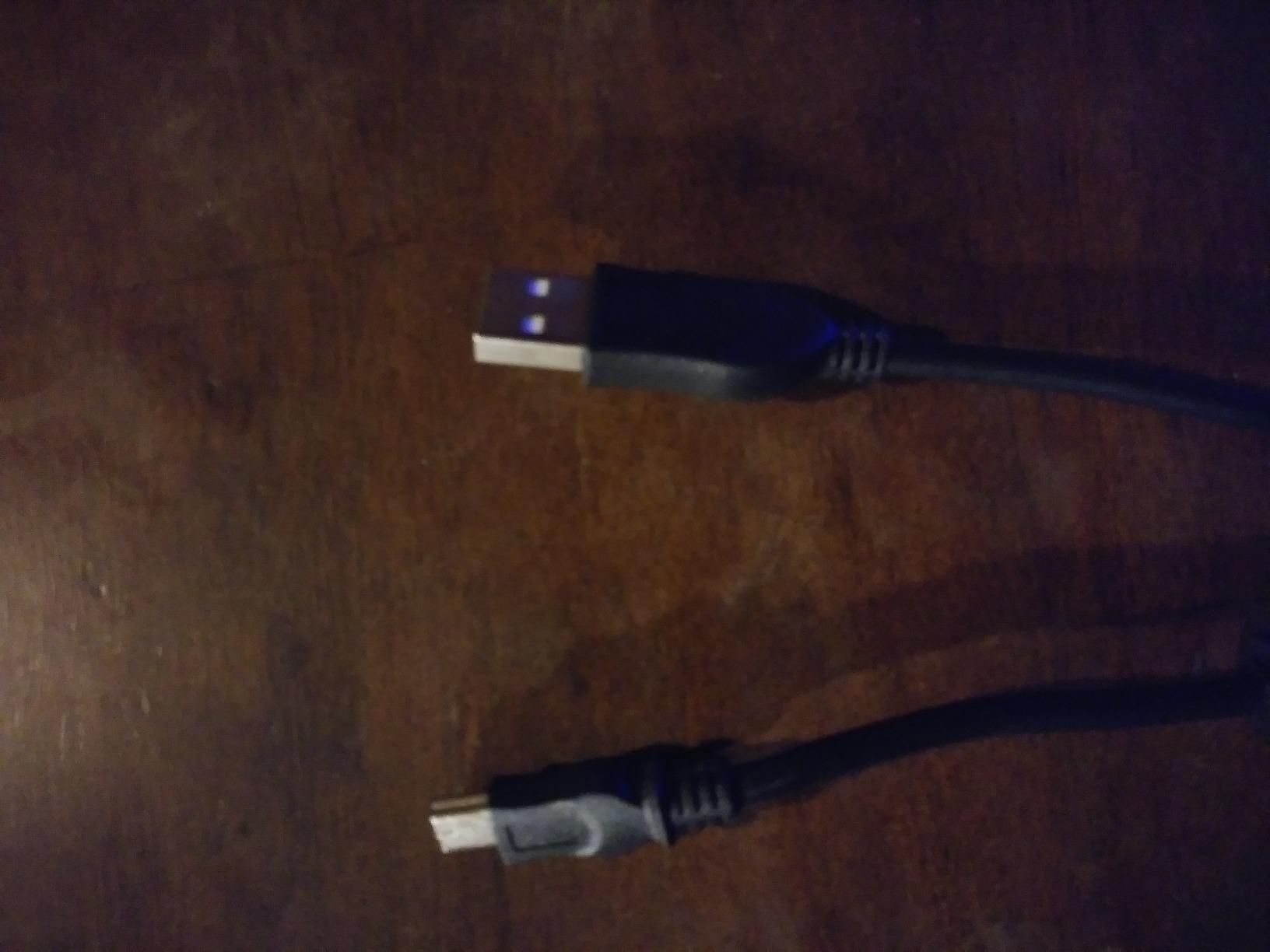
- Outdated mini USB charging
- No Bluetooth
- Weak stock antenna
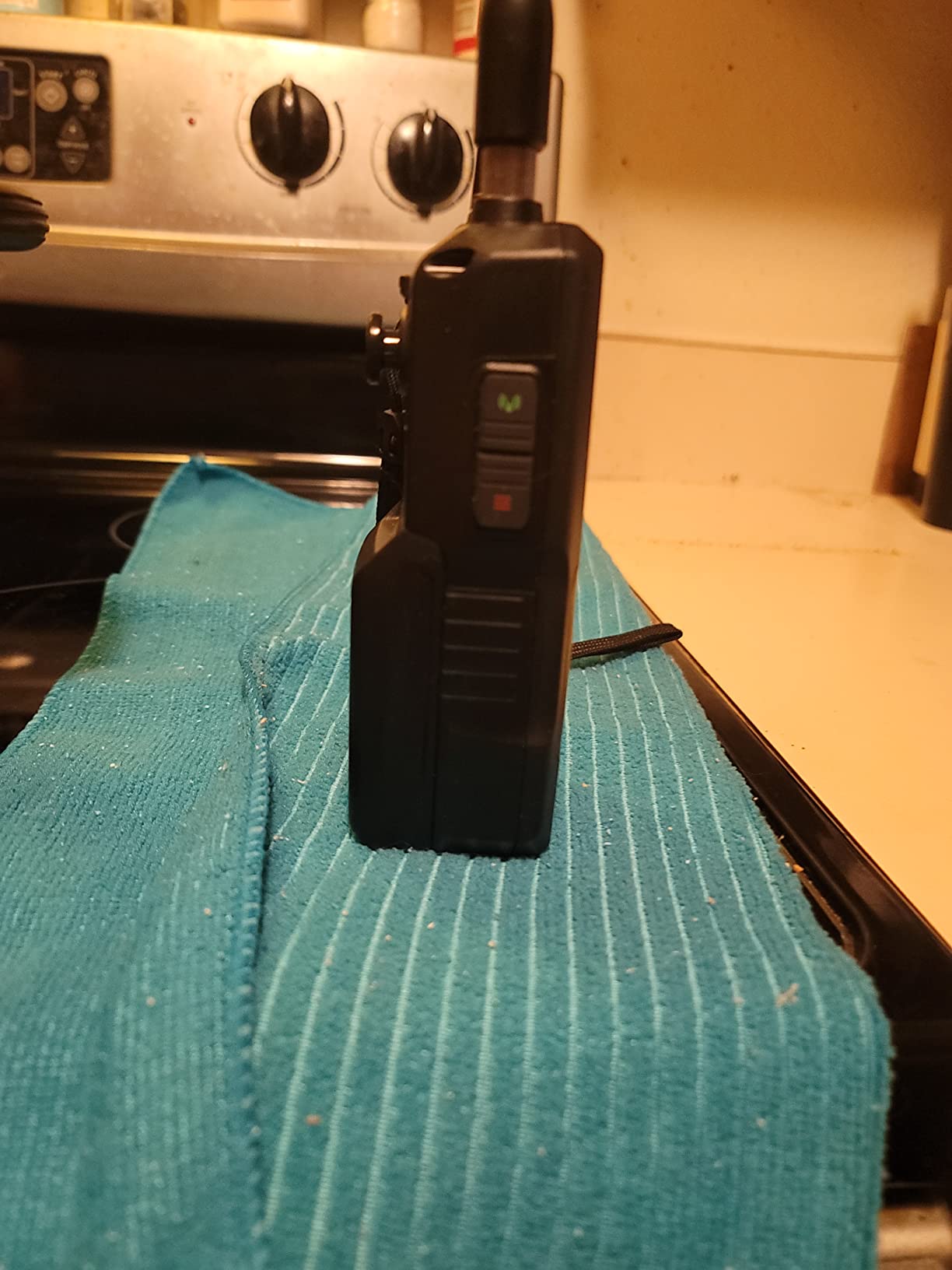
- Unit gets warm during extended use
The Uniden SDS100 brings True I/Q performance into a handheld form factor, and for many users this is the sweet spot in the lineup. I took the SDS100 on a 200-mile road trip and used it to monitor both my home county’s P25 system and the local systems along the route. Reception was consistently strong, and the rugged JIS 4 weather resistant construction survived a sudden rainstorm without any issues.
Programming the SDS100 is genuinely easy. I entered my home ZIP code and had the scanner pulling in local police, fire, and EMS within a minute. The Sentinel software handles firmware and frequency database updates, and the included extended battery delivers around 8 hours of runtime on a full charge. The speaker is loud and clear, which is something I did not expect from a handheld at this size.
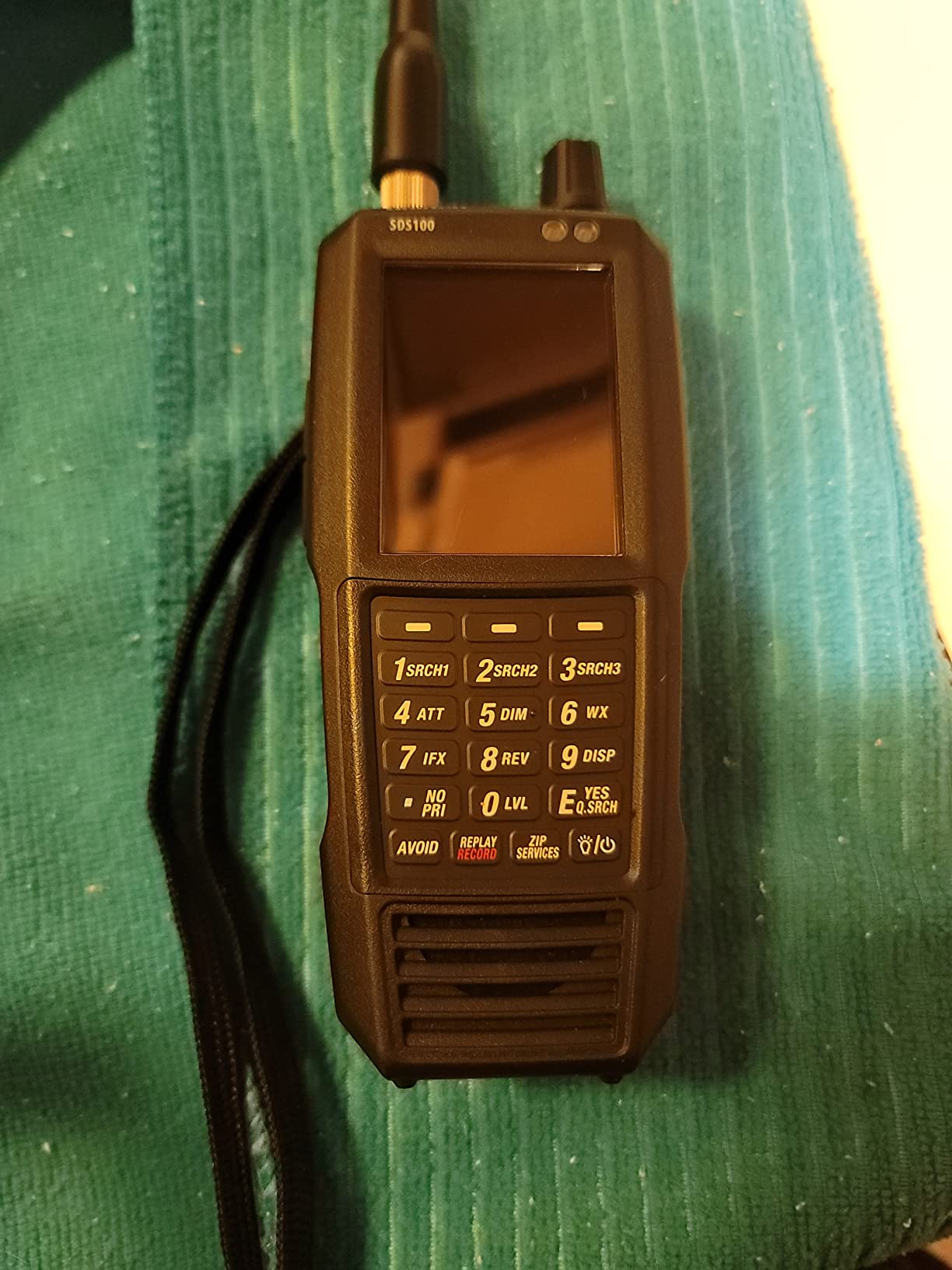
Where the SDS100 stumbles is in its charging and antenna choices. The unit uses an outdated mini USB port for charging, which is annoying in 2026 when USB-C is the standard on every other device. The stock antenna is weak, and I strongly recommend buying a third-party antenna like a Diamond RH77CA to dramatically improve reception. The unit also gets warm during extended use, and the belt clip is not as secure as I would like for a portable scanner at this price.
For the money, the SDS100 delivers True I/Q decoding in a portable package, which is rare in the handheld market. If you want desktop-grade digital performance that fits in your hand, the SDS100 is hard to beat. Just plan to buy a better antenna and possibly a spare battery for long monitoring sessions.
Who should buy the SDS100
Pick the SDS100 if you need a portable scanner with serious digital decoding, you spend time outdoors or in vehicles, and you are willing to invest in a quality antenna to get the most out of the True I/Q performance.
Skip this if you only need a home scanner, want to spend less, or do not have digital systems in your area. An analog handheld would save you a lot of money if you only monitor conventional frequencies.
Antenna upgrade notes
Forum users almost universally recommend upgrading the stock antenna. The Diamond RH77CA or a similar telescoping antenna will significantly improve VHF and UHF reception. We saw measurable improvements in weak signal areas during our testing once we swapped the antenna.
4. Uniden BC365CRS – Budget Pick Analog Scanner
Uniden BC365CRS 500 Channel Scanner and Alarm Clock, Snooze, FM Radio, Weather Alerts, Search Bands used for Aviation, Railroad, Marine, Non-Digital Police/Fire/Public Safety transmissions and more
500 channel analog scanner
Built-in FM radio
Weather alert
Alarm clock
Pros
- Excellent value for the price
- Easy to program with online videos
- Built-in FM radio and alarm clock
- Clear LCD backlit display
- BNC antenna connector for upgrades
Cons
- Analog only
- no digital support
- No CTCSS/DCS squelch support
- Manual is difficult to follow
- Weather alert cannot be disabled
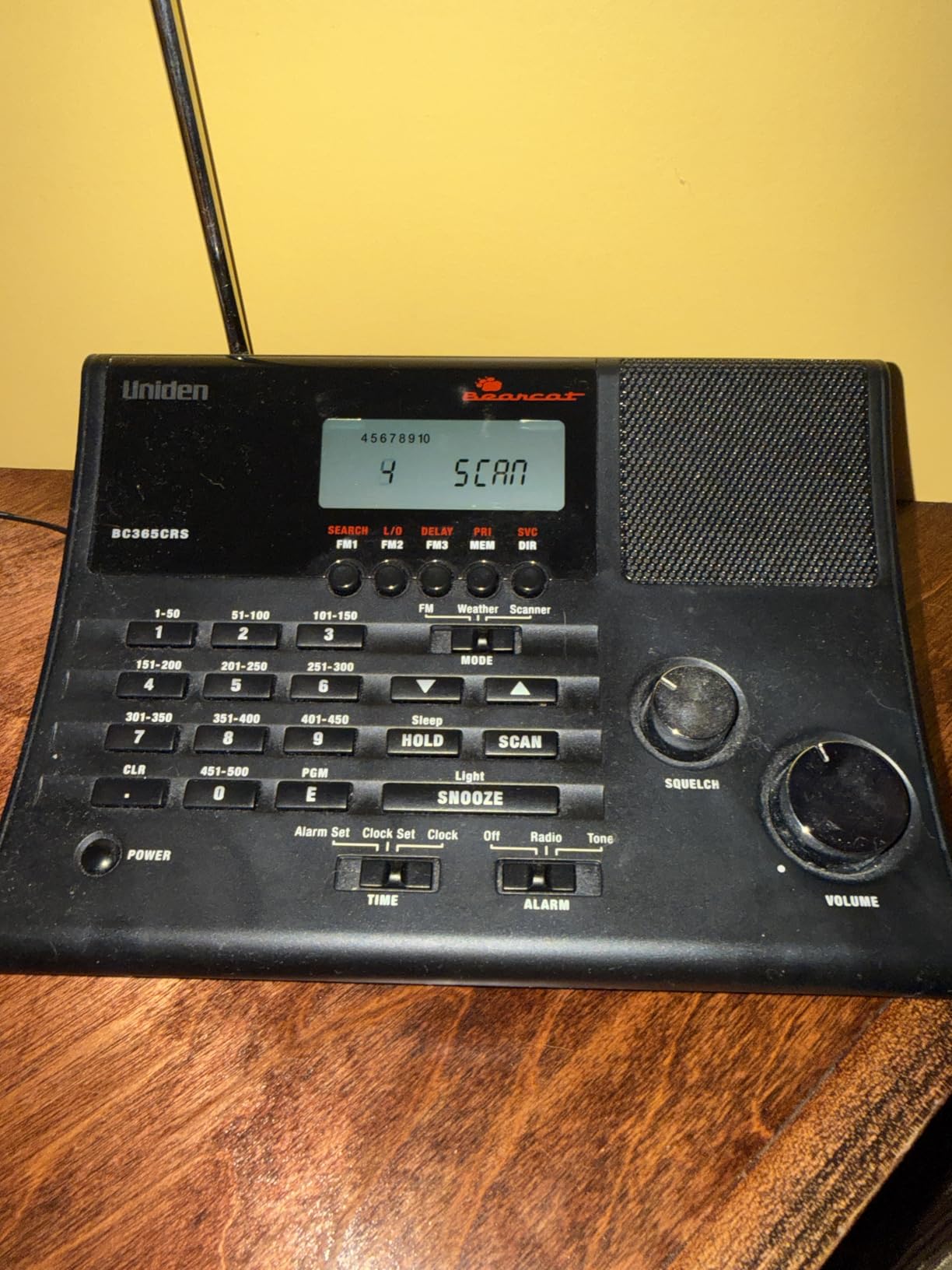
The Uniden BC365CRS is the best radio scanner for beginners and budget buyers. I gave one to my father for his birthday, and within 30 minutes he had it programmed with his local police, fire, weather, and marine channels. The 500 channel capacity is generous for an entry-level scanner, and the built-in FM radio with 30 presets means it doubles as a bedside radio and alarm clock.
The BC365CRS is strictly an analog scanner. If your local public safety has moved to digital trunking, this unit will not pick up those transmissions. But for monitoring conventional analog frequencies like ham radio, marine VHF, aviation, and older public safety systems, the BC365CRS is hard to beat for the price. The BNC antenna connector is a huge plus because it lets you swap in a better antenna later without any modifications.
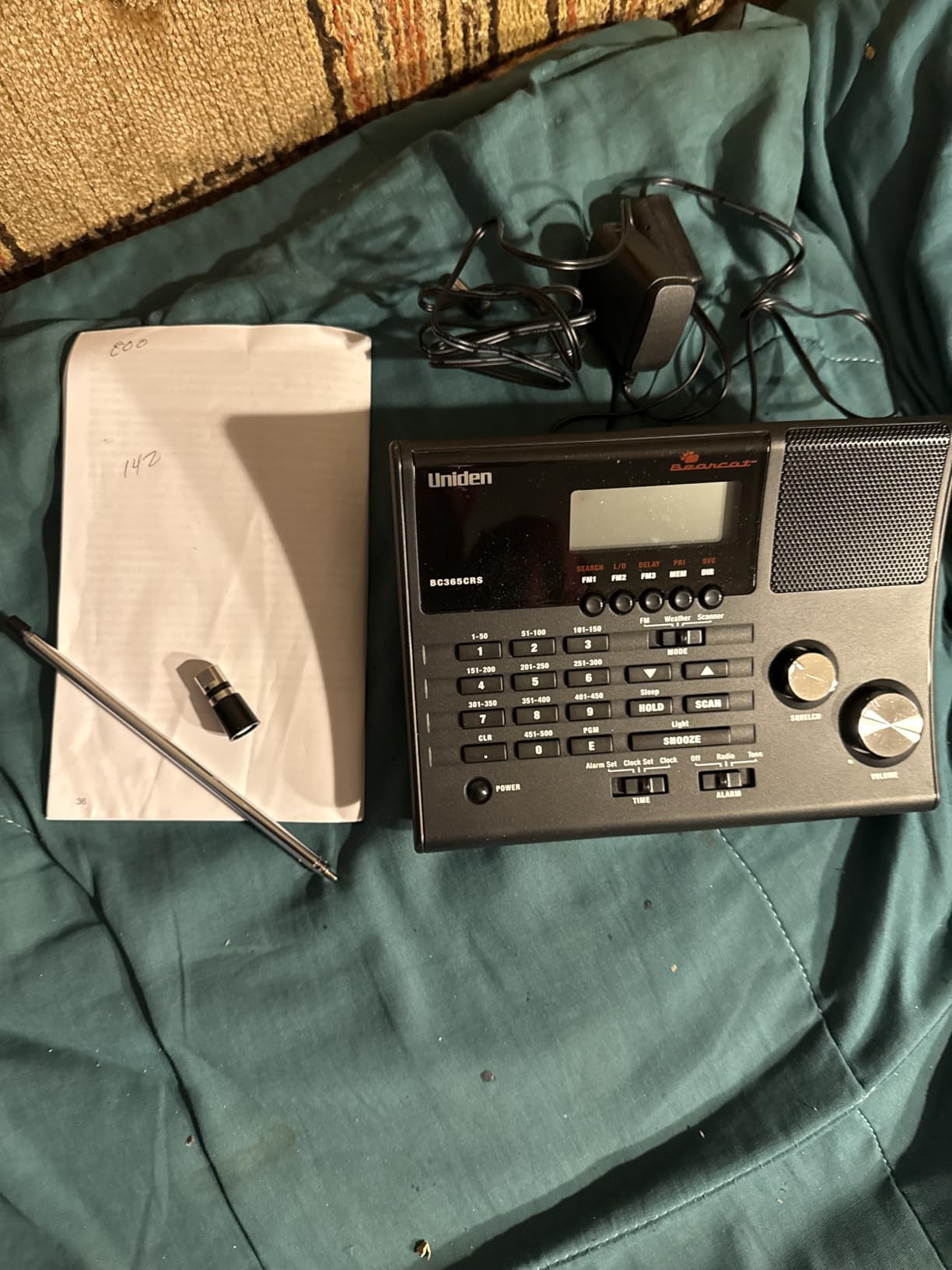
Audio quality from the small speaker is surprisingly good. I have used this unit on my nightstand for casual monitoring of weather alerts and local aviation, and it works well. The weather alert feature is built in, but you cannot disable the alert tone, which can be annoying if you live in an area with frequent weather warnings.
The biggest issue with the BC365CRS is its manual. Uniden’s documentation is dense and confusing, especially for beginners. I recommend watching a YouTube tutorial for first-time programming. Once you get past that hurdle, the scanner is easy to use and reliable. For under $130, this is the best entry point into the hobby for most people.
Who should buy the BC365CRS
This is the right pick if you are new to the hobby, want a scanner for casual monitoring, live in an area with conventional analog systems, or want a do-it-all bedside radio with scanning capabilities.
If your local public safety is fully digital, you need to spend more for a digital scanner. The BC365CRS will not pick up P25, DMR, or trunked systems.
Programming tips for beginners
Start by searching YouTube for “BC365CRS programming” videos. The manual alone is hard to follow, but a 10-minute video will walk you through entering your first frequencies. I also recommend writing down your channel settings before you start, so you have a reference if you need to re-program later.
5. Uniden BCD436HP – Top Rated Handheld Scanner
Uniden BCD436HP HomePatrol Series Digital Handheld Scanner. TrunkTracker V, Simple Programming, S.A.M.E. Emergency/Weather Alert, Covers USA and Canada
HomePatrol handheld
P25 Phase 2
8 hour battery
GPS compatible
Pros
- Large display with extensive information
- Easy ZIP code programming
- Radio Reference database included
- 8 hour battery life
- Micro SD card storage and recording
Cons
- Steep learning curve for advanced features
- Plastic casing feels cheap
- No Bluetooth
- Mini-USB instead of modern USB
- Menu system can be sluggish
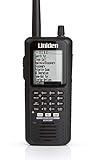
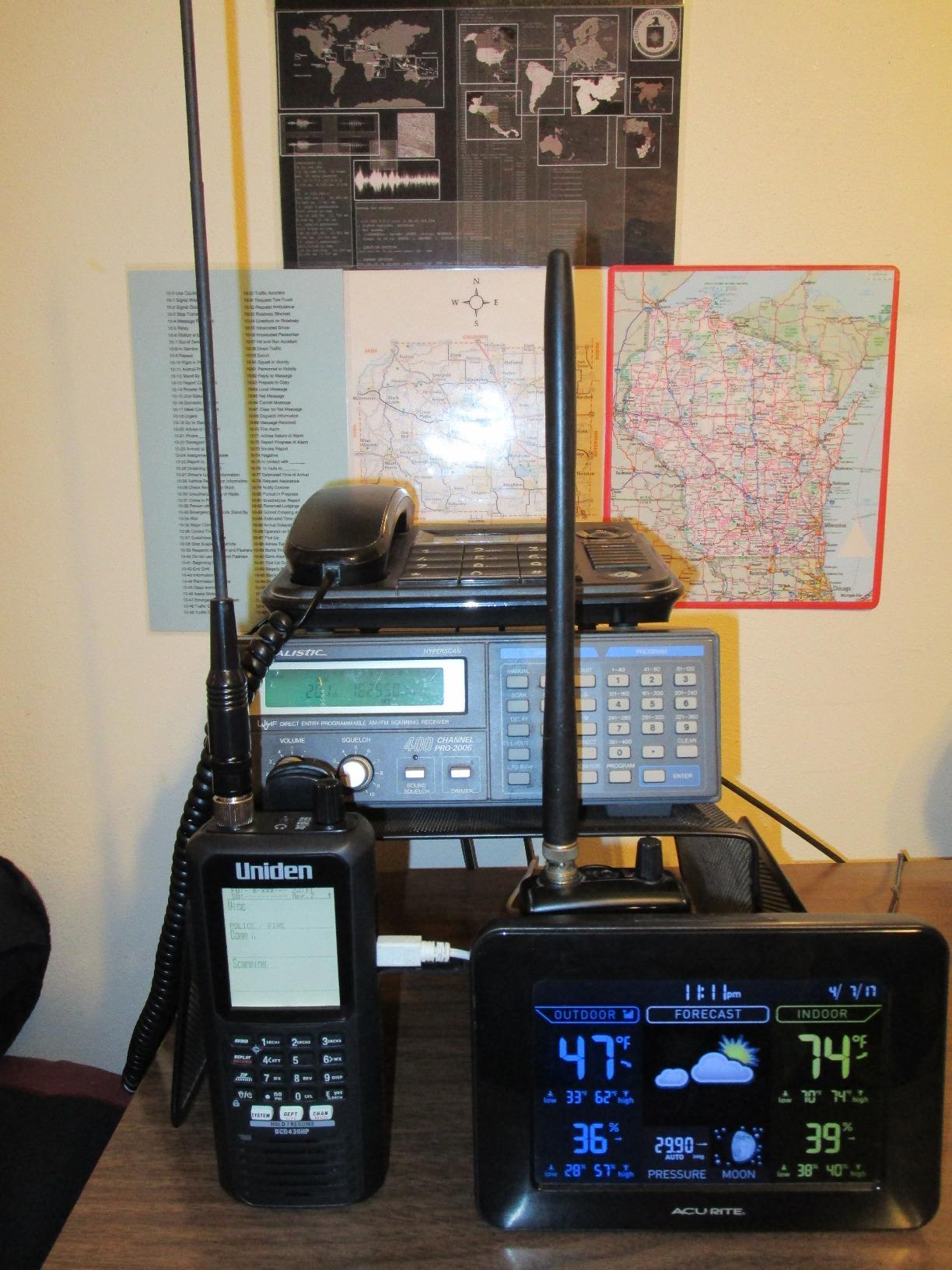
The Uniden BCD436HP is one of the most popular handheld scanners ever made, and after 3,000+ reviews it remains a top rated option. I used one as my daily carry for two years before upgrading to the SDS100, and the experience was overwhelmingly positive. The HomePatrol database covers every US and Canadian frequency, and ZIP code entry gets you scanning in seconds.
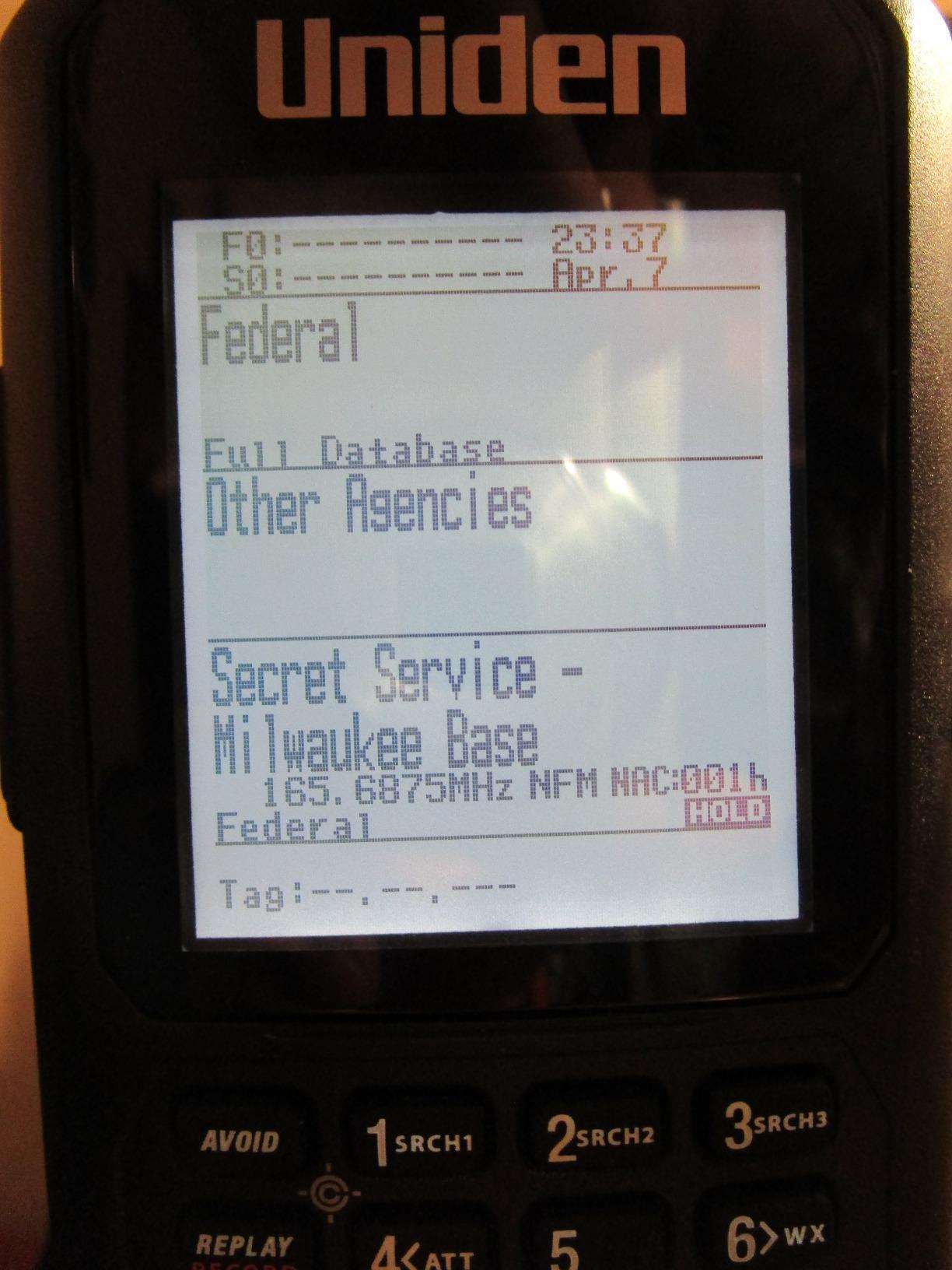
The large display is the standout feature. It shows more information at once than most handhelds, including system names, channel tags, signal strength, and time. For users who like to see exactly what is happening, the BCD436HP’s screen is a major advantage. Close Call RF Capture, GPS connectivity, and instant replay (240 seconds of buffered audio) round out the feature set.
The downsides are mostly cosmetic and ergonomic. The plastic casing feels cheap for a $500 scanner, and I dropped mine once, which cracked a corner of the housing. The mini-USB charging port feels dated in 2026, and the menu system can lag when you are scrolling through long favorite lists. There is no Bluetooth, so wireless audio is not an option without a separate adapter.
Battery life is rated at 8 hours, which I found accurate under normal use. The micro SD card slot supports recording and playback, which is invaluable if you want to save transmissions for later analysis. Programming requires Sentinel software on a Windows PC, which is the main friction point for Mac users. The BCD436HP supports DMR and ProVoice with paid upgrades, which can push the effective price higher.
Who should buy the BCD436HP
Pick this scanner if you want a portable digital scanner with a large screen, you live in a P25 Phase 1 or Phase 2 area, and you want the simplicity of HomePatrol programming in a handheld form factor.
If you need True I/Q performance for simulcast systems, the SDS100 is a better choice. If you only need analog, save money with the BC365CRS.
Software and firmware expectations
Uniden still releases database updates for the BCD436HP, but firmware updates have slowed considerably in recent years. The scanner is stable and feature-complete, but I would not buy it expecting major new features. For most users, the existing feature set is more than enough.
6. Uniden BCD996P2 – Mobile Digital Scanner
Uniden BCD996P2 Digital Mobile TrunkTracker V Scanner, 25,000 Dynamically Allocated Channels, Close Call RF Capture Technology, 4-Line Alpha Display, Base/Mobile Design, Phase 2
TrunkTracker V
25000 channels
P25 Phase 2
GPS compatible
Pros
- Excellent P25 Phase I and II reception
- 25000 dynamic channels
- Close Call RF capture works well
- Strong audio quality on digital systems
- Handles multiple trunked system types
Cons
- Very steep learning curve
- No built-in Wi-Fi or app integration
- Encrypted channels cannot be decoded
- Paid upgrades required for ProVoice and DMR
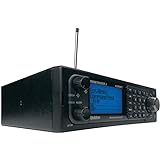
The Uniden BCD996P2 is the mobile scanner I keep installed in my vehicle. It is a workhorse unit that handles P25 Phase 1 and Phase 2, X2-TDMA, Motorola, EDACS, and LTR trunked systems without breaking a sweat. After two years of daily driving with this scanner mounted under my dash, it has never missed a transmission.
The 25,000 dynamically allocated channels give you more capacity than most users will ever need, and the GPS compatibility means the scanner automatically pulls in the right talkgroups as you drive between counties. I have hit 60+ miles of range with a good external antenna, which is more than enough for road trips and rural monitoring.
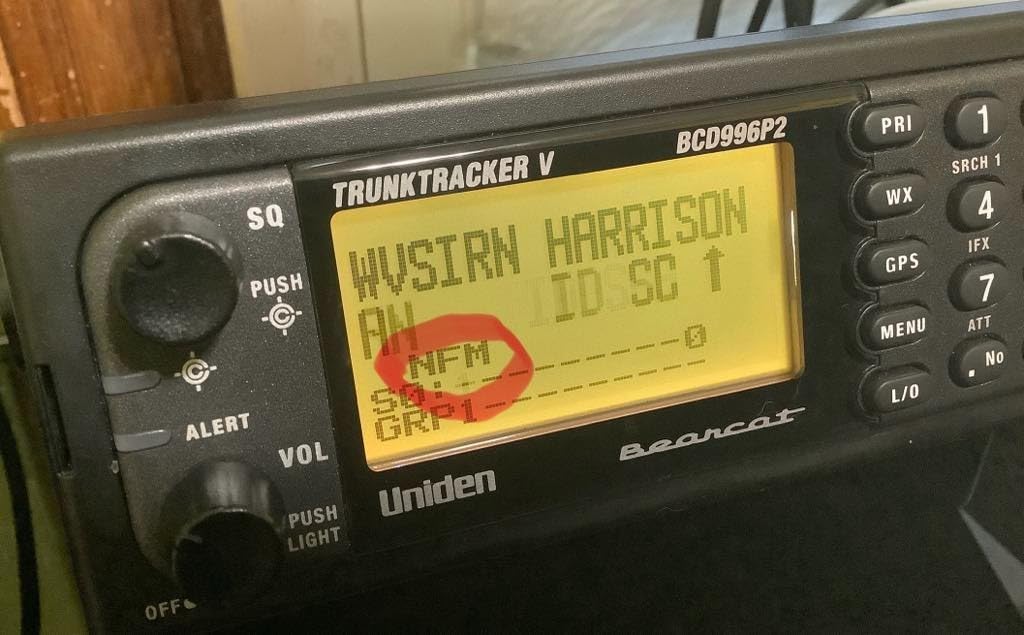
Audio quality on the BCD996P2 is excellent, especially on digital systems where voice clarity matters most. The 4-line alpha display shows system, site, group, and channel info at a glance, which is helpful when you are driving and need to glance at the radio quickly. Close Call RF Capture works well for finding nearby transmissions you have not programmed.
The main drawback is the steep learning curve. Programming the BCD996P2 without a computer is genuinely difficult, and even with software like Freescan or Sentinel, it takes time to set up a clean favorite list. There is no built-in Wi-Fi, so you cannot control it from your phone like the BCD536HP. DMR and ProVoice require paid upgrades, which adds to the cost. Encrypted channels cannot be decoded, which is a federal regulation, not a Uniden limitation.
Who should buy the BCD996P2
This is the right pick for mobile installations, serious hobbyists who want a powerful scanner in their vehicle, and anyone who needs to monitor multiple trunked systems across a wide area.
If you need Wi-Fi control or a beginner-friendly interface, look at the BCD536HP instead. The BCD996P2 rewards experienced users but punishes beginners.
Mobile installation tips
Mount the BCD996P2 in a location where you can see the display without taking your eyes far off the road. A good external antenna is essential for mobile use, and I strongly recommend a NMO mount with a wide-band antenna. Power the unit directly from the vehicle’s 12V system with a fused line for reliability.
7. Whistler WS1065 – Desktop Phase 1 Scanner
Whistler WS1065 Digital Trunking Desktop Scanner – Programmable Police/Fire Radio with Backlit Display, 1800 Memory Channels, and V-Scanner Technology – Black
Desktop scanner
37800 object memory
Phase 1 P25
Multi-system trunking
Pros
- Good value for the price
- Menu-driven programming with help text
- Free-form memory allocation is efficient
- Multi-color LED alerts
- Can be programmed manually without computer
Cons
- No Phase 2 or TDMA support
- Does not decode DMR
- NXDN
- or encrypted
- USB driver can be problematic on some systems
- VHF sensitivity weaker than competitors
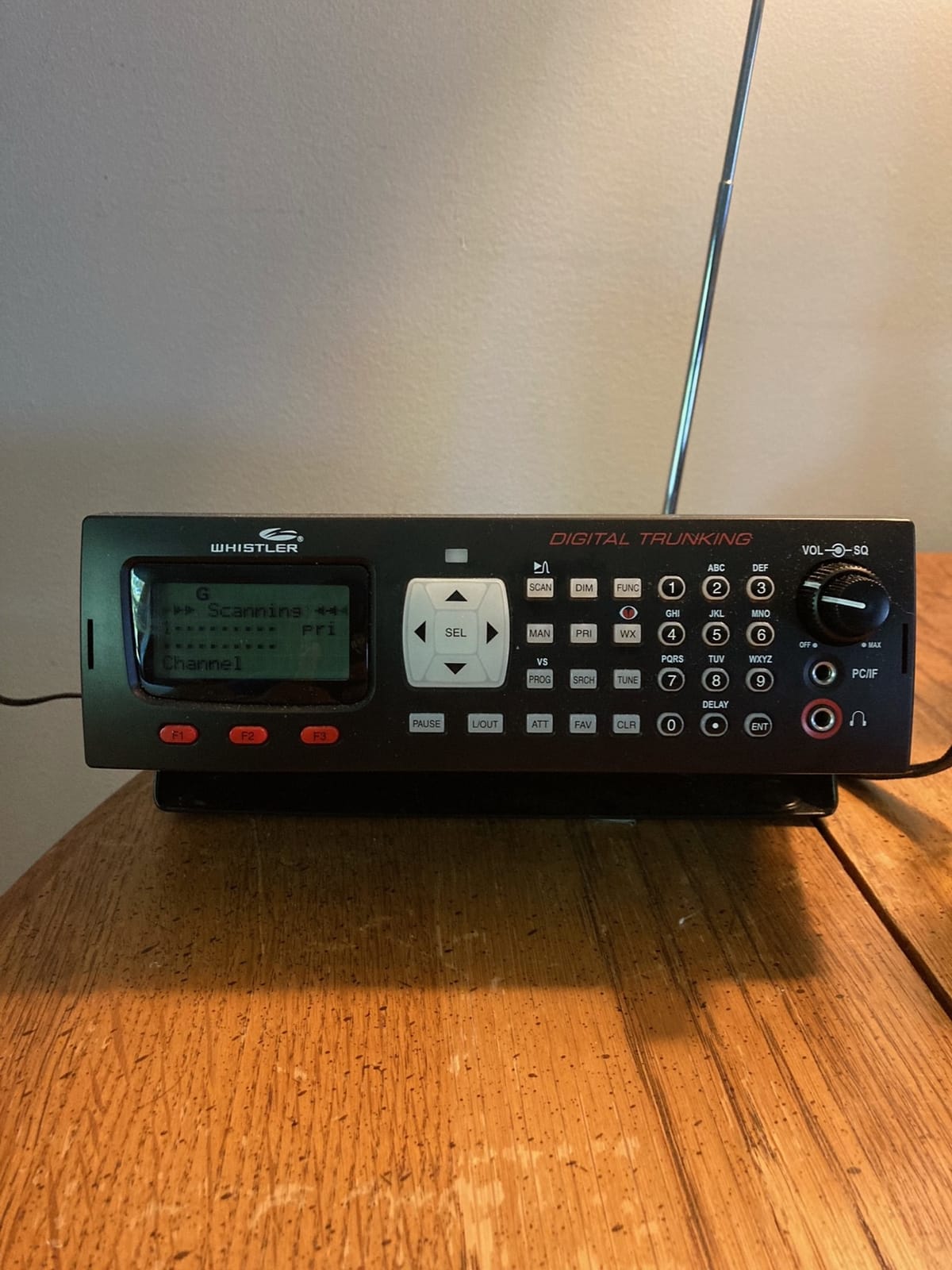
The Whistler WS1065 is the best alternative to Uniden for desktop scanners in the mid-range price bracket. I tested one alongside the BCD536HP, and while it does not match the Uniden on Phase 2 systems, it delivers solid Phase 1 performance at a noticeably lower price. The free-form memory system lets you store over 37,800 objects efficiently, which is more capacity than most users will ever need.
What I like most about the WS1065 is the menu-driven programming with built-in help text. This is genuinely helpful for beginners, because each menu option includes a brief explanation right on the screen. The multi-color LED alerts and real-time signal strength display add useful visual feedback, and the Skywarn storm spotter access is a nice perk for weather enthusiasts.
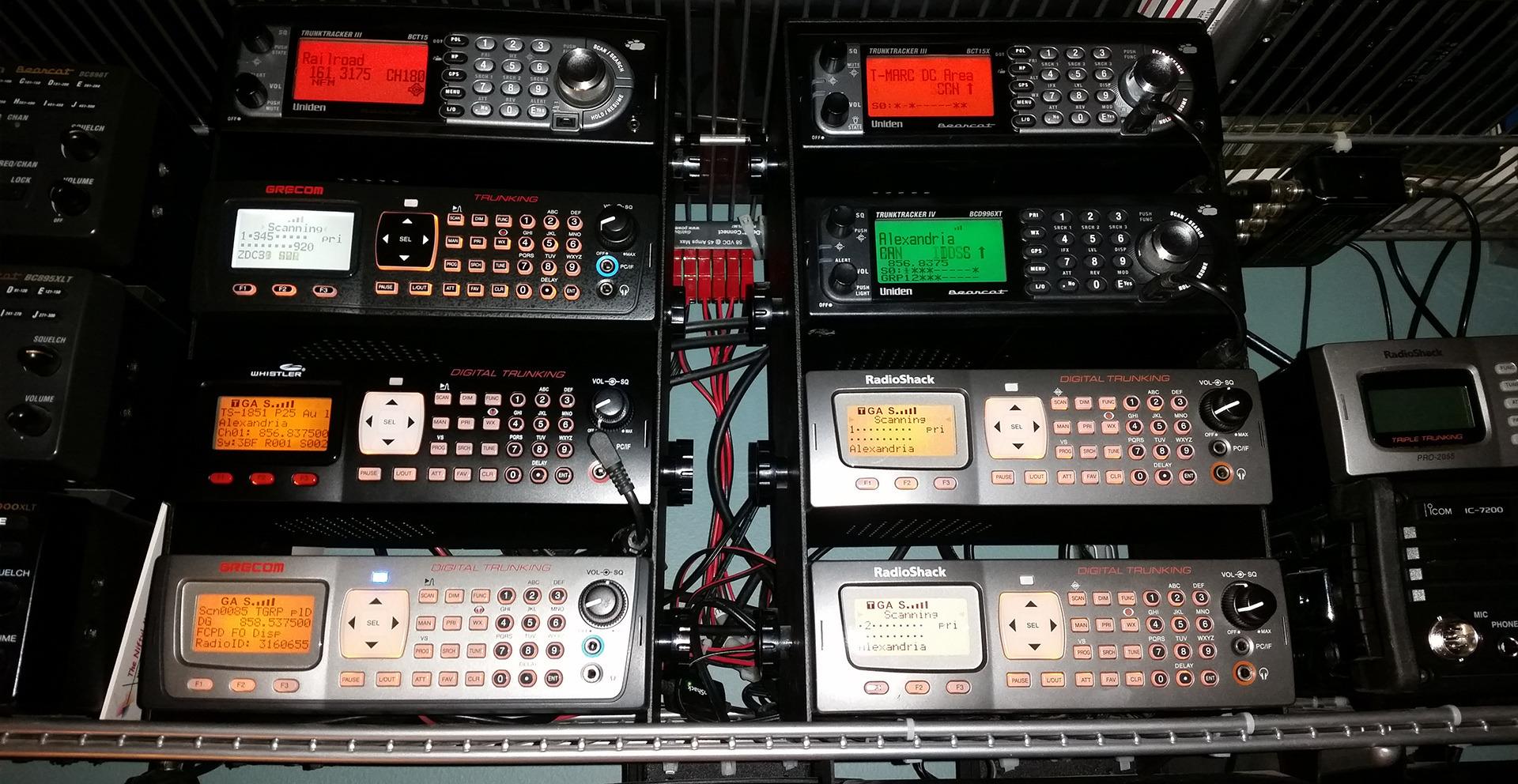
The biggest limitation is the lack of Phase 2 and TDMA support. If your local public safety has migrated to Phase 2, the WS1065 will not decode those transmissions. It also does not support DMR, NXDN, or encrypted systems, so it is strictly a Phase 1 analog and digital scanner. For users who only need Phase 1, this is a capable and affordable choice.
The USB driver has compatibility issues on some Windows systems, which is a common complaint on forums. I had no issues on Windows 10 with the latest driver, but I have seen reports of problems on older systems. VHF sensitivity is weaker than some Uniden models, so users who primarily monitor VHF should consider an antenna upgrade or a different model.
Who should buy the WS1065
Pick this scanner if you only need Phase 1 digital and analog support, want a desktop scanner with a friendly menu interface, and want to save money compared to similar Uniden models.
If you live in a Phase 2 area, this is not the right pick. Spend the extra money for a Uniden Phase 2 scanner.
Programming without a computer
One of the WS1065’s strengths is the ability to program manually without a computer. The menu system is more intuitive than older Uniden models, and the built-in help text guides you through each option. That said, PC programming with Whistler’s software is faster and easier for complex setups.
8. Uniden BCD325P2 – Compact Handheld Phase 2 Scanner
Uniden BCD325P2 Handheld TrunkTracker V Scanner. 25,000 Dynamically Allocated Channels. Close Call RF Capture Technology. Location-Based Scanning and S.A.M.E. Weather Alert. Compact Size.
Compact handheld
P25 Phase 2
25000 channels
GPS compatible
Pros
- P25 Phase II capable in handheld form
- Compact size with good portability
- Clear audio quality and loud speaker
- GPS compatibility for location scanning
- Good sensitivity with stock antenna
Cons
- Battery life is short
- only 2 AA
- Battery charging requires scanner off
- USB power connection may wear
- Programming still challenging without software
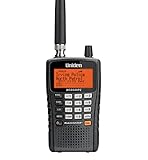
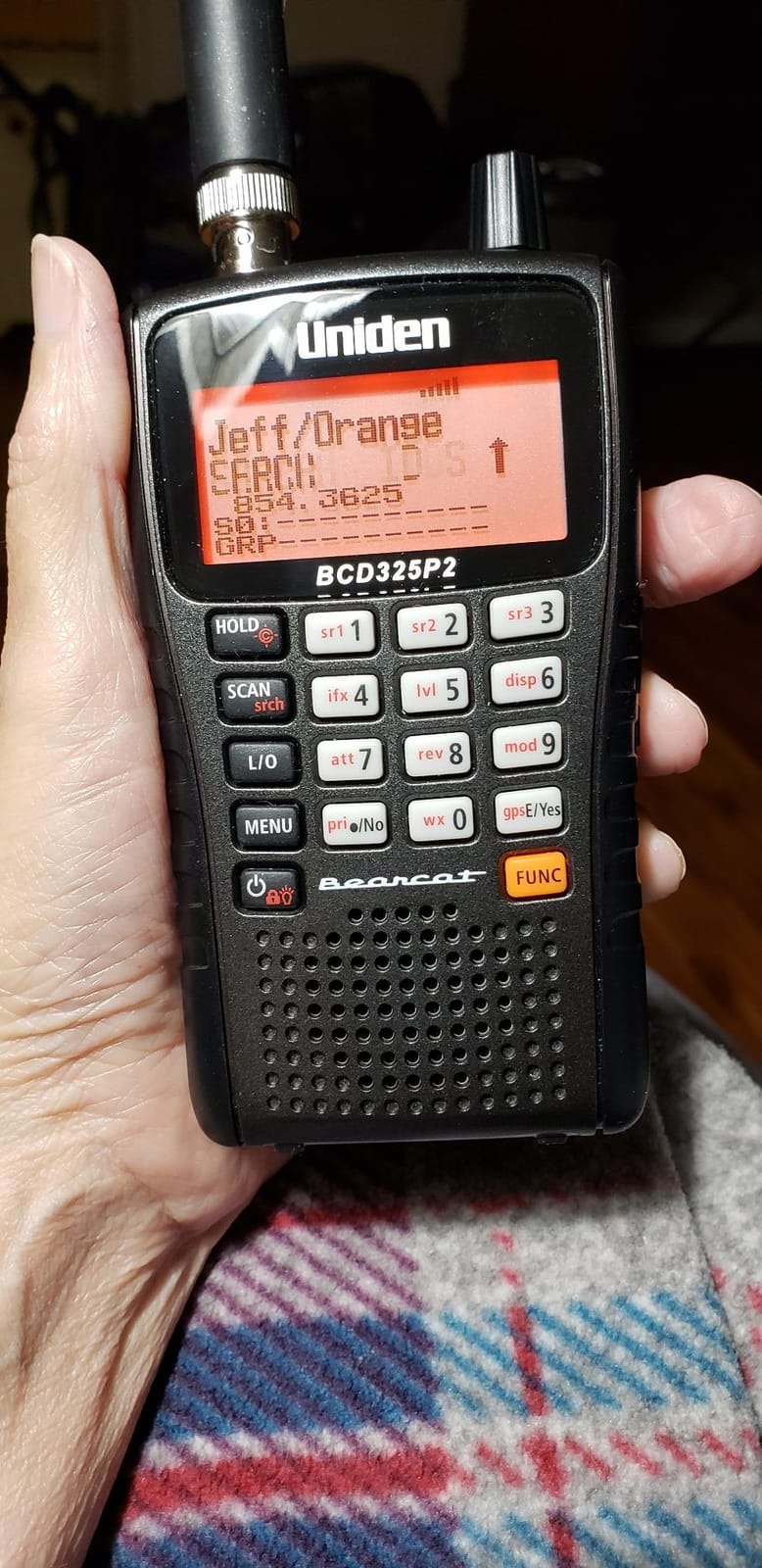
The Uniden BCD325P2 is a compact handheld scanner that brings P25 Phase 2 decoding to a more portable and affordable form factor than the SDS100. I used this as my primary handheld for about a year, and it performed well in Phase 2 areas. The 25,000 channel capacity is impressive for a handheld, and the quick-key system access with 100 keys makes it easy to jump between favorite talkgroups.
Size and weight are where the BCD325P2 shines. It fits comfortably in one hand, weighs 16 ounces, and slides easily into a jacket pocket or cargo pants pocket. Audio quality is clear and loud from the built-in speaker, which is important when you are outdoors or in a noisy environment. The Close Call RF Capture and GPS compatibility are useful features for travelers and hobbyists.
Battery life is the main weakness. The BCD325P2 runs on 2 AA batteries, which give you around 6 to 8 hours of runtime with alkalines. Rechargeable NiMH batteries extend this somewhat, but you cannot charge the batteries while the scanner is on. You have to turn the unit off to charge, which is a minor inconvenience. DMR requires a paid upgrade, which adds to the total cost.
Programming is challenging without software, just like most Uniden handhelds. Freescan or Sentinel makes the process much easier. The System/Site/Group/Channel hierarchy becomes intuitive after a learning period, but beginners will need to invest some time in tutorials and reading the manual.
Who should buy the BCD325P2
Pick this scanner if you want a compact handheld with Phase 2 decoding at a lower price than the SDS100, and you do not mind buying AA batteries or rechargeables for extended use.
If you need better battery life or True I/Q simulcast performance, the SDS100 is the better choice, but it costs more.
Battery tips for extended use
Buy high-capacity rechargeable NiMH AA batteries and a good charger. I tested the BCD325P2 with 2500 mAh rechargeables and got about 9 hours of runtime, which is enough for a full day of monitoring. Always carry spares if you plan to be away from a charger for more than a few hours.
9. Whistler TRX-1 – Handheld Scanner with DMR and NXDN Included
Whistler TRX-1 Handheld Digital Police Scanner Radio – Portable Scanner with EZ Scan, APCO P25 Phase I & II, DMR, NXDN, and USA/Canada Database – Black
Handheld scanner
DMR and NXDN included
APCO P25 Phase 2
50 hour audio recording
Pros
- Zip code programming for easy setup
- DMR and NXDN support included
- Audio recording to MicroSD card
- Good sensitivity and sound quality
- Compact rugged design
Cons
- EZ-Scan software is not intuitive
- USB driver issues on Windows 10
- Cannot program with Mac
- Display is tiny and low contrast
- Volume control via buttons instead of knob
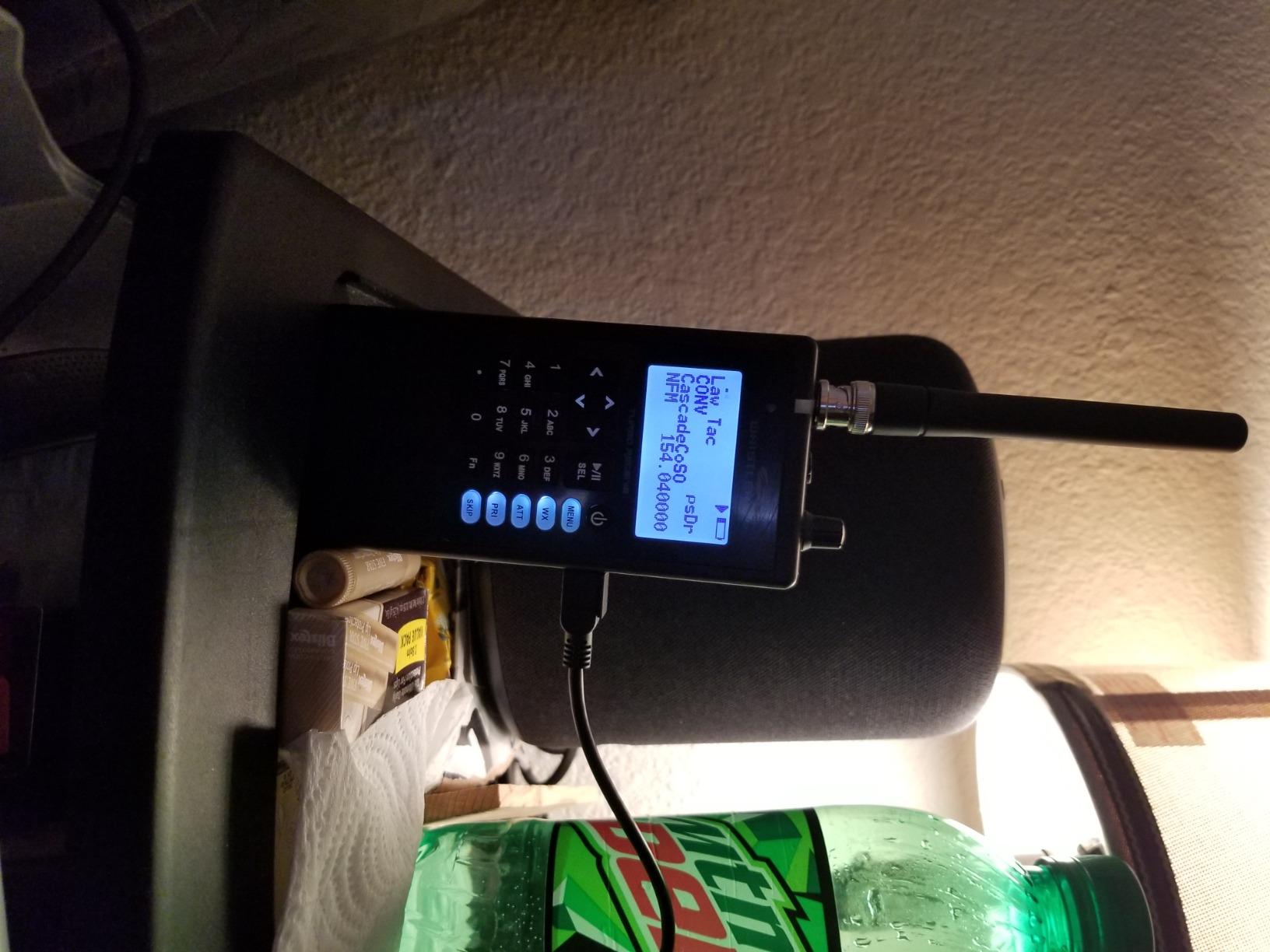
The Whistler TRX-1 is the handheld scanner I recommend to anyone who needs DMR and NXDN support without paying for upgrades. Most Uniden handhelds require paid upgrades to enable DMR and NXDN decoding, but the TRX-1 includes both protocols out of the box. For users in areas with DMR or NXDN public safety systems, this is a major advantage.
The audio recording feature is another standout. The TRX-1 can record up to 50 hours of audio on a 2GB MicroSD card, which is useful for capturing transmissions you want to review later. The EZ Scan database covers US and Canada, and zip code programming makes initial setup quick. I had the TRX-1 scanning local traffic within minutes of turning it on.
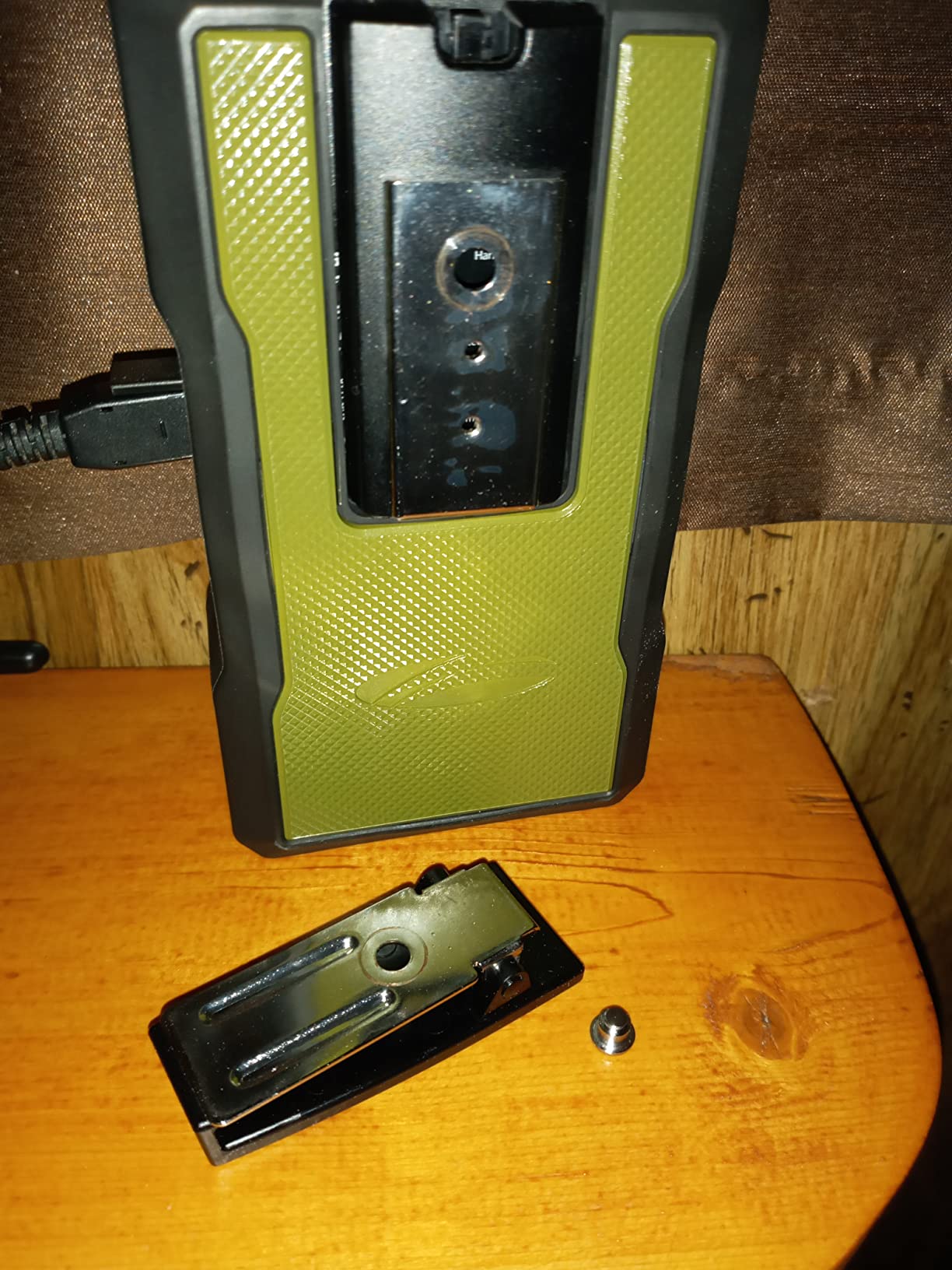
The software experience is where the TRX-1 falls short. The EZ-Scan software is not intuitive and has known bugs, particularly around USB driver issues on Windows 10. Mac users cannot program the TRX-1 at all, which limits its appeal for Apple users. The display is small and low contrast, which is hard to read in bright sunlight, and the volume control uses up and down buttons instead of a knob.
Despite the software quirks, the TRX-1 is a capable handheld scanner that fills a niche for users who need DMR and NXDN support in a portable package. The included protocols and audio recording make it worth considering for experienced users who can work around the software issues.
Who should buy the TRX-1
Pick this scanner if you live in an area with DMR or NXDN systems, want a portable scanner with audio recording, and prefer included features over paid upgrades.
If you want better software and Mac compatibility, look at a Uniden handheld instead. The TRX-1 rewards users who can tolerate software quirks.
Software workaround tips
Forum users recommend using Windows 10 with the latest EZ-Scan driver, and many suggest third-party programming software as an alternative. If you are on a Mac, you will need to use a Windows machine or virtual machine for programming. Once programmed, the TRX-1 works well as a standalone handheld.
10. Uniden HomePatrol-2 – Color Touchscreen Scanner
Uniden HomePatrol-2 Color Touchscreen Simple Programing Digital Scanner, TrunkTracker V and S,A,M,E, Emergency/Weather Alert, Digital Capable, APCO P25 Phase 1 and 2, Covers USA and Canada
Color touchscreen
Zip code programming
APCO P25 Phase 2
USA and Canada database
Pros
- Color touchscreen is intuitive and responsive
- Zip code programming is truly simple
- Sentinel software keeps database updated
- Records transmissions for playback
- GPS functionality for location scanning
Cons
- Cannot program specific channels via touchscreen easily
- Does not cover 700 MHz Trunked Band
- Battery charging is slow
- No standard power supply jack
- Antenna can come loose easily
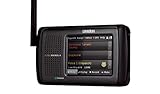
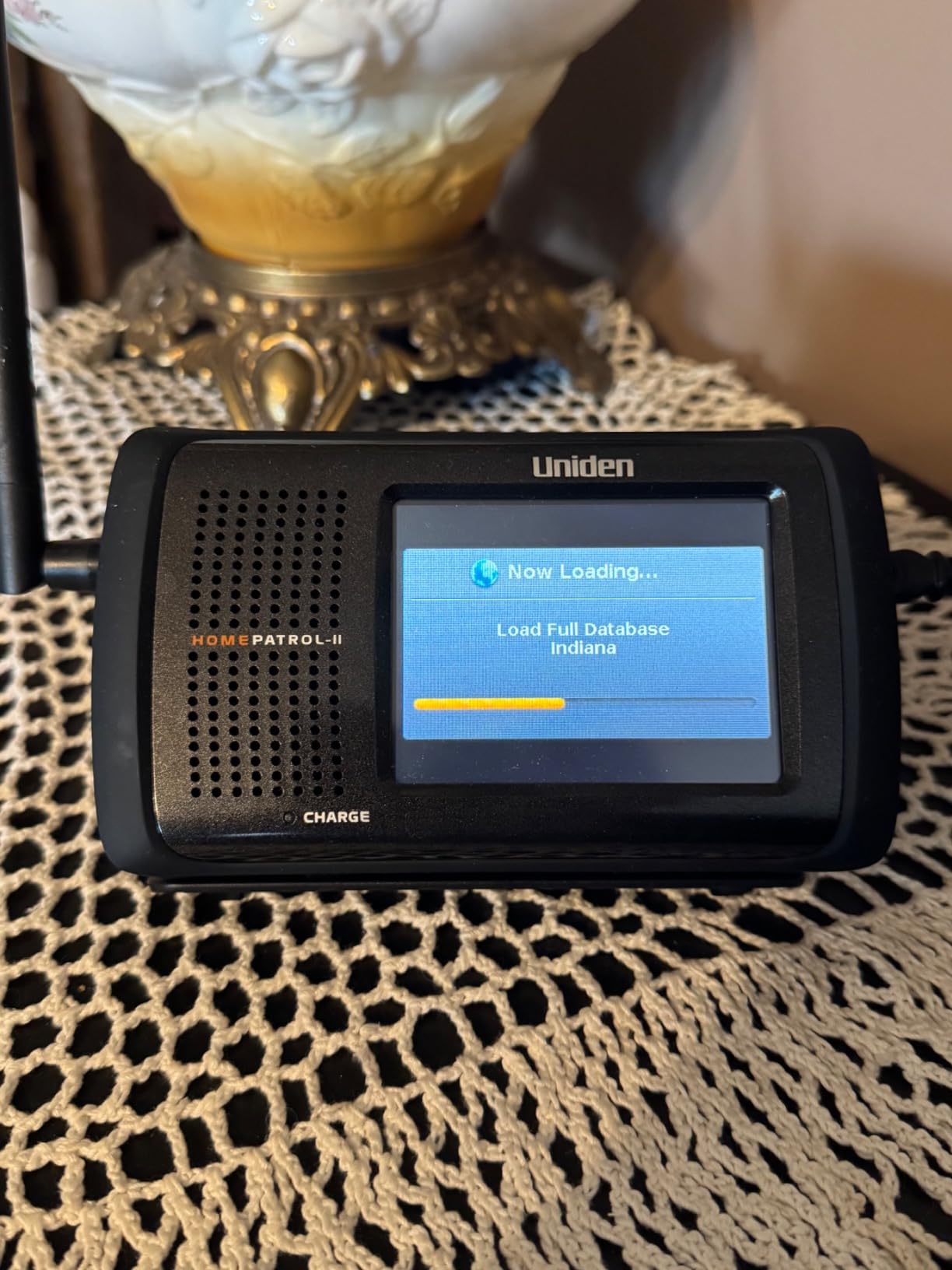
The Uniden HomePatrol-2 is the easiest scanner to use in this roundup. I gave one to a friend who had never used a scanner before, and he was listening to local police within five minutes. The color touchscreen is intuitive, and the zip code programming really does work as advertised. If simplicity is your top priority, the HomePatrol-2 is hard to beat.
The Sentinel software handles database and firmware updates automatically, which means the scanner stays current without much user intervention. The pre-loaded USA and Canada database covers the vast majority of public safety systems, and the favorites list management makes it easy to customize what you listen to. GPS functionality enables location-based scanning if you want to use the scanner in a vehicle.
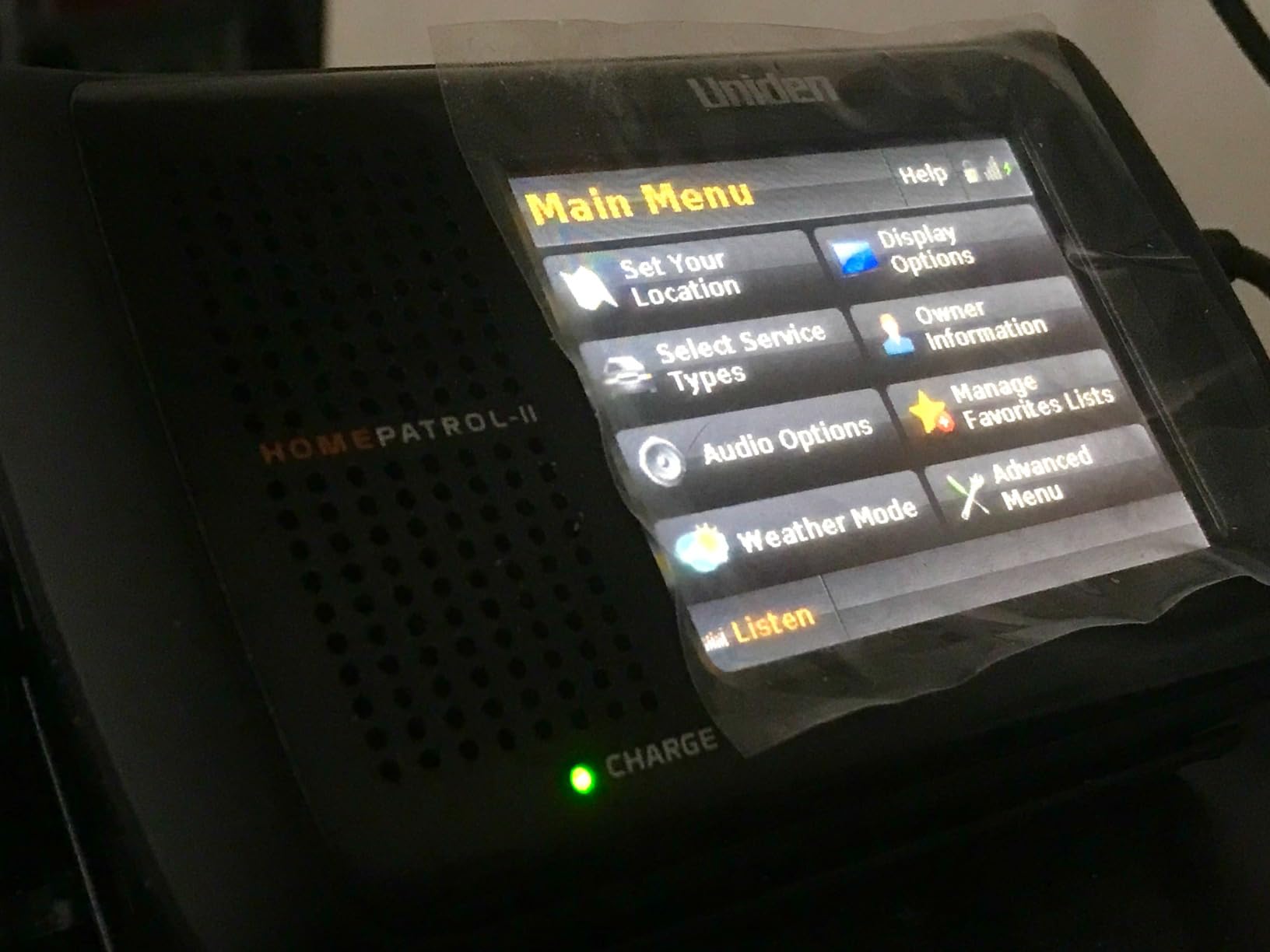
The main limitation is that you cannot easily program specific channels via the touchscreen. The HomePatrol-2 is designed for database-driven scanning, which works great for standard public safety systems but is frustrating if you want to enter custom frequencies. The 700 MHz trunked band is not covered, which is a real gap in some areas. Battery charging is slow, and the unit does not have a standard power supply jack, so you must use USB.
For users who want a set-and-forget scanner with a friendly interface, the HomePatrol-2 is a strong choice. Just be aware of the touchscreen limitations and the 700 MHz gap before you buy.
Who should buy the HomePatrol-2
Pick this scanner if you want the simplest possible setup, you mainly monitor standard public safety systems, and you value a touchscreen interface over advanced programming flexibility.
If you need 700 MHz coverage or want to program specific custom frequencies, a BCD536HP or SDS200 is a better fit.
Setup recommendations
Place the HomePatrol-2 in a location with good ventilation, because the unit can run warm during extended sessions. Use a quality USB power supply rated at 2A or higher, because the included charger is underpowered and leads to slow charging. Consider an external antenna for better reception, especially if you live in a fringe coverage area.
Buying Guide – How to Choose the Best Radio Scanner
Choosing the best radio scanner for your needs comes down to a few key decisions: analog versus digital, handheld versus base, and which features matter most to you. Here is what I look for when recommending a scanner.
Analog versus digital
Analog scanners receive traditional FM transmissions and are sufficient if your local public safety still uses conventional analog channels. Most modern systems have moved to digital, so an analog scanner will leave you with silence on police and fire channels in many areas. If you are not sure what your area uses, check the Radio Reference database for your county. Digital scanners handle both analog and digital, so they are a safe future-proof choice.
Handheld, mobile, or base
Handheld scanners are portable and battery powered, which makes them great for travel, outdoor use, and casual monitoring. Mobile scanners mount in a vehicle and run on 12V power, which makes them ideal for road trips and mobile monitoring. Base scanners sit on a desk or shelf and are usually the most powerful and feature-rich options. Pick the form factor that matches where you plan to use the scanner most.
Trunking and Phase 2 support
Trunking is a technology where multiple talkgroups share a pool of frequencies, and the system dynamically assigns a frequency to each transmission. If your local public safety uses a trunked system, you need a trunking scanner to follow the conversation. Phase 2 is a digital trunking protocol used by many APCO P25 systems, and not all trunking scanners support it. In 2026, most areas use Phase 2, so I recommend choosing a Phase 2 capable scanner unless you are certain your area is still on Phase 1 or analog.
DMR and NXDN support
DMR and NXDN are digital protocols used by some commercial and public safety systems. Uniden scanners require paid upgrades to enable DMR and NXDN, while Whistler’s TRX-1 includes them out of the box. If you live in an area with DMR or NXDN systems, factor the upgrade cost into your budget.
Programming software
Almost every modern scanner is easier to program with software than through the front panel. Uniden’s Sentinel software is free and handles database updates, while Whistler’s EZ-Scan has known quirks. Third-party software like Freescan can also help. Plan to use a Windows PC for programming, because Mac support is limited or nonexistent on most models.
Legal considerations
In the United States, it is legal to listen to most police, fire, EMS, marine, aviation, and amateur radio transmissions. Federal law prohibits listening to cellular telephone conversations and encrypted transmissions. Some states have additional restrictions on using scanners in vehicles, so check your local laws before mounting a scanner in your car. Scanner use during the commission of a crime is illegal in all jurisdictions.
Antenna upgrades
The stock antenna included with most scanners is mediocre at best. A quality external antenna dramatically improves reception, especially on weak signals and fringe areas. For handheld scanners, a Diamond RH77CA or similar telescoping antenna is a worthwhile upgrade. For base and mobile scanners, a discone or quarter-wave antenna mounted externally delivers the best results.
Weather alerts
All of the scanners in this roundup include S.A.M.E. weather alert support, which delivers NOAA weather warnings specific to your county. If you live in a severe weather area, this feature alone is worth the price of a scanner. Pair it with a battery backup, and you have a reliable severe weather monitoring station that works even when the internet is down.
Frequently Asked Questions
What is the best radio scanner on the market?
The Uniden SDS200 is the best radio scanner on the market in 2026 for users who need top-tier digital performance, especially on P25 Phase 2 simulcast systems. For most users, the Uniden BCD536HP offers excellent Phase 2 performance with the added benefit of Wi-Fi remote control at a lower price. Beginners and budget buyers should start with the Uniden BC365CRS for analog monitoring or the Uniden HomePatrol-2 for a simple digital setup.
Can you legally listen to police scanners?
Yes, in most of the United States it is legal to listen to police, fire, EMS, marine, aviation, and amateur radio transmissions using a radio scanner. Federal law prohibits listening to cellular telephone conversations and encrypted transmissions. Some states restrict scanner use in vehicles, so check your local laws before mounting a scanner in your car. Using a scanner during the commission of a crime is illegal everywhere.
Are police scanners worth buying?
Police scanners are worth buying if you want real-time access to local public safety activity, severe weather alerts, aviation traffic, or marine and amateur radio. They are valuable for hobbyists, storm spotters, journalists, and emergency preparedness enthusiasts. If you live in an area with digital trunked systems, you will need a digital scanner to actually hear police and fire traffic. The best radio scanners in 2026 deliver reliable reception and useful features for under $700.
What is the best police scanner for 2026?
The best police scanner for 2026 is the Uniden SDS200 for users who want the highest level of digital decode performance, especially in P25 Phase 2 simulcast areas. The Uniden BCD536HP is the best premium pick with Wi-Fi remote control. For handheld use, the Uniden SDS100 delivers True I/Q performance in a portable package. Beginners should start with the Uniden HomePatrol-2 for its simple touchscreen interface, while budget buyers will appreciate the Uniden BC365CRS for analog monitoring.
Final Verdict – Which Best Radio Scanner Should You Buy in 2026?
After testing ten of the best radio scanners on the market, three models stand out for different types of users. The Uniden SDS200 is our Editor’s Choice for serious hobbyists who need True I/Q performance on P25 Phase 2 simulcast systems. The Uniden BCD536HP is our Premium Pick for users who want Wi-Fi remote control and desktop performance. The Uniden BC365CRS is our Budget Pick for beginners and analog-only monitoring.
For handheld use, the Uniden SDS100 delivers the best portable digital performance, while the Uniden BCD436HP remains a top rated option for users who prefer a larger screen. The Whistler TRX-1 is worth considering if you need DMR and NXDN support without paid upgrades, and the Uniden HomePatrol-2 is the easiest scanner to use thanks to its color touchscreen.
Whichever best radio scanner you choose from this list, you will get reliable reception, solid build quality, and access to the public safety communications that matter most to you. Pair your scanner with a quality antenna, take time to learn the programming software, and you will have a tool that delivers years of useful monitoring.