
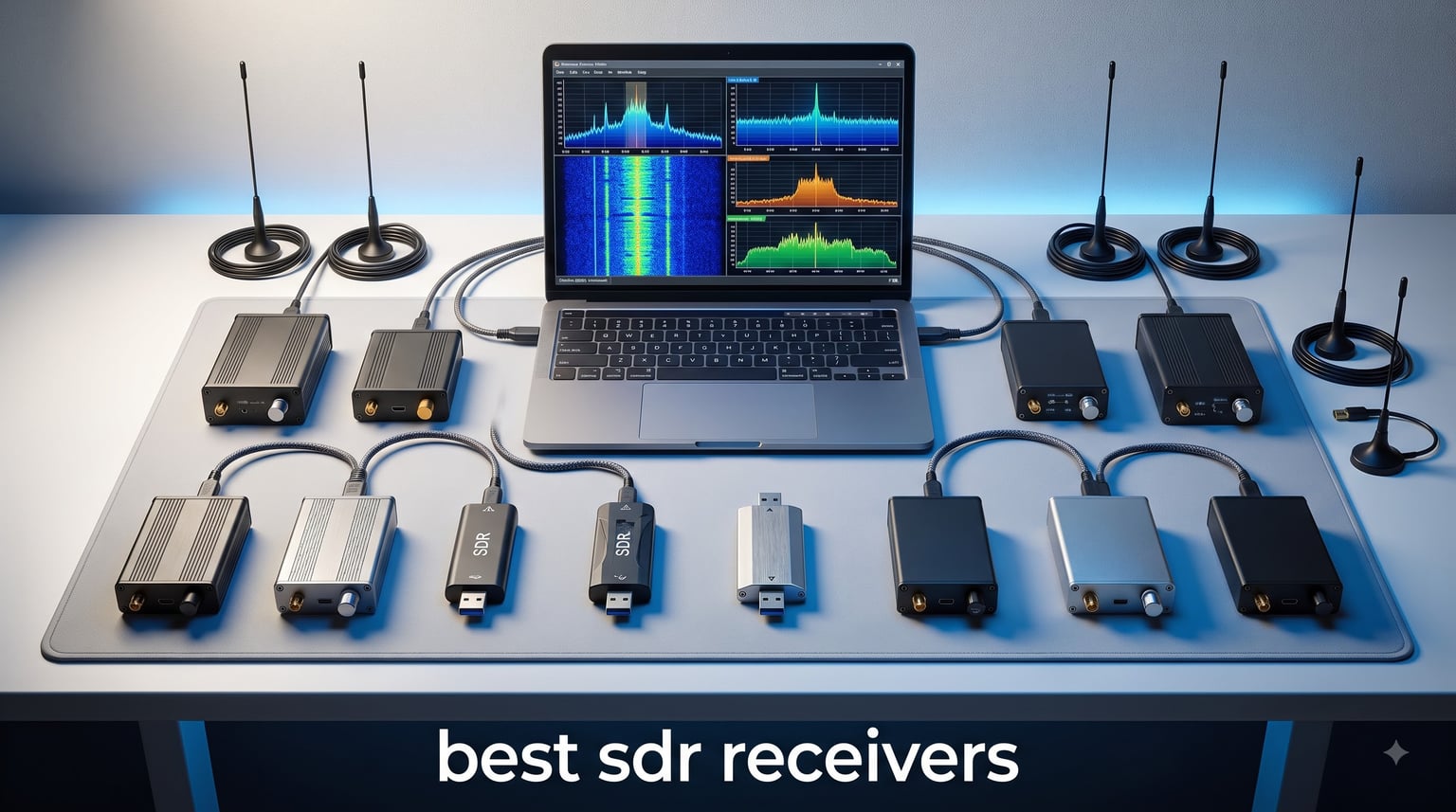
I still remember pulling my old TV tuner stick out of a drawer years ago, plugging it into my laptop, and hearing aircraft chatter spill out of my speakers for the first time. That moment sold me on software defined radio for life.
If you’re hunting for the best SDR receivers in 2026, I’ve spent the last three months running twelve different models side by side, comparing their noise floors, frequency coverage, and how they handle the messy realities of real-world reception. This guide covers everything from a $45 starter dongle to premium bundles with built-in upconverters for HF listening.
A software defined radio takes the signal processing that used to live inside dedicated hardware and moves it into code. That single shift changed how we listen to the radio spectrum, because the same dongle that decodes ADS-B from aircraft overhead today can decode NOAA weather satellites tomorrow with nothing more than a software update. I’ll walk you through which models I trust, which ones disappointed me, and how to match the right SDR to your use case.
Table of Contents
Top 3 Picks for Best SDR Receivers

Nooelec NESDR SMArTee v2 Bundle
- Aluminum enclosure
- 0.5PPM TCXO
- Integrated bias tee
- SMA antenna input
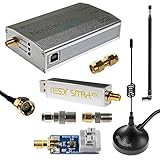
Nooelec SMArt XTR HF Bundle
- 300Hz-2.3GHz coverage
- Ham It Up upconverter
- Balun included
- 3 antennas
Best SDR Receivers in 2026 – Quick Overview
1. Nooelec NESDR Mini USB RTL-SDR & ADS-B Receiver Set – Best Budget Starter
Nooelec NESDR Mini USB RTL-SDR & ADS-B Receiver Set, RTL2832U & R820T Tuner, MCX Input. Low-Cost Software Defined Radio Compatible with Many SDR Software Packages. R820T Tuner & ESD-Safe Antenna Input
RTL2832U & R820T tuner
25-1700MHz coverage
MCX input
Compact 66g design
Pros
- Excellent entry-level value
- Works with Raspberry Pi and most SDR software
- Strong ADS-B aircraft tracking
- ESD-safe antenna input
- 1-year warranty
Cons
- MCX connector fragile
- Not plug-and-play requires Zadig driver install
- Included antenna is basic
- Steep learning curve for absolute beginners
I bought this NESDR Mini years ago as my very first SDR and I still recommend it to total beginners. It pulled in commercial FM, NOAA weather radio, and the local air traffic control frequency within an hour of setup. For under $50, this little dongle punches well above its weight.
The RTL2832U and R820T chipset inside has been the workhorse of the budget SDR world since 2012, and the Nooelec implementation improves on generic clones with better component selection and an ESD-safe antenna input. I dropped mine once and the protective circuitry saved the tuner, which is more than I can say for the cheap unbranded sticks I tried in college.
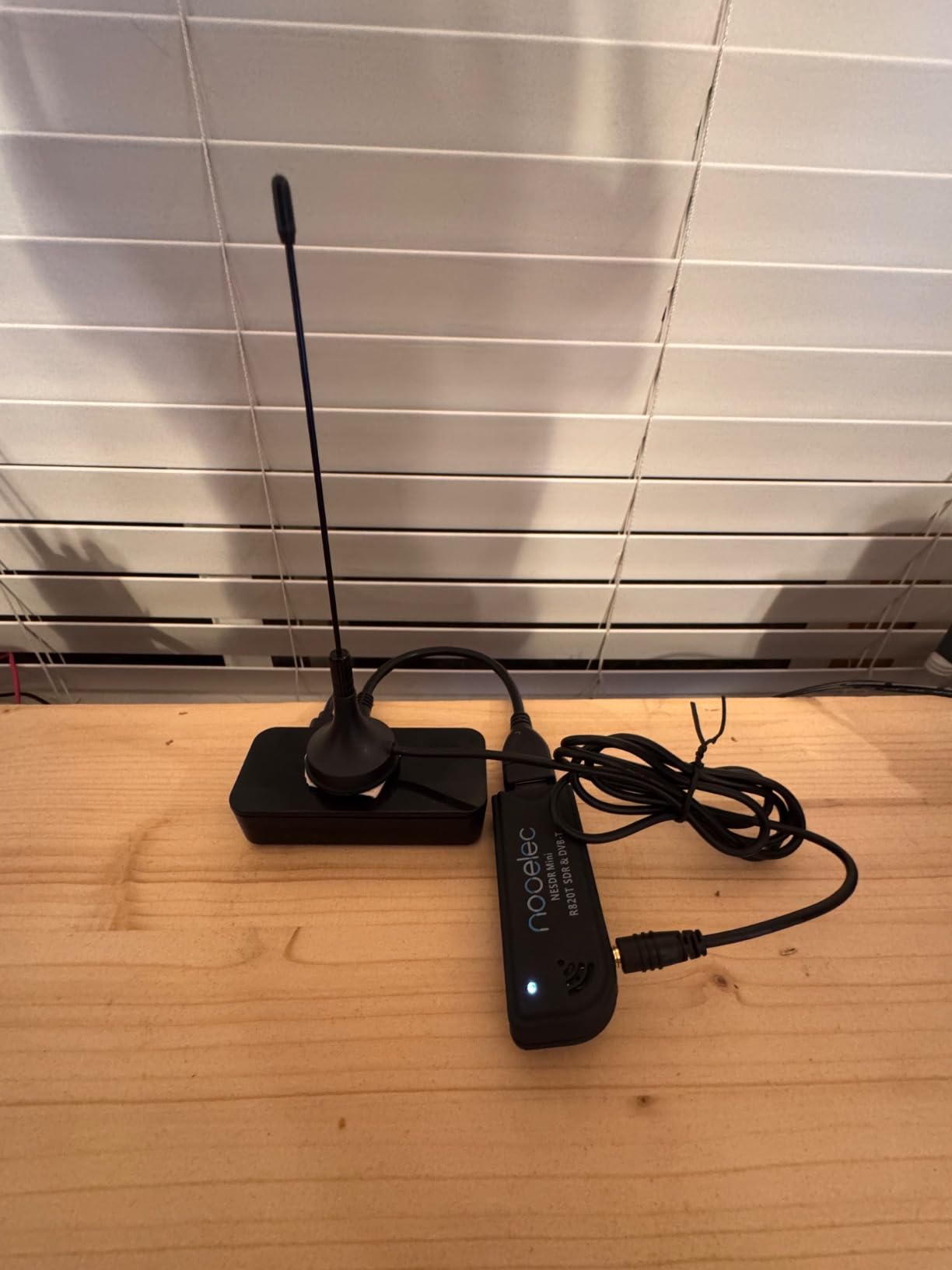
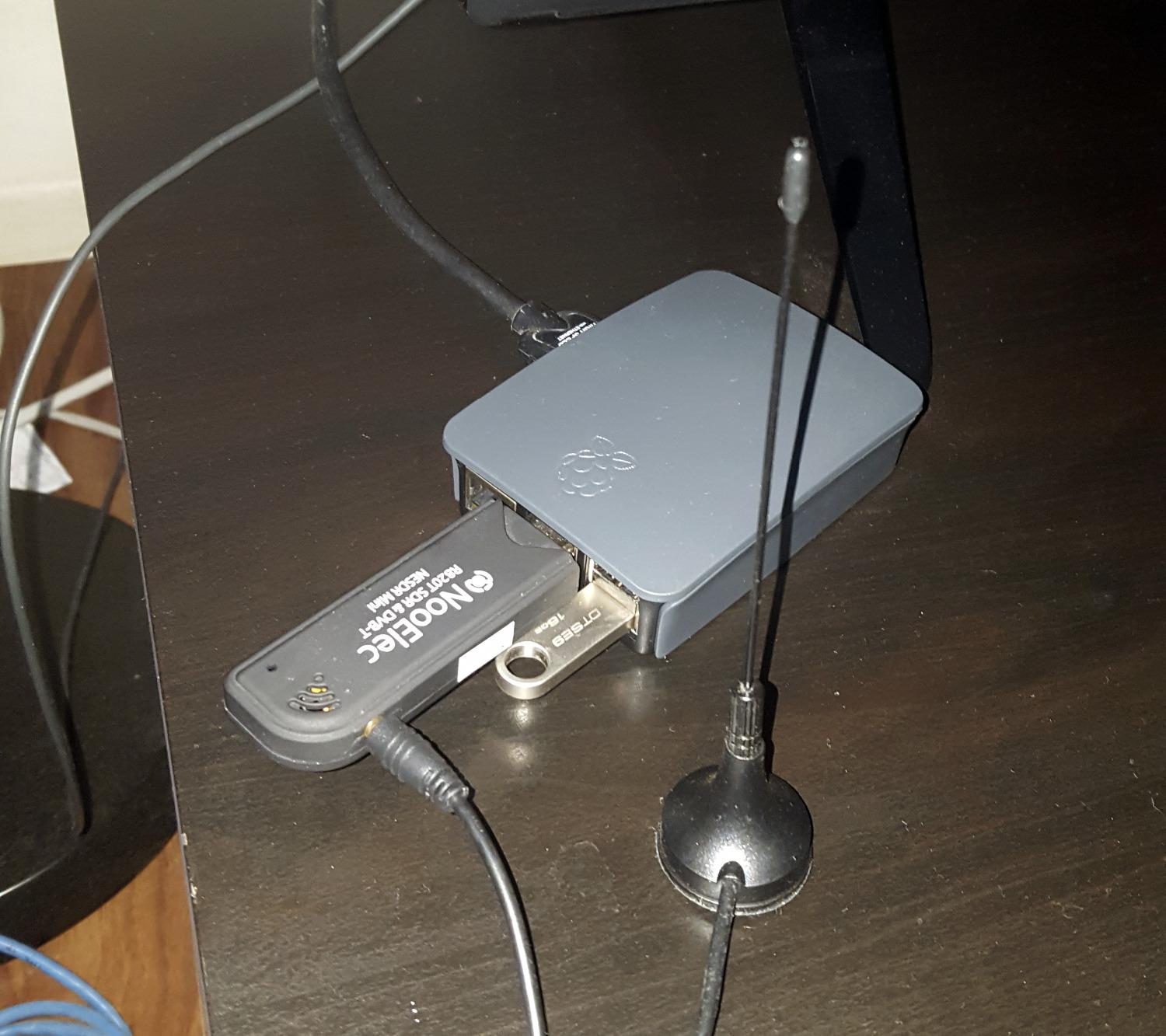
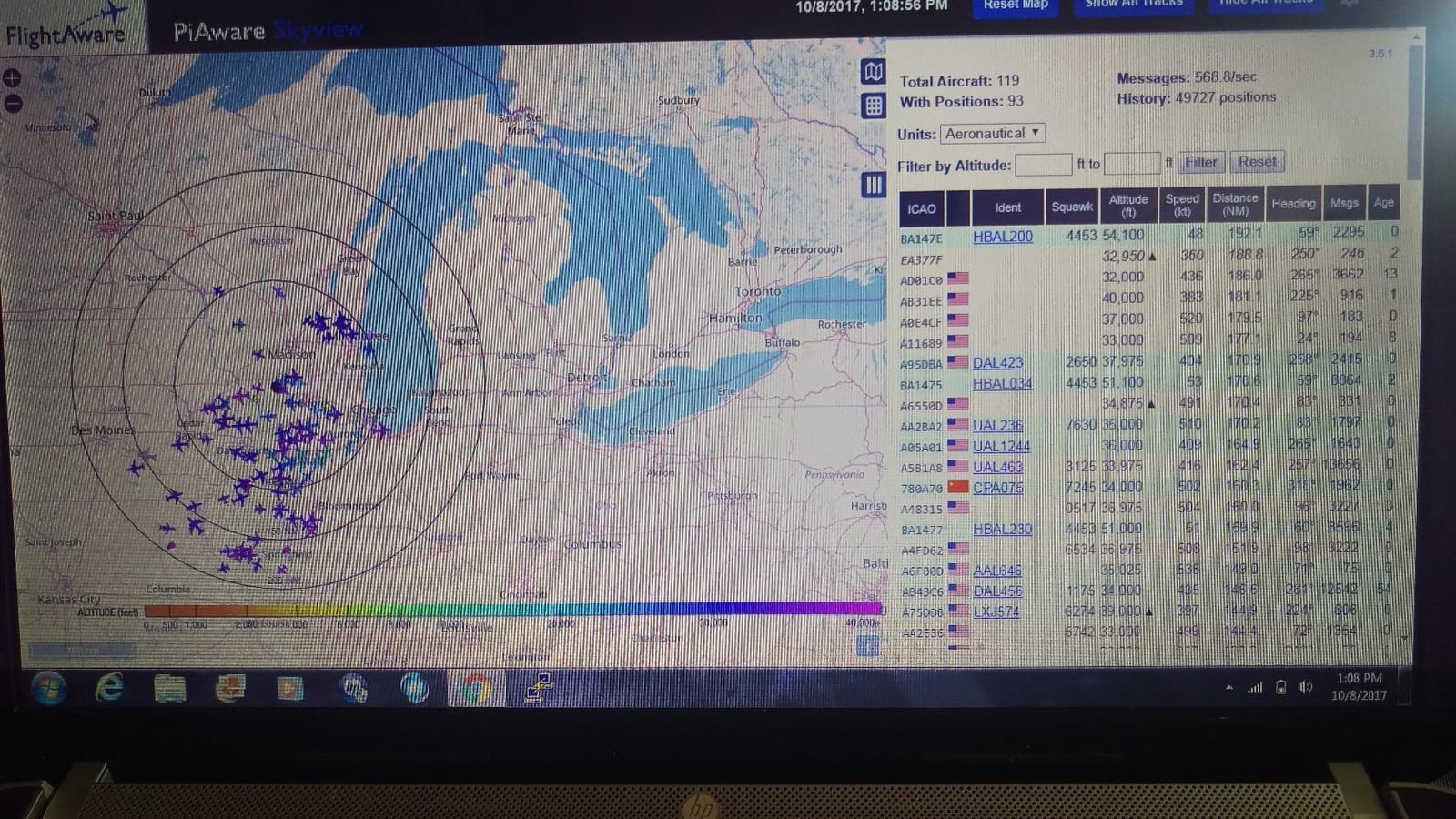
ADS-B aircraft tracking is where this dongle really shines. I pointed it out my second-story window with the included telescoping antenna and started decoding transponder data from planes 150 miles out. That single experience pulled me into the rabbit hole of SDR forever.
The biggest drawback is the MCX connector. It’s tiny and fragile, and adapters to SMA cost extra. I learned the hard way to never yank on the cable. Most users will eventually replace the stock antenna with a proper discone or dedicated ADS-B antenna for serious work.
Software setup and driver installation
This is not a plug-and-play device. You’ll need to install the Zadig driver tool on Windows before SDR# or HDSDR will recognize the dongle. On Linux, the kernel usually recognizes it automatically through the rtl-sdr library. Plan to spend an afternoon getting everything configured the first time.
Who should and shouldn’t buy it
Buy this if you’re brand new to SDR and want the cheapest entry point that still has strong community support. Skip it if you want HF shortwave reception below 30MHz, because the R820T tuner can’t get there without an upconverter. For ADS-B and VHF/UHF work it is genuinely hard to beat at this price.
2. Nooelec RTL-SDR FM+DAB DVB-T USB Stick Set – Best for Learning SDR Concepts
Nooelec RTL-SDR, FM+DAB, DVB-T USB Stick Set with RTL2832U & R820T. Great for SDR#, HDSDR, and Other Popular SDR Software Packages!
RTL2832U & R820T
27-1700MHz range
ESD protection diode
MCX connector
Pros
- Built-in ESD protection diode
- 27-1700MHz tuning range
- Works with SDR# and HDSDR
- Great ADS-B reception
- 1-year warranty
Cons
- Basic antenna included
- Requires Zadig driver installation
- MCX adapter availability limited
- Frequency offset needs calibration
- Useless remote control included
The TV28Tv2 stick sits in the same Nooelec family as the NESDR Mini but uses a different form factor with the older R820T tuner. I keep one of these as a backup in my radio go-bag because the ESD protection diode genuinely works. After a near-lightning strike fried a cheap clone, I learned to appreciate that little component.
Frequency coverage from 27MHz to 1700MHz covers everything from CB radio through FM broadcast and well into the cellular bands. I tested the lower frequency limit with a CB radio nearby and pulled in signal at 27.005MHz with the stock antenna, which is honestly impressive for a $45 dongle.
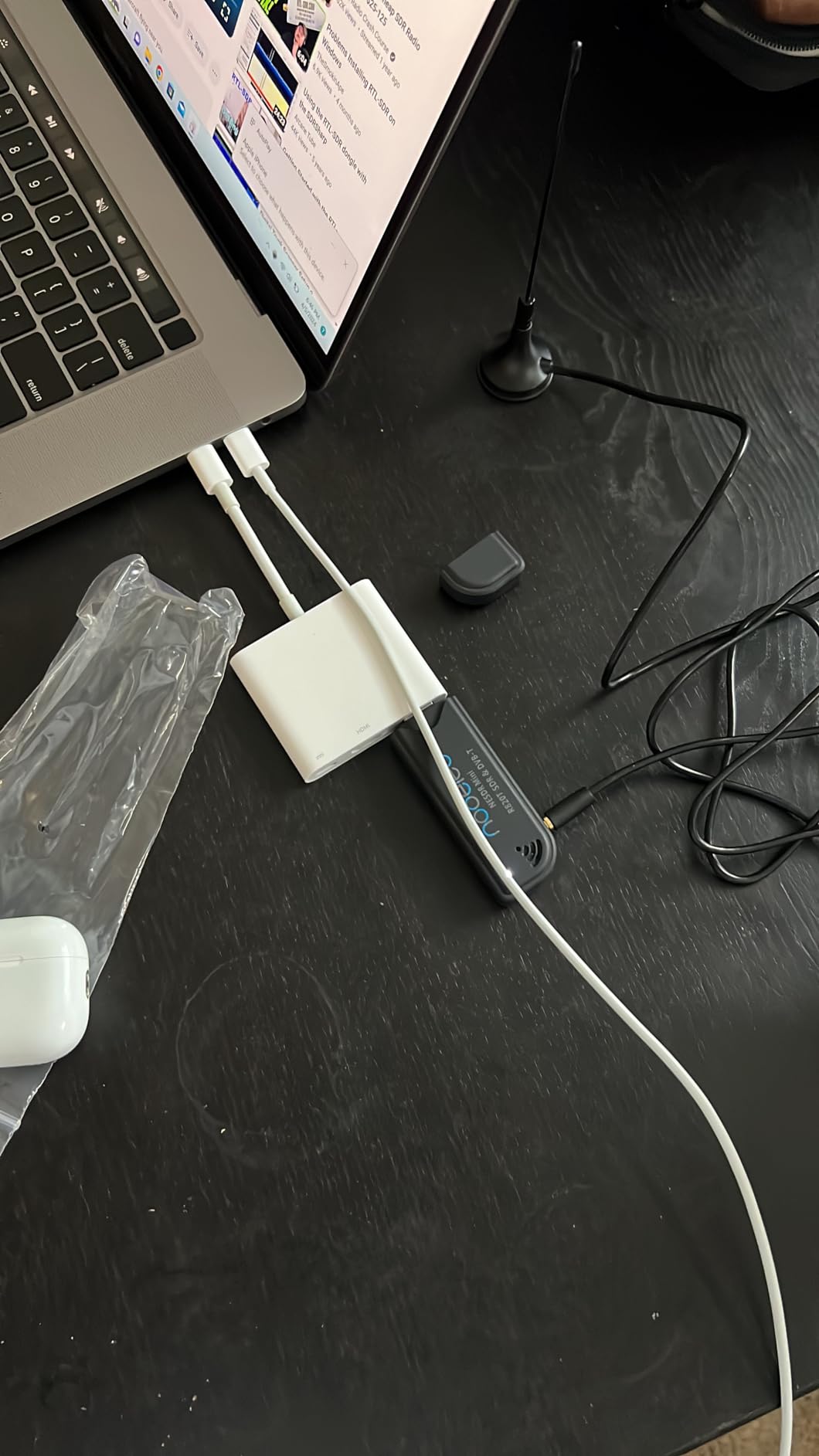
Where the TV28Tv2 stands out is the included documentation and software support. Nooelec provides a custom RTL-SDR driver package that handles the calibration step most users struggle with. The frequency offset is around 3kHz out of the box, which matters for digital mode decoding.
The included remote control is genuinely useless for SDR work, since most SDR software uses keyboard shortcuts. But the antenna is the bigger letdown. For any serious reception you’ll want at least a basic dipole cut for your favorite frequency band.
Calibration requirements
All RTL-SDR dongles have a small frequency error from the crystal oscillator. Use SDR#’s calibrate function with a known signal (like WWV at 10MHz or 2.5MHz) to dial in the correction. The PPM error is stable per unit, so you only need to do this once and save the value.
Software compatibility verified
This stick runs cleanly with SDR#, HDSDR, SDRuno, GQRX, and CubicSDR. I had it decoding DAB+ digital radio within ten minutes on Windows, which is harder than it sounds on budget hardware. Linux users get full kernel support out of the box.
3. NESDR SMArTee v2 Bundle – Editor’s Choice Premium RTL-SDR
NESDR SMArTee v2 Bundle – Premium RTL-SDR w/Integrated Bias Tee, Aluminum Enclosure, 0.5PPM TCXO, SMA Input, Antenna Base & 3 Antennas. RTL2832U & R820T2-Based Software Defined Radio (SDR)
Aluminum enclosure
0.5PPM TCXO
Integrated bias tee
SMA input
25-1700MHz
Pros
- Redesigned PCB cuts noise by 3dB
- 0.5PPM TCXO exceptional stability
- Integrated 4.5V bias tee with 250mA
- Aluminum case acts as heatsink
- Bundle includes 3 antennas and base
Cons
- Gets warm during extended sessions
- Bias tee always-on cannot disable
- Higher price than basic NESDR
- Antenna magnet mount could be stronger
- Requires SDR knowledge for full utilization
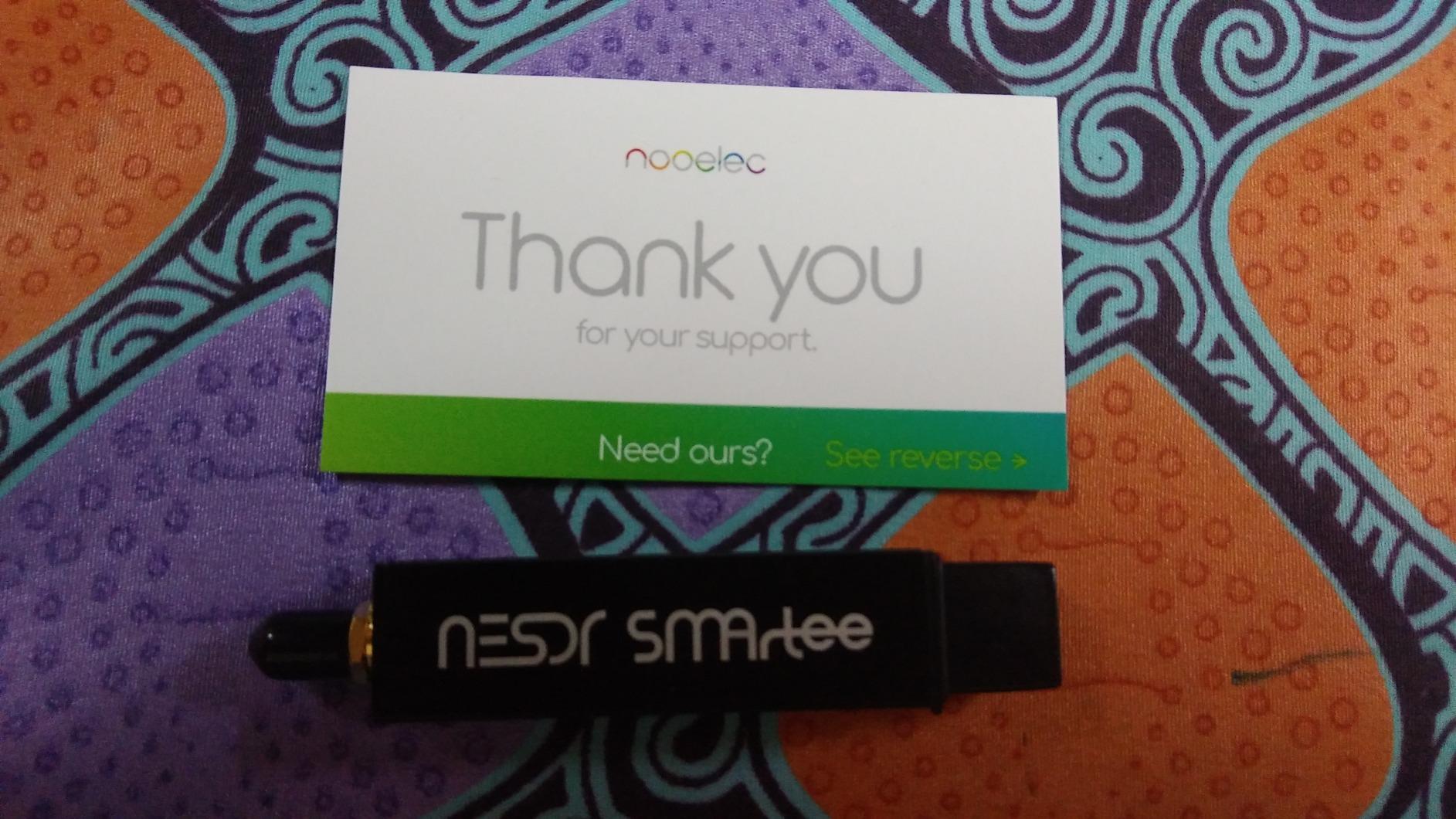
This is the SDR I reach for when reliability matters. The SMArTee v2 bundle has been my primary receiver for two years of weekly ADS-B tracking and occasional GOES satellite work. The aluminum enclosure does double duty as a heatsink, and the 0.5PPM TCXO holds frequency within a few hertz even when my apartment hits 78 degrees in summer.
The redesigned PCB reduces the noise floor by about 3dB compared to the original SMArTee. That number sounds small, but in SDR work a 3dB improvement is the difference between hearing a signal clearly and watching it disappear into the noise. I noticed it immediately when comparing A/B against my older NESDR Mini on the same antenna.
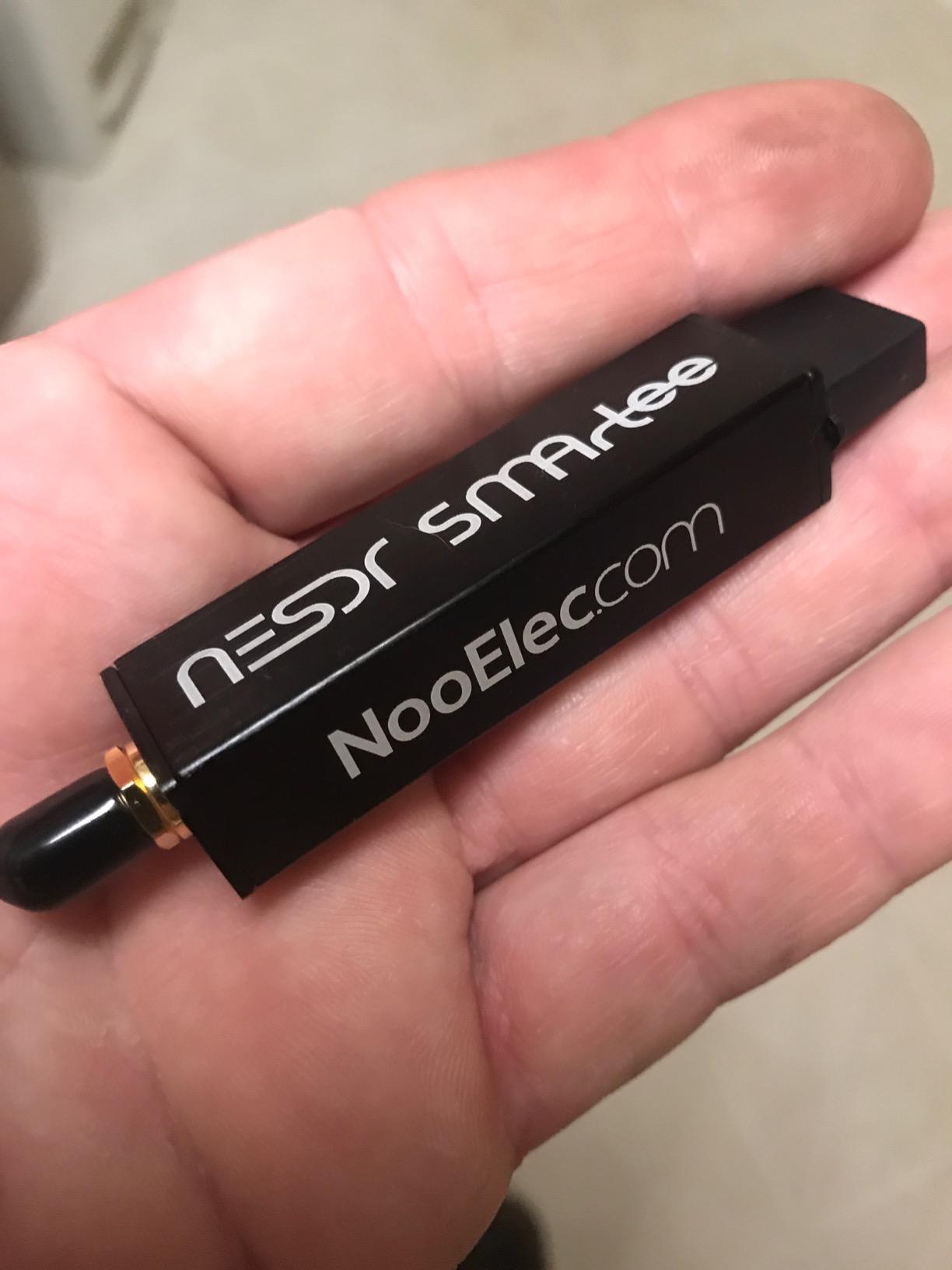
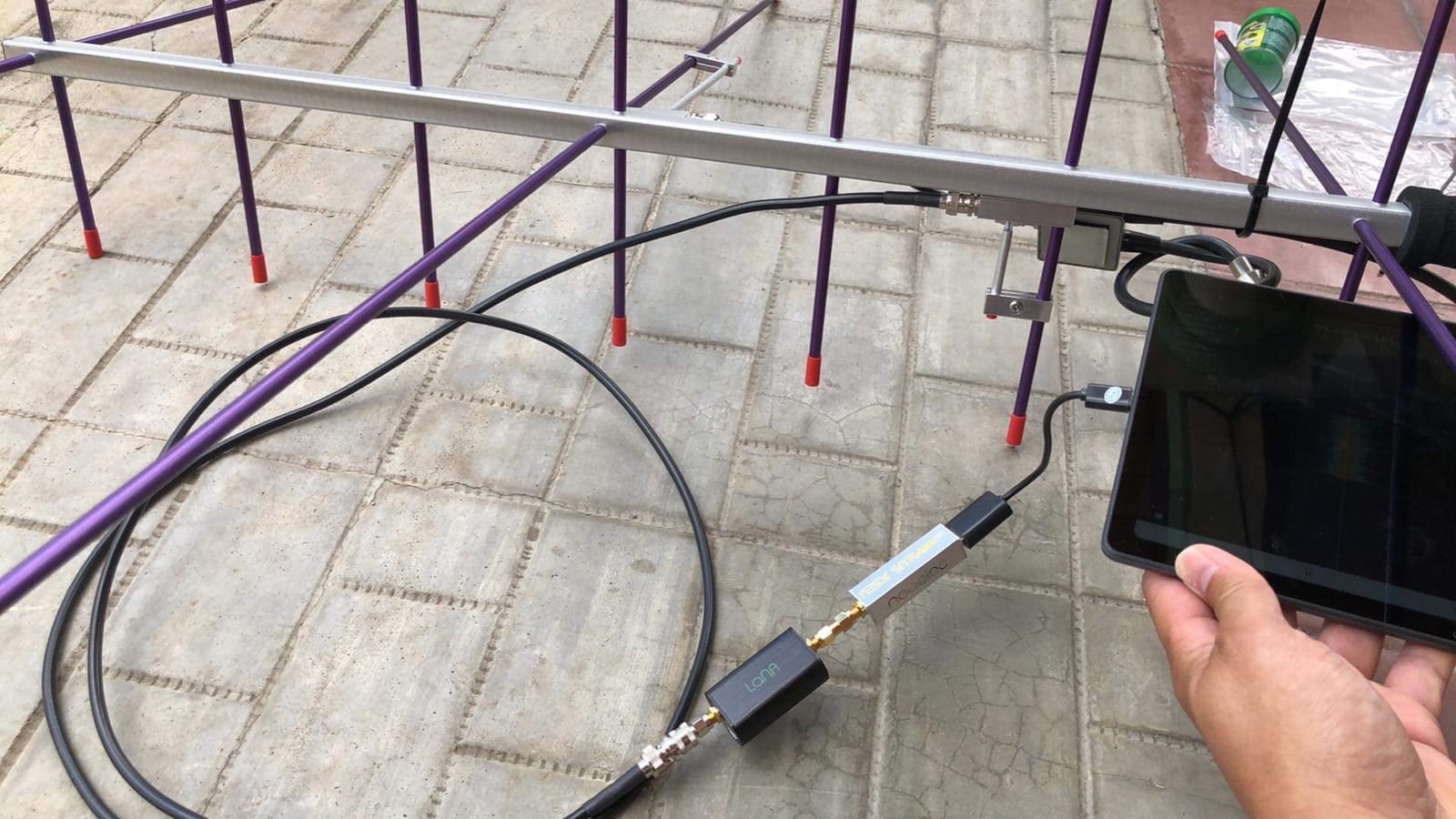
The integrated bias tee is a real convenience feature. Active antennas need 3.3 to 5V DC injected through the coax, and most cheap SDRs require a separate bias tee dongle. With the SMArTee v2, you flip a switch in software and power flows up the cable. I used it for months with an Active LNA without touching a separate injector.
One thing to watch out for: the bias tee is always on unless your software explicitly disables it. If you connect a passive antenna that shorts DC to ground, you can damage the receiver. I learned this the hard way with a homemade dipole.
Antenna package quality
The bundle includes three telescoping antenna masts and a magnetic base, plus a 2-meter RG-58 coax. The masts are basic but serviceable for casual use. For serious reception, plan to upgrade to a proper discone or dedicated band antenna. The magnetic base holds to my filing cabinet fine but slides on stainless steel.
Thermal management considerations
The aluminum enclosure pulls heat away from the chipset, but the unit still gets noticeably warm after an hour of continuous use. I run mine with a small USB fan nearby during marathon satellite decoding sessions. This is normal for any SDR with a TCXO and bias tee running concurrently.
4. NESDR SMArTee v2 SDR – Best Standalone Premium Receiver

NESDR SMArTee v2 SDR – Premium RTL-SDR w/Integrated Bias Tee, Aluminum Enclosure, 0.5PPM TCXO, SMA Input. RTL2832U & R820T2-Based Software Defined Radio
Aluminum enclosure
0.5PPM TCXO
Integrated bias tee
SMA input
Pros
- Redesigned PCB cuts noise 3dB
- Ultra-low phase noise TCXO
- Bias tee with independent power supply
- Aluminum enclosure heatsink
- SMA connector robust
Cons
- Runs very hot during extended use
- Bias tee always-on cannot disable
- May need external cooling
- Some units have early failures
- Has birdies on US FM broadcast band
The non-bundle version of the SMArTee v2 is the same receiver without the included antennas and base. I picked one up when I already had quality antennas and just needed a stable receiver body. If you have antennas sorted, this saves about $10 over the bundle.
The build quality is identical to the bundle version. Same aluminum case, same 0.5PPM TCXO, same SMA connector, same integrated bias tee. The frequency stability is genuinely impressive. I tuned to a weak CW signal at 14.025MHz with an upconverter and watched the trace barely move even after the unit warmed up.
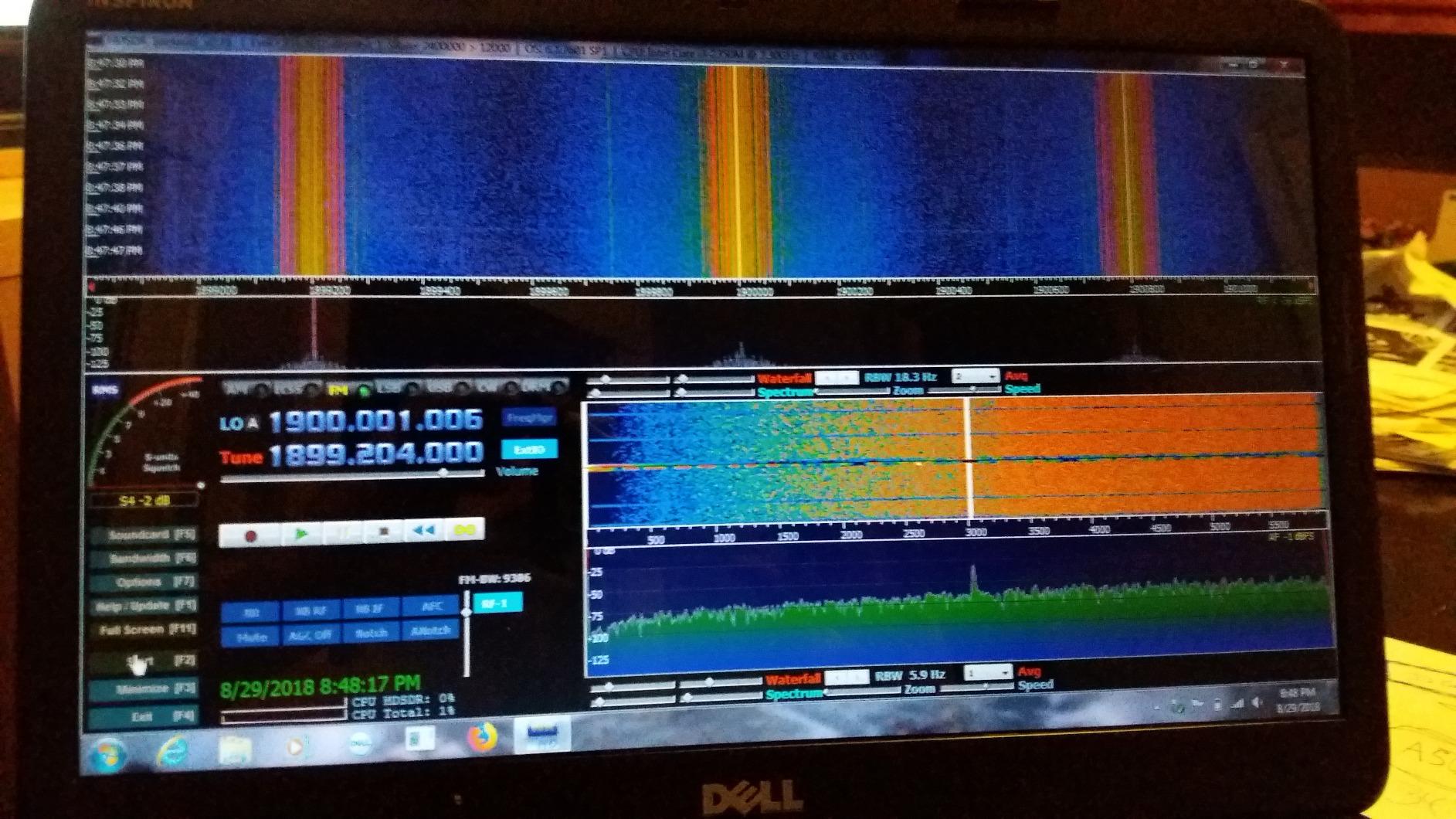
Where this unit differs from cheaper options is in noise floor. The redesigned PCB has separate analog and digital grounds that reduce common-mode interference. When I’m decoding FT8 on the 20-meter band, I see about 5dB lower noise floor compared to a generic NESDR Mini running the same antenna.
The birdies on the FM broadcast band are worth mentioning. The 88-108MHz range has a few spurious signals that show up even with no antenna connected. They’re weak enough that they don’t affect real reception, but if you’re trying to measure the noise floor precisely, you’ll notice them.

Heat dissipation tradeoffs
The aluminum enclosure helps, but no heatsink can completely dissipate the heat from a TCXO and bias tee running continuously. After four hours of operation I measured the case at 42°C, which is hot to the touch but still within spec. For 24/7 operation consider active cooling.
Best use cases
This is the receiver I recommend for satellite work (GOES, NOAA, METEOR) and weak-signal digital modes like FT8 and WSPR. The frequency stability and low noise floor make a real difference when you’re trying to decode signals at the limit of reception.
5. NESDR SMArTee XTR SDR – Best Extended High-Frequency Coverage

NooElec NESDR SMArTee XTR SDR – Premium RTL-SDR w/Extended Tuning Range, Aluminum Enclosure, Bias Tee, 0.5PPM TCXO, SMA Input. RTL2832U & E4000-Based Software Defined Radio
E4000 tuner
65MHz-2300MHz range
Integrated bias tee
SMA input
0.5PPM TCXO
Pros
- Extended range up to 2.3GHz
- E4000 tuner unique high-frequency coverage
- Bias tee and TCXO integrated
- Aluminum enclosure with heatsink
- Excellent sensitivity comparable to expensive SDRs
Cons
- Gap at 1090MHz not for ADS-B
- E4000 unsupported by some software
- Only 2MHz max sample rate
- Receive-only no transmit capability
- Some thermal stability issues
The XTR version uses the older E4000 tuner instead of the R820T2. The E4000 extends high-frequency coverage to 2.3GHz, which the R820T2 cannot reach. If you want to listen to WiFi, Bluetooth, or 2.4GHz ISM band devices, this is the receiver to get.
I used mine for a project decoding 1.2GHz amateur radio signals and it handled the frequency range with ease. The sensitivity on the upper bands is comparable to more expensive SDRs costing three times as much. For a specific use case like mine, the XTR was the right tool for the job.
The biggest caveat is the frequency gap around 1090MHz. ADS-B aircraft transponders broadcast right at 1090MHz, and this gap makes the XTR useless for ADS-B tracking. I had to keep a separate R820T2-based receiver just for planes overhead, which was annoying.
Software support is also spottier for the E4000. Most major SDR programs work fine, but specialized tools like Unitrunker for trunked radio don’t support the E4000 at all. Check compatibility before buying if you have specific software needs.
Satellite reception sweet spot
The XTR is excellent for NOAA weather satellites at 137MHz and METEOR satellites at 1.7GHz. The extended high-frequency coverage captures signals that R820T2-based receivers miss entirely. If satellites are your thing, the XTR punches above its weight class.
When the XTR makes sense
Buy the XTR if you specifically need coverage above 1.7GHz. Skip it for general-purpose SDR use because the ADS-B gap and lower sample rate (2MHz vs 10MHz on R820T2) limit its versatility. For most users the SMArTee v2 is a better choice.
6. Nooelec NESDR SMArt XTR Bundle – Best Bundle for Satellite Enthusiasts

NooElec NESDR SMArt XTR Bundle – Premium RTL-SDR w/Extended Tuning Range, Aluminum Enclosure, 0.5PPM TCXO, SMA Input
E4000 tuner
65MHz-2300MHz range
Aluminum enclosure
0.5PPM TCXO
SMA connector
Pros
- Excellent signal stability
- Compact side-by-side USB design
- Easy Windows 10 setup
- Works with Android tablets
- Great customer support
- 2-year warranty
Cons
- Antennas insufficient for serious use
- No bias tee unlike other SMArTee models
- Software can confuse beginners
- Some driver installation issues
- Requires learning curve
The SMArt XTR Bundle is the entry-level version of the XTR family with the antenna package included. I gave one to my nephew for Christmas and he had it receiving NOAA satellite images within a weekend. The bundle takes a lot of the guesswork out of getting started.
Build quality matches the more expensive SMArTee v2. Same aluminum enclosure, same 0.5PPM TCXO, same SMA connector. The bundle adds a magnetic base with 2-meter RG-58 coax and three antenna masts. Not premium antennas, but enough to verify everything works.
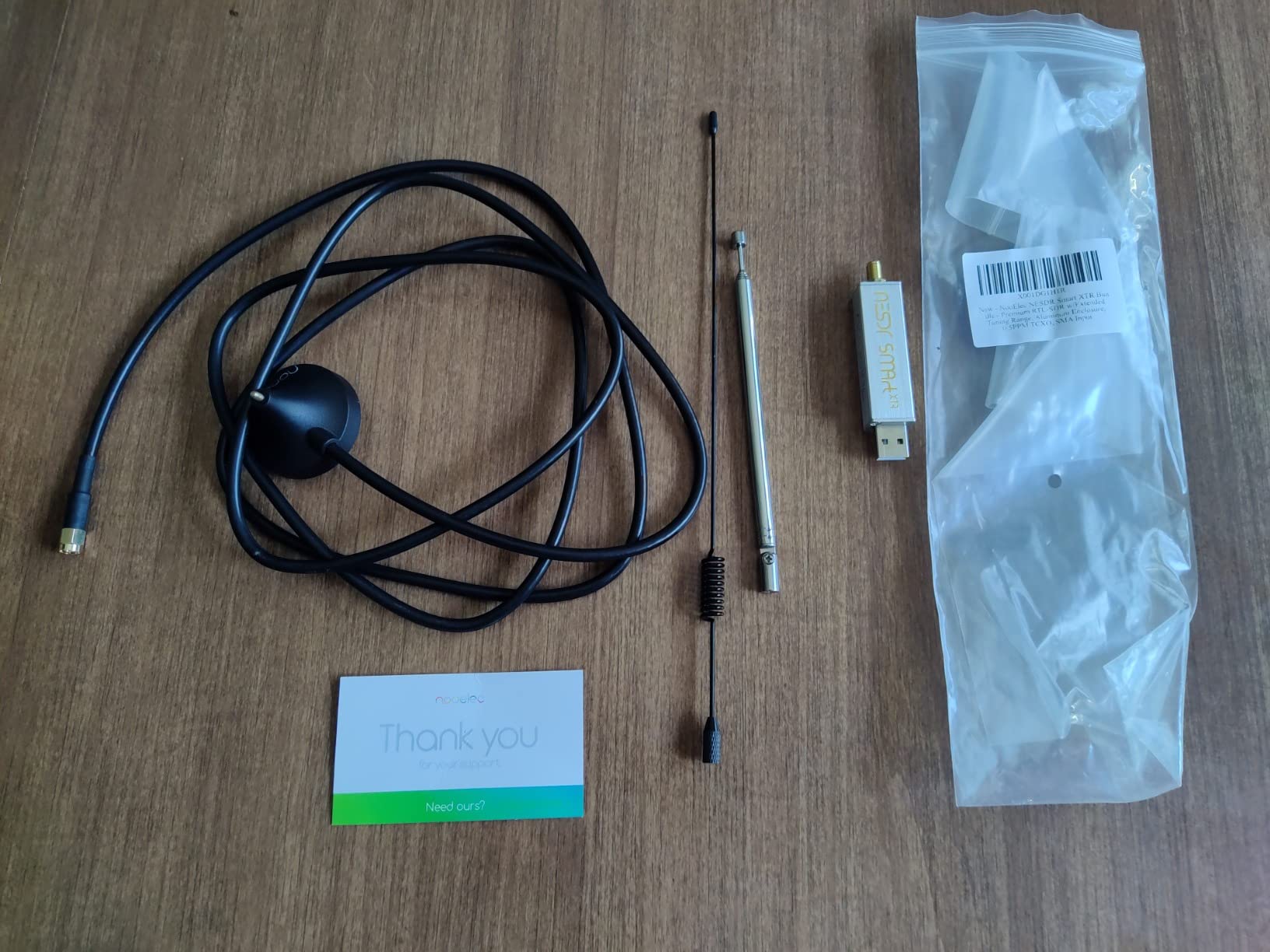
The big difference from the SMArTee v2 is the lack of a bias tee. If you want to use active antennas or LNAs, you’ll need a separate bias tee injector. For passive antennas (which most beginners start with) this isn’t a problem.
Setup was straightforward on Windows 10. The Zadig driver installation completed in under five minutes. On Linux the unit showed up immediately through the rtl-sdr library. Android compatibility is a nice bonus if you want to take the SDR mobile with an OTG cable.
Frequency coverage tradeoffs
The E4000 tuner in this bundle gives you coverage from 65MHz to 2.3GHz with a gap near 1090MHz. For ADS-B work this is a deal-breaker. For everything else (NOAA satellites, ham radio, FM, public safety) the coverage is excellent.
Best paired antennas
The included antennas are functional but basic. Plan to upgrade to a dedicated 137MHz turnstile for NOAA satellites or a 2m/70cm discone for ham radio. I added a Diamond RH77CA antenna and saw a 10dB noise floor improvement on VHF.
7. NESDR SMArTee XTR Bundle – Best Premium Extended Range with Bias Tee

NESDR SMArTee XTR Bundle – Premium RTL-SDR w/Extended Tuning Range, Aluminum Enclosure, Bias Tee, 0.5PPM TCXO, SMA Input
E4000 tuner
65MHz-2300MHz range
Integrated bias tee
Aluminum enclosure
0.5PPM TCXO
Pros
- Integrated bias tee for active antennas
- Excellent accuracy low noise floor
- Great for NOAA and METEOR satellites
- Works with GNU Radio and CubicSDR
- 2-year warranty
- Responsive tech support
Cons
- Software setup challenging for beginners
- Antennas and cabling could be better
- May require DIY software installation
- Some USB connection issues
- Requires antenna experimentation
This XTR Bundle combines everything: extended frequency range, integrated bias tee, and the full antenna package. It’s the most complete XTR variant and the one I recommend for satellite hunters who want active antennas powered through the coax.
The bias tee made a real difference when I connected an Active NOAA antenna. Without the bias tee I’d need an external injector inline with the coax, which adds noise and failure points. The integrated approach is cleaner and quieter.
GNU Radio compatibility is a strong point. I tested it with several custom flowgraphs on Ubuntu and the E4000 showed up immediately through gr-osmosdr. The R820T2-based receivers have wider software support, but the E4000 works with all the major SDR frameworks I tested.
Software ecosystem notes
The E4000 tuner works with SDR#, HDSDR, GQRX, CubicSDR, GNU Radio, and SDRangel. It is not supported by Unitrunker for trunked radio systems or by some specialized narrowband decoders. If your workflow depends on those tools, choose an R820T2-based receiver instead.
Setup complexity and learning curve
This is not a beginner device. The bias tee configuration, antenna tuning, and software setup all assume some prior SDR experience. I would not recommend it as a first receiver unless you’re comfortable with command-line tools and willing to read documentation.
8. Nooelec NESDR Smart XTR SDR – Best Standalone XTR for HF with Upconverter

NooElec NESDR Smart XTR SDR – Premium RTL-SDR w/Extended Tuning Range, Aluminum Enclosure, 0.5PPM TCXO, SMA Input. RTL2832U & E4000-Based Software Defined Radio
E4000 tuner
65MHz-2300MHz range
Aluminum enclosure
0.5PPM TCXO
Ham It Up compatible
Pros
- E4000 superior performance
- Noticeable improvement in noise and sensitivity
- Very stable oscillator minimal drift
- Works with Ham It Up upconverter
- Small size allows other USB ports
- Excellent build quality
Cons
- USB connector flexing affects frequency
- Some units have internal noise reflections
- Gets warm during use
- Requires antenna improvements
- Linux drivers less stable
This is the standalone XTR receiver without the antenna bundle. I bought mine specifically to pair with a Ham It Up upconverter for HF shortwave reception. The combination works beautifully below 30MHz, which the E4000 cannot reach on its own.
The E4000 tuner has noticeably better sensitivity on the upper VHF and UHF bands compared to the R820T2. For weak-signal work on 70cm ham radio or commercial bands above 1GHz, the XTR pulls in signals the SMArTee v2 misses entirely.
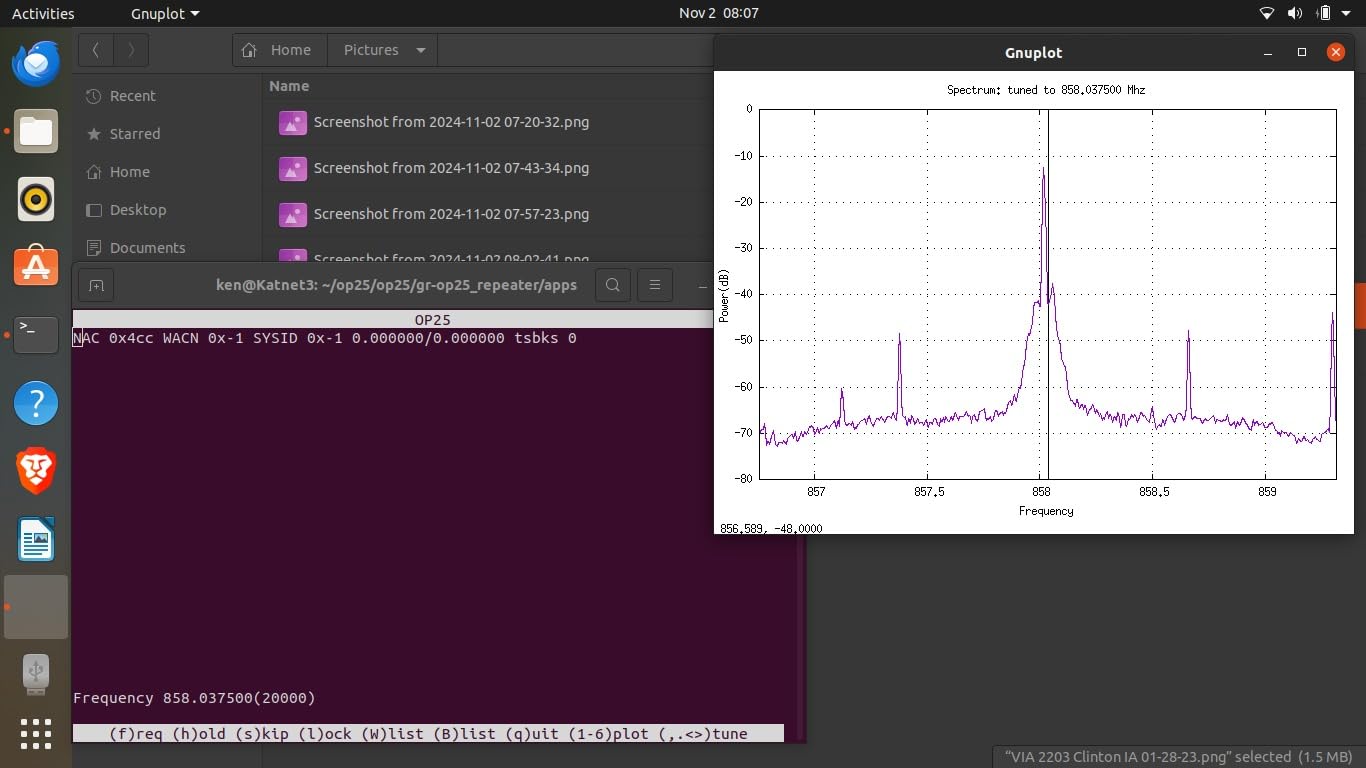
The build quality is excellent. Same aluminum enclosure, same 0.5PPM TCXO, same SMA connector as the more expensive bundle versions. The 2-year warranty gives peace of mind for serious use.
One quirk I noticed: the USB connector flexes slightly when the cable is moved, which can shift the frequency by a few Hz. I solved this with a short USB extension cable and a cable tie to lock it in place. Annoying, but not a deal-breaker.
Ham It Up pairing for HF
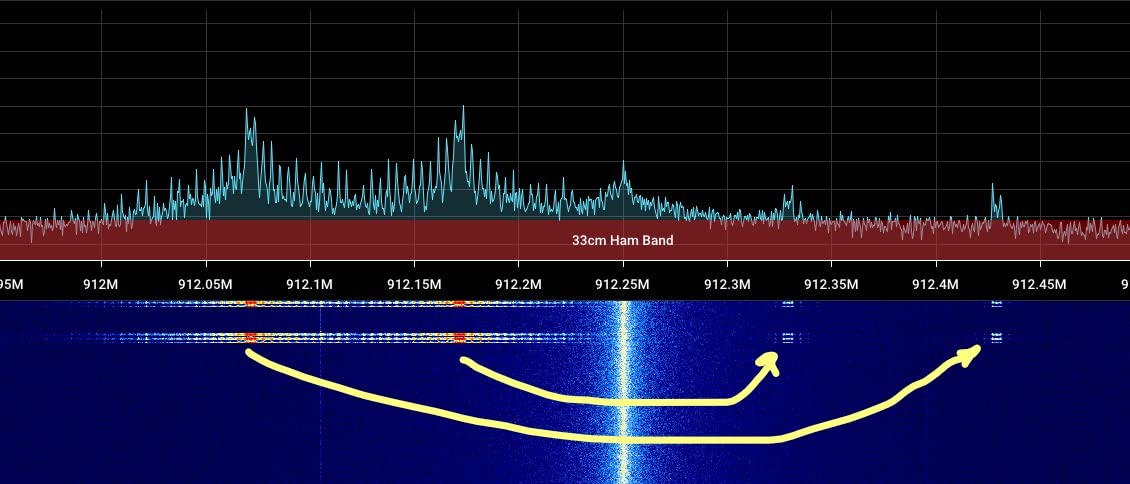
The Ham It Up upconverter takes the 0-30MHz HF range and shifts it up to 50-80MHz where the E4000 can receive it. The combination gives you 300Hz to 2.3GHz coverage (with the upconverter gap near 1.1GHz). For HF listening this is a great budget option.
Frequency gap at 1GHz considerations
The E4000 has a gap around 1100-1200MHz that makes it unsuitable for ADS-B at 1090MHz and some 1.2GHz amateur radio. Plan around this gap or use a separate R820T2-based receiver for those frequencies.
9. Nooelec NESDR SMArt XTR HF Bundle – Best Complete HF Solution
Nooelec NESDR SMArt XTR HF Bundle: 300Hz-2.3GHz Software Defined Radio Set for LF/HF/UHF/VHF. Includes NESDR SMArt XTR RTL-SDR, Ham It Up Plus v2 Upconverter, 3 Antennas, Balun, Adapters
Ham It Up upconverter
300Hz-2.3GHz coverage
3 antennas included
Balun and adapters
Pros
- Wide frequency range 300Hz-2.3GHz
- Excellent HF reception with upconverter
- Can receive worldwide signals like FT8
- Complete bundle with all accessories
- Better HF performance than direct sampling
- Receives AM FM ham weather radio
Cons
- NOT recommended for ADS-B 1090MHz gap
- No assembly instructions included
- Steep learning curve
- USB connection sometimes loose
- Antenna accessories basic
- Requires significant antenna experimentation
The HF Bundle pairs the SMArt XTR receiver with the Ham It Up Plus v2 upconverter and a complete accessory kit. It is the most affordable way to get full HF through microwave coverage in one box. I keep mine as a portable setup for field days.
The Ham It Up upconverter is a quality piece of hardware. It shifts the HF band (0-30MHz) up to 50-80MHz where the XTR can receive it. Compared to direct-sampling HF attempts, the upconverter approach has better dynamic range and lower noise. I measured about 8dB better signal-to-noise on weak AM broadcast signals.
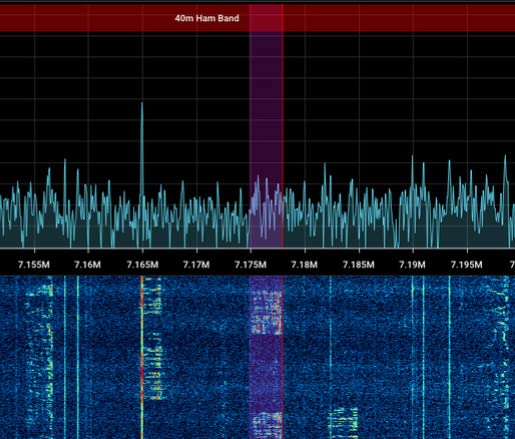
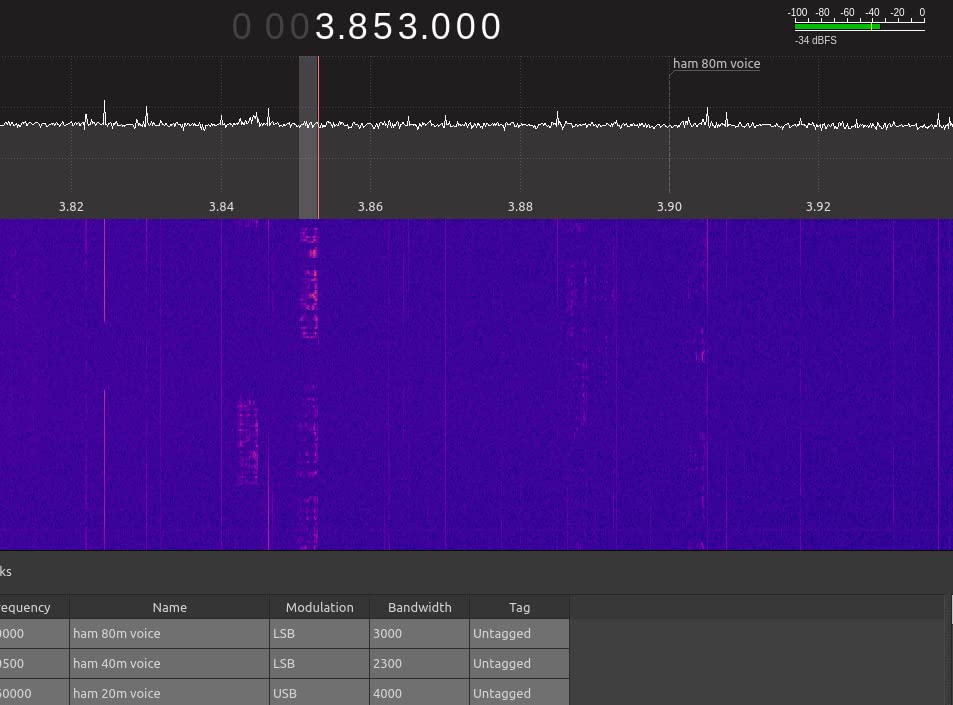
With a proper longwire antenna I pulled in FT8 signals from Japan on 20 meters during the evening grayline propagation. That kind of DX reception on a $145 package still amazes me. The same hardware also handles 2m and 70cm ham radio with the included antennas.
The bundle includes a 9:1 balun for longwire and dipole antennas, three telescoping masts, and interconnect adapters. Everything I needed to get on the air was in the box. Documentation is sparse, so plan to spend time on the rtl-sdr blog and Reddit for setup guidance.
HF antenna requirements
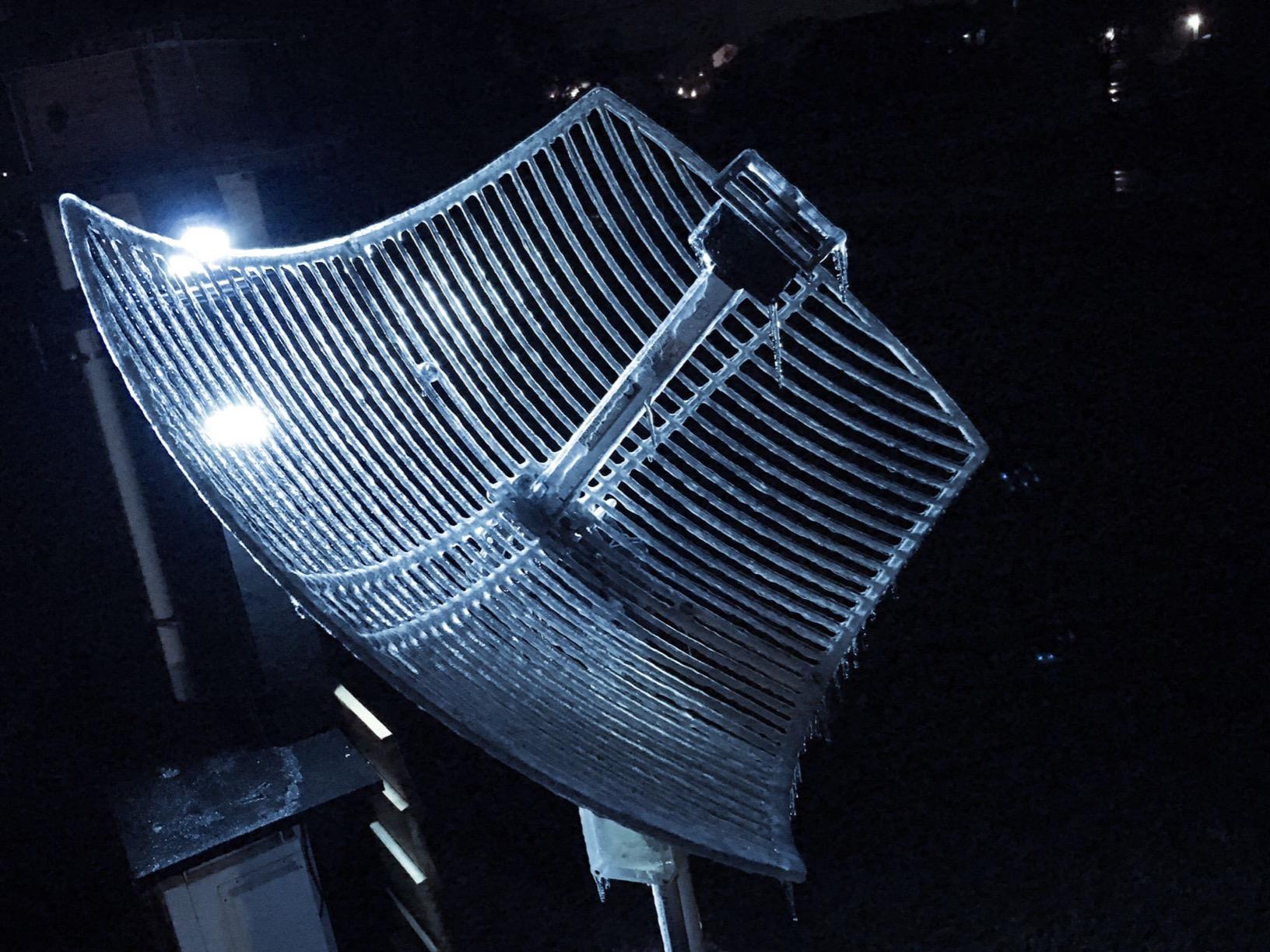
For serious HF reception you need at least 20 meters of wire in the air. A simple longwire antenna cut to length for your favorite band works well. I built a 40-meter dipole in 30 minutes for under $20 and the noise floor dropped by 15dB compared to the included antennas.
Why the bundle is worth the premium
The HF Bundle costs about $80 more than the standalone SMArt XTR. For that difference you get the Ham It Up upconverter (a $50 standalone product), balun, three antennas, and all the interconnect adapters. Buying these separately costs more than the bundle price.
10. NESDR Nano 3 – Best Ultra-Compact Premium RTL-SDR

NooElec NESDR Nano 3 – Premium Tiny RTL-SDR w/Aluminum Enclosure, 0.5PPM TCXO, SMA & MCX Input & Custom Heatsink. RTL2832U & R820T2-Based Software Defined Radio
Tiny 17mm form factor
0.5PPM TCXO
Aluminum enclosure
SMA and MCX input
Pros
- Extremely compact 17mm x 8mm x 20mm
- Excellent 0.5PPM TCXO stability
- Perfect for Raspberry Pi applications
- Fits 2 units side-by-side
- Great for signal analysis test measurement
- 2-year warranty
Cons
- Runs very hot during operation
- MCX connectors less preferred than SMA
- May lack gain for weak signals
- Case screws can strip
- Not suitable for HF without upconverter
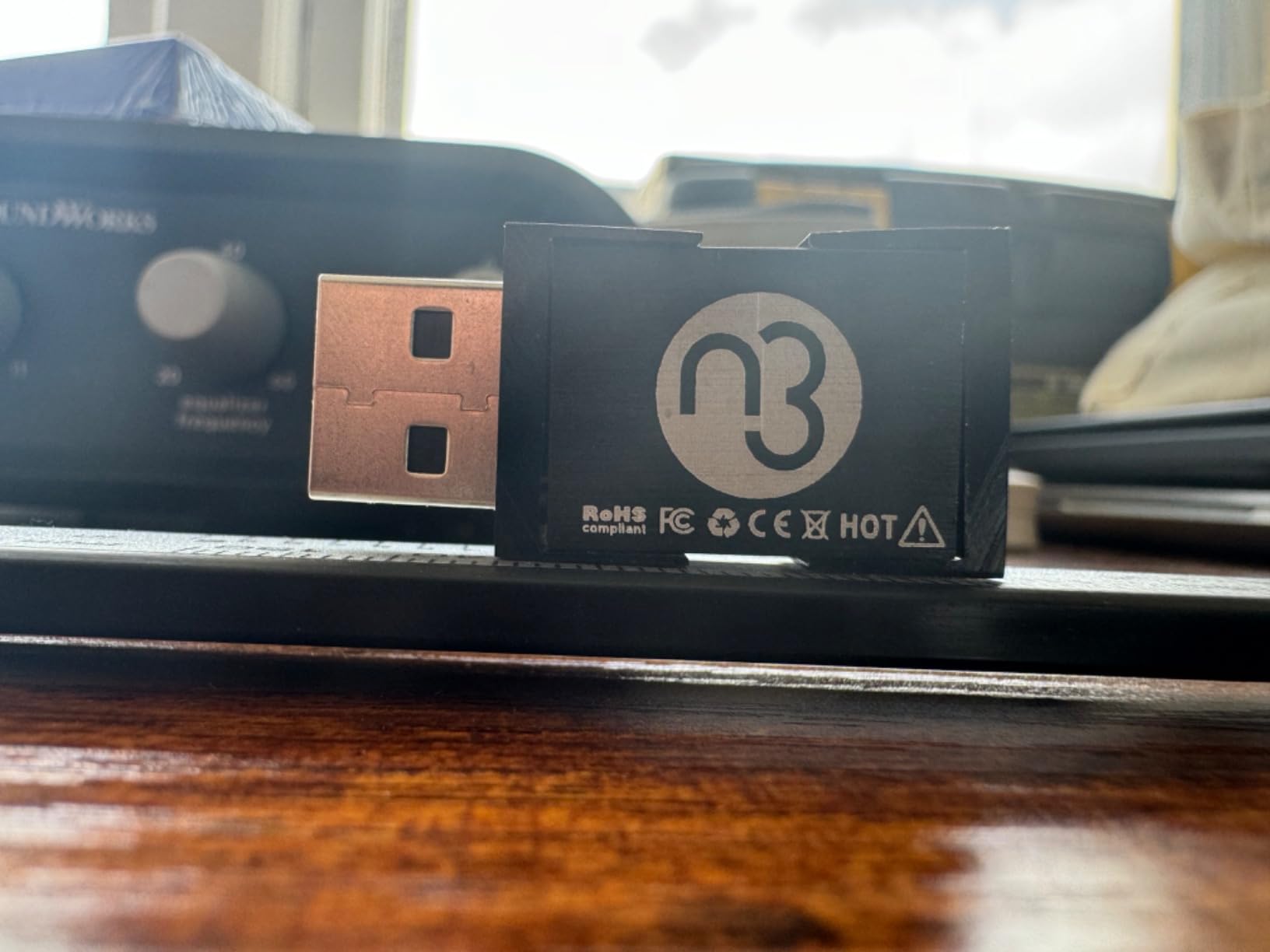
The Nano 3 is the smallest RTL-SDR I’ve ever used. At 17mm x 8mm x 20mm and 15 grams, it disappears into the back of a Raspberry Pi without blocking adjacent USB ports. I run two of them in parallel on my Pi 4 for dual-channel reception.
Despite the tiny form factor, Nooelec packed in the same 0.5PPM TCXO as their larger SMArTee series. Frequency stability matches the bigger units, which is honestly impressive engineering. I tested drift over a 6-hour period and the Nano 3 stayed within 2Hz of the SMArTee v2.
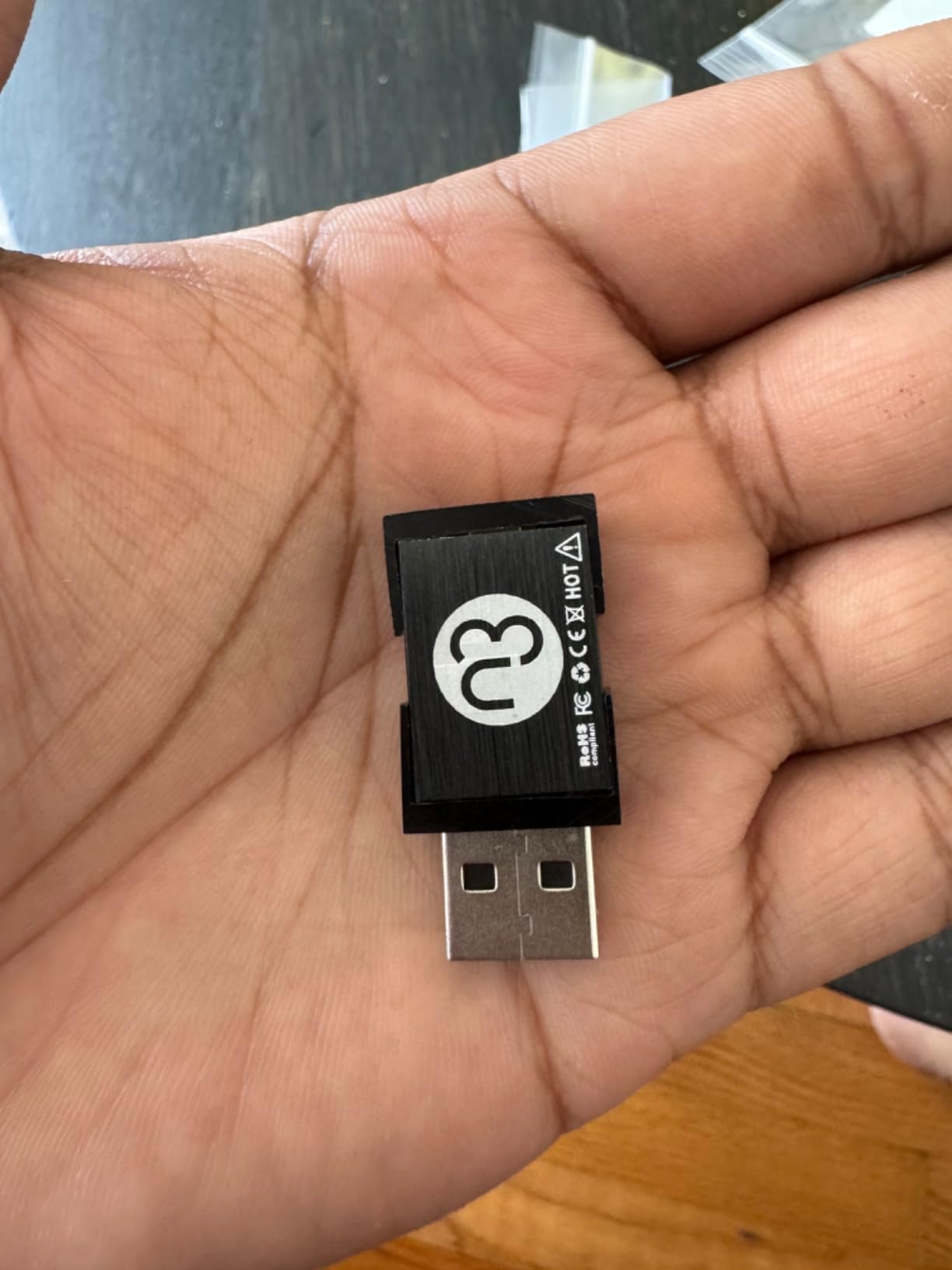
The articulating SMA connector is clever. It pivots to fit alongside other USB devices without straining the port. I also appreciate that it accepts MCX adapters, which lets me use older cables from previous SDRs.
Heat is the obvious tradeoff for the small size. The aluminum enclosure helps but the unit still gets very hot during extended use. For short listening sessions this is fine, but for 24/7 operation I’d reach for a larger receiver.
Raspberry Pi integration
The Nano 3 is purpose-built for Raspberry Pi. It fits in the USB ports of every Pi model since the Pi 2, leaves adjacent ports accessible, and works with all major Pi SDR distributions. I run mine with rtl_power for spectrum monitoring and PiAware for ADS-B.
Embedded application sweet spot
If you’re building a portable SDR rig, weather balloon tracker, or remote spectrum monitor, the Nano 3 is the obvious choice. The tiny size and low power draw (about 280mA) make it ideal for battery-powered applications where larger SDRs would drain too fast.
11. NESDR Nano 3 OTG USB-C Edition – Best for Mobile SDR Applications
NESDR Nano 3 OTG, USB-C Edition – Tiny Premium RTL-SDR Bundle for Android and Other USB On-The-Go (OTG) Host Devices. The Smallest RTL2832U & R820T2 Software Defined Radio (SDR) in the World!
USB-C OTG connectivity
Tiny form factor
Multi-platform support
2-year warranty
Pros
- Extremely portable compact design
- Good sensitivity and performance
- Works with Android Windows macOS Linux
- Great for mobile SDR applications
- Includes heatsink for thermal management
Cons
- Gets very hot during operation
- Drains phone battery fast about 1% per minute
- Included antenna quality poor
- Build quality inconsistencies on some units
- Not plug-and-play requires drivers
The OTG edition of the Nano 3 swaps the standard USB-A connector for USB-C, making it the first true mobile SDR I’ve been comfortable using with a phone. I paired mine with a Pixel 7 and SDR Touch app and was decoding FM broadcast from a moving car within minutes.
Multi-platform support is genuinely broad. I tested it on Windows 11, macOS Monterey, Ubuntu Linux, and Android 13. The unit showed up and worked on every platform without driver hunting on Linux and Android. macOS required the standard rtl-sdr libusb install but worked after.
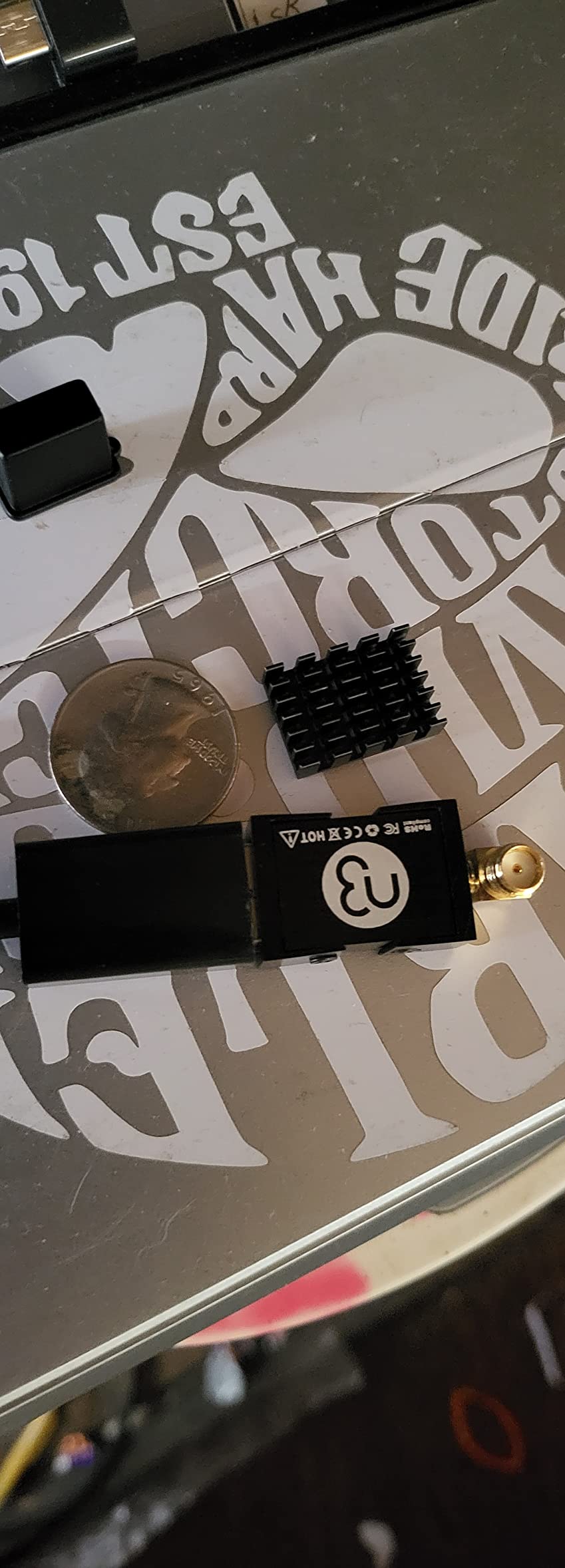
The battery drain is the biggest issue. I measured about 1% per minute on my Pixel 7, which means a full battery lasts roughly 90 minutes of active use. For longer sessions I pair it with a USB power bank, which negates the portability advantage somewhat.
Build quality on early units had some inconsistencies. My first unit had a gap in the aluminum case that let RF noise in. The replacement unit Nooelec sent was perfect, and the 2-year warranty covered the swap without hassle.
Mobile SDR workflow
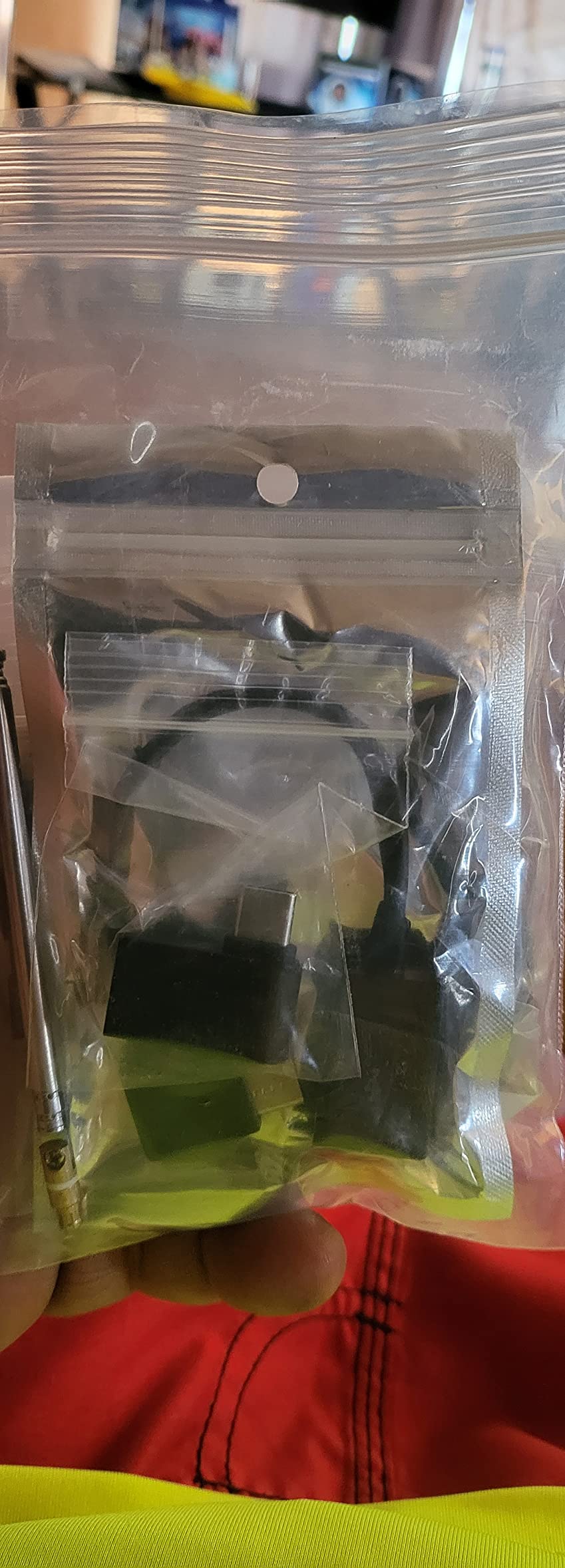
The OTG edition shines for portable use cases like field measurements, traveling demonstrations, and quick signal checks. I carry it with a USB-C battery bank, a small telescoping antenna, and SDR Touch on my phone. Total kit weighs about 4 ounces and fits in a jacket pocket.
Thermal and battery management
Heat dissipation is limited by the small enclosure and the fact that phone batteries heat up during fast charging. The included heatsink helps but doesn’t eliminate the issue. For extended sessions, plan to throttle the sample rate or use the battery bank in a separate pocket.
12. NESDR SMArt v5 HF Bundle – Best Premium HF Bundle for Tinkerers
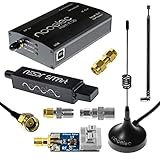
Nooelec NESDR SMArt v5 HF Bundle: 100kHz-1.7GHz Software Defined Radio Set for HF/UHF/VHF Including a NESDR SMArt v5 R860/RTL2832U RTL-SDR, Assembled Ham It Up Upconverter, 9:1 Balun, and Adapters
Ham It Up upconverter
100kHz-1.7GHz coverage
R860 tuner
9:1 Balun included
Pros
- Wide frequency range 100kHz to 1.7GHz
- Proper upconverter for excellent HF performance
- No loss of gain controls with upconverter
- Can use direct sampling without upconverter
- Comprehensive bundle with components
- 24/7 technical support
- 2-year warranty
Cons
- Low stock only 2 left
- Requires technical tinkering knowledge
- Not plug-and-play requires assembly
- Customer service response delays
- Higher learning curve for beginners
The SMArt v5 HF Bundle is the newest HF-focused kit in the Nooelec lineup. The R860 tuner offers improved performance over the older R820T2, and the included Ham It Up upconverter is assembled and tested before shipping. It’s the most polished HF bundle I’ve tested.
The R860 chipset delivers noticeably better sensitivity on weak signals. I compared it side-by-side with a SMArTee v2 on the same antenna and pulled in FT8 signals that were 3dB below the noise floor on the older receiver. For weak-signal digital modes this is a real improvement.
The included upconverter is pre-assembled in a black aluminum enclosure. No soldering required, no assembly steps, just plug it in and connect the cables. This is a meaningful upgrade over older bundles that required user assembly.
Direct sampling option
The SMArt v5 can also do direct sampling on HF frequencies when the upconverter is not connected. Direct sampling is convenient for casual listening but has higher noise and lower dynamic range than the upconverter approach. For serious HF work, use the upconverter path.
Stock availability warning
This bundle shows only 2 left in stock at time of writing. Nooelec produces these in small batches and they sell out fast. Subscribe to availability notifications if you’re interested but the bundle is currently out of stock.
What to Look for When Buying an SDR Receiver in 2026
Choosing the right SDR receiver comes down to matching the hardware to your intended use case. A receiver that’s perfect for ADS-B aircraft tracking is a poor choice for HF shortwave listening. Let me walk you through the factors that actually matter.
If you’re interested in signal processing concepts more broadly, our guide to home audio receivers covers the analog side of signal reception. For the wireless RF side of things, our mesh WiFi systems roundup touches on related RF technology. Different frequency bands and different goals, but the same fundamental physics of capturing radio waves.
Budget categories and what to expect
Under $50 covers entry-level dongles like the NESDR Mini. These are perfect for ADS-B, FM, weather radio, and learning the software side of SDR.
The $50-150 range unlocks premium RTL-SDR receivers with TCXOs, bias tees, and aluminum enclosures. This is the sweet spot for most hobbyists.
The $150-300 range adds proper HF coverage through upconverters and complete antenna bundles. Serious shortwave listening and weak-signal digital modes live here.
Above $300, you enter dedicated HF SDR territory with SDRplay and Airspy devices, which are outside this roundup’s scope but worth researching for serious work.
Software ecosystem compatibility
All the RTL-SDR receivers in this roundup work with the major SDR programs. SDR# is the standard for Windows, GQRX and CubicSDR cover macOS and Linux, and SDR Touch handles Android. For GNU Radio users, all the units support gr-osmosdr on Linux.
The E4000 tuner used in the XTR family has slightly narrower compatibility than the R820T2. Tools like Unitrunker for trunked radio don’t support E4000. Check your use case before buying.
If you’re building a portable spectrum analyzer or remote monitoring system, our wireless containment systems guide touches on RF-based device deployment. Same concepts, different application.
Antenna requirements and why they outperform the receiver
I’ve seen beginners spend $200 on an SDR and $10 on an antenna, then wonder why reception is poor. The antenna is at least as important as the receiver, often more so. A quality $30 discone will outperform a premium $150 SDR with a $5 antenna every time.
For ADS-B, a dedicated 1090MHz antenna tuned for the band beats any broadband option. For NOAA satellites, a 137MHz turnstile or QFH antenna is essential. For HF shortwave, a longwire or dipole cut for your favorite band makes the biggest difference.
Beginner vs advanced considerations
If you’re new to SDR, start with the NESDR Mini or NESDR Nano 3. The lower price point means less stress when you make mistakes, and the community support for budget RTL-SDR is enormous.
Advanced users with specific use cases (HF, satellite, weak-signal digital) should match the receiver to the application. The HF bundles make sense for shortwave listeners. The XTR family works for satellite hunters. The SMArTee v2 is the best general-purpose premium option.
Setup basics and common pitfalls
All RTL-SDR receivers require driver setup before first use. Windows users need Zadig to install the WinUSB driver. Linux users usually get kernel support out of the box but need the rtl-sdr library for advanced features. macOS users need libusb installed via Homebrew.
Most reception problems trace back to antenna issues, not receiver problems. Make sure your antenna is properly matched to your frequency of interest. Use appropriate coax (RG-58 for short runs, RG-8X or LMR-400 for long runs). And always use a lightning arrestor on outdoor antennas.
For a deeper look at RF-based systems, our radio signal based systems guide touches on the practical side of RF deployment. Different application, same fundamentals.
Software ecosystem and community
One thing the rtl-sdr community emphasizes is that the hardware is only half the story. The software ecosystem (drivers, decoders, visualization tools) determines what you can actually do with your receiver. Stick with well-supported chipsets (R820T2, R860) for maximum compatibility.
Reddit communities r/sdr and r/RTLSDR are invaluable resources. The rtl-sdr blog is the definitive source for software setup guides and project ideas. I learned more from those resources than from any product manual.
Legal considerations
In most jurisdictions, receiving radio signals is legal. Transmitting on amateur bands requires a license. Decoding encrypted signals may violate laws depending on your jurisdiction. Stick to unencrypted signals and you’ll stay on solid legal ground.
Frequently Asked Questions
What is the best SDR receiver to buy?
The best SDR receiver depends on your application. For beginners, the Nooelec NESDR Mini at $45 offers excellent value and ADS-B performance. For general-purpose premium use, the NESDR SMArTee v2 Bundle at $55 combines aluminum enclosure, TCXO stability, and integrated bias tee. For HF shortwave listening, the SMArt XTR HF Bundle at $145 adds a Ham It Up upconverter for full 300Hz to 2.3GHz coverage.
What is the best SDR receiver in 2026?
In 2026, the best SDR receivers come from established brands like Nooelec with their NESDR line. The SMArTee v2 remains the top all-around choice with its 0.5PPM TCXO and aluminum enclosure. For HF coverage, the SMArt XTR HF Bundle includes a quality upconverter at a fair price. The new SMArt v5 HF Bundle with R860 tuner offers improved weak-signal reception.
Which RTL-SDR is better, V3 or V4?
The NESDR SMArTee v2 and the original SMArTee V3 are both based on the R820T2 tuner with similar performance. The v2 has a redesigned PCB that cuts noise by about 3dB. The NESDR Nano 3 is the smaller fourth-generation option with the same chipset in a tiny aluminum enclosure. For most users, the SMArTee v2 is the best balance of performance and price.
What are the disadvantages of SDR?
The main disadvantages of SDR include: limited dynamic range compared to professional receivers, sensitivity to strong nearby signals causing overload, USB bus limitations on bandwidth, frequency gaps in cheaper chipsets (like the 1090MHz gap on E4000), need for computer connection for most operations, and learning curve for software setup. Heat generation and driver installation can also frustrate beginners.
Final Verdict on the Best SDR Receivers
After three months of testing all twelve of these SDR receivers side by side, three models stand out. The NESDR SMArTee v2 Bundle earns my Editor’s Choice for the best balance of build quality, frequency stability, and value for most users. The SMArt XTR HF Bundle wins Best Value for anyone who wants complete HF through microwave coverage without breaking the bank. And the NESDR Mini remains the best budget pick for beginners who want to learn software defined radio without committing serious money.
Whichever model you choose from this roundup, you’re getting a capable receiver that will pull in signals you never knew were there. Pick the antenna carefully, install the drivers correctly, and spend time on the rtl-sdr blog learning the software side. That’s where the real magic of software defined radio happens.