
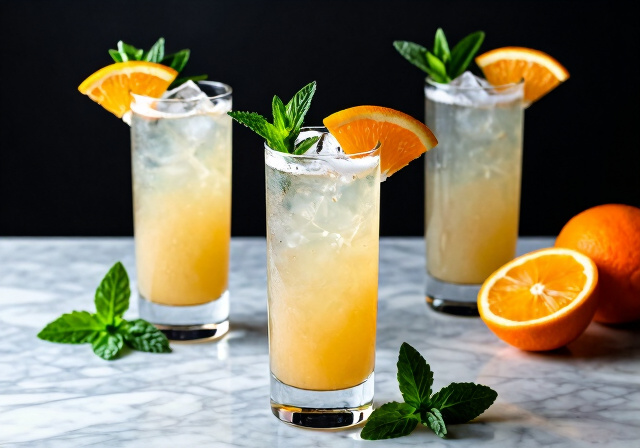
You want a drink that looks and feels like a cocktail but without the alcohol. The problem is most mocktails end up tasting like sweet juice rather than something sophisticated. I have spent months testing techniques to bridge that gap, and I can tell you it is absolutely possible to make a mocktail taste like a cocktail using the right methods.
In this guide, I will walk you through exactly how to replicate the key sensations that make cocktails satisfying. You will learn about burn and heat simulation, bitterness replication, body building, and flavor balancing. By the end, you will have a complete toolkit for creating drinks that command the same respect as their alcoholic counterparts.
Table of Contents
What Makes Cocktails Taste Like Cocktails
Alcohol provides three distinct sensations that mocktails must replicate. First, there is the actual burn that ethanol creates on your tongue. Second, alcoholic drinks contain tannins and bitter compounds that provide complexity. Third, spirits add body and weight that plain juices lack.
The burn sensation comes from ethanol activating your trigeminal nerve, the same nerve that responds to capsaicin in chili peppers. This creates that warming feeling you associate with a good bourbon or margarita. Without it, drinks can taste flat and one-dimensional.
Bitterness and astringency come from compounds like tannins in barrel-aged spirits, hops in beer, and various botanicals in gin. These create that dry, puckering feeling that balances sweet and sour elements. A well-made cocktail always has some bitter component, whether obvious like in a Negroni or subtle like the oak influence in a Manhattan.
Body refers to the weight and texture of a drink in your mouth. Full-bodied cocktails coat your palate, while light drinks feel refreshing but insubstantial. Most fruit juices used in mocktails are thin compared to spirits, so you need techniques to add that satisfying mouthfeel.
Adding Burn and Heat Sensation
The most important technique for making mocktails taste like cocktails is adding a burn sensation. This is what creates the “grown-up” feeling that most alcohol-free drinks miss. There are several natural ingredients that can help you achieve this.
Ginger: Your Best Burning Agent
Ginger contains gingerol and shogaol, compounds that activate the same heat receptors as capsaicin. Fresh ginger root grated into your mocktail creates a genuine warming sensation. For the strongest effect, steep sliced ginger in hot water to make a concentrate, then add it to your drink.
Crystallized ginger works well for a more concentrated burn. You can muddle it at the bottom of your glass like you would mint in a Mojito. Start with a half-inch piece and adjust to your heat preference. Our team found that ginger provides the most authentic burn compared to other alternatives.
Chili Peppers and Black Pepper
A small slice of fresh serrano or jalapeno pepper adds significant heat to mocktails. Remove the seeds and white pith for less intensity, or include them for maximum burn. Add the slice to your glass and let it infuse for a minute before removing.
Black pepper contains piperine, which creates a different kind of warming sensation than chili peppers. Cracked black pepper added directly to the glass provides a subtle burn that some people prefer for lighter drinks. For a stronger effect, you can make a black pepper oil by steeping crushed peppercorns in neutral oil.
Hot Sauce or Cayenne
A few drops of your favorite hot sauce can transform a flat mocktail into something with real presence. Choose a sauce with minimal additional flavor so the heat is the star. Cayenne powder works similarly but can be harder to dissolve evenly.
Creating Bitterness and Astringency
Bitterness is what separates amateur drinks from professional cocktails. Without it, your mocktail will taste like a dessert rather than a sophisticated mixed drink. Here is how to add this crucial element.
Oversteeped Tea: The Secret Weapon
Strong tea is one of the best ways to add tannins and astringency to mocktails. Black tea works for bourbon-style drinks, while green tea suits lighter spirits. The key is steeping much longer than you normally would.
For cocktail replacement purposes, steep your tea for 10 to 15 minutes instead of the usual 3 to 5. This extracts maximum tannins from the leaves, giving you that dry, puckering feeling similar to red wine or aged spirits. Lapsang souchong provides a smoky quality that works well for whiskey-style mocktails.
Bitters: Concentrated Complexity
Angostura bitters and similar products are technically non-alcoholic in most jurisdictions since they contain less than 0.5% ABV. A few dashes add enormous complexity to any mocktail. Use aromatic bitters for general-purpose applications, or specific types like orange bitters for certain cocktails.
You can also make your own bitters by infusing gentian root, cinchona bark, or other bittering herbs in glycerin. This gives you control over the flavor profile and allows you to create custom bittering agents for specific drinks.
Tannic Drinks: Grapefruit and Pomegranate
Some fruit juices naturally contain tannins. Grapefruit juice has a slightly bitter edge that works well in gin-style mocktails. Pomegranate juice provides both color and tannic structure. These can replace some or all of the sweet components in your recipe.
Building Body and Mouthfeel
A cocktail coats your palate with flavor and texture. Most juices and sodas used in mocktails lack this satisfying weight. You need specific techniques to build body into your drinks.
Rich Syrups and Purees
Simple syrup thins out drinks, but rich syrups add body. Make a 2:1 rich simple syrup by dissolving twice as much sugar in hot water. This thicker syrup creates a coating sensation on your tongue.
Fruit purees like mango, strawberry, or banana add significant body and natural sweetness. Use fresh purees rather than commercial products when possible, as fresh purees have better texture. A tablespoon or two per drink is usually enough.
Aquafaba: The Foamy Solution
The liquid from canned chickpeas, aquafaba whips up into stiff peaks like egg whites. This makes it perfect for creating the foamy head on drinks like sours or fizzes. Beyond foam, it adds a subtle richness to the body of your mocktail.
Dry your whisk or mixer thoroughly before whipping aquafaba. Any water will prevent it from reaching full volume. With proper technique, you can create a stable foam that lasts throughout the drinking experience.
Gum and Thickeners: Xanthan and Guar
Food-grade thickeners like xanthan gum can add viscosity without changing flavor. Use sparingly, about 1/4 teaspoon per large batch. Too much will make drinks slimy rather than full-bodied.
These thickeners work best in drinks that will be shaken or blended. They integrate better and create more natural-feeling body. Mix with a small amount of oil first to prevent clumping.
Balancing Sweetness with Acid
Cocktails achieve complexity through balance between sweet, sour, bitter, and aromatic elements. Most beginner mocktails overshoot on sweetness because they are compensating for the absence of alcohol. Here is how to achieve proper balance.
Citrus Juice Ratios
Fresh citrus juice provides the acid backbone for most mocktails. Lemon juice is more versatile, while lime offers tropical vibes. Orange juice is sweeter and works in smaller amounts. The classic sour ratio is 2:1 sweet to acid, but you can adjust based on your ingredients.
Always use fresh-squeezed juice rather than bottled. Bottled juice tastes flat and can contain preservatives that interfere with other flavors. A simple citrus juicer costs under ten dollars and makes a huge difference in your drinks.
Shrubs: The Secret Ingredient
Vinegar-based drinking shrubs add brightness and complexity that plain citrus cannot achieve. They balance sweetness while introducing acid and a subtle tang. Apple cider vinegar, white wine vinegar, and rice vinegar each bring different flavor profiles.
Make your own by combining equal parts fruit, sugar, and vinegar. Let it sit for a few days to meld flavors, then strain. A tablespoon of shrub per drink is usually sufficient to transform a flat mocktail into something interesting.
Verjus and Kombucha
Verjus, the juice of unripe grapes, provides tartness without overwhelming acidity. It works particularly well in wine-style mocktails or when you want something more subtle than vinegar. Some specialty stores carry it, or you can order online.
Kombucha adds both acid and carbonation if you want effervescence in your mocktail. Choose unflavored varieties to avoid conflicting with your other ingredients, or use flavored kombucha as a base liquid. The live cultures in kombucha also aid digestion.
Non-Alcoholic Spirit Alternatives
Several brands now produce non-alcoholic spirits designed specifically to replace liquor in cocktails. These products offer built-in complexity that simplifies the mocktail-making process.
Seedlip, one of the first major brands, offers several varieties. Spice 94 provides warm, aromatic notes similar to whiskey. Garden 108 mimics the botanical quality of gin. Grove 42 delivers bright citrus flavors. These work best when you want a familiar cocktail profile without starting from scratch.
Other quality options include Ritual Zero Proof, Three Spirit, and Lyre’s. Each brand has strengths in different spirit categories. Experiment to find which works best for your preferred cocktails. Our team found that these products work particularly well in martini-style mocktail recipes.
Use NA spirits at the same ratio as you would regular spirits in your favorite recipes. You can often simply substitute them directly into existing cocktail formulas. Check our collection of classic cocktail recipes for inspiration on what to make with these bases.
Common Mistakes to Avoid
Even experienced home bartenders make mistakes when transitioning to mocktails. Here are the most common pitfalls and how to avoid them.
Over-sweetening is the number one mistake. People assume that since alcohol provides warmth and body, they need to add more sugar to compensate. This results in drinks that taste like candy rather than sophisticated cocktails. Start with less sweetener than you think you need and adjust upward.
Skipping the shake is another error. Shaking not only chills your drink but also adds oxygen and creates texture. A properly shaken mocktail with ice will have better body than one that was just stirred. Shake for a full 15 to 20 seconds with plenty of ice.
Ignoring aromatics costs you significant flavor. The volatile compounds in fresh herbs, citrus peels, and spices that you smell before drinking contribute substantially to flavor perception. Always add fresh aromatics to your glass and release their oils before serving.
Pro Tips for Bartender-Quality Results
Professional bartenders use specific techniques to elevate their drinks. You can apply the same methods at home to achieve similar results.
Ice matters more than most people realize. Large, clear ice cubes melt slower and look more professional. You can make them at home by freezing distilled water in silicone molds. The difference in appearance and dilution rate is significant.
Garnish serves multiple purposes beyond aesthetics. A citrus peel expresses oils over the drink, adding aroma. Fresh herbs bruised gently release their scents. Even a simple cherry or olive contributes flavor. Never skip the garnish on a mocktail meant to impress.
Layer your flavors instead of dumping everything together. Start with your base liquid and acid, taste, then adjust sweetness, then add aromatics. Building in stages gives you control over the final balance. This approach separates home drinks from professional creations.
What mimics the taste of alcohol in mocktails?
Several ingredients can mimic alcohol’s taste: ginger creates burn through gingerol, strong tea adds tannins for astringency, bitters provide bitterness, and rich syrups build body. Combining these elements creates a cocktail-like experience.
Does a mocktail taste like a cocktail?
A well-made mocktail cannot taste exactly like a cocktail since ethanol has unique properties. However, using techniques like burn simulation, bitterness addition, and body building, you can create a mocktail that provides a similar drinking experience and satisfaction level.
What is the secret to a great mocktail?
Balance is the secret. Great mocktails balance sweetness, acidity, bitterness, and aromatic elements just like cocktails do. They also incorporate some form of burn or heat sensation and have sufficient body to coat the palate.
What is the 2:1:1 rule for cocktails?
The 2:1:1 rule refers to the classic sour ratio: 2 parts sweet syrup, 1 part acid (citrus juice), and 1 part base spirit. For mocktails, you can use this same ratio, adjusting the sweet component to balance with your other ingredients.
How do you make a mocktail taste more complex?
To add complexity, use oversteeped tea for tannins, add aromatic bitters, incorporate fresh herbs and spices, build body with rich syrups or purees, and layer your flavors rather than mixing everything at once. Carbonation also adds perceived complexity.
Final Thoughts
Making a mocktail taste like a cocktail is a craft that anyone can learn. The key is understanding what alcohol actually contributes to the drinking experience and finding non-alcoholic alternatives for each element. Burn, bitterness, body, and balance are the four pillars you need to address.
Start with one or two techniques from this guide and practice until you feel comfortable. Then add more complexity as your skills develop. Remember that even professional bartenders started somewhere, and the difference between amateur and expert is mostly experience and attention to detail.
The mocktail movement is growing rapidly, and the techniques for making excellent alcohol-free drinks are better than ever. You no longer need to accept flat, sweet, boring alternatives when you can create something genuinely satisfying. Grab your shaker, gather your ingredients, and start experimenting with your own cocktail-inspired creations.