
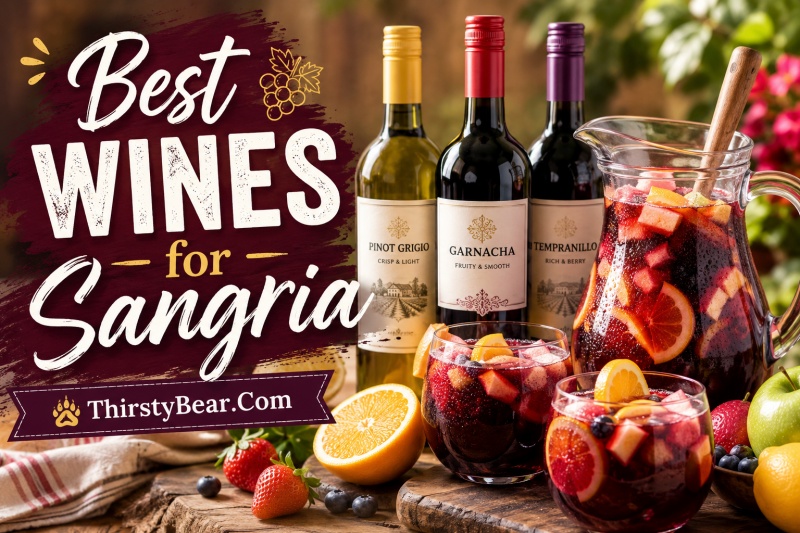
I’ve tested dozens of wine combinations over the years, and finding the best wines for sangria comes down to understanding how wine characteristics interact with fruit, sweeteners, and spirits. The right choice creates a refreshing, balanced drink. The wrong choice becomes bitter or overpowering.
After making sangria for everything from backyard barbecues to dinner parties, I’ve learned that you don’t need expensive wine. You need the right wine. Let me share what works best and why.
Table of Contents
Best Wines for Sangria – Quick Picks
Based on my testing and research, here are the top performers:
- Garnacha – The traditional Spanish choice, fruit-forward with low tannins, perfect balance of sweet and acidic
- Tempranillo – Medium-bodied red with cherry notes, holds up well to bold fruits and spices
- Pinot Noir – Light and versatile, works beautifully in both red and white sangria variations
- Albariño – Crisp white wine with citrus notes, ideal for refreshing white sangria
- Torrontés – Aromatic white with floral hints, adds complexity to lighter sangria recipes
What Makes a Wine Great for Sangria
Understanding wine characteristics helps you make better choices. Not every bottle works well when mixed with fruit and sweeteners.
Low tannin wines are essential. Tannins create that drying sensation in your mouth. When mixed with fruit juice and sweeteners, high-tannin wines become bitter and astringent. I learned this the hard way using a Cabernet Sauvignon once – the result was unpleasantly harsh.
Fruit-forward flavors complement the fresh fruit in sangria. Wines with notes of cherry, berry, citrus, or stone fruit blend seamlessly with the mixers. The wine should enhance, not compete with, the fruit.
Medium body provides structure without heaviness. Light-bodied wines can get lost in the mix. Heavy, full-bodied wines dominate the drink. Medium-bodied reds and crisp whites strike the right balance.
Dry to off-dry sweetness works best. Sweet wines make sangria cloying. Very dry wines can taste too acidic after adding fruit juice. Aim for dry wines with natural fruit character.
Avoid heavy oak. Oaked wines add vanilla and toast flavors that clash with fresh fruit. Unoaked or lightly oaked wines let the fruit shine through.
Best Wines for Sangria – Red Wine Recommendations
Red sangria is the classic Spanish version, and certain red wines consistently deliver excellent results. Here’s what I’ve found works best.
Garnacha – The Traditional Choice
Garnacha, known as Grenache outside Spain, is arguably the best wine for sangria. This Spanish native is what traditional Spanish sangria was built around.
Low tannins prevent bitterness when mixed. High fruit content with strawberry and raspberry notes complements fresh fruit beautifully. Medium acidity balances sweeteners without becoming tart. I’ve used Garnacha from Rioja and Priorat regions, both delivering excellent results.
Look for young Garnacha rather than aged reserves. The fresh, fruity character you want in sangria comes from younger wines. Reserve the aged Garnacha for drinking straight.
Tempranillo – Structure and Fruit
Tempranillo, another Spanish staple, offers more structure than Garnacha while remaining fruit-forward. Cherry, plum, and tomato leaf notes create complex sangria.
Medium tannins provide body without harshness. Balanced acidity works well with citrus fruits. The wine’s natural spiciness complements cinnamon and other sangria spices.
Rioja and Ribera del Duero Tempranillo wines are excellent choices. Young (Crianza) or joven expressions work best. Avoid Gran Reserva Tempranillo – the oak and age don’t translate well to sangria.
Merlot – Accessible and Fruity
Merlot makes an excellent sangria wine, especially for those who find Spanish wines less accessible. The soft tannins and plum, black cherry, and herbal notes create smooth sangria.
Medium body provides substance without weight. Low to medium tannins prevent bitterness. The fruity profile complements berries and stone fruits.
California, Washington, or Chilean Merlots work well. Look for unoaked or lightly oaked examples. Avoid heavily oaked Merlots that taste like vanilla and butter.
Pinot Noir – Light and Versatile
Pinot Noir’s light body and bright acidity make it surprisingly good for sangria. The red berry, cherry, and earthy notes create complex, refreshing drinks.
Very low tannins ensure smooth mixing. High acidity cuts through sweeteners and fruit juice. Light body won’t overwhelm delicate fruits.
Oregon, California, or French Pinot Noir all work. Avoid expensive Burgundy – the subtle nuances get lost in sangria. Affordable Pinot Noir delivers better value.
Zinfandel – Bold and Jammy
Zinfandel’s bold, jammy fruit character makes distinctive sangria. Blackberry, raspberry, and pepper notes create robust drinks perfect for summer parties.
Medium to high alcohol provides structure. Medium tannins need balancing with fruit juice. The intense fruit flavor stands up to bold mixers.
California Zinfandel works best. Look for examples under 15% alcohol to prevent the sangria from becoming too boozy. Old Vine Zinfandel adds complexity.
Málaga and Other Spanish Reds
Beyond Garnacha and Tempranillo, other Spanish reds excel in sangria. Málaga wines from southern Spain offer rich fruit and low tannins.
Monastrell (Mourvèdre) from Jumilla provides dark fruit and spice. Bobal from Utiel-Requena offers red berry flavors and good acidity. These regional specialties connect your sangria to Spanish tradition.
Look for joven or young wines. These showcase fresh fruit without oak influence. Spanish supermarkets offer excellent budget options perfect for sangria.
Best Wines for Sangria – White Wine Recommendations
White sangria offers a lighter, crisper alternative to the traditional red version. The right white wines create refreshing drinks perfect for warm weather.
Albariño – Crisp and Citrusy
Albariño from Galicia might be the perfect white wine for sangria. Bright acidity, citrus notes, and subtle salinity create incredibly refreshing drinks.
High acidity balances sweeteners perfectly. Lemon, lime, and grapefruit notes complement citrus fruits. Light body keeps the drink crisp and refreshing.
Spanish Albariño is traditional and excellent. Portuguese Vinho Verde offers similar characteristics at lower prices. Both work beautifully in white sangria.
Torrontés – Aromatic and Floral
Argentine Torrontés adds exotic aromatics to white sangria. Rose, jasmine, and citrus blossom notes create fragrant, complex drinks.
Intense aromatics enhance fruit flavors. Medium acidity provides balance without sharpness. The floral character pairs beautifully with stone fruits.
Look for Torrontés from Cafayate. The high-altitude wines preserve freshness and aroma. This wine makes distinctive white sangria that stands out.
Pinot Grigio – Neutral and Versatile
Pinot Grigio’s neutral character makes it a reliable white sangria base. The wine doesn’t compete with fruit flavors but provides structure.
Light body keeps drinks refreshing. Medium acidity balances sweet components. Citrus and apple notes complement common sangria fruits.
Italian Pinot Grigio is classic and affordable. American versions work equally well. This is a safe choice that rarely disappoints.
Sauvignon Blanc – Zesty and Herbaceous
Sauvignon Blanc’s herbal and citrus notes create distinctive white sangria. Grass, bell pepper, and grapefruit flavors add complexity.
High acidity cuts through sweeteners. Herbal notes complement mint and basil. The crisp profile keeps drinks refreshing.
New Zealand Sauvignon Blanc offers intense flavors. California versions are riper and fruitier. Both work – choose based on your preferred flavor profile.
Verdejo – Spanish Secret
Verdejo from Rueda, Spain, is a white sangria secret weapon. Tropical fruit, citrus, and herb notes create unique, refreshing drinks.
Medium-high acidity provides balance. Tropical fruit notes complement melon and mango. The Spanish origin connects to sangria tradition.
Look for young Verdejo from Rueda. These wines offer excellent value and authentic character. This white wine deserves more attention for sangria.
Chenin Blanc – Honeyed and Floral
Chenin Blanc’s honeyed notes and floral aromatics create interesting white sangria. Apple, pear, and honey flavors complement fruit beautifully.
Medium acidity provides structure without sharpness. Off-dry examples work well. The floral character adds sophistication.
South African Chenin Blanc offers excellent value. Vouvray from the Loire Valley provides more elegance. Both create distinctive white sangria.
Wines to Avoid for Sangria
Some wines simply don’t work well in sangria. I’ve learned from experience which bottles to leave on the shelf.
Heavily oaked wines are the biggest mistake. Chardonnay aged in new oak, oaked Chianti, or heavily oaked Rioja Reserva all clash with fresh fruit. The vanilla and toast flavors taste strange mixed with orange juice and brandy.
High tannin wines become bitter when mixed. Cabernet Sauvignon, Nebbiolo, and Petite Sirah all have too much tannin for sangria. The astringent drying effect gets worse with fruit juice and sweetener.
Very sweet wines make sangria cloying. Moscato, late-harvest Riesling, and Port create overly sweet drinks. Sangria already gets sweetness from fruit juice and added sugar.
Expensive wines are a waste of money. I’ve tested $50+ wines in sangria, and the subtle nuances disappear completely. Save the nice bottles for drinking straight.
Very light wines get lost in the mix. Pinot Grigio with no character or thin rosé provides little flavor. You want wines with enough personality to contribute to the final drink.
Budget-Friendly Wine Options
One of the most common questions I hear is whether cheap wine works for sangria. The answer is yes – within reason.
I’ve tested wines at every price point, and the sweet spot for sangria is $8-15. Below $8, wines can taste thin or have off-flavors that become noticeable even in a mixed drink. Above $15, you’re paying for characteristics that get lost in sangria.
Trader Joe’s offers excellent budget options. Their La Sonriente Garnacha and Charles Shaw (Two Buck Chuck) wines consistently perform well in my sangria tests. The prices are hard to beat.
Spanish table wines are traditional and affordable. Look for young reds labeled simply as “Vino Tinto” from Rioja or Valencia. These wines are made specifically for sangria and daily drinking.
Generic blends can work surprisingly well. Red blends labeled as “table wine” or “kitchen wine” are often perfect for sangria. They’re designed for cooking and mixing.
The key is tasting before using. Even budget wines should taste pleasant on their own. If it’s undrinkable straight, it won’t magically become good in sangria.
Tips for Making the Best Sangria
Choosing the right wine is just the first step. How you assemble your sangria matters just as much.
Chill everything before mixing. Cold wine, cold fruit, cold juice. Starting cold keeps the drink refreshing longer. I learned this after warm sangria turned into lukewarm soup at a summer party.
Let it rest before serving. The flavors need time to meld. One to four hours in the refrigerator is ideal. Overnight resting works too, but the fruit can become mushy.
Don’t overdress the sangria. Too many fruits, too much juice, too many spirits – these overwhelm the wine. Simple recipes with three or four components often taste best.
Balance is key. Sweet, sour, bitter, alcohol – sangria needs all in harmony. Taste and adjust before serving. A splash more acid (lemon juice) or sweetener (simple syrup) can fix an imbalanced drink.
Experiment with spirits. Brandy is traditional, but rum, orange liqueur, or even gin can create interesting variations. Just keep it subtle – the wine should remain the star.
For a complete classic red sangria recipe with step-by-step instructions, check out our detailed guide. It breaks down the perfect ratios and timing.
If you prefer lighter, fruit-forward sangria, our white sangria recipe uses peaches, strawberries, and citrus for a refreshing summer drink. The white wine choices I recommended work perfectly here.
Hosting a party and want more options? Our guide to wine cocktails for spring features 15 refreshing recipes beyond sangria. Wine-based spritzes, punches, and coolers expand your entertaining repertoire.
Need a non-alcoholic option? Our non-alcoholic sangria recipe captures all the refreshing flavors without the wine. Great for designated drivers or anyone avoiding alcohol.
FAQs
What kind of wine is best for sangria?
The best wines for sangria are fruit-forward, low-tannin, medium-bodied varietals like Garnacha, Tempranillo, Pinot Noir, Albariño, and Torrontés. These wines have enough character to contribute flavor without overpowering the fruit and mixers.
Is Pinot Noir or Merlot better for sangria?
Both work well, but Pinot Noir is generally better for lighter, more delicate sangria while Merlot suits bolder, fruit-forward versions. Pinot Noir’s high acidity and low tannins make it versatile, while Merlot’s fuller body and soft tannins provide more structure.
Can you use cheap wine for sangria?
Yes, affordable wines in the $8-15 range work excellently for sangria. Wines below $8 may have off-flavors, while wines above $15 waste money on characteristics that get lost in the mix. The key is using wine that tastes pleasant on its own.
What wine is used in traditional Spanish sangria?
Traditional Spanish sangria typically uses young Spanish red wines like Garnacha or Tempranillo. These native varieties provide the authentic flavor profile that Spanish sangria is known for – fruity, medium-bodied, and low in tannins.
Conclusion
Finding the best wines for sangria doesn’t require a sommelier’s knowledge – just understanding a few key characteristics. Low tannins, fruit-forward flavors, and medium body matter more than price or prestige.
Garnacha and Tempranillo remain my top choices for authentic red sangria. Albariño and Torrontés create exceptional white sangria. And remember, affordable wines in that sweet spot of $8-15 often outperform expensive bottles in mixed drinks.
The best wines for sangria are the ones you enjoy drinking and fit your budget. Experiment with different varieties, taste as you go, and find what works for your palate. That’s the real secret to great sangria.