
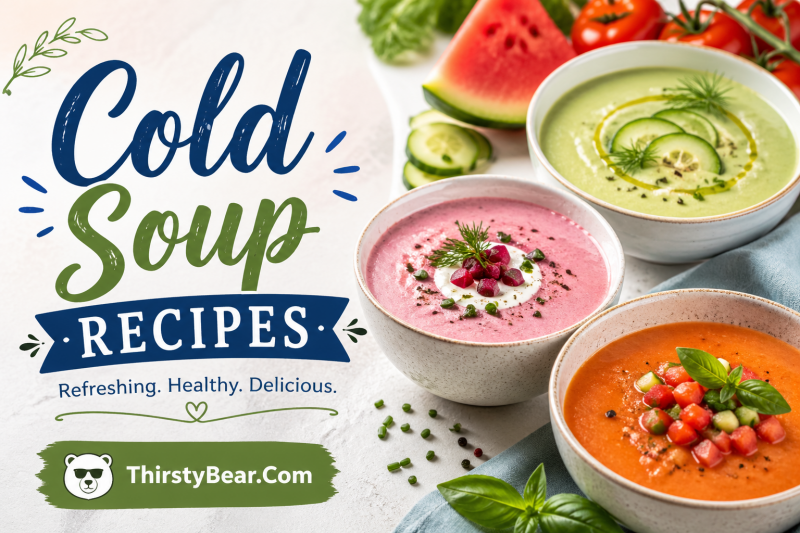
When the temperature climbs and the thought of turning on the stove makes you wince, cold soup recipes become your best friend in the kitchen. These refreshing, no-cook dishes deliver vibrant flavors while keeping you cool during the hottest months of the year. Whether you are hosting a summer brunch, packing a picnic, or simply craving a light lunch that does not require cooking, chilled soups offer the perfect solution for 2026 summer dining.
I have spent years experimenting with cold soup recipes, from traditional Spanish gazpacho to Bulgarian tarator and everything in between. The beauty of these dishes lies in their simplicity. Most require nothing more than fresh ingredients and a blender. You can have a restaurant-quality appetizer or light meal ready in under 15 minutes, then simply chill it until you are ready to serve.
What makes cold soup recipes truly special is how they showcase seasonal produce at its peak. Juicy summer tomatoes, crisp cucumbers, sweet corn, and ripe melons all transform into silky, satisfying soups that highlight the natural flavors of fresh ingredients. In this guide, I will share my favorite cold soup recipes organized by type, along with preparation tips that will help you create chilled soups worthy of any summer table.
Table of Contents
Quick Picks: Our Favorite Cold Soup Recipes
Before diving into the detailed recipes, here are five cold soup recipes I return to again and again each summer. Each one offers something unique, from the classic tomato punch of traditional gazpacho to the surprising sweetness of fruit-based chilled soups.
- Classic Gazpacho remains the undisputed champion of cold soup recipes. This Spanish staple combines ripe tomatoes, cucumber, bell pepper, garlic, and olive oil into a refreshing puree that captures summer in every spoonful. Serve it with crusty bread for a complete light meal.
- Cucumber Yogurt Soup (also known as cacik or tzatziki soup) offers a creamy, herbaceous alternative that comes together in minutes. The combination of crisp cucumber, tangy yogurt, fresh dill, and garlic creates a cooling effect that beats the heat better than air conditioning.
- Chilled Corn Soup celebrates peak-season sweet corn with minimal effort. Raw corn kernels blended with a touch of cream or coconut milk produce a silky, naturally sweet soup that tastes like summer sunshine. This is the soup that will make you skip the cooking pot entirely.
- Watermelon Gazpacho brings a fruity twist to the classic formula. By swapping half the tomatoes for juicy watermelon, you get a slightly sweet, incredibly refreshing soup that works equally well as an appetizer or a light dessert. The pink color makes it a stunning addition to any summer table.
- Tarator, a Bulgarian walnut and cucumber soup, introduces you to the world of nut-based cold soups. Ground walnuts blended with cucumber, garlic, and yogurt create a rich, protein-packed soup that feels substantial despite being served cold. It is a revelation for anyone who thinks cold soups must be tomato-based.
Classic Gazpacho: The King of Cold Soup Recipes
Gazpacho originated in the hot, dry region of Andalusia in southern Spain, where farmers needed refreshing meals that required no cooking over open flames. Today it remains the most recognized cold soup worldwide, and for good reason. When made with ripe, in-season tomatoes, gazpacho delivers a flavor explosion that is simultaneously simple and sophisticated.
The key to exceptional gazpacho lies in your tomato selection. Visit your local farmers market and choose tomatoes that feel heavy for their size and yield slightly to pressure. Heirloom varieties work beautifully here, offering complex flavors that supermarket tomatoes simply cannot match. If you can only find standard tomatoes, add a tablespoon of tomato paste to deepen the flavor.
To make traditional gazpacho, combine two pounds of ripe tomatoes (cored and roughly chopped), one cucumber (peeled and seeded), one red bell pepper, two cloves of garlic, and a quarter cup of good quality olive oil in your blender. Blend until completely smooth, then strain through a fine-mesh sieve for that signature silky texture. Season generously with salt and sherry vinegar, then chill for at least two hours before serving.
For a variation that will impress your guests, try watermelon gazpacho. Replace half the tomatoes with seedless watermelon, and add a handful of fresh mint leaves during blending. The result is a slightly sweet, incredibly refreshing soup that pairs beautifully with grilled seafood or spicy dishes. I like to garnish this version with crumbled feta cheese and additional mint.
Green gazpacho offers another delicious departure from tradition. Substitute the tomatoes with ripe avocados, cucumber, green grapes, and a handful of spinach or watercress. The addition of grapes brings subtle sweetness while maintaining the savory profile. This version tends to be creamier thanks to the avocado, and it is naturally vegan if you skip any dairy garnishes.
Cucumber Cold Soup Recipes: Cool and Creamy
Cucumber forms the backbone of many beloved cold soup recipes across different cultures. Its high water content and mild flavor make it the perfect base for both light, brothy soups and thicker, creamier versions. When temperatures soar, nothing cools you down quite like a bowl of cucumber soup.
The Turkish cacik (similar to Greek tzatziki but with a soup-like consistency) represents one of the simplest yet most satisfying cold soup recipes in my rotation. Grate two large cucumbers and squeeze out excess moisture through a clean kitchen towel. Mix with two cups of thick Greek yogurt, three minced garlic cloves, a generous handful of chopped fresh dill, and a splash of olive oil. Thin with a little cold water or ice cubes until you reach your desired consistency. The result is a tangy, herbaceous soup that works as an appetizer, a side dish, or even a sauce for grilled meats.
For a dairy-free alternative that is just as creamy, try cucumber avocado soup. Blend two peeled and pitted avocados with one large cucumber, the juice of two limes, a cup of vegetable broth, and a handful of cilantro. The avocado provides richness without any dairy, while the lime keeps the flavors bright and refreshing. This soup is particularly popular with vegan guests and anyone avoiding lactose.
Cucumber gazpacho offers a lighter option that skips the tomatoes entirely. Blend cucumber with green grapes, green bell pepper, a small jalapeno (seeds removed for milder heat), and plenty of fresh herbs. The grapes add just enough sweetness to balance the savory elements, while the jalapeno provides a gentle kick that wakes up your palate. Garnish with toasted pumpkin seeds for crunch.
When working with cucumbers in cold soup recipes, always taste a slice before committing the whole vegetable to your blender. Occasionally you will encounter a bitter cucumber that can ruin an entire batch. English or Persian cucumbers tend to be more reliable than standard garden varieties, though any type works if you taste first.
Chilled Corn Soup: Summer Sweetness in a Bowl
Sweet corn reaches its peak during the hottest weeks of summer, making it the perfect ingredient for cold soup recipes. Unlike tomato-based soups that rely on cooking to develop flavor, corn soups celebrate the raw, natural sweetness of fresh kernels cut straight from the cob.
The simplest corn soup requires nothing more than fresh corn, a blender, and a few pantry staples. Cut the kernels from four ears of corn and blend them with a cup of water or vegetable broth until completely smooth. Strain through a fine sieve to remove the fibrous hulls, then stir in a splash of heavy cream or coconut milk for richness. Season with salt, white pepper, and a squeeze of lime juice. Chill thoroughly and serve garnished with fresh corn kernels and chopped chives.
For a more complex flavor profile, try roasting half the corn before blending. The caramelization adds depth and a subtle smokiness that transforms the soup from simple to sophisticated. Roast the kernels in a hot skillet until they develop char marks, then blend with raw corn for a combination of sweet and smoky flavors.
Corn and coconut soup brings tropical flair to your summer table. Blend raw corn kernels with full-fat coconut milk, fresh ginger, and a touch of Thai red curry paste. The result is a creamy, slightly spicy soup that pairs beautifully with grilled shrimp or scallops. This is the cold soup I serve when I want to impress guests with something unexpected.
When shopping for corn, look for ears with bright green husks and moist, golden silk. The kernels should feel plump and firm when you press gently through the husk. Avoid any ears with dry, brown silk or slimy kernels. For the sweetest flavor, cook or use your corn the same day you buy it, as the sugars begin converting to starch immediately after picking.
Fruit-Based Cold Soup Recipes
While savory cold soups dominate most discussions, fruit-based chilled soups deserve equal attention. These recipes walk the line between appetizer and dessert, offering a refreshing course that can bridge savory and sweet parts of your meal. The key is balancing the natural sweetness of fruit with savory elements like vinegar, herbs, or even olive oil.
Watermelon gazpacho represents the perfect introduction to fruit-based cold soups. Replace half the tomatoes in your standard gazpacho recipe with seedless watermelon, and add fresh mint or basil during blending. The watermelon brings subtle sweetness and incredible hydration, while the tomatoes maintain the savory backbone. I like to finish this soup with a drizzle of high-quality balsamic reduction and a few cubes of fresh mozzarella for a caprese-inspired twist.
Cantaloupe soup offers a delicate, floral option that works beautifully as a palate cleanser between courses. Blend ripe cantaloupe with a splash of orange juice, a pinch of salt, and a handful of fresh mint. The salt might seem odd with fruit, but it actually enhances the melon flavor dramatically. Serve in small portions with a dollop of Greek yogurt or creme fraiche.
For something truly unexpected, try strawberry gazpacho. Blend fresh strawberries with cucumber, a splash of red wine vinegar, and a small amount of bread soaked in water (the traditional gazpacho thickener). The result is a bright pink soup with complex flavors that surprise everyone who tries it. Garnish with whole strawberries and a grind of black pepper.
Honeydew melon gazpacho follows a similar formula, offering a milder, more subtle sweetness than watermelon. Combine honeydew with cucumber, green grapes, and fresh ginger for a refreshing soup that feels spa-worthy. This is the cold soup recipe I turn to when I want something light, healthy, and utterly refreshing on a sweltering afternoon.
International Cold Soups: Beyond Gazpacho
While gazpacho might be the most famous cold soup, cultures around the world have developed their own chilled soups to beat the heat. Exploring these international recipes expands your summer repertoire and introduces you to flavor combinations you might never have considered.
- Cacik, the Turkish cucumber and yogurt soup mentioned earlier, appears throughout the Middle East and Mediterranean in various forms. In Turkey, it is often served as a soup, while in Greece the thicker tzatziki version functions more as a sauce or dip. The key to authentic cacik is using thick, strained yogurt and plenty of fresh garlic. Some versions include walnuts or fresh mint for additional complexity. I learned to make this from a Turkish neighbor who insisted that the yogurt must be homemade for the truest flavor, though excellent store-bought options work well too.
- Tarator from Bulgaria represents a different approach to cold soup, using ground nuts as the base rather than vegetables or dairy. Soak a cup of walnuts in water for two hours, then drain and blend with cucumber, garlic, olive oil, and enough water to reach soup consistency. The result is rich, creamy, and surprisingly filling thanks to the protein and healthy fats from the walnuts. Some versions add breadcrumbs soaked in water for additional body. This is the cold soup that satisfies even the heartiest appetites.
- Okroshka, a traditional Russian cold soup, combines kvass (a fermented rye bread beverage) with chopped vegetables including cucumber, radish, and scallions, plus boiled potatoes, eggs, and cooked meat like ham or sausage. The kvass provides a tangy, slightly sour base that is incredibly refreshing. If you cannot find kvass, you can substitute kefir or a mixture of buttermilk and sparkling water. This is a substantial cold soup that eats like a full meal rather than a light starter.
- Vichyssoise, despite its French-sounding name, was actually created in America by a French chef. This creamy potato and leek soup is traditionally served cold, though it is equally delicious warm. The key is cooking the leeks and potatoes until completely tender, then blending with cream until silky smooth. Chill thoroughly and garnish with chopped chives. Unlike the other cold soup recipes here, vichyssoise requires cooking first, then chilling, making it perfect for using up leftover cooked potatoes.
Exploring these international varieties has completely changed how I approach summer cooking. Each culture has solved the problem of hot-weather dining in its own way, and we get to benefit from centuries of experimentation. I encourage you to try at least one unfamiliar cold soup this summer. You might discover a new favorite.
Essential Ingredients and Equipment for Cold Soup Recipes
Creating exceptional cold soup recipes requires less equipment than you might think, but a few key items and quality ingredients make a significant difference in the final result. Here is what I have learned matters most after years of testing.
- Olive oil plays a starring role in most cold soup recipes, particularly gazpacho. Because these soups are not cooked, the flavor of your olive oil comes through clearly. Use the best extra virgin olive oil you can afford, preferably one with a fruity, slightly peppery profile. Avoid old or rancid oil, as the off-flavors will dominate your soup.
- Vinegar provides the acidity that makes cold soups taste bright and refreshing rather than flat. Sherry vinegar is traditional for gazpacho, offering complex, slightly sweet notes. Red wine vinegar works well too, as does white wine vinegar for lighter soups. Fresh lemon or lime juice also brings welcome acidity, particularly to fruit-based recipes. Always taste and adjust the acid level before chilling, as cold temperatures dull flavors slightly.
- Salt deserves more attention than it usually gets in cold soup recipes. Because these dishes are served cold, you need to season more aggressively than you would for hot soup. I recommend using flaky sea salt for finishing and fine sea salt during blending. Taste, adjust, and taste again before refrigerating.
- Blender selection matters for achieving silky texture. A high-speed blender like a Vitamix or Blendtec produces the smoothest results, particularly for fibrous vegetables. However, any standard blender works fine if you are willing to strain the soup through a fine-mesh sieve afterward. An immersion blender is less ideal for cold soups, as it rarely achieves the ultra-smooth texture that makes these dishes special.
- Straining separates good cold soups from great ones. Even with a powerful blender, passing your soup through a fine-mesh sieve or chinois removes the tiny bits of skin, seed, and fiber that create grittiness. Take the time to do this step properly. The silky texture you achieve is worth the extra few minutes.
Storage containers should be glass or stainless steel rather than plastic, which can absorb odors and stain permanently. Mason jars work perfectly for storing cold soup in the refrigerator and make portable lunches easy. Fill them to the top to minimize air exposure, which can cause oxidation and flavor degradation.
Preparation Tips and Make-Ahead Storage
One of the greatest advantages of cold soup recipes is their make-ahead nature. Most actually improve after sitting overnight, as the flavors meld and develop during refrigeration. Here is how to maximize convenience without sacrificing quality.
- Chilling time is non-negotiable for the best results. Plan for at least two hours of refrigeration, though overnight is ideal. Cold temperatures mute flavors slightly, so always taste and re-season just before serving. You will likely need to add a pinch more salt or a splash of vinegar to bring the flavors back into focus.
- No-cook techniques define most cold soup recipes, but some vegetables benefit from brief blanching. If your tomatoes are not perfectly ripe, a quick dip in boiling water followed by ice water helps remove the skins and softens the flesh for smoother blending. Similarly, raw corn kernels blend more easily if you blanch them for just one minute first. However, avoid overcooking, as you want to maintain the fresh flavor that makes cold soups special.
- Storage duration varies by soup type. Tomato-based gazpacho keeps for three to four days refrigerated. Dairy-based soups like cucumber yogurt soup should be consumed within two days for best flavor and food safety. Nut-based soups like tarator last three days. Fruit-based soups are best consumed within two days, as the natural enzymes can cause them to ferment slightly over time.
- Freezing works for some but not all cold soup recipes. Tomato-based gazpacho freezes reasonably well for up to three months, though the texture may change slightly upon thawing. Dairy-based soups tend to separate when frozen and thawed. Fruit-based soups freeze beautifully and can even be served partially frozen as a slushy treat. If you do freeze cold soups, leave headspace in the container for expansion, and thaw overnight in the refrigerator rather than using heat.
- Garnishes should always be added at the last minute. Croutons go soggy, herbs wilt, and swirls of cream or oil can solidify or separate during storage. Prepare your garnishes in advance but store them separately, then add them just before serving for the best presentation and texture.
When transporting cold soups to potlucks or picnics, keep them in a cooler with ice packs until just before serving. Fill a large bowl with ice and nestle your soup container inside to maintain temperature during an outdoor gathering. Cold soups are meant to be genuinely cold, not merely room temperature.
Frequently Asked Questions About Cold Soup Recipes
What are some good cold soups?
Excellent cold soups include classic tomato gazpacho, cucumber yogurt soup (cacik), chilled corn soup, watermelon gazpacho, Bulgarian tarator with walnuts, Russian okroshka with kvass, and French vichyssoise. Fruit-based options like cantaloupe soup and strawberry gazpacho offer sweet-savory alternatives. The best cold soups showcase fresh seasonal produce and require minimal or no cooking.
Which soup is best served cold?
Gazpacho is the most famous cold soup, originating from Spain’s Andalusia region. Traditional gazpacho features ripe tomatoes, cucumber, bell pepper, garlic, olive oil, and sherry vinegar blended until smooth. Other excellent cold soups include vichyssoise (creamy potato and leek), cucumber soups, and fruit-based chilled soups like watermelon gazpacho.
Which cold soup is best for diabetics?
Vegetable-based cold soups like traditional gazpacho, cucumber soup, and roasted beet borscht are excellent choices for diabetics. These options are naturally low in carbohydrates and high in fiber. Avoid fruit-based cold soups or those with added sugars, as these can spike blood glucose levels. Always consult with a healthcare provider about specific dietary needs.
Can cold soup help lower cholesterol?
Certain cold soups can support heart health when part of a balanced diet. Tomato-based gazpacho provides lycopene and antioxidants. Soups made with walnuts, like Bulgarian tarator, deliver omega-3 fatty acids that may help reduce LDL cholesterol. Vegetable-heavy cold soups are naturally low in saturated fat and can replace higher-cholesterol meal options.
How long do cold soup recipes last in the refrigerator?
Most cold soups last 3 to 4 days refrigerated in airtight containers. Tomato-based gazpacho keeps well for up to 4 days. Dairy-based soups like cucumber yogurt soup should be consumed within 2 days. Fruit-based cold soups are best within 2 days as natural enzymes can cause fermentation. Always store in glass or stainless steel containers and taste before serving to check freshness.
What can I serve with cold soup recipes?
Cold soups pair beautifully with grilled bread, crostini, or crackers. Gazpacho matches well with Spanish tortilla or Manchego cheese. Light salads with vinaigrette complement creamy cold soups. For a complete meal, serve alongside grilled seafood, chicken, or vegetable skewers. Cold soups also work as an elegant starter before any summer main course.
Conclusion
Cold soup recipes offer the perfect solution for summer dining, combining fresh seasonal ingredients with minimal preparation time. From the classic tomato gazpacho of Spain to the nut-rich tarator of Bulgaria and the sweet corn soups of American summers, these chilled dishes prove that you do not need heat to create deeply satisfying flavors.
I encourage you to explore the world of cold soup recipes this summer. Start with a classic gazpacho if you are new to chilled soups, then branch out to cucumber yogurt varieties and fruit-based options. Pay attention to your ingredients, invest in good olive oil, and do not skip the straining step that creates that signature silky texture. With a blender and a few hours of chilling time, you can create restaurant-quality cold soups in your own kitchen.
The next time the temperature rises and cooking feels impossible, reach for one of these cold soup recipes instead. Your kitchen stays cool, your ingredients shine at their peak freshness, and you get to enjoy a refreshing, nutritious meal that celebrates everything summer has to offer. Happy blending, and stay cool.