
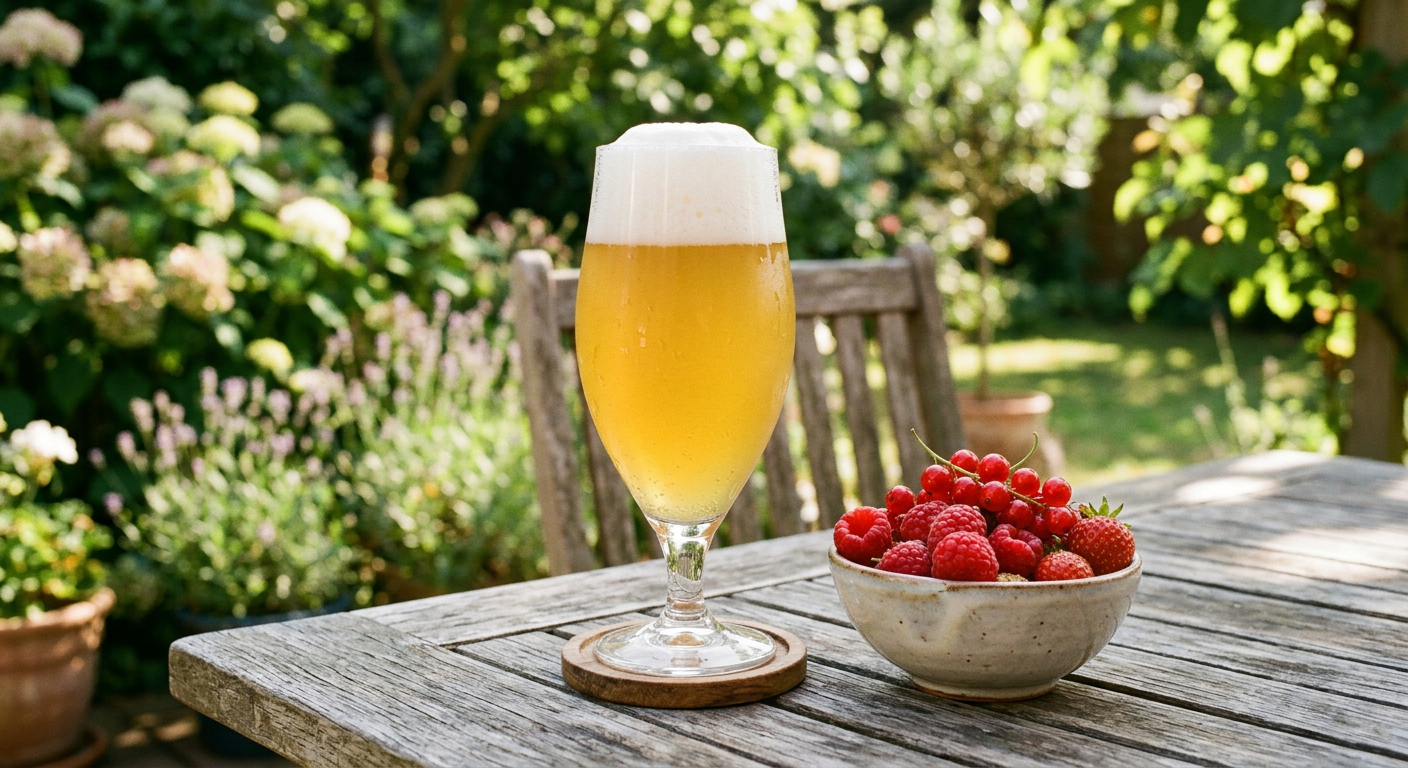
Known as the “Champagne of the North,” Berliner Weisse is a low-alcohol, tart wheat beer that has been refreshing beer lovers in Germany for centuries. This cloudy, sour ale originated in Berlin and remains one of the most unique German beer styles you can find. If you have ever wondered what makes this pale, effervescent beer so special, you are about to find out everything you need to know about this fascinating style.
Table of Contents
What Is a Berliner Weisse?
A Berliner Weisse is a pale, cloudy, sour wheat beer that typically contains around 3.5% to 5% alcohol by volume. The name literally translates to “Berlin white” in German, with “weisse” meaning white or wheat. This light-bodied ale is unfiltered, giving it a distinctive hazy appearance that ranges from pale gold to light straw. The style is characterized by its refreshing tartness and high carbonation, making it a perfect summer drink.
The style is defined by its sharp, refreshing tartness that comes from lactic acid produced during fermentation. Unlike many sour beers that rely on extended barrel aging, Berliner Weisse achieves its signature sourness through a relatively quick lactobacillus fermentation process. The result is a beer that is both refreshing and complex, with a dryness that makes it incredibly sessionable. The carbonation adds a lively effervescence that enhances the perception of the beers tart character.
According to community discussions among beer enthusiasts, traditional German versions tend to be “only slightly acidic” with a “light, refreshing” quality often described as having “yogurt tartness.” This makes the style approachable for newcomers to sour beers while remaining satisfying for experienced craft beer drinkers. The balance between sour and refreshing is what makes Berliner Weisse so distinctive among sour beer styles.
The History of Berliner Weisse
Berliner Weisse traces its roots back to at least the 16th century in Northern Germany, making it one of the older wheat beer traditions in the world. The style developed in Berlin and surrounding areas, where local brewers discovered that the region’s water and climate produced unique results with wheat-based recipes. The tradition of brewing wheat beers in this region dates back centuries, with Berliner Weisse emerging as the most famous example of the style.
The style reached its peak popularity in the early 19th century. Historical records indicate that approximately 700 breweries in Germany were producing Berliner Weisse at this time. Napoleon and his troops famously dubbed the brew the “Champagne of the North” during their occupation of Berlin, a nickname that stuck and remains the beers most recognizable moniker today. The comparison to Champagne spoke to the beers elegant character and sophisticated flavor profile.
However, the style faced a steep decline through the 20th century. By the latter half of the century, only a handful of breweries continued producing traditional Berliner Weisse. World War II and the subsequent economic challenges nearly wiped out the style entirely. Community forum discussions note that today “only two or three breweries in Germany regularly bottle Berliners,” making authentic examples increasingly rare and precious for beer enthusiasts seeking the original expression.
The modern revival of Berliner Weisse has come largely from American craft brewers, who have embraced the style and added their own creative interpretations. This transatlantic reinterpretation has actually helped introduce the style to new audiences while preserving its core characteristics. American breweries have experimented with fruit additions, stronger sour profiles, and new variations that honor the spirit of the original while taking the style in exciting directions.
How Is Berliner Weisse Made?
The production of Berliner Weisse centers on two key elements: a high wheat content grist and a lactobacillus souring process. Most traditional recipes use approximately 50% wheat malt and 50% pilsner malt, creating the characteristic wheat-forward flavor profile that defines the style. The high wheat content contributes to the beers light body and hazy appearance while adding a subtle sweetness that balances the sourness.
The souring process sets Berliner Weisse apart from most other beer styles. Rather than relying on extended barrel aging or wild fermentation, brewers typically introduce Lactobacillus bacteria to the wort. This can happen through “kettle souring,” where lactobacillus is added directly to the brewing vessel and allowed to produce lactic acid at warm temperatures for 24 to 48 hours. The lactobacillus feeds on sugars in the wort and produces lactic acid, which gives the beer its characteristic tartness without the complexity that comes from wild yeast or long aging.
After the souring phase completes, the beer is boiled and then fermented with standard ale yeast. The combination of lactic acid from the souring process and the fruity esters from ale fermentation creates the balanced flavor profile the style is known for. Some brewers also employ mixed fermentation, introducing Brettanomyces or other wild yeasts for additional complexity. These wild yeast strains can add subtle earthy, fruity, or funky notes that complement the lactic acid sourness.
The beer is then conditioned and carbonated, typically with a high level of carbon dioxide that gives the style its characteristic effervescence. The final product is a light-bodied, highly carbonated beer with a crisp, tart finish. The high carbonation serves multiple purposes: it enhances the perception of freshness, helps balance the sourness, and gives the beer a lively mouthfeel that makes it so refreshing on a hot day.
If you want to learn more about sour beer production and our approach to these styles, you can Explore our brewing process for sour and wheat beers.
Traditional Serving: Rot oder Grun
In Germany, Berliner Weisse is traditionally served with a flavored syrup called “schuss” that transforms the tart base beer into something even more refreshing. The practice of adding syrup is so ingrained in the culture that bartenders in Berlin will often ask “Rot oder Grun?” meaning “Red or Green?” as soon as you order. This simple question reflects the deep cultural tradition of how this beer is meant to be enjoyed.
The red option refers to raspberry syrup, which adds a sweet, fruity dimension to the sour beer. The raspberry flavor mingles with the lactic acid tartness, creating a harmonious balance that many drinkers find irresistible. This version has become the most recognizable expression of Berliner Weisse in bars across Berlin, particularly in the summer months when locals gather at outdoor terraces to enjoy the refreshing beverage.
The green option comes from Woodruff syrup, a distinctive flavoring made from the woodruff plant that imparts a sweet, slightly vanilla-like taste with herbal undertones. Woodruff is deeply traditional and gives the beer an extra dimension of complexity. The herbaceous quality of Woodruff creates an interesting contrast with the beers sourness, making this version particularly popular among those who appreciate more nuanced flavor profiles.
These syrup additions serve both practical and cultural purposes. The sweetness helps balance the sharp tartness of the beer, making it even more approachable for those who find the sourness overwhelming. The dilution also lowers the perceived acidity, creating a perfectly refreshing summer drink. A traditional Berliner Weisse with schuss is typically served in a large, curved glass that shows off the beers cloudy appearance and allows the carbonation to shine.
When serving at home, aim for a temperature between 45 and 50 degrees Fahrenheit. The beer should be cold but not ice-cold, which would mute the subtle flavors. Pour it into a wide-mouthed glass or a traditional Weizen vase to appreciate the hazy appearance and aromatic qualities. Taking the time to serve the beer at the right temperature makes a significant difference in the overall experience.
American Adaptations and Fruit Variations
American craft brewers have taken the Berliner Weisse style in exciting new directions while respecting its core identity. The most significant difference is the approach to fruit additions. While German tradition uses small amounts of syrup added at the table, American versions often feature heavy fruit additions directly in the brewing process. This creates a dramatically different beer that emphasizes fruit flavors alongside the signature sourness.
These American interpretations typically pour a vibrant array of colors, from deep purple to bright pink to tropical yellow, thanks to massive additions of pureed or pure fruit. Breweries have experimented with everything from classic raspberry and passionfruit to more unexpected additions like tangerine, lavender, and even chocolate. The visual impact of these beers is striking, with colors that seem almost unnatural in their intensity and beauty.
The flavor profile of American Berliner Weisse tends to be more assertive than traditional German versions. The tartness is often more pronounced, and the fruit flavors take center stage rather than serving as an accent. This makes them incredibly approachable for beer drinkers who find traditional sour beers too acidic. The fruit not only adds flavor but also sweetness that can help balance the sourness in a way that appeals to a broader audience.
Community discussions reveal that some enthusiasts feel “many American versions are heavily fruited, losing traditional character.” However, the same discussions acknowledge that “American craft brewers are driving style innovation and popularity,” helping introduce the style to audiences who might never encounter the traditional German version. This ongoing dialogue between tradition and innovation is what keeps the Berliner Weisse style evolving and relevant to new generations of beer lovers.
How Does Berliner Weisse Compare to Other Styles?
While Berliner Weisse shares some characteristics with other sour beers, it stands apart in significant ways. Comparing it to related styles helps illustrate what makes this German wheat beer so unique and special in the broader world of craft beer.
Gose is perhaps the most closely related style, also originating from Germany and featuring a tart, refreshing character. However, Gose is typically brewed with salt and often features coriander, giving it a distinct savory and spiced dimension that Berliner Weisse lacks. Both styles use lactobacillus for souring, but the flavor profiles diverge significantly after that. Gose tends to be more savory and complex, while Berliner Weisse focuses on clean, refreshing tartness.
Witbier, or Belgian white ale, shares the wheat-forward approach but is not sour. This style uses orange peel and coriander for flavor instead, resulting in a spicy, citrusy beer that is refreshing but fundamentally different from the tartness of Berliner Weisse. The yeast character in witbier also differs dramatically, with Belgian strains producing distinct pepper and clove notes that Berliner Weisse does not have.
Fruited sours and goses have become increasingly popular in American craft beer, and many share Berliner Weisse’s emphasis on fruit and tartness. However, these American creations often use different base beers and brewing techniques. Berliner Weisse maintains its identity through the specific combination of wheat-forward malt bill, clean lactic acid sourness, and high carbonation that creates its distinctive refreshing quality.
Food Pairings with Berliner Weisse
Berliner Weisse excels as a food pairing beer thanks to its combination of tartness, light body, and high carbonation. The style is particularly well-suited for summer dining, brunch dishes, and anytime you want something refreshing alongside your meal. The beers acidity makes it incredibly versatile, cutting through rich foods while cleansing the palate between bites.
Seafood is a natural match for this German wheat beer. The beers acidity cuts through the richness of shellfish, while the carbonation refreshes the palate between bites. Grilled fish, shrimp ceviche, and smoked salmon all pair beautifully with Berliner Weisse. The light body ensures the beer does not overwhelm delicate fish flavors, while the tartness provides a pleasant contrast to briny oysters and other seafood.
Salads and vinegar-based dishes also work wonderfully with the style. The tartness of the beer mirrors and complements vinaigrette dressings, while the light body keeps the salad as the star of the plate. Try it with a simple green salad, Greek salad, or caprese salad. The carbonation helps lift and refresh the palate, making each bite feel clean and vibrant.
For dessert, consider fruit-forward sweets that echo the beers fruity character. Berry tarts, lemon bars, and fruit crisps all work well. The beers acidity also makes it an excellent alternative to dessert wine with cheese courses, particularly soft cheeses like brie or camembert. The tanginess of the beer complements the rich, creamy texture of these cheeses while providing a refreshing counterpoint.
Brunch pairings are where Berliner Weisse truly shines. Eggs Benedict, Belgian waffles, yogurt parfaits, and fresh fruit plates all complement the beers refreshing character. The low alcohol content means you can enjoy multiple glasses without feeling overburdened, making it perfect for lazy weekend mornings. The versatility of Berliner Weisse across so many different types of food makes it one of the most useful beers in a home bar inventory.
Brewing Berliner Weisse at Home
Homebrewers have embraced Berliner Weisse for its relatively quick turnaround compared to other sour beers. While traditional barrel-aged sours can take years, a kettle-soured Berliner Weisse can be ready in as little as four to six weeks. This accessibility has made the style a favorite among home brewing enthusiasts who want to explore sour beer production without the long wait.
The basic grain bill for a Berliner Weisse clone consists of 50% pilsner malt and 50% wheat malt. Some recipes call for a small percentage of Munich or Vienna malt for additional depth, but the core wheat-forward profile should remain dominant. Mash at standard temperatures to achieve the characteristic light body. The wheat content is crucial for achieving the authentic flavor and hazy appearance that defines the style.
Kettle souring is the preferred method for most homebrewers. After mashing and lautering, cool the wort to approximately 100 degrees Fahrenheit and add a lactobacillus culture. Maintain this temperature for 24 to 48 hours until the desired level of sourness is reached, then boil as usual and proceed with ale yeast fermentation. Using a clean Lactobacillus strain helps ensure consistent results and minimizes the risk of off-flavors from unwanted bacteria.
Community forum discussions reveal that “butyric acid contamination” is one of the most common issues homebrewers face, describing the off-flavor as resembling “horse farts.” This typically occurs when grains are not properly milled or when fermentation conditions allow unwanted bacterial activity. Proper technique and sanitation prevent this problem. If you encounter this off-flavor, it usually means the grains were exposed to unwanted bacteria during the souring process.
For fruit additions, add the fruit after primary fermentation is complete to maintain clean fermentation character. Raspberries, cherries, and tropical fruits all work well. Start with a modest addition and taste frequently, as fruit flavors can intensify significantly during conditioning. Many homebrewers recommend adding fruit in secondary fermentation and allowing the beer to condition for an additional two to four weeks to fully integrate the fruit flavors.
FAQs
What type of beer is Berliner Weisse?
Berliner Weisse is a low-alcohol (3-5% ABV), tart and sour wheat beer originating from Berlin, Germany. It is brewed with approximately 50% wheat and soured using Lactobacillus bacteria, giving it a distinctive sharp, refreshing tartness.
What does Berliner Weisse taste like?
Berliner Weisse tastes refreshingly tart with lactic acid sharpness, light wheat sweetness, and a dry finish. Traditional versions have yogurt-like tartness, while American fruited versions emphasize bold fruit flavors alongside the sour base.
Is Berliner Weisse sour?
Yes, Berliner Weisse is intentionally sour. The sourness comes from lactic acid produced by Lactobacillus bacteria during fermentation, giving the beer its signature tart, refreshing character that sets it apart from most other beer styles.
What is the alcohol content of Berliner Weisse?
Berliner Weisse typically contains between 3.5% and 5% alcohol by volume, making it a low-alcohol session beer. This lightweight character contributes to its reputation as a refreshing, easy-drinking summer beer.
Why is Berliner Weisse called the Champagne of the North?
Napoleon’s troops nicknamed Berliner Weisse the Champagne of the North during their occupation of Berlin in the early 19th century. The comparison relates to the beer’s effervescence, light body, and elegant character, much like the famous French sparkling wine.
Can you brew Berliner Weisse at home?
Yes, Berliner Weisse is well-suited for homebrewing. The style uses a simple kettle souring process that takes 24-48 hours, followed by standard ale fermentation. The entire process can yield drinkable beer in 4-6 weeks, making it accessible for home brewers interested in sour beers.
Conclusion
Berliner Weisse represents one of the most distinctive and refreshing beer styles in the world. This German wheat beer combines the tart, clean sourness of lactobacillus fermentation with a light, effervescent body that makes it perfect for summer drinking. Whether you encounter it with traditional Woodruff or raspberry syrup in Berlin or enjoy an American-brewed fruit-forward version at your local bottle shop, the style offers something for every beer enthusiast.
The history of Berliner Weisse reminds us how beer styles can rise, fall, and be revived by new generations of brewers. From Napoleon’s soldiers to modern craft brewers, this “Champagne of the North” has maintained its identity while evolving to meet contemporary tastes. If you have not yet experienced a Berliner Weisse, you are missing out on a unique piece of brewing heritage that continues to inspire both traditionalists and innovators alike.
The accessibility of homebrewing Berliner Weisse means that anyone can try their hand at creating this refreshing style. The relatively quick turnaround from grain to glass, combined with the satisfying sourness that develops during fermentation, makes it an excellent entry point for brewers interested in exploring sour beers. As American craft brewers continue to innovate with fruit additions and flavor variations, the future of Berliner Weisse looks bright and full of exciting possibilities.