
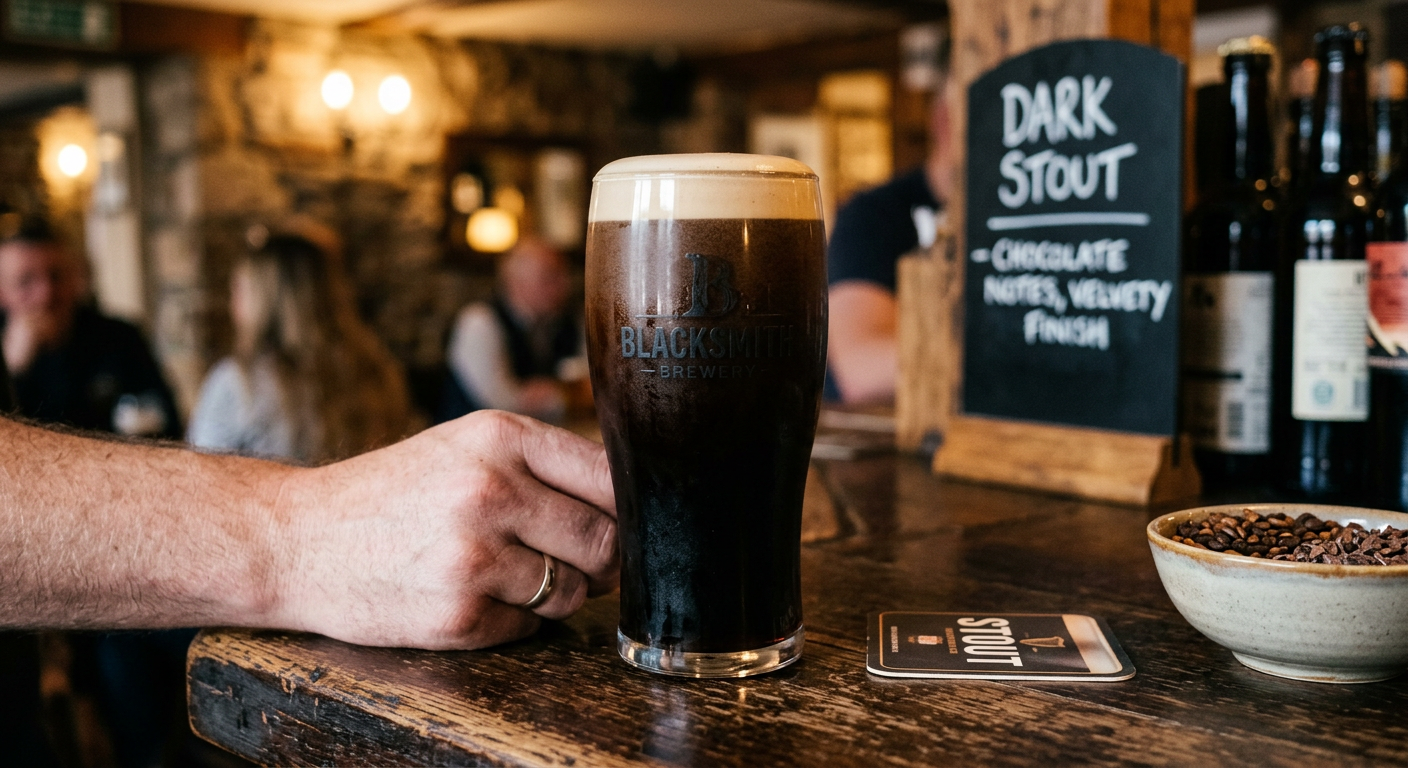
Milk Stout is a dark beer style brewed with lactose (milk sugar) that remains unfermented, adding sweetness and body to the finished beer. Also known as sweet stout or cream stout, this style has been beloved since the late 1800s for its rich, creamy character that sets it apart from regular stout.
What makes Milk Stout unique is the addition of lactose during brewing. Unlike regular malt sugars that yeast converts to alcohol, lactose cannot be fermented, so it stays in the beer as residual sweetness. This creates the signature creamy mouthfeel that beer lovers crave.
Whether you’re curious about trying your first Milk Stout or want to understand what makes this style special, we’ll cover everything you need to know about this dessert-friendly beer.
Table of Contents
What Is a Milk Stout
Milk Stout is a stout beer variation that gets its name from the lactose added during the brewing process. Lactose is a type of milk sugar derived from cow’s milk, and it’s the secret ingredient that gives this beer style its distinctive character.
The name can be misleading for some readers. Milk Stout does not actually contain milk or dairy products in the final product. The term refers purely to the lactose sugar that’s added. However, this is an important distinction for those with dairy allergies, as lactose is indeed a milk derivative.
This beer style falls under the broader stout family, which includes dry stouts, oatmeal stouts, and imperial stouts. What separates Milk Stout from its cousins is that unfermented lactose sugar. It creates a sweeter, less bitter experience compared to traditional dry stouts like Guinness.
Breweries typically describe Milk Stout as full-bodied with a velvety texture. The style has gained popularity among craft breweries worldwide, with modern versions often featuring additional flavors like vanilla, chocolate, or coffee that complement the natural sweetness.
History and Origin of Milk Stout
The history of Milk Stout traces back to Victorian-era England, where beer brewers were always experimenting with new ingredients and techniques. The style emerged as an evolution of sweet or mild stouts that were popular in the 1800s.
In 1875, a patent was filed by John Henry Johnson for a “improvement in brewing ale” that involved adding lactose to create what he called “a mild, sweet, and nutritious” beer. This innovation aimed to create a beer that was both flavorful and satisfying without excessive bitterness.
Mackeson, a British brewery, became famous for their Mackeson’s Milk Stout in the early 20th century. Their marketing emphasized the “nutritious” qualities of the beer, claiming it was beneficial for nursing mothers and children. This association with health and wellness helped popularize the style during wartime rationing.
Whitbread also produced a well-known Milk Stout that carried on the tradition. As British brewing evolved and smaller breweries closed, many classic Milk Stout recipes disappeared from the market. Fortunately, American craft breweries have revived and reimagined the style, with Left Hand Brewing Company’s Milk Stout becoming one of the most recognized examples in the modern era.
Taste and Flavor Profile
Milk Stout offers a distinctive tasting experience that sets it apart from standard stouts. The flavor profile centers around rich chocolate and coffee notes from roasted malts, but the lactose adds a sweetness that balances everything out.
The taste typically begins with malty sweetness upfront, followed by roasted chocolate and coffee flavors in the middle. The finish stays sweet rather than dry, lingering with notes of caramel and cream. The bitterness level remains low, making it approachable for those who find regular stouts too bitter.
The mouthfeel is where Milk Stout really shines. The unfermented lactose creates a smooth, creamy body that coats the palate. Many breweries nitrogenate their Milk Stouts, which enhances that velvety texture even further. This creates a dense, tan-colored head that looks almost like whipped cream.
Because of its dessert-like qualities, Milk Stout pairs excellently with chocolate desserts, vanilla ice cream, and caramel-based treats. Many beer enthusiasts enjoy it as a sipping beer after dinner, similar to how people might enjoy a dessert wine or digestif.
How Milk Stout Is Made
The brewing process for Milk Stout follows standard stout production but with one crucial addition. Brewers start with a base of pale malts, then add specialty grains like chocolate malt, black patent malt, and roasted barley to create the dark color and roasted flavor.
The key difference comes after primary fermentation. Brewers add lactose directly to the beer, typically at a rate of 1-2 ounces per gallon. This lactose dissolves into the beer and remains there because yeast cannot consume it. The result is residual sweetness without additional alcohol.
The final gravity of a well-crafted Milk Stout typically reads around 1.020-1.030, higher than a fully fermented beer would reach. This indicates that unfermented sugars remain, contributing to both sweetness and body. Home brewers often aim for these targets to achieve authentic results.
Some brewers enhance the flavor profile further by adding vanilla beans, cocoa nibs, or coffee during the brewing process. These adjuncts complement the natural chocolate notes from the malt bill without overpowering the characteristic sweetness that defines the style.
Milk Stout vs Regular Stout
The main difference between Milk Stout and regular (dry) stout lies in the lactose addition. Regular stouts like Guinness rely on roasted barley and pale malt alone, creating a dry, bitter finish that some drinkers find off-putting.
Regular stouts typically have an IBU (International Bitterness Units) reading of 30-40, while Milk Stouts often fall in the 15-25 range. This significant difference explains why Milk Stout tastes sweeter and less bitter. The lactose isn’t just sweet; it also softens the perception of bitterness.
Guinness, the famous Irish dry stout, represents the opposite end of the spectrum from Milk Stout. It’s very dry with a coffee-like bitterness and lower residual sweetness. Milk Stout offers a rounder, more dessert-like experience compared to Guinness’ astringent finish.
Oatmeal Stout is sometimes confused with Milk Stout because both offer a smooth, creamy mouthfeel. However, oatmeal stouts use oats rather than lactose to achieve their texture. The sweetness distinguishes true Milk Stout from these other dark beer styles.
FAQs
What is the difference between a stout and a Milk Stout?
The main difference is lactose. Milk Stout contains added milk sugar (lactose) that remains unfermented, giving it sweetness and body. Regular stout has no lactose and finishes dry and bitter. Milk Stouts have lower IBU (15-25) compared to regular stouts (30-40).
Is Milk Stout like Guinness?
No, Milk Stout and Guinness are quite different. Guinness is a dry stout with a bitter, coffee-like finish and very low residual sweetness. Milk Stout is sweet, creamy, and dessert-like. The only similarity is their dark color and roast character.
What does Milk Stout taste like?
Milk Stout tastes like chocolate and coffee from roasted malts, but with significant sweetness from lactose. The mouthfeel is creamy and velvety with a sweet finish rather than bitter. It’s often described as a dessert beer that tastes like a chocolate milkshake.
Is Milk Stout healthy?
Milk Stout is not a health drink, but it does contain some nutritional benefits from milk sugar. Lactose adds calories and minimal alcohol compared to dry stouts. The beer provides iron and B vitamins from malt, but should be enjoyed in moderation as part of a balanced lifestyle.
If you’re interested in exploring more dark beer styles and learning about traditional brewing techniques, visit our craft brewery to see how we approach these classic styles at Thirsty Bear.
Milk Stout remains one of the most approachable entry points into the world of dark beers. Its sweet, creamy character appeals to beer newcomers and seasoned enthusiasts alike. Whether you discover it at a local brewery or find a bottle at your favorite bottle shop, now you understand what makes this historic style worth seeking out.
The next time you’re looking for something satisfying after dinner, consider reaching for a Milk Stout. Its rich chocolate notes, velvety texture, and gentle sweetness offer an experience unlike any other beer style.