
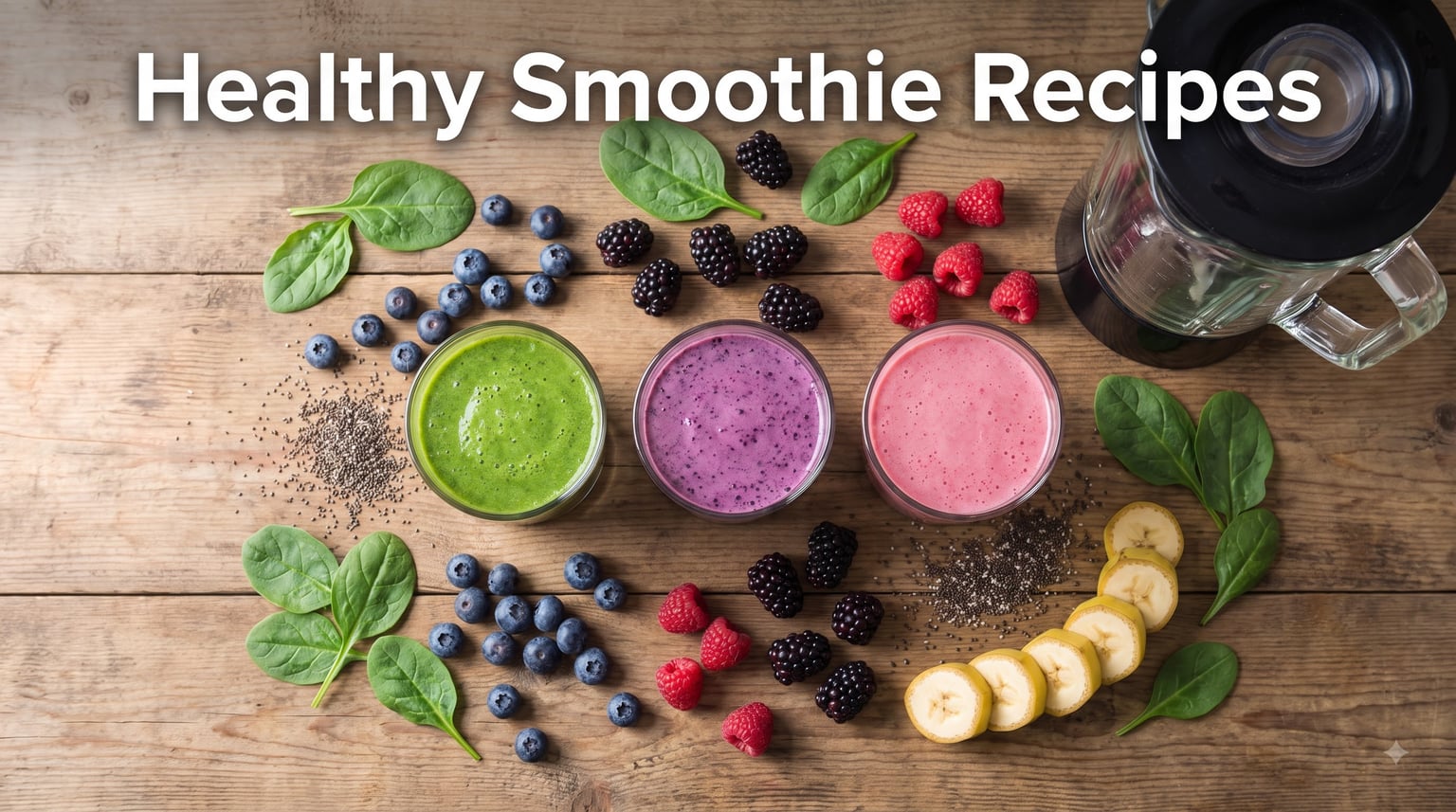
I have been blending healthy smoothie recipes almost every morning for the past five years. What started as a quick breakfast hack turned into a daily habit that completely changed how I think about nutrition. The right smoothie gives you a concentrated dose of vitamins, fiber, and protein in under five minutes.
This guide covers everything you need to start making healthy smoothie recipes at home. You will find 12 tested recipes organized by category, a simple formula for building your own creations, troubleshooting tips for common problems, and answers to the questions I hear most often.
Whether you want a post-workout protein shake, a weight-loss-friendly meal replacement, or a kid-friendly fruit blend, you will find something here. Every recipe includes clear measurements, prep steps, and nutritional highlights so you know exactly what you are getting in the glass.
If you are looking for more drink recipes beyond smoothies, we have a full collection worth exploring. For now, let us start with what makes a smoothie genuinely healthy.
Table of Contents
What Makes a Smoothie Healthy?
A healthy smoothie balances three core components: produce (fruits and vegetables), protein, and healthy fats. The problem with most coffee-shop smoothies is they load up on fruit juice and sweeteners, turning what sounds nutritious into a sugar bomb.
The healthiest smoothies use whole frozen fruit instead of juice, include a protein source like Greek yogurt or nut butter, and add fiber-rich extras like chia seeds or oats. This combination keeps your blood sugar stable and makes the drink actually filling.
I always tell people: if your smoothie leaves you hungry an hour later, it is missing protein or fat. Spinach, frozen berries, and almond milk alone will not sustain you. Add a tablespoon of peanut butter or a scoop of protein, and suddenly it becomes a real meal.
How to Build a Healthy Smoothie (Simple Formula)
After testing hundreds of combinations, I use a simple ratio that works every time. Follow this template and you can create endless healthy smoothie recipes without ever needing a cookbook.
Step 1: Add your liquid first (1 to 1.5 cups). Pour your liquid into the blender before anything else. This protects your blender blades and creates a smoother blend. Almond milk, oat milk, coconut water, or plain water all work well.
Step 2: Add your greens (1 handful). If you are using spinach, kale, or other greens, add them right after the liquid. Blend greens with the liquid alone for 15 to 20 seconds before adding other ingredients. This eliminates the gritty texture that turns so many people off green smoothies.
Step 3: Add frozen fruit (1 to 1.5 cups). Frozen fruit is the secret to thick, creamy smoothies. Frozen bananas add natural sweetness and body. Frozen berries bring antioxidants. If you want to explore less common options, check out our exotic fruit smoothie ingredients guide for inspiration.
Step 4: Add protein and healthy fat. This is the step most people skip. Add a scoop of Greek yogurt, a tablespoon of nut butter, a quarter cup of cottage cheese, or two tablespoons of chia seeds. This turns a snack into a meal.
Step 5: Add a booster (optional). Throw in a teaspoon of cinnamon, a small piece of fresh ginger, a tablespoon of flax seeds, or a date for natural sweetness. Dates make excellent natural smoothie sweeteners because they add fiber along with sweetness.
Step 6: Blend until smooth (45 to 60 seconds). Start on low speed, then ramp up to high. If the blend is too thick, add liquid one splash at a time. If it is too thin, add a few more frozen pieces.
12 Healthy Smoothie Recipes You Can Make Today
I have organized these recipes into four categories: fruit smoothies, green smoothies, protein smoothies, and specialty smoothies. Each recipe serves one person and takes under five minutes to prepare.
Classic Strawberry Banana Smoothie
Ingredients: 1 cup unsweetened almond milk, 1 frozen banana, 1 cup frozen strawberries, 2 tablespoons Greek yogurt, 1 teaspoon honey (optional).
Instructions: Add almond milk to the blender first. Add the frozen banana, strawberries, and Greek yogurt. Blend on high for 45 seconds until completely smooth.
Nutritional highlights: High in vitamin C, potassium, and protein. This is the smoothie I make most often because the ingredients are always in my freezer.
Tropical Mango Pineapple Smoothie
Ingredients: 1 cup coconut water, 1 cup frozen mango chunks, 0.5 cup frozen pineapple, 1 tablespoon chia seeds, squeeze of lime juice.
Instructions: Pour coconut water into the blender. Add frozen mango, pineapple, chia seeds, and lime juice. Blend for 50 seconds until thick and creamy.
Nutritional highlights: Rich in vitamin C and hydration-friendly electrolytes from coconut water. The chia seeds add omega-3 fatty acids and fiber to keep you full longer.
Blueberry Antioxidant Smoothie
Ingredients: 1 cup oat milk, 1 cup frozen blueberries, 0.5 frozen banana, 1 tablespoon ground flax seeds, 0.5 teaspoon cinnamon.
Instructions: Add oat milk, then frozen blueberries, banana, flax seeds, and cinnamon. Blend for 45 to 60 seconds until smooth.
Nutritional highlights: Blueberries are one of the most antioxidant-rich foods you can eat. The cinnamon helps regulate blood sugar, and flax adds anti-inflammatory omega-3s.
Spinach Green Power Smoothie
Ingredients: 1 cup almond milk, 1 large handful fresh spinach, 1 frozen banana, 0.5 cup frozen mango, 1 tablespoon peanut butter.
Instructions: Pour almond milk and add spinach. Blend for 15 seconds to break down the greens completely. Add frozen banana, mango, and peanut butter. Blend for another 45 seconds.
Nutritional highlights: Spinach provides iron, vitamin K, and folate without adding any noticeable flavor. The banana and mango mask the greens completely, which is why this is the most recommended green smoothie for beginners.
Kale and Avocado Green Smoothie
Ingredients: 1 cup coconut water, 1 leaf kale (stem removed), 0.5 ripe avocado, 0.5 cup frozen pineapple, 1 tablespoon hemp seeds.
Instructions: Blend coconut water and kale first for 20 seconds. Add avocado, frozen pineapple, and hemp seeds. Blend until silky smooth, about 50 seconds.
Nutritional highlights: Avocado makes this smoothie incredibly creamy while adding heart-healthy monounsaturated fats. Kale brings vitamin C, vitamin K, and powerful phytonutrients.
Cucumber Mint Detox Smoothie
Ingredients: 1 cup water, 0.5 cucumber (peeled), 1 handful fresh spinach, 0.5 cup frozen green grapes, 5 fresh mint leaves, juice of half a lemon.
Instructions: Add water, cucumber, spinach, grapes, mint, and lemon juice to the blender. Blend for 50 seconds until completely smooth.
Nutritional highlights: This is a light, hydrating smoothie that works well as a mid-afternoon pick-me-up. Cucumber adds water content, and mint aids digestion.
Chocolate Peanut Butter Protein Smoothie
Ingredients: 1 cup milk of choice, 1 frozen banana, 2 tablespoons peanut butter, 1 tablespoon cocoa powder, 1 scoop chocolate protein powder (or 0.25 cup Greek yogurt).
Instructions: Add milk first, then banana, peanut butter, cocoa powder, and protein. Blend for 50 seconds until rich and creamy.
Nutritional highlights: This packs 25 to 30 grams of protein depending on your protein source. It tastes like a milkshake but fuels muscle recovery after a workout.
Vanilla Almond Post-Workout Smoothie
Ingredients: 1 cup almond milk, 1 frozen banana, 2 tablespoons almond butter, 1 scoop vanilla protein powder, 1 teaspoon honey, pinch of sea salt.
Instructions: Combine all ingredients in the blender. Blend for 45 seconds until smooth and frothy.
Nutritional highlights: Almond butter provides vitamin E and magnesium. The banana replenishes glycogen after exercise, and a pinch of salt replaces electrolytes lost through sweat.
Berry Greek Yogurt Protein Smoothie
Ingredients: 1 cup milk of choice, 0.5 cup Greek yogurt, 1 cup frozen mixed berries, 1 tablespoon chia seeds, 1 teaspoon maple syrup (optional).
Instructions: Add milk, Greek yogurt, frozen berries, chia seeds, and maple syrup. Blend for 50 seconds until creamy.
Nutritional highlights: Greek yogurt adds 15 grams of protein per serving along with probiotics for gut health. Berries bring fiber and antioxidants.
Matcha Green Tea Energy Smoothie
Ingredients: 1 cup oat milk, 1 teaspoon ceremonial-grade matcha powder, 1 frozen banana, 1 tablespoon coconut butter, 1 teaspoon honey.
Instructions: Whisk matcha into a small amount of warm water first to prevent clumping. Add oat milk, banana, coconut butter, honey, and the matcha mixture to the blender. Blend for 45 seconds.
Nutritional highlights: Matcha provides a calm, sustained energy boost with less caffeine crash than coffee. For more ideas, browse our tea-based smoothie recipes. Coconut butter adds lauric acid for immune support.
Coffee Banana Breakfast Smoothie
Ingredients: 0.5 cup cold brew coffee, 0.5 cup milk of choice, 1 frozen banana, 2 tablespoons rolled oats, 1 tablespoon almond butter, 1 date (pitted).
Instructions: Add cold brew, milk, banana, oats, almond butter, and date. Blend for 60 seconds until completely smooth.
Nutritional highlights: The oats add slow-digesting carbohydrates for sustained energy. Cold brew gives you a caffeine lift, and the date provides natural sweetness with added fiber.
Creamy Avocado Berry Smoothie
Ingredients: 1 cup almond milk, 0.5 ripe avocado, 1 cup frozen mixed berries, 1 handful spinach, 1 tablespoon ground flax seeds.
Instructions: Add almond milk, avocado, berries, spinach, and flax seeds. Blend for 55 seconds until silky and thick.
Nutritional highlights: Avocado creates a luxurious texture similar to soft-serve ice cream while adding healthy fats. This smoothie is naturally dairy-free and vegan-friendly.
Best Liquids for Healthy Smoothies
Your choice of liquid changes everything about a smoothie: the flavor, the texture, the calorie count, and the nutritional value. Here is how the most common options compare.
Unsweetened almond milk is my default. It is low in calories (about 30 per cup), has a neutral flavor, and lets the fruit shine. It is thin, so it works best with a good amount of frozen fruit for thickness.
Oat milk is creamier and slightly sweeter than almond milk. It froths beautifully and pairs well with coffee and chocolate smoothies. Choose an unsweetened variety to keep sugar in check.
Coconut water adds natural electrolytes and a subtle sweetness. It is ideal for tropical smoothies and post-workout recovery drinks. Just be aware it contains more natural sugar than other liquids.
Plain water sounds boring, but it works well when you want the fruit and vegetable flavors to stand out. It also adds zero calories, making it ideal for weight-loss-focused smoothies.
How to Add Protein to Smoothies Without Powder
Protein powder is convenient, but it is not the only way to make a protein-packed smoothie. I rotate through these whole-food protein sources depending on what I have on hand.
Greek yogurt adds about 15 to 20 grams of protein per half cup. It also makes smoothies creamier and adds beneficial probiotics. Choose plain, unsweetened yogurt to avoid added sugar.
Nut butters (peanut, almond, sunflower seed) add 7 to 8 grams of protein per two tablespoons along with healthy fats. They work especially well with banana, chocolate, and berry smoothies.
Cottage cheese sounds unusual, but it blends into a remarkably creamy texture. A quarter cup adds about 7 grams of protein and makes smoothies thick and satisfying.
Chia seeds and hemp hearts each add about 3 to 5 grams of protein per tablespoon. They also bring fiber and omega-3 fatty acids. Let chia seeds sit in the smoothie for a few minutes and they will thicken the drink naturally.
Silken tofu is a fantastic vegan protein source. A quarter block adds about 10 grams of protein and creates an incredibly silky texture without any noticeable flavor.
Common Smoothie Mistakes to Avoid
I have made every smoothie mistake in the book. Here are the ones I see most often, along with how to fix them.
Mistake 1: Using too much fruit. Loading three bananas and two cups of berries turns your healthy smoothie into a sugar bomb. Stick to one cup of fruit per serving and balance it with protein and greens.
Mistake 2: Skipping the protein. A fruit-only smoothie will spike your blood sugar and leave you hungry an hour later. Always include a protein source.
Mistake 3: Adding juice as the liquid. Fruit juice is concentrated sugar without the fiber. Use water, milk, or plant-based milk instead.
Mistake 4: Not freezing your fruit. Fresh fruit makes a watery smoothie. Frozen fruit creates the thick, milkshake-like texture that makes smoothies enjoyable.
Mistake 5: Over-blending. Blending for more than 90 seconds can warm the smoothie and break down nutrients. Most smoothies need only 45 to 60 seconds.
Smoothie Troubleshooting Guide
Here are quick fixes for the most common smoothie problems people ask me about.
Problem: Smoothie is too thick. Add liquid one tablespoon at a time and blend for 10 seconds. Repeat until you reach the desired consistency.
Problem: Smoothie is too thin. Add more frozen fruit, a few ice cubes, or a tablespoon of oats. Avocado also thickens smoothies without changing the flavor much.
Problem: Smoothie separates or gets watery. This happens when ingredients have different densities. Add chia seeds or flax seeds (they act as natural thickeners) and re-blend. Drink within 15 minutes for best results.
Problem: Green smoothie tastes gritty. Blend your greens with the liquid alone for 20 seconds before adding other ingredients. This breaks down the fibrous cell walls and eliminates grittiness.
Problem: Smoothie is not sweet enough. Add half a ripe banana, a pitted date, or a teaspoon of honey. Avoid adding table sugar or syrups.
Storage and Meal Prep Tips
You can absolutely make smoothies ahead of time. Here is how I prep them for busy weeks.
Freezer packs: Measure your fruit, greens, and seeds into freezer-safe bags or containers. In the morning, just dump the pack into the blender, add liquid and protein, and blend. This cuts prep time to about 90 seconds.
Overnight storage: A finished smoothie will last 24 hours in the refrigerator. Store it in a sealed glass jar and shake well before drinking. The texture may separate slightly, but a quick stir fixes it.
Budget tip: Buy frozen fruit in bulk instead of fresh. Frozen fruit is picked at peak ripeness, so it is actually more nutritious than fresh fruit that has been sitting on a shelf. It also costs about 30 to 40 percent less.
If you want to experiment with different frozen drink techniques, our frozen drink equipment guide covers blenders and machines designed for the perfect texture.
Healthy Smoothie Recipes for Specific Goals
Different goals call for different ingredient combinations. Here is how I adjust my smoothie formula based on what I am trying to achieve.
For weight loss: Focus on low-sugar fruits like berries, use water or unsweetened almond milk as the base, and always include protein. Aim for a ratio of 1 cup liquid, 1 cup frozen berries, a big handful of spinach, and Greek yogurt or silken tofu. Keep total calories under 300.
For energy: Add matcha, cold brew, or green tea for a natural caffeine lift. Pair with complex carbohydrates like oats or banana, which release energy slowly. The matcha smoothie recipe above is perfect for this.
For muscle building: Increase protein to 30 grams or more. Use two tablespoons of nut butter, a full scoop of protein powder or half a cup of Greek yogurt, plus a frozen banana for post-workout glycogen replenishment.
For gut health: Include fermented foods like kefir or yogurt with live cultures. Add ginger for its anti-inflammatory properties. Berries and chia seeds provide prebiotic fiber that feeds beneficial gut bacteria.
Kid-Friendly Smoothie Tips
Getting kids to drink something green can be a challenge. Here is what works in my experience.
Start with fruit-forward smoothies and gradually add small amounts of spinach. Kids rarely taste spinach when it is blended with banana and berries. Blueberries are especially good because they turn the smoothie purple, hiding the green color completely.
Let kids choose their ingredients from a small selection. Giving them ownership over the process makes them more likely to drink the result. Keep it simple: pick a fruit, pick a liquid, pick a protein.
Avoid adding protein powder for young children unless your pediatrician recommends it. Greek yogurt, nut butters, and chia seeds provide plenty of protein from whole foods.
Ingredient Substitution Guide
Allergies and preferences should not stop you from making healthy smoothie recipes. Here are my go-to swaps.
No banana? Use frozen mango, frozen avocado, or frozen zucchini for creaminess. All three create a thick texture without the banana flavor.
Dairy-free? Swap Greek yogurt for coconut yogurt or silken tofu. Use plant-based milk instead of dairy milk.
Nut-free? Replace nut butters with sunflower seed butter or pumpkin seed butter. Both provide similar protein and fat content.
Low-sugar? Replace sweet fruits with frozen cauliflower rice. It adds creaminess and bulk with almost no sugar and zero taste. This is a secret ingredient from the smoothie community on Reddit that actually works.
Budget-Friendly Smoothie Ingredients
Eating healthy does not have to be expensive. These are the most cost-effective smoothie ingredients I rely on.
Bananas cost about 15 cents each and are the best creaminess-creating ingredient available. Buy a bunch, let them ripen, peel and freeze them.
Frozen spinach costs about $2 per bag and lasts for weeks. A handful adds iron and vitamins without affecting the flavor.
Rolled oats are incredibly cheap and add fiber, thickness, and sustained energy. A tablespoon or two transforms a thin smoothie into a filling meal.
Chia seeds seem expensive upfront, but a bag lasts for months. You only need one tablespoon per smoothie.
Frequently Asked Questions About Healthy Smoothie Recipes
What is the healthiest smoothie to eat?
The healthiest smoothie combines leafy greens, frozen fruit, a protein source, and a healthy fat. A great example is spinach, frozen blueberries, Greek yogurt, and chia seeds blended with unsweetened almond milk. This combination delivers fiber, protein, antioxidants, and omega-3 fatty acids without added sugar.
What not to mix in a smoothie?
Avoid adding fruit juice, table sugar, ice cream, sweetened yogurt, or more than two cups of fruit. These ingredients turn an otherwise healthy drink into a high-sugar dessert. Also avoid mixing ingredients that cause digestive discomfort for you personally, such as dairy if you are lactose intolerant.
Are smoothies healthy for losing weight?
Smoothies can support weight loss when they are built with the right ingredients. Use low-sugar fruits like berries, include a protein source to stay full, and keep the total under 300 calories. Avoid smoothies made with juice, sweeteners, or excessive fruit, which add hundreds of empty calories.
Is drinking a smoothie a day healthy?
Drinking one balanced smoothie per day is a healthy habit for most people. It provides an easy way to consume multiple servings of fruits and vegetables, fiber, and protein. Just make sure your smoothie includes protein and healthy fats, not just fruit, to avoid blood sugar spikes.
Conclusion
Making healthy smoothie recipes at home is one of the simplest habits you can build for better nutrition. Once you understand the basic formula (liquid, greens, frozen fruit, protein, and a booster), you can create hundreds of combinations without ever following a recipe again.
Start with the 12 recipes in this guide, then experiment with your own variations based on what you have on hand and what your goals are. The best smoothie is the one you will actually make consistently. Pick two or three recipes, prep your ingredients, and commit to one smoothie a day for a week.
For even more recipe inspiration, browse our full recipe collection and discover new ways to eat well every day.