
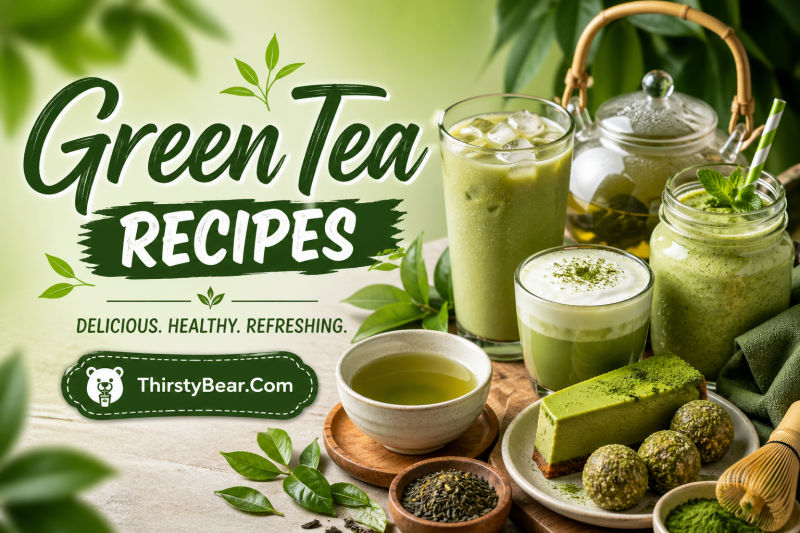
I have been brewing green tea at home for over 10 years, and I am still discovering new ways to enjoy this versatile beverage. Whether you prefer it hot and soothing or iced and refreshing, these green tea recipes will transform your daily tea ritual into something special.
In this guide, I will share six of my favorite green tea recipes that range from classic preparations to creative twists. You will learn the exact temperatures and timing that prevent bitterness, plus flavor combinations that make green tea taste absolutely delicious. By the end, you will know how to make green tea that rivals any coffee shop.
Table of Contents
Understanding Green Tea Basics
Green tea comes from the Camellia sinensis plant, just like black tea. The key difference is that green tea leaves undergo minimal oxidation, preserving their natural green color and delicate flavor profile. This minimal processing also retains higher levels of antioxidants, particularly catechins like EGCG.
The main types of green tea include Sencha (the most common Japanese variety), Matcha (powdered whole leaf), Gunpowder (Chinese rolled leaves), and Dragon Well (flat pan-fired leaves from China). Each type has its own ideal brewing temperature and steeping time, which we will cover in detail.
Green tea contains L-theanine, an amino acid that promotes relaxation without drowsiness. Combined with moderate caffeine levels, this creates a calm-alert state that many people prefer over coffee jitters.
The Perfect Green Tea Brewing Guide
The biggest mistake people make with green tea is using boiling water. According to tea enthusiasts in online forums, water temperature around 175F produces the best results. Boiling water extracts too many tannins, creating that unpleasant bitter taste that turns people away from green tea.
Here is the temperature guide I use for different green tea types:
- Japanese Sencha: 160-170F for 1-2 minutes
- Chinese Green Teas: 175-180F for 2-3 minutes
- Matcha: 175F (whisked, not steeped)
- Gunpowder: 175-180F for 2-3 minutes
One technique I learned from experienced brewers is to start with a 30-second infusion, taste it, and work your way up. This prevents over-steeping and lets you find your perfect strength. For loose leaf tea, use approximately 1 teaspoon per 8 ounces of water.
Always use fresh, filtered water when possible. The quality of your water significantly impacts the final taste of your homemade green tea.
Green Tea Recipes
1. Classic Hot Green Tea
This is the foundation of all green tea recipes. Master this, and you have the base for endless variations.
Ingredients:
- 1 teaspoon loose leaf green tea (or 1 tea bag)
- 8 ounces water
- Optional: honey or lemon to taste
Instructions:
- Heat water to 175F. If you do not have a temperature-controlled kettle, boil water and let it cool for 2-3 minutes.
- Place tea in your cup or teapot.
- Pour hot water over the tea.
- Steep for 2 minutes for first infusion.
- Remove tea leaves or bag and enjoy.
Good quality green tea leaves can be re-steeped 2-3 times. Each infusion will have a slightly different character, often becoming sweeter and more subtle.
2. Refreshing Iced Green Tea with Lemon and Honey
This lemon green tea recipe became my go-to summer drink after I tested various methods. The key is brewing it stronger since ice will dilute the flavor.
Ingredients:
- 4 green tea bags or 4 teaspoons loose leaf
- 4 cups water
- Juice of 2 lemons
- 2-3 tablespoons honey
- Fresh lemon slices for garnish
- Ice cubes
Instructions:
- Heat 4 cups water to 175F.
- Steep tea for 3 minutes (slightly longer than hot tea since it will be iced).
- Remove tea and stir in honey while warm.
- Let cool to room temperature, then refrigerate for at least 1 hour.
- Add lemon juice and stir well.
- Serve over ice with lemon slices.
This refreshing iced green tea stays good in the refrigerator for up to 3 days. I often make a large batch on Sunday for the week ahead.
3. Creamy Matcha Green Tea Latte
Matcha lattes have exploded in popularity, and making them at home is surprisingly simple. Unlike other green teas, matcha uses the entire powdered leaf, giving you more antioxidants and a vibrant green color.
Ingredients:
- 1 teaspoon matcha powder
- 2 ounces hot water (175F)
- 6 ounces milk (dairy or plant-based)
- 1 teaspoon honey or maple syrup (optional)
Instructions:
- Sift matcha powder into a bowl to remove lumps.
- Add 2 ounces hot water.
- Whisk vigorously in a “W” motion until frothy (about 30 seconds).
- Heat milk to 150F and froth if desired.
- Pour matcha into a cup, add sweetener if using.
- Top with steamed milk and stir gently.
For a refreshing summer version, skip heating the milk and pour the matcha over ice with cold milk instead. You can read more about matcha flavor profile to understand what to expect from this unique tea.
4. Moroccan Mint Green Tea
This mint green tea combines the grassy notes of green tea with cooling fresh mint. It is traditionally served very sweet, but you can adjust to your taste.
Ingredients:
- 2 teaspoons gunpowder green tea
- 1 large bunch fresh mint leaves (about 20 leaves)
- 3 cups water
- Sugar or honey to taste (traditionally 3-4 tablespoons)
Instructions:
- Heat water to 180F.
- Rinse mint leaves under cold water.
- Place tea and most of the mint in a teapot.
- Pour hot water over the tea and mint.
- Steep for 4 minutes.
- Strain into glasses, add sweetener, and garnish with remaining fresh mint.
The traditional Moroccan preparation involves pouring the tea from a height to create a frothy top. While not essential, it does add a nice aesthetic touch.
5. Ginger Green Tea for Wellness
This ginger green tea is my go-to when I want something warming and soothing. The combination of green tea and ginger creates a spicy, invigorating drink perfect for cold mornings.
Ingredients:
- 1 teaspoon green tea
- 1-inch piece fresh ginger, sliced thin
- 8 ounces water
- 1 teaspoon honey
- Squeeze of lemon
Instructions:
- Bring water to 175F.
- Add ginger slices to the water and let steep for 3 minutes.
- Add green tea and steep for an additional 2 minutes.
- Strain into a cup.
- Stir in honey and lemon juice.
Fresh ginger works much better than powdered for this recipe. The heat from the ginger pairs beautifully with the mild caffeine in green tea for a gentle energy boost.
6. Green Tea Lemonade
Green tea lemonade is one of my favorite summer tea recipes. It combines the health benefits of green tea with the refreshing tartness of lemonade.
Ingredients:
- 4 cups brewed green tea (cooled)
- 1 cup fresh lemon juice
- 1/2 cup honey or simple syrup
- 4 cups cold water
- Lemon slices and mint for garnish
- Ice
Instructions:
- Brew green tea with 4 cups water at 175F for 3 minutes.
- Strain and let cool completely.
- In a large pitcher, combine cooled tea, lemon juice, honey, and cold water.
- Stir until honey dissolves.
- Chill for at least 1 hour.
- Serve over ice with lemon slices and fresh mint.
This recipe scales beautifully for parties. I often make a double batch for summer barbecues. For more drink ideas for gatherings, check out our summer drink station ideas.
Flavor Additions and Variations
What is good to mix with green tea? The possibilities are endless, but some combinations stand out above the rest.
Natural Sweeteners:
Honey is the classic choice and pairs beautifully with green tea. Maple syrup adds a deeper, caramel-like sweetness. Stevia and monk fruit work well for sugar-free versions. Start with less sweetener than you think you need, you can always add more.
Fruit Additions:
Berries, particularly raspberries and strawberries, complement green tea beautifully. Peach and mango add tropical sweetness. Citrus fruits like orange, lime, and grapefruit bring brightness. Simply muddle fresh fruit at the bottom of your glass before adding tea.
Herbal and Spice Infusions:
Beyond mint and ginger, try lavender for relaxation, basil for an unexpected savory note, or cinnamon for warmth. Cardamom and green tea make an exotic pairing that rivals any clove tea recipe.
Storage and Make-Ahead Tips
Proper storage keeps your green tea fresh and flavorful. Store loose leaf tea or tea bags in an airtight container away from light, heat, and moisture. A tin or dark glass jar in a cool cupboard works perfectly. Stored properly, green tea stays fresh for 6-12 months.
Brewed green tea keeps in the refrigerator for 3-5 days. The cold brew method works especially well for making large batches. Simply place tea bags in cold water and refrigerate overnight. In the morning, you will have smooth, never-bitter iced tea.
For parties, brew concentrated green tea (double strength) and keep it in the refrigerator. When serving, dilute with cold water and ice. This method lets guests customize their drinks with various sweeteners and garnishes.
Frequently Asked Questions
What is good to mix with green tea?
Green tea pairs well with honey, lemon, mint, ginger, and various fruits like peach, mango, and berries. For creamier drinks, milk or plant-based alternatives work beautifully in matcha lattes.
What to put in green tea to make it taste good?
Start with proper brewing temperature (175F) and timing (2-3 minutes) to avoid bitterness. Add honey, lemon, or fresh mint for natural sweetness. Fresh ginger slices create a warming, spicy variation.
Is green tea good for the nerves?
Green tea contains L-theanine, an amino acid that promotes relaxation without causing drowsiness. This compound works synergistically with caffeine to create a calm, focused state often described as alert relaxation.
Does green tea reduce swelling?
Green tea contains EGCG and other catechins that have demonstrated anti-inflammatory properties in studies. Regular consumption may help reduce inflammation markers in the body, though individual results vary.
How long should I steep green tea?
Steep green tea for 2-3 minutes maximum. Over-steeping extracts tannins that create bitterness. Start with 2 minutes for your first cup, then adjust to taste. Japanese teas typically need less time (1-2 minutes) than Chinese varieties.
What temperature should I use for brewing green tea?
The ideal temperature for brewing green tea is 175F (80C). Japanese varieties like Sencha prefer lower temperatures (160-170F), while Chinese green teas can handle slightly higher heat (175-180F). Never use boiling water.
Conclusion
These green tea recipes offer something for every preference, from traditional hot preparations to creative iced variations. The key to delicious green tea is controlling temperature and steeping time, preventing the bitterness that ruins the experience for many first-time drinkers.
I encourage you to start with the classic hot green tea recipe to understand the base flavor, then experiment with additions like honey, lemon, or fresh mint. Once comfortable, try the matcha latte for something different or the green tea lemonade for summer entertaining.
Remember, the best green tea recipe is the one you enjoy drinking regularly. With these techniques and flavor combinations, you are well on your way to making cafe-quality green tea at home every single day.