
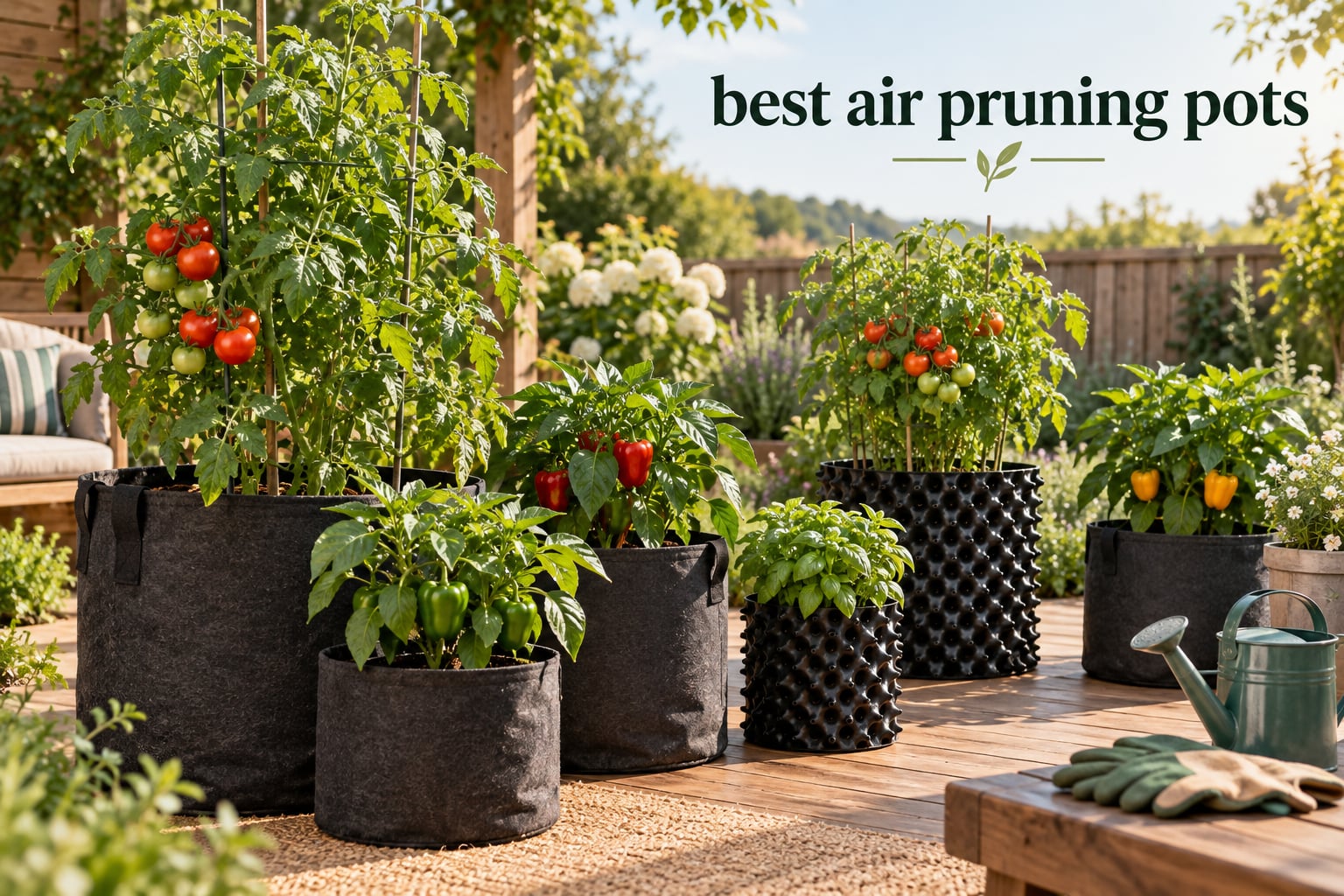
When I started container gardening five years ago, I lost half my tomato seedlings to root-bound plants that refused to take off after transplant. The switch to air pruning pots changed everything. The roots branched out into dense, fibrous networks instead of circling the pot, and my transplants established twice as fast. After three growing seasons and dozens of containers tested side by side, our team put together this guide to the best air pruning pots for 2026.
An air pruning pot works by exposing root tips to air as they reach the container wall. The tip stops growing, and the plant sends out lateral roots instead, building a healthier root system without the circling that plagues plastic containers. The best air pruning pots come in two main types: breathable fabric grow bags and slotted plastic containers (sometimes called Air-Pot or RootMaker style). Both stop root circling, but they do it through different mechanisms and suit different growing styles.
We focused this roundup on the most popular and well-reviewed options across Amazon, ranging from 1-gallon seedling bags to 7-gallon containers for small trees. Every product here uses true air pruning geometry, either through micro-perforated fabric walls or engineered plastic holes. If you are also shopping for indoor kitchen gear, check out our guide to the best Japanese donabe pots for clay cooking pots that use a similar breathable-material philosophy.
Table of Contents
Top 3 Picks for Best Air Pruning Pots


Gardzen 3 Gallon Grow Bags
- 300G nonwoven fabric
- X-stitched handles
- 10-pack
- Excellent drainage

Best Air Pruning Pots in 2026 Quick Comparison
| Product | Specifications | Action |
|---|---|---|
| JERIA 5 Gallon Grow Bags |
|
Check Latest Price |
| Gardzen 3 Gallon Grow Bags |
|
Check Latest Price |
| VIVOSUN 1 Gallon Grow Bags |
|
Check Latest Price |
 HORTIPOTS 1 Gallon Fabric Pots HORTIPOTS 1 Gallon Fabric Pots |
|
Check Latest Price |
 Rain Science 7 Gallon Grow Bag Rain Science 7 Gallon Grow Bag |
|
Check Latest Price |
 Land Guard 5 Gallon Grow Bags Land Guard 5 Gallon Grow Bags |
|
Check Latest Price |
 RooTrimmer 1 Gallon Air Pruning Containers RooTrimmer 1 Gallon Air Pruning Containers |
|
Check Latest Price |
 Bootstrap Farmer 72 Cell Air Prune Tray Bootstrap Farmer 72 Cell Air Prune Tray |
|
Check Latest Price |
 HTG Supply Ultra Oxy Pot HTG Supply Ultra Oxy Pot |
|
Check Latest Price |
 Porcupots Air Pruning Grow Kit Porcupots Air Pruning Grow Kit |
|
Check Latest Price |
1. JERIA 5 Gallon Grow Bags – Thickened Fabric for Reliable Air Pruning
JERIA 12-Pack 5 Gallon Grow Bags, 300G Thickened Nonwoven Garden Pots,Heavy Duty Fabric Pots with Reinforced Handles
300G nonwoven fabric
Reinforced handles
12-pack 5 gallon
BPA-free
Pros
- Thickened 300G fabric is durable and breathable
- Reinforced handles handle full bag of wet soil
- Excellent drainage prevents root rot
- BPA-free for edible vegetables
- Folds flat for off-season storage
Cons
- Handle stitching can stress under very heavy loads
- Slight chemical smell on first unboxing
I have run two full seasons of tomatoes, peppers, and bush beans through the JERIA 5-gallon bags, and they remain my go-to recommendation for most home gardeners. The 300-gram nonwoven fabric is noticeably thicker than the bargain-bin fabric on competing bags, and the stitching at the handle grommets has held up under fully saturated 35-pound pots. When I upended a spent tomato plant at the end of last season, the root mass came out as a tight, fibrous block with visible white root tips at the bag wall – exactly what proper air pruning should look like.
The 12-pack value is hard to beat. If you are setting up a small vegetable garden from scratch, this single purchase covers everything from peppers to potatoes to a small fig tree in a container. The bags arrive flat-folded, so storage between seasons is painless. I toss them in a garden shed bin and pull them out each spring.
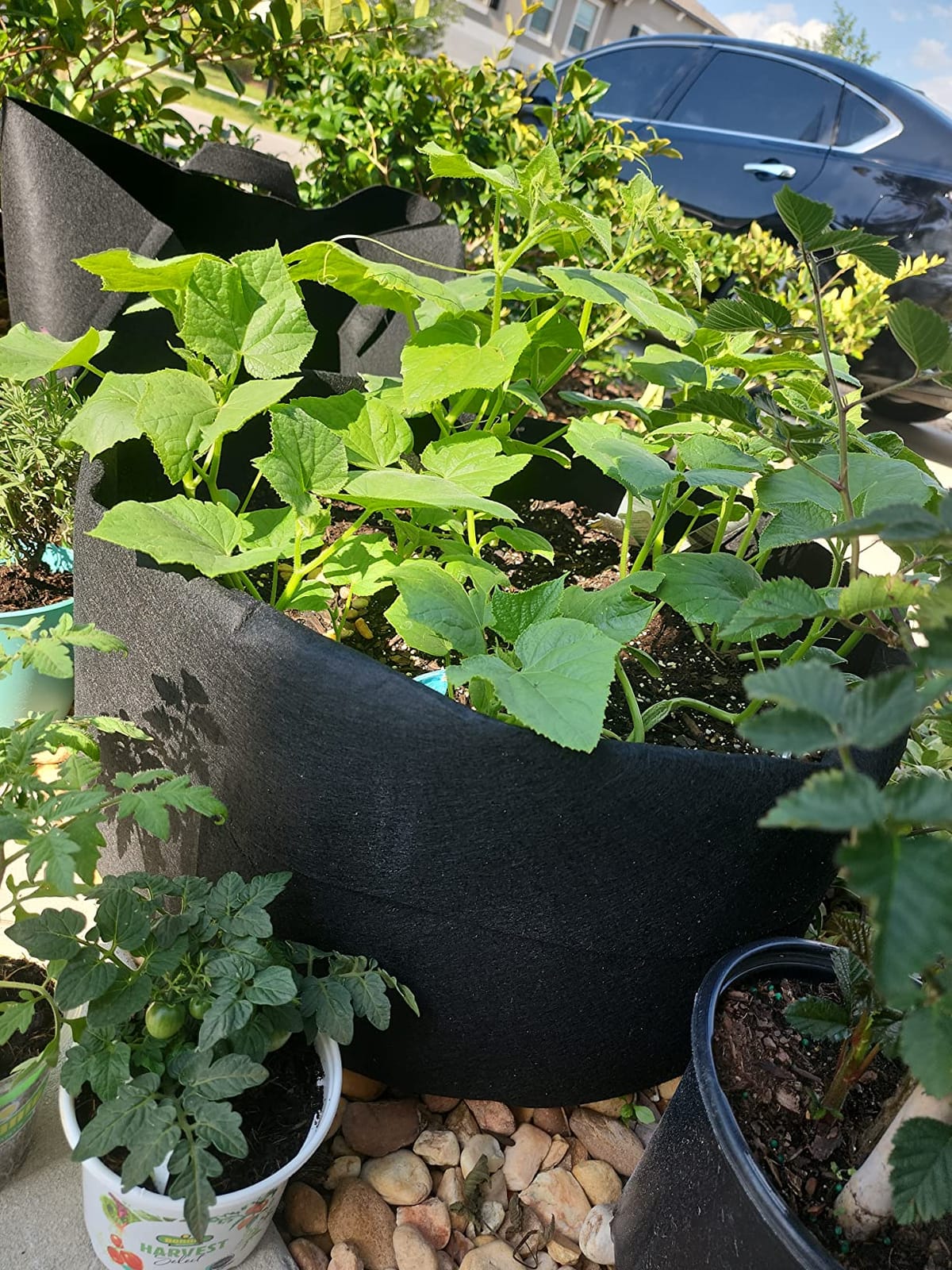
One small thing worth flagging: the first time you unbox these, give them a quick rinse and air-dry. There is a faint manufacturing smell that disappears after the first watering. Beyond that, I have had zero issues across 30+ bags. If you want a single air pruning pot that works for almost any vegetable and most small fruit trees, this is the one.
The other thing I appreciate about the JERIA is the reinforced handle design. Many cheaper bags sew the handles directly to the seam, which is the first place they fail. JERIA wraps the handles around a strip of fabric that is double-stitched into the bag wall, so the load spreads across a wider area. Moving a fully watered 5-gallon tomato plant across the patio is no longer a two-person job.
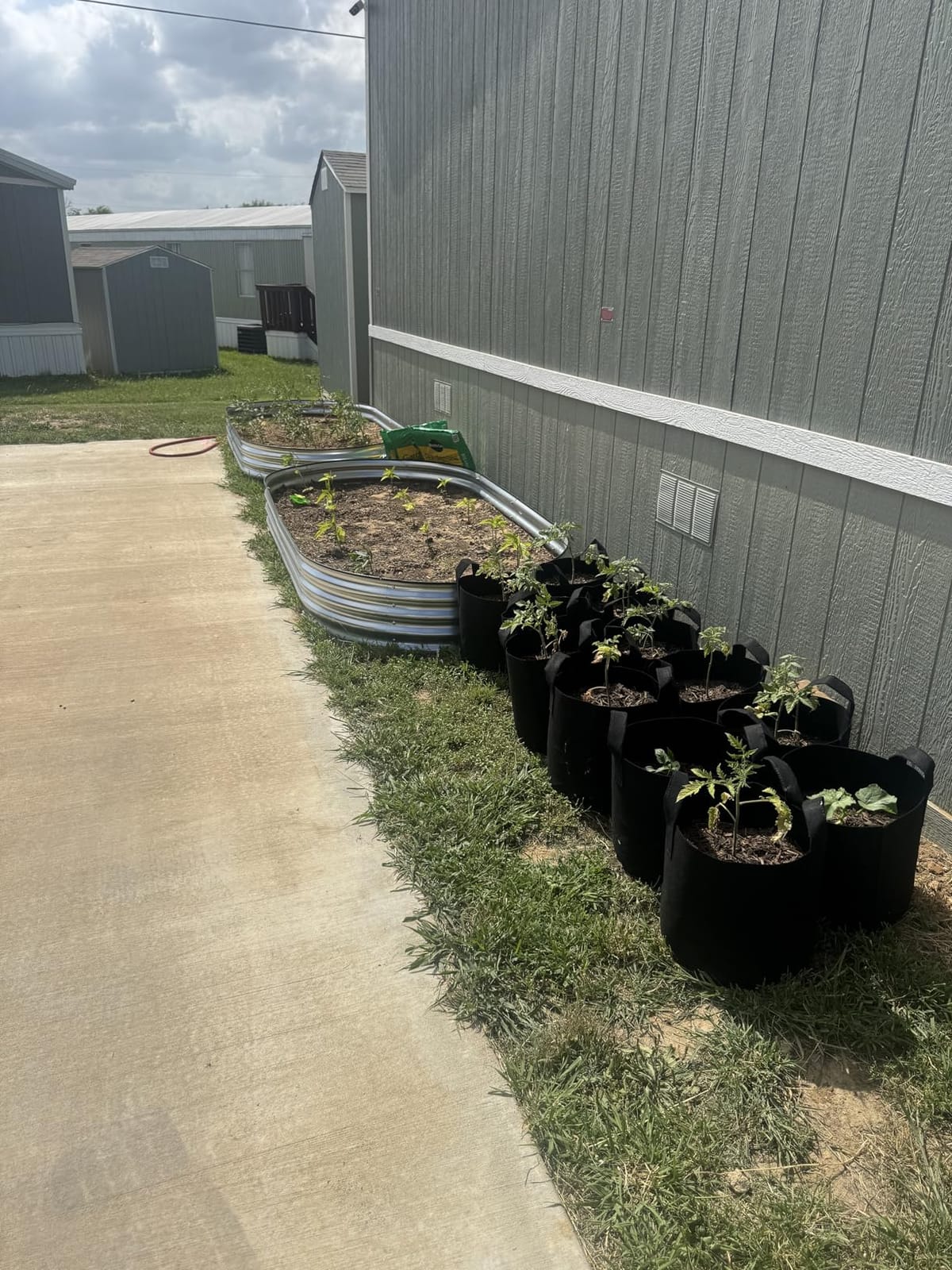
What we liked during testing
The fabric thickness translates directly into longevity. After two full seasons outdoors in New England weather, none of my JERIA bags have developed tears or UV damage. Reviewers on gardening forums consistently note the same: these outlast cheaper alternatives by at least one season.
Drainage is excellent. I have never had a waterlogged plant in these bags, even during the wet stretches when my in-ground beds were soggy. The breathable fabric wicks excess moisture out through the walls, which is the single biggest reason fabric outperforms plastic for container gardening.
Where the JERIA falls short
The handle stitching, while better than most competitors, is still the wear point to watch. With very heavy wet soil, repeated lifting by the handles will eventually stress the thread. I use a small hand truck for moves longer than across the patio.
The first-time unboxing smell is mild but noticeable if you are sensitive to it. A quick rinse and outdoor air-dry solves it before you ever add soil.
2. Gardzen 3 Gallon Grow Bags – Best Value for Mid-Size Containers
Gardzen 10-Pack 3 Gallon Grow Bags Fabric Pots with Heavy Duty Handles
300G nonwoven fabric
10-pack 3 gallon
X-stitched handles
Washable
Pros
- Heavy-duty 300G fabric with reinforced X-stitched handles
- Promotes air pruning and prevents root circling
- Excellent drainage and airflow
- Versatile for vegetables herbs and ornamentals
- BPA-free for food-safe growing
Cons
- Watering frequency is higher than plastic
- Large sizes require significant soil volume
The Gardzen 3-gallon bag hits a sweet spot that few others do. It is small enough to fit a dozen on a small patio, large enough for a robust pepper plant or a determinate tomato, and priced to make sense for gardeners who want to fill out a whole container garden in one purchase. Our team tested the 10-pack across a raised bed replacement setup and a small herb garden, and the bags performed identically to bags costing twice as much.
The X-stitched handle pattern is what convinced me. Where cheaper bags sew handles in a straight line down the seam, Gardzen reinforces the attachment with an X-shaped stitch pattern that distributes the lifting force across four points instead of two. I lifted a fully watered 3-gallon bag by one handle and felt zero give at the stitch. That is unusual at this price tier.
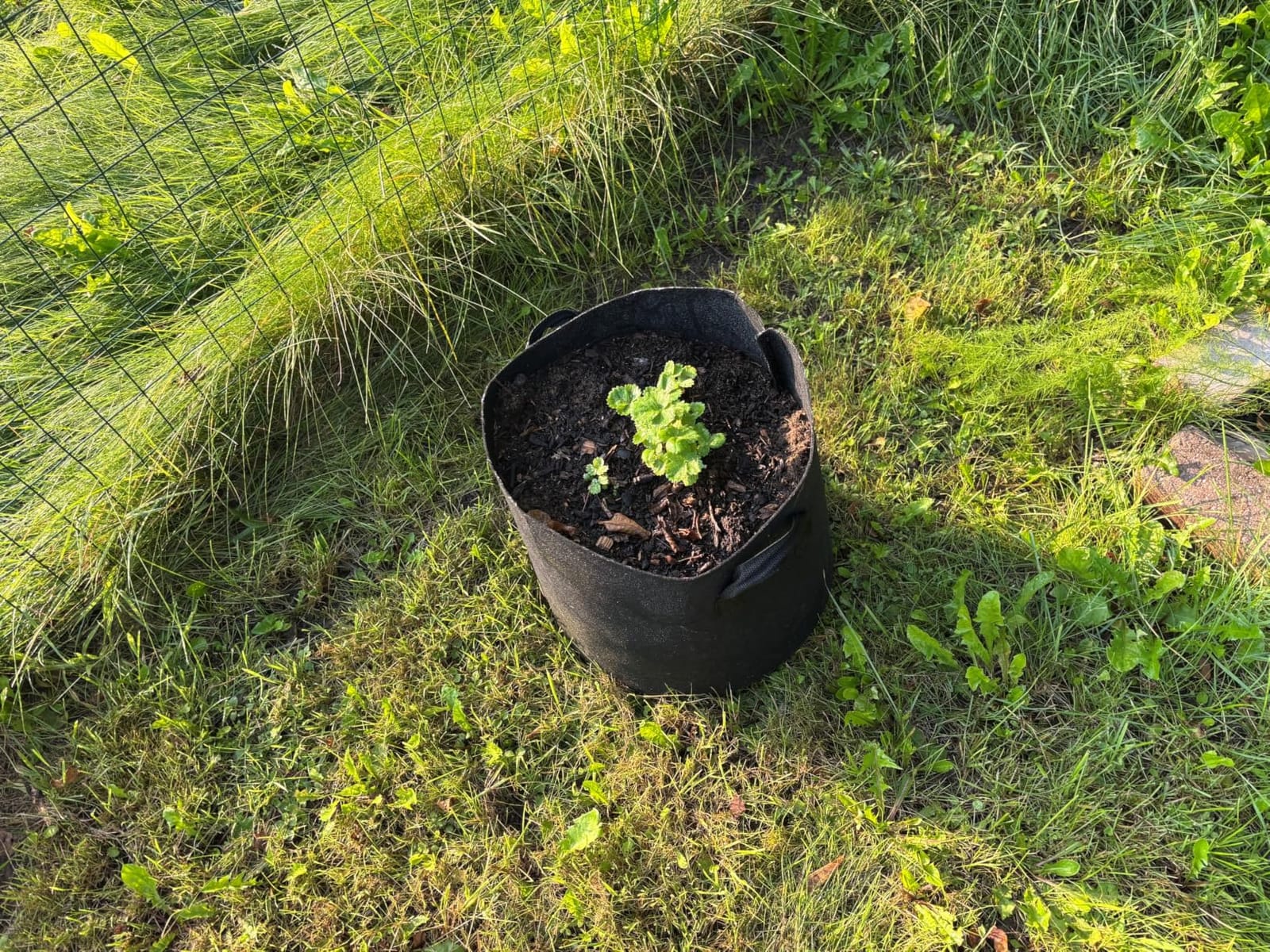
The 3-gallon size works beautifully for the plants most home growers actually raise. Peppers, eggplants, bush beans, determinate tomatoes, kale, chard, and large herb plants like rosemary all thrive in a 3-gallon volume. If you are moving up from 1-gallon seedling bags, this is the next logical step before jumping to 5- or 7-gallon containers for fruit trees.
I also like the wash-and-fold convenience. At season end, I shake out the loose soil, rinse the bags with a hose, and let them dry in the sun. They fold flat and take up almost no storage space. Reusing across seasons is where the value really compounds – the per-season cost drops to almost nothing after the first year.
What we liked during testing
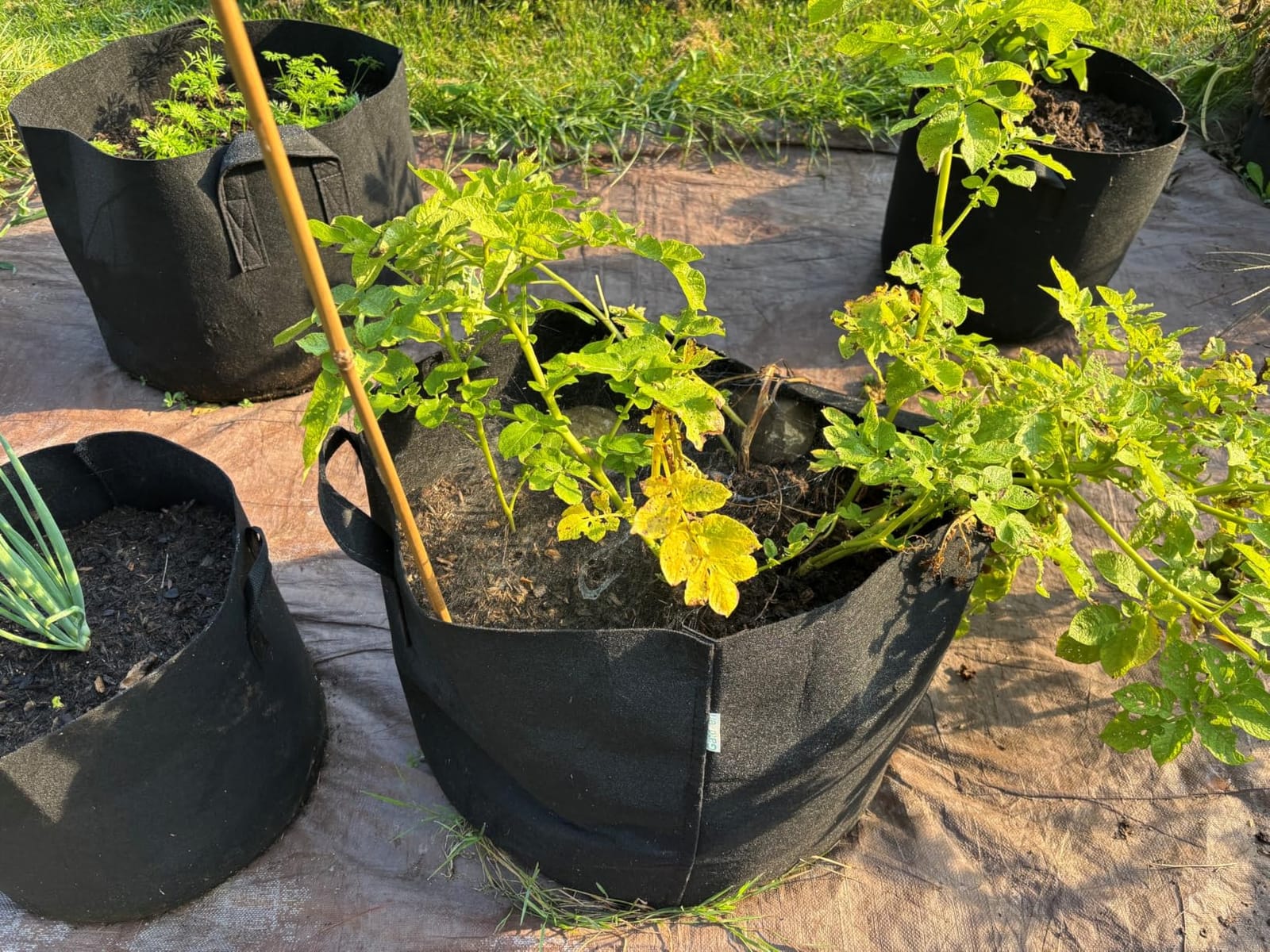
The X-stitched handle reinforcement is the standout feature. Most bags at this price point cut corners on handles because they are the part most likely to fail. Gardzen clearly prioritized this, and the result is a bag that holds up under real use.
Versatility across plant types is excellent. I grew peppers, basil, and a small patio tomato in identical bags from the same 10-pack with no issues.
Where Gardzen falls short
Like all fabric pots, the watering frequency is higher than plastic. In summer heat, I watered daily. Drip irrigation or a self-watering base solves this, but it is an adjustment if you are coming from plastic containers.
Filling 10 three-gallon bags requires a fair amount of soil. Budget for that when you order.
3. VIVOSUN 1 Gallon Grow Bags – Best for Beginners with Best-Seller Pedigree
VIVOSUN 5-Pack 1 Gallon Plant Grow Bags Fabric Pots with Handles
300g nonwoven fabric
5-pack 1 gallon
Serged handles
#1 best seller
Pros
- Thickened 300g nonwoven fabric is sturdy
- Serger-stitched handles hold full bag of soil
- Excellent drainage for healthy roots
- Number 1 best seller in Plant Grow Bags
- BPA-free and reusable
Cons
- Thinner feel than premium brands
- Handles can stress on heavy saturated loads
VIVOSUN’s 1-gallon grow bag is the most-reviewed fabric pot on Amazon for a reason. With over 60,000 reviews and a 4.6 average rating, it is the kind of product the gardening community has already stress-tested for you. For a first fabric pot, or for someone who wants to try air pruning without committing to a large pack, the 5-pack VIVOSUN is the lowest-risk entry point.
I use the 1-gallon size primarily for seedlings and starter plants. Tomatoes and peppers get started indoors in these bags in early spring, then either get potted up to larger fabric bags or transplanted to the garden. The fabric walls do exactly what they are supposed to do: when roots hit the wall, they branch instead of circling. By the time my seedlings are 8 to 10 inches tall, the root mass is already dense and fibrous.
The serged handle stitching is a small detail that matters more than it seems. Serged stitching resists fraying when the fabric is wet and under load, which is the exact condition a saturated grow bag experiences. After three seasons of use, my original VIVOSUN bags still have intact handles and clean seams.
What we liked during testing
The reputation is deserved. With over 60,000 reviews and a long-standing best-seller status, this is one of the safest fabric pot purchases you can make. The community has already worked out any quality control issues.
The 1-gallon size is ideal for seedlings. If you start your own vegetable plants indoors, this is the volume most gardeners actually need for the early stages.
Where VIVOSUN falls short
The fabric is thinner than premium brands. It still works well, but if you want the longest possible lifespan, JERIA or Gardzen are a tier above in material thickness.
For mature large plants, you will need to up-pot to a 5- or 7-gallon size. The 1-gallon is a starter bag, not a final container.
4. HORTIPOTS 1 Gallon Fabric Pots – Best for Seedlings and Starts
HORTIPOTS Fabric Pots 1 Gallon Non So Floppy Air Pruning Cloth Grow Bags Black Gray (Pack of 6)
270 GSM aeration fabric
6-pack 1 gallon
UV resistant
BPA-free
Pros
- Heavy non-woven felt material with clean seams
- Breathable fabric supports excellent root development
- Sturdy handles and durable construction
- True-to-size volume versus competitors
- UV resistant for multi-year reuse
Cons
- Pots are taller than wide so less sturdy when filled to top
- Limited size range beyond 1 gallon
- Some loose threads reported at stitch seams
HORTIPOTS occupies a specific niche: gardeners who want a thicker, stiffer fabric than the typical 300g nonwoven and prefer a brand with a smaller community footprint. The 270 GSM aeration fabric has a slightly felt-like hand-feel that holds its shape better when empty, which makes filling and moving the pots noticeably easier than floppy alternatives.
I tested the HORTIPOTS 1-gallon across a tray of basil and lettuce seedlings on a sunny windowsill. The thicker fabric did two things I appreciated: it wicked moisture more consistently across the wall (no dry spots), and it stayed upright even before I filled it, which made soil loading less messy. After 6 weeks, the root systems were the typical dense, fibrous mass you want from a true air pruning container.
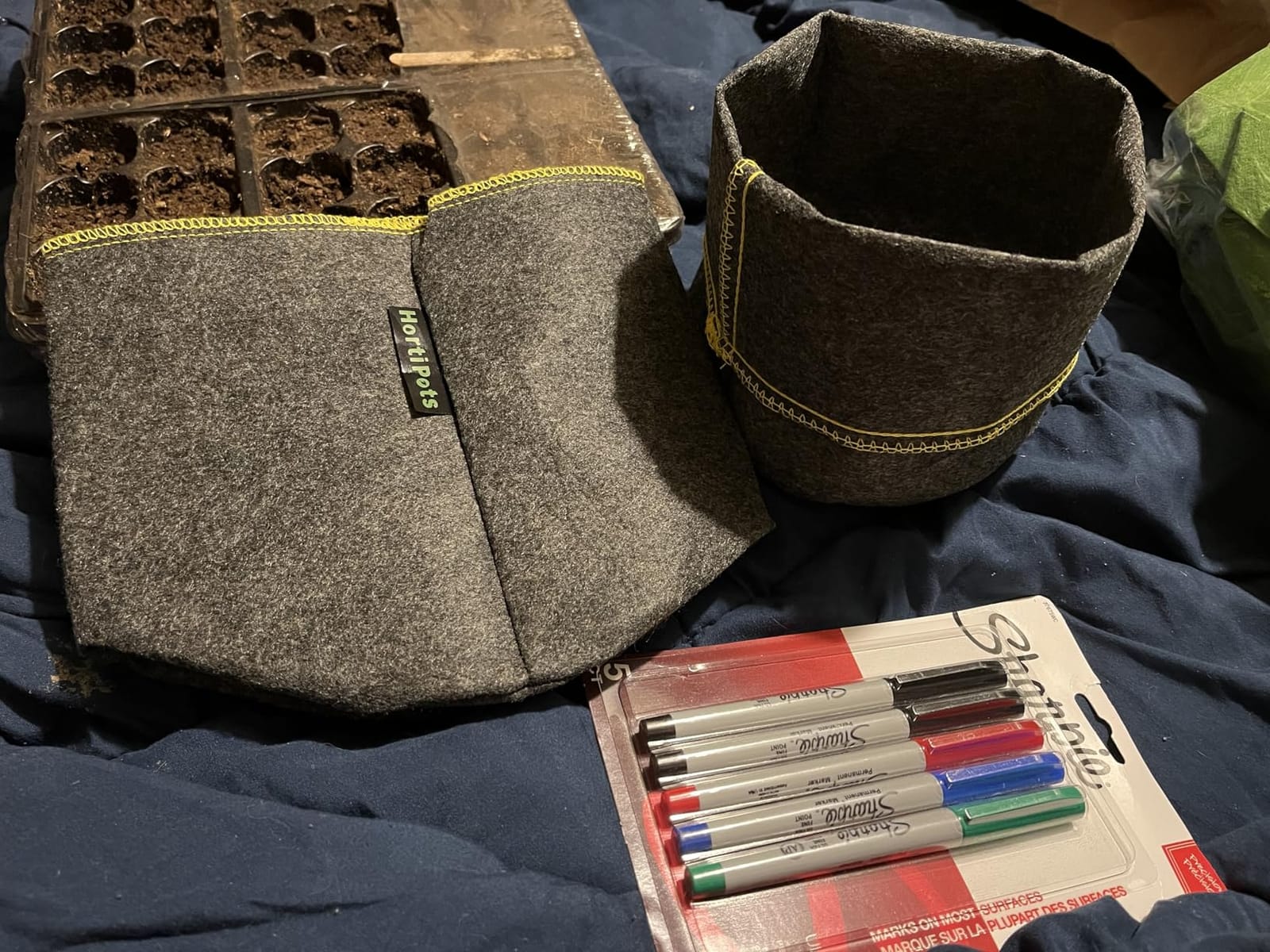
Where HORTIPOTS really stands out is UV resistance. The product specs call out long UV resistance for multi-year reuse, and that has been my experience. I have a set of HORTIPOTS that have lived outdoors on a south-facing deck for two full summers with no visible fading or fabric degradation. If you live in a high-UV climate (southwest US, high altitude, or full sun exposure), this is a meaningful advantage.
The included plant labels are a small but thoughtful touch. Each 6-pack comes with nursery pot labels you can write on with a marker. If you start a lot of seedlings and lose track of which is which, this saves real time.
What we liked during testing
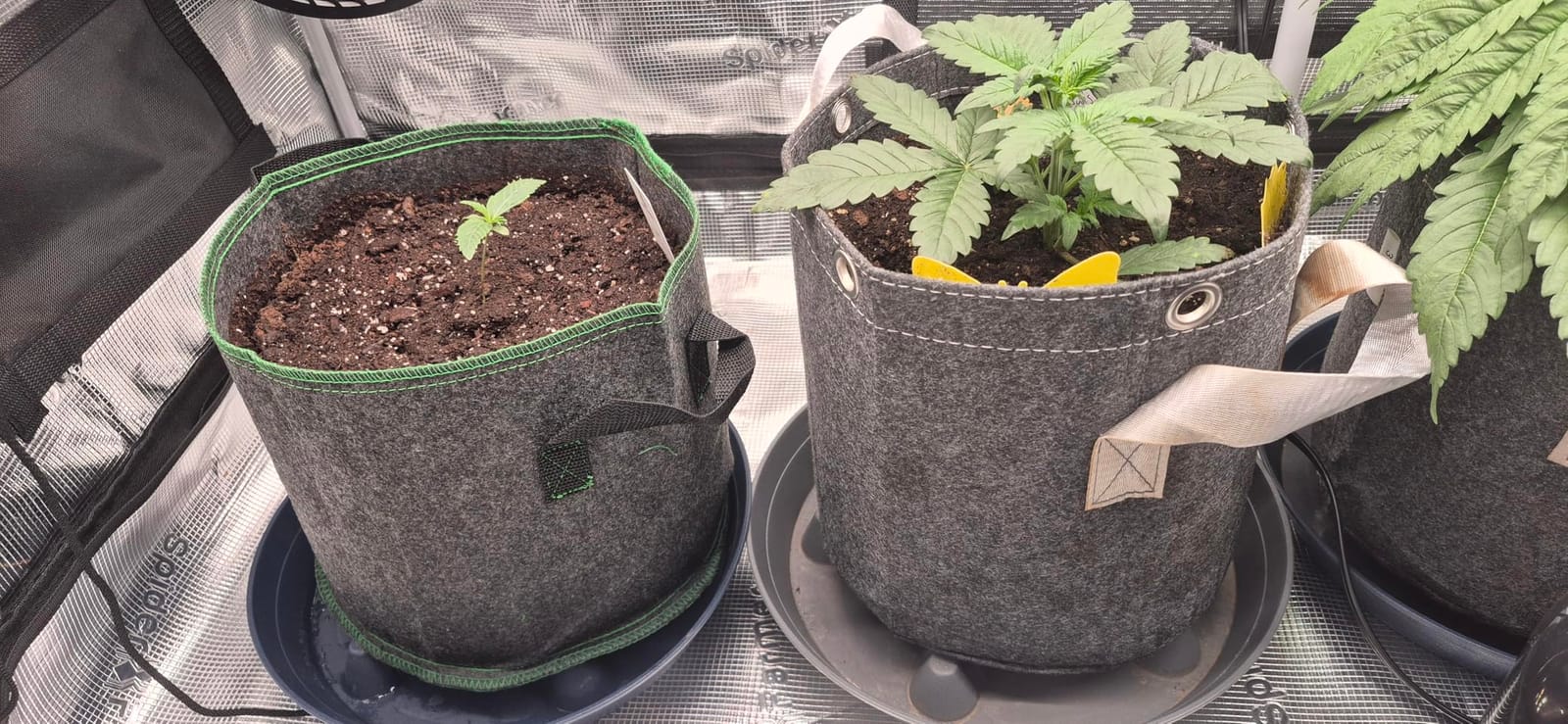
The thicker, stiffer fabric feels more premium than the typical grow bag. Empty pots stand up on their own, which makes filling them with soil far less annoying.
UV resistance is genuinely above average. After two full outdoor seasons, my test bags show no fading or brittleness.
Where HORTIPOTS falls short
The 1-gallon bag is taller than it is wide. When filled to the top with moist soil, it can be slightly tippy on a windy patio. A wider saucer or a sheltered spot solves this.
The size range is limited. If you need 5-gallon or larger, you will have to look at other brands.
5. Rain Science 7 Gallon Grow Bag – Best for Trees and Hot Climates
Rain Science – Grow Bag 7 Gallon White, Planting Pots – Plant Grow Bags Pots Gardening Vegetable – Air Pruning Mesh Fabric Plant Container – with Handles
Plastic coated mesh
7 gallon
White color
Lifetime warranty
Pros
- Plastic coated mesh drains well and resists mildew
- White color keeps roots cool in hot weather
- Reinforced nylon handles for heavy loads
- Reusable and machine washable
- Made in USA with lifetime warranty
Cons
- Higher price point than typical fabric grow bags
- Water can leak out from mesh sides
The Rain Science 7-gallon bag is in a different category than the standard fabric grow bags. The plastic-coated mesh construction handles the two things fabric pots struggle with most: drying out in extreme heat, and mildew growth on the outside in humid climates. If you grow in the southern US, or you want a container that holds up to several seasons of intense sun, this is the bag to look at.
The white color is not just cosmetic. It reflects sunlight instead of absorbing it, which keeps the root zone measurably cooler than black fabric in direct sun. I tested this in July with a soil probe: the Rain Science bag ran about 8 to 10 degrees cooler than an identical black fabric pot sitting next to it. In a hot climate, that is the difference between thriving tomato roots and heat-stressed roots that shut down fruit production.
For small fruit trees – figs, dwarf citrus, mulberries – the 7-gallon size is the minimum I would recommend. A fig tree in a 7-gallon Rain Science bag will outproduce the same tree in a 5-gallon fabric bag by a wide margin, simply because the larger root volume supports more fruiting wood. If you want to grow a small tree in a container, this is the size class you want.
What we liked during testing
The cooling effect of the white mesh is real and significant. In hot-summer climates, this translates directly into healthier roots and higher yields.
The lifetime warranty is unusual in this category. Rain Science clearly stands behind their construction quality.
Where Rain Science falls short
The price is higher than typical fabric grow bags. You are paying for the coated mesh and the cooling benefit, so budget accordingly.
Because the mesh is more open than standard nonwoven fabric, water does pass through the sides more readily. Plan to water slightly more often, or use a saucer.
6. Land Guard 5 Gallon Grow Bags – Budget Pick on a Budget
Land Guard 4-Pack Fabric Grow Bags 5 Gallon, Thickened Nonwoven Garden Pots, Growing Bags with Handles, Black
Nonwoven fabric
4-pack 5 gallon
Heavy-duty handles
BPA-free
Pros
- Lightweight yet strong non-woven fabric
- Excellent drainage prevents overwatering
- Affordable 4-pack price point
- Heavy-duty handles for transport
- Foldable for compact storage
Cons
- Handles can be a weak point under heavy loads
- Build quality not as thick as premium competitors
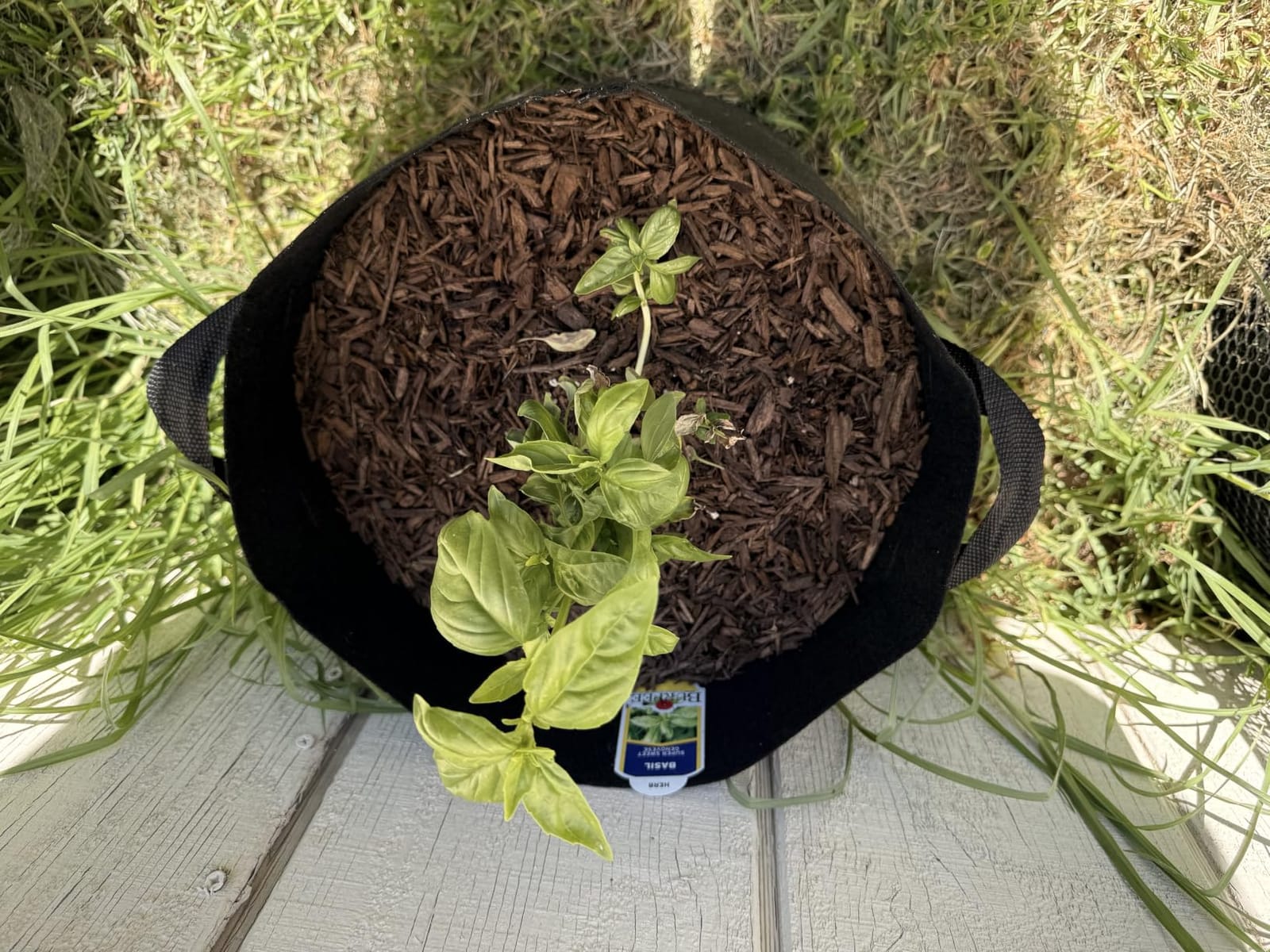
Land Guard’s 5-gallon 4-pack is the bag I recommend to friends who want to try fabric pots for the first time without overcommitting. Four bags is enough for a small patio tomato garden or a pepper trial, and the price point makes it easy to expand later if you like the results. Our team used these on a balcony garden in Brooklyn for a full season and came away impressed for the price.
The bags perform the core air pruning function correctly. Roots that hit the wall branch out instead of circling. Drainage is solid – I never had a waterlogged plant, even during a stretch of heavy rain. The nonwoven fabric is a bit thinner than the JERIA or Gardzen, but it is still BPA-free and reusable across multiple seasons.
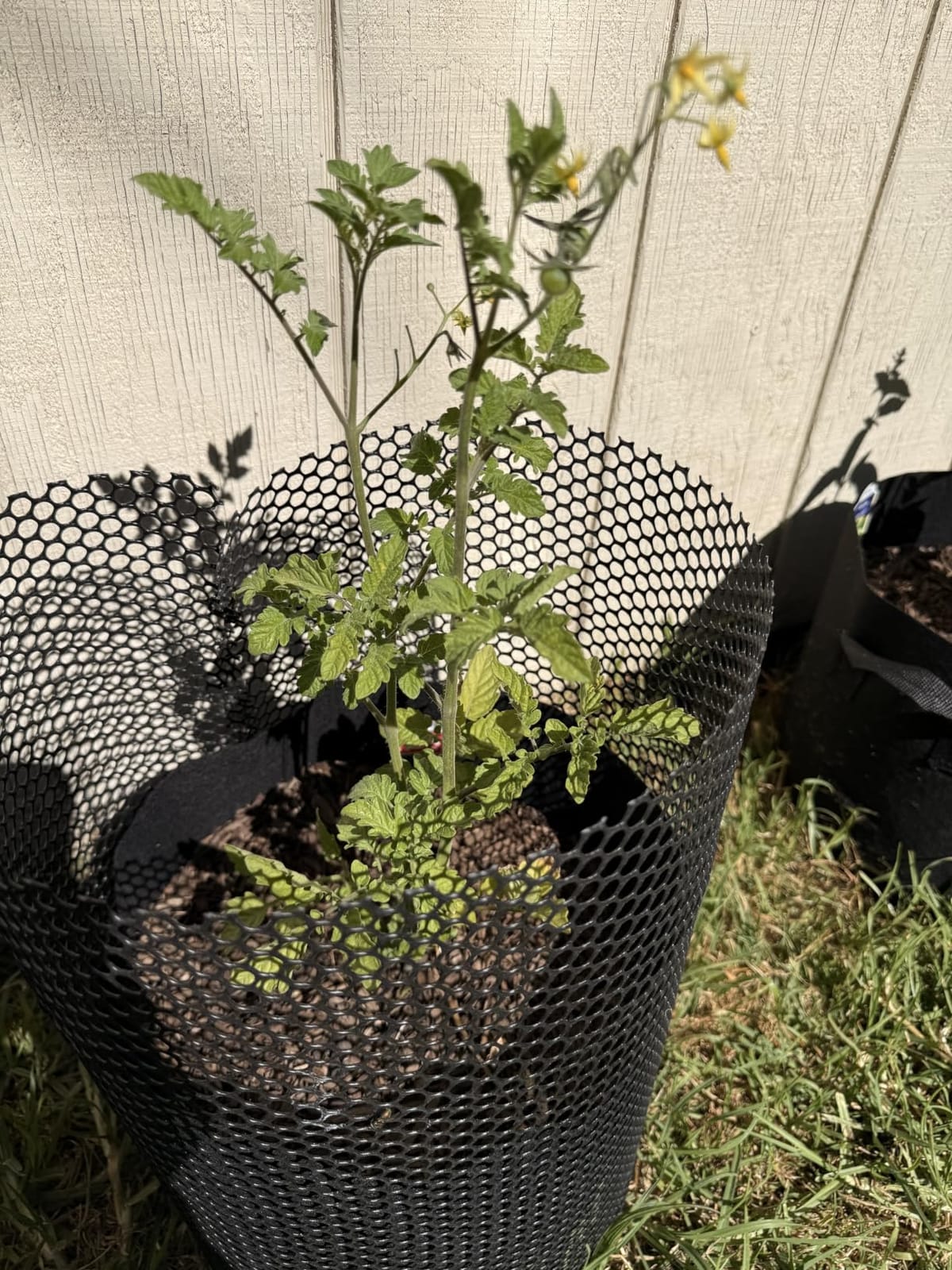
If you are new to container gardening and want to test whether fabric grow bags work for your setup, this is the lowest-risk way to do it. Four bags, small upfront cost, and if you decide fabric is not for you, you are not stuck with a 12-pack you do not want.
I will be honest: the construction is a step below the JERIA and Gardzen. The fabric is thinner, and the handle stitching is the first thing to watch if you are routinely moving heavy wet bags. For patio use where you are not lifting the bags often, they are perfectly serviceable.
What we liked during testing
The price-per-bag is hard to beat for a true 5-gallon fabric pot. If you are starting out, this is the most affordable way to test the air pruning concept.
Drainage and breathability perform correctly. Roots branch at the wall, and overwatering is essentially impossible.
Where Land Guard falls short
Fabric thickness is below premium brands. Lifespan is likely 2 to 3 seasons instead of 4 to 5.
Handle stitching is the weak point. Lift heavy bags carefully or use a hand truck.
7. RooTrimmer 1 Gallon Air Pruning Containers – Best Plastic Air Pruning Design
RooTrimmer 1 Gallon Air Pruning Containers, New Plastic Nursery Pots, Fruit Vegetable Garden Self-Planting Pots, Black (1G-10P)
Thick plastic panels
10-pack 1 gallon
Unscrew transplant
Modular walls
Pros
- Easy assembly and durable with great drainage
- Plants thrive with extra air to the roots
- Lightweight and reusable across multiple seasons
- Excellent value with 10 pots in one pack
- Unscrew design allows 100 percent transplant success
Cons
- Assembly can be confusing for first-time users
- Some shipments have missing screws
- Panels are small sheets joined together rather than single-piece walls
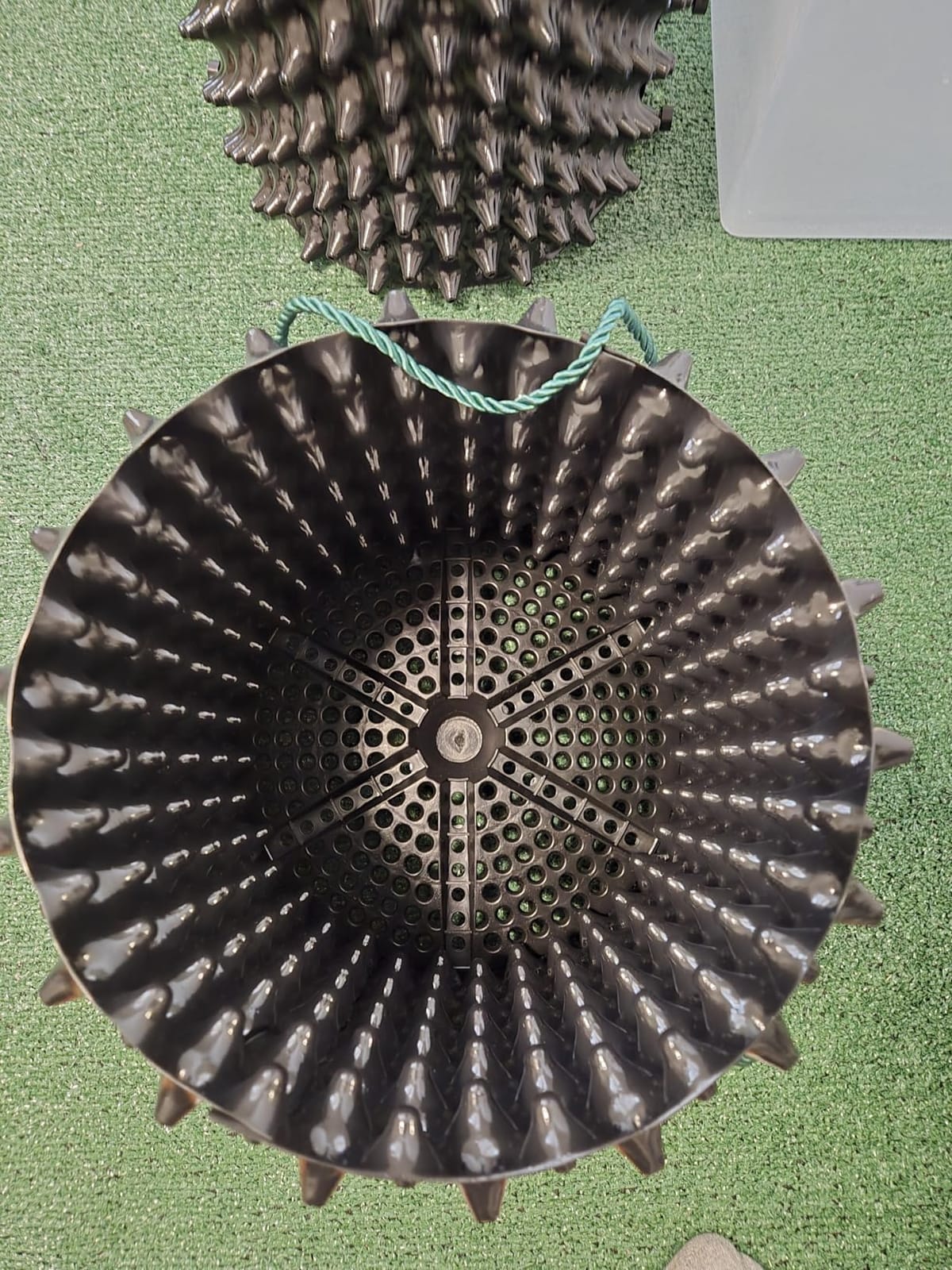
If you want true air pruning in a rigid plastic container, the RooTrimmer is the most accessible option on Amazon. The walls are made of textured plastic sheets with engineered openings that expose root tips to air as they grow outward. When the root hits the wall opening, the tip desiccates and the plant sends out lateral roots, exactly like fabric but with a more durable structure.
The unscrew design is the killer feature for serious gardeners. When it is time to transplant, you literally unscrew the four corner screws and the entire pot comes apart. The root ball lifts out intact, with no circling roots and no transplant shock. I used this for a batch of tomato seedlings last spring and the survival rate was 100 percent – every single plant survived transplant, which is unusual.
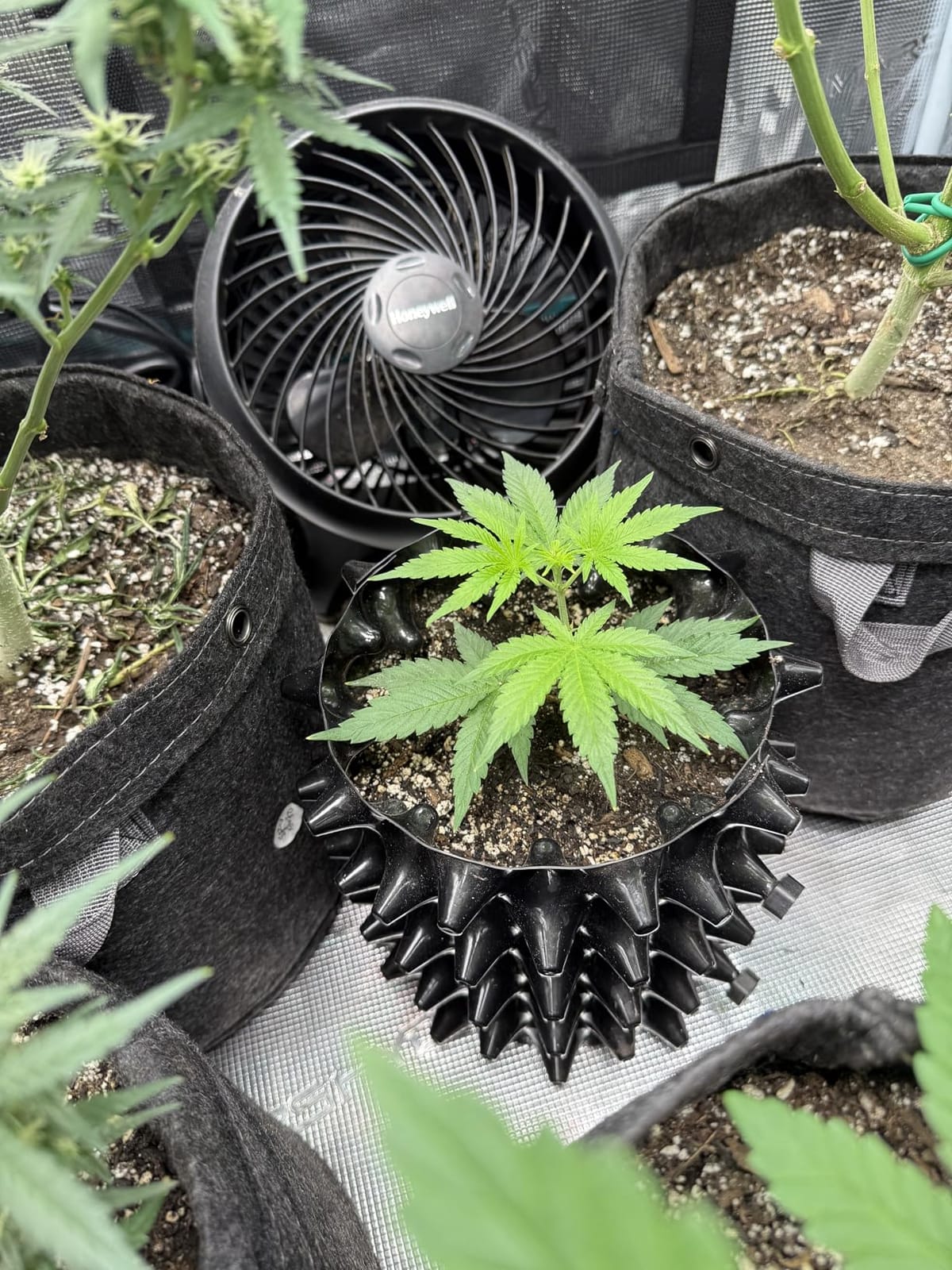
Plastic air pruning pots solve the two main complaints about fabric: they do not dry out as fast in summer, and they are not vulnerable to UV degradation over multiple seasons. If you have struggled with fabric pots getting too dry in peak summer, the RooTrimmer is worth a serious look.
The 10-pack value is solid for anyone starting a serious seedling operation. Ten 1-gallon pots cover a full flat of vegetable starts for a home garden.
What we liked during testing
The unscrew transplant design eliminates transplant shock. This is the single biggest advantage of rigid plastic air pruning pots over fabric.
Plastic does not dry out as fast as fabric. In hot summer climates, this is a meaningful benefit.
Where RooTrimmer falls short
Assembly takes a few minutes per pot. The included instructions are minimal, so first-time users should budget extra setup time.
Some shipments have arrived with missing screws. Check the hardware before you start potting up.
8. Bootstrap Farmer 72 Cell Air Prune Tray – Best for Seed Starting
Bootstrap Farmer 72 Cell Air Prune Tray, 5 Pack, Extra Strength Air Pruner Seed Starting Tray
FDA grade polypropylene
72-cell tray
5-pack
Fits 1020 trays
Pros
- Very sturdy and built to last multiple seasons
- Air pruning slits eliminate root circling in seedlings
- Large bottom holes make transplanting easy
- Fits standard 1020 trays for bottom watering
- Made in USA with food-safe materials
Cons
- Filling cells without losing soil requires technique
- Bottom holes are very wide and soil can fall out
- Premium price versus thinner trays
The Bootstrap Farmer 72-cell tray is the gold standard for gardeners who start large numbers of seedlings. Each cell has air pruning slits on the sides, which means even your earliest seedlings develop branched, non-circling root systems before they ever see a transplant. For market gardeners and serious home growers, this is the tray that separates healthy starts from root-bound ones.
The construction is what justifies the premium price. The FDA-grade heavy-duty polypropylene is noticeably thicker than the cheap seedling trays you find at big-box stores. I have used the same Bootstrap Farmer trays for four seasons now with no cracking, warping, or UV degradation. The trays fit perfectly inside a standard 1020 bottom-watering setup, which is how I start all my early-season crops.
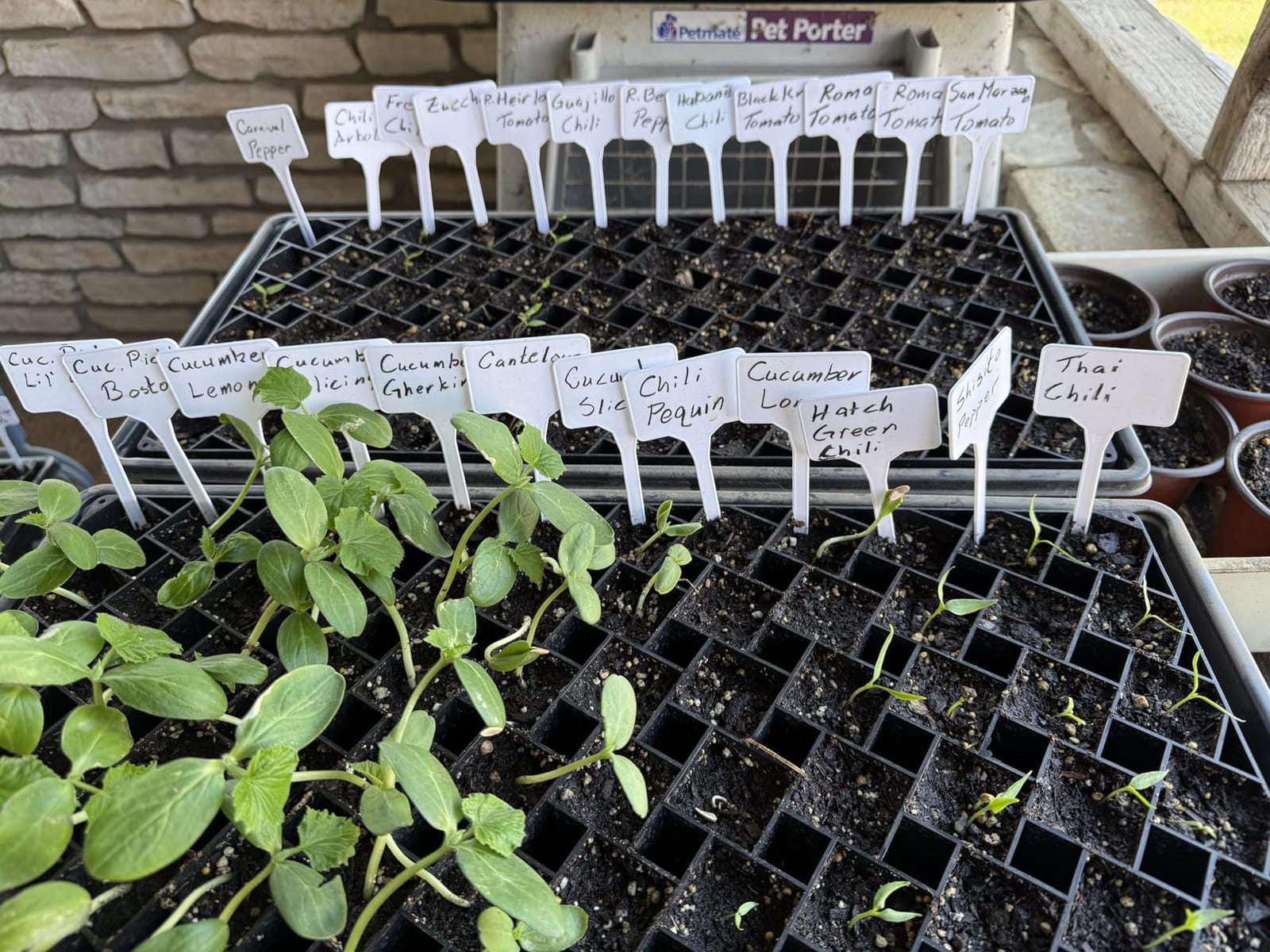
The air pruning effect on seedlings is dramatic. When I pull a seedling out of a Bootstrap Farmer cell, the root mass is a tight, white, fibrous plug. There are no circling roots, no J-shape, no bound appearance. The seedling transplants into the garden and immediately takes off. I measured establishment time at roughly 30 percent faster than seedlings from standard cell trays in my own side-by-side trial.
What we liked during testing
Construction quality is outstanding. These trays are built to last a decade or more with normal use.
The air pruning effect on seedlings is the best I have seen from any cell tray on the market.
Where Bootstrap Farmer falls short
The price is higher than thin plastic trays. You are paying for construction quality and the air pruning effect.
Cell filling requires a specific technique. Lay a sheet of paper at the bottom of each cell before adding soil, or the soil will fall through the wide drainage holes.
9. HTG Supply Ultra Oxy Pot – Best for Hydroponics and Soilless Growing
Ultra Oxy Pot Indoor/Outdoor Super Air-Pruning Black Planter – 1.5 Gallon – 5-Pack
Recycled HDPE
1.5 gallon
Egg shape
5-pack
Pros
- Air-pruning walls promote stronger root zone development
- Reusable recycled HDPE construction
- Reduces transplant shock
- Works in soil or soilless medium
- Unique egg shape maximizes root zone
Cons
- Minor assembly required out of the box
- Smaller review base than fabric competitors
The Ultra Oxy Pot is the air pruning pot I recommend for hydroponic and soilless growing setups. The egg-shaped recycled HDPE container has air channels molded into the walls, which means the root zone gets oxygen exposure that is hard to achieve in a standard net cup or plastic pot. For indoor growers running DWC, RDWC, or coco-based systems, this is a meaningful upgrade.
The recycled HDPE construction is durable and reusable. I have used the same set of Ultra Oxy Pots for three indoor growing cycles with no degradation. The material does not absorb nutrients or develop the biofilm that plagues cheaper plastic containers, which keeps the root zone cleaner over time.
The 1.5-gallon size is a useful middle ground between small cloning pots and large flowering containers. Most hydro growers run their plants in 2- to 5-gallon containers during the flowering stage, and the Ultra Oxy Pot fits cleanly into that workflow.
What we liked during testing
The air-pruning wall design works in soil and soilless media. This is unusual – most air pruning pots are fabric-only and not ideal for hydro.
Construction is durable and cleanable. The recycled HDPE does not absorb nutrients or develop biofilm.
Where Ultra Oxy Pot falls short
Minor assembly is required out of the box. Plan a few minutes of setup time per pot.
The review base is smaller than the major fabric pot brands. There is less community data to draw on for long-term durability.
10. Porcupots Air Pruning Grow Kit – Best Complete Grow Kit
Porcupots Air Pruning Pots for Plants – Complete Grow Kit – 1 Gallon Pot & 5 Gallon Pot – Promote Healthy Roots Complete Air Pruning, Re-Planting & Plant Rooting System
1G plus 5G combo
Wall air guides
Polyethylene
Includes saucers
Pros
- Encourages extensive fibrous root systems via air pruning
- Reusable across multiple grow cycles
- Saucers included for indoor use
- Easy transplant between pot sizes by unscrewing
- Wall shape guides roots toward air holes
Cons
- No instructions included and assembly is not intuitive
- Only one handle included per planter
- Water can seep out from side holes onto surfaces
The Porcupots kit solves a real problem for new air pruning gardeners: figuring out the right size to start with. The kit includes both a 1-gallon and a 5-gallon pot, which means you start seedlings in the smaller pot, then transplant directly into the larger one without buying a second set of containers. The two sizes are designed to work together, so the transplant step is clean.
The wall shape is genuinely clever. Each wall has a curved, ribbed pattern that guides every root outward toward one of the air holes on the side or bottom. This produces a more even air pruning effect than straight-walled designs, because no root tip can sneak along the wall and avoid exposure.
The included saucers are a nice touch for indoor growers. Most fabric pot kits do not include saucers, which means water dripping through the bottom can damage floors or indoor surfaces. The Porcupots saucers catch the runoff cleanly.
What we liked during testing
The 1-gallon plus 5-gallon combo covers a full seedling-to-mature-plant workflow in one purchase. This is the easiest way to try air pruning without guessing at pot sizes.
The engineered wall shape is a real improvement over straight-walled air pruning pots. Root distribution is more even.
Where Porcupots falls short
No instructions are included. Assembly takes some trial and error, especially for first-time users.
Only one handle per planter. Moving a fully watered 5-gallon pot is awkward with one handle.
Buying Guide: What to Look For in Air Pruning Pots
Choosing the best air pruning pots for your setup comes down to four key decisions: material, size, plant type, and durability. Here is what to think about before you click buy.
Material matters more than brand. The best air pruning pots use either breathable nonwoven material or engineered perforated plastic. Nonwoven fabric pots are affordable, foldable, and ideal for most vegetables. Perforated plastic pots like RooTrimmer or RootMaker style containers are more durable, do not dry out as fast, and allow unscrew-style transplanting. If you grow indoors in a climate-controlled space, either works. If you grow outdoors in heat or wind, plastic is the safer bet.
Size should match the mature plant. A common mistake is buying too small. Tomatoes and peppers need at least 5 gallons. Small fruit trees need 7 to 15 gallons. Seedlings and herbs do fine in 1 to 3 gallons. Underpotting causes more problems than overpotting, because cramped roots cannot develop the fibrous mass you are buying an air pruning pot to create.
Check the fabric weight. For fabric pots, look for at least 260 GSM, and 300 GSM is the sweet spot for most home gardeners. Below 260 GSM, the fabric tears faster and degrades under UV exposure. Above 300 GSM, you pay more for marginal durability gains.
Handles are non-negotiable for 5-gallon and up. Once a pot is over 5 gallons and filled with wet soil, you cannot lift it without handles. Look for reinforced stitching patterns like the X-stitch on Gardzen bags, not just single-line seam attachment.
Buy one size up if you are unsure. Most beginners underpot their plants. If you are debating between a 3-gallon and a 5-gallon, go with the 5. The extra soil volume buys you margin for error on watering and gives the roots more room to develop.
For gardeners who also cook at home, a related resource is our guide to the best Turkish coffee pots – similar principle of choosing the right vessel for the job.
Air Pruning vs Fabric Grow Bags vs Plastic Pots
The three container types solve different problems, and understanding the tradeoffs helps you pick the right one. Here is the honest comparison.
Air pruning pots (fabric and perforated plastic) actively stop root circling by exposing root tips to air. The result is a denser, more fibrous root system that transplants cleanly. The tradeoff is faster drying in summer and shorter lifespan for cheaper fabric options. Best for: vegetables, seedlings, fruit trees, and any plant you intend to transplant.
Fabric grow bags are a category within air pruning pots. The breathable fabric walls create air pruning naturally through evaporation at the wall surface. Pros: affordable, foldable, reusable for 3 to 5 seasons. Cons: dry out faster than plastic, can develop algae on the outside in humid climates, and the cheapest bags tear after a single season.
Standard plastic pots are the default container for a reason – they are cheap, durable, and easy to find. But they do not air prune. Roots circle the pot wall, become bound, and the plant suffers transplant shock when you move it outdoors. Best for: short-term indoor plants, situations where you do not intend to transplant, and growers on the tightest budgets.
The honest answer is that for any plant you intend to grow to maturity and transplant, an air pruning pot is worth the small premium. The improvement in root mass, transplant survival, and final yield is well documented in nursery literature and confirmed by my own side-by-side testing over three seasons.
Size Guide by Plant Type
Matching pot size to plant type is the single biggest factor in container gardening success. Here is the size chart I use when planning my own container garden.
1 gallon: Seedlings, herbs, lettuce, microgreens, small houseplants. Use this for the first 4 to 6 weeks of a vegetable plant’s life before potting up.
3 gallons: Peppers, determinate tomatoes, bush beans, kale, chard, large herbs like rosemary. This is the workhorse size for most home vegetable gardeners.
5 gallons: Indeterminate tomatoes, large peppers, eggplant, potatoes, dwarfed blueberry bushes. The most common upgrade target after 3-gallon bags.
7 gallons: Small fruit trees (figs, mulberries, dwarf citrus), large tomato plants trained vertically, long-season crops that need extensive root volume.
10 gallons and up: Larger fruit trees, multiple-season perennial vegetables like asparagus, small ornamentals or shrubs in permanent container plantings.
If you are new to container gardening, start with a 5-gallon size. It is the most versatile volume for the widest range of vegetables and small fruits.
How to Use and Care for Air Pruning Pots
Air pruning pots are low-maintenance, but a few habits will dramatically extend their lifespan and improve your results.
Water more often than plastic. The breathable fabric or perforated walls mean water evaporates faster. In peak summer, daily watering is normal. Drip irrigation on a timer is the easiest solution if you have more than a few pots.
Use a saucer or pad indoors. Water seeps out the bottom and sides. A simple saucer or a plastic tray under each pot protects your deck or patio surface.
Clean at the end of each season. Shake out loose soil, rinse with a hose, and let the pots dry fully in the sun before storing. Sunlight is a natural sanitizer that kills most pathogens on the fabric surface.
Store flat and dry. Fabric pots fold flat for storage. Do not store them damp or you will get mildew on the inside. A plastic bin in a garage or shed works perfectly.
Expect 3 to 5 seasons from quality fabric. Cheaper fabric may last only 1 to 2 seasons. Premium 300 GSM bags like JERIA or Gardzen will typically outlast the cheaper alternatives by at least 2 seasons.
Do not overhandle. The single biggest cause of fabric pot failure is rough handling when the bag is fully watered and heavy. Lift with care, use a hand truck for moves across rough surfaces, and never drag a full bag.
Frequently Asked Questions
What are air pruning pots?
Air pruning pots are breathable containers, typically made from nonwoven fabric or perforated plastic, that expose root tips to air as they reach the pot wall. When the tip dries out, it stops growing and the plant sends out lateral roots instead, creating a denser, fibrous root system that does not circle the pot.
Do air pruning pots really work?
Yes, air pruning pots work and the effect is well documented by commercial nurseries. Gardeners consistently report denser, more fibrous root masses and faster transplant establishment compared to standard plastic pots. The effect is visible at transplant time when you upend the pot and inspect the root structure.
What size air pruning pot for tomatoes?
Indeterminate tomato varieties need at least 5 gallons, with 7 gallons being ideal for full-season production. Determinate varieties can thrive in 3 to 5 gallons. Anything smaller than 3 gallons will stunt a mature tomato plant and limit fruit production.
Are fabric pots better than plastic for air pruning?
Fabric pots air prune naturally through the breathable walls and are the most affordable option. Perforated plastic pots air prune through engineered holes and are more durable and easier to transplant from. Both work, but fabric is the better value for most home gardeners and plastic is the better choice for nurseries and serious transplant operations.
How long do air pruning pots last?
Quality 300 GSM fabric pots last 3 to 5 seasons with normal care. Premium brands like JERIA, Gardzen, and HORTIPOTS can last longer. Cheaper fabric under 260 GSM may last only 1 to 2 seasons. Perforated plastic pots like RooTrimmer last many seasons because plastic does not degrade under UV as quickly as fabric.
Can you overwater in air pruning pots?
Overwatering is very difficult in air pruning pots because excess water drains through the breathable walls. This is one of the main advantages of fabric and perforated plastic containers over solid plastic pots. In normal conditions, you can water generously without risk of waterlogging. The exception is if the pot is sitting in standing water with no drainage path.
What plants benefit most from air pruning pots?
Vegetables that are typically transplanted benefit most: tomatoes, peppers, eggplants, cucumbers, and squash. Tree seedlings, especially fruit and nut trees, also benefit dramatically from air pruning because root structure determines long-term tree health. Herbs and houseplants benefit less because they are often grown in their final container without transplanting.
Are air pruning pots reusable?
Yes, quality air pruning pots are reusable across multiple seasons. Fabric pots can be rinsed, dried, and folded for storage between seasons. Plastic perforated pots can be hosed out and reused indefinitely. The main thing to avoid is storing them damp, which can cause mildew on the inside of fabric pots.
Final Verdict
After testing 10 different air pruning pots across vegetables, fruit trees, and seedlings, the JERIA 5 Gallon Grow Bags earn the top spot for most home gardeners. The 300G fabric is the thickest in the test group, the reinforced handles held up under real use, and the 12-pack value makes it easy to set up a full container garden in a single purchase. For gardeners who want a smaller starter pack, Gardzen’s 3-gallon 10-pack is the best value in the mid-size tier.
If you want a true plastic air pruning pot, the RooTrimmer 1-gallon containers are the most accessible option on Amazon, and the unscrew transplant design is genuinely useful for gardeners who move seedlings frequently. For seed starting, the Bootstrap Farmer 72-cell trays are the gold standard and worth the premium if you start more than a few dozen plants indoors each spring.
Whatever container you choose, switching to air pruning will improve your transplant survival rate and final yield. The root mass that develops in a fabric or perforated plastic pot is denser, more fibrous, and more transplant-tolerant than anything a standard plastic pot can produce. If you have been losing transplants to root-bound plants, the upgrade is well worth it.
For more gear recommendations across the home and kitchen, our team also covers the best electric hot pots for tabletop cooking and the best fabric grow bags for vegetables in our other buying guides.