
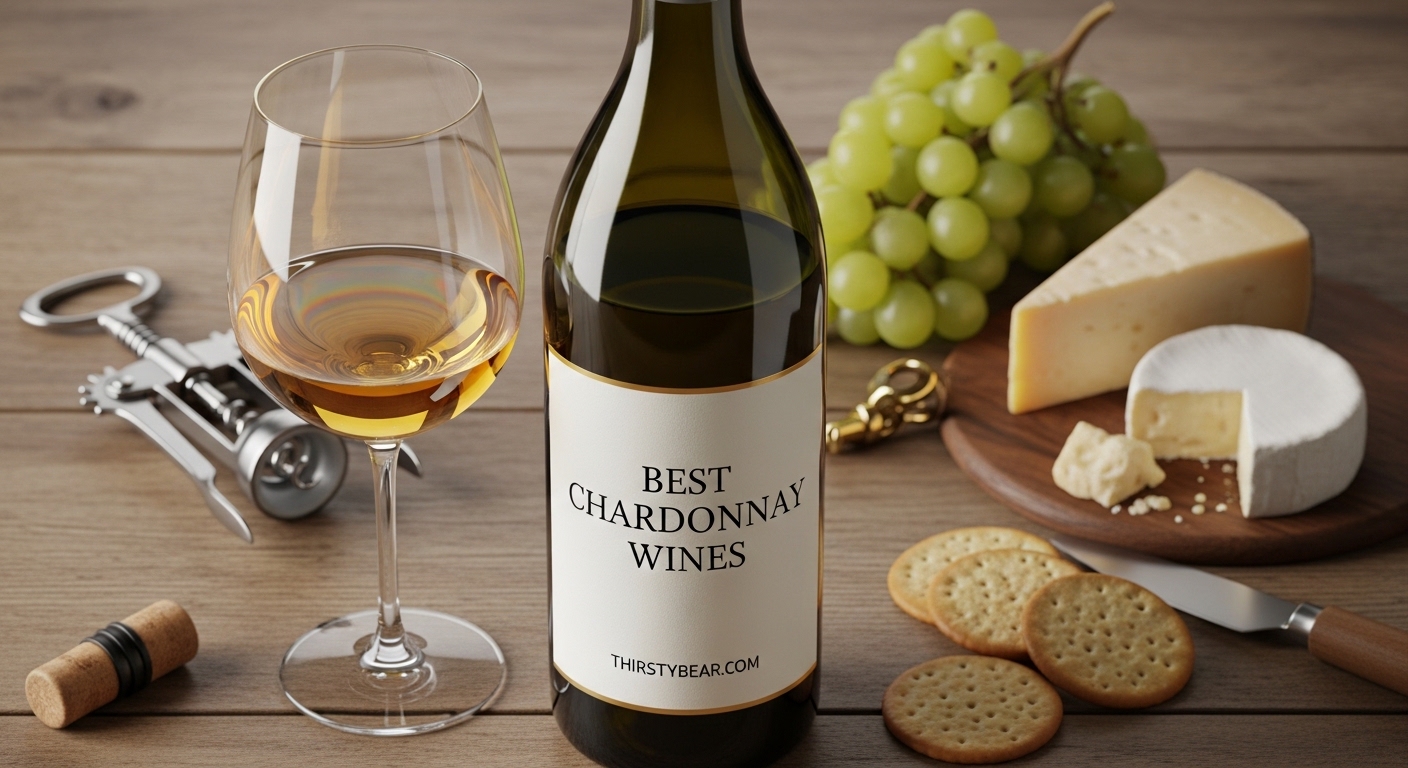
Chardonnay stands alone as the world’s most versatile white wine grape, capable of producing an extraordinary range of styles from crisp, mineral-driven expressions to rich, buttery showstoppers. I’ve spent years exploring Chardonnay across different regions and price points, and I’m consistently amazed by how this single grape variety can express so many distinct personalities.
What makes the best chardonnay wines so fascinating is their chameleon-like nature. The same grape can taste completely different depending on where it’s grown and how it’s made. This comprehensive guide will help you understand Chardonnay’s many faces, navigate the confusing oaked versus unoaked debate, and discover the best bottles for your budget and taste preferences.
Whether you’re a crisp white wine lover or someone who craves that rich, creamy California style, understanding Chardonnay’s versatility will transform your wine experience. Let’s explore what makes these wines special and discover the best chardonnay wines for every occasion and budget.
Table of Contents
Understanding Chardonnay Taste Profile
Chardonnay’s taste profile spans an impressive spectrum, which is exactly what makes finding the best chardonnay wines both exciting and challenging. At its core, Chardonnay is a relatively neutral grape that takes on characteristics from its growing environment and winemaking techniques.
The best chardonnay wines typically display fruit flavors that fall into two main categories. Cool-climate Chardonnays express crisp apple, pear, citrus (lemon, grapefruit), and mineral notes. Warm-climate versions showcase tropical fruits like pineapple, mango, banana, and ripe peach. This fruit-forward foundation provides the canvas for winemaking influences that dramatically alter the final wine.
Beyond fruit, you’ll discover secondary flavors that come from winemaking decisions. Vanilla, caramel, toast, spice, and butter notes all come from oak aging and malolactic fermentation (more on this shortly). Acidity levels vary significantly—crisp Chardonnays make your mouth water, while richer versions feel smoother and rounder.
What Makes Chardonnay So Versatile?
The secret behind Chardonnay’s versatility lies in its adaptability. Unlike aromatic varieties like Riesling or Gewürztraminer, Chardonnay doesn’t have overpowering inherent flavors. This blank slate quality allows winemakers to shape the wine’s character while still expressing its origins.
I’ve found that the best chardonnay wines balance fruit expression with winemaking influences. When done well, oak and malolactic fermentation enhance rather than mask the grape’s natural character. The interplay between fruit, acidity, and texture creates complexity that keeps wine enthusiasts coming back for more.
Climate plays an equally important role. Chardonnay ripens fully in cooler regions while maintaining refreshing acidity, yet also thrives in warmer areas where it develops riper, lusher fruit flavors. This adaptability explains why Chardonnay succeeds everywhere from Chablis to Napa Valley.
Oaked vs Unoaked Chardonnay: Understanding the Difference
The oaked versus unoaked debate represents the single most important distinction when exploring the best chardonnay wines. This difference fundamentally shapes the wine’s flavor, texture, and food compatibility. Understanding this distinction will help you choose Chardonnays that match your personal preferences.
Unoaked Chardonnay (also called stainless steel Chardonnay) ferments and ages in neutral tanks without oak influence. These wines emphasize pure fruit flavors, crisp acidity, and mineral character. Think fresh apple, citrus, pear, and subtle floral notes with a clean, refreshing finish. Unoaked styles pair beautifully with light dishes and showcase the grape’s natural expression.
Oaked Chardonnay spends time in oak barrels, which dramatically transforms the wine. Oak introduces flavors of vanilla, caramel, butter, toast, and spice. The wine also gains texture and weight from the barrel aging, becoming creamier and fuller-bodied. The best chardonnay wines made with oak integration balance these rich flavors with underlying fruit and acidity.
Here’s where confusion often arises: not all oaked Chardonnays taste buttery, and not all buttery Chardonnays are heavily oaked. The buttery component actually comes from a specific winemaking process called malolactic fermentation.
Why Do Some Chardonnays Taste Buttery?
That rich, buttery flavor that defines many California Chardonnays comes from malolactic fermentation (often called MLF). This process converts tart malic acid (like green apples) into softer lactic acid (like milk). The result? A smoother, creamier texture with distinctive buttery or creamy notes.
The best chardonnay wines that showcase buttery characteristics typically undergo full malolactic fermentation and oak aging. This combination creates that signature California style—rich, creamy, and full-bodied with flavors of buttered popcorn, vanilla, and tropical fruit. Wines like Rombauer and Kendall-Jackson built their reputations on this beloved style.
However, not all oaked Chardonnays go through malolactic fermentation. Some winemakers oak-age their wines but skip MLF to maintain crispness while gaining vanilla and toast flavors. Conversely, some unoaked Chardonnays undergo malolactic fermentation for texture without oak flavor. Understanding these techniques helps you identify Chardonnays that match your taste preferences.
Quick Style Comparison:
- Unoaked, No MLF: Crisp, mineral-driven, pure fruit expression. Think Chablis or premium unoaked California Chardonnay.
- Oaked, No MLF: Vanilla and toast flavors with crisp acidity and medium body.
- Unoaked, With MLF: Creamy texture without oak flavors—smooth but fresh.
- Oaked, With MLF: The full California treatment—buttery, vanilla-rich, full-bodied, and creamy.
Best Chardonnay Wines by Region
Understanding regional differences is essential for discovering the best chardonnay wines that match your preferences. Each major Chardonnay region has a characteristic style based on climate, soil, and winemaking traditions. I’ve explored Chardonnays across these regions and can help you navigate their distinctive personalities.
Burgundy Chardonnay (France)
Burgundy remains the spiritual home of Chardonnay and produces some of the world’s most sought-after examples. French Burgundian Chardonnay typically balances richness with elegance, offering flavors of citrus, white flowers, hazelnuts, and mineral notes. The best examples from prestigious appellations like Meursault, Puligny-Montrachet, and Chablis demonstrate remarkable complexity and aging potential.
What makes Burgundy special is the concept of terroir—the idea that wine expresses its specific growing site. Chablis in northern Burgundy produces famously crisp, mineral-driven Chardonnays with no oak influence. Further south in the Côte de Beaune, wines become richer and more complex while maintaining balance. These wines teach us that the best chardonnay wines express place as much as grape variety.
Top Burgundy producers to explore include Domaine Leflaive, Louis Jadot, Bouchard Père & Fils, and Joseph Drouhin. While premium Burgundies command high prices, village-level wines offer excellent introductions to this classic style. Many sommeliers consider Burgundy the benchmark against which all other Chardonnays are measured.
California Chardonnay (Napa, Sonoma, Central Coast)
California Chardonnay revolutionized the wine world with its rich, ripe, fruit-forward style. Napa Valley Chardonnays tend to be full-bodied with lush tropical fruit, vanilla, and buttery notes from generous oak usage and malolactic fermentation. These are crowd-pleasing wines that have introduced millions to Chardonnay’s charms.
Sonoma County offers more diversity. Sonoma Coast and Russian River Valley Chardonnays balance richness with acidity, showing citrus and orchard fruit alongside creamy texture. Producers like Kistler, Marcassin, and Peter Michael make some of California’s most prestigious Chardonnays here, often commanding premium prices but delivering exceptional quality.
The Central Coast (including regions like Santa Barbara and San Luis Obispo) delivers outstanding value. Cooler coastal areas preserve acidity while producing wines with generous fruit flavors. Producers like Au Bon Climat, Foxen, and Sandhi make elegant, food-friendly Chardonnays that overdeliver for the price. If you’re exploring the best chardonnay wines under $30, Central Coast offerings should be on your radar.
Oregon Chardonnay
Oregon’s cooler climate produces Chardonnays that combine California’s ripeness with Burgundy’s elegance. These wines typically feature crisp acidity, flavors of apple and pear, and subtle oak influence. Oregon Chardonnay has gained tremendous recognition in recent years as winemakers refine their approach to this variety.
Willamette Valley leads Oregon’s Chardonnay production, with producers like Domaine Drouhin Oregon, Domaine Serene, and Argyle making exceptional wines. Many Oregon Chardonnays see less new oak than their California counterparts, allowing the grape’s natural character to shine. I find these wines exceptionally food-friendly and versatile at the table.
The best chardonnay wines from Oregon offer outstanding quality-to-price ratios. While top examples from prestigious producers cost $40-60, you can find excellent options in the $25-40 range that outperform similarly priced California wines. Reddit wine communities frequently sing praises of Oregon Chardonnay for their balance and value.
Australian Chardonnay (Margaret River)
Australia underwent a Chardonnay revolution over the past two decades, moving away from overly oaky styles toward elegant, balanced wines. Margaret River in Western Australia has emerged as Australia’s premier Chardonnay region, producing wines that combine ripeness with refreshing acidity.
Margaret River Chardonnays typically show citrus and stone fruit flavors with subtle oak influence, crisp acidity, and excellent texture. The region’s maritime climate provides ideal conditions for balanced wines that age gracefully. Producers like Leeuwin Estate, Cape Mentelle, and Xanadu make world-class Chardonnays that rival premium Californians at often lower prices.
Other Australian regions worth exploring include Adelaide Hills (known for crisp, elegant styles) and Yarra Valley (producing structured, age-worthy Chardonnays). The best chardonnay wines from Australia offer exceptional value and provide a bridge between Old World elegance and New World fruit forwardness.
Other Notable Regions
While Burgundy, California, Oregon, and Australia dominate Chardonnay production, several other regions deserve attention. New Zealand’s Marlborough region produces fresh, zesty Chardonnays with excellent value. Chile’s Casablanca Valley offers cool-climate elegance at affordable prices. South Africa makes increasingly sophisticated Chardonnays from regions like Elgin and Hemel-en-Aarde.
These emerging regions often provide outstanding value and unique expressions of Chardonnay. Don’t hesitate to explore Chardonnays from lesser-known regions—you might discover hidden gems that offer exceptional quality for the price.
Best Chardonnay Wines by Price Point
Finding the best chardonnay wines for your budget doesn’t require compromising on quality. I’ve tested hundreds of Chardonnays across price ranges and can confidently recommend excellent options at every level. Here are my top picks based on extensive tasting and value analysis.
Best Chardonnay Under $20
Quality Chardonnay under $20 absolutely exists if you know where to look. These wines offer excellent value for everyday drinking and won’t disappoint when serving to guests. Reddit wine communities consistently recommend several standout producers in this category.
Kendall-Jackson Vintner’s Reserve Chardonnay remains America’s bestselling Chardonnay for good reason. It delivers that classic buttery, oaky style that introduced many drinkers to Chardonnay. While not complex, it’s consistent and widely available.
Au Bon Climat Santa Barbara County Chardonnay overdelivers for around $18. This producer offers Burgundian elegance at a fraction of the price, with crisp acidity and balanced fruit flavors. Wine enthusiasts frequently cite this as the best value Chardonnay on the market.
Oyster Bay Hawke’s Bay Chardonnay from New Zealand offers refreshing citrus and melon flavors with subtle oak. At approximately $12-15, it’s perfect for large gatherings and casual sipping. Crisp, clean, and food-friendly.
Beringer Main & Vine Chardonnay provides reliable quality for around $10-12. While not complex, it offers pleasant fruit flavors and smooth texture that pleases crowds. Perfect for parties and casual occasions.
Best Chardonnay $20-$50
This sweet spot offers the best chardonnay wines for quality-to-price ratio. You’ll find excellent examples from top producers in this range, often representing the best values in their portfolios.
Cakebread Cellars Chardonnay ($35-45) represents Napa Valley at its finest. Balanced oak usage, vibrant acidity, and flavors of citrus, vanilla, and baked apple make this consistently outstanding. Wine enthusiasts regard Cakebread as a benchmark Napa Chardonnay producer.
La Crema Sonoma Coast Chardonnay ($25-30) delivers elegance and balance. Cool-climate Sonoma Coast fruit preserves acidity while showing lemon, pear, and subtle toast. Many sommeliers recommend this as an introductory premium Chardonnay.
Rombauer Vineyards Chardonnay ($45-55) defines the buttery California style that many drinkers love. Rich, creamy, and full-bodied with flavors of tropical fruit, vanilla, and butter. If you enjoy bold Chardonnay, this is your wine.
Domaine Drouhin Oregon Chardonnay ($40-50) combines Burgundian pedigree with Oregon elegance. Crisp acidity, mineral undertones, and subtle oak influence create a sophisticated wine that overdelivers for the price. Outstanding with food.
Bread & Butter Chardonnay ($18-22) offers the popular buttery style at an excellent price. Full-bodied with notes of vanilla, caramel, and tropical fruit, it’s perfect for those who love rich Chardonnay without the premium price tag.
Premium Chardonnay $50+
Premium Chardonnays showcase winemaking excellence and exceptional vineyard sites. These are the best chardonnay wines for special occasions or serious wine enthusiasts. While expensive, they offer complexity and aging potential that justifies the investment.
Kistler Vineyards Chardonnay ($75-125) makes some of California’s most coveted Chardonnays. Intense flavors, creamy texture, and remarkable balance define these wines. Hard to find but worth seeking out for special occasions.
Marcassin Vineyard Chardonnay ($150-300) represents the pinnacle of California Chardonnay. Produced in tiny quantities, these wines offer extraordinary complexity and aging potential. Frequently cited as one of California’s greatest Chardonnay producers.
Domaine Leflaive Burgundy ($100-300+) represents Burgundy’s highest echelon. These biodynamically farmed wines offer unparalleled complexity, minerality, and aging potential. Puligny-Montrachet and Bienvenues-Bâtard-Montrachet are legendary wines that justify their prestige pricing.
Far Niente Chardonnay ($75-100) delivers Napa luxury with consistency. Rich yet balanced, with flavors of citrus, vanilla, and toasted nuts. A favorite among collectors and those celebrating special moments.
Kumeu River Estate Chardonnay ($45-65) from New Zealand offers Burgundian quality at a fraction of the price. Wine Enthusiast has consistently ranked Kumeu River among the world’s top Chardonnay producers. Elegant, complex, and age-worthy.
Best Chardonnay Food Pairings
Chardonnay’s versatility extends to the table, where it pairs with an impressive range of dishes. Understanding which style matches which food will dramatically elevate your dining experience. I’ve tested countless pairings and can confidently guide you to perfect combinations.
Seafood pairs beautifully with unoaked or lightly oaked Chardonnays. The wine’s acidity cuts through richness while complementing delicate flavors. Grilled salmon with a buttery Chardonnay creates a classic pairing, while oysters shine with crisp Chablis-style wines. Crab, lobster, and scallops also find ideal matches in well-balanced Chardonnays.
Poultry works with virtually any Chardonnay style. Roast chicken with herbs pairs perfectly with medium-bodied oaked Chardonnays. Chicken in cream sauce calls for richer, buttery examples that mirror the dish’s richness. Turkey, duck, and game birds all find happy partnerships with appropriate Chardonnays.
Cream sauce dishes were practically made for oaked, buttery Chardonnays. Fettuccine Alfredo, lobster mac and cheese, and creamy mushroom risotto all benefit from the wine’s complementary richness. The key is matching intensity—lighter cream dishes with lighter Chardonnays, richer dishes with fuller-bodied wines.
Cheese pairings depend on style. Soft cheeses like brie and camembert love buttery Chardonnays. Aged cheddar and gouda pair with oaked versions that have sufficient weight. Fresh goat cheese shines with crisp unoaked Chardonnays that provide acidity contrast. For cheese plates, consider offering both styles to accommodate different cheeses.
Serving Temperature and Glassware
Serving temperature dramatically affects how Chardonnay tastes. Light, unoaked Chardonnays shine at 45-50°F—the temperature of a typical refrigerator. Fuller-bodied, oaked examples benefit from slightly warmer temperatures (50-55°F) that allow complex flavors to express themselves. If your Chardonnay tastes overly acidic or muted, it may be too cold. Let it warm for a few minutes and retaste.
Glassware choice matters more than many realize. A standard white wine glass works for most Chardonnays, but premium examples deserve better. Use a glass with a slightly wider bowl for oaked, buttery Chardonnays—this allows room for aromas to develop. Crisp, unoaked styles work well in smaller, more upright glasses that preserve acidity and freshness.
For more ideas on incorporating white wine into your culinary adventures, explore these refreshing white wine cocktail recipes that showcase Chardonnay’s versatility beyond traditional wine service.
FAQs
What is one of the best Chardonnay wines?
What is a really nice Chardonnay?
What is the number one selling Chardonnay in the US?
What is the most buttery tasting Chardonnay?
Discover Your Perfect Chardonnay Style
The world of Chardonnay offers something for everyone, from crisp mineral-driven wines to rich buttery indulgences. Understanding the differences between oaked and unoaked styles, regional variations, and price point categories will help you find the best chardonnay wines for your palate and budget.
My advice? Start with affordable examples from different styles to discover your preferences. Try a crisp Chablis-style unooked Chardonnay alongside a buttery California version. Notice how each pairs with different foods. Once you identify your preferred style, explore producers within that category across price ranges.
Don’t be afraid to ask wine shop staff for recommendations based on your taste preferences. The best chardonnay wines are ultimately the ones you enjoy drinking. Whether you prefer crisp elegance or rich indulgence, outstanding Chardonnays await discovery at every price point.
Ready to explore more wine options? Chardonnay makes an excellent base for white sangria if you’re looking for a refreshing wine cocktail alternative. For those seeking lighter alcohol options, discover light and refreshing Chardonnay options that deliver flavor without the high alcohol content.