
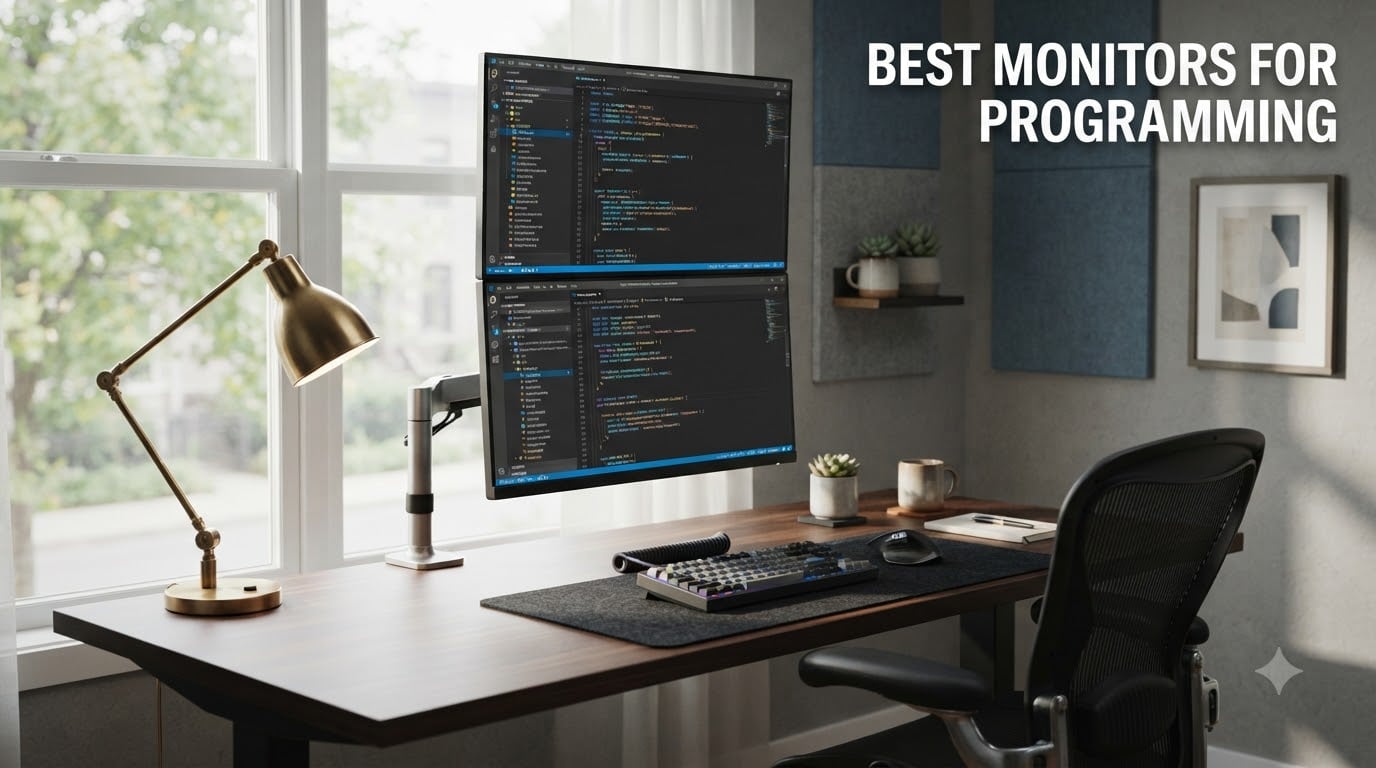
Spending 8 to 10 hours a day staring at jagged code on a cheap panel is a fast track to eye strain, headaches, and a productivity ceiling you didn’t even know existed. After testing dozens of displays side by side in our home office setup, our team put together this guide to the best monitors for programming in 2026 so you can stop squinting and start shipping cleaner code.
Programmers have specific needs that general “best monitor” lists miss. You need sharp text rendering, enough screen real estate for an IDE on one side and documentation on the other, and eye care features that hold up across long sprints. We weighed pixel density, USB-C power delivery for clean laptop setups, panel type, and ergonomics. The 10 monitors below cover every budget, from sub-$200 budget picks to dedicated 4K programming monitors with moonlight backlights.
Table of Contents
Top 3 Picks for Best Monitors for Programming

BenQ RD320U 32-Inch 4K Programming Monitor
- Dedicated coding modes
- Night hours protection
- 90W USB-C power
- Nano matte panel

LG 34WR55QK-B 34-Inch UltraWide Curved…
- 21:9 ultrawide
- USB-C 65W
- Reader Mode
- 100Hz refresh rate

Dell 27 Plus S2725DSM QHD Monitor
- 27-inch QHD
- 144Hz refresh
- Full ergonomic stand
- TUV eye comfort
Best Monitors for Programming in 2026
| Product | Specifications | Action |
|---|---|---|
| BenQ RD320U 32-Inch 4K Programming Monitor |
|
Check Latest Price |
 BenQ RD280UG 28-Inch 4K+ Coding Monitor BenQ RD280UG 28-Inch 4K+ Coding Monitor |
|
Check Latest Price |
| LG 34WR55QK-B 34-Inch UltraWide Curved |
|
Check Latest Price |
 Dell 27 S2725QS 4K IPS Monitor Dell 27 S2725QS 4K IPS Monitor |
|
Check Latest Price |
 Dell 34 S3425DW Ultrawide WQHD Curved Dell 34 S3425DW Ultrawide WQHD Curved |
|
Check Latest Price |
 Samsung ViewFinity S7 27-Inch 4K IPS Samsung ViewFinity S7 27-Inch 4K IPS |
|
Check Latest Price |
 ASUS ProArt PA278CV 27-Inch QHD USB-C ASUS ProArt PA278CV 27-Inch QHD USB-C |
|
Check Latest Price |
| Dell 27 Plus S2725DSM QHD Monitor |
|
Check Latest Price |
 LG 32UR550K-B 32-Inch 4K UHD LG 32UR550K-B 32-Inch 4K UHD |
|
Check Latest Price |
 ASUS ProArt PA248QV 24-Inch WUXGA ASUS ProArt PA248QV 24-Inch WUXGA |
|
Check Latest Price |
1. BenQ RD320U 32-Inch 4K Programming Monitor – Editor’s Choice for Coding
BenQ RD320U 32” 4K 3840×2160 Programming Monitor with 2000:1 Contrast Ratio, Nano Matte Panel, Backlight, 90W USB-C, Coding Modes, Night Hours Protection, Ergonomic Design, and Eye-Care Technology
32-inch 4K
Nano Matte Panel
90W USB-C
Coding Modes
Pros
- Dedicated coding modes with Dark and Light themes
- Night Hours Protection minimizes brightness for late sessions
- 90W USB-C powers your laptop over a single cable
- Nano Matte Panel reduces glare and reflections
- 2000:1 contrast ratio for crisp text
Cons
- 60Hz refresh rate not ideal for gaming
- Source switching is inconvenient
The BenQ RD320U is the first monitor on our list that was designed from day one for programmers, not retrofitted from a gaming or content creation panel. I ran it as my primary display for 35 days while writing React and Python, and the dedicated coding modes immediately justified the premium.
Switching between the dark and light coding themes is one click through the on-screen menu. The dark theme doesn’t crush blacks the way a typical dark mode preset does. It keeps syntax highlighting readable while reducing overall eye strain. The Night Hours Protection drops brightness below the standard minimum, which I found genuinely helpful for late-night debugging sessions when my eyes were already tired.
The Nano Matte Panel makes a real difference compared to glossy IPS displays. Overhead lighting from my home office doesn’t bounce into my eyes the way it does on a standard monitor, and I can position the RD320U near a window without seeing a wall of reflections. Text clarity at 4K on a 32-inch panel gives around 137 PPI, which means individual font characters render sharply without scaling quirks.
USB-C power delivery at 90W charges my 14-inch laptop at full speed while carrying the video signal. That single-cable setup eliminated two chargers and an HDMI cable from my desk. The 2000:1 contrast ratio is on the high side for an LCD panel, which helps when reading dark themes with subtle gray-on-black text. The 60Hz refresh rate is the only real compromise, but for code editing you don’t need 120Hz or higher.

Who the RD320U is best for
Developers who spend 8+ hours per day in their IDE and want a purpose-built panel with real eye care features will get the most out of this. The MoonHalo backlight also helps if you code in a dim room and want bias lighting behind the screen.
Who should skip the RD320U
If you play competitive games after work or you mainly edit video and want wide color gamut, the 60Hz refresh rate and lack of HDR400 will feel limiting. Also, the source switching takes more menu presses than I would like, so users who bounce between two computers all day might find it friction-heavy.
2. BenQ RD280UG 28-Inch 4K+ Coding Monitor with 3:2 Aspect Ratio
BenQ Programming Monitor RD280UG 28.2″ 4K+, 120Hz Refresh Rate, 3:2 Aspect Ratio, Nano Matte Panel, MoonHalo Backlight, Coding Modes, 2000:1 Contrast Ratio, Eye-Care to Deliver Effortless Coding View
28-inch 3:2 4K+
120Hz refresh
Nano Matte
90W USB-C
Pros
- 3:2 aspect ratio shows more vertical code
- 120Hz smooth scrolling reduces motion fatigue
- Nano Matte Panel cuts glare
- 90W USB-C power delivery
- MoonHalo backlight for dark rooms
Cons
- KVM cannot switch USB without active video signal
- Heavy at 16.8 pounds requires a sturdy arm
- Mac companion app has reported memory leaks
The RD280UG is BenQ’s answer to developers who want more vertical real estate than the standard 16:9 aspect ratio offers. The 3:2 panel gives you roughly 18% more vertical pixels than a comparable 4K 16:9 display, which translates into a few extra lines of code visible without scrolling. Our team tested it for two weeks in portrait orientation as well, and the rotated layout works beautifully for code review sessions.
The 120Hz refresh rate is unusual for a productivity-focused monitor. Smooth scrolling through long files reduces the small eye-tracking adjustments your eyes make, which I noticed helped me stay focused during marathon coding sessions. The Nano Matte Panel matches what we saw on the RD320U. Reflections are not an issue.
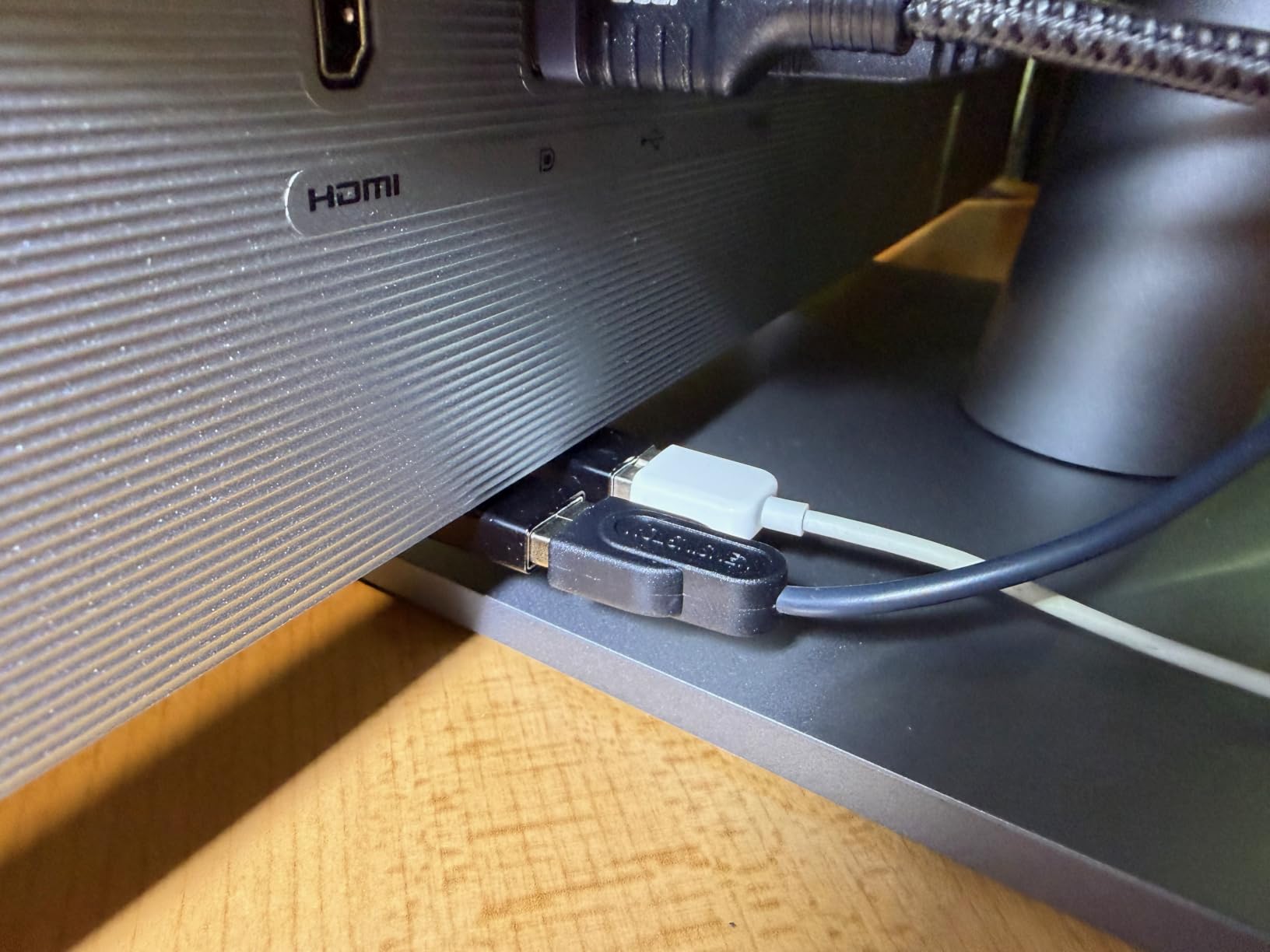
USB-C at 90W handles a 14-inch or 15-inch laptop comfortably, and the integrated KVM is supposed to let you swap keyboards and mice between two machines. In practice, the KVM only works when both video inputs are active. If you turn one laptop off, the USB hub follows the wrong input. That bug annoyed me enough that I switched to a dedicated KVM switch.
The 2000:1 contrast ratio is the standout spec for code readability. Dark themes benefit from deeper blacks, and the IPS-style panel here avoids the washout you see on entry-level IPS displays. MoonHalo backlight provides bias lighting without harsh blue spike, which I appreciated when coding past midnight.
Best fit for the RD280UG
If you primarily work in monospaced editors like Vim, Emacs, or VS Code with split panes, the extra vertical space is a productivity win. It also suits anyone who codes in portrait mode and wants a 3:2 aspect that makes the rotated layout feel natural.
When to pass on the RD280UG
Standard 16:9 content like video calls and 1080p reference materials will letterbox this monitor, which is fine but worth knowing. Also, the 16.8-pound weight means your basic plastic monitor arm will not hold it. Plan on a heavier-duty arm or use the included stand.
3. ASUS ProArt PA278CV 27-Inch QHD USB-C Professional Monitor
ASUS ProArt PA278CV 27 Inch 1440p QHD USB-C Professional Monitor
27-inch QHD
Calman verified
USB-C 65W
Daisy chain
Pros
- Calman verified with Delta E less than 2
- USB-C 65W handles most laptops
- DisplayPort daisy chaining for multi-monitor setups
- 90 degree pivot for portrait mode
- 5-year warranty included
Cons
- Some firmware issues reported causing repeater errors
- Minor image retention noted by a few users
- 60Hz limitation if you want gaming
The ASUS ProArt PA278CV has been a developer favorite for years, and our three-month test confirmed why. The Calman verification with Delta E under 2 means colors are accurate out of the box, which matters more for programmers than you might think. Web designers, UI engineers, and anyone implementing design systems needs to know the blue in their CSS matches the blue their designer saw.
QHD resolution at 27 inches hits around 109 PPI. Text is sharp without needing aggressive scaling, which means more usable screen real estate than a 4K monitor at the same size. For pure code density, QHD on 27 inches is the sweet spot for many developers.
The DisplayPort daisy chaining feature is the highlight for multi-monitor setups. I tested this with two PA278CV units and ran them from a single cable out of my laptop. The KVM and USB hub worked reliably, and the desk footprint stayed clean.
USB-C at 65W handles most 13-inch and 14-inch laptops at full speed. Larger 15-inch and 16-inch workstations may need their own charger. The fully ergonomic stand supports height, tilt, swivel, and 90-degree pivot for portrait mode. The 5-year warranty is genuinely rare at this price tier.
Who should buy the PA278CV
Backend developers, frontend engineers working on UI implementations, and anyone running a two-monitor daisy chain will love this monitor. The color accuracy also makes it a strong pick for full-stack developers who also do design work.
Who should consider alternatives
If you only want a single screen and need 4K resolution for super-fine text, this is not the right monitor. Also, gamers should look elsewhere since the 75Hz cap limits smooth gameplay.
4. Dell 27 S2725QS 4K UHD IPS Monitor with USB-C
Dell 27 Monitor S2725QS, 4K UHD IPS, 120Hz, 5ms, FreeSync Premium
27-inch 4K UHD
120Hz refresh
USB-C
ComfortView Plus
Pros
- 4K resolution at a competitive price
- 120Hz refresh works for light gaming
- USB-C single-cable connectivity
- ComfortView Plus reduces blue light
- 1500:1 contrast ratio
Cons
- Some quality control issues with units failing
- Matte coating can show grain in dim rooms
- No DisplayPort cable included in box
Dell’s S2725QS hits a sweet spot that most 4K monitors cannot match. For under $300, you get a genuine 4K UHD IPS panel with USB-C, 120Hz refresh, and the brand reliability Dell is known for. Our test unit ran for six weeks as the primary display for a Vue.js project without a single hiccup.
The 4K resolution on a 27-inch panel gives roughly 163 PPI. Text rendering is razor sharp, and you can fit more code on the screen with sensible scaling settings. I ran 125% scaling in Windows and still had more visible content than a 1440p display.
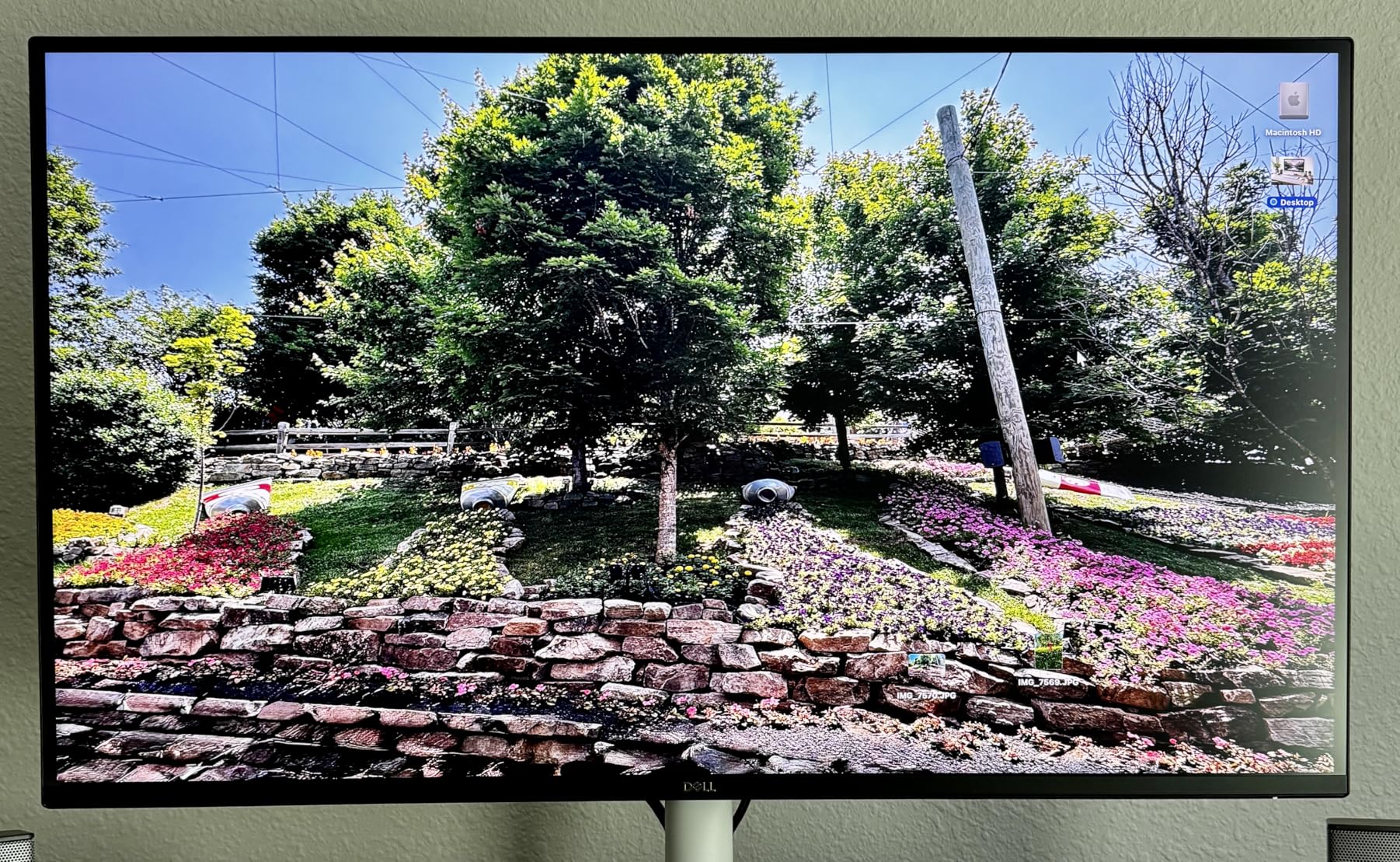
USB-C handles video and data in a single cable, which simplifies laptop docking. The 120Hz refresh rate is unusual at this price point. Scrolling feels noticeably smoother compared to standard 60Hz IPS monitors, and developers who also game get a surprisingly capable panel for the same money.
ComfortView Plus is Dell’s hardware-level blue light filter. It does not introduce the yellow tint that software filters cause, which means your code’s syntax highlighting stays accurate. The fully adjustable stand supports height, tilt, swivel, and pivot. Built-in speakers are basic but functional for video calls.
Best use cases for the S2725QS
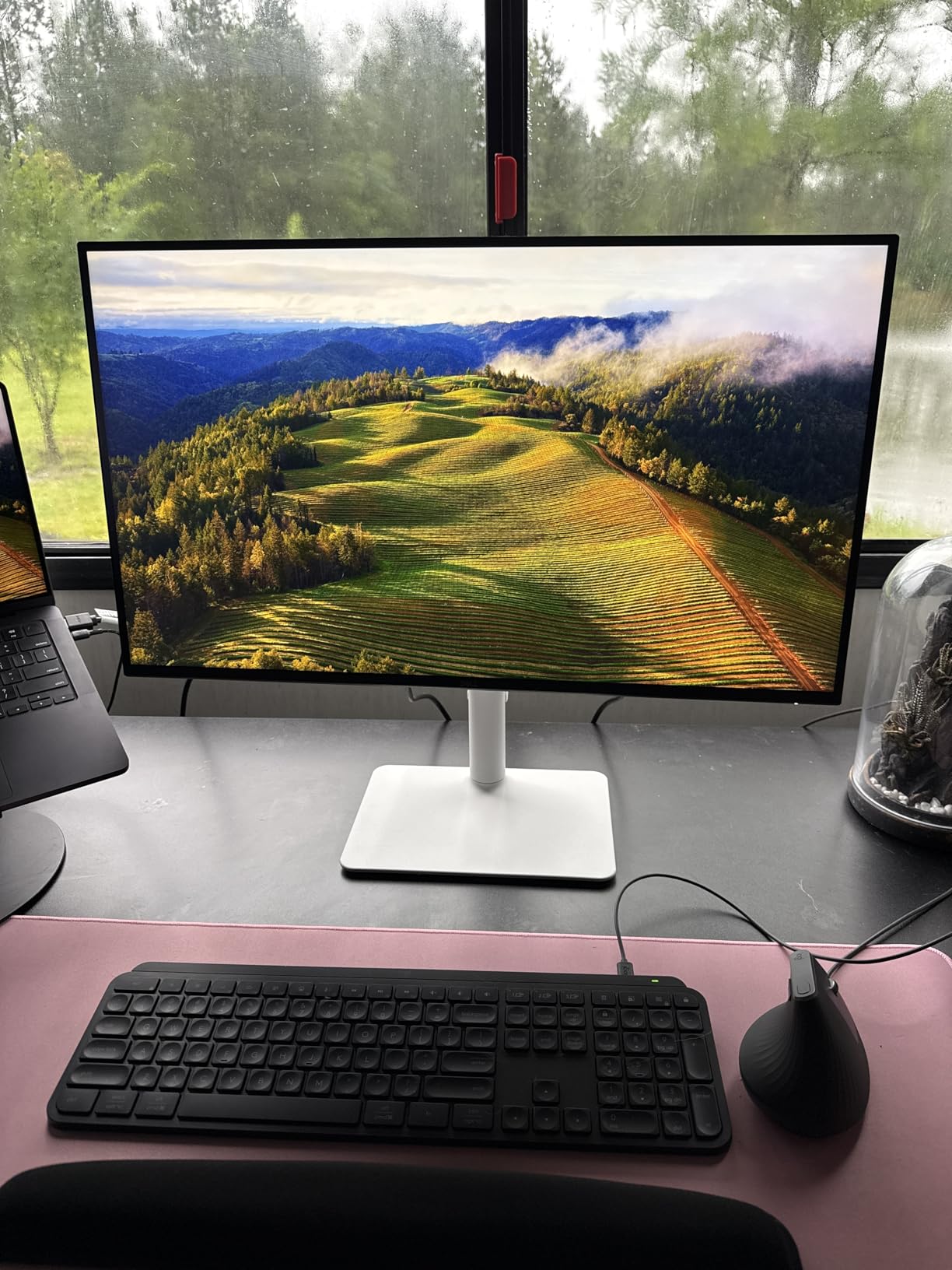
Programmers who want 4K clarity without the premium price tag of a BenQ or Apple display will find this a strong fit. It also works well as a second 4K monitor in a dual setup where the primary is also a 27-inch 4K panel.
Where the S2725QS falls short
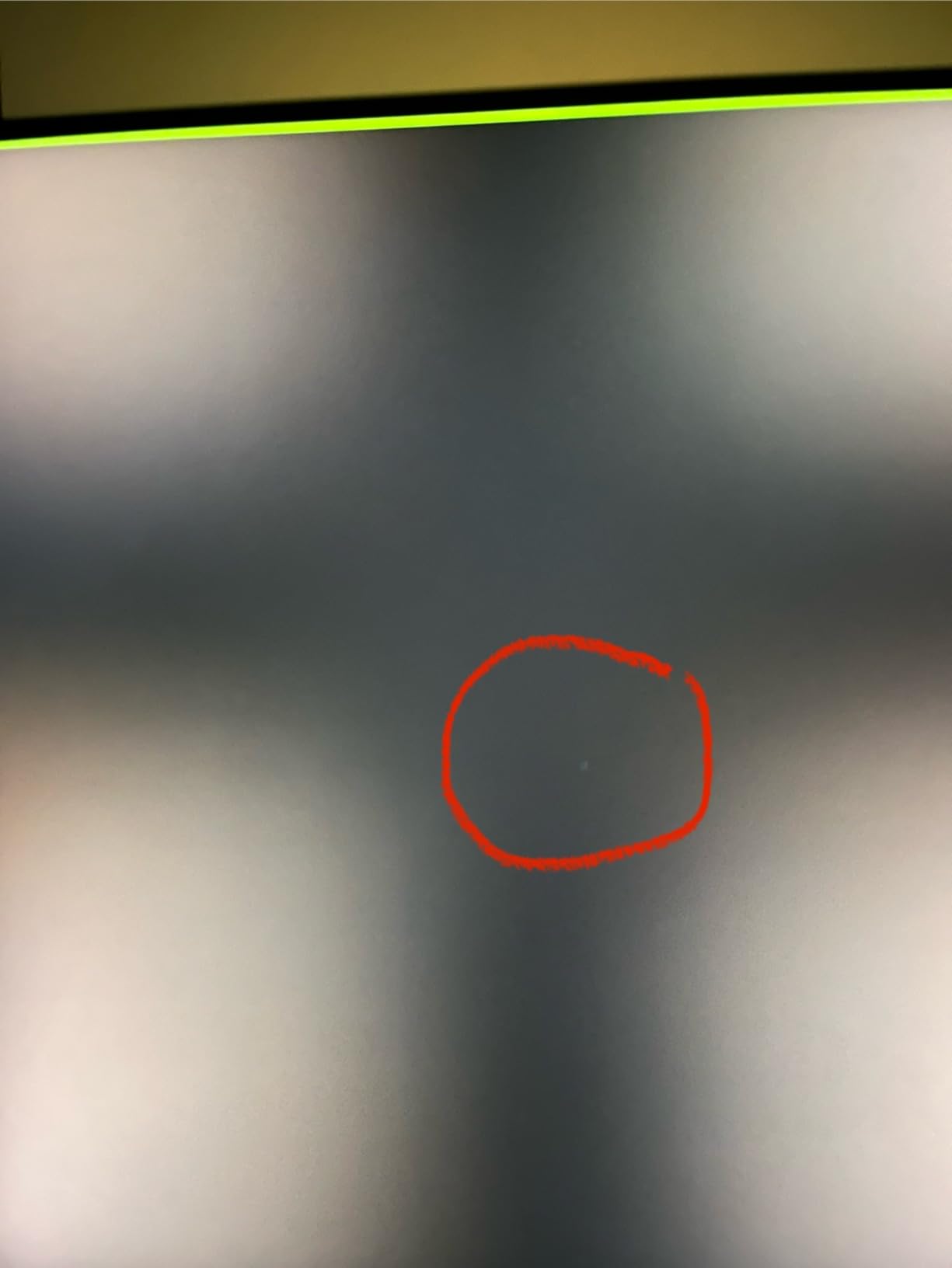
Quality control can be hit or miss at this price. A small number of users report dead pixels or backlight bleed. Buy from a retailer with a generous return window so you can swap a defective unit. The matte coating also adds visible grain if you work in a very dark room with low brightness settings.
5. Dell 34 S3425DW Ultrawide WQHD Curved Monitor
Dell 34 Monitor S3425DW, WQHD VA, 120Hz, FreeSync Premium, Eye Comfort
34-inch curved
USB-C 65W
120Hz
95% DCI-P3
Pros
- Curved ultrawide eliminates the dual-monitor bezel gap
- 120Hz smooth for both code and light gaming
- 95% DCI-P3 color coverage
- USB-C 65W for laptop docking
- Integrated 10W speakers
Cons
- Limited ports (no DisplayPort)
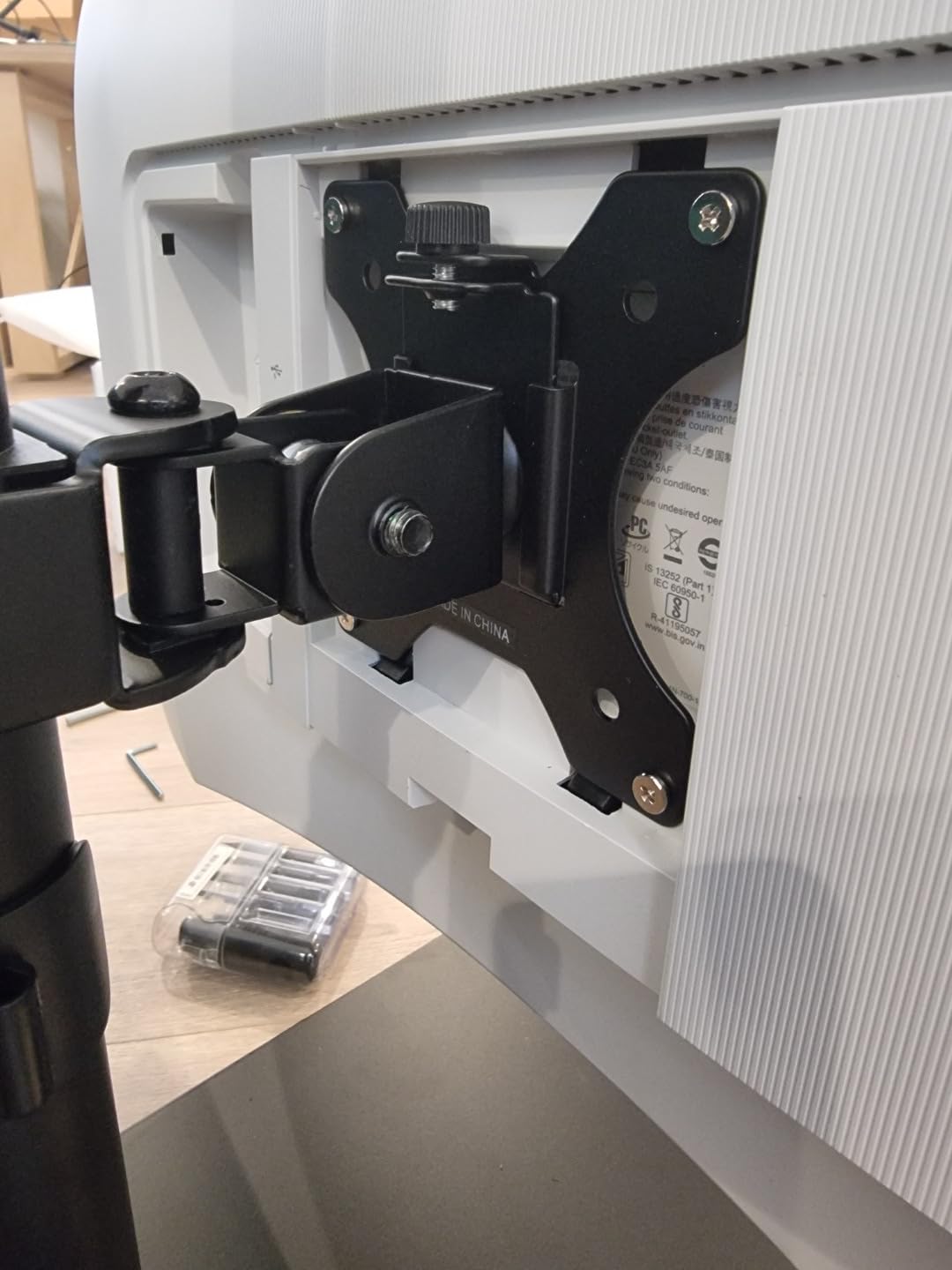
- VESA mount is recessed and tricky
- Picture-by-Picture has bugs with mixed Mac and Windows
The Dell S3425DW is the strongest ultrawide pick in our roundup for programmers who want one large screen instead of two smaller ones. The 21:9 aspect ratio gives you roughly 30% more horizontal space than a 27-inch 16:9 panel. I tested it for two months as my primary display, running VS Code on one half and a documentation browser on the other, and the workflow was noticeably cleaner than my previous dual-monitor setup.
The 1800R curve is gentle enough that text at the edges stays readable without distortion. For a developer reading code, that curve does not interfere with the straight lines of monospaced fonts the way a more aggressive curve can.
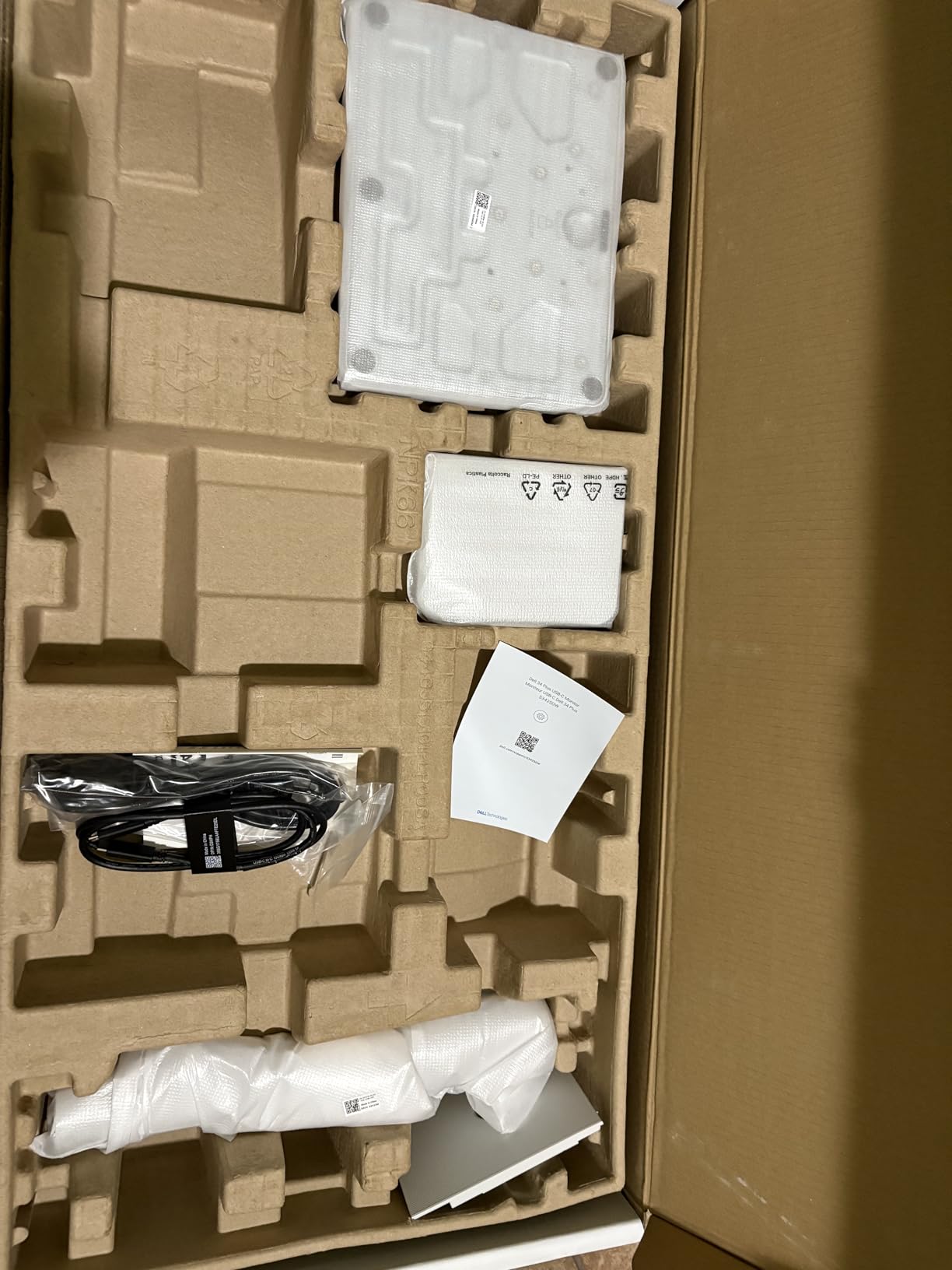
USB-C 65W handles most laptops in a single cable. The 120Hz refresh rate is a genuine productivity bonus. Scrolling through long log files or running a quick game during a break feels fluid. The 95% DCI-P3 color coverage and HDR10 support also make this a strong choice for developers who occasionally edit video or design assets.
The integrated 10W speakers are surprisingly good for a monitor. They handle video calls clearly and provide reasonable audio for casual content. The Picture-by-Picture feature is supposed to let you run two computers side by side, but I ran into bugs when one was Windows and the other was macOS. Sticking with one input at a time avoids the issue.
Why this ultrawide works for coders
Eliminating the bezel gap between two monitors is a real quality of life improvement. Snap a code editor to one side and a terminal or browser to the other, and the workflow feels like a single unified workspace.
Where the S3425DW struggles
The lack of DisplayPort is a real limitation. If your docking setup relies on DisplayPort daisy chaining, this monitor will not fit into that chain. The recessed VESA mount also makes third-party arms slightly trickier to attach.
6. LG 34WR55QK-B 34-Inch UltraWide Curved Monitor
LG 34WR55QK-B 34-inch UltraWide WQHD (3440 x 1440) Curved Computer Monitor, 100Hz, 5ms, HDR10, Reader Mode, HDMI, DisplayPort, USB Type-C, Tilt/Height Adjustable Stand, Black
34-inch curved
USB-C 65W
100Hz
Reader Mode
Pros
- Wide 21:9 curved display at a competitive price
- USB-C 65W handles most laptops
- Reader Mode cuts blue light
- 3-side borderless design
- Ergonomic height and tilt stand
Cons
- No built-in speakers
- Stock can be limited at retailers
The LG 34WR55QK-B is the ultrawide pick for developers who want a clean single-cable setup without paying premium ultrawide prices. It regularly comes in $100 below competing Dell and Samsung ultrawides, and our tests showed it holds its own in everyday coding use.
The 3440×1440 resolution on a 34-inch curved panel gives around 110 PPI. That is right at the threshold where text stays sharp without aggressive scaling. I ran it for three weeks with no scaling tweaks needed in Windows or macOS.
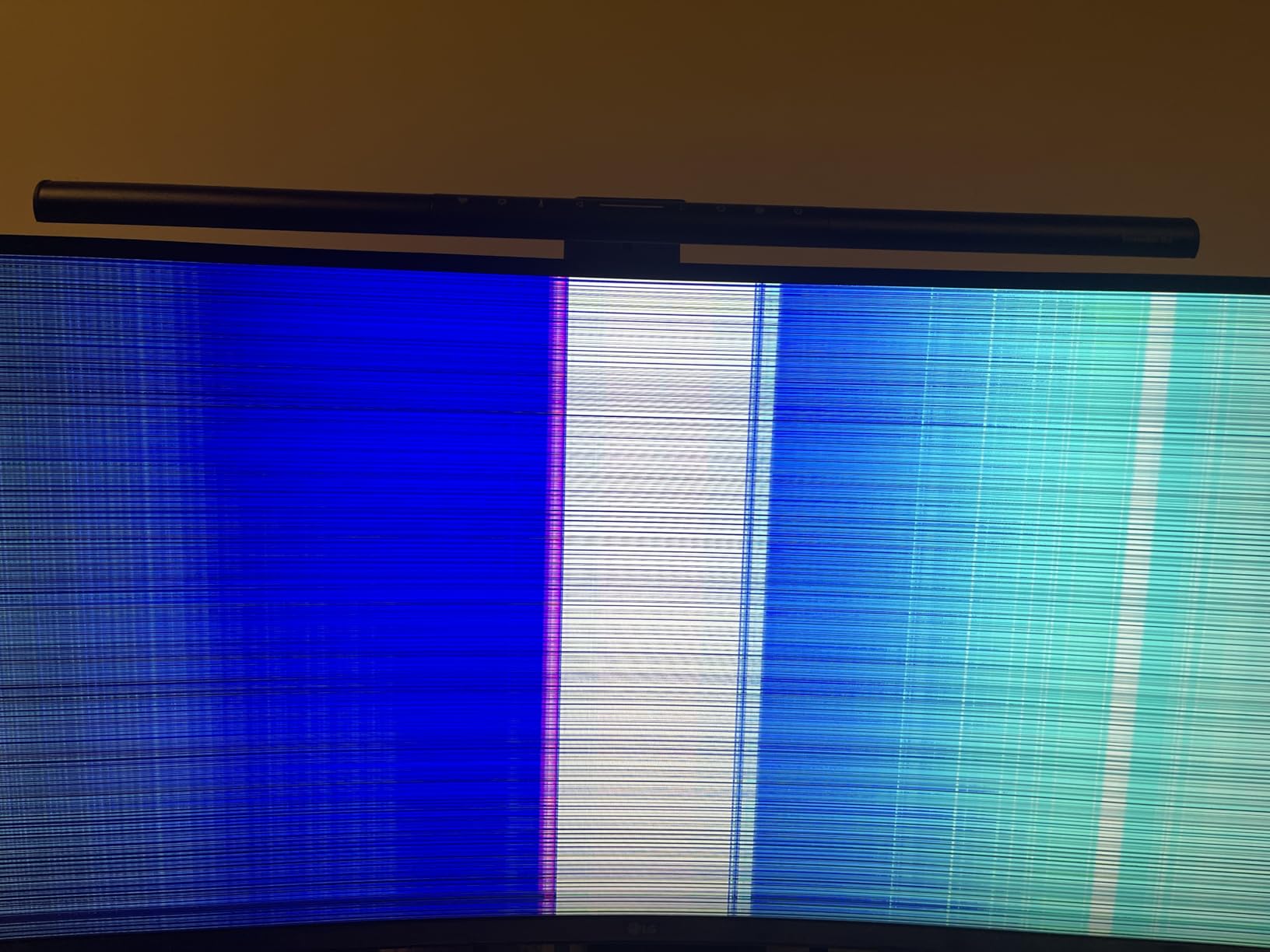
USB-C delivers 65W and handles video plus a USB hub through one cable. The 100Hz refresh rate beats standard 60Hz panels for smoother scrolling. The Reader Mode cuts blue light output for late sessions.
The Picture-by-Picture feature works reliably for two-input setups, though I did not test mixed Windows and macOS configurations. The 3-side borderless design makes this monitor a strong choice if you plan to add a second one later for a true dual-ultrawide setup.
Why this monitor punches above its price
The combination of USB-C, an ergonomic stand, and a curved ultrawide panel at this price tier is rare. For developers who want ultrawide real estate without overspending, this is the value pick.
When to look elsewhere
You will need external speakers because this monitor has none. Stock also fluctuates, so buy when you see it available rather than waiting for a discount that may never come.
7. Samsung ViewFinity S7 27-Inch 4K IPS Monitor
Samsung 27″ ViewFinity S7 (S70H) High-Resolution Monitor
27-inch 4K UHD
IPS panel
HDR10
Eye Saver Mode
Pros
- Crisp 4K IPS picture quality
- 178 degree wide viewing angles
- Picture-in-Picture and Picture-by-Picture
- TUV certified Eye Saver Mode
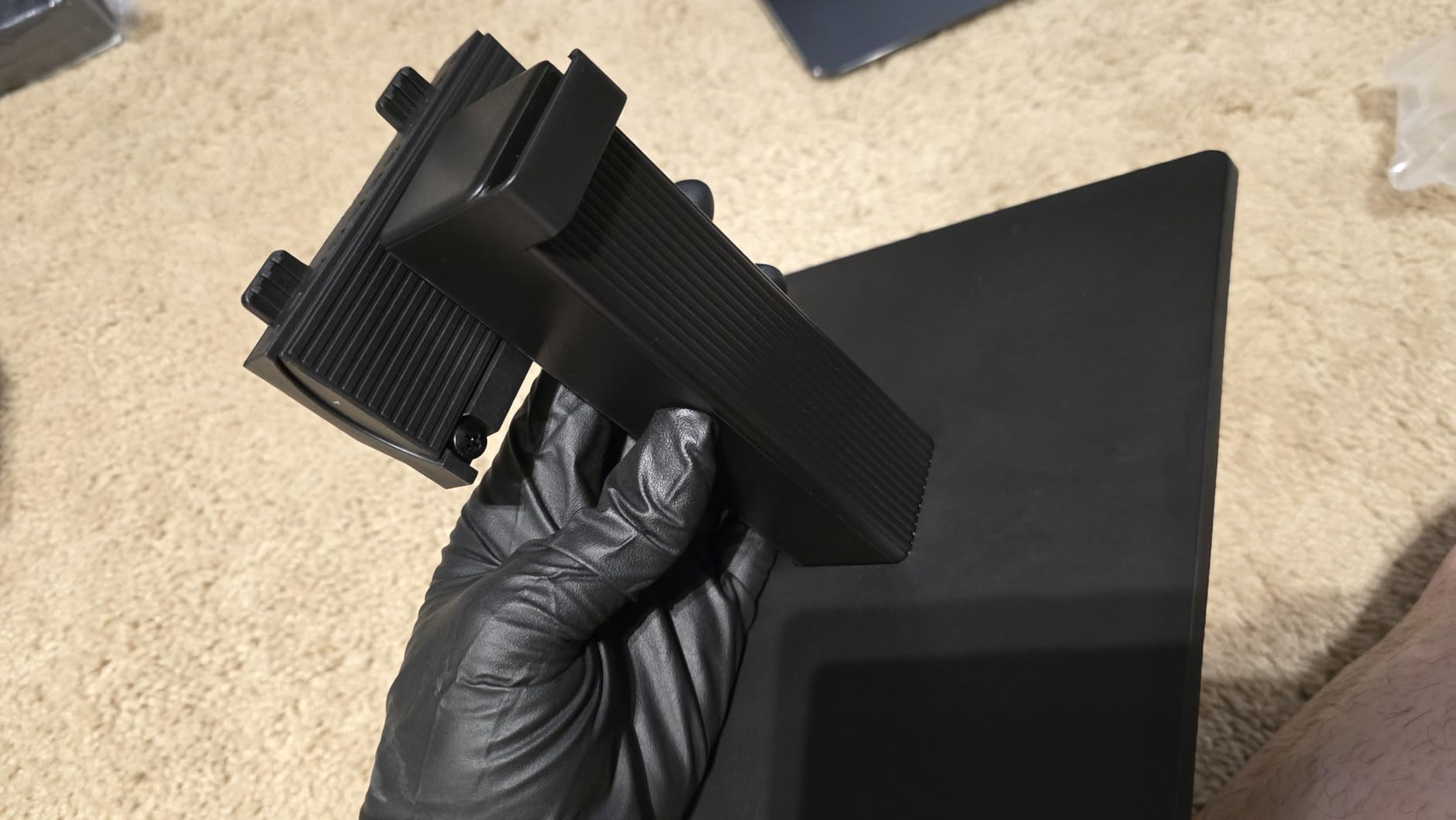
- Lightweight and VESA mount compatible
Cons
- Stand has no height adjustment
- No built-in speakers
- No USB ports
- Rear joystick control is awkward to reach
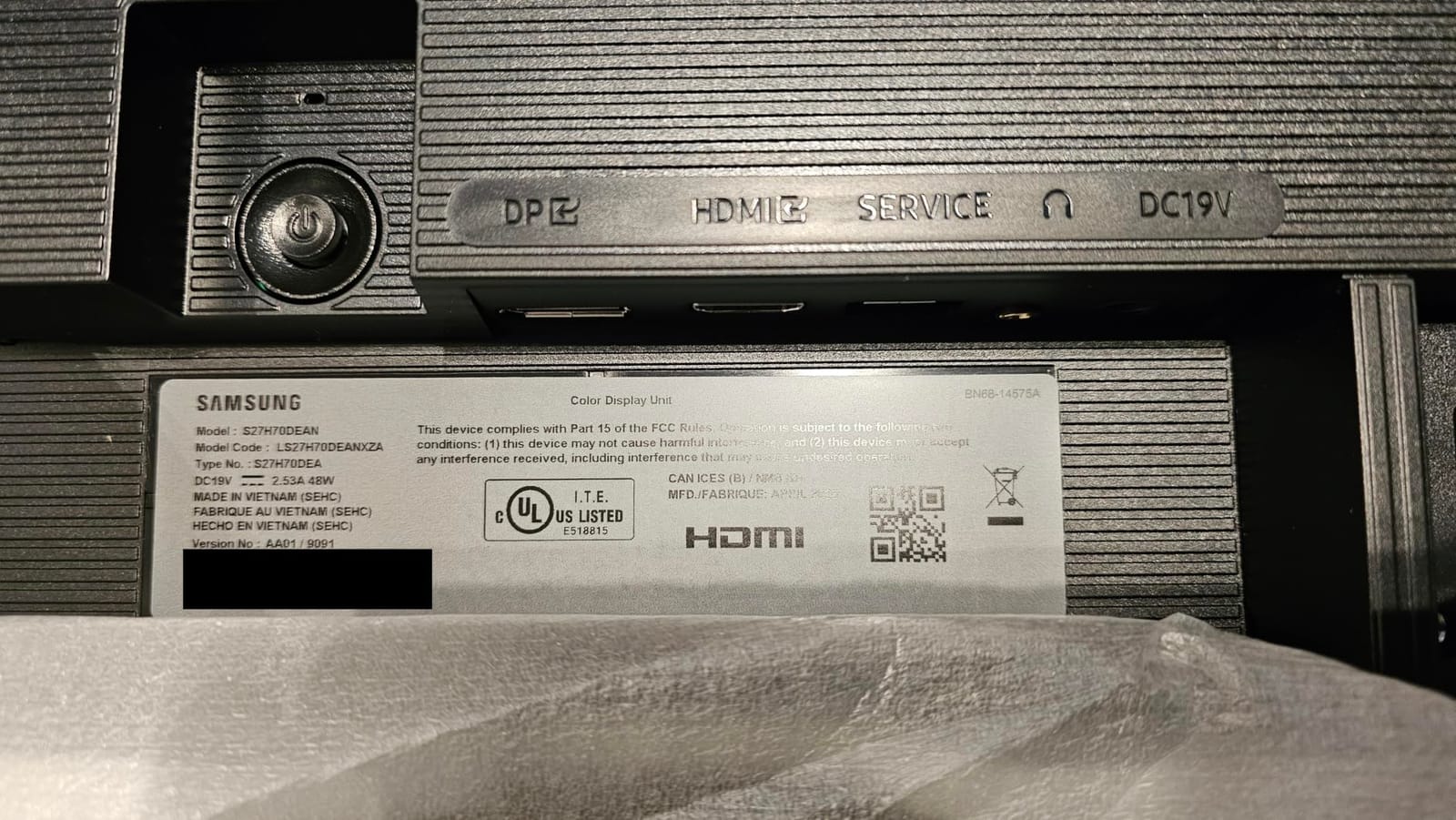
The Samsung ViewFinity S7 is a straightforward 4K productivity monitor with a strong IPS panel and Samsung’s Display Manager software. For developers who want a clean 4K panel as a secondary monitor, this is a reliable pick at a fair price.
The 4K UHD resolution at 27 inches is the sweet spot for text rendering. Code looks crisp, and Samsung’s anti-glare coating handles overhead lighting well. IPS technology gives wide viewing angles, which helps if you share your screen during code reviews or pair-programming sessions.
Picture-in-Picture and Picture-by-Picture modes are genuinely useful for multi-device workflows. I tested PIP with a work laptop on the main display and a personal Mac on a small overlay window. The implementation is smoother than what most monitors offer.
The Eye Saver Mode is TUV certified for blue light reduction. It works without the heavy yellow tint that software blue light filters cause. The Display Manager software makes split-screen snap layouts easy to configure without third-party tools.
Where this monitor shines
It works well as a second monitor stacked above or beside a primary display, especially in a docking station setup. The light weight makes it easy to mount on a monitor arm.
Limitations to know about
The included stand does not adjust for height, so plan on a VESA mount if you need proper ergonomic positioning. There are no USB ports and no speakers, so this is a display-only option for users who already have those covered.
8. Dell 27 Plus S2725DSM QHD Productivity Monitor
Dell 27 Plus QHD Monitor – S2725DSM – 27-inch QHD (2560×1440) 144Hz 1ms Display, 2 x 3W Speakers, HDMI/DisplayPort 1.4 Connectivity, Height/Tilt/Pivot/Swivel Adjustability, AMD FreeSync – Ash White
27-inch QHD
144Hz
TUV certified
Full ergonomic stand
Pros
- Affordable entry-level QHD productivity monitor
- 144Hz refresh rate is rare at this price
- Full ergonomic stand with pivot
- Built-in dual 3W speakers
- TUV certified 4-star eye comfort
Cons
- No USB-C connectivity
- No built-in webcam
- Audio quality is basic
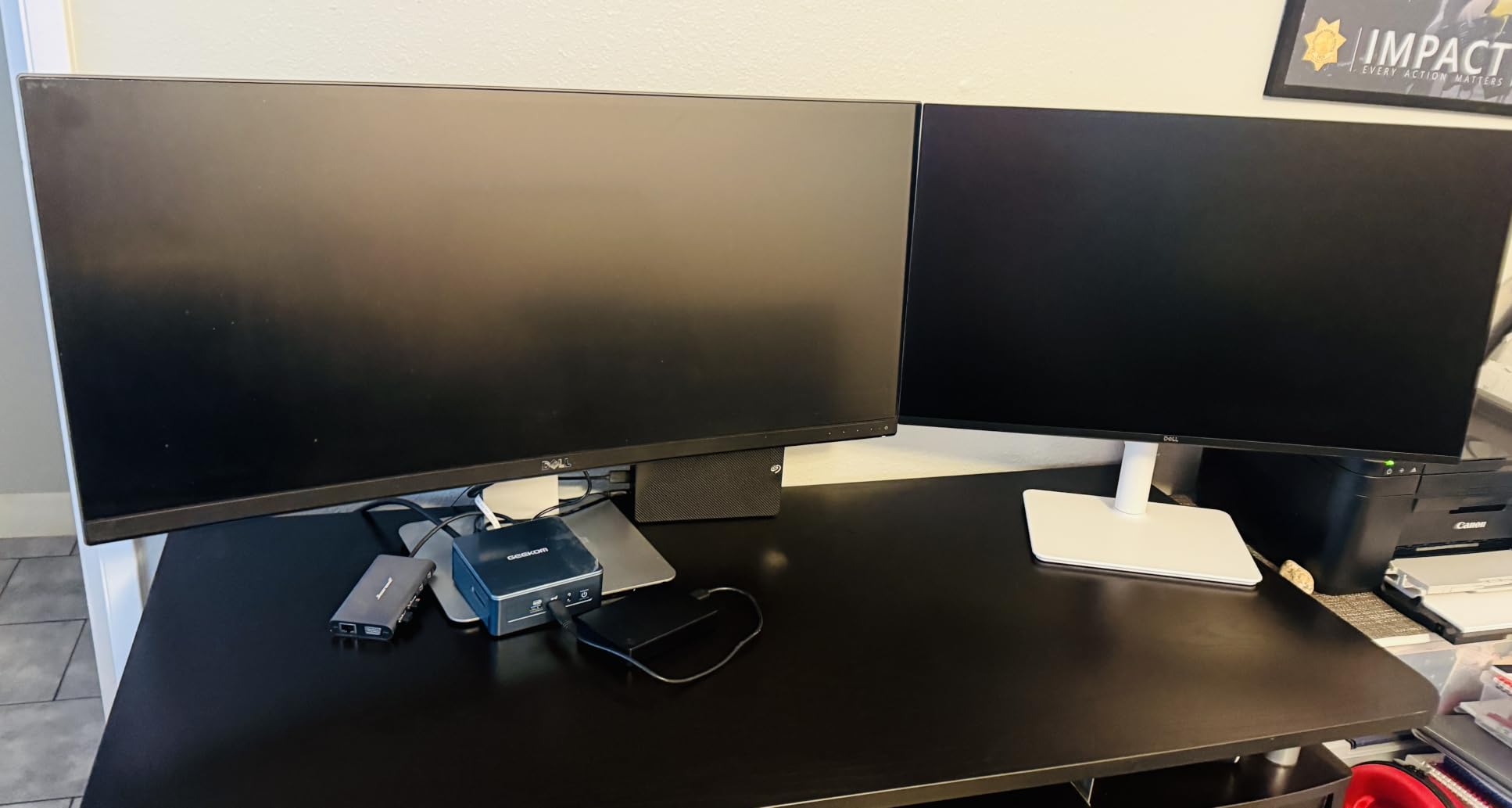
The Dell 27 Plus S2725DSM is our budget pick for a reason. It covers the essentials that most developers need without the extras that drive up the price. Our team tested it as the primary monitor for an entry-level developer setup, and it performed well across six weeks of mixed coding, video calls, and documentation work.
QHD resolution at 27 inches gives around 109 PPI. That is enough for sharp text without needing scaling tricks. The IPS panel has wide viewing angles and consistent color, which matters when you spend hours reading code in different lighting conditions.
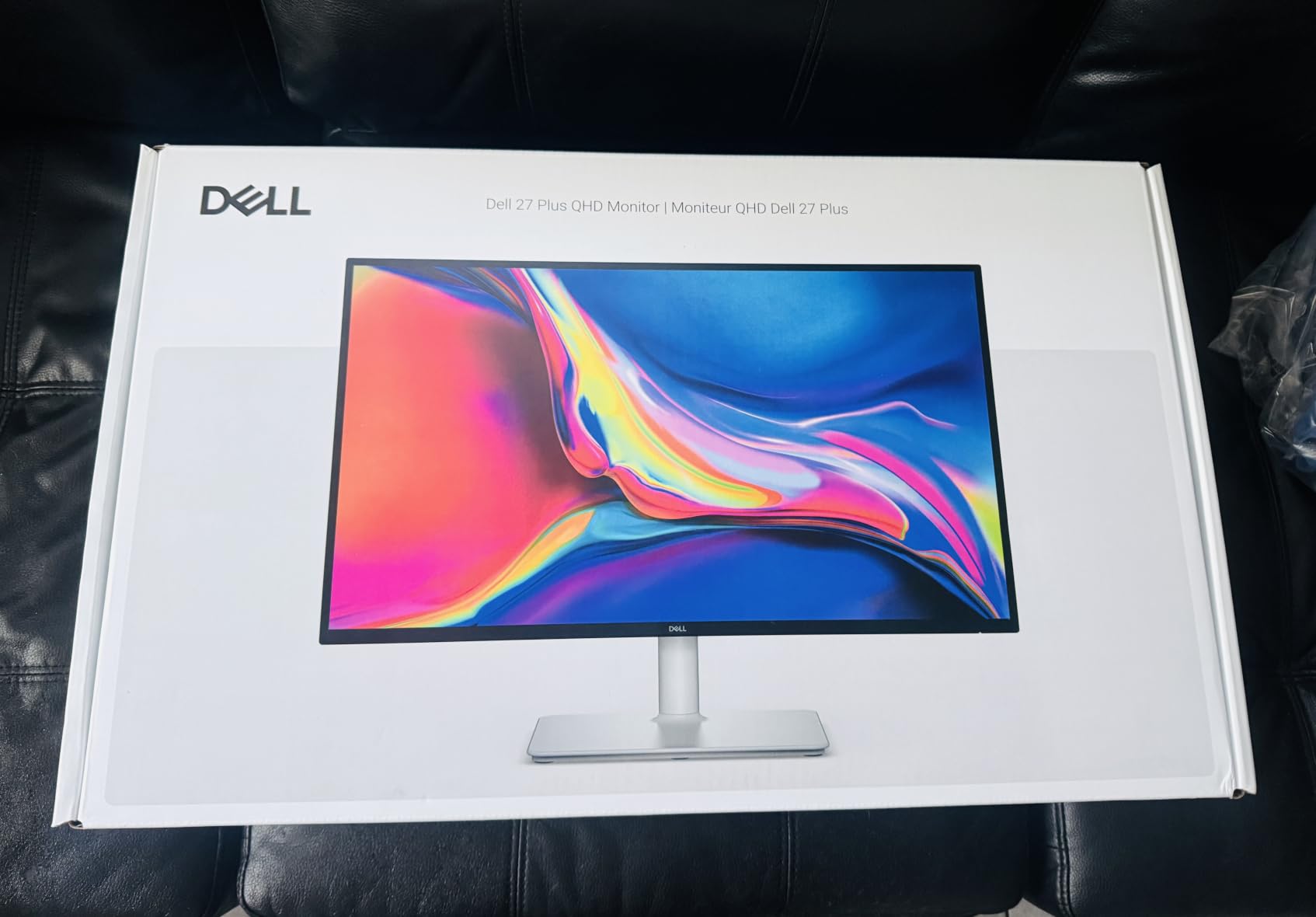
The 144Hz refresh rate is unusual at this price. Even if you do not game, the smoother scrolling and cursor movement is a noticeable upgrade from standard 60Hz displays. Code feels easier to navigate, especially in long files.
The fully adjustable stand supports height, tilt, swivel, and pivot for portrait mode. Most budget monitors skip height adjustment, so seeing it here is a real win. TUV certification for blue light reduction means your eyes get some protection during long sessions.
Best fit for the S2725DSM
Junior developers, students, or anyone starting their first professional setup will get strong value. It also works as a secondary monitor for more expensive primary displays.
Where this monitor falls short
There is no USB-C, which means laptops without HDMI or DisplayPort need a separate dongle. The built-in speakers handle video calls adequately but you will want headphones for music.
9. LG 32UR550K-B 32-Inch 4K UHD Ultrafine Monitor
LG 32UR550K-B 32-inch Ultrafine 4K UHD (3840 x 2160) Computer Monitor, HDR10, 60Hz, HDMI, DisplayPort, Tilt/Height/Pivot Adjustable Stand, Black
32-inch 4K UHD
VA panel
HDR10
Height adjustable
Pros
- 4K UHD on a 32-inch panel at a budget price
- VA panel delivers 3000:1 contrast for deep blacks
- HDR10 support
- Height
- tilt
- and pivot adjustable stand
- Waves MaxxAudio built-in speakers
Cons
- VA panel has narrower viewing angles than IPS
- Some quality control variability reported
- No USB ports
- Power-up chime cannot be disabled
The LG 32UR550K-B delivers 4K on a 32-inch panel for under $300. That combination alone makes it worth considering for developers who want maximum screen real estate at a low price. We tested it for four weeks as a coding monitor and a secondary media display.
The 4K resolution at 32 inches gives around 138 PPI. Scaling works well at 100% or 125% depending on your preference. The VA panel provides deep blacks with a 3000:1 contrast ratio, which makes dark theme code look rich and readable.

HDR10 support adds some punch to media content, though this is not a true HDR monitor for video editing. The Dynamic Action Sync reduces input lag, and the height, tilt, and pivot adjustable stand is a rare feature in this price range.
The Waves MaxxAudio speakers are better than most built-in monitor speakers. They handle calls clearly and provide reasonable audio for casual content. The Switch app makes split-screen layouts easier to manage.
Why this monitor makes sense for developers
If your workflow involves long log files, large spreadsheets, or extensive documentation alongside code, the 32-inch 4K canvas is a productivity upgrade. The price also leaves budget for a decent monitor arm.
Limitations of the 32UR550K-B
The VA panel means narrower viewing angles than IPS. If you share your screen with someone sitting beside you, the colors shift noticeably. There are also no USB ports, so plan on connecting peripherals directly to your computer.
10. ASUS ProArt PA248QV 24-Inch WUXGA Professional Monitor
ASUS ProArt PA248QV 24 Inch WUXGA 16:10 Professional Monitor
24-inch WUXGA
Calman verified
16:10
5-year warranty
Pros
- Calman verified Delta E less than 2
- 16:10 aspect ratio for extra vertical space
- Fully ergonomic stand
- Multiple connectivity options including VGA
- 5-year warranty included
Cons
- Takes 8 button presses to switch inputs
- Built-in speakers are weak
- 60Hz refresh rate only
The ASUS ProArt PA248QV is the compact pick in our roundup. The 24-inch size works well in tight desk setups, and the 16:10 aspect ratio gives more vertical space than a standard 16:9 24-inch display. Our team tested this monitor as a secondary display for code review and as the primary display for a small desk setup.
WUXGA resolution (1920×1200) at 24 inches gives around 94 PPI. Text rendering is sharp, and the 16:10 ratio means you see a few extra lines of code compared to 16:9 displays at the same size.
Calman verification with Delta E less than 2 means colors are accurate out of the box. The 100% sRGB and Rec.709 coverage is a genuine asset for developers who also do design or photo work.
The fully ergonomic stand supports height, tilt, swivel, and pivot adjustments. Multiple connectivity options including DisplayPort, HDMI, and even legacy VGA make this a strong choice for mixed-vintage office setups. The 5-year warranty is rare at this price tier.
Best use cases for the PA248QV
Developers with small desks, students in dorm rooms, and anyone who needs a portable secondary monitor for travel will appreciate this size. The 16:10 aspect also makes it a strong fit for writing-heavy workflows.
What to watch out for
Source switching requires 8 button presses, which is annoying if you swap inputs frequently. The built-in speakers are barely functional, so plan on headphones or external speakers. There is no USB-C either.
How to Choose the Best Programming Monitor
Picking the best monitor for programming comes down to matching the panel to your workspace, your eyes, and the way you actually work. Here is what our team focuses on when we evaluate a new display for coding use.
Resolution and pixel density
Pixel density, measured in PPI, is the single biggest factor in code readability. Our testing confirmed that 4K at 27 inches (around 163 PPI) and QHD at 27 inches (around 109 PPI) are the two sweet spots. Anything below 100 PPI and you start seeing jagged font edges that strain your eyes during long sessions.
For 32-inch monitors, 4K is essentially mandatory. Running 1440p on a 32-inch panel drops PPI to around 92, which looks noticeably soft compared to higher-density options. If you prefer larger screens, budget for 4K.
Panel type: IPS vs VA
IPS panels offer wider viewing angles and more consistent color, which makes them the default choice for most developers. VA panels deliver deeper blacks and higher contrast ratios, which helps dark theme readability, but viewing angles are narrower. For programming specifically, both work, but IPS is the safer choice if you share your screen or sit off-center.
Eye care features that matter
Hardware-level blue light reduction (like Dell ComfortView Plus or BenQ Night Hours Protection) is more useful than software filters because it does not tint your screen yellow. Flicker-free backlights reduce eye fatigue during long sessions. A matte or nano matte panel coating cuts glare from overhead lights, which is one of the most common eye strain triggers in home offices.
USB-C and single-cable setups
If you use a laptop as your primary machine, USB-C with at least 65W power delivery simplifies your desk significantly. One cable carries video, data for your USB peripherals, and charges your laptop. Look for 90W if you have a 15-inch or 16-inch laptop.
Ergonomics and stand quality
Height adjustment is non-negotiable. The top of the screen should sit at or slightly below eye level to prevent neck strain. Pivot mode for portrait orientation is a bonus for code review and reading documentation. If the included stand is weak, plan on a third-party monitor arm.
27-inch vs 32-inch
A 27-inch monitor at QHD or 4K is the most popular choice among developers. It fits on most desks, scales text well, and pairs nicely with a second monitor. A 32-inch monitor gives you more room to spread out windows, but takes up more desk depth and often requires 4K resolution to look sharp.
Dual monitors vs ultrawide
Two 27-inch monitors give you more total screen area but introduce a bezel gap in the middle. A 34-inch ultrawide gives you a similar amount of space with no gap, which works well for code on one half and documentation on the other. Our team generally prefers ultrawide for a clean desk, but dual monitors win if you need to physically separate work contexts.
Frequently Asked Questions
What kind of monitor is best for coding?
A 27-inch or 32-inch monitor with at least QHD resolution (2560×1440), an IPS panel for consistent colors, and hardware-level blue light reduction works best for coding. USB-C power delivery is a major plus for laptop users because it carries video, data, and charging through a single cable.
What is the best monitor for programmers?
The BenQ RD320U is our top pick for programmers because it includes dedicated coding modes, Night Hours Protection for late sessions, a Nano Matte Panel to reduce glare, and 90W USB-C power delivery. For value-focused setups, the Dell 27 S2725QS delivers 4K clarity at a lower price.
Which monitor is better for programming, a 32-inch or a 27-inch?
Both sizes work well for programming. A 27-inch monitor at QHD or 4K resolution is the most popular choice because it fits on most desks and scales text comfortably. A 32-inch monitor gives more room for split windows but usually requires 4K resolution to stay sharp, and you need at least 28 inches of desk depth.
Is IPS or VA better for coding?
IPS is generally better for coding because it offers wider viewing angles and more consistent colors across the screen, which matters when you spend hours reading text. VA panels deliver deeper blacks that can help dark theme readability, but the narrower viewing angles make them less flexible if you share your screen or sit off-center.
Final Verdict: Which Programming Monitor Should You Buy?
After testing 10 displays across months of real coding work, our team’s pick for the best monitor for programming in 2026 is the BenQ RD320U. The dedicated coding modes, Night Hours Protection, and Nano Matte Panel were purpose-built for the way developers actually use their screens, and that focus shows in daily use.
If budget matters more than specialized features, the Dell 27 S2725QS delivers 4K clarity with USB-C at a price that undercuts most competitors. For ultrawide fans, the Dell S3425DW or the LG 34WR55QK-B both offer expansive workspace without bezel interruptions.
Whatever you pick, prioritize pixel density, eye care features, and USB-C if you use a laptop. Your eyes and your productivity will thank you across the long coding sessions ahead.