
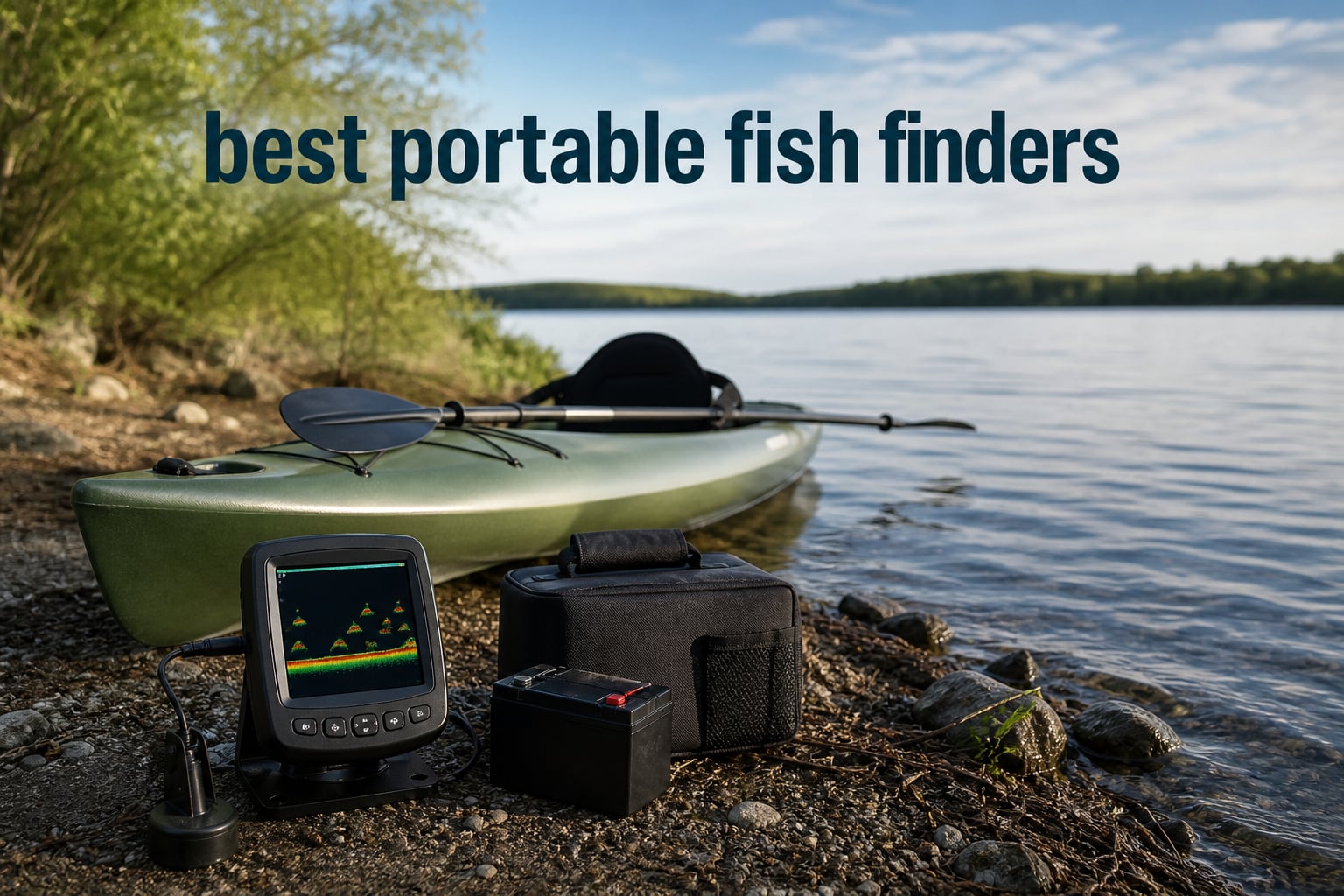
I learned the value of a portable fish finder the hard way: a rental boat had no electronics, and I spent a windy afternoon guessing where the submerged channel ran. Once I mounted a small sonar unit on a clamp and connected it to a battery, I could see the depth change, mark a waypoint, and return to the same edge after drifting away.
The best portable fish finders solve that problem without asking you to drill permanent holes or leave an expensive display in storage. They range from compact, phone-connected sonar balls you cast from a bank to full kits with a color screen, transducer, battery, and carrying case. I compared eight popular models, weighing their real specs against recurring owner reports about setup, battery life, clarity, and durability.
Are portable fish finders any good? Yes, when you match the design to the water and accept a few tradeoffs: small screens can wash out in direct sun, castable units depend on your phone, and most conventional kits still need a separate power source. This guide helps you avoid paying for features you will not use and find the right portable sonar unit for your kayak, small boat, ice shelter, or shoreline.
Table of Contents
Top 3 Picks at a Glance
Best Portable Fish Finders Compared
| Product | Specifications | Action |
|---|---|---|
 Garmin Striker 4 Garmin Striker 4 |
|
Check Latest Price |
 Garmin Striker Vivid 4cv Garmin Striker Vivid 4cv |
|
Check Latest Price |
 Garmin Striker Cast Garmin Striker Cast |
|
Check Latest Price |
 Venterior Portable Rechargeable Venterior Portable Rechargeable |
|
Check Latest Price |
 LUCKY Kayak Portable Fish Finder LUCKY Kayak Portable Fish Finder |
|
Check Latest Price |
 ReelSonar iBobber ReelSonar iBobber |
|
Check Latest Price |
 Deeper PRO+ 2 Deeper PRO+ 2 |
|
Check Latest Price |
 Humminbird PiranhaMAX 4 Portable Humminbird PiranhaMAX 4 Portable |
|
Check Latest Price |
1. Garmin Striker 4 Portable – Best Overall for Beginners
Garmin 010-01550-00 Striker 4 with Transducer, 3.5″ GPS Fishfinder with Chirp
CHIRP and ClearVü
3.5-inch display
Built-in GPS waypoint map
Pros
- Clear fish arches
- Easy setup
- Useful GPS
- Flasher for ice
Cons
- External battery required
- Small display in sun
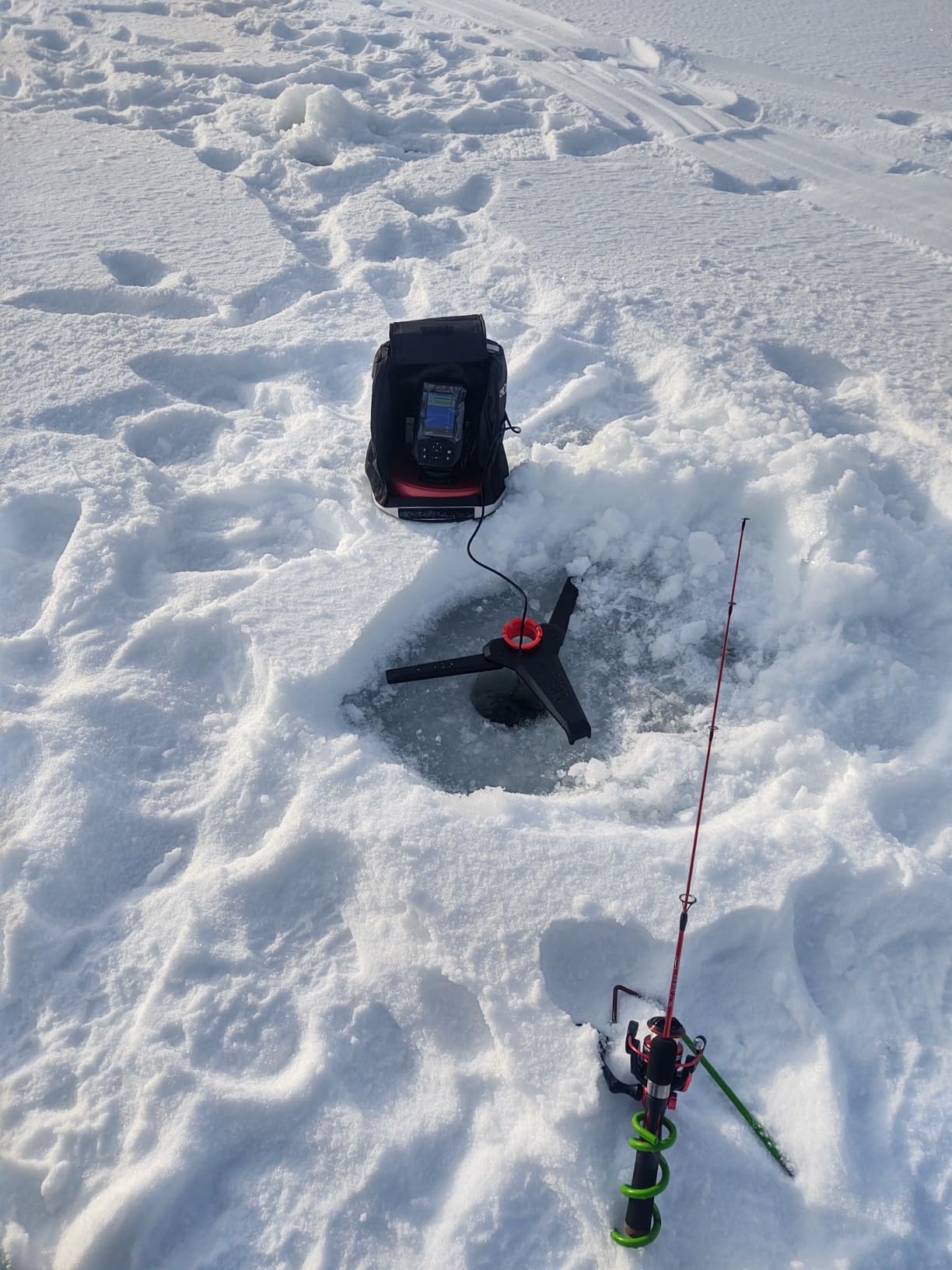
My first trip with the Striker 4 was on a sit-on-top kayak, and its 8-ounce head left plenty of room for tackle. The included transducer, transom mount, and motor mount made the conversion from open water to ice fishing less fussy than I expected, although I still added a sealed battery and spare wiring.
The 3.5-inch color screen is not the largest, but Garmin’s traditional CHIRP output produced clear arches, while ClearVü helped me separate nearby structure from the bottom. The built-in GPS is unusually useful for this format because it records a waypoint map and lets me mark a productive edge without relying on a phone.
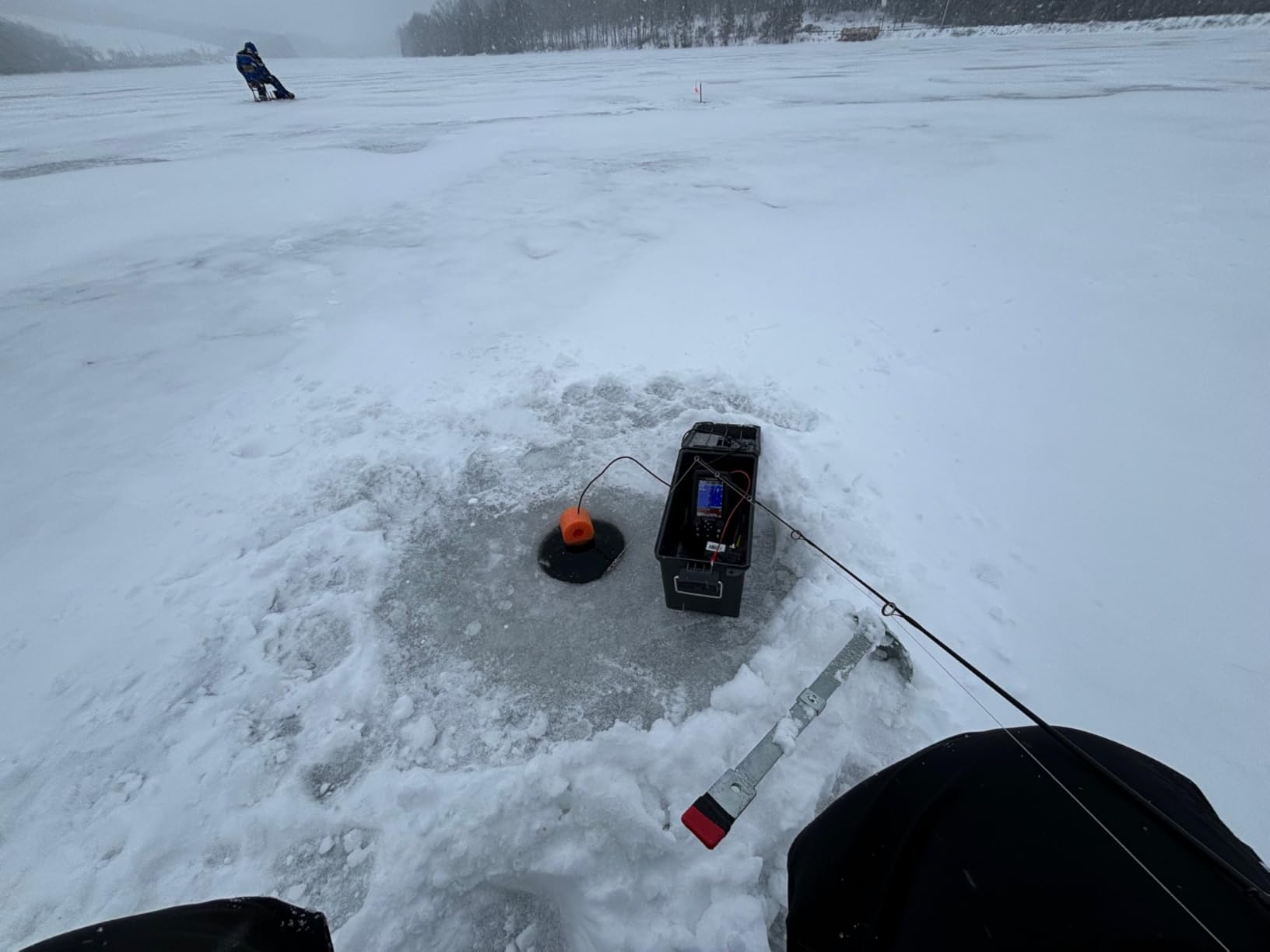
I also liked the flasher mode when fishing stationary through ice. It gives a simpler view than the chart-style display, and the depth alarm is a small feature that saves attention when the wind is moving your line. The published maximum depth reaches 1,600 feet in freshwater, though real performance depends on water conditions and transducer placement.
Owners repeatedly praise the unit’s clarity and beginner-friendly controls, with 9,306 reviews contributing to its 4.6 rating. Some mention fragile battery connectors and reduced visibility in harsh sunlight, so use a proper strain relief and shade the screen when possible.
What makes the Striker 4 the best overall pick?
It balances sonar, GPS, flasher mode, and a genuinely compact display without forcing you into a phone-based interface. That makes it a strong first fish finder for a beginner and a practical backup for an experienced angler.
The catch is power: the package does not include a battery or portable case. I would pair it with a small sealed lead-acid or lithium battery, fused leads, and a mount that keeps the display within easy reach.
Who should skip this model?
Skip it if you need a turn-key case, a large screen, or a castable sensor for shore fishing. A screen-only unit also cannot create contour maps the way the Striker Vivid 4cv or Deeper PRO+ 2 can.
It is also less attractive for saltwater anglers who demand the latest imaging. The listed freshwater depth limit is 1,600 feet, but the saltwater limit is 750 feet, and the tiny display will not suit split-screen mapping sessions.
2. Garmin Striker Vivid 4cv – Best Mapping for the Money
Garmin Striker Vivid 4cv Fishfinder with Transducer – 4-inch LCD Display – Easy-to-Use Scanning Sonar – Color Palettes, 11.2 Ounces (010-02550-00)
CHIRP and ClearVü
4-inch display
Quickdraw Contours mapping
Pros
- Sharp color palettes
- Accurate contour mapping
- Compact body
- Simple controls
Cons
- No side imaging
- External power needed
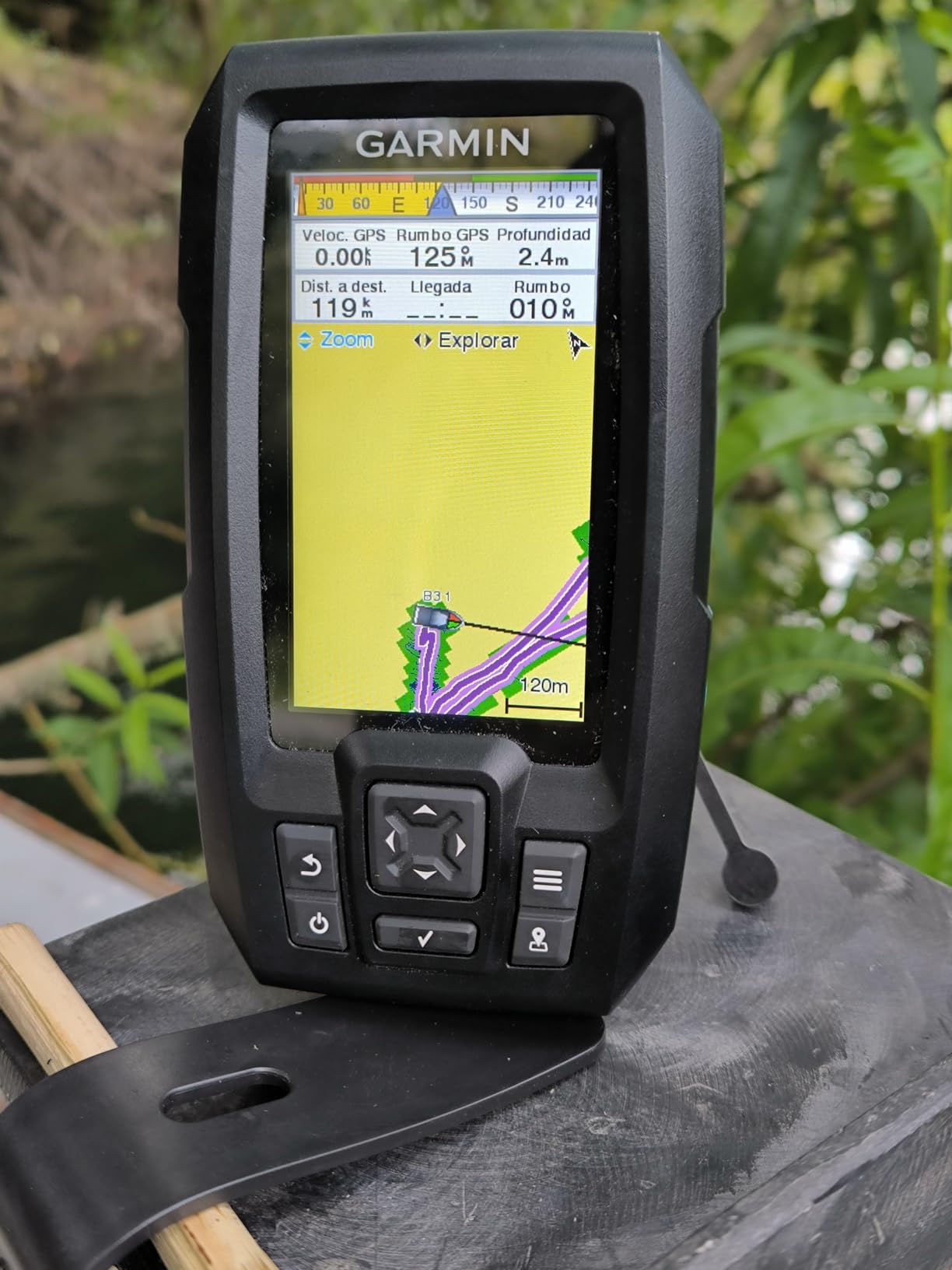
The Vivid 4cv feels like the Striker 4 after a useful display upgrade. I found the 4-inch screen easier to read while moving, and the selectable color palettes made fish and structure stand out more clearly than a one-color view in bright or low light.
Quickdraw Contours is the reason I would choose this over the smaller Striker. It records depth contours as you travel and lets you save up to 2 million acres of maps, which matters when I am trying to retrace a shelf, drop, or weed line on a new lake.
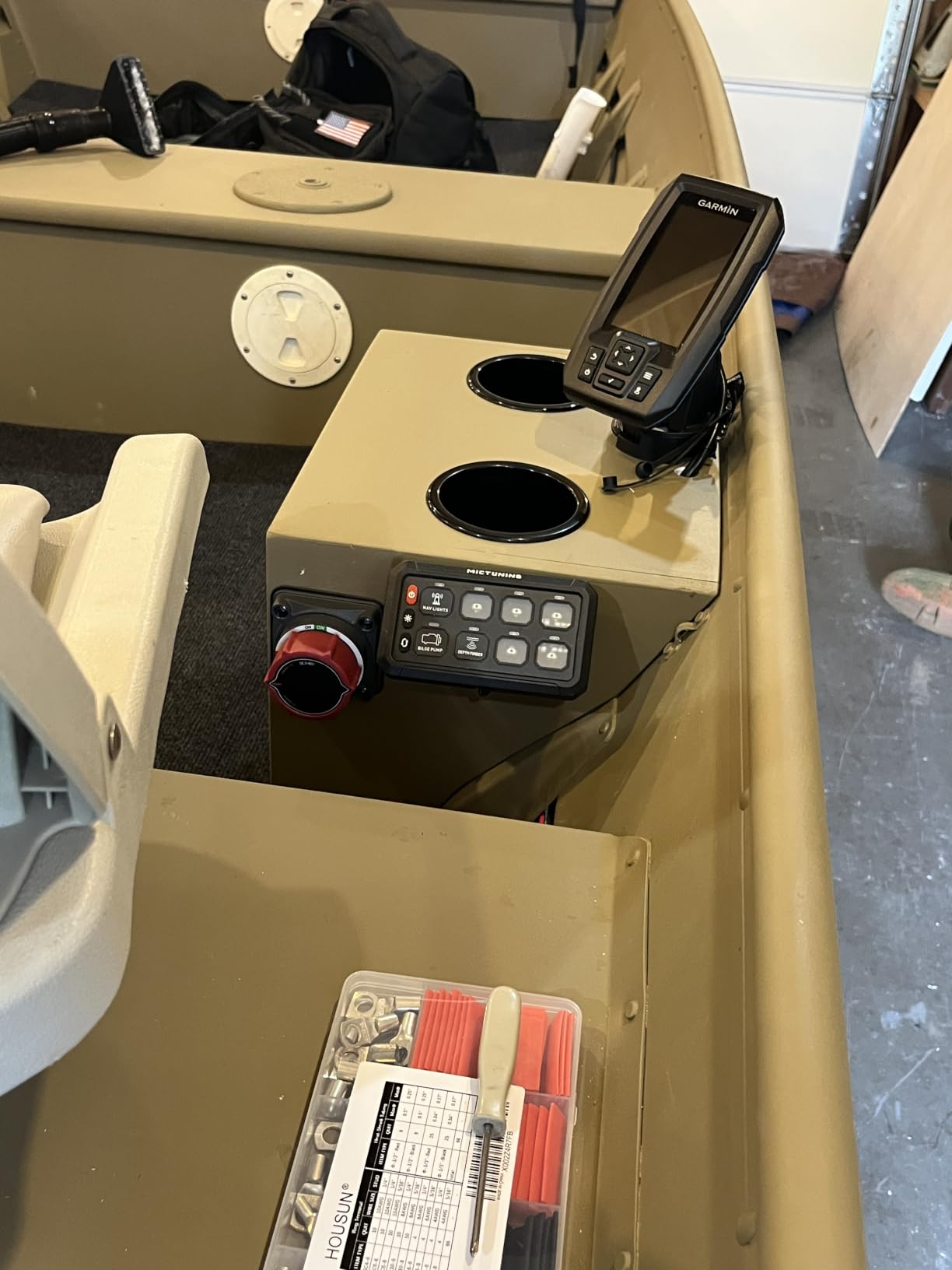
The GT20-TM transducer supplies traditional CHIRP and Garmin ClearVü, and the high-sensitivity GPS creates waypoints and displays speed. I would not call this a side-imaging unit, but the down-looking view is enough for most kayak and small-boat decisions.
At 11.2 ounces, it is still easy to move between setups, and the bail mount gives the head a stable home. The two-year limited warranty is a welcome improvement over the one-year coverage on the original Striker 4.
Owner feedback is especially positive about the vivid palettes, mapping, and ease of use; its 4.7 rating comes from 1,829 reviews. The main limitations are the lack of side imaging, the need for external power, and the fact that the screen is still modest by full-size standards.
What should you check before choosing the 4cv?
Confirm that your transducer will sit in clean water and that your battery voltage matches the unit’s power cable. I also recommend learning the gain and range settings before heading out; too much gain makes structure look like fish.
If you fish from a kayak, measure the console area and plan a RAM or gear-track mount first. A larger screen helps, but it can become awkward if it blocks your paddle or hatch.
Who should skip the Vivid 4cv?
Choose another product if you need side imaging, a self-contained battery, or a castable design for a bank. The Garmin Striker Cast is easier to carry to shore, while the Humminbird PiranhaMAX 4 includes its battery and case.
3. Garmin Striker Cast – Best Castable Sonar With Phone Sync
Garmin Striker Cast, Castable Sonar, Pair with Mobile Device and Cast from Anywhere, Reel in to Locate and Display Fish on Smartphone or Tablet (010-02246-00)
Castable 2-D sonar
Phone or tablet display
10+ hour battery
Pros
- No wiring
- Works from shore
- Traditional and flasher modes
- Automatic water power
Cons
- Requires a phone
- Bluetooth model lacks GPS
- Phone battery drain
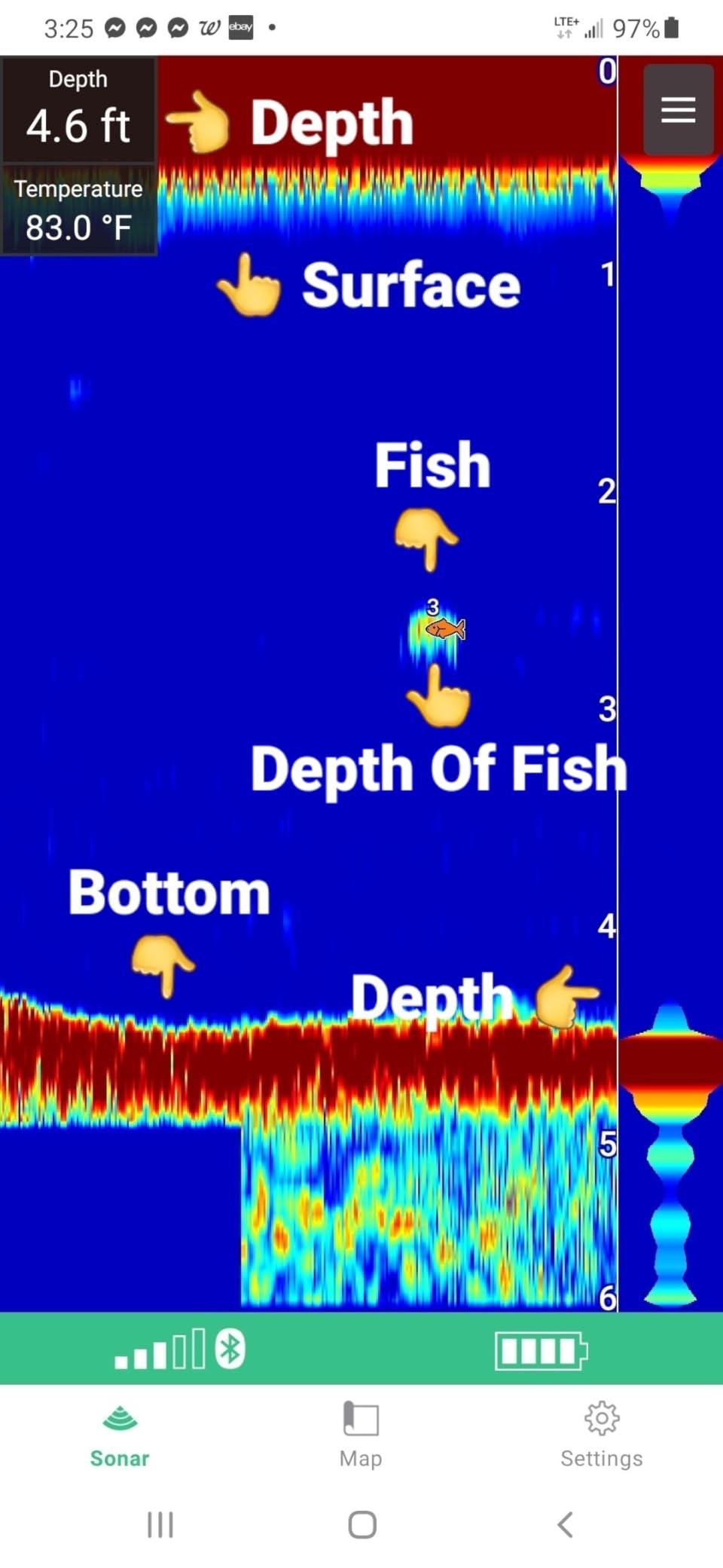
The Striker Cast is the simplest way I have found to gather sonar information without mounting a transducer or running a cable through a boat. I tie it to heavy line, cast it beyond the weed edge, and open the free STRIKER Cast app on my phone.
The wireless range is listed at 200 feet, and the device powers on when it floats. In practice, the connection is most dependable when the phone is in range and the app is not being crowded by other Bluetooth activity.
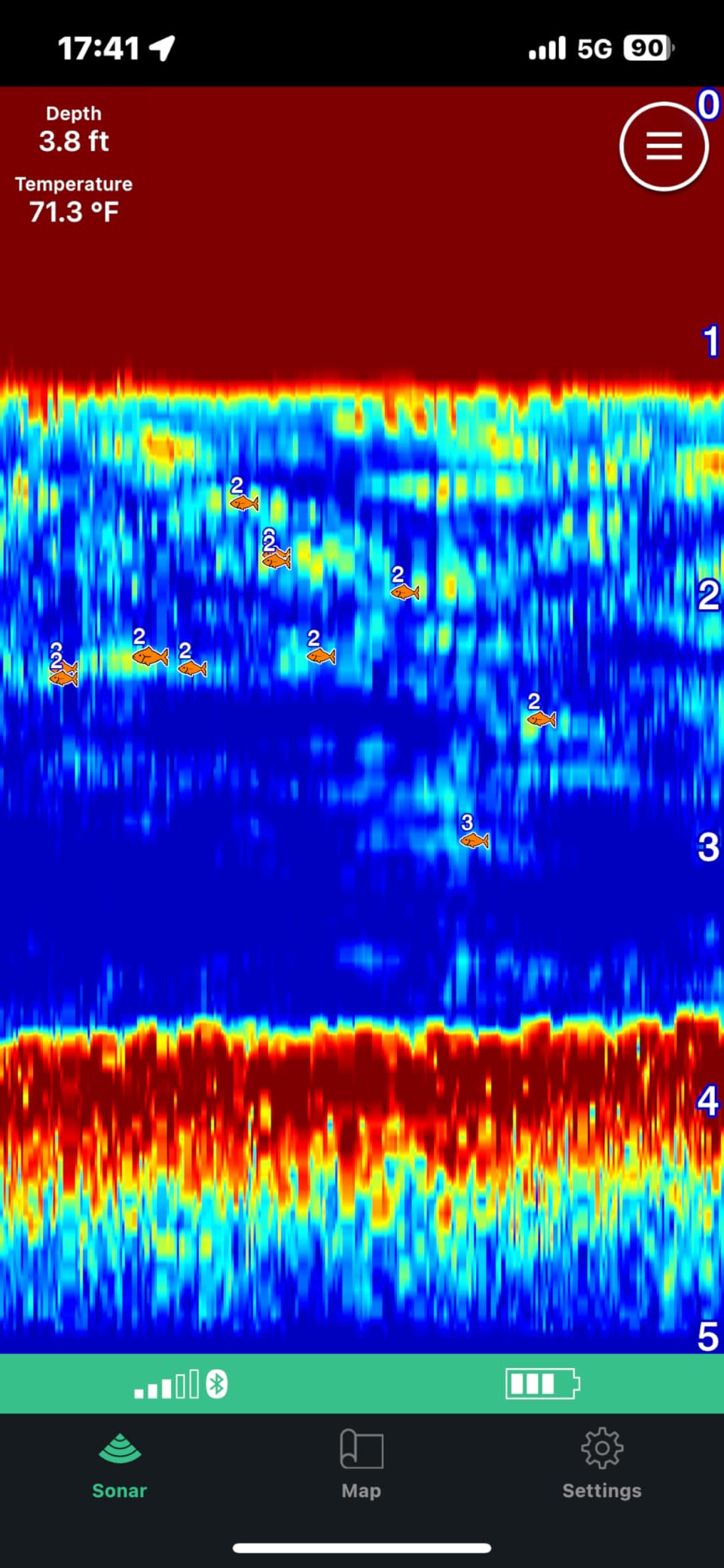
This is a strong bank fishing and kayak companion because it also supports traditional 2-D sonar and an ice-fishing flasher mode. It weighs 75 grams, so it is light enough to carry but not so light that a gust can drag it away.
The rechargeable battery lasts more than 10 hours according to the product data. Your phone remains the display, so bring a charged power bank if you expect a full day, and remember that the base Striker Cast is not the same as a GPS-enabled model.
What makes the Striker Cast convenient?
It removes the three parts that cause the most beginner frustration: a display mount, a power cable, and a permanently installed transducer. I can move from a bank to a dock to a kayak in minutes.
Use a swivel or clip rather than tying the sensor directly to your line, and check the app’s depth and sensitivity settings before you cast. A little practice at home prevents tangles and makes the first fishing spot more productive.
Who should skip it?
Skip it if your phone has poor battery life, if you fish beyond dependable wireless range, or if you need onboard GPS and contour recording. The Deeper PRO+ 2 is the better choice for anglers who want bathymetric maps in the sonar device itself.
4. Venterior Portable Rechargeable – Best Budget Under $90
Venterior Portable Rechargeable Fish Finder Wireless Sonar Sensor Fishfinder Depth Locator with Fish Size, Temperature, Bottom Contour, Color Display
Wireless castable sensor
2.6-inch color LCD
164-foot depth
Pros
- Low cost
- Sunlight-friendly display
- Depth and temperature
- Rechargeable battery
Cons
- Best below 120 feet
- Limited sonar detail
The Venterior is the kind of simple portable fish finder I would recommend to a first-time bank angler or a family that wants a second unit for a small boat. It combines a handheld color display with a wireless sensor, so there is no phone to charge or mount.
The 2.6-inch TFT shows depth, bottom contour, water temperature, and estimated fish size. A 105-degree beam gives broad coverage, and the listed working depth range is 2.6 to 164 feet, although owner reports suggest it is more dependable in shallower water.
I would not use its fish-size labels as a substitute for an experienced reading of the bottom. The screen is useful for spotting trends, but it cannot provide the arch detail or imaging definition of a CHIRP and ClearVü setup.
Its strongest practical advantages are the physical display, rechargeable power, and two-year warranty. Those features make it approachable for someone who does not want to hand a child or guest a smartphone on a wet shoreline.
With 1,107 reviews and a 4.3 rating, owners value the easy setup and value. The recurring complaints concern bright-sun readability, an imprecise battery indicator, and performance in deeper water.
What should you expect from the Venterior?
Expect a budget depth and fish locator, not a full navigation system. It is a sensible choice for calm lakes, rivers, docks, and shallow shoreline fishing where broad coverage matters more than fine target separation.
Set the sensor in a place with a clear view of the bottom, and use the white background when glare is a problem. If you regularly fish deeper structure, the extra investment in a better transducer will pay off.
Who should skip it?
Choose a more capable unit if you need GPS, forward-looking or down imaging, or reliable readings in fast, deep, or highly structured water. The Striker Cast is more flexible for the same kind of mobile use.
5. LUCKY Kayak Portable Fish Finder – Best for Shallow Kayak Waters
LUCKY Kayak Portable Fish Depth Finder Water Handheld Fish Finder Sonar Castable Kayak Boat Fishfinder Transducer Fishing LCD Display FFC1108
Through-hull transducer
2-inch backlit LCD
328-foot listed range
Pros
- Affordable
- Through-hull option
- Fish alarms
- Day and night display
Cons
- Not a shore-fishing tool
- Short battery life
- Inconsistent fish detection
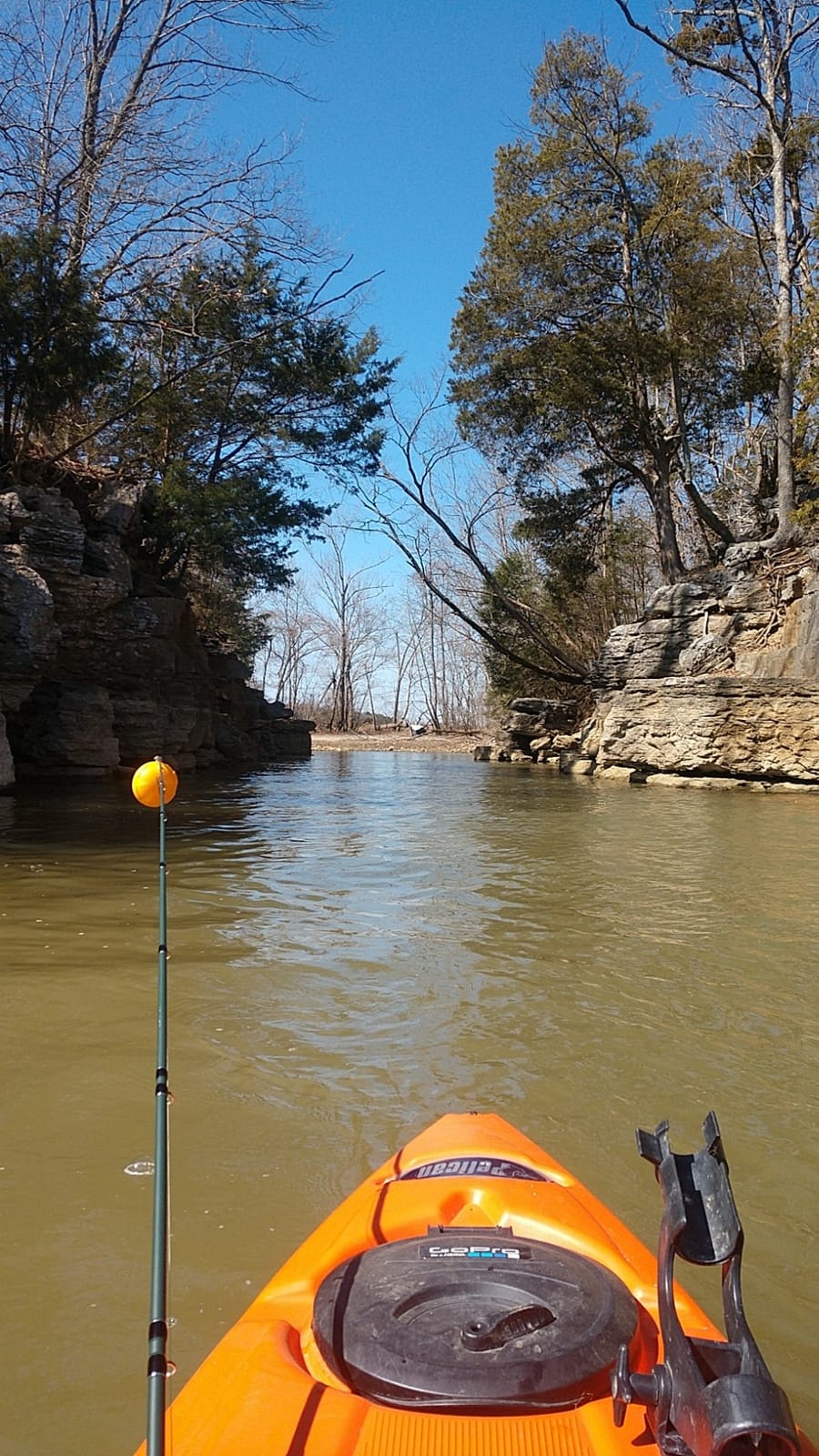
The LUCKY 1108 is built for anglers who already have a kayak or small boat and do not need a castable sensor. I like the through-hull transducer option because it keeps the transducer in the water without requiring a transom every time I launch.
Its 2-inch backlit screen reports depth from 3 to 328 feet, and five sensitivity levels let you tune the picture to weeds, sand, rocks, or open water. Fish and fish-school alarms are useful when you are watching the shoreline instead of staring at the display.
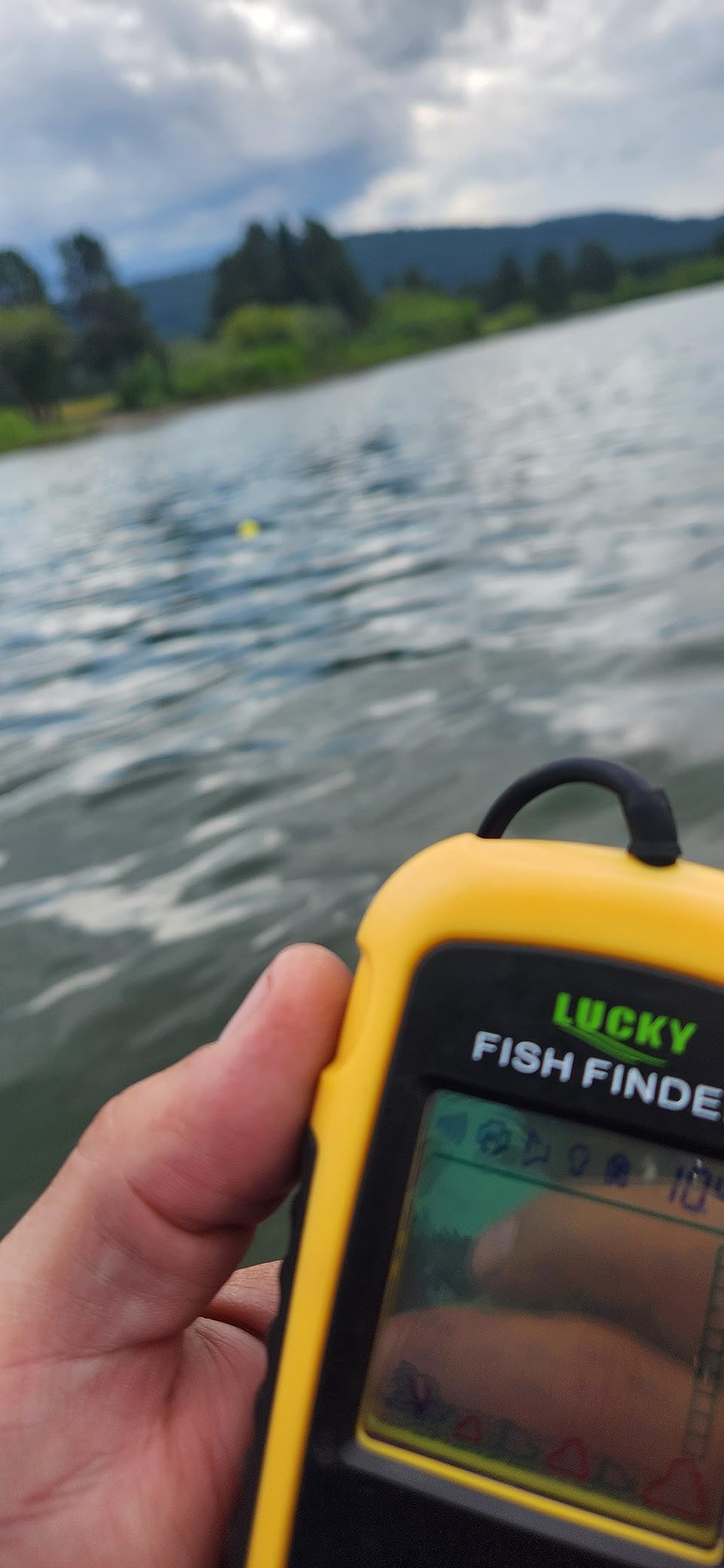
The tradeoffs are basic. The listed battery life is only four to five hours, there is no water-temperature reading, and the small display is not designed for detailed sonar interpretation.
That makes this a good low-cost depth alarm for a beginner, not my first choice for a long day or a complicated piece of structure. It is also explicitly not a shore-fishing solution because the wired transducer must remain submerged against the hull.
Its 3,250 reviews and 4.1 rating show strong value awareness among buyers. The most common concerns are inconsistent fish detection and the short battery window, so I would use it to confirm bottom changes and depth rather than as a precision fish-targeting tool.
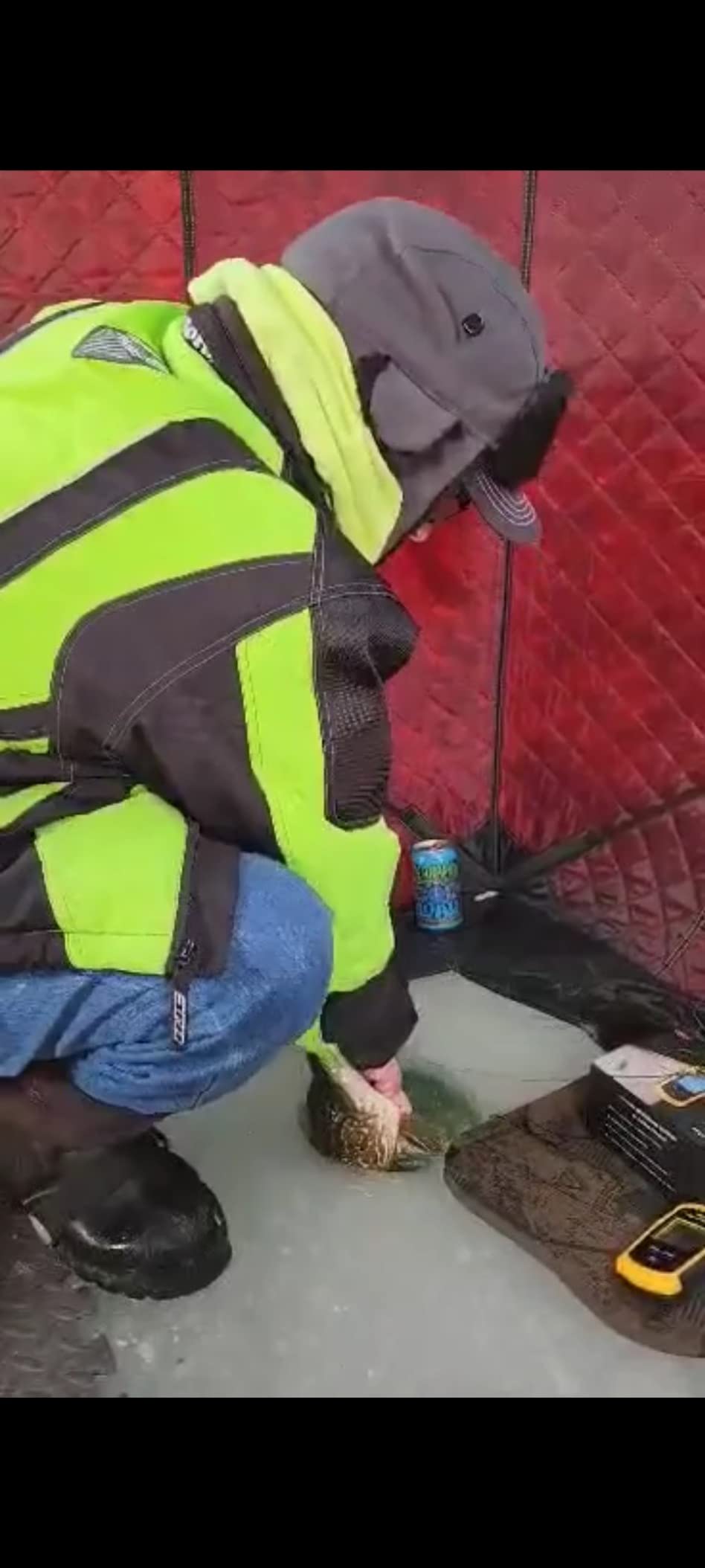
What mounting details matter most?
Test the transducer location before drilling or permanently attaching anything. A clean, turbulence-free patch of hull produces steadier readings, and a removable mount is safer for a rental kayak.
Check the cable route before launching, and secure it so a paddle or gear track cannot snag it. The neck strap is handy, but the display still needs a protected dry-bag strategy.
Who should skip the LUCKY 1108?
Skip it for bank fishing, ice fishing, or a full day without a spare battery. It also lacks GPS and imaging, so it cannot replace a mapping unit or a Garmin ClearVü transducer.
6. ReelSonar iBobber – Best Bluetooth Castable for Beginners
Reelsonar Portable Fish Finder Accurate Fish Depth Finder with Depth Range of 135 feet 10+ Hours Battery Life with iOS & Android App Wireless
Bluetooth castable sonar
135-foot depth
10+ hour battery
Pros
- Simple app
- Compact design
- Fish and strike alarms
- Watch support
Cons
- Shallow-water accuracy issues
- Occasional sync trouble
The iBobber is small enough to fit in a tackle box, which makes it easy to add to a spontaneous bank or ice trip. I pair it with the phone app, cast it near cover, and use the fish alarm to alert me while I watch a bobber or manage another rod.
The listed depth range is 135 feet and the battery lasts more than 10 hours. It supports iOS and Android, includes a watch app, and offers a night LED for visibility after dark.
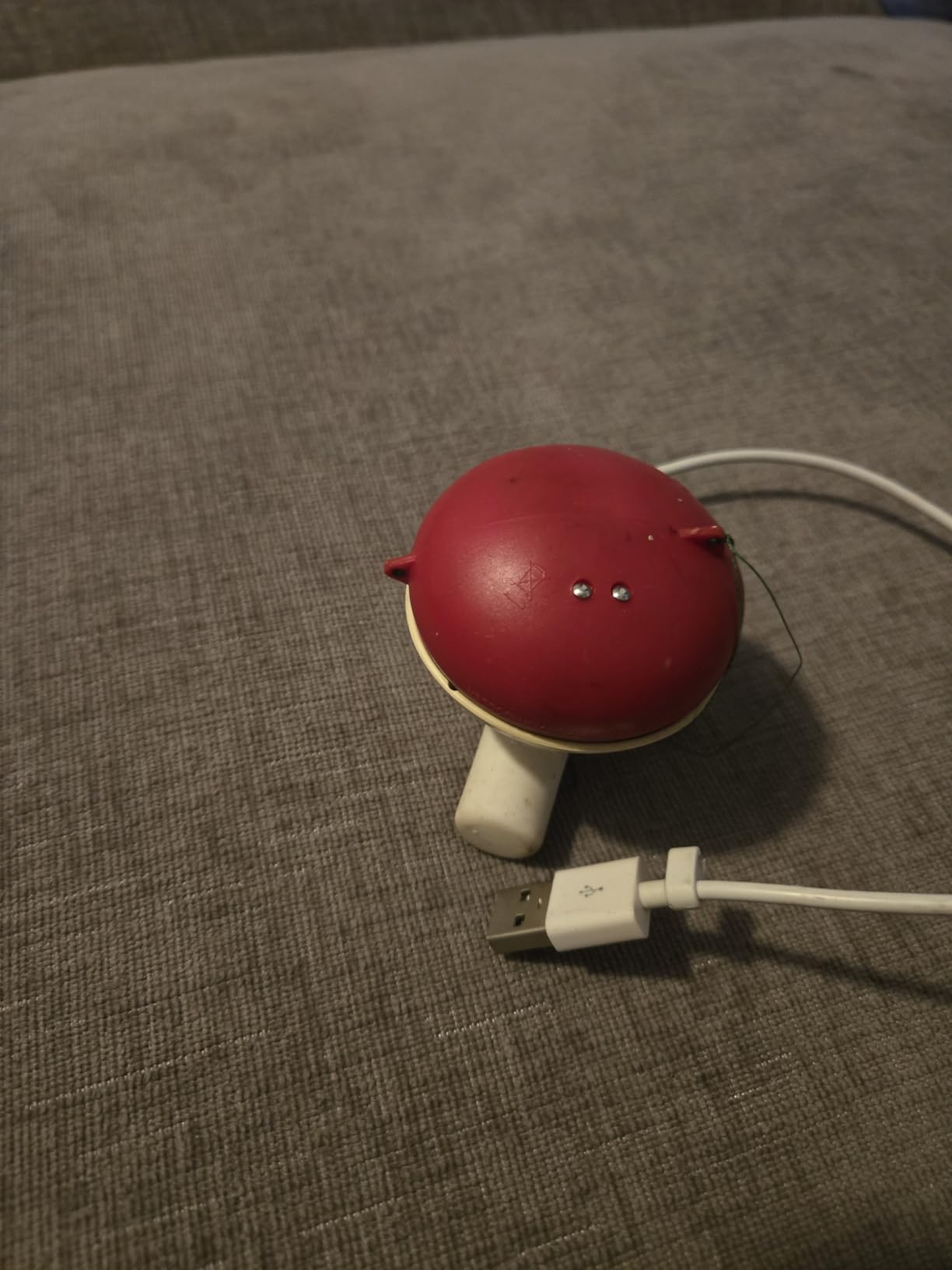
The product data also lists GPS and bathymetric mapping, but I would verify the exact app and model capabilities before relying on those features. The core experience is simple: the bobber floats, Bluetooth carries the signal, and the app displays depth-tagged fish icons.
Owner feedback is mixed but instructive. The 4.0 rating across 6,652 reviews reflects a very popular design with recurring complaints about battery management, software glitches, and unreliable readings in water shallower than 3.5 feet.
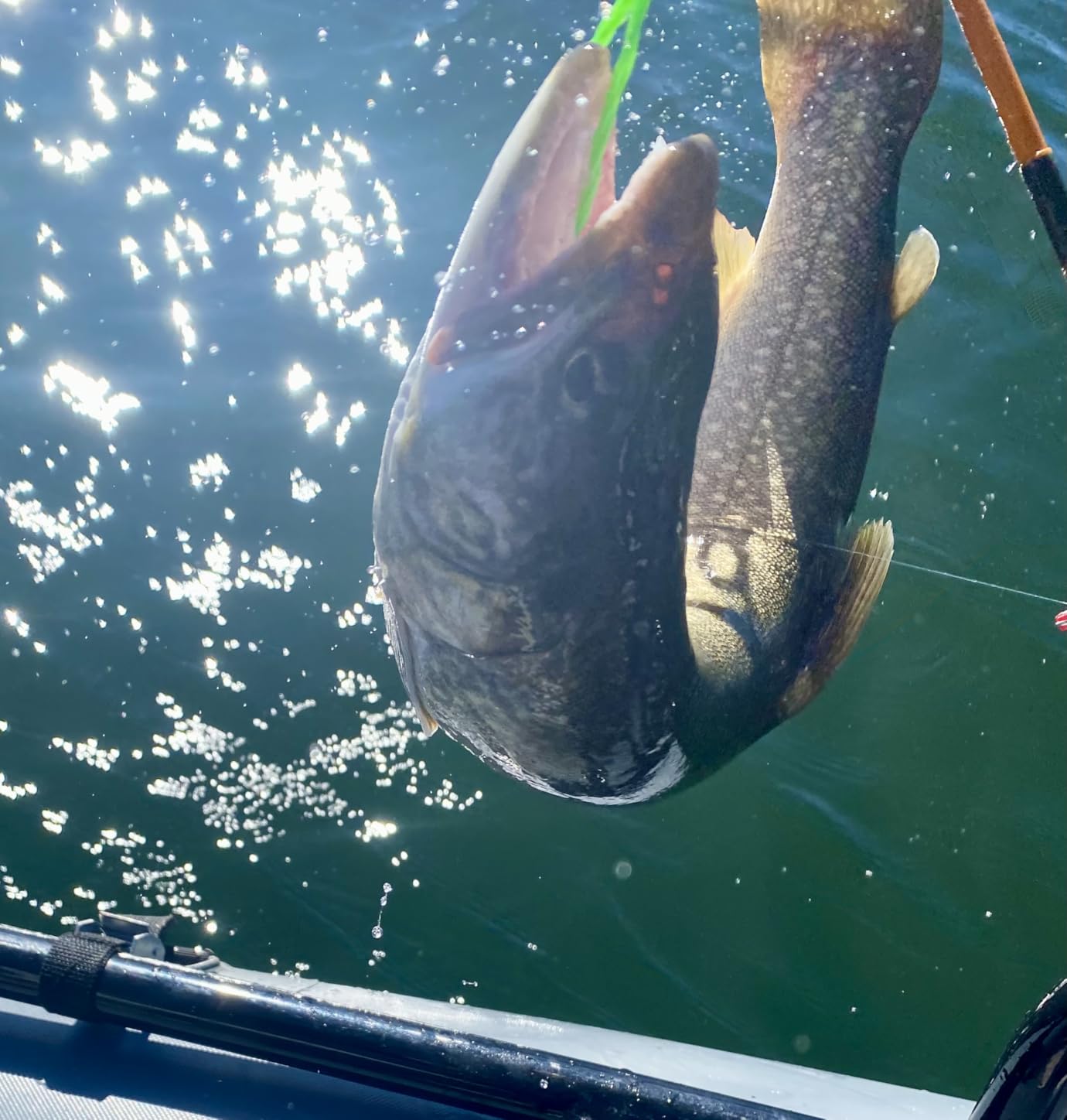
What makes the iBobber easy to use?
The learning curve is small, and the compact bobber is less intimidating than a wired transducer. I would use a clip or swivel, set a conservative alarm, and bring a small power bank because the app is the only screen.
Keep the phone dry and the Bluetooth connection clear, and avoid using it as your only indication of a fish’s exact position. It is strongest as a quick depth and presence tool.
Who should skip the iBobber?
Choose the Deeper PRO+ 2 if you want better target separation, a wider range, and built-in bathymetric mapping. The iBobber is a better fit for casual use than for a data-heavy angler.
7. Deeper PRO+ 2 – Best Castable With GPS and Bathymetric Maps
Deeper PRO+ 2 Sonar Fish Finder – Portable Fish Finder and Depth Finder For Kayaks, Boats and Ice Fishing with GPS Enabled | Castable Deeper Fish Finder with FREE User Friendly App
Three beam options
Built-in GPS
330-foot depth range
Pros
- Strong target separation
- Bathymetric mapping
- Versatile castable design
- Wi-Fi app
- Maps depth contours
- Broadens shore use
- Useful for ice and kayak
Cons
- Heavier to cast
- Battery longevity concerns
- Shallow-water limits
The Deeper PRO+ 2 is the castable option I would pick when mapping matters as much as finding a fish. Its built-in GPS records bathymetric contours while I cast or troll, and the Fish Deeper app turns those readings into a map I can revisit.
The three beam choices are the technical advantage: a 47-degree wide beam, a 20-degree mid beam, and a 7-degree narrow beam. The narrow setting lists 0.4-inch target separation, which is especially useful when I need to inspect a tight group of fish or a small piece of structure.
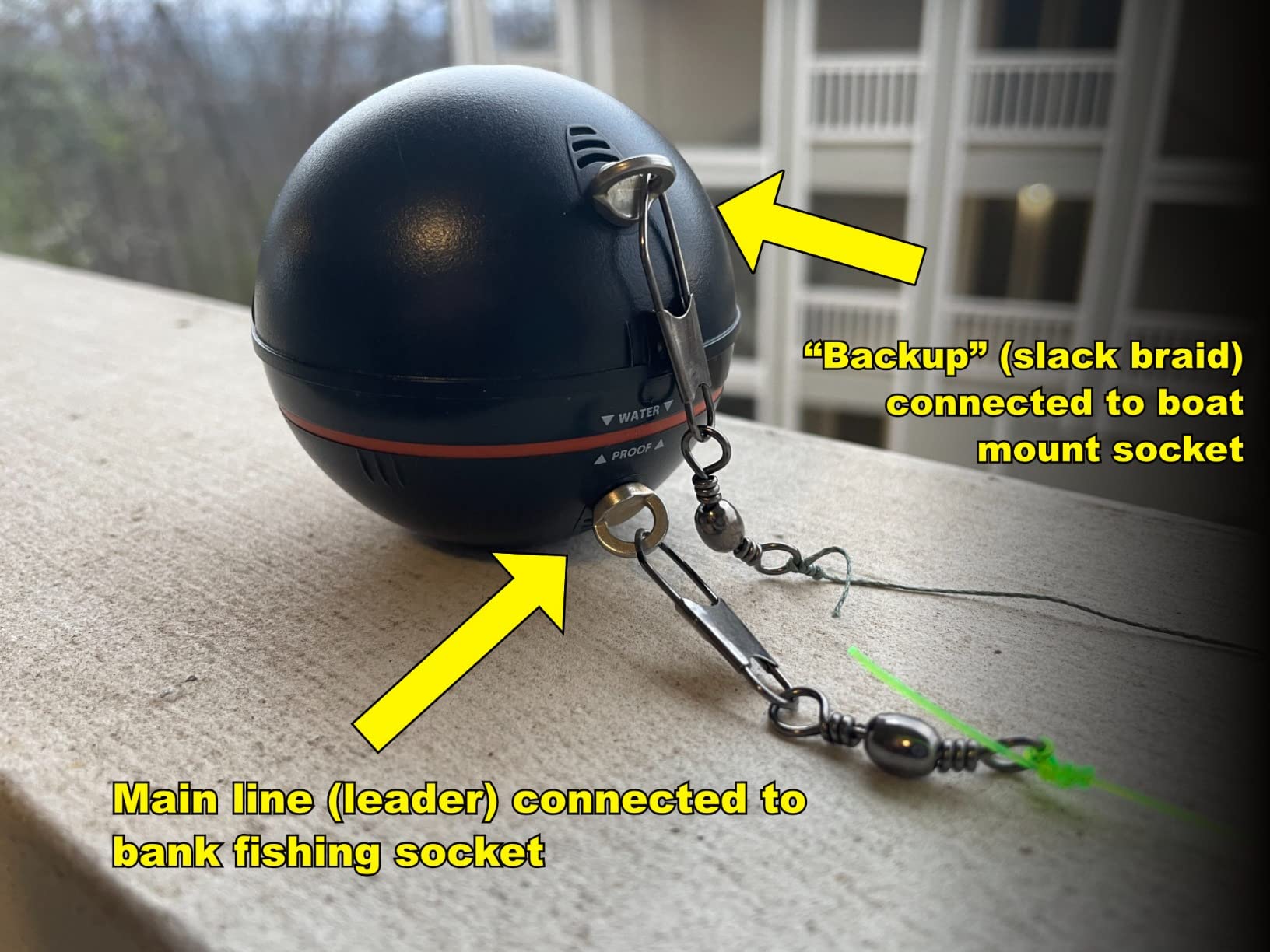
The 3.2-ounce body is heavier than a basic bobber, so I use heavy braided line and a secure attachment. Wi-Fi connectivity is rated for solid streaming, but the phone still needs enough charge for a full outing.
The listed depth capability is 330 feet and battery life is five to seven hours. Owners praise accuracy and mapping, while some report connection issues, battery degradation after the warranty period, and weaker performance under 15 feet.
Why choose the PRO+ 2 for mapping?
It combines a castable form with onboard GPS, so you can create a depth record without permanently installing electronics. That is a meaningful advantage for shore anglers, ice fishermen, and kayak anglers who change locations often.
For best results, move steadily while mapping, avoid abrupt speed changes, and save each outing before switching batteries. The app’s community features can also help you understand whether a feature is structure, vegetation, or a software artifact.
Who should skip the Deeper?
Skip it if casting a heavier device is inconvenient, if you fish mostly in very shallow water, or if you need a full day of battery life. A wired display can be more comfortable for long sessions.
8. Humminbird PiranhaMAX 4 Portable – Best Complete Turn-Key Kit
Humminbird PiranhaMAX 4 Fish Finder with Transducer, Dual Beam Sonar, Portable Carrying Case
4.3-inch color TFT
Dual-beam sonar
7 Ah battery included
Pros
- Complete kit
- Included battery
- Color display
- Portable case
Cons
- No ice-fishing mode
- Suction-cup security
- Case is tight
The PiranhaMAX 4 Portable is the closest thing here to a grab-and-go conventional fish finder. It includes the 4.3-inch color display, portable transducer, suction-cup mount, carrying case, 7 amp-hour battery, and wall charger.
I would choose it for a canoe, small aluminum boat, or a weekend setup where having every component in one package matters more than GPS. The dual-beam sonar lets me trade wide coverage for a narrower view with more detail.
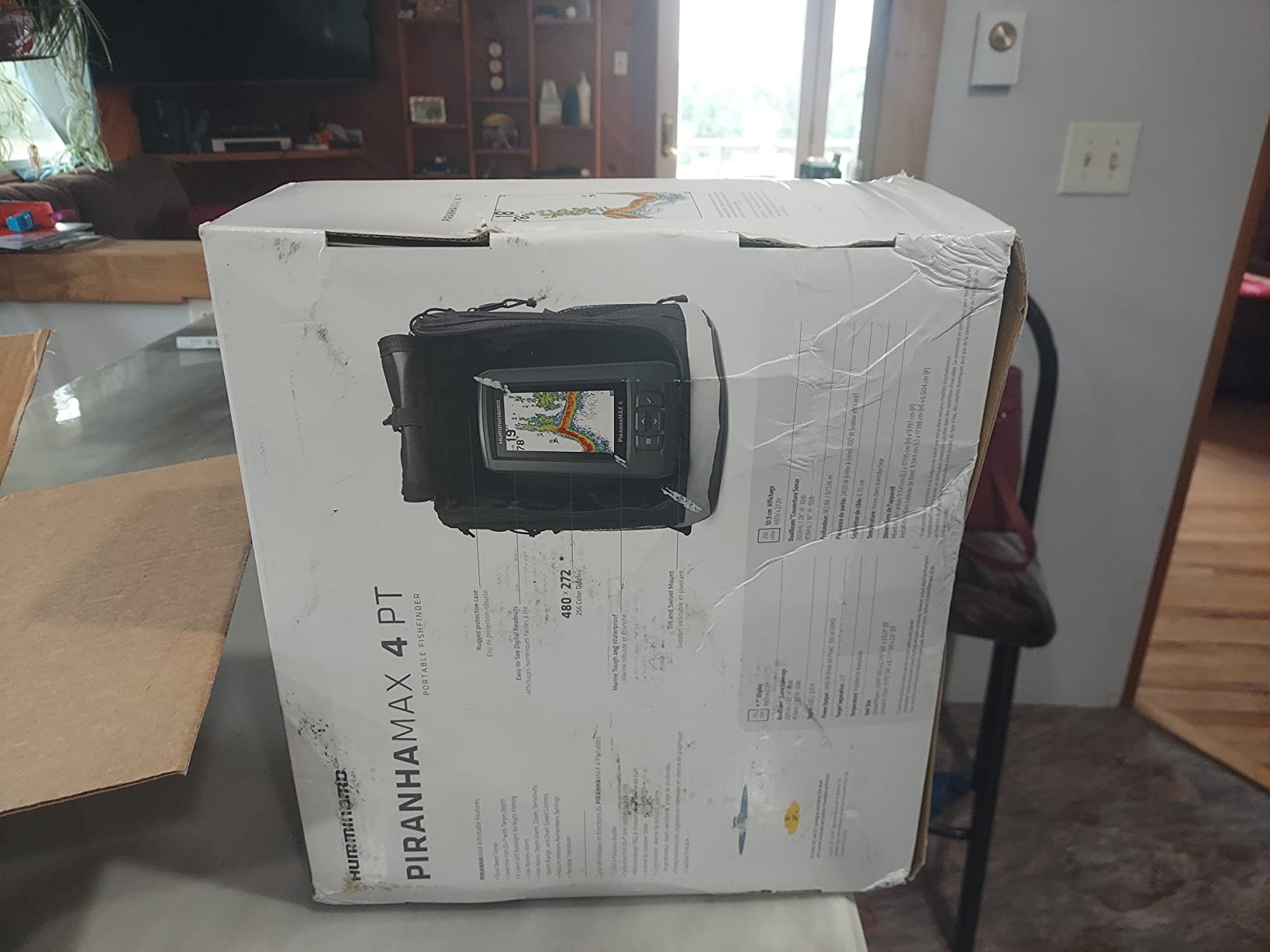
The 2.5-pound kit is heavier than a castable unit, but that is the price of a complete portable system. The included case is convenient, although several owners say it fits tightly around the battery and accessories.
Its 4.4 rating from 182 reviews is solid, with buyers praising the display, easy controls, and out-of-box completeness. The main complaints concern a suction cup that can lose grip when a boat moves and a battery connection that takes care to assemble.
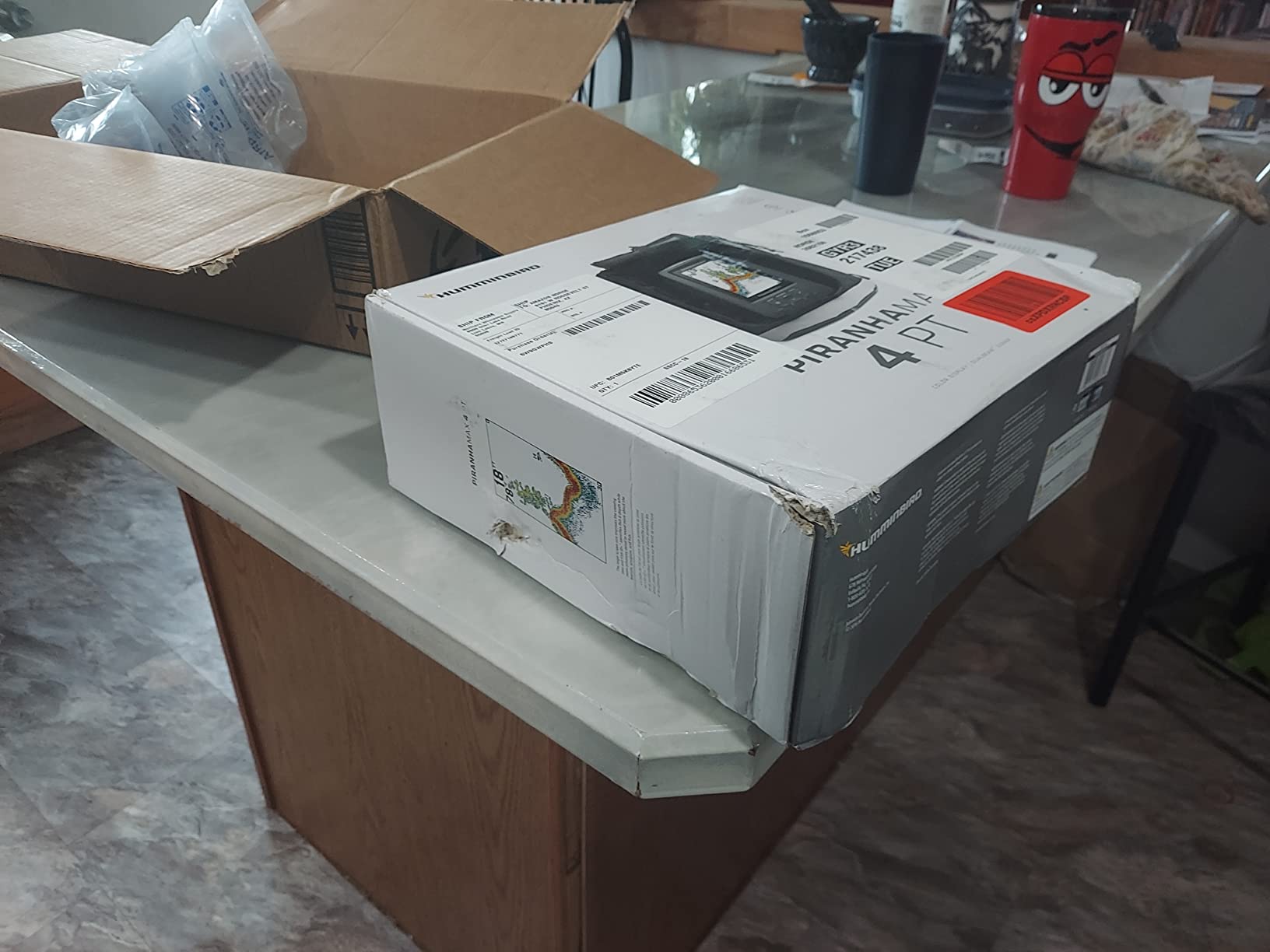
What does the turn-key kit include?
You get the head unit, portable transducer, suction-cup mount, 7 amp-hour battery, charger, and carrying case. That reduces the parts I need to source separately and makes it a good gift for someone new to electronics.
Before every trip, inspect the suction cup, cable, and battery terminals. Add a tether even when the mount looks secure, because a loose transducer can be lost in shallow water.
Who should skip the PiranhaMAX 4?
Skip it if you need GPS, mapping, flasher-mode ice fishing, or a compact bag that fits under a kayak seat. The Garmin Striker Vivid 4cv is the stronger choice when navigation is part of the job.
How to Choose the Best Portable Fish Finder for Your Setup
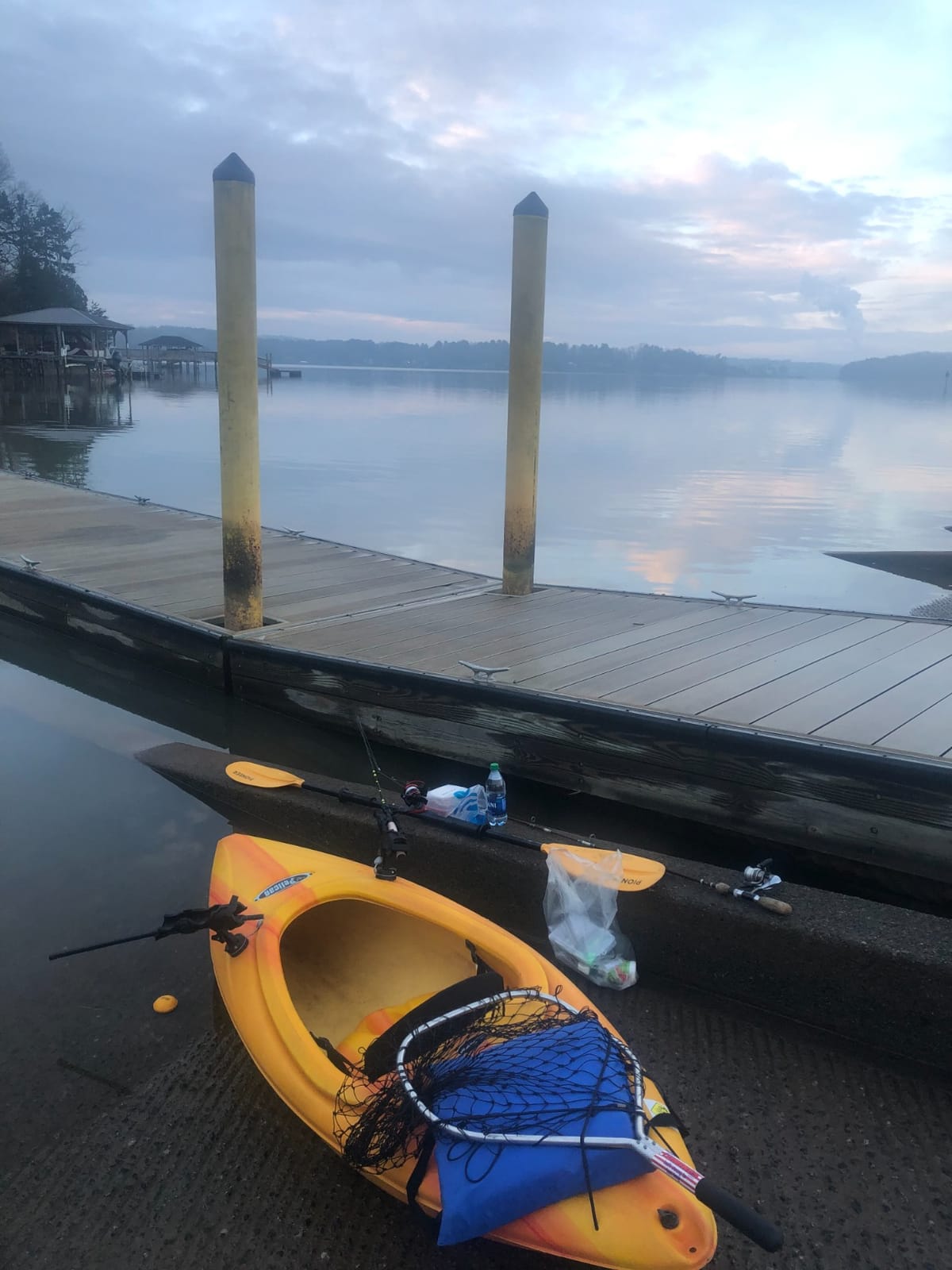
The right choice starts with where the transducer will go. A kayak needs a removable arm, gear-track, or through-hull mount; a bank or ice trip calls for a castable sensor; and a small boat may be easiest to outfit with a suction cup or transom mount. I also check cable length, storage space, and whether a wet phone can be operated safely before buying.
For most beginners, the Garmin Striker 4 is the safest first step. It offers a physical display, CHIRP sonar, ClearVü, GPS waypoint mapping, and a flasher mode in a compact head, while the Striker Vivid 4cv adds a better screen and Quickdraw Contours for anglers ready to pay for more mapping detail.
Choose the sonar type that matches your fishing
Traditional 2-D sonar is the simplest picture and is adequate for depth, bottom hardness, and basic fish arches. CHIRP sends a range of frequencies through the water, which generally improves target separation and gives fish a cleaner shape instead of a small blob.
ClearVü and down imaging add a picture-like view directly below the boat, while side imaging searches farther to each side. Castable models such as the Deeper PRO+ 2 use wide, mid, and narrow beams instead of a permanently mounted imaging transducer, so the right choice depends on whether you value portability or a broad view.
A flasher is especially useful for ice fishing because the real-time bottom and depth signal is easy to read without interpreting a full chart. The Striker 4, Striker Cast, and Deeper PRO+ 2 offer relevant modes, but check the exact mode list for the model you select.
Decide whether GPS and mapping are worth it
GPS is not required to find depth, but it is valuable when you want to mark a brush pile, trail, launch, or safe route home. The Striker 4 and Vivid 4cv include GPS, and the Vivid’s Quickdraw Contours adds user-created lake maps; the Deeper PRO+ 2 records bathymetric data from a castable sensor.
If you only fish one familiar lake from shore, a simple depth finder may be enough. If you travel between reservoirs, fish structure in deep water, or use a small boat in changing weather, mapping quickly becomes a safety and efficiency tool rather than a luxury.
Match power and battery to the day
A wired head unit needs a battery, fuse, cable, and a way to keep terminals dry. A 7 amp-hour battery is a useful starting point for a compact kit, but runtime varies with screen brightness, sonar settings, temperature, and battery age.
Sealed lead-acid batteries are common in portable kits because they are affordable and easy to find, but lithium packs weigh less for the same general capacity. Castable units are simpler: the Striker Cast and iBobber advertise more than 10 hours, while the Deeper PRO+ 2 lists five to seven hours.
For a long day, bring a power bank for a phone-based unit or a charged spare battery for a wired display. I would also keep the battery in a waterproof case and secure every lead with a strain-relief connection.
Match the unit to your fishing style
For a kayak, I prioritize a compact head, a removable transducer mount, and a display that can be read without taking both hands off the paddle. The Striker 4 and Vivid 4cv are conventional choices, while the Striker Cast removes nearly all installation work.
For ice fishing, look for a flasher or a real-time sonar view, a battery that performs in cold conditions, and a transducer that can be lowered into a clean hole. A protective bag and a simple mounting base are more useful than a large screen inside a small shelter.
For bank fishing, a castable sonar unit wins because there is no hull or cable to position. The Deeper PRO+ 2 is my pick for mapping, the Striker Cast for a straightforward phone experience, and the iBobber for casual Bluetooth use.
For saltwater, check the model’s listed saltwater depth, corrosion resistance, connector quality, and available mounting hardware. A rinse with fresh water after every outing is not optional, and a wired head should never be powered while the power connections are wet.
Know what forward-facing sonar can and cannot add
Forward-facing sonar is designed to show structure and fish ahead of a moving boat, which can help you scout a drop or weed edge before passing over it. It is a different category from the portable, down-looking, and castable units in this list, and none of these eight should be assumed to support Garmin LiveScope, Lowrance ActiveTarget, or Humminbird Mega Live without the required compatible hardware and transducer.
That distinction matters for future-proofing: a portable GPS plotter can make you more efficient, but it will not turn a standard CHIRP transducer into a live forward-looking system. Buy a portable unit for its actual fishing job, not for a feature that requires a separate ecosystem.
Is Humminbird or Garmin better for portable fish finders?
Neither brand wins every category. Garmin is the stronger fit for a beginner who wants a compact CHIRP display, GPS, ClearVü, and ice-fishing flasher in one head, while Humminbird’s PiranhaMAX 4 stands out when you want a complete conventional kit with a battery and case already included.
Choose Garmin for mapping and phone-castable flexibility, or Humminbird for a straightforward dual-beam package. Test the screen in the conditions where you fish, and remember that a transducer, mount, and power setup can matter as much as the brand name.
Why You Can Trust This Guide
I compared the supplied specifications for all eight products, including display size, sonar type, depth range, GPS, included accessories, battery information, warranty, and customer ratings. I also used recurring owner feedback about sunlight, mounting, phone battery drain, connection stability, and cable reliability to identify practical strengths and failure points.
The result is a use-case guide rather than a generic ranking: every recommendation is tied to a fishing style, a mounting reality, or a power limitation. I did not treat a larger screen or a longer stated range as an automatic win, because a feature only helps when you can use it safely and consistently.
Frequently Asked Questions
Is Humminbird or Garmin better?
Neither brand is better in every situation. Garmin offers more portable choices with CHIRP, ClearVü, GPS, and phone-castable models, while the Humminbird PiranhaMAX 4 is a good complete kit with a battery and case. Choose Garmin for mapping and flexibility, or Humminbird for simple dual-beam sonar.
Are portable fish finders any good?
Yes. A good portable fish finder can show depth, bottom changes, structure, and fish from a kayak, small boat, bank, or ice shelter. Its value depends on correct transducer placement, settings, power, and choosing a design suited to your fishing style.
What is the best portable fish finder for bank fishing?
The Deeper PRO+ 2 is the best bank-fishing pick here when built-in GPS and bathymetric mapping matter. The Garmin Striker Cast is the simpler choice for phone-based sonar, while the ReelSonar iBobber is a casual, compact Bluetooth option.
What is the best fishfinder to buy?
The best fishfinder is the one that matches your water, mounting method, and need for GPS. The Garmin Striker 4 is the best all-around portable choice for beginners, the Striker Vivid 4cv adds mapping, and the PiranhaMAX 4 is a complete conventional kit.
Final Verdict: Our Top Portable Fish Finder for 2026
The Garmin Striker 4 is my overall recommendation for most anglers. It gives beginners a readable physical screen, CHIRP and ClearVü sonar, GPS waypoint mapping, and an ice-fishing flasher without the bulk of a permanently installed electronics package. Add a properly fused battery and a stable mount, and it becomes a capable system for a kayak, small boat, or ice shelter.
Choose the Striker Vivid 4cv if you want Quickdraw Contours and a larger display, or the Striker Cast if shore fishing and minimal setup matter most. The Deeper PRO+ 2 is the right call when castable GPS mapping is the priority, while the PiranhaMAX 4 is best for someone who wants a complete conventional kit out of the box.
Whichever portable fish finder you buy in 2026, mount the transducer correctly, learn the gain and range controls before you fish, and protect the battery and display from water. Those habits matter more than any single advertised depth number.