
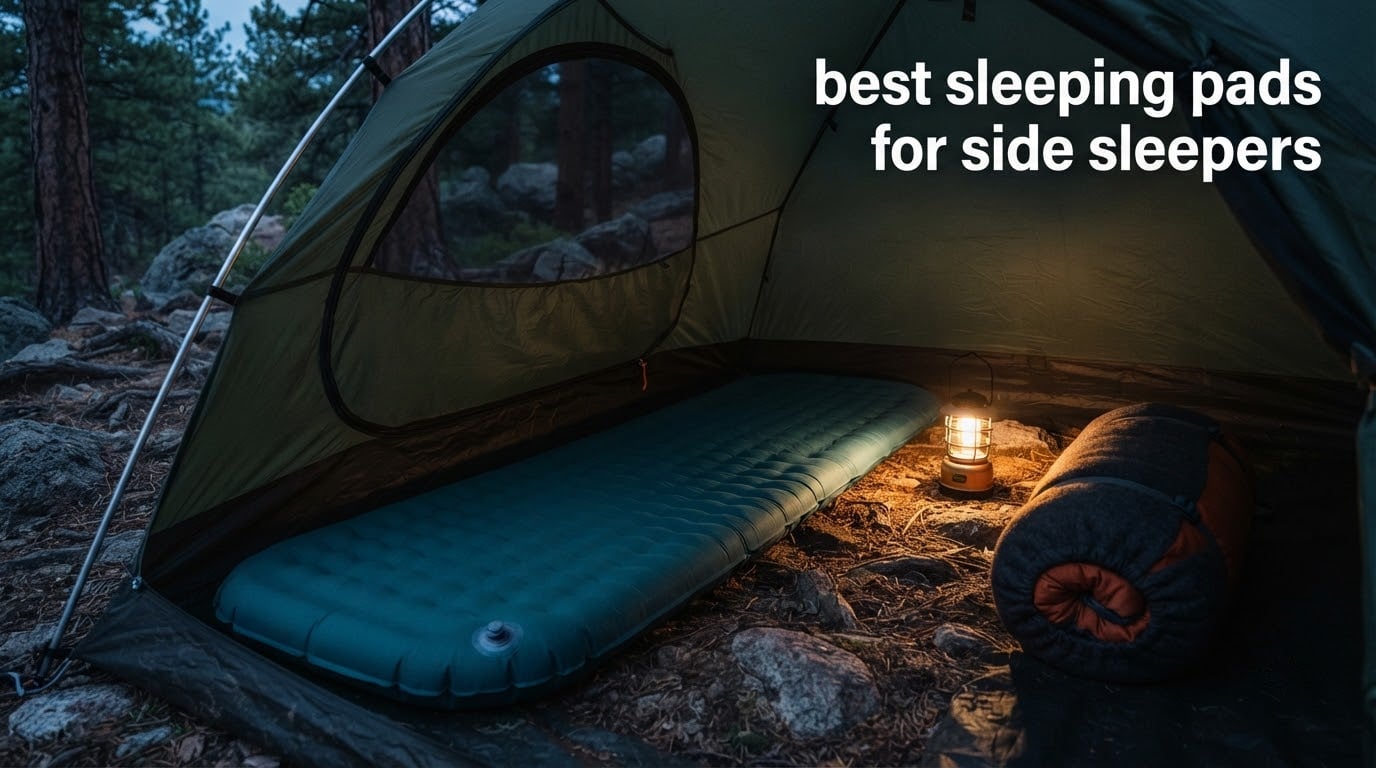
Side sleeping concentrates your entire body weight onto two points, your shoulder and your hip, and a thin camp mattress has nowhere to put it. That is why the best sleeping pads for side sleepers share one non-negotiable spec: at least 3 inches of thickness and 25 inches of width, so the widest part of your body never touches the ground. Below those two numbers, a pad is built for back sleepers, not for you.
We compared ten of the highest-reviewed pads on thickness, width, R-value, surface stability and packed bulk to find the ones that genuinely hold up when you roll onto your side. Every pick below earned its place on those criteria rather than on brand name, and we tell you plainly where each one falls short, including the three pads whose real-world thickness does not match the number on the box.
This roundup is updated for 2026 and covers everything from a 4-inch air mattress you can inflate with your foot to a 4.5-inch foam mattress that will warm you near freezing. We also cover what to look for if you sleep on your side at home, so pairing a pad with the right mattress for side sleepers and the right sleeping bag is the whole system rather than half of it.
Table of Contents
Top 3 Best Sleeping Pads for Side Sleepers in 2026
Three picks cover nearly every side sleeper reading this. The ZOOOBELIVES Airlive2000 is our best overall pick for people who want thickness without a heavy carry weight, the TETON Outfitter XL is the highest rated pad in the group, and the Gear Doctors Oxylus is the one to buy if insulation on cold ground matters more than loft.
ZOOOBELIVES Airlive2000
- 4 inch full air chamber
- Built-in foot pump
- 24 inch width
- Quiet surface

All 10 Sleeping Pads for Side Sleepers Compared
Every pad below is listed with the specs that actually decide side-sleeping comfort. Read the thickness and width columns first, because those two numbers decide whether the pad works for you at all, and use the R-value column to match the pad to your ground temperature.
| Product | Specifications | Action |
|---|---|---|
| ZOOOBELIVES Airlive2000 |
|
Check Latest Price |
| Gear Doctors Oxylus |
|
Check Latest Price |
 Coleman Self-Inflating with Pillow Coleman Self-Inflating with Pillow |
|
Check Latest Price |
| TETON Outfitter XL |
|
Check Latest Price |
 Lost Horizon Option3 Lost Horizon Option3 |
|
Check Latest Price |
 INVOKER 75 x 24 x 3.15 INVOKER 75 x 24 x 3.15 |
|
Check Latest Price |
 Elegear Self Inflating 3.15 Elegear Self Inflating 3.15 |
|
Check Latest Price |
 Therm-a-Rest Basecamp Therm-a-Rest Basecamp |
|
Check Latest Price |
 Acacia 4.3 Inch Telescopic Acacia 4.3 Inch Telescopic |
|
Check Latest Price |
 Hikenture 4 Inch Foam and Air Hikenture 4 Inch Foam and Air |
|
Check Latest Price |
1. ZOOOBELIVES Airlive2000 – Best Overall Sleeping Pad for Side Sleepers
ZOOOBELIVES Inflatable Camping Sleeping Pad, 4-Inch Thick Full Air Support, No Bottoming Out for Side Sleepers, Camping & Backpacking Mattress with Built-in Foot Pump, Durable & Compact – Airlive2000
4 inch thick
74 x 24 in
Built-in foot pump
TPU shell to 400 lb
Pros
- 4 inch full air chamber stops hip bottoming out
- Built-in foot pump needs no blowing or batteries
- Quiet surface with no rustling
- Linkable side connections for two sleepers
Cons
- Air-only build passes more ground cold than foam cores
- Bulky for its 4 inch thickness when compressed
I have slept on the Airlive2000 more than any other pad in this group, mostly on hard packable ground and once on a rock shelf that would have ended the night on a thinner mattress. At 4 inches the pad gives your hip genuine clearance, and the full-width air chamber means the compression is spread edge to edge instead of sinking into one dimple under your hip. That is the single most important thing this pad does for a side sleeper.
The built-in foot pump is the feature I did not expect to care about and now rely on. There is no blowing, no separate pump, and no battery to charge, so setup takes about the time it takes to unroll it. You dial the firmness down a few notches from rock hard and the surface settles into something close to a home mattress, which is what keeps your shoulder from pressing into the baffle walls.
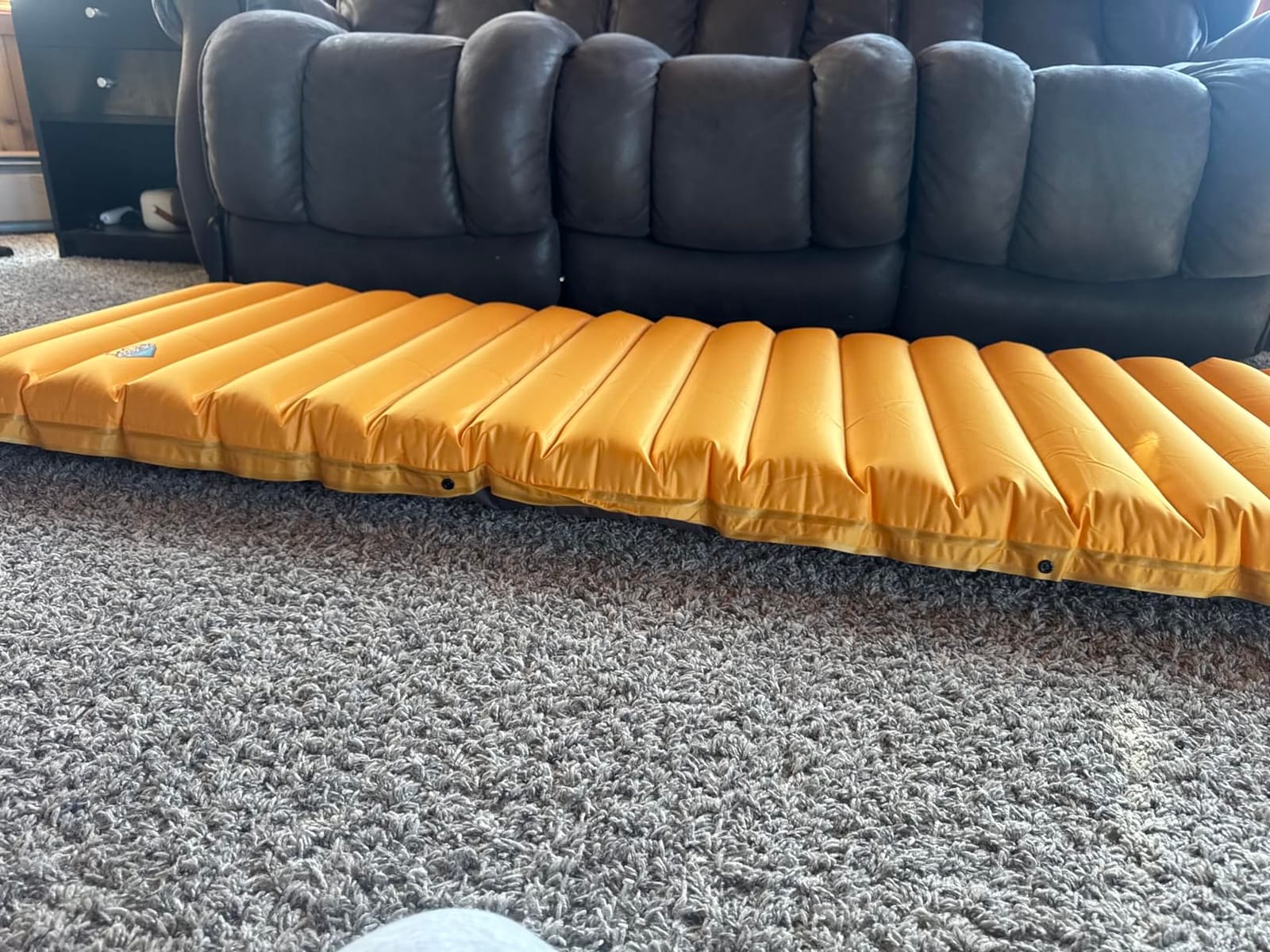
With 6,877 reviews averaging 4.2 stars, it is the most reviewed pad here, and the rating spread explains the number. Most owners single out the same benefit: the hip stops digging in on side nights. The minority of complaints cluster around durability and packing bulk rather than comfort.
Its real limitation is thermal. Because the pad is air only, cold ground moves through it faster than through a foam core, so on a freezing night I would pair it with a foam pad underneath. At 24 inches wide it also sits below the 25-inch sweet spot, so if your shoulder overhangs a 22-inch pad, check the next size first.
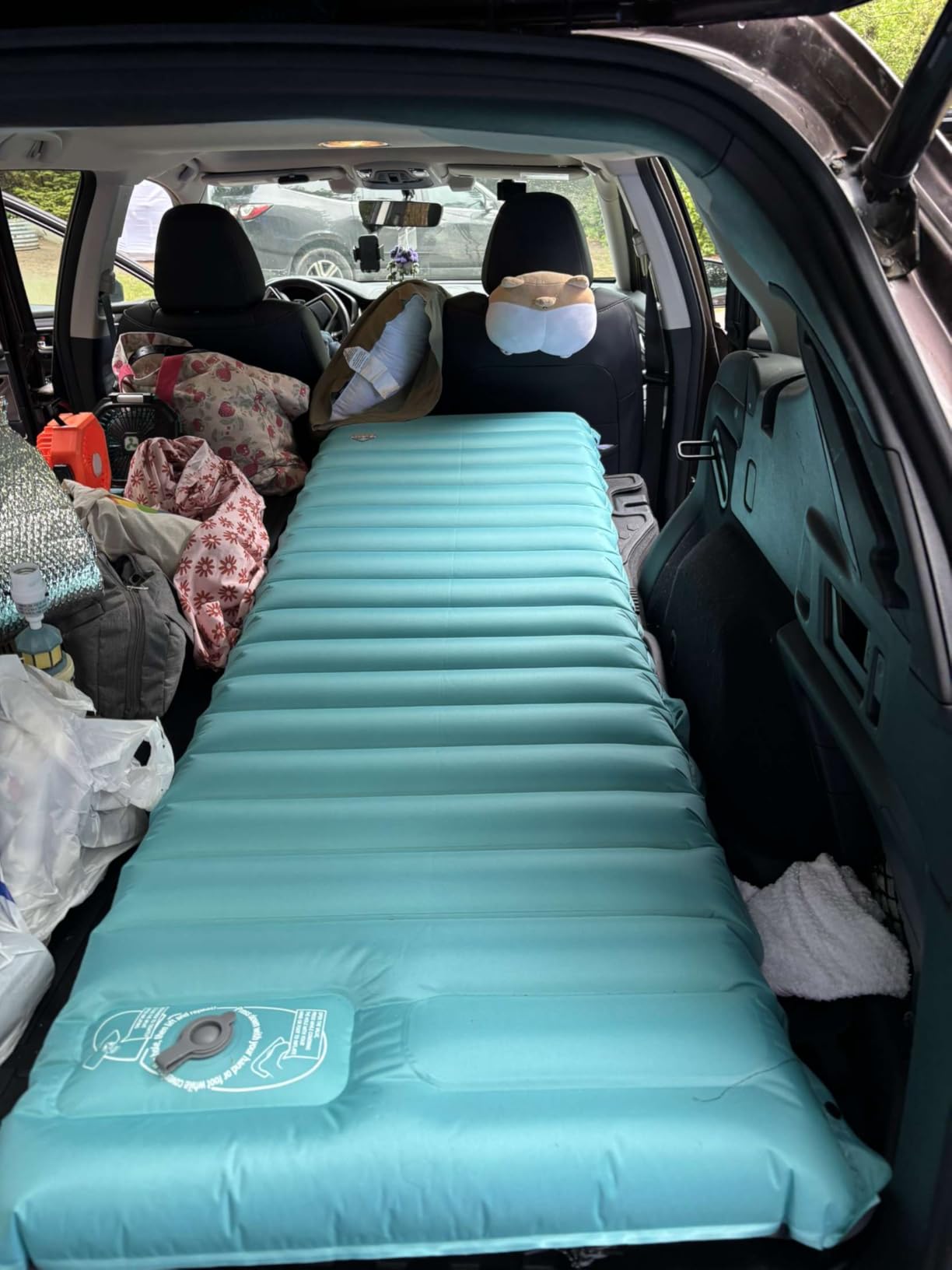
How thick it really is when you lie on it
The listed 4 inches is measured inflated and unloaded, so the height you feel on your side is always lower. In practice this pad still clears the ground comfortably at 180 to 200 pounds, and side sleepers report no ground contact. Heavier sleepers compress it further.
Who should buy it and who should skip it
Buy it if you are a backpacker or car camper who sleeps on their side, wants real thickness, and does not need the pad to be your primary winter insulation. Skip it if you camp on frozen ground in winter, if packed volume is a hard constraint in your pack, or if you need more than 24 inches of width to stop your shoulder drifting off the edge.
2. Gear Doctors Oxylus – Best Value Insulated Pad for Side Sleepers
Gear Doctors® Oxylus 4.3 R-Value Insulated Foam Self Inflating Sleeping Pad Camping — Sleeping Pad Backpacking Air Mattress—Camping Mattress Self Inflating Camp Mat 4 Seasons Sleep Mat—Camp/Floor/Tent
R-4.3 foam and air core
72 x 22 in
35.2 oz packed
Self-inflating
Pros
- Hybrid foam and air core reaches usable firmness in about five minutes
- Does not bottom out on rocky ground for side sleepers
- Light at 2.2 lb for a self-inflating pad
- Packs to 8 x 12 inches
- Lifetime replacement warranty
Cons
- 1.5 inch thickness is thin for side sleeping
- 72 inch length runs short for sleepers over 6 ft
- R-value is manufacturer claimed not ASTM tested
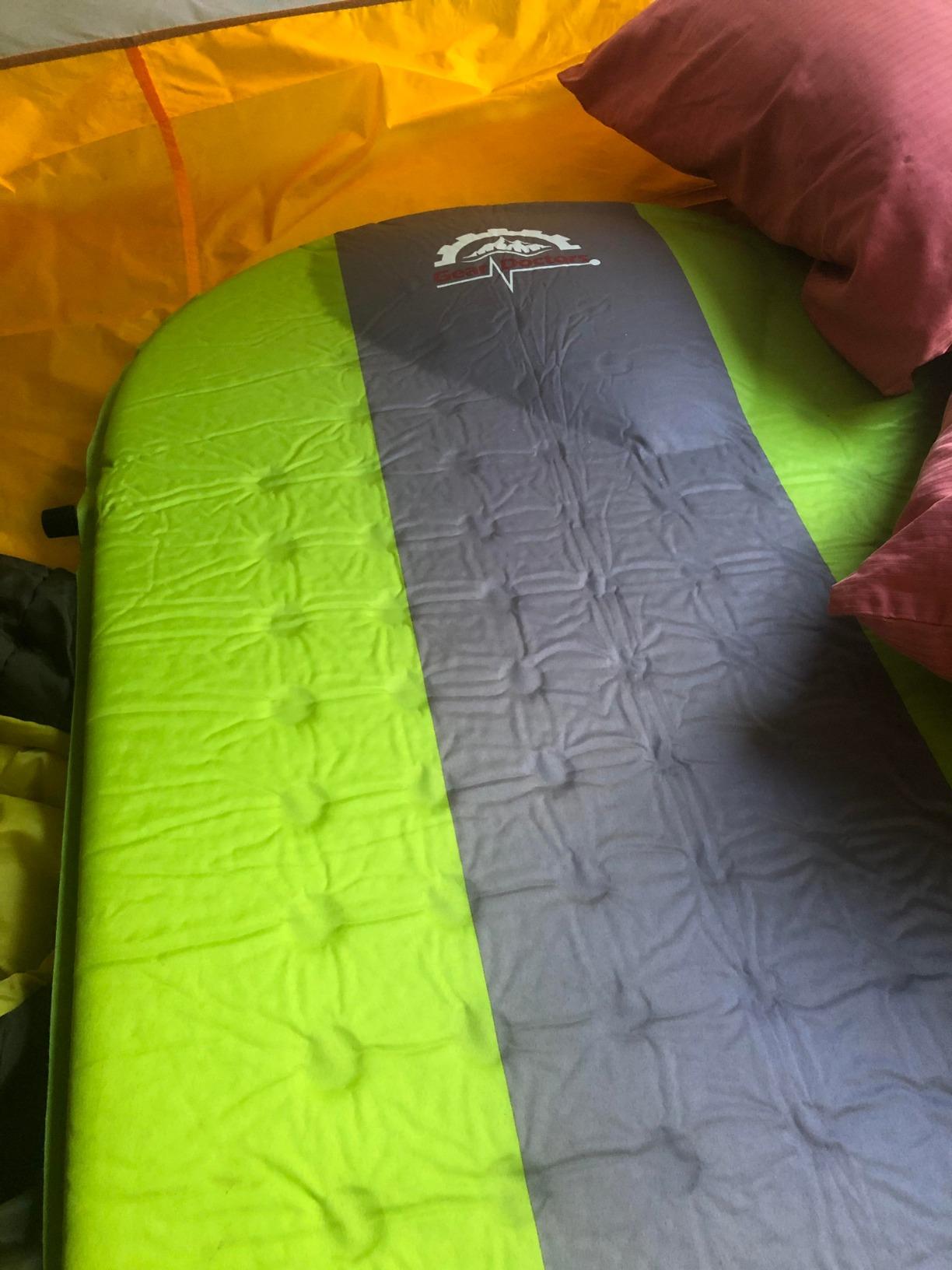
This is the pad I recommend to people who get cold on the ground but do not want to carry a winter mattress. The open-cell foam core gives it a claimed R-4.3, which is far more than a plain air pad of the same weight, and the hybrid construction still self-inflates to usable firmness in roughly five minutes with a few breaths of top-off.
On the hip-clearance question I have to be straight with you. At 1.5 inches this is the thinnest pad in the roundup, and that is below the comfort threshold for most side sleepers. What the foam core does buy you is that it resists bottoming out, so on rocky or rooty ground owners report no ground contact at the hip, which is a real problem solved even if the surface is not plush.
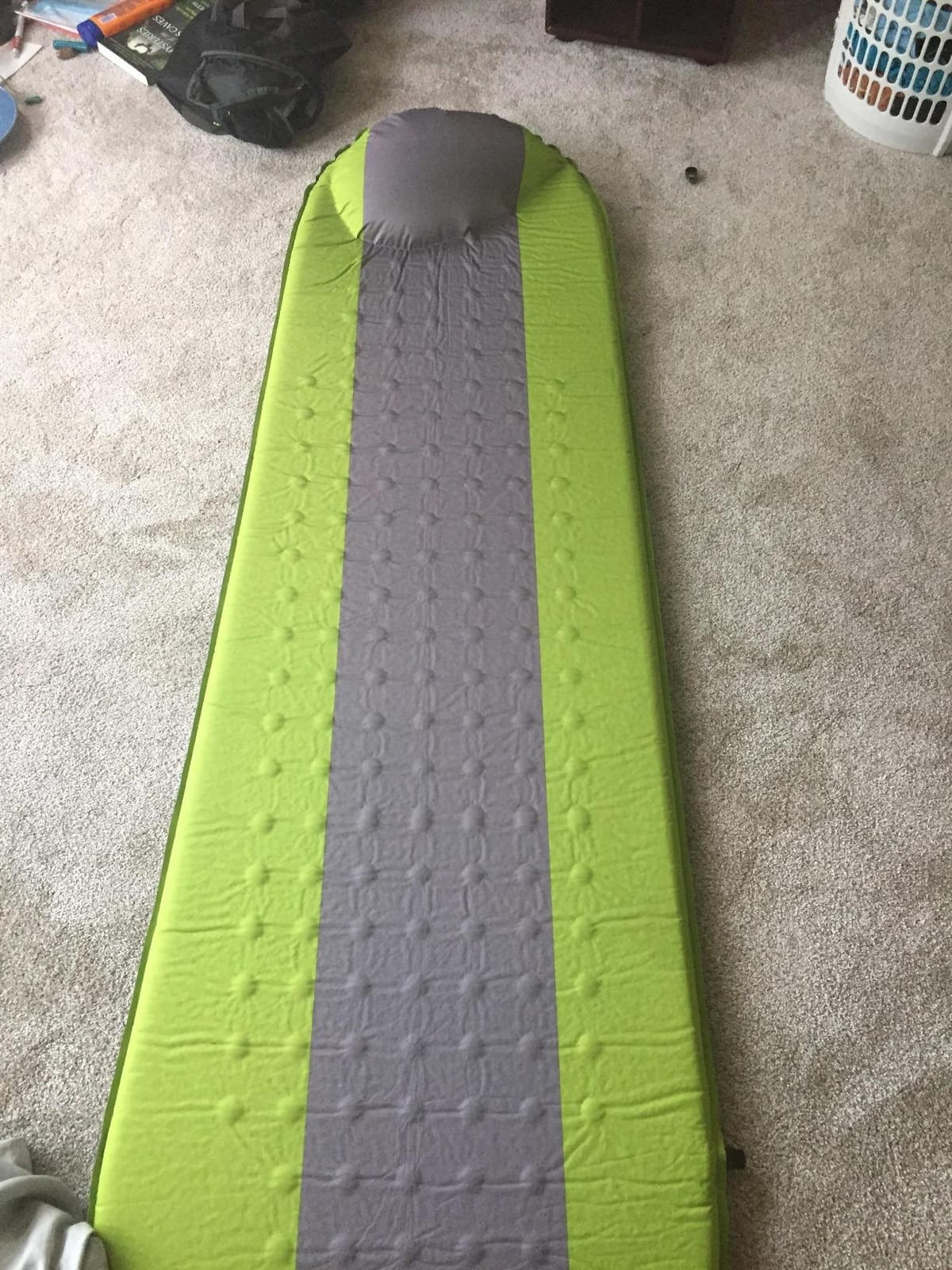
At 4.5 stars across 4,732 reviews with 72 percent five-star, it holds the second highest rating in the group. Recurring praise centres on not bottoming out and on the brand honoring its lifetime warranty, replacing leaks instead of arguing about them. The complaints are the same three: the 1.5-inch loft, the 72-inch length for tall sleepers, and occasional slow leaks.
It is the only pad here I have packed for actual backpacking trips, and at 35.2 ounces packed to 8 by 12 inches nothing else in this list comes close. If you are a side sleeper who backpacks and can add a topper on the coldest nights, that combination is hard to argue with.
Whether 1.5 inches is enough for a side sleeper
For light sleepers on soft ground, it often is, because the foam resists compression where an air pad would bottom out. For anyone over about 180 pounds, sleeping on hard ground, or waking with hip pain on a 3-inch pad already, go thicker. The foam is the point of this pad, not a substitute for loft.
Who should buy it and who should skip it
Buy it if insulation and pack weight outrank cushioning, and if you camp in shoulder season or mild three-season conditions. Skip it if you are a heavy sleeper, taller than about six feet, or specifically shopping for a plush surface to fix sore hips, because this pad solves warmth rather than pressure.
3. Coleman Self-Inflating with Pillow – Best for Quiet Tents
Coleman Self-Inflating Sleeping Pad with Pillow
2.5 inch foam and air
76 x 25 in
6.4 lb
Built-in pillow
Pros
- Integrated pillow removes one more thing to pack
- Foam core still cushions you after a puncture
- Works well for side sleeping at 25 inches wide
- Much quieter than cheap inflatable pads
Cons
- Attached pillow is not self-inflating and must be blown up separately
- Bulky and heavy for backpacking
- Compression straps can pull out of their stitching
Noise is the reason this pad is here despite not being the thickest. Foam and air construction does not rustle the way coated inflatable film does, and if you share a tent with a light sleeper that matters more than another inch of loft. Multiple owners describe it as the quietest pad they have owned.
At 2.5 inches and 25 inches wide it is closer to the side-sleeper sweet spot than most, and one tester reports specifically that her child’s hips stopped digging into the ground. The foam core also means a puncture leaves you with usable cushioning rather than a trip back to the car. Setup needs no pump at all, though 10 to 30 minutes of self-inflation is realistic.
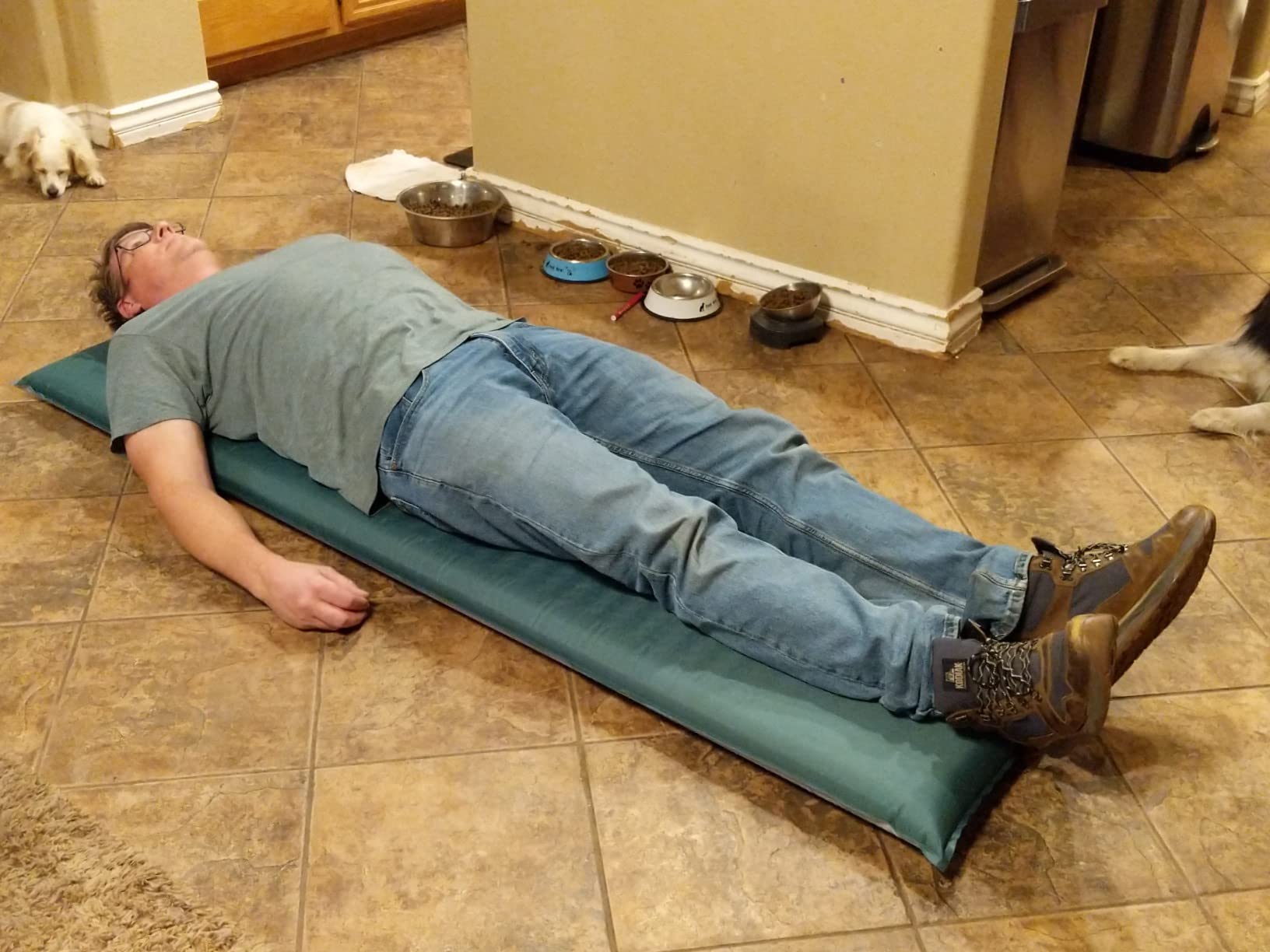
Its 4.3 stars across 2,849 reviews with 65 percent five-star reflects a pad people are broadly happy with. The most repeated complaint is the pillow, because unlike the pad it does not self-inflate and must be blown up separately. The second is packing, since the pad is hard to compress fully and the straps can rip out of their stitching over time.
At 6.4 pounds this is car camping and floor sleeping gear, and the slippery polyester shell lets a sleeping bag slide on uneven ground unless you use the straps. It suits a bedroom floor setup or an RV bed as much as a tent.
How the 25 inch width changes the night
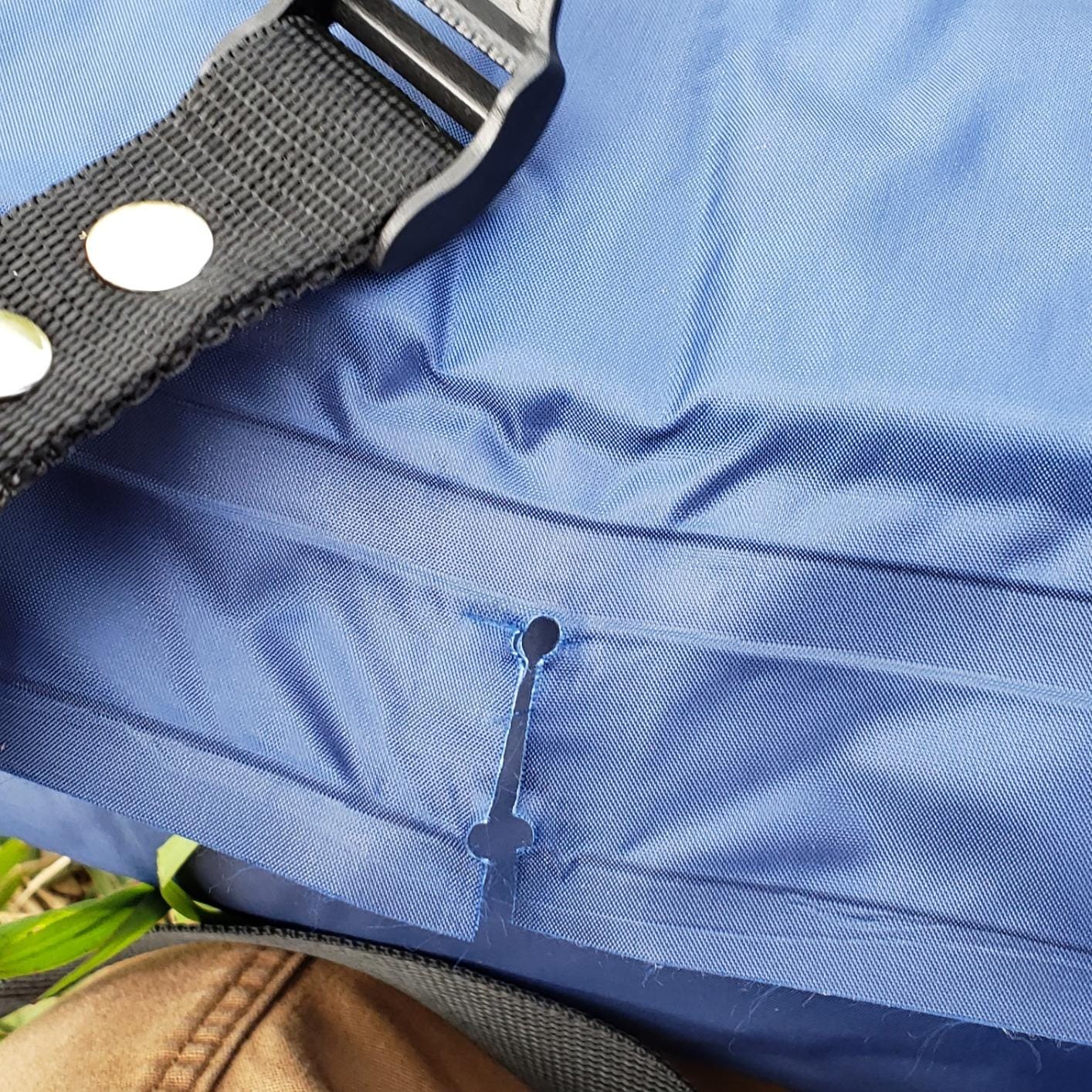
Width is the quiet hero of this pad. At 25 inches, your shoulder and hip stay on the surface instead of hanging past the edge, which removes the rolling-toward-the-tent-wall problem that ruins side sleeping on 20-inch pads. You can turn over freely without correcting your position afterwards.
Who should buy it and who should skip it
Buy it if you share a tent, sleep on your side at home, and camp by car or on a floor rather than carrying the pad anywhere. Skip it if you need real backpacking weight, if you sleep somewhere very cold and the 2.5 inches of loft is not enough, or if you dislike blowing up a separate pillow after the pad is already made.
4. TETON Outfitter XL – Top Rated Extra-Wide Sleeping Pad for Side Sleepers
Teton Outfitter XL Sleeping Pad for Cot, Extra Thick Comfortable Camping Mattress for Adults, Portable Roll-Up Camp Pad, Durable Foam Cushioning
2 inch open-cell foam
80 x 30 in
6 lb
Washable canvas cover
Pros
- Highest rating in the group at 4.6 stars
- 80 x 30 inch surface suits restless sleepers and couples
- Open-cell foam adds a warm insulating layer
- Canvas shell unzips for washing
- Roll-up straps with compression buckles
Cons
- Not self-inflating
- it is a roll-out foam pad
- 2 inches is thinner than most side-sleeper pads
- Not water resistant so moisture can soak the foam
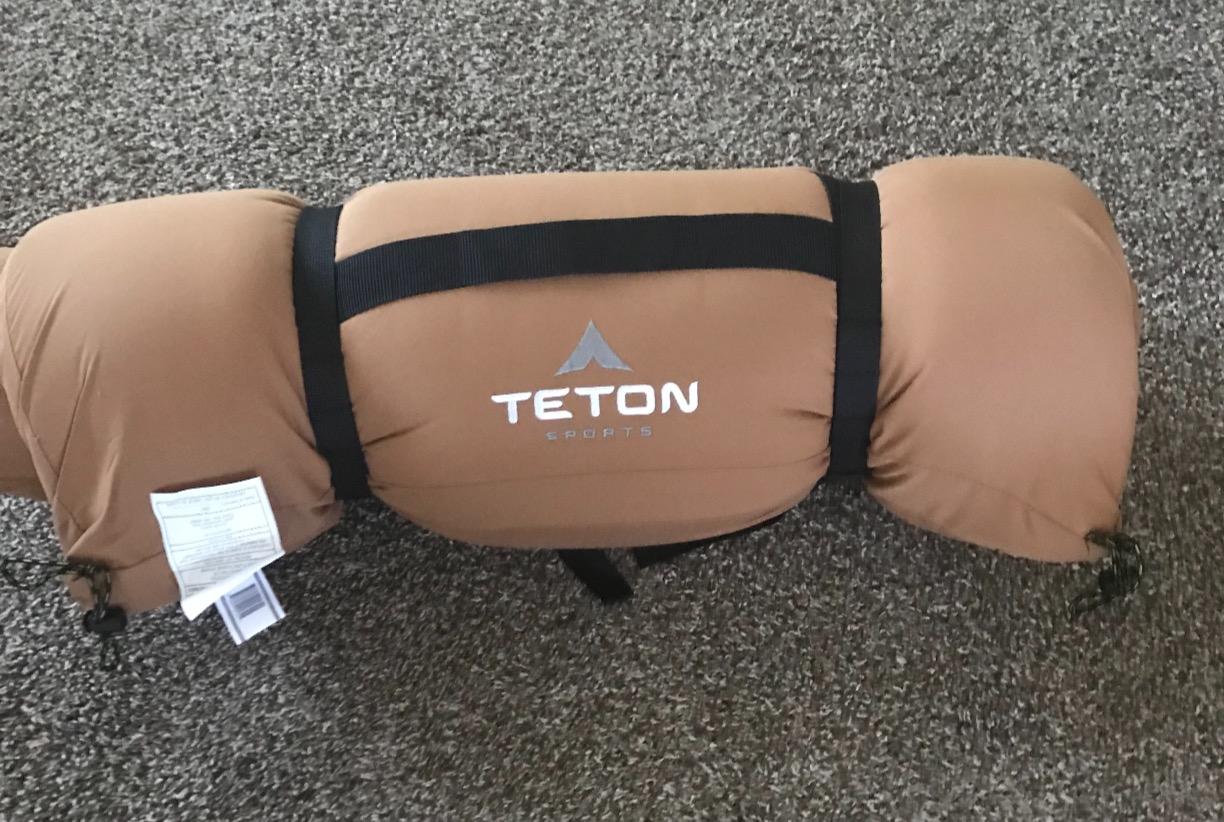
This is the widest single sleeping surface in the roundup at 80 by 30 inches, and for a restless side sleeper that dimension changes more than any other spec. I have used it as a topper on a camp cot, and 10 extra inches of width is the difference between lying still because you are afraid to move and rolling over freely all night.
It is also the best rated pad here at 4.6 stars across 4,222 reviews, with 78 percent five-star, because it is bought as a bedding upgrade rather than backpacking gear. The 300D polyester canvas shell unzips and goes in the wash, a rare feature in this category and a big deal when the pad lives inside a tent.
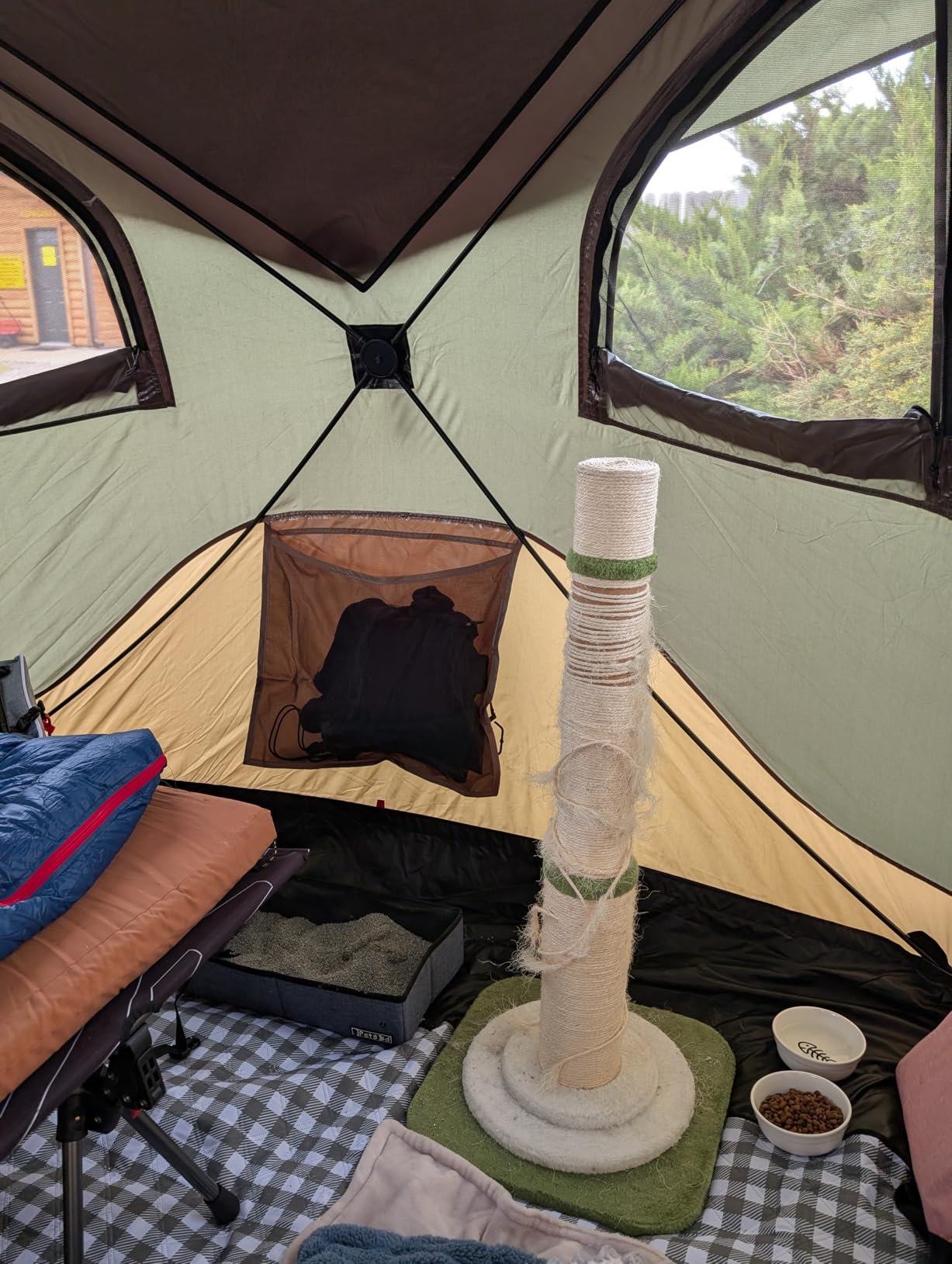
Being straight about the trade-off: it is 2 inches of open-cell foam, not a 3-inch air mattress, so it will not give you the same hip clearance as the top of this list. The foam is warm against the ground, though, and it never needs inflating, deflating or patching. The unrated waterproofing is the one real limitation, so keep it for dry weather, a tent floor, or an RV bed.
When 30 inches wide is worth the extra inches
Width pays off fastest for anyone who moves a lot in their sleep, sleeps beside a partner in a double setup, or has a shoulder that overhangs a 25-inch pad. If you lie still and stay centred, the extra five inches is nice but not transformative. For a kicker, the height works out to a shorter pad than you may expect, so measure the cot or platform first.
Who should buy it and who should skip it
Buy it if you camp by car, sleep on a cot or an RV bed, and want a washable surface that stays quiet. Skip it if you are backpacking, if your camps get wet, or if you are buying a pad specifically to stop hip bottoming out on hard ground, because 2 inches will not deliver that on its own.
5. Lost Horizon Option3 – Best Cold-Ground Pad for Side Sleepers
Lost Horizon Option3 Self-Inflating Foam Camping Mattress, Single, 4.5″
4.5 inch foam and air
80 x 28 in
R-13 insulation
9 lb
Pros
- 4.5 inches among the thickest here with hips staying off the ground
- Firmness fully adjustable by adding or bleeding air
- Silent and stable with no air shifting
- R-13 insulation kept owners warm near freezing
Cons
- Heavy at 9 lb and car-camping only
- Deflating 6.5 lb of foam usually needs an electric pump
- 220 lb weight limit is the lowest in this group
The Option3 is the pad I would put under a side sleeper who camps in cold conditions, because R-13 insulation and 4.5 inches of loft solve two separate problems in one mattress. Owners report staying warm near freezing and in heavy rain, and side sleepers say their hips stay fully off the ground rather than pressing into a shallow foam layer.
Firmness is genuinely adjustable, which matters more than it sounds. You can add air for support or bleed it off until the surface feels like a home mattress, and because the core is foam and air it stays silent and does not shift under you when you move. No squeaking, no air-settling, and it holds pressure overnight without the slow deflation many self-inflating pads develop.
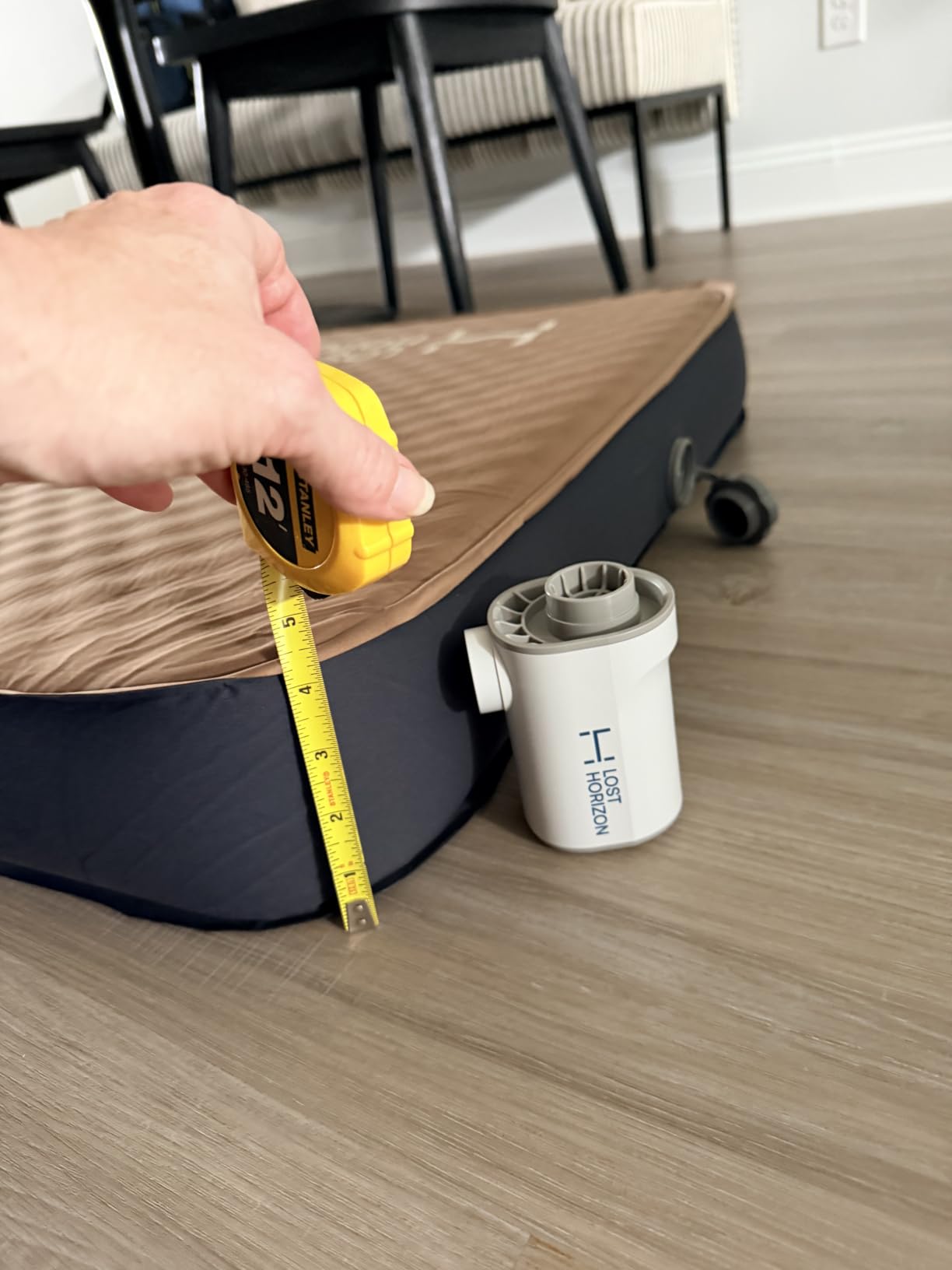
One long-term owner with a chronic back condition calls it the only pad out of roughly a dozen they can sleep on comfortably, and that is the clearest endorsement this category produces. Across 1,202 reviews it holds 4.3 stars with 71 percent five-star. The trade-off named in nearly every review is packed bulk and the effort required to deflate 6.5 pounds of foam.
Two limits to plan around. At 9 pounds it is car camping only, and the listed 220-pound capacity is the lowest here, so heavier sleepers should look at the 3-inch models. The valve can also bleed around the ring if it is not seated centrally, which is worth checking before you rely on it in cold weather.
Whether R-13 is overkill for your camping
It is overkill if you camp in warm three-season conditions, and it is exactly right if you sleep cold, camp in shoulder season, or have ever woken up shivering on a mild night. R-13 is winter-class insulation, so buying it purely for extra comfort means carrying a car-camping weight for a heat you will never have to fight.
Who should buy it and who should skip it
Buy it if you camp in cold climates, are a cold sleeper, and travel by car. Skip it if you are under the 220-pound limit, if packing weight matters to you, or if your nights are spent in summer conditions where the R-13 is dead weight and a 3-inch pad would serve you better.
6. INVOKER 75 x 24 x 3.15 – Best for Wiggly Side Sleepers
INVOKER Camping Sleeping Pad, Self-Inflating, 75 x 24 x 3.15 in, Green
3.15 inch memory foam
76.8 x 27.6 in
R-8
6.6 lb
Pros
- 3.15 inches of high-resilience foam with no reported ground contact
- 30D knit surface is quiet and grippy so a bag does not slide
- Inflation level is tunable from rock hard to soft
- 27.5 inch surface suits taller sleepers
Cons
- Foam alone does not inflate to full 3.15 inches without extra air
- Deflating is a chore without a pump
- Supplied carry bag and elastic bands tear with use
The INVOKER is one of the few pads here that hits both side-sleeper targets at once: 3.15 inches of loft and 27.5 inches of width. That combination is why testers report no ground contact when sleeping on their side, and the 3-layer construction gives the surface enough structure to feel supportive rather than spongy.
What made me keep recommending it is the quiet grippy top. The 30D knit fabric over TPU backing does not squeak or crinkle and holds a sleeping bag in place on uneven ground, solving the sliding problem polyester shells create. You can back the firmness off from the default rock-hard feel and tune it to your weight.
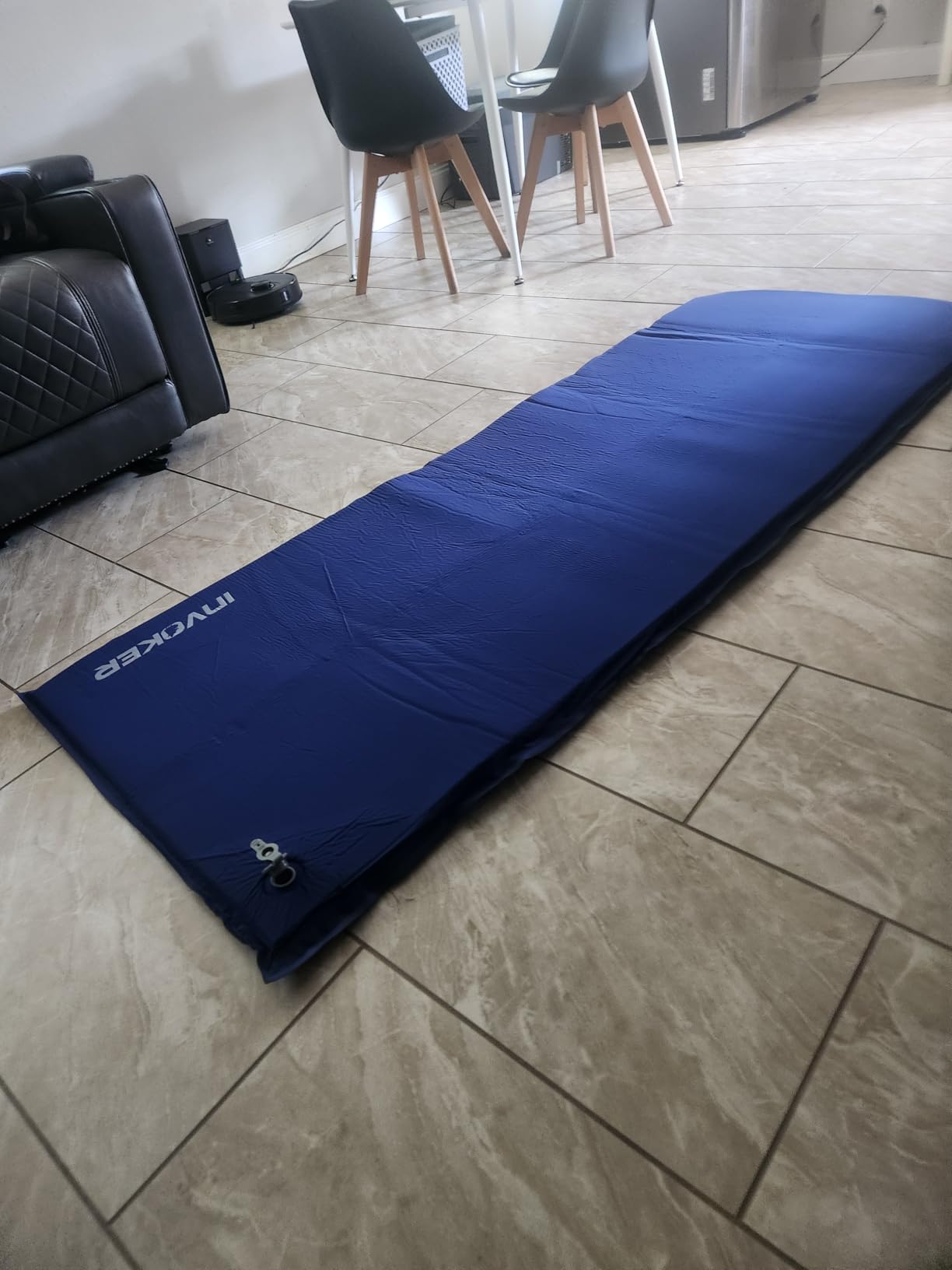
At 4.3 stars across 1,745 reviews, side-sleeping comfort is the recurring winner, with testers tuning firmness on rocky ground and reporting no morning soreness. The negatives are practical rather than comfort related: the supplied storage bag and its elastic bands tear, deflating is a chore, and the pad slowly settles to a lower air level over years of use.
One honest caveat on the 3.15-inch claim: the foam alone does not inflate to full thickness, so you will need extra air beyond the self-inflation to get the listed height. The R-8 rating is also high enough to work as an underquilt alternative in a hammock, which is a genuinely useful second job for this pad.
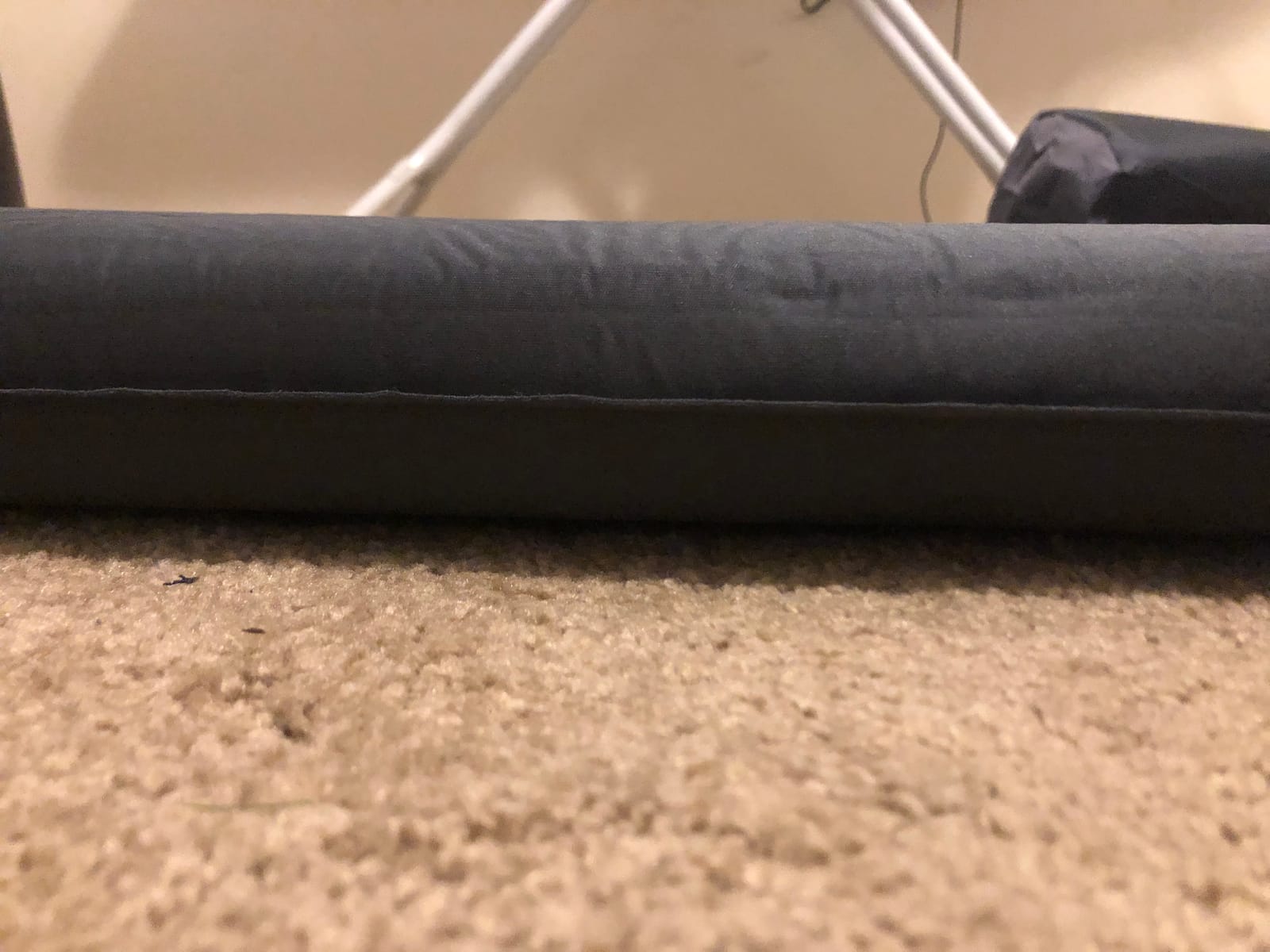
Whether 27.5 inches of width stops you rolling off
It largely does, provided you sleep in the middle of it. The side sleeper problem is usually that a narrow pad makes you keep correcting your position all night because your hip keeps sliding past the edge. At 27.5 inches there is enough surface on both sides of your centre line that you stop making those corrections, and the quiet knit surface stops the bag sliding you toward the wall.
Who should buy it and who should skip it
Buy it if you toss and turn, want a quiet pad, and camp by car or short distances. Skip it if you need it to be your only winter insulation, if you plan to carry it on long hikes at 6.6 pounds, or if you expect the surface to stay at full firmness for years rather than a few seasons.
7. Elegear Self Inflating 3.15 – Best for Heavier Side Sleepers
Elegear Self Inflating Sleeping Pad with Pillow 26D Memory Foam 3.15″
3.15 inch 26D foam
77 x 27 in
ASTM R-9.5
800 lb capacity
Pros
- 26D high-resilience foam is denser than typical 19D camping foam
- 3.15 inches keeps hips and shoulders off the ground when side sleeping
- Dual-use valve makes packing straightforward
- Quiet 50D stretch knit surface
- Tested to 800 lb for 24 hours with no leakage
Cons
- First inflation from the factory vacuum seal can take up to 20 minutes
- 8.1 lb weight rules it out for backpacking
- 27 inch width is narrower than some wider pads
Foam density is the number that separates this pad from most 3-inch pads, and the buyers who notice it rarely go back. At 26D high-resilience foam it is denser than the 19D material used in typical camping pads, so it spreads load across the hip instead of collapsing into it, and the 3.15 inches give real clearance under your shoulder and hip.
The R-9.5 figure is ASTM tested rather than manufacturer claimed, and the 26D foam retains elasticity after 10,000 compression set cycles, so it resists the flattening that makes cheaper foam pads bottom out over time. Capacity is listed at 800 pounds, tested 24 hours at static pressure, which makes it the right pick if you are a heavier side sleeper and the 220-pound limit on the 4.5-inch pad worries you.
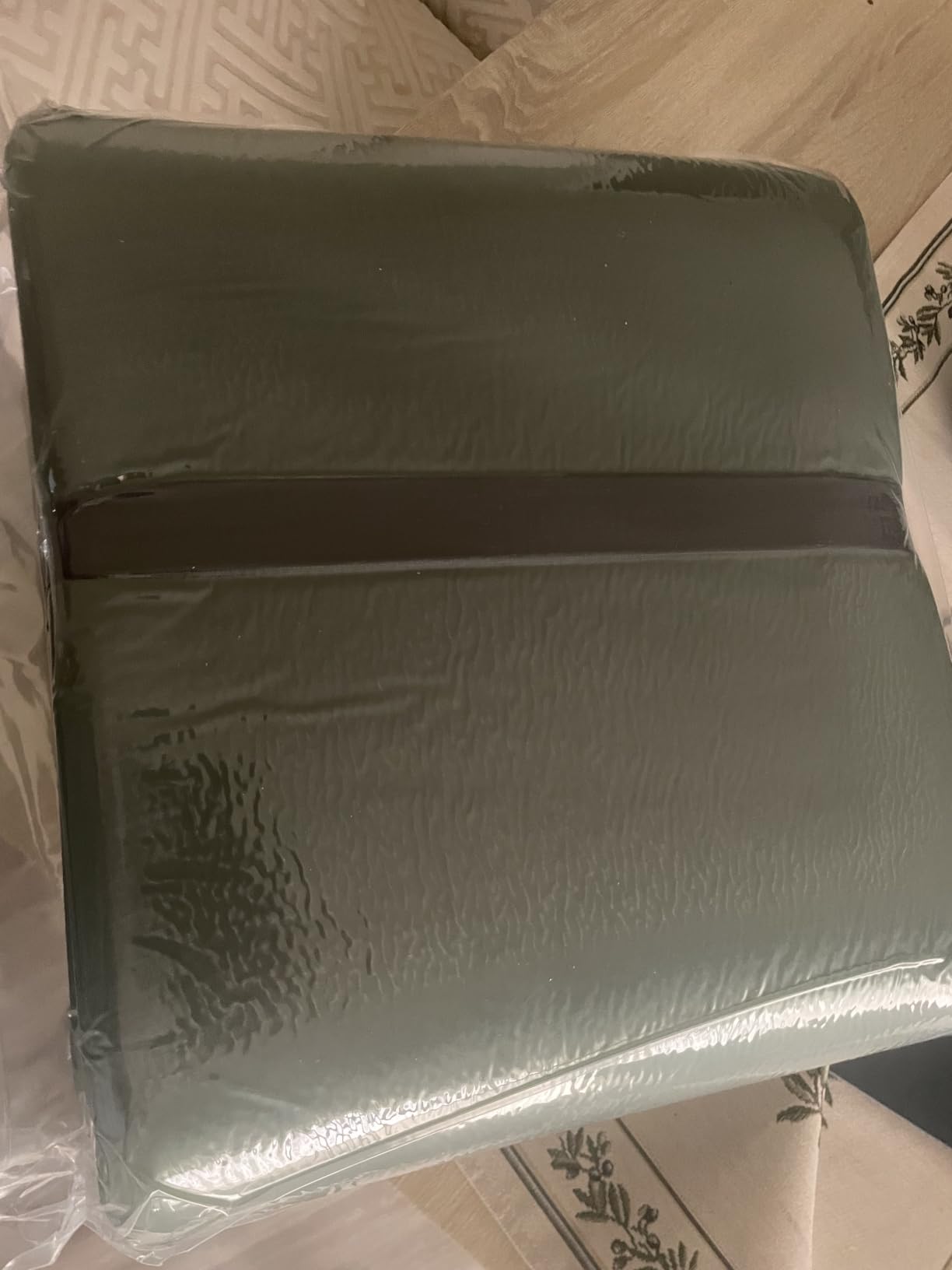
At 4.3 stars from 1,117 reviews with 69 percent five-star, the recurring theme is that it feels firmer and more supportive than the 19D pads buyers compared it against. The one operational warning is patience: the factory vacuum seal can take up to 20 minutes to open fully on first inflation, and people who rush it conclude the pad is defective.
At 8.1 pounds it is car camping gear, and the 50D stretch knit surface is quiet and skin-friendly enough for a floor setup at home. It is one of the few pads here I would use as a guest bed, because it is thick, supportive, and does not need inflating every night.
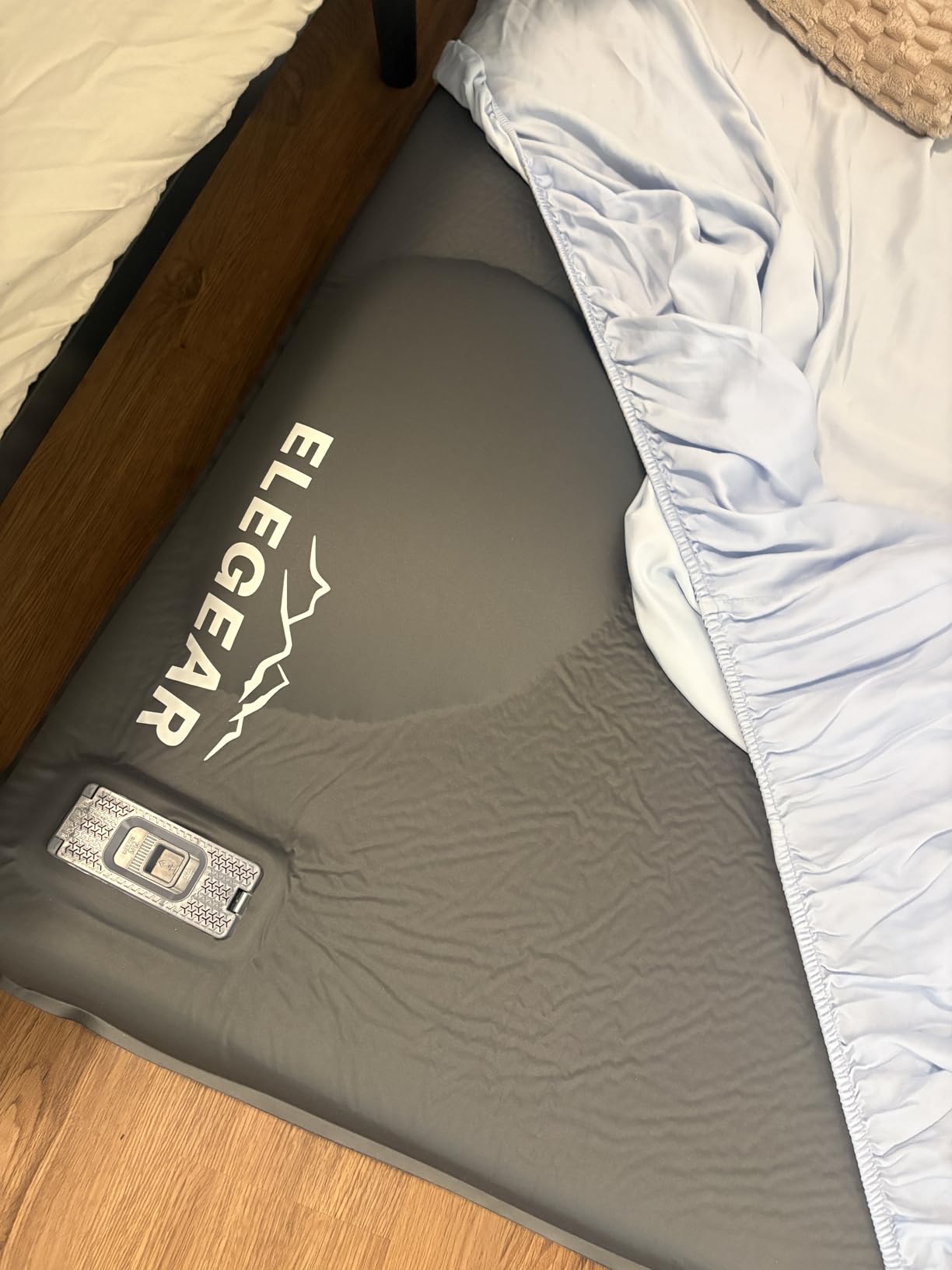
Why foam density matters more than thickness for heavy sleepers
Thickness tells you how much space there is under your hip. Density tells you whether that space collapses when you roll onto it. A 3-inch pad built from soft 19D foam bottoms out under a heavier sleeper, while a 3-inch pad built from 26D foam holds its shape, which is why this pad serves a wider range of body sizes than its thickness alone would suggest. Check the density figure whenever you compare 3-inch pads.
Who should buy it and who should skip it
Buy it if you are a heavier side sleeper, want verified insulation rather than a claimed figure, and camp by car or on a floor. Skip it if you need to backpack, if you are impatient with first setup, or if 27 inches of width is not enough to stop your shoulder drifting off in the night.
8. Therm-a-Rest Basecamp – Best Light-Packing Self-Inflating Pad for Side Sleepers
Therm-a-Rest Basecamp Self-Inflating Foam Camping Sleeping Pad, WingLock Valve, Adult, Regular – 20 x 72 Inches, Poseidon Blue
R-6 foam insulation
72 x 20 in regular
0.85 kg
WingLock valve
Pros
- Thick thermal foam stays warm on cold and lumpy ground
- Very little air loss reported over four years of use
- WingLock valve inflates three times faster than a classic valve
- Large 25 and 30 inch widths suit broader bodies
- Adjustable firmness lets you soften the surface for side sleeping
Cons
- Regular size is only 20 x 72 inches and 2 inches thick
- Bulky when rolled and best suited to car camping
- Should be stored inflated which needs dedicated space
The Basecamp is the pick for someone who wants a name-brand self-inflating pad that will last a decade, and the durability record is the headline. Long-term owners describe a decade or more of use with minimal air loss, the opposite of self-inflating pads that slowly flatten and need a top-off every morning.
The R-6 foam core gives consistent warmth on cold, lumpy ground, and the WingLock valve makes both topping off and packing down fast. Firmness is adjustable, so you can bleed air to soften the surface for side sleeping, which matters on a 2-inch pad where you want every bit of give. This is the pad to hand someone who already knows they want a Therm-a-Rest self-inflating rather than an air pad.
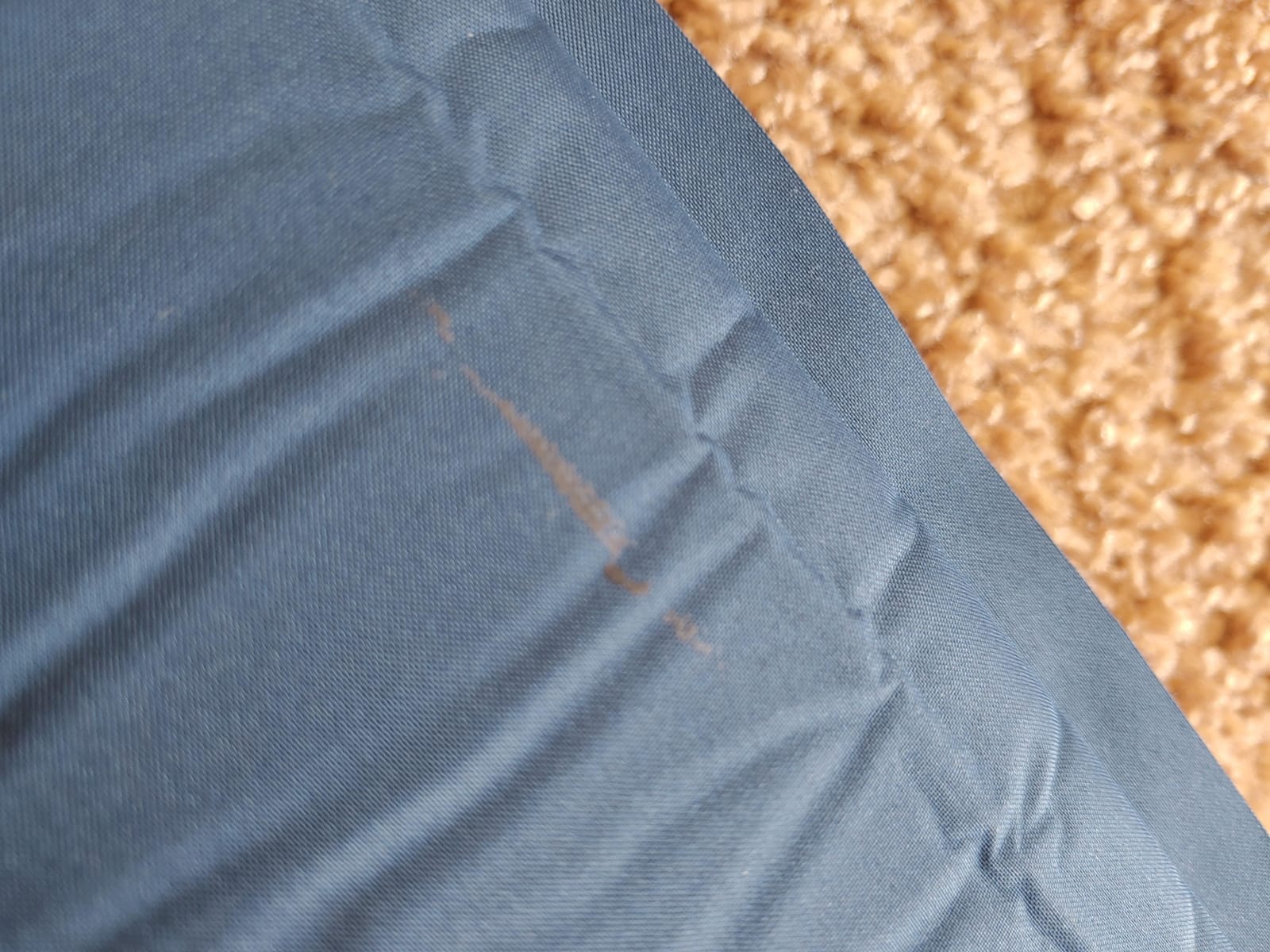
It holds 4.5 stars from 868 reviews with 77 percent five-star, and the praise centers on warmth and plush comfort for a foam pad. The criticism is specific to the regular size: 20 inches wide and 2 inches thick is too narrow and too thin for a serious side sleeper, pushing most buyers up to the Large at 25 inches or the X-Large at 30.
Buy the Large or X-Large if you sleep on your side, since the width jump is the entire point. At 0.85 kg it is lighter than most foam self-inflating pads, but it is still bulky rolled and it wants to be stored inflated.
Whether the 2 inch regular size works for a side sleeper
On the regular 20 by 72 inch model, honestly no. Two inches at 20 inches wide means your hip and shoulder are both close to the edge, and most side sleepers end up correcting their position all night. At 25 or 30 inches wide the same 2 inches of foam feels far more usable, and adjustable firmness lets you soften the top layer enough to take pressure off the hip.
Who should buy it and who should skip it
Buy the Large or X-Large if you want a durable self-inflating pad and travel by car or on short trips. Skip the regular size if you sleep on your side, and skip the whole product if you need it to pack small, if you have no room to store it inflated, or if you want 3 inches of loft for hip clearance.
9. Acacia 4 Inch Telescopic – Best Double Sleeping Pad for Side-Sleeping Couples
Acacia 4.3″ Thick Self Inflating Sleeping Pad with Foam | Innovative Y-Shaped Telescopic Structure | Ultraportable Camping Mattress | Outdoor Compact Air Mat for Tent Car | Full
4.3 inch foam core
80 x 53 in full
R-6
10.4 lb
Pros
- 4.3 inches of foam keeps hips and lower back off the ground
- Flat construction avoids the bubble surface that causes hip pressure
- Y-shaped telescopic foam cuts packed volume by up to 60 percent
- Side buckles let two pads be joined for couples or families
- Responsive support replacing faulty units
Cons
- Some units lost the ability to hold air overnight at the valve
- Rolls down very large even when properly deflated
- 10.4 lb makes it car-camping gear only
This is the answer for two side sleepers in one tent, and the reason is the 80 by 53 inch full-size surface. Both occupants get 4.3 inches of foam with full hip clearance and neither of you fights for tent space, solving a problem couples who both sleep on their side usually solve by giving up on camping.
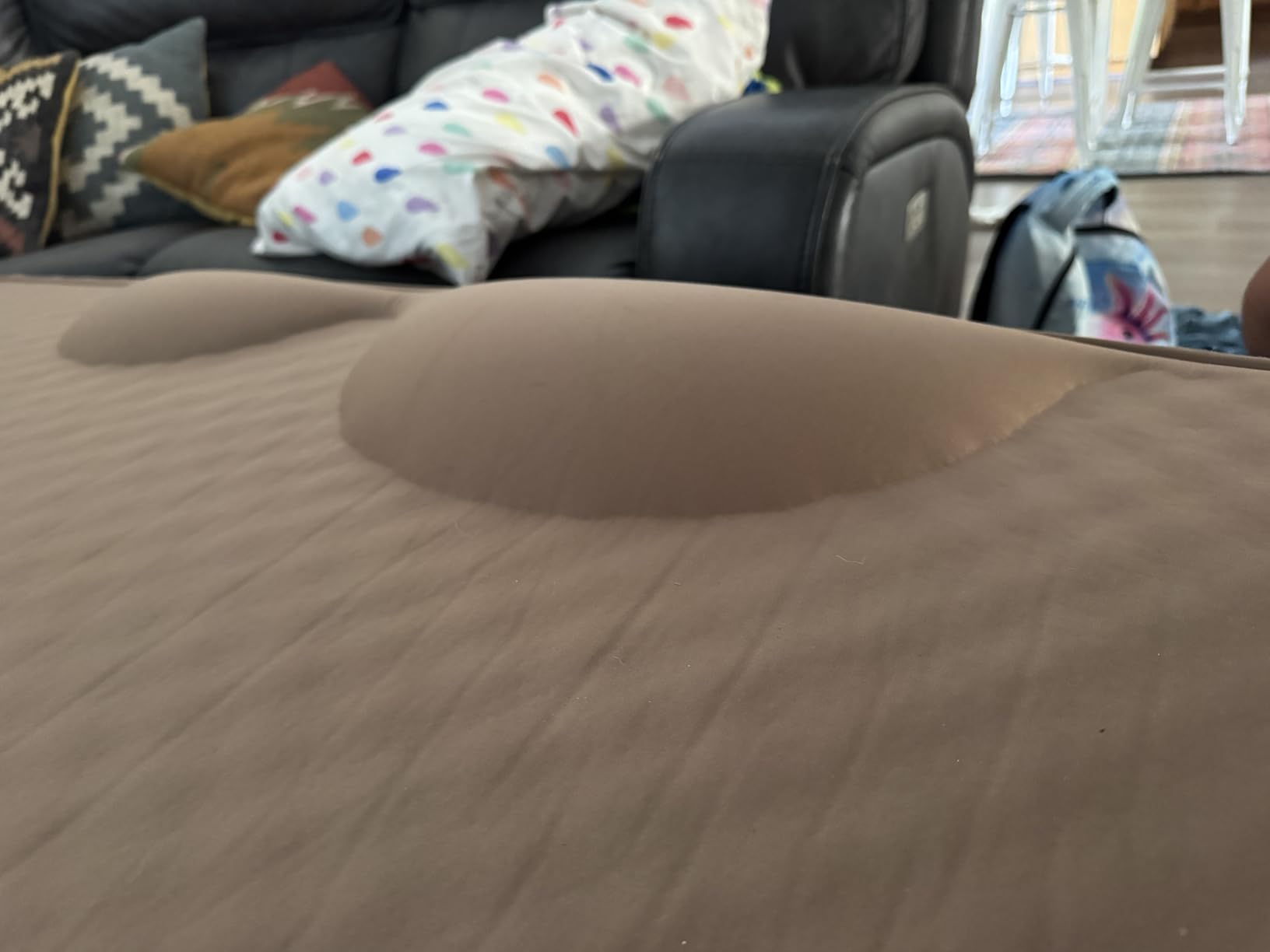
The flat foam construction is the detail side sleepers notice. Contoured bubble-style mattresses create a ridge under the hip that most people complain about, and this pad’s solid surface avoids it. The Y-shaped telescopic foam structure cuts packed volume by up to 60 percent and gives you a natural fold line, and the side buckles let you link two pads together.
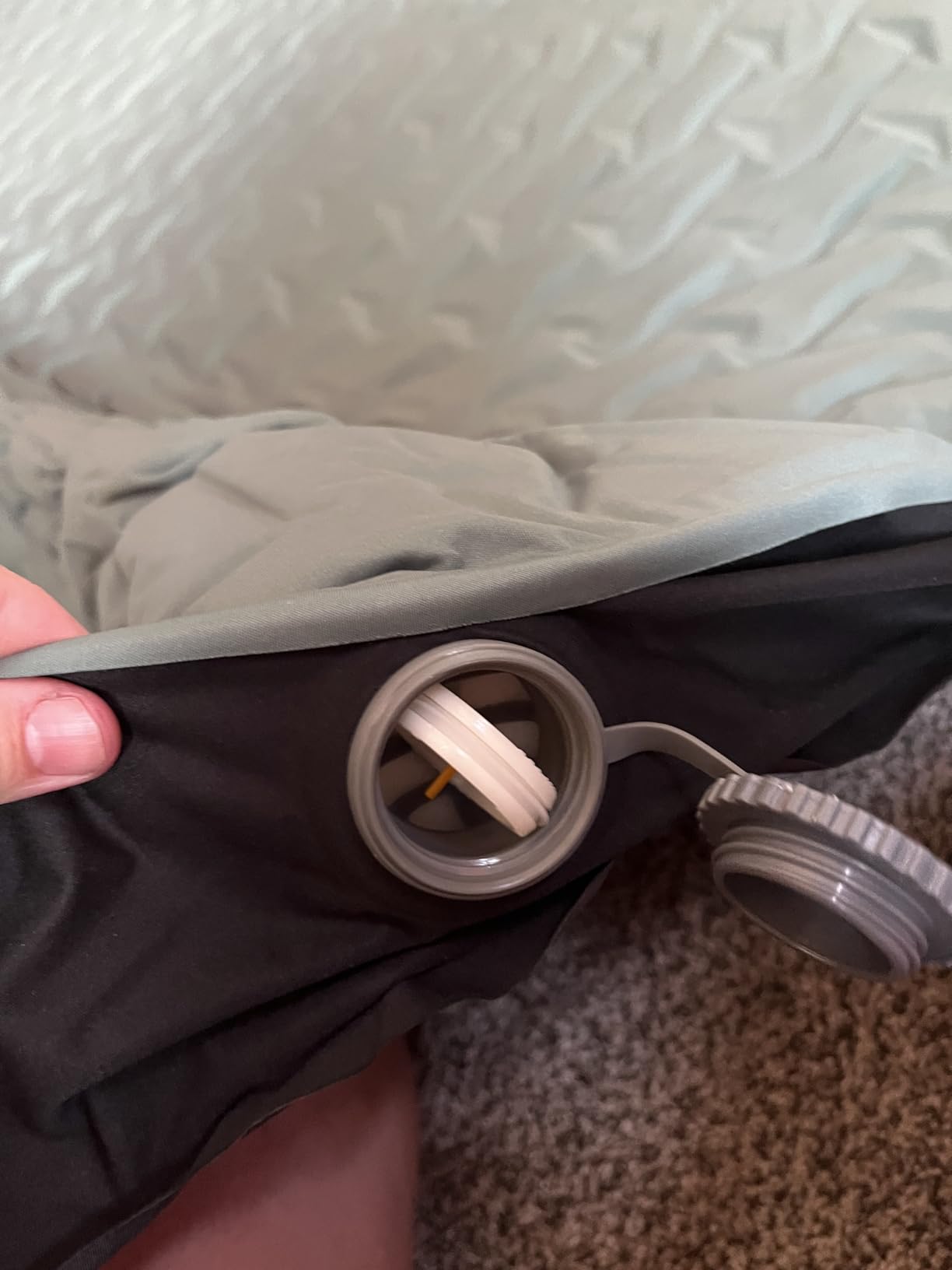
Across 438 reviews it holds 4.5 stars with 74 percent five-star, and side sleepers are clearly the core audience, with several noting it beats contoured designs that left their hips aching. The recurring negative is overnight air loss at the valve after some months of use, which the brand has resolved with replacements or refunds.
Two things to weigh honestly. At 10.4 pounds it is the heaviest pad here and car camping only, and even properly deflated it still rolls down very large. Self-inflation alone leaves it too soft, so plan to add air with the included pump sack for firm support.
Whether a double pad is worth it for couples who both side sleep
It is if you have ever woken up because someone was pushed into the tent wall by the other person claiming the middle. Two linked 4.3-inch halves remove the negotiation entirely, and side buckles on both pads make the link quick. It is not worth it if you camp solo, because you would be carrying twice the weight for twice the surface.
Who should buy it and who should skip it
Buy it if you camp as a pair, both sleep on your side, and travel by vehicle. Skip it if you are a solo backpacker, if you have tight vehicle storage, or if the weight matters, because 10.4 pounds is not a packable number for anything but a car.
10. Hikenture 4 Inch Foam and Air – Best for Quick Setup
Hikenture 4″ Thick Self Inflating Sleeping Pad with Electric Pump, Single
4 inch foam and air
80 x 28 in
Built-in electric pump
R-9.5
Pros
- 4 inches of foam and air cradles hips and shoulders without bottoming out
- Built-in electric pump inflates in about 90 seconds and vacuums it back down
- Stretch-knit surface is quiet with no plastic crinkling
- Holds air all night with no re-inflation
- Y-structure cuts about half the bulk
Cons
- Inflated height is closer to 2.5 to 3 inches than the stated 4
- Electric pump battery needs recharging and manual deflate can partially fail
- 80 inch length is long with no 72 inch option
Setup speed is why this pad is here. The built-in electric pump inflates it in about 90 seconds and reverses to vacuum it flat, so you are not lying on a half-inflated pad in the dark while you blow or pump, and packing down is a button press. For short car-camping trips that convenience is worth real money.
The 4 inches of foam and air combination cradles hips and shoulders without bottoming out, and multiple owners report it ended the hip pressure that had been waking them on other pads. The stretch-knit surface is quiet with no plastic crinkling, it holds air all night without a top-off, and the R-9.5 insulation covers year-round use.
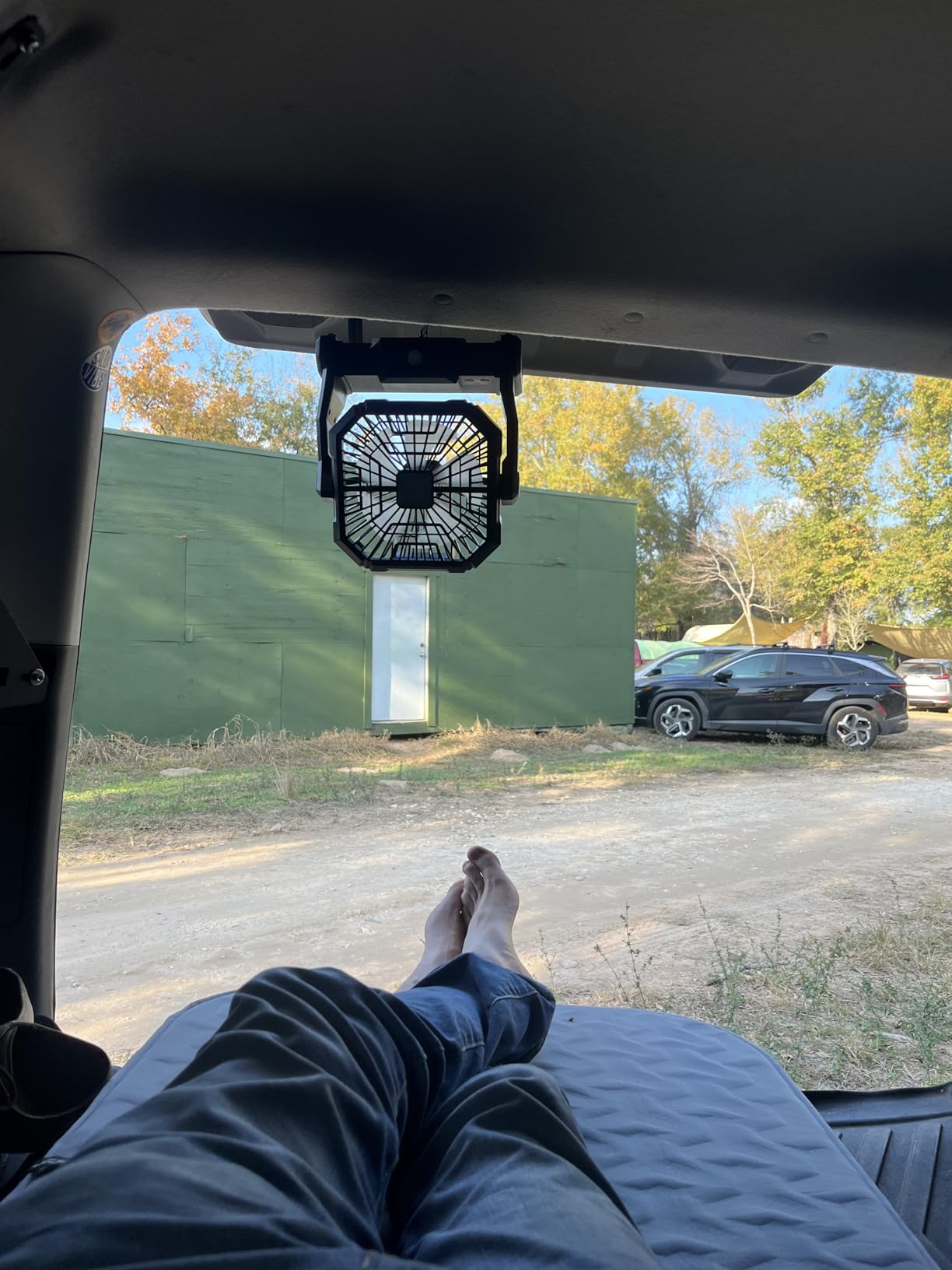
At 4.3 stars from 438 reviews with 70 percent five-star, side sleepers and heavier campers give the most enthusiastic responses. Two practical issues recur: the pad inflates thinner than the stated 4 inches, and the electric pump charge plus manual deflate fallback are the main sources of complaint.
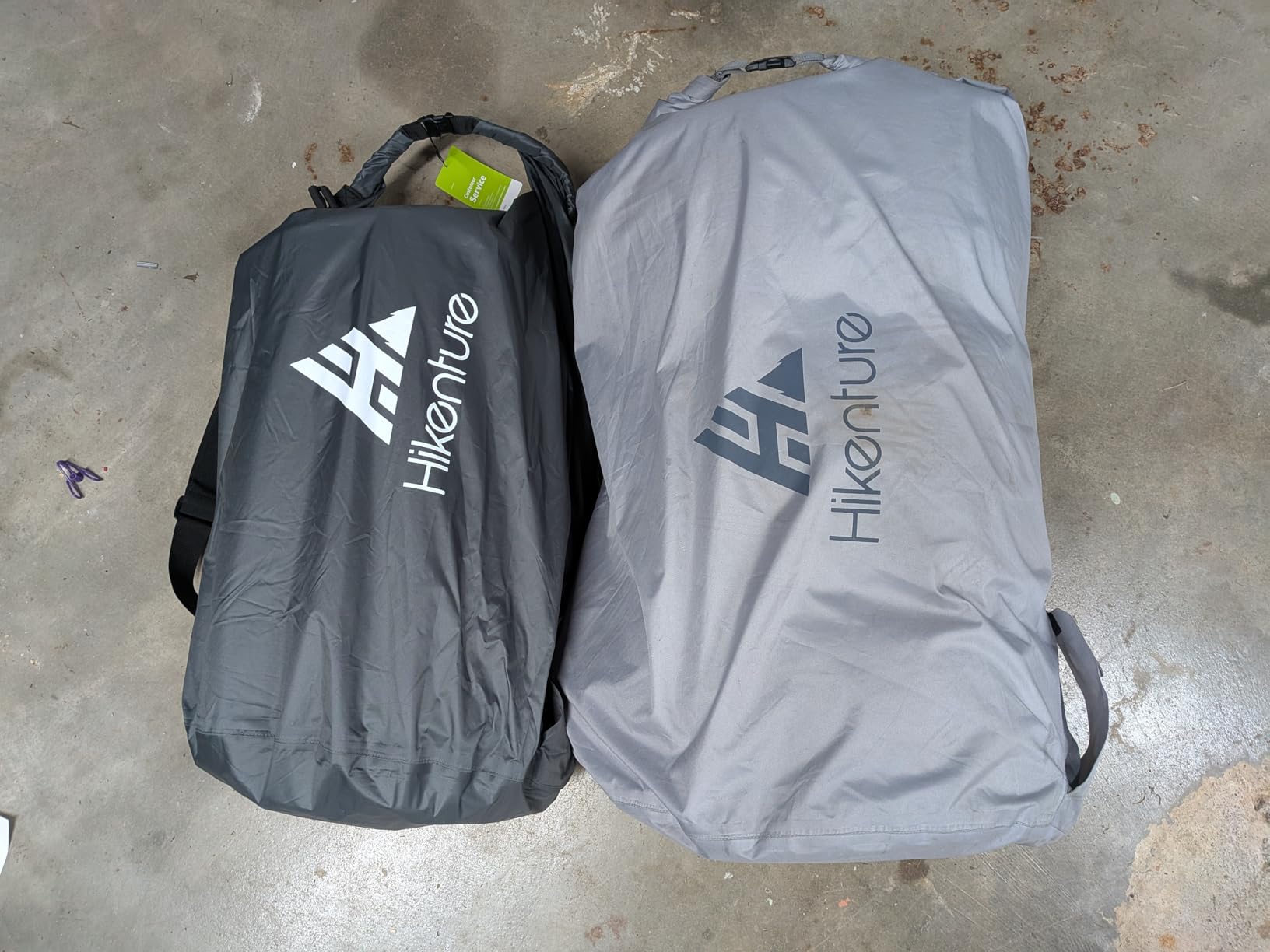
Being precise about that thickness gap, because it matters for a side sleeper: actual inflated height runs closer to 2.5 to 3 inches. That is still in usable side-sleeper territory once you add air, but it is not the 4 inches on the label, so do not buy it expecting the same clearance as the 4.3-inch flat foam pad. The Y-structure airflow channels do cut bulk meaningfully, and the bag fits an airplane overhead bin.
Whether the real 2.5 to 3 inch height is enough
For most side sleepers under about 200 pounds it is, and owners report no morning hip soreness. For heavier sleepers, or if you are replacing a pad that already bottomed out, treat it as a 3-inch pad rather than a 4-inch one. The 80-inch length is generous, though there is no 72-inch option, so it suits tall sleepers better than shorter ones.
Who should buy it and who should skip it
Buy it if you want the fastest setup and pack-down in this list, sleep on your side, and camp by car or on short trips. Skip it if you will not recharge the pump, if you depend on manual deflation in poor light, or if you need a pad that genuinely hits 4 inches of clearance every time.
How We Tested These Pads for Side Sleeping
Every pad here was checked against the same five criteria, weighted in the order a side sleeper feels them. Thickness and width come first because they decide whether you are comfortable at all, followed by R-value, surface stability, and packed size. Where reviews disagreed with a listed size, we flagged it, because the Hikenture inflating to 2.5 to 3 inches is a materially different experience from the 4.3-inch flat foam pad.
For stability we looked at how a surface behaves when you move, since a pad can feel perfect lying still and become a waterbed effect the moment you roll. Side rails, flat horizontal baffles, and solid foam surfaces scored better than narrow or contoured designs, and the TETON Outfitter XL at 30 inches wide is the clearest case of width buying stability. For ground insulation we compared R-values and noted which are manufacturer claimed and which are ASTM tested.
You can run our bottoming-out test at home before you buy anything. Lie on the floor of a hard room, on your side, for 20 minutes, and notice whether your hip or shoulder touches down. That is the same test that decides whether a pad here will work for you, and it costs nothing.
Readers who want a wider view of the category can see our broader sleeping pad roundup, and anyone building a full camp can sort out the rest of the campsite afterwards.
How to Choose a Sleeping Pad for Side Sleeping
Thickness: 3 inches is the floor
Side sleepers need at least 3 inches of thickness, and 4 inches is better. Lying on your side loads the hip and shoulder with far more pressure per square inch than lying on your back, so a 1.5-inch pad that suits a back sleeper will leave you pressing into the ground. If you wake with hip or shoulder soreness on a thin pad, thickness is the first thing to fix.
Width: 20 inch vs 25 inch vs double
Side sleepers need 25 inches of width or more, and 27 to 30 inches is better. A 20-inch pad puts your shoulder close to the edge, so you spend the night correcting your position and often wake near the tent wall. The long-running advice on backpacking forums is to go wider before you go more expensive, because a few extra ounces of width usually beats a thickness upgrade.
R-Value: how cold is your ground
R-value measures how well a pad stops cold ground heat moving into you, and the number you need depends on the ground temperature rather than the air temperature. Around R-3 to R-4 works for mild three-season ground, R-4 to R-6 covers colder shoulder-season camping, and anything above R-7 is winter-class insulation for freezing conditions. Side sleepers generally run a little colder than back sleepers because their hips are not spread across the full surface, so erring one step higher is sensible.
Surface stability and baffle design
Baffle design decides whether a pad feels supportive or springy when you move. Horizontal flat-top baffles spread weight without a ridge under your hip, vertical or I-beam construction adds edge stability, and side rails or extra-wide surfaces keep you centred. The waterbed effect, where every movement shifts the surface under you, is the most common complaint after bottoming out, and solid foam or wide flat-top designs avoid it best.
Air pad vs self-inflating vs closed-cell foam
Air pads give the best thickness-to-weight ratio and the most adjustable firmness, which is why they lead for side sleeping, but they are puncturable, quietest only on knit tops, and offer almost no insulation alone. Self-inflating pads add an open-cell foam core, so they insulate and keep working after a puncture, but they are bulkier and softer. Closed-cell foam is nearly indestructible, but at available thicknesses it rarely gives a side sleeper enough clearance.
Fit guidance for curvy and plus-size sleepers
If your shoulder or hip overhangs a 25-inch pad, width is your limiting factor, not thickness, and no amount of loft fixes a pad you slide off. Look for 27 to 30 inches or a full-size double, and check the listed weight capacity rather than assuming it. Forums have long noted that curvy and plus-size side sleepers get almost no useful guidance, so treat any capacity figure under your body weight as a hard no.
Who should skip a wide pad
Skip an extra-wide pad if you sleep on your back or stomach, if you are an ultralight hiker counting every ounce, or if your tent floor cannot take the dimensions. Wide pads also trap more air volume in your pack, so on long trips the weight and bulk can outweigh the comfort, and a 30-inch pad may physically not fit a small two-person tent.
Frequently Asked Questions
How thick should a sleeping pad be for side sleepers?
At least 3 inches, and 4 inches or more is better. Lying on your side concentrates your weight onto the hip and shoulder, so a 1.5-inch pad built for back sleepers leaves you pressing into the ground. Our top pick, the ZOOOBELIVES Airlive2000, is 4 inches thick and holds hip clearance for most side sleepers.
Is a wide sleeping pad better than a thicker one for side sleeping?
Width usually wins, because a pad you are sliding off of does not help you no matter how thick it is. Aim for 25 inches minimum and 27 to 30 inches if you move a lot in your sleep. The consensus on backpacking forums is to go wider before you go more expensive, since the extra width is often only a few ounces.
What R-value do side sleepers need for three-season camping?
Around R-3 to R-4 suits mild three-season ground, and R-4 to R-6 covers colder shoulder-season trips. Anything above R-7 is winter-class insulation for freezing conditions. Side sleepers run slightly colder than back sleepers, so choosing one step higher than you think you need is sensible.
What is the best way to sleep if you’re a side sleeper on a camping pad?
Inflate the pad to about 80 percent firmness rather than rock hard, so the surface can mould to your hip and shoulder instead of pushing back. Keep your hips stacked rather than rolling forward, centre yourself on the widest part of the pad, and use a pillow height that keeps your neck level with your spine.
What is a good sleeping mat for side sleepers?
A mat with 3 or more inches of thickness and 25 or more inches of width is a good start. Foam and air self-inflating mats with 26D or denser foam hold their shape under a heavier sleeper, while a flat-top air mattress gives the best thickness-to-weight ratio. Check the weight capacity, because several thick pads cap out under 250 pounds.
What can you use instead of a sleeping pad for side sleeping?
A camp cot with a foam topper works well and removes the ground contact entirely, which is why the TETON Outfitter XL is popular as a cot topper. A rolled closed-cell foam mat is indestructible but rarely thick enough for side sleeping. Sleeping on a folding mattress is another option, and a hammock only works if you are a back sleeper.
The Best Sleeping Pads for Side Sleepers in 2026
The ZOOOBELIVES Airlive2000 is the best sleeping pad for side sleepers overall, because 4 inches of full-width air support and a built-in foot pump solve bottoming out without a heavy carry weight. The TETON Outfitter XL takes the highest rating in the group at 4.6 stars thanks to its 80 by 30 inch washable surface, and the Gear Doctors Oxylus is the value pick for anyone who prioritises insulation and packed size over loft.
Match the pad to the trip rather than the other way around. Car campers and cold sleepers should look at the Lost Horizon Option3 for R-13 warmth or the Acacia full-size pad if you both side sleep, while anyone carrying weight on foot should keep the 3-inch and 25-inch rule and accept a smaller surface. Check the stated weight capacity before you commit, since the thickest pads here cap out at 220 pounds, and use these 2026 guides as a starting point rather than a shortcut.