
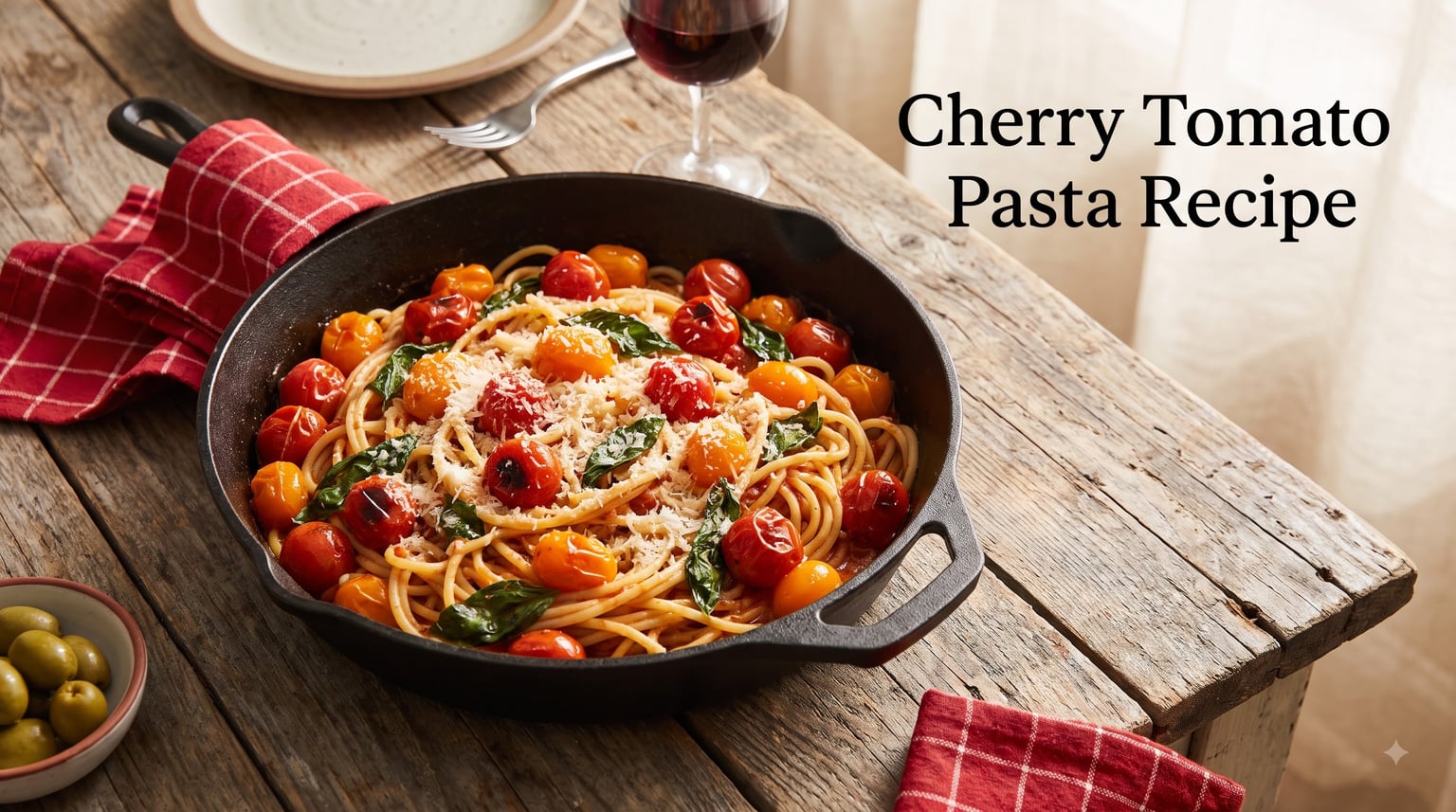
Some recipes sit in my regular rotation because they are effortless, fast, and genuinely delicious — this cherry tomato pasta recipe hits all three. It comes together in about 20 minutes with a short list of fresh ingredients and makes the kind of sauce that tastes like you simmered it for hours.
The magic happens when cherry tomatoes hit a hot pan with olive oil and burst open, releasing their sweet juices into a glossy, emulsified sauce. Add garlic, fresh basil, a splash of starchy pasta water, and a generous shower of Parmesan, and you have a dinner that works equally well on a Tuesday night or for last-minute guests.
I have been cooking this recipe for years, testing it with different tomato varieties, pasta shapes, and flavor add-ins. Along the way, I picked up techniques from Italian home cooks, professional chefs, and the passionate community over at Reddit’s r/Cooking, where home cooks constantly refine this classic dish.
If you are exploring pasta beyond this recipe, our breakdown of pasta sauces ranked by popularity gives you a wider view of what works with different noodle shapes. For this guide, though, we are going deep on one thing: how to make an incredible cherry tomato pasta from scratch.
Here is everything you need to know to make the best cherry tomato pasta you have ever tasted — including ingredient selection, step-by-step instructions, pro-level tips, variations, wine pairings, and answers to the questions home cooks ask most.
Table of Contents
Why This Cherry Tomato Pasta Recipe Works?
This recipe works because it relies on a simple but powerful technique: bursting cherry tomatoes in hot olive oil to create a sauce from scratch. No canned tomatoes, no long simmering, no complicated prep.
When cherry tomatoes cook over medium-high heat, their skins blister and split. The juices inside mix with the olive oil and create a light, fresh sauce that coats every strand of pasta. This is the same principle behind the famous blistered cherry tomato sauce from Serious Eats — minimal ingredients, maximum flavor.
The starchy pasta water is the secret weapon here. As the pasta cooks, it releases starch into the boiling water. When you add a ladle of that water to the pan with the tomatoes and olive oil, the starch binds the fat and liquid together into a silky emulsion. This is what turns two tablespoons of oil and some tomato juice into a sauce that actually clings to the pasta.
Speed matters too. The entire dish takes about 20 minutes from start to finish, which makes it one of the best quick weeknight dinner options in my repertoire. The sauce actually takes less time to make than the pasta takes to boil — so everything comes together right as the pasta finishes cooking.
Finally, the recipe is incredibly forgiving. You can use any short or long pasta shape, swap in whatever herbs you have growing, add protein, make it creamy, or keep it vegan. Home cooks on cooking forums consistently report great results even with significant modifications, which speaks to how solid the core technique is.
Ingredients You Will Need
This cherry tomato pasta recipe uses simple, fresh ingredients. The quality of each component matters because there are so few of them — each one has to pull its weight.
Choosing the Best Cherry Tomatoes
Not all cherry tomatoes are the same, and the variety you choose directly affects the flavor of your pasta. Here is a quick guide based on what I have tested in my own kitchen.
Red grape-style cherry tomatoes are the most common supermarket option. They have a classic tomato flavor with a good balance of sweetness and acidity. They hold up well to high heat and burst predictably in the pan.
Sungold tomatoes are an orange cherry tomato variety that gardeners rave about. They are noticeably sweeter than red cherry tomatoes, almost candy-like, and create a richer, more complex sauce. If you see them at a farmers market, grab them.
Mini San Marzano or pear-shaped tomatoes have fewer seeds and a meatier texture. They produce a slightly thicker sauce and work well if you prefer a less juicy result.
Yellow cherry tomatoes are milder and less acidic. They make a beautiful golden sauce but lack the depth of red varieties. Mixing yellow and red tomatoes gives you a more nuanced flavor profile and a stunning presentation.
For the best results, use cherry tomatoes that are in season and fully ripe. Summer tomatoes from your garden or a local farm stand will always taste better than winter grocery store tomatoes. If you are cooking in winter, I share specific adaptation tips later in this guide.
Pasta Shape Recommendations
The right pasta shape makes a real difference in how the sauce clings and how each bite tastes. Here are the shapes I recommend for cherry tomato pasta.
Bucatini is my top pick. It is a thick, hollow spaghetti that traps sauce inside the strand and has enough chew to stand up to the burst tomatoes. Love and Lemons uses bucatini in their version for good reason.
Spaghetti or linguine are classic choices that work beautifully if you like long noodles. The thin strands get well coated by the light, brothy sauce.
Orecchiette is the choice of Alexandra Cooks, and for good reason. The little ear-shaped pasta cups catch pieces of burst tomato and sauce in every bite. It is a great option if you want texture in each mouthful.
Short tubular pasta like penne, rigatoni, or fusilli also work well. The ridges on the pasta grab the sauce, and the tubes fill with bits of tomato and garlic. Any of these are a reliable weeknight choice.
If you want to take your pasta game further, our guide to homemade pasta techniques covers professional methods for making fresh pasta from scratch.
Pantry Staples and Fresh Herbs
Beyond tomatoes and pasta, here is what you need for the base recipe.
Extra-virgin olive oil: Use a good-quality oil since it is a primary flavor component. You need about 3 tablespoons for a standard recipe serving four people.
Garlic: Three to four cloves, thinly sliced or minced depending on your preference. Sliced garlic gives a milder, sweeter flavor, while minced garlic distributes more aggressively throughout the dish.
Fresh basil: A generous handful, roughly chopped or cut into a chiffonade (thin ribbons). Add it at the end so the heat does not destroy the fresh flavor. Dried basil is not a good substitute here.
Parmesan or Pecorino Romano: Freshly grated, never pre-shredded. The cheese adds salt, umami, and helps thicken the sauce. Pecorino is sharper and saltier, while Parmesan is nuttier and more mellow.
Red pepper flakes: Just a pinch adds warmth and complexity without making the dish spicy. This is optional but highly recommended.
Salt and black pepper: Kosher salt for the pasta water (it should taste like the sea) and flaky sea salt to finish. Freshly cracked black pepper ties everything together.
Optional but excellent additions include a small shallot (finely diced), a handful of capers, a splash of balsamic vinegar, lemon zest, toasted pine nuts, or fresh mozzarella torn into bite-sized pieces.
How to Make Cherry Tomato Pasta: Step by Step
Here is the complete method for making cherry tomato pasta. Follow these steps in order, and you will have a restaurant-quality dish on the table in about 20 minutes.
Step 1: Prep Your Ingredients
Before you turn on the stove, get everything ready. This is called mise en place, and it matters for a fast-cooking dish like this one.
Bring a large pot of water to a boil and salt it generously — about 1 tablespoon of kosher salt per gallon of water. The pasta water is a key ingredient in this recipe, so do not skimp on the salt.
While the water heats, rinse and dry your cherry tomatoes. You can leave them whole for a dramatic burst effect, or halve them if you want a quicker, more even sauce. Halving also makes them easier to eat since whole cherry tomatoes can be extremely hot inside after cooking — a pain point many home cooks on Reddit mention.
Peel and thinly slice your garlic cloves. If you are using a shallot, dice it finely. Wash and dry your basil leaves, then stack them and slice into thin ribbons for a chiffonade cut. Grate your cheese and set everything within arm’s reach of the stove.
Step 2: Cook the Pasta Al Dente
Drop your pasta into the boiling water and cook it 1 minute less than the package instructions say. You want it very al dente because it will finish cooking in the sauce.
Al dente means the pasta has a slight bite to it when you chew — it should not be soft or mushy. This texture is important for two reasons. First, it feels better in the mouth. Second, the pasta continues to absorb flavor from the sauce during the final toss, so slightly undercooking it actually improves the result.
Before you drain the pasta, scoop out about 1 cup of the starchy cooking water and set it aside. This is the single most important step in the entire recipe. Without reserved pasta water, your sauce will not emulsify properly.
Drain the pasta but do not rinse it. The starch on the surface of the noodles helps the sauce stick.
Step 3: Burst the Cherry Tomatoes
While the pasta is cooking, heat 3 tablespoons of extra-virgin olive oil in a large skillet over medium-high heat. You want the oil hot enough that the tomatoes sizzle when they hit the pan.
Add the cherry tomatoes in a single layer. If your skillet is not large enough to hold them all without crowding, work in batches. Crowded tomatoes will steam rather than blister, and you lose that characteristic charred, smoky flavor.
Let the tomatoes sit without stirring for 2 to 3 minutes. You want the skins to blister and char slightly on the bottom. Then give the pan a shake and let them cook for another 2 to 3 minutes on the other side.
Eventually the tomatoes will start to burst open on their own. Some home cooks press them gently with the back of a wooden spoon or use a potato masher to help them along, which is a technique Feel Good Foodie recommends. Either way, you want the tomatoes to release their juices into the pan.
If you halved your tomatoes, this step goes faster since they are already open. The sauce will be slightly thinner and more uniform. Whole tomatoes give you a chunkier, more rustic result with larger pieces of tomato in the finished dish.
Step 4: Build the Sauce
Once most of the tomatoes have burst, lower the heat to medium and add your sliced garlic, red pepper flakes, and shallot if you are using one. Cook for about 1 minute until the garlic is fragrant but not browned — burned garlic turns bitter and will ruin the dish.
Now add about half a cup of the reserved pasta water to the pan. Stir vigorously, scraping up any browned bits from the bottom of the skillet. The starchy water combines with the olive oil and tomato juices to create a glossy, emulsified sauce.
You will see the sauce transform from a pool of oil and tomato juice into something cohesive and silky. If it looks too thick, add more pasta water a splash at a time. The sauce should be loose enough to coat the pasta but not watery.
This is also the moment to add any optional flavor boosters. A tablespoon of capers adds briny depth. A splash of balsamic vinegar brings sweet acidity. A pinch of sugar helps if your tomatoes are particularly acidic. Taste the sauce and adjust the salt level — it should be well seasoned because the pasta is bland at this point.
Step 5: Toss and Finish
Transfer your drained pasta directly into the skillet with the sauce. Toss everything together over medium heat for about 1 to 2 minutes, using tongs to coat every strand or piece of pasta with the sauce.
The pasta will absorb some of the sauce and finish cooking to the perfect texture. If the pan gets dry, add another splash of pasta water. The goal is a sauce that is loose and glossy, not thick and sticky.
Remove the pan from the heat. Add your freshly grated Parmesan or Pecorino and toss again — the cheese melts into the sauce and adds body and richness. Then add your chiffonade of fresh basil and toss one final time.
The residual heat is enough to release the basil’s aroma without cooking away its fresh flavor. Finish with a drizzle of your best olive oil, freshly cracked black pepper, and flaky sea salt. Serve immediately in warm bowls with extra cheese on the table.
Pro Tips for the Best Cherry Tomato Pasta
After making this recipe dozens of times, I have learned a few things that separate a good cherry tomato pasta from a great one. These tips come from my own kitchen testing plus insights from cooking forums where experienced home cooks share their knowledge.
Watch out for hot tomatoes. Whole burst cherry tomatoes hold their juice at boiling temperature. Bite into one too quickly and you will burn your mouth. If you are serving this to kids or anyone sensitive to heat, halve the tomatoes before cooking or give the dish a minute to cool before serving. This is one of the most common complaints on Reddit cooking threads.
Reserve more pasta water than you think you need. I always save a full cup. Different pasta shapes and brands release different amounts of starch, and you may need more or less than expected. It is better to have extra than to run out mid-emulsification.
Salt the pasta water generously. The water should taste like the sea. This is the only chance to season the pasta from the inside, and it makes a noticeable difference in the final flavor. Under-salted pasta water is the number one reason restaurant pasta tastes better than homemade.
Cook the garlic briefly. Garlic goes from fragrant to burnt very quickly. Add it after the tomatoes have already burst and the heat is reduced. Stir constantly and pull the pan off the heat the moment the garlic smells sweet and toasty.
Adapt for winter tomatoes. Out-of-season cherry tomatoes can be bland and mealy. To boost their flavor in winter, roast them in the oven at 400 degrees Fahrenheit for 15 minutes before adding to the pan. A pinch of sugar and a splash of balsamic vinegar also help compensate for lack of natural sweetness.
Add anchovies for depth. Several experienced cooks on r/Cooking recommend melting one or two anchovy fillets into the olive oil before adding the tomatoes. They dissolve completely and add a savory, umami richness that makes the sauce taste more complex without tasting fishy.
Do not overcook the basil. Add it at the very end, off the heat. Cooked basil turns bitter and loses its aromatic oils. The residual heat from the pasta is more than enough to release the flavor.
Use a wide skillet, not a saucepan. A wide cooking surface lets the tomatoes blister and char properly. In a deep, narrow pot they will steam instead, and you will lose the smoky flavor that makes this dish special.
Variations and Serving Suggestions
One of the best things about this cherry tomato pasta recipe is how easily it adapts. Here are some of my favorite variations and serving ideas, many of which come directly from what home cooks are doing in their own kitchens.
Add protein. Sautéed shrimp is a natural pairing — toss it into the pan after the tomatoes burst and cook for 2 minutes per side. Grilled chicken breast, sliced Italian sausage, or even flaked canned tuna all work well. One reader favorite from the forums is adding white beans for a vegetarian protein boost.
Make it creamy. Add a quarter cup of heavy cream or a dollop of mascarpone cheese to the sauce after the tomatoes burst. Stir until smooth and silky. A splash of white wine added before the pasta water also adds complexity and acidity. This creamy variation is one of the most searched-for versions of this recipe.
Add greens. A few handfuls of fresh spinach, arugula, or kale stirred in at the end adds color and nutrition. The greens wilt quickly in the residual heat of the pasta.
Wine pairing suggestions. Cherry tomato pasta pairs beautifully with light, acidic wines that complement the fresh tomato flavor. A Pinot Grigio or Vermentino works well for white wine drinkers. For red wine, a light-bodied Chianti or Barbera is ideal — the bright acidity matches the tomatoes without overwhelming them. Avoid heavy, tannic reds like Cabernet Sauvignon, which clash with the acidity of the tomatoes. No competitor recipe includes wine pairings, so this is a genuine way to elevate your dinner.
What to serve alongside. A simple green salad with vinaigrette, crusty bread for soaking up sauce, or roasted vegetables all make excellent companions. For a heartier meal, pair it with our Trader Joe’s lobster pasta recipe for a surf-and-turf pasta night, or keep things comfort-focused with a side of our creamy mac and cheese recipe.
Make it ahead. You can prep the sauce components in advance — halve the tomatoes, slice the garlic, wash the basil. The actual cooking goes fast enough that it is best done right before serving. If you need to reheat leftovers, add a splash of water and warm gently over low heat to prevent the sauce from breaking.
Frequently Asked Questions
Should I cook cherry tomatoes before adding to pasta?
Yes, you should cook cherry tomatoes before adding to pasta. Cooking them in hot olive oil until they burst releases their juices, which combine with the oil and starchy pasta water to create the sauce. Raw cherry tomatoes will not form a cohesive sauce and will not integrate with the pasta the same way.
Should you peel cherry tomatoes for pasta?
No, you do not need to peel cherry tomatoes for pasta. Their skins are thin and tender compared to larger tomatoes, and they add texture and color to the dish. The skins also help the tomatoes hold their shape until they burst in the pan.
How to cook down cherry tomatoes for pasta sauce?
To cook down cherry tomatoes for sauce, heat olive oil in a skillet over medium-high heat, add the tomatoes in a single layer, and let them blister for 2 to 3 minutes per side. Press them gently with a spoon or potato masher to help them burst, then add reserved pasta water and stir to create an emulsified sauce.
Can you use grape tomatoes instead of cherry tomatoes?
Yes, grape tomatoes work well as a substitute for cherry tomatoes. They are slightly less sweet and have a thicker skin, so they may take a minute longer to burst. The sauce will be a bit chunkier but still delicious.
How to store leftover cherry tomato pasta?
Store leftover cherry tomato pasta in an airtight container in the refrigerator for up to 3 days. To reheat, add a splash of water to a skillet and warm the pasta gently over low heat, tossing until heated through. Avoid microwaving, which can make the pasta gummy.
Is cherry tomato pasta healthy?
Cherry tomato pasta is a relatively healthy dish. It is rich in vitamins C and A from the tomatoes, heart-healthy fats from the olive oil, and fresh herbs. To make it lighter, use whole grain pasta, reduce the oil slightly, and load up on extra vegetables like spinach or arugula.
Time to Cook
This cherry tomato pasta recipe is proof that simple ingredients treated with the right technique create extraordinary food. Twenty minutes, one pan, and a handful of fresh items stand between you and one of the best summer dinners you will make all year.
Grab some ripe cherry tomatoes, boil your pasta, and give it a try tonight. Once you master the core technique of bursting tomatoes and emulsifying with pasta water, you will find yourself making this dish over and over again.