
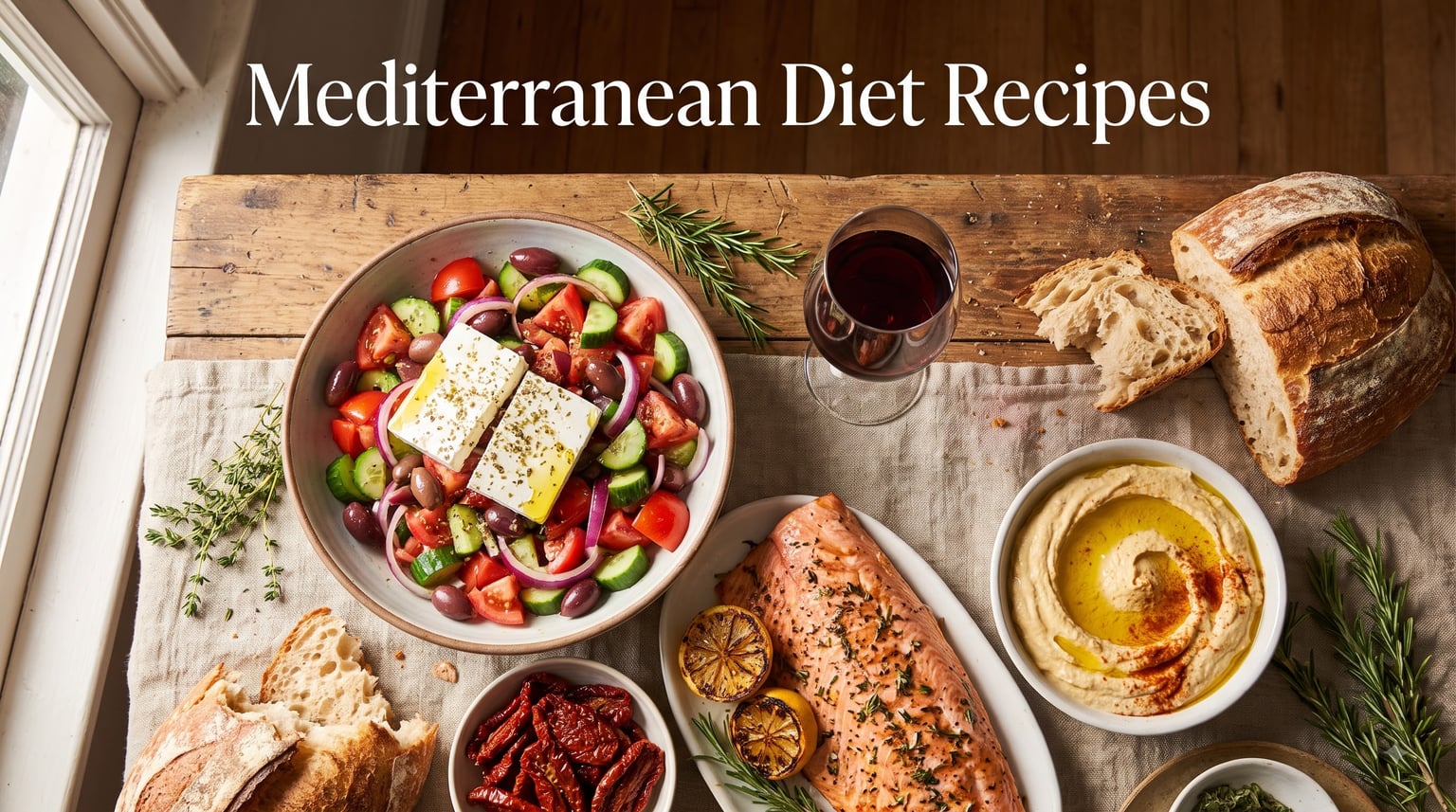
I spent the last three months cooking my way through a stack of Mediterranean cookbooks, testing recipes from Greece, Italy, Spain, and Lebanon in my own kitchen. What I discovered changed how I think about healthy eating forever. These Mediterranean diet recipes are the dishes that earned repeat appearances on my dinner table, the ones my partner asked for by name, and the meals that made me feel energized instead of weighed down.
This guide covers 20 Mediterranean diet recipes that work for real life. I have included breakfast, lunch, dinner, snacks, and seafood options, with prep times, cook times, and step-by-step instructions for every recipe. Whether you are a curious beginner or someone looking to refresh your rotation, you will find something here that fits your weeknight schedule and your grocery budget.
The Mediterranean diet is not a restrictive meal plan. It is a way of eating inspired by the traditional dietary patterns of countries bordering the Mediterranean Sea, emphasizing plant-based foods, healthy fats (especially olive oil), lean proteins, and moderate wine consumption. Research consistently shows it reduces risk of heart disease, stroke, diabetes, and certain cancers, while promoting longevity.
Table of Contents
Mediterranean Diet Basics for Beginners
The Mediterranean diet works by focusing on whole, unprocessed foods your grandmother would recognize. Vegetables, fruits, whole grains, legumes, nuts, and olive oil as the primary fat source form the foundation. Fish and seafood appear two to three times per week. Red meat shows up occasionally, not daily. Meals get enjoyed with family and community, not eaten alone in front of a screen.
When I started this journey, I made the mistake of trying to overhaul everything at once. The sustainable approach is to swap one or two ingredients each week. Replace butter with extra virgin olive oil. Swap white rice for farro or bulgur. Add a side salad to dinner. Small changes compound, and within a few months, your palate genuinely prefers the new flavors.
Here are the core principles to follow:
- Eat vegetables and fruits at every meal, aiming for seven to ten servings daily.
- Use extra virgin olive oil as your primary cooking fat, around 3 to 4 tablespoons per day.
- Choose whole grains like farro, bulgur, barley, and whole wheat over refined options.
- Include legumes (chickpeas, lentils, white beans) at least three times per week.
- Eat fish and seafood two to three times weekly, with at least one fatty fish like salmon or sardines.
- Limit red meat to a few times per month, treating it as a flavor accent rather than a centerpiece.
- Enjoy moderate portions of dairy, especially fermented options like Greek yogurt and aged feta.
- Snack on nuts, seeds, and fresh fruit rather than processed packaged foods.
What the Research Actually Shows
A landmark 2013 study in the New England Journal of Medicine found that a Mediterranean diet supplemented with extra virgin olive oil or nuts reduced cardiovascular events by 30% compared to a low-fat control group. That is a remarkable result from changing what you eat, not taking a pill.
The anti-inflammatory benefits come from the combination of omega-3 fatty acids in fish, polyphenols in olive oil, and antioxidants in colorful vegetables. These compounds work together to reduce chronic inflammation, which researchers now recognize as the root driver of many modern diseases.
Essential Mediterranean Pantry Staples
Before you cook a single recipe, stock your pantry with these foundational ingredients. I learned this the hard way after three midweek grocery runs because I did not have tahini on hand.
Here is what you need to keep on hand:
- Extra virgin olive oil: Your primary cooking fat. Choose a quality bottle you enjoy the taste of. For more guidance on selecting good olive oil, check out our picks for the best gourmet olive oil gift sets.
- Whole grains: Farro, bulgur, barley, brown rice, and whole wheat couscous.
- Legumes: Dried or canned chickpeas, white beans, lentils, and black beans.
- Tomatoes: Whole peeled canned tomatoes, sun-dried tomatoes, and fresh tomatoes when in season.
- Olives and capers: Kalamata olives, Castelvetrano olives, and salt-packed capers for briny flavor.
- Fresh herbs: Parsley, basil, mint, dill, thyme, and oregano. Use fresh when possible, dried in a pinch.
- Aromatics: Garlic, yellow onions, shallots, and lemons. These appear in nearly every recipe.
- Sea salt and black pepper: Quality matters here. Flaky sea salt for finishing, kosher salt for cooking.
- Spices: Smoked paprika, cumin, sumac, za’atar, and red pepper flakes.
- Nuts and seeds: Almonds, walnuts, pine nuts, and sesame seeds.
- Cheese: Feta, ricotta, and aged hard cheeses like pecorino or manchego.
- Greek yogurt: Thick, strained, and full-fat for the best texture and flavor.
A well-stocked Mediterranean pantry eliminates the “nothing to cook” problem. When your fridge has vegetables, fish, and yogurt, and your pantry has grains and legumes, you can pull together a healthy meal in under 20 minutes.
Quick Mediterranean Breakfast Recipes
Breakfast does not need to be complicated on the Mediterranean diet. These options came from my own morning routine, and they all take under 15 minutes to prepare.
What should I eat for breakfast on a Mediterranean diet? Skip sweet pastries and processed cereals. Instead, build your breakfast around Greek yogurt, fresh fruit, whole grains, eggs, and healthy fats. A bowl of plain Greek yogurt topped with berries, honey, walnuts, and a drizzle of olive oil is one of the most satisfying breakfasts I have ever eaten. It takes 3 minutes to assemble and keeps me full until lunch.
Recipe 1: Greek Yogurt Power Bowl
This is my go-to breakfast on busy mornings. The combination of protein, fat, and fiber keeps blood sugar steady and hunger at bay.
Prep time: 5 minutes
Servings: 1
Ingredients:
- 1 cup plain full-fat Greek yogurt
- 1 tablespoon raw honey
- 1/2 cup mixed fresh berries (strawberries, blueberries, raspberries)
- 2 tablespoons raw walnuts, roughly chopped
- 1 tablespoon ground flaxseed
- 1 teaspoon extra virgin olive oil
- Pinch of flaky sea salt
Instructions:
- Spoon the Greek yogurt into a wide bowl.
- Drizzle the honey over the top.
- Scatter the berries and walnuts across the yogurt.
- Sprinkle the ground flaxseed and finish with olive oil and a pinch of sea salt.
- Eat immediately while the walnuts are still crunchy.
Nutrition estimate: 380 calories, 22g protein, 18g fat, 30g carbs
Recipe 2: Mediterranean Avocado Toast
This elevates basic avocado toast with briny feta, sun-dried tomatoes, and a poached egg for staying power.
Prep time: 10 minutes
Cook time: 5 minutes
Servings: 2
Ingredients:
- 2 thick slices whole grain bread
- 1 ripe avocado, halved and pitted
- 1 tablespoon lemon juice
- 1/4 cup crumbled feta cheese
- 4 sun-dried tomatoes in oil, chopped
- 2 large eggs
- 1 tablespoon white vinegar (for poaching)
- Red pepper flakes, to taste
- Flaky sea salt and black pepper
Instructions:
- Toast the bread until golden brown.
- Mash the avocado with lemon juice and a pinch of salt in a small bowl.
- Bring a small pot of water to a gentle simmer and add the vinegar.
- Crack each egg into a small cup, then slide into the simmering water. Poach for 3 minutes for runny yolks.
- Spread the mashed avocado on the toast, top with feta and sun-dried tomatoes.
- Place a poached egg on each slice, then season with red pepper flakes, salt, and pepper.
Nutrition estimate: 420 calories, 18g protein, 24g fat, 38g carbs
Recipe 3: Overnight Oats with Figs and Almonds
I make this on Sunday nights and grab the jar on my way out the door. The figs soften overnight and the almonds stay crunchy when added in the morning.
Prep time: 5 minutes (plus overnight rest)
Servings: 1
Ingredients:
- 1/2 cup rolled oats
- 3/4 cup unsweetened almond milk
- 2 tablespoons plain Greek yogurt
- 1 tablespoon chia seeds
- 1 teaspoon honey
- 1/2 teaspoon vanilla extract
- 2 dried figs, chopped
- 1 tablespoon sliced almonds
- Pinch of cinnamon
Instructions:
- Combine oats, almond milk, yogurt, chia seeds, honey, and vanilla in a mason jar.
- Stir well, cover, and refrigerate overnight.
- In the morning, top with chopped figs, sliced almonds, and a pinch of cinnamon.
- Eat cold or microwave for 60 seconds if you prefer warm.
Nutrition estimate: 340 calories, 12g protein, 10g fat, 52g carbs
Easy Mediterranean Lunch Ideas
Mediterranean lunches are often the meal where the diet shines. These are make-ahead options that travel well and taste better the next day as the flavors meld.
Recipe 4: Classic Greek Salad (Horiatiki)
Authentic Greek salad contains no lettuce. Just ripe tomatoes, cucumber, red onion, olives, and a thick slab of feta, dressed with the best olive oil you have. This is the version my friend Yanni’s grandmother taught me during a summer in Crete.
Prep time: 15 minutes
Servings: 4
Ingredients:
- 4 large ripe tomatoes, cut into wedges
- 1 English cucumber, sliced into thick rounds
- 1 small red onion, thinly sliced
- 1 cup kalamata olives
- 1/4 cup extra virgin olive oil
- 2 tablespoons red wine vinegar
- 1 teaspoon dried oregano
- 200g block of feta cheese
- Flaky sea salt and black pepper
- Fresh parsley, for garnish
Instructions:
- Combine tomatoes, cucumber, red onion, and olives in a large bowl.
- Drizzle with olive oil and red wine vinegar, then season generously with salt, pepper, and oregano.
- Toss gently to coat, being careful not to break the tomatoes.
- Place the block of feta on top of the salad. Do not crumble it.
- Drizzle additional olive oil over the feta and sprinkle with fresh parsley.
- Serve with crusty bread for sopping up the juices.
Nutrition estimate: 320 calories, 10g protein, 28g fat, 12g carbs
Recipe 5: Tuscan White Bean and Tuna Salad
This protein-packed lunch comes together in 10 minutes using pantry staples. It is my answer to the sad desk lunch.
Prep time: 10 minutes
Servings: 2
Ingredients:
- 1 can (15 oz) cannellini beans, drained and rinsed
- 1 can (5 oz) olive oil-packed tuna, drained
- 1 small red onion, finely diced
- 1/2 cup cherry tomatoes, halved
- 1/4 cup fresh parsley, chopped
- 3 tablespoons extra virgin olive oil
- 1 tablespoon lemon juice
- 1 teaspoon Dijon mustard
- 2 cups arugula
- Salt and pepper to taste
Instructions:
- Whisk together olive oil, lemon juice, and Dijon mustard in a small bowl.
- Combine beans, tuna, red onion, tomatoes, and parsley in a large bowl.
- Pour the dressing over the salad and toss gently.
- Arrange arugula on a plate and top with the bean mixture.
- Season with salt and pepper, then serve.
Nutrition estimate: 410 calories, 28g protein, 22g fat, 28g carbs
For another protein-rich seafood lunch idea, do not miss our collection of healthy crab meat recipes for weight loss, which includes a Mediterranean crab bowl.
Recipe 6: Mediterranean Hummus Bowl
A deconstructed hummus bowl that works for lunch or a light dinner. Layer everything in a bowl, drizzle with olive oil, and dig in.
Prep time: 10 minutes
Servings: 1
Ingredients:
- 1/2 cup hummus (store-bought or homemade)
- 1/2 cup cooked quinoa or farro
- 1/4 cup cucumber, diced
- 1/4 cup cherry tomatoes, halved
- 2 tablespoons kalamata olives, pitted
- 2 tablespoons crumbled feta
- 1 tablespoon pine nuts, toasted
- 1 tablespoon extra virgin olive oil
- 1 teaspoon za’atar
- Fresh parsley, for garnish
Instructions:
- Spread the hummus across the bottom of a wide bowl.
- Arrange the cooked grains, cucumber, tomatoes, olives, and feta in sections over the hummus.
- Sprinkle with toasted pine nuts and fresh parsley.
- Drizzle with olive oil and dust with za’atar.
- Serve with warm pita bread.
Nutrition estimate: 520 calories, 16g protein, 32g fat, 48g carbs
Hearty Mediterranean Dinner Recipes
Dinner is where the Mediterranean diet earns its reputation. These are satisfying, family-friendly meals that come together in 30 to 45 minutes.
Recipe 7: One-Pan Lemon Garlic Chicken with Olives
This is the dish I make when I have 40 minutes and want my kitchen to smell like a taverna in coastal Greece. Everything cooks in one pan, which means minimal cleanup.
Prep time: 10 minutes
Cook time: 35 minutes
Servings: 4
Ingredients:
- 4 bone-in chicken thighs (skin on)
- 3 tablespoons extra virgin olive oil
- 1 lemon, juiced and zested
- 6 garlic cloves, smashed
- 1 cup kalamata olives, pitted
- 1 cup cherry tomatoes
- 1/2 cup chicken broth
- 2 tablespoons fresh oregano (or 1 tablespoon dried)
- Flaky sea salt and black pepper
- Fresh parsley, for garnish
Instructions:
- Preheat the oven to 400 degrees Fahrenheit (200 degrees Celsius).
- Pat the chicken thighs dry and season generously with salt and pepper.
- Heat olive oil in a large oven-safe skillet over medium-high heat.
- Sear the chicken skin-side down for 5 minutes until golden, then flip and cook 3 more minutes.
- Transfer the chicken to a plate. Add garlic, olives, and tomatoes to the pan.
- Pour in the lemon juice, broth, and scatter the oregano over everything.
- Return the chicken to the pan, skin-side up.
- Transfer to the oven and roast for 25 minutes until the chicken reaches 165 degrees internally.
- Finish with lemon zest and fresh parsley before serving.
Nutrition estimate: 450 calories, 32g protein, 32g fat, 8g carbs
Recipe 8: Spaghetti with Garlic, Olive Oil, and Anchovies
Italian nonnas know that a few quality ingredients, treated right, beat a complicated recipe every time. This pasta is ready in 15 minutes and tastes like a trattoria in Rome.
Prep time: 5 minutes
Cook time: 15 minutes
Servings: 4
Ingredients:
- 12 oz whole wheat spaghetti
- 1/2 cup extra virgin olive oil
- 6 anchovy fillets, chopped
- 8 garlic cloves, thinly sliced
- 1/2 teaspoon red pepper flakes
- Zest of 1 lemon
- 1/4 cup fresh parsley, chopped
- 1/2 cup reserved pasta water
- Flaky sea salt and black pepper
- Grated pecorino cheese (optional)
Instructions:
- Bring a large pot of salted water to a boil and cook the spaghetti until al dente.
- Reserve 1/2 cup of pasta water before draining.
- While the pasta cooks, heat olive oil in a large skillet over medium heat.
- Add the anchovies and stir until they dissolve into the oil, about 2 minutes.
- Add the garlic and red pepper flakes, cooking until fragrant but not browned.
- Toss the drained pasta in the skillet with the lemon zest and parsley.
- Add pasta water a splash at a time, tossing until a silky sauce forms.
- Season with salt and pepper, then serve with pecorino if desired.
Nutrition estimate: 480 calories, 14g protein, 22g fat, 58g carbs
Recipe 9: Sheet Pan Greek Chicken with Vegetables
Weeknight dinners do not get easier than this. Toss everything on a sheet pan, roast, and serve over rice or with crusty bread.
Prep time: 15 minutes
Cook time: 30 minutes
Servings: 4
Ingredients:
- 4 boneless skinless chicken breasts
- 2 cups baby potatoes, halved
- 1 red bell pepper, sliced
- 1 yellow bell pepper, sliced
- 1 red onion, sliced
- 1 cup cherry tomatoes
- 1/2 cup kalamata olives
- 1/4 cup extra virgin olive oil
- 2 tablespoons lemon juice
- 3 garlic cloves, minced
- 2 teaspoons dried oregano
- 1 teaspoon dried thyme
- 1/2 cup crumbled feta
- Salt and pepper to taste
Instructions:
- Preheat the oven to 425 degrees Fahrenheit (220 degrees Celsius).
- In a small bowl, whisk together olive oil, lemon juice, garlic, oregano, thyme, salt, and pepper.
- Arrange chicken, potatoes, peppers, onion, tomatoes, and olives on a large sheet pan.
- Drizzle the olive oil mixture over everything and toss to coat.
- Roast for 25 to 30 minutes until the chicken reaches 165 degrees internally and potatoes are tender.
- Sprinkle with crumbled feta and serve.
Nutrition estimate: 520 calories, 42g protein, 24g fat, 36g carbs
Recipe 10: Moroccan Chickpea and Vegetable Tagine
Warming spices like cumin, cinnamon, and ginger transform simple vegetables into a fragrant stew. Serve over couscous for a complete meal.
Prep time: 15 minutes
Cook time: 35 minutes
Servings: 4
Ingredients:
- 2 tablespoons extra virgin olive oil
- 1 large onion, diced
- 4 garlic cloves, minced
- 1 tablespoon fresh ginger, grated
- 2 teaspoons ground cumin
- 1 teaspoon ground cinnamon
- 1 teaspoon smoked paprika
- 1/2 teaspoon ground turmeric
- 1 can (14 oz) diced tomatoes
- 1 can (15 oz) chickpeas, drained and rinsed
- 1 large sweet potato, peeled and cubed
- 2 carrots, sliced
- 1 zucchini, sliced
- 1 cup vegetable broth
- 1/2 cup dried apricots, chopped
- 1/4 cup fresh cilantro, chopped
- Salt and pepper to taste
Instructions:
- Heat olive oil in a large pot or Dutch oven over medium heat.
- Saute the onion until softened, about 5 minutes.
- Add garlic, ginger, and spices, cooking for 1 minute until fragrant.
- Stir in tomatoes, chickpeas, sweet potato, carrots, zucchini, and broth.
- Bring to a simmer, cover, and cook for 25 minutes until vegetables are tender.
- Stir in the dried apricots and cook for another 5 minutes.
- Season with salt and pepper, then top with fresh cilantro.
- Serve over cooked couscous or with crusty bread.
Nutrition estimate: 410 calories, 14g protein, 12g fat, 68g carbs
Mediterranean Seafood Dishes
Eating fish two to three times per week is a cornerstone of the Mediterranean diet. These recipes make seafood approachable, even if you have never cooked fish at home.
Recipe 11: Sheet Pan Salmon with Roasted Vegetables
Salmon is the beginner-friendly fish. It cooks fast, stays moist, and absorbs flavor beautifully. The honey-mustard glaze caramelizes in the oven.
Prep time: 10 minutes
Cook time: 20 minutes
Servings: 4
Ingredients:
- 4 salmon fillets (6 oz each)
- 1 lb asparagus, trimmed
- 1 cup cherry tomatoes
- 1 lemon, sliced
- 2 tablespoons extra virgin olive oil
- 2 tablespoons Dijon mustard
- 1 tablespoon honey
- 2 garlic cloves, minced
- 1 teaspoon dried oregano
- Salt and pepper to taste
- Fresh dill, for garnish
Instructions:
- Preheat the oven to 400 degrees Fahrenheit (200 degrees Celsius).
- Whisk together olive oil, Dijon mustard, honey, garlic, oregano, salt, and pepper.
- Place the salmon and vegetables on a parchment-lined sheet pan.
- Brush the salmon generously with the glaze.
- Toss the vegetables with the remaining glaze and arrange lemon slices around the pan.
- Roast for 15 to 18 minutes until the salmon flakes easily with a fork.
- Garnish with fresh dill before serving.
Nutrition estimate: 410 calories, 36g protein, 22g fat, 18g carbs
Recipe 12: Mediterranean Baked Cod with Tomatoes and Olives
This Spanish-inspired dish is one of the most flavorful ways to eat cod. The fish bakes in a chunky tomato sauce infused with garlic and smoked paprika.
Prep time: 10 minutes
Cook time: 25 minutes
Servings: 4
Ingredients:
- 4 cod fillets (6 oz each)
- 3 tablespoons extra virgin olive oil
- 1 large onion, diced
- 4 garlic cloves, sliced
- 1 can (14 oz) diced tomatoes
- 1 cup green olives, pitted
- 1/2 cup sun-dried tomatoes, chopped
- 1 teaspoon smoked paprika
- 1/2 teaspoon red pepper flakes
- 1/4 cup fresh parsley, chopped
- Salt and pepper to taste
Instructions:
- Preheat the oven to 375 degrees Fahrenheit (190 degrees Celsius).
- Heat olive oil in an oven-safe skillet over medium heat.
- Saute the onion until softened, about 5 minutes.
- Add garlic, smoked paprika, and red pepper flakes, cooking for 1 minute.
- Stir in diced tomatoes, olives, and sun-dried tomatoes. Simmer for 10 minutes.
- Season the cod fillets with salt and pepper, then nestle them into the sauce.
- Transfer to the oven and bake for 15 minutes until the cod flakes easily.
- Top with fresh parsley before serving.
Nutrition estimate: 320 calories, 32g protein, 14g fat, 18g carbs
Recipe 13: Shrimp and Feta Pasta
Greek-style shrimp pasta with tomatoes, feta, and a splash of ouzo (or white wine if you prefer) is a 25-minute weeknight winner.
Prep time: 10 minutes
Cook time: 15 minutes
Servings: 4
Ingredients:
- 12 oz whole wheat penne
- 1 lb large shrimp, peeled and deveined
- 3 tablespoons extra virgin olive oil
- 4 garlic cloves, minced
- 1 pint cherry tomatoes, halved
- 1/2 cup white wine (or chicken broth)
- 1 teaspoon dried oregano
- 1/2 teaspoon red pepper flakes
- 1 cup crumbled feta cheese
- 1/4 cup fresh basil, chopped
- Zest of 1 lemon
- Salt and pepper to taste
Instructions:
- Cook the pasta in salted water until al dente. Reserve 1/2 cup pasta water before draining.
- While the pasta cooks, heat olive oil in a large skillet over medium-high heat.
- Add garlic and cook for 30 seconds until fragrant.
- Add the shrimp and cook for 2 minutes per side until pink. Remove and set aside.
- Add cherry tomatoes to the skillet and cook until they begin to burst, about 3 minutes.
- Pour in the white wine and oregano, scraping up any browned bits from the pan.
- Return the shrimp to the pan along with the drained pasta.
- Toss with pasta water as needed to create a light sauce.
- Remove from heat, fold in feta, basil, and lemon zest. Serve immediately.
Nutrition estimate: 480 calories, 38g protein, 16g fat, 52g carbs
Vegetarian Mediterranean Recipes
Vegetarian meals are central to Mediterranean cooking. Most traditional families ate meat sparingly, treating it as a special-occasion ingredient. These vegetarian recipes are filling enough to satisfy even committed carnivores.
Recipe 14: Stuffed Bell Peppers with Quinoa and Feta
Colorful bell peppers filled with quinoa, chickpeas, herbs, and feta make a satisfying meatless main. For a stuffed vegetable variation using a different base, our stuffed spaghetti squash recipes offer another great option.
Prep time: 15 minutes
Cook time: 35 minutes
Servings: 4
Ingredients:
- 4 large bell peppers (mixed colors), tops cut off and seeded
- 1 cup cooked quinoa
- 1 can (15 oz) chickpeas, drained and rinsed
- 1 can (14 oz) diced tomatoes, drained
- 1 small onion, diced
- 3 garlic cloves, minced
- 1/2 cup crumbled feta
- 1/4 cup fresh parsley, chopped
- 2 tablespoons extra virgin olive oil
- 1 teaspoon dried oregano
- 1 teaspoon ground cumin
- 1/2 cup vegetable broth
- Salt and pepper to taste
Instructions:
- Preheat the oven to 375 degrees Fahrenheit (190 degrees Celsius).
- Heat olive oil in a skillet over medium heat. Saute the onion for 5 minutes.
- Add garlic, oregano, and cumin, cooking for 1 minute.
- Stir in quinoa, chickpeas, tomatoes, and parsley. Cook for 3 minutes.
- Remove from heat and fold in the feta. Season with salt and pepper.
- Stuff the peppers with the mixture and place in a baking dish.
- Pour broth around the peppers and cover with foil.
- Bake for 25 minutes, then uncover and bake 10 more minutes until peppers are tender.
Nutrition estimate: 380 calories, 16g protein, 14g fat, 52g carbs
Recipe 15: Lentil Soup with Greens
This is the soup I make every Sunday in the fall and winter. It tastes even better the next day and freezes beautifully for quick lunches.
Prep time: 15 minutes
Cook time: 40 minutes
Servings: 6
Ingredients:
- 3 tablespoons extra virgin olive oil
- 1 large onion, diced
- 3 carrots, diced
- 3 celery stalks, diced
- 6 garlic cloves, minced
- 2 teaspoons ground cumin
- 1 teaspoon smoked paprika
- 1 cup brown or green lentils, rinsed
- 1 can (14 oz) diced tomatoes
- 6 cups vegetable broth
- 1 bay leaf
- 4 cups baby spinach or chopped kale
- 2 tablespoons lemon juice
- Salt and pepper to taste
- Fresh parsley, for garnish
Instructions:
- Heat olive oil in a large pot over medium heat.
- Saute the onion, carrots, and celery for 8 minutes until softened.
- Add garlic, cumin, and smoked paprika, cooking for 1 minute.
- Stir in lentils, tomatoes, broth, and bay leaf.
- Bring to a boil, then reduce heat and simmer uncovered for 30 minutes until lentils are tender.
- Remove the bay leaf and stir in the greens and lemon juice.
- Cook for 3 more minutes until the greens wilt.
- Season with salt and pepper, then serve topped with fresh parsley and a drizzle of olive oil.
Nutrition estimate: 290 calories, 14g protein, 8g fat, 42g carbs
Recipe 16: Spanakopita (Greek Spinach Pie)
Crispy phyllo layers wrapped around a savory spinach and feta filling. This is comfort food that happens to be packed with greens.
Prep time: 25 minutes
Cook time: 45 minutes
Servings: 8
Ingredients:
- 1 package (16 oz) frozen phyllo dough, thawed
- 1 lb fresh spinach, chopped (or 16 oz frozen, thawed and drained)
- 1 cup crumbled feta cheese
- 1 cup ricotta cheese
- 1/2 cup fresh dill, chopped
- 1/2 cup fresh parsley, chopped
- 4 green onions, sliced
- 3 large eggs, beaten
- 1/2 cup extra virgin olive oil
- 1/4 teaspoon ground nutmeg
- Salt and pepper to taste
Instructions:
- Preheat the oven to 375 degrees Fahrenheit (190 degrees Celsius).
- If using fresh spinach, wilt in a large skillet for 3 minutes. Drain and squeeze out excess water.
- Combine spinach, feta, ricotta, dill, parsley, green onions, eggs, nutmeg, salt, and pepper in a large bowl.
- Brush a 9×13 inch baking dish with olive oil.
- Layer 8 sheets of phyllo, brushing each sheet with olive oil.
- Spread the spinach filling evenly over the phyllo.
- Top with 8 more sheets of phyllo, brushing each with olive oil.
- Score the top layers into portions with a sharp knife.
- Bake for 40 to 45 minutes until golden brown and crispy.
- Cool for 10 minutes before serving.
Nutrition estimate: 320 calories, 12g protein, 18g fat, 28g carbs
Mediterranean Snacks and Appetizers
Mediterranean snacking is one of the diet’s underrated pleasures. Mezze boards, small plates of vegetables, dips, and olives can turn any afternoon into a social occasion.
Recipe 17: Roasted Red Pepper Hummus
Homemade hummus tastes dramatically better than store-bought, and it takes 10 minutes in a food processor. The roasted red pepper adds smoky sweetness. Pair with our recommendations for no-cook appetizers that look impressive to build a full mezze spread.
Prep time: 10 minutes
Servings: 6
Ingredients:
- 1 can (15 oz) chickpeas, drained and rinsed
- 2 roasted red peppers (jarred), drained
- 3 tablespoons tahini
- 2 tablespoons lemon juice
- 2 garlic cloves, minced
- 3 tablespoons extra virgin olive oil
- 1 teaspoon ground cumin
- 1/2 teaspoon smoked paprika
- Salt to taste
- 2 tablespoons warm water (as needed)
Instructions:
- Combine chickpeas, roasted peppers, tahini, lemon juice, garlic, olive oil, cumin, and salt in a food processor.
- Process until smooth, adding warm water 1 tablespoon at a time to reach a creamy consistency.
- Taste and adjust seasoning.
- Drizzle with additional olive oil and sprinkle with smoked paprika before serving.
- Serve with warm pita, cucumber slices, and bell pepper strips.
Nutrition estimate: 180 calories, 6g protein, 11g fat, 18g carbs
Recipe 18: Whipped Feta Dip with Honey
Creamy, tangy whipped feta with a drizzle of honey and a sprinkle of chili flakes. This is the appetizer that disappears fastest at any gathering.
Prep time: 10 minutes
Servings: 6
Ingredients:
- 8 oz feta cheese, crumbled
- 4 oz cream cheese, softened
- 3 tablespoons extra virgin olive oil
- 1 tablespoon lemon juice
- 1 garlic clove, minced
- 2 tablespoons honey
- 1/2 teaspoon red pepper flakes
- Fresh thyme, for garnish
- Pita bread or crackers, for serving
Instructions:
- Combine feta, cream cheese, olive oil, lemon juice, and garlic in a food processor.
- Process until smooth and creamy, about 2 minutes.
- Spread the whipped feta on a shallow bowl or plate.
- Use the back of a spoon to create swirls on the surface.
- Drizzle with honey and sprinkle with red pepper flakes and fresh thyme.
- Serve immediately with warm pita or crackers.
Nutrition estimate: 220 calories, 7g protein, 17g fat, 12g carbs
For more dip inspiration, check out our picks for the best store-bought tzatziki sauces to pair with your mezze board.
Recipe 19: Stuffed Mini Peppers with Herbed Cheese
Sweet mini peppers filled with a creamy goat cheese and herb mixture. These take 15 minutes and vanish faster than you can make them.
Prep time: 15 minutes
Servings: 6
Ingredients:
- 12 mini sweet peppers, halved and seeded
- 6 oz goat cheese, softened
- 4 oz cream cheese, softened
- 2 tablespoons fresh chives, chopped
- 2 tablespoons fresh basil, chopped
- 1 tablespoon fresh mint, chopped
- 1 garlic clove, minced
- 2 tablespoons toasted pine nuts
- Drizzle of extra virgin olive oil
- Flaky sea salt
Instructions:
- Combine goat cheese, cream cheese, chives, basil, mint, and garlic in a bowl.
- Mix until smooth and creamy.
- Fill each pepper half with a generous teaspoon of the cheese mixture.
- Arrange on a platter and sprinkle with toasted pine nuts.
- Drizzle with olive oil and finish with flaky sea salt.
- Serve at room temperature.
Nutrition estimate: 180 calories, 7g protein, 13g fat, 8g carbs
Budget-Friendly Mediterranean Meals
Many people assume Mediterranean eating is expensive, but the diet is built on affordable staples like beans, lentils, and seasonal vegetables. These recipes feed a family for less than the cost of takeout.
Recipe 20: Mediterranean Chickpea Stew with Spinach
This one-pot stew costs under $10 to make and serves four. It is the recipe I recommend to anyone eating Mediterranean on a tight budget.
Prep time: 10 minutes
Cook time: 25 minutes
Servings: 4
Ingredients:
- 3 tablespoons extra virgin olive oil
- 1 large onion, diced
- 4 garlic cloves, minced
- 1 teaspoon ground cumin
- 1 teaspoon smoked paprika
- 1/2 teaspoon red pepper flakes
- 2 cans (15 oz each) chickpeas, drained and rinsed
- 1 can (14 oz) diced tomatoes
- 4 cups baby spinach
- 1 lemon, juiced
- 1/2 cup crumbled feta
- 1/4 cup fresh parsley, chopped
- Salt and pepper to taste
- Crusty bread, for serving
Instructions:
- Heat olive oil in a large pot over medium heat.
- Saute the onion for 5 minutes until softened.
- Add garlic, cumin, smoked paprika, and red pepper flakes, cooking for 1 minute.
- Stir in chickpeas and tomatoes with their juices.
- Simmer for 15 minutes, lightly mashing some chickpeas with a spoon to thicken the stew.
- Stir in the spinach until wilted, about 2 minutes.
- Remove from heat and stir in the lemon juice.
- Season with salt and pepper, then top with feta and parsley.
- Serve with crusty bread for dipping.
Nutrition estimate: 340 calories, 14g protein, 16g fat, 38g carbs
Budget Mediterranean Pantry Tips
Eating Mediterranean on a budget is absolutely doable with these strategies:
- Buy dried beans and lentils in bulk. A pound of dried chickpeas costs about $2 and yields about 6 cups cooked.
- Choose frozen fish when fresh is expensive. Frozen salmon and shrimp retain their nutritional value and work beautifully in any recipe.
- Shop seasonal produce. Tomatoes, cucumbers, peppers, and zucchini are cheapest in summer when they are local.
- Buy whole grains in bulk from health food stores. Farro, bulgur, and brown rice cost far less per serving than processed side dishes.
- Use eggs as an affordable protein. A dozen eggs feeds a family and works in frittatas, shakshuka, and salads.
- Skip pre-cut vegetables. Whole carrots, onions, and peppers cost a fraction of the pre-chopped versions.
For more dishes rooted in regional traditions, explore our guide to Spanish cuisine, which highlights another key Mediterranean culinary tradition.
Meal Prep for the Week
Mediterranean meal prep is straightforward once you have a rhythm. On Sunday, I cook a batch of grains, roast a tray of vegetables, and prepare one protein. During the week, I mix and match these components for varied meals.
Here is my weekly prep template:
- Cook 2 cups of dry farro or quinoa. Store in the fridge for up to 5 days.
- Roast two sheet pans of vegetables (zucchini, peppers, broccoli, and onions) at 425 degrees for 25 minutes.
- Prepare one protein, like lemon herb chicken or baked falafel, for easy protein additions.
- Make a double batch of hummus or tzatziki for snacking and sandwich spreads.
- Wash and chop raw vegetables for grab-and-go snacks.
- Assemble two mason jar salads for the first half of the week.
With these components ready, you can build a different meal every day without cooking from scratch. Try grain bowls with roasted vegetables one night, stuffed peppers the next, and a Mediterranean salad on day three.
Ingredient Substitutions
One of the best parts of Mediterranean cooking is its flexibility. If you cannot find an ingredient, here are reliable swaps:
- No fresh herbs? Use dried at one-third the amount. One tablespoon fresh equals one teaspoon dried.
- No kalamata olives? Any briny olive works, including green Castelvetrano or oil-cured black olives.
- No feta? Try ricotta salata, queso fresco, or a mild goat cheese.
- No bulgur? Substitute quinoa, couscous, or even cooked rice in equal amounts.
- No tahini? Use almond butter thinned with a little olive oil and lemon juice.
- No sumac or za’atar? A squeeze of lemon with a pinch of oregano creates a similar bright flavor.
Storage and Reheating
Most Mediterranean dishes hold well in the fridge for 3 to 4 days and freeze beautifully for up to 3 months. Soups and stews actually taste better the next day as the spices develop. Pasta dishes are best eaten fresh, though leftovers can be revived with a splash of water or broth when reheating in a skillet.
For refreshing summer meals, explore our collection of cold soup recipes, which includes gazpacho and other Mediterranean-inspired options perfect for hot days.
Frequently Asked Questions
What should I eat for breakfast on a Mediterranean diet?
A Mediterranean breakfast centers on whole, nutrient-dense foods rather than sweet cereals or processed pastries. Build your morning meal around Greek yogurt with fresh fruit and nuts, whole grain toast with avocado and feta, vegetable-forward omelets with olive oil, or overnight oats topped with figs and almonds. The goal is protein, healthy fats, and fiber to keep you full and focused without blood sugar spikes. Plain Greek yogurt with berries, honey, and walnuts is a perfect 5-minute option.
What are some examples of Mediterranean diet meals?
Mediterranean diet meals feature vegetables, whole grains, legumes, olive oil, fish, and small amounts of dairy. Examples include Greek salad with feta and olives, sheet pan salmon with roasted vegetables, chickpea and spinach stew, lentil soup with carrots and tomatoes, whole grain pasta with garlic and olive oil, and grilled chicken with farro and roasted peppers. Snacks include hummus with vegetables, olives, nuts, and fresh fruit. For an example of how varied meals can be, see our Healthy Crab Meat Recipes for Weight Loss guide, which includes a Mediterranean crab bowl.
What is the Mediterranean diet for arthritis?
The Mediterranean diet is considered one of the best eating patterns for managing arthritis because of its anti-inflammatory properties. The diet emphasizes omega-3 fatty acids from fish like salmon and sardines, antioxidants and polyphenols from colorful vegetables and fruits, monounsaturated fats from extra virgin olive oil, and avoids processed foods that can trigger inflammation. Studies show that people following a Mediterranean-style diet experience less joint pain and stiffness compared to those eating a typical Western diet. Including fatty fish at least twice per week and using olive oil as your primary fat are the most impactful changes for arthritis symptoms.
What are the basic foods of the Mediterranean diet?
The basic foods of the Mediterranean diet include: vegetables (tomatoes, cucumbers, peppers, zucchini, eggplant, leafy greens), fruits (apples, berries, oranges, grapes, figs, pomegranates), whole grains (farro, bulgur, barley, brown rice, whole wheat bread), legumes (chickpeas, lentils, white beans, fava beans), nuts and seeds (almonds, walnuts, pine nuts, sesame), extra virgin olive oil as the primary fat, fish and seafood (especially fatty fish like salmon and sardines), moderate dairy (Greek yogurt, feta, aged cheeses), eggs, and herbs and spices (oregano, basil, mint, parsley, garlic). These staples form the foundation of every Mediterranean meal pattern.
How much olive oil should I use on the Mediterranean diet?
Most Mediterranean diet guidelines recommend 3 to 4 tablespoons of extra virgin olive oil per day as the primary source of added fat. This may sound like a lot, but it is intentionally generous because olive oil provides monounsaturated fats and polyphenols that support heart health. Use olive oil generously for cooking vegetables, drizzling over finished dishes, and making salad dressings. Choose high-quality extra virgin olive oil whenever possible, as it contains the highest levels of beneficial compounds. A quality olive oil will have a fresh, slightly peppery taste and a dark green or golden color.
Is the Mediterranean diet good for weight loss?
Yes, the Mediterranean diet can support weight loss, though it is more accurately described as a sustainable way of eating that often leads to gradual, healthy weight loss over time. The diet works for weight management because it is high in fiber from vegetables, legumes, and whole grains, which keeps you full and satisfied. The high fat content from olive oil and nuts also promotes satiety. Unlike restrictive diets, the Mediterranean approach does not require calorie counting or eliminating food groups, which makes it easier to maintain long-term. Many people report losing 1 to 2 pounds per week consistently when following the diet without feeling deprived.
Bringing Mediterranean Recipes Into Your Kitchen
These 20 Mediterranean diet recipes are a starting point, not a complete catalog. The beauty of this way of eating is that every region, every season, and every family brings its own variations. Once you have mastered a few foundational techniques, you can improvise with whatever vegetables look best at the market this week.
If you are just starting your Mediterranean diet recipes journey, begin with the basics. Stock your pantry with olive oil, whole grains, and canned tomatoes. Choose one recipe from each meal category and cook it this week. Notice how you feel an hour after eating, how your energy stays steady through the afternoon, and how satisfying the flavors are without being heavy.
The Mediterranean diet is not about perfection. It is about consistency and enjoyment. Some weeks you will cook elaborate fish dishes, others you will assemble a simple bowl of chickpeas and tomatoes. Both count. The pattern over time matters more than any single meal.
Pick a recipe, head to the kitchen, and start cooking. Your future self will thank you.