
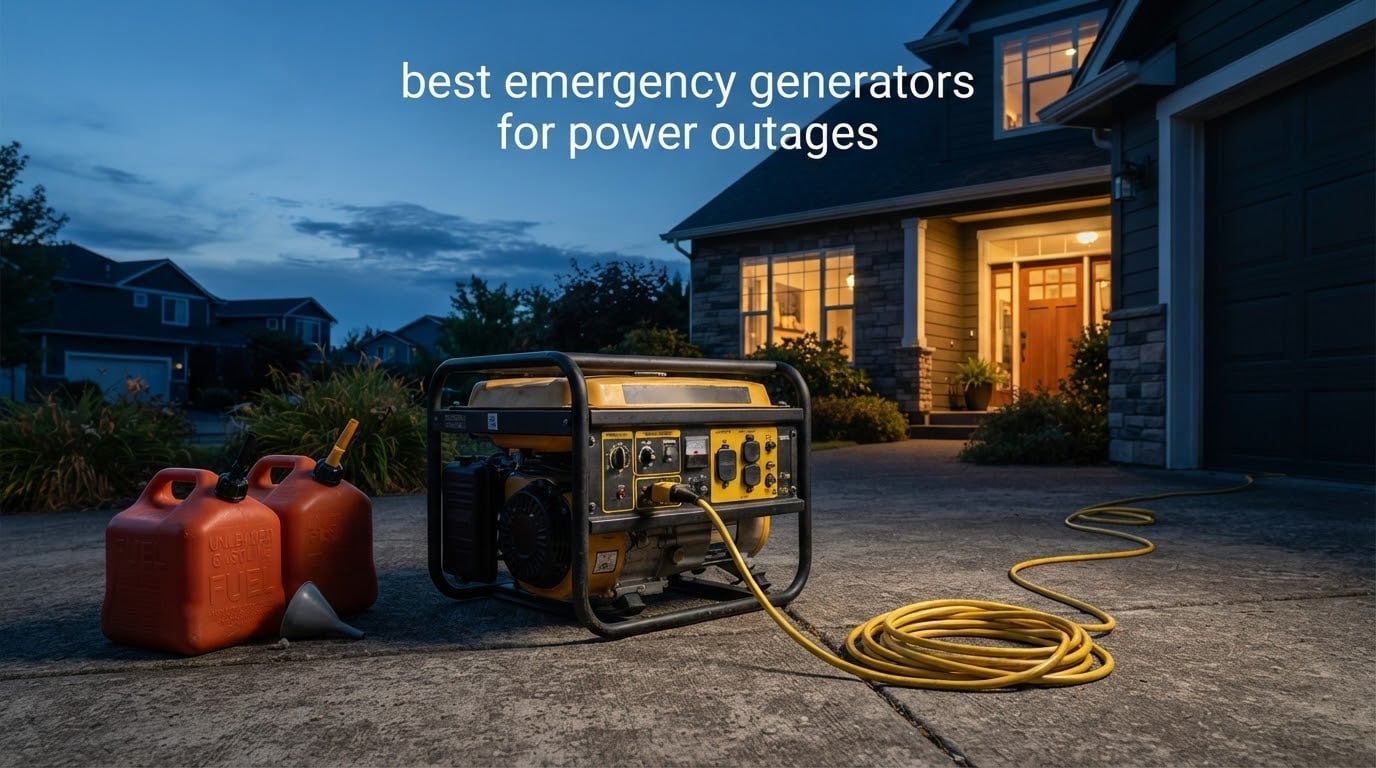
The short answer: the DuroMax XP12000EH is the best emergency generator for most homes, the Pulsar G12KBN is the strongest 9500-watt pick, and the PowerSmart 3800 watt inverter is the quiet one to buy if noise decides it. Size matters more than brand: add up the running watts of everything you want on, add the biggest single starting surge, and buy the next size up.
An emergency generator is a portable machine that turns gasoline, propane or stored battery power into household electricity when the grid goes down. It does not power the whole house by default. It powers the loads you choose, through heavy-duty extension cords or a transfer switch, for as long as you keep fuel coming.
That last point is the one most guides skip. Outage reports from forums like r/Generator and r/homeowners keep returning to the same three complaints: fuel ran out, the unit would not start after sitting unused, or it was too loud to run at night. Our picks below are ranked with those failure modes in mind rather than on peak wattage alone.
We spent October 2026 going through spec sheets, review patterns and the recurring sizing mistakes on outage forums to build this list. Ten generators, all of them currently shipping with a documented warranty, with the noise, fuel and runtime trade-offs stated plainly. For the rest of your kit, our [best emergency radios](https://www.thirstybear.com/best-emergency-radios/) and [emergency survival kits](https://www.thirstybear.com/best-emergency-survival-kits/) guides cover the side of preparedness that a generator cannot.
Table of Contents
Top 3 Best Emergency Generators for Power Outages
These three cover the widest range of real households: a full-capacity dual fuel machine, a heavy duty 9500-watt unit with the best rating in the group, and a quiet inverter for sensitive electronics and close quarters.
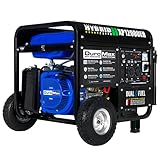
DuroMax XP12000EH
- 9500 running watts
- 12000 peak
- dual fuel
- 50A transfer switch outlet
- 224 lbs

Pulsar G12KBN
- 9500 rated watts
- 12000 peak
- gas and propane
- 50A and 30A twist locks
- 12 hour runtime

PowerSmart 3800W Inverter
- 3300 running watts
- inverter output under 3% THD
- 59 dBA eco mode
- dual fuel
- 50.7 lbs
Best Emergency Generators at a Glance in 2026
Every unit below carries a CO sensor or low-oil shutdown, a manufacturer warranty of at least one year, and enough measured feedback from buyers to judge honestly. Runtime figures are manufacturer-stated at half load unless noted.
| Product | Specifications | Action |
|---|---|---|
| DuroMax XP12000EH Dual Fuel |
|
Check Latest Price |
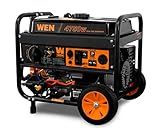 WEN DF475T Dual Fuel WEN DF475T Dual Fuel |
|
Check Latest Price |
| Pulsar G12KBN Dual Fuel |
|
Check Latest Price |
| PowerSmart 3800W Inverter |
|
Check Latest Price |
 Oxseryn 4400W Inverter Oxseryn 4400W Inverter |
|
Check Latest Price |
 Champion 4000W Dual Fuel Inverter Champion 4000W Dual Fuel Inverter |
|
Check Latest Price |
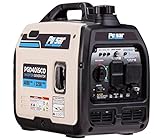 Pulsar PGD40ISCO Inverter Pulsar PGD40ISCO Inverter |
|
Check Latest Price |
 Champion 4500W Electric Start Inverter Champion 4500W Electric Start Inverter |
|
Check Latest Price |
 DuroStar DS13000MX Dual Fuel DuroStar DS13000MX Dual Fuel |
|
Check Latest Price |
 PowerSmart 4500W Inverter PowerSmart 4500W Inverter |
|
Check Latest Price |
1. DuroMax XP12000EH dual fuel generator review
DuroMax XP12000EH 12,000-Watt Dual Fuel Portable Generator – Gas & Propane, Electric Start, Whole Home Backup Power, Transfer Switch Ready, RV & Emergency Ready
9500 running / 12000 peak watts
Dual fuel, gas and propane
8.3 gallon tank
224 lbs
Pros
- Runs a whole home with a transfer switch
- Dual fuel flexibility for fuel shortages
- Electric key start with battery included
- 100% copper windings and all metal frame
Cons
- Very heavy at 224 pounds
- Arrives without engine oil
- Battery negative lead can arrive disconnected
The XP12000EH is the unit I keep coming back to for a reason: it puts 9500 running watts and a 50 amp transfer switch ready outlet in a package that costs a fraction of an installed standby system. Owners routinely report running central air, a water heater and well or pool pumps off it during hurricanes, which is exactly the load profile that trips smaller machines.
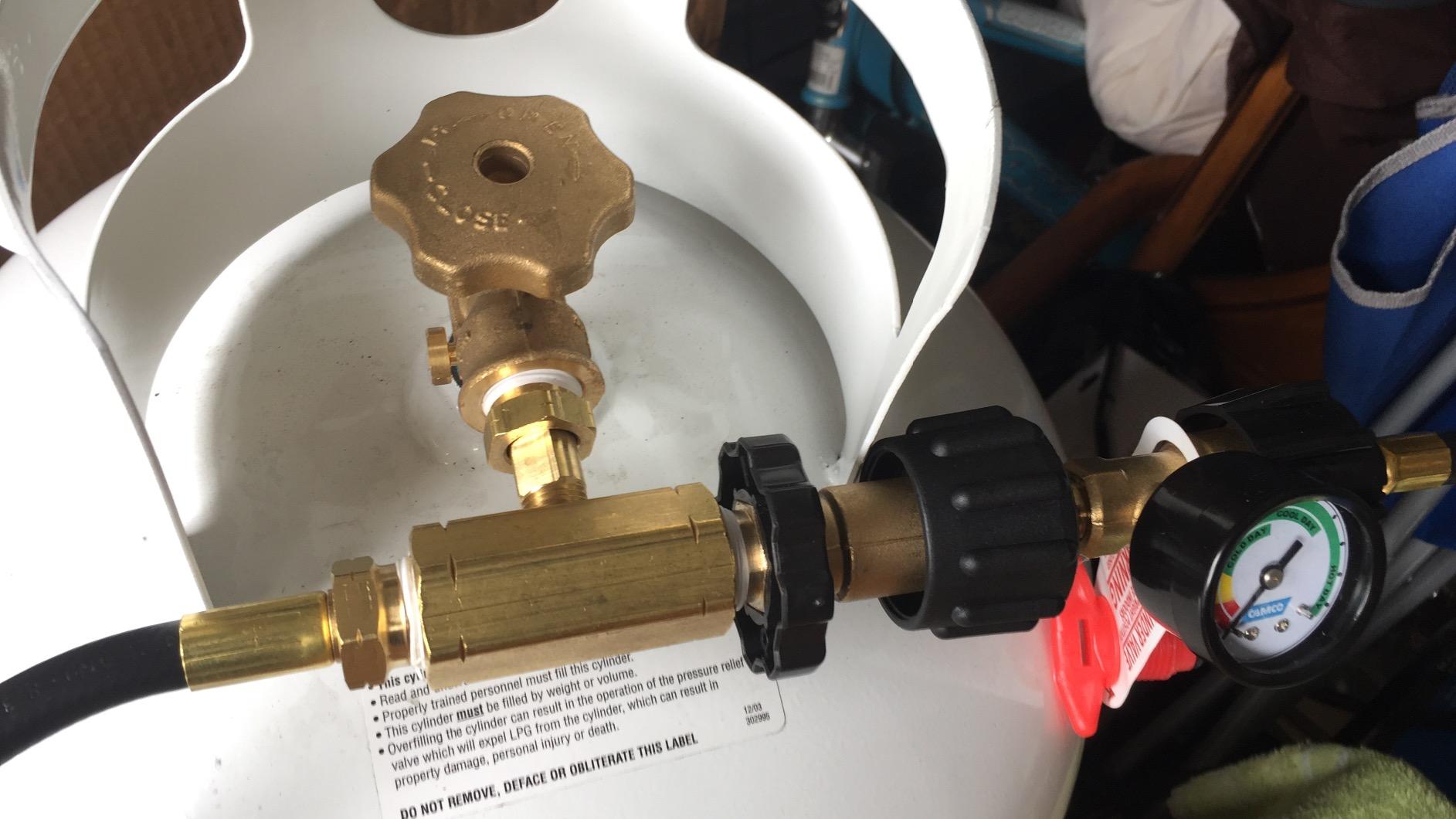
Dual fuel is the feature that matters most for a multi-day outage. Gasoline gives you the long runtime from the 8.3 gallon tank, while propane stores indefinitely and does not go stale in a can. Forum users on r/homeowners consistently describe propane as the easier fuel to plan around, because a 20 pound cylinder can sit in a garage for a year and still be there when you need it.
The engine is a 457cc four stroke with copper windings and an all metal frame and power panel, and the six outlet set includes the 50 amp socket that a transfer switch needs. MX2 Power Boost doubles the 120V output for appliances and RVs, and the auto throttle with idle control trims fuel burn when the load drops.
There are real drawbacks and you will hit them on day one. The machine weighs 224 pounds, so it is a two-person lift once the wheel and handle kit is installed. It also arrives without oil, and some buyers report the battery negative lead shipping disconnected with no mention in the setup guide, so check both before the first start.
Who this generator suits
This is the pick for a family that wants to run more than the fridge and the Wi-Fi, and who is willing to install a transfer switch. If you have a sump pump, a well pump, a gas furnace with a blower, or a window air conditioner, this class of output is the difference between a two-hour fix and an overnight run.
It also suits anyone who wants propane in the mix as an outage reserve. r/Generator users planning for ice storms tend to gravitate here for the same reason: gasoline queues are unpredictable, and dual fuel lets you burn whatever you can actually get hold of.
Who should buy something else
Skip it if you live in an apartment or a house with a strict noise ordinance, since a conventional open frame unit at full load is loud enough to be heard well beyond the property line. It is also the wrong choice if a single person has to get it from a truck bed up a porch step.
And if your real need is a fridge, a freezer, some lights and a router, you are paying for capacity you will never draw. In that case a mid-size inverter is a better fit and far easier to move.
2. WEN DF475T dual fuel generator review
WEN 4,750-Watt 120V/240V Dual Fuel Portable Generator with Wheel Kit and Electric Start (DF475T)
3800 running / 4750 peak watts
Switchable 120V and 240V
11 hour half load runtime
105.8 lbs
Pros
- True 120V and 240V switching is rare at this size
- Simple fuel selection dial
- Electric key start
- Includes wheel kit and LPG hose
Cons
- Conventional non-inverter output
- Two person lift at 105.8 pounds
- Propane loses about 400 surge watts
The DF475T is the value pick, and the reason is a spec that most units in this class skip: genuine switchable 120V and 240V output on a 30 amp twist lock. That means it will feed a transfer switch or an RV without a separate converter, which usually adds more cost than the generator itself.
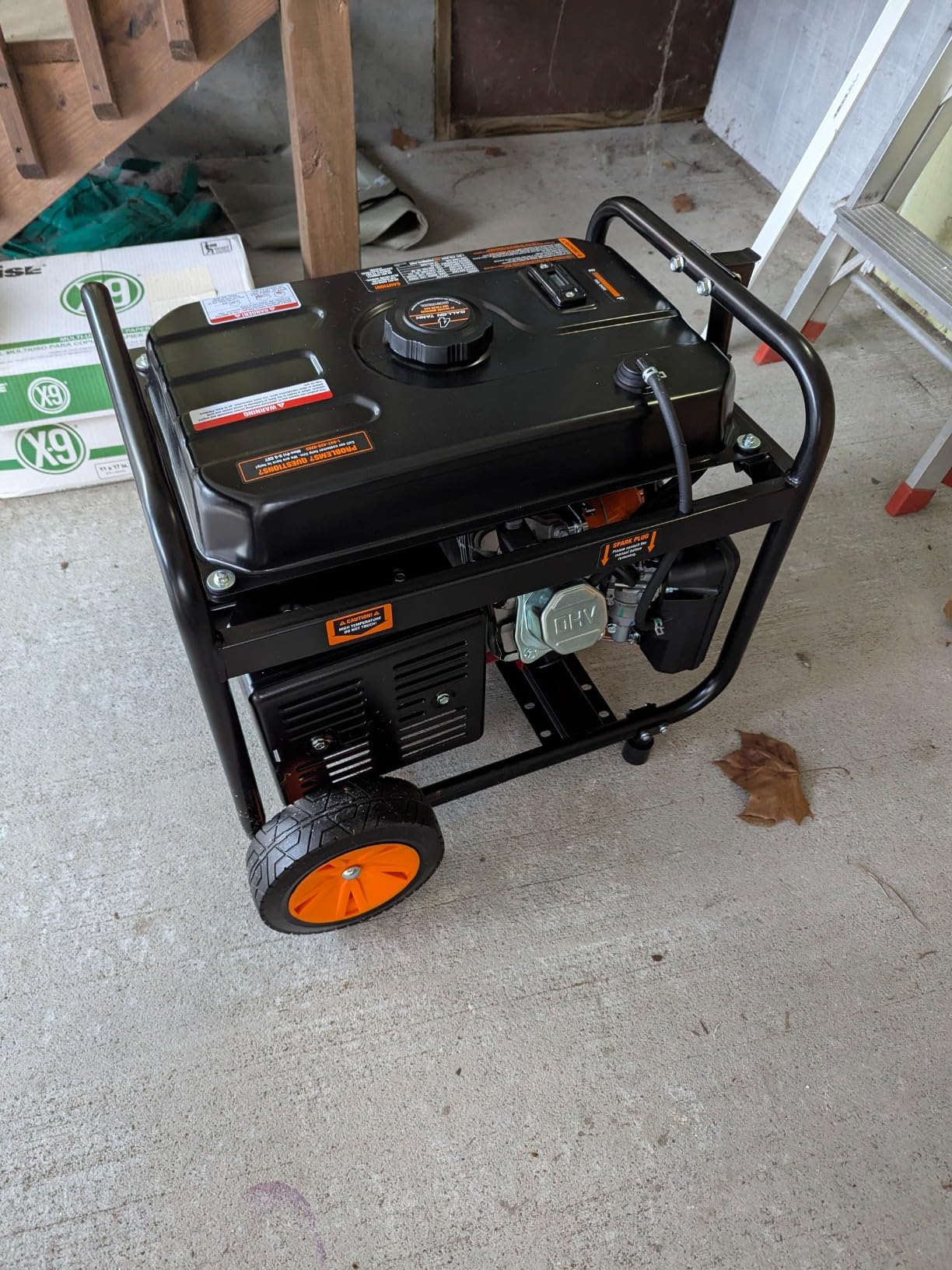
Buyers report 9 to 11 hours of half load runtime from the 4 gallon tank, and the 224cc four stroke with electric key start is otherwise easy to haul around a garage. The outlet set is sensible: two GFCI household outlets, one 30 amp twist lock and a 12V DC socket for a battery maintainer.
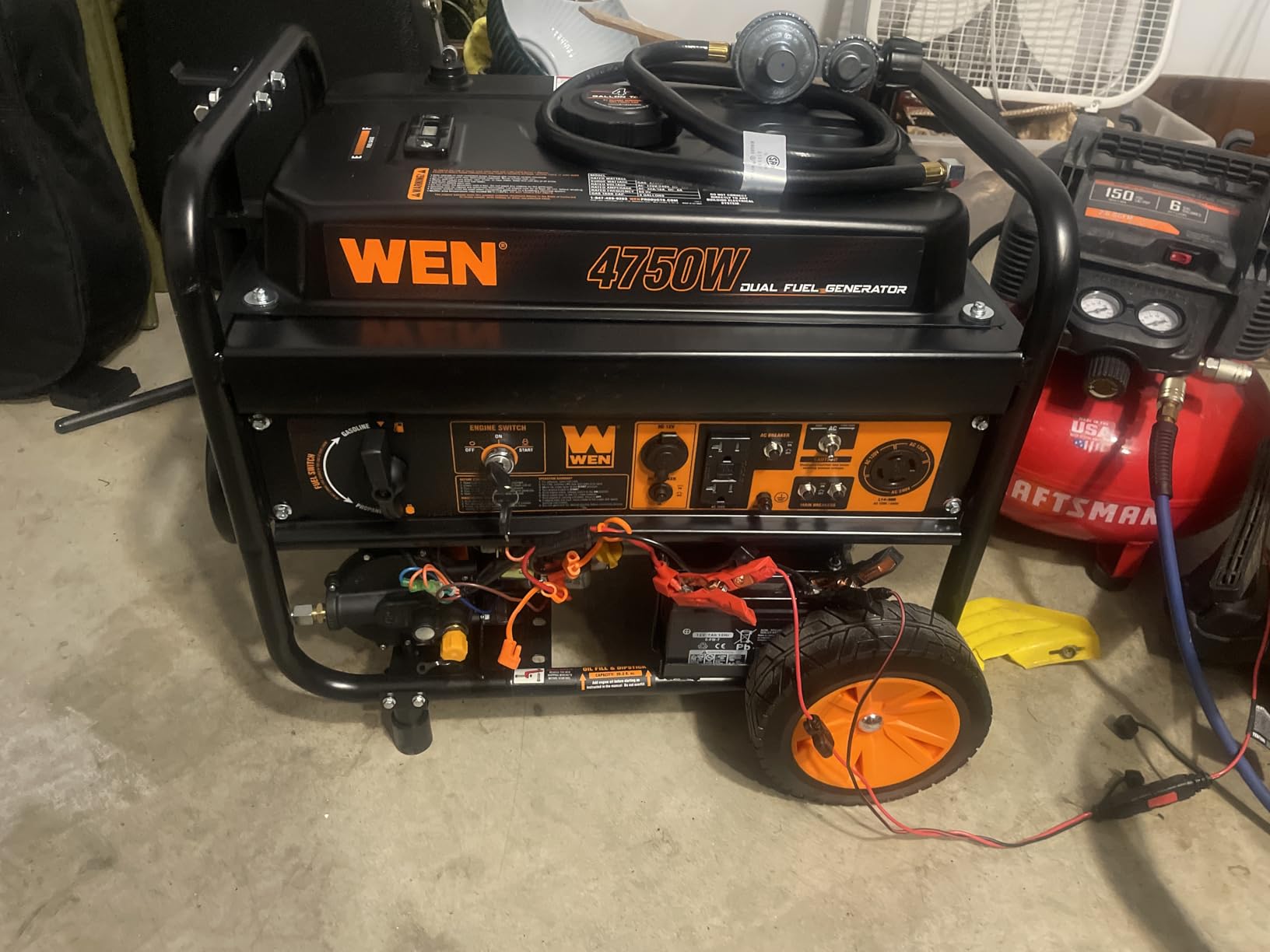
What you give up is inverter quality. The output is conventional, so a router, a monitor or a CPAP machine is better run through a surge protector or a small UPS. In a house where a medical device matters, that is a real consideration rather than a technical footnote.
Propane mode also drops output to 4350 surge and 3500 running watts, so plan around the gasoline figure if you size a pump or an air conditioner against it. The box includes oil, the wheel kit and a 47 inch LPG connection hose, and the warranty runs two years.
Who this generator suits
The DF475T fits a household that needs a refrigerator, a freezer, lamps, a router and maybe a small window unit, and that also owns an RV or plans to run a transfer switch later. Dual fuel lets you carry a propane cylinder as the emergency reserve and gasoline for everyday runtime.
It is a good first generator for someone who is not sure how large their outage loads will be, because 3800 running watts covers a lot of household essentials without the fuel burn of a 9500 watt machine.
Who should buy something else
Buy an inverter instead if your load is electronics. Laptops, monitors, TVs and networking gear are happier on pure sine wave output, and reviewers repeatedly note the contrast in noise and electrical behaviour between this unit and a 3300 watt inverter of similar price.
At 105.8 pounds it is still a two-person lift for most people, and one person moving it solo should look at a sub 60 pound unit instead.
3. Pulsar G12KBN heavy duty dual fuel generator review
Pulsar G12KBN Heavy Duty Portable Dual Fuel Generator – 9500 Rated Watts & 12000 Peak Watts – Gas & LPG – Electric Start – Transfer Switch & RV Ready – CARB Compliant
9500 rated / 12000 peak watts
Gas and LPG, 8 gallon tank
50A and 30A twist locks
12 hours half load
Pros
- Highest rating in this group at 4.6
- Full 30A and 50A twist lock outlets
- 12 hour half load runtime on gas
- Digital meter and low oil shutoff
Cons
- Only a 1-year limited warranty
- Non-inverter output
- Retailer listed weight appears unreliable
The G12KBN matches the DuroMax on headline capacity but wins on rating, at 4.6 with 81 percent five star reviews across more than 1300 ratings. Seven outlets cover more configurations than any other unit here, including both a 30 amp and a 50 amp 120/240V twist lock.
That outlet selection is what owners mention most. A 50 amp socket plus low oil shutoff and automatic voltage regulation makes it straightforward to wire into a transfer switch or feed an RV, and the 3-in-1 digital meter shows load, runtime and voltage at a glance while you are working in the dark.
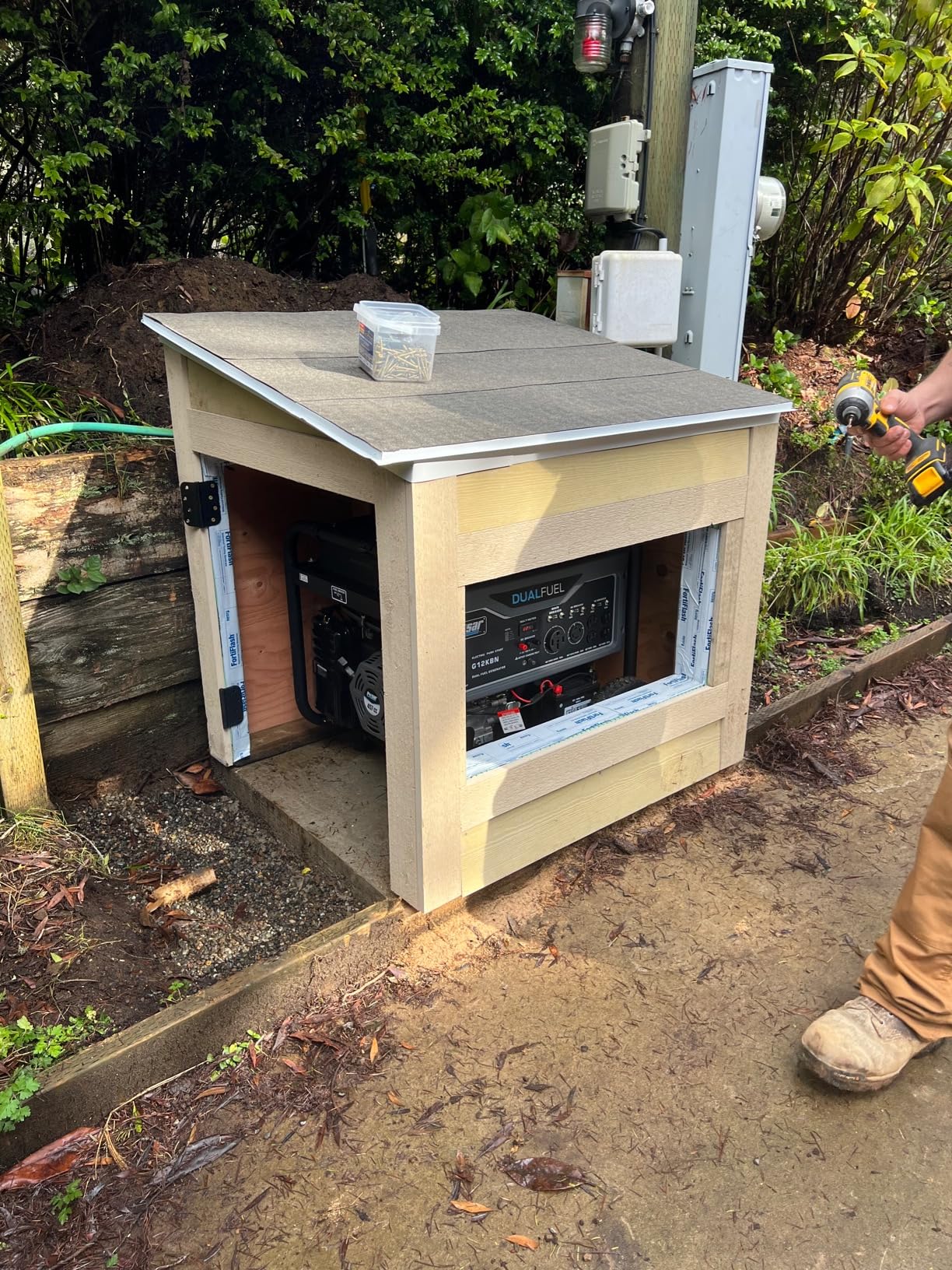
On gasoline it delivers 12000 peak and 9500 rated watts, and the 8 gallon tank carries it up to 12 hours at half load. On propane you get 10800 peak and 8550 rated watts, which is the usual dual fuel trade-off and still plenty for most household essentials.
The honest weakness is warranty length. One year limited is the shortest coverage in this roundup, and on a machine this size that gap is worth weighing against the lower purchase point. It is also conventional rather than inverter output, so sensitive electronics want a surge protector.
Who this generator suits
Choose the G12KBN if your connection to the house matters more than fuel flexibility over a single night. The pair of twist locks makes it the easiest of the 9500 watt class to wire into a transfer switch, and buyers planning a multi-day outage like being able to see the load meter.
It is also the pick for anyone who wants propane stored as a standing reserve. The LP option works well on a fixed cylinder, so you are not dependent on gasoline queues during a regional outage.
Who should buy something else
If you run a home office full of computers and network gear, an inverter unit gives cleaner output. If warranty length is your top filter, the Champion models here carry three years instead of one.
Check the listed weight with the retailer before planning a lift, since the specification entry for this model reads as a packaging figure rather than the real machine weight.
4. PowerSmart 3800 watt inverter generator review
PowerSmart 3800 Watt Dual Fuel Inverter Generator for Camping or Home Use
3300 running / 3800 starting watts
Inverter output under 3% THD
59 dBA in eco mode
50.7 lbs
Pros
- Clean inverter power confirmed with laptops and monitors
- Very quiet eco mode operation
- Reliable starting once broken in
- Good outlet mix with 30A twist lock and USB
Cons
- Small 1.3 gallon tank for overnight runs
- Feels heavier than listed
- Support can be slow on warranty issues
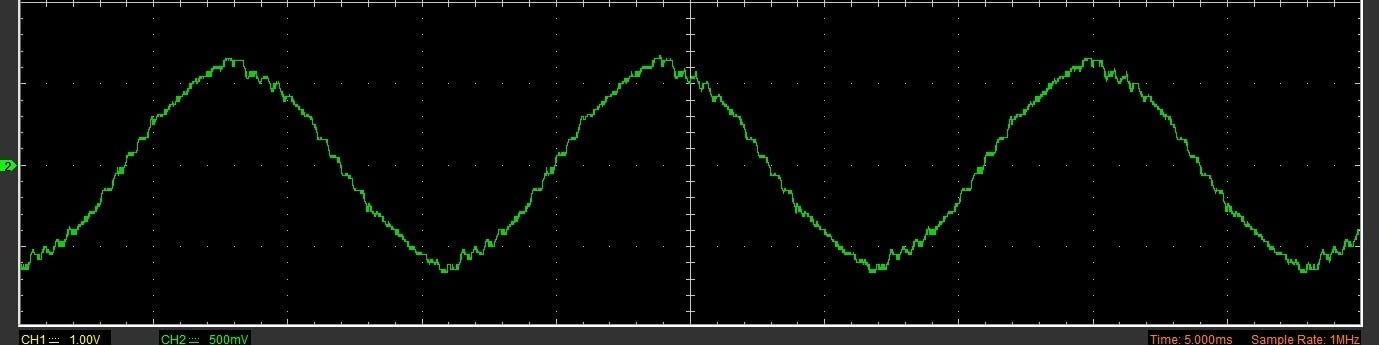
This is the quiet one, and on a cold night that matters more than most spec sheets admit. In eco mode it runs at 59 dBA, which several buyers compare favourably against well known Honda models, and the output is under 3 percent total harmonic distortion, meaning laptops, monitors, routers and phones run without complaint.
It is also dual fuel, with 3800 starting and 3300 running watts on gasoline and 3500 starting and 3100 running watts on propane. That is enough to carry a refrigerator, a freezer, internet and lighting, plus a CPAP machine or oxygen concentrator without a UPS, which makes it a sensible pick for power dependent health equipment.
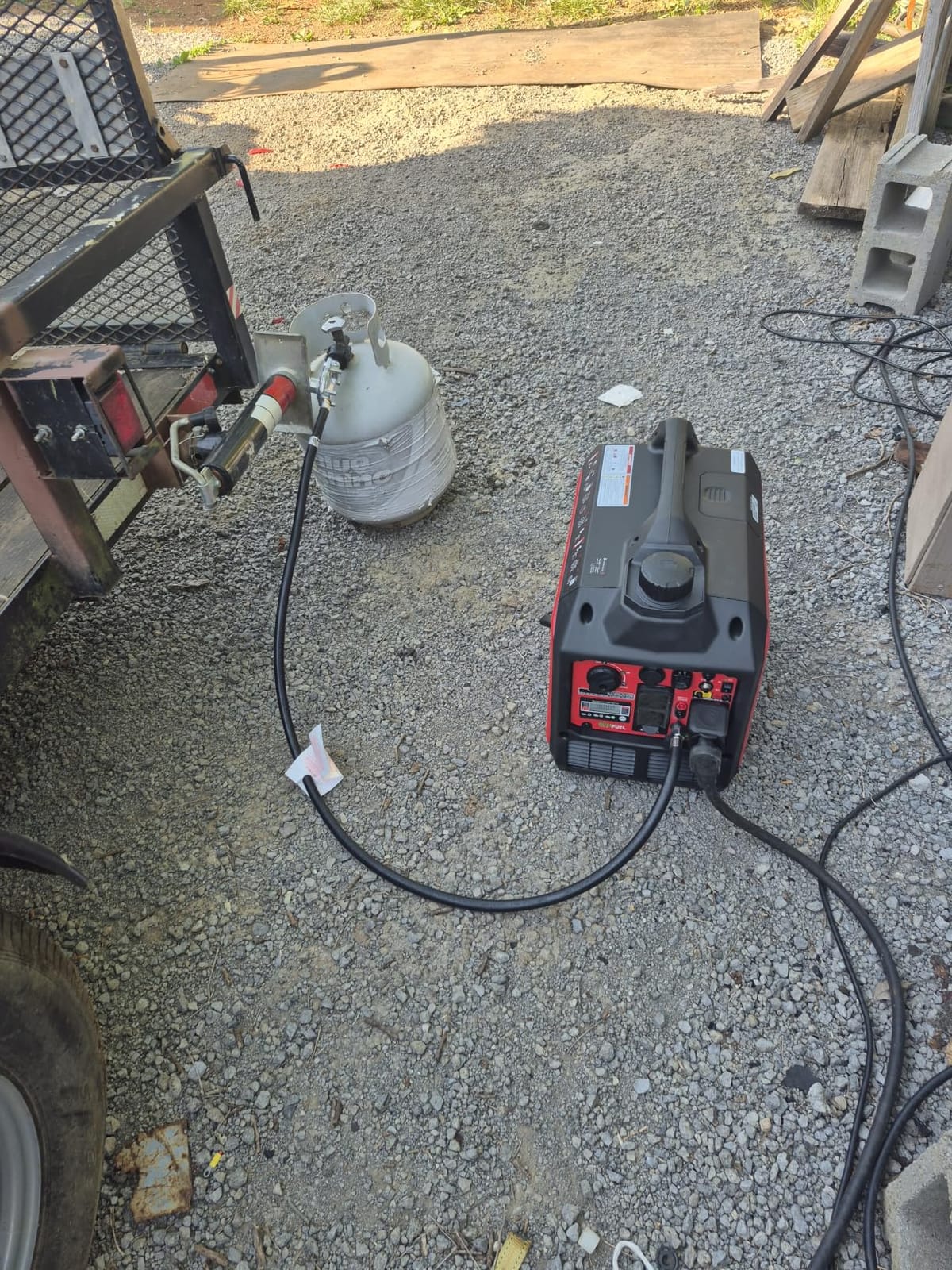
The 149cc engine is parallel ready, and the outlet set covers a 30 amp RV twist lock, a duplex 120V, a 12V DC port and USB including one fast charging port. It carries CO sensor, low oil, overload and short circuit protection, and it is certified to ANSI/PGMA G300 and UL2201 standards.
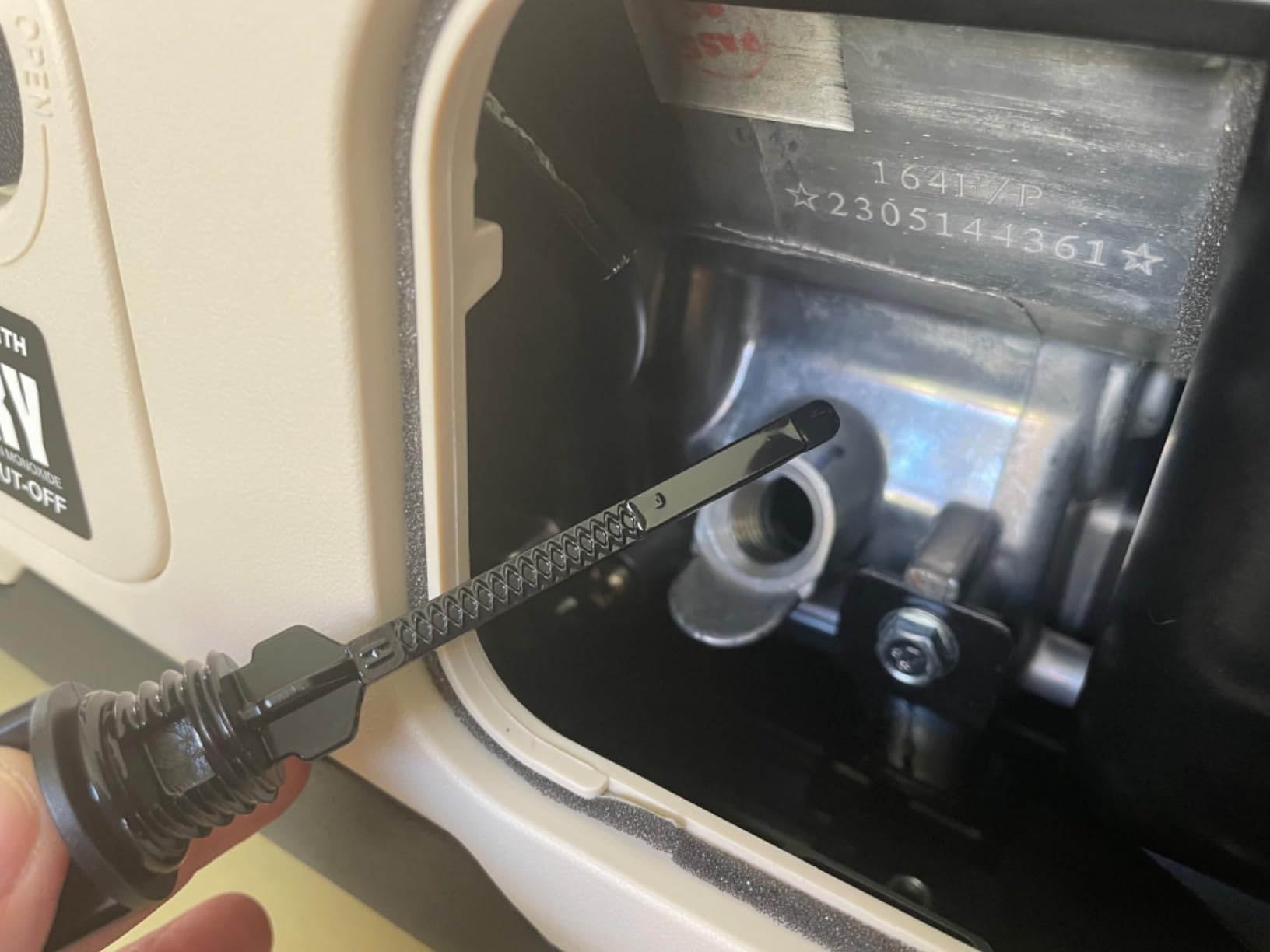
The limitation is fuel. A 1.3 gallon tank means a refill partway through any overnight run on gasoline, and the control display sits low and small enough that you kneel to read it. Access panels for oil changes also need a Phillips screwdriver, which is annoying in weather.
Who this generator suits
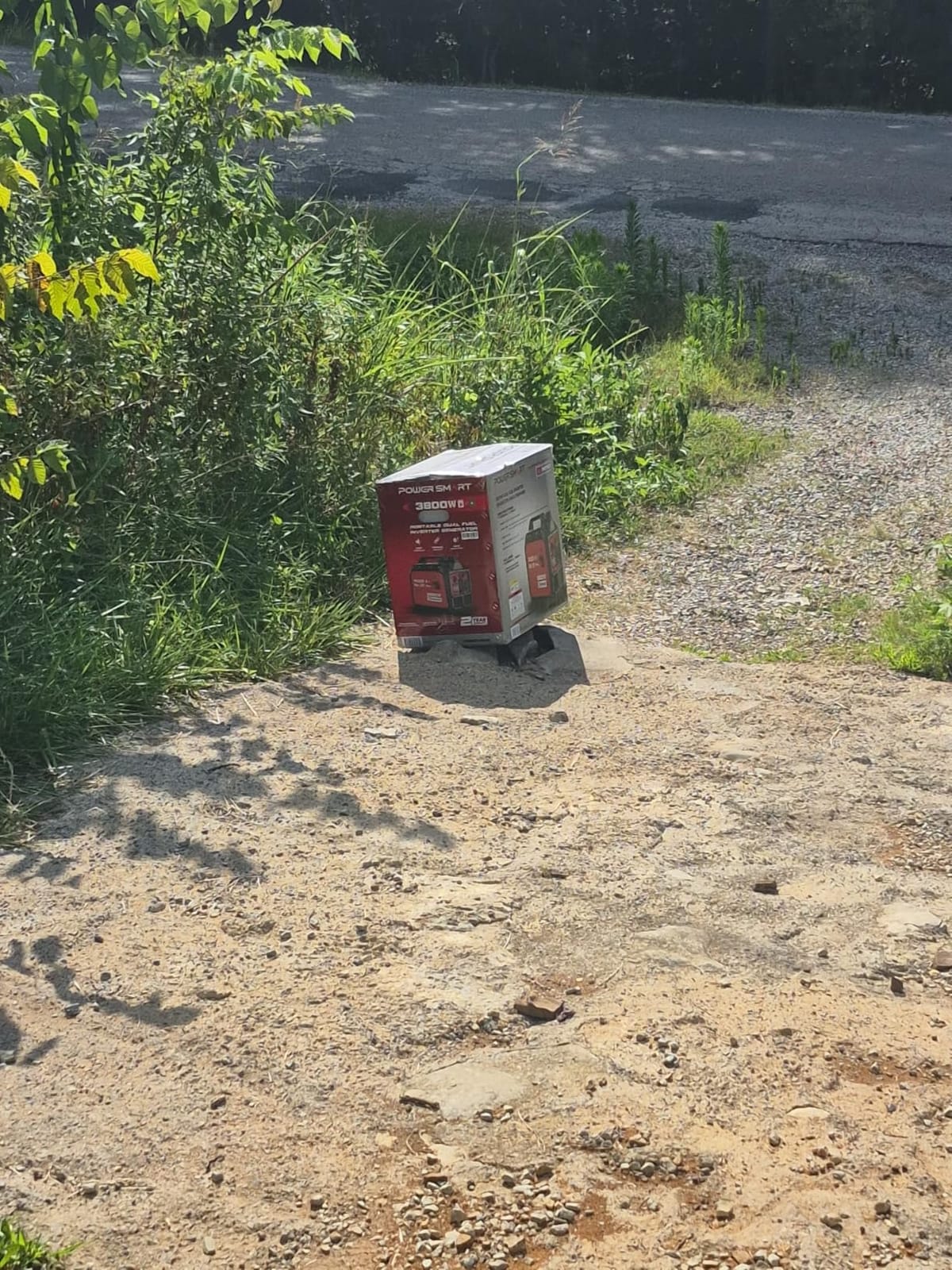
This is the one to buy if noise is the deciding factor, such as a dense neighbourhood, a bedroom-adjacent window, or a household with a light sleeper or a baby. It is also a strong fit for anyone running medical equipment that dislikes dirty power.
At 50.7 pounds it is still a two-hand carry rather than a one-person porch lift, but it is far more manageable than anything above 9500 watts. Keep two propane cylinders on hand and the fuel limitation mostly disappears.
Who should buy something else
If you need to run a well pump, a sump pump or a window air conditioner, 3300 running watts will not stretch that far. Step up to a 9500 watt dual fuel machine for those loads.
For heavy all-day use or a job site, note the reported slow response from support on warranty claims. Owners running commercial duty cycles for years tend to prefer a brand with a longer warranty and a denser service network.
5. Oxseryn 4400 watt inverter generator review
Oxseryn Power Equipment 4400 Watts Inverter Generator Gas Powered, Portable Open Frame Generator, Low Noise with ECO Mode, RV Ready, Emergency Home Backup
4400 peak / 3400 running watts
14 hour runtime at 25% load
Under 72 dBA at 23 feet
56 lbs
Pros
- Lowest entry point in this group at 4400 peak watts
- Light enough for one person to reposition
- 14 hour half load runtime
- Fuel gauge on the tank
Cons
- Gasoline only with no propane option
- Open frame is louder than enclosed inverters
- Only a 1-year warranty
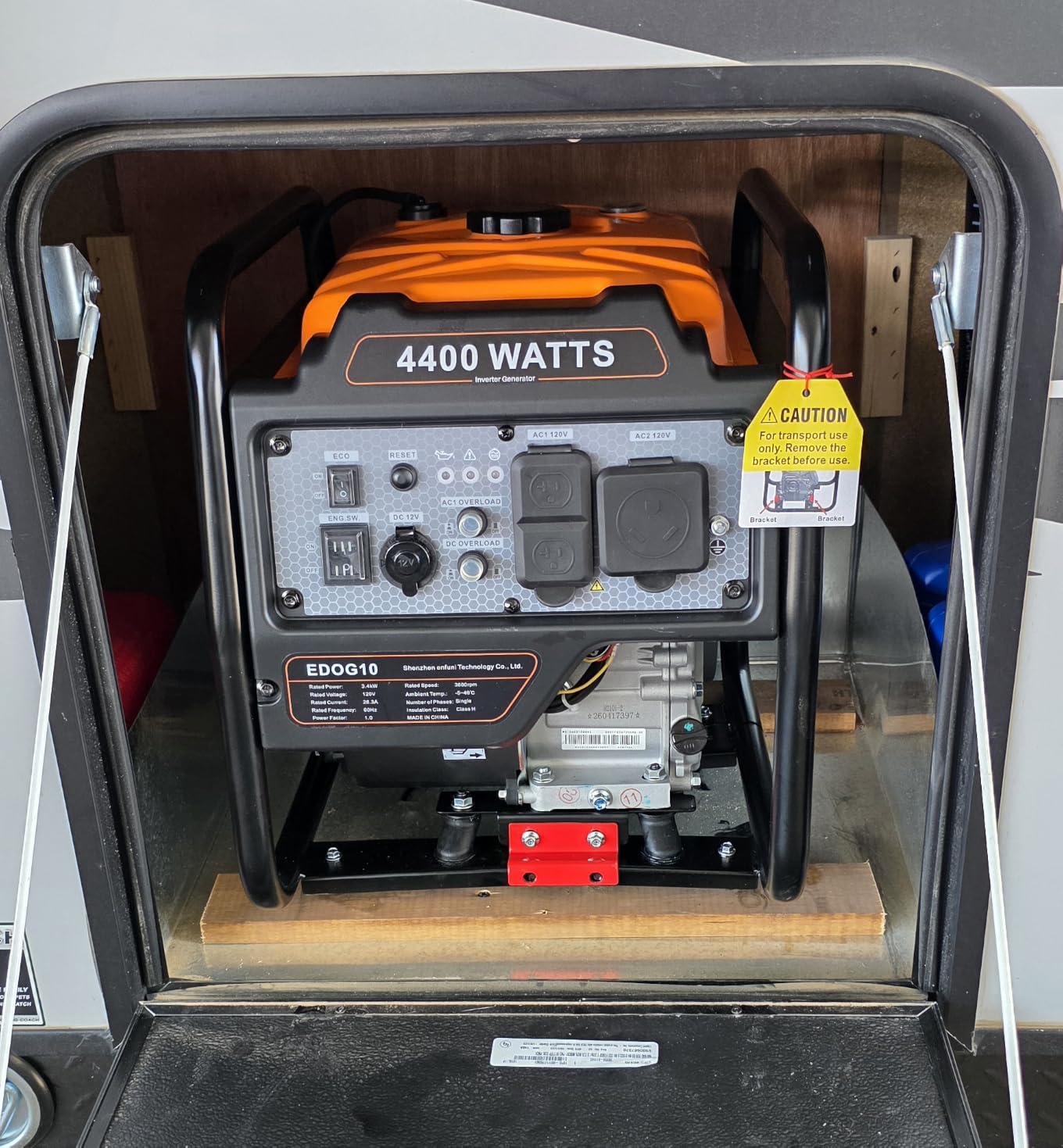
The Oxseryn does the basics and costs the least here. It delivers 4400 peak and 3400 running watts from a 208cc four stroke, and buyers consistently frame it as adequate emergency backup for a fridge, lights and a router without paying for capacity you will not use.
Two things stand out for outage planning. The 2 gallon tank carries it up to 14 hours at 25% load in eco mode, and there is a fuel gauge on the tank itself, so you can see how much you have left without opening anything up.
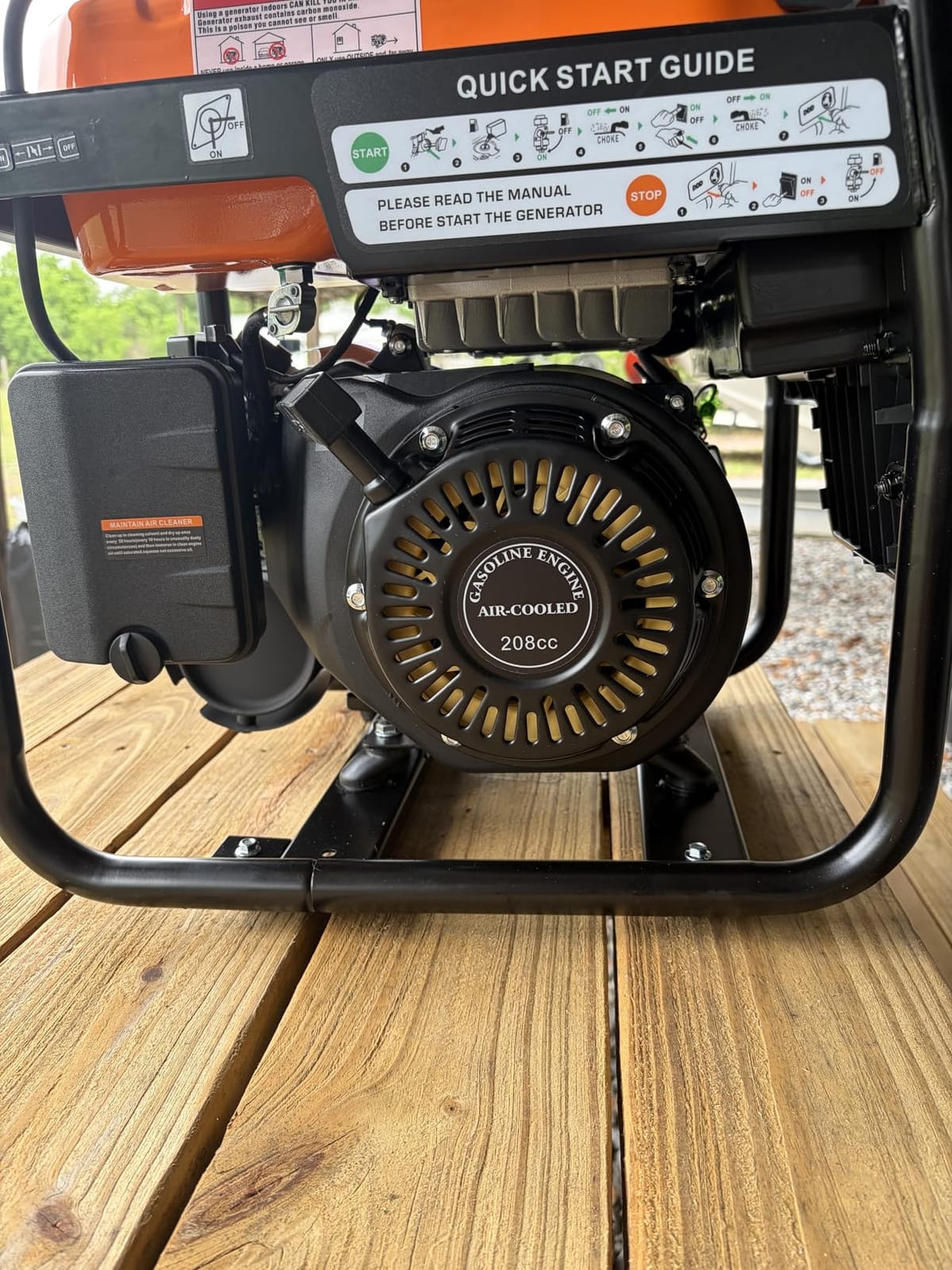
At 56 pounds it is one of the few units here a single person can reposition to a porch or a truck bed, which matters a lot when the storm is already overhead. The outlets are two 120V AC, one 12V DC and an RV port, with low oil shutdown and overload protection.
The trade-offs are structural. It is gasoline only, so stockpiling against a fuel shortage is limited to approved containers, and the open frame design is noticeably louder than an enclosed inverter at the same output. Brand support and resale value are also weaker than the nameplate competitors.
Who this generator suits
Budget buyers, first-time generators, and anyone who needs a unit they can move alone will find the most value here. A 14 hour runtime at quarter load is genuinely useful for a fridge-freezer, lighting and internet over a long evening.
It is also a reasonable second machine for a household that already has a large dual fuel unit, covering the small loads while the big one handles the pumps.
Who should buy something else
Anyone whose neighbourhood has noise rules, or who plans to run it beside an open bedroom window, should pay more for an enclosed inverter. A 59 dBA unit is a different night-time experience.
Anyone planning a multi-day outage in a region where gasoline runs short should choose dual fuel instead, because this unit has no propane path at all.
6. Champion 4000 watt dual fuel inverter generator review
Champion 4000-Watt Dual Fuel RV Ready Portable Inverter Generator
4000 starting / 3000 running watts
Dual fuel, gas or propane
64 dBA at 23 feet
CO Shield shutoff
Pros
- 4.6 rating with 83 percent five star reviews
- Runs a 12000 to 15000 BTU RV air conditioner
- Clean power verified with TVs and routers
- Tool free quarter turn oil fill door
Cons
- Louder than smaller Champion inverters
- First start on propane can be troublesome
- 3000 running watts is modest
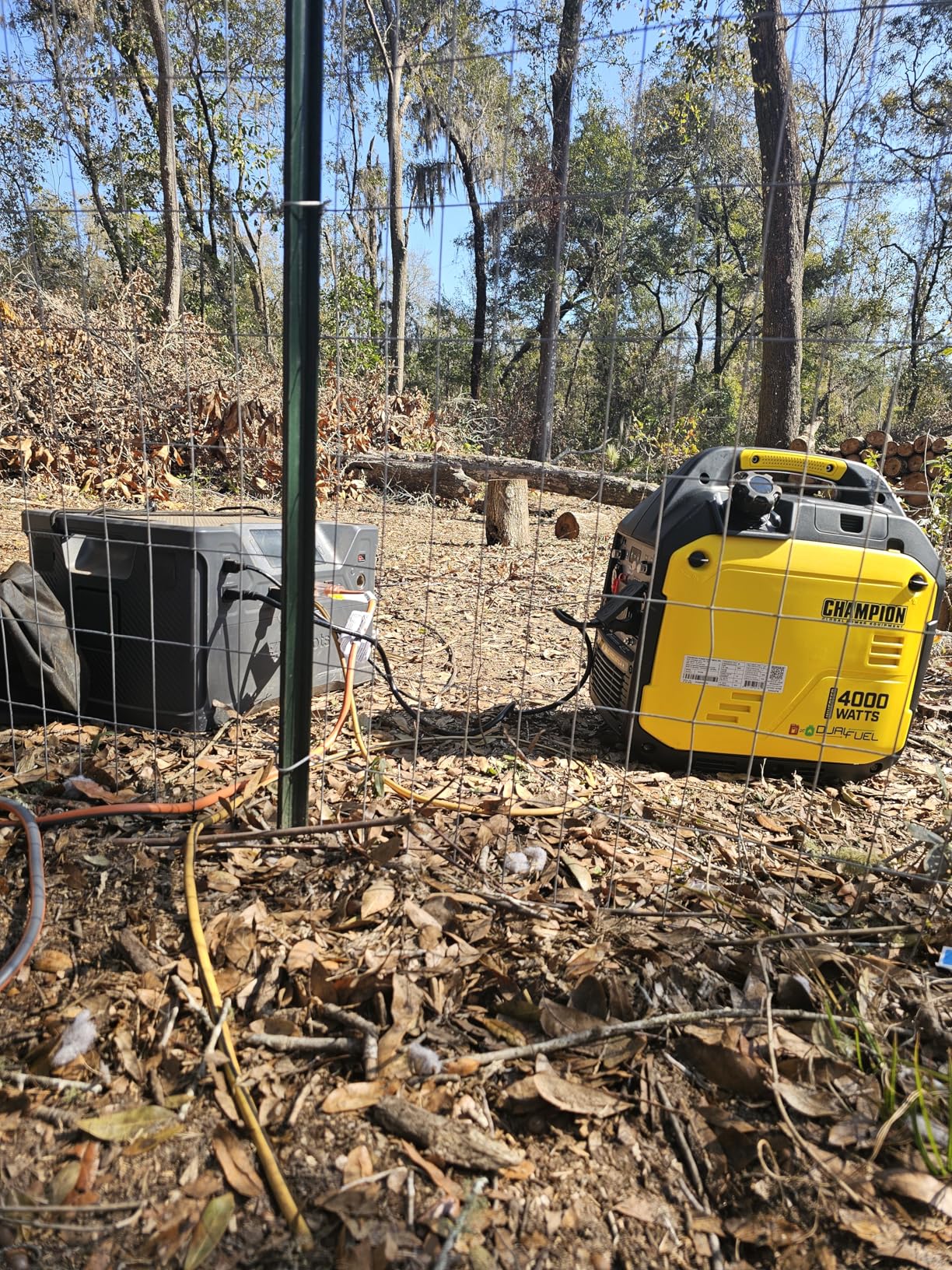
This is the build quality pick in the mid range. At 4.6 with 83 percent five star reviews, the 4000 watt dual fuel Champion is frequently named the best balance of price, weight and clean output, and the quarter turn fasteners on the oil fill door mean an oil change needs no tools at all.
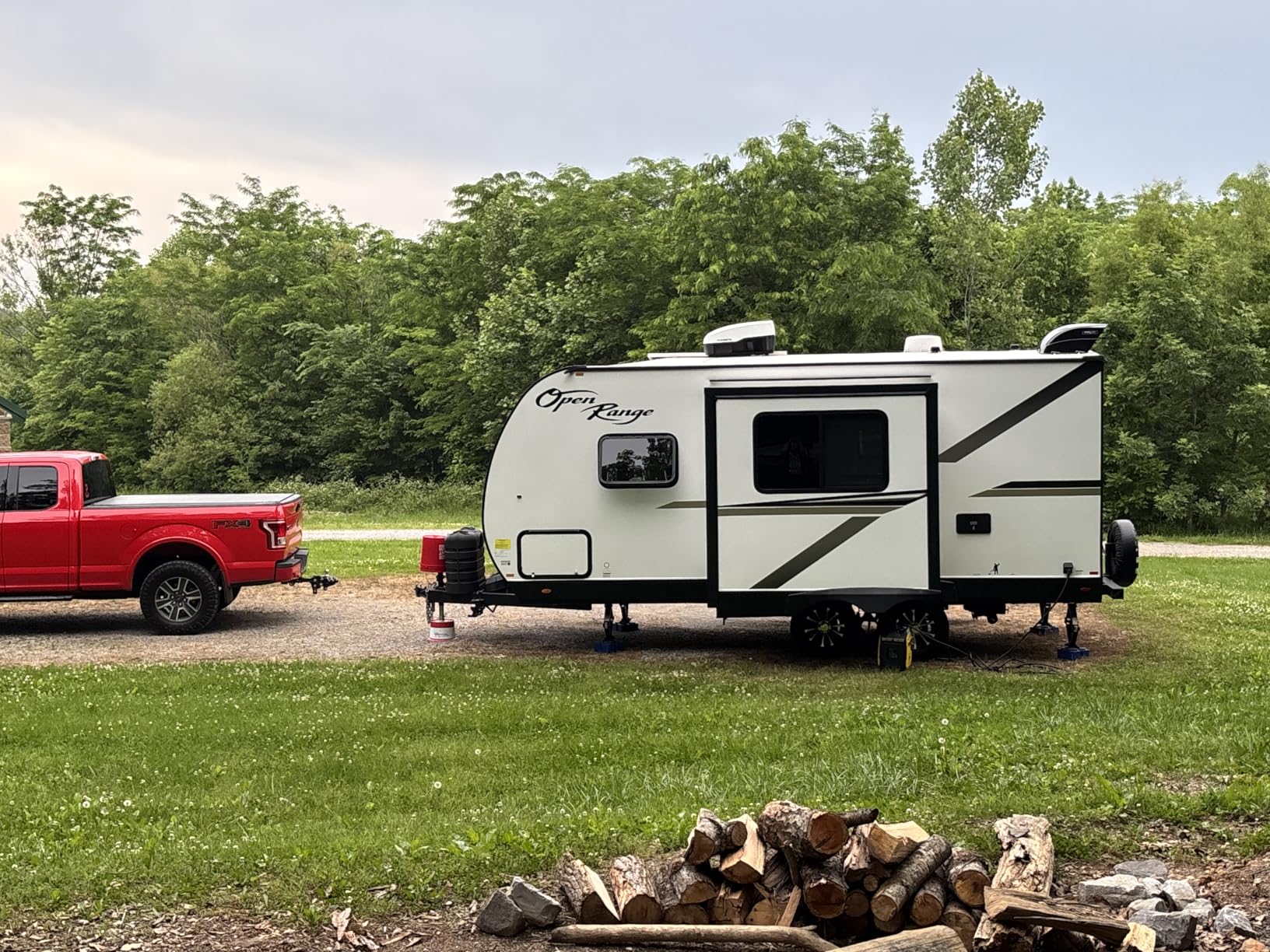
The headline use case is an RV. Owners report running a 12000 to 15000 BTU RV air conditioner without dropping out of eco mode, which is a demanding surge load that trips a lot of lighter inverters. At home it handles a television, a computer, a monitor, a router and a furnace blower without complaint.
Output is under 3 percent THD, rated 64 dBA at 23 feet, and the outlets are a 30 amp TT connector, a duplex 120V and a 12V automotive socket. It is parallel ready with a separately sold kit, and CO Shield shuts the engine down if carbon monoxide climbs.
On propane it delivers 2700 running watts and up to 25 hours, which is the endurance story here. A number of owners struggled to get it running on propane on the first attempt and resolved it by running it on gasoline for 90 minutes first, so budget an hour of break-in before you need it.
Who this generator suits
RV owners, tailgaters and anyone with a mixed load of electronics plus an air conditioner get the most from this unit. The 51.8 pound weight is carryable by two people and awkward for one, and the dual fuel means you can store propane as the reserve.
It is also a strong outage pick for a house that needs clean power for a desktop, a monitor stack and networking gear without adding a UPS to every device.
Who should buy something else
At 3000 running watts it cannot run a RV air conditioner and a microwave at the same time, so plan the load list before the outage rather than during it. If you need well pump or central air capacity, move up a class.
If you need to run overnight in a quiet neighbourhood, note that several owners estimate closer to 70 dBA at full load than the rated 64, and the CO sensor can shut down in enclosed spaces such as a truck bed.
7. Pulsar PGD40ISCO 4000 watt inverter generator review
Pulsar PGD40ISCO Ultra Light Quiet 4000W Portable Gas Inverter Generator, white
3200 rated / 4000 peak watts
59 dB noise rating
Only 47.3 lbs
1 gallon tank
Pros
- Lightest unit here at 47.3 pounds
- 59 dB inverter operation
- Marked suitable for sensitive electronics
- Three year limited warranty
Cons
- 1 gallon tank gives about 4 hours at half load
- Gasoline only with no propane option
- 9 percent of ratings are one star
The PGD40ISCO is the one to buy when weight decides it. At 47.3 pounds it is the lightest machine in this roundup and the only one most people can genuinely carry to a porch or into a truck bed on their own, which is a bigger deal during a storm than any spec line.
Noise is a close second. The 59 dB rating puts it level with the quietest units here, and the inverter output is clean enough for laptops, monitors and network gear. It is also marked as able to handle air conditioning units up to 13500 BTU, which is more than the wattage alone would suggest.
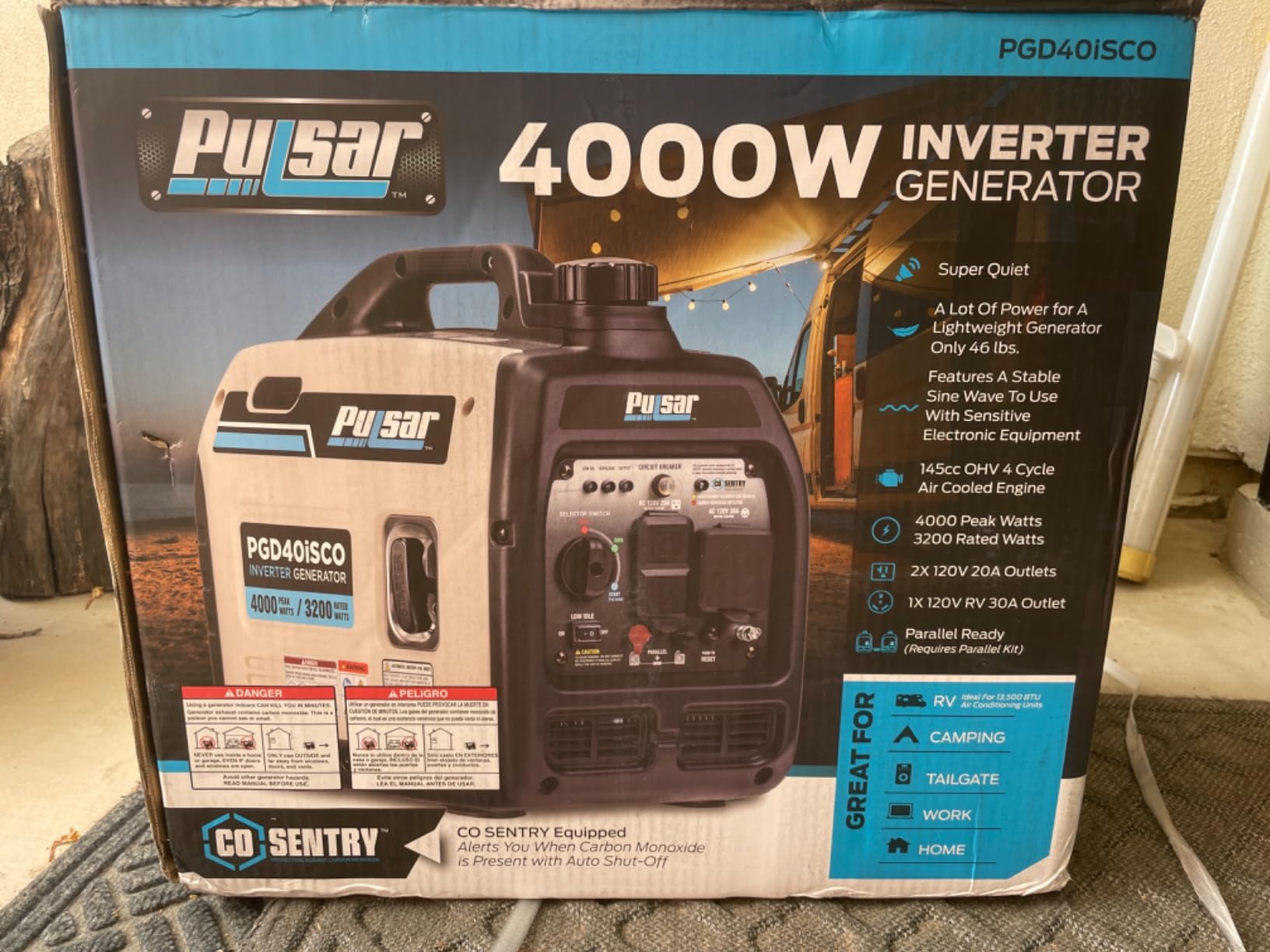
The trade-off is endurance. A 1 gallon tank gives roughly 4 hours at half load, so this is a machine for moving from place to place, or for shorter outages where a single tank covers the night. It is parallel ready if you own a second matching unit.
It is gasoline only as well, and 9 percent of its ratings are one star, the second-highest share in this group. That points to more unit-to-unit inconsistency than the other inverter models here, so factor it into a purchase made for a single critical night.
Who this generator suits
Apartment-adjacent households, people in upper-floor walk-ups with no easy vehicle access, and anyone who cannot recruit a second person for a lift. It also suits RV and tailgating use where the machine moves between storage and use.
If your outage load is modest, a fridge-freezer, lighting, internet and a phone charger, the 3200 rated watts cover it comfortably for hours.
Who should buy something else
Do not buy it for a multi-day outage. The 1 gallon tank means refilling overnight and repeatedly, and there is no propane option to sidestep a fuel shortage.
If you want the same low weight with a better consistency record, the PowerSmart 3800 watt inverter is a 120V dual fuel alternative with a larger tank and a 59 dBA eco mode.
8. Champion 4500 watt electric start inverter generator review
Champion 4500-Watt Electric Start Dual Fuel Portable Inverter Generator
3500 running / 4500 starting watts
Electric start with EZ Start dial
21 hours on propane
61 dBA rating
Pros
- Electric start plus dual fuel in one unit
- Up to 21 hours on propane
- 61 dBA for the power class
- Intelligauge meter tracks voltage and hours
Cons
- At 99.2 pounds it is a two person lift
- CO sensor can shut down in enclosed spaces
- 8 percent of ratings are one star
The 4500 watt Champion is the endurance and duty cycle pick. Several commercial operators report running freezers, a commercial refrigerator, a point of sale system and blenders for 12 hours a day on it, and multiple owners describe years of daily use without a single failure.
Electric start removes the most common failure point in the field. Instead of a recoil cord in the rain at 2am, you turn a key or press the EZ Start dial, which matters when a machine has been sitting for six months and the fuel has gone stale.
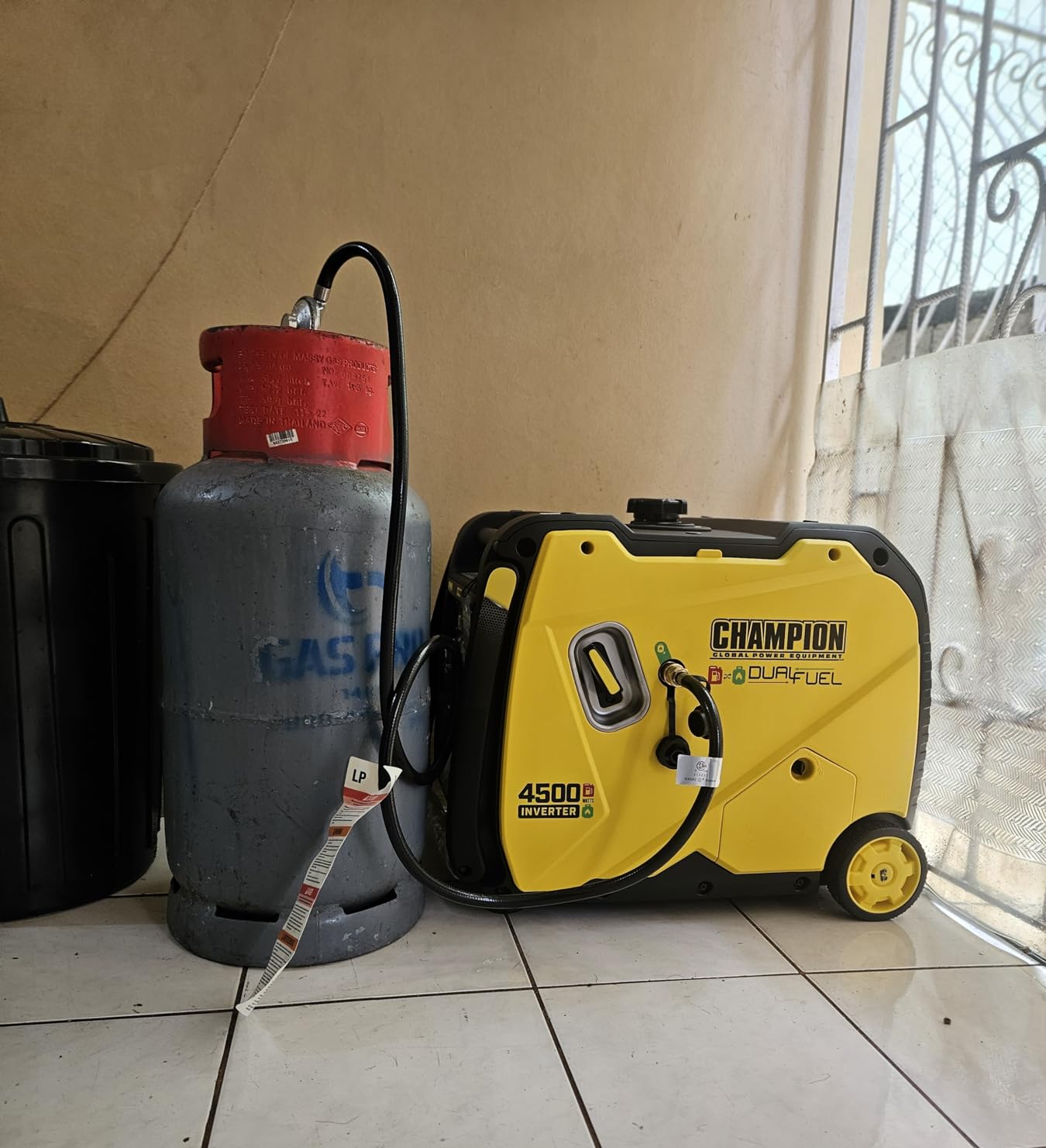
It runs 4500 starting and 3500 running watts on gasoline, and 3150 running watts with up to 21 hours on propane. The 61 dBA rating is quiet for its class, and the Intelligauge power meter monitors voltage, frequency and operating hours, which is a real field diagnostic rather than a decoration.
At 99.2 pounds it is effectively a two-person lift, and the CO sensor has been reported as over-sensitive, shutting the engine down in enclosed spaces such as a truck bed. Some warranty service may require transport to an authorized repair centre that could be hours away.

Who this generator suits
Small business owners running freezers or a point of sale system through an outage, and households that want a propane endurance reserve without refilling cylinders. The 21 hour propane figure covers a long evening or most of a day without a fuel stop.
It is also a good fit for anyone who will not pull a recoil cord, and for paired units since the parallel kit lets two machines run as one larger source.
Who should buy something else
If you need to move it solo, the 99 pound weight is disqualifying. Pick a lighter inverter and accept a smaller fuel tank.
Against the 4000 watt Champion this buys roughly 500 more running watts at a higher price, so a household that only needs essentials is paying for a modest gain. Check where the nearest authorized service point is before committing.
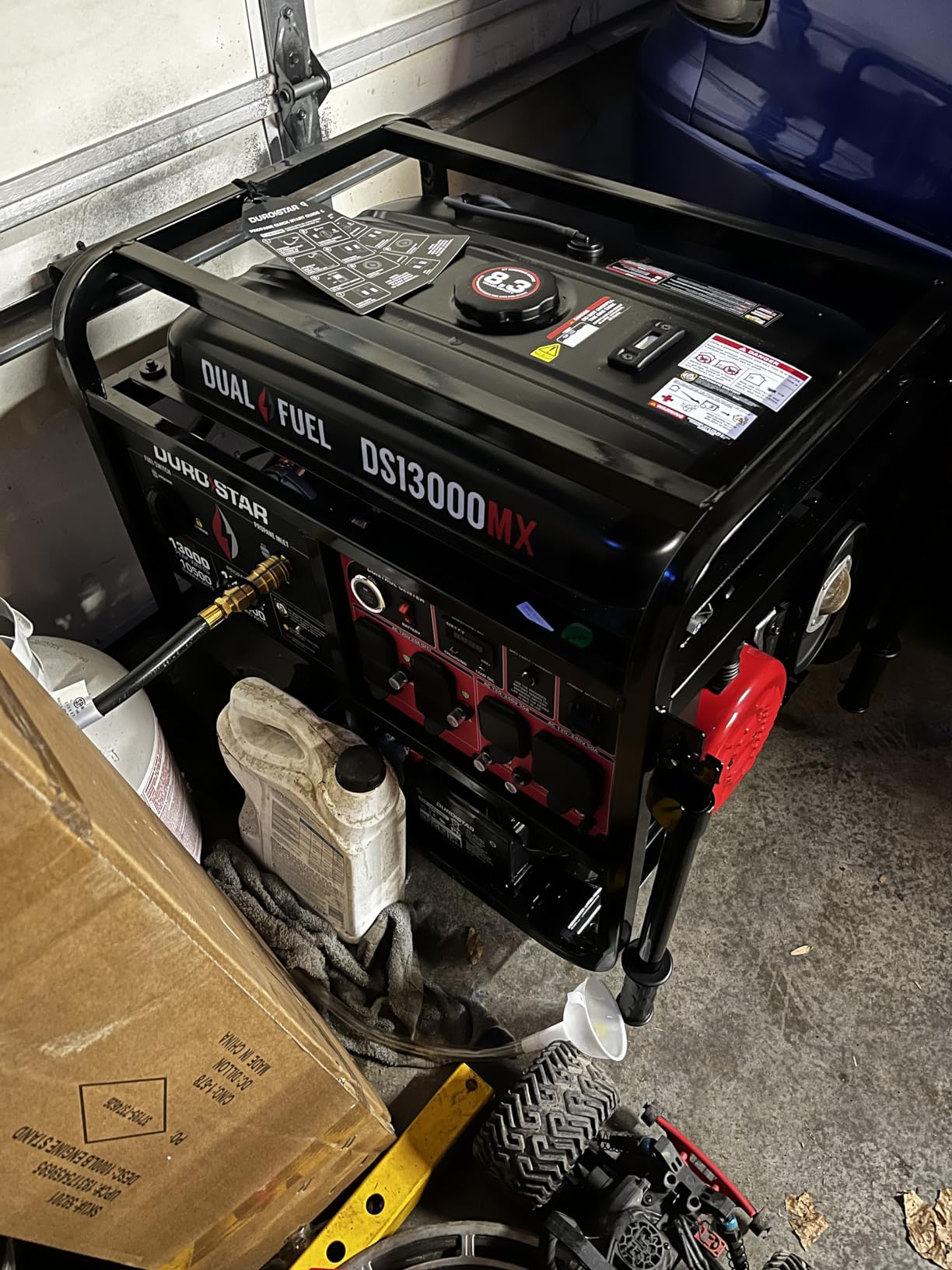
9. DuroStar DS13000MX remote start dual fuel generator review
DuroStar DS13000MX 13,000-Watt 500cc Dual Fuel Portable Generator – Gas and Propane, Remote Electric Start, Whole Home Power Backup, Transfer Switch Ready, RV & Emergency Ready
10500 running / 13000 starting watts
Remote electric start
8.3 gallon tank, 17 hour runtime
CO Alert shutoff
Pros
- 13000 starting watts from a 500cc engine
- Remote start avoids going outside in a storm
- Up to 17 hours on the large tank
- 50A transfer switch ready outlet
Cons
- Very heavy at 220 pounds
- 10 percent of ratings are one star
- Open frame design is loud
- Non-inverter output
The DS13000MX is the starting power pick. It delivers 13000 starting and 10500 running watts from a 500cc engine, and the remote control fob means you can fire it up without walking out into the storm, which is the feature owners mention first and buyers underrate before an outage.
Runtime is the other argument. The 8.3 gallon tank carries it up to 17 hours, the longest figure in this group, and the front facing fuel selector makes switching between gasoline and propane fast when you are working by flashlight.
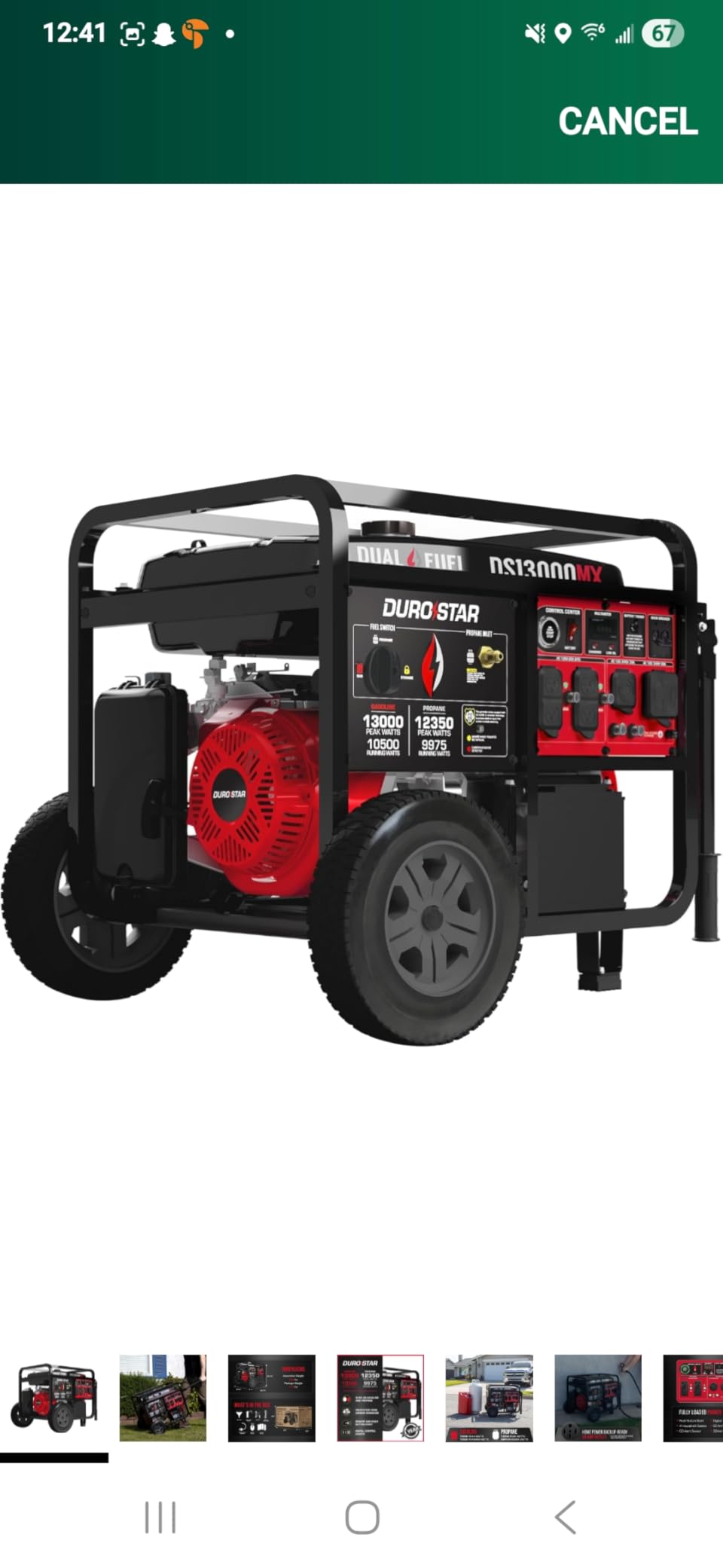
The 50 amp heavy duty outlet is transfer switch ready, and CO Alert detection shuts the unit down on dangerous carbon monoxide levels. The all metal steel frame and reinforced power panel are built for prolonged heavy duty use rather than occasional weekend duty.
Against that, it weighs 220 pounds and carries the highest one-star share in this roundup at 10 percent, with complaints about first-start and carburetor issues. Conventional output means a surge protector for electronics, and the open frame is loud in residential settings.
Who this generator suits
Homes with genuinely high demand, such as central air, a well pump and a water heater all running at once, or households in regions where outages run for days and gas stations are unreliable. The remote start is the detail that changes daily use for people with mobility limits.
At 17 hours on one tank, it also suits anyone who wants to minimise refills and stay on propane reserve when gasoline is short.
Who should buy something else
Skip it if you only need essentials. You would be hauling 220 pounds and burning fuel to run a refrigerator, so a quiet inverter is the smarter purchase.
The 10 percent one-star share also matters. Buyers who want the most predictable long-term ownership should look at a nameplate brand with a longer warranty and an established service network.
10. PowerSmart 4500 watt inverter generator review
PowerSmart 4500 Watt Portable Generator for Home Use
4500 starting / 3800 running watts
Under 3% THD clean power
6.5 hour runtime at 50% load
61 lbs
Pros
- Best value per watt in the group
- Owners report 100 plus hours with no problems
- Clean output runs AC and refrigerator together
- Digital display shows wattage and run hours
Cons
- Arrives without oil
- Front cover must come off for oil changes
- Gasoline only
- 7 percent of ratings are one star
The 4500 watt PowerSmart is the value inverter. It pairs 4500 starting and 3800 running watts with clean inverter output under 3 percent THD, and reviewers call it the best value per watt in the group. Long-term owners report 100 to 125 hours of use and five or more oil changes without a problem.
The output quality is the quiet advantage. Reviewers run an air conditioner, an oven, an ice maker and a refrigerator freezer simultaneously on it, which is a load list that would trip most conventional machines of this size.
It is also practical about information. The digital display shows live wattage and total run hours, which most cheaper rivals omit, and several owners report it starts on the first or second pull even in near freezing conditions. Eco mode drops the noise noticeably when the load is light.
Two practical complaints recur: it arrives without oil, and the front plastic cover has to come off to check or change it. A 7 percent one-star share mostly describes units that would not start after long storage, so run it every few months and drain old fuel before it ages.
Who this generator suits
Households that want inverter grade power without stepping up to the premium inverter brands, and anyone running a mixed load of cooling and refrigeration. At 61 pounds it is a two-person carry but far easier to reposition than any 9500 watt unit.
It suits owners who plan ahead, because the display removes the guesswork from runtime planning during a long evening.
Who should buy something else
It is gasoline only, so a multi-day outage in a region with fuel shortages is a poor match. Choose a dual fuel model if that scenario worries you.
Six and a half hours of runtime at 50% load is the shortest half load figure among the inverters here. If you need to run overnight on one tank without a refill, look at a dual fuel unit with a larger tank.
How big a generator do you need?
Size your generator by the loads you intend to run, not by the size of your house. Most households need far less than they think, and the number one sizing mistake is under-budgeting for starting surge rather than overshooting on running watts.
Here is the method we use. First, list everything you want on, and find the running watts on its nameplate or in its manual. Second, find the starting or surge figure for the single largest motor load, since a refrigerator compressor, a well pump or a central air unit can draw two to three times its running watts for a few seconds at start.
Third, add the running watts of everything that could run at the same time, then add the single largest surge on top of that total. Fourth, buy the next size above the result. A 20 percent margin absorbs the startup stagger of several motors kicking in together, which is the most common cause of an overloaded unit tripping mid-outage.
As a rough guide: 2000 to 3000 watts covers a refrigerator, a freezer, some lighting, a router and phone chargers. 4000 to 6000 watts adds a window air conditioner, a small well pump and a home office. 7000 to 10000 watts brings in central air, a furnace blower and an electric water heater. Above 10000 watts you are covering most of a house at once through a transfer switch.
Note the asymmetry in how surge and output differ by fuel. A refrigerator that starts fine on a 3300 watt inverter can stall a 3000 watt conventional unit, which is why surge headroom matters more than the running wattage label.
Portable vs. standby: what actually changes
A portable generator is a machine you own, fuel, store and start yourself. A standby unit is permanently installed outside the home, permanently plumbed to natural gas or propane, and starts automatically the moment the grid drops through an automatic transfer switch.
That difference shows up on outage mornings. As one user on arboristsite put it, the standby is a huge improvement because it is always set up and ready, and there is no fumbling with a fuel can when the power goes out while you are at work. Portable units win on the two other axes: cost, and the fact that you can take one to a job site, an RV or a neighbour’s house.
Most households in this roundup should start portable, and only move to standby when frequent multi-day outages make manual starting untenable. Whichever route you take, a transfer switch or a properly installed interlock kit is the safe way to connect a portable unit to house wiring, and plugging one into a wall outlet backfeeds the grid and is the single most dangerous thing a buyer can do.
Gas, propane or dual fuel: how to choose
Gasoline gives the best runtime per gallon and is easy to find before a storm. It also goes stale in storage, which is why forum threads keep circling back to machines that would not start after a few months sitting, and why an annual run-test with fresh fuel matters.
Propane stores indefinitely, burns cleaner, and is the choice people describe as calmer during a regional outage because cylinders can be bought and exchanged at hardware stores that stay open. It is also the fuel that requires planning, since exchange logistics and a proper sized grill cylinder are easy to get wrong under pressure.
Dual fuel covers both, which is why six of the ten units here run either gasoline and propane or gasoline and propane capable. The cost is a small drop in output on propane, usually 1000 peak watts on the large machines, and a slightly more involved fuel system. If your region has a history of gas shortages, dual fuel is the safer bet.
Battery power stations sit outside this comparison entirely. They are silent, produce no exhaust and are permitted in places where combustion is not, but their capacity is measured in watt-hours rather than watts, so they cover electronics, lighting and a medical device rather than a refrigerator compressor plus air conditioner.
The 20/20 rule and the safety rules that matter
The 20/20 rule is the shorthand for generator safety and it is worth knowing by name. Keep the generator at least 20 feet from the house, with the exhaust pointed away from doors, windows and vents, and never run it in a garage, basement, crawl space, porch or even an open doorway, because carbon monoxide is odourless and kills before anyone notices.
Working the rest of the rules: run the unit outdoors on a dry surface, protect it from rain with a purpose made cover rather than a tarp, and let it cool before refuelling. Do not overload it, and do not attempt to backfeed the grid through a wall outlet. Keep a working carbon monoxide alarm on every level of the home as a backstop, since the shutdown sensor on the machine is a second line of defence rather than the first.
One more that gets missed: extension cords. Cheap light duty cords cause voltage drop that damages electronics, which shows up later as a fried router or a dead refrigerator control board. Use heavy duty cords rated for the amperage, keep runs short, and connect loads through a surge protector or UPS on conventional output.
Keeping a generator ready between outages
The most common outage story is not a bad machine, it is a machine that sat for seven months on stale gasoline with a flat battery. A fifteen minute run test every three months, with fresh fuel and the fuel valve open for the whole test, keeps the carburetor, oil and battery alive.
Add fuel stabilizer to anything you plan to store for more than a month, and run the machine out of the tank at the end of the season rather than leaving old gas in it. Change the oil on the interval in the manual, and check the spark plug while you are there.
Store propane cylinders upright, outdoors in a ventilated spot, and keep two on hand rather than one. If you are building a full kit, our [emergency food kits](https://www.thirstybear.com/best-emergency-food-kits/) and [survival stoves for emergency prep](https://www.thirstybear.com/best-survival-stoves-for-emergency-prep/) guides cover the parts of a three day plan that need no fuel at all.
Apartments and renters: what you can actually run
Combustion generators are effectively prohibited in most apartments, condos and rentals. Balcony use is illegal in many buildings, CO alarms may be building-mandated, and a 68 dB open frame unit in a shared courtyard creates conflict with neighbours regardless of what the lease says. Check your lease and your local fire code before buying anything.
A battery power station is the practical substitute. It produces no exhaust, starts silently, and is legal in most units, and it covers the loads that actually matter in a small home or apartment: Wi-Fi and routers, phone and laptop charging, lighting, a medical device, and a refrigerator for a limited window if the unit is large enough.
For heating during a cold outage in a space you cannot run a generator in, a [propane heater for emergency backup](https://www.thirstybear.com/best-propane-heaters-for-emergency-backup/) is the safer route than trying to run a generator indoors, and it must itself be used with the same ventilation discipline.
Frequently Asked Questions
What is the best portable generator to use during a power outage?
The DuroMax XP12000EH is the best all-round choice, with 9500 running watts, dual fuel capability and a transfer switch ready 50 amp outlet. Choose a quieter mid-size inverter such as the PowerSmart 3800 watt if your loads are mostly electronics, lighting and a refrigerator.
What size generator do I need during a power outage?
Add the running watts of everything you want on, add the largest single starting surge, and buy the next size up. Roughly 3000 watts covers a fridge-freezer, lighting and internet, while 4000 to 6000 watts adds a window unit or small pump and 9500 watts brings in central air, a water heater and a well pump.
What is the 20/20 rule for generators?
Keep a generator at least 20 feet from the house with the exhaust pointed away from doors, windows and vents, and never run it in a garage, basement, crawl space or porch. Carbon monoxide is odourless, so keep working CO alarms on every level as a backstop.
Is there a portable generator that will run a whole house?
Not a small one. Running a whole house means central air, a water heater, a refrigerator, a furnace blower and any pumps all at once, which is why 9500 to 10500 running watts paired with a transfer switch is the practical ceiling for a portable unit. Above that, an installed standby system makes more sense.
Are inverter generators quieter than conventional generators?
Yes. Inverter units measured 59 to 64 dBA in this group, while conventional open frame machines at the same power class run noticeably louder under load. Inverters also produce cleaner power with under 3 percent total harmonic distortion, which sensitive electronics prefer.
How much fuel does a home generator use?
A large dual fuel machine drawing a full household load can empty an 8.3 gallon tank in a few hours, while a mid-size inverter at quarter load runs 12 to 14 hours on the same volume. Plan on storing two propane cylinders as a reserve rather than relying on gasoline availability during a regional outage.
Do I need a transfer switch for a portable generator?
You need either a transfer switch or a properly installed interlock kit before connecting a portable generator to house wiring. Plugging it into a wall outlet backfeeds the grid, which is dangerous for line workers and can damage the generator, and it is illegal in many areas.
What are the alternatives to a gas generator during a power outage?
A battery power station covers electronics, lighting, internet and smaller appliances with no exhaust and no noise, which makes it the only realistic option in an apartment. An installed standby generator covers a whole home automatically, and for a planned outage, a neighbourhood mutual aid arrangement is worth arranging in advance.
So the best emergency generators for power outages in 2026 come down to your load list and your fuel plan. Buy the DuroMax XP12000EH if you want 9500 running watts and whole-home potential through a transfer switch. Pick the Pulsar G12KBN if the outlet selection and the 4.6 rating matter most, and choose the PowerSmart 3800 watt inverter if quiet, fuel-flexible running at 59 dBA is the priority.
Whichever one you pick, run it every three months, store propane as your reserve, and keep heavy duty extension cords and working CO alarms on hand before the first outage rather than during it. The best generator is the one that starts when you need it.