
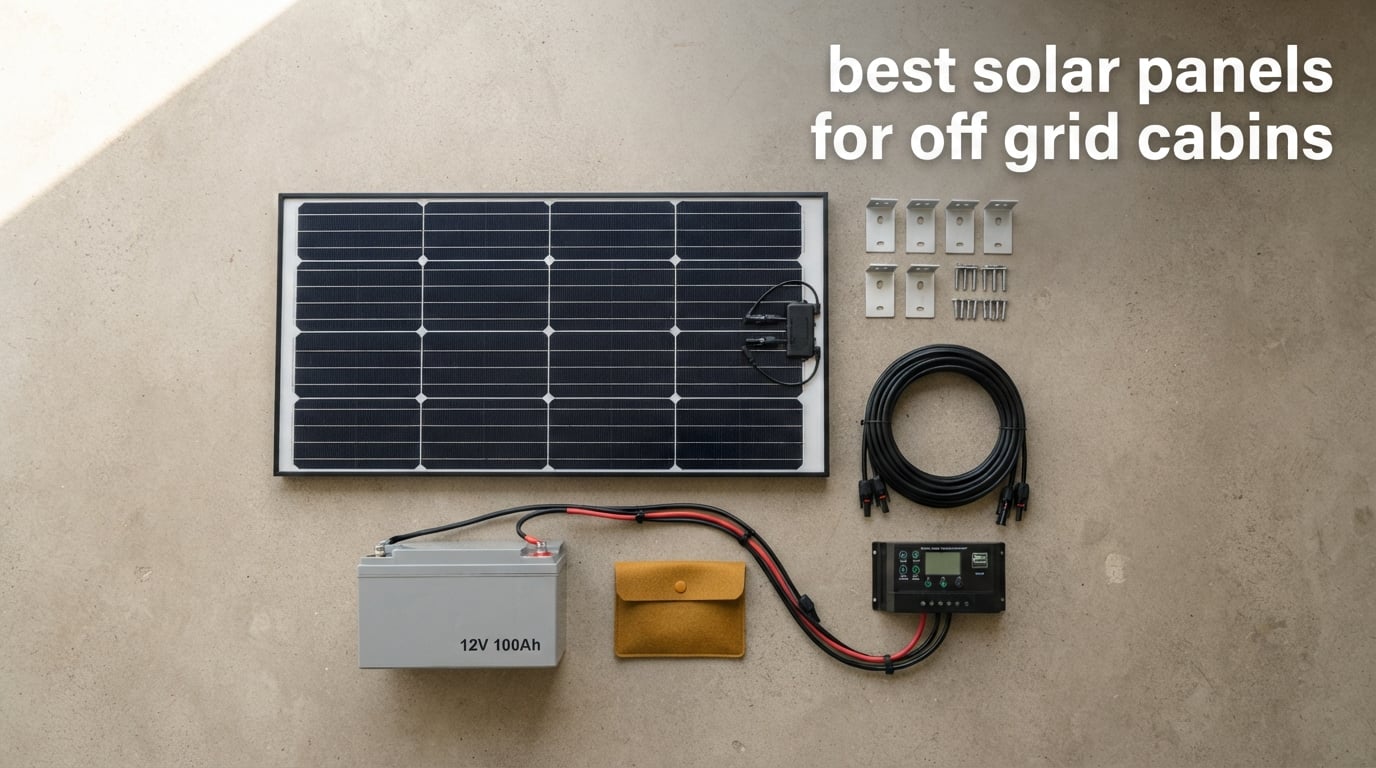
The best solar panels for off-grid cabins are rigid monocrystalline modules in the 200W to 400W range, built with N-type or PERC cells, a 25-year output warranty, and a weather-sealed junction box. A cabin array has to sit unattended through snow, freezing nights, and partial shade, which rules out folding portable panels for anything but a weekend backup position.
That is the short answer, but it leaves the harder question: how many panels you actually need, and what else the system needs besides panels. This roundup ranks 10 panels and panel kits by cabin use case, then covers the sizing math, the panel-versus-kit decision, and the 12V versus 24V versus 48V architecture question that decides whether your build stays cheap or becomes an expensive rework.
How we picked: we read the full spec sheets on all 10 products, then worked backward from measured output claims in owner reviews rather than headline wattage. Rated watts are a laboratory number under standard test conditions. What matters at a cabin is kilowatt-hours per day in December, which is why several picks here are rated below the biggest panel in the group and still rank higher.
One note before we start. A panel does not power a cabin. It charges a battery bank through a charge controller, and an inverter turns that stored energy into AC for your appliances. Every recommendation below assumes you are sizing a real system, not plugging a panel into a wall. If you want to see the lighter end of the market, we covered portable solar panels tested and ranked separately, and the van and RV side of the market in our RV solar panel picks.
Table of Contents
Top 3 Best Solar Panel Picks for Off-Grid Cabins in 2026

Renogy 100W 12V Starter Kit
- About 500Wh per day
- Complete panel controller and brackets
- Expandable to 400W

Renogy 400W N-Type 16BB 2-Pack
- 25 percent cell efficiency
- Compact and 11.7 percent lighter
- 12V and 24V compatible

Renogy 200W Monocrystalline Kit
- About 1000Wh per day
- Two panels plus 30A controller
- Expandable to 400W
Off-Grid Cabin Solar Panel Comparison in 2026
| Product | Specifications | Action |
|---|---|---|
| Renogy 100W 12V Solar Panel Starter Kit with 30A PWM Controller |
|
Check Latest Price |
| Renogy 2 Pack 200 Watt Solar Panels N-Type 16BB |
|
Check Latest Price |
| Renogy 200W 12V Monocrystalline Solar Panel Kit |
|
Check Latest Price |
 ECO-WORTHY 200 Watts 12V 24V Solar Panel Kit ECO-WORTHY 200 Watts 12V 24V Solar Panel Kit |
|
Check Latest Price |
 JJN 400W Bifacial Solar Panel 2 Pack 200W Module JJN 400W Bifacial Solar Panel 2 Pack 200W Module |
|
Check Latest Price |
 ECO-WORTHY 400W N-Type 4 Pack 100W 18V ECO-WORTHY 400W N-Type 4 Pack 100W 18V |
|
Check Latest Price |
 RICH SOLAR 200W 12V N-Type 18BB Panel RICH SOLAR 200W 12V N-Type 18BB Panel |
|
Check Latest Price |
 Topsolar 100W 12V Monocrystalline Off Grid Kit Topsolar 100W 12V Monocrystalline Off Grid Kit |
|
Check Latest Price |
 ECO-WORTHY 400W Premium Kit with 40A MPPT Controller ECO-WORTHY 400W Premium Kit with 40A MPPT Controller |
|
Check Latest Price |
 DOKIO 400W 31V Monocrystalline Solar Panel DOKIO 400W 31V Monocrystalline Solar Panel |
|
Check Latest Price |
How Many Solar Panels Does an Off-Grid Cabin Need?
Start with energy, not panels. Add up what the cabin actually draws, multiply each item’s watts by the hours it runs per day, and you have your daily watt-hour target. Forum owners describe small cabin loads as modest: LED lighting, a 12V fan, a television, a laptop, a router, and phone charging. A weekend cabin running just those sits in the few-hundred-Wh-per-day range, while a full-time homestead with a refrigerator, well pump, and power tools lands in the thousands.
Then divide by your site. A reasonable planning assumption for a cabin in a temperate latitude is roughly four hours of equivalent full sun per day, and winter output can fall to about half of what the same array produces in midsummer. Owners on r/OffGrid repeat one piece of advice constantly: size for your worst month, not your annual average. An array that comfortably covers a summer weekend will disappoint you in December.
Working from a four-hour planning day, the numbers look like this. A 500 Wh/day weekend cabin needs about 125W of rated panel. A 2,000 Wh/day tiny home or minimal homestead needs roughly 500W. A 4,000 Wh/day standard homestead needs about 1,000W, and a 10,000 Wh/day full-time property needs around 2,500W before any winter derating. Add 30 to 40 percent on top of any of those numbers if your site is shaded or snowy, because you cannot harvest what the trees or the roof are blocking.
Now the question readers ask most: will a 400W solar panel run a fridge? A typical 12V compressor fridge averages around 50 to 60W while running and cycles for roughly a third of the day, which lands near 400 to 500 Wh per day. In full sun a 400W panel can push well past the 1,600 Wh that a four-hour day of rated output would suggest, so a single 400W panel can carry a small efficient fridge on a sunny day. It will not carry that fridge reliably in December, which is why the honest answer is that one panel is a weekend-and-summer answer, not a homestead answer.
Batteries follow the array. A weekend cabin can get away with a single 100Ah lithium battery and one cloudy day of autonomy. A homestead that wants to avoid a generator run needs three to five days of stored energy, and that is where the amp-hour math stops being optional.
1. Renogy 100W 12V Starter Kit with 30A PWM Controller – Best All-in-One First Build
Renogy 100W 12V Solar Panel Starter Kit with 30A PWM Controller
100W monocrystalline
Bundled 30A PWM controller
About 500Wh per day
IP65 junction box
Pros
- Highest average rating in this roundup at 4.7 stars
- Panel controller cables and Z brackets all in one box
- About 500Wh average daily production under good sunlight
- IP65 junction box and IP67 solar connectors
- Rated for 2400Pa wind and 5400Pa snow loads
- Expandable to 400W total
Cons
- PWM controller is less efficient than MPPT
- Bluetooth monitoring needs a separate BT-1 module
- Smaller 100W panels mean more units for the same output
This is the kit I keep coming back to for anyone building a cabin system for the first time. At 4.7 stars across more than 4,000 ratings it is the most consistently satisfied product in the group, and the reason is not the panel. It is that the box contains a panel, a 30A charge controller, cables, and Z brackets, so there is no second hardware trip to a supplier that does not sell solar.
The panel itself is unremarkable in the best way: 22.5 percent cell efficiency, a stated average of 500Wh per day, and an IP65 junction box with IP67 connectors. Every panel is EL tested before it leaves the factory, and the certifications listed are UL 61730, CSA C22.2#61730, and IEC 61730/IEC 61215. For a cabin roof that sees freeze-thaw cycles all spring, that junction box rating matters more than any headline wattage.
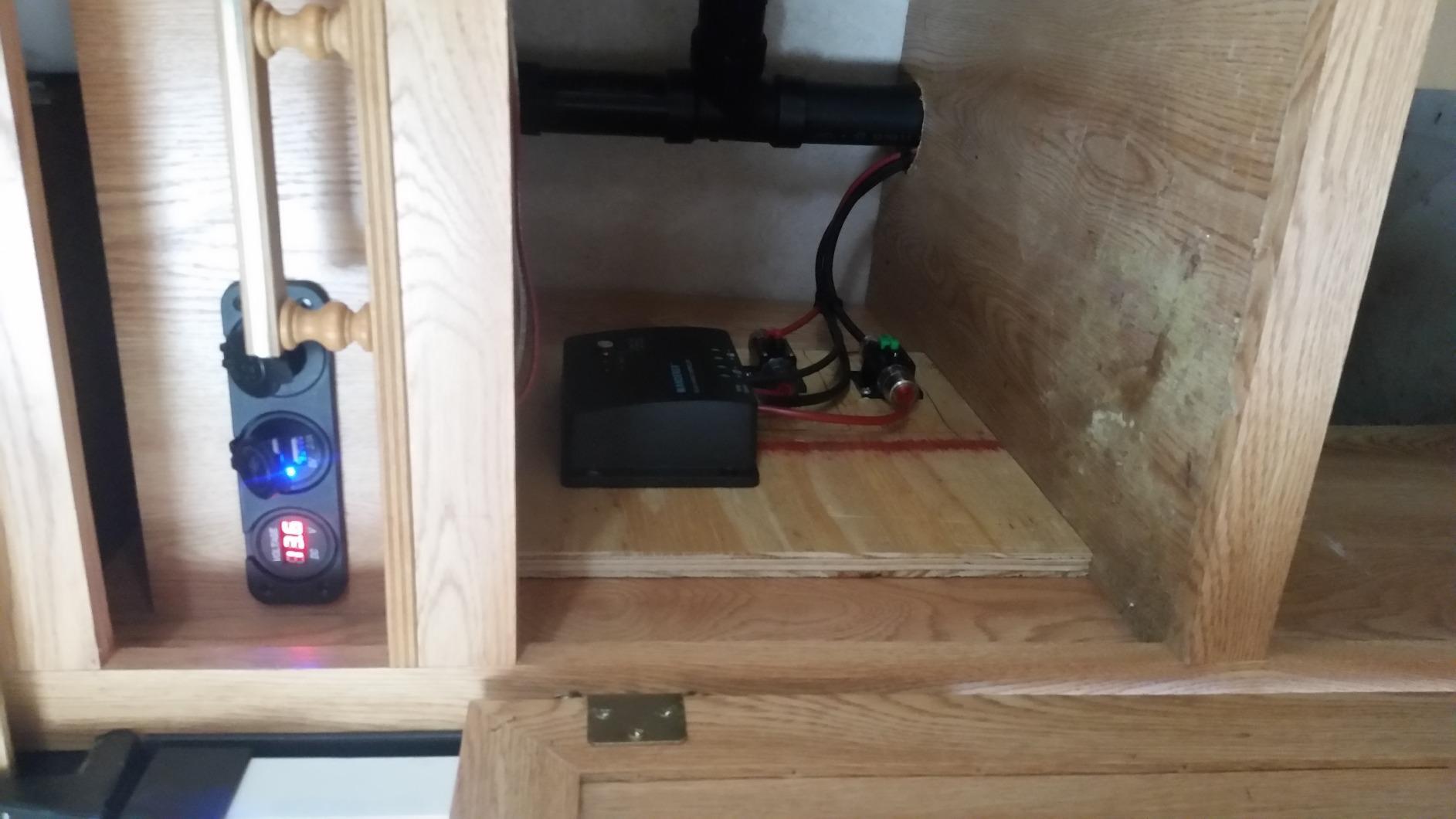
Owners consistently describe installation as straightforward and the build quality as clean. The mechanical ratings are 2400Pa wind and 5400Pa snow load, which is the standard figure across this whole roundup but worth stating plainly: it is a rating, not a promise for a heavy wet-snow roof, and a steeper tilt is what actually sheds snow.
The controller is a 30A PWM Wanderer with an RS232 Bluetooth port, so phone monitoring works if you add the BT-1 module. It handles AGM, gel, flooded, and lithium batteries, and the system expands to 400W with more panels. The warranty is 10 years on materials and workmanship, 2 years on the controller, and a 25-year power output service plan.
What gave it away as our top pick is the balance. It is not the highest wattage option here and not the most efficient cell technology, but it is the combination most likely to produce a finished, working system on the first attempt. Start here, then add a second 100W panel or move up a frame as your loads grow.
Check before you buy if your cabin is shaded or snowbound
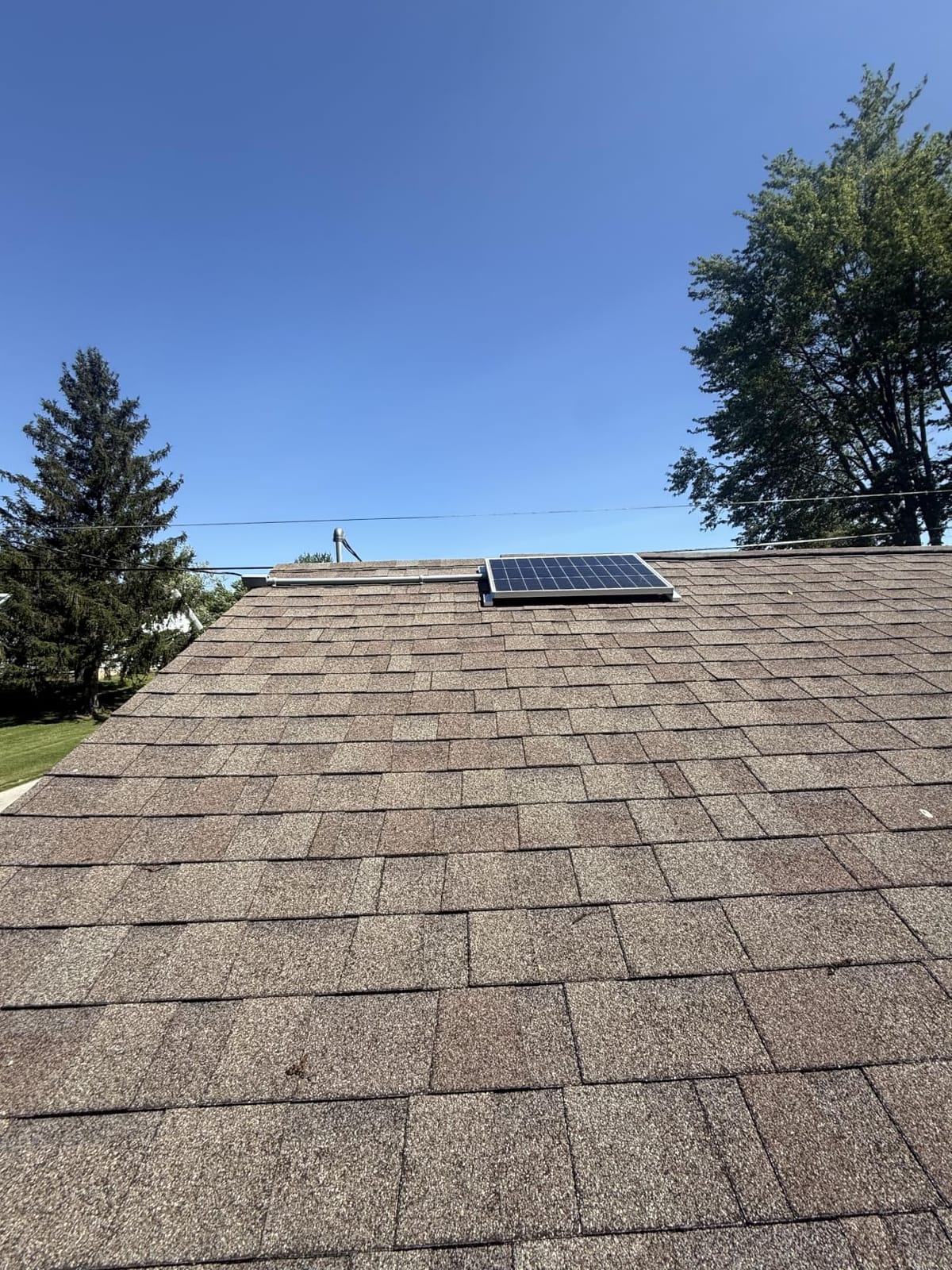
Two limits are worth knowing before this kit leaves your shopping list. PWM charging is less efficient than MPPT, and the penalty grows as the array gets bigger, so if you plan to reach 400W fast, budget for a controller swap.
A single 100W panel also means a lot of hardware for a modest amount of power. On a small roof you will be stacking panels rather than laying them out, and every bracket is another snow and wind point.
Best fit for a weekend cabin on a tight budget
This is the right call for a hunting cabin, a shed, or a weekend place where lights, a fan, and a laptop are the whole load. It is genuinely complete, well rated, and easy to expand without changing platforms.
It is the wrong call if you expect a refrigerator, a water pump, or power tools, or if you want phone monitoring out of the box without buying the extra module.
2. Renogy 400W N-Type 16BB 2-Pack – Best Value for a Serious Array
Renogy 2 Pack 200 Watt Solar Panels N-Type, 16BB 25% High-Efficiency
Two 200W N-type panels
25 percent efficiency
Combined 400W
12V and 24V
Pros
- Largest review base in this roundup with over 7000 ratings
- 25 percent N-type cells with 16BB busbars cut hot spots
- Compact footprint that suits small roofs
- 11.7 percent lighter than the previous generation
- Degradation under 1 percent in year one and under 0.4 percent after
- Works with both 12V and 24V battery banks
Cons
- Panel-only pack with no controller or mounting hardware
- 46.8 pounds total means two-person handling
More than 7,000 ratings at 4.6 stars makes this the best-evidenced product in the roundup, and the technology is where the value sits. These are N-type cells with 16BB busbar technology at 25 percent efficiency, which is two full points above the 22.5 percent panel in our top pick and a meaningful difference in winter, when every extra percentage point of efficiency offsets the shorter day.
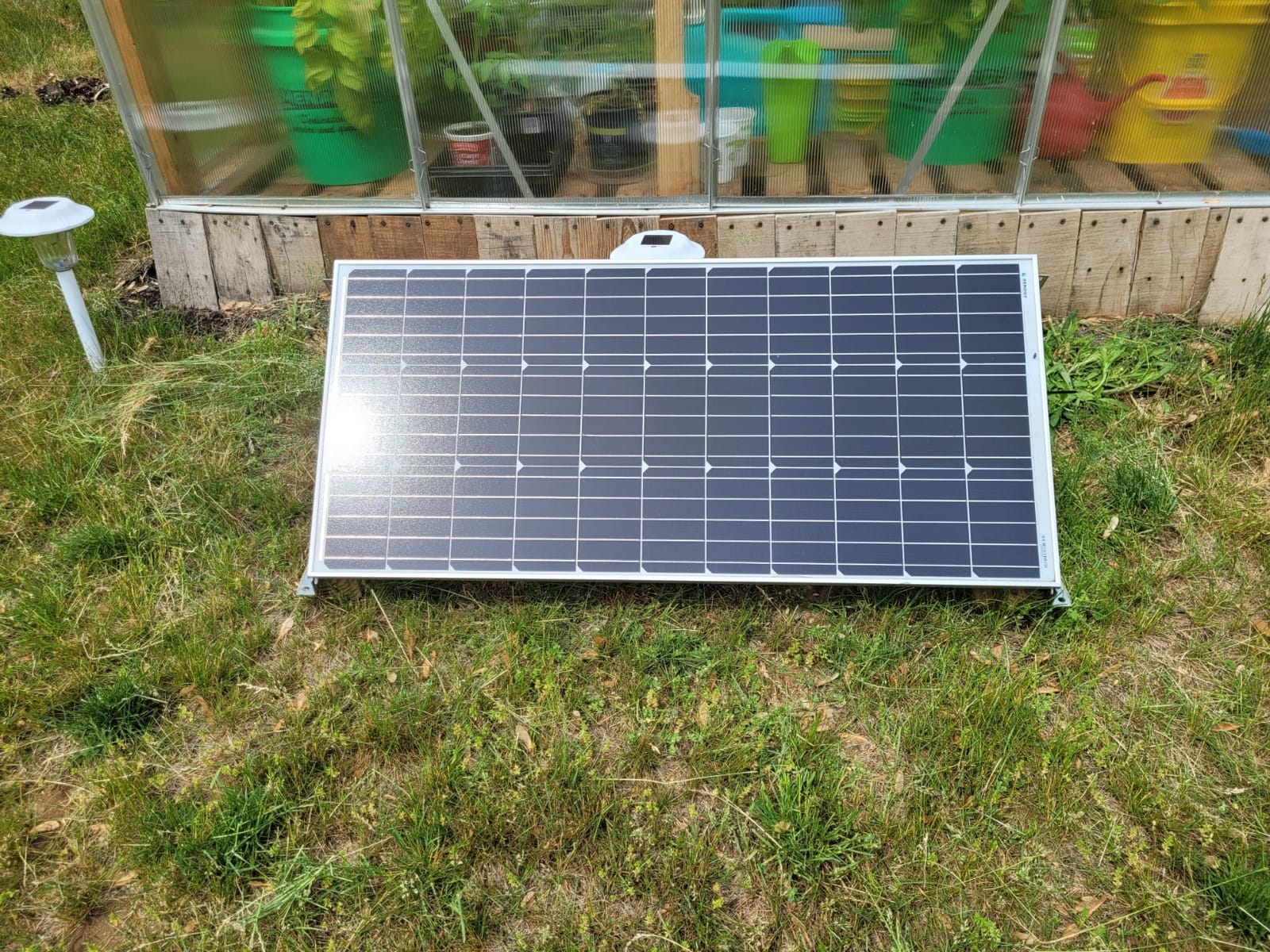
Buyers highlight the compact footprint and low weight, especially for van and rooftop builds. The two panels together are 7.5 percent smaller and 11.7 percent lighter than the previous generation, and each panel measures out at roughly 49.7 by 30.1 inches. That is a Class B van rooftop layout, which means it also fits cabin roofs that will not take a full-size residential panel.
The degradation figures are among the best stated in this group: 1 percent or less in year one, then 0.4 percent or less annually, backed by a 10-year warranty and a 25-year 80 percent output guarantee. A low temperature coefficient is also listed, which is what protects output on a hot summer afternoon when a roof-mounted panel runs well above test temperature.
What you do not get is a controller or mounting hardware. This is a bare panel pack, and the reviews say so directly. For a cabin build that means an MPPT controller sized for the string and a mounting solution, both of which you should choose deliberately rather than accept whatever fits.
Both panels together are rated at 24 volts of direct current, and they work with 12V or 24V banks. If your cabin is planning a 24V system for cable efficiency, this is a clean fit. If you are on 12V, you will parallel them and size the controller for the combined current.
Check the weight and the missing hardware
At 46.8 pounds for the pair, this is a two-person job on a ladder or a roof unless you have a safe lifting setup. Budget a second pair of hands or a temporary ground mount.
The absence of a charge controller and brackets is the real planning item. Add a proper MPPT controller and you will harvest meaningfully more than a PWM controller would give you on the same array.
Best fit for a tiny home or a growing homestead
Choose this if you already know you need 400W or more and you are building the system properly. The efficiency, the degradation rate, and the review depth all point to a panel that will still be producing in a decade.
Skip it if this is a weekend experiment and you would rather have a controller and brackets in the same box.
3. Renogy 200W Monocrystalline Kit with 30A PWM Controller – Best Balanced Starter Kit
Renogy 200W 12V Monocrystalline Solar Panel Kit + 30A PWM Charge Controller
Two 100W mono panels
30A PWM controller
About 1000Wh per day
Four-stage charging
Pros
- About 1000Wh per day from the two panel array
- Everything needed for a new system in one box
- Four stage charging with bulk boost float and equalization
- Full protection suite including reverse polarity and short circuit
- Expandable to 400W as loads grow
Cons
- 22 percent cell efficiency is below current N-type standards
- PWM control costs efficiency versus an MPPT controller
- Listed item weight in the catalog data looks inaccurate
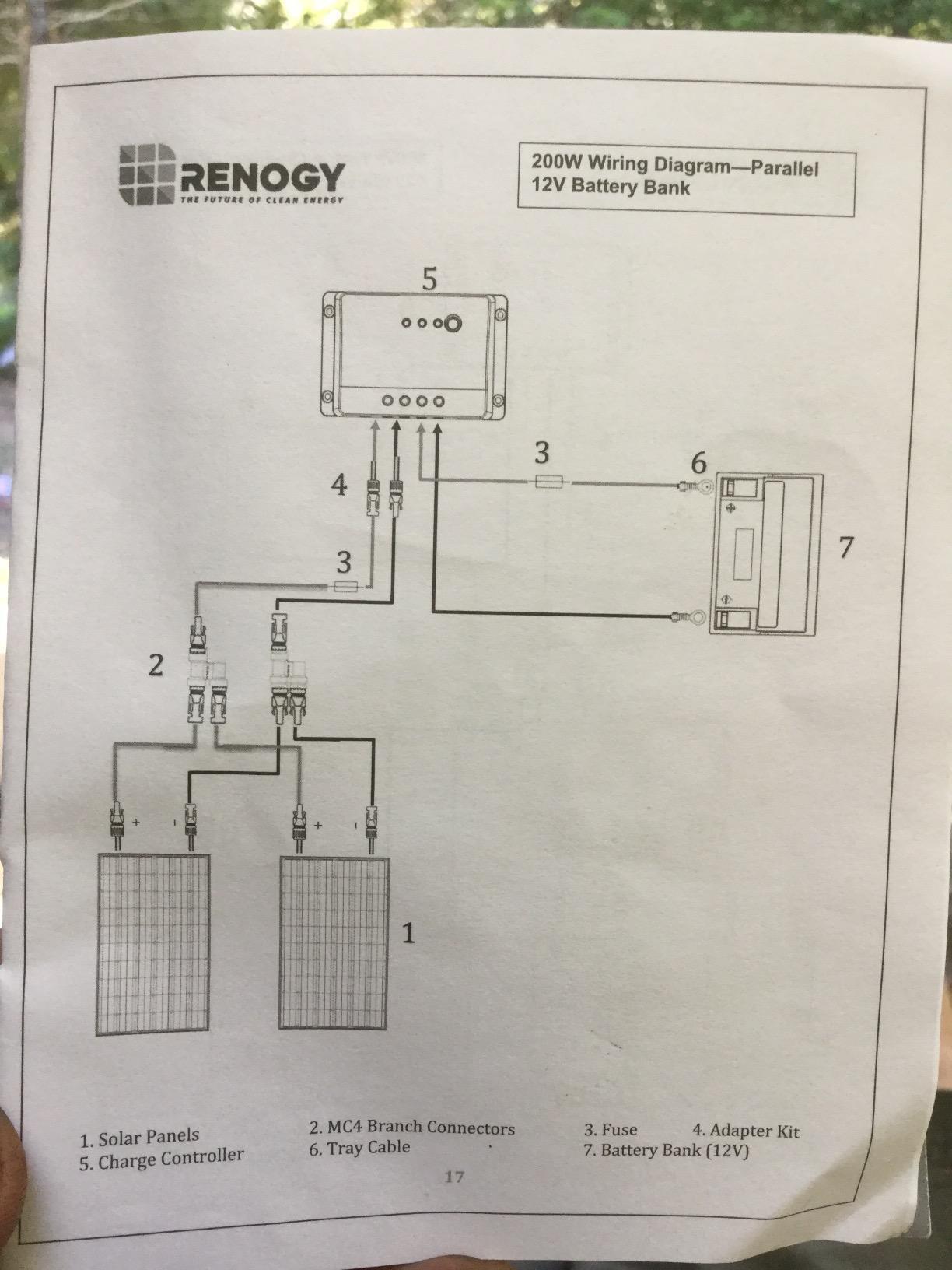
Where the 100W starter kit is the minimal complete build, this is the sensible complete build. Two 100W monocrystalline panels, a 30A controller, cables, and pre-drilled mounting holes with Z brackets, and a stated average production of 1000Wh per day based on five hours of direct sun. That is roughly double the output of a single-panel kit for the same general architecture.
The controller runs four-stage charging in bulk, boost, float, and equalization, with protection for reverse polarity, overcharging, overload, and short circuits. It is compatible with sealed, gel, flooded, and lithium batteries, which matters if you plan to upgrade your bank to LiFePO4 later.
Owners value the packaging and report that batteries top off cleanly. Eighty percent of ratings are five stars across more than 1,500 reviews, and the expansion path to 400W is a documented feature rather than an improvisation.
There are build details that reward attention. A TPT backsheet dissipates heat for more stable output, and bypass diodes support low-light performance. Multi-layer encapsulation protects the cells from physical damage, which on a cabin roof is not a small concern when branches rub and hail arrives.
One caution: the item weight listed in the catalog data for this product is obviously wrong, so plan the lift based on two 100W panels rather than that number. It is a catalog data error, not a difference in what arrives.
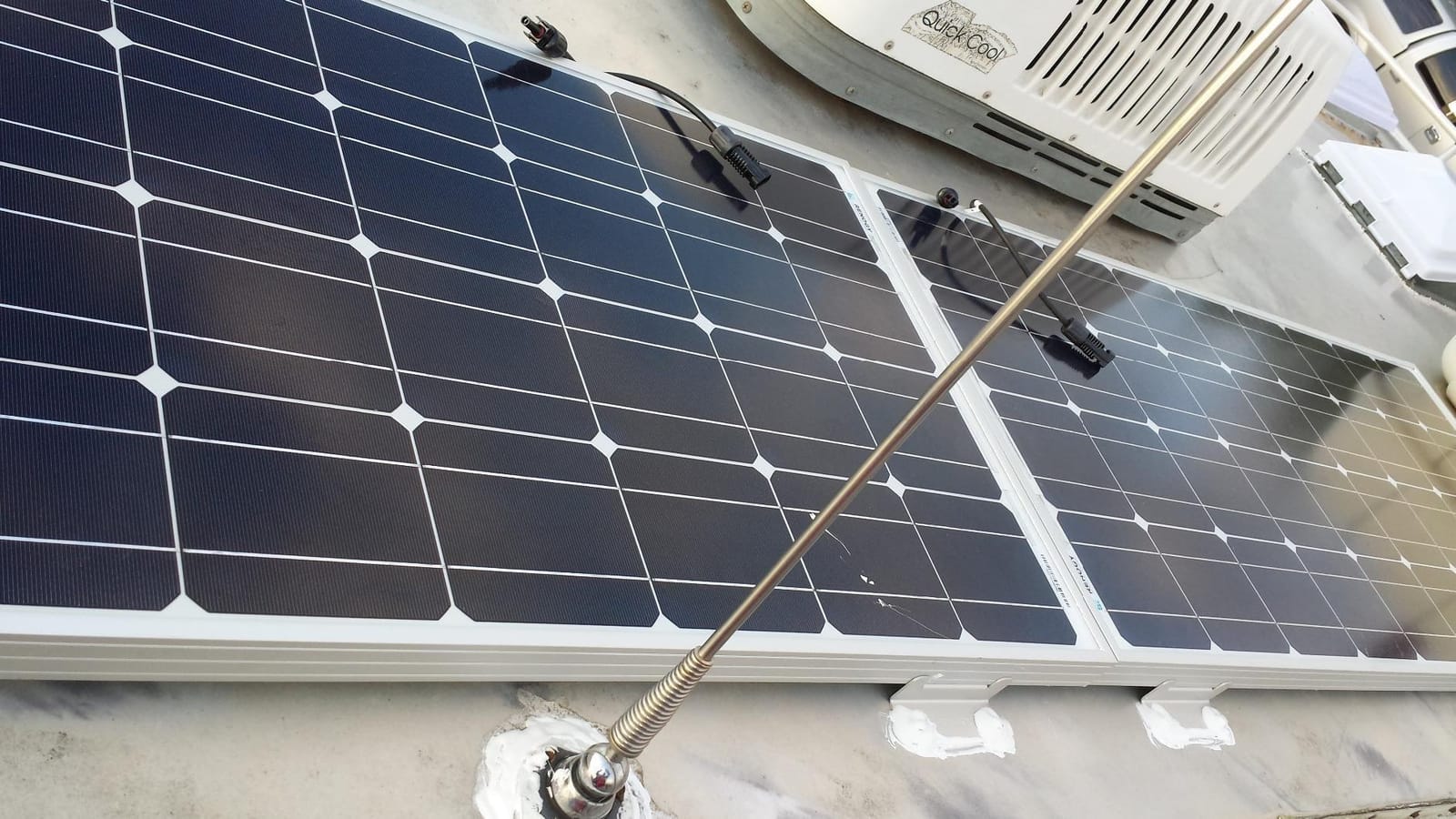
Check whether PWM is still the right call
The 22 percent cell efficiency is now two generations behind the N-type panels in this roundup. Over a 25-year life that gap compounds, especially if your site is shaded or your winters are long.
PWM control also gives up harvestable energy on a two-panel array. If you already know you will grow past 400W, start with an MPPT controller and skip the second purchase.
Best fit for a first cabin system with real evening loads
This is the pick for someone building their first off-grid cabin and wanting lights, a television, a laptop, and a small 12V cooler on a moderate budget. 1000Wh per day covers that load in most months.
It is not the pick for a shaded site or a full-time homestead in a snowbelt, where winter derating and cell efficiency both work against you.
4. ECO-WORTHY 200W 12V/24V Kit with 30A PWM Controller – Best for RV and Van Conversions
ECO-WORTHY 200 Watts 12 Volt/24 Volt Solar Panel Kit with High Efficiency Monocrystalline Solar Panel and 30A PWM Charge Controller for RV, Camper, Vehicle, Caravan and Other Off Grid Applications
Two 100W mono panels
30A PWM controller
About 800Wh per day
Series or parallel wiring
Pros
- About 800Wh per day from the two included panels
- Complete kit with controller brackets 10AWG cables and connectors
- Series or parallel wiring suits 12V and 24V builds
- 2400Pa wind and 5400Pa snow load construction
- 24/7 technical support hotline
Cons
- P-type cells at 21.5 percent efficiency trail current N-type panels
- PWM controller efficiency below MPPT designs
- 800Wh per day is modest for meaningful evening loads
This kit earns its place for one specific reason: it lists series connection for 24V or parallel for 12V operation, and it includes two sets of Z brackets, a 30A controller, 10AWG solar cables, 2-in-1 connectors, and a tray cable. That wiring flexibility is what makes it work in a van, a boat, or a small cabin where the roof geometry dictates the architecture.
Output is stated at about 800Wh per day under four hours of full sunshine, from two 100W monocrystalline panels with efficiency up to 21.5 percent. The frame is a corrosion-resistant aluminum alloy rated for 2400Pa wind and 5400Pa snow load, and the junction box is IP65 rated with pre-drilled backs and plug-and-play cables.
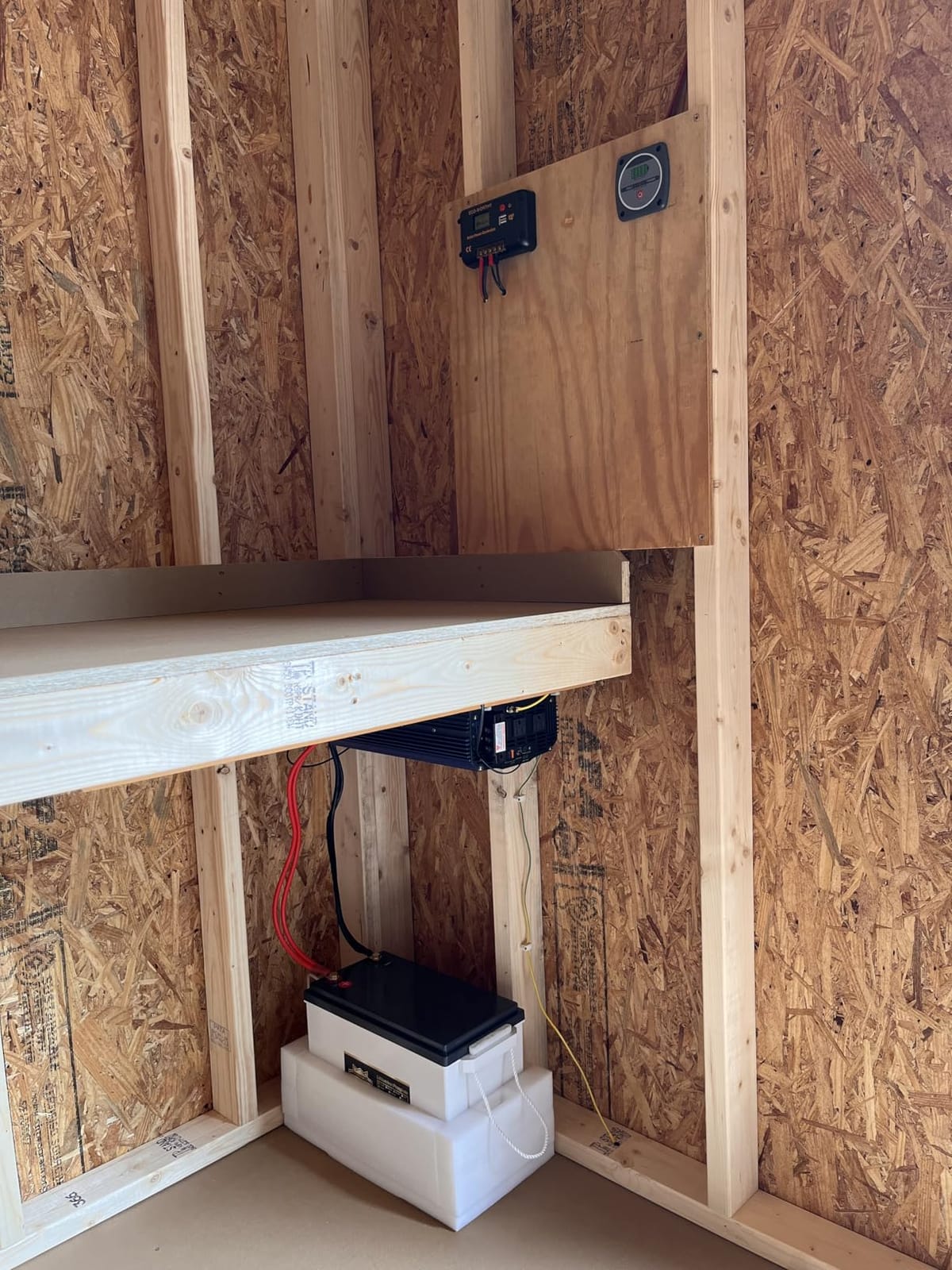
Seventy-nine percent of ratings are five stars, and the theme across reviews is complete kit contents, easy plug-and-play wiring, and a support line that actually answers. Several buyers note the panel is Amazon’s #45 best seller in Solar Panels, which is a reasonable proxy for how often the design has been proven in the field.
The panel maximum power is 200 watts at a listed maximum voltage of 27.4 volts, so the 24V path is the natural one. For 12V systems, the panels go in parallel and the controller handles the rest. Getting this wrong is the most common wiring mistake forum owners report.
The honest limitation is the cell technology. These are P-type monocrystalline cells at 21.5 percent, the oldest technology in this roundup, and the 30A controller is PWM rather than MPPT. Both reduce the harvest you get from the same rated wattage.
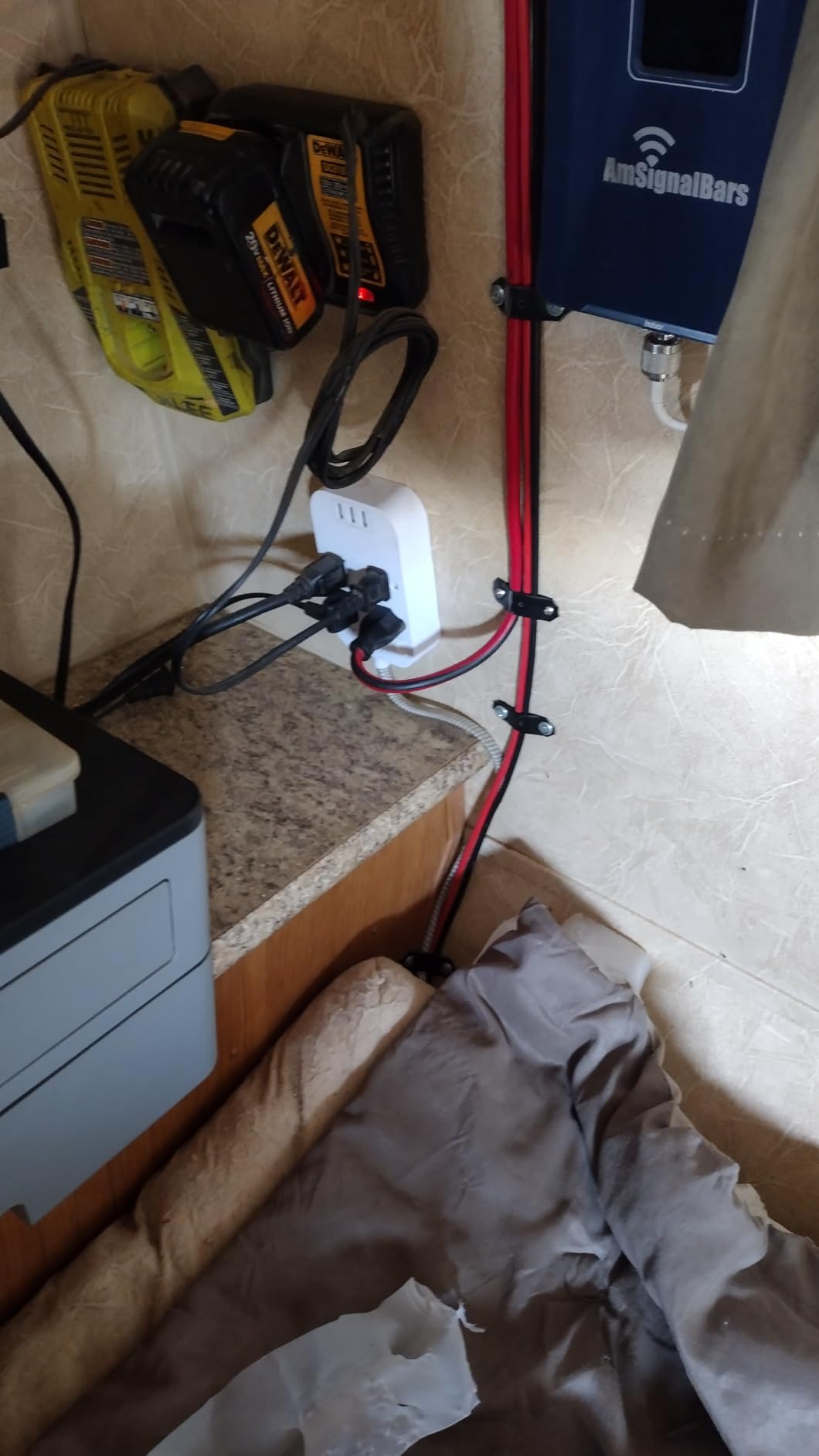
Check the cell generation and controller type
At 21.5 percent efficiency, these are the oldest cells among the picks here. On a small or shaded roof where every square inch counts, that is a real cost in lost harvest.
Series versus parallel is the wiring decision to get right. Plan the battery bank voltage first, then wire to match, rather than wiring the panels and discovering the mismatch later.
Best fit for mobile and small-space builds
Pick this for a van, a boat, a trailer, or a shed where the complete-kit format and adjustable 12V or 24V configuration matter more than maximum cell efficiency.
Pass on it if you have mounting area to spare and intend to run a large array, where N-type panels and an MPPT controller will pay for themselves quickly.
5. JJN 400W Bifacial 2-Pack – Best Bifacial Pick for Snow Country
JJN 400W Bifacial Solar Panel, 2 Pack 200W Module, 23% High-Efficiency
Two 200W bifacial modules
23 percent Grade A cells
About 2000Wh per day
Compact 38 by 22.7 inch size
Pros
- Owners report measured gains of 260 to 280W per panel
- About 2000Wh per day from the two panel pack
- Compact footprint one person can carry and install
- Reviewers measuring with clamp meters hit 99 percent of rated output
- Reported to have survived three separate hail storms
- Performs well in overcast conditions
Cons
- Panel-only package with no controller or mounting hardware
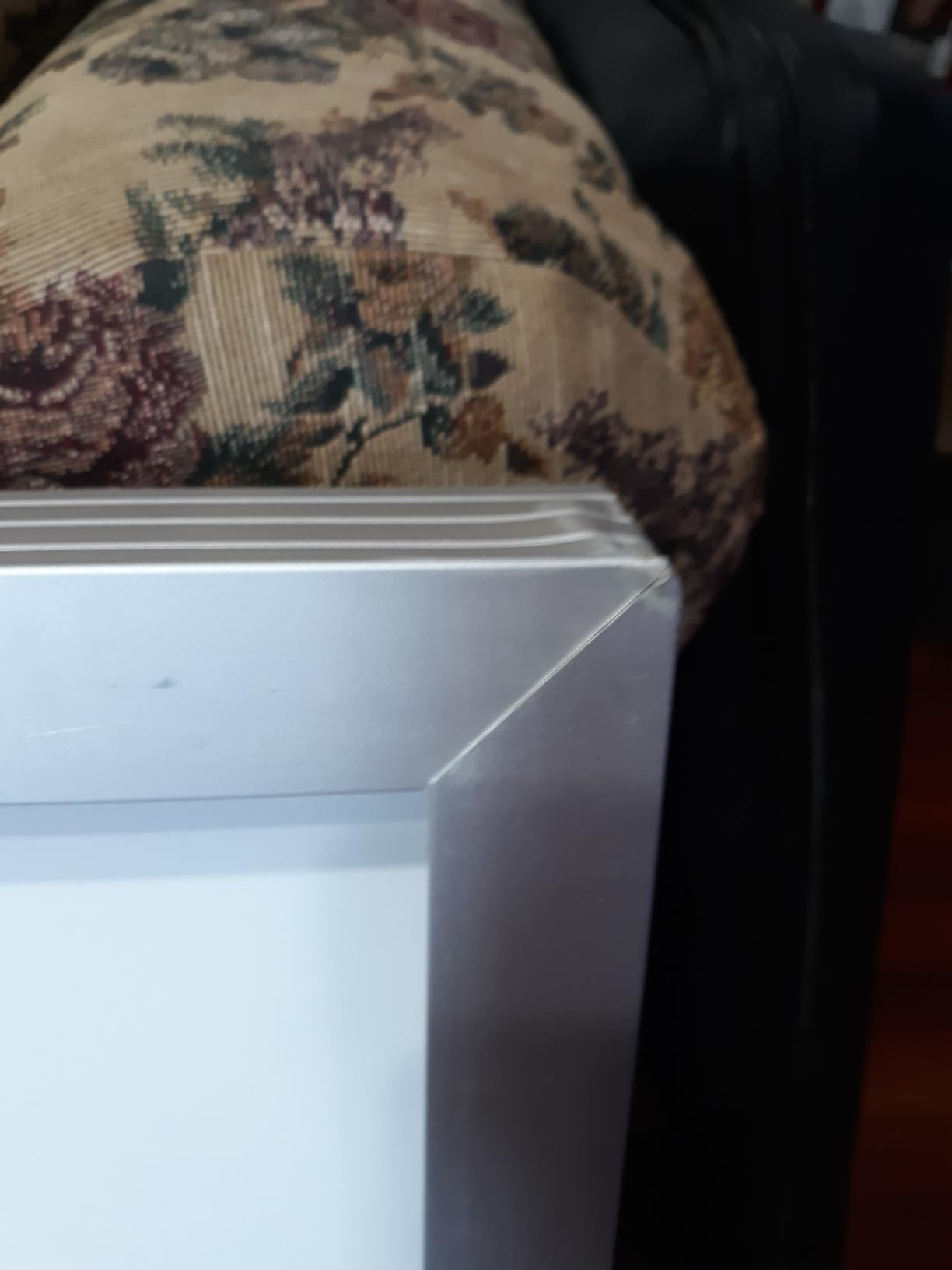
- Sharp unprotected frame corners repeatedly mentioned
- Packaging described as subpar compared with competitors
- Bifacial gain drops sharply when mounted flat against the roof
Bifacial panels are the sleeper answer for snowbelt cabins, and this is the strongest bifacial option in the roundup. Forum owners specifically endorse bifacial modules in snow country for two reasons: the rear side picks up reflected light, and the raised rear surface helps snow slide off the front glass. Both effects point the same direction in winter.
The rear-side gain is stated as up to 30 percent on white reflective surfaces, roughly 5 to 10 percent on grass, and 15 to 25 percent on sand or gravel. That range is the important detail. A bifacial panel mounted flat against a roof, with no air gap underneath, gets very little of the bonus, and that is the most common mistake owners make with this design.
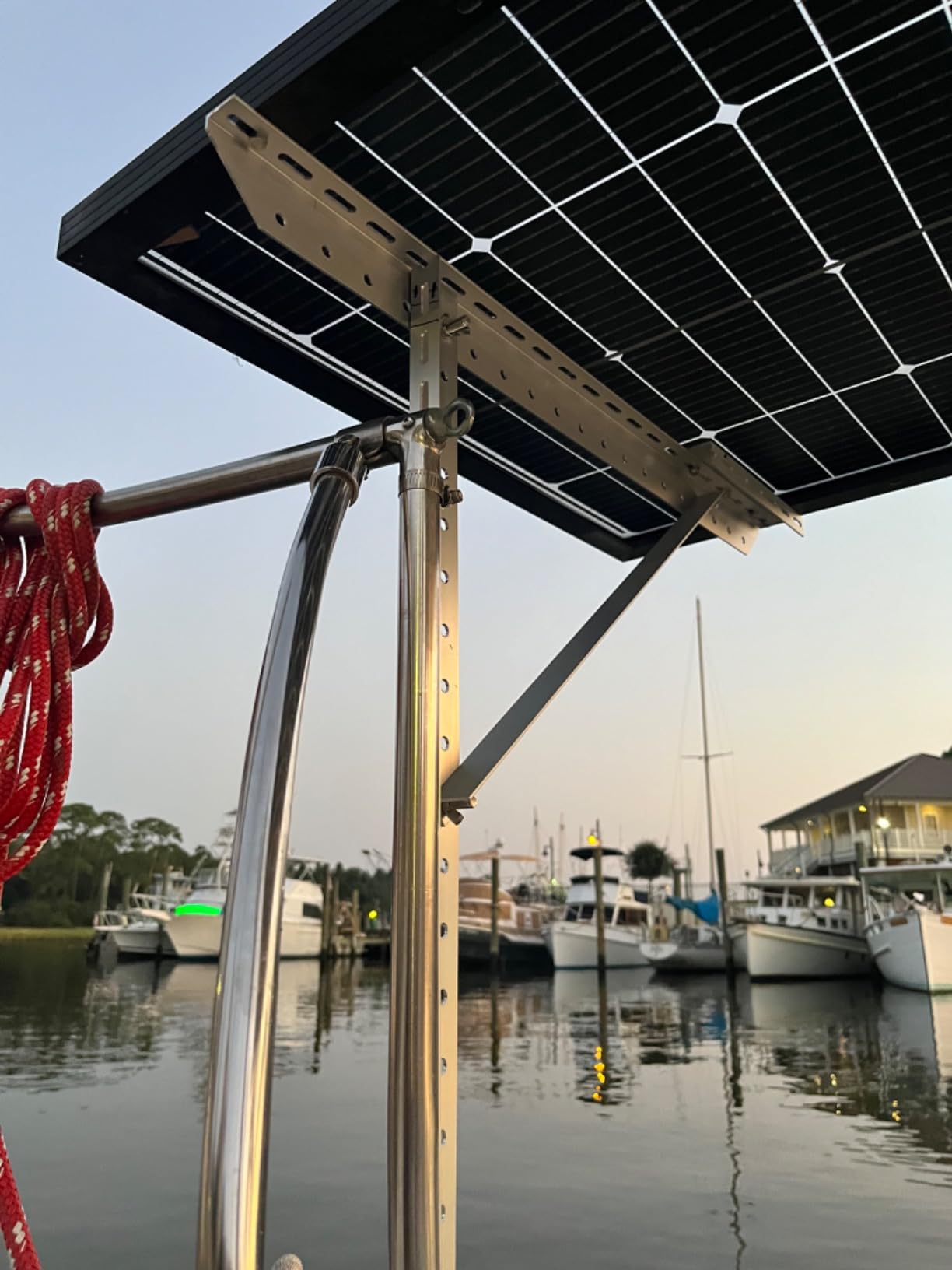
Where this one separates itself is in the measurements owners post. Reviewers report 197.6W from a single 200W panel in full sun, 1116W peak from four panels, 260 to 280W per panel once the rear side is doing its job, and 848Wh daily from a four-panel RV array. Several owners run entire workshops off the output. That is real field data rather than a spec sheet.
Each panel is a 10BB Grade A monocrystalline design at 23 percent conversion efficiency, and the stated daily production for the pair is about 2000Wh. Output is reported as stable in cloudy conditions, at dawn, at dusk, and under partial shade, which is exactly the behavior you want at a cabin with trees on the east side.
Physical handling is a genuine advantage here. Each panel measures 38.19 by 22.68 by 1.18 inches, small enough for one person to carry and mount, and the black aluminum frame is rated 2400Pa wind and 5400Pa snow load with an IP65 junction box and IP67 connectors.
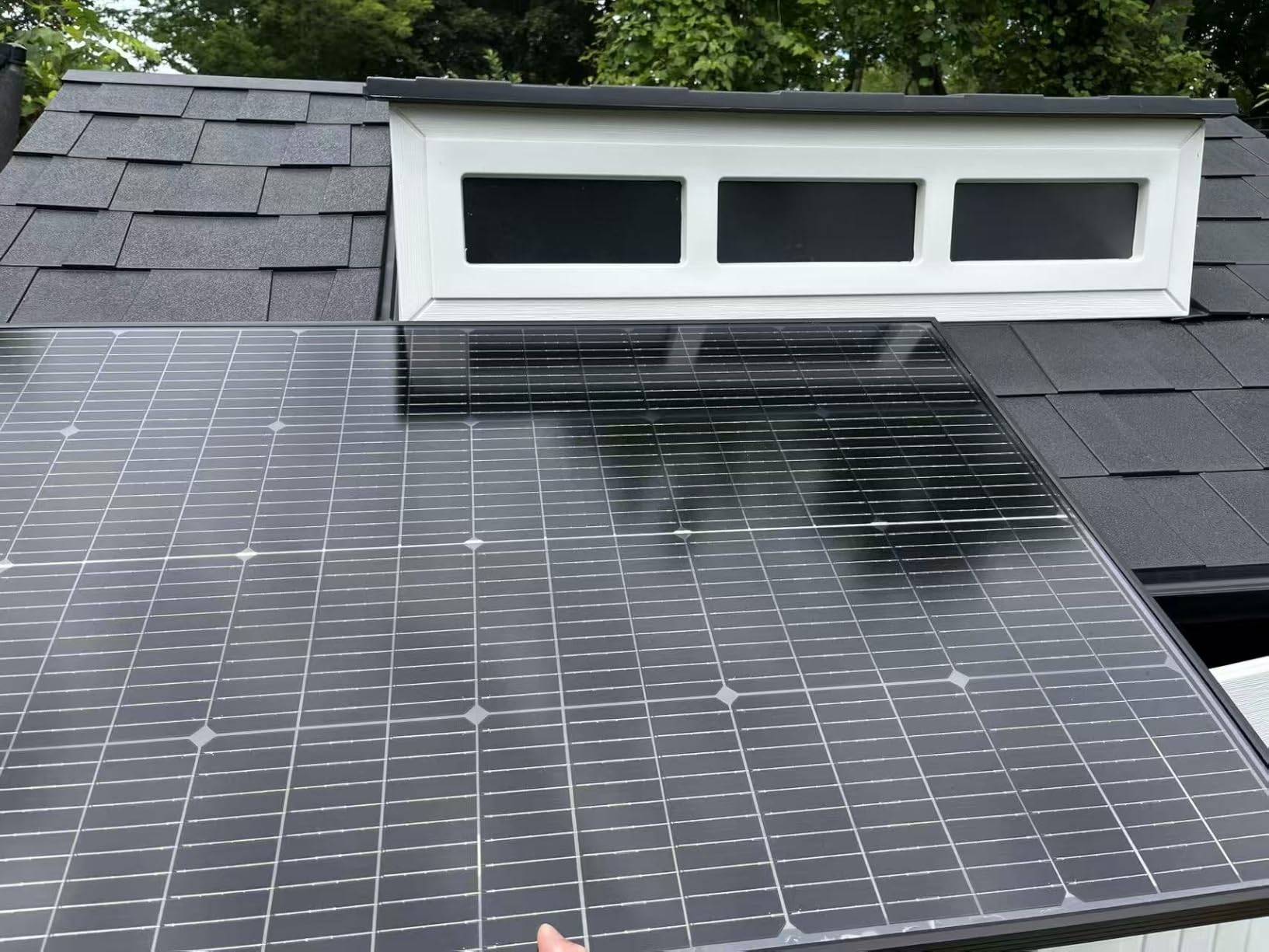
Check your mounting height and the frame corners
The bifacial gain is real but conditional. If you mount these flush to a roof, you lose most of the rear-side benefit. A ground mount with a 6 to 12 inch gap under the panel unlocks the 15 to 25 percent range on light ground, and a snowy site is the ideal case.
Several reviewers flag the sharp unprotected frame corners. Gloves are not optional during install, and it is worth thinking about where the edges sit relative to people walking on the roof.
Best fit for a snowy or reflective site
This is the pick for a cabin in a snowbelt, or anywhere with a ground mount, pale gravel, or sand under the array. The measured output owners report backs up the marketing claims here.
It is the wrong choice for a flush roof mount with no rear air gap, or for a first build where you would rather not source a controller and brackets separately.
6. ECO-WORTHY 400W N-Type 4-Pack – Best Four-Pack for Sheds and Tiny Homes
ECO-WORTHY 400W Solar Panels N-Type 4pcs 100 Watt 18V Monocrystalline
Four 100W N-type panels
25 percent efficiency with 16BB
IP68 junction box
12V and 24V charging
Pros
- 25 percent N-type cells with 16BB busbars in a budget four pack
- Owners report peaks near 449W from the full set
- Lighter than comparable 100W panels while producing more
- IP68 junction box is among the highest weather ratings here
- Service replaced an underperforming panel at no cost
- One owner reports beating Renogy panels bought 12 years earlier
Cons
- Panels arrive across two cartons so the set is incomplete at first
- One reviewer found a panel producing 20 percent less than the rest of the set
- 100W panel size means more mounting area and wiring per watt
- Real world 400W sets rarely deliver a full 400W
Four 100W N-type panels at 25 percent efficiency is a combination that did not exist at this price point a few years ago, and it is why this set ranks so well. N-type construction gives higher output and better reliability than P-type cells, and the 16BB busbar layout reduces hot spots and micro-crack risk, which is the failure mode that actually kills panels over time.
The junction box is IP68 waterproof with pre-installed bypass diodes, and every panel comes with 35-inch cables. The 1.18 inch thickness is thicker than a typical budget panel, and that extra material is for heat dissipation and mounting clearance, both useful on a hot roof.
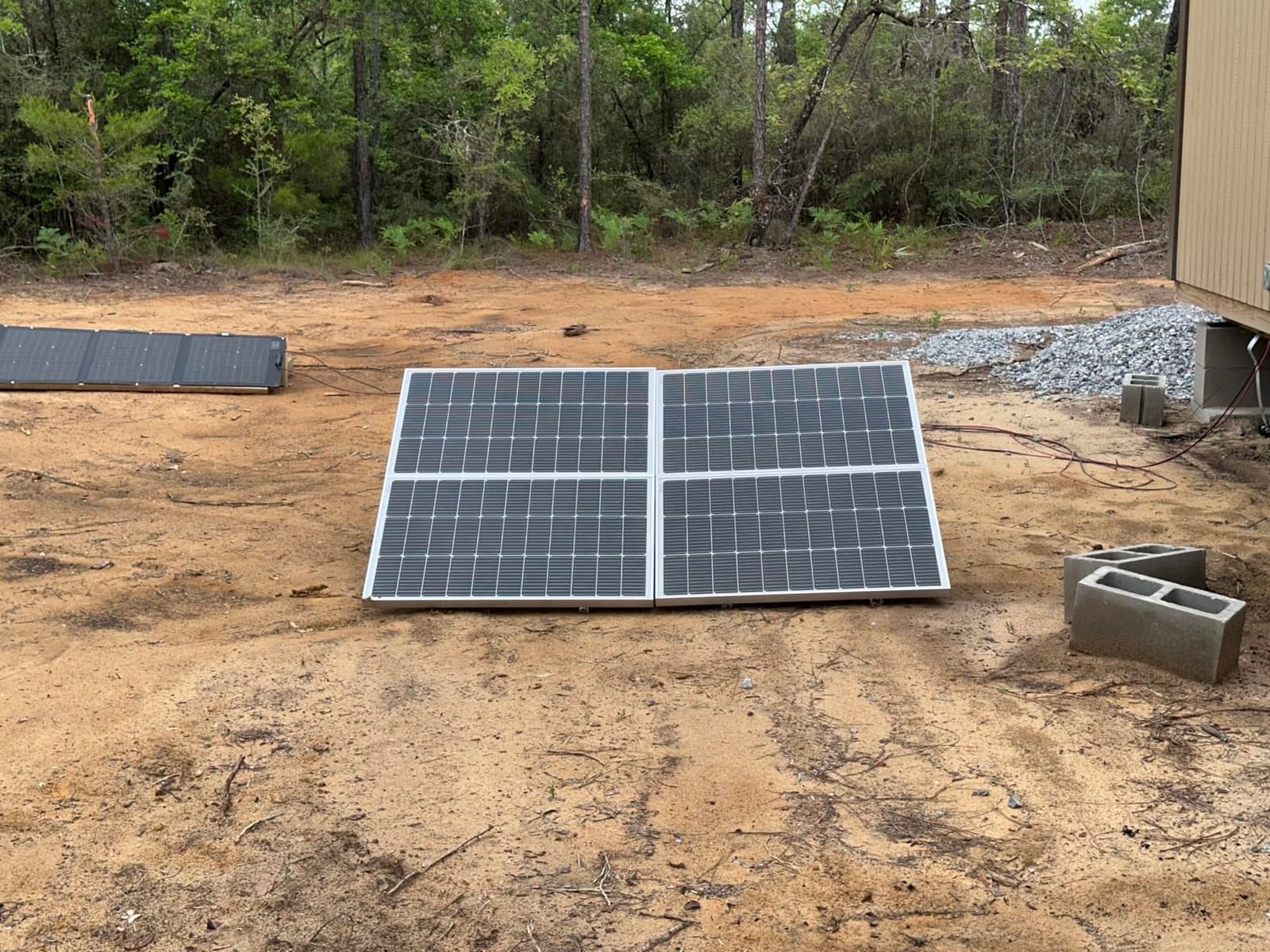
Owners report measured peaks near 449W from the full four-panel set, which is above the 400W nameplate under good conditions. Several describe steady charging of battery banks in off-grid setups, and one owner reports that these outperformed Renogy panels purchased 12 years earlier, which is a useful long-term data point.
Service came up well too. A reviewer who received a panel producing 20 percent less than the rest of the set had it replaced at no cost, and that is the behavior you want when an order is split across two cartons.
The two-carton split is the practical annoyance. You need all four to build the array, so plan for the second carton before you plan the install. The other recurring note is that real-world 400W sets rarely deliver a full 400W, which is true of every panel in this roundup, not a defect specific to this one.
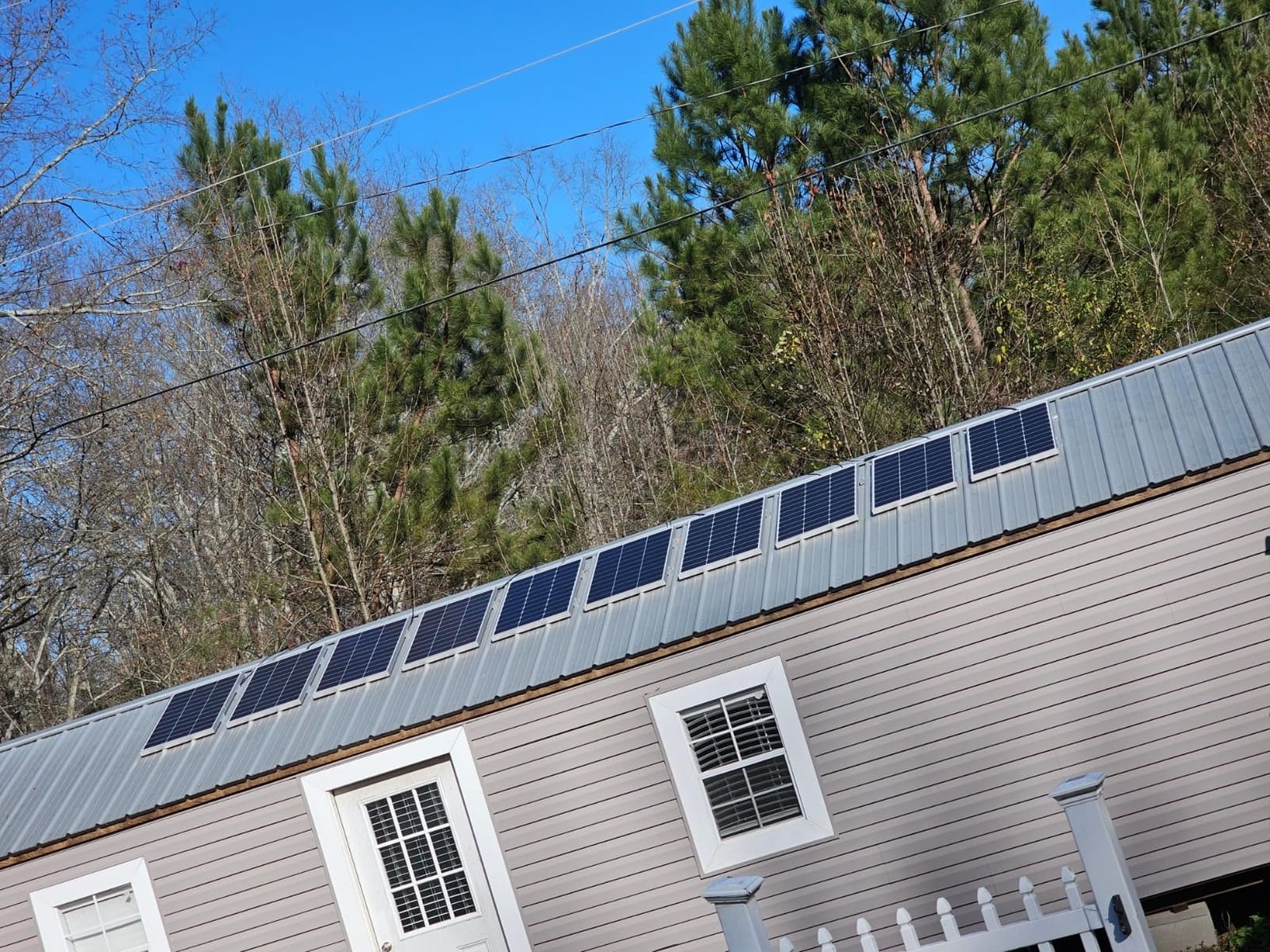
Check the two-carton packaging and set consistency
Each panel measures 35.63 by 23.03 by 1.18 inches and weighs 23.8 pounds for the set, so handling is manageable. But plan the install around two cartons rather than one, and check each panel’s output as you mount it.
Using 100W modules means four sets of mounting holes, eight cables, and more connection points than a single large panel. That is fine for a shed with plenty of roof, less fine if roof area is the constraint.
Best fit for a shed, workshop, or tiny home
Choose this when you want to hit 400W on a modest budget with current cell technology and a genuinely strong weather rating. The IP68 junction box is a real advantage on a site that stays wet.
Choose something else if you need 400W on a small roof, where a single large panel or a compact two-pack uses far less area and fewer connections.
7. RICH SOLAR 200W 12V N-Type 18BB Panel – Best Long-Warranty Single Panel
RICH SOLAR 200 Watt Solar Panel, 12V N-Type 18BB, 25% High-Efficiency
200W N-type 18BB module
25 percent efficiency
Up to 10.9 amps
IP67 rated
Pros
- 25 percent N-type 18BB cells with very low light-induced degradation
- Up to 10.9 amps enables fast 12V battery charging
- 25-year linear power output warranty
- 14 pre-drilled holes fit nearly any standard mounting hardware
- Panel-only design keeps the build flexible
- 82 percent of ratings are five stars
Cons
- At 58.7 inches long it needs substantial roof or ground area
- Panel only so controller and mounting must be sourced separately
- 10.9 amps limits throughput on small 12V controllers
This is the pick if you want one excellent panel rather than a bundle, and the 25-year linear power output warranty is the longest stated in this roundup. Warranties are one of the trust signals forum owners consistently rank highest, because a cabin array is expected to last decades and nobody wants to re-purchase panels on a schedule.
The technology is current: N-type 18BB monocrystalline cells at up to 25 percent efficiency, with very low light-induced degradation. That last point is the one that matters at a cabin. Light-induced degradation is the early-life output loss that hits panels hardest in their first months, and a low LID rating means the panel is closer to its rated output sooner, which helps in a shaded site or a first winter.
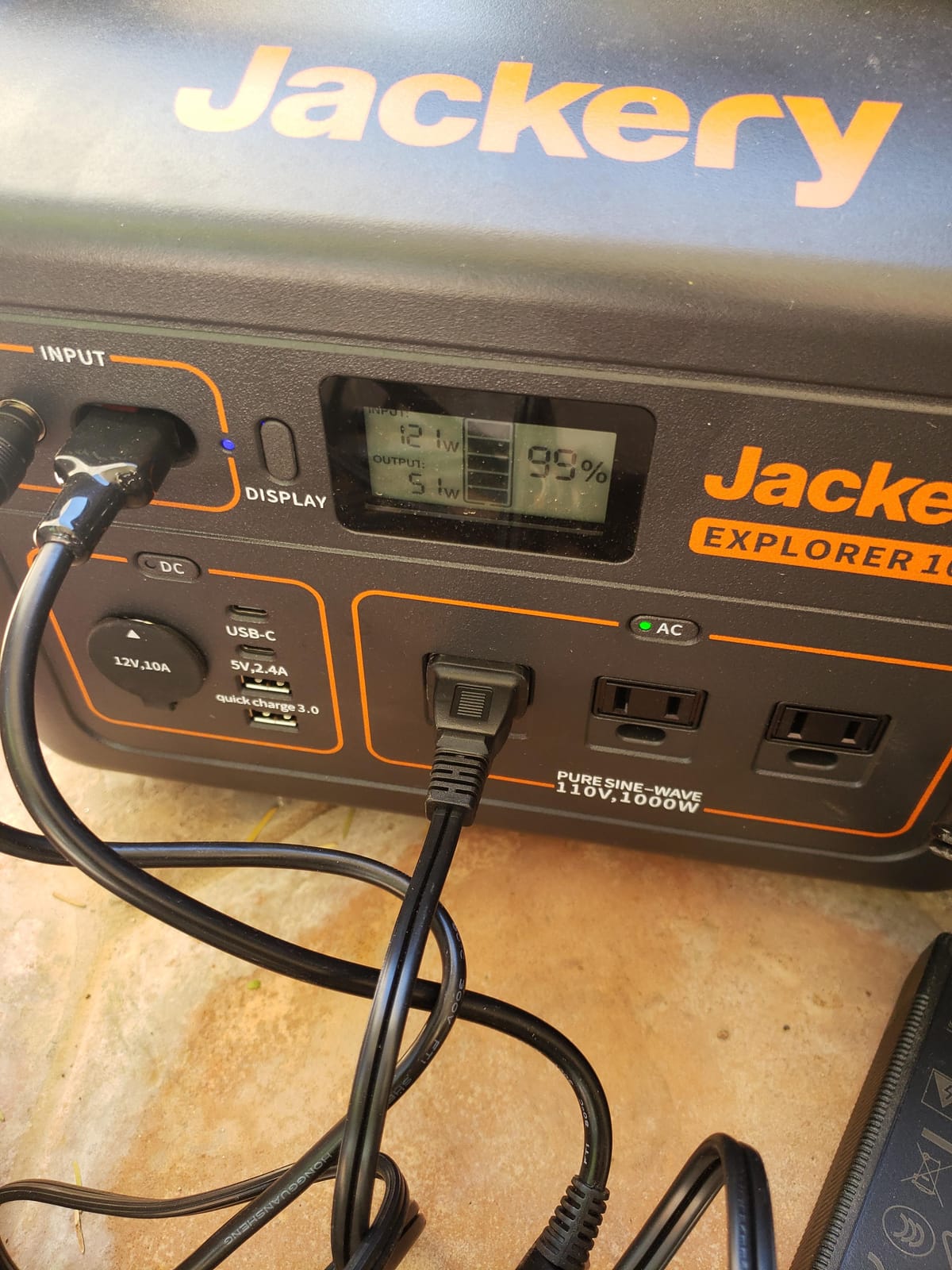
It also holds up where panels usually struggle. The spec sheet claims retained performance in low light, under partial shade, and at high temperatures, and the 18BB design is intended to reduce hot spots and micro-cracks. The frame is 1.3mm heavy-duty anodized aluminum with high-transmittance tempered glass, IP67 rated and tested for 2400Pa wind and 5400Pa snow loads.
Mounting flexibility is a genuine strength. There are 14 pre-drilled holes, which is more than most panels in this group, and they are compatible with Z brackets, tilt mounts, and pole mounts. Three-foot quick-connect cables make series or parallel expansion straightforward, and it works with both PWM and MPPT controllers as well as grid-tied or off-grid inverters.
Output current reaches 10.9 amps, which is what allows fast 12V battery charging. On a small 12V system, though, that same current is the constraint: your charge controller has to be sized to accept it or you are clipping harvest.
Check the length against your available area
At 58.7 by 26.8 inches, this is one of the largest single panels in the roundup. Measure your roof or ground area before committing, because it will not fit everywhere a compact 200W module will.
You are buying a panel only. Budget separately for a charge controller, a mounting structure, and cable, and remember that at 10.9 amps you need a controller rated above that current.
Best fit for a long-lived build you can expand gradually
Pick this when you are assembling a system panel by panel over several seasons and want the longest output warranty available. The flexible mounting pattern means you are not locked into one bracket style.
Pick something else if roof area is tight or if you want a ready-to-install package with the controller in the box.
8. Topsolar 100W 12V Monocrystalline Off Grid Kit – Budget Pick
Topsolar Solar Panel Kit 100 Watt 12 Volt Monocrystalline Off Grid System for Homes RV Boat + 30A 12V/24V Solar Charge Controller +Solar Cables + Z-Bracket for Mounting
100W monocrystalline panel
30A PWM controller
19.5 percent efficiency
Four Z brackets
Pros
- Lowest entry cost among the complete kits in this roundup
- Panel controller cables and four Z brackets are all included
- Five distinct protection circuits in the PWM controller
- Expandable to 260W at 12V or 520W at 24V
- 1886 reviews give a long track record of consistent behavior
- Narrow 20 inch width fits small cabin roofs
Cons
- 19.5 percent efficiency is the lowest in this roundup
- Only 4.3 amps of output caps 12V expansion at 260W
- PWM controller efficiency trails MPPT designs
- 6 percent of ratings are one star
This is the budget entry point, and the reason it works is the same as the top pick: the box is complete. You get a 100W monocrystalline panel, a 30A PWM charge controller, a red and black solar cable pair, and four Z mounting brackets. Nothing else to buy to get a functioning system.
The controller has five protection circuits covering overcharge, over-voltage, discharge, short circuit, and reverse polarity. The panel is 45.6 by 20 by 1.37 inches at 15.84 pounds, rated for 2400Pa wind and 5400Pa snow loads, with tempered glass and an aluminum frame for outdoor life.
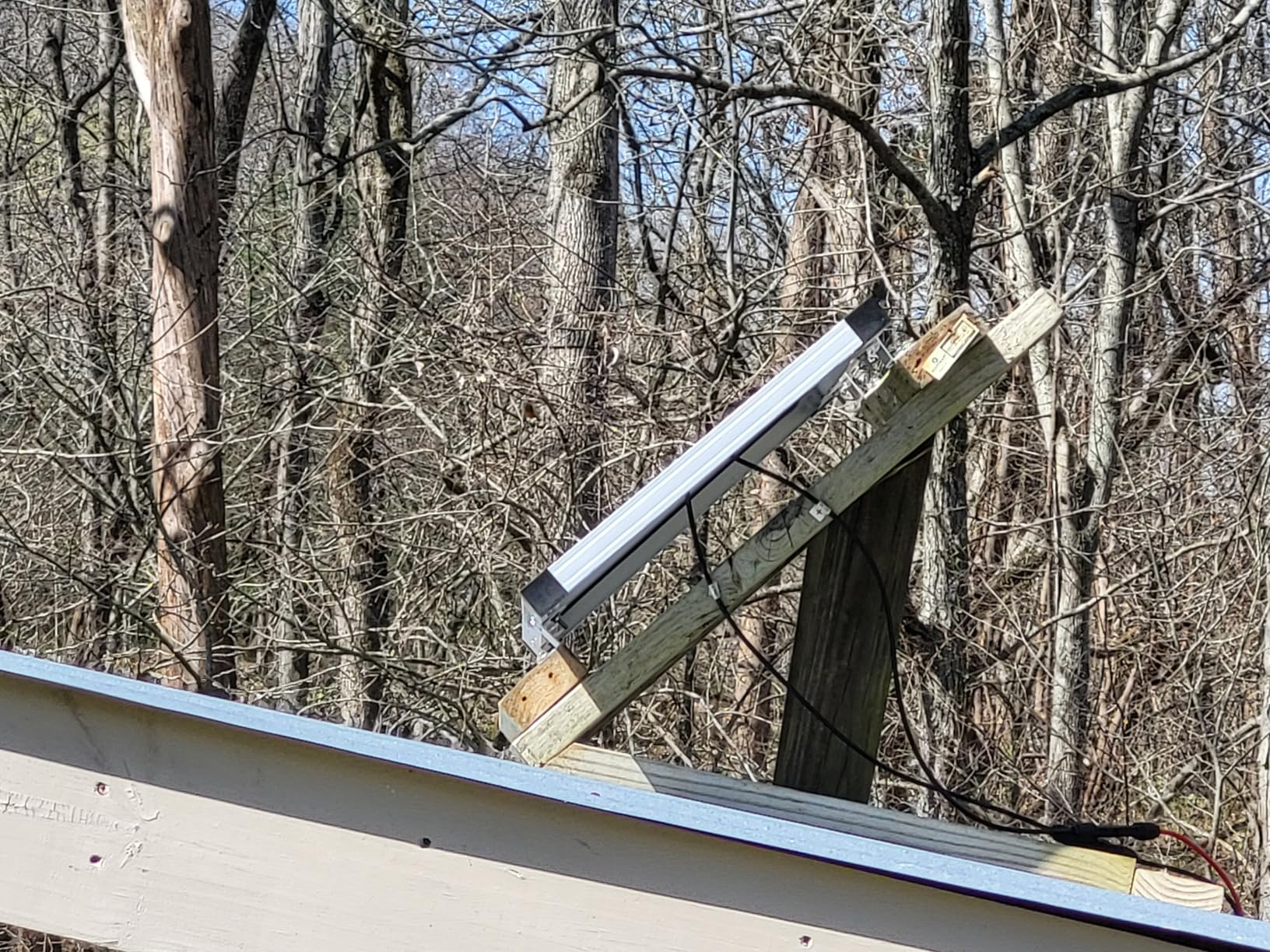
The narrow 20 inch width is the underrated feature. On a small cabin roof, a panel that is 30 inches wide can be the difference between fitting your array and losing a third of it to unusable roof area. This one is 17.7 inches wide as cataloged, which is genuinely narrow.
System expansion is documented to a maximum of 260W at 12V or 520W at 24V, because the panel’s current at maximum power is 4.3 amps. That is a real ceiling, and it is the main reason we do not rank this higher despite a solid 4.4 stars across 1,886 ratings.
Seventy-two percent of ratings are five stars, and 6 percent are one star, the second-highest dissatisfaction rate in this roundup. The complaints concentrate on the 19.5 percent cell efficiency and the 4.3 amp ceiling, both of which mean more panels and more wiring to reach the same output.
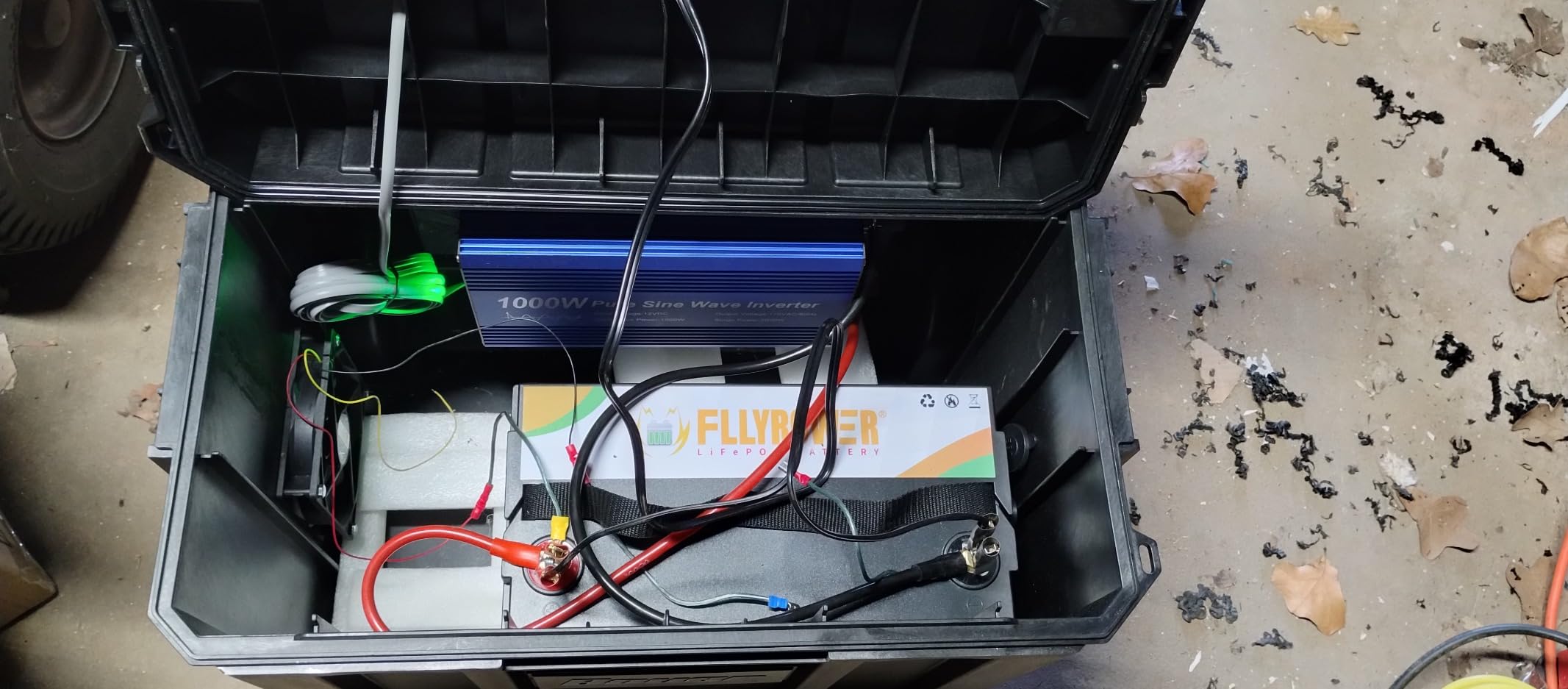
Check the efficiency and the current ceiling
At 19.5 percent efficiency and 4.3 amps at maximum power, this is the oldest cell technology in the group. If you know your load is going to grow, you will outgrow this array faster than any other kit here.
The upper temperature rating is listed at 80 degrees Celsius, which is a real number to keep in mind on a dark shingle roof in midsummer.
Best fit for a shed, a boat, or a first small system
Pick this for a shed, a small workshop, or a boat where the load is genuinely light and the roof geometry is awkward. The narrow profile and included hardware solve real problems for small builds.
Pass if you are planning a homestead. At 260W of 12V ceiling, you will outgrow it, and replacing a whole array is expensive.
9. ECO-WORTHY 400W Premium Kit with 40A MPPT Controller – Best Kit With App Monitoring
ECO-WORTHY 400 Watt 12 Volt Premium Solar Panel Kit :4pcs 100W Solar Panel+ 40A MPPT Charge Controller+ Bluetooth Module+ Mounting Z Brackets, 400W 12V Solar Power Off Grid System for Home, RV, Boat.
Four 100W mono panels
40A MPPT controller
About 1.6KWh per day
Bluetooth monitoring
Pros
- MPPT controller with 99 percent tracking efficiency
- Highest daily output claim in the group at about 1.6KWh per day
- Bluetooth module streams live data up to 82 feet
- Heavier 35mm frame and 3.2mm low-iron glass
- Complete kit covering panels controller Bluetooth and brackets
- Plug-and-play Y-branch cables simplify parallel wiring
Cons
- Highest outlay of any kit here for the same 400W nameplate
- Smallest review base at 120 ratings so the track record is thin
- 21 percent panel efficiency trails the N-type panels
- 8 percent one-star rating is the highest share of top negatives
This is the only kit in the roundup with an MPPT charge controller, and that single component justifies it for anyone planning to grow past 400W. MPPT tracking at 99 percent efficiency with 98 percent peak conversion harvests noticeably more from the same panels than PWM control, and the kit maker claims roughly 40 percent better conversion than a traditional PWM controller.
Stated daily production is about 1.6KWh, the highest claim among the kits here, which makes sense for four 100W panels running through a more efficient controller. Each panel has a pair of 35-inch cables with pre-installed bypass diodes in an IP65 junction box, and 16-foot Y-branch cables make parallel wiring of all four panels a plug-and-play job.
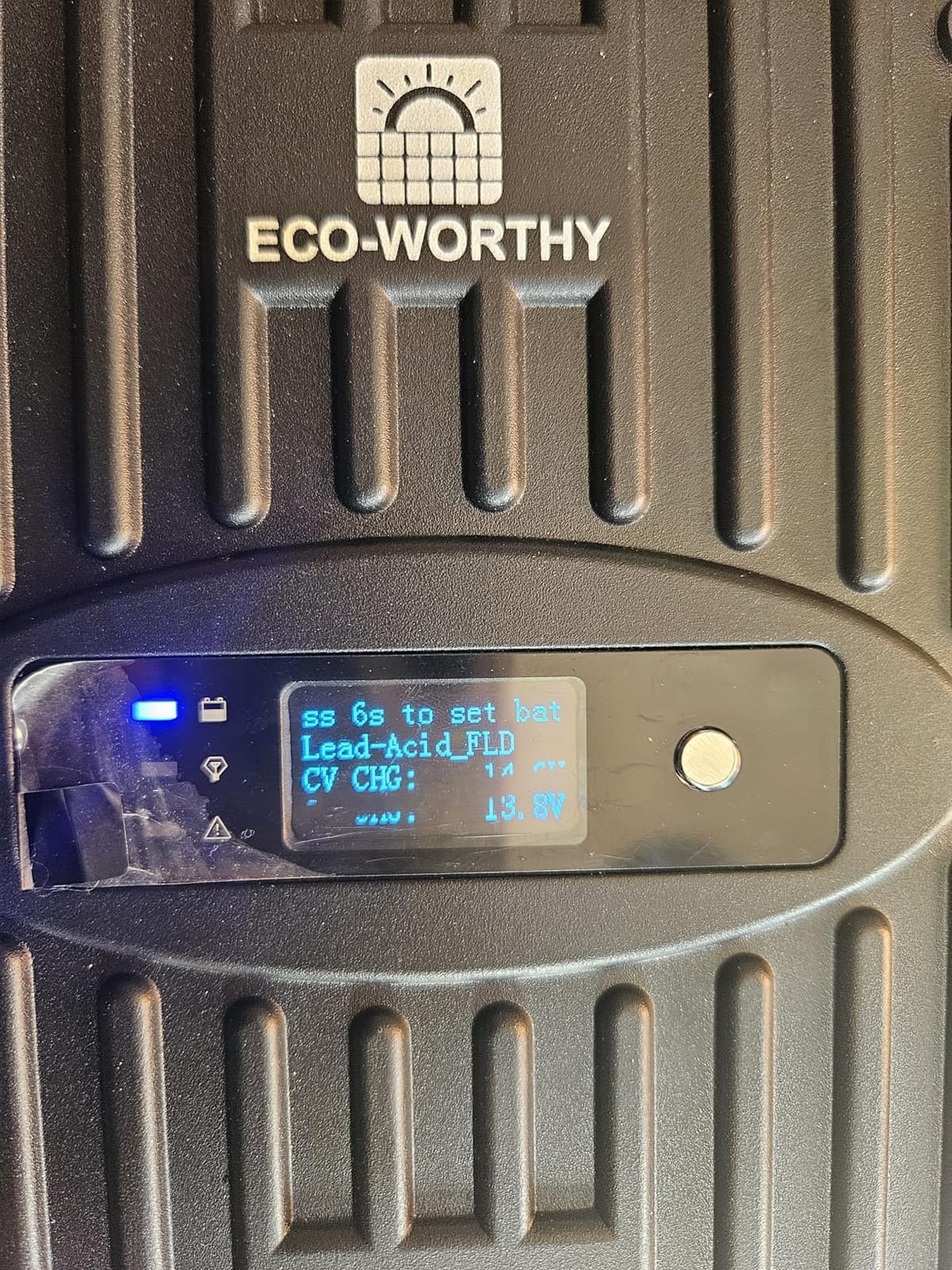
The Bluetooth 5.0 module streams real-time solar, battery, and load data up to 82 feet. Forum owners care about remote monitoring more than spec sheets suggest, because a cabin you drive two hours to reach is exactly the place where you want to know the battery state before you start the drive.
Build quality is a step up from the budget kits. The glass is 3.2mm low-iron rather than standard tempered glass, and the aluminum alloy frame is 35mm wide, which the manufacturer notes is two to five millimeters wider than typical. Rated for 2400Pa wind and 5400Pa snow loads, with Z brackets included and pre-drilled mounting.
Be honest about the evidence, though. At 120 ratings this is by far the thinnest review base in the roundup, and 8 percent of ratings are one star, the highest share of top-negative feedback here. The 21 percent panel efficiency is also the oldest in this group. The controller is the reason to buy it, not the panels.
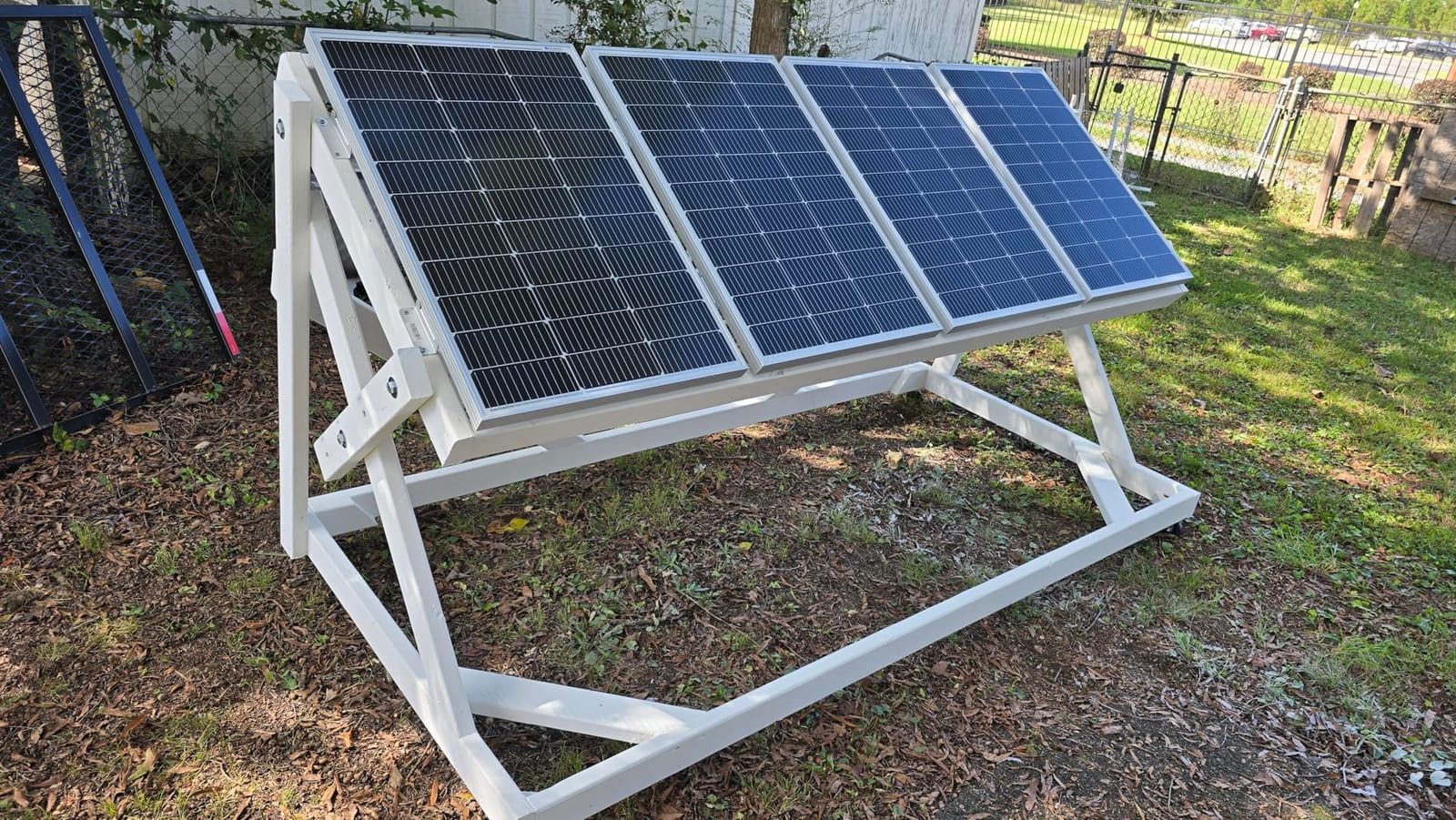
Check the panel generation inside the package
You are buying an MPPT controller more than you are buying panels here. If your goal is 400W of quality generation, the N-type picks elsewhere in this roundup pair better with a similar controller.
With only 120 ratings, long-term durability is unproven for this specific package. Forum owners put long-term field reports above spec sheets, and there simply are not many field reports on this one yet.
Best fit for a build that will expand
Choose this if you know you will add panels within a few years and want the MPPT headroom plus phone monitoring from day one. The 40A controller also has the current capacity for a bigger array.
Choose elsewhere if you want the strongest panels per dollar today, or if proven long-term field reports matter more to you than controller efficiency.
10. DOKIO 400W 31V Monocrystalline Panel – Best Single 400W Panel for Large Roofs
DOKIO 400W 31V Monocrystalline Solar Panel for 12V/24V Systems
400W at STC in one panel
31V nominal output
9.84 ft MC4 leads
Parallel wiring for 12V
Pros
- One 400W panel replaces four 100W units and cuts wiring
- Long 9.84 ft MC4 leads reduce extension cables and extra joints
- Pre-drilled holes fit standard Z brackets rails and tilt mounts
- Sealed junction box and tempered glass for outdoor exposure
- 31V output suits 24V battery banks
Cons
- Lowest average rating in the roundup at 4.1 stars
- Real-world output falls short of the 400W lab rating
- Heaviest panel here at 49.4 pounds making solo mounting hard
- Series wiring on 12V needs a high-input controller
The case for a single large panel is wiring simplicity. One 400W panel replaces four 100W panels, which means one set of connection points instead of four, a shorter run from panel to controller, and fewer joints where a bad connection can heat up under load. For a cabin with a big open roof or a ground mount, that is a genuine advantage.
The 9.84 foot MC4 leads are pre-attached, which is longer than the short leads most panels ship with, and the manufacturer notes that longer leads reduce the need for extension cables and extra connectors, which is where resistance losses come from.
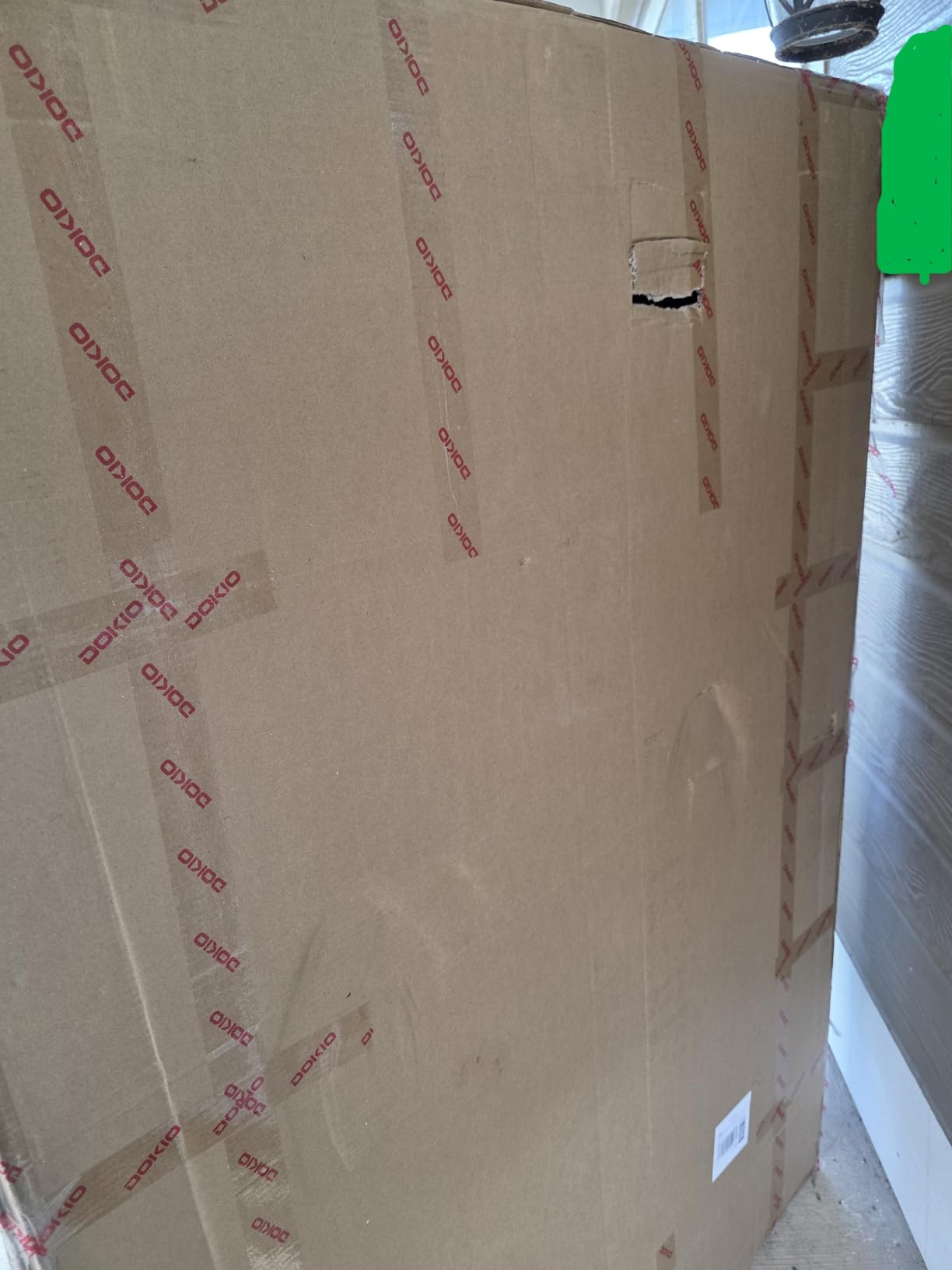
Output is 31 volts nominal, which suits a 24V battery bank directly, or a pair in parallel for 12V. The guidance is explicit: for 12V systems, parallel wiring is recommended for smoother charging, while series strings require a high-input controller. Ignore that and you will clip output.
It is also the honest recommendation to pair with an MPPT controller for maximum harvest, which is consistent with our general guidance that PWM control leaves energy on the table.
Now the reason this ranks last, and it is not a small one. At 4.1 stars with 466 ratings, this is the weakest-rated product in the roundup, and 12 percent of ratings are one star. Buyers who pair it with a proper MPPT controller report useful output and appreciate the long leads. The dominant complaint is that real-world production falls well short of the 400W lab rating under heat, shade, or long cable runs, and at 49.4 pounds it is the hardest panel here to mount alone.
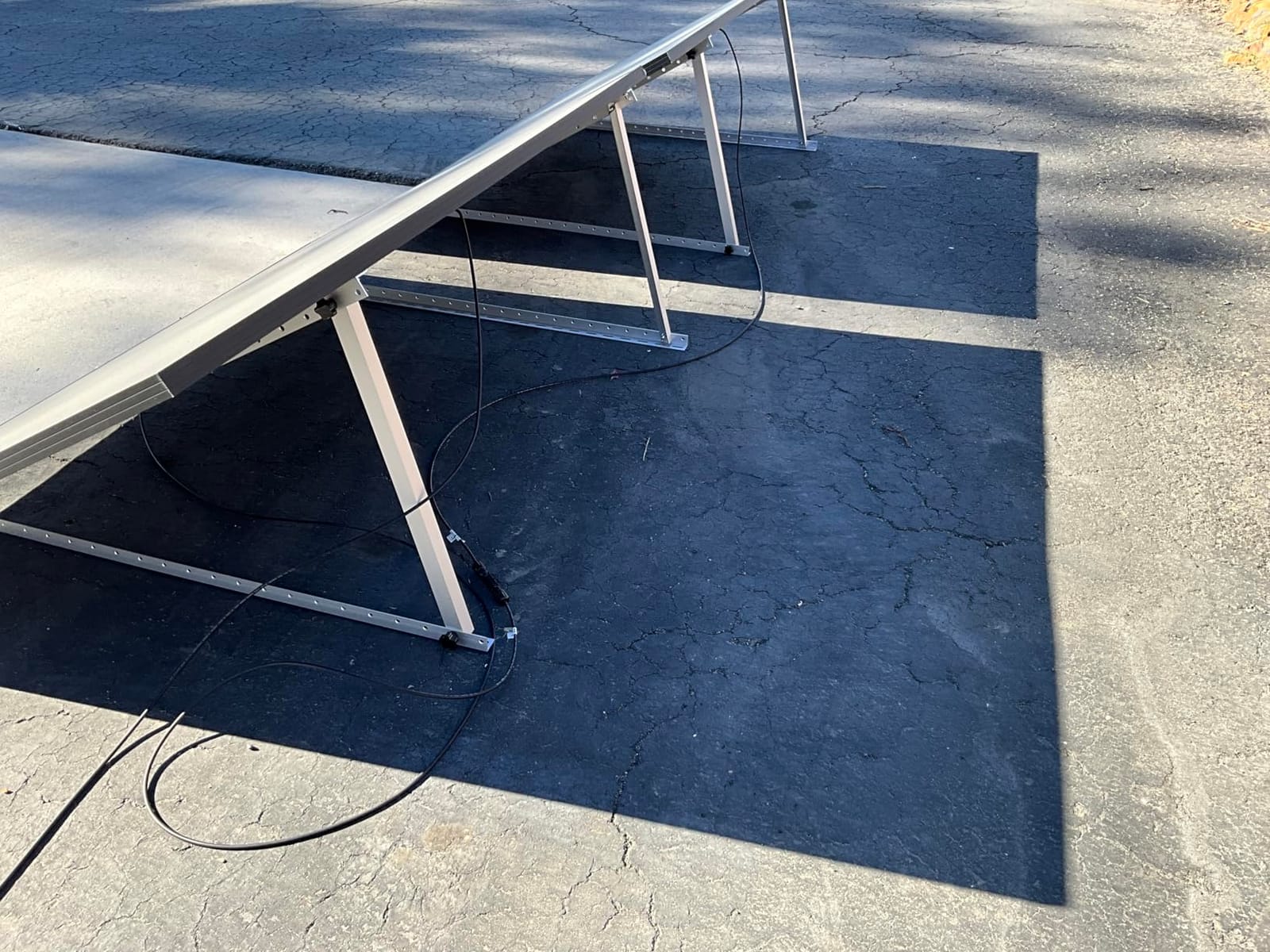
Check the weight and the voltage before you plan the lift
At 67.8 by 44.6 inches and 49.4 pounds, this is the largest and heaviest panel in the roundup. Plan a second person or a ground-mount frame, because a solo roof lift at that size is a real injury risk.
The 31V output is the decision point. It is a natural fit for 24V systems and requires parallel wiring plus the right controller for 12V. Get this wrong and the panel underperforms for reasons that have nothing to do with the panel.
Best fit for a large roof or ground mount
Pick this when roof area is abundant, you value minimal wiring, and you have decided on 24V architecture. The single-unit simplicity is genuinely appealing for a straightforward build.
Pick a different panel if rating matters more than wiring simplicity, if you will be working alone on the install, or if your site is small or partially shaded.
What Actually Matters When You Buy Solar Panels for a Cabin
Cell technology first, because it is the one spec that never goes down. P-type monocrystalline panels at 21.5 to 22 percent are the previous generation. N-type panels, whether 16BB or 18BB layouts, run 23 to 25 percent and, more importantly, degrade more slowly and tolerate partial shading better. Over a 25-year life at a cabin, that gap is the largest single lever you have.
Low-light performance is the second one, and it is specific to cabins. Your site is probably a clearing in trees, which means morning and evening production come through partly shaded or low-angle light. Panels that hold output in those conditions generate more annual kilowatt-hours than a higher-rated panel that stalls when the light gets weak. The N-type picks in this roundup all make explicit low-light and light-induced degradation claims, which is why they rank where they do.
Temperature coefficient matters more in summer than most buyers expect. A roof-mounted panel operates well above the 25 degrees Celsius at which it was rated, and every panel in this roundup loses output as it heats up. A cold temperature coefficient is a genuine advantage in a hot, sunny site, and it is one of the stated benefits of the Renogy N-Type 16BB pack.
Degradation and warranty are the boring specs that decide the long game. Look for under 1 percent in year one and 0.4 to 0.5 percent annually after, backed by a 25-year output guarantee. The RICH SOLAR panel states a 25-year linear power output warranty, which is the strongest commitment in this group.
Build details decide whether a panel survives a cabin. Look for an IP65 or IP68 junction box with IP67 connectors, an anodized aluminum frame, and a stated wind and snow load rating. The 2400Pa wind and 5400Pa snow figure is standard across this roundup and across the industry, so treat it as a baseline rather than a differentiator. Pre-drilled mounting holes and half-cut or multi-busbar cell layouts, which reduce hot spots and micro-cracks, are the details that genuinely separate panels.
Two rules of thumb close the guide. The first is the winter rule: size your array for your worst month, because winter generation can fall to roughly half of the maximum and undersized arrays are the single most common reason cabin owners end up running a generator constantly. The second is the 20 percent rule for headroom: leave about 20 percent of unused array capacity for future loads, partial shading, and the days when a panel is covered in snow.
Panel Only or Complete Kit?
This is the decision the search results split on, and the answer depends on how much of the system you already have. A complete kit is the right call for a first build with a 12V system, because a bundled PWM controller, brackets, and cables remove the two most common early mistakes, which are undersized controllers and missing hardware.
Panels only are the right call if you already have a controller, or if you are planning a 24V or 48V system with an MPPT controller. In that case a kit controller is dead weight you will replace anyway, and buying panels separately gets you better cells for the same money.
Neither option includes the two components that actually make off-grid life comfortable. Batteries store what the panels collect, and an inverter converts that stored DC into AC. Forum consensus is clear on chemistry: LiFePO4 has become the default for new builds, and the safety listing owners look for is UL9540. The most repeated piece of advice in off-grid communities is that going fully solar is difficult, and that a correctly sized backup generator remains sensible insurance.
System architecture is the next decision. A 12V system is simple and fine for a weekend cabin with a small load. A 24V system halves the current for the same power, which means thinner cable and less voltage drop over the run from panel to battery. A 48V system does the same again and is the standard for anything with a well pump, a power tool load, or a household-sized inverter.
Finally, string sizing. An MPPT controller has an input voltage window, and your panels’ open-circuit voltage has to stay inside it. That number rises in cold weather, which is a genuine problem at a northern cabin in January, so apply a cold-temperature correction to Voc before you commit to panels in series. Get this wrong and the controller will clip your output on cold mornings, which is when you were counting on it.
Frequently Asked Questions
What is the best solar system for an off-grid cabin?
Rigid monocrystalline panels in the 200W to 400W range are the best choice, built with N-type or PERC cells, a 25-year output warranty, and an IP65 or IP68 junction box. A cabin array must survive snow, freezing nights, and partial shade without attention, which rules out folding portable panels. Panels only charge a battery bank, so you still need an MPPT charge controller, a LiFePO4 battery bank, and a pure sine wave inverter.
Will a 400W solar panel run a fridge?
Yes, during sunny months. A 12V compressor fridge averages roughly 400 to 500Wh per day, and a 400W panel can push around 1600Wh on a four-hour equivalent sun day. In winter, when output can fall to about half, one panel is not enough for reliable fridge duty. Budget two panels for year-round fridge running.
How many solar panels do I need for an off-grid cabin?
Work from daily energy use, not panel count. A weekend cabin using about 500Wh per day needs roughly 125W of rated panel, a 2,000Wh tiny home needs about 500W, a 4,000Wh homestead needs about 1,000W, and a 10,000Wh full-time property needs around 2,500W. Add 30 to 40 percent if your site is shaded or snowy.
Can you run off-grid solar without batteries?
No. Panels produce direct current, and a cabin’s appliances need alternating current at night, during cloudy days, and while you are asleep. A charge controller and a battery bank are not optional, and an inverter converts the stored energy into usable AC. A battery bank of at least one cloudy day of autonomy is the practical minimum.
Should I buy solar panels separately or a complete kit?
Buy a complete kit for a first 12V build, because a bundled charge controller, brackets, and cables prevent the two most common early errors. Buy panels only if you already have a controller or if you are building a 24V or 48V system with an MPPT controller, since a bundled PWM controller would be replaced anyway.
Final Call for Off-Grid Cabin Owners in 2026
For a weekend cabin or a first build, start with the Renogy 100W 12V starter kit. It is complete, the most highly rated product we looked at, and it expands to 400W when your loads grow. For a tiny home or a homestead that needs real capacity, the Renogy 400W N-Type 16BB 2-pack gives you 25 percent cells in a compact footprint that fits a small roof. If your site is snowy or reflective, the JJN bifacial pack is the one that earns its extra mounting effort.
Whatever you choose, size the array for December rather than for your annual average, budget an MPPT charge controller if the array will exceed 400W, and keep a correctly sized generator as backup. That is the advice cabin owners give each other most often, and it is the difference between a system that works year-round and one that does not.