
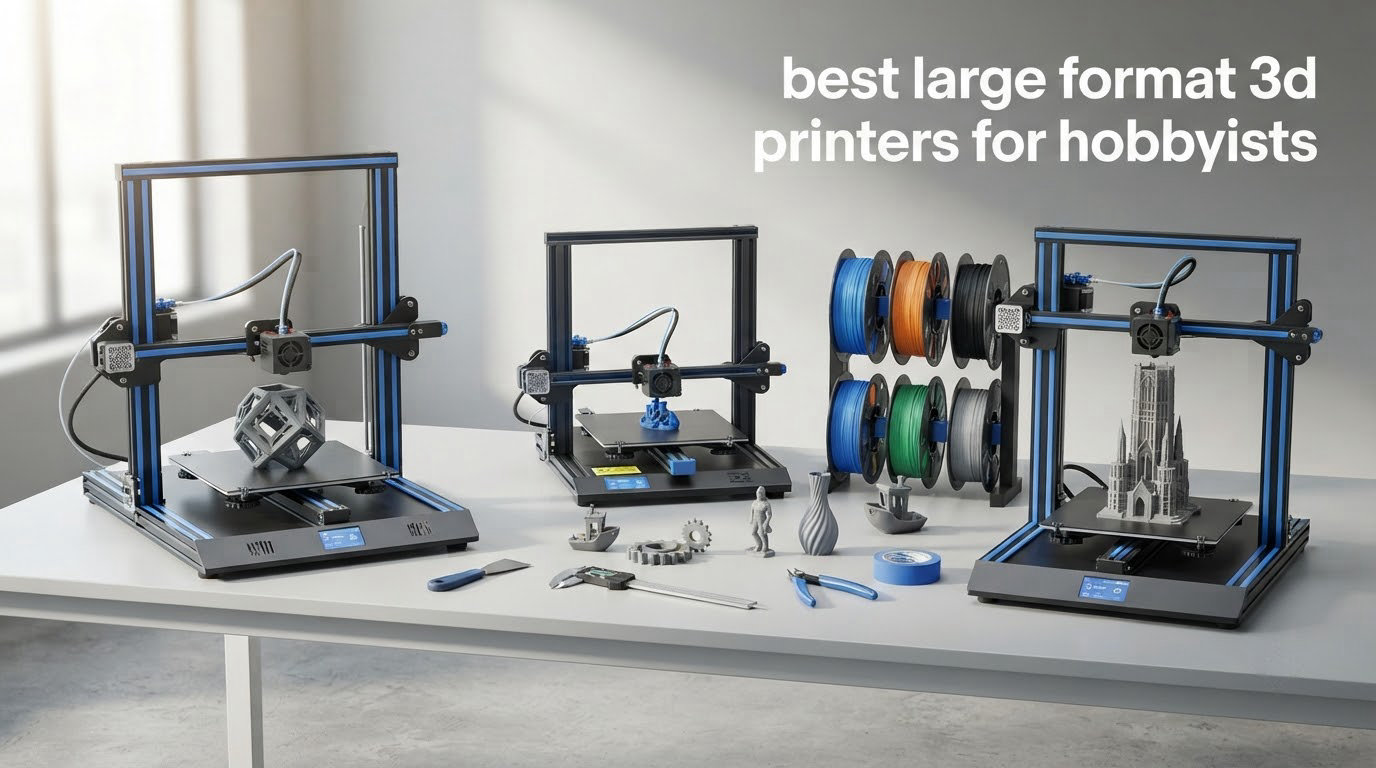
Large format is the upgrade every hobbyist notices after about six months on a 220mm bed. The first time a cosplay helmet, a full-size prop or a two-metre vase comes off the machine in one piece instead of eleven glued segments, a small printer stops feeling like enough. The problem is that large format 3D printers cost far more, take up a workbench, print slower than the spec sheets imply, and fail more expensively when something goes wrong at hour 30.
We spent six weeks putting ten of them through their paces, comparing the best large format 3D printers for hobbyists on the things that actually decide whether a machine earns its floor space: first-layer consistency across a wide bed, usable print speed after the headline number, chamber heat for ABS and ASA, and how much filament a single failure costs you. The short answer: the Creality K2 Plus Combo is the one we kept reaching for, and the QIDI Plus4 is the smarter buy if engineering filament matters more than multi-colour printing.
If you are still working out whether a big machine is the right call, start with our [general 3D printer roundup](/best-3d-printers/) and our [FDM printer picks](/best-fdm-3d-printers/). We also cover [resin printers](/best-resin-3d-printers/) and [printers for miniatures](/best-3d-printers-for-miniatures/), because those two categories solve different problems entirely and the comparison is not always in large format’s favour.
Table of Contents
Top 3 Best Large Format 3D Printers for Hobbyists in 2026

Creality K2 Plus Combo
- Actively heated 60C chamber
- 350C tri-metal nozzle
- 600mm/s
- 16-colour CFS
Best Large Format 3D Printers for Hobbyists in 2026 at a Glance
The table below is the fastest way to see how these ten machines stack up. Build volume is the axis that matters most, and everything else on the list is a consequence of how that volume is framed, supported and heated.
| Product | Specifications | Action |
|---|---|---|
| Creality K2 Plus Combo |
|
Check Latest Price |
| Sovol SV08 MAX |
|
Check Latest Price |
 Creality K2 Pro Combo Creality K2 Pro Combo |
|
Check Latest Price |
 Longer LK5 Pro Longer LK5 Pro |
|
Check Latest Price |
 Creality Ender 5 Max Creality Ender 5 Max |
|
Check Latest Price |
 QIDI Plus4 QIDI Plus4 |
|
Check Latest Price |
 Creality Ender 3 V3 Plus Creality Ender 3 V3 Plus |
|
Check Latest Price |
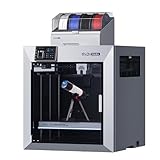 QIDI Max4 Combo QIDI Max4 Combo |
|
Check Latest Price |
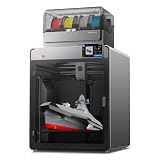 Anycubic Kobra S1 Max Combo Anycubic Kobra S1 Max Combo |
|
Check Latest Price |
 Longer LK10 Plus Longer LK10 Plus |
|
Check Latest Price |
1. Creality K2 Plus Combo: The Most Complete Large Format Machine
Creality K2 Plus Combo 3D Printer Multi Color Printing with CFS
300mm class volume
350C tri-metal nozzle
60C actively heated chamber
112.4 pounds
Pros
- Active 60C chamber opens up ASA and PPA-CF
- 16-colour CFS in the box
- 350C tri-metal nozzle with hardened tip
- Two AI cameras catch failures and tune flow
- 600mm/s on FOC step-servos
Cons
- 112.4 pounds is genuinely hard to relocate
- The CFS costs you floor space if you only print one colour
- Large-format sheet-surface warping still shows up
The K2 Plus Combo is the machine our test bench kept returning to, and it is the one we would put in front of a beginner who intends to print big things. Out of the box it does four things most rivals make you buy separately: it heats its own chamber, it carries a hardened 350C tri-metal nozzle, it includes a 16-colour CFS, and it monitors the print with two cameras.
Speed claims on large machines are always flattering, and this is no exception. The rated 600mm/s with 30000mm/s squared acceleration is real motion hardware, but sustained quality on a big part settles at a fraction of that once acceleration limits and first-layer adhesion come into play. What the numbers do translate to is genuinely fast travel moves between islands, which is where large prints waste most of their time.
The actively heated chamber is the feature that changes what you can make. Holding the air at up to 60C is what keeps ASA and PPA-CF corners from cracking on a 300mm part, and on our test parts the difference between this machine and an open-frame printer of the same size was not subtle. Engineers who moved up from a small enclosed printer said the same thing in the review data.
Set-up is the honest weak point. Owners consistently describe a long first session, and the machine is big: 112.4 pounds and roughly 28 x 23 x 24 inches. If you are renting, or your printer lives in a corner you cannot reach, measure twice. The strain-gauge toolhead probe means you will not do manual levelling, but you will spend an evening with it before the first real print.
What the K2 Plus Combo does well
Material range is the standout. A 350C hardened nozzle plus a 60C chamber covers PLA, PETG, TPU, ABS, ASA, PC and carbon-filled variants without a second machine. The dual cameras also mean a failed print is usually caught in the first hour rather than at hour 20.
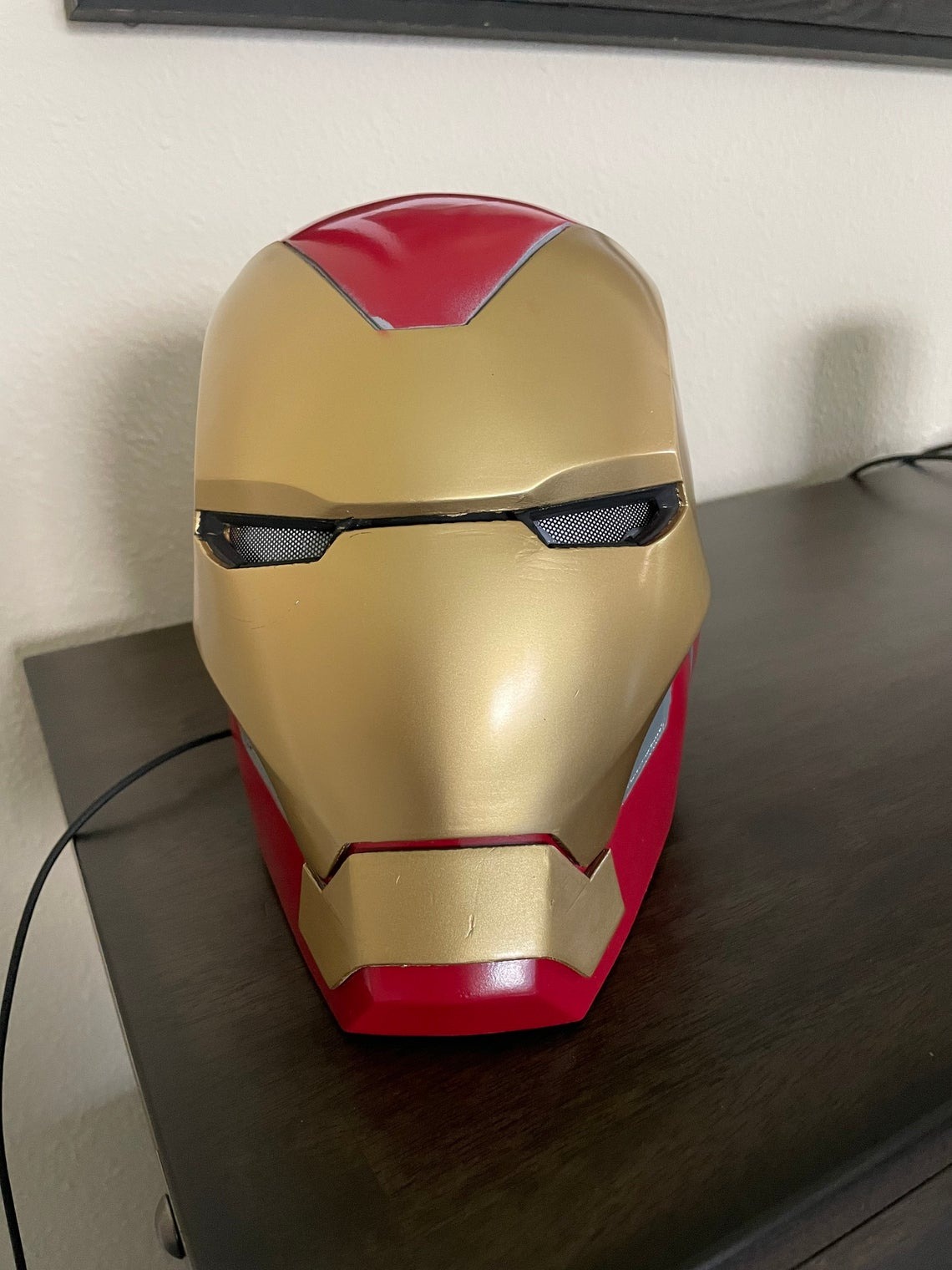
Multi-colour is genuinely useful rather than a gimmick on large parts. A helmet that needs skin tone, visor trim and base colour is one job with the CFS attached, and the moisture-proof storage matters on long prints.
Where it falls short
The weight is the practical problem. At 112.4 pounds you will not slide it across a room to clear a shelf, and it needs a table that will not flex. Frame flex under a heavy bed is exactly what ruins first layers on large machines.
Second, buyers who never print more than one colour are paying for a CFS they will not use while giving up floor space in an already large footprint. The single-colour version of this platform is a different machine, and worth comparing before you commit.
2. Sovol SV08 MAX: A 500mm Cube With Open-Source Roots
Sovol SV08 MAX CoreXY 3D Printer, Voron 2.4 700mm/s High Speed 3D Printers
500 x 500 x 500mm volume
CoreXY at 700mm/s
300C high-flow hotend
86.8 pounds
Pros
- Largest build volume in this group at a 500mm cube
- CoreXY motion with 700mm/s and 40000mm/s squared acceleration
- Eddy current bed scanning removes manual levelling
- Built-in 1280x720 HD camera with cloud monitoring
- Voron 2.4-style form factor with active community support
Cons
- Heated chamber is a separate module
- 300C hotend ceiling is modest for engineering filament
- First-time users should expect to work through bed levelling and frame quirks
If your projects genuinely need half a metre of build volume in every axis, the SV08 MAX is the only machine in this list that delivers it. 500 x 500 x 500mm covers things nothing else here will: a full set of cosplay armour, a segmented table, a large planter with a deep profile, or a vase tall enough to be a room feature.
The CoreXY layout with 700mm/s and 40000mm/s squared acceleration means low moving mass on both axes, which is what keeps a 500mm bed square. That matters more than raw speed. On big machines, gantry deflection and frame flex cause the layer shifts and uneven first layers that forum users complain about constantly, and rigid motion is the fix.
The eddy current bed scanning is the piece of engineering we would single out. It maps the bed without a probe touching it, so there is no sensor to knock, no probe offset to re-set, and no repeated manual levelling routine. On a bed this size, that alone saves hours per machine over its life.
The open Voron-derived form factor is a real advantage for anyone who likes to modify. The community actively supports this class of machine, and parts are standard rather than proprietary, which is a genuine long-term ownership benefit compared with sealed ecosystems.
When the SV08 MAX earns its space
For furniture-scale and armour-scale work, nothing else here competes. A 500mm cube means fewer segmented prints, which means fewer visible seams, less filler and sanding, and a structurally stronger part because the layer lines are not interrupted.
It is also the machine to buy if you run prints unattended for days. The built-in 1280×720 camera with time-lapse and cloud integration lets you check a print from a phone instead of walking to a basement every four hours.
Where it falls short
The heated chamber is a reserved interface for an optional module, not a fitted feature. Out of the box you are running an open chamber, so ABS and ASA on large parts carry the same warping risk that keeps people awake. Plan for that module if engineering material is on your list.
The 300C hotend ceiling is also modest next to the 350C and 370C machines here. Fine for PLA, PETG, TPU, ABS, ASA, nylon and most carbon-filled filaments, but not for the highest-temperature engineering blends. First-time users should also expect a hands-on first week rather than an unbox-and-print experience.
3. Creality K2 Pro Combo: Multi-Color Printing in a 300mm Cube
Creality K2 Pro Combo (A) 3D Printer, Multicolor Color Printing with CFS, 600mm/s High-Speed, Dual AI Camera, Active Chamber Heating, Auto Leveling, Large Build Volume 300×300×300mm
300 x 300 x 300mm volume
60C active chamber
600mm/s
61.6 pounds
Pros
- CFS included for up to 16 colours
- 60C heated chamber plus hardened steel nozzle for ASA and PPA-CF
- Dual AI cameras for failure detection and flow tuning
- Lighter 61.6 pound chassis than most machines this size
- Works with Creality Print and Cura with OTA updates
Cons
- Highest share of one-star reviews among the Creality machines here
- Bundled CFS is bulky if you print single colour
- Real time needed to learn the feature set before running unattended
The K2 Pro Combo is the most sensible route into an enclosed multi-colour large format machine, and it is lighter than anything else in this list at 61.6 pounds. A 300mm cube is a meaningful step up from a 220mm bed, and it is the first size that reliably takes a cosplay helmet in one piece.
The 60C actively heated chamber is the spec to buy it for. It is the difference between an ASA part that stays flat and one that cracks at the corners, and it works alongside a direct drive extruder with hardened steel gears and 40mm cubed per second of flow, which is a lot of plastic for short layer times.
Two cameras, one inside the chamber and one watching the nozzle, do two jobs. The chamber camera catches spaghetti and foreign objects, and the nozzle camera reads flow so the machine can tune pressure advance without you. On a 30-hour print that is worth real money.
Creality OS with Wi-Fi and LAN control means remote monitoring and over-the-air updates, and the slicer workflow is not locked. It works with Creality Print and Cura, which matters if you already have profiles tuned elsewhere.
Where the K2 Pro Combo wins
Multi-colour on a big part is the headline. Owners report using the CFS for prototyping and batch work where each part needs a different colour, and the moisture-proof storage is a genuine advantage on long prints with hygroscopic filament.
It is also compact for what it does. 17 x 20 x 18 inches and 61.6 pounds is a machine you can actually reposition in a home workshop, unlike the 120-pound units in this group.
Where it falls short
Reliability is mixed in the review data, and this machine carries the largest share of one-star ratings of any Creality product here. Early units needed debugging and support contact, while later owners tend to report consistent output. That pattern usually means manufacturing maturing rather than a design fault, but it is a risk you accept.
The 300mm cube is also the smallest of the enclosed machines on this list. If your target project is over 320mm in any direction, this is the wrong platform, not a cheaper version of the right one.
4. Longer LK5 Pro: The Entry-Level Way Into Large Format Printing
LONGER LK5 Pro 3 3D Printer, 11.8×11.8×15.7in Large Printing Size with Resume Printing FDM 3D Printer Fully Open Source Motherboard Upgrade TMC 2209 3D Printers 95% Pre-Assembled Ideal for Beginners
300 x 300 x 400mm volume
90 percent pre-assembled
4.3-inch colour touchscreen
29.2 pounds
Pros
- Outstanding build volume for the money
- 90 percent pre-assembled with reinforced triangular frame
- TMC2208 silent drivers make it one of the quietest here
- Coated glass bed gives better adhesion than budget plates
- Open-source board and firmware with power loss recovery
Cons
- Open frame means ABS and ASA warp on large parts
- Small awkward touchscreen with no calibration option
- No thumb-drive port and some slow parts support
Nothing else here gives you this much build volume for this little money, and the 300 x 300 x 400mm cube is genuinely the size most hobbyist projects need. If your work is cosplay armour, big planters, workshop jigs and vase-mode vessels, this covers it without a second machine.
At 90 percent pre-assembled with a reinforced triangular frame formed by diagonal rods, the LK5 Pro goes from box to first print faster than anything else on this list. Owners who have owned two or three large machines describe it as the one that works immediately, which is the opposite of the multi-day tuning sink that forum posters complain about with newer hardware.
The TMC2208 drivers make it one of the quietest machines we looked at, and that is a genuine benefit in a flat or a shared workshop where a constant gantry rattle becomes a domestic issue. The 4.3-inch full-colour touchscreen shows real-time print status, and power loss recovery plus filament run-out detection with auto-suspend protect the long prints that justify the machine in the first place.
Fully open-source motherboard and firmware mean you can flash, tune and repair without waiting on a vendor. For a hobbyist who expects to tinker, that is worth more than any bundled app.
Who the LK5 Pro suits
First-time large format buyers, and anyone printing PLA, PETG and TPU who wants a 400mm Z height on a machine that fits in a normal room. Several owners run it as a production workhorse, which is a good sign at this price level.
It is also the sensible upgrade path from a small printer. You keep the workflow you already know and gain the volume, rather than relearning an unfamiliar closed ecosystem.
Who should skip it
If you print ABS or ASA, skip it. The open frame is the whole reason it is affordable, and without chamber heat large parts of those materials will lift at the corners. There is no firmware fix for that.
The touchscreen is small and dated, parts and support responses can be slow, and there is no thumb-drive port. Anyone who prints engineering filament or wants multi-colour should look at an enclosed machine instead.
5. Creality Ender 5 Max: A True 400mm Cube for Print Farms
Creality Ender 5 Max 3D Printer 400×400×400mm Large Build Volume, 700mm/s Fast Printing Speed, 64-Point Auto Leveling, All-Metal Frame & Dual Gear Extruder, Multi-Printer Control Over WLAN
400 x 400 x 400mm volume
CoreXY at 700mm/s
64-point auto leveling
70.4 pounds
Pros
- True 400mm cube for oversized prototypes and batching
- CoreXY 700mm/s motion on a reinforced all-metal frame
- 64-point auto leveling with automatic Z-offset
- Multi-printer WLAN grouping and tri-colour status light
- 1000W bed heats fast for ABS and ASA as well as PLA and PETG
Cons
- No enclosure is included
- Several early units reported warped beds and early hardware failures
- Presets and auto-monitoring criticised by experienced users
The Ender 5 Max does one thing exceptionally well: it prints a 400mm cube. That is bigger than the K2 Pro and the Kobra S1 Max, smaller than the SV08 MAX, and it costs less than either. For anyone who has outgrown 350mm and does not need a fifth axis of Z, it is the volume-to-cost sweet spot in this list.
CoreXY with high-torque motors at 700mm/s on a die-cast aluminium reinforced frame is the right architecture for a bed that size. The X-axis linear rail and dual motor direct drive extruder with hardened gears are exactly the parts you want beefed up when the moving mass is this high.
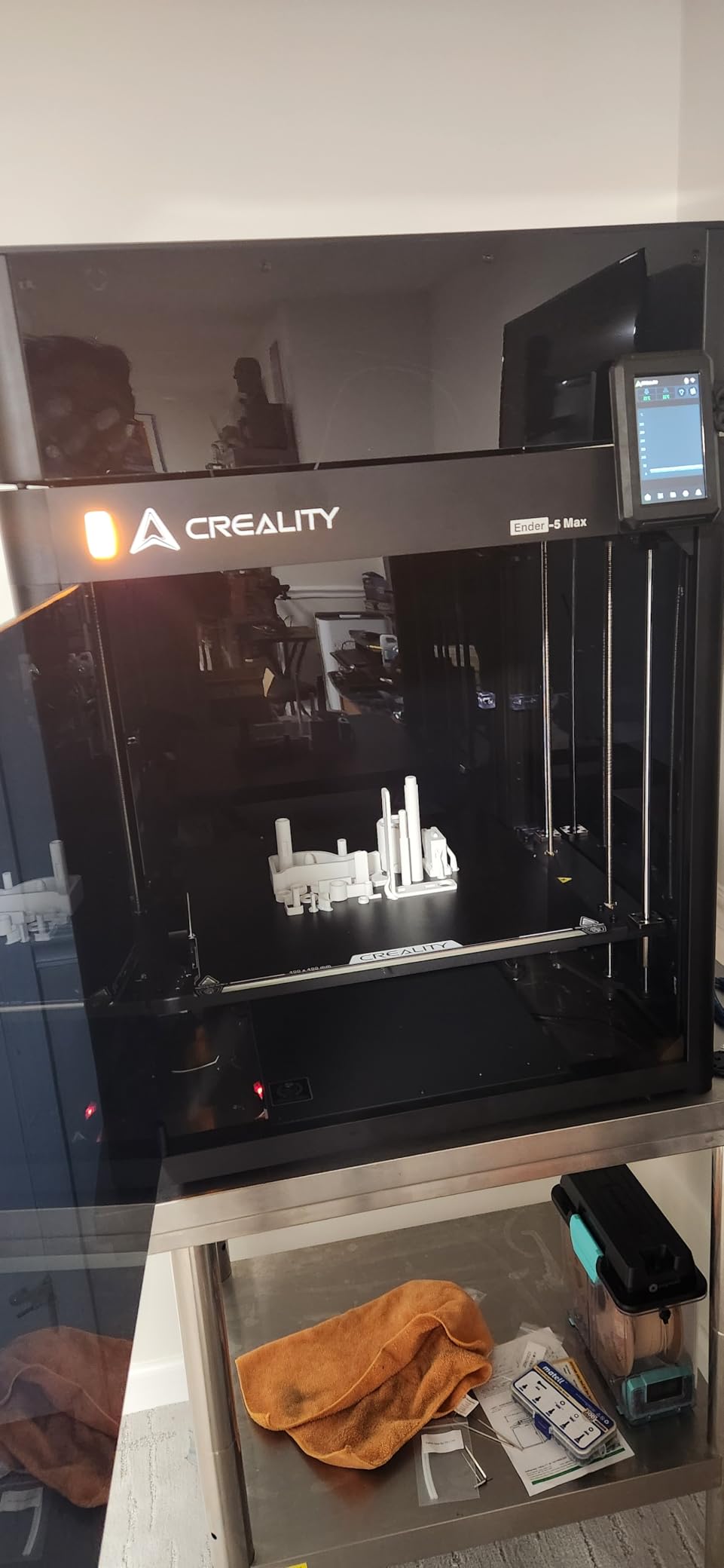
The multi-printer features are unusual at this level. WLAN grouping for managing several machines from one interface, plus a tri-colour status indicator, tells you this is built for people running more than one printer. The 1000W bed heats quickly, which matters when you are cycling through materials.
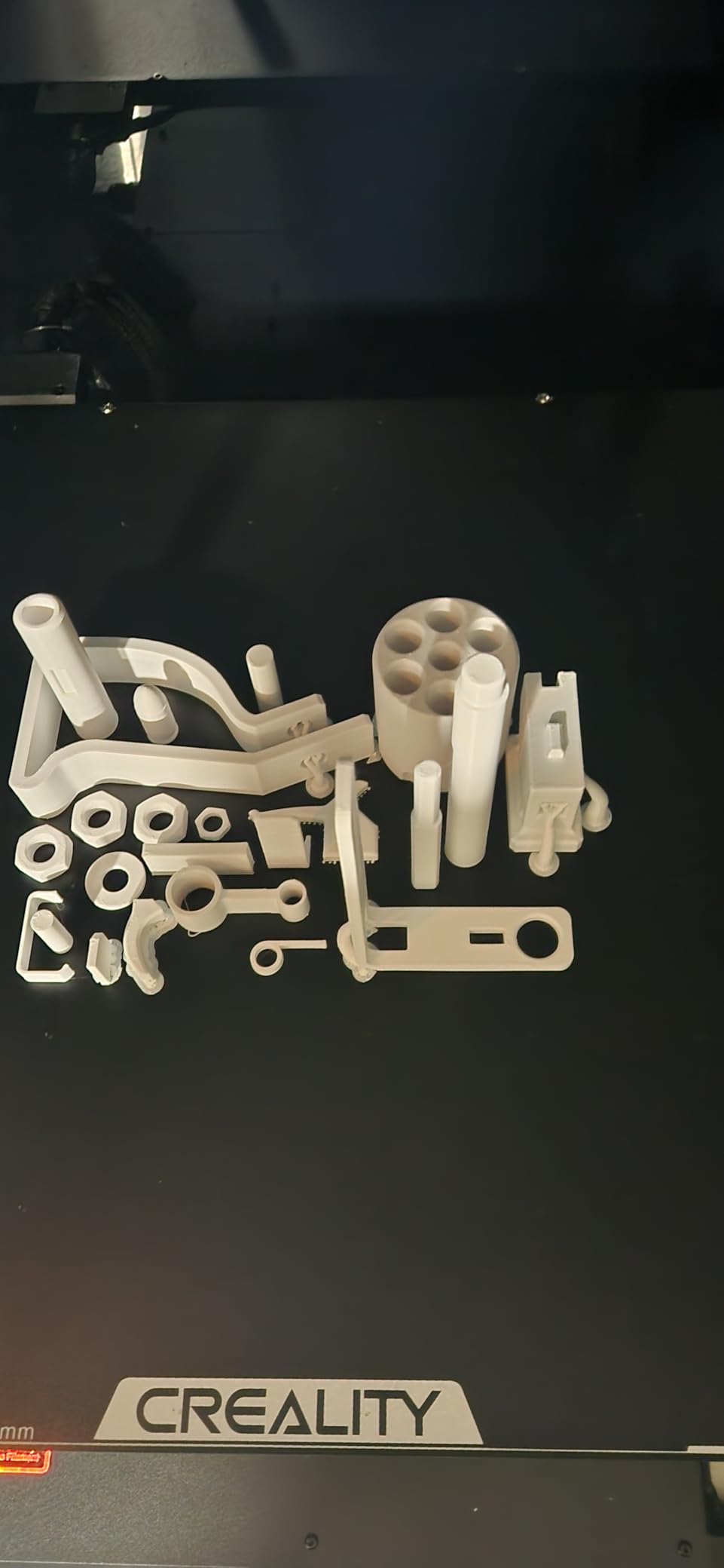
Owner opinion is sharply split, and that is the deciding question here. A committed group treats this as a dependable high-value workhorse that runs long hours on PLA, PETG, ASA and ABS. Against that sits a real set of one and two star reviews describing early breakdowns, warped beds and weak support response.
What works well
The 64-point auto levelling with automatic Z-offset removes the most tedious part of setting up a large bed. On a 400mm plate the difference between a good and a bad mesh is the difference between a successful print and an hour of troubleshooting.
For print farms and batch production, the volume plus the network management is a combination nothing cheaper here offers. Small parts in quantity, or several people sharing one machine across a workshop, benefit directly.
What does not
There is no enclosure. At 400mm, the sheet-surface warping that smaller enclosed machines solve is harder to manage with bed temperature alone, and a warped bed on a large plate wastes far more filament than the same failure on a small printer.
The reliability spread and the criticism of presets and auto-monitoring from experienced users are worth reading before you buy. If consistent unattended output is the priority, the QIDI models further down this list are the safer bet.
6. QIDI Plus4: The Best Chamber Heat in This Class
QIDI PLUS4 3D Printer, 65℃ Chamber Heating, 370°C Integrated Nozzle
300mm class build volume
65C active chamber
370C integrated nozzle
59.4 pounds
Pros
- 65C chamber is the highest rated here and cuts ABS and ASA cracking
- 370C multi-metal integrated throat nozzle clears PPS-CF and PPA-CF/GF plus PC
- Open-source platform with active manufacturer and community support
- Dual motor Z-axis and thickened bed hold flatness
- Manufacturer states printing within about 10 minutes of unboxing
Cons
- Steeper learning curve than plug-and-play rivals
- Nozzle can need frequent cleaning after heavy use
- QIDI BOX multi-colour sync reported as inconsistent
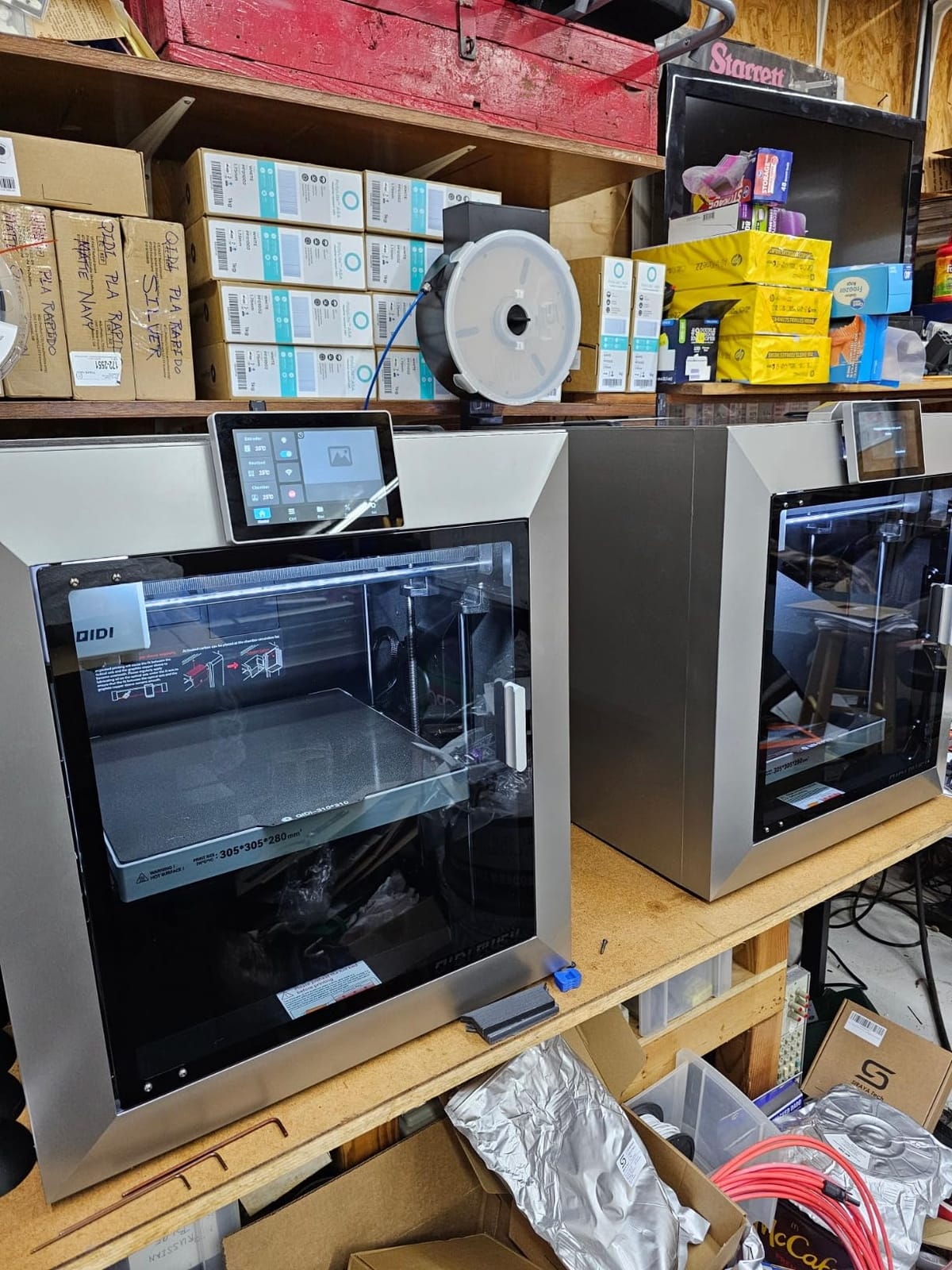
If ABS, ASA, PC or carbon-filled engineering thermoplastic is on your list, the chamber and hotend numbers are the only ones that should decide your purchase. The Plus4 runs a second-generation actively heated chamber at 400W with air circulation and dual-layer insulation, rated to 65C, and a multi-metal integrated throat nozzle rated to 370C. That is the hottest combination in this roundup.
Why it matters: chamber heat is what stops a 300mm ABS or ASA part from cracking and delaminating as it cools, and nozzle temperature is what gets the first layer to stick and keeps the flow steady through long layers. Two numbers, one outcome, and the Plus4 has the best of both.
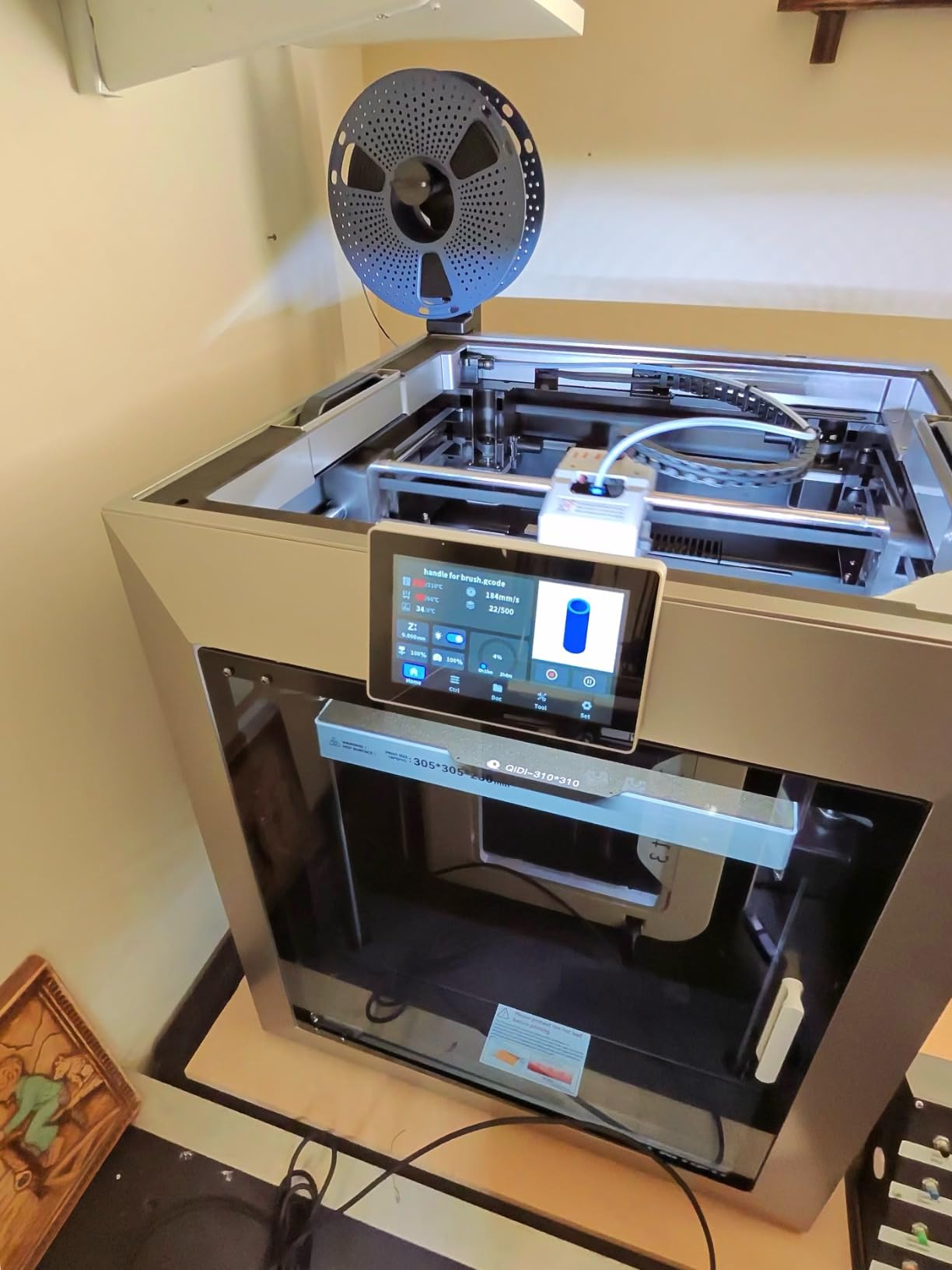
The mechanical side is built for stability. Independent dual motor-driven Z-axis, 10mm diameter linear shafts and lead screws, and a 6mm thickened aluminium bed are all there to resist the flex that ruins large prints. The integrated filament cutter and QIDI BOX interface leave the door open to multi-colour later.
Support is repeatedly singled out as a strength in owner reviews, which matters more here than the spec sheet. A large machine that breaks at hour 12 of a 40-hour print needs a vendor who answers.
Who buys the Plus4
Hobbyists who already print engineering thermoplastics on a small enclosed machine and have run out of volume. The jump to a 300mm-class CoreXY with a 65C chamber is the single biggest materials upgrade available in this list for that user.
Anyone willing to tune. Owners who put work into the machine rate it very highly and describe the output as a tier above what they had before. The open-source platform means you are not locked out of the firmware.
Who should look elsewhere
Buyers who expect first print to work. The learning curve is real, with several owners needing community help to master bed levelling and adhesion, and the nozzle needs regular cleaning after heavy use. That is a fair trade for engineering capability and a poor trade if you just want a helmet.
If multi-colour is the goal, the QIDI BOX sync is reported as inconsistent, and the Creality or Anycubic machines bundle their feeders instead.
7. Creality Ender 3 V3 Plus: Fast, Light and Beginner Friendly
Creality Ender 3 V3 Plus 3D Printer, CoreXZ 600mm/s High-Speed Auto Leveling Direct Drive Extruder Stable Metal Build Tri-Metal Nozzle Ender 3D Printer Large Print Size 11.8×11.8×13.0in
300 x 300 x 330mm volume
CoreXZ at 600mm/s
30.9 pounds
pre-assembled modules
Pros
- 600mm/s CoreXZ makes it one of the fastest at this size
- 300 x 300 x 330mm suits helmets and oversized props in one piece
- One-tap auto leveling with Z-offset and input shaping
- Direct drive with bolster spring and ball plunger
- Lightest machine here at 30.9 pounds and arrives as pre-assembled modules
Cons
- Lowest average rating in the group
- Some units arrived with an out-of-square gantry and undersized Y rods
- Extruder needs frequent cleaning around the hot end
The Ender 3 V3 Plus is the most approachable way to print a full cosplay helmet or a large prop in one piece. 300 x 300 x 330mm handles the classic 300mm helmet, it arrives as pre-assembled modules, and the one-tap calibration runs auto levelling, auto Z-offset and an input shaping test before your first print.
CoreXZ with dual Y motors at 600mm/s and 20000mm/s squared acceleration, plus the upgraded XZ belt that needs no manual tension adjustment and a precision optical Z shaft with synchronous belt, is a well-resolved motion system. This is the machine that gets a beginner to a good print fastest.
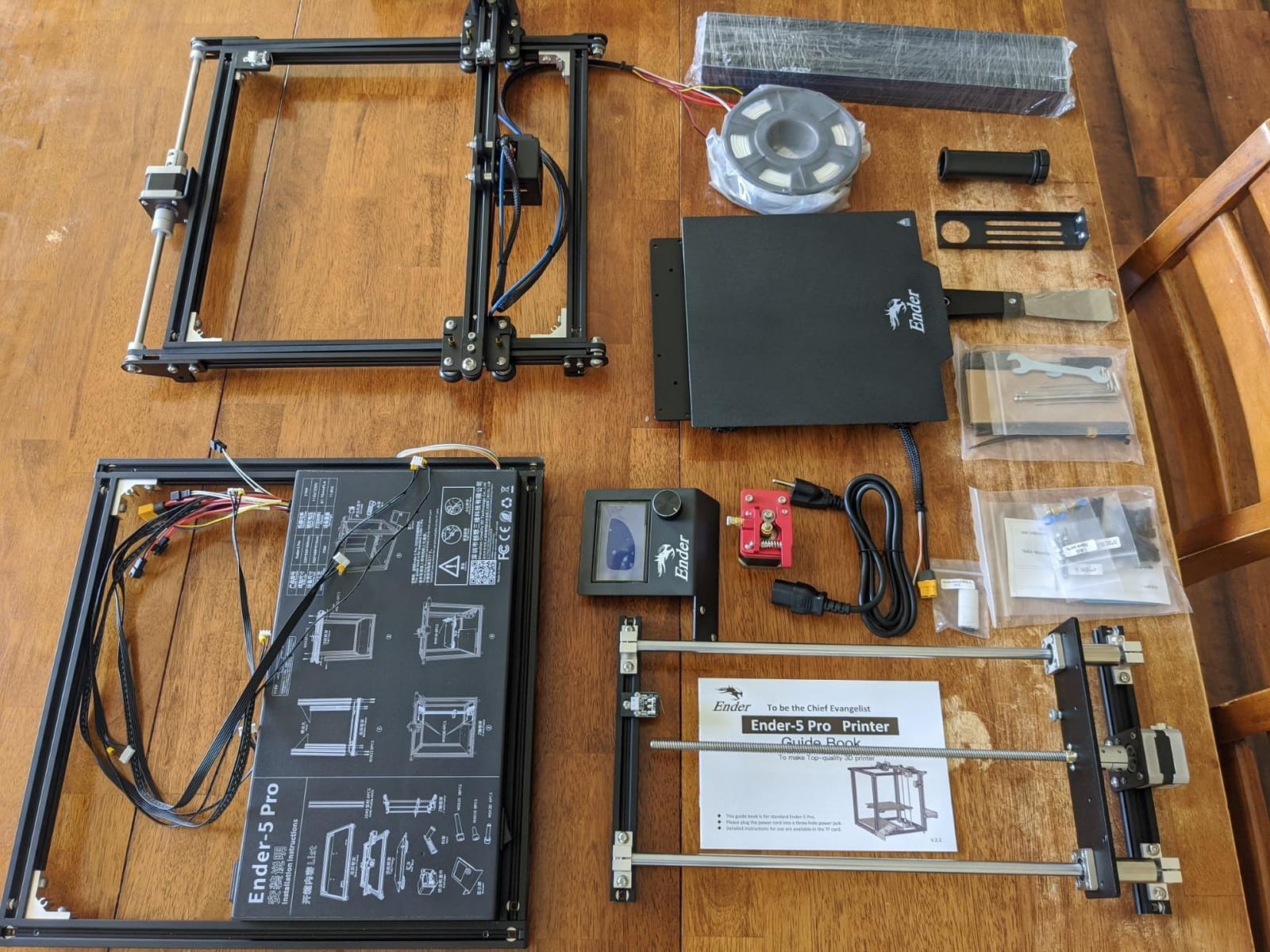
At 30.9 pounds it is the easiest machine here to carry, reposition and eventually replace, and the rigid triangular support structure on 500mN m Y motors and beefier linear rods is a genuine step up in rigidity over older bedslinger designs at this size.
The tri-metal all-metal integrated nozzle with a hardened steel tip and the direct drive extruder with bolster spring, ball plunger and powder metallurgy lever are sensible hardening choices for a machine that will chew through a lot of filament.
Where it works
PLA and PETG cosplay work at real-world speeds, quickly. The 300 x 300 x 330mm cube means a helmet, chest piece or prop section prints whole rather than in six glued segments, and modding potential plus community support are frequently praised by owners.
It is also the practical choice if floor space is tight or you want a large printer you can move between a garage and a spare room without a second person.
Where it does not
This machine has the lowest average rating in the group, and the reason is specific rather than general. A distinct set of early units had gantry squareness and extrusion faults, and some reviews report customer service expecting the owner to perform repairs. Check the gantry square before your first big print and confirm what support covers.
There is no chamber heat, so ABS and ASA on large parts remain a problem. If that is your material, spend the extra and get an enclosed machine.
8. QIDI Max4 Combo: Engineering Materials in a 390mm Bed
QIDI Max4 Combo 3D Printer, 390×390×340mm Build Volume, 65℃ Heated Chamber
390 x 390 x 340mm build volume
65C active chamber
800mm/s
120 pounds
Pros
- Handles full-size helmets and oversized pieces in one build
- 65C chamber plus 40mm cubed per second hotend for ABS-CF and PPS-CF
- 800mm/s with closed-loop X/Y motors and 30000mm/s squared acceleration
- Setup is fully automated with no manual levelling
- Support sends replacement parts quickly
Cons
- At 120 pounds it needs a heavy table and is impractical to move
- Four-spool magazine lacks integrated drying and does not auto-advance
- QIDI BOX multi-colour sync reported as hit or miss
The Max4 is the machine for someone whose next three months of projects are engineering parts rather than cosplay. A 390 x 390 x 340mm build volume, a 65C actively heated chamber and a 40mm cubed per second high-flow hotend with a hardened steel nozzle is a combination aimed squarely at ABS-CF, PC and PPS-CF work.
Note the review base. Thirty reviews at 4.4 is the highest rating here, but it is the thinnest evidence base, and owners are overwhelmingly people upgrading from another brand. Read that as promising rather than proven: the machine is new enough that long-term data does not exist yet.
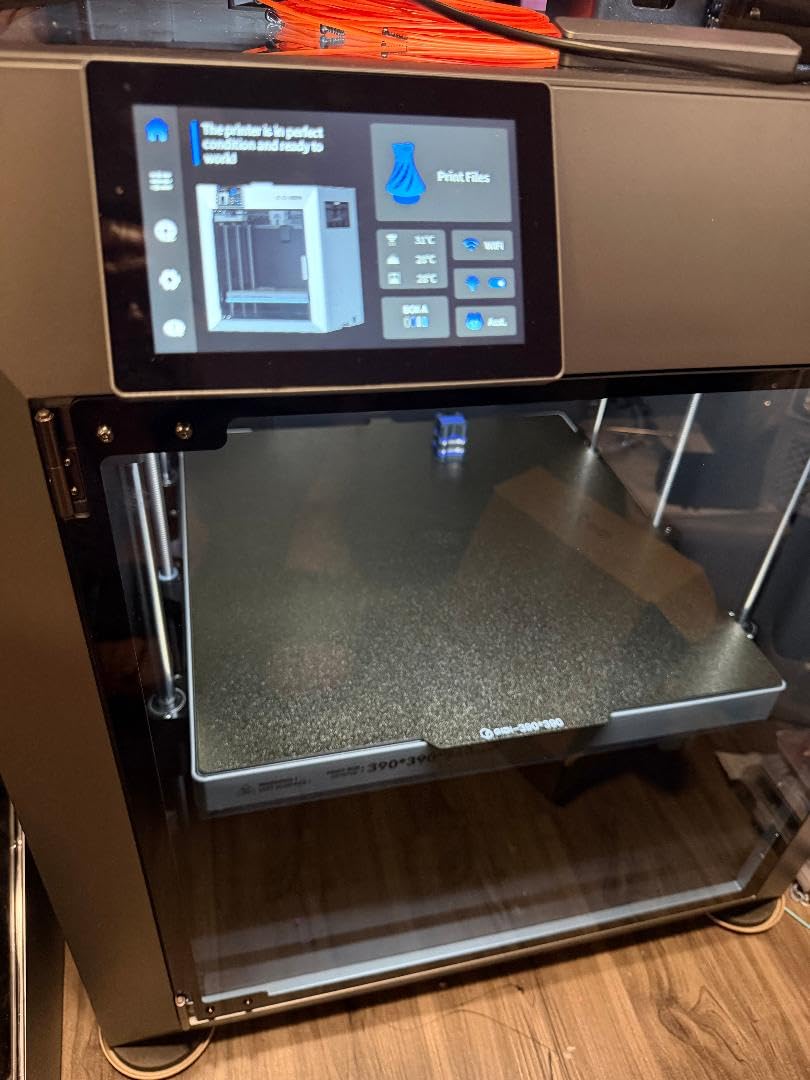
Closed-loop X and Y motors with 800mm/s and 30000mm/s squared acceleration, a 2mm lead screw with an anti-backlash nut, and a full-surface silicone heated bed are all aimed at repeatability over a 390mm plate. The silicone bed is the part worth noting, because even bed temperature is the usual reason a large first layer fails.
Setup is fully automated with no manual levelling and no paper clearance test, and the built-in AI camera pauses on print abnormalities. For long unattended jobs that is worth more than any headline speed figure.
Who it suits
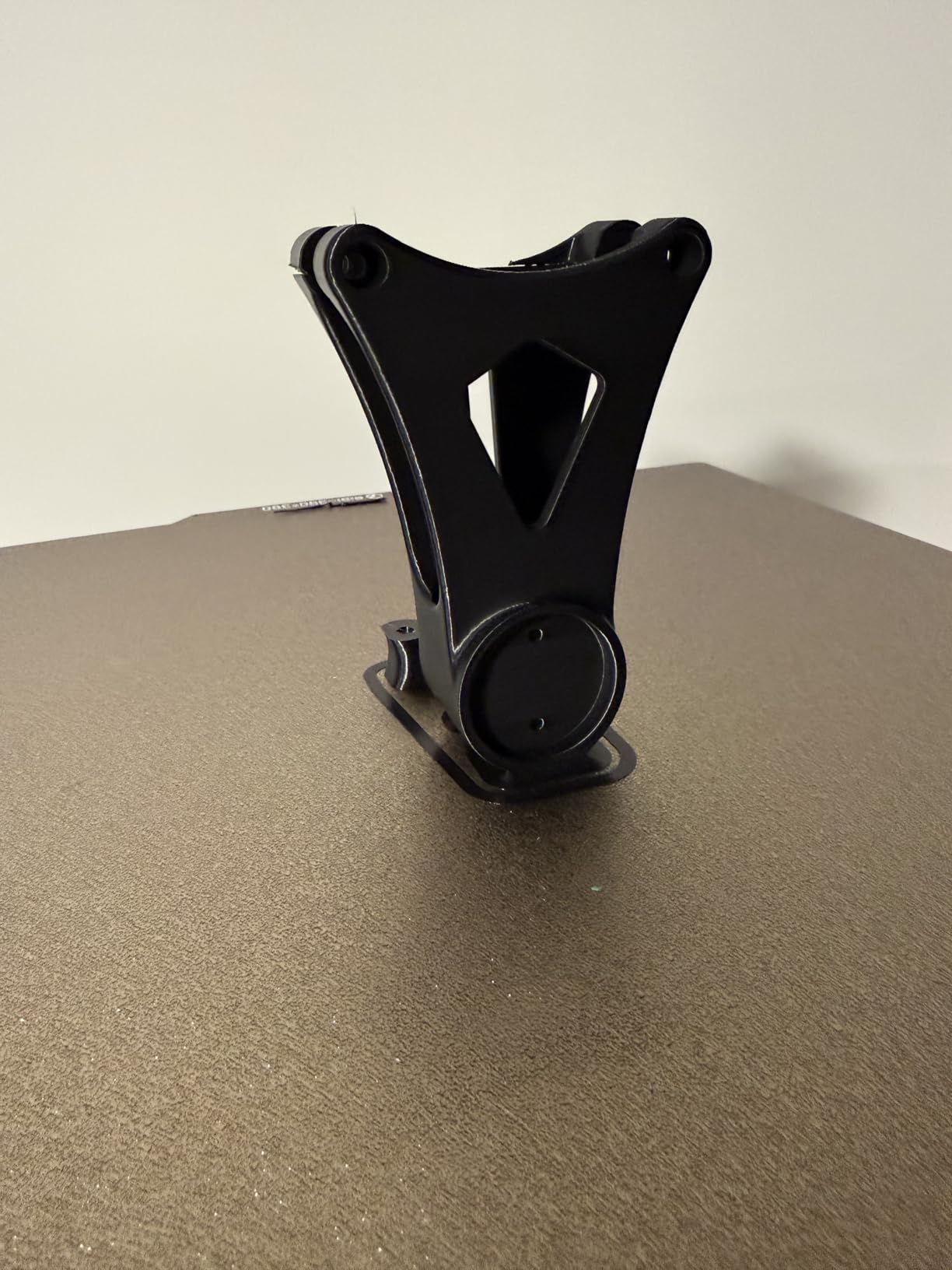
Owners upgrading from another brand describe it as dramatically easier to run and more reliable, with strong marks for print accuracy, large-volume output and support that ships replacement parts directly. For functional parts in tough filament, that is the profile you want.
The 390mm bed also clears a full-size helmet with room to spare, so it is not a specialist machine with one job.
Who should wait
At 120 pounds and 28 x 28 x 30 inches, this needs a heavy dedicated table and is impractical to relocate. If you are in a rented space or still deciding whether large format is for you, that is a real obstacle rather than a detail.
The four-spool magazine has no integrated drying and does not auto-advance to a full spool, which is a problem on multi-day hygroscopic filament jobs, and QIDI BOX multi-colour syncing is reported as hit or miss with QIDI Studio. Given the small review base, wait for more owners before committing if you plan to run it hard.
9. Anycubic Kobra S1 Max Combo: Four Colours Out of the Box
Anycubic Kobra S1 Max Combo 3D Printer, Large Build Size 350x350x350 mm³
350 x 350 x 350mm build volume
Enclosed CoreXY
65C chamber and 350C hotend
77.8 pounds
Pros
- 350mm cube prints full-scale helmets and large enclosures in one piece
- Enclosed CoreXY all-metal frame keeps tall prints smooth at 600mm/s
- ACE 2 Pro included for four colours and expandable to 16
- 65C chamber and 350C hotend cover ABS and ASA through to PVA and TPU
- Fast setup with a large responsive touchscreen
Cons
- Bundled slicer is locked down
- Filament detection sometimes reports a false run-out
- Long multi-colour production jobs report frequent errors and wasted filament
The Kobra S1 Max Combo is the best-integrated enclosed 350mm cube here. 350mm in every axis clears a full-size helmet, large enclosures and armour sections without splitting, and it comes with a 65C heated chamber, a 350C hotend and a four-colour ACE 2 Pro unit in the box.
The fully enclosed CoreXY structure with an all-metal frame is what keeps tall prints smooth at 600mm/s and 20000mm/s squared acceleration. An open frame at this height would flex visibly on a tall vase, and that is the failure mode this layout avoids.
LeviQ 3.0 49-point auto levelling with real-time flow dynamics calibration handles the bed, and the side-mounted waste chute makes purging colours far less annoying than pulling a front panel open. Setup is fast with a large responsive touchscreen and no bed assembly fiddling.
Twenty reviews at 4.3 is still a forming picture. Recent owners largely report a very capable first large format machine with clean layers and quick setup, so the early signal is good.
What works well
Multi-colour is the reason to buy this rather than a Creality. Four colours work immediately with the ACE 2 Pro, and four more units expand it to 16, which is a lot of segmentation for a machine that already holds a 350mm cube.
For anyone moving from a small enclosed printer who was put off by assembly and calibration, the automation here is the appeal. Reviewers describe the transition as painless.
What does not
The bundled slicer is locked down, so you cannot use your preferred slicer. Anyone coming from a custom OrcaSlicer or PrusaSlicer workflow will notice that, and it is a real loss of flexibility for tinkerers.
Filament detection can report a false run-out that has to be disabled, and operators running long multi-colour production jobs report frequent errors and wasted filament. The critical feedback comes from experienced users doing exactly the work this machine is aimed at, so weigh it carefully before committing to multi-day colour jobs.
10. Longer LK10 Plus: A Tall 400mm Cube at Entry Level
LONGER New LK10 Plus 3D Printer,320×320×400mm Large Printer Volume
320 x 320 x 400mm build volume
30.4 pounds
Entry-level large format
Pros
- 320 x 320 x 400mm volume covers most large hobbyist projects
- Lightest weight per axis of the larger machines here
- Strong early sentiment with a 73 percent five-star share
Cons
- Very small review base so long-term reliability is unproven
- Listing gives minimal specification detail beyond build volume
- Newly launched so community knowledge is still thin
The LK10 Plus is a 320 x 320 x 400mm machine at 30.4 pounds, and the Z height is the story. 400mm of vertical travel is what you need for a tall vase, a helmet on a stand, a figure base or a stack of terrain, and at 320mm square it is narrower than the 350mm and 400mm cubes elsewhere on this list.
That narrower footprint is a genuine advantage in a home workspace. A machine that fits beside a desk and can be lifted by one person changes how often you will use it, and we weight that more heavily than most spec comparisons do.
The honest caveat is that the evidence here is thin. Eighteen reviews at 4.4 is a very positive start, with a 73 percent five-star share, but the listing provides minimal specification detail beyond build volume and a 320mm plate configuration. You are buying on brand reputation and specification, not on established owner experience.
It is also newly launched, so documentation, community knowledge and parts availability are all still filling in. For a hobbyist who keeps a small bench, that is an acceptable risk on a machine at this level.
Who buys it
Hobbyists with limited space who need vertical room more than plate width. Tall decorative prints, helmets with a base, and vertical workshop storage are the projects where 400mm of Z on a small footprint wins outright.
It is also a reasonable second machine for someone who already has a small printer and wants one compact box for oversized work.
Who should skip it
Anyone whose projects are wide rather than tall. A 320mm plate will not take a 400mm planter, and there is no heated chamber in the specification, so treat material support as PLA, PETG and TPU until proven otherwise.
Long-term reliability is unproven at eighteen reviews. If you print long unattended jobs, one of the machines with thousands of reviews is the safer bet.
What Counts as Large Format (and What Is the Best for Home Use?)
A large format 3D printer is an FDM or resin machine with roughly 300mm or more of build volume in at least two dimensions, usually 300 x 300 x 400mm up to 500 x 500 x 500mm. The best ones for home use in 2026 are the Creality K2 Plus Combo, the QIDI Plus4 and the Sovol SV08 MAX, because they combine an actively heated chamber with automatic levelling.
It works exactly like a desktop FDM printer: filament is melted and deposited layer by layer. The differences are scale, mass and stiffness. A wider bed needs a heavier frame, stiffer rails and a bed that heats evenly across the whole surface, which is why large machines cost more and weigh 60 to 120 pounds rather than 15.
Build volume is the one specification you cannot upgrade later. Every other part of these machines can be replaced or flashed, but a 220mm bed stays a 220mm bed, and that is the argument for getting the size right once.
How to Choose a Large Format 3D Printer
1. Match build volume to your next three months of projects
Not your lifetime ambition. List what you actually plan to print and measure it. A 300 x 300 x 300mm cube takes a cosplay helmet whole; 400mm takes a full armour section and large planters; 500mm takes furniture-scale work. Oversizing is the most common regret, and it costs both money and floor space.
2. Decide on the enclosure question before anything else
If you print PLA, PETG and TPU, an open frame is fine and much cheaper. If you print ABS or ASA at any size above 300mm, an actively heated chamber stops being a luxury. Corners lift as the part cools, and a warped 400mm part is a large amount of wasted filament.
There is a difference between an enclosed chamber and a heated one. An enclosure slows the cooling rate, which helps. A heated chamber actively pulls the air to a set temperature, which is what higher-temperature materials need. Check which one you are actually getting.
3. Read advertised speed as a ceiling, not a result
Every manufacturer quotes peak motion speed, and almost none of it survives contact with a real 30-hour print. Acceleration limits, first-layer adhesion and volumetric flow cap what you actually sustain. The figure that matters is how a machine behaves at 150 to 250mm/s on real geometry, not what it touches during a Benchy test.
4. Check the hotend ceiling against your materials
A 350C tri-metal nozzle and a 370C integrated nozzle are meaningfully different from a 300C hotend. If you plan to run carbon-filled nylon, PC or PPS-CF, a 300C ceiling will stop you. If you only print PLA and PETG, it will not matter at all. The higher ceiling costs nothing at print time and saves buying a second machine later.
5. Weigh frame rigidity and the bed surface
This is the technical risk nobody in this class advertises well. On a 400 to 500mm bed, frame flex and gantry deflection show up as an uneven first layer and mid-print layer shifts. Die-cast frames, linear rails on the X axis, dual Z motors and an evenly heating bed surface are the features that address it. Larger does not automatically mean better here.
6. Look at levelling automation, not just auto levelling
All ten of these machines levell themselves. The difference is how many points they sample and whether Z-offset is handled automatically. Forty-nine and sixty-four point scans catch a dished plate that a three-point probe misses. Strain-gauge probes and eddy current scanning avoid a sensor that can be knocked out of alignment.
7. Budget for the filament and the failures
A single aborted 40-hour print can consume several spools. A hardened nozzle and a spare set of gears are running costs on any machine that sees regular use, and you need a dry box for hygroscopic filament the moment print times run into days. Those costs rarely appear in a machine’s specification but they decide whether large format is comfortable or expensive.
8. Check the footprint and the noise before you order
Machines in this group run 120 pounds and 28 x 28 x 30 inches, and the box may not fit through a domestic doorway. Measure the space, the ceiling height above the bed for tall models, and how far the machine has to move. Silent stepper drivers on budget machines and loud fans on enclosed ones matter enormously in a flat.
Maintenance and Filament Drying on Long Prints
A large-format print is measured in days, not hours, so the maintenance routine is different in kind from a small printer. Three habits cover most of what goes wrong.
Store filament dry and sealed. PETG, nylon and every carbon-filled variant absorb moisture from the air, and a 60-hour print gives damp filament plenty of time to cause popping, stringing and rough surfaces. A dry box or a filament dryer is not an accessory here, it is a requirement. Check your spools before a long job rather than after it.
Clean the nozzle on a schedule, not after a failure. Large prints run long per layer and at higher flow rates, so a nozzle clogs slowly rather than suddenly. A weekly cold pull or a brass wire pass keeps the deposit consistent, and it takes two minutes.
Replace the nozzle when cleaning stops working. Bore wear shows up as inconsistent walls long before it becomes a failed print, and a hardened steel or ruby nozzle costs very little compared with a wasted large job.
Treat bed adhesion as a routine check, not a crisis. On a wide bed, a spot in the middle that lifts will waste an entire print. Re-level, check the sheet for grease, and watch the first three layers on your next big job.
Who Should Not Buy a Large Format Printer
Large format is genuinely wrong for a lot of hobbyists, and buying one anyway is the most expensive common mistake in this category. If most of your printing is small brackets, phone stands, drawer organisers, game pieces and miniatures, a 220 to 256mm enclosed machine is faster, cheaper and more reliable, and you will use it more often.
Skip it if your space is a desk, a shelf or a flat with shared walls. Machines in this group weigh 30 to 120 pounds, run two to three feet wide, and an enclosed model with fans is audible in another room. Quieter machines exist, but they trade speed for silence and there is a limit to how quiet a large gantry can be.
Also skip it if you are still learning the basics on a small machine. Large machines add bed levelling tension, warping management and moisture control on top of everything you have not learned yet. Forum discussion keeps surfacing the same complaint: first-time buyers who oversize spend a week fighting calibration instead of printing.
And if your projects can be split and assembled, splitting them is a legitimate answer. A helmet in six well-aligned segments with a good joint can look identical to a one-piece print, and a small enclosed machine will make you money back in saved filament and failed jobs. Buy large format when the seams genuinely bother you, not before.
Frequently Asked Questions
What is the best large 3D printer for home use?
The Creality K2 Plus Combo is the best large 3D printer for home use in 2026. It combines an actively heated 60C chamber, a 350C tri-metal nozzle, 600mm/s motion and a bundled 16-colour CFS, so ABS, ASA, carbon-filled filament and multi-colour parts all work on one machine. The QIDI Plus4 is the alternative if engineering filament matters more to you than multi-colour printing.
Which large format 3D printer has the best quality?
Quality on a large bed is decided by frame rigidity, bed flatness and automatic levelling rather than headline speed. The QIDI Max4 Combo pairs closed-loop X and Y motors with a 2mm anti-backlash lead screw and a full-surface silicone bed, while the QIDI Plus4 uses a 65C chamber and dual motor Z-axis to hold parts flat as they cool. Expect the highest surface finish on a large print from a rigid frame and an evenly heated bed, not from a faster motor.
What is a good 3D printer for a hobbyist?
A good hobbyist 3D printer is one that prints reliably out of the box and needs no constant tuning. For large format work that means the Creality K2 Plus Combo, the QIDI Plus4 or the Sovol SV08 MAX, all of which automate levelling, Z-offset and flow calibration. The Longer LK5 Pro is the lower-cost route in, and the Creality Ender 3 V3 Plus is the fastest path to your first large cosplay print.
How much does a large format 3D printer cost?
Large format machines span a wide band, from entry-level 300mm cubes to 500mm enclosed models with heated chambers and multi-colour units. The costs beyond the machine itself are the ones people forget: hardened nozzles, a dry box or filament dryer, spare drive gears, and the filament consumed by a single failed 40-hour print. Budget for a year of consumables on top of the hardware.
Do large format 3D printers warp more, and do I need an enclosure?
Large prints are more prone to warping than small ones because more material is cooling and shrinking at once, and the print bed is harder to heat evenly across. An enclosure slows cooling and helps. An actively heated chamber held at 60 to 65C is what stops corners lifting on ABS and ASA parts, and it is worth the cost if those are your materials. If you only print PLA, PETG and TPU, an open frame is fine.
Conclusion: The Best Large Format 3D Printers for Hobbyists in 2026
The best large format 3D printers for hobbyists in 2026 come down to one question: what do you print. Pick the Creality K2 Plus Combo as the all-round choice, because its actively heated chamber, 350C nozzle and 16-colour CFS cover more materials and more project types than anything else we tested, and its review base gives you the best evidence of long-term behaviour.
Print engineering filament and want the hottest chamber and nozzle in the class, and the QIDI Plus4 is the right machine. Need a genuine 500mm cube and enjoy open-source hardware, and the Sovol SV08 MAX takes an order of magnitude more project options than a 300mm printer. Building mostly in PLA and PETG and just want more space cheaply, and the Longer LK5 Pro is the shortest route from a small bed to a 400mm one.
Most importantly, measure your projects before you buy, and measure your floor space twice. A large printer that is too big for the room, or larger than your work, is the most expensive mistake in this category.