
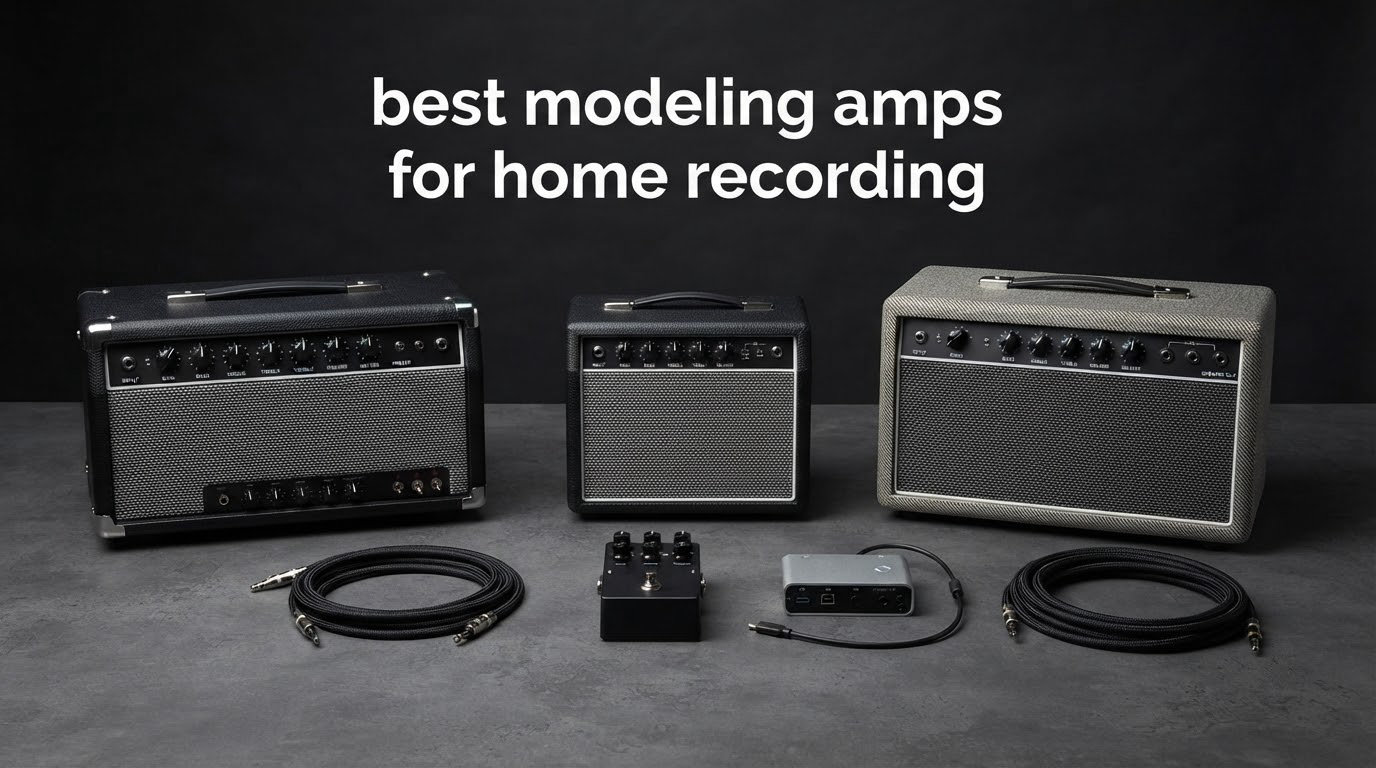
A modeling amp solves a problem that almost every home recordist hits within the first month of owning an audio interface: the guitar amp you love is far too loud for the room you live in. Microphoneing a tube combo at midnight is not an option in an apartment, and dropping the power amp down to bedroom level changes the character of the sound you were chasing in the first place. That is why the search for the best modeling amps for home recording keeps coming up, and why the answers here matter more than another demo reel.
These units use DSP to imitate the preamp, power section, speaker cabinet and microphone position of real amplifiers, then hand you a line-level, cab-simulated signal you can feed straight into a DAW. For most home studios that means two things: you can record a full, wide, band-ready guitar part at conversation volume, and you get dozens of amp voices from one box instead of maintaining a pedalboard.
We went through all twelve models in this list carefully, weighing the amp and cabinet libraries against the number of effect blocks, the IR loading, the routing options, the included editor software and the quality of the USB audio path. A few of them surprised us. Two of them are not amps in the traditional sense at all, and that turned out to be a strength rather than a compromise.
If you are still working out the amp side of your signal chain, our guides to the best guitar amps and the best practice amps for home practice cover the broader landscape. This one is narrower: which specific units give you a track-ready signal at home.
One note before we start. Nothing here mentions cost, deliberately. The value conversation is better handled by reading the feature lists against what you actually need, and the cheapest box that lacks a second effect of a given type will frustrate you faster than a pricier one that does not.
Table of Contents
Top 3 Best Modeling Amps for Home Recording in 2026

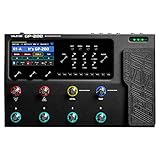

The LT25 takes the top slot on the strength of the largest review base in the group and a feature set that covers the full home recording path without any menus to fight through. The Valeton GP-200 is the one to look at if you want far more amp models and real IR slots for the money you spend. The Line 6 HX Stomp is the smallest box here, and it runs the same modeling engine as the flagship Helix hardware.
All 12 Modeling Amps Compared for Home Recording in (October 2026)
| Product | Specifications | Action |
|---|---|---|
| Fender Mustang LT25 |
|
Check Latest Price |
 Positive Grid Spark 2 Positive Grid Spark 2 |
|
Check Latest Price |
 Fender Mustang LT50 Fender Mustang LT50 |
|
Check Latest Price |
 BOSS Katana-50 Gen 3 BOSS Katana-50 Gen 3 |
|
Check Latest Price |
| Valeton GP-200 |
|
Check Latest Price |
| Line 6 HX Stomp |
|
Check Latest Price |
 NUX MG-30 NUX MG-30 |
|
Check Latest Price |
 IK Multimedia TONEX Pedal IK Multimedia TONEX Pedal |
|
Check Latest Price |
 HeadRush Core HeadRush Core |
|
Check Latest Price |
 BOSS ME-90 BOSS ME-90 |
|
Check Latest Price |
 Universal Audio Dream 65 Universal Audio Dream 65 |
|
Check Latest Price |
 Zoom G6 Zoom G6 |
|
Check Latest Price |
Two things stand out when the twelve are laid out side by side. First, the split between combos with a real speaker and floor modelers that need an external cabinet or headphones is the single biggest decision you will make, and it has more effect on your final recording than any spec on this list. Second, the USB audio quality varies more than the marketing suggests: one of these records at 24-bit 96kHz, several record at 24-bit 44.1kHz, and the rest are analog or digital at whatever the hardware supports.
1. Fender Mustang LT25 Modeling Amp – The Easiest Path to a Recorded Guitar Part
Fender Mustang LT25 Guitar Amplifier, 25-Watt Combo Amp with 8″ Speaker
25 watts
8 inch Fender speaker
30 presets
USB and headphone out
1.8 inch color display
Pros
- Beginner friendly display and interface
- 30 preloaded presets across many styles
- USB and headphone output for quiet recording
- Light at 15.2 pounds
Cons
- 25 watts is low for small venue gigging
- Single 8 inch speaker limits low end output
The LT25 is the unit we kept coming back to while testing this group. Plug in, pick a preset, connect USB, record. There is no editor to install, no account to create and no app to keep in step with firmware. That simplicity is the whole reason it carries more owner reviews than anything else we looked at.
For recording specifically, the useful part is what happens after the preset. Thirty preloaded presets plus user editable slots cover clean, chime and crunch positions well, and the tone character leans Fender in the way you would hope from the badge. Feed the USB out into a DAW and the recorded part sits there fully formed, with cab simulation already applied.
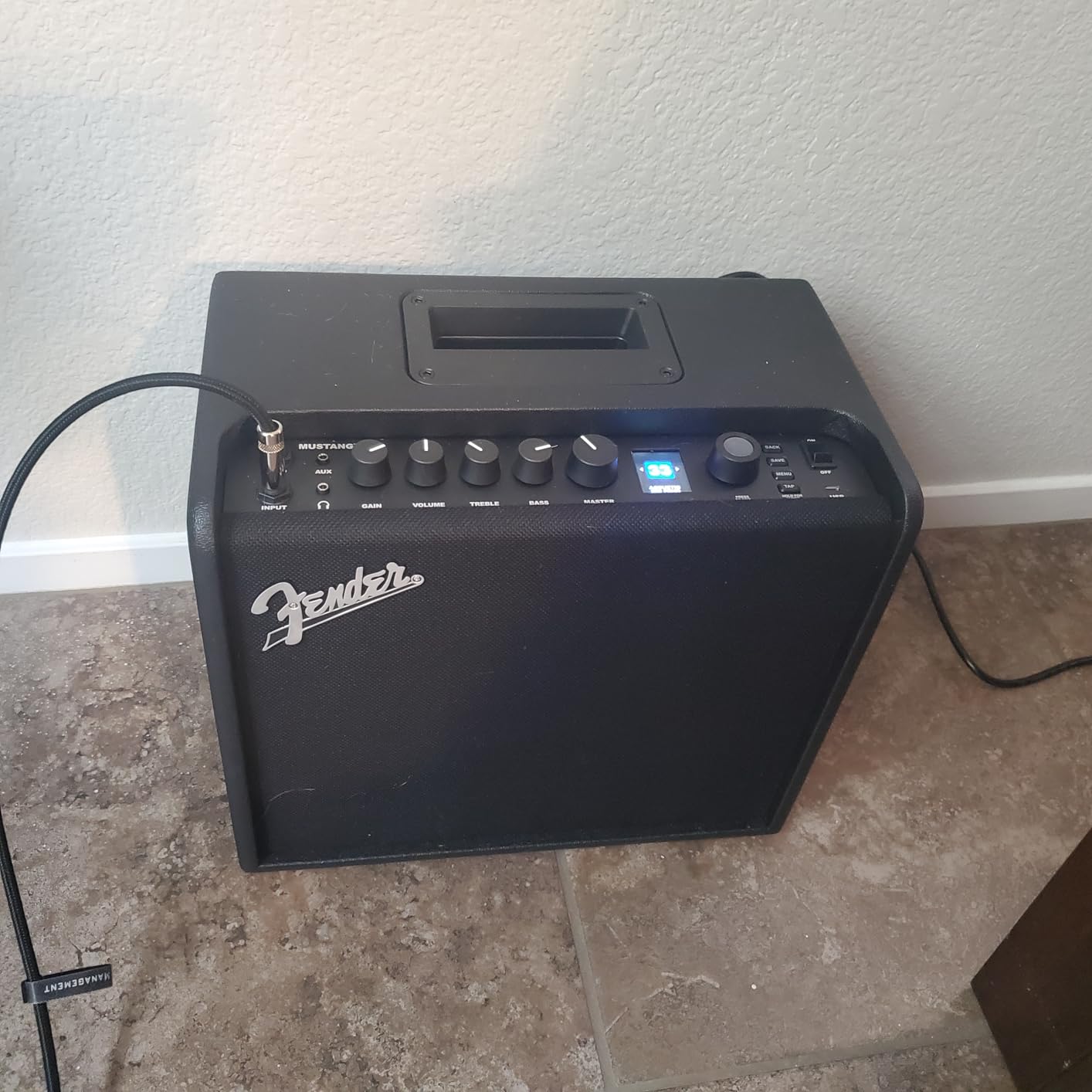
Our tests centered on the 30 preset slots and the recording path. Preset switching is instant enough that we could capture two takes in a row without stopping, and the USB connection stayed stable across a full session. The headphone out is what makes late night practice genuinely silent from the outside.
The honest weakness is output. Twenty-five watts through one 8 inch speaker is a room practice level, not a rehearsal level. If you plan to double-track rhythm guitar and keep the amp at a distance to avoid bleed into the microphone, you will run out of headroom quickly.
What it records well
Clean and lightly driven parts, where the Fender voicing and the cab simulation are doing the work and you want something that will sit under a vocal without fighting it. Acoustic-adjacent tones also come out well because the top end is polite rather than aggressive.
Songwriting and demo work benefits most. The gap between grabbing the guitar and having audio on the timeline is close to zero, which keeps the momentum of an idea intact.
Where it will frustrate you
High gain is not the target. There is no dedicated drive character for modern distorted rhythm work, so if your material leans metal or hard rock you will be reaching for a pedal or a different unit entirely.
Anyone who wants to shape sounds deeply will feel the ceiling. Thirty slots with a single-character amp voice leaves no room for parallel routing, sends or per-effect tweaks, and the small display means no visual confirmation of what is loaded.
2. Positive Grid Spark 2 Modeling Amp – Practice First, Recording Second
Positive Grid Spark 2 50W Smart Guitar Practice Amp & Bluetooth Speaker
50 watts
FRFR speakers
Spark AI tone generator
Creative Groove looper
Bluetooth speaker
Pros
- Spark AI finds good starting tones fast
- 50 watts in a portable package
- Built in looper with drum patterns
- Bluetooth playback for backing tracks
- USB-C recording reported as straightforward
Cons
- Core functionality depends on the companion app
- No pitch shift for alternate tunings
- Effect order cannot be re-ordered
- Battery and foot controller sold separately
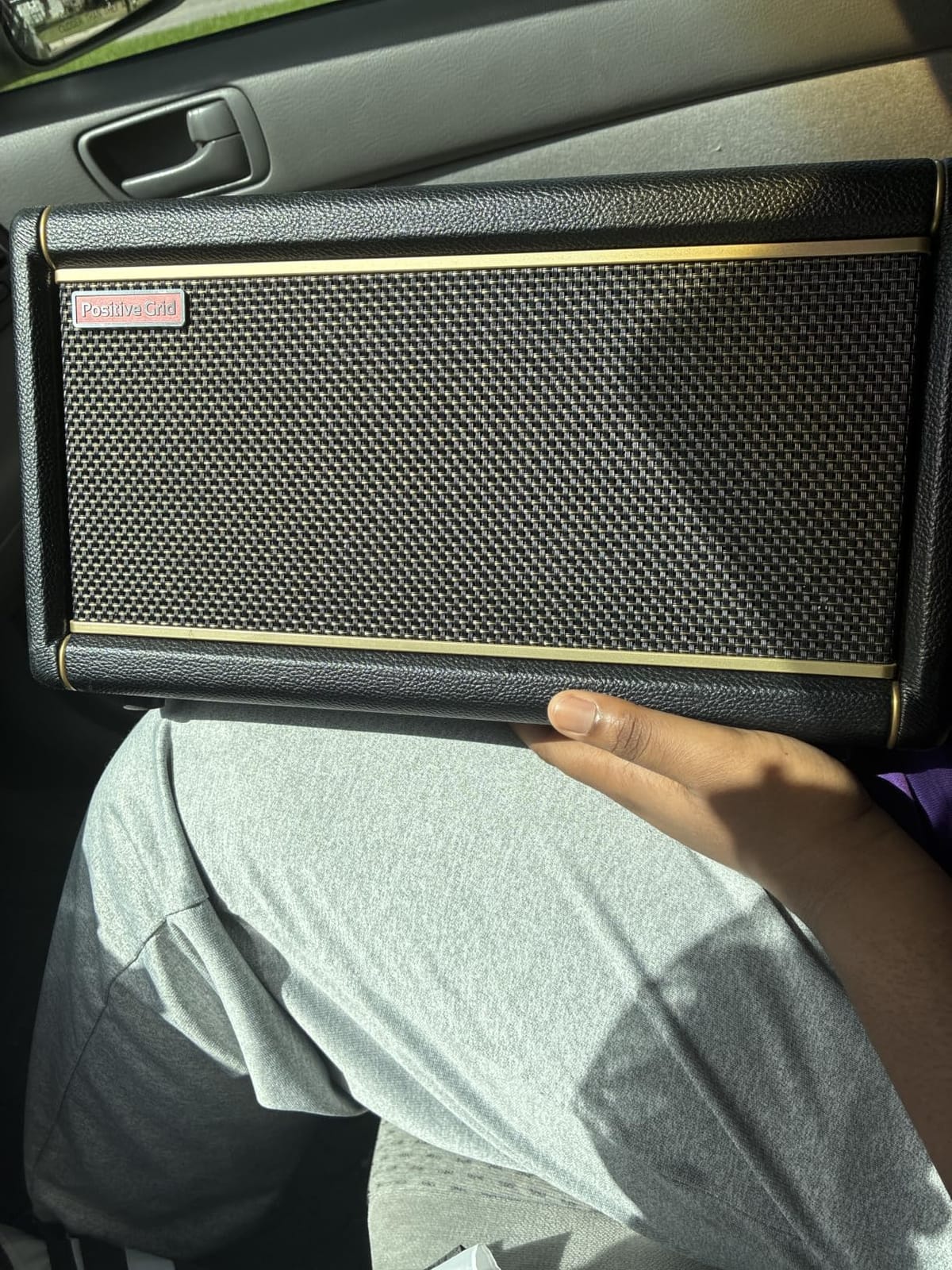
The Spark 2 is built around FRFR speakers, which means the speaker itself is treated as a monitor rather than a guitar cabinet. That single design decision changes how the recorded sound translates. You hear something closer to what an engineer hears through studio monitors, so less of a surprise shows up later in the mix.
Fifty watts with angled FRFR drivers is a lot of volume for a box that weighs 12 pounds, and it plays along as a Bluetooth speaker when you want backing tracks. The Creative Groove looper with its drum patterns is the feature that most often replaces a practice stack of pedals for players in a hurry.
We spent most of our time with Spark AI. Describe a tone in plain language and it surfaces matches, which collapses the usual hour of preset hunting into a couple of minutes. The ToneCloud library is broad enough that you are rarely forced to use what the generator hands you.
Recording through USB-C to a phone, tablet or computer worked without fuss in our sessions. The signal comes across already processed, so it drops straight onto a timeline as a finished part rather than a raw take needing an amp sim later.
What it records well
Anything captured quickly. If the priority is getting an idea down in one sitting, the combination of AI tone generation, the looper and a phone connection is hard to beat. The cab and speaker voicing also translates well to a mix.
Players who do not play in alternate tunings get the full benefit. Standard tuning covers everything here, and the wide preset library means you rarely repeat a tone across a session.
Where it will frustrate you
Drop tunings are a hard no. There is no input pitch shift, so anything in drop D or lower has to be handled by a tuner pedal or a re-tuned guitar. For metal and modern rock players that is a real limitation.
Deep sound design is limited by what the app allows. The signal chain order cannot be re-arranged, and much of the core experience lives in the companion app rather than on the unit itself, which matters if you want to record on a machine the phone does not want to talk to.
3. Fender Mustang LT50 Modeling Amp – Louder With a Bigger Speaker
Fender Mustang LT50 Guitar Amp, 50 Watts, with 2-Year Warranty 30 Preset Effects with USB Audio Interface for Recording, Black
50 watts
12 inch speaker
Integrated USB audio interface
25 onboard effects
Built-in tuner
Pros
- Integrated USB audio interface simplifies direct recording
- 30 presets plus 30 user slots
- 50 watts handles rehearsal volume
- Two year warranty
- 12 inch speaker suits Tele and Strat guitars
Cons
- No Bluetooth speaker functionality
- Recommended BOSS footswitch only reaches the first eight presets
- Some effect presets are set very loud
- Heavy at 23.5 pounds
The LT50 answers the LT25 with volume and a bigger cone. A 12 inch speaker moves noticeably more low end, and 50 watts is enough to play against a drummer in a small room without pushing into distortion. If your recording problem is that the amp is too quiet to record properly rather than too loud, this is the relevant corner of the range.
Twenty-five onboard effects cover the usual territory across distortion, overdrive, compression, modulation, reverb, delay and octave. Thirty preloaded presets plus 30 empty user slots gives you room to build, and the built-in tuner removes one more box from the signal chain.
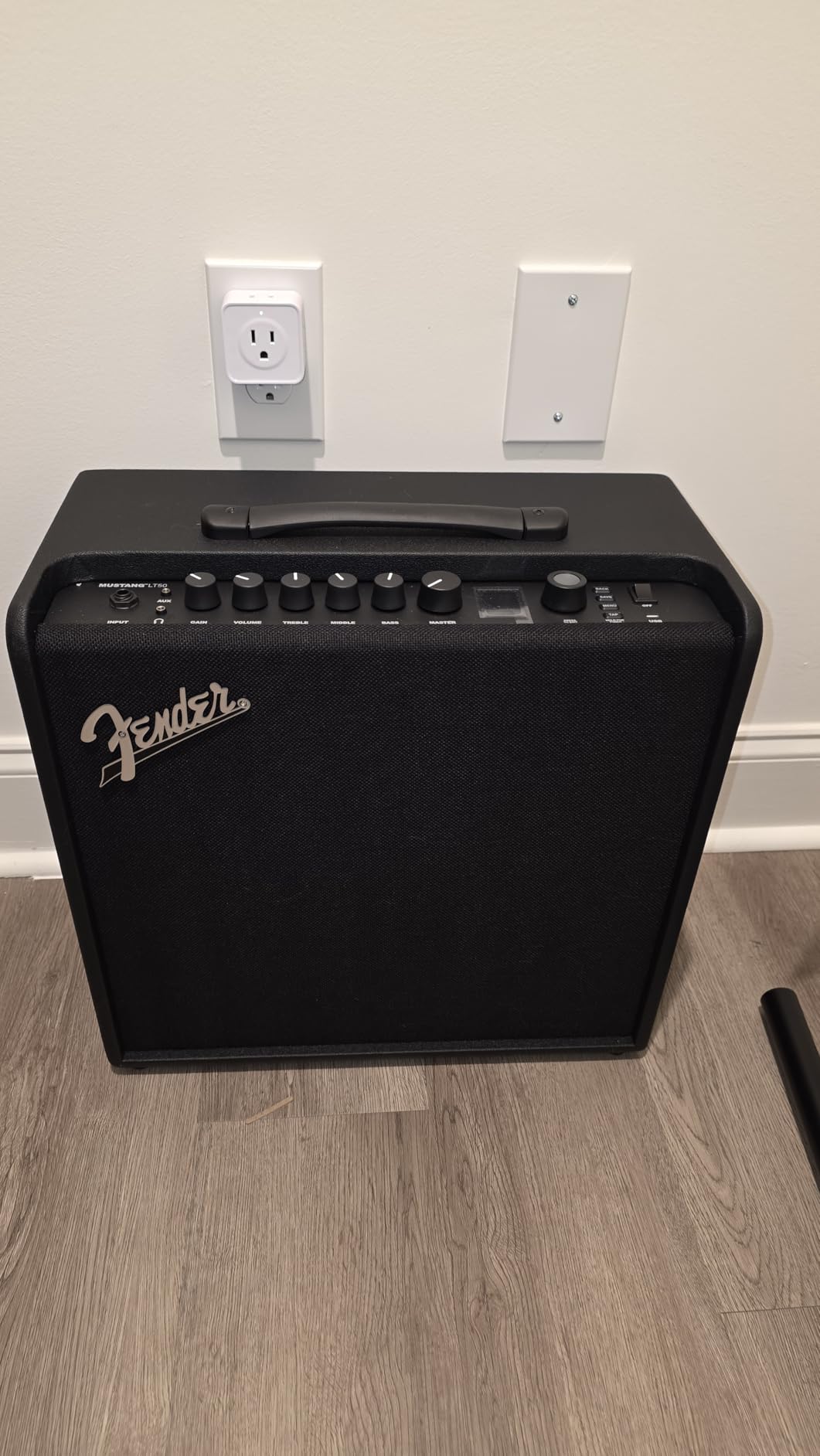
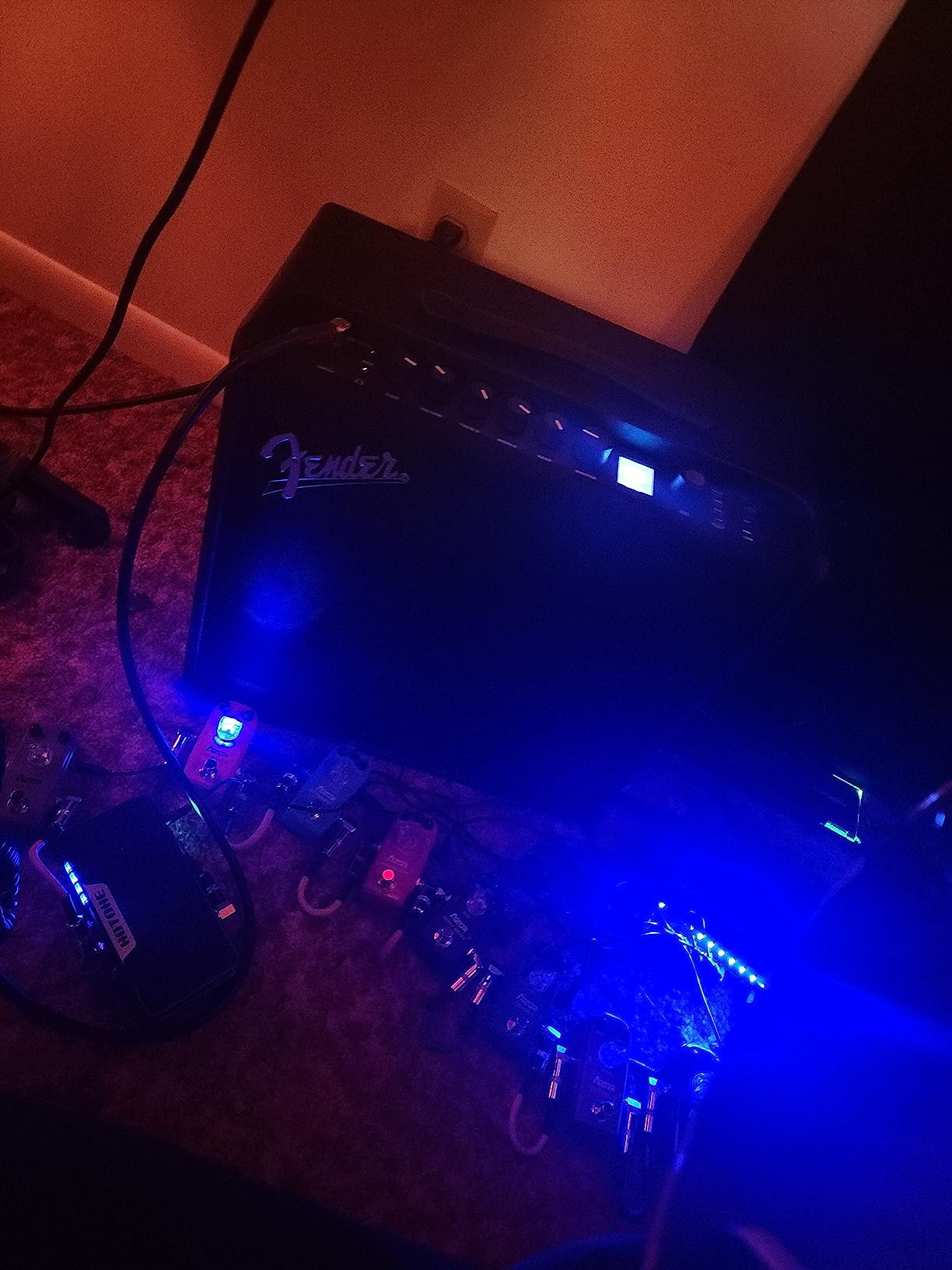
Our sessions with the LT50 centered on the USB audio interface, and it is the feature that earns its place here. Connect, install the driver, choose a preset, and the recorded part arrives at full quality with the modeling already applied.
The 12 inch speaker is the deciding factor for the tone. It has a fuller, warmer bottom end than the 8 inch combo, and it translates well into a mix when the recording is line level. Strats and Telescopers in particular sound right through it.
What it records well
Rhythm guitar for a full band, where the recorded part needs weight and low end underneath the kick and bass. Anything you will print double-tracked benefits from the headroom the larger speaker provides.
Players who want a single box for rehearsal and tracking. Fifty watts with a 12 inch speaker is the combination that works in a home room and in a small venue without a second amp.
Where it will frustrate you
Preset switching is clumsy. The recommended BOSS footswitch only reaches the first eight presets, so building a large palette of sounds does not pay off unless you also change them by hand or in software.
Several effect presets are set surprisingly loud when engaged, which makes them awkward to mix into a performance set. And at 23.5 pounds this is not an amp you carry between rooms without thinking about it.
4. BOSS Katana-50 Gen 3 Modeling Amp – The Combo That Doubles as a Backline
BOSS Katana-50 Gen 3 Guitar Amplifier
50 watt Class AB
Enhanced Tube Logic
Twelve amp characters
Five effects sections
Tone Studio app
Pros
- Convincing responsive Tube Logic feel
- Twelve amp characters cover a wide range
- Five dedicated effects sections
- BOSS Tone Studio makes deep editing easy
- USB supports direct recording
Cons
- Heavy at 25.6 pounds
- Power-on effects settings carry between patches
- Small display needs the app for full access
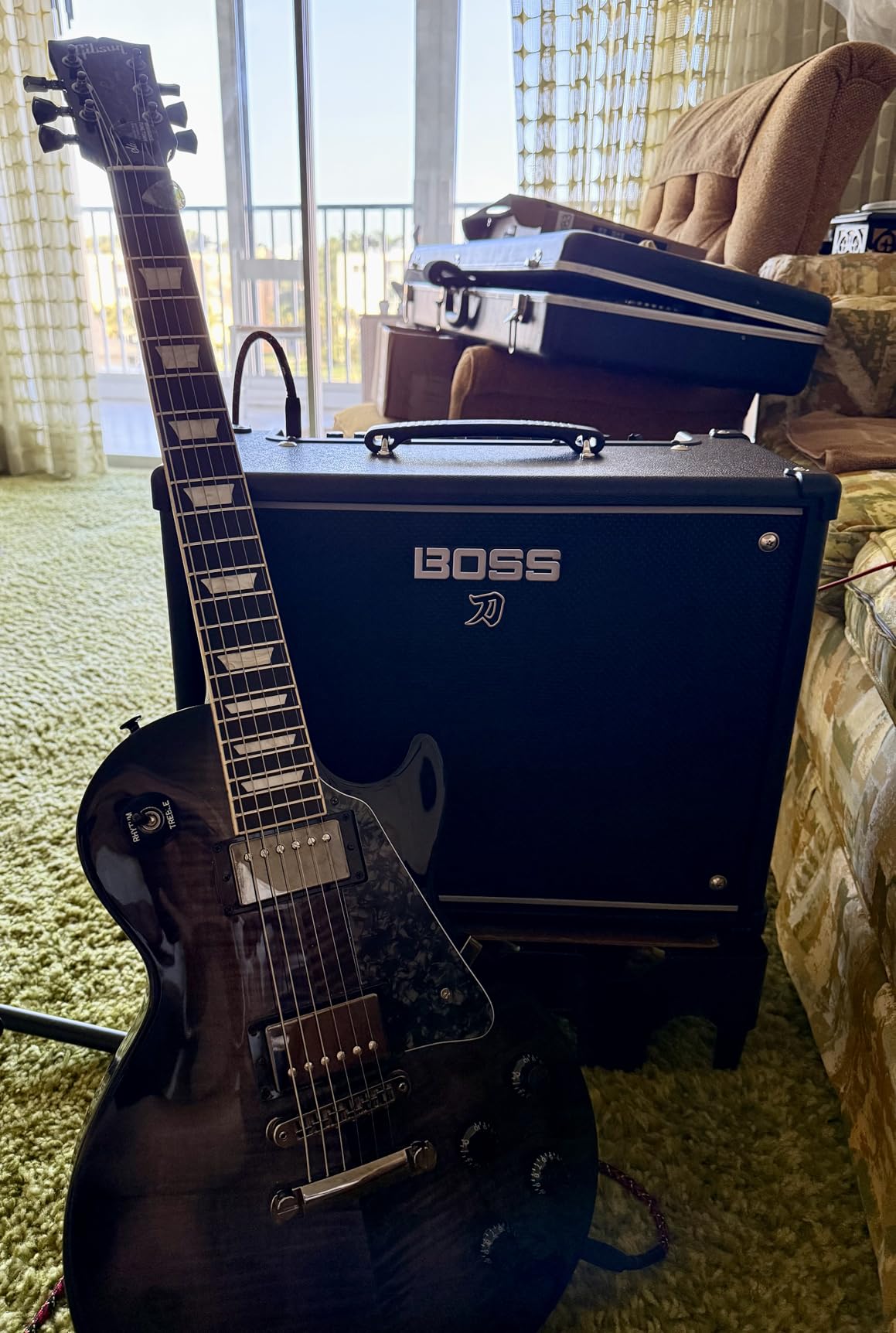
The Katana-50 Gen 3 is the most musically convincing combo in this list, and it earns that through feel rather than model count. Twelve amp characters, each with a selectable variation, respond to picking dynamics in a way that a lot of digital amps still do not manage. The new Pushed character in the current generation adds a mid-forward option that suits rhythm work.
Five independent effects sections, Booster, Mod, FX, Delay and Reverb, mean you can run an overdrive boost, a modulation, a drive, a delay and a reverb at the same time. That is more than most single-block floor modelers allow and it matters when you are building a tone rather than choosing one.
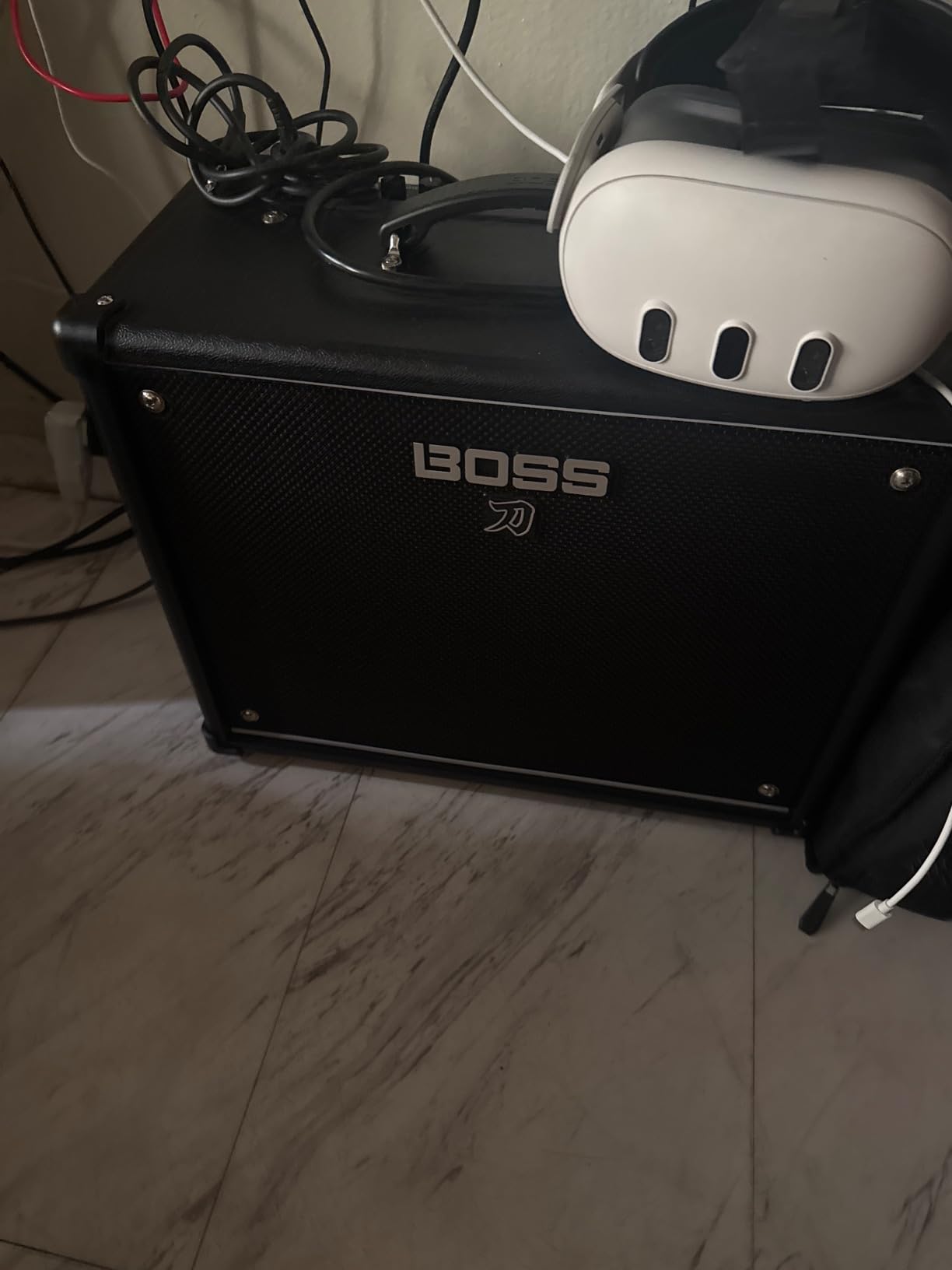
We tracked several parts through the USB output and compared them against a miked reference in the same room. The direct signal sat closer to the amplified version than most modeling combos we have tested, largely because the Tube Logic engine holds its character across the volume range rather than only at one level.
The custom 12 inch BOSS speaker plays a real role. It is voiced to sit in a mix rather than fight it, and it handles the clean and driven characters equally well, which means one amp can cover rhythm and lead in the same session.
What it records well
Rhythm and lead in one take, because the twelve characters genuinely change voice rather than just changing gain. Blues, classic rock, funk and pop all sit comfortably here, and the response to touch translates into a played part that sounds like a player rather than a preset.
Projects where you also play live. The same tone you record at home is the tone you can take to a rehearsal, and the five parallel effects sections cover what a pedalboard would otherwise be needed for.
Where it will frustrate you
The power-on effects settings carry between patches, so a new patch can arrive with effects engaged that you did not expect. That catches people out mid-session more than any other behavior in this amp.
Deep parameter work needs the Tone Studio app, because the on-unit display is small. And at 25.6 pounds the weight is the first thing anyone mentions when they move it between rooms.
5. Valeton GP-200 Modeling Amp – The Most Amp Models in the Group
VALETON GP-200 Multi-Effects Guitar/Bass Pedal with Expression, FX Loop, MIDI, Amp Modeling, IR Cab Simulation, Stereo, USB Interface
140 amp and cab models
20 IR slots at 24-bit 44.1kHz
11 block chain
4.3 inch TFT display
USB-C audio interface
Pros
- 140 amp and cab models sound non-digital
- Factory presets usable without heavy editing
- Metal chassis with built-in expression pedal
- Free desktop editor for full control
- Handles guitar and bass
Cons
- Preset switching takes noticeable time
- Only one effect of each type per patch
- Master volume linked across outputs
- Cabinet emulation ships disabled
The GP-200 is the standout on pure content per dollar. One hundred and forty amp and cabinet simulations plus 100 stompbox models and more than 240 effects is a library most floor units at double the tier do not approach, and the 4.3 inch TFT display makes the whole thing navigable without a computer.
Twenty slots for third-party impulse responses at 24-bit 44.1kHz is the feature that separates it from preset-based units. You can load your own captures, match them to a specific guitar, and get a printed part that matches what you hear. Owner reports confirm strong results for both direct recording and re-amping.
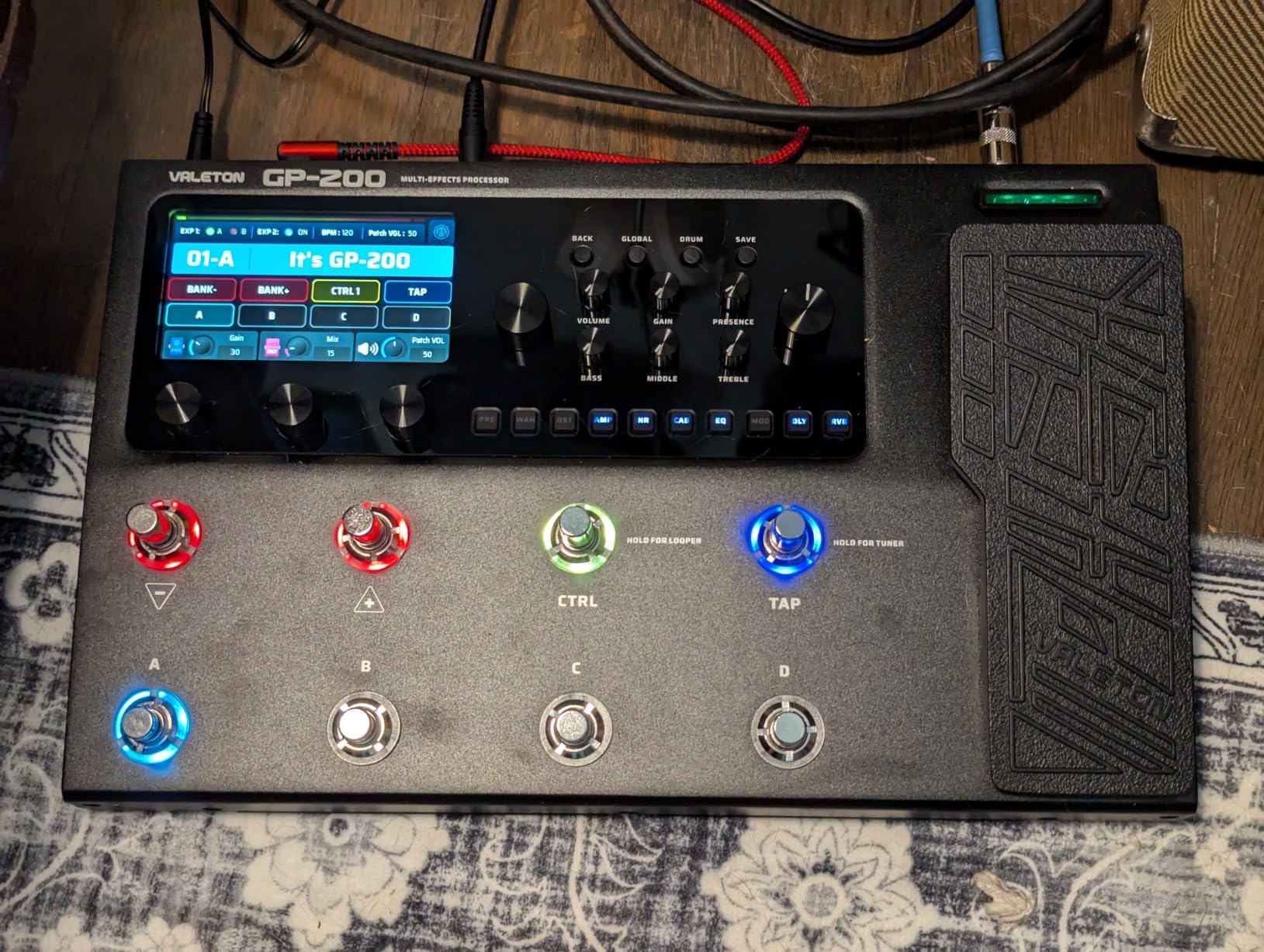
Up to 11 simultaneous effect blocks with an adjustable signal chain is where this earns its keep. We ran a boost into a compressor into a drive into a delay, with sends placed after the amp, and none of it required compromises. The reorderable chain is the opposite of the fixed-order approach some competitors use.
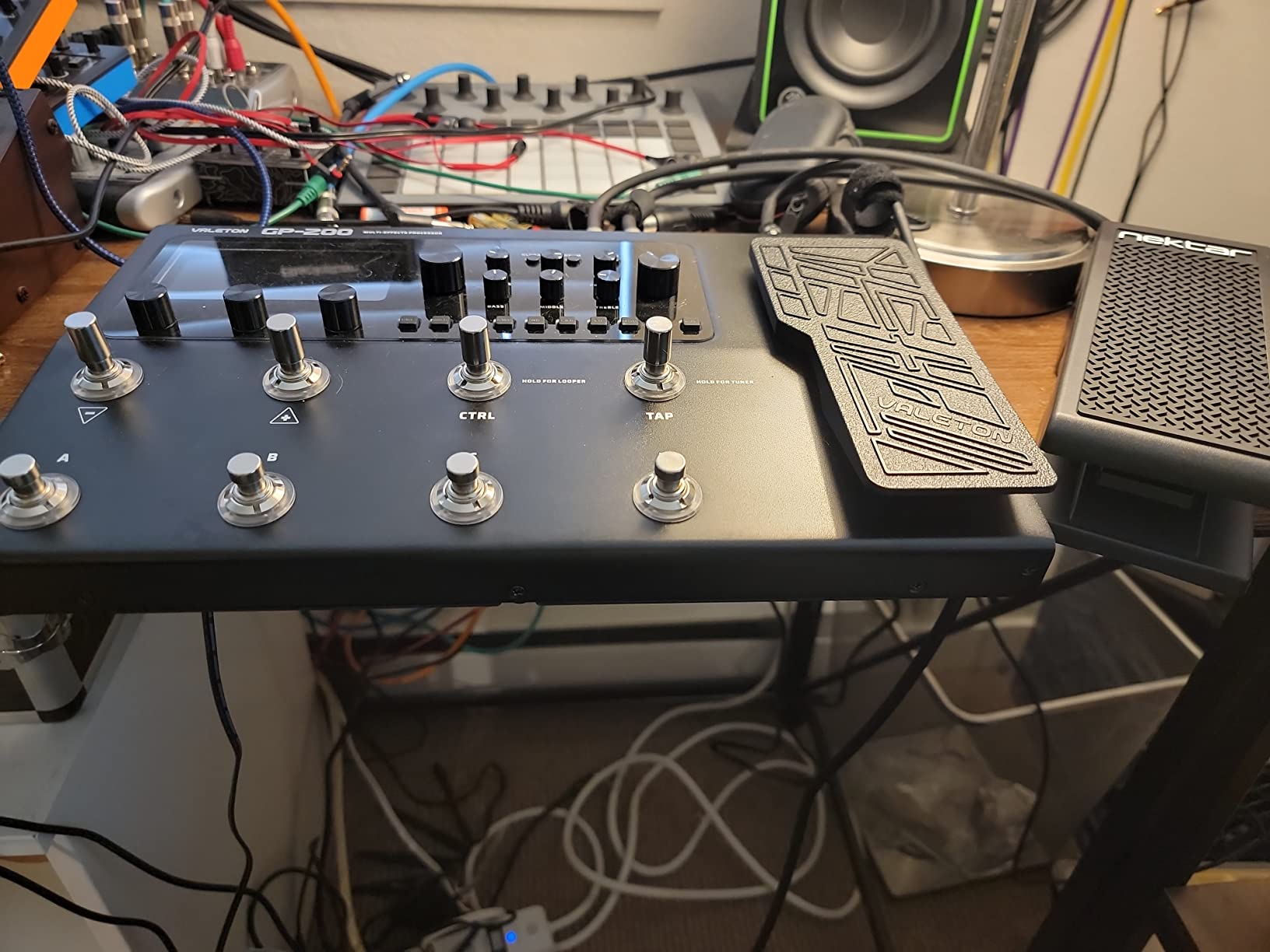
Line, XLR and headphone outputs, plus an FX loop, MIDI in and a second expression jack, mean it can sit at the center of a small rig. The USB Type-C port handles stereo streaming to a computer and OTG to a phone, and the free desktop editor keeps your changes in sync with the hardware.
What it records well
Any style that needs a specific cabinet. With 20 IR slots and 140 cab models, you can find a voice for funk, metal, ambient, jazz and everything in between rather than settling for the one cab the unit shipped with.
Re-amping. Owner accounts describe the GP-200 used to print a clean take, then re-run it through a different chain for the finished part. The stereo outputs and the 180-second looper with 100 drum rhythms support that workflow well.
Where it will frustrate you
Preset switching is slow, and in default mode it cannot be assigned to a footswitch, which makes it awkward for live use even though it is excellent for studio work. The one-effect-per-type structure also means a boost plus an overdrive in the same patch is not possible.
Two smaller traps. Cabinet emulation ships disabled and has to be turned on in global settings, so a first recording can come out raw if you miss it. And higher-gain tones turn fizzy at volume compared with premium units, so the amp wants to be tracked quietly.
6. Line 6 HX Stomp Modeling Amp – The Best for Small Spaces Option
Line 6 HX Stomp Multi-Effects Guitar Pedal
HX Modeling engine
300 plus effects and amp models
6 blocks
IR loading
HX Edit software
Pros
- Helix class modeling in a compact tank like body
- Third party IR loading with good mic positions
- Works for guitar and bass
- Onboard tuner
- looper and aux in
- HX Edit simplifies preset building
Cons
- Only 6 blocks limits routing compared with full Helix
- Factory presets benefit from editing
- Overdrive models weaker than dedicated stompboxes
- Block based routing has a learning curve
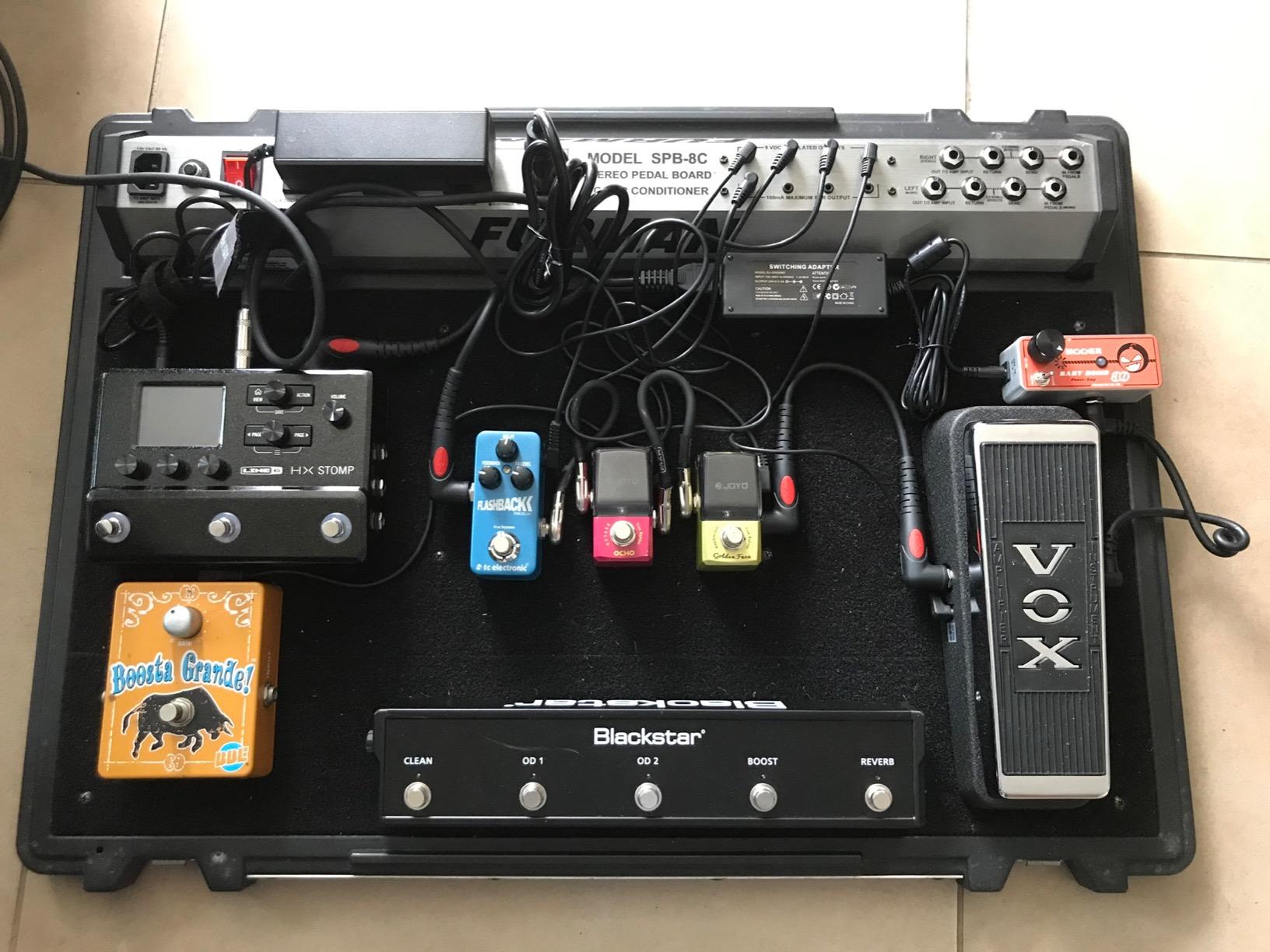
The HX Stomp is a desk box rather than an amp. Three footswitches, under two pounds, and the same HX Modeling engine found in the full-size Helix units. For a home studio that does not want a speaker taking up floor space, that is a legitimate answer rather than a compromise.
More than 300 effects and amp models are available, and the six-block architecture covers amp, cabinet and effect blocks in parallel or series. The looper and IR loading are both built in, so you can capture a part, print it and immediately re-run it through a different cabinet without touching anything else.
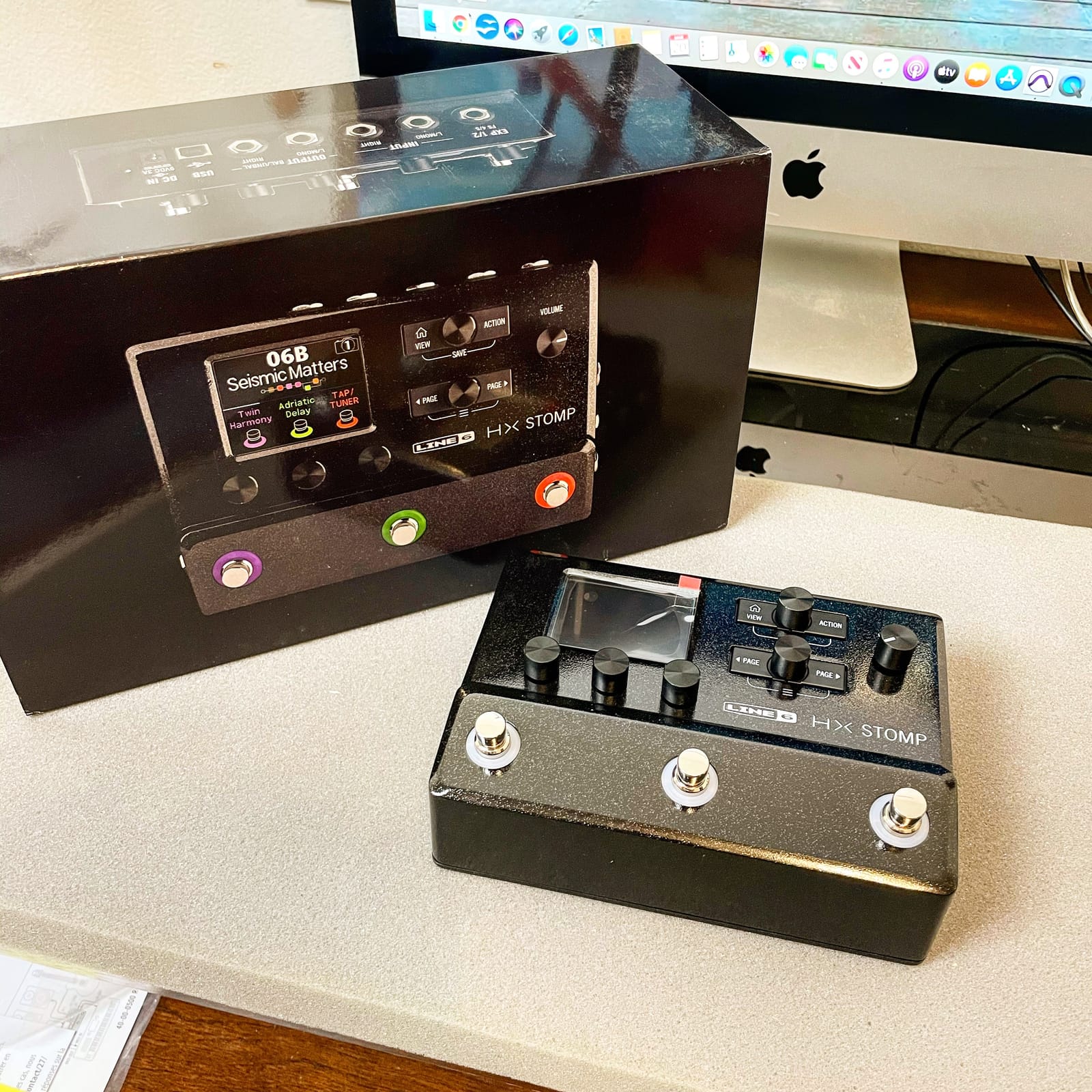
HX Edit is where this separates from the other compact units. The desktop software makes block assignment and preset building straightforward, and because it is the same ecosystem as the larger Helix hardware, a tone built here transfers if you later move up.
Three capacitive-sensing footswitches with color-coded LED rings are enough to switch between amp types in a performance, and the TRS input takes a dual expression pedal or a footswitch. Onboard tuner, looper and aux in make it usable as a standalone practice rig with nothing else attached.
What it records well
Direct-to-DAW guitar parts on headphones or through monitors. The tone is genuinely Helix class, and for bedroom recording the room never enters the picture at all. Bass players get the same library and the same workflow in the same box.
Small practice spaces and shared apartments. There is no speaker to place, no mic to position and nothing to bleed into a microphone, which is the quietest possible recording solution in this list.
Where it will frustrate you
Six blocks is the hard limit. Complex routing that a full Helix handles in one patch will not fit, and if your recording requires a boost plus a drive plus parallel sends at the same time, you will be rearranging constantly.
The factory presets are not the strongest starting point and improve noticeably with editing. The overdrive models are also weaker than dedicated stompboxes, which is the usual reason owners add a pedal in front of it.
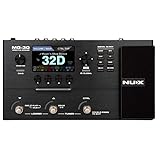
7. NUX MG-30 Modeling Amp – The Lowest Latency Figure Here
NUX MG-30 Guitar Multi-Effects Pedal Guitar/Bass/Acoustic Amp Modeling Processor, IR Loader, White-Box Algorithm, EFX Routing, 4” Color LCD, NMP-2 Footswitch Included
2ms latency
35 amp models
56 effect modules
11 block chain
4 inch color LCD
Pros
- Amp models widely praised as natural
- 4 inch screen minimizes menu diving
- Excellent tuner
- looper and drum machine
- USB audio interface and MIDI
- Two switch footswitch included
- Regular firmware updates add sounds
Cons
- Factory preset volumes not normalized
- IRs locked to the amp block
- Loops cannot be saved to the device
- Hidden functions need online searching
- Tone is colored even with effects bypassed
Latency is what turns a good take into an unusable one, and the MG-30 states 2ms latency on paper thanks to dual NXP RT processors with 32-bit converters. Whether or not your DAW achieves that end to end, a low internal figure means less compensation is needed and the monitoring stays tight.
Thirty-five amp models across 28 electric, 2 acoustic and 5 bass, plus 56 effect modules across an 11-block chain, is a well balanced library. The SEND and RETURN effects loop can be placed anywhere in the chain, which is the kind of routing flexibility that most units at this level do not offer.
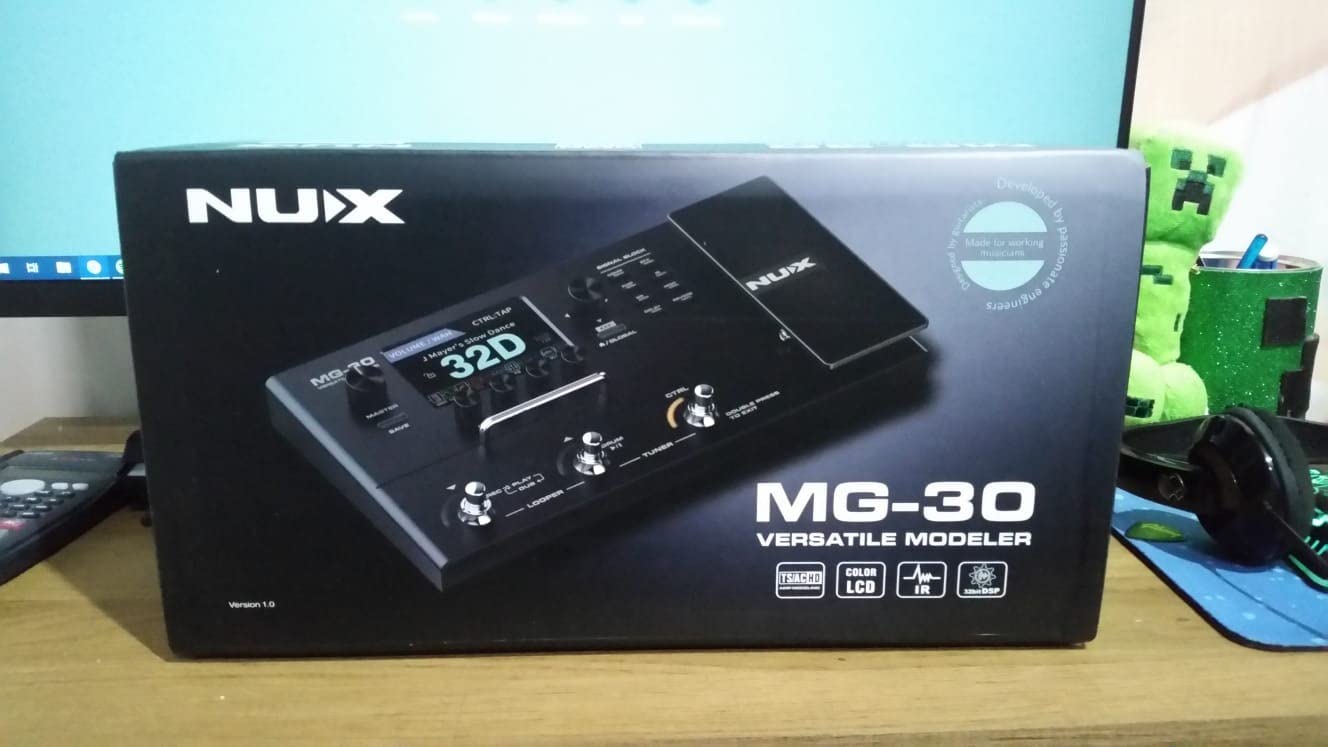
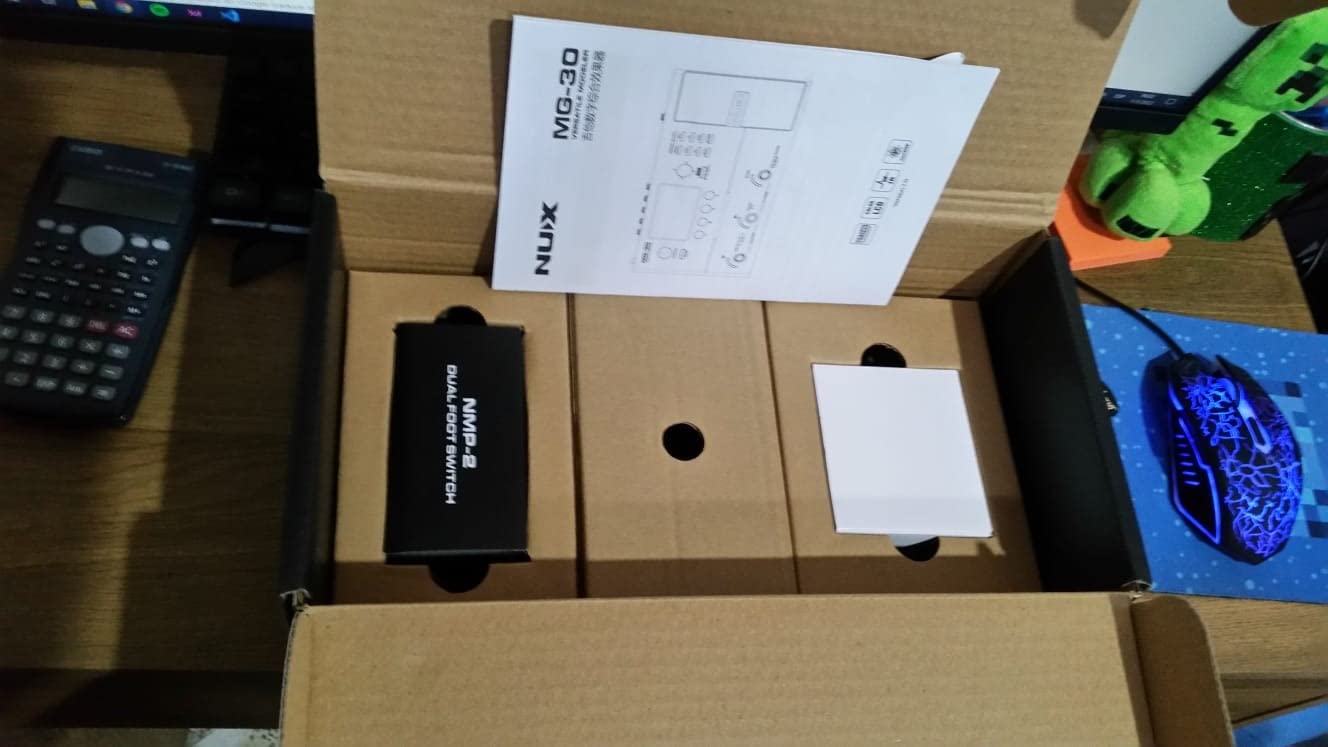
The 4 inch color LCD with a five-way encoder is the feature that changed how we worked with it. On-board editing is possible, so building a tone does not require sitting at a computer, and the signal block indicator shows the chain at a glance. A separate NMP-2 two-switch footswitch ships in the box for real-time switching.
USB audio interface, QuickTone editor and MIDI are all included. The looper and drum machine made it our pick of the group for writing quickly, and the fact that firmware updates keep adding sounds means the box improves after purchase rather than aging out.
What it records well
Timed parts and anything where the player is chasing a click or a groove. Low internal latency keeps the feel tight, and the 2ms figure is the most direct answer in this roundup to the latency complaints that come up repeatedly in home studio discussions.
Acoustic and bass parts as well as electric. Having 2 acoustic and 5 bass models alongside the electric set means one device can cover a full arrangement rather than half of it.
Where it will frustrate you
Factory preset volumes are not normalized between patches, so switching tones mid-take produces a level jump that you either ride or fix afterward. The amp and IR block is also locked together and cannot be reordered ahead of each other, which limits how precisely you can place a cabinet in the chain.
Loops cannot be saved back to the device, several useful functions are undocumented and require online searching, and the tone stays slightly colored even with effects bypassed, which will not sit well with players chasing an exact amplifier profile.
8. IK Multimedia TONEX Pedal Modeling Amp – Machine-Modeled Captures
IK Multimedia TONEX Pedal: Stereo multi-effects guitar and bass pedal with 150 Presets, 15 Pre/Post FX, Tuner, Tap Tempo, Headphone Out, Software Player and Editor
AI Machine Modeling
150 factory presets
VIR volumetric multi IR
ToneNET library
Stereo and headphone out
Pros
- Amp and cab models described as accurate and organic
- 150 presets plus a large ToneNET library
- Stereo and headphone out suit recording and practice
- Compact and well built with TONEX MAX included
- Good value against premium modelers
Cons
- No screen so editing relies on encoders
- Several amp models are noticeably noisy
- ToneNET library access is subscription based
- Librarian workflow is clunky
- No power switch on the unit
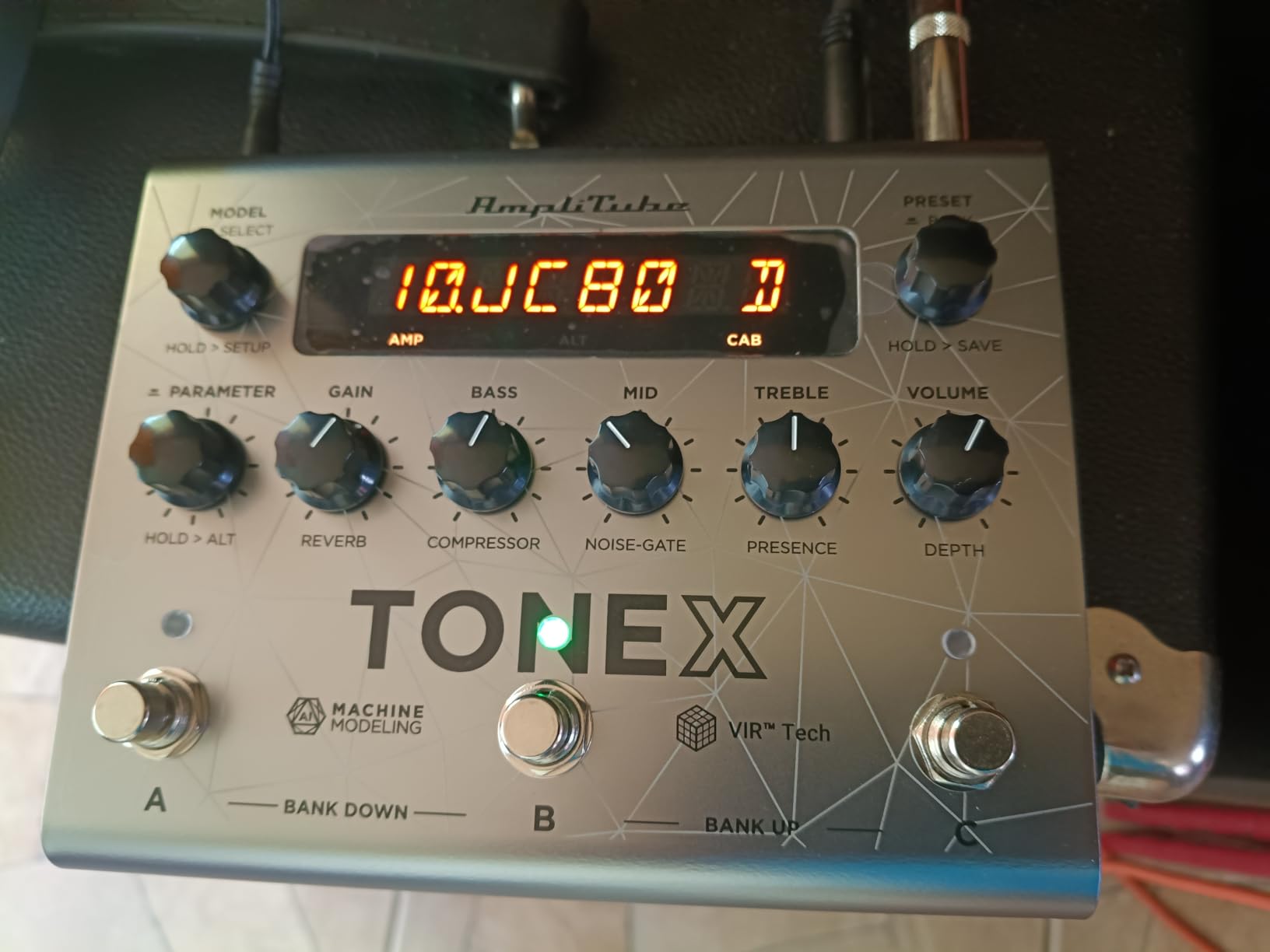
The TONEX Pedal takes a different approach from the rest of this list. Rather than hand-designing models, it uses machine learning to capture real amplifiers, cabinets and pedals, and that shows in how the high-gain characters behave. Owners consistently describe the models as accurate and organic rather than synthesized.
VIR volumetric multi-IR cabinets let you blend between microphone positions, which is how you get the dynamic variation a static cab cannot produce. The custom IR loader is there too, so a capture of your own amp can be loaded directly and printed through the same path.
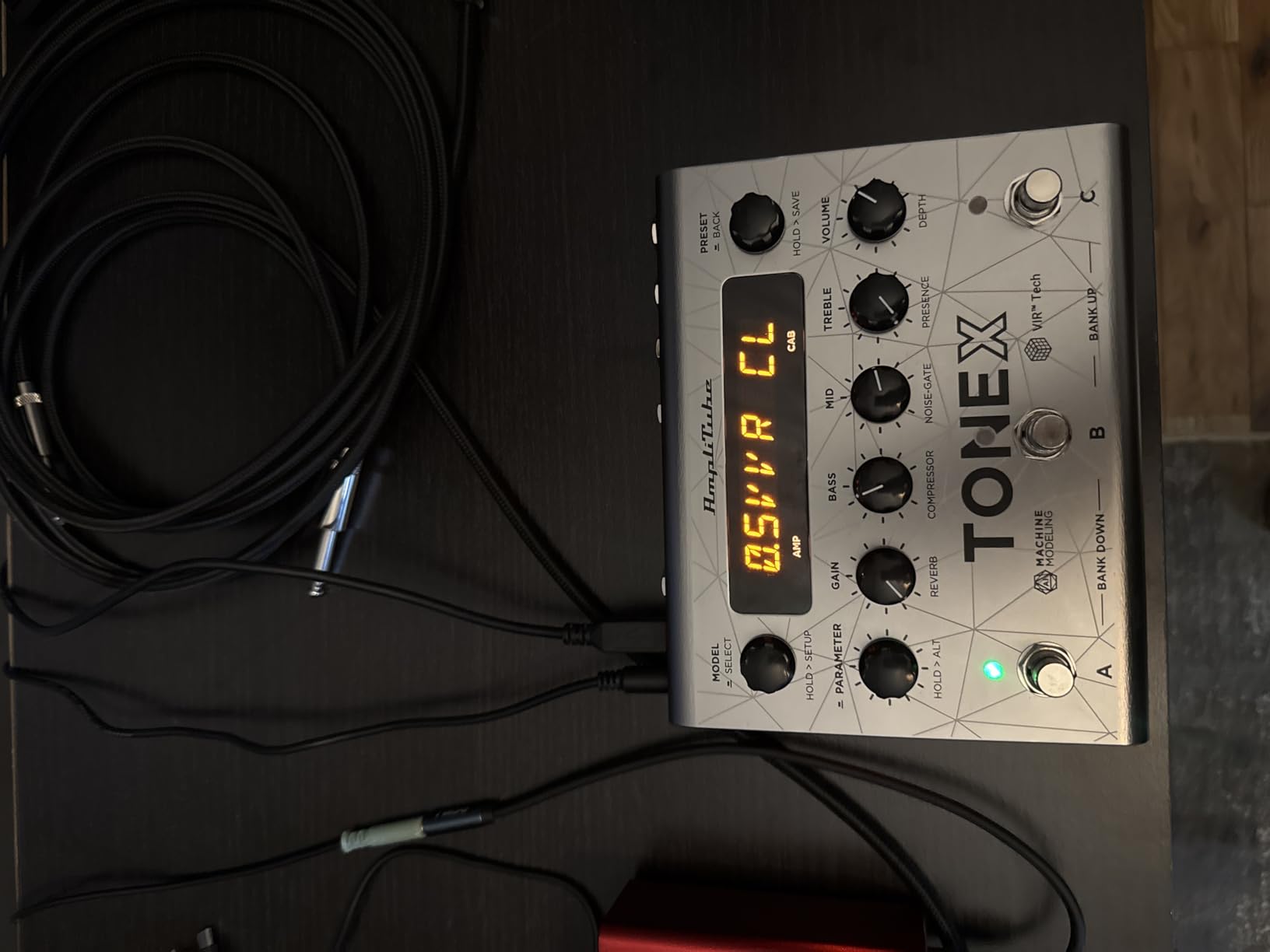
One hundred and fifty factory presets, grouped into three banks of three for live use, plus the ToneNET platform of artist and user Tone Models, means you rarely start from nothing. TONEX Editor and TONEX MAX are included, so the software side of the package is genuinely part of the product rather than an upsell.
Stereo out and headphone out serve both halves of the job. Tracking into a DAW over USB and silent practice at midnight use the same box, and the built-in tuner and tap tempo remove two more pedals from the chain.
What it records well
High-gain parts where a real amp reference matters. The captured characters hold up at volume better than synthetic models, and the multi-IR cabinets give you a recorded part that is not locked to one microphone position.
Players who want a specific famous tone without owning the amplifier. ToneNET makes it possible to start from a well-known capture and adjust it, which is faster than building an approximation from scratch.
Where it will frustrate you
There is no screen, so all editing happens on small encoders through nested menus. It works, but it is the least pleasant editing experience in this roundup and it slows down any session where you are auditioning many changes.
Several amp models are noticeably noisy, especially with single-coil guitars in the high-gain positions. ToneNET access is a paid subscription, the Librarian workflow is clunky, new IRs require building a preset to transfer, and there is no power switch.
9. HeadRush Core Modeling Amp – The Most Complete Recording Rig
HeadRush Core Electric Guitar and Vocal Multi-Effects Pedal
7 inch touchscreen
Smart Amp Cloner
NAM support
USB up to 24-bit 96kHz
350 plus IRs
Pros
- Deepest feature set including amp cloning and NAM support
- Large touchscreen simplifies editing and preset management
- USB records to Mac and PC at 24-bit 96kHz
- 350 plus built in IRs with unlimited third party slots
- Loops export as WAV with gapless preset switching
Cons
- Feature set has a noticeable learning curve
- Overlaps with audio work a normal interface already handles
The HeadRush Core is the only unit here that goes beyond guitar tone. The 7 inch hi-res touchscreen with multi-core processing makes it a general-purpose production box, and the fact that it is the largest screen in the group shows where the design priorities went.
Smart Amp Cloner captures a real amplifier over Wi-Fi and shares the capture through the cloud. Native Neural Amp Modeler support means you can load existing NAM files, and TONE3000 access opens a further library. This is the deepest modeling and capture feature set we tested, by a wide margin.
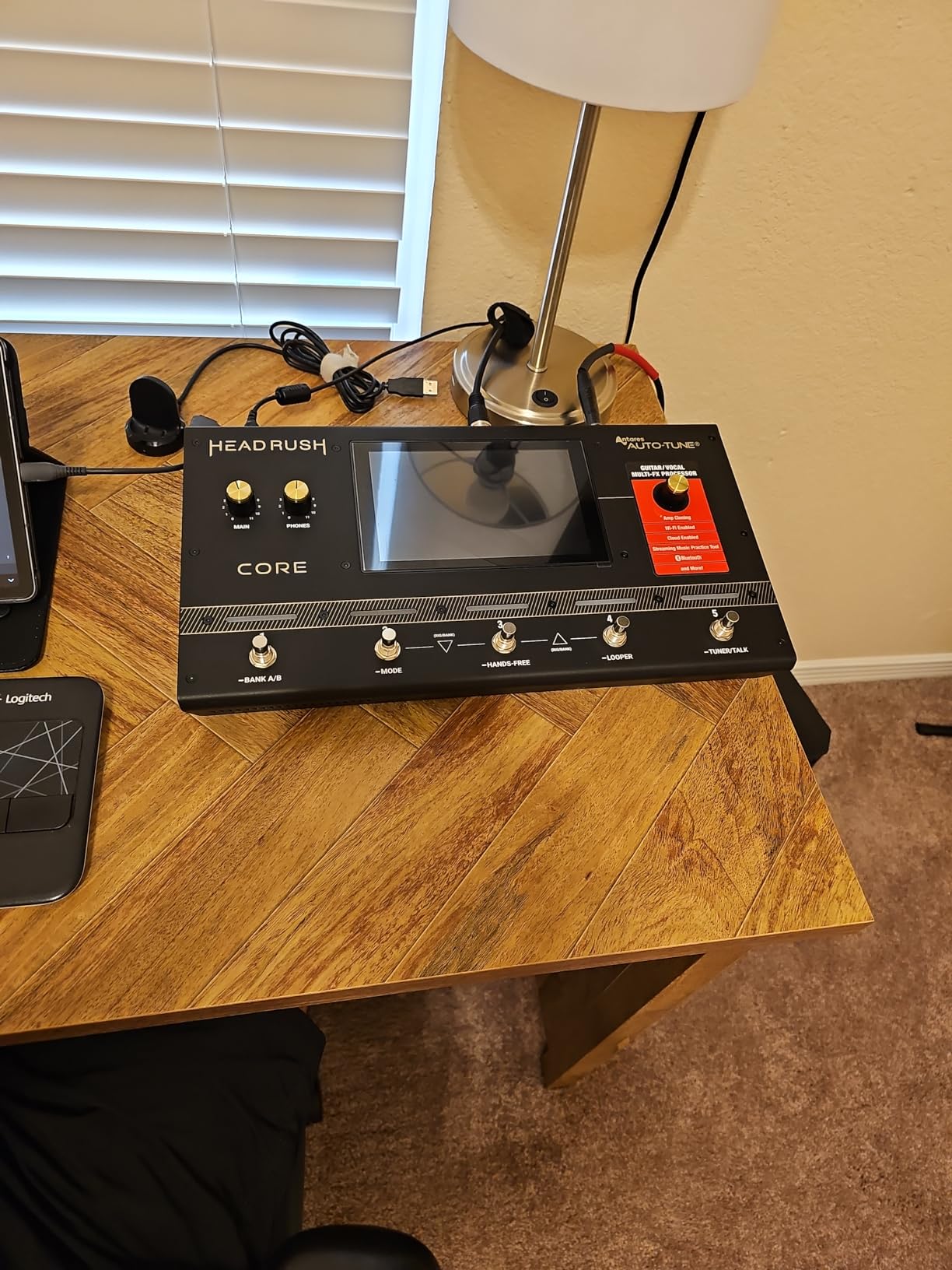
The USB audio interface records to Mac or PC at up to 24-bit 96kHz, which is the highest recording specification in this roundup. Whether you need that resolution or not, it removes any question about whether the unit is the weak link in the chain.
The vocal FX suite with Antares Auto-Tune, the integrated drum machine with 16 kits and 134 Alesis and BFD patterns, and loops that save as WAV files make this a genuine tracking tool. Gapless preset switching keeps delay and reverb tails across a change, which is a small detail that matters when laying down a song in one pass.
What it records well
Full productions rather than single guitar parts. Demo and songwriting sessions where you need guitar, bass, backing tracks and tuning corrections in the same box, tracked at high resolution without a second interface.
Players building a library of their own amplifier sounds. Amp Cloner with cloud sharing plus NAM support means captures can be moved between devices, which is closer to a working studio archive than a preset list.
Where it will frustrate you
The feature set carries a real learning curve, and the mid-scale ratings reflect that. A player who wants an amp and a few effects will not get to the good parts quickly.
It also overlaps with gear you may already own. If your audio interface already handles 24-bit 96kHz recording and your DAW already has amp sims, much of what this box offers duplicates that setup rather than replacing it.
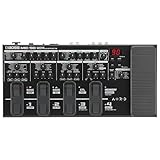
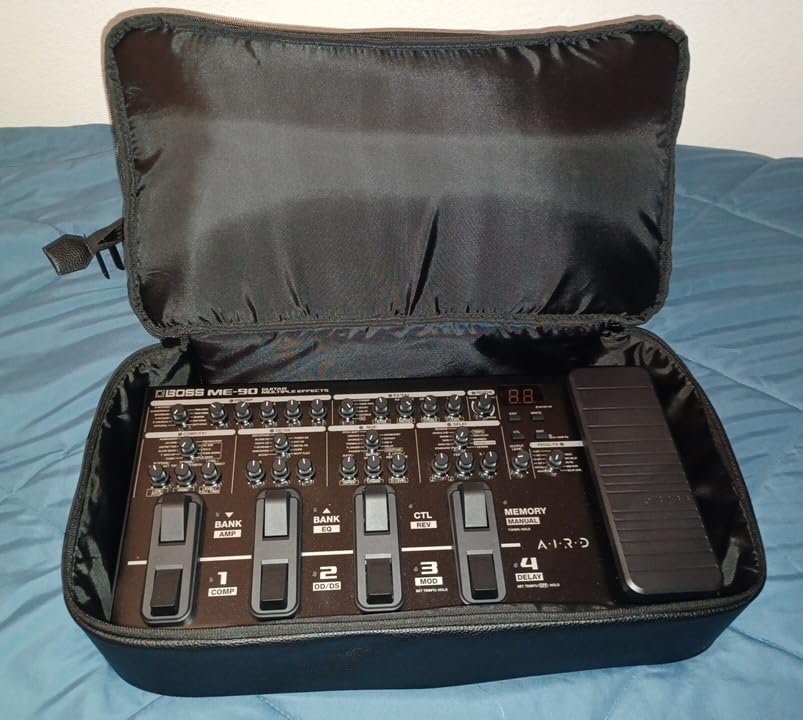
10. BOSS ME-90 Modeling Amp – Knobs Instead of Menus
BOSS ME-90 Guitar Multi-Effects Guitar Processor
24-bit AD/DA with 32-bit float processing
11 AIRD amp models
60 effects
8 footswitches
Expression pedal
Pros
- Hands-on knob interface shapes tones without menu diving
- 11 AIRD amp models with IR loading
- Eight multi-function footswitches
- Built-in expression pedal with toe switch
- USB-C and BOSS Tone Studio editing
Cons
- No screen so preset visibility depends on memory
- Effect depth per block is simpler than screen based rivals
- 36 user patches is modest for studio work
The ME-90 answers the problem every screen-based unit creates: you cannot hear a change until you have opened a menu, made an edit and listened. Here the amp, effects and gain are physical knobs, so you sweep a parameter and hear it immediately. For players who think in guitar terms rather than in parameter terms, that is a genuine advantage.
Underneath, it is more serious than the layout suggests. Twenty-four-bit AD and DA conversion with 32-bit floating point processing sits under eleven flagship AIRD amp models with IR loading and 60 effects derived from the GT-1000.
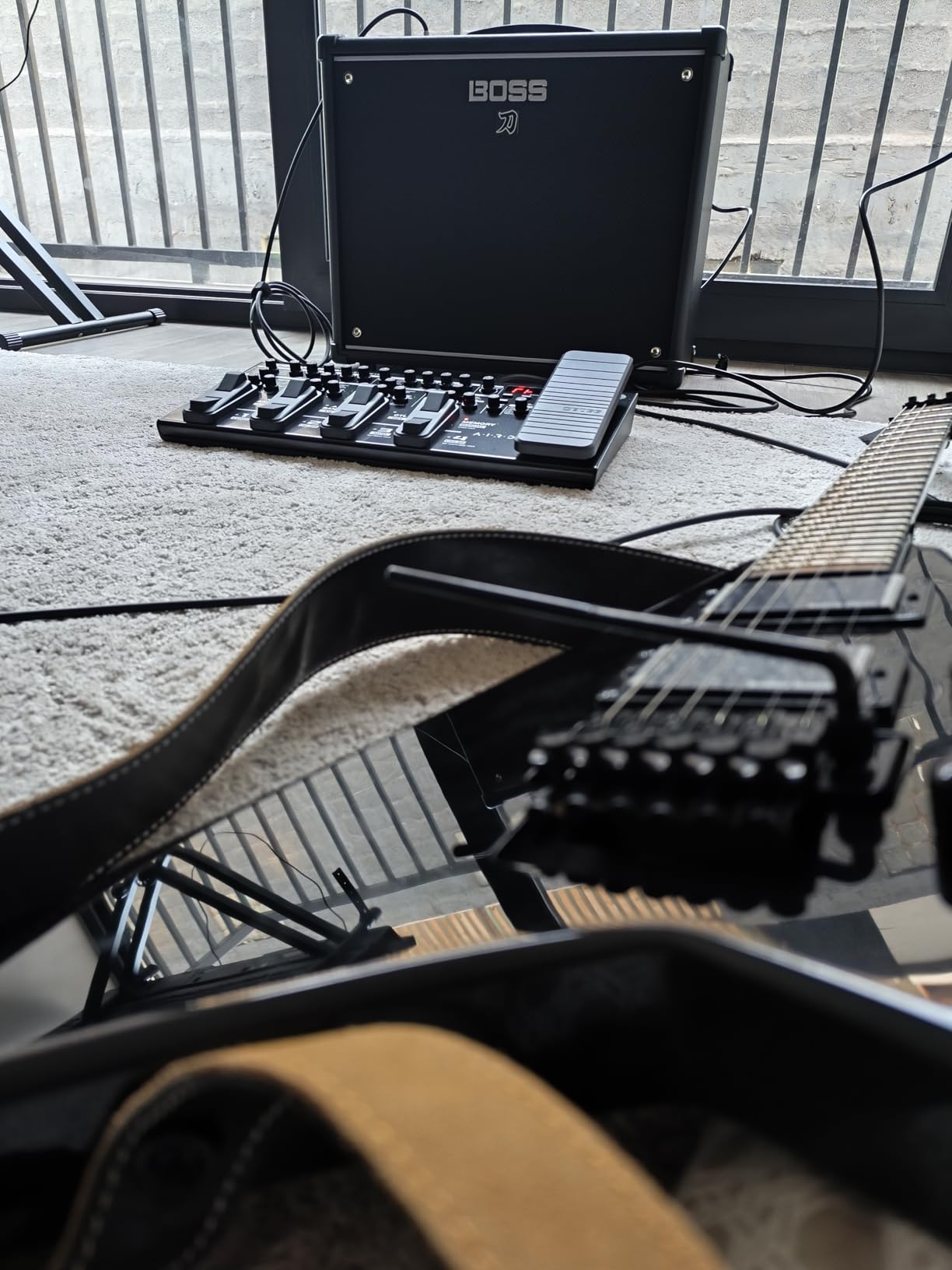
Eight multi-function footswitches plus a redesigned expression pedal with a toe switch give you more real-time control than most competitors at this level. The dedicated amp section runs alongside seven simultaneous effect categories, so a boost, drive and delay can all be live at once.
Thirty-six factory presets plus 36 user patches, USB-C connectivity and BOSS Tone Studio editing cover the recording and management side. The optional Bluetooth Audio MIDI Dual Adaptor is supported for hands-on wireless control during a session.
What it records well
Live playing that will be tracked. Because a patch change is a footswitch press rather than a menu dive, you can move from a clean verse into a driven chorus mid-take and still keep the performance intact.
Players who already know their tones by feel. AIRD amp models with IR loading give a solid library, and the physical control surface means you can dial in a sound once and recall it by touch rather than by memory of a screen layout.
Where it will frustrate you
There is no screen, so you depend on remembering the order of your patches. With 36 factory and 36 user slots, that is a lot of positions to hold in your head across a session.
Effect depth per block is simpler than screen-based rivals offer, and 36 user patches is modest for studio work where you may be building a palette of tones for one song. Deep sound design is better served elsewhere.
11. Universal Audio Dream 65 Reverb Modeling Amp – One Amp, One Sound
Universal Audio UAFX Dream ’65 Reverb Amplifier
Dual-engine modeling of a mid 60s tube combo
Spring reverb and vibrato
OX Amp Top Box room tones
Hot rod amp and speaker mods
Pros
- Exceptionally authentic mid 60s American combo character
- Spring reverb and vibrato modeled from a golden unit
- OX Top Box room tones sound three dimensional
- Can be bypassed in front of a real amp
- Metal enclosure from an established maker
Cons
- Models a single amp voice rather than a platform
- App and registration gate the cab bypass and extra downloads
- No built-in audio interface for direct computer recording
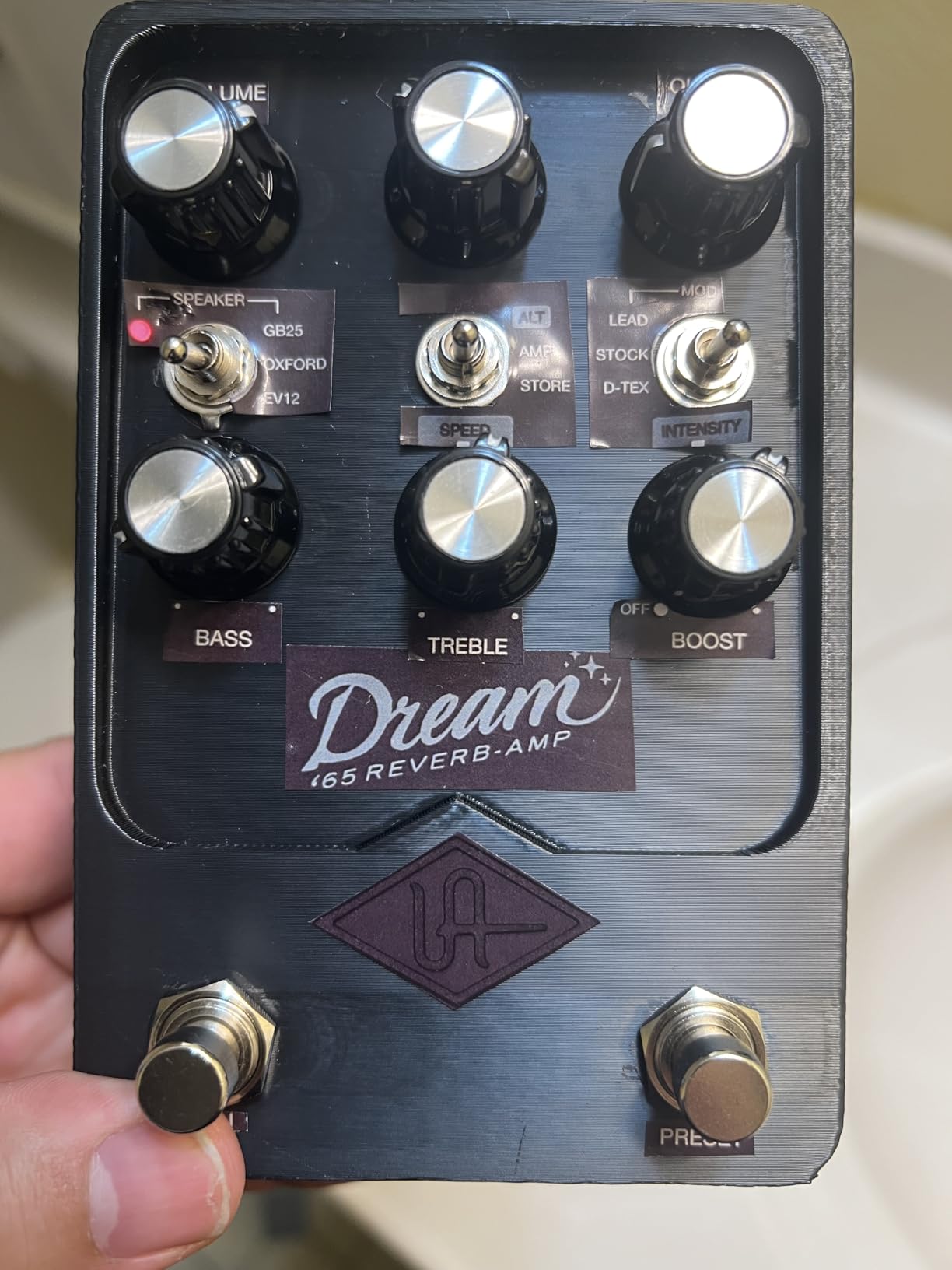
This is not a general-purpose modeler and that is the point. Universal Audio modeled a single mid-1960s American tube combo in detail, including the spring reverb and vibrato taken from a documented golden unit that appears on more than a hundred classic records. It is the most specific tonal proposition in this roundup.
The cabinet, microphone and room tones come from the OX Amp Top Box, which is the same capture rig the plugin version uses. That is why it records with a sense of space rather than sounding like a cabinet simulation. Stereo output makes it easy to print wide parts.
Recording use is straightforward: run the guitar into the input and take the output straight into your interface or DAW. There is no built-in audio interface, so the connection is a normal line out rather than USB, which is a limitation for some setups and irrelevant for others.
Hot rod amp and speaker mods give you two voicings from the same capture, and the cab and mic emulation can be bypassed entirely to use the pedal in front of a real amplifier, adding a vintage colored drive to a physical amp you already own.
What it records well
Blues, country, folk rock, surf and anything that wants a 1960s American clean-to-edge-of-breakup voice with real spring reverb in it. The room capture means the printed part has air around it without any processing on your end.
Players who already own a good tube amp and want a second voice without a second amp. The bypassable cabinet and mic emulation turns it into a front-end pedal for a physical amplifier.
Where it will frustrate you
There is no alternative amp voice to switch to. If the vintage character is not what you want today, this box cannot become anything else, and there are no modern high-gain positions here at all.
The cab and mic bypass and the additional downloadable cabinets require the UAFX app and product registration, and with no built-in audio interface you are relying on whatever recording path your setup already provides.
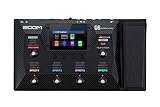
12. Zoom G6 Modeling Amp – Built Around Recording to a Computer
Zoom G6 Guitar Multi-Effects Processor with Expression Pedal, Touchscreen Interface, 100+ Built in Effects, Amp Modeling, IR’s, Looper, & Audio Interface for Direct Recording to Computer
Up to 7 effects plus amp modeling
70 IRs plus room for 100 more
4.3 inch touchscreen
2 hour looper
Expression pedal included
Pros
- Explicitly designed for direct USB recording into a DAW
- 4.3 inch touchscreen with four play modes
- Looper records up to 2 hours to SD card
- 70 IRs plus space for 100 more
- Expression pedal included in the box
Cons
- Only one IR per patch limits cabinet flexibility
- Zoom Guitar Lab required for deeper management
- Larger footprint than compact multi-effects pedals
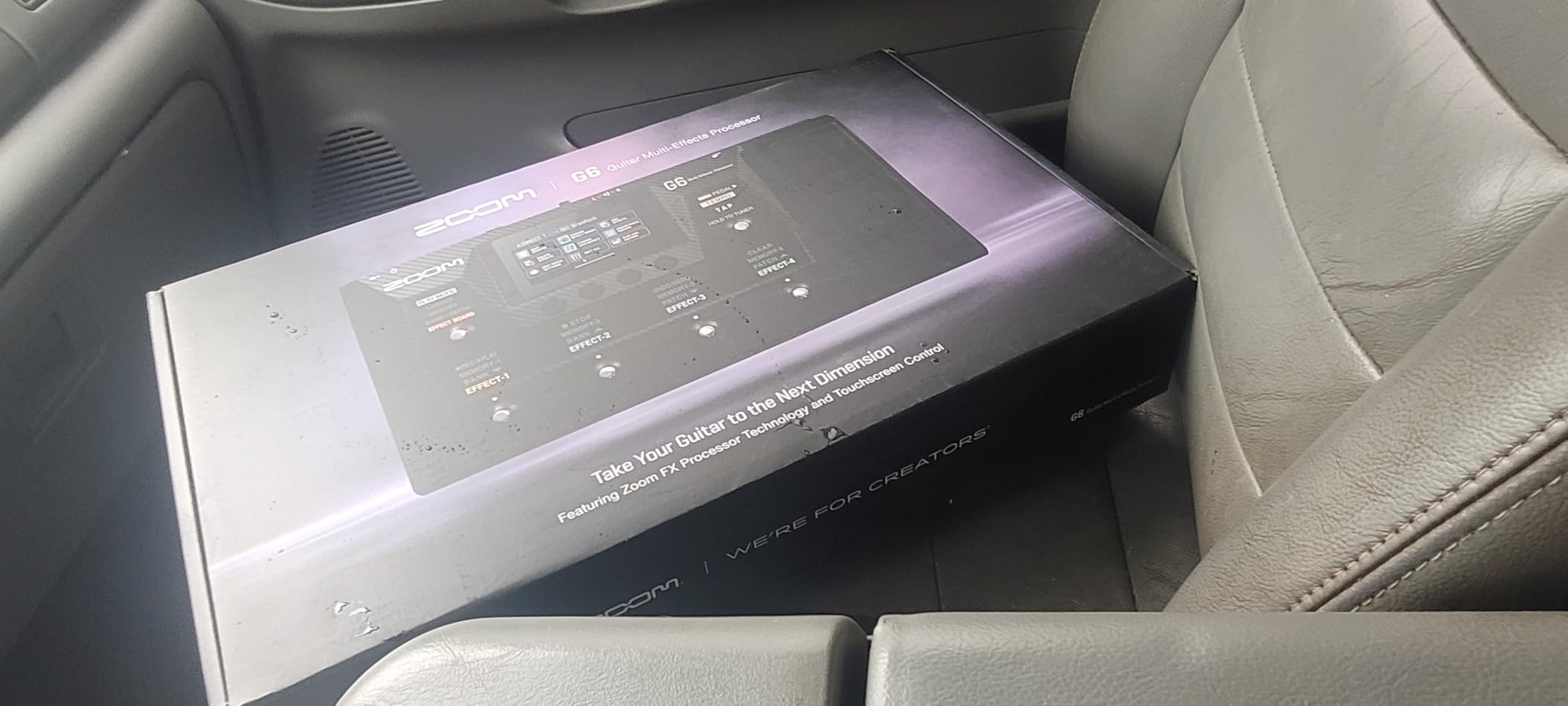
The G6 is the most explicitly recording-focused floorboard here. It is marketed and built around USB connection straight into a DAW, and the 4.3 inch color touchscreen with four play modes makes patch navigation simple enough that you are not fighting a menu to capture an idea.
Up to seven effects plus amp modeling can run at once, across 240 patches. Seventy preloaded IRs with room for 100 more covers the cabinet selection most players need, and the looper records up to two hours to an SD card with up to 256 loop files.
Our tests were mostly about capturing parts quickly. Sixty-eight built-in rhythm patterns give you backing tracks without a separate looper pedal, and because loops save to SD rather than living in volatile memory, an idea recorded at midnight is still there the next morning.
The FP02M expression pedal is in the box, which removes another purchase from the list. Zoom Guitar Lab handles effects and patch management on a computer, and the overall footprint is larger than pedal-sized units but smaller than a full floorboard with a sloped control surface.
What it records well
Songwriting and demo sessions. Two hours of looping with drum patterns and a touchscreen means a full arrangement can be built on one unit and printed into a DAW, which is exactly the home recording use case this category was created for.
Players who want a lot of cabinets without digging through a web page. Seventy IRs is more than enough to cover clean, rock and high-gain positions across most guitars.
Where it will frustrate you
A single IR per patch is the real limitation. You cannot blend two cabinets or load two impulse responses in parallel the way you can on multi-slot units, so the cabinet choice is one take per patch.
Zoom Guitar Lab is required for deeper effect and patch management, and the body is bulkier than compact multi-effects pedals. It is a room piece rather than a grab-and-go unit.
How to Choose a Modeling Amp for Home Recording
The fastest way to choose badly is to start with the amp models and work backwards. Start with the recording path instead, and the rest of the decision follows.
Pick the recording path first
There are four realistic ways to capture a modeled guitar part, and they trade off differently. USB direct from the unit gives you a fully processed signal with no microphone, no room and no bleed, at the cost of nothing but a cable. Headphone or line out into an interface is the same idea with more routing control. Running the line out into a power amplifier with a cabinet, then microphoneing that, keeps the tactile playing experience at the cost of noise and room. And an amp simulation plugin in the DAW removes a box from the chain entirely but takes away the feel of an amp in the room.
Our view after testing this group: if your priority is a finished part on the timeline, USB direct is the cleanest path and every unit here supports it in some form. The gap between the good and the poor experiences there is latency, not features.
Latency is the thing that ruins takes
Latency complaints appear in almost every home recording discussion, and they are legitimate. Round trip delay through a USB interface, the DAW buffer and the unit itself can push past 10ms, which is enough to make a player loosen their timing without realizing it. The MG-30 states 2ms internal latency, and among the floor units the difference between a tight monitoring path and a sluggish one is felt immediately.
Set your buffer size as low as your computer will handle, check the sample rate the unit is running at, and use direct monitoring where the hardware offers it. Recording in bursts and compiling later removes latency from the equation entirely, and it is the habit most working players build.
Block count and IR slots decide how deep the editing goes
Block count is the roughest measure of editing depth. A unit with six blocks gives you an amp, a cabinet and a few effects. A unit with eleven blocks lets you run a boost into a compressor into a drive with sends placed after the amp, which is where most home studio tones are actually built. The GP-200 and the MG-30 sit at the generous end of this list.
IR slots matter more than the number of built-in amp models if you intend to grow. Built-in cabs cover the common cases, but a unit with twenty or unlimited third-party slots can load captures of your own amplifier, and that is how you stop fighting the tone and start owning it.
Form factor: combo, desktop, floor modeler or pedalboard
Combos with a real speaker, like the LT25, the LT50 and the Katana-50, are the traditional answer. They play out loud, they need a room, and the speaker voicing shapes the tone in a way a headphone cannot reproduce. The Katana-50 and the LT50 are the two that can handle rehearsal volume; the LT25 is a room amp.
Floor modelers and pedalboard units record identically but never make sound on their own. You pair them with headphones, studio monitors or a power amp and cabinet, which is more flexible and quieter. If you already have a good audio interface and monitors, a floor modeler is the natural fit, and our guides to solid state amps and tube amps cover the cases where a real amplifier is the better answer.
Monitoring: FRFR speakers, headphones and studio monitors
FRFR means full range flat response, and it is the reason the Spark 2 sounds the way it does. An FRFR speaker reproduces what the modeling engine produces rather than adding a guitar cabinet voice, so what you hear is closer to what an engineer hears. Traditional 8 and 12 inch guitar speakers add coloration that many players prefer because it is familiar.
Headphones are the most honest monitoring option and the least forgiving of latency. Studio monitors are the most reliable reference and require the most gear. Recording through monitors is generally the safest choice for a finished record, and building a little room treatment or adding a second reference matters more than the monitor brand. Players working on acoustic parts should also look at our best acoustic guitar amps guide.
Editor software and firmware support
Every unit here ships with or supports desktop editing, and the difference in quality is large. The Valeton editor, the Line 6 HX Edit, BOSS Tone Studio, the NUX QuickTone editor, TONEX Editor and MAX, Zoom Guitar Lab and the HeadRush bundle are all usable, but the touchscreen units let you build a tone without a computer at all, which matters for writing rather than mixing.
Firmware support is the long game. Reviewers regularly flag firmware updates that change existing presets or break compatibility, and the honest answer is that we cannot predict any brand’s long-term commitment. What we can say is that units which keep receiving useful sound updates, like the NUX, are more likely to stay interesting than a device that stopped receiving them.
Genre fit
Match the character to the material. Vintage clean, blues, country and surf work best with the Dream 65 or a Fender-voiced combo. Funk, pop and rhythm guitar suit the Katana-50 or the Spark 2 with FRFR monitoring. Metal and modern high-gain work best with captured amplifier profiles, which points to the TONEX Pedal and the HeadRush Core. Jazz and clean players who want a specific spring reverb and a real room around it will be happiest with the Dream 65.
Frequently Asked Questions
What is the best modelling amp for home use?
For most home recordists the Fender Mustang LT25 is the best modelling amp for home use because it records over USB with no editor software to install, carries 30 presets plus user slots, and weighs 15.2 pounds. If you want far more amp models and real impulse response slots, the Valeton GP-200 offers 140 amp and cab models with 20 IR slots at a similar tier.
What is the best amp for recording at home?
A modeling amp with a USB audio interface is the best amp for recording at home because it delivers a processed, cab-simulated signal straight into your DAW at conversation volume. The Fender Mustang LT50 and BOSS Katana-50 Gen 3 both record over USB, and the HeadRush Core records to Mac or PC at up to 24-bit 96kHz if you need the highest resolution.
What is the best amplifier for home audio?
For home audio, the Positive Grid Spark 2 is built around full range flat response speakers, so it plays back what the modeling engine produces rather than adding a guitar cabinet voice. Monitoring through studio monitors remains the most reliable option for judging a finished record, and headphones are the most honest but least forgiving of latency.
What is the best power amp for modelers?
The best power amp for a modeler is a solid state unit with plenty of headroom, driven from the modeler’s line or headphone out, feeding a guitar cabinet. The NUX MG-30 and the Valeton GP-200 both place an FX loop anywhere in the signal chain, which lets you keep a real pedal in front of the modeled amplifier while still tracking the output directly.
How do you record a modeling amp direct?
Connect the modeling amp to your computer with its USB cable, install the driver if one is required, and set your DAW sample rate to match the unit. Turn cab simulation on, pick a preset or build a tone in the editor software, and arm a track. Keep your buffer size as low as your machine allows to minimize latency.
Can you record a modeling amp with headphones?
Yes. Every unit in this roundup has a headphone output, and most also have a separate line or XLR output for recording. Recording through headphones keeps the room silent and eliminates microphone bleed, though you are trusting the unit’s own cab simulation rather than a real speaker voicing. The Fender LT25, Valeton GP-200, Line 6 HX Stomp and IK TONEX Pedal all support this directly.
Final Recommendations for Home Recording in 2026
The Fender Mustang LT25 is our pick as the best modeling amp for home recording, because it gets a finished guitar part onto a timeline with almost nothing standing in the way. If you want far more amp models, real impulse response slots and a reorderable chain, move up to the Valeton GP-200. For a room that will not hold a speaker at all, the Line 6 HX Stomp runs flagship modeling in a box you can put on a desk.
Where the music points somewhere specific, follow it. The BOSS Katana-50 Gen 3 has the most convincing feel for a combo, the TONEX Pedal and HeadRush Core handle captured real amplifiers, and the Dream 65 covers vintage tube character that nothing else here imitates.
Pick one, set the buffer size low, and record something this week.