
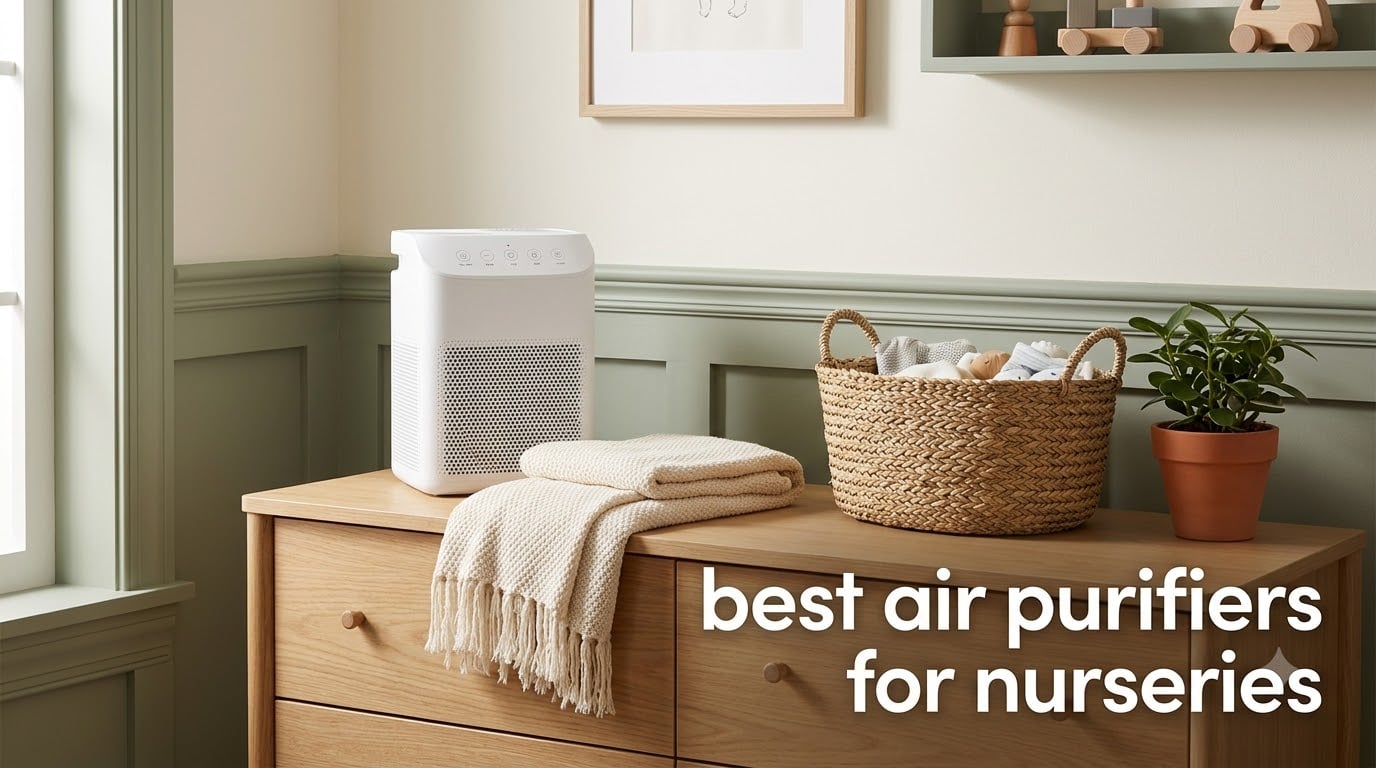
A nursery is the one room in a house where the air matters most and gets the least attention. Babies spend most of their first year lying still in one spot, breathing roughly twice as many breaths per minute as an adult, drawing in whatever floats past the crib. Dust from a new dresser finish, dander from the family dog, pollen in spring, smoke on a bad-air day outdoors, and the faint chemical off-gassing from paint and fabric all end up in the same small volume of air.
That is why picking among the best air purifiers for nurseries is not like picking one for a living room. A living room purifier can be loud, tall, and shoved in a corner. A nursery purifier has three hard requirements: real True HEPA filtration, a sleep mode quiet enough to sit beside a crib, and zero ozone output and no ionizer you have to remember switching on. Miss any one of those and the machine is not doing its job in the room that matters most.
We spent weeks going through the specs, owner reviews, and certification claims on every purifier in this guide, and we grouped them the way parents actually shop: by room size, by noise tolerance, by whether a pet sleeps in the room, and by how much filter spending you are willing to accept over five years. What follows is the short list, the full breakdown of twelve units, and the buying logic behind every choice, so you can match a machine to the room rather than the other way around.
If you want the wider category before the nursery specifics, our guide to the best HEPA air purifiers covers filtration types in more depth, and our pet owner picks get into dander and hair in detail.
Table of Contents
Top 3 Picks for Nurseries in 2026

Levoit Sprout
- AHAM VERIFIDE certified
- 5 sensors tracking 7 factors
- Blue light-free night light
- Ambient sleep sounds

Levoit Core 300
- 24dB sleep mode
- AHAM VERIFIDE CADR 143 smoke
- Display light-off mode
- 2/4/6/8-hour timer

Levoit Vital 200S-P
- Smoke CADR 250 CFM
- Covers up to 1875 sq ft
- Dual air inlet for pet hair
- Smart connectivity
Best Air Purifiers for Nurseries in 2026
| Product | Specifications | Action |
|---|---|---|
| Levoit Sprout |
|
Check Latest Price |
| Levoit Core 300 |
|
Check Latest Price |
 GermGuardian AC4825E GermGuardian AC4825E |
|
Check Latest Price |
| Levoit Vital 200S-P |
|
Check Latest Price |
 Frida Baby 3-in-1 Frida Baby 3-in-1 |
|
Check Latest Price |
 Clorox Small Room Clorox Small Room |
|
Check Latest Price |
 DREO 338 DREO 338 |
|
Check Latest Price |
 Vornadobaby Purio Vornadobaby Purio |
|
Check Latest Price |
 Momcozy AP01 Momcozy AP01 |
|
Check Latest Price |
 GoveeLife Smart Mini GoveeLife Smart Mini |
|
Check Latest Price |
 Blueair 511i Max Blueair 511i Max |
|
Check Latest Price |
 FULMINARE H13 FULMINARE H13 |
|
Check Latest Price |
1. Levoit Sprout – The Best Air Purifier for Nurseries Overall
LEVOIT Smart Air Purifier for Home Bedroom, Quiet for a Nursery, Sprout
AHAM VERIFIDE certified
5 sensors tracking 7 factors
HEPA captures 99.9% at 0.01 micron
Blue light-free night light
Pros
- Effectively silent in sleep mode and low speeds
- Real-time PM2.5 and TVOC readings
- Blue light-free night light
- Quick easy filter changes
Cons
- Top fan speeds get noticeably loud
- Replacement filters are costly
- App needs Bluetooth and location permissions
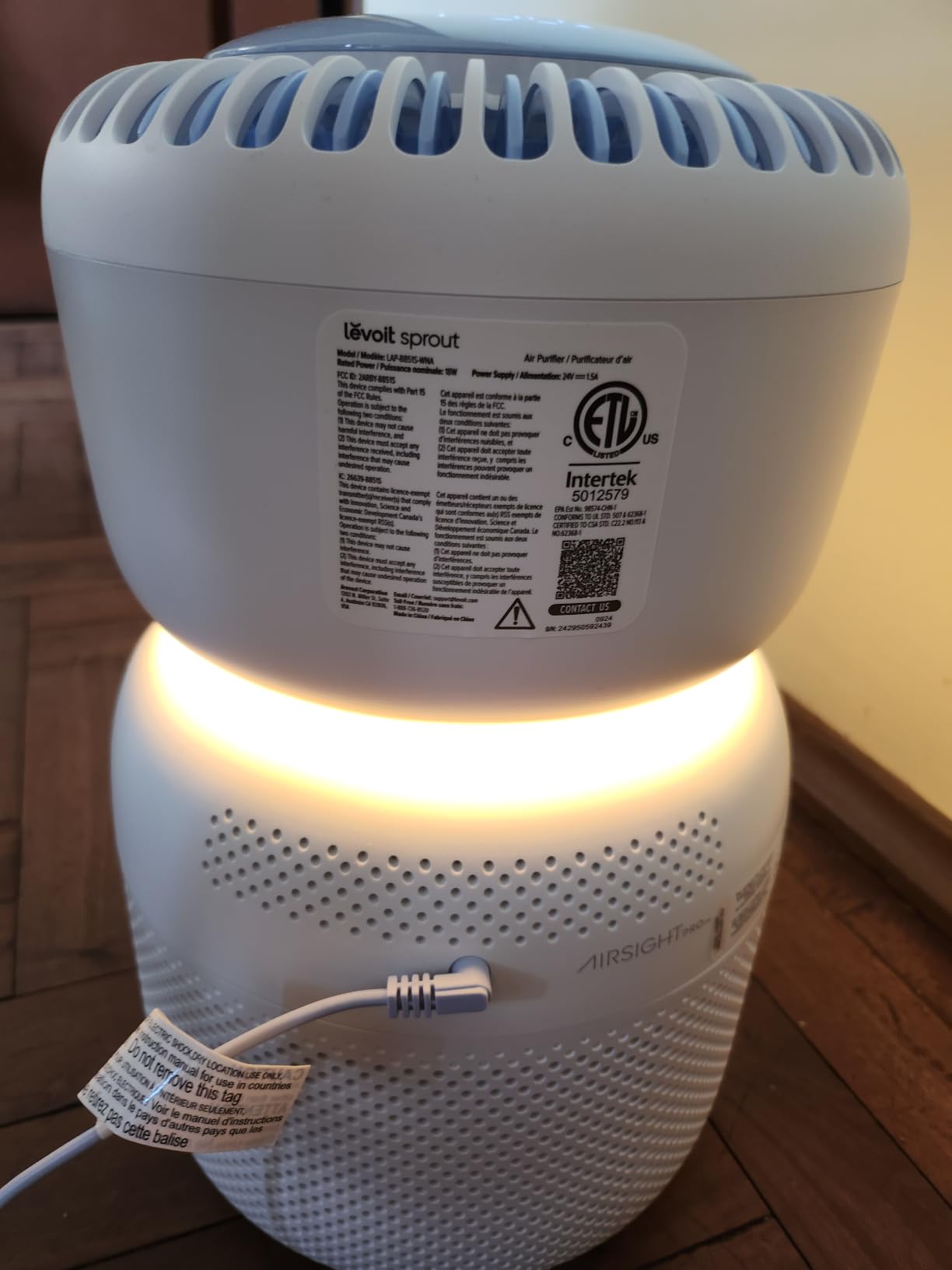
The Sprout is the unit we keep coming back to, and it earns the top spot on sensor depth rather than marketing. Five sensors read PM1.0, PM2.5, PM10, TVOC, carbon dioxide, temperature and humidity, so you are not guessing when the air changes after you open the window or run the dryer downstairs.
For a nursery that matters. Dust events and cooking odors from the rest of the house show up on the display within a minute, and you can adjust the fan by hand instead of waiting for an auto cycle to catch up.
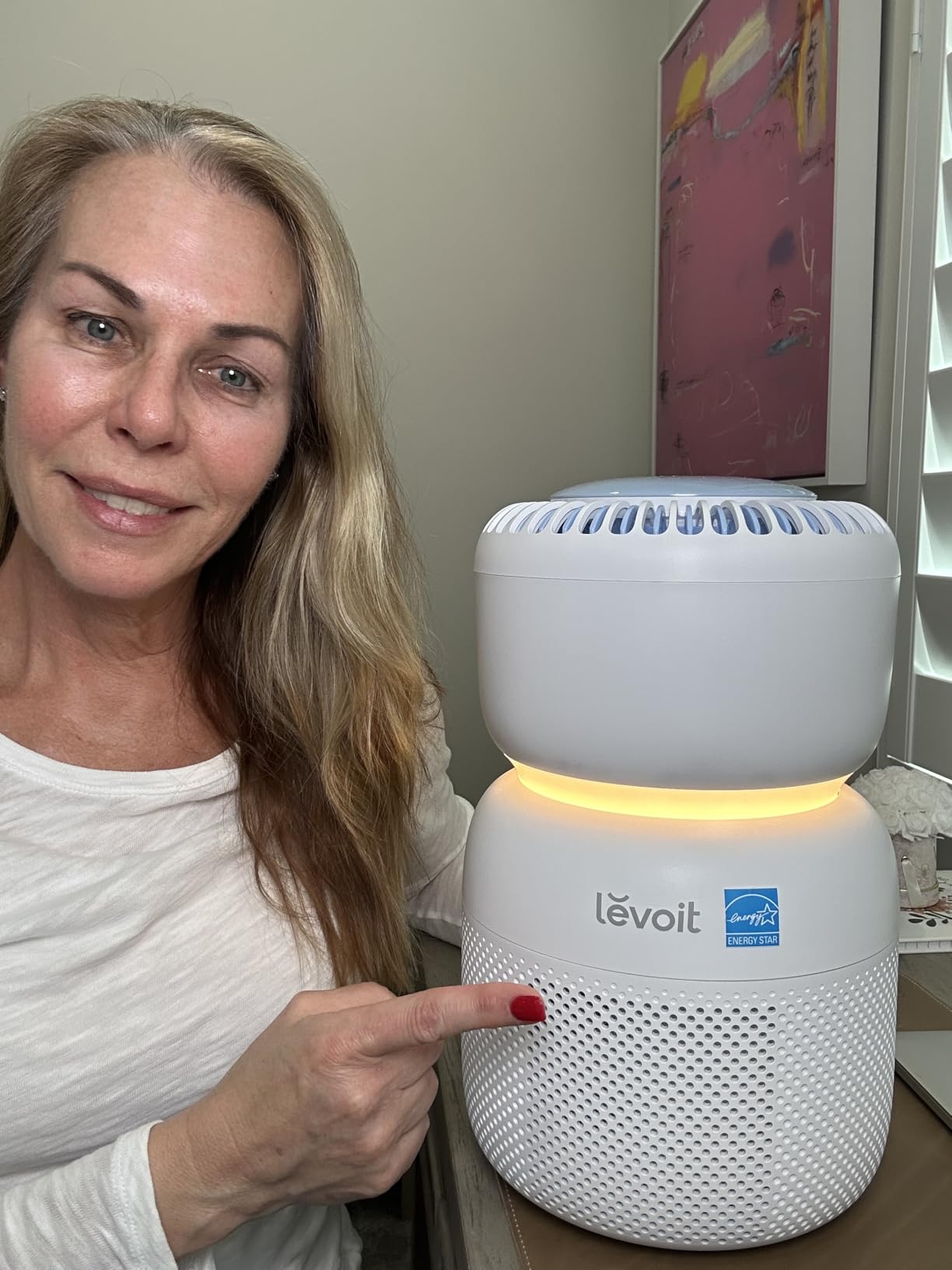
The filtration claim is unusually specific: 99.9% capture of particles as small as 0.01 micron, with AHAM Verifide certification behind it. The unit weighs 6.4 pounds and stands 14 inches tall, so it moves between rooms easily, and its 8.7-inch square footprint tucks beside a dresser rather than crowding a crib.
Owners consistently single out the night light. It is blue light-free by design, which matters in a room where a baby is falling asleep, and it doubles as a status indicator rather than a glowing distraction.
What convinced us it suits a nursery
Two things stood out across the review base. First, sleep mode and the lowest fan speeds are described as effectively silent in an occupied room, which is the number-one requirement for a crib-side placement. Second, the sensor array is the most complete in this group, and owners use it to judge when to run the fan higher rather than leaving it on max around the clock.
The blue light-free night light also earns praise as a genuine comfort feature during feeds and diaper changes without the blue light interference of a standard lamp.
Where it falls short
The most common complaints cluster around two things. Fan speeds above low become audibly loud, so this is not the machine to run on turbo all night next to a sleeping baby. Replacement filters are also priced higher than the units themselves would suggest.
A smaller issue that shows up repeatedly: the app asks for Bluetooth and location permissions, and some owners dislike that. One recurring mechanical note is that the bottom panel can unscrew if you carry the unit by its base.
2. Levoit Core 300 – Best Value for a Small Nursery
Levoit Air Purifier for Home Pets Hair Allergens in Bedroom Quiet Purifiers
AHAM VERIFIDE CADR 143 CFM smoke
24dB sleep mode
3-in-1 filtration
Display can be switched off
Pros
- Near-silent 24dB sleep mode
- Display light-off mode
- Strong pollen and dander removal
- Compact tower footprint
- 2/4/6/8-hour timer
Cons
- Audible on higher fan speeds
- Off-brand filters hurt performance
- Filter changes needed regularly
The Core 300 has the largest owner base of anything in this guide, and that record tells you something useful: nothing about it is a surprise. It is a 14-inch white tower with a 3-in-1 filter stack, a single button panel, and a sleep mode rated at 24 dB.
That sleep mode figure is the reason this unit shows up in nearly every nursery recommendation we have read. Owners describe it as near-silent and appropriate for a room where someone is sleeping.
The certification list is long: AHAM Certified, CARB Certified, ETL Certified, and FCC Certified, with published CADR figures of 143 CFM smoke, 153 CFM dust, and 167 CFM pollen. Particle retention is 0.3 micron at 99.97% efficiency, and the listed floor area is 1073 square feet, which assumes a single air change per hour at a high speed you would never run in a nursery.
For a real 100 to 150 square foot nursery, the relevant number is the 143 CFM smoke rating, which comfortably clears several air changes per hour at the speeds you would actually use overnight.
Why it stays our value pick
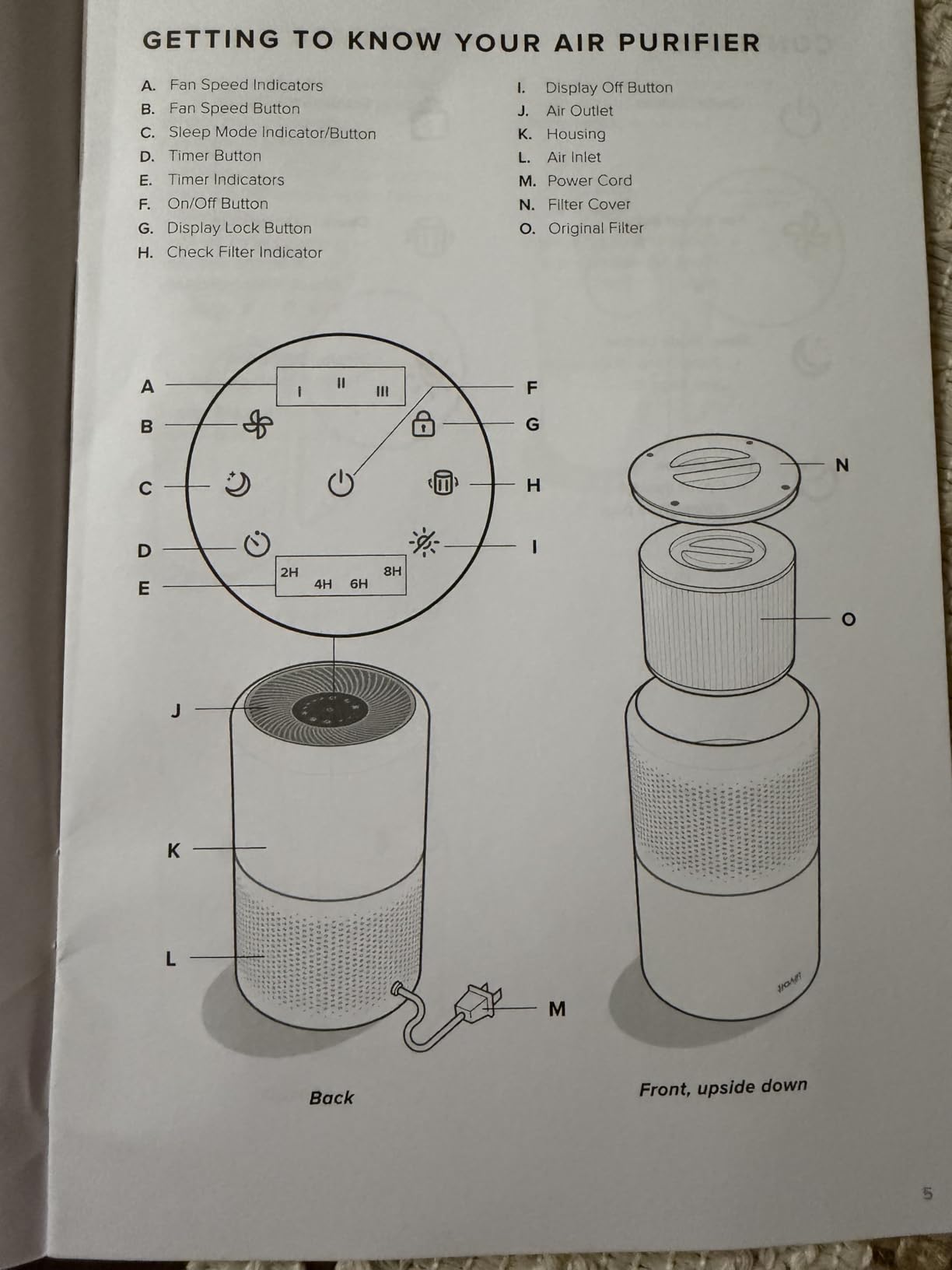
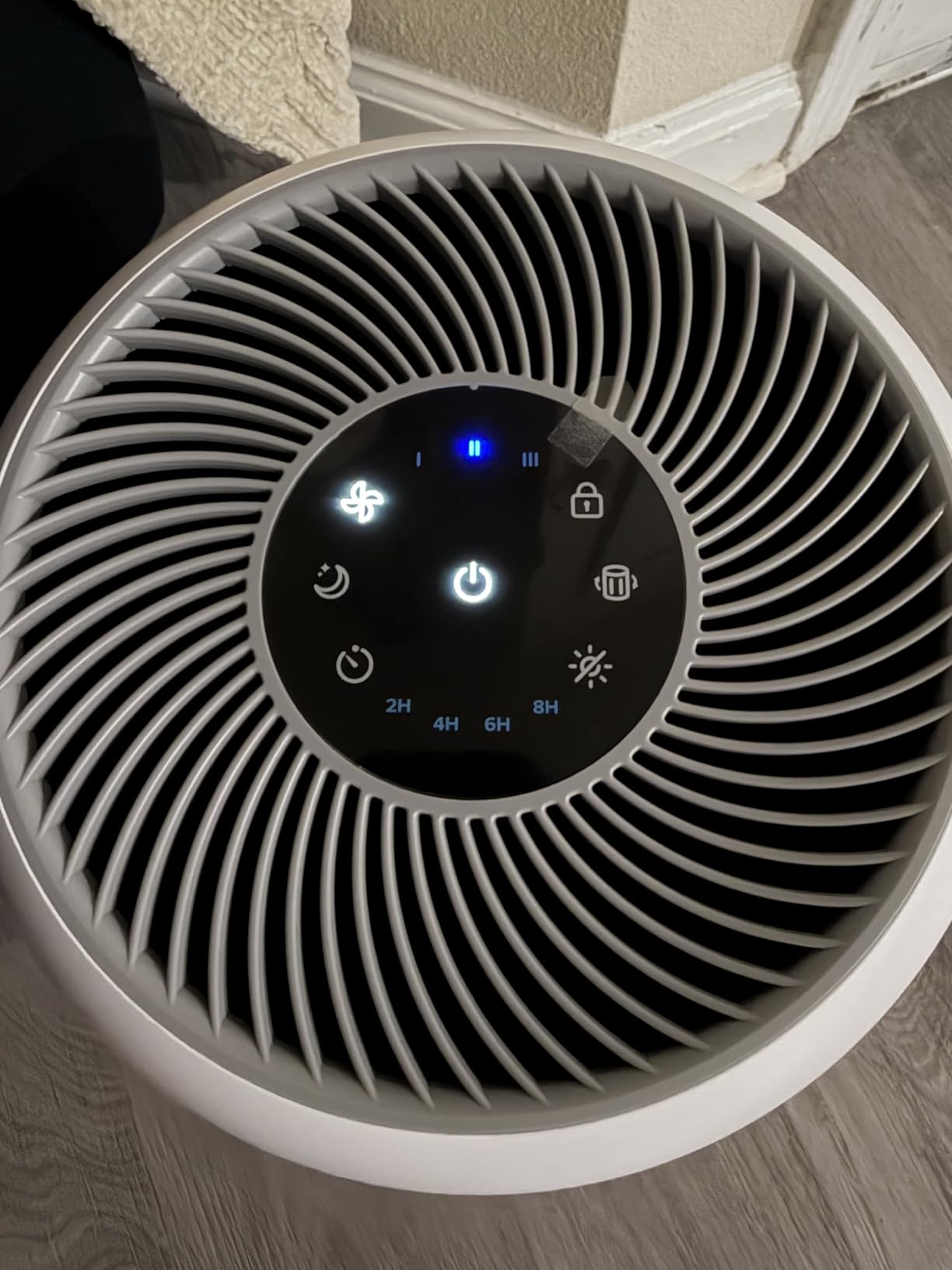
The display can be switched off entirely, and that single feature separates this from most competitors in the group. Bright control panels are the most common night-time complaint we found across all twelve units, and this one has a dedicated off mode for the display light.
The timer runs in 2, 4, 6, or 8-hour blocks, which is enough to cover a night and stop the unit during the day. A check-filter indicator keeps the maintenance schedule visible without guesswork.
Where it falls short
Three limitations come up consistently. Higher fan speeds are audible in a quiet room, so it belongs on sleep mode at night. Performance is tied to using genuine Levoit replacement filters, and off-brand filters are widely reported to reduce airflow. Filter replacement is also a recurring cost that owners plan for rather than discover.
One practical detail: this unit is rated for 120V use in the United States only.
3. GermGuardian AC4825E – Best for Allergy Relief
GermGuardian HEPA Air Purifier Tower – 22″ – Gray – AC4825E
True HEPA PURE 99.97% at 0.1 micron
Optional UV-C light
Activated carbon layer
CARB and ETL certified
Pros
- Noticeable allergy relief within weeks
- Strong odor neutralization
- Simple dial controls with no assembly
- Very quiet on lowest setting
Cons
- Bright blue UV indicator at night
- Medium and high too loud for sleep
- Thin pre-filter tears easily
The AC4825E is the oldest design in this roundup and still one of the most recommended, with a review base built over more than a decade of ownership. It is a 22-inch tower weighing 8.55 pounds, with a dial control for three speeds and an optional UV-C lamp inside the upper chamber.
For allergy households, the numbers are solid. HEPA PURE filtration captures 99.97% of allergens down to 0.1 micron, and the unit circulates air in a 153 square foot room every 12.5 minutes.
The activated carbon layer handles cooking and pet scents, which is why owners in pet homes report the odor reduction first. The certification line reads CARB Certified, ETL Certified, and Zero Ozone Verified, covering both the ozone question and the electrical question.
Owners also note that allergy symptoms ease within a few weeks of consistent running, which is a realistic timeline rather than an overnight fix.
What makes it work for allergy families
Three strengths keep this unit relevant. It combines particle filtration with a carbon layer in a single tower, so one machine handles pollen, dust, and odors rather than two devices. The UV-C option adds another stage of airborne particle reduction for families that want it. And the dial controls mean there is no app to configure on a sleepy night.
It is also one of the quietest at its lowest setting, which owners repeatedly note in reviews of allergy use during sleep.
Where it falls short
The blue UV-C indicator light is bright in a dark bedroom and is the single most repeated complaint about this unit. Medium and high speeds are too loud for a sleeping baby, which limits how aggressively you can run it during a pollen peak overnight.
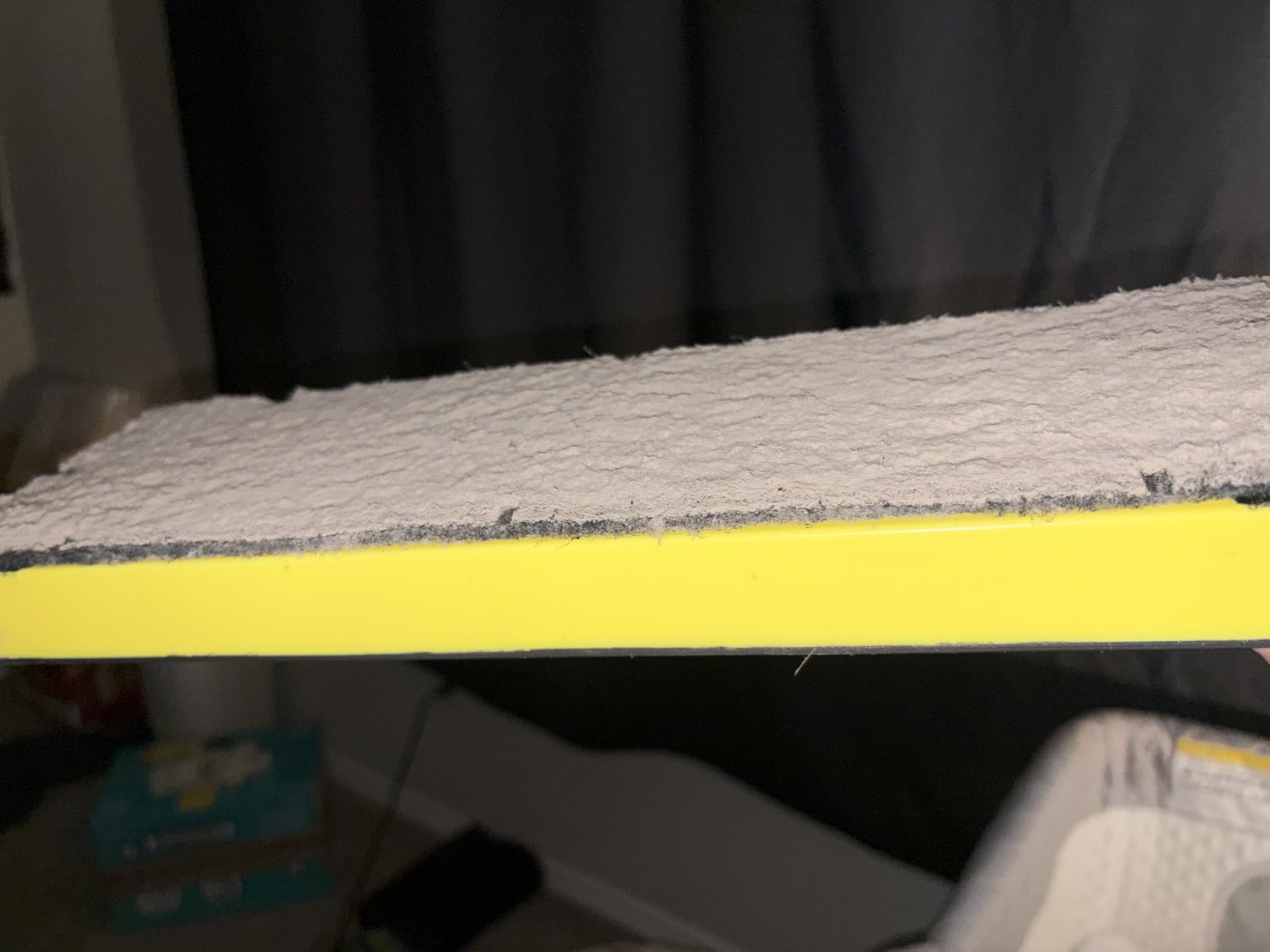
There are two smaller issues. The thin pre-filter tears easily if you vacuum it rather than wash it, and new units can carry a faint plastic smell for the first day or two. Coverage is also limited to small and medium rooms.
4. Levoit Vital 200S-P – Premium Pick for Large Rooms
LEVOIT Smart Air Purifier for Home Large Room up to 1875 Ft² Vital 200S-P
Smoke CADR 250 CFM
Pollen CADR 289 CFM
Covers up to 1875 sq ft
U-shaped plus standard air inlet
Pros
- Strongest published CADR in this group
- Large-room coverage
- Effective against pet hair and dander
- Clean modern tower styling
Cons
- Bulky footprint for a small nursery
- Replacement filters add ongoing cost
- Smart features need app setup
The Vital 200S-P is the pick when the nursery is genuinely large, or when you plan to move one machine from the nursery into a bigger bedroom later. Its published CADR figures are the highest in this group: 250 CFM smoke, 254 CFM dust, and 289 CFM pollen, all AHAM Verifide certified.
That headroom is what lets it treat a room at a useful number of air changes per hour without sitting on maximum.
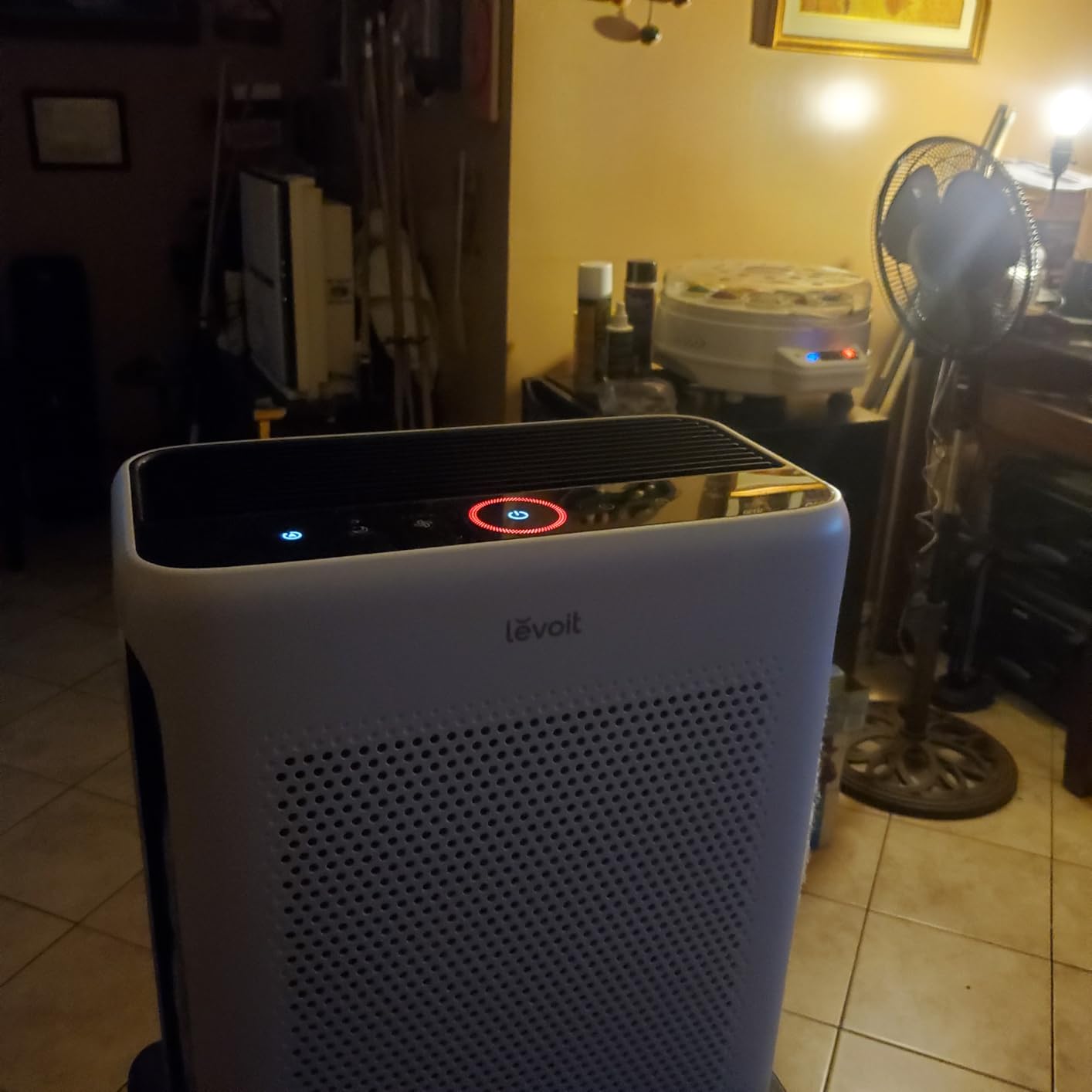
The dual inlet design is a pet feature. A U-shaped air inlet sits alongside the traditional inlet, and the manufacturer states this catches pet hair and odors without clogging the filter path as quickly, which matches what multi-pet owners report about pre-filter loading.
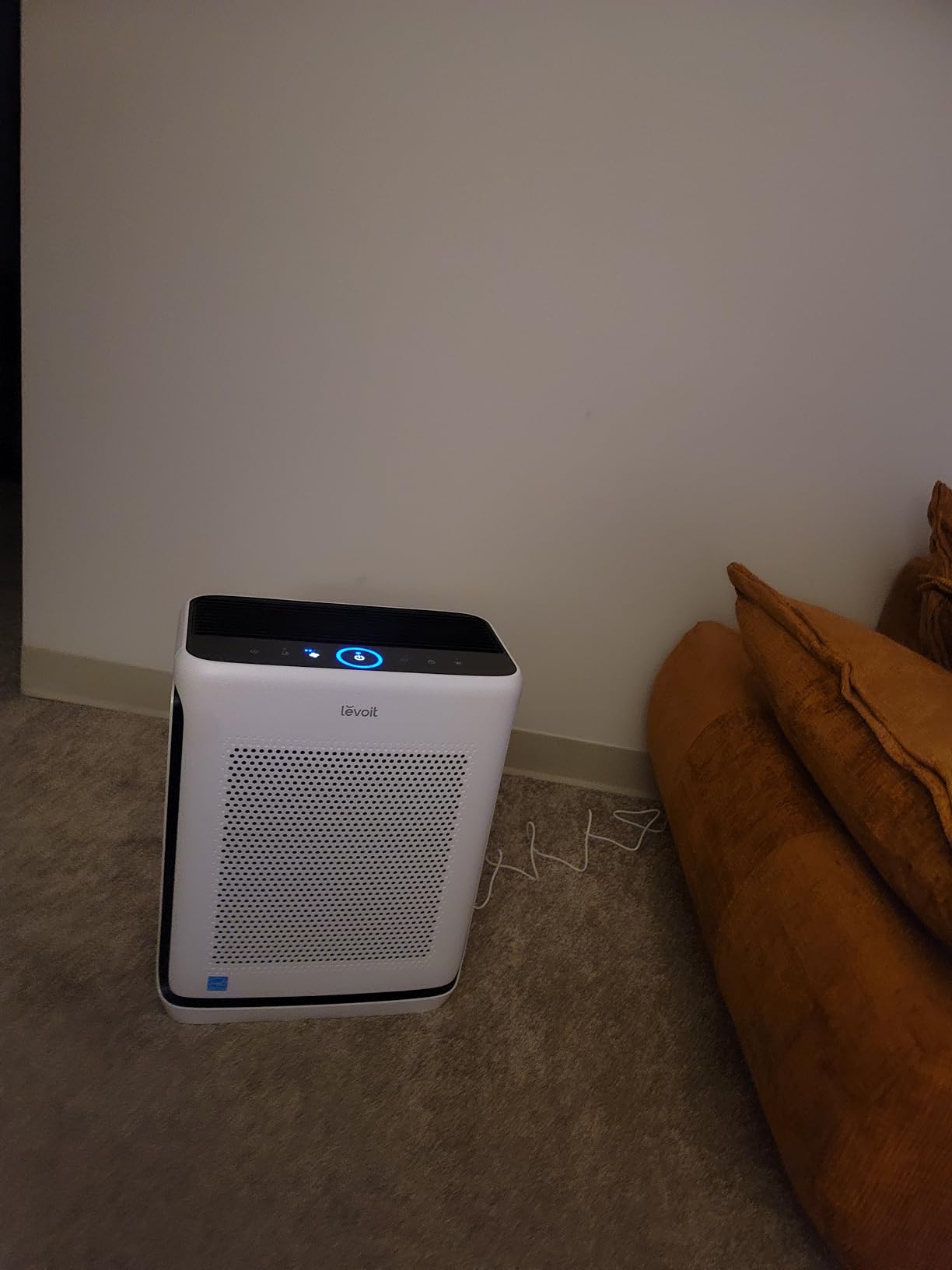
Sizing runs 14.96 by 8.66 by 19.69 inches and it weighs 13.2 pounds. That is a large object for a 100 square foot room, and you should decide whether the extra power is worth the footprint before buying.
Where its extra power pays off
Three situations justify this level of CADR. A large nursery or shared room where the door is often open, a two-pet household where dander loads quickly, and a room that will double as a toddler bedroom with a bed and more furniture added later.
Owners also cite the 85 percent five-star share as a sign of consistent satisfaction, and the styling works in a nursery without looking like office equipment.
Where it falls short
The size is the honest drawback. In a small nursery it dominates the room and pushes the crib layout around, which matters when floor space is already tight. Replacement filters add a continuing cost on top of a larger unit, and the smart features require app setup before auto mode is usable.
If your room is under about 150 square feet, one of the smaller units below will do the same job more gracefully.
5. Frida Baby 3-in-1 – Best for the Bedtime Routine
Frida Baby 3-in-1 Air Purifier, Sound Machine + Nightlight, Auto-Off Timer
HEPA filter removes smoke and odors
Built-in sound machine
Four nightlight colors
Filter lasts about 90 days
Pros
- Three functions in one compact device
- Simple touch controls
- Reduces musty odors in a closed room
- Helps build a bedtime routine
Cons
- Only two sound options
- Sound machine louder than a dedicated unit
- Nightlight bright with no dimming
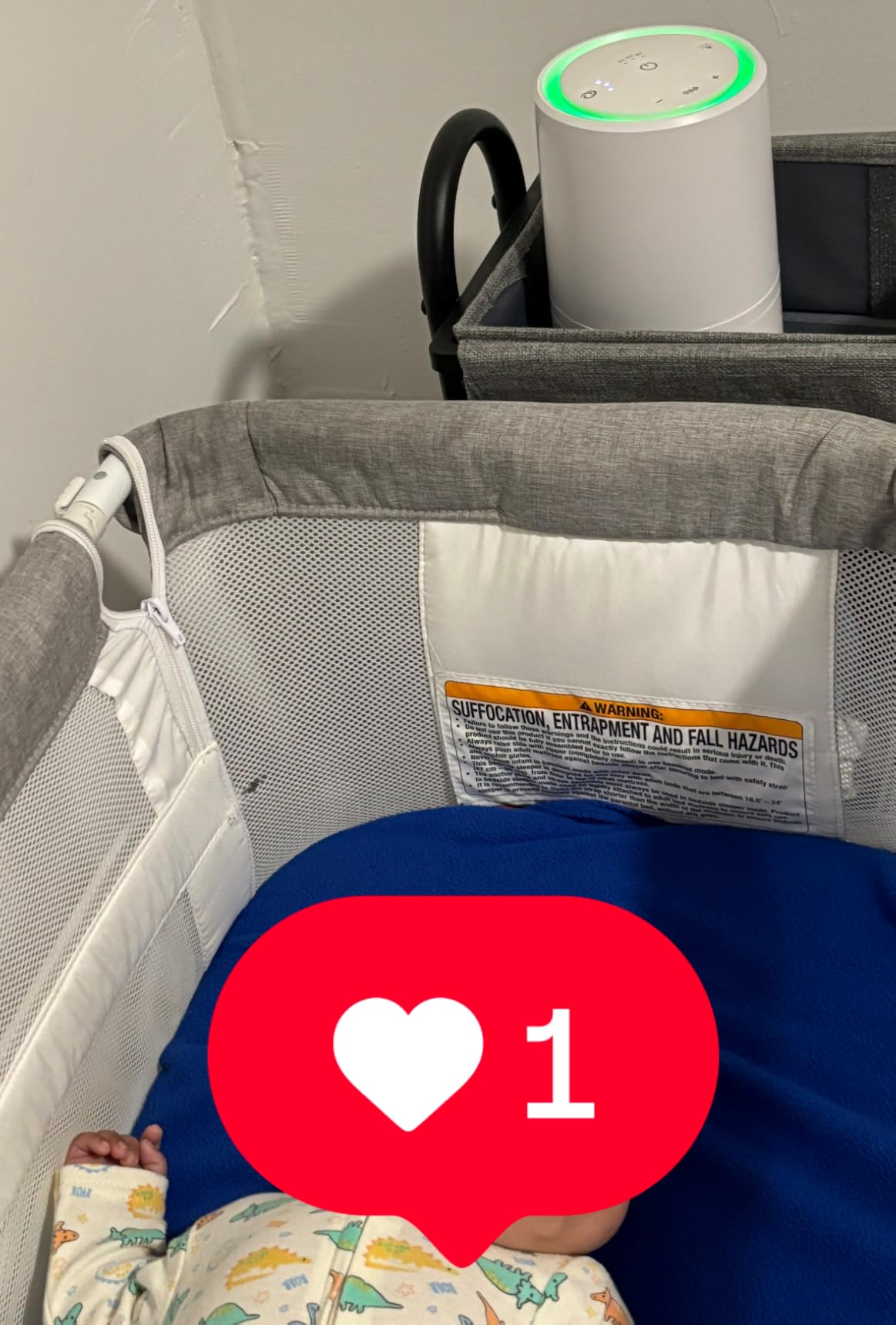
The Frida Baby combines three devices into one: a HEPA air purifier, a sound machine, and a night light. It weighs 16 ounces and measures 7.25 inches square by 7.25 inches tall, so it genuinely fits on a nightstand where a 22-inch tower cannot.
That consolidation is the selling point for parents trying to keep a small room calm and uncluttered.
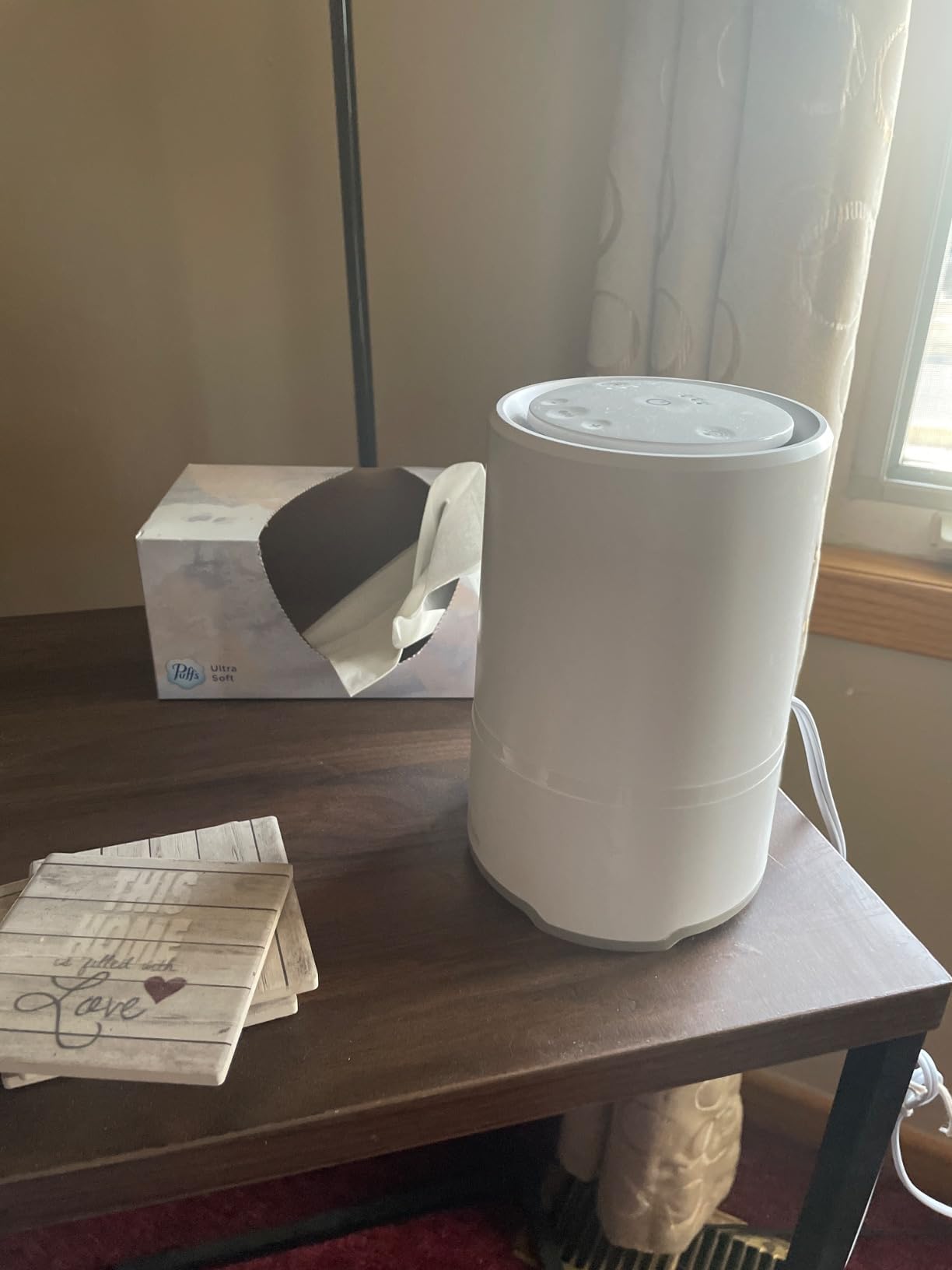
It offers three fan speeds, an auto-off timer, two white noise sound options, and four nightlight colors. The filter is specified to handle smoke, odors, and pollution, and lasts roughly 90 days before replacement. The box includes the unit, a HEPA filter, and an instruction manual.
Owners report it does reduce musty odors in a closed room, which is a real issue in a nursery with a diaper pail and no ventilation.
Why parents pair it with the purifier slot
Two things justify the compromise. The footprint frees up table space for a changing station, which most nurseries need more than another tower. And the sound machine and light give the room a consistent bedtime signal, so a parent is not juggling a separate white noise unit and a lamp.
Setup is touch controls with no app, and owners describe it as quick to get running.
Where it falls short
This is not a dedicated sound machine. There are only two sound options, and owners report the wave sound is not realistic. The sound output is also louder than a purpose-built white noise machine, which is a real drawback if your baby is a light sleeper.
The night light has no dimming option, and the listed noise level is 50 dB overall, which is the highest in this group. Some units also become noisier with age, and the timer can be finicky to set.
6. Clorox Small Room – True HEPA Without the Premium
Clorox Small Room Air Purifiers for Bedroom Home, True HEPA Filter
True HEPA 99.97% at 0.1 micron
2-stage 360-degree filtration
Covers 200 sq ft twice per hour
Adjustable night light
Pros
- True HEPA in a compact size
- Very quiet low speed
- Dimmable night light
- Honest small-room coverage
Cons
- Coverage capped at 200 sq ft
- Filter changes every 6 to 12 months
- No app or smart control
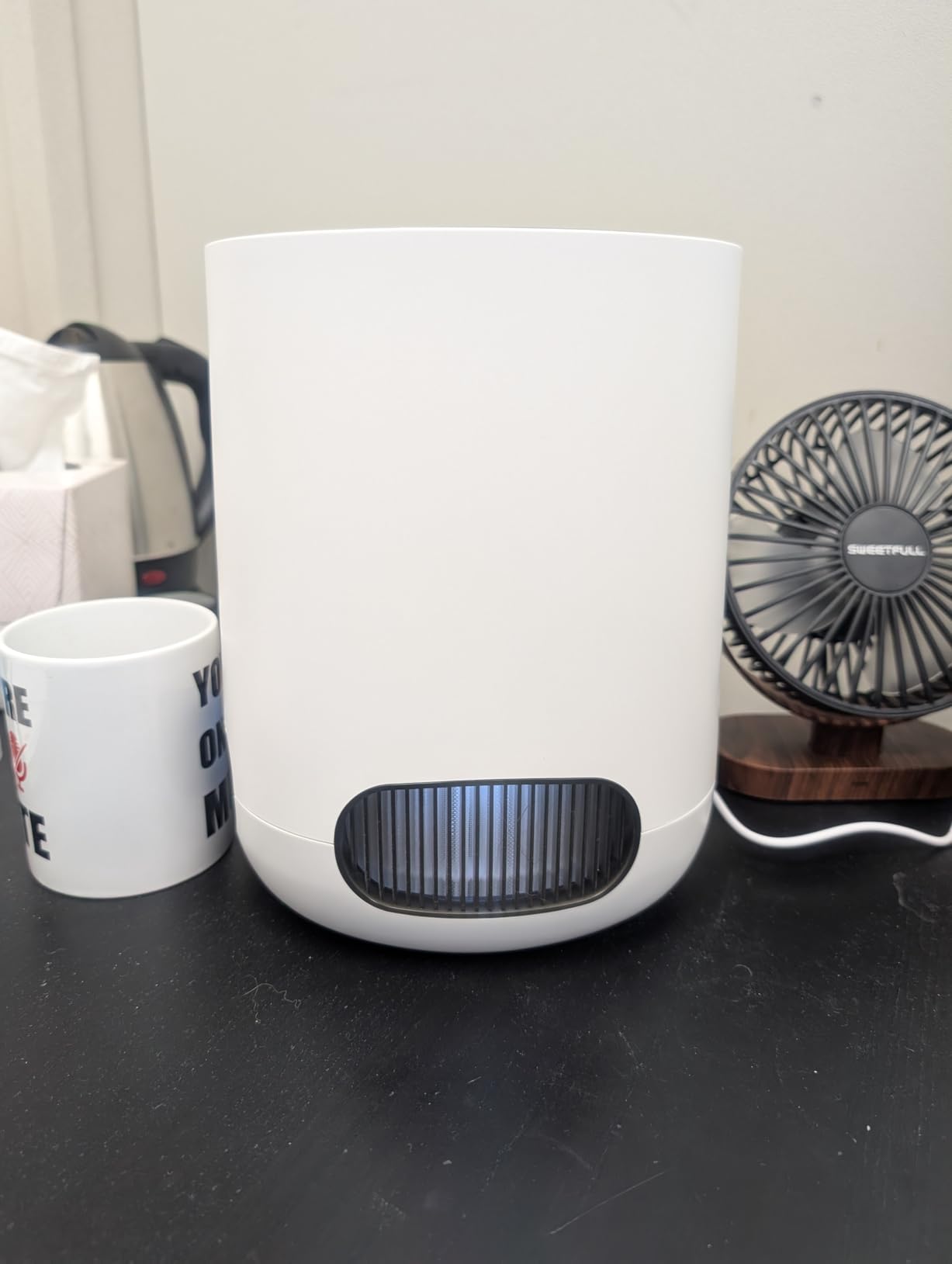
The Clorox unit is built for exactly the room this article is about. It is marketed for nurseries, dorms, and small bedrooms, and the manufacturer states the coverage honestly rather than optimistically.
At 200 square feet twice per hour, or 80 square feet up to five times per hour, you know exactly what room size you are buying for.
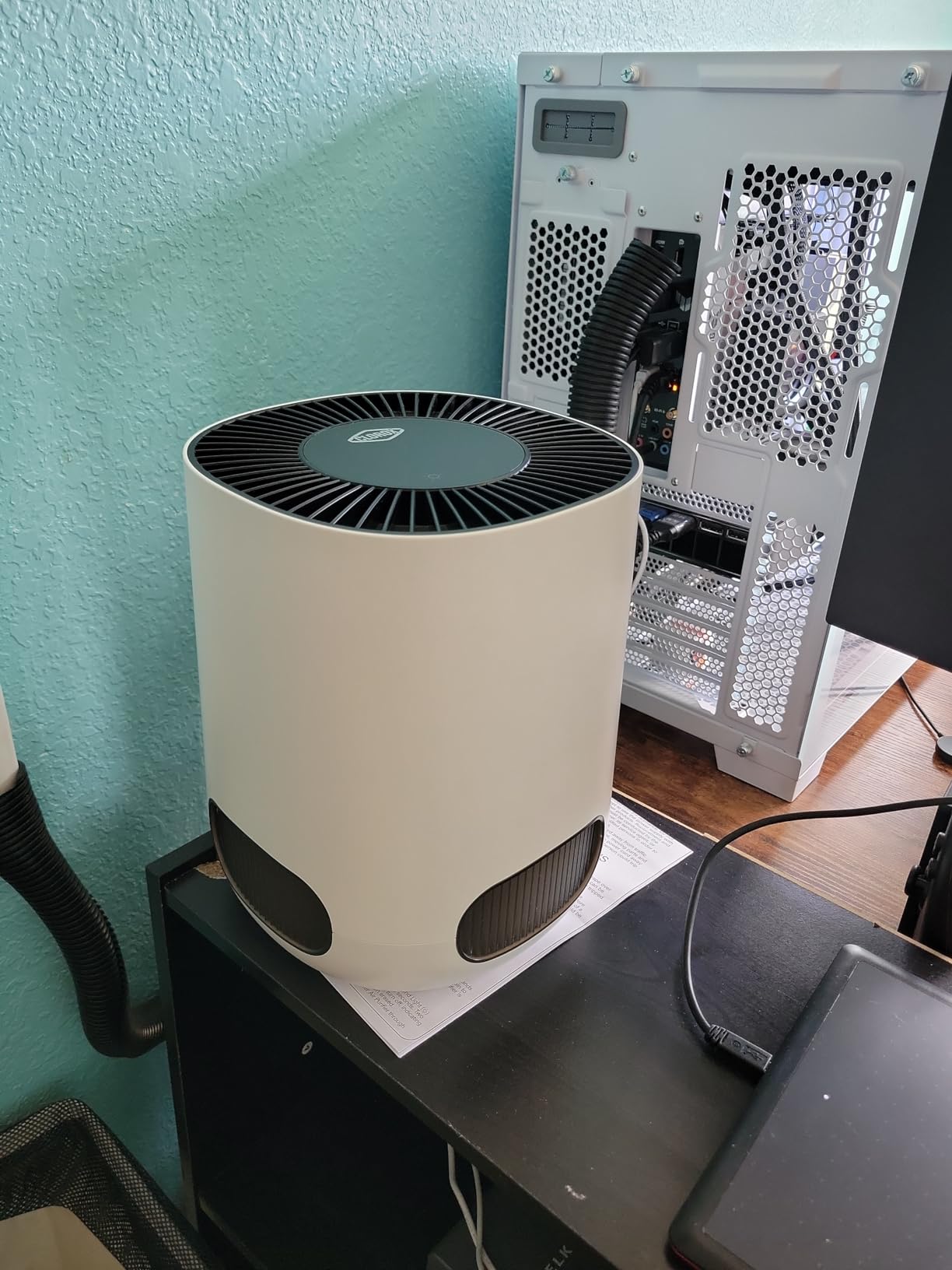
Filtration is 2-stage 360-degree with a pre-filter for dust and pet hair and a True HEPA layer capturing 99.97% of particles down to 0.1 micron. Testing was carried out by LMS Technologies in January 2022, and the unit is EPA Certified with a 3-year limited manufacturer warranty.
It weighs 3.2 pounds and stands 9.5 inches tall, so you can move it between rooms with one hand while holding a baby in the other.
What it does better than the alternatives
The dimmable night light sets it apart. Several competing compact units have bright, fixed lights that owners complain about, and this one lets you turn the glow down for a dark nursery. Quiet low-speed running is also consistently reported.
The 360-degree intake means it does not need to be pointed at a wall to work, which matters in a room where furniture placement is dictated by the crib.
Where it falls short
The 200 square foot ceiling is real. If you push it into a larger room with the door open, the manufacturer notes that larger room claims assume closed doors and windows, and the extra air changes will not happen.
Filter replacement is needed every 6 to 12 months, and there is no app, no sensor, and no auto mode. It is a manual machine with three speeds and 8, 4, or 2-hour timer settings, which some parents see as a feature rather than a limitation.
7. DREO 338 – Best for Visible Air Quality Readings
DREO Air Purifier for Home, HEPA Sleep Mode, AHAM VERIFIDE Air Purifiers for Bedroom, Pets, Smoke, Dust, Pollen & Odors, PM2.5 Monitor, Auto & Turbo Mode, 4 Speeds, Scent Diffuser, DR-HAP008(Dreo 338)
AHAM Verified CADR 115 CFM
Refreshes 178 sq ft every 12.4 min
PM2.5 sensor with AQI display
ENERGY STAR certified
Pros
- AHAM Verified CADR data
- PM2.5 readout and color indicator
- Sleep mode disables display lights
- Built-in scent diffuser
Cons
- Newer model with a smaller review base
- Turbo mode is louder than sleep mode
- 178 sq ft suits small rooms
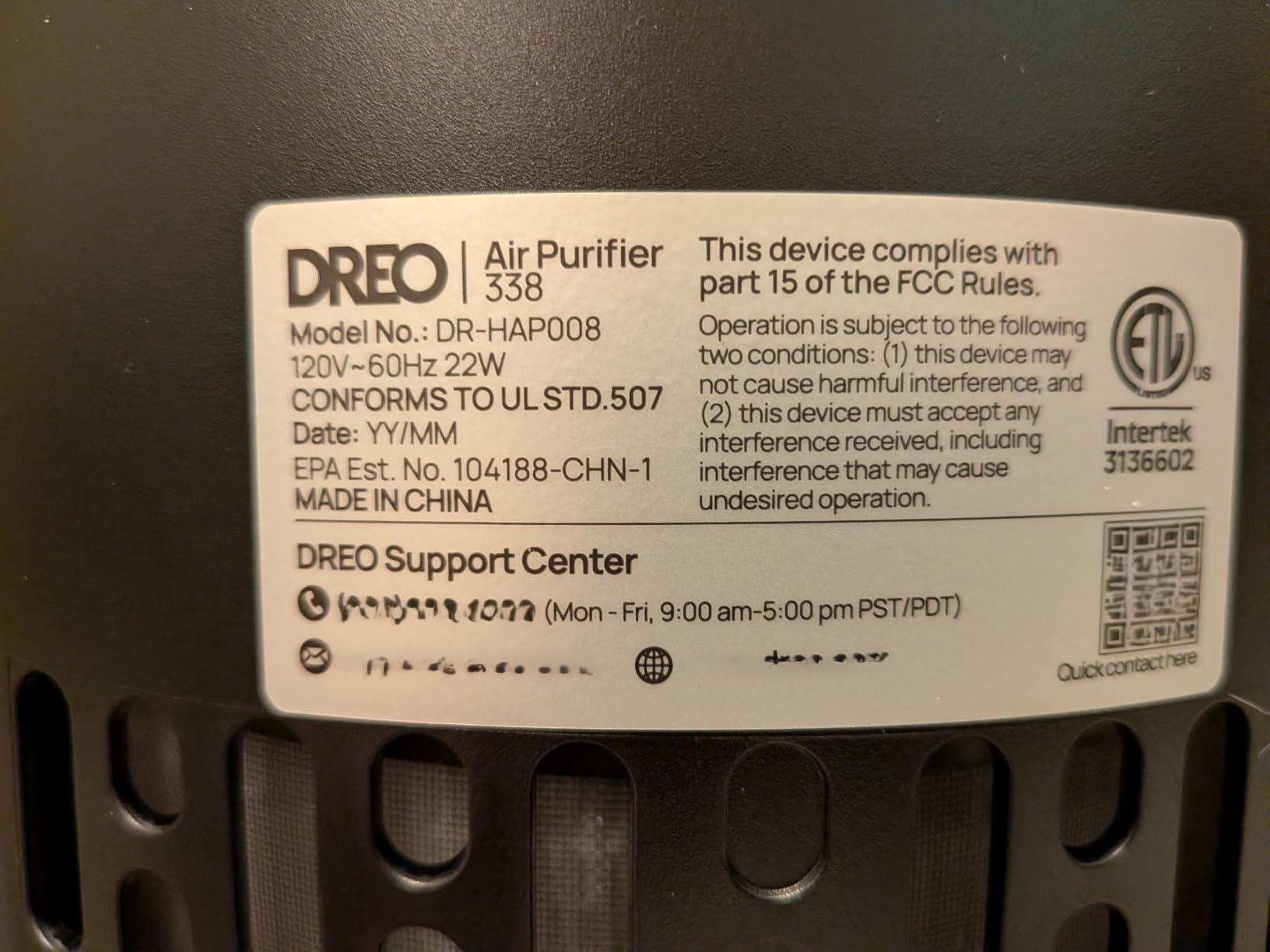
The DREO 338 is one of the few units in this roundup where the CADR claim is independently verified at a useful number: 115 CFM, AHAM Verified. That covers 178 square feet at 4.8 air changes per hour, refreshing the air every 12.4 minutes.
At the lower end, it is also rated for up to 856 square feet at one air change per hour, which tells you how much the coverage figure depends on speed.
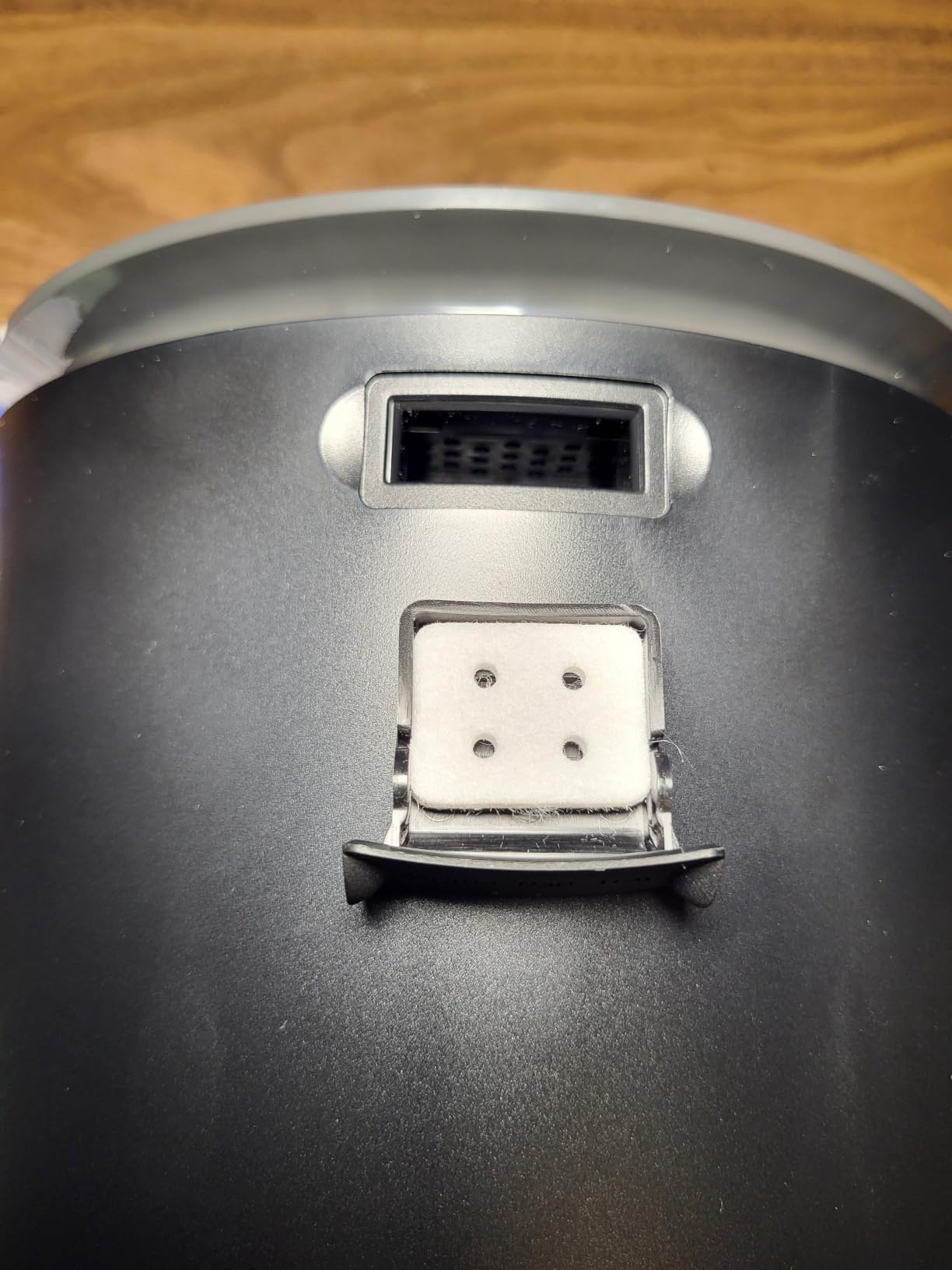
The filtration is 3-in-1 with a pre-filter, a high-efficiency filter, and an activated carbon layer. The TurboPure intake uses a 360-degree spiral airflow pattern that the manufacturer states improves intake efficiency by 68% over earlier models, and the motor is a BLDC unit under HyperSilent technology.
Auto, Turbo, Sleep, and Normal modes cover four speeds. It is ENERGY STAR certified at roughly 125 kWh annually.
Why the readout is the deciding feature
The high-precision PM2.5 sensor drives an LED AQI display reading 1 to 999 with a 4-color RGB indicator. In a nursery that is genuinely useful, because you can watch particulate levels fall after closing the window during a dusty afternoon instead of guessing.
Auto mode ramps the fan speed to those readings, and owners report sleep mode turns off the display lights entirely for restful nights, which addresses the most common complaint about compact units.
Where it falls short
It is a newer model with a smaller review base than the category leaders, and long-term durability feedback is limited. Turbo mode is louder than sleep mode by a wide margin, and 178 square feet at full speed is genuinely a small-room ceiling.
There is also a built-in scent diffuser, which is a matter of taste for a room where you want nothing added to the air.
8. Vornadobaby Purio – Built for Toddler Safety
Vornadobaby Purio Nursery Air Purifier with True HEPA Filter, Safety Features, and Soothing Glow, White
True HEPA plus activated carbon
Lockable controls and filter cover
Topple-resistant wide base
Concealed cord storage in base
Pros
- Purpose-built nursery child-safety design
- Concealed cord storage and wide base
- Glow light doubles as filter indicator
- Washable pre-filter extends HEPA life
Cons
- Coverage limited to 125 sq ft
- Higher speeds are noticeably loud
- Small review base compared to rivals
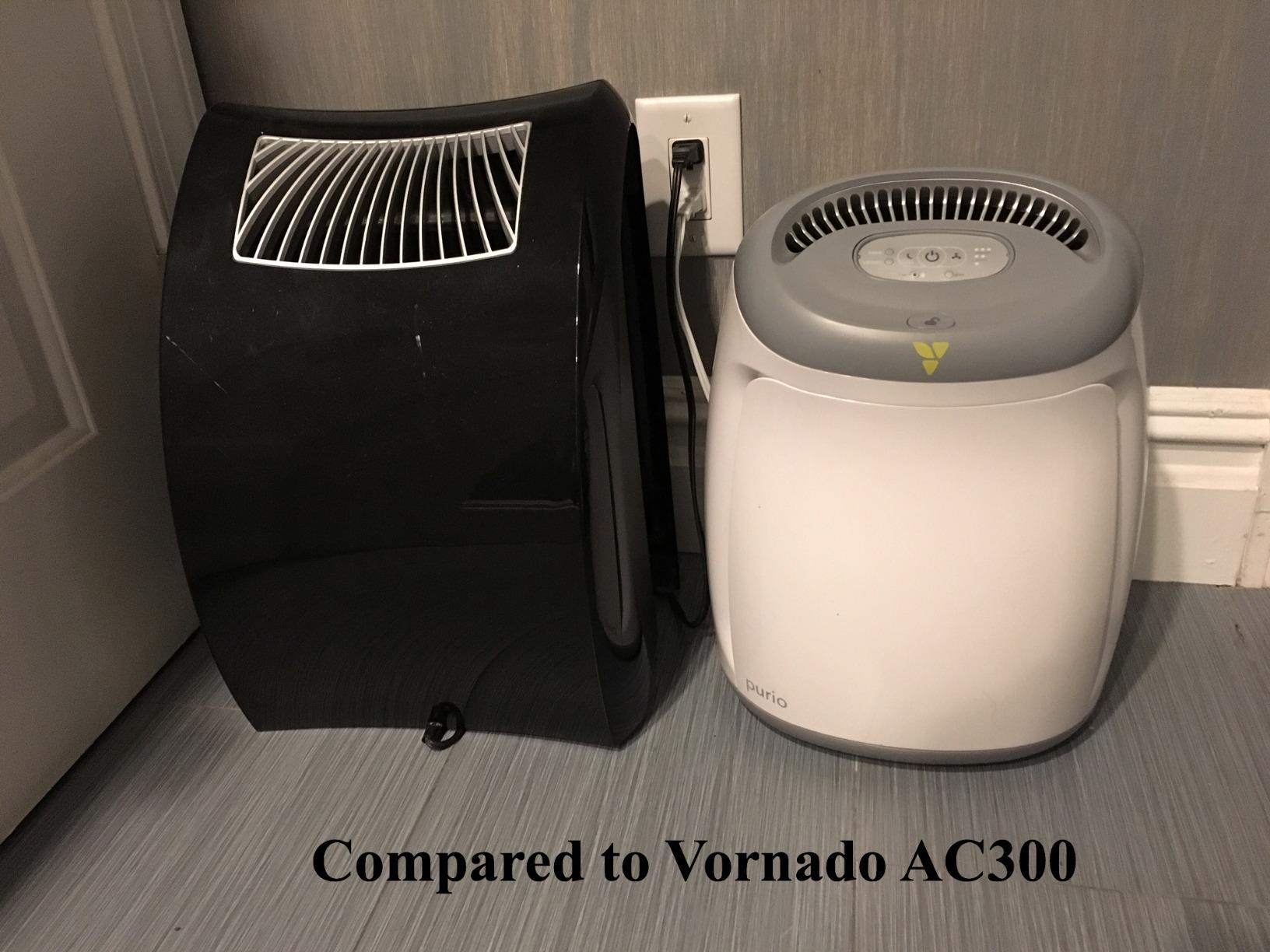
The Purio is the only unit in this guide designed by a baby brand for a nursery, and the child-safety engineering is the reason to consider it. Controls lock, and the filter cover locks, so a toddler who climbs or pulls cannot open the housing.
The base is extra wide and topple-resistant, and the power cord stores inside the base rather than trailing across the floor.
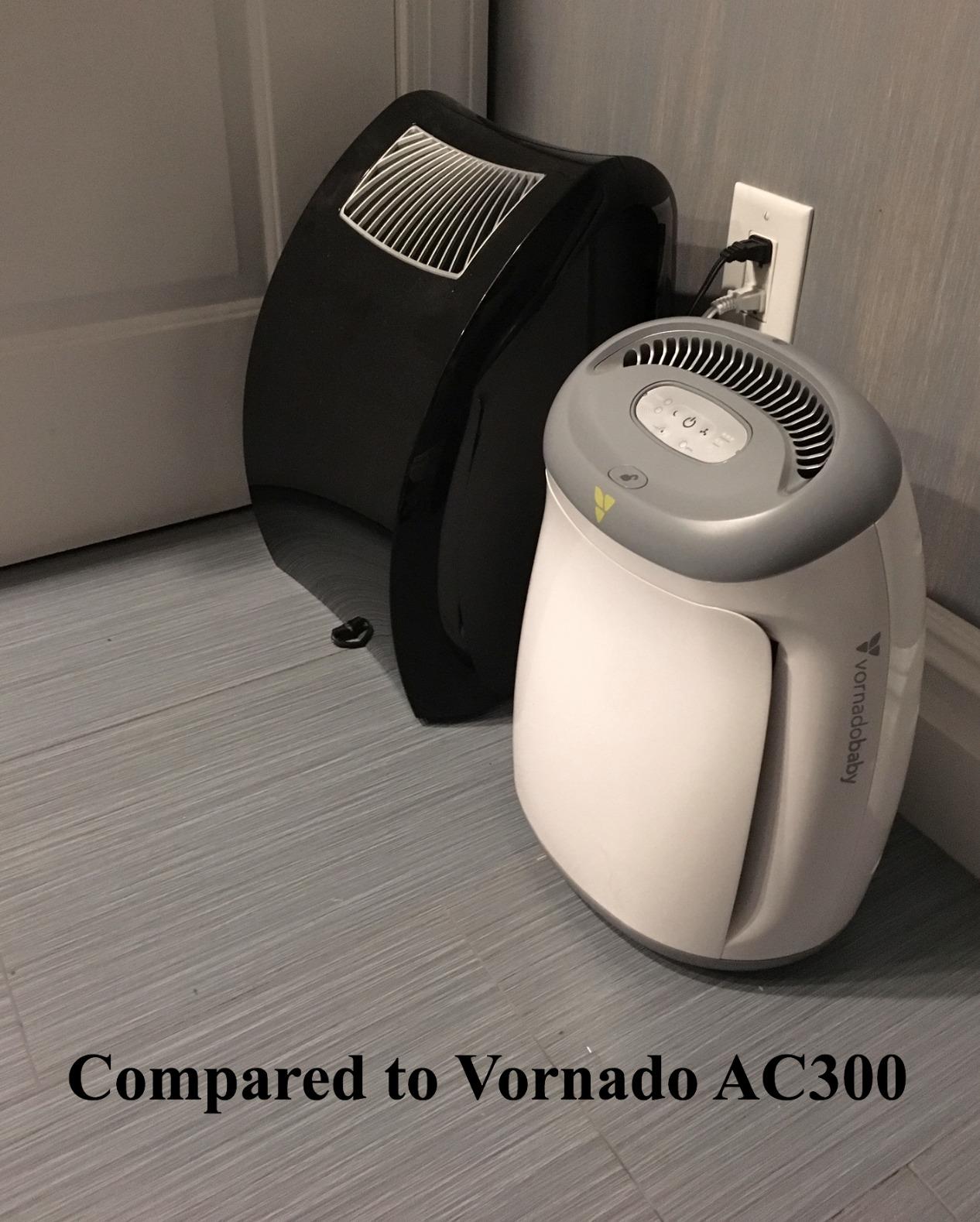
Filtration is three-stage with an activated carbon gas and odor filter and True HEPA capturing 99.97% of airborne particles down to 0.3 micron, including pet dander. A permanent washable pre-filter extends the life of the HEPA cartridge, which is the one genuinely useful long-term cost saving in this group.
Coverage runs to 125 square feet at up to 6.3 air changes per hour, so this is a small, dedicated nursery unit.
Why the safety design matters after the first birthday
Nurseries become toddler rooms, and that transition is where this unit earns its place. Lockable controls, a locking filter cover, a pinch-point-free design, and a wide base are four things most purifiers in this roundup simply do not have.
The Sleep and Glow mode uses recessed, soothing lighting, and the glow doubles as the filter-change indicator, so you are not checking the filter on a separate schedule.
Where it falls short
Coverage is the constraint. At 125 square feet it is the smallest rated room in this guide, so it is not a fit for a large nursery or a shared room. Higher speeds are noticeably loud, which matters because the low speed is the one you want overnight.
It also draws 71 watts, the highest figure in the group, and carries the smallest review base here at 188 reviews, so long-term ownership reports are thin.
9. Momcozy AP01 – Best for Very Small Nurseries
Momcozy Air Purifier for Bedroom with Dimmable Night Light for Small Room
Quad-layer filtration with silver ion coating
H13 HEPA plus activated carbon
21dB sleep mode
Freshens 250 sq ft in about 15 minutes
Pros
- Designed for nurseries and diaper odors
- Very quiet 21dB sleep mode
- Dimmable night light for night feeds
- Compact enough for a nightstand
Cons
- Front display stays bright overnight
- Buttons do not fully dim in night mode
- Small room coverage only
The Momcozy AP01 is built around a specific problem: nursery smells. The activated carbon layer is described as targeting nursery and diaper pail odors, and it sits in a quad-layer stack with a prefilter, H13 HEPA, and a silver ion coated performance layer.
The certification line reads CARB Certified, CE Certified, ETL Certified, and FCC Certified, and the CADR is AHAM Verifide with independently tested figures for dust, pollen, and smoke.
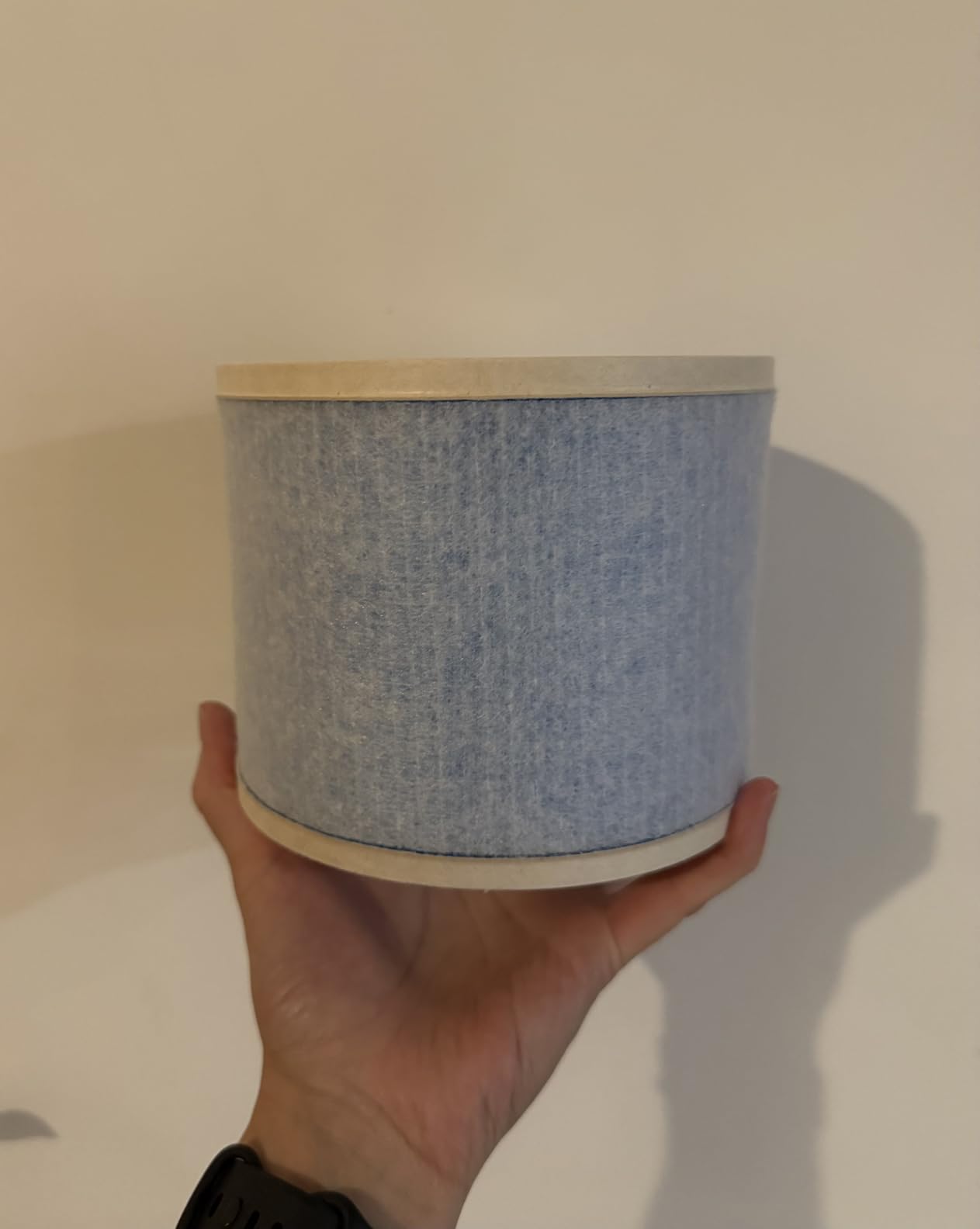
At 21 dB, the sleep mode is the second quietest in this group, which puts it well inside the sub-25 dB threshold we set as a nursery rule. The unit refreshes a 250 square foot nursery in about 15 minutes on maximum fan.
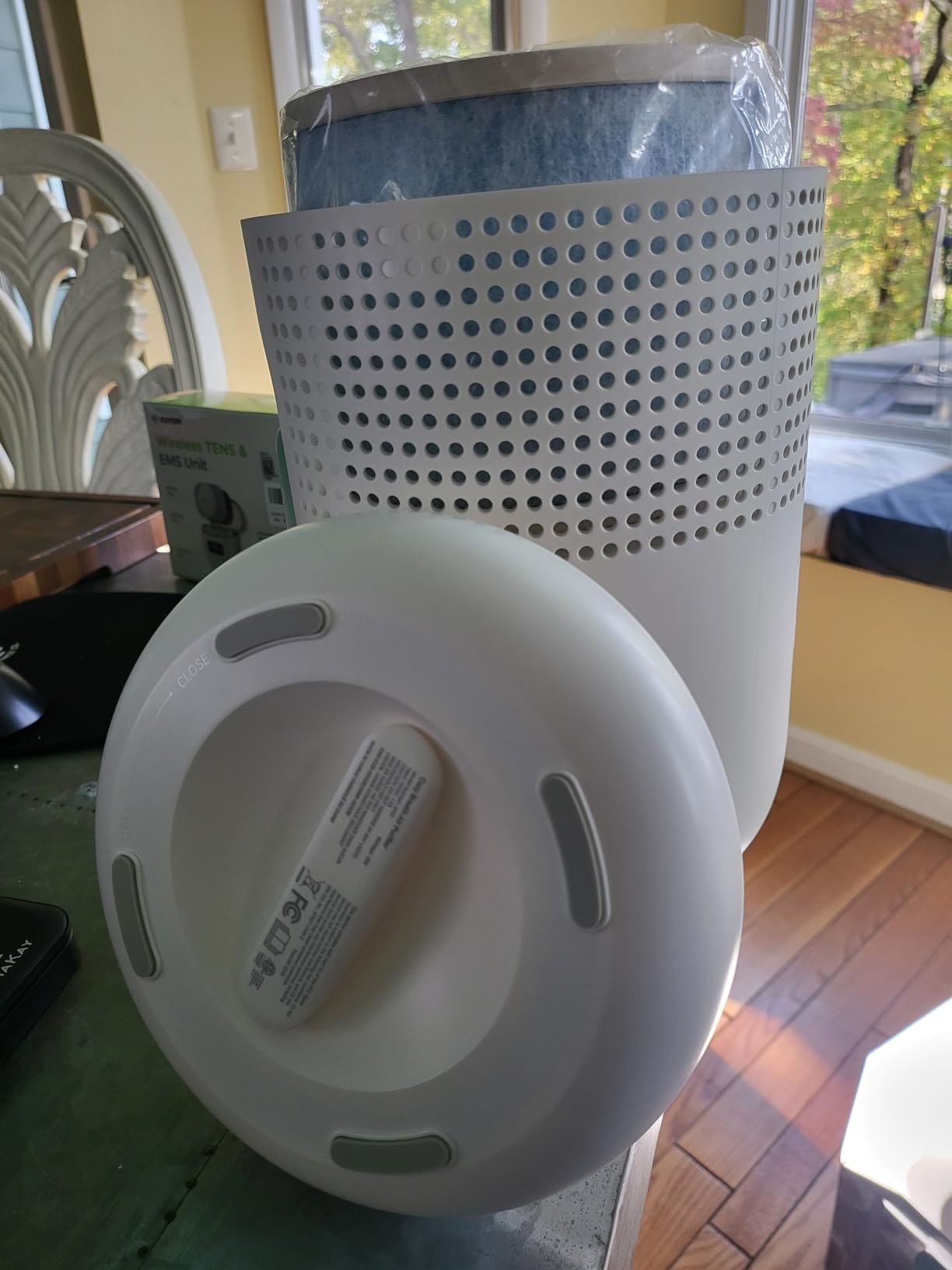
It measures 6.77 by 5.16 by 2.17 inches and weighs 3.96 pounds, so it fits on a nightstand and is light enough for a toddler to pick up and move.
What works in a real nursery
The 21 dB sleep mode is the headline. Owners describe it as very quiet and note that it holds up on the lowest setting through a full night, which is exactly the condition a crib placement demands.
The dimmable night light is designed for feeds and diaper changes, and the real-time PM2.5 readout with a 3-color status ring is easy to glance at while half asleep. Smart auto mode adjusts fan speed to the particle readings.
Where it falls short
The display is the problem. Owners repeatedly report that the front display stays bright even with the night light off, and that the buttons do not fully dim in night mode. In a dark nursery that is a genuine irritation, and it is the single most repeated complaint about this unit.
Coverage is small-room only, and higher fan speeds are audible.
10. GoveeLife Smart Mini – Best for App Control
GoveeLife Smart Mini Air Purifier for Bedroom, with App & Alexa Control
App and Alexa plus IFTTT control
24dB sleep mode
Covers 376 sq ft once per hour
Aromatherapy pad included
Pros
- Compact and easy to move between rooms
- App and Alexa scheduling
- Quiet sleep mode tone
- Noticeable dust and odor reduction
Cons
- Wi-Fi setup takes several attempts
- Auto mode needs a separately bought monitor
- Filter life short at continuous high speed
If you want the purifier on a schedule and under app control from another room, the GoveeLife Smart Mini is the most approachable option in this guide. It works with the Govee app, Alexa, and IFTTT, and it offers a custom mode with three preset fan-speed schedules.
One compatibility note worth checking before you commit: it connects over 2.4 GHz, and 5 GHz Wi-Fi is not supported.
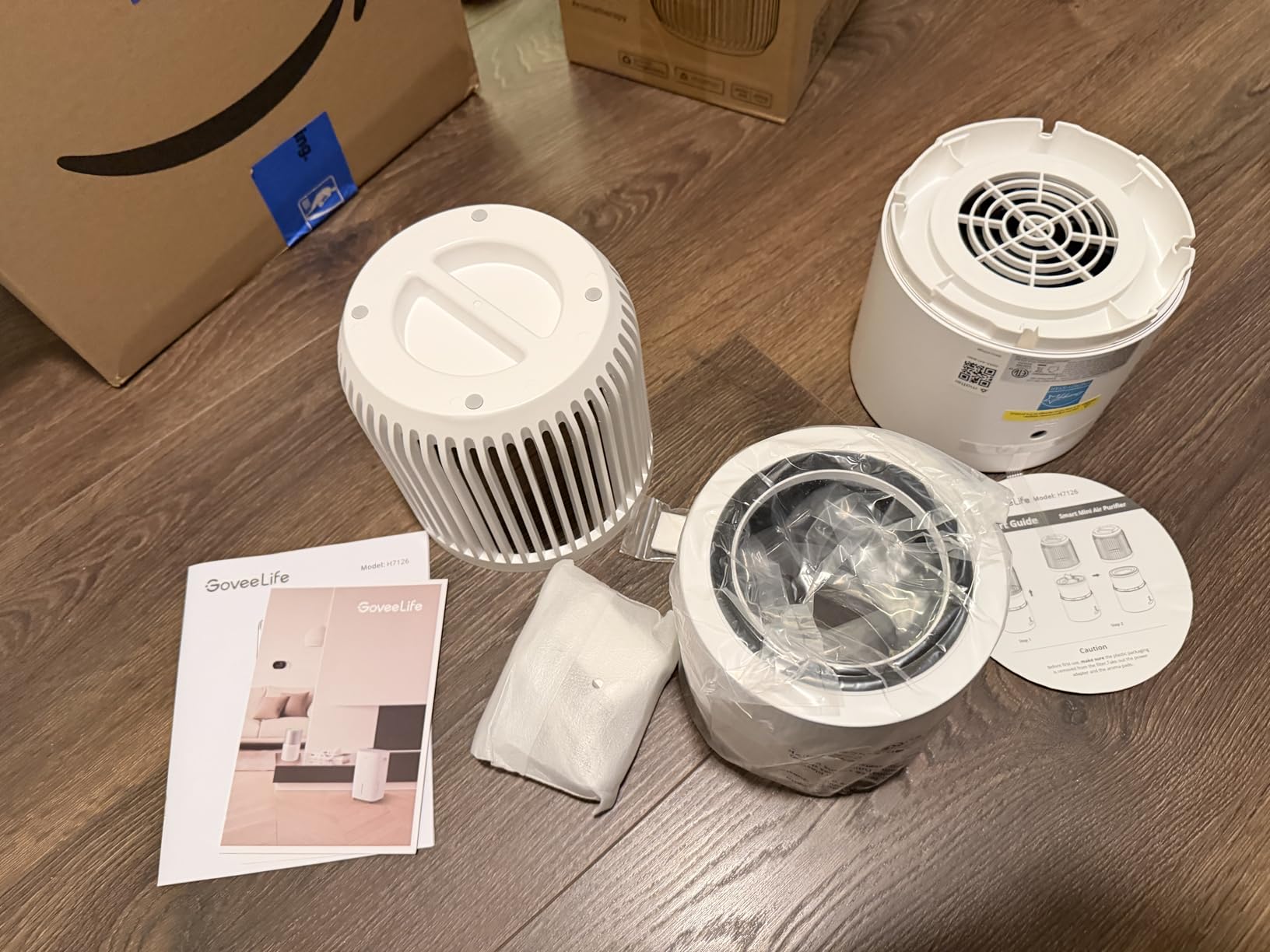
The hardware side is a dual-channel 360-degree air intake rated to purify a 376 square foot room once per hour, with a 24 dB sleep mode. It is certified Energy Star, ETL, FCC, and CA65.
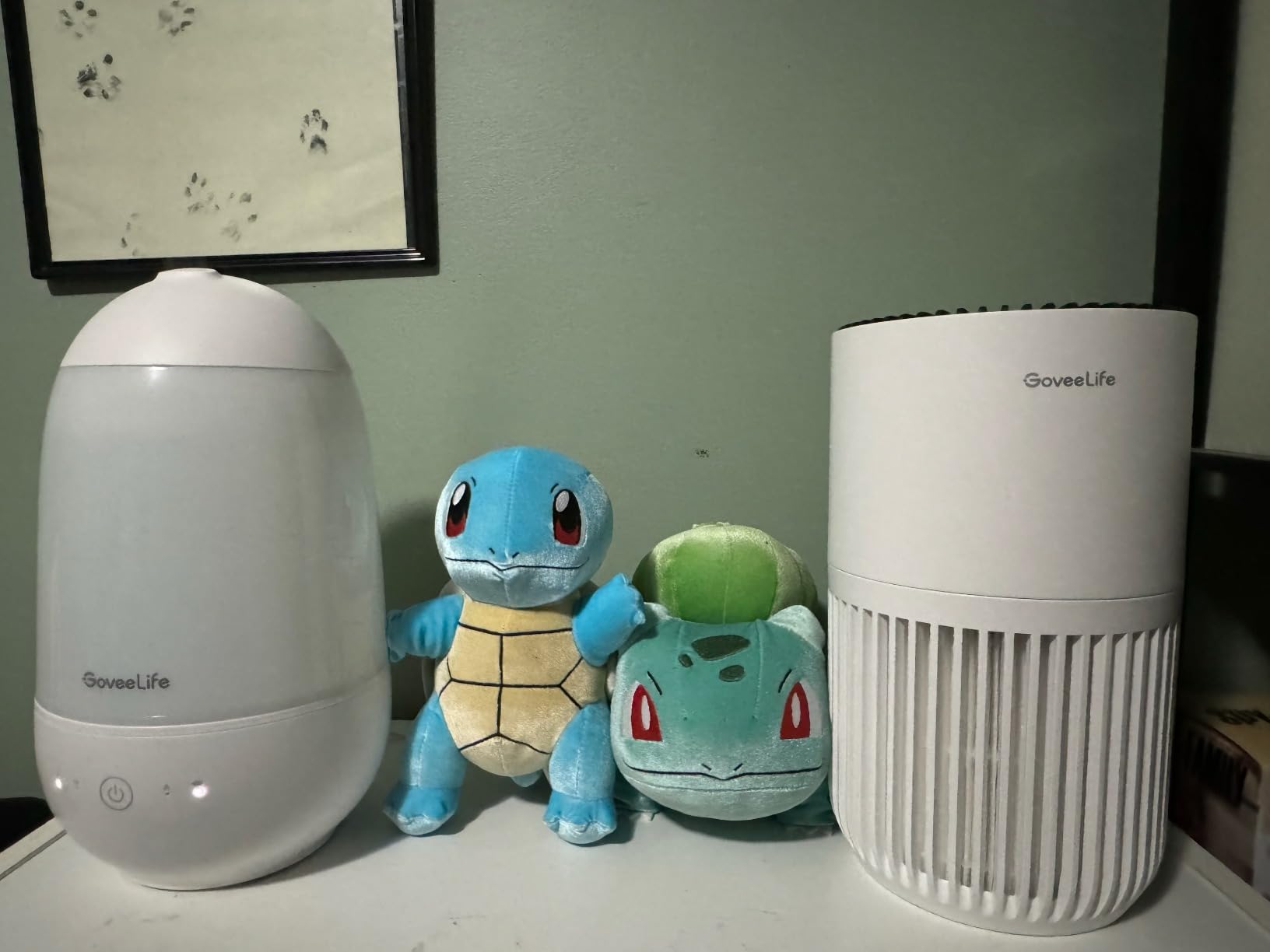
At 6.2 inches square by 10.7 inches tall and 2.49 pounds, it is the easiest unit here to move between a nursery, a playroom, and travel. The aromatherapy function uses a fragrance pad you fill yourself.
What the app actually adds in a nursery
Scheduling is the real value. You can set the fan to run during nap and sleep windows and idle during playtime, which keeps noise down when the room is in use and filtration up when the baby is asleep. Remote control also means you do not walk into a dark nursery to change a setting.
Owners report noticeable dust and odor reduction in small rooms, and the smooth low fan tone is a plus at night.
Where it falls short
Auto mode requires the GoveeLife Air Quality Monitor H5106, which is a separate purchase, so the sensor-driven automation is not included in the box. Wi-Fi pairing takes several attempts for some owners, which is friction you will not enjoy at setup.
It is also louder than expected at higher speeds, and filter life runs short with continuous high-speed use. Replacement filters are B0CKR3S991 and B0CKR255R6, and they cost extra on an already inexpensive unit.
11. Blueair 511i Max – Best for Large Nurseries
BLUEAIR Air Purifiers for Home Bedroom Dorm up to 1,138 Ft², Blue 511i Max
HEPASilent dual filtration
19 dB quiet operation
Cleans 237 sq ft in 12.5 minutes
Built-in air quality sensors
Pros
- Very quiet 19 dB operation
- Built-in sensors drive fan speed automatically
- Recognizable Scandinavian design
- Effective on dust pollen dander smoke
Cons
- Lowest average rating in this group
- Replacement filters are costly
- No built-in night light
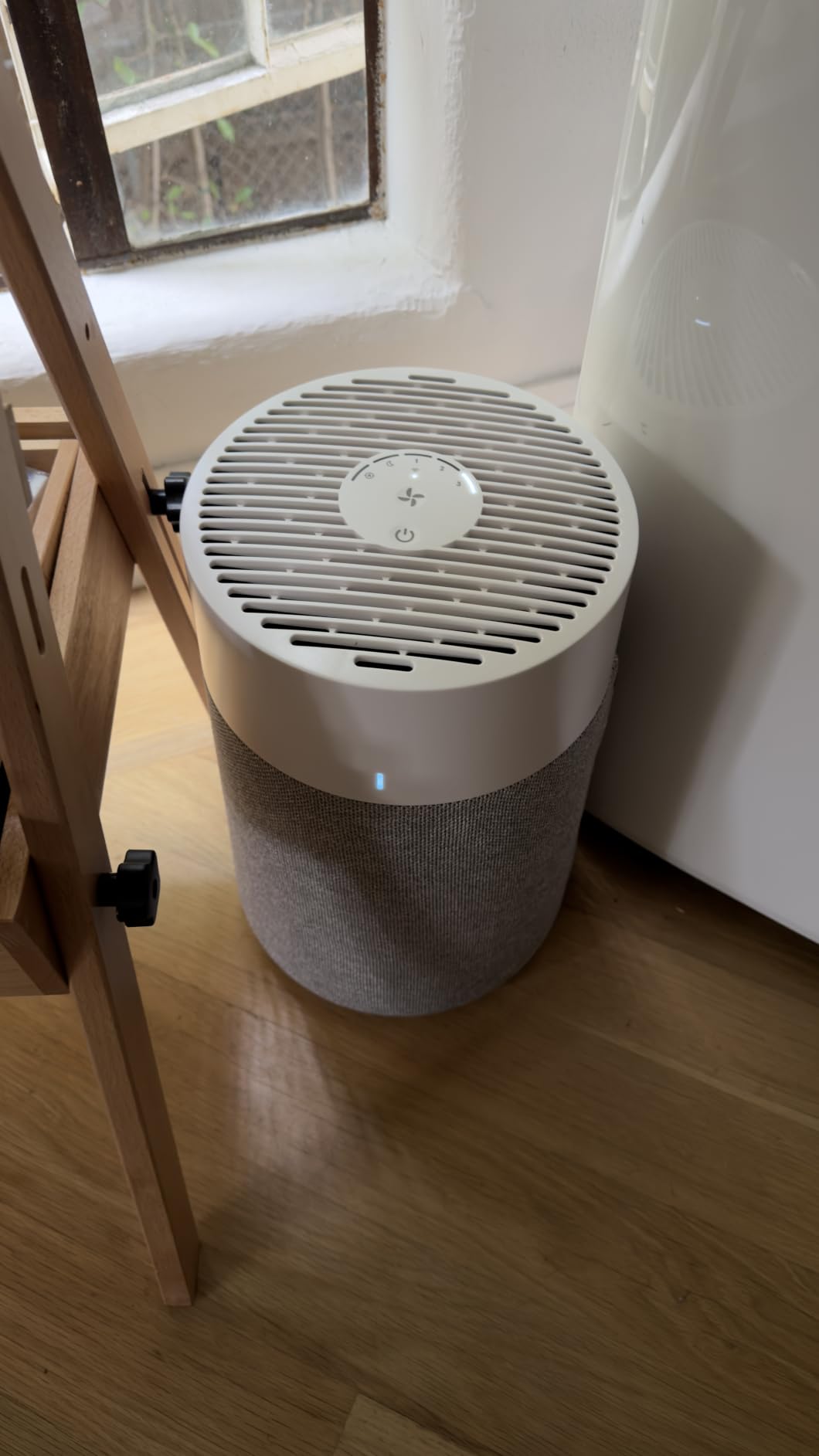
The Blueair 511i Max is the quietest unit in this guide at 19 dB, and it is one of the few with a design that reads as furniture rather than equipment. That combination matters in a room where you are choosing soft goods, wood tones, and a calm palette.
Filtration is HEPASilent dual stage capturing 99.97% of airborne particles down to 0.1 micron, through a 360-degree air intake.
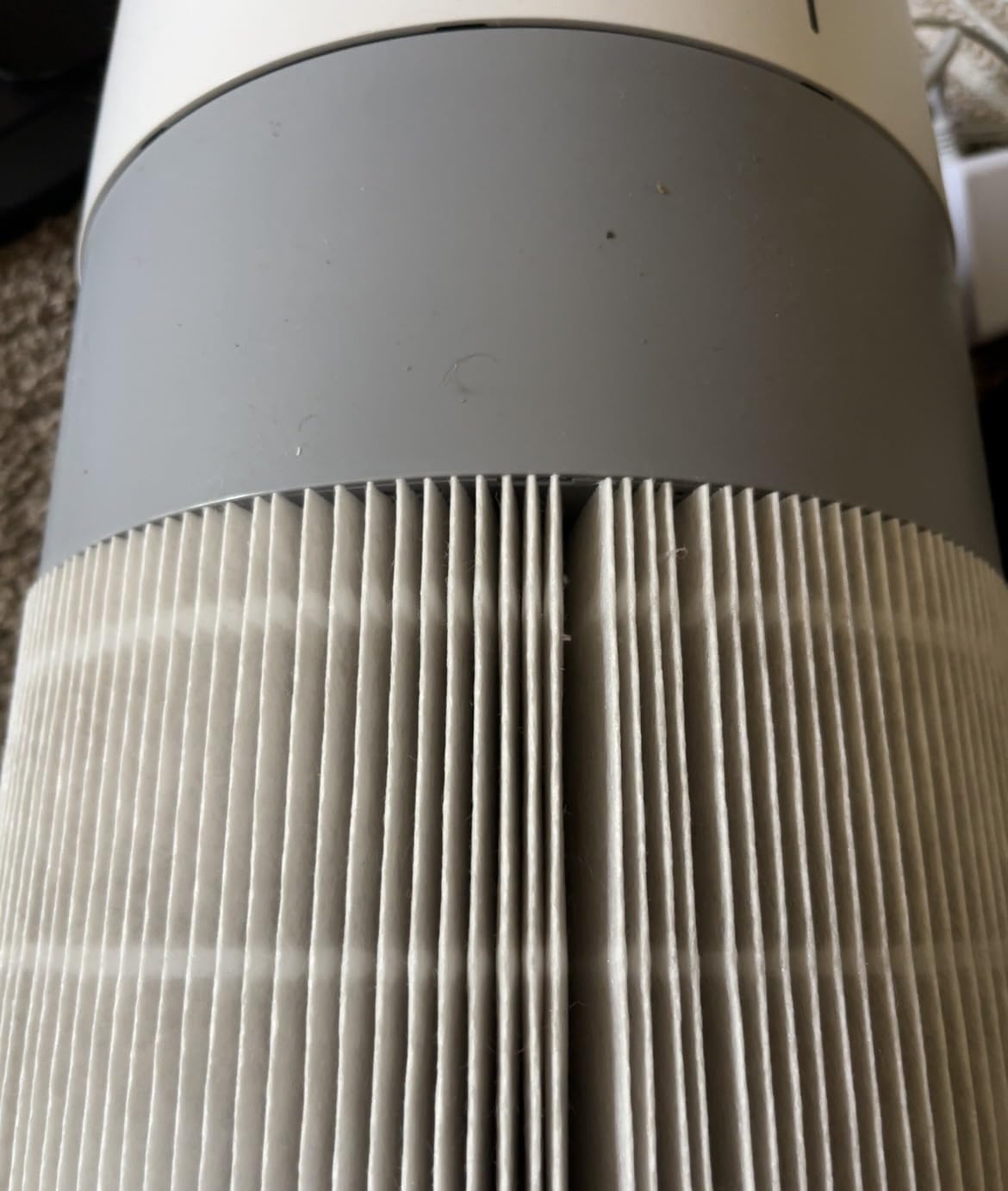
Coverage is specified precisely: it cleans 237 square feet in about 12.5 minutes and up to 1,138 square feet in one hour. Built-in air quality sensors adjust fan speed automatically, and the Blueair app provides monitoring and filter reminders.
It weighs 2.84 pounds and measures 10.6 inches square by 18.9 inches tall, so it is light and slim for its capacity.
Where it beats the alternatives
Two advantages stand out. It is the quietest option measured in this group, which gives you more room to run it at a setting other than the lowest. And the built-in sensors mean auto mode works out of the box, without buying a separate monitor as the GoveeLife requires.
Owners consistently praise it on dust, pollen, pet dander, and smoke, and on how it looks in a bedroom.
Where it falls short
Be clear-eyed about the reviews. This unit has the lowest average rating in the group at 4.4, with a 7 percent one-star share, higher than most rivals here, and that share reflects dissatisfaction about filter cost and performance relative to price.
Replacement Blueair filters are costly, and the coverage figure assumes continuous high-speed operation, which is not how a nursery runs overnight. There is also no built-in night light, so a dimmable glow would mean adding a separate lamp.
12. FULMINARE H13 – Best for the Smallest Footprint
Air Purifiers for Bedroom, FULMINARE H13 True HEPA Filter Up to 1086 Ft²
H13 True HEPA filtration
About 20 dB on low and sleep mode
360-degree air outlet
Five timer settings from 2 to 12 hours
Pros
- H13 True HEPA at a very low price
- About 20 dB on sleep mode
- Tiny footprint that fits a nightstand
- Five timer options and a night light
Cons
- Filters needed roughly every 3 months
- Lower CADR than larger units
- Highest one-star share in this group
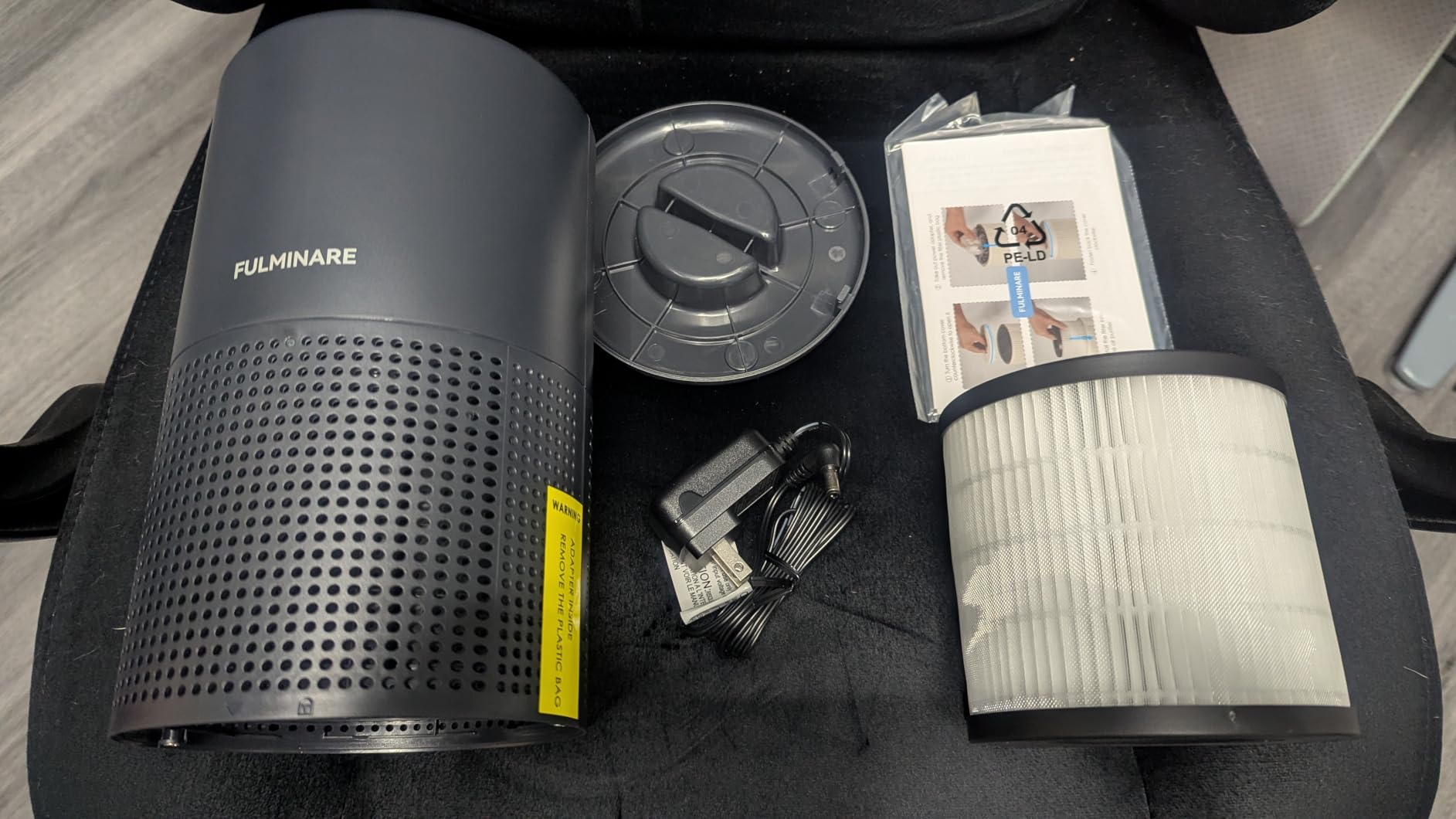
The FULMINARE is the smallest and least expensive unit here, and it answers a narrow question well: can you get real H13 True HEPA filtration and near-silent sleep mode into a room where space is genuinely tight?
At 5.71 inches square by 7.88 inches tall and 1.85 pounds, it fits on a nightstand or a shelf beside a changing table.
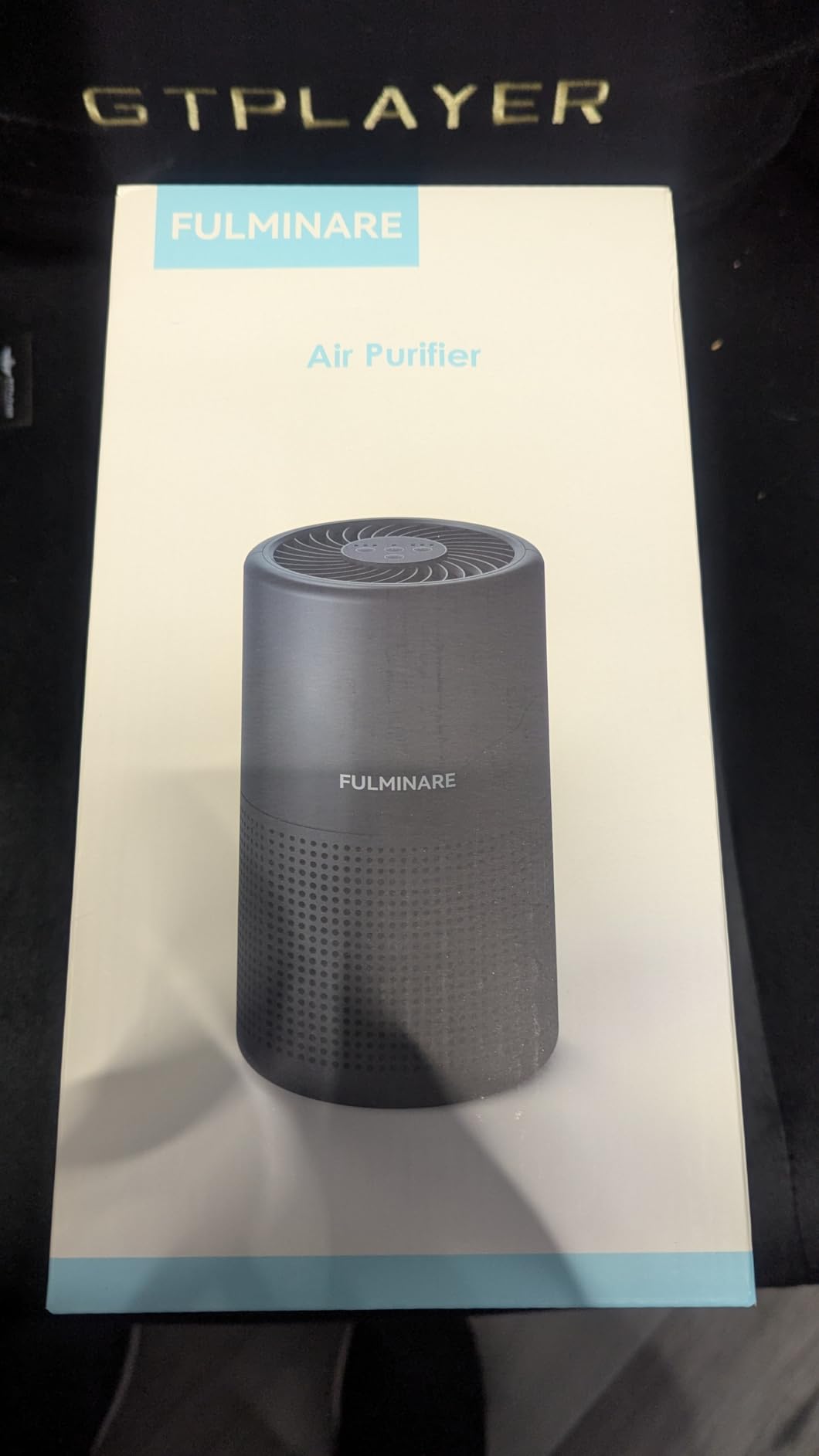
It uses a dual-channel intake with a 360-degree air outlet, runs at approximately 20 dB on low fan speed in sleep mode, and includes an independent night light with 2, 4, 8, 10, and 12-hour timers.
Owners like the night light combined with the timer options, since both are directly useful during a bedtime routine in a nursery.
Why it is still worth a look
At roughly 20 dB in sleep mode it comfortably clears the nursery noise threshold, and H13 True HEPA is a genuine specification rather than a marketing label. For a small room where you want filtration without a tower, the footprint is the feature that sells it.
The 360-degree outlet means it does not need to be aimed at anything, and the long timer options give you an automatic off so the unit is not running all day.
Where it falls short
The filter interval is the big one. Replacement filters are typically needed every three months, so the ongoing cost per year runs higher than the purchase price implies. CADR is lower than larger premium units, so a big room will not clear quickly.
The stated coverage of up to 1,086 square feet is based on 5 air changes per hour, which is not a realistic overnight setting. This unit also carries the highest one-star share in the group at 7 percent.
How to Choose an Air Purifier for a Nursery
Start with room size and CADR, because that single number decides whether the machine keeps up. Multiply the room’s cubic volume by the air changes per hour you want, then compare the result against the published smoke CADR.
The common rule of thumb is the 2/3 rule: choose the unit that delivers at least two-thirds of the CADR needed for four to five air changes per hour in your space. Four air changes per hour is roughly the 12.5-minute room-clear figure that several of these manufacturers publish, and it is a reasonable overnight target for a nursery.
Worked example for a typical 120 square foot nursery with an 8-foot ceiling: that is 960 cubic feet. Five air changes per hour needs 80 CFM, and four changes needs 64 CFM. Two-thirds of 80 CFM is about 53 CFM. Almost every unit in this guide clears that bar, which is why the smaller machines can still do the job in a real nursery.
Treat the square footage on the box with suspicion. Ratings like 1073 square feet or 1,138 square feet assume one air change per hour, which is a marketing number rather than a performance number.
Noise at the speed you will actually use
Read the dB figure for sleep mode, not for maximum. The relevant range for a nursery is 19 to 24 dB, and anything above 30 dB at the lowest setting disqualifies the unit for overnight use beside a crib.
Also check what the display does at night. The most common real complaint across this group was not fan noise but a glowing panel. The Core 300 and the DREO 338 both offer a way to turn display lights off, and the Clorox and Momcozy units have genuinely dimmable night lights.
Filter costs and maintenance
Budget for filters as a recurring line item, because most of these machines need a change every 3 to 12 months depending on the model and how hard you run them. The FULMINARE at roughly 3 months and the Frida Baby at roughly 90 days are at the aggressive end. The Vornadobaby Purio is the only unit here with a permanent washable pre-filter that extends HEPA life.
Owners consistently report that off-brand replacement filters fit poorly and cut airflow, so factor genuine filters into your ownership cost rather than shopping for the cheapest cartridge.
Smart features worth it and not worth it
Worth paying for: a real PM2.5 sensor with auto mode, because it lets the fan respond to actual conditions instead of a fixed schedule. Built-in sensors also beat buying a separate monitor, which the GoveeLife Smart Mini requires.
Less essential: voice assistant support. Alexa and IFTTT control is convenient but adds a Wi-Fi setup step in the room where you least want a fussy installation process.
Ozone, ionizers, and certification
Check for CARB Certified or Zero Ozone Verified language in the specifications before you buy. The GermGuardian, Core 300, and Momcozy units all state certification explicitly. Avoid models whose ionizer feature can reset to on after a power interruption, because you will not remember to check it.
For broader coverage of filtration types and certification labels, our large room air purifier guide covers the CADR math in more depth.
Safe Placement and Cord Safety in a Nursery
Placement is where most advice gets thin, so here is the short version that applies to any of these machines.
Keep the purifier at least 3 feet from the crib, ideally on the opposite wall. Airflow within a few feet of a sleeping baby is a direct draft, and the first rule of any device in a nursery is no direct airflow at the child’s face.
Route the power cord along the wall or under a cord cover, never across an open walkway, and keep it out of reach of a mobile. Several parents also secure the unit itself to the wall so a toddler cannot pull it over, and the Vornadobaby Purio addresses this with its topple-resistant base and concealed cord storage.
Run the purifier with the door closed for the airflow numbers to mean anything, and leave clearance on all sides for intake and output. Avoid placing it against a wall or behind furniture, which starves the intake and quietly reduces performance.
If you use an essential-oil diffuser near the purifier, keep them apart. A purifier pulls ambient air through a filter, and a scent function built into a purifier adds fragrance to the air your baby breathes, which is a choice worth making deliberately rather than by default.
Air Purifier vs Humidifier: Which Does a Nursery Need?
A purifier removes particles and odors. A humidifier adds moisture to the air. They solve different problems and the common mistake is expecting one device to do both.
Buy a purifier for dust, pollen, dander, smoke, and VOCs. Buy a humidifier only if your indoor humidity is genuinely low, typically below 40 percent, which is common in winter in dry climates.
Running a humidifier in a room where humidity is already adequate raises the risk of mold and dust mites, and dust mites are one of the allergens a purifier is otherwise working to remove. Measure before you add moisture.
Both devices in one small room is workable, but keep them apart so the purifier is not pulling humid air across its own electronics, and clean the humidifier on a schedule.
Running Your Nursery Purifier Through the Year
Seasonal use is where a nursery purifier earns more than the sticker figure suggests, and almost no competitor lays this out clearly.
During wildfire smoke events, move the purifier up a speed and close the windows and doors. This is the scenario where a higher smoke CADR like the Levoit Vital 200S-P or the GermGuardian earns its cost, because you need real air changes rather than background filtration. Expect a filter change afterward.
Through pollen season, keep it running on medium or high during the day and drop to sleep mode at night. If anyone in the house has allergies, an auto mode with a real PM2.5 sensor handles this without your attention.
After new nursery furniture arrives, parents report running the purifier on medium for about two weeks to manage the VOC off-gassing from a new crib or dresser. Carbon layers handle this better than HEPA alone, which is an argument for choosing a unit with a meaningful carbon stage.
In winter, keep it on low continuously, because indoor air gets stale when windows stay shut. In summer, it does the same job when you run air conditioning all day.
Frequently Asked Questions
Should you put an air purifier in a nursery?
Yes, if your room meets three conditions: True HEPA filtration, a sleep mode under 25 dB, and zero ozone with no ionizer left on. A purifier reduces exposure to dust, pollen, pet dander, smoke, and VOCs in a room where a baby breathes faster than an adult. It does not replace a safe sleep surface or supervised sleep, and it is not a treatment for any medical condition.
Are air purifiers safe for babies?
Purifiers are safe when you choose correctly. Look for CARB Certified or Zero Ozone Verified models, UL or ETL electrical listing, and a sleep mode under 25 dB. Keep the unit at least 3 feet from the crib so no direct airflow reaches your baby, and route the cord along a wall. Avoid models whose ionizer resets to on after a power interruption.
What is the best air purifier for a nursery?
The Levoit Sprout is our top pick overall, with AHAM Verifide certification, five sensors tracking seven air factors, and a blue light-free night light. The Levoit Core 300 is the value pick at a 24 dB sleep mode with a display that switches off entirely. For a small room, the Momcozy AP01 at 21 dB or the Clorox unit with a dimmable night light both fit well.
Where is the best place to put an air purifier in a nursery?
On the opposite wall from the crib, at least 3 feet away, with clearance on all sides for intake and outlet. Run it with the door closed so air changes per hour actually happen, and keep the cord along a wall or under a cord cover out of a toddler’s reach. Do not place it behind furniture, which starves the intake and reduces performance.
Which is better for a nursery, an air purifier or a humidifier?
A purifier, for most rooms. Purifiers remove dust, pollen, dander, smoke, and VOCs. A humidifier only helps when indoor humidity is genuinely low, typically below 40 percent. Running one when humidity is already adequate raises the risk of mold and dust mites, which works against the purifier.
How quiet should a nursery air purifier be?
Under 25 dB in sleep mode, which is quieter than a whispered conversation and generally inaudible beside a crib monitor. Check the sleep mode rating specifically rather than the maximum rating. Units in this roundup range from 19 dB for the Blueair 511i Max to 21 dB for the Momcozy AP01 and 24 dB for the Levoit Core 300.
Do air purifiers reduce SIDS risk?
No study establishes that an air purifier reduces the risk of sudden infant death syndrome. Safe sleep practices remain the primary protection: placing the baby on their back on a firm flat surface in an empty crib with no loose bedding or soft toys. A purifier may reduce airborne irritants, but it is not a substitute for those practices.
How often should you change a nursery air purifier filter?
Filter intervals vary by model, ranging from roughly 3 months for compact units like the FULMINARE to 12 months for units like the Clorox. Budget for filters as a recurring cost, since most need at least two changes a year. Off-brand filters are widely reported to fit poorly and reduce airflow, which cuts performance.
The Verdict: Which Air Purifier Belongs in Your Nursery
The Levoit Sprout takes the top spot among the best air purifiers for nurseries because it is the only unit in this group that reports five separate air factors through AHAM Verifide certified hardware, and it pairs that with a blue light-free night light and near-silent sleep mode.
For most families the Levoit Core 300 is the smarter purchase, given its 24 dB sleep mode, its display-off mode, and a review base deep enough that you know exactly how it behaves. A large room or two pets pushes you toward the Levoit Vital 200S-P, and a nursery that will soon become a toddler room makes the Vornadobaby Purio worth a look for its locking controls and concealed cord storage.
Whatever you choose, verify the three rules before you order: real True HEPA a sleep mode under 25 dB, and zero ozone. Then check the latest price and current details on the product page before you buy.