
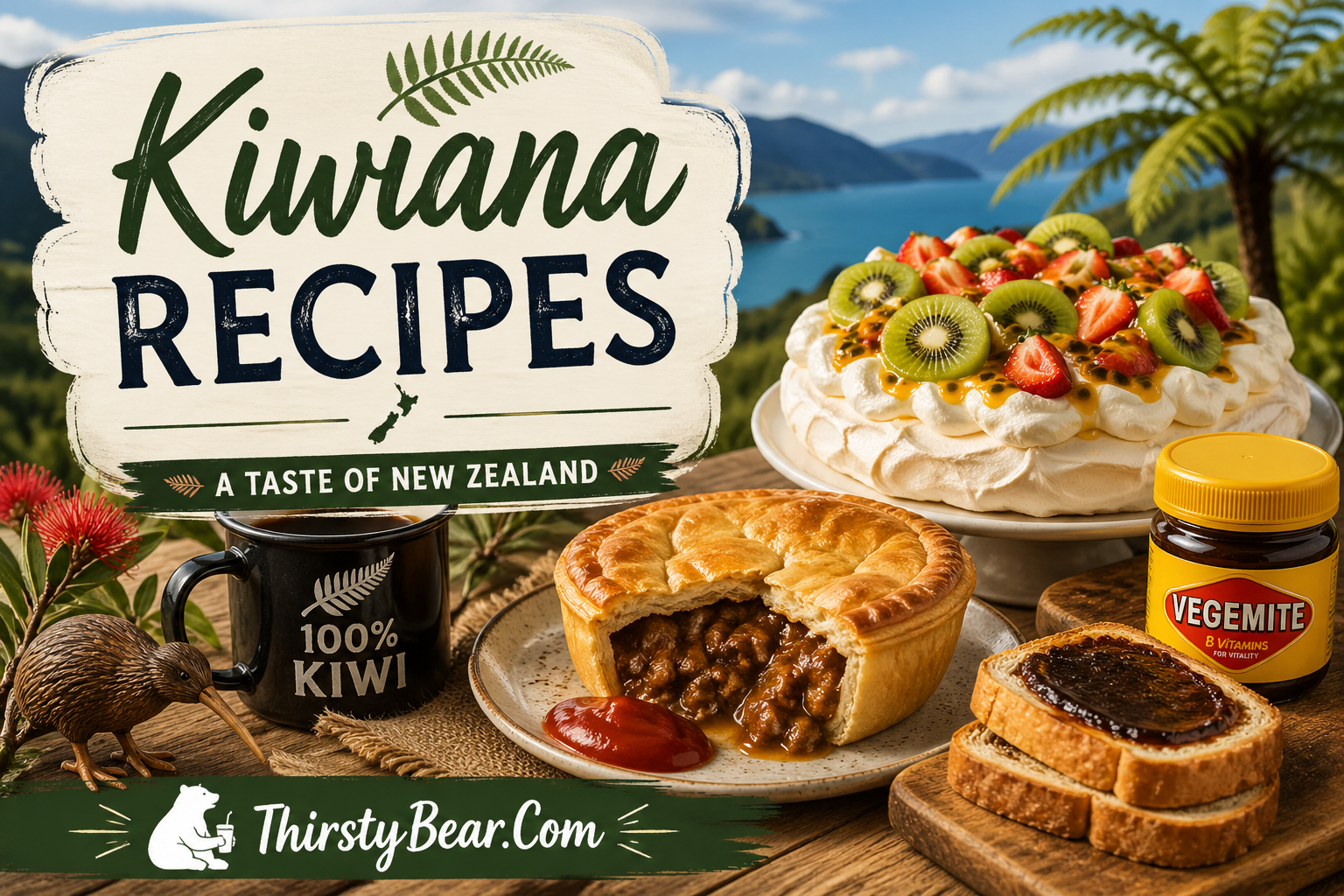
Kiwiana recipes represent the heart and soul of traditional New Zealand cooking. These dishes tell stories of family gatherings, Sunday roasts, school bake sales, and backyard barbecues that have defined Kiwi culture for generations. Whether you are a New Zealand expat craving a taste of home or a curious cook wanting to explore authentic Kiwi cuisine, this guide covers everything you need to know about classic kiwiana recipes.
In this article, I will walk you through the most beloved traditional New Zealand recipes, from the legendary pavlova to the humble cheese scone. I have spent years perfecting these dishes in my own kitchen, and I will share the tips and tricks that make all the difference.
By the end of this guide, you will understand what makes kiwiana food special, how to prepare iconic dishes, and why these recipes continue to bring Kiwis together around the table in 2026.
Table of Contents
What is Kiwiana?
Kiwiana refers to the distinctive cultural icons, items, and traditions that represent New Zealand identity. The term combines “Kiwi” (a nickname for New Zealanders) with the suffix “-ana” (meaning collection), creating a word that captures the unique character of New Zealand life.
When we talk about kiwiana recipes, we are discussing the traditional New Zealand dishes that have been passed down through generations. These recipes often appear in the Edmonds Cookery Book, the beloved recipe collection that has sat in nearly every New Zealand kitchen since 1908. Kiwiana food reflects the country’s agricultural heritage, Māori cultural influences, British colonial roots, and Pacific Island connections.
The best kiwiana recipes share common traits. They use simple, accessible ingredients. They feed crowds without breaking the budget. Most importantly, they evoke powerful memories of family, comfort, and home.
Sweet Kiwiana Desserts
New Zealanders have a well-documented sweet tooth, and these classic desserts showcase the best of kiwiana baking traditions. Each recipe carries cultural significance and appears at everything from birthday parties to national celebrations.
Pavlova: The Crowning Glory of Kiwiana Recipes
The pavlova is arguably the most famous kiwiana dessert, though Australians try to claim it too. This meringue-based creation features a crisp outer shell and a marshmallow-soft interior, traditionally topped with whipped cream and fresh fruit.
I have made countless pavlovas over the years, and the secret lies in three things. First, your egg whites must be at room temperature with absolutely no yolk contamination. Second, add sugar gradually while beating until the mixture feels smooth between your fingers. Third, never open the oven door during baking, and let the pavlova cool completely inside with the door slightly ajar.
The debate over whether New Zealand or Australia invented the pavlova continues to this day. Research published in 2025 traced the first written recipe to New Zealand in 1929. Regardless of origin, this dessert remains the centerpiece of Kiwi Christmas tables and summer gatherings.
Lamingtons: Chocolate-Coated Coconut Squares
Lamingtons are sponge cake squares coated in chocolate icing and rolled in desiccated coconut. These treats originated in Australia but became deeply embedded in New Zealand baking culture through the shared Edmonds Cookery Book tradition.
The trick to perfect lamingtons is freezing the sponge cake overnight before coating. Cold cake absorbs less icing, giving you that neat chocolate shell instead of a soggy mess. Use two forks to roll the squares gently without crushing them.
Modern variations include jam-filled centers and jelly lamingtons where the sponge absorbs flavored jelly. However, the classic chocolate and coconut version remains the standard at school bake sales and afternoon teas across New Zealand.
Afghan Biscuits: The Cornflake Classic
Afghan biscuits feature a chocolate biscuit base studded with cornflakes for crunch, topped with chocolate icing and a walnut half. Despite their name suggesting otherwise, these treats originated in New Zealand, not Afghanistan.
The Edmonds Cookery Book popularized this recipe, and it quickly became a staple in lunchboxes and on biscuit tins. The contrast between the crisp cornflakes and the tender chocolate base creates an addictive texture that keeps you reaching for another.
When making Afghan biscuits, do not overmix the dough. The cornflakes should stay mostly intact to provide that signature crunch. Chill the dough for 20 minutes before shaping to prevent spreading during baking.
Hokey Pokey: Honeycomb Toffee Perfection
Hokey pokey refers to both a honeycomb toffee candy and the iconic New Zealand ice cream flavor combining vanilla ice cream with chunks of this toffee. The name comes from an old slang term for ice cream in Britain.
Making hokey pokey toffee requires precision. You combine sugar and golden syrup, then add baking soda at exactly the right moment. The mixture foams up dramatically, creating the honeycomb structure that shatters beautifully when cold.
Hokey pokey ice cream has been New Zealand’s best-selling flavor since its introduction in the 1940s. The combination of creamy vanilla and crunchy toffee pieces represents pure kiwiana comfort food at its finest.
Savory Kiwiana Classics
Kiwiana savory dishes reflect New Zealand’s farming heritage and practical approach to feeding families. These recipes emphasize hearty portions, simple ingredients, and flavors that satisfy after a day of work or outdoor activities.
Hangi: Traditional Māori Earth Oven Cooking
The hangi represents one of the oldest cooking methods in New Zealand, dating back centuries before European settlement. This earth oven technique involves heating stones in a pit fire, then placing food wrapped in flax leaves or cloth baskets on top, covering everything with wet cloth and earth to steam-cook for several hours.
Traditional hangi food includes chicken, pork, lamb, potatoes, kumara (sweet potato), and pumpkin. The slow cooking process creates incredibly tender meat with a distinctive smoky flavor that modern cooking methods simply cannot replicate.
Preparing a proper hangi requires significant time and community effort. The fire must burn for 3-4 hours to heat the stones adequately. Digging the pit, preparing the food baskets, and managing the cooking process often involves multiple family members working together. This social aspect makes hangi as much about community as cuisine.
Lamb Roast: The Sunday Table Centerpiece
New Zealand lamb enjoys international reputation for quality, and the Sunday lamb roast represents the pinnacle of kiwiana family dining. This tradition continues across the country, though perhaps less frequently than in previous generations.
The classic preparation involves rubbing a leg of lamb with garlic and rosemary, then slow-roasting until the exterior forms a savory crust while the interior stays pink and juicy. Mint sauce or redcurrant jelly traditionally accompanies the meat.
Kumara roasted alongside the lamb absorbs the meat juices and creates a complete meal when paired with seasonal vegetables. Many families maintain specific preferences passed down through generations, whether that means extra crispy potatoes or slightly undercooked peas.
Bacon and Egg Pie: The Ultimate Picnic Food
Bacon and egg pie holds legendary status in New Zealand comfort food culture. This dish features free-range eggs, bacon pieces, and sometimes onions or cheese enclosed in shortcrust pastry, baked until golden and served in thick slices.
The perfect bacon and egg pie requires balancing the ingredients so the eggs cook through without becoming rubbery while the pastry stays crisp. Pricking the base prevents sogginess, and partially cooking the bacon beforehand ensures everything finishes at the same time.
New Zealanders argue fiercely about whether tomato sauce belongs on bacon and egg pie. Some consider it essential, others sacrilege. I fall firmly in the sauce camp, but I respect those who prefer their pie unadorned.
Cheese Rolls: Southland’s Signature Contribution
Cheese rolls, sometimes called Southland sushi, originated in the deep south of New Zealand’s South Island. These simple snacks involve spreading a mixture of cheese, onion, and evaporated milk on white bread, rolling up, and toasting until golden.
The specific recipe varies between families and regions, with some adding Worcestershire sauce, mustard, or herbs to the filling. The key ingredient remains evaporated milk, which creates a uniquely creamy texture when melted.
Cheese rolls appear at every community event in Southland, from school fundraisers to sports club gatherings. Their popularity has spread throughout New Zealand, though purists insist the authentic versions come from Invercargill and surrounding areas.
Traditional Kiwiana Baking
New Zealand’s baking tradition runs deep, with certain recipes appearing in virtually every home cookbook collection. These treats accompany morning tea breaks, afternoon snacks, and impromptu visitor welcomes.
ANZAC Biscuits: Wartime History in Every Bite
ANZAC biscuits carry historical significance commemorating the Australian and New Zealand Army Corps soldiers who served in World War I. These oat-based cookies originally traveled well to soldiers overseas because they contained no eggs and stayed fresh for weeks.
The classic recipe combines rolled oats, flour, sugar, coconut, butter, golden syrup, and baking soda. The baking soda reacts with the golden syrup to create the characteristic golden color and slightly chewy texture.
New Zealanders debate whether ANZAC biscuits should be chewy or crunchy. I prefer the chewy version fresh from the oven, though the crunchy style lasts longer in storage. Never call these cookies, by the way. In New Zealand, they are always biscuits, and the distinction matters to traditionalists.
Cheese Scones: Light, Fluffy, and Best Eaten Warm
Cheese scones represent the savory pinnacle of New Zealand baking. These quick breads rise tall and light when made correctly, with pockets of melted cheese creating irresistible savory bites.
The secret to excellent cheese scones involves cold butter, minimal handling, and sharp cheese for maximum flavor. Overworking the dough develops gluten and creates tough, dense scones rather than the desired light texture.
Fresh from the oven with butter melting into the warm interior, cheese scones make an ideal morning tea accompaniment. They also freeze well, making them practical for batch cooking and unexpected guests.
Ginger Crunch: The Slice That Divides Families
Ginger crunch consists of a crisp ginger shortbread base topped with sweet ginger icing that sets into a crackly layer. This slice provokes strong opinions about the ideal ratio of base to icing, with some preferring thin, crisp versions and others wanting thick, cakey bases.
The Edmonds Cookery Book version remains the standard against which all others are measured. The combination of ground ginger in both base and topping creates a warming sweetness that feels particularly satisfying on cold winter afternoons.
When making ginger crunch, score the slice while still warm but wait until completely cool before cutting fully. This prevents the base from crumbling and the icing from cracking unevenly.
Māori Heritage in Kiwiana Cooking
Māori culinary traditions form an essential foundation of kiwiana food culture, with influences extending far beyond the hangi method discussed earlier. Understanding these contributions enriches appreciation for what makes New Zealand cuisine distinctive.
Kumara, the sweet potato variety introduced by early Māori settlers, became a staple crop long before European contact. Different varieties including red, gold, and orange kumara each suit specific preparations. The orange variety works best for roasting, while gold kumara holds shape well in soups and stews.
Rewena paraoa represents another significant Māori contribution to kiwiana baking. This traditional potato bread uses a fermented potato starter rather than commercial yeast, creating a slightly sour, dense loaf with unique texture. The fermentation process takes several days, requiring planning but rewarding patience with distinctive flavor.
Modern New Zealand cooking continues incorporating Māori ingredients and techniques. Manuka honey, now internationally recognized for its antibacterial properties, appears in glazes and dressings. Horopito, a native peppery herb, seasons meats and sauces. These indigenous ingredients distinguish kiwiana recipes from similar British or Australian dishes.
Respectful engagement with Māori food traditions matters. Learning proper terminology, acknowledging origins, and understanding cultural significance transforms casual cooking into meaningful cultural appreciation. Many Māori recipes and techniques remain protected within families and communities, shared appropriately rather than commercially exploited.
The Edmonds Cookery Book Connection
No discussion of kiwiana recipes completes without acknowledging the Edmonds Cookery Book. First published in 1908 by Thomas Edmonds, a Christchurch baking powder manufacturer, this collection has sold over three million copies and remains New Zealand’s best-selling cookbook.
Walking into almost any New Zealand kitchen, you will likely spot the distinctive red cover of the Edmonds book. Generations of Kiwis learned to cook from its pages, and the recipes inside define what many consider proper kiwiana food. Afghan biscuits, ginger crunch, and cheese scones all appear in its pages.
The book has evolved through numerous editions, updating measurements and adding new recipes while maintaining classics. Despite modern cooking websites and international celebrity chefs, many New Zealanders still reach for their Edmonds book when needing a reliable recipe for pavlova or scones.
The cultural significance extends beyond recipes. The Edmonds Cookery Book represents democratized cooking knowledge, making reliable instructions accessible to everyone regardless of background or previous experience. This egalitarian approach mirrors broader New Zealand values.
Tips for Cooking Kiwiana Recipes
Success with traditional New Zealand recipes requires understanding some universal principles and ingredient specifics. These tips will help you achieve authentic results in your own kitchen.
Golden syrup appears constantly in kiwiana baking and cannot substitute with honey or maple syrup. This thick, amber-colored syrup byproduct of sugar refining provides distinctive flavor and texture to ANZAC biscuits, ginger crunch, and hokey pokey. Look for the distinctive gold tins in international sections or specialty stores.
Kumara requires different handling than orange sweet potatoes common in American markets. New Zealand kumara varieties include red, gold, and orange types, each with distinct moisture content and sweetness. When substituting, choose Garnet or Jewel varieties and adjust cooking times accordingly.
Many kiwiana recipes adapt well to weeknight cooking with some modifications. Bacon and egg pie works as a quick frittata when you lack time for pastry. Cheese roll filling makes excellent toasted sandwich spread. ANZAC biscuit dough transforms into slice form for faster baking.
Vegetarian adaptations suit most kiwiana recipes naturally. Replace bacon in pies with roasted vegetables or smoked cheese. The hangi concept works beautifully with vegetable parcels alone. Many traditional kiwiana dishes were already meat-free, including most baking recipes.
Common pitfalls include overworking scone dough, underbeating pavlova meringue, and using hot ingredients when cold are specified. Read recipes completely before starting, and trust traditional methods even when they seem unusual by modern standards.
Frequently Asked Questions About Kiwiana Recipes
What is New Zealand’s famous dish?
New Zealand’s most internationally famous dish is the pavlova, a meringue-based dessert with a crisp crust and soft marshmallow interior. However, within New Zealand itself, bacon and egg pie, lamb roast, and hangi-cooked meals hold equal cultural significance. The country’s most iconic food might actually be hokey pokey ice cream, which has been the best-selling flavor since the 1940s.
What are the things that are Kiwiana?
Kiwiana encompasses cultural icons unique to New Zealand including food (pavlova, lamingtons, fish and chips), items (Buzzy Bee toy, Edmonds Cookery Book, jandals), symbols (silver fern, kiwi bird), and experiences (backyard barbecues, rugby games, baches at the beach). These items represent New Zealand identity and often evoke nostalgia among expats. The term celebrates ordinary objects and traditions that define Kiwi life.
What are some popular New Zealand desserts?
Popular New Zealand desserts include pavlova topped with cream and fruit, lamingtons coated in chocolate and coconut, Afghan biscuits with cornflake crunch, ginger crunch slice, hokey pokey ice cream with honeycomb toffee, and Louise cake with raspberry jam and coconut. Traditional baking also features ANZAC biscuits, custard squares, and various slices adapted from British recipes using local ingredients.
What is a typical Kiwi dinner?
A typical Kiwi dinner varies by season and occasion but often features meat (particularly lamb, beef, or chicken) with roasted or boiled vegetables including potatoes, kumara, and pumpkin. Fish and chips remains a Friday night tradition. For casual meals, mince on toast, sausages with mashed potato, or pasta dishes appear frequently. Sunday dinners traditionally feature a roast with all the trimmings, while summer evenings call for barbecued meats and salads.
Conclusion
Kiwiana recipes offer more than just sustenance. They provide connection to New Zealand culture, history, and community. From the Māori hangi tradition to the Edmonds Cookery Book classics, these dishes tell the story of a nation through food.
I encourage you to try these kiwiana recipes in your own kitchen. Start with something simple like ANZAC biscuits or cheese scones, then work your way up to the perfect pavlova. Each recipe connects you to generations of New Zealand cooks who have shared these same dishes with their families.
Whether you are seeking nostalgic comfort food or exploring international cuisine, kiwiana recipes deliver satisfaction that transcends borders. These traditional New Zealand dishes prove that the best food comes from simple ingredients, careful preparation, and the intention to feed people well. Happy cooking, and enjoy your journey into authentic kiwiana cuisine in 2026.