
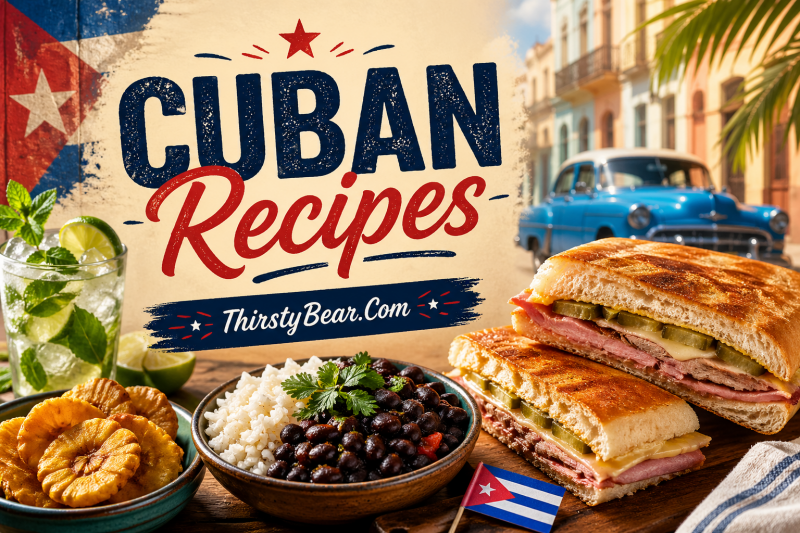
Cuban recipes represent one of the most flavorful and distinctive culinary traditions in the world. I grew up watching my grandmother prepare Sunday dinners that filled our home with the unmistakable aroma of sofrito sizzling in olive oil. That combination of Spanish, African, Caribbean, and Indigenous Taino influences creates something truly special on the plate.
In this guide, I will walk you through the essential Cuban dishes every home cook should know. You will learn about the building blocks of Cuban cuisine, including how to make authentic mojo marinade and sofrito from scratch. We will cover everything from the national dish of Cuba to weeknight-friendly adaptations that do not sacrifice flavor.
Whether you are a first-generation Cuban-American looking to recreate family recipes or a curious home cook exploring Caribbean cuisine for the first time, these Cuban recipes will give you the foundation you need. Let us start with understanding what makes these dishes so iconic.
Table of Contents
What Are Traditional Cuban Dishes?
Traditional Cuban dishes reflect the island’s rich history and agricultural bounty. The cuisine centers on slow-cooked meats, aromatic rice dishes, and bold seasoning blends that transform simple ingredients into memorable meals.
Ropa vieja stands as the national dish of Cuba. This shredded beef in tomato sauce gets its name from the Spanish phrase meaning “old clothes,” describing the ragged appearance of the tender, pulled meat. Arroz con pollo, another cornerstone of Cuban cooking, brings together saffron-colored rice with tender chicken in a single pot.
The Cubano sandwich has gained worldwide fame, though authentic versions differ from what many restaurants serve outside Florida. Picadillo offers a quick, family-friendly option with ground beef simmered in a tomato-based sauce with olives and raisins.
Black beans, known as frijoles negros, accompany nearly every Cuban meal. Sweet plantains called maduros and their savory counterpart tostones provide the perfect starchy side. For dessert, flan and natilla satisfy any sweet tooth with their creamy, custardy textures.
Ropa Vieja: Cuba’s Most Famous Dish
Ropa vieja deserves its reputation as Cuba’s signature dish. Flank steak braises slowly until it falls apart into tender strands. Those shreds then simmer in a rich sofrito-based tomato sauce with peppers, onions, and aromatic spices.
The key to exceptional ropa vieja lies in patience. Rush the cooking process, and you will end up with tough meat that never achieves that melt-in-your-mouth texture. Plan for at least three hours of gentle simmering.
Serve ropa vieja over white rice with a side of black beans and sweet plantains. A drizzle of fresh mojo sauce over the top adds brightness that cuts through the rich meat.
Arroz con Pollo: The One-Pot Wonder
Arroz con pollo rivals ropa vieja in popularity across Cuban households. This one-pot meal combines chicken and rice with sofrito, spices, and vegetables for a complete dinner that feeds a crowd.
The dish gets its characteristic golden color from bijol or saffron. Cooks traditionally use a whole chicken cut into pieces, though bone-in thighs work beautifully for home cooks short on time.
Beer often replaces water in traditional recipes, adding depth and subtle bitterness that balances the richness. Peas and roasted red peppers scattered throughout provide pops of color and sweetness.
The Authentic Cubano Sandwich
An authentic Cubano sandwich follows strict rules that distinguish it from ordinary ham and cheese. The bread must be Cuban bread, a soft white loaf with a crisp crust. Inside, layers of roasted pork, ham, Swiss cheese, pickles, and mustard create the perfect bite.
The magic happens in the press. A plancha or sandwich press flattens and toasts the Cubano until the exterior turns golden and the cheese oozes from the sides. Butter on the outside ensures that characteristic crunch.
Never add lettuce, tomato, or mayonnaise to a true Cubano. Those ingredients belong on other sandwiches, not this Miami and Tampa classic.
Picadillo: Weeknight Cuban Comfort
Picadillo offers Cuban flavor without the long cooking times of ropa vieja. Ground beef browns with onions, peppers, and garlic before simmering in a seasoned tomato sauce.
The unique additions of olives and raisins define Cuban picadillo. Green olives contribute brininess while raisins provide unexpected sweetness. Some cooks add capers for extra tang.
Serve picadillo over rice or use it as a filling for empanadas. Leftovers taste even better the next day after flavors have melded overnight.
Essential Cuban Ingredients and Spices
Understanding Cuban ingredients separates authentic results from mediocre imitations. Two foundational preparations appear in nearly every Cuban kitchen: sofrito and mojo.
Sofrito functions as the aromatic base for countless dishes. This mixture of diced onions, green bell peppers, and garlic sautés slowly in olive oil until sweet and fragrant. Cooks prepare sofrito fresh for each meal or keep batches ready in the refrigerator.
Mojo serves as both marinade and finishing sauce. The classic Cuban version combines sour orange juice, garlic, olive oil, and cumin. This bright, acidic mixture tenderizes meats and adds punch to everything from yuca to grilled pork.
Key spices in Cuban cooking include cumin, dried oregano, and bay leaves. Cumin provides an earthy warmth that defines the cuisine’s character. Oregano, preferably the dried Cuban variety, adds herbal notes. Bay leaves perfume slow-cooked dishes with subtle complexity.
Building Your Cuban Pantry
Stocking a Cuban pantry requires just a handful of essentials. Start with high-quality olive oil for sofrito and cooking. Canned tomato sauce forms the base for many sauces and stews.
Naranja agria, or sour orange, proves essential for authentic mojo. When unavailable, combine equal parts orange juice and lime juice as a substitute. Fresh garlic appears in nearly every recipe, so buy it in bulk.
Dried beans, particularly black beans, store well and cost pennies per serving. Keep long-grain white rice on hand for the perfect accompaniment to saucy dishes.
Sofrito vs Mojo: Understanding the Difference
Many beginners confuse sofrito and mojo, but they serve completely different purposes. Sofrito works as a cooking base, added at the beginning of recipes to build flavor from the ground up. Mojo functions as both marinade and finishing sauce, added before or after cooking.
Sofrito contains only aromatics: onions, peppers, and garlic cooked in oil. Mojo includes liquid components: citrus juice and olive oil blended with seasonings.
Think of sofrito as the foundation and mojo as the flourish. Both belong in your Cuban cooking repertoire.
Authentic Cuban Recipes to Make at Home
These Cuban recipes represent the dishes I return to again and again. Each includes tested instructions, timing, and tips for achieving authentic results.
Classic Ropa Vieja
This recipe serves six people and takes about three hours from start to finish. The hands-on time is minimal, making it perfect for Sunday dinner.
Ingredients:
- 2 pounds flank steak
- 2 tablespoons olive oil
- 1 large onion, thinly sliced
- 1 green bell pepper, sliced
- 1 red bell pepper, sliced
- 4 cloves garlic, minced
- 1 can (14 ounces) crushed tomatoes
- 1 cup beef broth
- 1 teaspoon cumin
- 1 teaspoon dried oregano
- 2 bay leaves
- Salt and black pepper to taste
Instructions:
- Place flank steak in a large pot and cover with water. Bring to a boil, then reduce heat and simmer for 2 hours until very tender.
- Remove steak and let cool slightly. Shred the meat using two forks, pulling against the grain.
- Heat olive oil in a large skillet over medium heat. Sauté onions and peppers until softened, about 8 minutes.
- Add garlic and cook for 1 minute until fragrant. Stir in tomatoes, broth, cumin, oregano, and bay leaves.
- Add shredded beef to the sauce and simmer for 30 minutes, allowing flavors to meld.
- Season with salt and pepper. Serve over white rice.
Tip: The meat should shred easily with gentle pressure from forks. If it resists, return it to the pot and continue cooking.
Arroz con Pollo
This one-pot meal feeds a family of four and takes about 90 minutes. The result rivals any restaurant version.
Ingredients:
- 3 pounds chicken thighs, bone-in
- 3 cups long-grain white rice
- 4 cups chicken broth
- 1 can (12 ounces) beer
- 1 large onion, diced
- 1 green bell pepper, diced
- 4 cloves garlic, minced
- 1 can (14 ounces) diced tomatoes, drained
- 1 cup frozen peas
- 1/2 cup roasted red peppers, sliced
- 1 teaspoon bijol or saffron
- 1 teaspoon cumin
- 1 teaspoon oregano
- 3 tablespoons olive oil
- Salt and pepper
Instructions:
- Season chicken with salt, pepper, and cumin. Heat olive oil in a large Dutch oven over medium-high heat.
- Brown chicken on all sides, about 8 minutes total. Remove and set aside.
- In the same pot, sauté onion and bell pepper until soft, about 5 minutes. Add garlic and cook 1 minute.
- Stir in rice and toast for 2 minutes. Add broth, beer, tomatoes, bijol, and oregano.
- Return chicken to the pot. Bring to a boil, then cover and reduce heat to low.
- Cook for 25 minutes without lifting the lid. Add peas and red peppers, then cover and cook 5 more minutes.
- Let rest for 10 minutes before serving. Fluff rice with a fork.
Authentic Cubano Sandwich
This recipe makes four sandwiches in about 30 minutes. Quality ingredients make all the difference.
Ingredients:
- 4 Cuban bread rolls (or soft baguette sections)
- 1 pound roasted pork shoulder, thinly sliced
- 1/2 pound ham, thinly sliced
- 8 slices Swiss cheese
- Dill pickle slices
- Yellow mustard
- Butter for grilling
Instructions:
- Slice bread lengthwise, leaving one edge attached like a hinge.
- Spread mustard on both cut sides of the bread.
- Layer pork, ham, cheese, and pickles on the bottom half. Close the sandwich.
- Butter the outside of the bread generously.
- Heat a heavy skillet or panini press over medium heat. Press the sandwich firmly.
- Cook until bread is golden and cheese melts, about 4 minutes per side if using a skillet.
- Slice diagonally and serve immediately.
Picadillo
This quick recipe serves four and takes 45 minutes from start to finish.
Ingredients:
- 1.5 pounds ground beef
- 1 large onion, diced
- 1 green bell pepper, diced
- 4 cloves garlic, minced
- 1 can (14 ounces) tomato sauce
- 1/2 cup green olives, sliced
- 1/4 cup raisins
- 2 tablespoons capers (optional)
- 1 teaspoon cumin
- 1 teaspoon oregano
- 2 tablespoons olive oil
- Salt and pepper
Instructions:
- Heat olive oil in a large skillet over medium heat. Sauté onion and pepper until soft.
- Add garlic and cook 1 minute. Add ground beef, breaking it up with a spoon.
- Brown the beef completely, about 8 minutes. Drain excess fat if needed.
- Stir in tomato sauce, cumin, and oregano. Simmer for 15 minutes.
- Add olives, raisins, and capers. Cook 5 more minutes.
- Season with salt and pepper. Serve over rice.
Frijoles Negros (Cuban Black Beans)
Dried beans provide the best flavor, though canned beans work in a pinch. This recipe serves six.
Ingredients:
- 1 pound dried black beans (or 4 cans, drained)
- 1 large onion, diced
- 1 green bell pepper, diced
- 6 cloves garlic, minced
- 2 bay leaves
- 1 teaspoon cumin
- 1 teaspoon oregano
- 3 tablespoons olive oil
- 1 tablespoon vinegar
- Salt to taste
Instructions:
- If using dried beans, soak overnight and drain. Cover with fresh water and bring to a boil.
- Reduce heat and simmer for 1.5 hours until beans are tender.
- In a separate pan, make sofrito by sautéing onion and pepper in olive oil until soft.
- Add garlic, cumin, and oregano. Cook 2 minutes.
- Add sofrito to beans along with bay leaves. Simmer 30 minutes.
- Stir in vinegar and salt. Remove bay leaves before serving.
Tostones (Fried Green Plantains)
These crispy plantain rounds make the perfect side dish for any Cuban meal.
Ingredients:
- 2 green plantains
- Vegetable oil for frying
- Salt
- Garlic dipping sauce (optional)
Instructions:
- Peel plantains and cut into 1-inch thick rounds.
- Heat 1 inch of oil in a heavy skillet to 350°F.
- Fry plantain slices for 3 minutes until slightly golden but not brown.
- Remove and drain on paper towels. Flatten each piece using the bottom of a glass.
- Return flattened plantains to hot oil and fry until crispy and golden, about 2 minutes.
- Drain and salt immediately. Serve with garlic sauce or mojo.
Flan (Cuban Caramel Custard)
This classic Cuban dessert impresses guests and requires only basic ingredients.
Ingredients:
- 1 cup sugar (for caramel)
- 4 large eggs
- 1 can (14 ounces) sweetened condensed milk
- 1 can (12 ounces) evaporated milk
- 1 teaspoon vanilla extract
- Pinch of salt
Instructions:
- Preheat oven to 350°F. Have a roasting pan ready for water bath.
- Melt sugar in a saucepan over medium heat, stirring constantly until it turns amber.
- Quickly pour caramel into a 9-inch round baking dish, tilting to coat the bottom.
- Blend eggs, condensed milk, evaporated milk, vanilla, and salt until smooth.
- Pour custard over caramel. Place dish in roasting pan. Add hot water to reach halfway up sides.
- Bake for 50-60 minutes until set but still jiggly in center.
- Cool completely, then refrigerate overnight. Invert onto plate before serving.
Cuban Cooking Techniques and Tips
Mastering Cuban recipes requires understanding a few key techniques. Patience ranks highest on that list. Many Cuban dishes develop their characteristic flavors through slow cooking that cannot be rushed.
Braising forms the foundation of dishes like ropa vieja. Low, moist heat breaks down tough cuts of meat into tender strands. Never boil briskly; gentle simmering preserves moisture and prevents toughening.
Sofrito preparation deserves special attention. Cook the vegetables slowly until they release their natural sweetness. Rushing this step produces harsh, underdeveloped flavors. The sofrito should turn soft and deeply fragrant before adding other ingredients.
Rice cooking trips up many home cooks attempting arroz con pollo. The key lies in the ratio: two parts liquid to one part rice. Resist the urge to lift the lid during cooking. Steam escaping disrupts the cooking process and creates mushy rice.
For weeknight adaptations, consider using a pressure cooker for beans and tough meats. What traditionally takes hours finishes in under an hour. The results lack some depth of slow-cooked versions but satisfy on busy evenings.
When preparing mojo, always use fresh citrus juice. Bottled versions lack the brightness that defines this sauce. If sour oranges prove impossible to find, mix equal parts fresh orange and lime juice for a close approximation.
Pair your Cuban meals with traditional beverages. A classic Cuban mojito or cafecito completes the experience. Use the best rum for Cuban recipes when making cocktails.
What Is a Typical Meal in Cuba?
A typical meal in Cuba varies by time of day and occasion. Understanding these patterns helps you plan authentic Cuban menus for your own table.
Breakfast in Cuba traditionally stays light. Tostadas, buttered slices of Cuban bread pressed until crisp, accompany café cubano. This strong, sweetened espresso provides the caffeine jolt needed to start the day. Some add a splash of hot milk for a cortadito.
Lunch often features rice and beans with some form of protein. Workers seek filling meals that sustain energy through the afternoon. Picadillo or bistec de palomilla, thin steaks seasoned with lime and garlic, appear frequently.
Dinner represents the main meal of the day for Cuban families. Multiple courses might include soup, a meat or poultry dish with rice and beans, fried plantains, and salad. Sunday dinners especially become elaborate affairs with extended family gathered around the table.
Special occasions call for lechón asado, whole roasted pork marinated in mojo. Noche Buena, Cuban Christmas Eve, features this centerpiece along with black beans, rice, yuca with garlic sauce, and endless desserts.
Regional variations exist across the island. Havana cuisine tends more refined, while eastern Cuba incorporates more Caribbean and African influences. Coastal areas emphasize seafood, though pork remains king throughout.
Beverages play an essential role in Cuban dining. Beyond coffee, Cuban cocktails like the daiquiri and Cuba Libre have gained international fame. Guarapo, fresh sugarcane juice, refreshes on hot days.
Frequently Asked Questions About Cuban Recipes
What are traditional Cuban dishes?
Traditional Cuban dishes include ropa vieja (shredded beef), arroz con pollo (rice with chicken), picadillo (ground beef hash), the Cubano sandwich, black beans (frijoles negros), tostones (fried plantains), maduros (sweet plantains), yuca with garlic sauce, lechón asado (roasted pork), and flan for dessert. These dishes reflect Spanish, African, and Caribbean influences.
What is Cuba’s most famous dish?
Ropa vieja is Cuba’s most famous dish. This shredded beef stewed in a tomato-based sofrito sauce is recognized worldwide as the quintessential Cuban meal. The name means ‘old clothes’ in Spanish, describing the ragged appearance of the tender, pulled meat.
What’s the national dish of Cuba?
Ropa vieja is considered the national dish of Cuba. It represents the island’s culinary heritage through its combination of Spanish cooking techniques with Caribbean ingredients. The dish features flank steak braised until tender, then shredded and simmered with peppers, onions, and aromatic spices.
What is a typical meal in Cuba?
A typical Cuban meal consists of rice and beans as the foundation, accompanied by a protein like pork, chicken, or beef. Fried plantains (either sweet maduros or savory tostones) and salad round out the plate. Meals are often preceded by soup and followed by strong Cuban coffee.
How do I make authentic Cuban food at home?
To make authentic Cuban food at home, stock essential ingredients like cumin, oregano, garlic, and sour oranges. Learn to make sofrito (the aromatic base) and mojo (citrus-garlic marinade). Use slow-cooking techniques for meats, and never rush the preparation. Source quality ingredients and follow traditional methods even when they take time.
What spices are essential for Cuban cooking?
Essential Cuban spices include cumin, dried oregano, and bay leaves. Cumin provides the earthy warmth that defines Cuban cuisine. Garlic appears in nearly every dish, either fresh or as part of sofrito. Bijol or saffron adds color to rice dishes. Salt and black pepper round out the seasoning.
Conclusion
These Cuban recipes connect us to a rich culinary tradition that spans centuries and continents. From the slow-simmered ropa vieja that defines the national cuisine to the quick weeknight picadillo, each dish tells a story of cultural fusion and family heritage.
Start with one recipe that calls to you. Master the sofrito and mojo that form the foundation of Cuban cooking. Do not worry about perfection on your first attempt. Every Cuban grandmother learned through practice and patience.
The flavors of Cuba await in your own kitchen. Gather your ingredients, clear your afternoon, and bring these authentic Cuban recipes to life for your family. The aroma of garlic and cumin will transport you straight to Havana.