
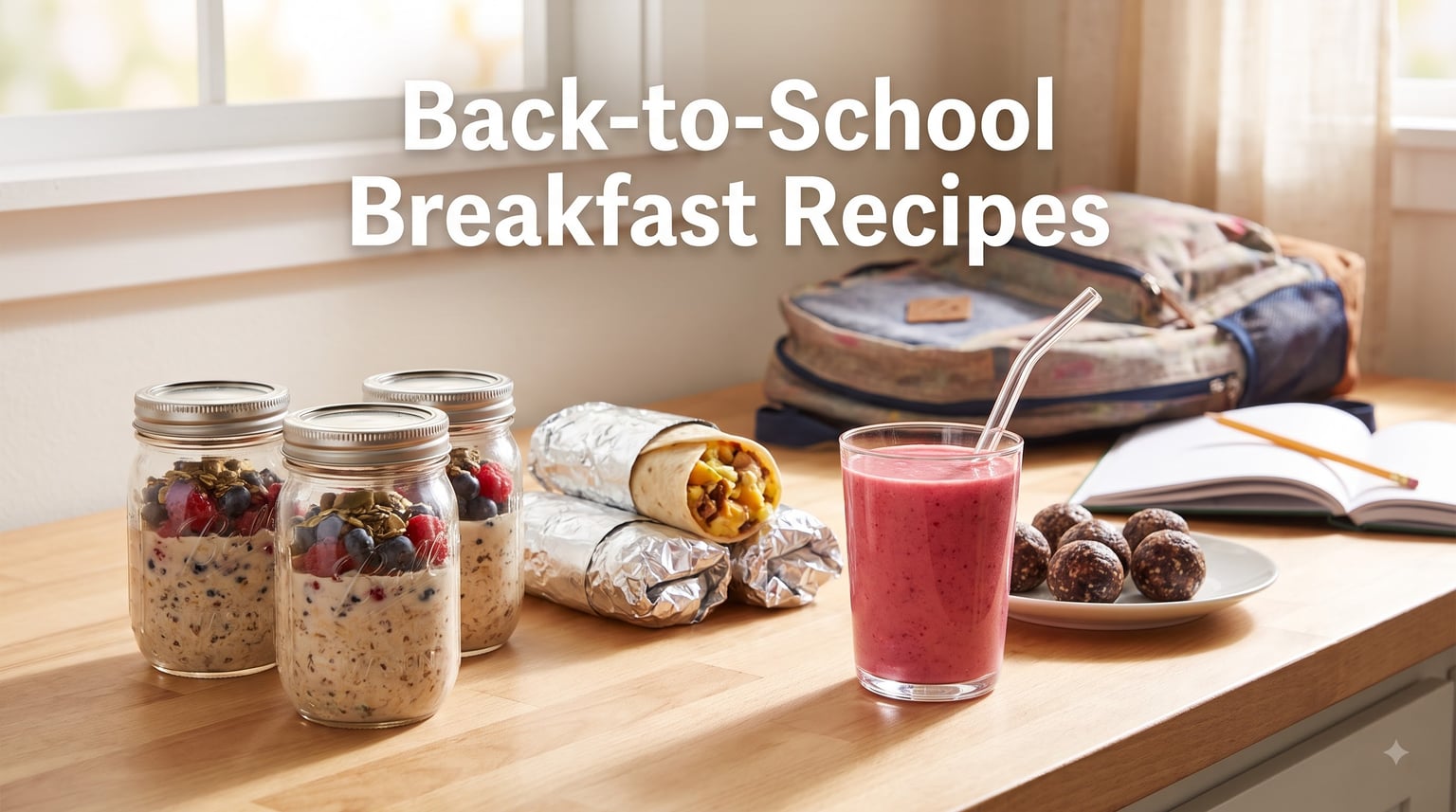
Getting kids fed before the school bus arrives is one of the hardest parts of any parent’s morning. Back-to-school breakfast recipes need to hit three marks at once: fast to prepare, nutritious enough to fuel learning, and appealing enough that kids actually eat them. I have spent years testing morning routines with my own family, and I have learned that the right recipe strategy can transform chaotic mornings into smooth send-offs.
This guide covers everything from make-ahead breakfasts you prep on Sunday to grab-and-go options for mornings when you are already running late. Whether you need fruit breakfast smoothies for the car ride or protein-packed meals that keep kids full until lunch, you will find practical, tested options here. Every recipe includes realistic prep times, storage instructions, and tips for picky eaters.
You will also find a full breakfast prep and storage guide, allergy-friendly substitutions, and age-specific advice for kids of all ages. By the end of this article, you will have a complete morning breakfast game plan that works for real families with real time constraints.
Table of Contents
Quick Picks: 5 Fastest Back-to-School Breakfast Recipes
When you need breakfast on the table in minutes, these five recipes are the ones I turn to most often. Each one takes 10 minutes or less from fridge to plate, and none require complicated techniques or specialty ingredients.
Overnight oats – Prep the night before in 5 minutes. Grab from the fridge and eat cold or warm. Endlessly customizable with fruit, nuts, and seeds.
Banana peanut butter wrap – Spread peanut butter on a tortilla, roll around a banana, slice into pinwheels. Ready in under 3 minutes and completely portable.
Yogurt parfait – Layer Greek yogurt with granola and berries in a cup. Takes 2 minutes and packs 15+ grams of protein.
Smoothie packs – Pre-portion frozen fruit in bags over the weekend. Dump in the blender with milk or yogurt on weekday mornings for a 60-second breakfast.
Make-ahead freezer waffles – Batch cook on Saturday, freeze with parchment paper between each, and pop in the toaster on school mornings.
These five options cover the spectrum from hot to cold, sweet to savory, and sit-down to portable. The key is having ingredients stocked and ready so the morning assembly is effortless. Now let us look at each category in detail, starting with the recipes that save you the most time.
Make-Ahead Breakfast Recipes for the School Week
Make-ahead breakfast recipes are the secret weapon of every calm school morning I have ever had. When you invest 30 to 60 minutes on Sunday, you buy back precious minutes every weekday. These recipes are designed to last 4 to 5 days in the refrigerator or freeze beautifully for longer storage.
1. Overnight Oats Five Ways
Overnight oats are the undisputed champion of make-ahead breakfasts. You combine rolled oats with milk and yogurt in a jar, let them soak overnight in the fridge, and they are ready to eat cold or warmed up the next morning.
Base recipe per serving: 1/2 cup rolled oats, 1/2 cup milk (dairy or plant-based), 1/4 cup Greek yogurt, 1 tablespoon chia seeds. Mix in a jar, stir well, and refrigerate overnight.
Five flavor variations:
Apple cinnamon – diced apple, cinnamon, maple syrup, chopped walnuts
Berry banana – sliced strawberries, mashed banana, honey, flaxseed
Chocolate banana – cocoa powder, banana slices, mini chocolate chips
Peanut butter cup – peanut butter, chocolate chips, drizzle of honey
Tropical – diced mango, coconut flakes, macadamia nuts
Storage: Up to 5 days in the refrigerator. Use wide-mouth mason jars or any container with a tight lid. Kids can grab their jar and eat on the spot.
2. Freezer Breakfast Burritos
Breakfast burritos are one of the most popular make-ahead options among parents in cooking forums, and for good reason. They freeze perfectly, reheat in under 2 minutes, and are one of the few breakfasts that kids can eat with one hand on the school bus.
Ingredients for 10 burritos: 10 large flour tortillas, 8 eggs scrambled, 1 cup shredded cheese, 1 cup cooked bacon or sausage crumbles, 1 cup diced bell peppers and onions (sauteed), hot sauce or salsa to taste.
Instructions:
Lay out tortillas and place a scoop of scrambled eggs, meat, veggies, and cheese in the center of each.
Fold in the sides and roll tightly, burrito style.
Wrap each burrito individually in foil or plastic wrap.
Place in a freezer bag and freeze for up to 3 months.
To reheat: Remove wrapping, wrap in a paper towel, and microwave for 90 seconds. Alternatively, thaw overnight and heat in a skillet for a crispier exterior.
3. Egg Muffin Cups
Egg muffin cups are essentially mini frittatas baked in a muffin tin. They pack 6 to 8 grams of protein each, reheat in 30 seconds, and are easy for small hands to hold. I make a batch of 12 every Sunday and they last through Friday.
Ingredients for 12 cups: 8 eggs, 1/4 cup milk, 1 cup diced vegetables (spinach, bell peppers, mushrooms), 1/2 cup shredded cheese, salt and pepper.
Instructions:
Preheat oven to 350 degrees F and grease a muffin tin well.
Whisk eggs and milk together, then stir in vegetables and cheese.
Divide mixture evenly among 12 muffin cups.
Bake for 20 to 22 minutes until set and lightly golden.
Cool completely before storing.
Storage: 4 days in the refrigerator in an airtight container, or 2 months in the freezer. Reheat two at a time in the microwave for a quick protein hit.
4. Baked Oatmeal Bars
Baked oatmeal bars cut into squares are the ultimate grab-from-the-pan breakfast. They combine the comfort of oatmeal with the portability of a granola bar, and they hold together well in a lunchbox or backpack.
Ingredients: 3 cups rolled oats, 2 cups milk, 2 eggs, 1/3 cup maple syrup, 1/4 cup melted butter, 1 teaspoon vanilla, 1 teaspoon baking powder, 1 cup mixed berries or diced apple, 1/2 cup chopped nuts.
Instructions:
Preheat oven to 375 degrees F and grease an 8×8 baking dish.
Mix all ingredients in a large bowl until well combined.
Pour into the baking dish and spread evenly.
Bake for 35 to 40 minutes until golden and set in the center.
Cool, cut into 9 to 12 bars, and store.
Storage: 5 days refrigerated or 2 months frozen. Wrap individually in plastic wrap for instant grab-and-go portions.
5. Mini Pancake Muffins
Pancake batter baked in a muffin tin creates bite-sized pancake muffins that are faster than standing at the stove flipping individual pancakes. Kids love them because they can eat them with their fingers, and they freeze beautifully for toaster reheating.
Ingredients: 2 cups pancake mix, 1 cup milk, 2 eggs, 2 tablespoons melted butter, 1 cup mix-ins (blueberries, chocolate chips, or diced banana).
Instructions:
Preheat oven to 350 degrees F and grease a mini muffin tin.
Mix pancake mix, milk, eggs, and butter until smooth.
Stir in your chosen mix-ins.
Fill each mini muffin cup about 3/4 full.
Bake for 12 to 15 minutes until lightly golden.
Storage: 4 days in the refrigerator or 2 months frozen. Serve with a small cup of maple syrup for dipping.
6. Chia Seed Pudding
Chia seed pudding is a nutrient-dense make-ahead option that requires zero cooking. The chia seeds absorb liquid and create a tapioca-like texture overnight. It is high in fiber and omega-3s, making it a nutritious choice for growing kids.
Ingredients per serving: 3 tablespoons chia seeds, 3/4 cup milk (any kind), 1 tablespoon maple syrup, 1/2 teaspoon vanilla extract, fresh fruit for topping.
Instructions: Whisk all ingredients together in a jar. Refrigerate for at least 4 hours or overnight. Stir once after 30 minutes to prevent clumping. Top with fruit before serving.
Storage: Up to 4 days refrigerated. Layer with fruit in the morning so the fruit stays fresh. For plant-based breakfast options, simply use plant milk and skip the honey.
15-Minute Breakfast Ideas for School Mornings
Sometimes even the best make-ahead plans fall through. For those mornings when you need a hot breakfast fast, these recipes go from start to plate in 15 minutes or less. They use basic pantry ingredients and require no special equipment beyond a skillet or blender.
1. Avocado Toast with Scrambled Eggs
This combines healthy fats from avocado with protein from eggs for a breakfast that sticks with kids through their first few classes. Total time: 10 minutes.
Instructions: Toast two slices of whole grain bread. While toasting, scramble two eggs in a buttered skillet over medium heat (about 3 minutes). Mash half an avocado on each toast slice, top with scrambled eggs, and season with salt and pepper.
For younger kids, cut into strips or bite-sized pieces. Older kids can handle open-faced toast.
2. Greek Yogurt Pancakes
These fluffy pancakes use Greek yogurt for extra protein and require only four ingredients. They mix in one bowl and cook in about 8 minutes.
Ingredients: 1 cup Greek yogurt, 2 eggs, 1 cup flour, 1 teaspoon baking powder. Optional: blueberries or chocolate chips.
Instructions: Whisk yogurt and eggs in a bowl. Fold in flour and baking powder until just combined. Cook 1/4 cup portions on a greased griddle over medium heat for 2 to 3 minutes per side until golden brown.
3. Breakfast Quesadilla
A breakfast quesadilla is faster than a burrito because there is no rolling. It crisps up in 5 minutes and kids can hold it in one hand.
Instructions: Place a flour tortilla in a dry skillet over medium heat. Sprinkle shredded cheese on one half, add scrambled egg and any extras (beans, cooked bacon, spinach), fold in half, and cook 2 minutes per side until golden and cheese is melted. Cut into wedges.
4. Banana Oat Smoothie
A smoothie is the fastest way to get fruit, protein, and fiber into a kid before school. This version uses oats for staying power so kids are not hungry by second period.
Ingredients: 1 frozen banana, 1/2 cup oats, 1 cup milk, 2 tablespoons peanut butter, 1 tablespoon honey, 1/2 cup ice.
Instructions: Blend everything until smooth, about 60 seconds. Pour into a travel cup with a lid and straw for car-safe eating. For more variety, explore these fruit breakfast smoothies with tropical and seasonal options.
5. English Muffin Breakfast Pizza
This takes 8 minutes and kids think it is fun. The English muffin creates a sturdy base that holds toppings well without getting soggy.
Instructions: Split and toast an English muffin. Spread a thin layer of marinara or pizza sauce on each half. Top with scrambled egg, shredded mozzarella, and a sprinkle of Italian seasoning. Place under the broiler for 2 minutes until cheese melts and bubbles.
6. Microwave Mug Omelet
A mug omelet cooks in the microwave in under 2 minutes and there is zero pan to wash. This is perfect for mornings when every second counts.
Instructions: Crack 2 eggs into a microwave-safe mug. Add 1 tablespoon milk, a handful of cheese, and diced veggies. Whisk with a fork. Microwave on high for 60 seconds, stir, then microwave another 30 to 60 seconds until set. Eat directly from the mug.
7. Apple Sandwiches with Peanut Butter
No cooking required at all. Apple slices stand in for bread, creating a crunchy, sweet, protein-rich breakfast that takes about 3 minutes to assemble.
Instructions: Core an apple and slice into rounds about 1/4 inch thick. Spread peanut butter on one slice, top with granola or chocolate chips, and sandwich with another apple slice. Pack in a container for portable eating.
Grab-and-Go Breakfast Options
Some mornings, sitting down at the table is simply not an option. Grab-and-go breakfasts are designed to be eaten in the car, on the bus, or while walking to school. The criteria are simple: easy to hold with one hand, not messy, and nutritionally balanced enough to count as a real meal.
1. No-Bake Energy Balls
Energy balls are the ultimate portable breakfast. They pack protein, fiber, and healthy fats into a bite-sized package that never makes a mess. Make a batch of 24 on Sunday and you have two weeks of grab-and-go breakfasts covered.
Ingredients: 1 cup rolled oats, 1/2 cup peanut butter, 1/3 cup honey, 1/4 cup ground flaxseed, 1/4 cup mini chocolate chips, 1 teaspoon vanilla.
Instructions: Mix all ingredients in a bowl until well combined. Roll into 1-inch balls. Place on a baking sheet and chill for 30 minutes until firm. Store in the refrigerator for up to 2 weeks or freezer for 3 months.
2. Breakfast Cookies
Breakfast cookies are not dessert in disguise. Made with oats, nut butter, and bananas, they provide real nutrition in a format kids are excited to eat. They hold up well in a backpack and require no utensils.
Ingredients: 2 ripe bananas, 1/2 cup peanut butter, 1/4 cup honey, 1 teaspoon vanilla, 1.5 cups rolled oats, 1/4 cup chopped nuts, 1/4 cup dried cranberries or raisins.
Instructions: Preheat oven to 350 degrees F. Mash bananas and mix with peanut butter, honey, and vanilla. Stir in oats, nuts, and dried fruit. Drop by rounded tablespoons onto a parchment-lined baking sheet. Flatten slightly. Bake 12 to 14 minutes. Store in an airtight container for up to 5 days.
3. Yogurt Tubes with Granola Packets
Sometimes the simplest solution is the best. Freeze yogurt tubes overnight and by the time kids get to school they are perfectly thawed but still cold. Pair with a small baggie of granola for dipping.
This requires zero prep beyond stocking up. Keep a basket by the door with yogurt tubes, granola packets, and a napkin so kids can literally grab breakfast on their way out.
4. Trail Mix Breakfast Baggies
Portion trail mix into small baggies on Sunday for instant grab-and-go breakfasts all week. The combination of nuts, dried fruit, and whole grain cereal provides sustained energy.
Mix ideas: Almonds, dried cranberries, whole grain cereal, mini pretzels, and a few dark chocolate chips. Or try walnuts, dried apricots, pumpkin seeds, and oats. Aim for about 1/2 cup per baggie.
5. Breakfast Smoothie Pouches
Blend smoothies on Sunday, pour into reusable squeeze pouches, and freeze. Pull one out in the morning and it thaws by the time kids are ready to leave. The pouch format is completely spill-proof and works for kids of all ages.
Favorite blend: 1 cup frozen berries, 1 banana, 1 cup spinach (they will not taste it), 1 cup milk, 1/2 cup Greek yogurt, 1 tablespoon honey. Blend until completely smooth.
6. Homemade Granola Bars
Homemade granola bars let you control the ingredients and sugar content. They are sturdier than energy balls and feel more like a meal replacement bar.
Ingredients: 2 cups rolled oats, 1 cup crispy rice cereal, 1/2 cup peanut butter, 1/3 cup honey, 1/4 cup mini chocolate chips, 1/4 cup chopped dried fruit.
Instructions: Line an 8×8 pan with parchment paper. Mix oats and cereal in a bowl. Warm peanut butter and honey in the microwave for 30 seconds until pourable. Combine everything, press firmly into the pan, and chill for 2 hours. Cut into 10 bars. Wrap individually for grab-and-go convenience.
Breakfast Prep and Storage Guide
The difference between a family that eats well on school mornings and one that does not comes down to one thing: prep strategy. Knowing what to make ahead, how to store it, and how long it lasts eliminates the daily decision fatigue that makes mornings stressful.
Weekend Batch Cooking Strategy
Spend 90 minutes on Sunday and you can prep breakfast for the entire week. Here is the system I use with my family, broken into steps.
Step 1 (0-15 minutes): Start with items that need oven time. Mix and bake baked oatmeal bars or pancake muffins. While the oven is working, move to stovetop tasks.
Step 2 (15-35 minutes): While the oven items bake, scramble eggs for breakfast burritos and saute vegetables for egg muffin cups. Assemble burritos and wrap them for the freezer.
Step 3 (35-55 minutes): Mix overnight oats in jars, portion smoothie ingredients into freezer bags, and assemble energy balls. These require no cooking, just assembly.
Step 4 (55-75 minutes): Remove oven items, let cool, and portion into storage containers. Cut baked oatmeal into bars and wrap individually.
Step 5 (75-90 minutes): Clean up and organize. Label everything with the date. Arrange the refrigerator so breakfast items are on the lowest shelf where kids can reach them.
Storage Duration Guide
Knowing how long each breakfast type lasts prevents waste and keeps food safe. Here are the storage timeframes I rely on.
Overnight oats: 4 to 5 days refrigerated. Do not freeze.
Egg muffin cups: 4 days refrigerated, 2 months frozen.
Breakfast burritos: 5 days refrigerated, 3 months frozen.
Baked oatmeal bars: 5 days refrigerated, 2 months frozen.
Energy balls: 2 weeks refrigerated, 3 months frozen.
Pancake muffins: 4 days refrigerated, 2 months frozen.
Chia pudding: 4 days refrigerated. Do not freeze.
Smoothie pouches: 1 month frozen, 24 hours thawed in refrigerator.
Setting Up a Breakfast Station
A breakfast station is a designated area where kids can serve themselves. Parents in online forums consistently report that self-serve stations reduce morning stress dramatically. The setup is simple.
Clear a low shelf in the refrigerator and a low shelf in the pantry. Stock the fridge shelf with overnight oats, yogurt tubes, pre-cut fruit, and hard-boiled eggs. Stock the pantry shelf with energy balls, granola bars, trail mix baggies, and napkins. Kids grab what they want and you are freed up to handle other morning tasks.
For families with multiple kids of different ages, label items or assign colors so everyone knows which options are theirs. This prevents arguments and ensures the picky eater gets something they will actually eat.
Nutritional Balance and Allergy-Friendly Tips
A breakfast that is quick but nutritionally empty will leave kids sluggish and hungry by mid-morning. The goal is to combine protein, complex carbohydrates, and healthy fats in every breakfast. This combination slows digestion, provides steady energy, and supports the focus kids need for learning.
What Makes a Balanced Breakfast
Aim for at least 10 grams of protein and 3 grams of fiber per breakfast. Protein sources include eggs, Greek yogurt, nut butter, cheese, and milk. Fiber comes from whole grains, fruit, vegetables, and seeds. Healthy fats from nuts, seeds, avocado, and dairy round out the meal.
For reference, one egg muffin cup with a piece of whole grain toast hits both targets. A yogurt parfait with granola and berries also meets the mark. Even a peanut butter banana wrap provides solid protein and fiber in a portable package.
Allergy-Friendly Substitutions
Only about 35% of breakfast guides address dietary restrictions, which leaves a huge gap for families managing food allergies. Here are the substitutions I recommend for common allergens.
Egg allergies: Replace each egg with 1 tablespoon ground flaxseed mixed with 3 tablespoons water (let sit 5 minutes). Or use 1/4 cup applesauce or mashed banana per egg in baked items like muffins and oatmeal bars.
Dairy allergies: Swap Greek yogurt for coconut or almond milk yogurt. Use plant milk (oat, soy, almond) in overnight oats and smoothies. Choose dairy-free cheese for quesadillas and burritos.
Nut allergies: Replace peanut butter with sunflower seed butter or tahini. Use pumpkin seeds and roasted chickpeas in trail mix instead of nuts. Coconut and dried fruit provide similar texture and satisfaction in energy balls.
Gluten sensitivity: Use certified gluten-free oats. Swap flour tortillas for corn tortillas in burritos and quesadillas. Choose gluten-free pancake mix or make pancakes with just banana and egg.
For families managing multiple restrictions, these special dietary breakfast recipes offer additional options including low-histamine choices that work for sensitive kids.
Budget-Friendly Ingredient Tips
Brown bag breakfasts do not have to break the budget. The most cost-effective breakfast proteins are eggs, Greek yogurt, and peanut butter. Buy oats in bulk containers rather than individual packets. Frozen fruit costs about half what fresh fruit costs and works perfectly in smoothies and baked oatmeal. Batch cooking also reduces food waste, which saves money over time.
For quick low-carb breakfast ideas using an Instant Pot, families following specific dietary plans can adapt many of these recipes to fit their needs.
Tips for Picky Eaters and Different Ages
Every parent has been there: you made a nutritious breakfast and your child refuses to take a single bite. Picky eating is one of the top frustrations parents share in online forums. The good news is that small tweaks can make a big difference.
Strategies for Picky Eaters
Give them choices. Instead of placing one breakfast in front of your child, offer two options from your prepped inventory. Feeling in control makes kids more willing to eat.
Involve them in prep. Kids who help assemble overnight oats or roll energy balls are more invested in eating what they made. Even young children can scoop oats into jars or press granola bar mixture into a pan.
Sneak nutrition in. Smoothies are the easiest way to hide spinach, carrots, or cauliflower. The fruit masks the vegetable flavor completely. Baked oatmeal bars can hide grated zucchini or mashed sweet potato.
Make it fun. Use cookie cutters on pancakes. Serve breakfast in muffin liners. Cut sandwiches into shapes. Presentation matters to kids, and a star-shaped pancake gets eaten faster than a round one.
Age-Specific Recommendations
Elementary ages (5-10): Focus on finger foods and interactive options. Dip stations (yogurt dip for fruit, syrup for pancakes) make eating feel like an activity. Energy balls, pancake muffins, and apple sandwiches work well.
Pre-teens (11-13): This age group needs more calories and protein. Egg muffin cups, breakfast burritos with extra eggs, and full-size smoothies with protein powder hit the mark. They can also start making their own breakfasts with the station setup.
Teens (14-18): Teens often skip breakfast, which is the worst thing they can do for academic performance. Offer the largest, most protein-dense options: double breakfast burritos, loaded avocado toast with two eggs, or smoothies with added protein. Let them grab and go since mornings are often their busiest time.
Cultural Breakfast Variations
Breakfast looks different around the world, and incorporating cultural favorites can expand your child’s palate and make breakfast more interesting. Indian breakfast ideas like parathas (stuffed flatbread) or upma (savory semolina porridge) are warm, filling, and make-ahead friendly. Mexican-inspired breakfasts like chorizo and egg tacos or molletes (bread with beans and cheese) are fast and kid-pleasing.
The key is to find cultural dishes that fit your morning timeline. Many traditional breakfasts have make-ahead versions that adapt well to busy school mornings.
Frequently Asked Questions
What are the best back-to-school breakfast recipes for kids?
The best back-to-school breakfast recipes for kids combine protein, complex carbohydrates, and kid-friendly flavors. Top picks include overnight oats, freezer breakfast burritos, egg muffin cups, smoothies with hidden vegetables, and energy balls. These options are fast, nutritious, and designed for picky eaters.
How do I meal prep breakfast for school days?
Meal prep breakfast for school days by spending 60 to 90 minutes on Sunday batch cooking. Make overnight oats in jars, bake a batch of egg muffin cups or baked oatmeal bars, assemble and freeze breakfast burritos, and portion out smoothie ingredients or energy balls. Store everything in clearly labeled containers at kid-accessible height.
What are healthy grab-and-go breakfast options for school mornings?
Healthy grab-and-go options include no-bake energy balls, breakfast cookies, yogurt tubes with granola, trail mix baggies, frozen smoothie pouches, and homemade granola bars. These are portable, not messy, and provide protein and fiber to keep kids full until lunch.
What are make-ahead breakfast recipes that freeze well?
The best freezer-friendly breakfast recipes are breakfast burritos, egg muffin cups, baked oatmeal bars, pancake muffins, and energy balls. Most freeze for 2 to 3 months and reheat in the microwave in under 2 minutes. Always wrap items individually before freezing for easy grab-and-go access.
How can I get my picky eater to eat breakfast before school?
Offer two choices instead of one, involve your child in breakfast prep, sneak nutrition into smoothies and baked oatmeal, and make breakfast visually fun with shapes and colors. A self-serve breakfast station where kids pick their own items also increases willingness to eat. Consistency matters too u002du002d offer the same healthy options daily until they become familiar.
What can I make for breakfast in under 5 minutes?
The fastest 5-minute breakfasts are yogurt parfaits, banana peanut butter wraps, avocado toast, microwave mug omelets, and overnight oats pulled from the fridge. Pre-cut fruit and pre-portioned smoothie ingredients cut time even further. A well-stocked breakfast station means kids can serve themselves in under 2 minutes.
Are back-to-school breakfast recipes healthy?
Back-to-school breakfast recipes are healthy when they include protein, fiber, and healthy fats. Aim for at least 10 grams of protein and 3 grams of fiber per breakfast. Eggs, Greek yogurt, nut butter, and whole grains are excellent bases. Limit added sugars and incorporate fruit or vegetables for vitamins and minerals.
What breakfast can a 10-year-old make by themselves?
A 10-year-old can safely make overnight oats (no cooking required), yogurt parfaits, toast with peanut butter and banana, microwave mug omelets, and simple smoothies with pre-portioned ingredients. With a breakfast station set up at their height, most kids this age can independently assemble a nutritious breakfast in under 5 minutes.
Wrapping Up: Your Back-to-School Breakfast Game Plan
Back-to-school breakfast recipes do not have to be complicated to be effective. The most successful approach combines make-ahead prep on weekends with a handful of fast recipes for mornings when plans change. Stock a breakfast station, involve your kids in the process, and keep a rotation of 5 to 7 recipes so mornings never feel stale.
Start small if the full system feels overwhelming. Pick two make-ahead recipes for this week, add a breakfast station shelf next week, and build from there. For more morning inspiration, explore these weekend brunch breakfast ideas to round out your family’s recipe collection. The goal is progress, not perfection. Every breakfast your child eats before school is a win.