
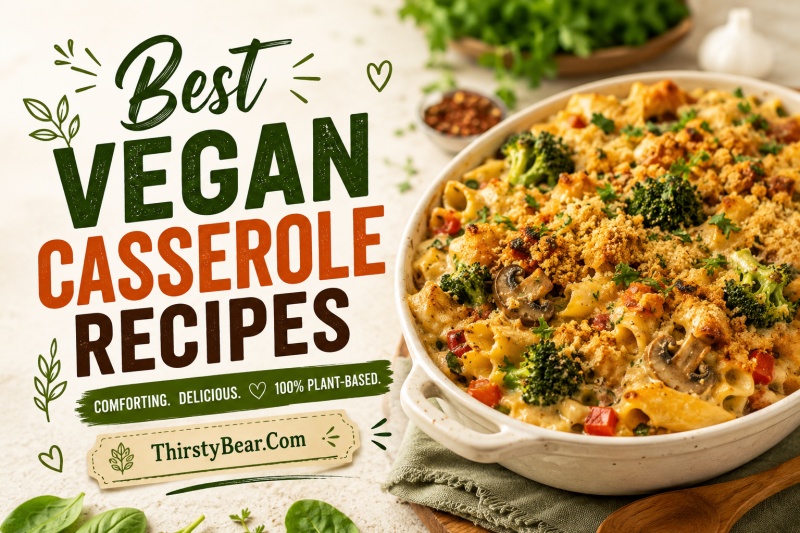
Finding satisfying vegan casserole recipes that please everyone at the table can feel overwhelming at first. I spent months testing different approaches after transitioning to plant-based eating, and I discovered that the best vegan casseroles are actually simpler than their traditional counterparts. This guide brings together everything I have learned about creating hearty, comforting casseroles without dairy, meat, or eggs.
Vegan casserole recipes have become my go-to solution for weeknight dinners, potlucks, and meal prep sessions. They offer that same warm, comforting appeal that traditional casseroles provide while being completely plant-based. Whether you are cooking for a mixed-dietary family or looking to expand your meatless meal options, these recipes deliver crowd-pleasing results every time.
Throughout this guide, you will discover fifteen of my favorite plant-based casseroles, essential techniques for creating creamy textures without dairy, and practical tips for meal prep and storage. I have also included answers to the most common questions I receive from readers trying vegan casseroles for the first time.
Table of Contents
What Makes a Great Vegan Casserole
A great vegan casserole balances four essential components: a hearty protein base, colorful vegetables, a creamy binding sauce, and a satisfying topping. Getting these elements right creates that signature comfort food experience without any animal products.
Building Your Base
The protein foundation of your casserole determines how filling and satisfying the final dish will be. I rely on chickpeas, lentils, black beans, and tofu as my primary protein sources because they hold up well during baking and absorb flavors beautifully. Each cup of cooked lentils provides about eighteen grams of protein, making them an excellent choice for hearty dinner casseroles.
Vegetables add nutrition, color, and texture variety. Root vegetables like sweet potatoes and butternut squash bring natural sweetness and substance. Cruciferous vegetables like broccoli and cauliflower add satisfying bite while soaking up surrounding flavors. I always recommend partially cooking harder vegetables before adding them to prevent uneven texture in the finished dish.
Creating Creamy Sauces Without Dairy
The sauce is what transforms simple ingredients into a cohesive, comforting casserole. Cashew cream blended with vegetable broth creates an incredibly rich base, though I know many people have nut allergies or want more budget-friendly options. For nut-free alternatives, full-fat coconut milk, blended white beans, or oat milk-based roux work beautifully.
Nutritional yeast is my secret weapon for achieving that cheesy flavor without actual cheese. Two tablespoons typically provide enough savory, umami-rich taste to satisfy cheese cravings. Combined with garlic powder, onion powder, and a touch of turmeric for color, you can create sauces that taste remarkably similar to traditional cheese sauce.
Thickening Agents That Actually Work
Getting the right consistency in your sauce prevents watery casseroles. Arrowroot powder creates the clearest, most stable thickening and works at lower temperatures than cornstarch. I use one tablespoon of arrowroot mixed with two tablespoons of cold water for every cup of liquid I want to thicken.
Cornstarch is more readily available and budget-friendly, though it can create a slightly cloudy appearance. Flax eggs work well as both binders and mild thickeners in breakfast-style casseroles. For the best results, always mix your thickening agent with cold liquid before adding it to hot sauce to prevent clumping.
15 Best Vegan Casserole Recipes for 2026
These fifteen recipes represent my most-tested, most-requested vegan casseroles. Each one serves six to eight people, making them perfect for families or meal prep. I have organized them from quickest preparation time to more involved weekend projects.
1. Chickpea Noodle Casserole (The Tuna Noodle Alternative)
This was the first vegan casserole I created that genuinely impressed my non-vegan family members. Mashed chickpeas combined with lemon juice, dill, and capers create that distinctive tuna-like flavor profile. Wide egg-free noodles provide the familiar comfort food texture.
The creamy sauce uses blended soaked cashews or sunflower seeds for a nut-free version. Frozen peas and carrots add color and nutrition without extra prep work. A topping of buttery breadcrumbs creates that essential crispy contrast. Total prep and cook time runs about forty-five minutes.
2. Lentil Shepherd’s Pie Casserole
Green or brown lentils simmered with mushrooms, carrots, and peas create a deeply savory base layer. The mashed potato topping gets extra richness from vegan butter and a splash of plant milk. I recommend russet potatoes for the fluffiest texture.
This casserole reheats beautifully, making it ideal for meal prep. The protein content keeps you satisfied for hours. Total preparation takes about an hour including cooking the lentils from dry. This is my most-requested recipe for feeding mixed dietary groups at potlucks.
3. Mexican Black Bean Enchilada Casserole
Layered tortillas, seasoned black beans, corn, and homemade enchilada sauce create a Southwestern comfort food classic. The sauce blends tomato paste, vegetable broth, chili powder, and a touch of cocoa powder for depth. Corn tortillas work better than flour for authentic texture.
Daiya shreds or homemade cashew queso provide the cheesy element. Fresh cilantro and lime juice added after baking brighten the rich flavors. This recipe scales easily for larger crowds. Total time from start to finish is about fifty minutes.
4. Tofu Breakfast Casserole
Crumbled extra-firm tofu seasoned with black salt creates an egg-like base for this morning favorite. Diced potatoes, spinach, and vegan sausage crumbles round out the protein-rich filling. Black salt is essential for that authentic eggy flavor.
Nutritional yeast and turmeric provide golden color and cheesy taste. This casserole can be assembled the night before and baked fresh in the morning. Leftovers keep well for four days refrigerated. Perfect for holiday brunches or weekend meal prep.
5. Broccoli Rice Casserole
This creamy casserole mimics the classic church potluck favorite without any condensed soup. Blended raw cashews or soaked sunflower seeds create the base for the sauce. Brown rice provides more fiber and staying power than white rice.
Fresh broccoli florets maintain better texture than frozen in this application. A sprinkle of smoked paprika on top adds depth. This recipe works well with cauliflower substituted for half the broccoli. Ready in about fifty minutes.
6. Sweet Potato and Black Bean Casserole
Roasted sweet potato cubes create caramelized sweetness that balances the earthy black beans. A chipotle-lime cashew cream drizzle adds smoky heat. Corn kernels provide pops of sweetness throughout.
This naturally gluten-free recipe pleases even picky eaters. The color contrast makes for beautiful presentation. Prep time is minimal since sweet potatoes do not require peeling. Total cooking time is fifty-five minutes.
7. Vegan Baked Ziti
This Italian-American classic relies on blended soaked cashews, tofu, and nutritional yeast for the ricotta layer. Marinara sauce and ziti pasta create the familiar structure. I recommend undercooking the pasta slightly since it continues cooking in the oven.
Miyoko’s mozzarella or homemade cashew mozzarella provide the melty top layer. Fresh basil added after baking elevates the flavors. This recipe feeds a crowd and costs under fifteen dollars to make. Ready in about an hour.
8. Mushroom Wild Rice Casserole
Wild rice and brown rice combine for textural interest and nutty flavor. Three varieties of mushrooms create deep umami without any meat. Cremini, shiitake, and oyster mushrooms each contribute different textures.
A white wine reduction in the sauce adds sophistication. This casserole works well for holiday meals alongside traditional sides. The earthy flavors pair beautifully with roasted vegetables. Total preparation time is about seventy-five minutes including rice cooking.
9. White Bean and Kale Casserole
Creamy cannellini beans and hearty kale create a rustic, satisfying combination. White miso paste adds depth to the simple broth-based sauce. Lemon zest brightens the earthy greens.
This recipe comes together quickly since it uses canned beans. Gluten-free breadcrumbs on top add crunch without compromising dietary needs. It is especially comforting during colder months. Ready in forty minutes.
10. Buffalo Cauliflower Casserole
Roasted buffalo cauliflower florets serve as the protein-packed base. A ranch-flavored cashew sauce provides cooling contrast. Celery and carrots add crunch and authenticity.
This casserole converts even dedicated meat eaters at game day gatherings. The spice level is adjustable to your preference. Serve with extra hot sauce on the side for heat lovers. Total time is about fifty minutes.
11. Eggplant Parmesan Casserole
Sliced and salted eggplant eliminates bitterness and excess moisture before layering. Homemade marinara and vegan mozzarella create the classic flavor profile. Breadcrumbs between layers absorb extra sauce.
This recipe requires more active preparation time but delivers restaurant-quality results. The salting step is non-negotiable for best texture. Plan for ninety minutes total including eggplant preparation. Worth every minute of effort.
12. Spinach Artichoke Pasta Casserole
This combines the beloved dip with pasta for a complete meal. Frozen spinach and canned artichoke hearts keep prep simple. The sauce uses blended soaked cashews or white beans for creaminess.
Nutritional yeast and garlic powder create depth without dairy. Penne or rotini hold the sauce beautifully. This is my go-to for potlucks because it disappears quickly. Ready in about forty-five minutes.
13. Butternut Squash Lasagna
Roasted butternut squash puree replaces traditional ricotta in this autumn-inspired dish. Sage and nutmeg complement the squash sweetness. No-boil lasagna noodles save considerable prep time.
A bechamel-style sauce using oat milk and vegan butter ties everything together. This recipe works beautifully for Thanksgiving or Christmas meals. The colors are stunning on any table. Total time is about ninety minutes.
14. Chili Cornbread Casserole
A layer of hearty three-bean chili topped with cornbread batter creates this Tex-Mex favorite. The cornbread absorbs flavorful chili as it bakes. Diced jalapeños in the cornbread add optional heat.
This one-dish meal requires minimal cleanup. Cornbread mix or homemade batter both work well. Top with avocado and green onions after baking. Ready in about fifty minutes.
15. Peanut Butter Chickpea Curry Casserole
This West African-inspired dish combines chickpeas, sweet potatoes, and spinach in a peanut butter coconut curry sauce. The flavors are complex and deeply satisfying. Lime juice added at the end brightens the rich sauce.
It is naturally gluten-free and protein-dense. The leftovers taste even better the next day. This recipe introduces many people to how exciting vegan food can be. Total preparation time is about forty-five minutes.
Essential Ingredients and Substitutions
Stocking your pantry with the right ingredients makes vegan casserole preparation effortless. I have identified the most important components and budget-friendly alternatives based on years of recipe testing.
Dairy Alternatives for Creamy Textures
Full-fat coconut milk from a can provides the richest, most stable cream base for savory sauces. The subtle coconut flavor disappears when combined with nutritional yeast and garlic. One fourteen-ounce can typically creates enough sauce for a nine-by-thirteen-inch casserole.
Oat milk works wonderfully for lighter cream sauces and white gravies. It has a neutral flavor and thickens well with a flour-based roux. Soy milk and almond milk are also suitable, though they create slightly thinner sauces. Avoid rice milk as it lacks the fat content needed for satisfying creaminess.
Blended soaked cashews create the most luxurious creamy texture. Soak one cup of raw cashews in hot water for thirty minutes, then blend with one cup of fresh water until completely smooth. For nut-free alternatives, soaked sunflower seeds or hemp hearts work similarly though with slightly different flavor profiles.
Thickening Agents Compared
Understanding your thickening options prevents the disappointment of watery casseroles. Arrowroot powder creates the clearest, most neutral-tasting sauces and works at lower temperatures than cornstarch. It is my preferred choice for delicate flavors.
Cornstarch is more affordable and widely available. Mix one tablespoon with two tablespoons cold water before whisking into hot liquid. Flour-based roux using vegan butter creates heartier, more opaque sauces perfect for winter casseroles.
Instant mashed potato flakes work in a pinch for thickening over-thin sauces. Ground flaxseed or chia seeds add both thickening and binding properties, especially useful in breakfast casseroles. They also add nutritional benefits including omega fatty acids.
Egg Replacements for Breakfast Casseroles
Creating that eggy texture and flavor in breakfast casseroles requires specific techniques. Extra-firm tofu crumbled and seasoned with black salt provides the most convincing egg replacement. Black salt contains sulfur compounds that mimic egg flavor authentically.
Chickpea flour combined with water creates a batter that cooks up similar to scrambled eggs when baked. Add black salt, turmeric for color, and nutritional yeast for depth. One cup of chickpea flour mixed with one and a half cups water replaces about six eggs.
Just Egg is a commercial product that pours and cooks like actual eggs. It is more expensive than homemade options but incredibly convenient for busy mornings. One bottle typically makes two casseroles.
Meal Prep and Storage Tips
One of the biggest advantages of vegan casseroles is how well they work for meal prep. Proper storage and reheating techniques maintain the texture and flavor you worked hard to create.
Make-Ahead Strategies
Most vegan casseroles can be assembled up to twenty-four hours in advance and refrigerated unbaked. Cover tightly with foil to prevent drying. Add ten to fifteen minutes to the baking time when cooking from cold.
Sauces with high coconut milk content may separate slightly when refrigerated. A quick whisk before assembly prevents this issue. Toppings like breadcrumbs or crushed crackers should be added just before baking to maintain crunch.
I typically prepare two casseroles on Sunday for the week ahead. One gets baked immediately for Sunday dinner. The other stays refrigerated and gets baked Wednesday for a midweek meal that tastes fresh.
Freezing Guidelines
Vegan casseroles freeze beautifully for up to three months. Cool completely before freezing to prevent ice crystal formation. Wrap tightly in plastic wrap followed by foil for best protection.
Label with the recipe name and date before freezing. Thaw overnight in the refrigerator before reheating for best results. While you can bake from frozen, the texture suffers slightly.
Casseroles with pasta freeze slightly less well than bean or vegetable-based versions. The pasta absorbs sauce during freezing and can become mushy. Undercook pasta by two minutes if you plan to freeze the finished casserole.
Reheating Instructions
Reheat refrigerated casseroles covered with foil at three hundred fifty degrees Fahrenheit for twenty to twenty-five minutes. Remove foil for the last five minutes to crisp any toppings. Individual portions microwave well on seventy percent power for two to three minutes.
Add a splash of vegetable broth or plant milk before reheating if the casserole seems dry. Fresh herbs or a squeeze of lemon juice after reheating brightens flavors that may have dulled during storage. Crispy toppings like breadcrumbs will soften during storage but can be refreshed with a few minutes under the broiler.
Troubleshooting Common Casserole Problems
Even experienced cooks encounter casserole issues occasionally. These solutions address the problems I hear about most frequently from readers.
Fixing Watery Casseroles
Excess moisture is the most common casserole complaint. Vegetables release water during cooking, especially mushrooms, zucchini, and spinach. Pre-cooking these vegetables in a dry skillet removes excess moisture before assembly.
If your finished casserole is watery, remove it from the oven and carefully drain excess liquid. Mix one tablespoon of cornstarch with two tablespoons cold water and stir into the hot casserole. Return to the oven for ten minutes to thicken.
Letting casseroles rest for ten minutes after baking allows sauces to set and thicken naturally. Cutting into a casserole immediately out of the oven always results in runnier servings. Patience pays off here.
Achieving Proper Browning
Vegan cheese alternatives do not always brown like dairy cheese. For golden tops, brush with a little olive oil or vegan butter before the final few minutes of baking. Broiling for two to three minutes at the end creates attractive browning.
Panko breadcrumbs mixed with melted vegan butter create excellent golden crusts. Nutritional yeast sprinkled on top before baking adds color and crunch. Some recipes benefit from a layer of crushed crackers or fried onions instead of cheese.
Preventing Bland Flavors
Under-seasoning is a frequent issue in plant-based cooking. Taste your sauce before assembly and adjust salt and spices aggressively. The flavors will mellow slightly during baking, so slightly over-seasoning is better than under-seasoning.
Acid is essential for brightening vegan dishes. Lemon juice, lime juice, or apple cider vinegar added at the end of cooking lifts all the other flavors. Fresh herbs added after baking provide aromatics that cooking destroys.
Umami-rich ingredients like soy sauce, miso paste, tomato paste, and mushrooms deepen flavor significantly. A teaspoon of soy sauce in your sauce adds savory depth without tasting Asian-inspired. Nutritional yeast provides both cheesy flavor and umami enhancement.
What to Serve with Vegan Casseroles
While these casseroles are complete meals on their own, thoughtful sides can elevate the dining experience. I have developed reliable pairings for different casserole styles.
Fresh and Light Accompaniments
Simple green salads with acidic vinaigrettes cut through rich, creamy casseroles beautifully. Arugula with lemon juice and olive oil works with almost any recipe. Massaged kale salads hold up well alongside hot dishes.
Roasted vegetables with different seasonings than your main casserole provide variety. If your casserole is creamy and mild, try roasted broccoli with garlic and red pepper flakes. If your casserole is spicy, roasted sweet potatoes with cinnamon create balance.
Bread and Starch Pairings
Crusty artisan bread is perfect for scooping up saucy casseroles. Garlic bread made with vegan butter elevates Italian-inspired dishes. Cornbread pairs naturally with Mexican or Southern-style casseroles.
For lighter meals, skip additional starch and serve with extra vegetables. Steamed green beans or roasted asparagus round out the meal nutritionally. A simple fruit salad provides refreshing contrast at brunch gatherings.
Feeding Mixed Dietary Groups
When serving vegans alongside omnivores, these casseroles satisfy everyone without drawing attention to dietary differences. The lentil shepherd’s pie and chickpea noodle casserole receive particularly positive feedback from meat eaters.
Label dishes clearly so guests know what they can eat. Prepare simple sides that work for everyone rather than making separate versions. I have found that confident presentation matters more than trying to replicate meat exactly.
Frequently Asked Questions
What are some easy vegan casserole recipes?
Easy vegan casserole recipes include dump-and-bake chickpea and rice casseroles, Mexican black bean enchilada bakes, and broccoli rice casseroles using blended cashews or white beans for creaminess. These recipes require minimal prep, use pantry staples, and feed six to eight people with under fifteen minutes of active cooking time before baking.
What is in cowboy casserole?
Traditional cowboy casserole contains ground beef, beans, corn, and cheese with a tater tot topping. A vegan version substitutes plant-based meat crumbles or extra beans, uses dairy-free cheese or nutritional yeast sauce, and keeps the crispy tater tot or cornbread topping. The result is a hearty, satisfying dish that captures the spirit of the original without animal products.
What’s the best way to thicken a vegan casserole?
Arrowroot powder creates the clearest, most stable thickening at one tablespoon per cup of liquid. Cornstarch works similarly at a lower cost. For nut-free options, blend soaked white beans or use instant mashed potato flakes. Always mix thickening agents with cold liquid before adding to hot sauce to prevent clumping.
What to serve someone who is vegan?
Vegan casseroles make excellent main dishes for gatherings. Serve with fresh salads, crusty bread, roasted vegetables, and fruit. Popular choices include lentil shepherd’s pie, chickpea noodle casserole, and Mexican enchilada bakes. These dishes provide complete protein, satisfy comfort food cravings, and appeal to both vegans and non-vegans at shared meals.
What can you use instead of eggs in a breakfast casserole?
Extra-firm tofu crumbled with black salt provides the best egg replacement for breakfast casseroles. Chickpea flour mixed with water and seasonings creates a convincing alternative. Commercial products like Just Egg pour and cook like real eggs. All three options provide protein and satisfying texture for morning meals.
Conclusion
Vegan casserole recipes offer the perfect combination of comfort, nutrition, and convenience for busy households. The fifteen recipes and techniques shared in this guide provide everything you need to create satisfying meals that please everyone at your table.
I encourage you to start with the chickpea noodle casserole or lentil shepherd’s pie if you are new to plant-based cooking. Both recipes deliver familiar flavors that convert skeptical family members. As you gain confidence, explore the more adventurous options like peanut butter chickpea curry or buffalo cauliflower.
Remember that great vegan cooking is about abundance rather than restriction. These casseroles celebrate the incredible variety of flavors and textures available in plant-based ingredients. I would love to hear which recipe becomes your family favorite.