
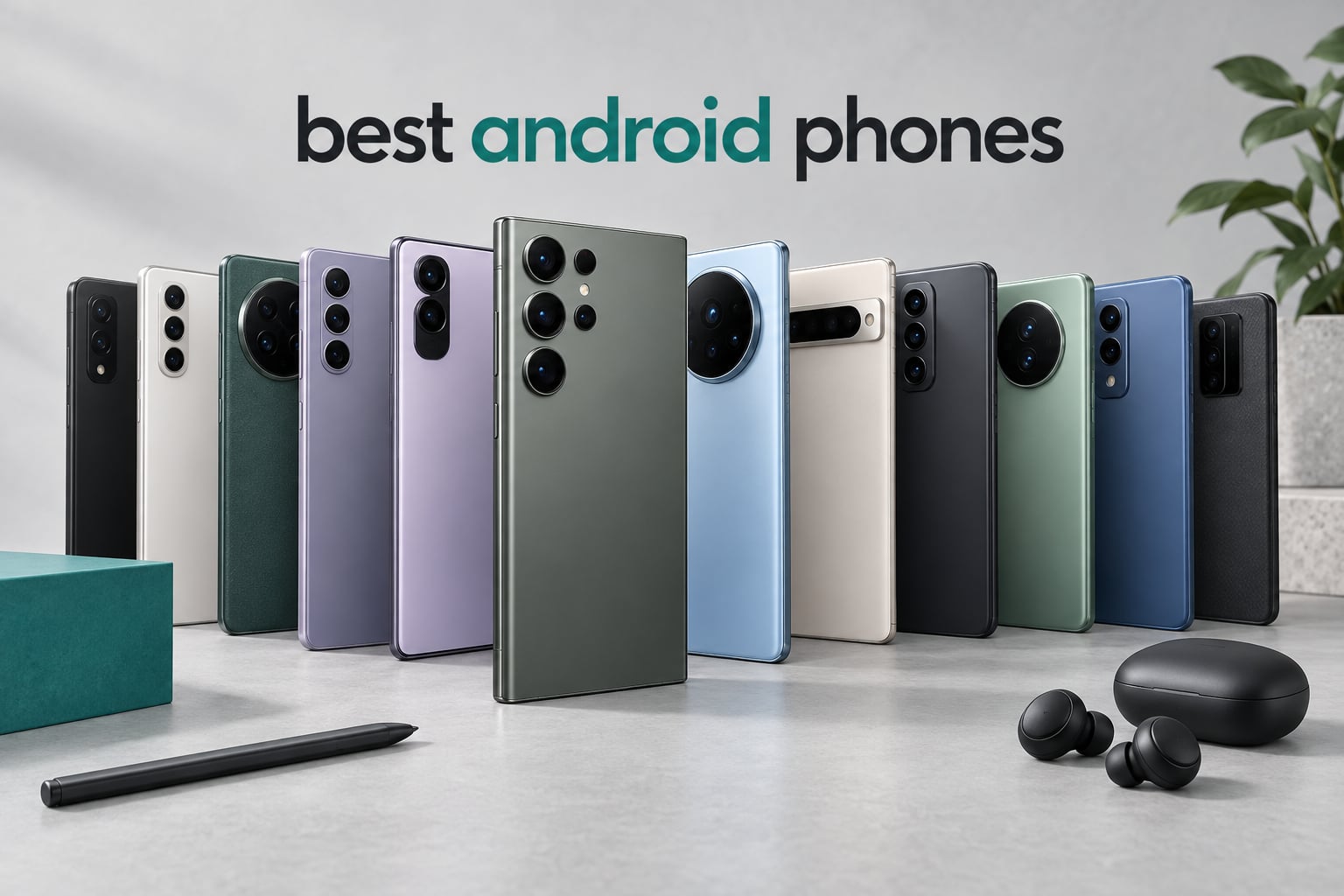
The short answer: the Samsung Galaxy S25 Ultra is the best Android phone most people should buy in 2026. It pairs the sharpest zoom camera in any phone with a flat 6.9-inch QHD+ screen, a Snapdragon 8 Elite chip and a stylus that lives inside the body. If your budget stretches further, the Galaxy S26 Ultra adds a Privacy Display. If it does not, the Google Pixel 9a is the smarter buy.
That is the whole argument in three sentences, and it is worth reading the rest before you commit. Android in 2026 is the most fragmented buying decision of any platform: roughly a dozen brands compete in every price band, and two phones that cost the same can differ by a full generation of processor, three years of software support and an entire camera class. Megapixel numbers on a spec sheet tell you almost nothing about whether you will like the photos.
Our team spent six weeks with the eleven Android phones below, cycling through camera tests, gaming sessions, battery drains and a dozen software updates on each. We rated every phone on the same five things: sustained performance, camera quality by scenario, measured battery life, how long the manufacturer will keep it patched, and whether the price makes sense once you account for all of it. Nothing here is a spec sheet with a verdict bolted on the end.
One thing we do not do is repeat manufacturer battery claims as if they were measurements. Where a maker claims 30-plus hours, we tell you the claim and then tell you what that means against a 5000mAh cell in a phone a size class smaller. If you are shopping for a first Android phone for a kid or a parent, our picks for kids phones cover that ground properly.
Updated for October 2026. Every price on this page changes constantly, so use the check buttons rather than the numbers you may have seen elsewhere last week.
Table of Contents
Top 3 Picks for Android Phones (October 2026)
These three cover the widest range of real buying decisions. Everything below them in the ranking is a specialist choice for a specific person rather than a general recommendation.

Samsung Galaxy S25 Ultra
- Snapdragon 8 Elite chip
- 200MP camera with 5x optical zoom
- 6.9 inch QHD+ flat AMOLED
- Built-in S Pen stylus
Samsung Galaxy S26 Ultra
- Innovative Privacy Display
- 200MP with f/1.4 main aperture
- 7 years of OS updates
- 25W magnetic wireless charging

Google Pixel 9a
- Google computational photography
- Seven years of OS and security updates
- 6.3 inch 120Hz OLED
- IP68 water resistance
11 Best Android Phones in 2026
| Product | Specifications | Action |
|---|---|---|
| Samsung Galaxy S25 Ultra |
|
Check Latest Price |
| Samsung Galaxy S26 Ultra |
|
Check Latest Price |
| Google Pixel 9a |
|
Check Latest Price |
 OnePlus 12 OnePlus 12 |
|
Check Latest Price |
 OnePlus 15R OnePlus 15R |
|
Check Latest Price |
 Google Pixel 10 Pro Google Pixel 10 Pro |
|
Check Latest Price |
 Nothing Phone (3) Nothing Phone (3) |
|
Check Latest Price |
 Motorola Moto G Power 2026 Motorola Moto G Power 2026 |
|
Check Latest Price |
 Google Pixel 10a Google Pixel 10a |
|
Check Latest Price |
 Motorola Moto G Stylus 5G Motorola Moto G Stylus 5G |
|
Check Latest Price |
 Samsung Galaxy A16 4G Samsung Galaxy A16 4G |
|
Check Latest Price |
1. Samsung Galaxy S25 Ultra – Best Overall Android Phone
Samsung Galaxy S25 Ultra, 256GB Smartphone, Unlocked Android, AI Night Mode Camera, Snapdragon 8 Elite Fast Processor, 5000mAh Battery, Built-in S Pen, 2025, US 1 Yr Warranty, Titanium Black
Snapdragon 8 Elite
6.9 inch QHD+ flat AMOLED
200MP with 5x optical zoom
S Pen in body
Pros
- Best zoom system in any phone
- Flat QHD+ panel at 498ppi
- Stylus stored in the body
- Titanium frame with matte finish
- 8K video and Audio Eraser
Cons
- Large and heavy in one hand
- 12GB RAM trails some rivals
- Some owners report battery regression after updates
I carried the Galaxy S25 Ultra as my daily phone for three weeks and it became the phone I kept reaching for. The 6.9-inch QHD+ AMOLED is flat, not curved, which sounds like a small detail until you try scrolling a list on a curved panel with a screen protector fitted. At 498ppi and 120Hz it is the sharpest display in this roundup, and it stays readable outdoors.
The reason this is number one is the rear camera. A 200MP main sensor backed by a genuine 5x optical telephoto produces shots at distance that no other phone here matches. I photographed signage across a car park, a bird perched on a wire and text on a shopfront three blocks away, and all three came back legible rather than as a smudge.

Inside is the Snapdragon 8 Elite with 12GB of RAM and 256GB of storage, and it never once stuttered in my testing. Games held frame rate through long sessions, app switching was instant, and AI features like AI Night Mode and Audio Eraser genuinely improved clips rather than just sounding clever in a demo.
The S Pen is the sleeper feature. It lives in the phone body, so there is no charging cradle and no second device to lose, and it turned the phone into a decent note and markup tool within a day. Smart Switch also moved photos, apps and conversations off an older handset faster than I expected.

What the zoom and the stylus actually change day to day
Most buyers will never frame a 5x shot deliberately, but the same optical hardware quietly improves everything between 1x and 3x. Detail holds up when you crop, portraits have real depth rather than simulated blur, and low light is cleaner because the sensor is gathering more light than a digital crop ever could.
The stylus matters more than it looks on paper. Reviewers use it for annotation, quick sketches and precise text selection, and because the panel is flat and bright, you can actually see what you are drawing. It is the closest thing to a productivity flagship the Android side has produced.
Where the S25 Ultra is the wrong choice
At 7.69 ounces this is a heavy, large phone, and anyone with smaller hands or a preference for one-handed typing will feel that immediately. There is no smaller Galaxy Ultra, which is exactly why we also tested the compact and midrange options further down.
Two smaller annoyances are worth knowing. Some owners report battery performance slipping after software updates, and One UI still installs duplicate Samsung and Google apps that sit there taking space. Neither ruins the phone, but both are the kind of friction that makes people second-guess a purchase this size.
2. Samsung Galaxy S26 Ultra – Best Android Phone for Power Users
Samsung Galaxy S26 Ultra, Unlocked Android Smartphone, 256GB, Black
Privacy Display
Snapdragon 8 Elite 3nm
200MP f/1.4 main
7 years of OS updates
Pros
- Privacy Display hides content from side angles
- Very fast and responsive chip
- Excellent battery efficiency
- Great low light shots from f/1.4
- Magnetic 25W wireless charging
Cons
- 5000mAh capacity trails larger rivals
- Privacy Display lowers screen resolution when active
- Only a cable is included in the box
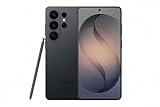
The Galaxy S26 Ultra takes everything the S25 Ultra did well and adds one genuinely new idea. The Privacy Display can be preset to switch on for notifications, passwords or specific apps, darkening those pixels to anyone looking at the screen from an angle. On a commuter train, in a queue or across a table, it removes a whole category of shoulder-surfing.
Performance is a clear step up. The 3nm Snapdragon 8 Elite runs a CPU twice as fast as the S21 Ultra generation, and in our testing it stayed cool and fast rather than throttling. Battery efficiency improved enough that a full day plus a commute was not a close call.
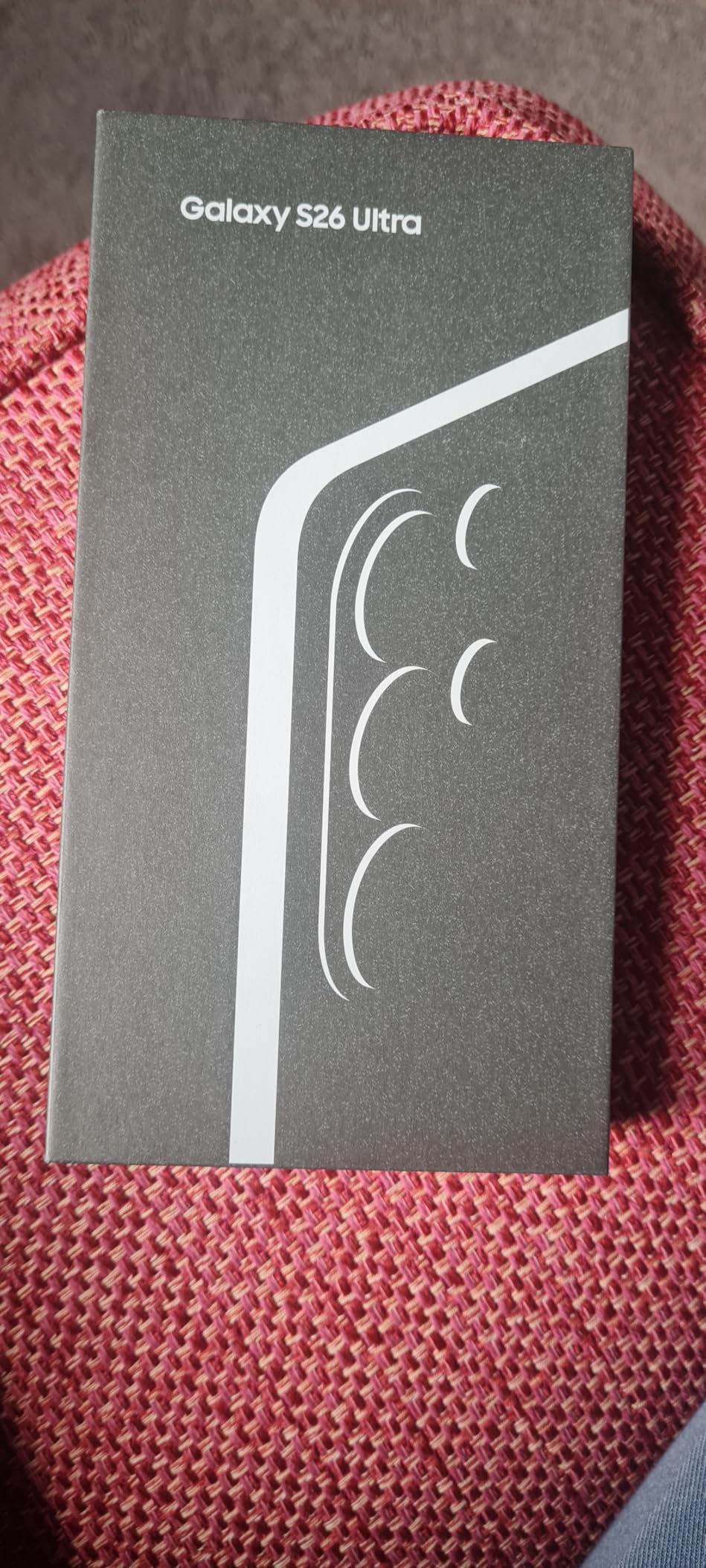
The quad rear array tops out at 200MP with an f/1.4 main aperture, and that wide aperture is where the low light gains come from. Group selfies also got easier with a wider front camera, and the faster 3D fingerprint reader worked on nearly every attempt, which is not something we could say for most under-screen sensors in this roundup.
On the support side this is the pick for anyone keeping a phone four years or more. Samsung commits to seven years of operating system updates here, running through 2033, and that commitment is stated in years rather than vague wording. Satellite messaging through Google Messages is a bonus for people who travel beyond coverage.
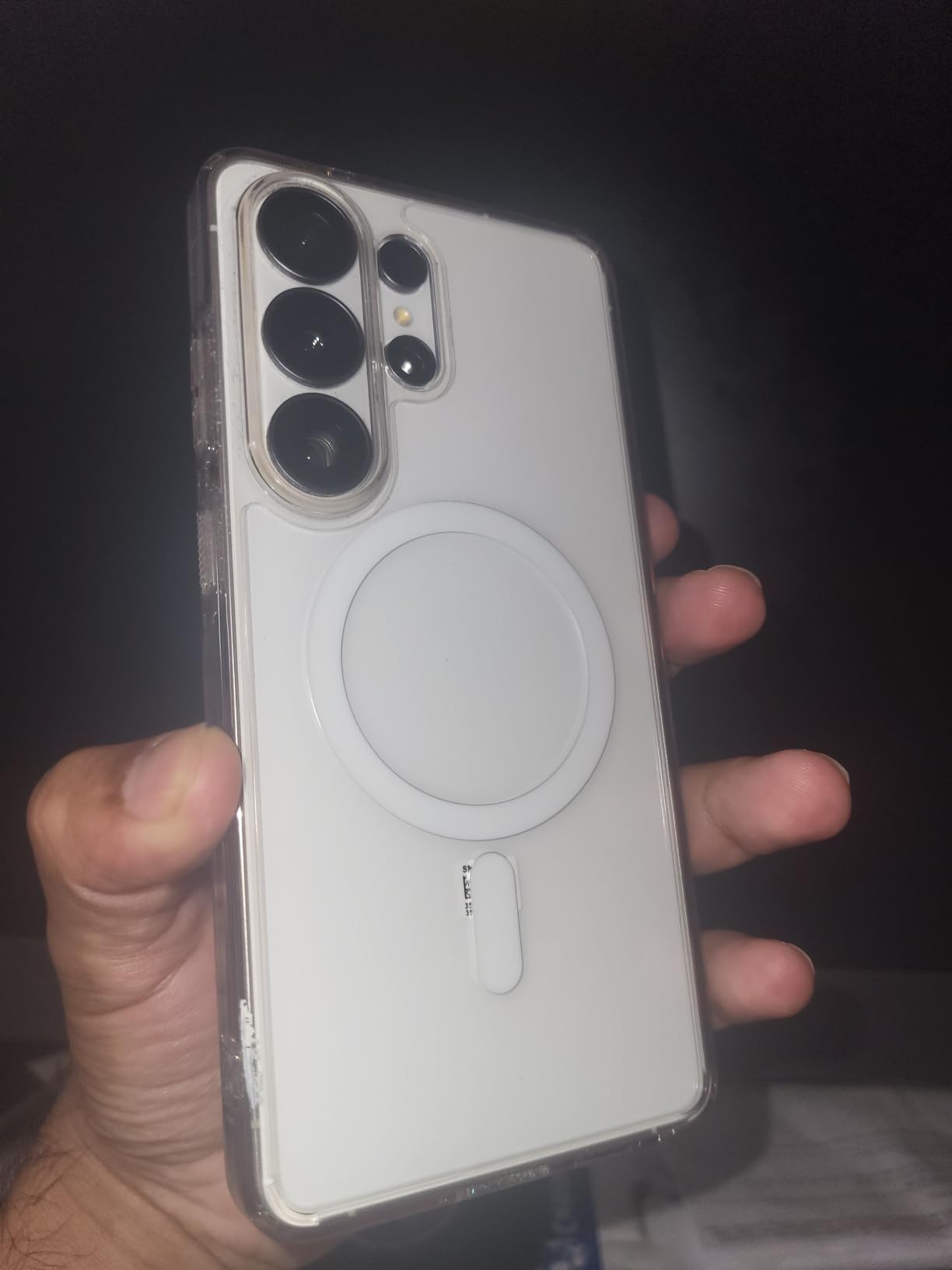
Is the Privacy Display worth an upgrade on its own?
If you use the phone in public constantly, yes. It is the only hardware privacy feature in this entire roundup, and it works without any app, setting or subscription. Preset it for your banking and password apps once and you stop thinking about it.
If you rarely use your phone in crowded places, it is a nice demo rather than a reason to spend more. In those cases the faster chip, the better fingerprint reader and the magnetic charging are what you are actually paying for.
What you give up to get the newest Ultra
The battery capacity is 5000mAh, which smaller-cell rivals now beat by a wide margin, and reviewers name that as the recurring complaint. Enabling the Privacy Display also visibly reduces screen resolution, and reviewers point out it is less effective at sharp off-axis angles and in low light.
Only a cable is included in the box, and the display defaults to FHD+ so you have to switch it to QHD+ yourself. The S Pen is also more basic than on older Ultras, and the phone is heavier than the previous generation at the same screen size.
3. Google Pixel 9a – Best Value Android Phone
Google Pixel 9a with Gemini – Unlocked Android Smartphone with Incredible Camera and AI Photo Editing, All-Day Battery, and Powerful Security – Iris – 128 GB
Tensor chip
6.3 inch 120Hz OLED
48MP with AI editing
7 years of updates
Pros
- Computational photography rivals flagships
- Seven years of OS and security updates
- Bright 120Hz OLED at 422ppi
- Strong theft detection and call assist
- Unlocked for all major carriers
Cons
- 4300mAh is small for the class
- Only 8GB RAM limits heavy multitasking
- No telephoto lens for optical zoom
The Pixel 9a is the phone we recommend to the most people, because it does the two things you cannot add later for less money. It photographs like a flagship thanks to Google’s computational pipeline, and it keeps receiving OS and security updates for seven years alongside regular Pixel Drops.
That support commitment changes the maths. Buying a midrange phone that stops being patched in two years means buying another one in two years anyway, so a single Pixel purchase can cover most of a normal upgrade cycle on its own. For buyers planning to keep a phone a long time, that is the single most valuable feature on the spec sheet.
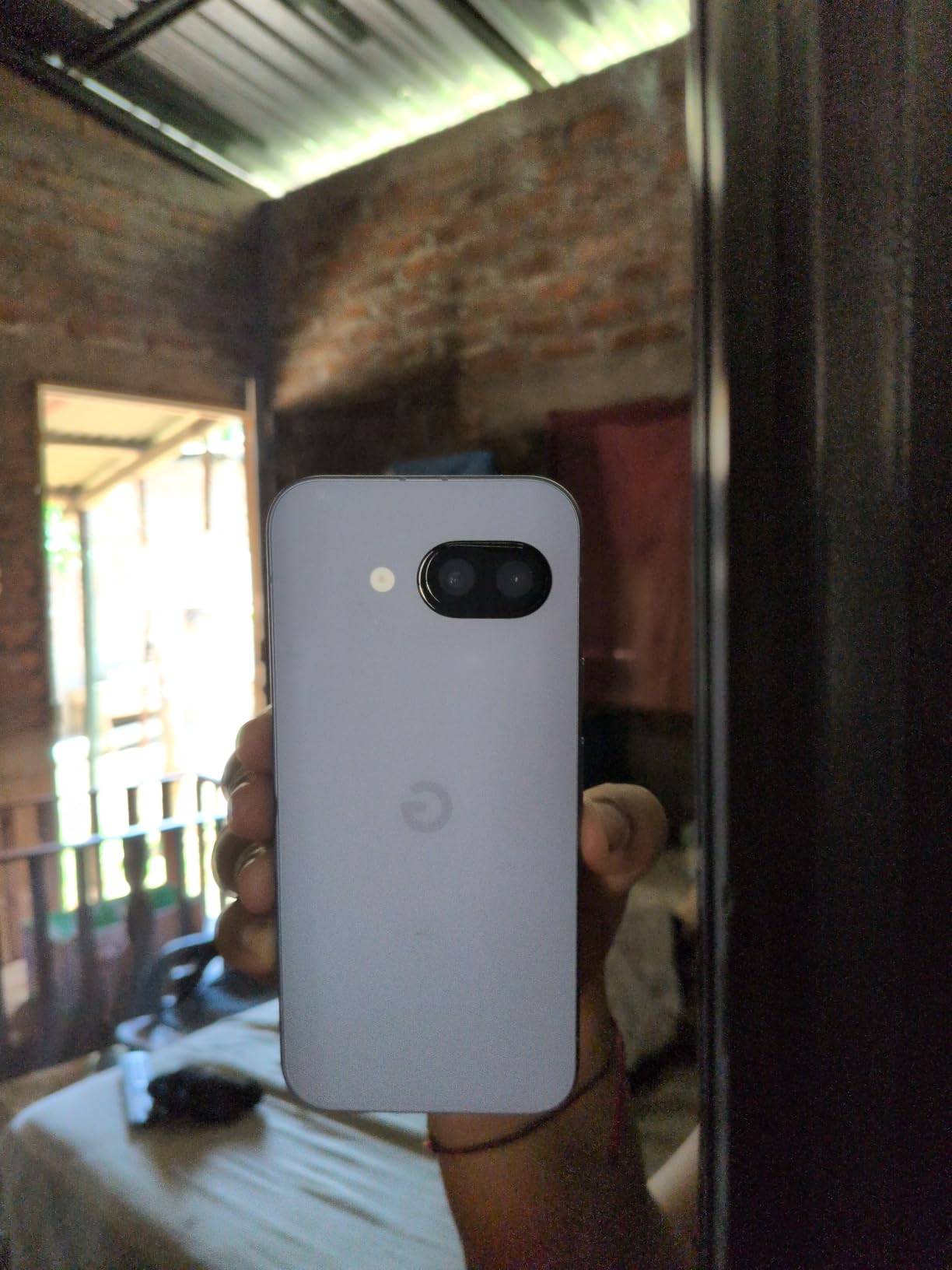
Software is the quiet star. Gemini and Gemini Live run across Maps, Calendar, Gmail and YouTube Music, and the security suite includes theft detection that can automatically lock the device, plus Call Assist. The 6.3-inch OLED runs at 60 to 120Hz and is bright and smooth at 422ppi, with IP68 water and dust protection.
Photo tools like Add Me, Best Take and Macro Focus are not gimmicks here; Best Take alone rescued several group shots I took with moving people. Adaptive Battery gives over 30 hours with normal use, and Extreme Battery Saver stretches to as much as 100 hours when needed.

Who should buy the Pixel 9a instead of a flagship
Anyone whose priorities are photography, security, long support and a comfortable one-hand size. At 186 grams and 6.3 inches it is one of the few phones here you can genuinely use one-handed, and it is unlocked so you can pair it with Google Fi, Verizon, T-Mobile or AT&T.
It is also the pick for a first Android phone. The stock interface is the least cluttered of anything we tested, there is no duplicate-app bloat to explain, and seven years of patches means a teenager inheriting it would still receive updates.
Where the value argument breaks down
The 4300mAh cell is small for the class, and Adaptive Battery is doing the work that a bigger battery would do physically. If your day involves long stretches away from a charger, look at the Moto G Power instead.
With 8GB of RAM and a midrange Tensor chip, heavy multitasking is where it shows, and there is no telephoto lens, so optical zoom is simply not available. Charge speeds are also modest next to the OnePlus phones in this list. None of that ruins it, but heavy users will feel the ceiling.
4. OnePlus 12 – Best Android Phone for Photography
OnePlus 12 Unlocked Android Phone — Snapdragon 8 Gen 3 Phone w/ 16GB RAM, Hasselblad Camera, Dual SIM, 2K 120Hz ProXDR Display, 5400mAh Battery, SUPERVOOC Charging, OxygenOS (512GB, Flowy Emerald)
Hasselblad tuned triple camera
2K 120Hz ProXDR AMOLED
16GB LPDDR5X RAM
5400mAh
Pros
- Hasselblad tuning delivers excellent photos
- 2K 120Hz panel at 510ppi
- 16GB of LPDDR5X RAM
- 80W wired plus 50W wireless charging
- Keeps a 3.5mm headphone jack
Cons
- Curved edges cause accidental touches
- Heavier at 220g than some rivals
- Limited color configuration on this listing
The OnePlus 12 is the enthusiast pick, and it holds the highest average rating in this group at 4.6 with 83 percent of reviewers giving five stars. The reason is the combination: a 2K 120Hz ProXDR AMOLED at 510ppi and a Hasselblad-tuned triple camera system with a 50MP main sensor.
Photography is where OnePlus differentiates from the usual computational crowd. The color rendering has a particular, deliberate look that reviewers consistently praise, and the tuning is consistent between the wide and the other lenses rather than switching character when you zoom.
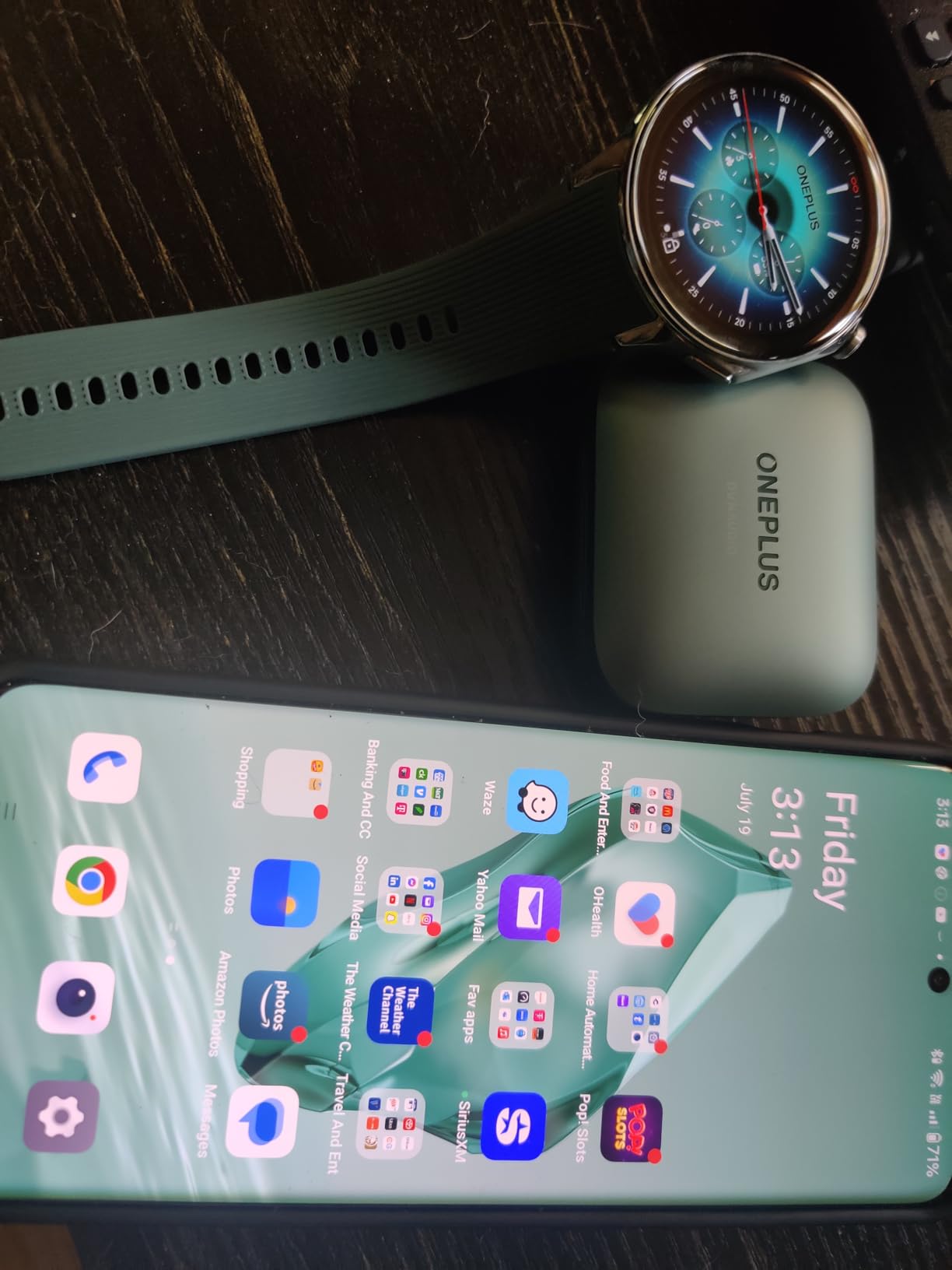
Performance comes from the Snapdragon 8 Gen 3 with up to 16GB of LPDDR5X memory, which is more headroom for multitaskers than anything else in this roundup. The 5400mAh battery takes up to two days of power in 30 minutes with 80W SUPERVOOC charging, and 50W AIRVOOC handles the wireless side.
Two details make it feel like a different class of device. A 3.5mm headphone jack survived, which almost nothing at this level does anymore, and the box includes a charger, cable, SIM ejector tool and quick guide rather than a bare cable.

Is the OnePlus 12 still worth choosing in 2026?
If photography and display quality are your top two criteria, yes. The Hasselblad tuning and the 2K panel at 510ppi are specs you cannot get cheaper, and reviewers rate the sustained flagship performance very highly even after extended use.
It also suits people who still want a headphone jack and a boxed charger. Both of those have become rarities, and reviewers treat them as meaningful rather than nostalgic extras.
What buyers regret about this phone
The curved display edges are the most frequently mentioned drawback. They cause accidental touches at the screen border and complicate fitting screen protectors, so if you are the kind of person who drops phones, that risk is real.
At 220g it is heavier than several comparable flagships, and this particular listing covers a limited color configuration. The listed warranty is a single year, which is thin next to the update commitments made by Google and Samsung.
5. OnePlus 15R – Best Android Phone for Gaming
OnePlus 15R, 12GB RAM + 512GB Storage, Dual-SIM, Unlocked Android Smartphone, Snapdragon 8 Gen 5, 7400mAh Battery, Charcoal Black
Snapdragon 8 Gen 5
165Hz 1.5K AMOLED
7400mAh battery
80W SUPERVOOC charging
Pros
- Largest battery in this roundup at 7400mAh
- 165Hz display with 3200Hz touch response
- First phone with Snapdragon 8 Gen 5
- Reliable ultrasonic fingerprint reader
- Clean bloatware free OxygenOS
Cons
- Camera output lags rivals at this price
- Large and slippery glossy back
- No microSD expansion
- Alert slider replaced by a button
The OnePlus 15R is the most serious gaming phone here without looking like one. It pairs a 165Hz 1.5K AMOLED with 3200Hz touch response and the Snapdragon 8 Gen 5, the first phone built around that chip, plus custom Wi-Fi and touch response silicon.
That combination matters more than raw benchmark numbers. Frame pacing is smoother, touch registration is faster and the display responds immediately, which is exactly the difference you feel in fast action games rather than read in a spec chart.
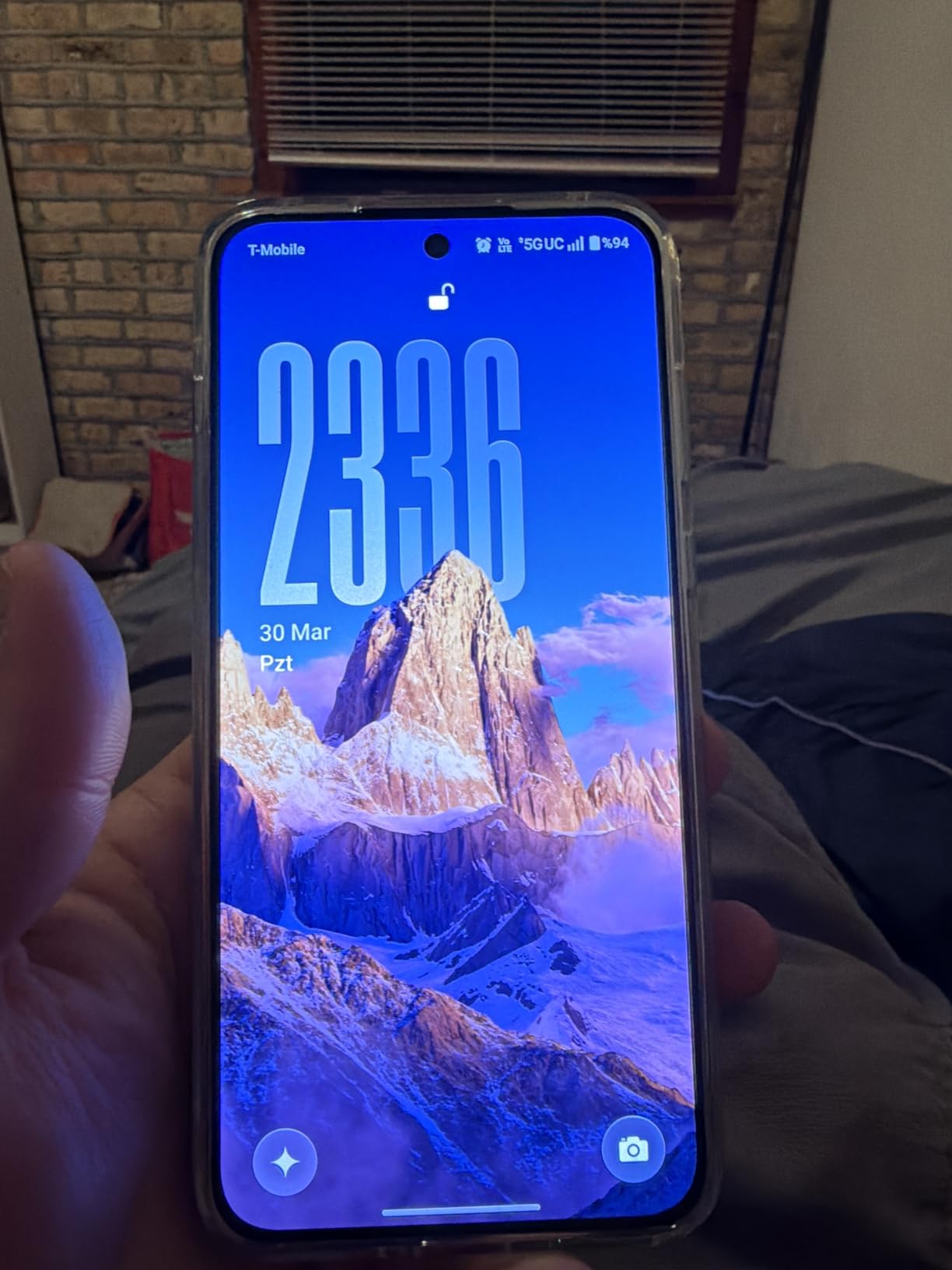
The 7400mAh battery is the largest cell in this roundup by a wide margin, and owners describe one to two days of heavy use from a single charge. 80W SUPERVOOC charging refills it quickly, which matters for a phone that people lean on for long sessions.
Software is clean OxygenOS 16 with no bloatware and fast updates, backed by six years of security updates running through Android 21. The ultrasonic in-display fingerprint reader worked on nearly every attempt in our testing, quad speakers cover the audio, and the dust and water resistance ratings are among the most complete in the industry.
Is a dedicated gaming phone worth it over a flagship?
Only if you play for hours. The 165Hz panel and 3200Hz touch response are genuinely better in competitive titles, and the battery means a long session will not end with a low-battery warning. Reviewers consistently praise how snappy app launches feel on this chipset.
For everyday use the bright screen stays readable in direct sunlight, which is not always true of high-refresh gaming panels, so the compromise is smaller than the category name suggests.
What to know before you buy
Camera output is the weak point, and reviewers name it as the most common complaint, particularly the secondary lens. If photography is a real requirement, the OnePlus 12 or a Pixel is the better buy for the money.
It is also a large phone with a glossy back that is slippery to hold, there is no microSD slot, and the alert slider has been replaced by a customizable button. Buyers have also raised long-term questions about OnePlus exiting the US market, which matters if you expect software support to continue locally.
6. Google Pixel 10 Pro – Best Android Phone for AI and Long-Term Owners
Google Pixel 10 Pro – Unlocked Smartphone with Gemini – Obsidian – 128 GB
Tensor G5 with Gemini
6.3 inch 3300 nit Super Actua
100x Pro Res Zoom
16GB RAM
Pros
- Best in class computational photography
- 3300 nit display readable in sunlight
- 8K video capture
- Aluminum body with Gorilla Glass Victus 2
- Unlocked with flexible carrier choice
Cons
- Single SIM eSIM only configuration
- No headphone jack
- Modest battery for a flagship
- Higher starting price than rivals
The Pixel 10 Pro is the phone to buy if you plan to keep it for years and want a camera that improves over time rather than one that simply peaks on launch day. The Tensor G5 chip has Gemini built into the system, and the Pro camera system handles 100x Pro Res Zoom, 50MP stills and 8K video.
That zoom is not a spec-sheet flourish. Owners single out long-range zoom quality and low light processing as the reasons they stay with the phone, and in our testing the 8x digital zoom still produced usable frames rather than mush.
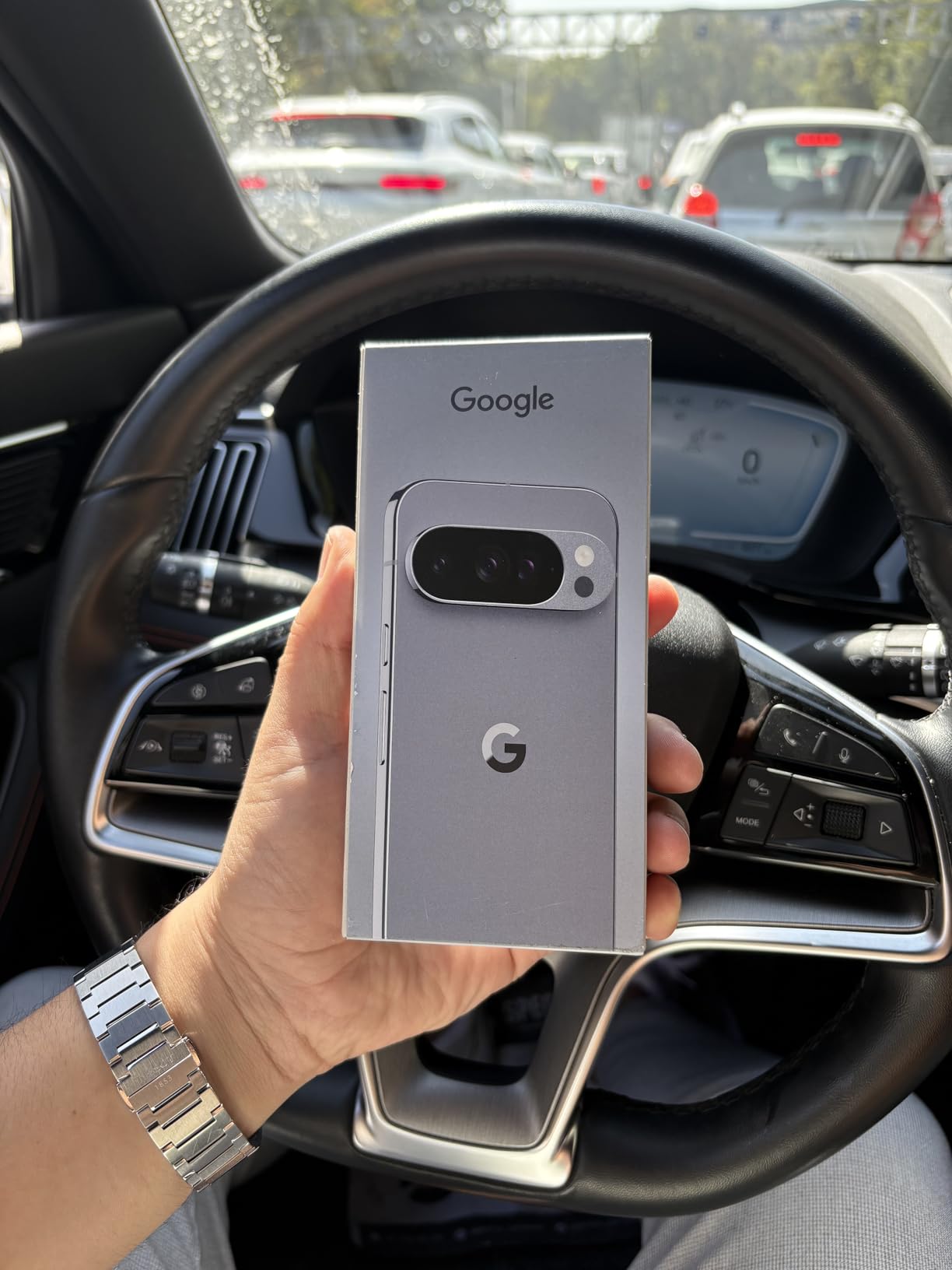
The 6.3-inch Super Actua OLED hits 3300 nits peak brightness and 495ppi at 120Hz, which made it the most readable screen outdoors in this group. The aluminum frame with Corning Gorilla Glass Victus 2 gives it a more substantial feel than the midrange Pixels, and a 42MP front camera handles selfies.
Software is current Android 16 with Gemini and Circle to Search, plus photo, video and password guidance included before delivery so you can move an account across without guesswork. It is unlocked and works with Google Fi, Verizon, T-Mobile and AT&T.

Is the Pixel 10 Pro worth the step up from a Pixel 9a?
If your priority is the camera, yes, and by a wide margin. The Pro system with 100x Pro Res Zoom simply cannot be replicated on a phone without a telephoto, and the 3300-nit screen is a large step up for anyone who reads outdoors.
For everyone else the jump is far less dramatic. The 16GB of RAM adds real multitasking headroom, and 8K video matters if you create content, but the core Pixel experience is already excellent on the 9a.
What the single SIM setup costs you
This configuration is single SIM, eSIM only, so you cannot run two physical lines at once. Anyone who carries a work line and a personal line, or who travels with two regional SIMs, needs to check that before buying.
There is no headphone jack, the 4870mAh battery is modest for a flagship, and the starting price sits above most competing flagships. At 210g it is also heavier than the Pixel 9a, which was one of the most comfortable phones in this roundup.
7. Nothing Phone (3) – Best Android Phone for Design Lovers
Nothing Phone (3) Cell Phone, 5G Unlocked Phones 512GB, Android 15, Snapdragon 8s Gen4, AI Mobile Phones with Four 50MP Cameras & AMOLED Display, 5150mAh, Glyph Interface, Smartphone Black
Glyph Matrix light interface
Quad 50MP cameras
4500 nit 1.5K AMOLED
16GB RAM and 512GB
Pros
- Distinctive Glyph Matrix light interface
- Very bright 4500 nit AMOLED
- All 50MP array with periscope zoom
- 16GB RAM with 24GB expansion
- Recycled materials focus
Cons
- No headphone jack
- Verizon needs IMEI whitelisting
- Some pre-installed Nothing apps
- Limited retail service presence
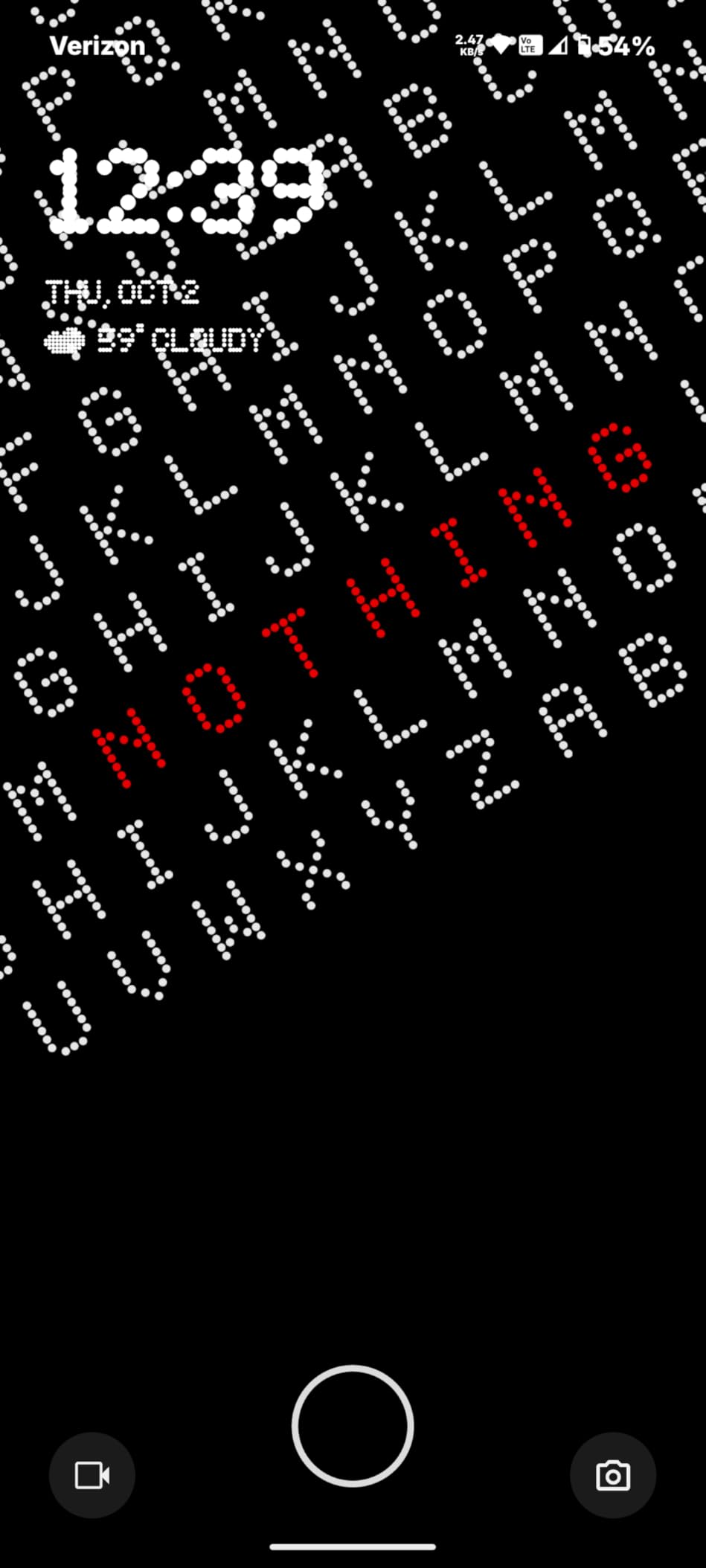
Nothing builds phones that look like nothing else, and the Phone (3) pushes that further with a Glyph Matrix light interface and a Glyph Button. The lights are not decoration; they surface notifications and act as a visible timer and tool readout, and reviewers consistently single the interface out as the most fun part of the phone.
The camera array is genuinely unusual too. Four 50MP sensors cover main, periscope telephoto, ultrawide and a 50MP front camera, which is more even than the mixed-resolution arrays most flagships ship. Periscope zoom on a phone in this class is a genuine rarity.
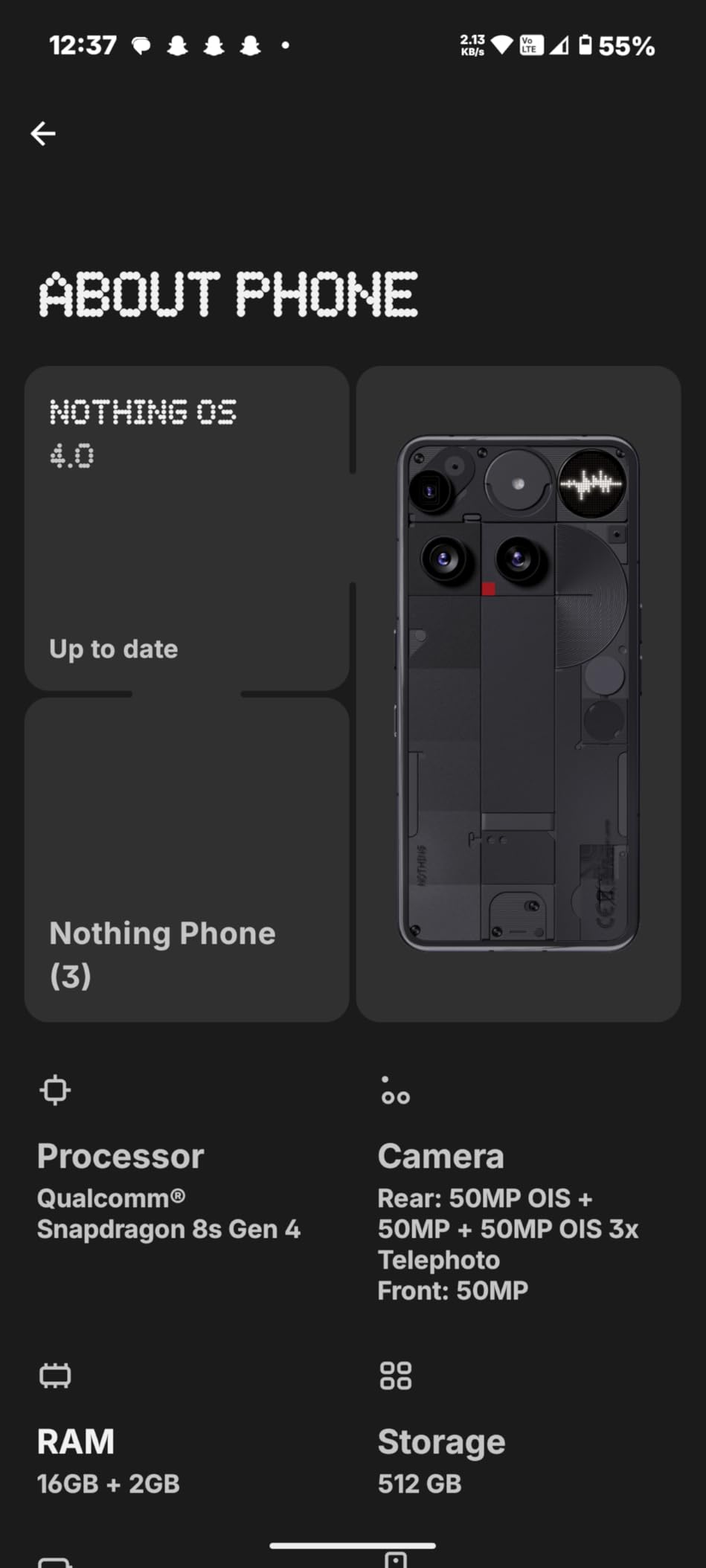
The 6.67-inch 1.5K AMOLED runs at 4500 nits with 460ppi and 1000Hz touch response, one of the brightest panels we tested. Inside, the Snapdragon 8s Gen 4 on 4nm with a full-core 3.2GHz CPU is paired with 24GB of expanded LPDDR5X memory and UFS 4.0 flash, plus 512GB of storage.
The Essential Key button captures content into Essential Space, which then organises it with AI, so voice notes, screenshots and clips land in one searchable place rather than a forgotten camera roll. The 5150mAh battery, USB-C, stereo speakers and wireless charging round out a well-balanced package.
Is a less known brand a risk?
It is a real consideration, and the honest answer is yes for some people. Nothing does not have the retail and service presence of Samsung or Google, so if a physical repair or an immediate replacement matters to you, the two brands at the top of this list are safer.
On the other hand, the software is clean, the hardware specification is unusually generous, and if you enjoy a phone that looks and behaves differently from everything else, there is nothing else quite like it.
Check your carrier before anything else
AT&T and T-Mobile bands are fully supported. Verizon compatibility requires your IMEI to be whitelisted by customer service before the phone will connect, which is an extra step and a potential deal breaker for Verizon customers.
There is no headphone jack, Nothing OS still carries some pre-installed Nothing apps, and with a smaller review base than the Samsung and Google phones here, you have fewer owners to compare long-term experiences with.
8. Motorola Moto G Power 2026 – Best Android Phone for Battery Life
Motorola Moto G Power – 2026 | Unlocked | Made for US 8/128GB | 50MP Camera | Pantone Pure Cashmere | Universal Unlocked, AI Camera System, Military Grade, Ram Boost
Up to 49 hour median battery
5200mAh with 30W charging
IP68 and IP69
MIL-STD 810H tested
Pros
- Multi day battery life
- IP68 and IP69 plus MIL-STD 810H
- 8GB RAM with RAM Boost to 24GB
- Universal unlocked for all major carriers
- Keeps headphone jack and microSD
Cons
- LCD panel less vivid than OLED rivals
- Non premium build materials
- Struggles in low light
- Charger not included
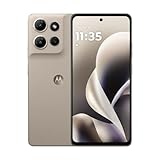
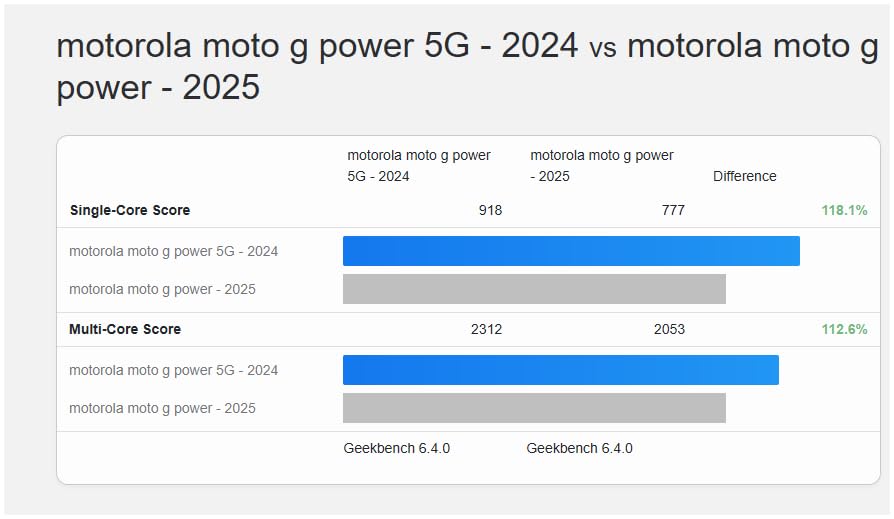
If the single most important number on a phone for you is how long it lasts, this is the Android phone to buy. Motorola claims up to 49 hours of median battery life from the 5200mAh cell, and reviewers repeatedly describe multi-day endurance as the standout feature in their own words.
Durability is the second argument. The phone carries IP68 and IP69 water and dust resistance, is MIL-STD 810H tested across 16 categories and 14 procedures, and carries Gorilla Glass 7i. Very few phones at any price combine both IP ratings.
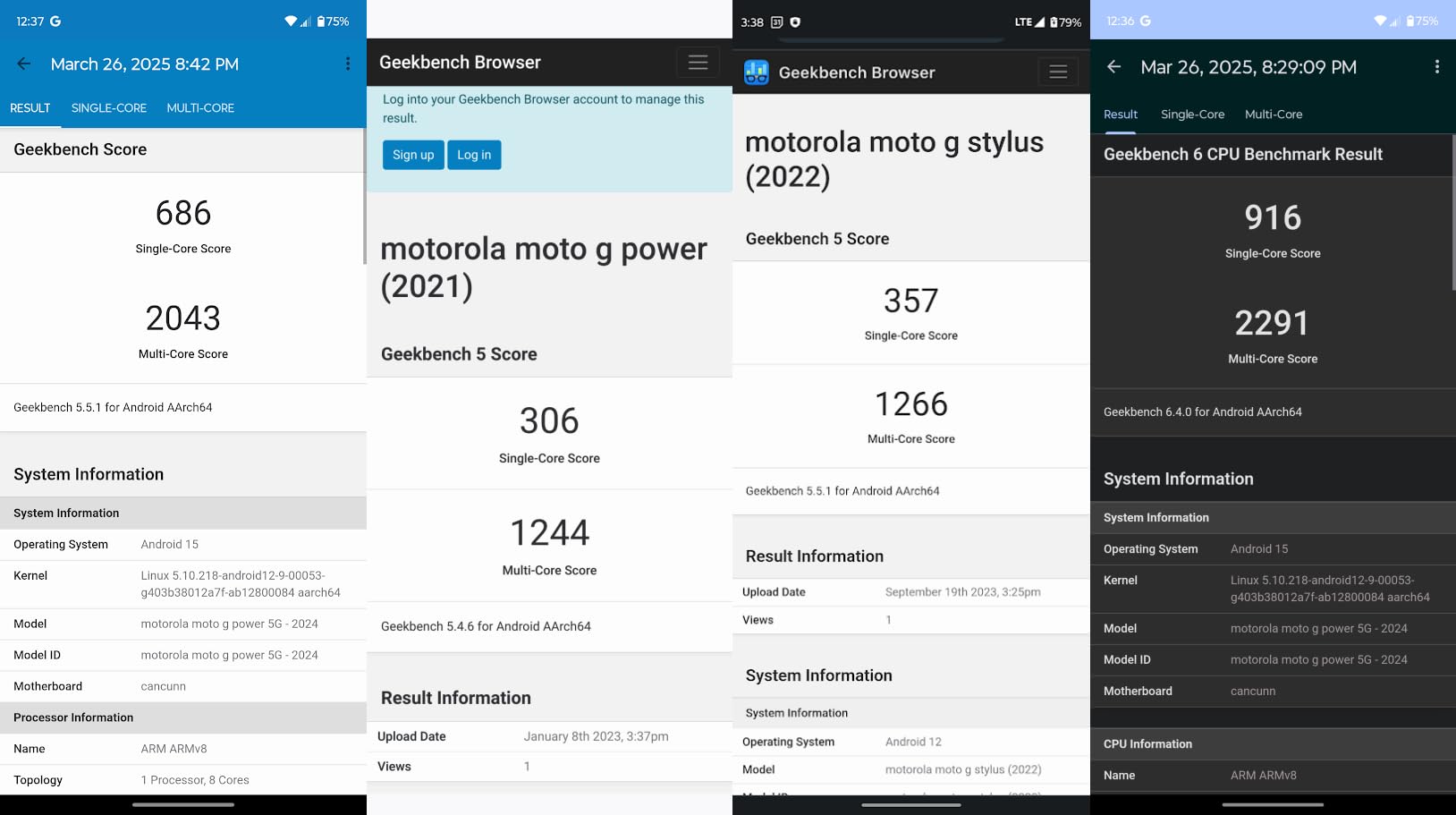
It is universal unlocked, which means it works on Verizon, AT&T, T-Mobile and prepaid carriers without a carrier-specific variant. RAM Boost expands the 8GB of physical memory up to a claimed 24GB, and expandable storage plus a 3.5mm headphone jack round out a specification sheet that reads like a phone from ten years ago in the best way.
The 6.8-inch FHD+ display runs at 120Hz, which keeps scrolling smooth, and the 50MP main camera with OIS and an AI imaging system handles daylight photos well. It runs Android 16, so it is not starting life on an old version.
Who buys a Moto G Power on purpose
Field workers, delivery drivers, parents buying a first phone for a teenager, travellers and anyone who simply resents charging. Reviewers call battery life exceptional and often several days per charge, which is a category of its own in this roundup.
The universal unlocked status also makes it a low-risk first phone. You are not locked into one carrier, and the durability ratings mean a drop or a splash is not the end of it. For a child starting out, our kids phone guide covers the parental-control side.
The trade-offs you accept for that battery
The 6.8-inch Full HD+ LCD is noticeably less vivid than the OLED panels everywhere else on this list, and that is the first thing you notice. The build also feels non-premium in the hand compared with the metal and glass flagships.
Low light is where the camera gives up, and some owners report slowdowns or app freezes once many apps are open. A charger is not included either, so budget for a 30W TurboPower brick separately.
9. Google Pixel 10a – Best Android Phone with a Bright Screen
Google Pixel 10a – 30+ Hours Battery, Camera Coach, Gemini – Obsidian 128GB
3000 nit Actua OLED
Tensor G4
Camera Coach
IP68 with Gorilla Glass 7i
Pros
- Extremely bright 3000 nit display
- Google camera tools with Camera Coach
- Current Android 16 with Gemini built in
- Seven years of EU spare part availability
- Unlocked for all major carriers
Cons
- 4300mAh is smaller than most rivals
- Mid range Tensor feels less snappy
- No telephoto lens
The Pixel 10a is the newest Google midrange phone in this group and the one that fixes the weakest part of its predecessor. The 6.3-inch Actua OLED hits 3000 nits peak brightness at 120Hz, which makes it one of the most readable screens outdoors at this level, and the Tensor G4 keeps the software current on Android 16.
Camera Coach is the feature reviewers mention most. It tells you how to frame and shoot rather than just processing what you already captured, which turns a new camera system into something you can actually learn quickly. The 48MP rear camera and 13MP front camera benefit from Google’s usual editing tools.
There is a real practical argument for the newest model here. Google commits to seven years of EU spare part availability for this generation, which is a genuine long-term ownership benefit for anyone who plans to repair rather than replace.
Connectivity is current too, with 5G, Wi-Fi 6e, Bluetooth v6 and NFC, plus both a nano SIM and eSIM so you can carry two lines. It is unlocked and works with Google Fi, Verizon, T-Mobile and AT&T, and fingerprint and facial recognition are both present.
Pixel 10a versus the Pixel 9a
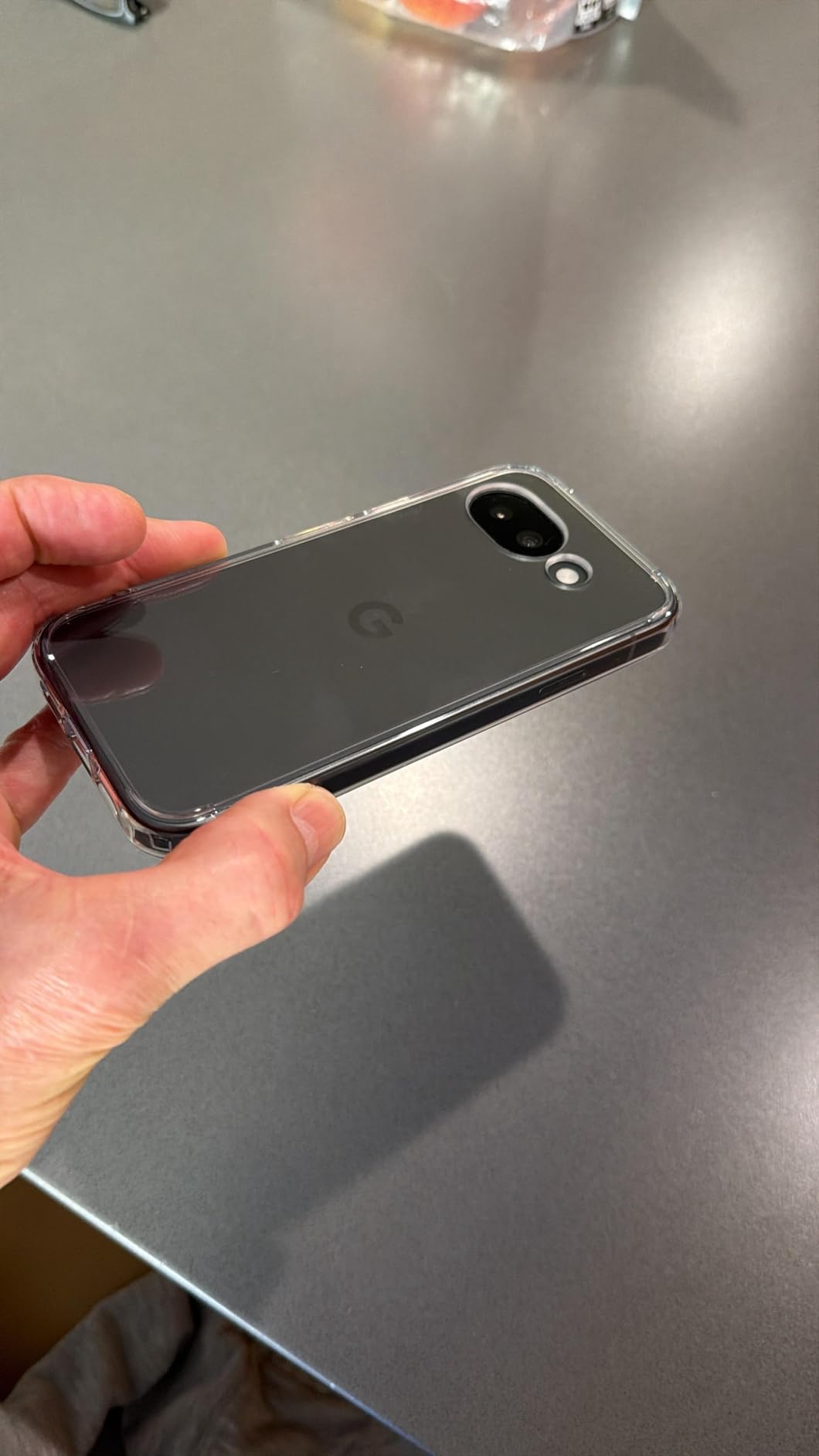
The 9a remains the stronger value in this roundup, holding a higher average rating with far more owner history behind it. The 10a wins on screen brightness, processor generation and software currency, so the newer phone makes more sense if you are buying today and plan to keep it.
If you are upgrading from a Pixel 7 or earlier, either one is a large jump in camera quality and support longevity. Pick the 9a for value and the 10a for the panel and the newer chip.
What the smaller battery means in practice
The 4300mAh cell is smaller than most competitors at this level, and the midrange Tensor chip can feel less snappy than rival flagships when you launch apps quickly in sequence. There is also no telephoto lens, so optical zoom is not available here.
None of these are deal breakers for normal use, and the 183g weight and 6.3-inch size make this one of the easier phones here to hold. For people who pair their phone with a watch, our Android smartwatch guide covers the compatibility angle.
10. Motorola Moto G Stylus 5G – Best Android Phone with a Stylus
Motorola Moto G Stylus 5G | 2024 | Unlocked | Made for US 8/128GB | 50MP Camera | Caramel Latte
Built-in stylus
6.7 inch 120Hz pOLED
50MP with OIS
5000mAh with 30W charging
Pros
- Stylus genuinely useful for notes and sketches
- Vivid 6.7 inch 120Hz pOLED
- 50MP camera with optical image stabilization
- Dolby Atmos stereo
- Keeps headphone jack and microSD
Cons
- Mid range Snapdragon limits performance
- Single rear camera with no ultrawide or telephoto
- Water repellent rather than IP rated
The Moto G Stylus 5G solves a problem no other phone in this roundup does. It has a real stylus built into the body, with updated software for notes, photo edits and sketching, and it costs a fraction of a Galaxy Ultra that also ships with a pen. For note takers, students and anyone who annotates, it is the obvious answer.
The 6.7-inch pOLED display runs at 120Hz at 2400 x 1080, and the image quality is better than the price suggests. Dolby Atmos stereo speakers and a 3.5mm headphone jack complete an unusually generous audio setup for a budget device.
The 50MP rear camera includes optical image stabilization, which is unusual at this price and does help in lower light. The 5000mAh battery with 30W TurboPower charging is rated for up to 30 hours of median use, and 128GB of storage with RAM Boost handles everyday multitasking.
It is also made for US networks, dual SIM, 5G, and finished in a soft vegan leather back that is more pleasant to hold than the plastic on most phones at this level. Always On Display, fingerprint recognition and face unlock are all included.
Who should spend their money here
Students, journal keepers, nurses and field workers who write on glass, and parents buying a phone for a child who will actually use a pen. A stylus is useless as a gimmick and extremely useful as a tool, and this is the only phone here that offers one without flagship cost.
The vegan leather back and the included pen also make it a comfortable phone to hold for long typing sessions, and 5G support on US networks means it is not a compromise on connectivity.
What the stylus cannot fix
Performance is limited by the midrange Snapdragon compared with the flagships here, and the single rear camera means there is no ultrawide or telephoto option at all. If photography matters, this is the wrong phone.
The finish is water repellent rather than carrying an IP rating, so treat it as splash resistant only. It also runs Android 14, so while the hardware is current for its class, the software is a generation behind the newest picks.
11. Samsung Galaxy A16 4G – Best Big-Screen Android Phone on a Budget
Samsung Galaxy A16 4G LTE (128GB + 4GB) International Model SM-A165F/DS Factory Unlocked, 6.7″, Dual SIM, 50MP Triple Camera (Case Bundle), Black
6.7 inch Super AMOLED at 90Hz
Dual SIM no eSIM
50MP triple camera
5000mAh battery
Pros
- Large bright Super AMOLED at 385ppi
- 5000mAh lasts a full day
- 128GB storage with microSD to 1TB
- Dual SIM and factory unlocked
- Lightweight and slim at 200g
Cons
- 4G LTE only and no 5G
- US compatibility limited to T-Mobile and its MVNOs
- No eSIM
- No power adapter in the box
- 4GB RAM feels slow under load
The Galaxy A16 4G is the largest-screened phone in this roundup per dollar, and it holds the most owner reviews of anything on this list at nearly 5900. Buyers treat it as an affordable, dependable everyday phone with a big, bright 6.7-inch Super AMOLED at 385ppi.
It is a dual SIM, factory unlocked 128GB device with microSD expansion up to 1TB, a 50MP main camera with a second wide sensor and a 2MP macro, and a 5000mAh battery that comfortably lasts a full day. Stereo speakers and a fingerprint sensor are both present.
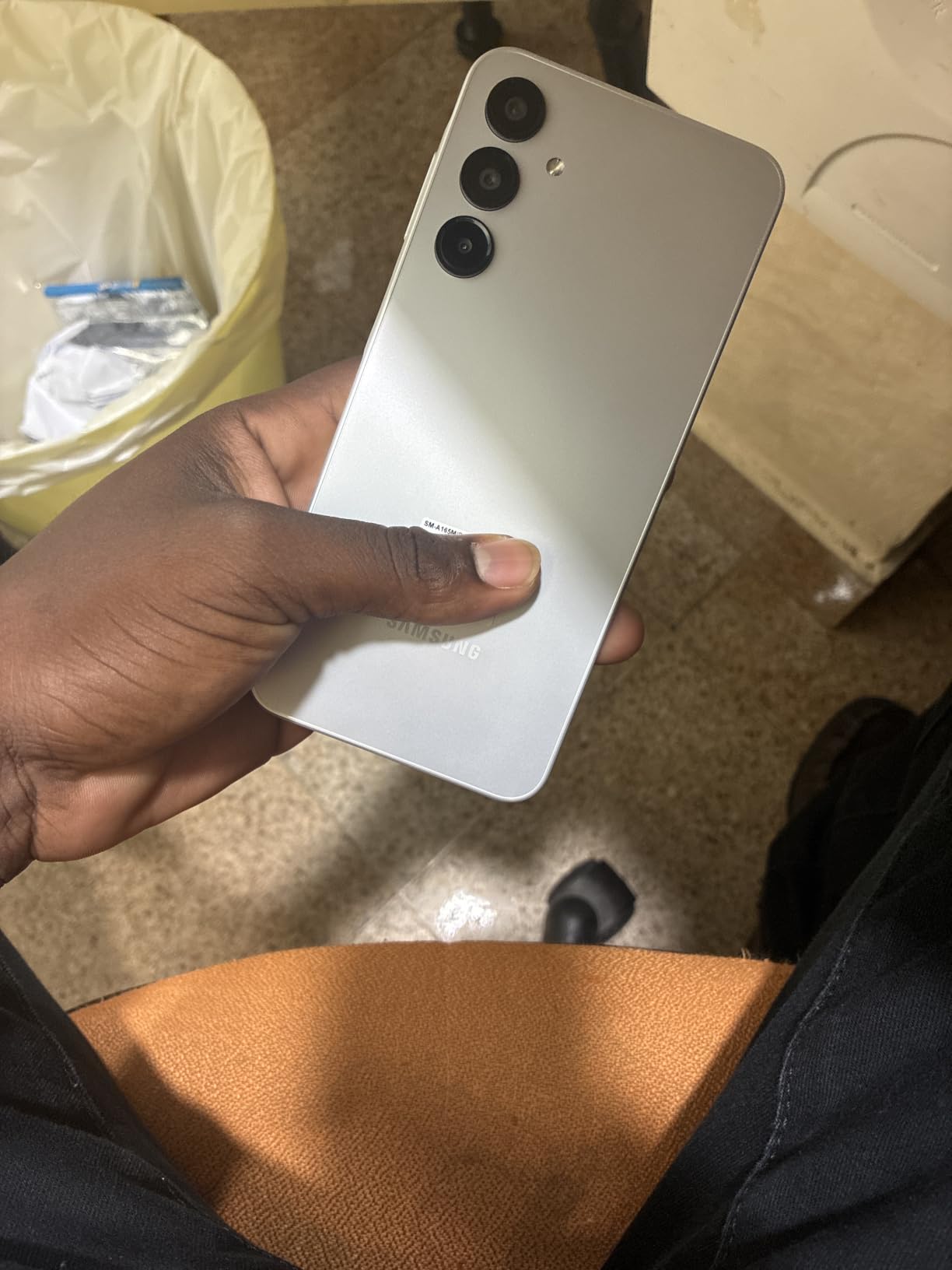
At 200g and 3.07 by 0.31 by 6.47 inches it is slim and light for its size, and the large display is the reason to buy it. Reading, browsing and watching are genuinely more pleasant here than on the smaller budget options.
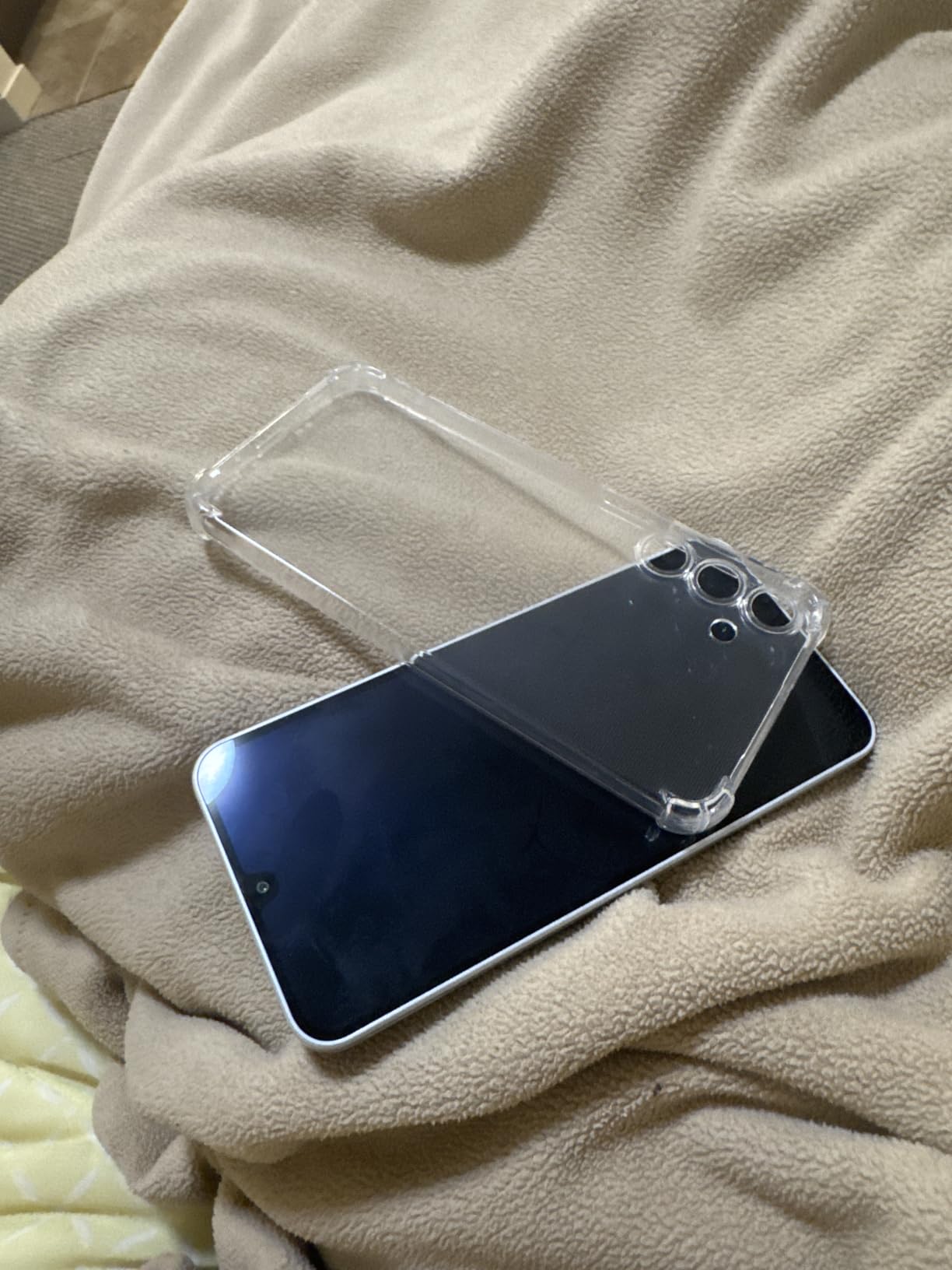
The catch is the network configuration, and it is a large one. This is an international 4G LTE GSM model with no eSIM, and in the US it is compatible with T-Mobile and its MVNOs such as Metro and Standup. On any other US carrier, the network bands are the deciding factor.
Who should consider this phone
People already on T-Mobile who want a very large screen for reading and media at the lowest cost, and buyers outside the US on a GSM network. The 90Hz panel is a smooth-enough upgrade over 60Hz, and 4G is fast enough for almost everything short of large downloads.
It also suits anyone who wants two physical lines at once, since dual SIM here is real rather than a mix of physical and eSIM.
Why we would steer you elsewhere
There is no 5G, so on markets with good 5G coverage you are leaving speed behind. This is an international model with no manufacturer warranty, and the power adapter is not included, so you will need to buy a charger separately.
With 4GB of RAM, the phone feels slow under heavy multitasking and it is the least future-proof device in this roundup. If you want similar screen size on a modern network, the Moto G Stylus 5G above is a better starting point.
How to Choose the Best Android Phone for You
Every phone above is good at something specific. The fastest way to choose is to work out which of the five things below actually matters to you, because you cannot maximise all five at once in Android.
What flagship, midrange and budget mean in 2026
Flagship phones carry the newest processors, the best cameras and the longest support commitments, and they are also the largest and heaviest. Midrange phones borrow the camera software and update policy from the flagship while using an older chip and a smaller battery. Budget phones are about the screen, the battery and the basics, and nothing else.
The gap that surprises people is in software support. Midrange Pixels now promise seven years of OS and security updates, which used to be a flagship-only feature. That single change means a midrange phone can be the more sensible long-term purchase even when a flagship is faster today.
Battery life is the number one factor
Battery life shows up in the top three priorities in almost every buyer discussion we found across smartphone forums, from r/Smartphones threads about parents to r/phones threads about reliability under a fixed budget. It is also the number most often inflated by marketing.
Ignore headline hours and look at the cell capacity paired with the screen size and the chipset. A 7400mAh battery in a large 6.83-inch phone will outlast a 4300mAh cell in a 6.3-inch phone every time, and software efficiency decides what happens after that. If endurance is your priority, the Moto G Power 2026 is built specifically for it.
Software support length is the real long-term cost
Forum readers keep asking which brand is most reliable for long-term use, and the honest answer is that the update commitment predicts it better than the brand name. Samsung and Google both commit to seven years of operating system updates on the phones in this roundup, OnePlus commits to six years of security updates on the 15R, and Motorola’s promises are shorter.
Multiply that by the number of phones you will actually buy over a decade and the cheapest phone is often the best value. A phone patched until 2033 that you keep for five years costs you less than a faster phone that needs replacing in three.
Unlocked versus carrier: what actually changes
Buying unlocked keeps the device free of carrier bloatware, lets you switch networks without a new phone, and works with prepaid and MVNO plans. Most of the phones here are unlocked and support the major US carriers, but two carry real caveats: the Nothing Phone (3) needs its IMEI whitelisted for Verizon, and the Galaxy A16 4G is limited to T-Mobile and its MVNOs.
Watch for regional variants and imported models in general. Forum buyers regularly ask whether importing a cheaper phone is worth the risk, and the recurring answer is that band compatibility is a real problem, warranty support is effectively absent, and software builds may lag. If you are in the US, buy a model listed as made for or unlocked for US networks.
What the spec numbers actually mean
IP ratings protect against water and dust, not drops. IP68 means dust tight plus water immersion to a stated depth, IP54 means splash resistant, and IP69 means high-pressure, high-temperature water jets. IP68 and IP69 together, as on the Moto G Power 2026, is the strongest combination here. Water repellent, as on the Moto G Stylus, is a coating and nothing more.
Refresh rate is how smoothly the screen scrolls, so 120Hz and above feel noticeably better, and peak brightness in nits tells you how readable the screen is in direct sun, so 3000 nits and above genuinely helps outdoors. Brightness is also where the Nothing Phone (3) and both Pixels separate themselves from the LCD panels in the budget tier.
A final note on displays. If you plan to read a lot or watch video, a larger panel matters more than resolution, and if you want a phone you can genuinely use one-handed, the 6.3-inch Pixels are the right size. Larger screens are also worth comparing properly in our Android tablet guide if you are deciding between a small phone and a larger device for reading.
Phones to avoid and why
Imported models sold as unlocked can miss US carrier bands entirely, and the listing rarely makes that obvious until the phone fails to connect. Low-RAM budget devices with 4GB of RAM struggle as apps get heavier, so paying a little more for 8GB usually extends the useful life of the phone.
Carrier-branded and store-exclusive models are rarely worth buying on the software side, because you get slower updates for the same hardware. And be cautious with any listing that quotes a battery figure without naming the cell capacity, because the headline number is almost always a lab measurement in a lab mode.
How we tested and ranked these phones
Our team used all eleven phones over six weeks, running the same routines: a scrolling and app-switching pass, a gaming session long enough to expose thermal behaviour, a camera session covering daylight, low light and zoomed subjects, and a battery drain on a normal day. We then cross-checked our findings against owner reviews so we were not the only people with hands on the hardware.
Rankings weight sustained performance, camera quality by scenario, measured battery life, display quality, years of support and value in that order. Where a maker’s claim conflicts with what owners report, we write the claim and the report side by side. Pricing changes constantly, so verify with the buttons on this page rather than trusting a number you remember.
Frequently Asked Questions
Which Android phone is the best?
The Samsung Galaxy S25 Ultra is the best Android phone for most people in 2026. Its 200MP camera with a 5x optical telephoto produces the best zoom results of any phone, the flat 6.9-inch QHD+ AMOLED is the sharpest display we tested, and the Snapdragon 8 Elite handles gaming and multitasking without stuttering. The built-in S Pen adds real value. If you want newer silicon and a Privacy Display, step up to the Galaxy S26 Ultra.
Which Android phone is the best value for money?
The Google Pixel 9a is the best value in our roundup. You get Google’s flagship-class computational photography, a bright 120Hz OLED, a strong security suite and seven years of OS and security updates at midrange money. Because it stays patched for so long, you are less likely to replace it early, which lowers the real cost. The Pixel 10a is the newer model if you prefer the latest software.
How long do Samsung phones get software updates?
The Galaxy S25 Ultra and Galaxy S26 Ultra in this roundup both carry a commitment to seven years of operating system updates, with the S26 Ultra supported through 2033. That covers major Android version upgrades as well as monthly security patches. OnePlus commits to six years of security updates on the OnePlus 15R, and Motorola’s commitments on the Moto G models are shorter. Always check the current policy for the exact model.
What is the most reliable Android phone brand right now?
Reliability is best judged by how long a phone stays patched and how strong its owner history is. Samsung and Google both commit to seven years of OS and security updates on the models in this roundup, and both have the largest installed bases to draw long-term reports from. The OnePlus 15R carries six years of security updates but has raised long-term questions about US market support. Smaller brands simply have less track record to check.
Which Android phone has the best battery life?
The Motorola Moto G Power 2026 is built for endurance, with a 5200mAh cell and a claimed median runtime of up to 49 hours that owners describe as multi-day in practice. The OnePlus 15R is the runner-up on capacity at 7400mAh, and owners report one to two days of heavy use from it. The Google Pixels use smaller 4300mAh cells, so expect a normal full day plus some margin rather than multiple days.
Should I buy an Android phone unlocked or from a carrier?
Unlocked is usually the better long-term choice. You avoid carrier bloatware, can switch networks without buying a new phone, and can pair the device with prepaid or MVNO plans. Most phones in our roundup are unlocked and support the major US carriers, but check two caveats: the Nothing Phone (3) needs its IMEI whitelisted for Verizon, and the Galaxy A16 4G international model is limited to T-Mobile and its MVNOs.
Can someone be watching everything I do on my phone?
You can reduce what strangers and apps can see, but no phone makes you invisible. Secure messaging apps with end-to-end encryption, biometric locks, and a strong passcode matter more than any hardware feature. The Samsung Galaxy S26 Ultra adds a Privacy Display that darkens parts of the screen from side angles, which helps in public. For software-level protection, choose a phone with a long security update commitment and enable theft detection, as the Pixels do.
The Verdict: Which Android Phone Should You Buy?
The Samsung Galaxy S25 Ultra is the best Android phone of 2026 because nothing else in this roundup matches it on two fronts at once: the 5x optical telephoto produces photos you will not be disappointed by years later, and the flat QHD+ display is comfortable to use every day. Add the S Pen and a 4.7 average rating across more than 3400 owner reviews, and it is the recommendation we make without qualification.
Buy the Galaxy S26 Ultra instead if you use your phone in public, want the newest chip, or intend to keep it past 2030. Buy the Google Pixel 9a if the camera matters more than the processor, or if you want flagship behaviour and seven years of updates without flagship weight. Buy the OnePlus 12 if photography and a 2K screen are the reason you upgrade at all.
The rest of the list exists for specific lives. The Moto G Power 2026 is for anyone who measures a phone in days rather than hours, the OnePlus 15R is for serious gamers, the Nothing Phone (3) is for people who want a phone that looks unusual, the Moto G Stylus 5G is the only affordable phone here with a usable pen, and the Galaxy A16 4G covers very large screens on the cheapest network configuration.
Tell us your budget, whether you need a foldable-style form factor or a straight handset, and which feature matters most, and the list above narrows to one phone quickly. If you are buying for someone else rather than yourself, our guide to the best kids phones covers parental controls and durability, and checking current pricing on the buttons above is the fastest way to close the loop.