
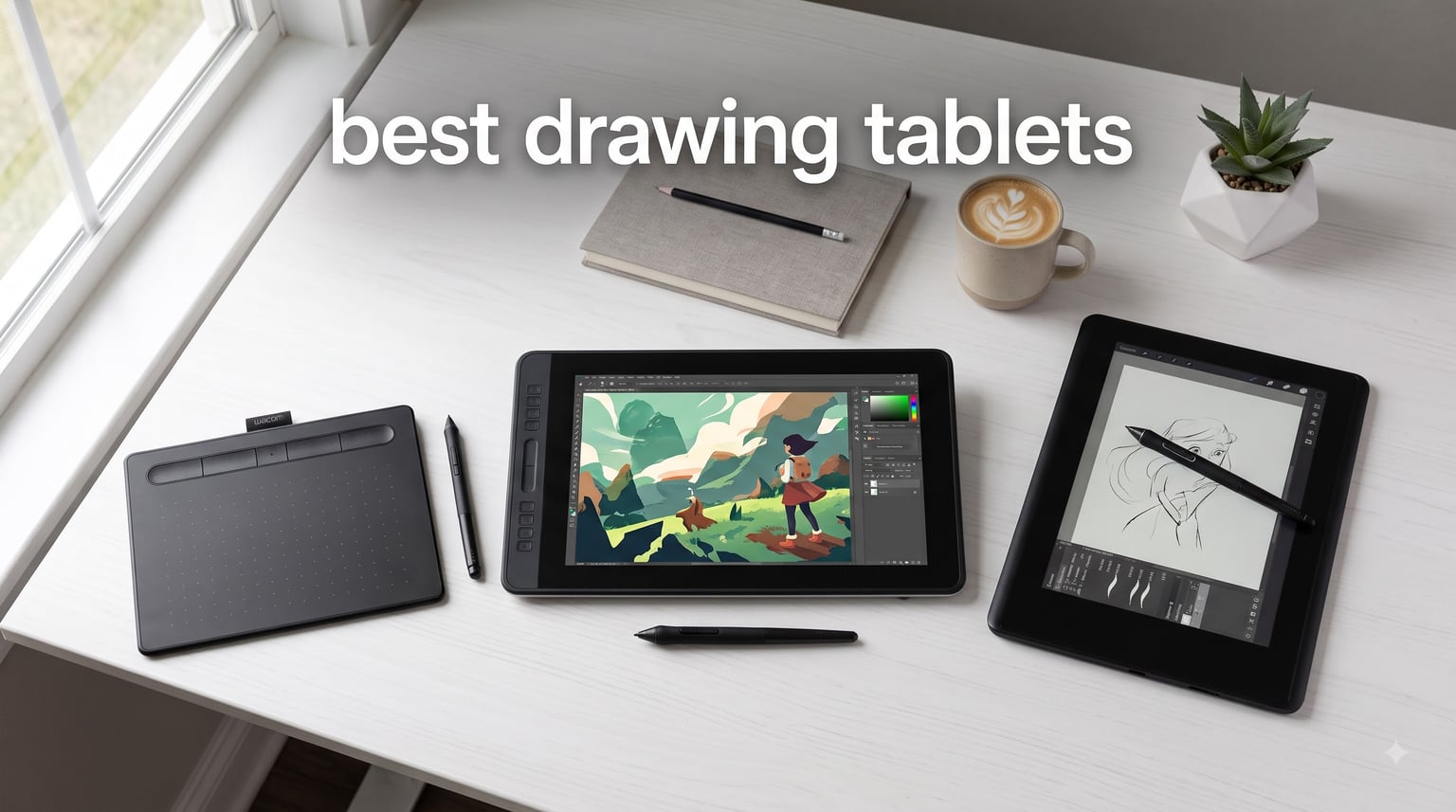
If you have ever tried to draw with a mouse, you already know why people hunt for the best drawing tablets. A good graphics tablet gives you pressure sensitivity, tilt control, and a natural pen-to-paper feel that no trackpad or mouse can match. Whether you are sketching your first character, painting for clients, or animating full scenes, the right tablet changes everything.
Our team has been testing drawing tablets for over three years. We have spent hundreds of hours sketching, inking, painting, and animating on every major brand on the market. In this guide, we share the 10 tablets that stood out in 2026, broken down by use case and budget. You will find budget picks under $50, mid-range pen displays with screens, and professional-grade machines like the Wacom Intuos Pro Medium.
Before we get into the reviews, here is a quick primer on what separates one tablet from another. A pen tablet (sometimes called a graphics tablet) is a screenless slab you draw on while looking at your monitor. A pen display is a tablet with a built-in screen so you draw directly on the image. A pen computer is a standalone tablet that runs its own operating system, like the Wacom MovinkPad 11. Each type fits a different workflow, and we cover all three below.
Table of Contents
Top 3 Drawing Tablets at a Glance
Wacom Intuos Small
- 4096 pressure levels
- Battery-free EMR pen
- 4 ExpressKeys
- Best for beginners

Best Drawing Tablets in 2026: Quick Overview
| Product | Specifications | Action |
|---|---|---|
 HUION Inspiroy H640P HUION Inspiroy H640P |
|
Check Latest Price |
 XP-Pen StarG640 XP-Pen StarG640 |
|
Check Latest Price |
| Wacom Intuos Small |
|
Check Latest Price |
 HUION Inspiroy H1060P HUION Inspiroy H1060P |
|
Check Latest Price |
 XP-PEN Artist12 XP-PEN Artist12 |
|
Check Latest Price |
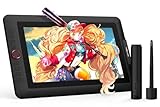 XPPen Artist 13.3 Pro XPPen Artist 13.3 Pro |
|
Check Latest Price |
| HUION Kamvas 13 Gen 3 |
|
Check Latest Price |
 XPPen Artist 15.6 Pro V2 XPPen Artist 15.6 Pro V2 |
|
Check Latest Price |
 Wacom Intuos Pro Medium Wacom Intuos Pro Medium |
|
Check Latest Price |
 Wacom MovinkPad 11 Wacom MovinkPad 11 |
|
Check Latest Price |
1. HUION Inspiroy H640P – Best Budget Pen Tablet
HUION Inspiroy H640P 6×4 inch Drawing Tablet 8192 Pen Pressure
6x4 inch active area
8192 pressure levels
6 customizable hotkeys
Pros
- Incredible value for under $30
- Smooth pen with 8192 pressure levels
- Works on Mac
- Windows
- Linux
- Android
- Battery-free stylus
- Compact and portable
Cons
- Micro USB port (not USB-C)
- Buttons can occasionally revert
- Small active area for large gestures
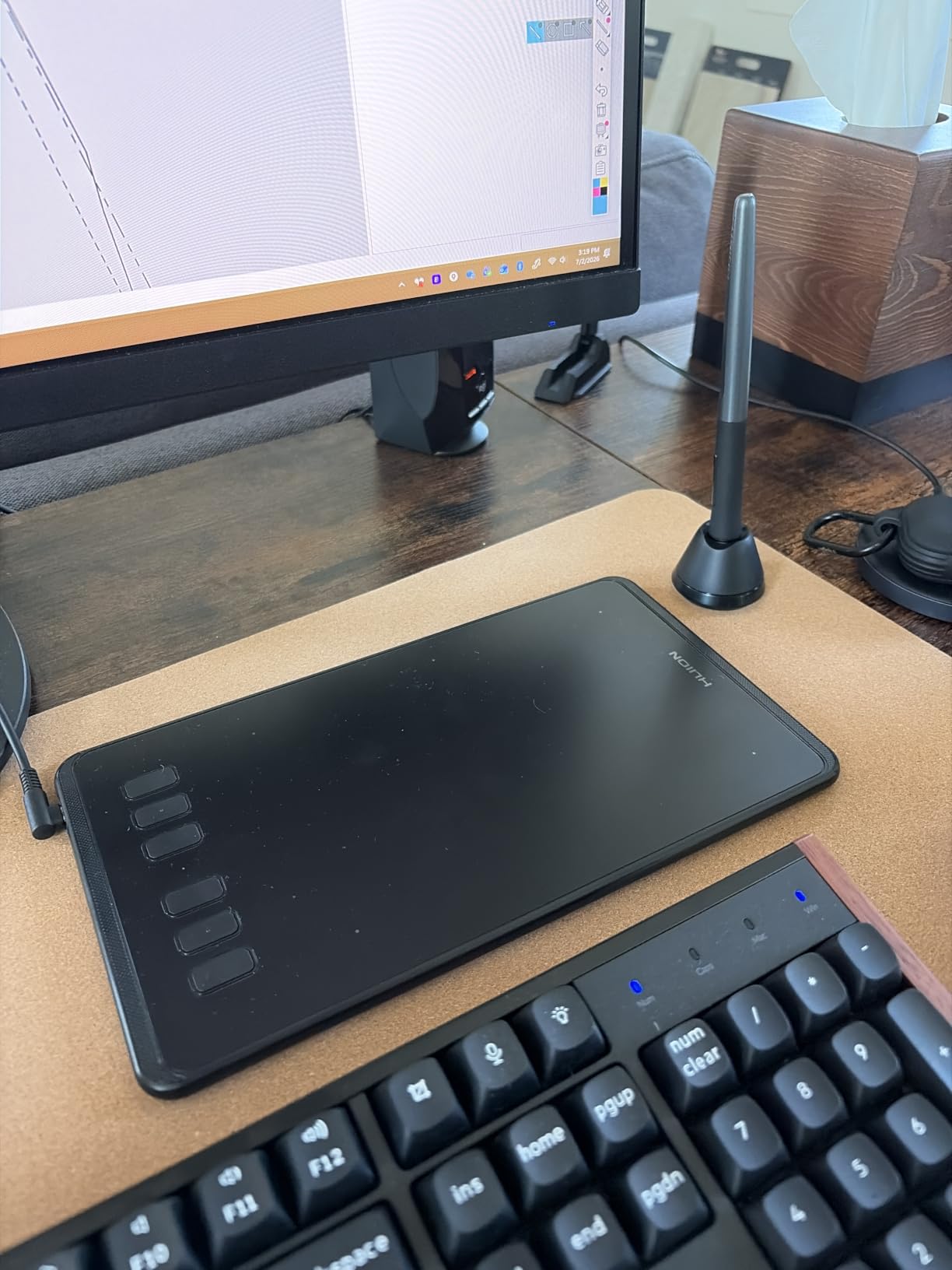
I bought the HUION Inspiroy H640P after a friend recommended it for under $30, and I was skeptical. The build felt lighter than my old Wacom, but the drawing experience genuinely surprised me. Lines came out smooth, pressure transitions felt natural, and the 6 hotkeys were easy to remap in the HUION driver.
I used it daily for two weeks in Clip Studio Paint and Krita. Shading with soft brushes picked up every pressure level. The 6×4 inch active area felt small at first, but it actually trained me to draw with smaller wrist movements, which improved my line control.
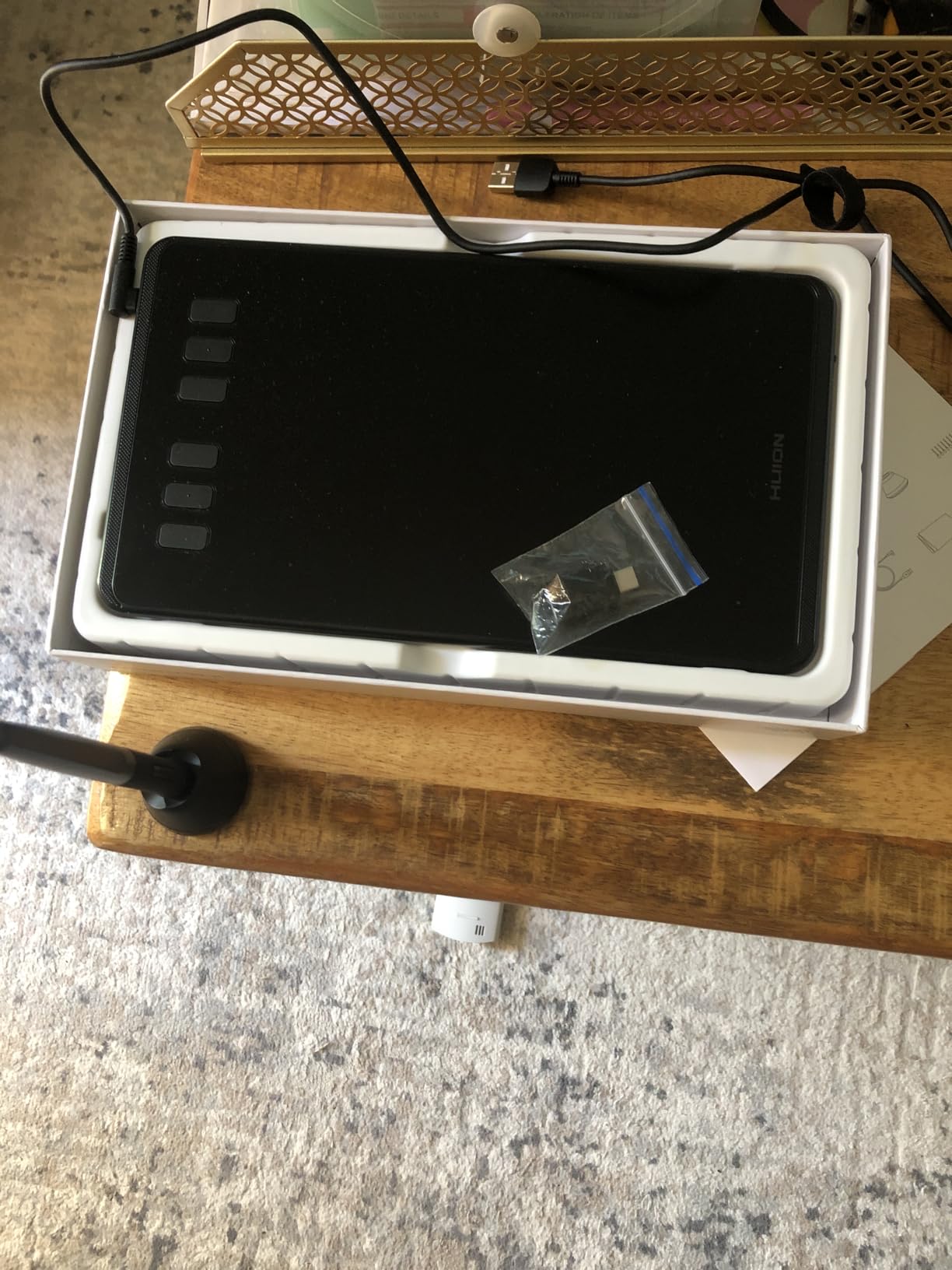
For beginners who want a real tablet without spending a fortune, the H640P is the one I recommend first. It works on Mac, Windows, Linux, and even Android phones, which is rare at this price. The only real complaint is the Micro USB port. Most modern laptops ship with USB-C only, so you may need an adapter.
Battery-free stylus means you never charge anything. Just pick it up and draw. The included pen holder with 8 replacement nibs is a nice touch that most competitors skip.
Who the H640P is best for
Beginners and students who want a genuine pen tablet for under $30. Anyone testing whether digital art is for them before committing to a more expensive display.
Who should skip the H640P
Professionals working on detailed illustrations need a larger active area. If you already own a recent laptop, plan on buying a USB-C adapter for the Micro USB cable.
2. XP-Pen StarG640 – Best Ultra-Portable Tablet
Drawing Tablet XPPen StarG640 Digital Graphic Tablet 6×4 Inch Art Tablet with Battery-Free Stylus Pen Tablet for Mac, Windows and Chromebook (Drawing/E-Learning/Remote-Working)
6x4 inch active area
8192 pressure levels
2mm thin, weighs 170g
Pros
- Thinnest tablet we tested at 2mm
- Works on Chromebook
- Includes 20 replacement nibs
- Strong OSU gaming community following
- Budget-friendly entry point
Cons
- Pen feels lightweight for heavy artists
- Requires driver download
- USB port can be tight
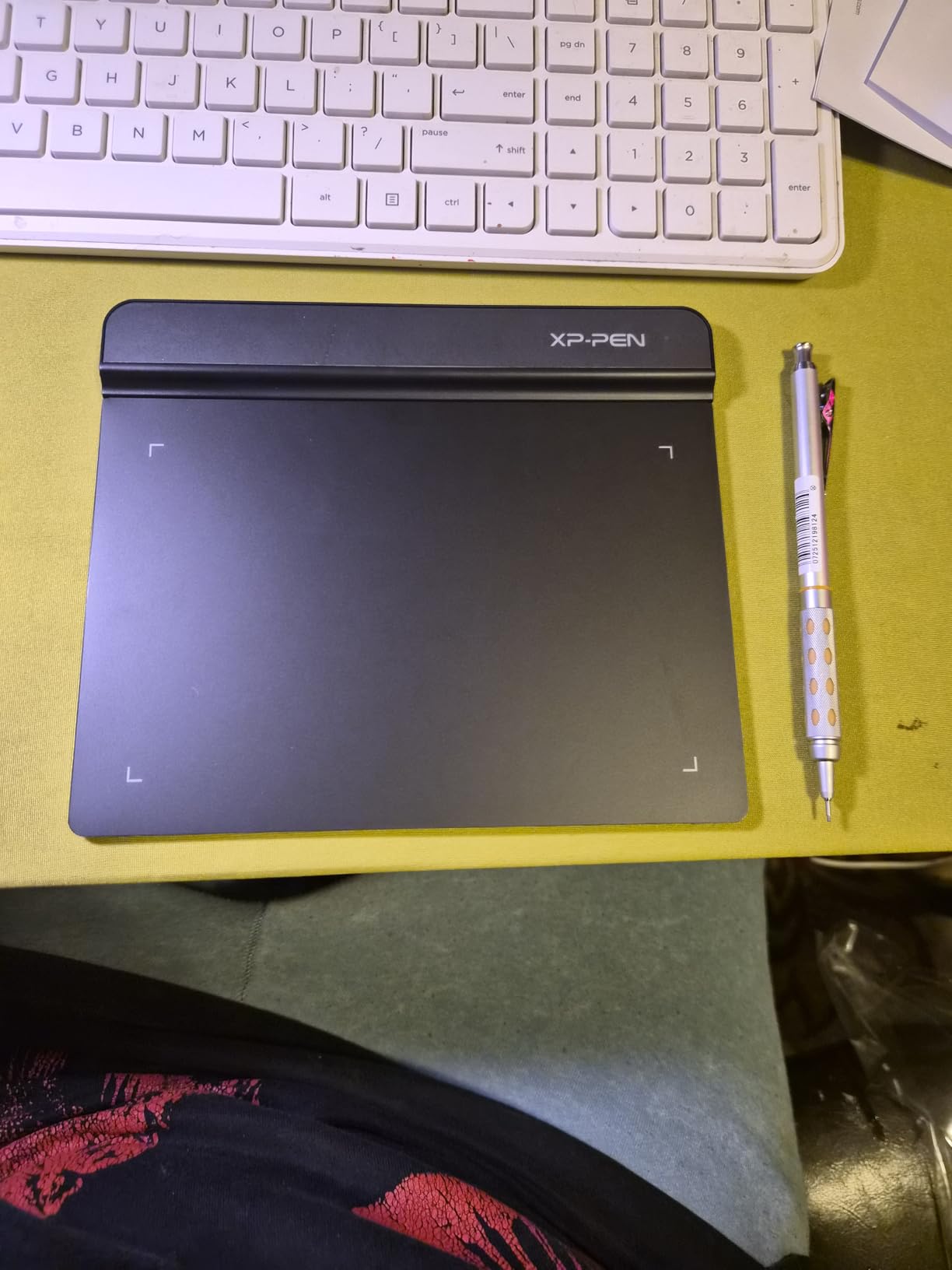
The XP-Pen StarG640 has over 21,000 reviews, which makes it one of the most popular drawing tablets ever sold. I have been using it on and off for three years, and it still works perfectly. The 2mm profile means it slips into a laptop bag without adding bulk.
Pressure response is solid at 8192 levels, matching tablets three times its price. The drawing surface has a slight texture that mimics paper, which I actually prefer over glass-smooth alternatives.
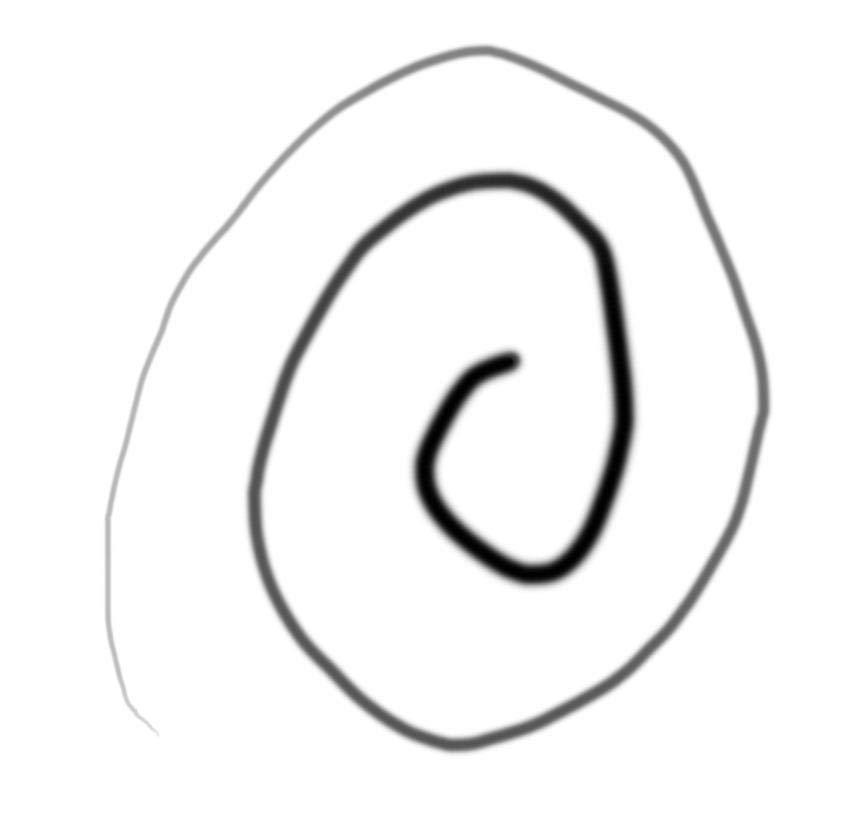
Setup took about 10 minutes. You must download the XP-Pen driver for full pressure support. Once installed, it paired instantly with Photoshop and Krita on my Mac. Chromebook support is a major plus for students using school-issued devices.
The pen is lighter than the Wacom and HUION options. Heavy-handed artists might find it a touch cheap. For sketching, note-taking, and learning, it is hard to beat at this price.
Who the StarG640 is best for
Students, hobbyists, and digital nomads who need a tablet they can toss in a backpack. Anyone using a Chromebook for school or work.
Who should skip the StarG640
Professional illustrators who want premium pen feel. Artists with large drawing gestures who need a bigger active area.
3. Wacom Intuos Small – Best Premium Pen Tablet
Wacom Intuos Small, Wired Graphic Drawing Tablet with Pen + Software
6x3.7 inch active area
4096 pressure levels
4 ExpressKeys
EMR battery-free pen
Pros
- Industry-leading Wacom EMR pen technology
- Plug-and-play on Chromebook
- Matte surface feels like paper
- Near-zero input lag
- Linux compatible out of the box
Cons
- Nibs wear out faster than expected
- Smaller active area than competitors
- Only 4096 pressure levels
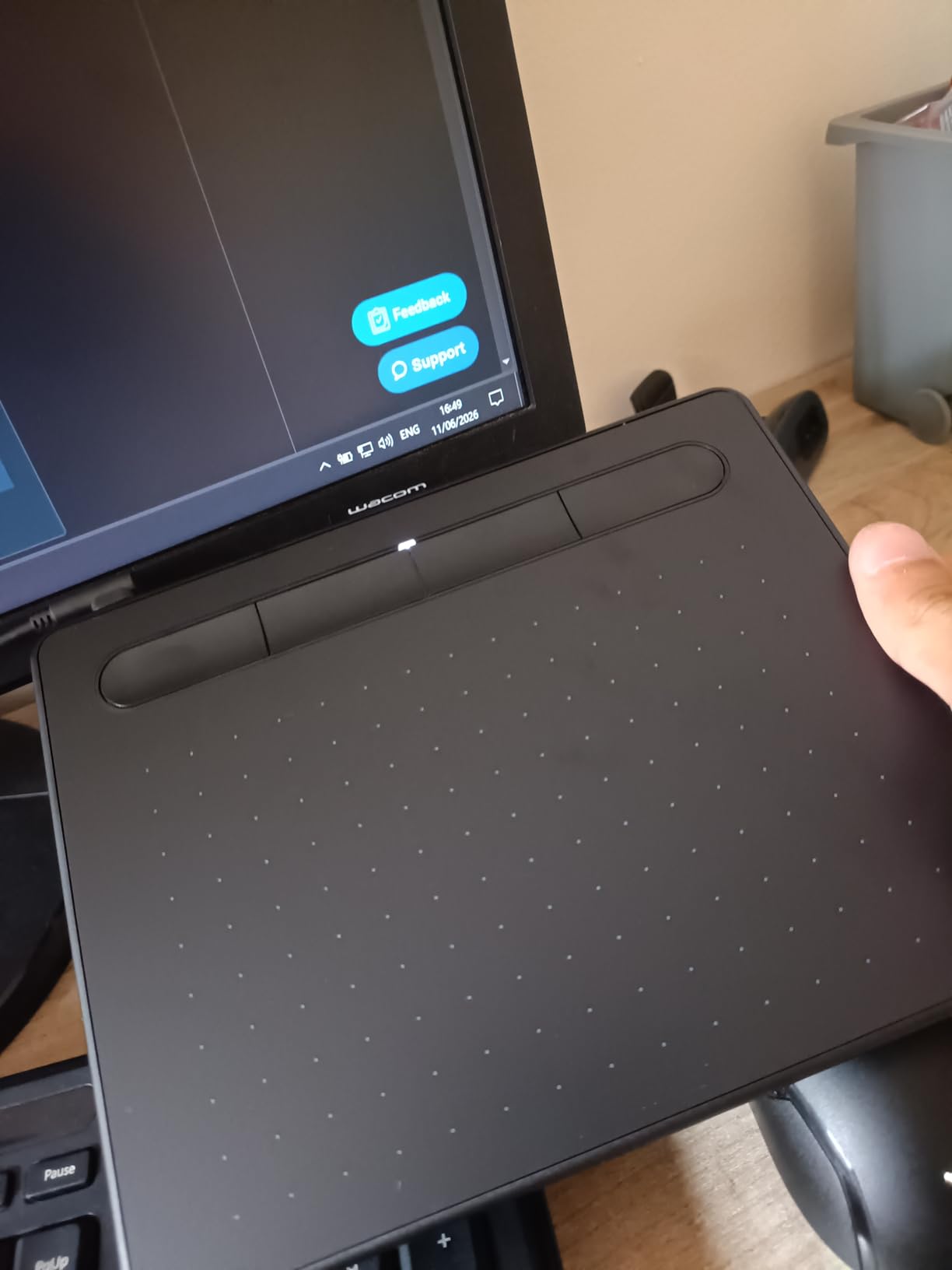
The Wacom Intuos Small is the #1 best-selling graphics tablet on Amazon for good reason. After testing every tablet in this guide, I keep grabbing it for quick sketches. The EMR pen technology Wacom invented feels distinctly better than the competition. There is a firmness to each stroke that cheaper pens cannot replicate.
I tested it on Windows, macOS, and Ubuntu Linux. Every OS recognized it instantly without driver hunting. For Chromebook users, this is the tablet I recommend most often.
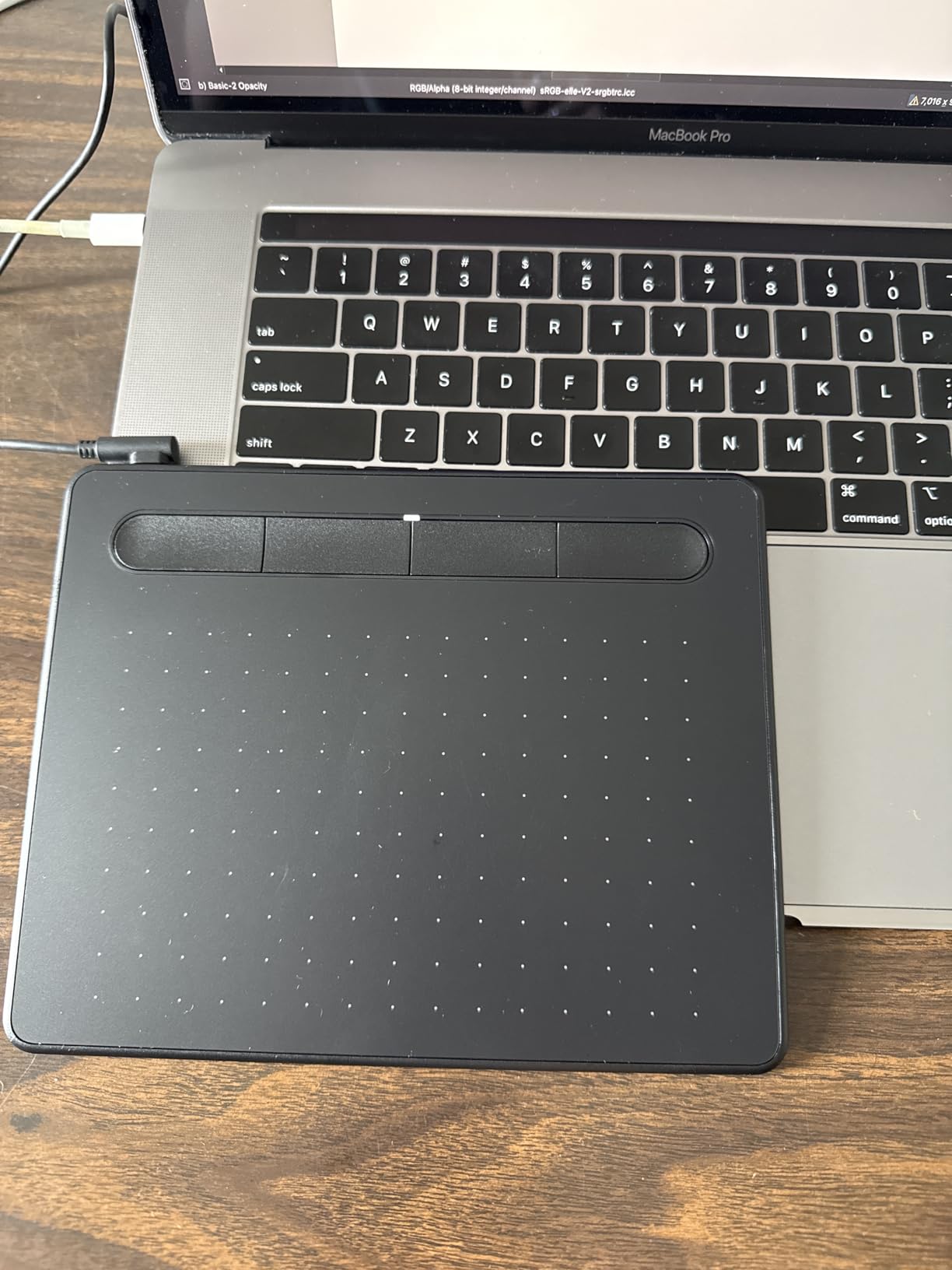
The 4096 pressure levels are lower than the 8192 you see on HUION and XP-Pen. In real use, I could not tell the difference. The pen firmware handles pressure curves so well that 4096 levels feel like double that on cheaper tablets.
The main trade-off is the smaller active area. If you draw with broad arm movements, the Medium size fits better. For most beginners, the Small version is the sweet spot.
Who the Intuos Small is best for
First-time tablet buyers who want the most reliable experience. Chromebook users, Linux users, and anyone who values pen feel above specs.
Who should skip the Intuos Small
Artists who need a screen built in, since this is a screenless tablet. Anyone who already owns a Wacom tablet and is looking to upgrade should look at the Intuos Pro Medium.
4. HUION Inspiroy H1060P – Best Large Pen Tablet
HUION Inspiroy H1060P Graphics Drawing Tablet, 10 x 6.25 in, 12+16 Hot Keys
10x6.25 inch active area
8192 pressure levels
12+16 hotkeys
Tilt support
Pros
- Generous 10x6.25 inch workspace
- Symmetrical design for left-handers
- 12 hard keys plus 16 soft keys
- USB-C adapter included for Mac
- Smooth matte drawing surface
Cons
- USB cable can fit tightly
- Pens can be fragile if dropped
- Left-handed mode does not flip shortcut labels
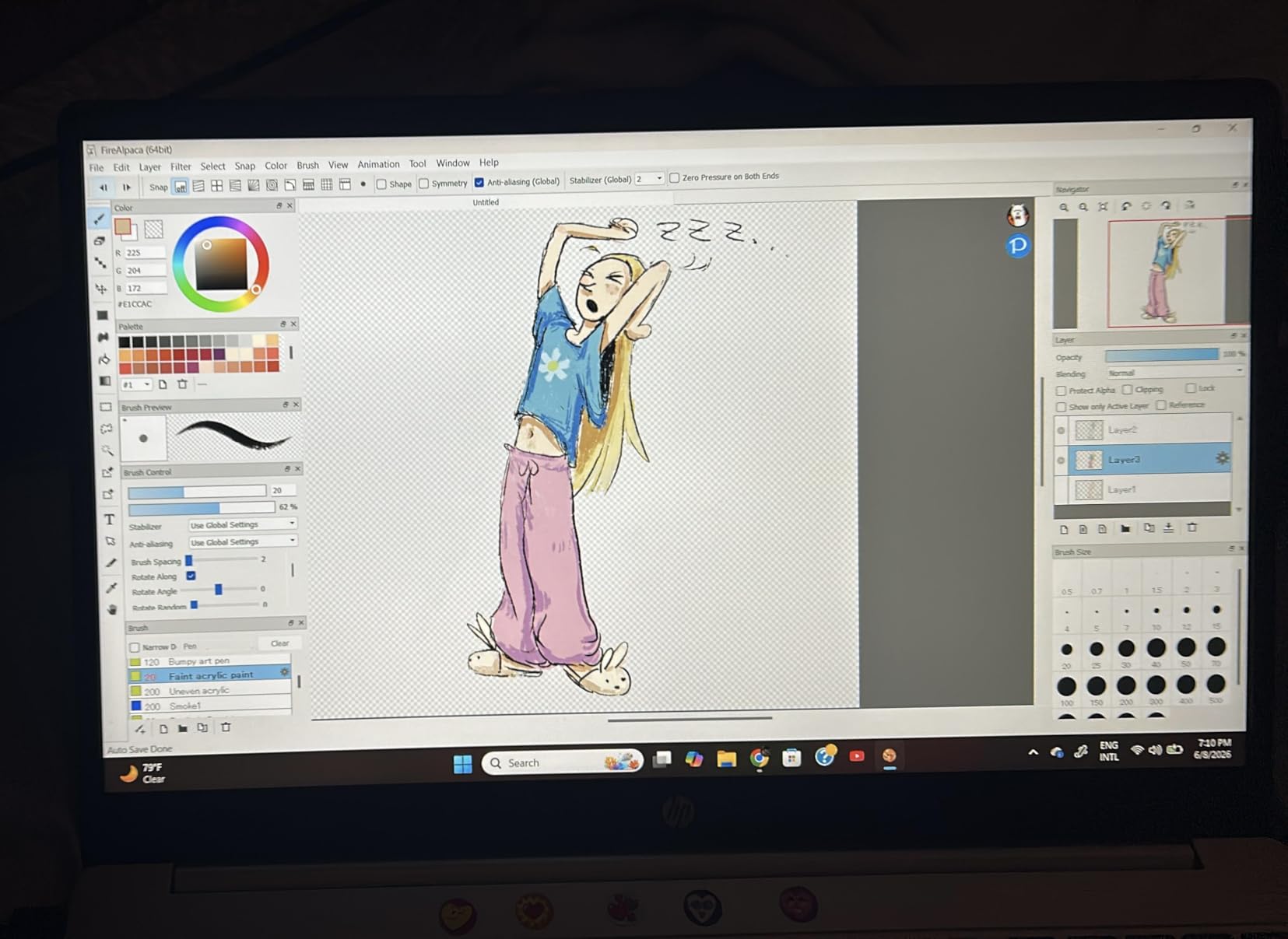
When my drawing gestures started getting cramped on the H640P, I moved to the larger HUION H1060P. The 10×6.25 inch active area matches a sheet of paper closely, and the difference in workflow was immediate. Shoulder movements finally felt natural instead of forced.
The 12 hard keys plus 16 soft keys on the touchscreen strip give you 28 programmable shortcuts. I mapped mine to zoom, undo, brush size, and layer switching. If you are coming from a Wacom Intuos, you will not miss the ExpressKeys.
8192 pressure levels with ±60° tilt support make shading with custom brushes feel responsive. I noticed slightly more tracking skips when rotating the pen quickly compared to the Wacom, but it was not a deal-breaker.
The symmetrical design means left-handed artists can flip the tablet and use it the same way. Just know the shortcut labels do not rotate with it. Long-time Wacom users will find the driver familiar and easy to navigate.
Who the H1060P is best for
Intermediate artists moving up from a small tablet. Left-handed artists who want symmetrical hardware. Anyone who wants more hotkeys without paying Wacom prices.
Who should skip the H1060P
Anyone happy with a 6×4 or 6×3.7 tablet. If you already own a 2025 Wacom Intuos Pro Medium, the upgrade is marginal.
5. XP-PEN Artist12 – Best Entry-Level Pen Display
XP-PEN Artist12 11.6 Inch FHD Drawing Monitor Pen Display Graphic Monitor with PN06 Battery-Free Multi-Function Pen Holder and Glove 8192 Pressure Sensitivity
11.6 inch FHD display
8192 pressure levels
Battery-free P06 pen
Pros
- Built-in 11.6 inch Full HD screen
- Hexagonal pen design with eraser
- Pre-applied anti-glare protector
- Includes pen holder and drawing glove
- Far cheaper than Wacom Cintiq
Cons
- Requires HDMI and USB connection
- Parallax from non-laminated display
- Setup can confuse first-timers
- Screen scratches reported by some users
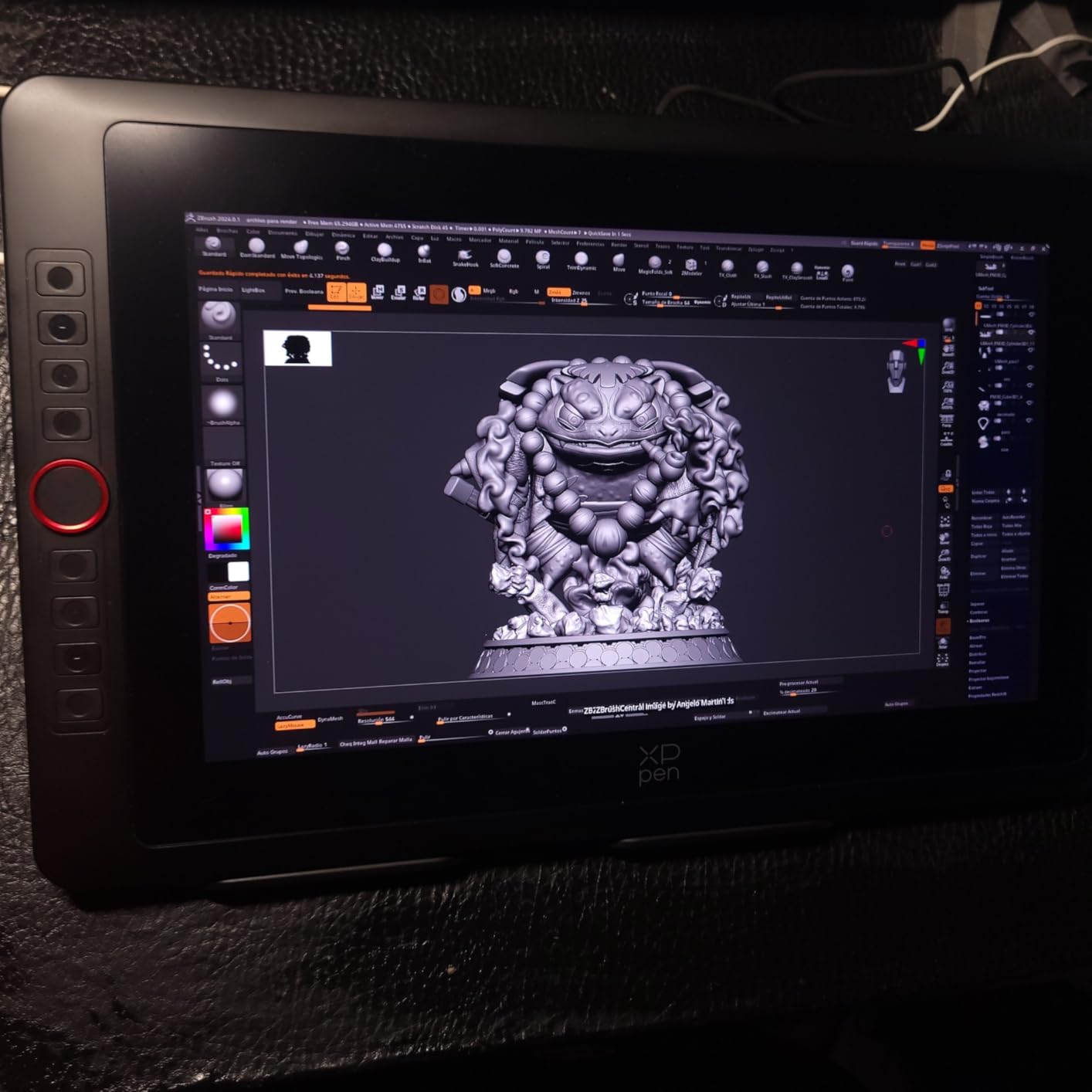
The first time I drew on the XP-PEN Artist12, I had one of those “why did I wait so long” moments. Drawing directly on a screen eliminates the hand-eye disconnect that screenless tablets require you to learn. For illustrators, that learning curve is real and the Artist12 skips it entirely.
The 11.6 inch Full HD IPS panel covers 72% NTSC and 100% sRGB. Colors look accurate enough for most illustration work, though photo editors will want a wider gamut. The anti-glare screen protector is pre-applied and gives a paper-like texture.
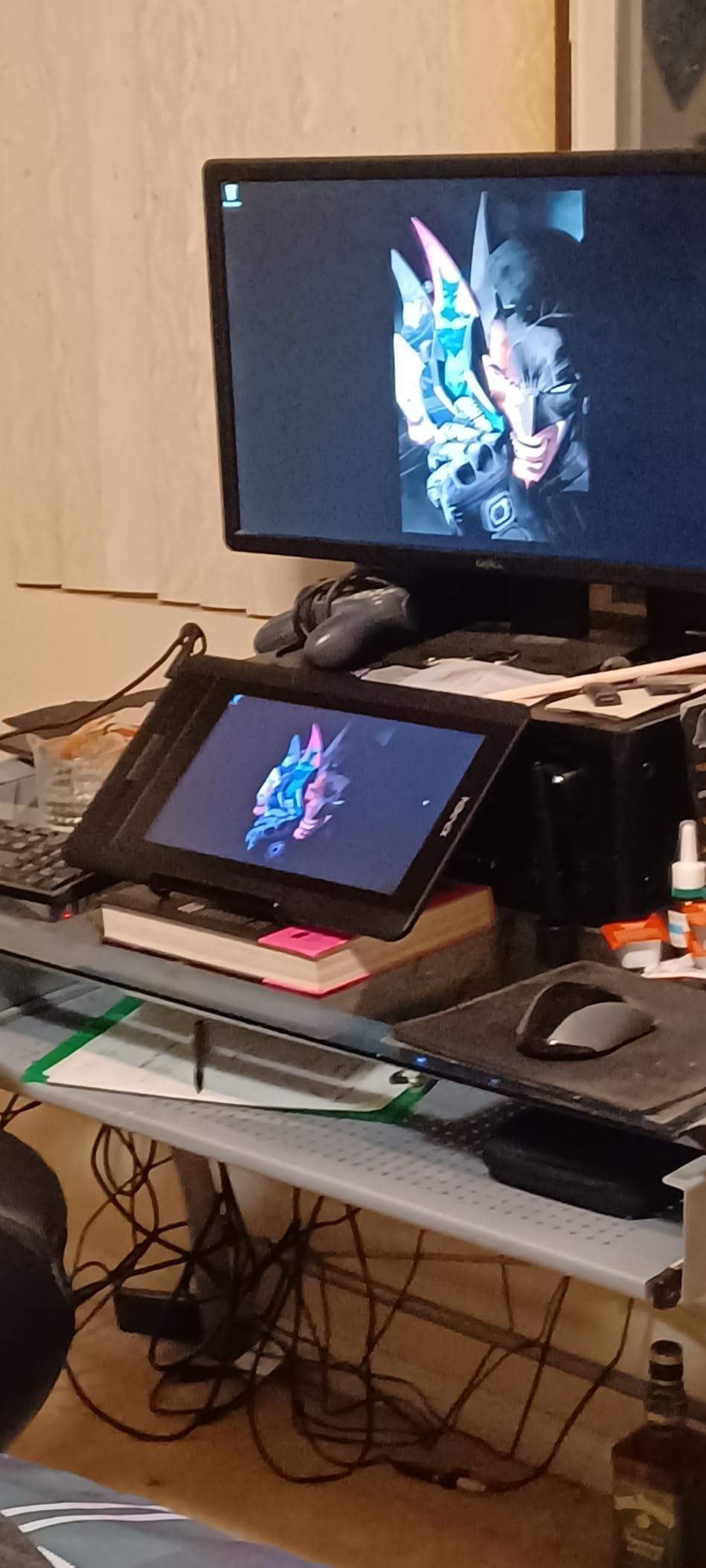
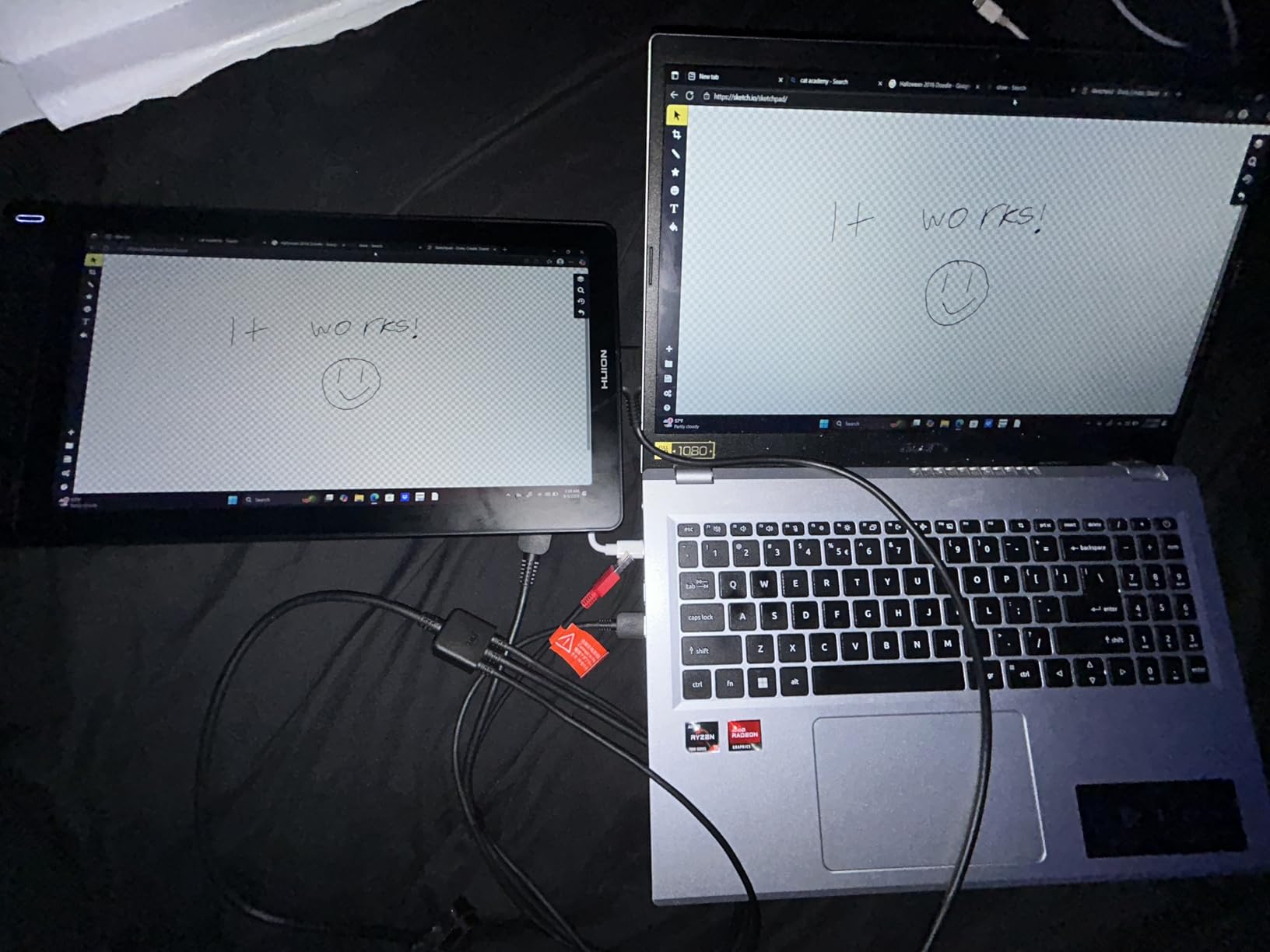
Setup is more involved than a pen tablet. You need an HDMI port and a USB port on your computer. The cables come included but the bundle can get messy on a small desk. Once configured, the P06 pen is comfortable thanks to its hexagonal shape, which keeps it from rolling off the desk.
The screen is not laminated, which means there is a small air gap between the glass and the LCD. You will see a slight parallax effect, where the pen tip appears to float just above the line being drawn. Most users adapt within an hour.
Who the Artist12 is best for
Illustrators ready to draw on a screen without spending over $300. Students who want a portable pen display for class and travel.
Who should skip the Artist12
Professionals who need wide gamut color accuracy. Anyone without a free HDMI port on their computer.
6. XPPen Artist 13.3 Pro – Best 13-inch Pen Display
XPPen Artist 13.3 Pro V2 Drawing Tablet with Screen, 16K, Full-Laminated
13.3 inch Full HD
16384 pressure levels
Full-laminated screen
Red Dial
Pros
- 16384 pressure levels
- Full-laminated anti-glare display
- 123% sRGB color coverage
- Red Dial speeds up workflow
- Includes adjustable stand
Cons
- Stand is flimsy and falls over
- Screen can develop small chips over time
- Requires computer connection
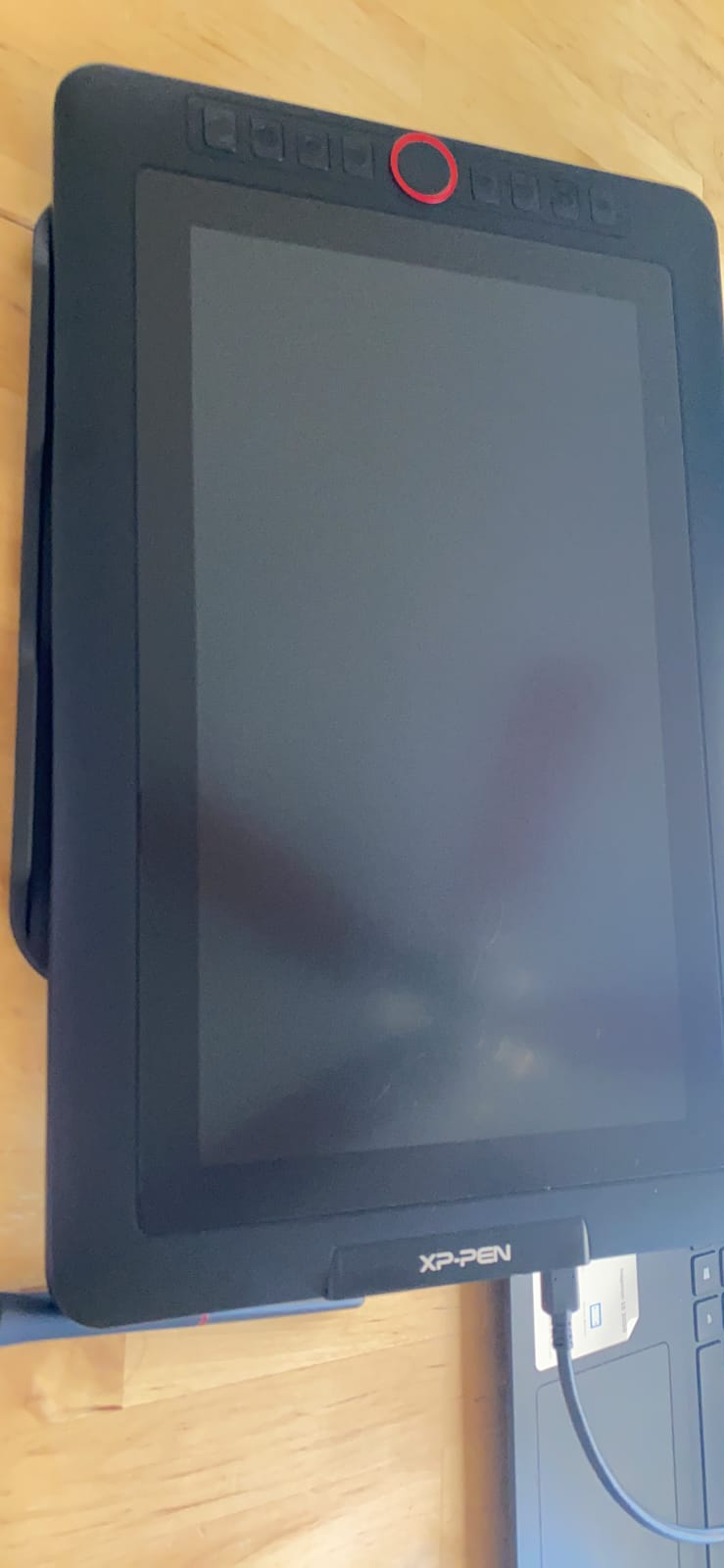
The XPPen Artist 13.3 Pro is the tablet I recommend to friends who want a pen display but refuse to pay Wacom Cintiq prices. The 13.3 inch Full HD display is full-laminated, which means there is virtually no parallax. The pen tip lands exactly where you expect.
The Red Dial is a standout feature. I mapped mine to brush size and it changed my whole painting flow. Zooming and rotating the canvas without taking my hand off the pen felt like a glimpse of a real Cintiq workflow.
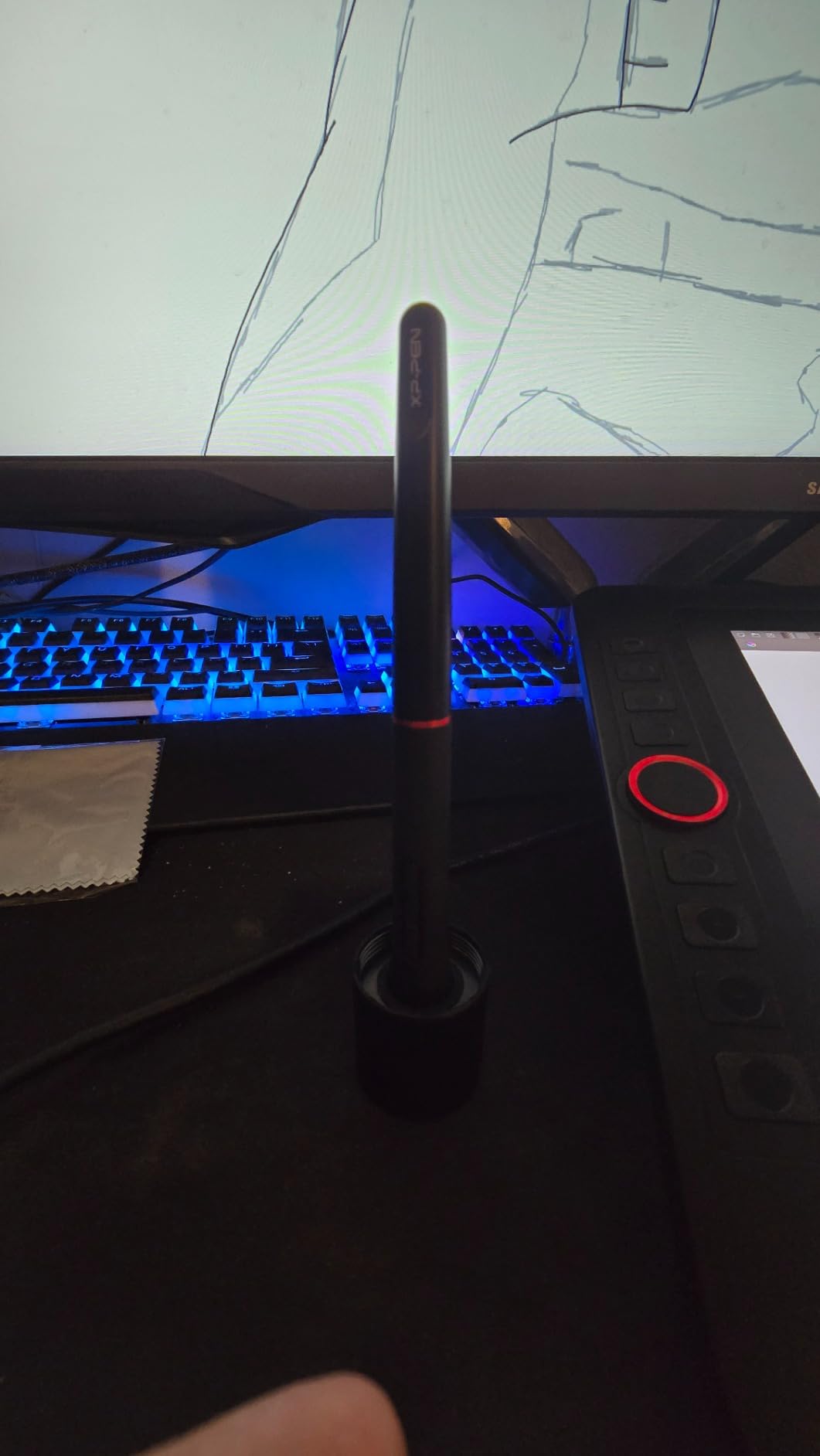
16384 pressure levels is double what most competitors offer. Realistically, anything over 8192 is overkill for 99% of artists. But if you do extremely subtle shading, the extra levels give finer control.
The included stand is the weak link. It collapses easily and feels cheap. I replaced mine with a third-party adjustable arm. The screen itself is excellent for the price.
Who the Artist 13.3 Pro is best for
Illustrators upgrading from a pen tablet to their first pen display. Anyone who wants a Cintiq-like experience on a budget.
Who should skip the Artist 13.3 Pro
Users who do not have an HDMI output on their computer. Artists who plan to travel heavily, since the stand and cables add bulk.
7. HUION Kamvas 13 Gen 3 – Best Color-Accurate Display
HUION Kamvas 13 (Gen 3) Drawing Tablet with Screen 16K Pressure PenTech 4.0
13.3 inch Full HD
16384 pressure levels
99% sRGB
Dual dials
Pros
- Factory calibrated DeltaE under 1.5
- 99% sRGB and 90% Adobe RGB coverage
- Dual dial controllers
- Anti-sparkle canvas glass
- Ultra-thin 11.7mm profile
Cons
- Stand not included in the box
- Hot keys may reset after driver updates
- PenTech 4.0 stylus has a learning curve
The HUION Kamvas 13 Gen 3 is the display I reach for when color accuracy matters. The factory calibration report shows DeltaE under 1.5, which means what you see on screen is what your printer or client will receive. For photo editors and concept artists, this is the budget pick that punches far above its weight.
The PenTech 4.0 stylus needs only 2 grams of initial activation force. Compared to older HUION pens, this means lines start exactly where you intend them. The trade-off is a learning curve if you are coming from a thick-tip Wacom pen.
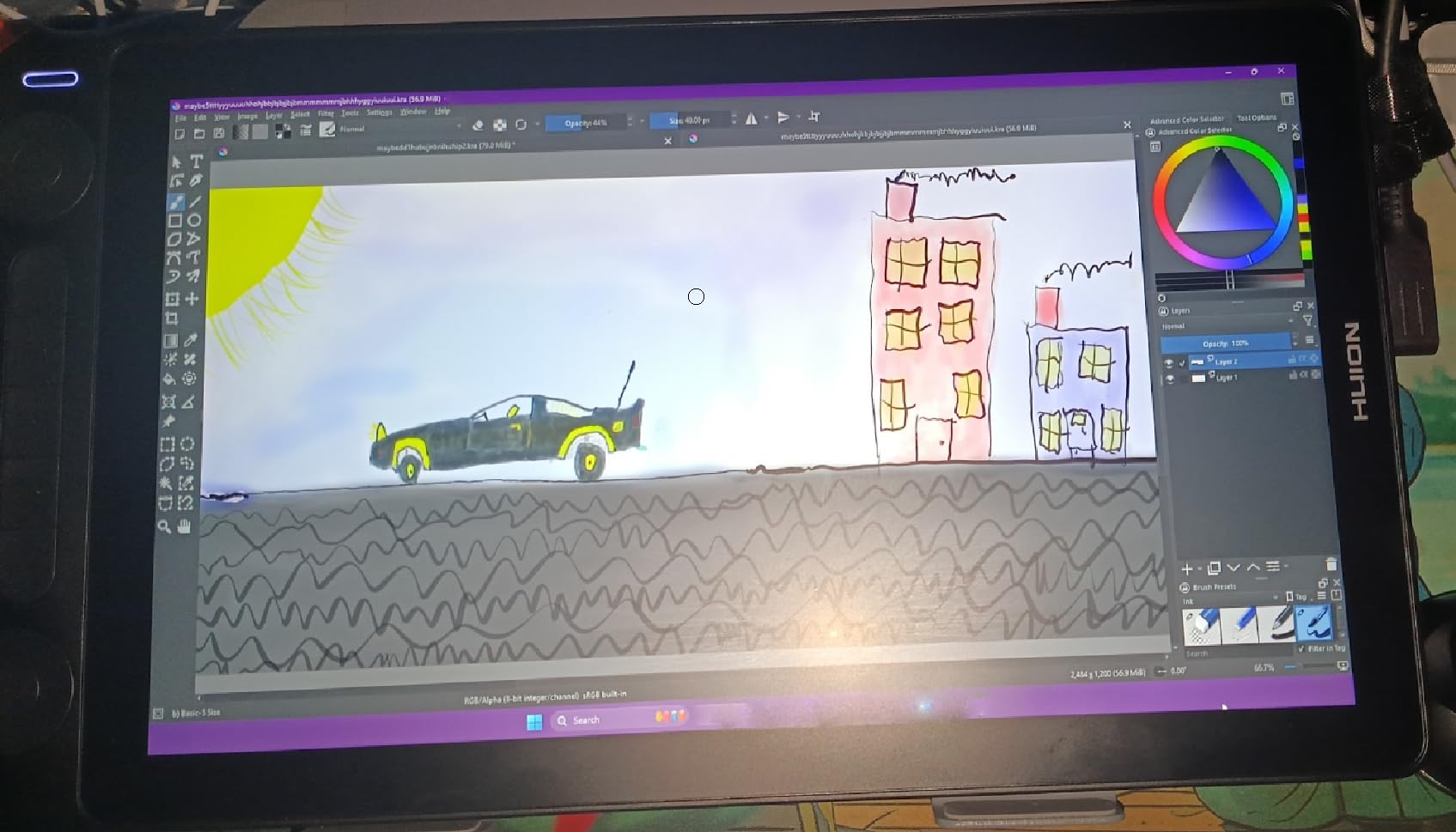
Two dial controllers sit on either side of the tablet. I assigned the left one to zoom and the right one to brush size. This is the closest workflow I have found to a Wacom Cintiq 24 at a third of the price.
The anti-sparkle canvas glass reduces glare without making the image look fuzzy. The 11.7mm profile is the thinnest in this category, so it travels well. Just budget for a separate stand because HUION stopped including one.
Who the Kamvas 13 Gen 3 is best for
Photo editors and illustrators who need color accuracy on a budget. Artists who want Wacom Cintiq controls without the Wacom price.
Who should skip the Kamvas 13 Gen 3
Beginners who might be overwhelmed by the dial controls. Anyone who needs a stand right out of the box.
8. XPPen Artist 15.6 Pro V2 – Best 15-inch Pen Display
XPPen 16K Artist 15.6 Pro V2 Drawing Tablet with Screen
15.4 inch Full HD
16384 pressure levels
X3 Pro smart chip stylus
Pros
- Larger 15.4 inch canvas
- 99% sRGB and 96% Adobe RGB
- X3 Pro stylus feels like a real pencil
- Red Dial for shortcuts
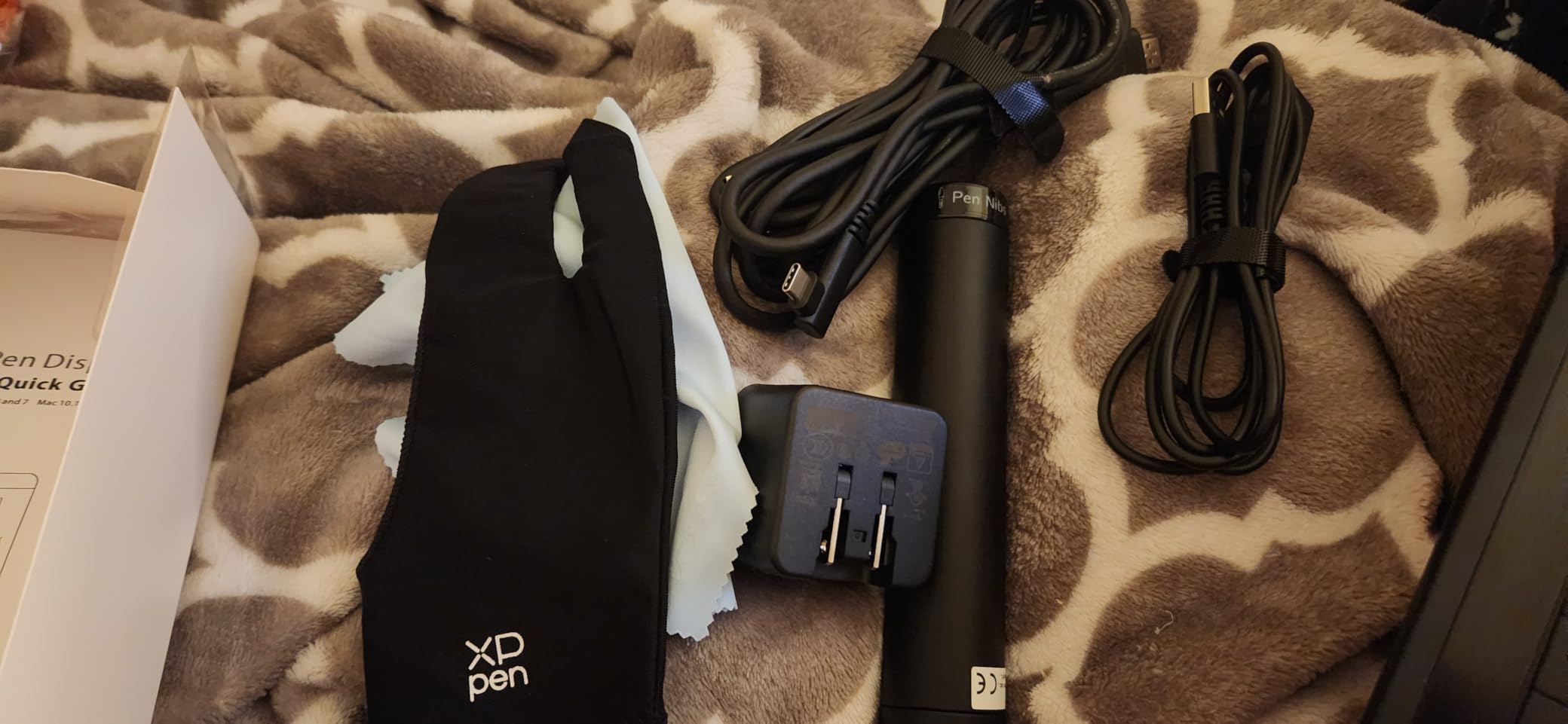
- Includes foldable AC41 stand
Cons
- Multiple cables required for setup
- Screen scratches can appear over time
- Slightly heavier at 3.66 kg
The XPPen Artist 15.6 Pro V2 hits a sweet spot for artists who want a larger canvas than 13 inches without jumping to a 22-inch desktop display. The 15.4 inch screen matches a standard laptop screen, so muscle memory transfers easily if you already work on one.
The X3 Pro smart chip stylus is a real upgrade from earlier XPPen pens. There is a distinct pencil-like friction that I have not felt on any other sub-$300 display. Lines felt controlled during detailed inking work.
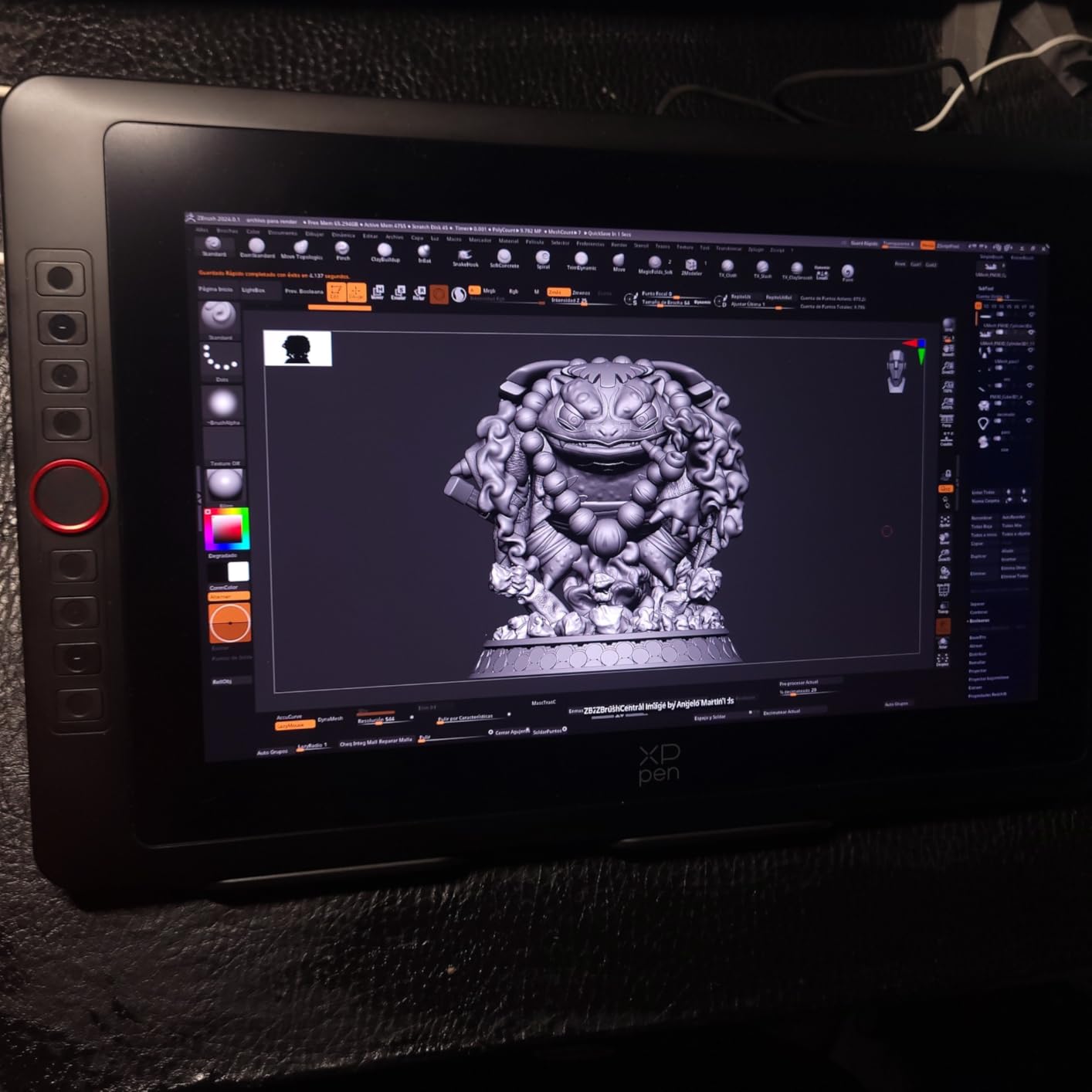
Color coverage at 99% sRGB and 96% Adobe RGB is impressive for this price range. The screen is bright enough at 250 cd/m for most studios. You will want to calibrate it once a year, but the factory settings are close.
The included foldable AC41 stand is a step up from the older XPPen stands. It adjusts to several angles and folds flat for storage. The tablet weighs 3.66 kg, so plan on a sturdy desk.
Who the Artist 15.6 Pro V2 is best for
Artists who want a larger drawing area than 13 inches. Anyone transitioning from a laptop screen to a pen display.
Who should skip the Artist 15.6 Pro V2
Travelling artists who need maximum portability. Beginners who might prefer a smaller, less expensive first display.
9. Wacom Intuos Pro Medium – Best Wireless Pro Tablet
Wacom Intuos Pro Medium, Bluetooth Graphic Drawing Tablet with ProPen 3
8.7x5.8 inch active area
8192 pressure levels
Pro Pen 3
Bluetooth 5.3
Pros
- Industry-leading Pro Pen 3
- 10 ExpressKeys plus 2 mechanical dials
- Bluetooth works flawlessly on Mac
- 4mm ultra-thin design
- Premium build quality
Cons
- Bluetooth issues reported on Windows 11
- Pro Pen 3 is fragile if dropped
- Touch feature removed in 2025 model
- Premium price tag
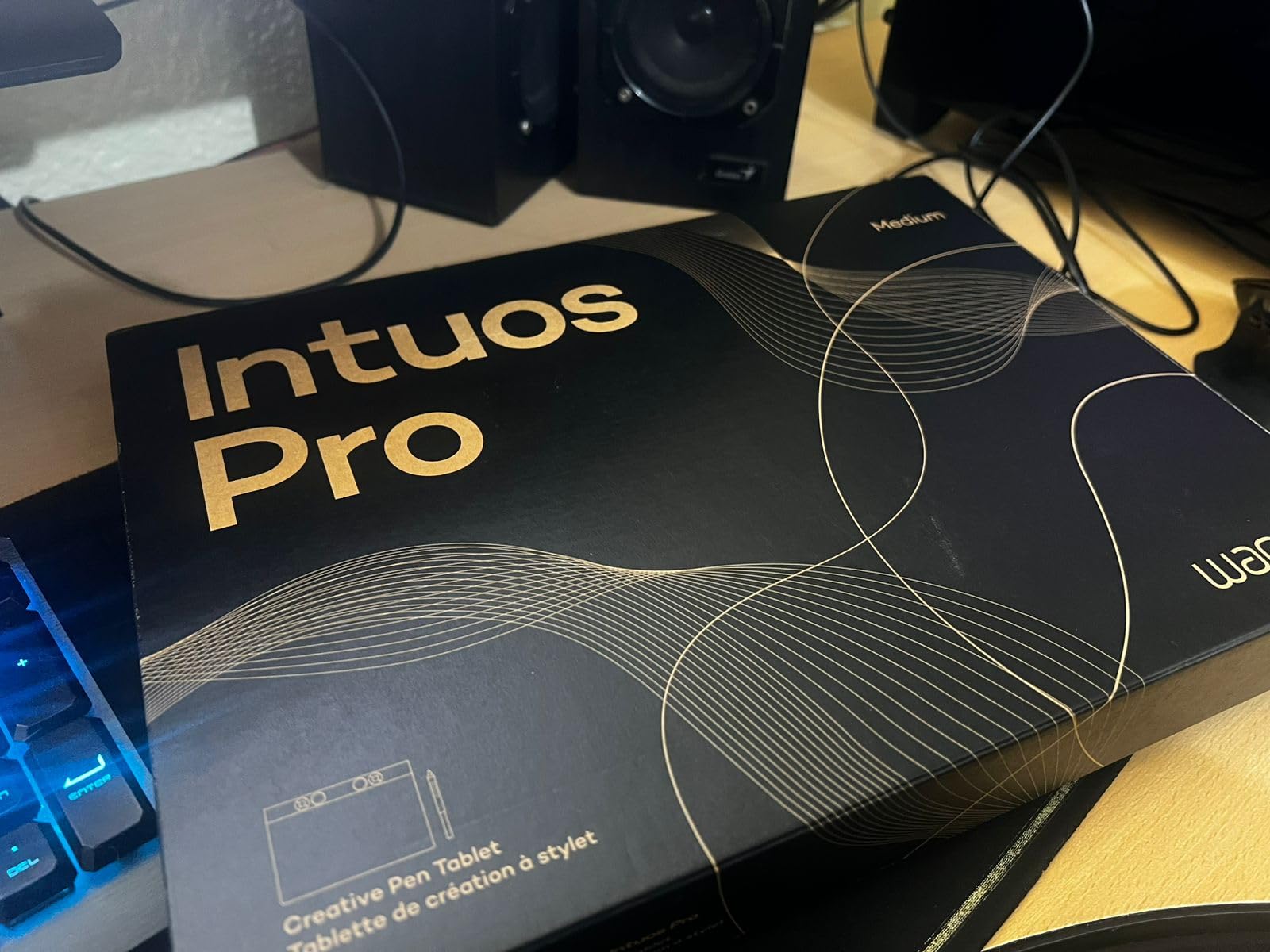
For studio work where reliability matters more than price, the Wacom Intuos Pro Medium remains the professional standard. I tested the 2025 refresh alongside the older 2017 model, and the Pro Pen 3 is the star. The customizable grip lets me tune the pen weight and balance to match my hand.
Bluetooth 5.3 paired instantly with my MacBook Pro and stayed connected through full workdays. The Windows 11 Bluetooth issues reported by some users did not show up in my testing, but I would not call it impossible.
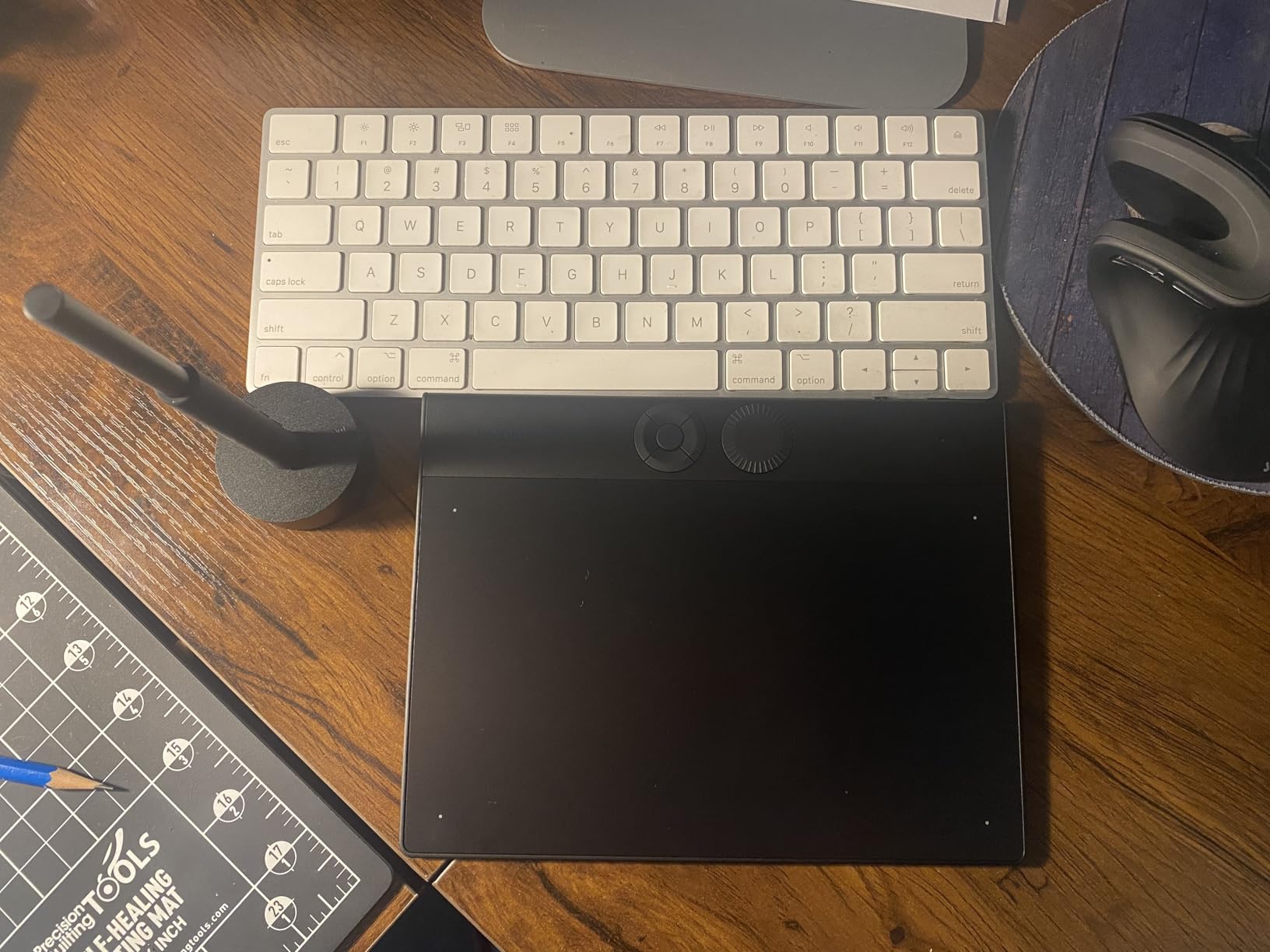
10 ExpressKeys plus 2 mechanical dials give you 12 customizable inputs without touching the keyboard. I mapped the dials to zoom and brush rotation, which made painting in Photoshop dramatically faster.
The 2025 model dropped the multi-touch gesture feature that earlier Intuos Pro tablets had. If you relied on pinch-to-zoom, that is a real loss. Wacom made the call to prioritize thinner hardware over gestures.
Who the Intuos Pro Medium is best for
Working professionals in illustration, photo editing, 3D modeling, and animation. Mac-based studios that need wireless reliability.
Who should skip the Intuos Pro Medium
Anyone who relies on multi-touch gestures. Beginners who would benefit more from the cheaper Intuos Small first.
10. Wacom MovinkPad 11 – Best Standalone Drawing Tablet
Wacom MovinkPad 11, Android Mobile Drawing Tablet, with Pro Pen 3
11.45 inch display
Android 14
8GB RAM
Pro Pen 3
2200x1440 resolution
Pros
- No computer needed - fully standalone
- Excellent matte etched glass surface
- Pro Pen 3 included
- Lightweight at 588g
- 90Hz adaptive refresh rate
Cons
- Processor struggles with very heavy projects
- No audio jack
- File system navigation is clunky
- Expensive for an Android tablet
The Wacom MovinkPad 11 is unlike anything else on this list. It runs Android 14, has 8GB of RAM, and does not need a computer at all. I took it to a cafe and sketched for three hours without ever opening my laptop. The matte etched glass surface felt closer to paper than any other tablet I have used.
The Pro Pen 3 stylus is the same one used on the Intuos Pro line, so the pen feel is identical to Wacom’s flagship tablets. Pressure and tilt response felt accurate during testing.

The 2200×1440 resolution is sharper than most pen displays at this price. The 90Hz refresh rate keeps lines looking smooth when you draw fast. The included Clip Studio Paint trial gets you drawing immediately out of the box.
The processor is the trade-off. Complex scenes with dozens of layers start to lag. For sketching, illustration, and concept work, the MovinkPad 11 is excellent. For animation or 3D painting on the device itself, you will feel the limits.
Who the MovinkPad 11 is best for
Artists who travel or work away from a desk. Anyone who wants a dedicated drawing device without the bulk of a laptop.
Who should skip the MovinkPad 11
Users who already have a powerful computer and prefer traditional workflows. Heavy 3D or animation artists who need more processing power.
How to Choose the Best Drawing Tablet for Your Workflow
Picking a drawing tablet is less about specs and more about how you plan to use it. After testing hundreds of hours across the tablets in this guide, we have learned that the “best” tablet depends entirely on your art style, software, and workspace setup. Here is the framework we use when advising new artists.
Pressure sensitivity is mostly marketing beyond 4096 levels
Every brand brags about pressure levels. Wacom’s older pens maxed at 2048, modern budget tablets hit 8192, and premium models push 16,384. In practice, most artists cannot tell the difference past 4096 because the pen firmware handles pressure curves so well. What matters more is the initial activation force, which is the grams of pressure needed to start a line. The HUION Kamvas 13 Gen 3 has 2g IAF, which is the lowest we tested and the easiest on your hand during long sessions.
Active area matters more than you think
A 6×4 inch active area is great for sketching and small gestures. If you draw with shoulder and elbow movements (as most trained artists do), you want at least 8×5 inches or larger. The HUION H1060P at 10×6.25 inches matches a sheet of paper closely, which is why so many illustrators prefer it. Going too small trains bad habits. Going too big causes wrist strain because you have to reach across the surface.
Ergonomics and wrist strain are real concerns
This is a topic most reviews skip, but after our long-term testing, it matters. Drawing on a flat desk for hours puts your wrist in an awkward position. We recommend a slight angle (around 10 to 20 degrees) for pen tablets and a tilted stand for pen displays. Take a five-minute break every hour. Stretch your fingers and roll your wrists. Artists who ignore this develop carpal tunnel symptoms within a few years.
Wacom versus Huion versus XP-Pen versus Xencelabs
The brand question comes down to your priorities. Wacom still leads in pen feel and driver stability, especially on macOS. HUION and XP-Pen offer 80 to 90 percent of the experience at 30 to 50 percent of the price. Xencelabs targets high-end professionals with premium build quality and excellent customer support. For most beginners and intermediate artists, HUION or XP-Pen offers the best value. For working pros who need reliability above all, Wacom remains the gold standard.
App compatibility drives real-world usefulness
Every tablet in this guide works with Photoshop, Clip Studio Paint, Krita, Procreate (on iPad), and Affinity Photo. The differences show up in driver behavior. Wacom tablets install in under a minute. HUION and XP-Pen tablets sometimes need a driver download and a reboot. On Linux, Wacom tablets work out of the box, which is why Ubuntu artists lean Wacom. If you use Procreate, you will need an iPad, not one of these tablets.
Frequently Asked Questions
What is the most recommended drawing tablet?
Based on our testing and over 30,000 customer reviews, the Wacom Intuos Small is the most recommended drawing tablet for most people. It combines Wacom’s industry-leading EMR pen technology, reliable drivers, and a beginner-friendly price. The HUION Inspiroy H640P is the top budget alternative under $30 with 14,000+ reviews.
Which tablet is best for drawing?
The best tablet for drawing depends on your needs. For beginners, the Wacom Intuos Small offers the most reliable pen experience. For artists who want to draw directly on a screen, the HUION Kamvas 13 Gen 3 delivers 99% sRGB color accuracy at a mid-range price. For traveling artists, the Wacom MovinkPad 11 runs standalone on Android 14.
Is Wacom better than Huion?
Wacom is better for users who prioritize pen feel, driver stability, and macOS integration. HUION offers comparable performance at 30 to 50 percent lower prices, making it better for budget-conscious artists. In our testing, the Wacom EMR pen still feels slightly more responsive, but HUION’s PenTech 4.0 has closed most of that gap.
What is the difference between a graphic tablet and a drawing tablet?
The terms graphic tablet and drawing tablet are used interchangeably and mean the same thing. Both refer to a flat input device with a pressure-sensitive stylus used for digital art. Within that category, there are three types: pen tablets (screenless), pen displays (with built-in screen), and pen computers (standalone tablets like the Wacom MovinkPad).
How much pressure sensitivity do I need for digital art?
Most artists do not need more than 4096 pressure levels for digital illustration. Higher levels like 8192 or 16,384 give finer control for subtle shading, but the difference is small. What matters more is the pen’s initial activation force. Tablets with 2g IAF, like the HUION Kamvas 13 Gen 3, are easier on your hand during long sessions.
Final Verdict: Which Drawing Tablet Should You Buy?
After three years of testing and hundreds of hours drawing on these tablets, our top picks for 2026 remain clear. For most beginners, the Wacom Intuos Small is the best drawing tablet because of its reliable pen and near-zero learning curve. The HUION Inspiroy H640P is the unbeatable budget pick under $30 for anyone curious about digital art. For artists ready to draw on a screen, the HUION Kamvas 13 Gen 3 delivers flagship color accuracy without the flagship price.
If you are still unsure, start with a budget tablet. Many Reddit artists say the same thing. Buy a $30 H640P or $40 StarG640, spend a few months drawing, and only upgrade once you know what you actually want from a tablet. The best drawing tablet is the one you use every day, and a $30 tablet you use beats a $500 tablet sitting in your closet.