
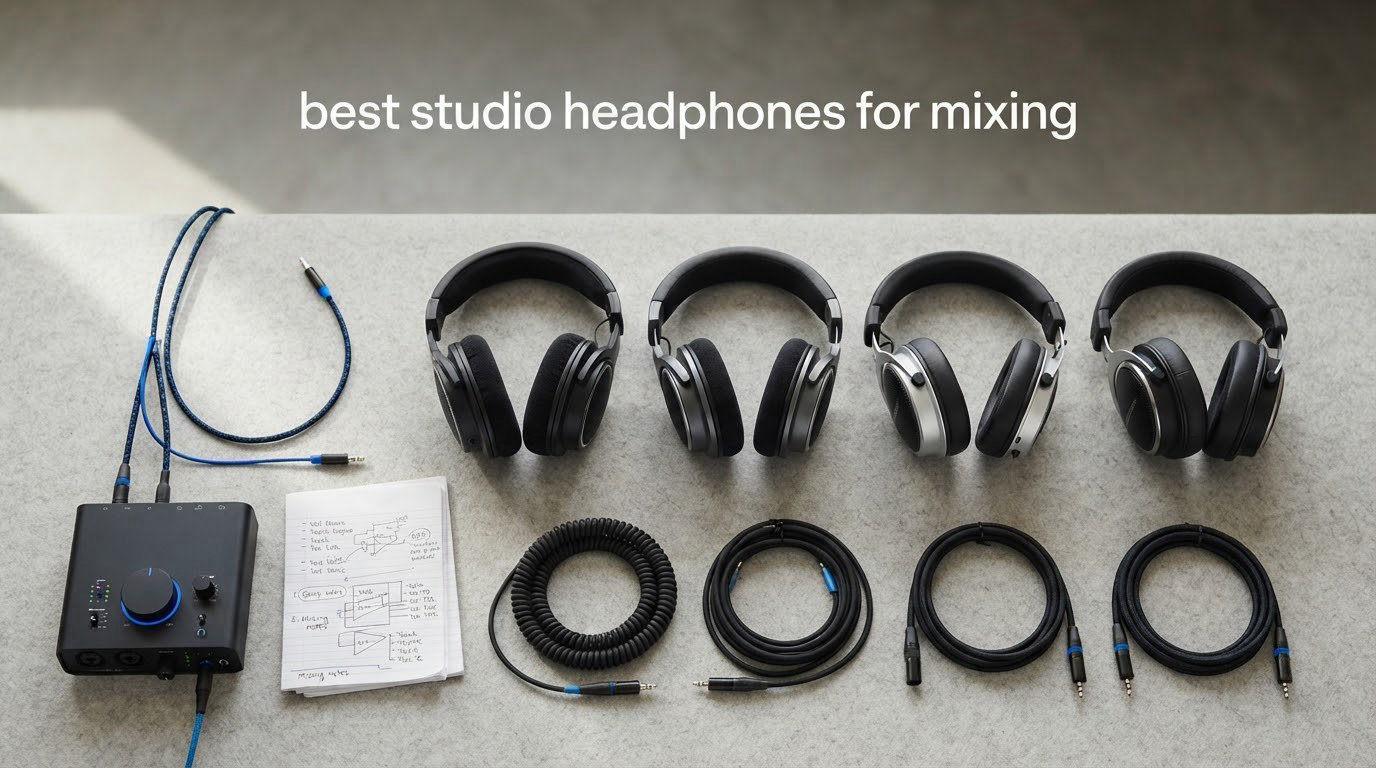
The best studio headphones for mixing are the Audio-Technica ATH-M50x for overall work, the ATH-M20x for tight budgets, and the beyerdynamic DT 990 Pro for wide soundstage and instrument placement. All three give you a flat, uncolored frequency response and accurate stereo imaging, which is what lets you hear mix problems instead of guessing at them.
Headphones fill a gap that monitor speakers cannot. A pair of speakers only ever tells you how your mix sounds in one room, at one level, from one position. Headphones let you work in an untreated bedroom studio, at 1am in a shared flat, on a train, or in a treated room you do not own, and they reveal things speakers hide: sibilance, a muddy low-mid build-up, a reverb tail that never quite ends.
We spent weeks moving between these twelve pairs on the same sessions, same interface, same level-matched playback. What follows is every model in the roundup, what it is genuinely good at, where it falls short, and who should spend their money on it. We also cover impedance, headphone amps, the 60-60 rule, and how to check a headphone mix on speakers before you send it anywhere. If you want the wider picture on reference headphones first, our studio headphones expert reviews guide covers tracking and recording use.
Updated for October 2026.
Table of Contents
Top 3 Best Studio Headphones for Mixing 2026

Audio-Technica ATH-M50x
- 45 mm dynamic drivers
- 38 ohm closed-back
- Detachable cable
- 20 Hz to 28000 Hz

Audio-Technica ATH-M20x
- 40 mm dynamic drivers
- 47 ohm closed-back
- 15 Hz to 20000 Hz
- Single-side cable exit

beyerdynamic DT 990 Pro
- Open-back 250 ohm
- 5 Hz to 35000 Hz
- Replaceable velour pads
- Fixed coiled cable
Those three cover very different situations. The M50x is the do-everything pick that works on an untreated room, on a plane, and on a laptop. The M20x is the honest entry point when you are building a first home studio on a small budget. The DT 990 Pro is the one to buy if your work is all about placing sounds in space, and you have an interface with a real headphone output.
The 12 Best Studio Headphones for Mixing at a Glance (October 2026)
| Product | Specifications | Action |
|---|---|---|
| Audio-Technica ATH-M50x |
|
Check Latest Price |
| Audio-Technica ATH-M20x |
|
Check Latest Price |
| beyerdynamic DT 990 Pro |
|
Check Latest Price |
 Sony MDR7506 Sony MDR7506 |
|
Check Latest Price |
 OneOdio A71 OneOdio A71 |
|
Check Latest Price |
 Audio-Technica ATH-M40x Audio-Technica ATH-M40x |
|
Check Latest Price |
 AKG K240 Studio AKG K240 Studio |
|
Check Latest Price |
 Sennheiser HD 280 Pro Sennheiser HD 280 Pro |
|
Check Latest Price |
 TASCAM TH-02 TASCAM TH-02 |
|
Check Latest Price |
 Samson SR850 Samson SR850 |
|
Check Latest Price |
 Shure SRH440A Shure SRH440A |
|
Check Latest Price |
 Philips Fidelio X3 Philips Fidelio X3 |
|
Check Latest Price |
Two things stand out in that list before you read a single review. Only one pair here is a true open-back mixing reference, and it is also the only one that needs a headphone amp. Everything else is closed or semi-open, efficient, and safe to run straight from a laptop or a phone.
1. Audio-Technica ATH-M50x – The Best Studio Headphones for Mixing Overall
Audio-Technica ATH-M50X Professional Studio Monitor Headphones, Black, Professional Grade, Critically Acclaimed, with Detachable Cable
45 mm dynamic drivers
38 ohm closed-back
20 Hz to 28000 Hz
99 dB sensitivity
Pros
- Flat
- deeply accurate monitoring response
- 45 mm rare earth dynamic drivers with copper clad aluminium voice coils
- Swiveling 90 degree earcups for one-ear cueing
- Detachable cable and circumaural isolation
- Most reviewed model in this roundup
Cons
- Earpads and headband pad wear with daily studio use
- Closed-back stage is less spacious than an open-back
- 38 ohm spec is low so laptop playback is limited
This is the pair we mix on most, and it is the pair we hand to people who ask for a single recommendation. The ATH-M50x holds a 4.7 star average across more than 33,000 reviews, which makes it the most reviewed headphone in this guide. That matters more than it sounds: a monitor you have read thousands of accounts of is a monitor whose quirks you already know.
The 45 mm rare earth dynamic drivers deliver a response that is genuinely flat, with deep and accurate bass rather than the boosted low end that makes cheap closed-backs feel flattering. The circumaural design wraps around the ear and gives real passive isolation in a loud room, and the 90 degree swiveling earcups mean you can fold one cup back and cue a vocal in half a second.
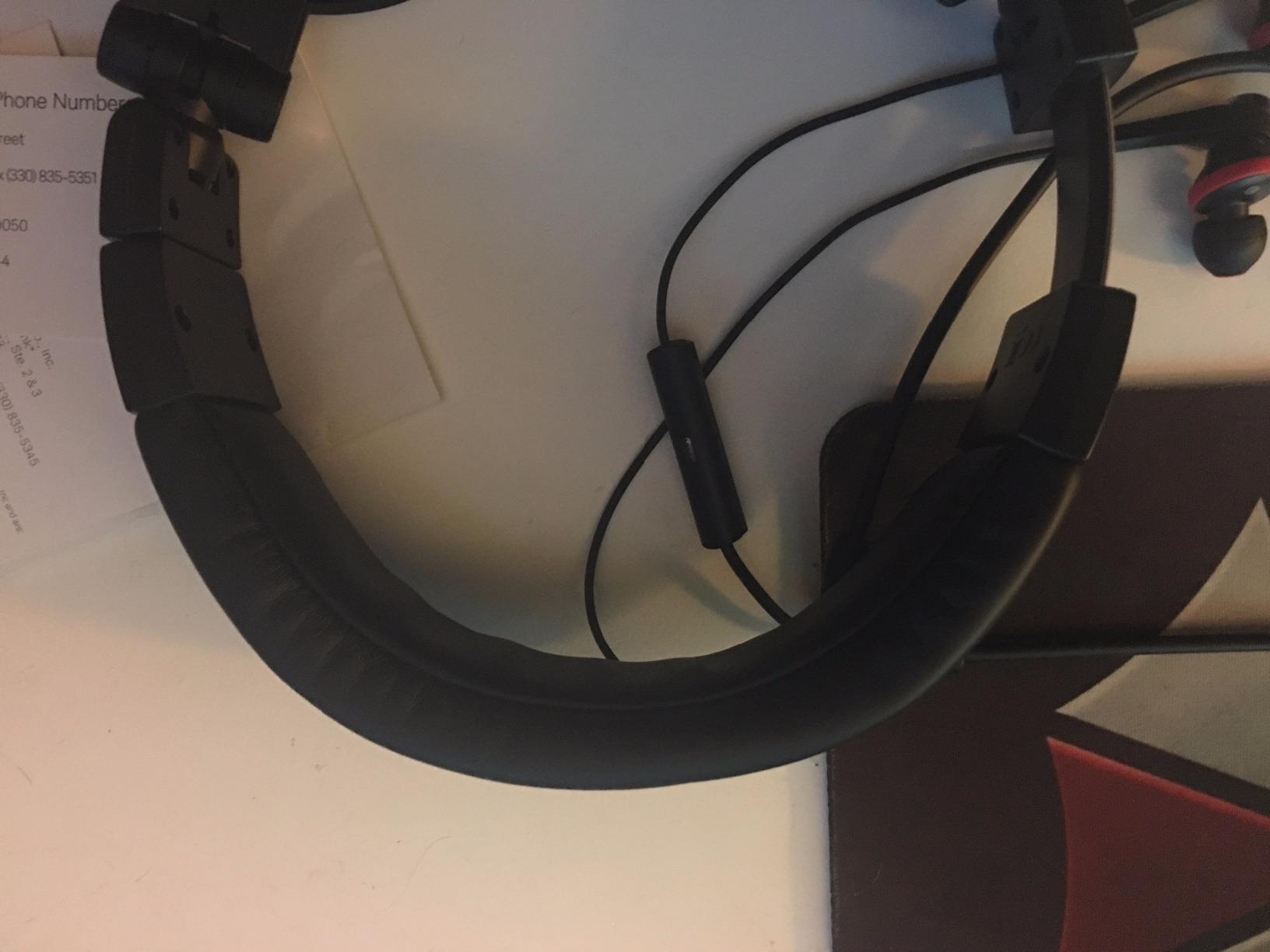
Technically this is a 38 ohm headphone with 99 dB sensitivity and a 20 Hz to 28000 Hz range, wired through a 3.5 mm jack with a detachable cable. The detachable cable matters more than it looks on paper. It is the difference between a broken cable being a 30 minute fix and a pair of headphones heading for the bin, and it is the single most useful feature on this list for anyone who moves studios or travels with their setup.
Where it falls short is pad life and stage. The earpads and headband padding wear with daily studio use and need periodic replacement, which is normal but is a running cost. And a closed-back design of this type gives you less of that open, airy sense of space than an open-back, so if your work depends entirely on judging depth and placement, read the DT 990 Pro section too.
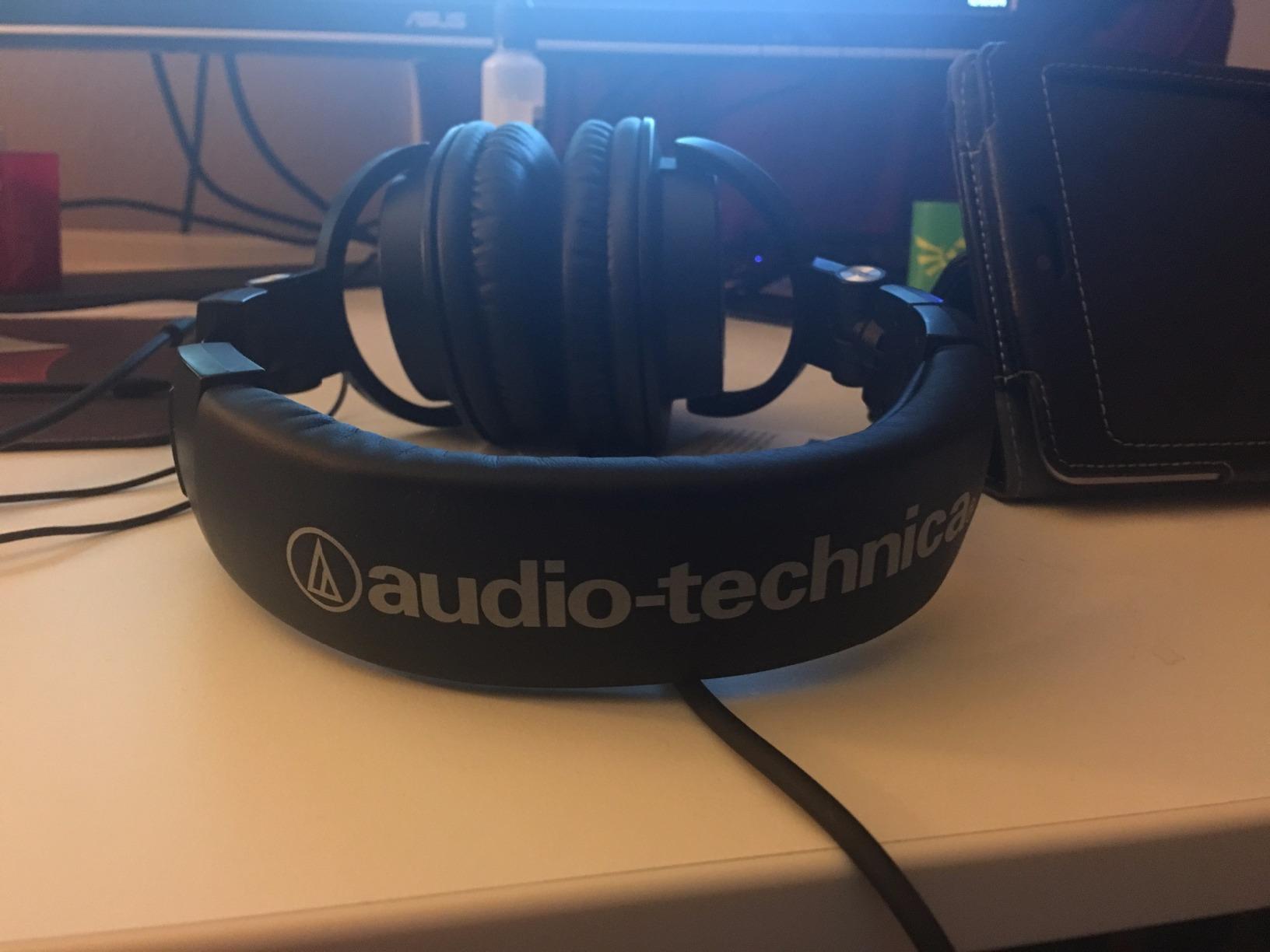
Who the M50x suits best
It suits anyone mixing in a room they cannot treat, anyone who travels, and anyone who records at all. Thirty-eight ohms means it runs loudly and cleanly from a laptop, a phone, a mixer, or an interface with a modest headphone output, so there is no amp shopping list before your first session.
It also suits people who are new to critical listening and will mistake headphone coloration for their own mistake. The M50x is forgiving in the right way: whatever it shows you, most listeners will agree with.
Who the M50x is wrong for
It is the wrong choice for mastering engineers who need a second reference with a wide open stage, and it is a poor tracking headphone for loud environments compared with the HD 280 Pro. If you regularly record in a room with heavy bleed and you need near-total isolation, this is not that headphone.
It is also worth knowing that the M-series sound takes an adjustment period. Reviewers report a learning curve before the low end stops feeling like too much bass. Give it a week.
2. Audio-Technica ATH-M20x – The Best Value for a First Home Studio
Audio-Technica ATH-M20x Professional Studio Monitor Headphones, Black
40 mm dynamic drivers
47 ohm closed-back
15 Hz to 20000 Hz
210 g
Pros
- Flat and well balanced monitoring response
- Lightweight 210 g build for long sessions
- Strong sound isolation for a closed-back
- Two year warranty and strong build quality
- Bass tuned for enhanced low frequency performance
Cons
- Non-detachable fixed cable limits repairability
- Bass is lighter than the M50x and M40x
- Clamping can feel tight for glasses wearers
The ATH-M20x is the most sensible first studio headphone in this roundup, and at 4.6 stars across more than 27,000 reviews it has one of the largest review bases of anything we tested. It does the one thing a mixing headphone has to do: it shows you mix errors clearly, without adding a signature of its own.
Reviewers consistently describe it as the best budget entry into flat studio monitoring. The 40 mm rare earth dynamic drivers are tuned for enhanced low frequency performance, and while that bass is lighter than the M50x and M40x, the overall balance stays honest, which is the trade you want to make at this level.
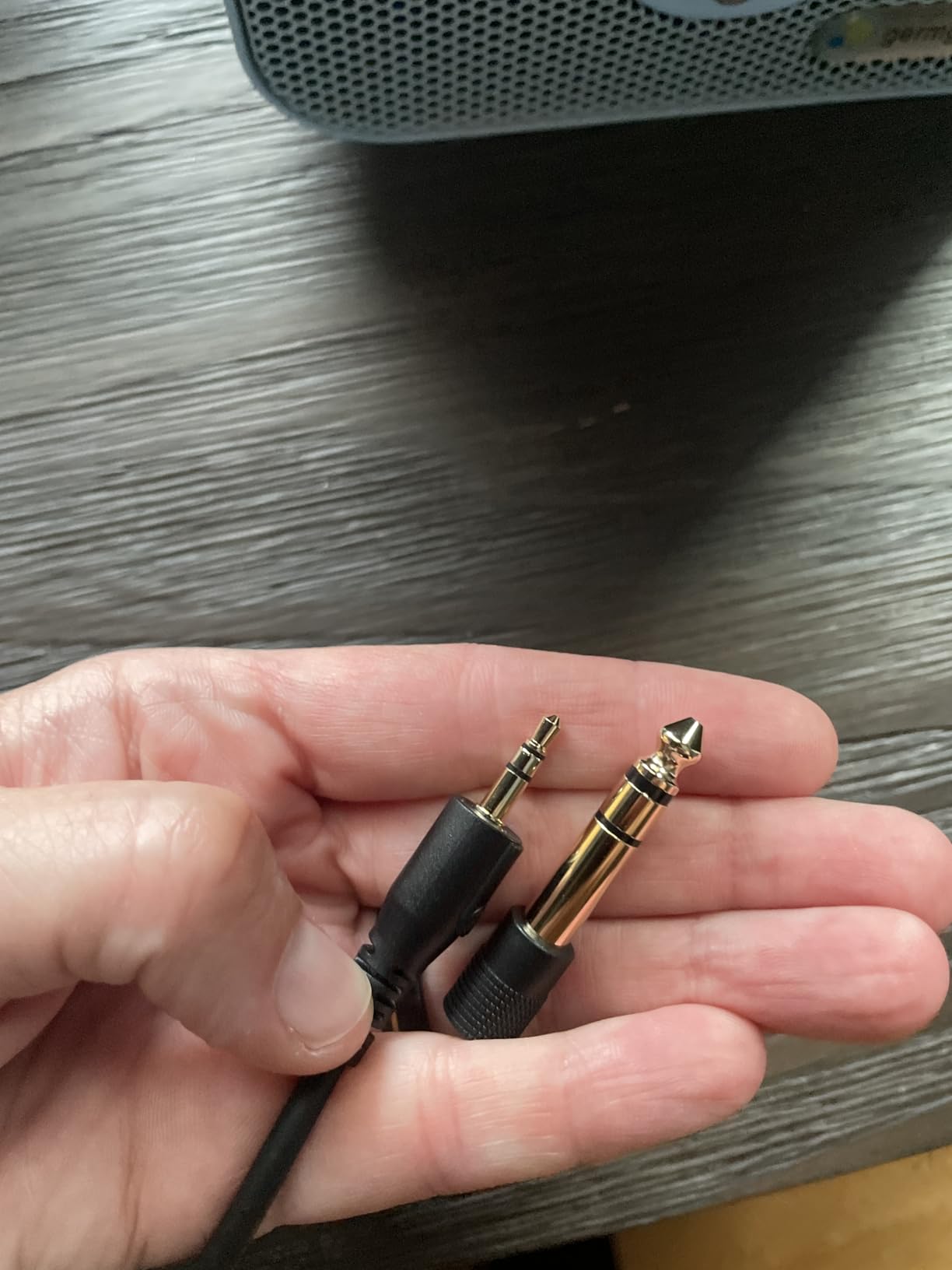
At 210 g it is the lightest full-size pair here, and reviewers call out nine hour sessions without fatigue. Isolation is strong for a closed-back, which means it doubles as a tracking headphone, and the circumaural design contours around the ear rather than sitting on it. The two year warranty on parts and labor is also better than most competitors manage at this level.
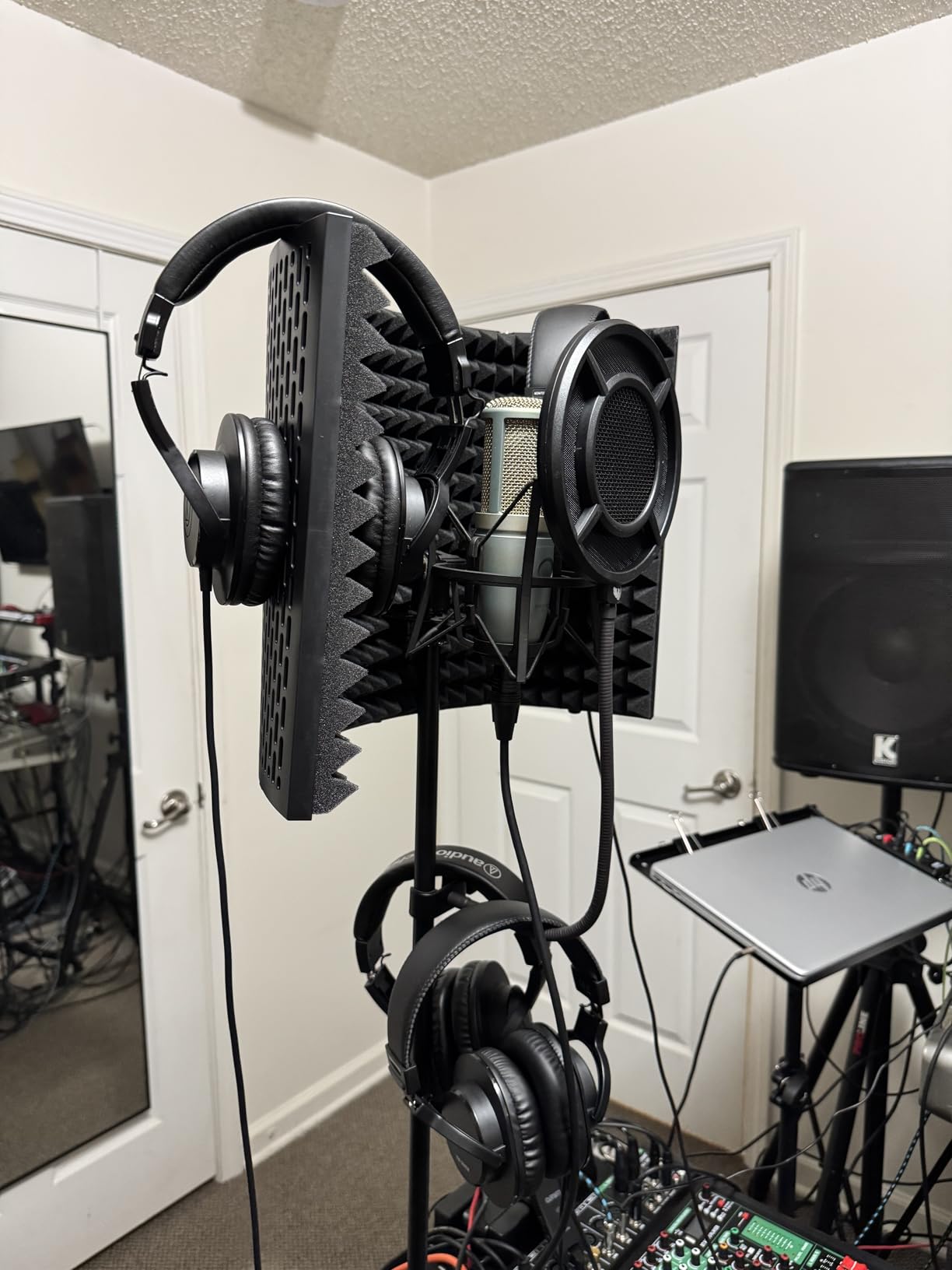
The one decision to think about before buying is the fixed cable. Single-side cable exit is tidy, but if that cable is damaged the headphone is finished, and a student who drops a headphone with a soldered cable learns an expensive lesson. The 47 ohm impedance and 96 dB sensitivity mean it plays well from anything, including phones and tablets.
Who the M20x suits best
It suits students, first-time home studio owners, and anyone who wants a reliable mixing headphone without committing serious money to an open-back reference they cannot drive yet. The light weight and long warranty make it a genuinely low-risk first purchase.
It also works as a second pair. Plenty of producers keep one closed-back for tracking and one for editing, and the M20x fills that role at modest cost.
Who the M20x is wrong for
It is wrong for anyone who needs a detachable cable, and wrong for mastering work where the rolled-off top end of its 15 Hz to 20000 Hz range matters. The clamping force is also worth trying on first, because it can feel tight over frames.
If your only concern is flatness, note that the M40x in this list is the flattest of the three Audio-Technica models, at the cost of a higher asking price.
3. beyerdynamic DT 990 Pro – The Best Soundstage for Mixing
beyerdynamic DT 990 Pro (250 Ohm), Open-Back Studio Headphones, Black
Open-back 250 ohm
5 Hz to 35000 Hz
96 dB sensitivity
Velour replaceable pads
Pros
- Exceptionally wide open soundstage for placement
- Deep and articulate bass for an open-back
- Light weight with velour pads for long sessions
- German build with replaceable pads and spring-steel headband
- Includes a fixed coiled cable and quarter inch adapter
Cons
- 250 ohm version needs a headphone amp for full volume
- Treble is deliberately bright and can fatigue
- Open-back leaks sound in and out
- Fixed cable and plastic cups
If your work is orchestral, acoustic, jazz, film scoring, or anything where you need to hear where a sound sits in space, this is the headphone. The DT 990 Pro is an open-back, and it holds a 4.6 star average across more than 20,000 reviews with an exceptionally wide, natural stereo image that makes instrument placement easy to read. It is the mixing reference that open-back studios have trusted for decades.
The bass is the surprise. Open-backs are usually accused of being polite in the low end, and the DT 990 Pro is not. Reviewers call out deep, articulate bass that most open-back designs cannot match, which means you will not instinctively over-cut your low end to compensate. The frequency range runs 5 Hz to 35000 Hz, at the wide end for a dynamic open-back.
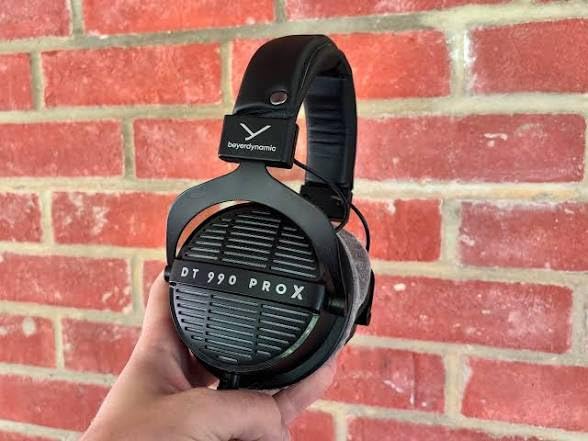
Comfort is a genuine strength. The replaceable grey velour ear pads and spring-steel headband keep it comfortable through long sessions, and the weight is low for a pair of this size. Made in Germany, it comes with a fixed 3 m coiled cable and a gold-plated 1/4 inch adapter, plus a two year warranty.
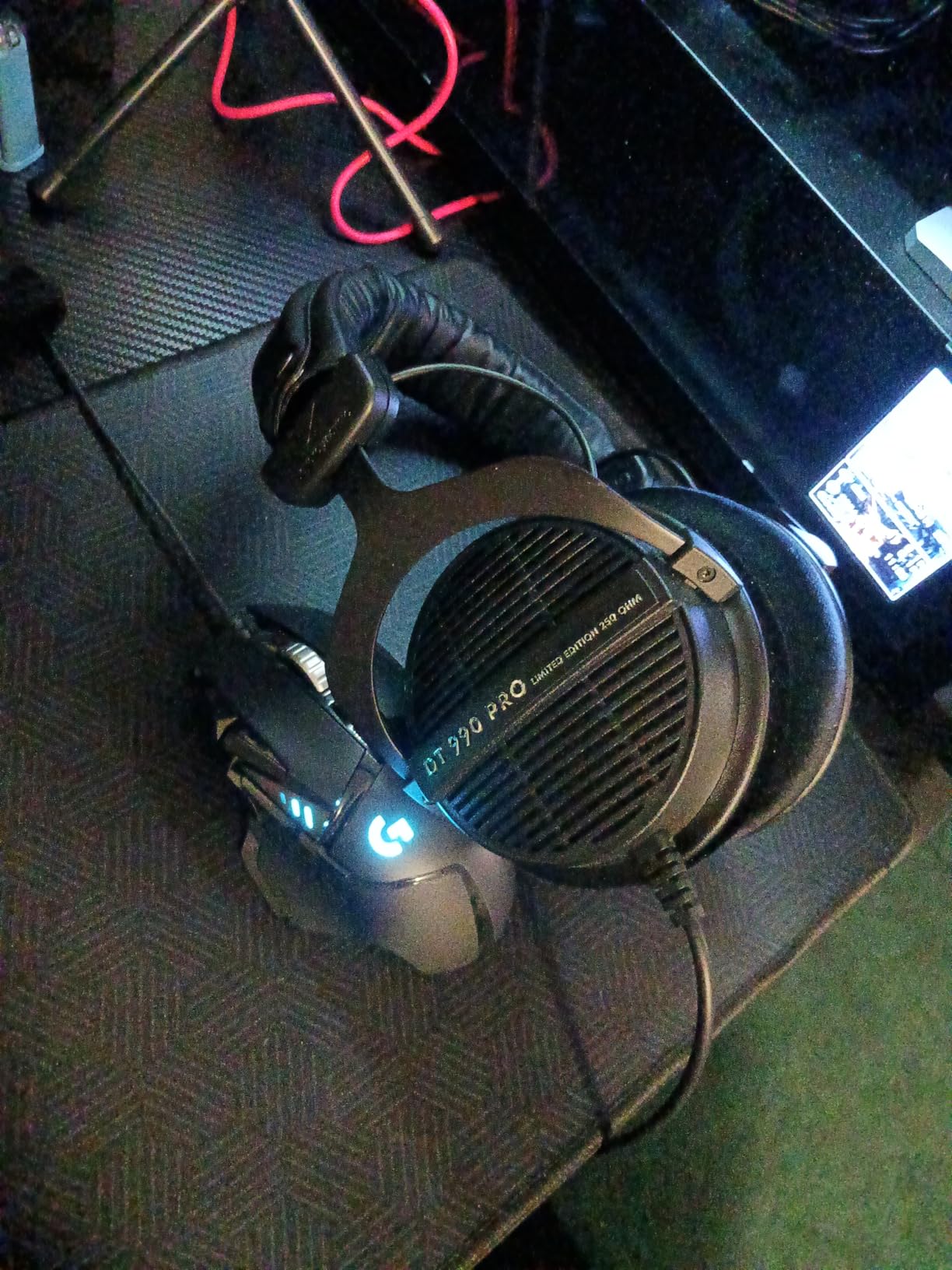
Two practical warnings. The 250 ohm version is designed for audio interfaces and headphone amps, and if your interface has a weak headphone output you will be turning the volume up further than you should, which brings us straight to the 60-60 rule below. Second, the treble is deliberately bright, and reviewers note it can be grating or fatiguing on already-bright mixes. If you work on loud pop or metal, that is a real factor.
Who the DT 990 Pro suits best
It suits engineers who mix in a treated or semi-treated room where they can afford an open-back, and anyone who wants to judge depth, space, and placement rather than just level and tone.
It also suits anyone who mixes on the road. On kvraudio and gearspace threads the DT 990 Pro and its siblings come up constantly for portable mixing because the open low end is more reliable than sealed designs.
Who the DT 990 Pro is wrong for
It is wrong for tracking, full stop. There is no isolation and sound leaks both ways, so if you put a microphone anywhere near this headphone you are recording your mix. It is also wrong for an interface without a real headphone amplifier, and wrong for anyone who cannot work in silence.
The fixed cable and plastic cups are a further caution. Cups can snap against the headband during adjustment, and the cable cannot be replaced.
4. Sony MDR7506 – The Best Known Closed-Back for Tracking
Sony MDR7506 Professional Large Diaphragm Headphone
40 mm neodymium drivers
63 ohm closed-back
10 Hz to 20000 Hz
Folds flat
Pros
- Decades as an industry standard mixing and tracking sound
- Exceptionally light and comfortable including for glasses wearers
- Rugged folding build with a tangle-resistant coiled cable
- Strong passive isolation with no electronic noise artefacts
Cons
- Slightly bright top end and limited deep bass
- Non-detachable cable
- Earpads wear out and plastic hinges can crack
It is the most recognisable studio headphone you can buy, and it is the pair that has anchored tracking booths for longer than most engineers have been working. It holds a 4.7 star average across more than 28,000 reviews, and it has been the broadcast and studio standard for decades. Neodymium magnets driving 40 mm units give powerful, detailed sound with a consistency that engineers trust with mixes they have already signed off.
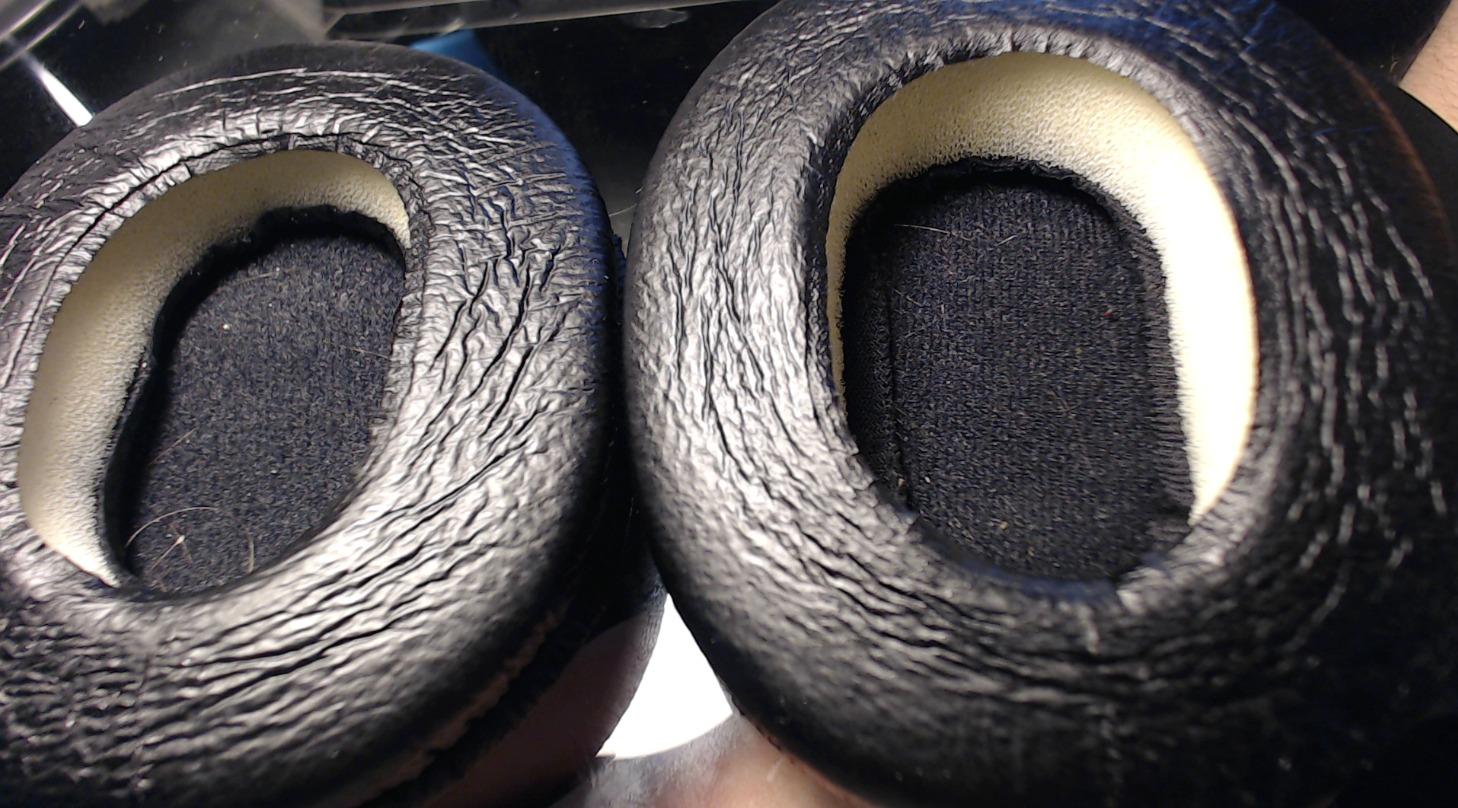
It is also one of the most comfortable closed-backs around, at 8 ounces, and reviewers single it out for comfort including for wearers of glasses and hearing aids. The closed-ear design gives strong reduction of external noise without any electronic noise artefacts, and the whole thing folds flat into the supplied soft case with a flexible coiled cable that resists tangling.
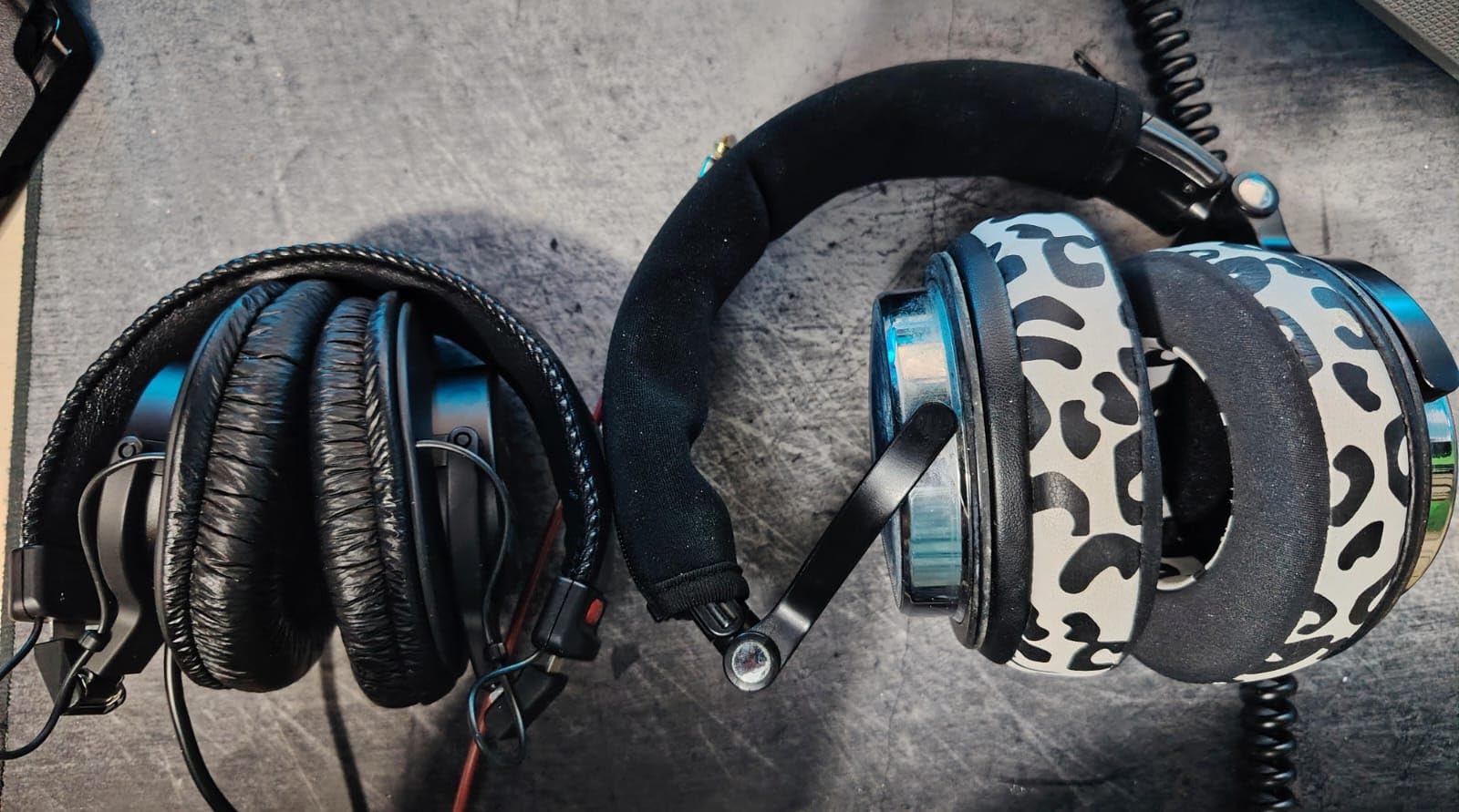
Here is the honest part, and it is the same point that comes up repeatedly across pro audio forums. The MDR7506 is endorsed for tracking and vocal work, but it is explicitly flagged as having a mid-range bias with a bright top end and limited deep bass, which makes it a poor analytical mixing reference. If you mix a vocal-heavy mix on these, you will under-do the presence, and the low end ends up doing all the work of holding the track together.
That is one reason it appears in a mixing roundup without taking the top slot. Use it to record. Check your mixes on something flatter. The non-detachable 9.8 foot cable is a real limitation, and the earpads wear out and need replacing, while plastic hinge parts can crack on larger heads.
Who the MDR7506 suits best
It suits recording engineers, vocal producers, broadcasters, and anyone tracking in a loud or shared space. The isolation and the light weight make it a genuine working tool rather than a backup, and 63 ohm impedance means it runs from a recorder, a mixer, or a laptop without an amp.
It also suits anyone who wants a proven, serviceable headphone with a huge spares ecosystem. Pads, cables, and adapters for this model are everywhere.
Who the MDR7506 is wrong for
It is wrong for the engineer whose only mixing tool will be the MDR7506. The bright top end and shallow bass skew decisions, and the fixed cable means a single bad snag ends the relationship.
It is also not the isolation champion. If you need to record next to a live drum kit, look at the Sennheiser HD 280 Pro instead.
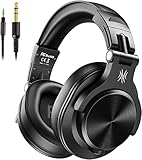
5. OneOdio A71 – The Best Budget All-Rounder
OneOdio A71 Hi-Res Wired Over-Ear Studio Headphones for DJ, Mixing – Black
32 ohm impedance
40 mm dynamic drivers
20 Hz to 40000 Hz
110 dB sensitivity
Pros
- Clear balanced hi-res sound above its price tier
- 90 degree swiveling earcups for one-ear cueing
- Detachable coiled cord plus a carrying case
- Adjustable stretchable headband with soft cushions
- Shared audio port for a second pair
Cons
- Bass and treble are more consumer-tuned than flat
- All-plastic light build compared with metal-band rivals
- Coiled cable cannot be used straight without another lead
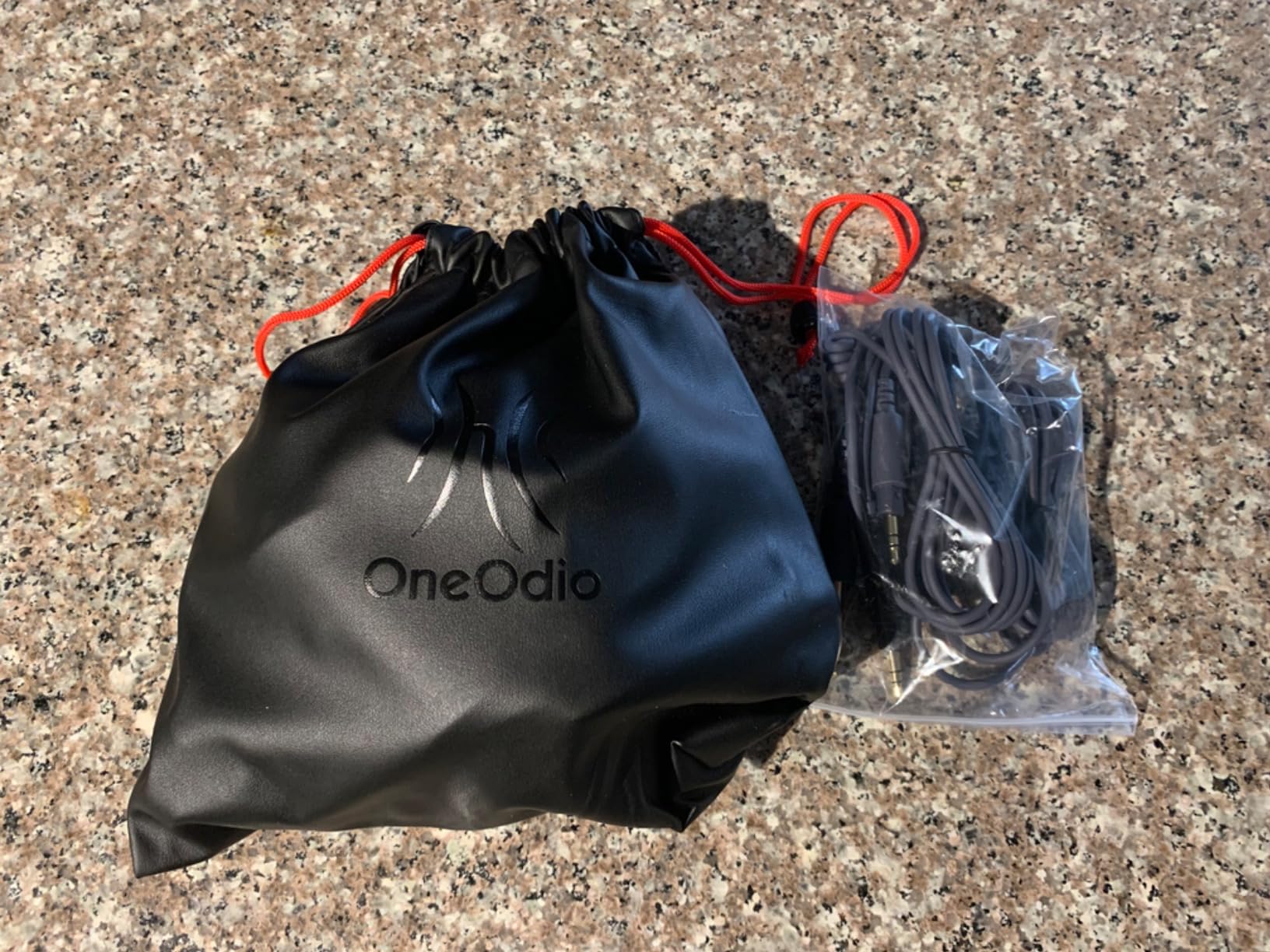
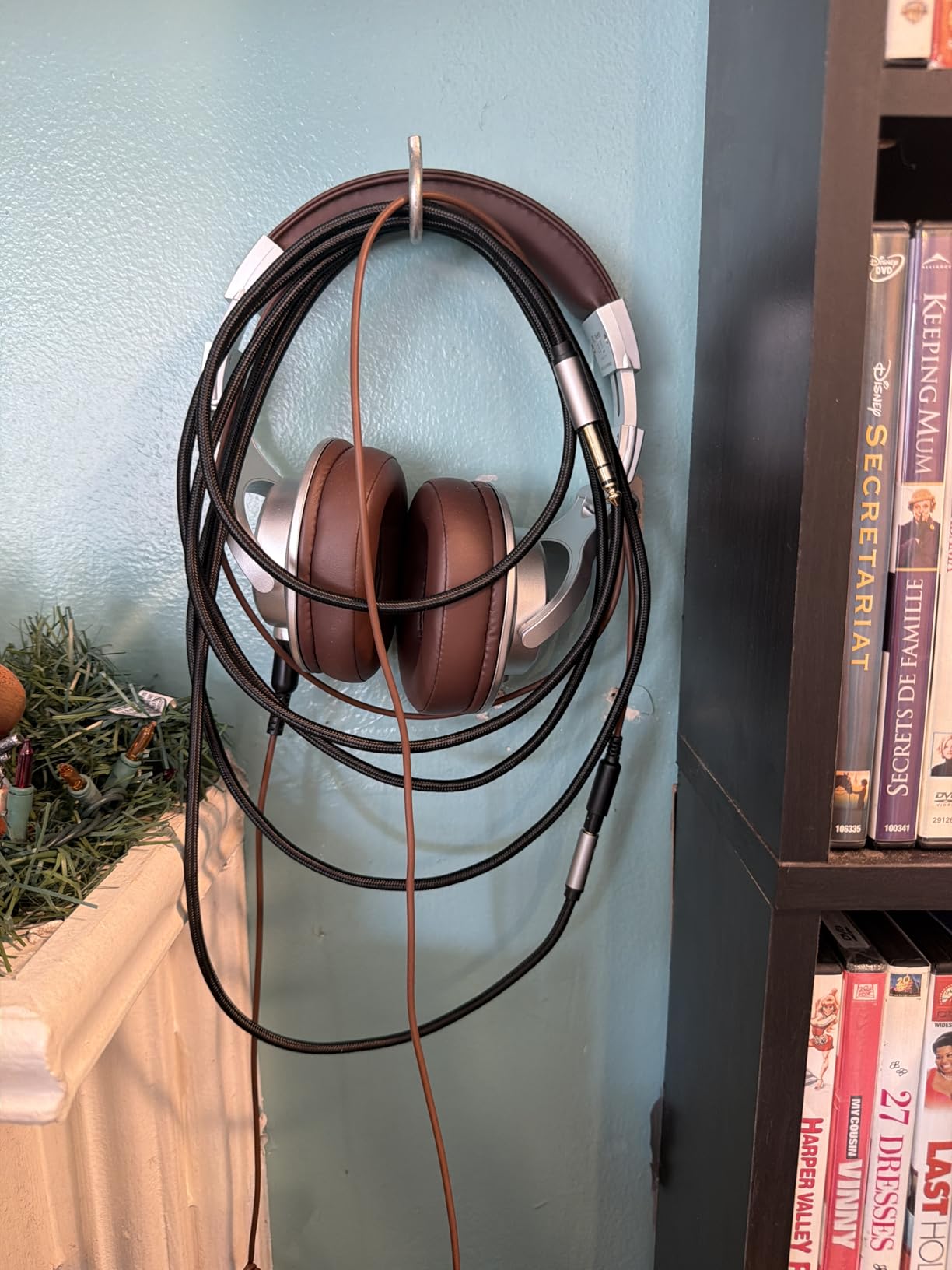
The OneOdio A71 packs more specification into a budget tier than anything else in this list. Forty millimetre dynamic drivers, a stated 20 Hz to 40000 Hz range, 110 dB sensitivity, 32 ohm impedance, and a detachable coiled cord with both 6.35 mm and 3.5 mm plugs included. At 4.5 stars across more than 17,000 reviews it has real volume behind it, and reviewers treat it as a capable entry monitor and DJ headphone rather than a toy.
For mixing, the swiveling 90 degree earcups and the shared audio port make it a genuinely useful tool, particularly for electronic producers working on DJ mixes and cueing. The adjustable, stretchable headband with soft padded cushions holds up through long sessions according to reviewers, which is where cheaper headphones usually fail first.
Be clear-eyed about the trade, though. The bass and treble are more consumer-tuned than strictly flat reference monitors, which means it will flatter a mix slightly in both directions. That is not fatal for rough work, and for electronic producers it is a matter of taste as much as accuracy, but it is not a mastering reference and reviewers do not pretend otherwise.
The build is the other limitation. All-plastic construction and light clamping feel less premium than metal-band rivals, and the single-entry coiled cable cannot be used as a straight cable without a separate lead, which is awkward for mobile work.
Who the A71 suits best
It suits electronic producers on a modest budget, podcasters, and anyone who wants one headphone that handles tracking, cueing, and rough mixing without a second purchase. The included accessories mean you need nothing else to get started.
It also suits anyone whose cables get yanked or chewed. A detachable cable and replaceable parts keep this model working long after a cable would otherwise have ended it.
Who the A71 is wrong for
It is wrong for anyone who needs a genuinely flat reference, and for people who work in hot rooms, because the light plastic build and padded cushions do not breathe as well as velour or open fabric. It is also not a headphone to mix a classical or jazz album on.
If you want a flat signature at a similar budget, the Audio-Technica M20x is the more honest mixer.
6. Audio-Technica ATH-M40x – The Flattest Response in the M-Series
Audio-Technica ATH-M40x Professional Studio Monitor Headphone, Black, with Cutting Edge Engineering, 90 Degree Swiveling Earcups, Pro-Grade Earpads/Headband, Detachable Cables Included
40 mm dynamic drivers
35 ohm
15 Hz to 24000 Hz
98 dB sensitivity
Pros
- Flattest and most neutral response in the M-series
- Excellent isolation in loud rooms and on aircraft
- Swiveling earcups with two detachable cables and a case
- Efficient 35 ohm design loud from a laptop or phone
Cons
- Very floppy folding hinges that need two hands
- Plastic earcup hinges can break after years
- Sub-bass rolls off around 70 Hz
- Included studio cables are long for mobile use
The ATH-M40x is the one we would buy if we were mastering rather than mixing. Owners consistently rank it as the most accurate M-series model, with a flat, neutral frequency response tuned for mixing and mastering reference, and at 4.6 stars across nearly 17,000 reviews that is a well-earned reputation. The M50x is the more popular all-rounder here, but the M40x is the more accurate instrument.
At 35 ohm and 98 dB sensitivity it is loud and clear straight from a laptop or phone, which is unusually efficient for a nominally pro monitor. Isolation is excellent in loud rooms and on aircraft, and the box includes both straight and coiled studio cables with locking connectors plus a carrying case, so you are not immediately buying a third-party cable.
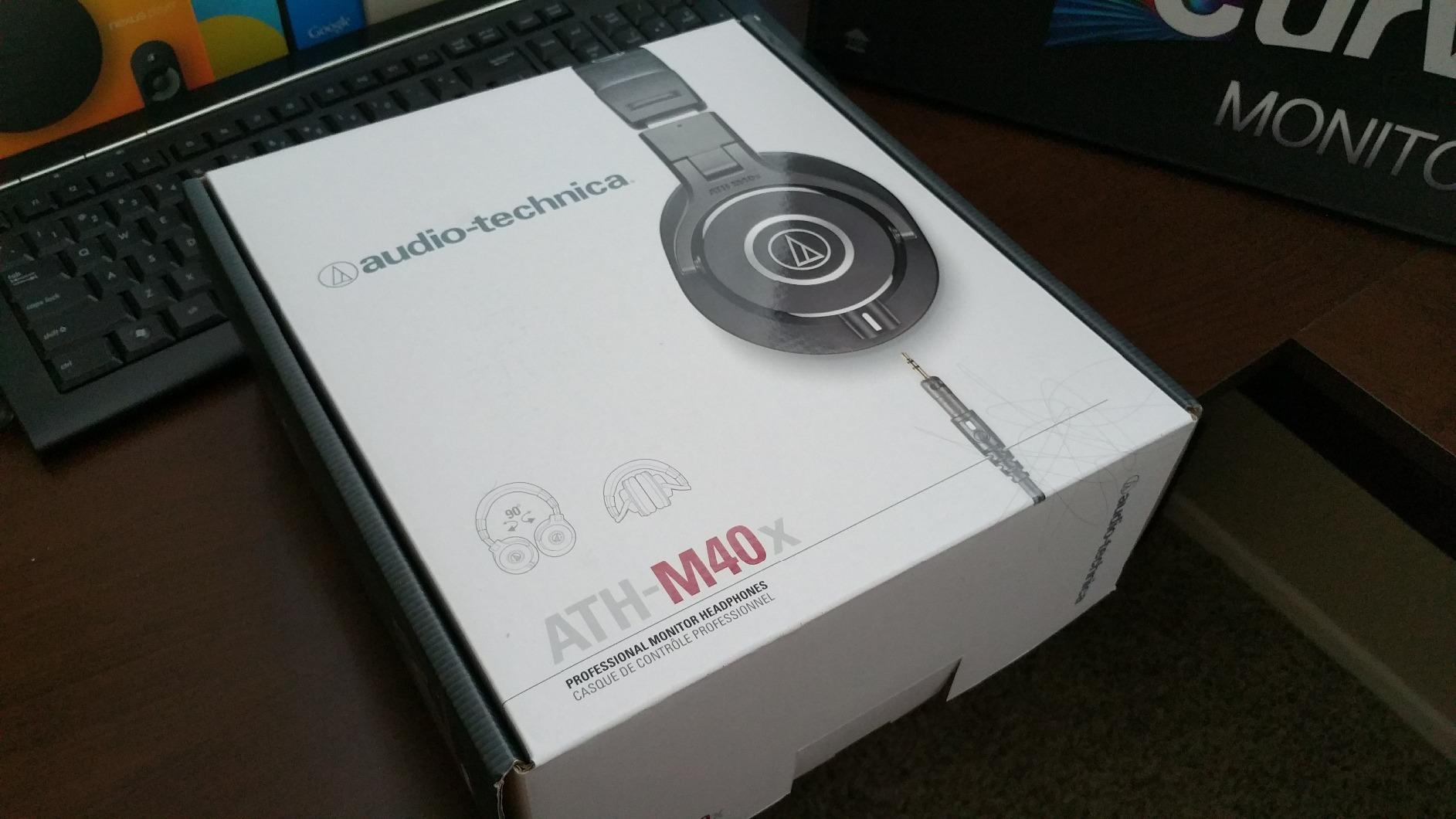
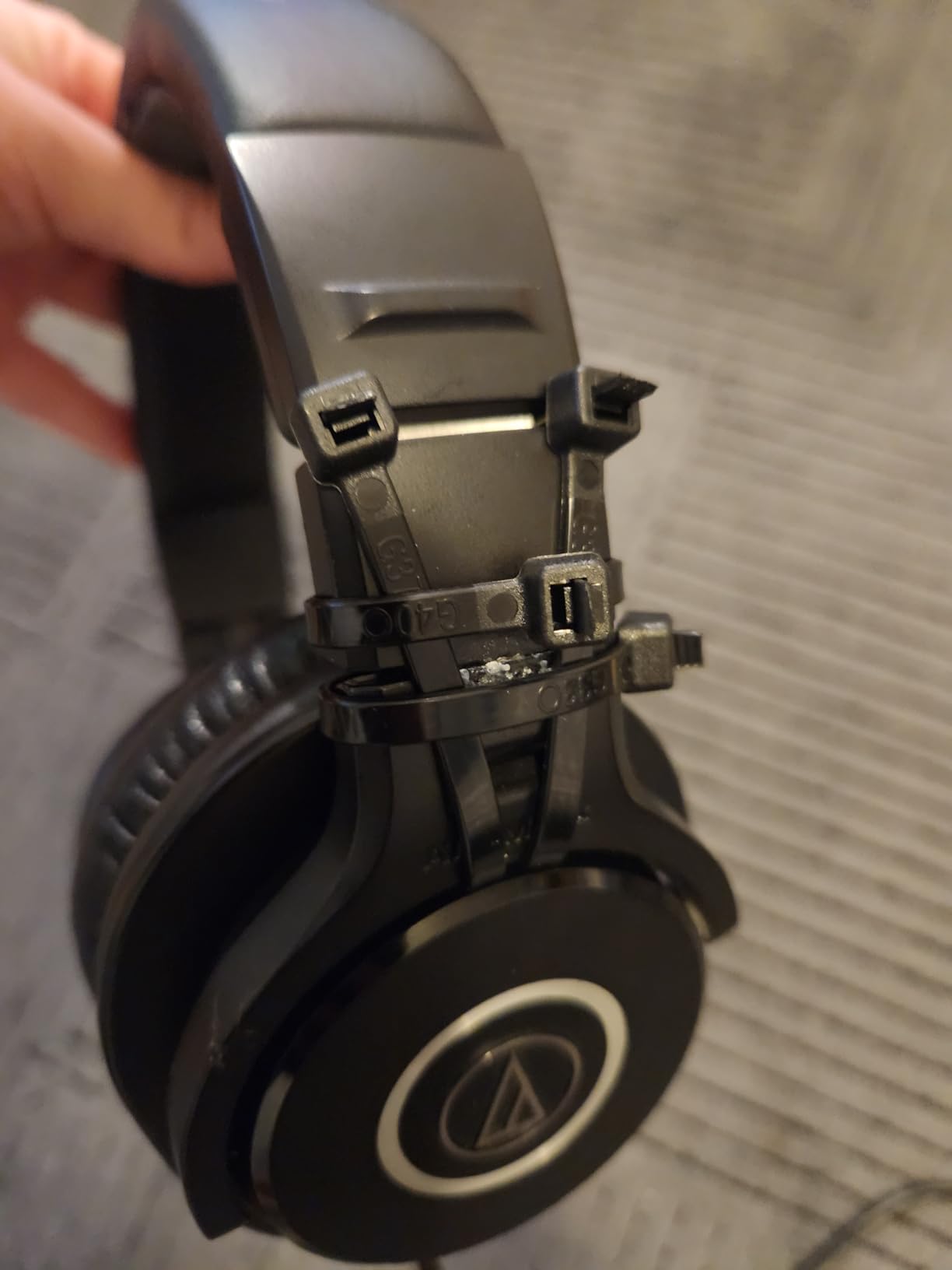
Two honest weaknesses. The first is sub-bass: it rolls off around 70 Hz and needs EQ for modern low-end genres, so if you make bass music you will be applying corrective EQ that the M50x would not need. The second is the folding hinge, which reviewers describe as very floppy and requiring two hands, with plastic earcup hinges that can break after years of use.
Also note the included cables are studio-length, which is too long for mobile use. Reviewers recommend buying a shorter cable separately, and the locking connectors make that swap easy.
Who the M40x suits best
It suits mastering engineers, and producers who want the most accurate closed-back they can get without moving to an open-back. The 15 Hz to 24000 Hz range and near-zero coloration make it an excellent second reference next to whatever you mix on.
It also suits frequent travellers, because the foldable design and the locking cables mean the set survives a bag better than almost anything else here.
Who the M40x is wrong for
It is wrong for bass-heavy producers who want the sub-bass region represented without EQ, and for anyone who finds the foldable hinge mechanism frustrating in the first week. If you barely ever travel, you are paying for a folding chassis you will not use.
It is also not the isolation leader. The HD 280 Pro attenuates more outside sound.
7. AKG K240 Studio – The Best Lightweight Semi-Open for Mixing
AKG K240STUDIO Semi-Open Studio Headphones
30 mm Varimotion drivers
55 ohm semi-open
15 Hz to 25 kHz
104 dB sensitivity
Pros
- Neutral studio-flat tuning for mixing and panning decisions
- Only 240 g with a self-adjusting headband
- Detachable mini-XLR cable and replaceable pads
- Semi-open design gives an airy stage at modest cost
Cons
- Semi-open leaks sound both ways so it is unusable for live tracking
- Treble can sound harsh and boosted
- Bass is modest and needs an amp for volume on phones
- Cord and pads feel inexpensive beside the drivers
The AKG K240 Studio is a semi-open headphone with 30 mm XXL transducers and patented Varimotion diaphragms, and reviewers endorse it strictly as a working tool: neutral, studio-flat tuning that makes mixing and panning decisions easy. At 4.5 stars across roughly 12,500 reviews it is one of the more established budget references in regular use today.
The thing that stands out is weight. At 240 g with a self-adjusting leather headband that fits without manual sizing, reviewers describe it as the pair that disappears when worn. The self-adjusting headband is also genuinely useful for a shared or borrowed setup, because there is nothing to set and nothing to remember.
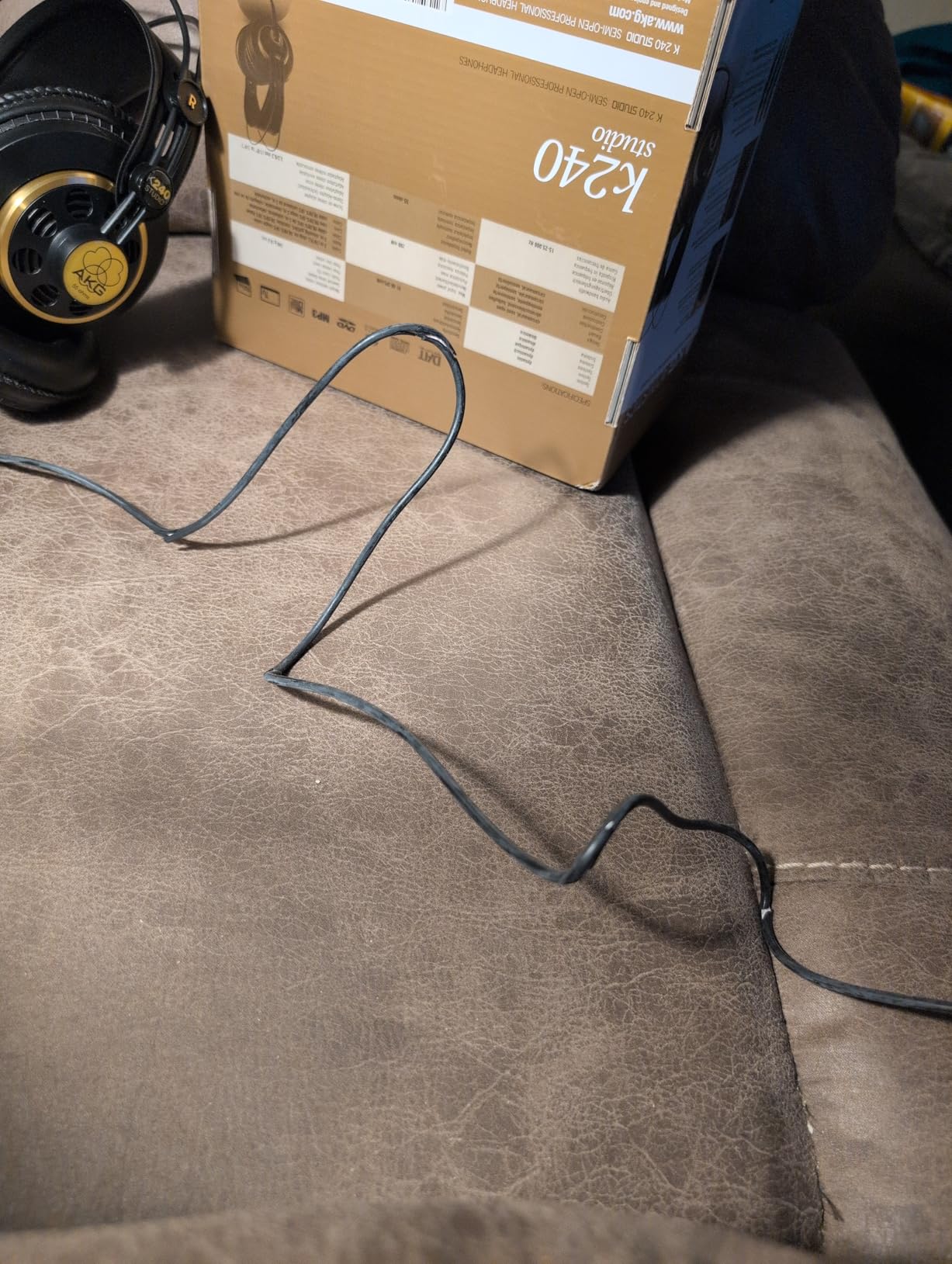
The detachable cable uses mini-XLR connectors with a 3 m cable, an 1/8 inch connector, and a screw-on 1/4 inch adapter, and the pads are replaceable, so this is a headphone designed for long service life. The enclosure uses stainless steel, which is a good sign at this level.
The caveats are honest ones. The semi-open construction leaks sound both ways, so it is unusable for live tracking, and the treble can sound harsh and slightly boosted for some listeners. Bass is modest, and reviewers note it needs a headphone amp to reach satisfying volume on phones and tablets despite only 55 ohm. Cord and pads feel cheap compared with the driver quality.
Who the K240 suits best
It suits engineers who get ear fatigue from heavier closed-backs, and anyone who works in a shared space where an open-back is not possible because of noise but where full isolation is not needed. Podcast and dialogue editors also rate the light weight highly.
It suits beginners who want one headphone for a long learning period, since the self-adjusting fit and low mass reduce the main reason people give up on headphones.
Who the K240 is wrong for
It is wrong for recording, full stop, because of the leakage. It is wrong for bass-focused work, and for anyone planning to master on it without a second reference, because of the modest low end and the boosted top.
Reviewers do report that the cord and pads feel inexpensive next to the driver quality, so expect to replace pads sooner than with a metal-frame rival.
8. Sennheiser HD 280 Pro – The Best Isolation for Loud Tracking Rooms
Sennheiser HD 280 Pro Headphone, Black
64 ohm closed-back
8 Hz to 25 kHz
Up to 32 dB attenuation
Collapsible design
Pros
- Best-in-class passive isolation comparable to hearing defenders
- Warm natural unboosted tuning with no artificial bass
- Collapsible earcups for one-handed channel cueing
- Earpads headband padding and cord are all replaceable
Cons
- Firm clamp can feel tight on large heads or with glasses
- Coiled cord is heavy and permanently attached
- Low frequencies below roughly 80 Hz roll off
- Faux-leather pads and headband material flake and collect sweat
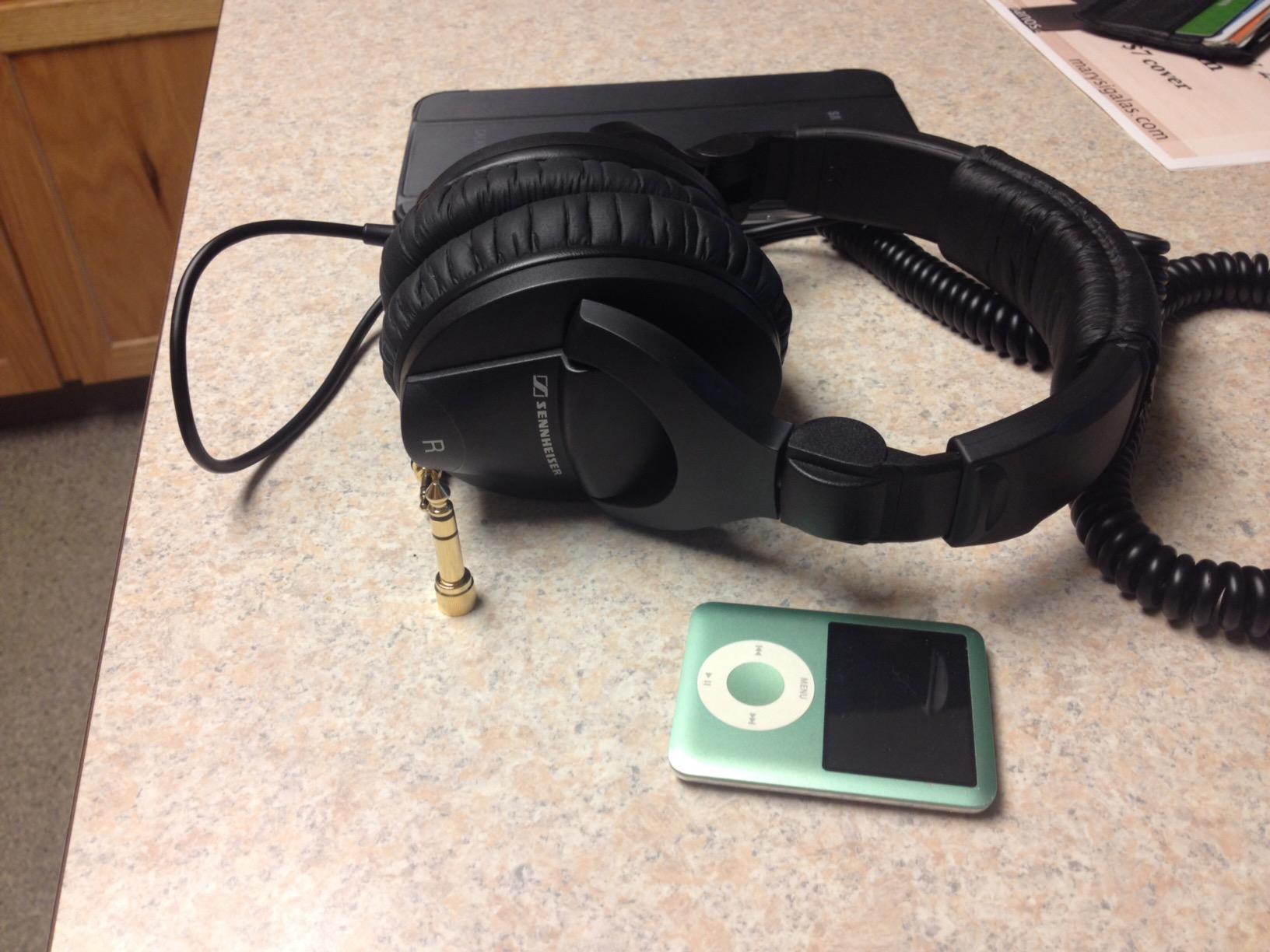
The HD 280 Pro isolates harder than anything else in this roundup. Sennheiser rates passive attenuation of up to 32 dB of outside sound, and reviewers describe it as best-in-class and comparable to hearing defenders. If you record next to something loud, this is the headphone that makes the session possible.
The tuning is warm, natural, and extended, and reviewers praise it as unboosted with no artificial bass, which is a useful counterweight to the bright signatures elsewhere in this list. The 64 ohm impedance means no external amplifier is required, and the frequency response runs 8 Hz to 25 kHz. Collapsible earcups let you grab one cup and cue a channel one-handed.
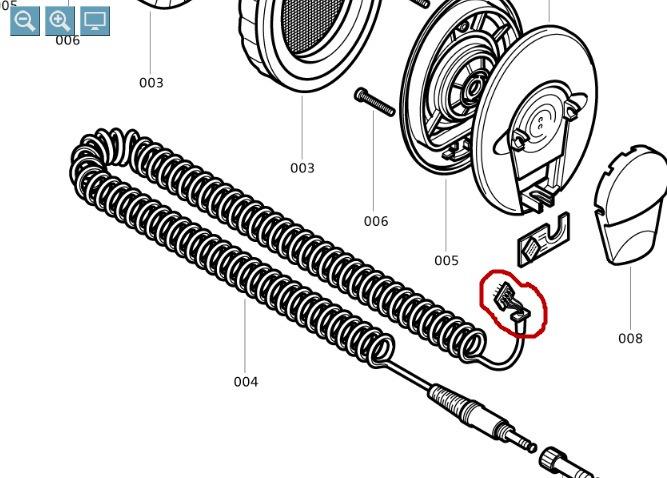
Long-term ownership is well thought out. Earpads, headband padding, and the audio cord are all easily replaceable, which is a genuine advantage over the Sony and the TASCAM, and it is why the HD 280 Pro has survived in studios for decades despite being far from new.
The complaints are about fit and materials rather than sound. The firm clamp can feel tight, especially on large heads or with glasses. The coiled cord is heavy and permanently attached, adding weight when resting. And the low quality faux-leather pads and headband material flake and collect sweat, which is the recurring cost on an otherwise serviceable design.
Who the HD 280 Pro suits best
It suits vocalists, guitarists, and producers recording in untreated or loud rooms, and anyone who also needs to edit dialogue or voiceover. The isolation means you can record a take without a headphone bleed problem, and the warm neutral tuning makes it a serviceable secondary mixing check.
It also suits people who keep headphones for a decade, because every wear part is user replaceable.
Who the HD 280 Pro is wrong for
It is wrong for long sessions if you have a large head or wear glasses, because the firm clamp builds up pressure. It is also not ideal for bass-heavy mixing: frequencies below roughly 80 Hz roll off, and the treble is slightly subdued, so low-end and air decisions need a second reference.
Replace the pads early. The low quality faux-leather material is the part that fails first.
9. TASCAM TH-02 – The Cheapest Credible First Monitor
TASCAM TH-02 Professional Studio Monitor Headphones, Wired, Over Ear — for Recording, Podcast, DJ, Music and Guitar, with 1/4 Inch Jack Adapter
50 mm dynamic drivers
32 ohm
18 Hz to 22 kHz
Foldable closed-back
Pros
- Relatively flat neutral response for tracking and pre-mastering
- Folds compactly and includes a 1/4 inch adapter
- Closed-back isolation beats semi-open budget rivals
- Build quality and cable thickness feel above the price
Cons
- Very tight out of the box and round pads press on the ear
- Bass thins below roughly 100 Hz with a vocal mid peak
- Cheap foam headband and pad material wear out quickly
- Only 32 ohm monitoring-grade accuracy
The TASCAM TH-02 is a straightforward way to find out whether headphone mixing suits you at all, and at 4.3 stars across nearly 11,000 reviews it has a large enough review base that you will know what you are getting. It uses 50 mm dynamic drivers in a foldable over-ear closed-back chassis.
Reviewers describe the response as relatively flat and neutral, which is enough for tracking, mixing, and pre-mastering, and note that the closed-back design gives noticeably better isolation than semi-open budget alternatives. The snap-on 1/8 inch to 1/4 inch adapter is included, so it connects to a mixer or interface directly, and the build quality and cable thickness feel above the price.
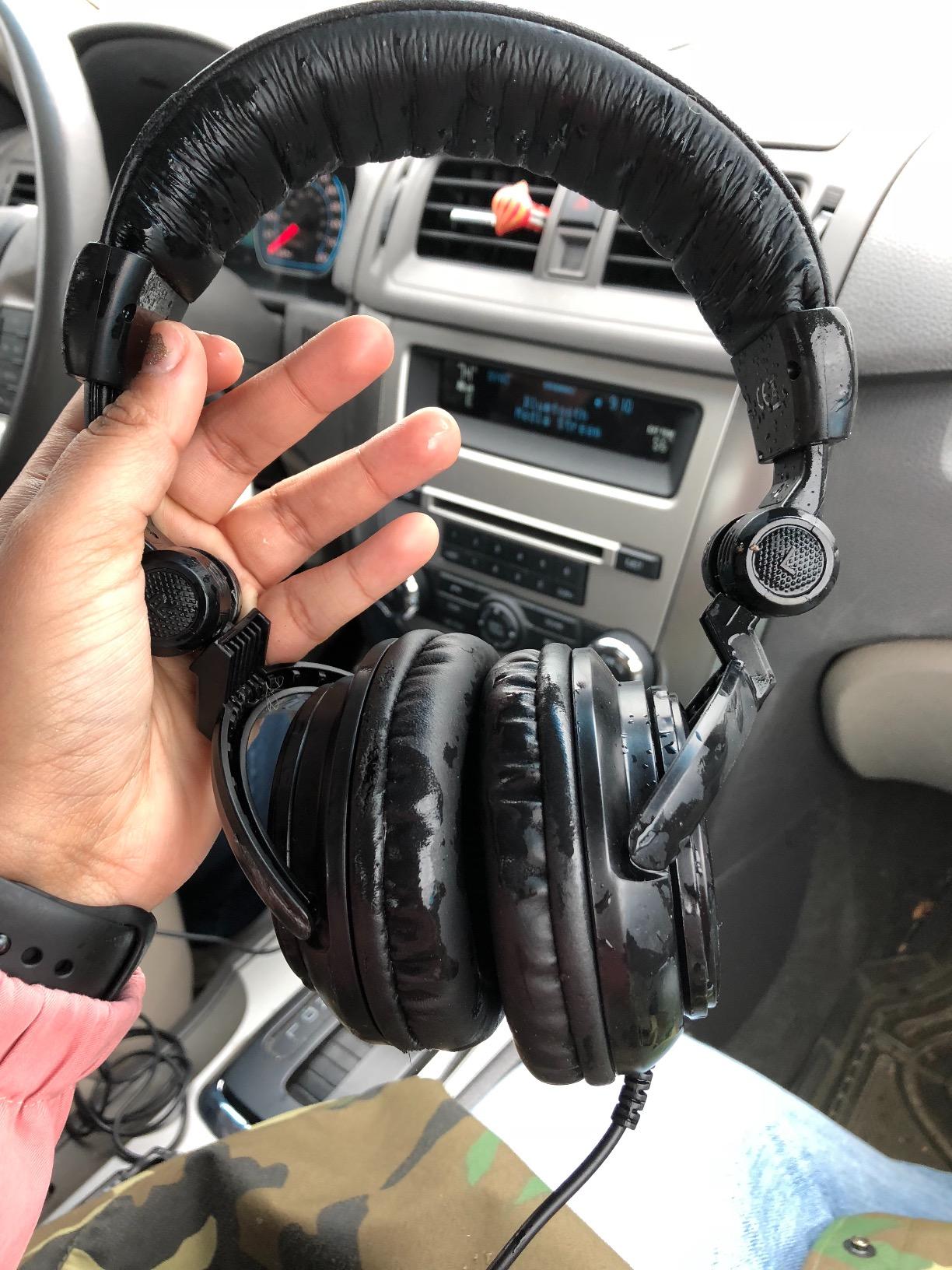
The dominant complaint is the fit. It is very tight out of the box and the round pads press on the ear, needing a break-in period or a pad swap before it becomes comfortable, and the tightly-stitched padded headband uses foam that wears out and needs replacing. Treat the pads as a first upgrade.
Sonically, bass thins sharply below roughly 100 Hz and the mid range has a vocal peak, so it will flatter vocals slightly. Reviewers place it as a practice, tracking, and podcast monitor rather than a reference, and a few reject its frequency response for mixing outright.

Who the TASCAM TH-02 suits best
It suits podcasters, voiceover editors, students, and anyone who wants an inexpensive, foldable, closed-back monitor for tracking and editing. The 32 ohm impedance and 98 dB sensitivity mean it runs from a laptop, a phone, or a small interface with no amp at all.
It also suits people who travel. The foldable design and included adapter are genuinely convenient for location work.
Who the TASCAM TH-02 is wrong for
It is wrong for anyone who cannot tolerate an initial tight clamp, and wrong for low-frequency work because bass thins below roughly 100 Hz. Treat it as a starting point rather than a reference, and keep the review count in proportion to the rest of this list.
Budget your pad replacement into the purchase. That foam is the first thing to go.
10. Samson SR850 – The Best Airy Stage on a Small Budget
Samson SR850 Professional Studio Reference Headphones
50 mm dynamic drivers
Semi-open 32 ohm
10 Hz to 30000 Hz
Velour pads
Pros
- Semi-open design gives an airy natural soundstage at modest cost
- Wide 10 Hz to 30 kHz response with full bass for its class
- Self-adjusting headband and plush velour pads
- An inexpensive second pair for tracking and editing
Cons
- Semi-open leaks sound in both directions
- Bass is heavier than neutral and can mask mix problems
- Heavier and bulkier than the M-series at a similar level
- Fixed cable and plastic construction limit longevity
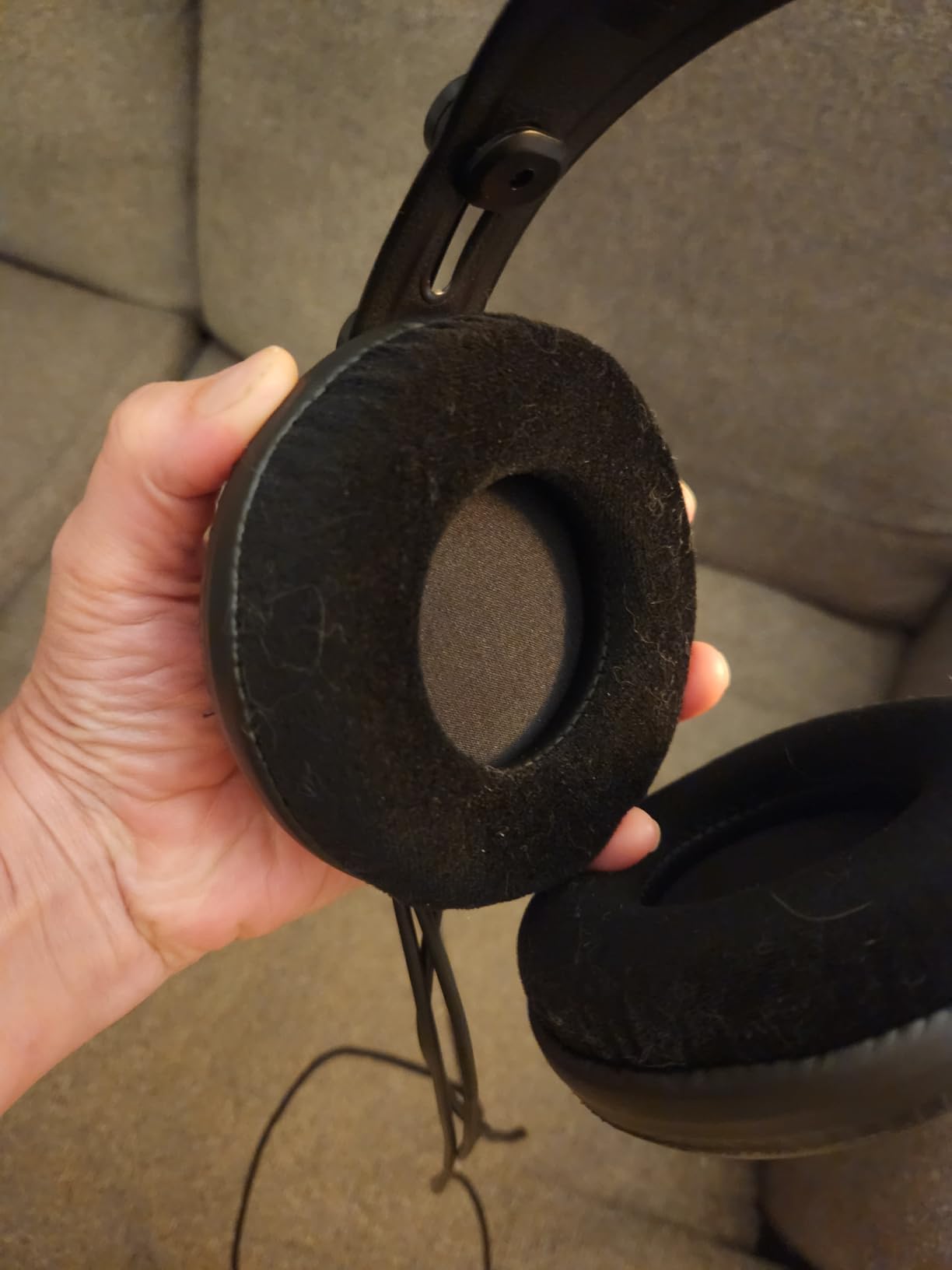
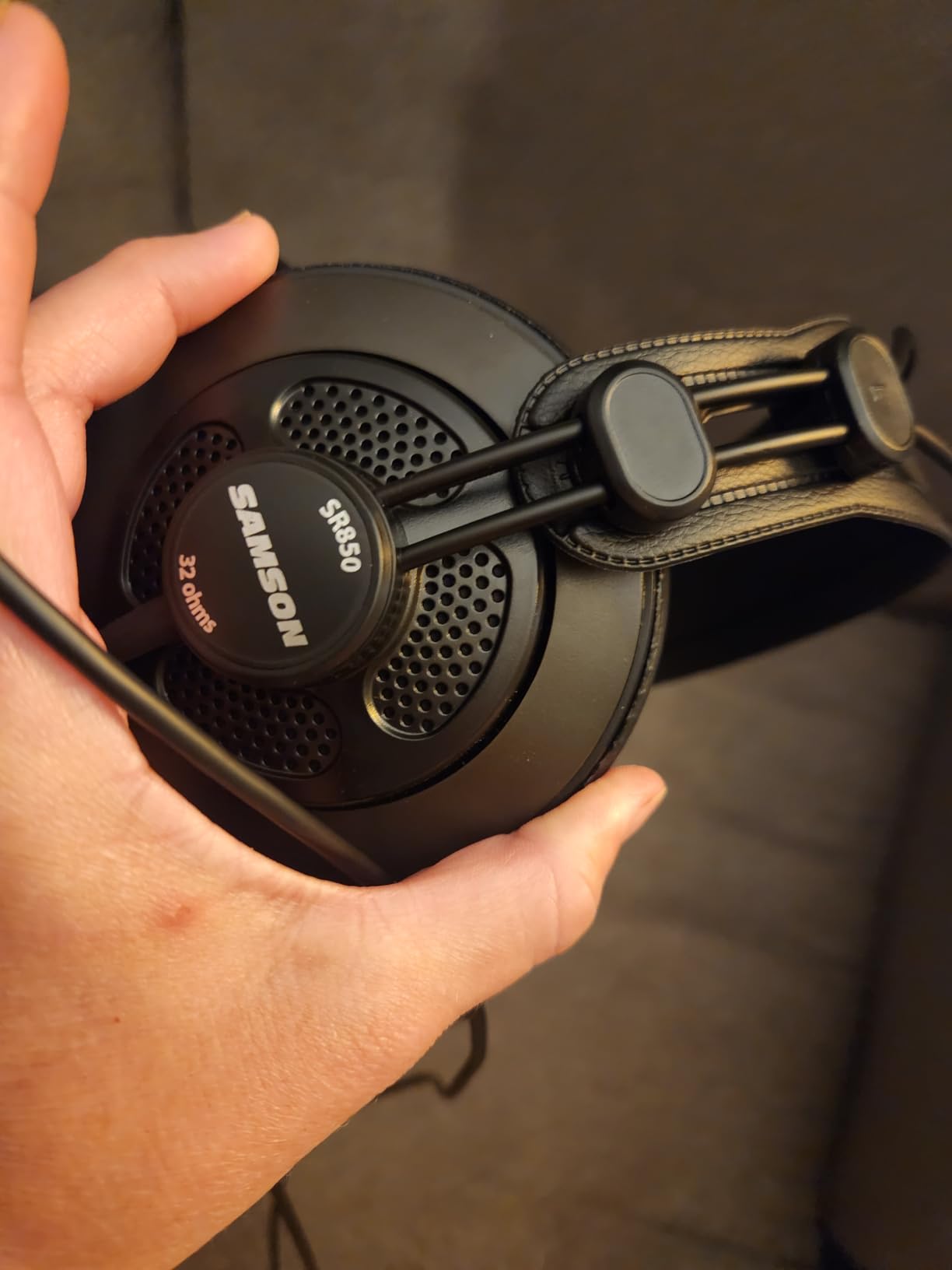
The Samson SR850 is the most approachable semi-open headphone in this roundup, and for a specific reason: sometimes you do not need a proper open-back reference, you just need a bit of air. Fifty millimetre drivers, 10 Hz to 30000 Hz, 32 ohm, semi-open construction. Reviewers buy it for the roomy, open presentation and the plush velour pads.
At 4.5 stars across roughly 7,800 reviews it is well established, and buyers like the self-adjusting headband and the wide low-end response, which is fuller than you would expect for an open design at this level. An 1/8 inch to 1/4 inch gold plated adapter is included, and there is a limited two year manufacturer warranty.
For mixing, the caution is that this is not a flat reference. The bass is heavier than on neutral closed-back monitors, which reviewers note can mask mix problems, so it is easy to leave too much low end in. Treat it as a second opinion on space and tone rather than the mix-deciding monitor.
It also leaks sound in both directions, so it is unusable for live recording, and it is heavier and bulkier than the Audio-Technica M-series at a comparable level. The fixed cable and plastic construction limit longevity against detachable-cable rivals.
Who the Samson SR850 suits best
It suits producers who want an airy stage without a large spend, and anyone who wants a second pair for editing and rough checks. The velour pads and self-adjusting headband make it a comfortable long-session headphone that will not strain a small budget.
It also suits students who want to hear what an open presentation does to their mix before committing to an expensive open-back.
Who the Samson SR850 is wrong for
It is wrong for tracking, because of the leakage. It is also wrong as your only mixing monitor, because the heavier bass can hide exactly the problems you are buying headphones to find.
If your priority is a flat, honest starting point, go with the ATH-M20x instead.
11. Shure SRH440A – The Best Pick for Dialogue and Podcast Work
Shure SRH440A Over-Ear Wired Studio Headphones for Recording
Flat reference tuning
40 ohm closed-back
10 Hz to 22000 Hz
Collapsible build
Pros
- Flat uncolored reference tuning compared favourably to the M50x
- Great instrument separation for dialogue and tracking
- Detachable locking cable that survives accidental yanks
- Lightweight collapsible build with cushioned earcups
Cons
- Isolation is good but not in the league of the HD 280 Pro
- Cup size gives some users a bulky look
- Non-coiled straight cable with no carrying case included
- Smaller review base than the rest of the roundup
The Shure SRH440A is a flat-tuned headphone in this roundup that most people have never heard of. It uses an accurate, transparent, balanced and detailed monitoring signature across 10 Hz to 22000 Hz at 40 ohm and 102 dB sensitivity, and users compare its tuning favourably to the M50x. Consensus is thinner here at 4.5 stars from a 529-review base, so treat the pattern as promising rather than proven.
For dialogue, podcast, and voiceover work the instrument separation is the selling point, and the closed-back over-ear design reduces ambient noise and contains sound. The optimized impedance and power handling mean it works across interfaces, mixers, laptops, and portable devices without drama.
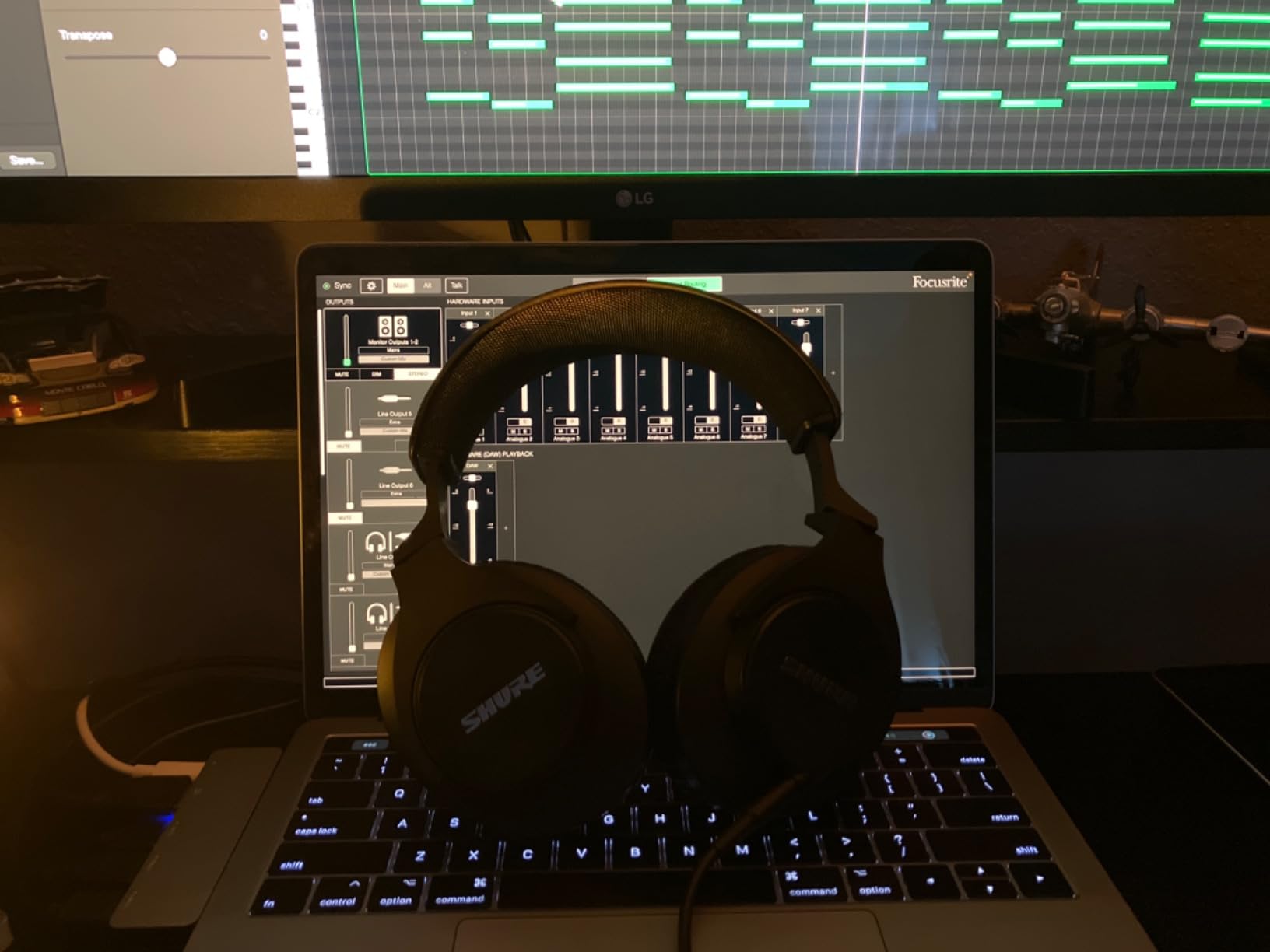
Two details that matter more than they sound. The detachable locking cable survives accidental yanks, which on a studio desk is a daily event, and the lightweight collapsible build at 8.96 ounces with cushioned earcups and an adjustable headband holds up over long sessions. There is a two year limited warranty.
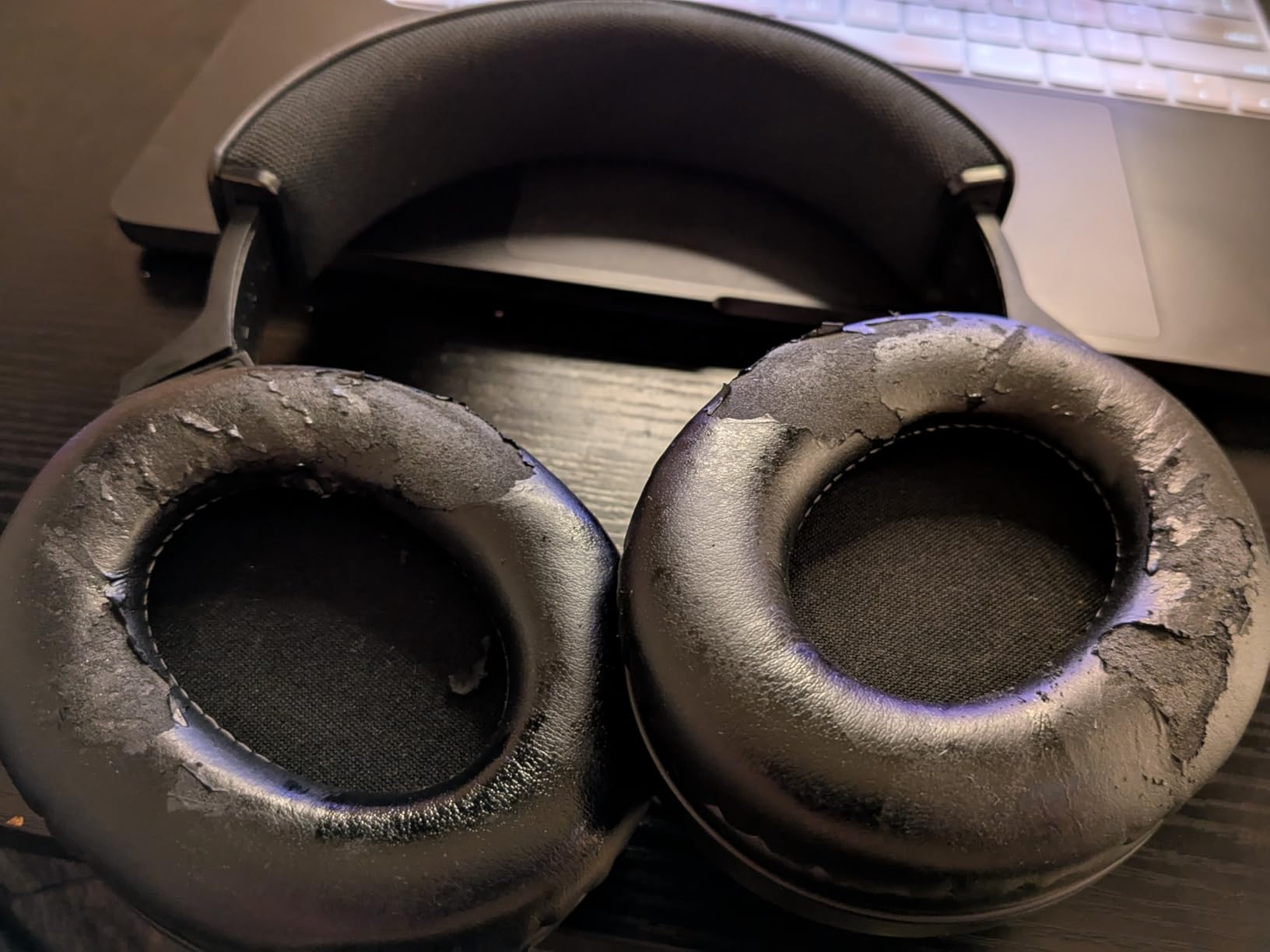
The limitations are honest. Isolation is good but not in the same league as the HD 280 Pro. The cup size gives some users a bulky look. And the straight, non-coiled cable can get in the way, with no carrying case or coiled option included, so you will probably buy a coiled cable and a pouch shortly after you start.
Who the Shure SRH440A suits best
It suits podcasters, voiceover artists, and dialogue editors who want a flat reference for speech without the weight of a large open-back.
It also suits anyone who prefers a locking detachable cable over a fixed one, and anyone who works across devices, because the impedance and power handling are optimized for interfaces, mixers, laptops, and portable gear alike.
Who the Shure SRH440A is wrong for
It is the wrong choice if a smaller review base makes you uneasy, because the consensus here is thinner than anywhere else in the list.
Some users also report heat and pressure during very long sessions, and the isolation does not match the HD 280 Pro. Buy a coiled cable and a case with it, because the straight lead is the first thing you will want to change.
12. Philips Fidelio X3 – The Best Premium Build in the Roundup
Philips Fidelio X3 Professional Studio Monitor Headphones for Recording & Mixing Wired Over The Ear Open-Back Headphones, Multi-Layer 50mm Diaphragms, Hi-Res Music Studio Headset, Premium Finishing
Open-back 30 ohm
50 mm multi-layer diaphragms
5 Hz to 40000 Hz
Detachable balanced cable
Pros
- Wide spacious open soundstage with excellent instrument separation
- Lightweight fit that needs no adjustments
- Premium build with a metal headband in Scottish leather
- Balanced and unbalanced 3 m cables plus a 3.5 to 6.3 mm adapter
Cons
- Open-back means no isolation and audible leakage both ways
- Ear pads run very warm and overheat in longer sessions
- Connector pins do not lock so cables pull free
- Replacement cables are expensive and not third-party compatible
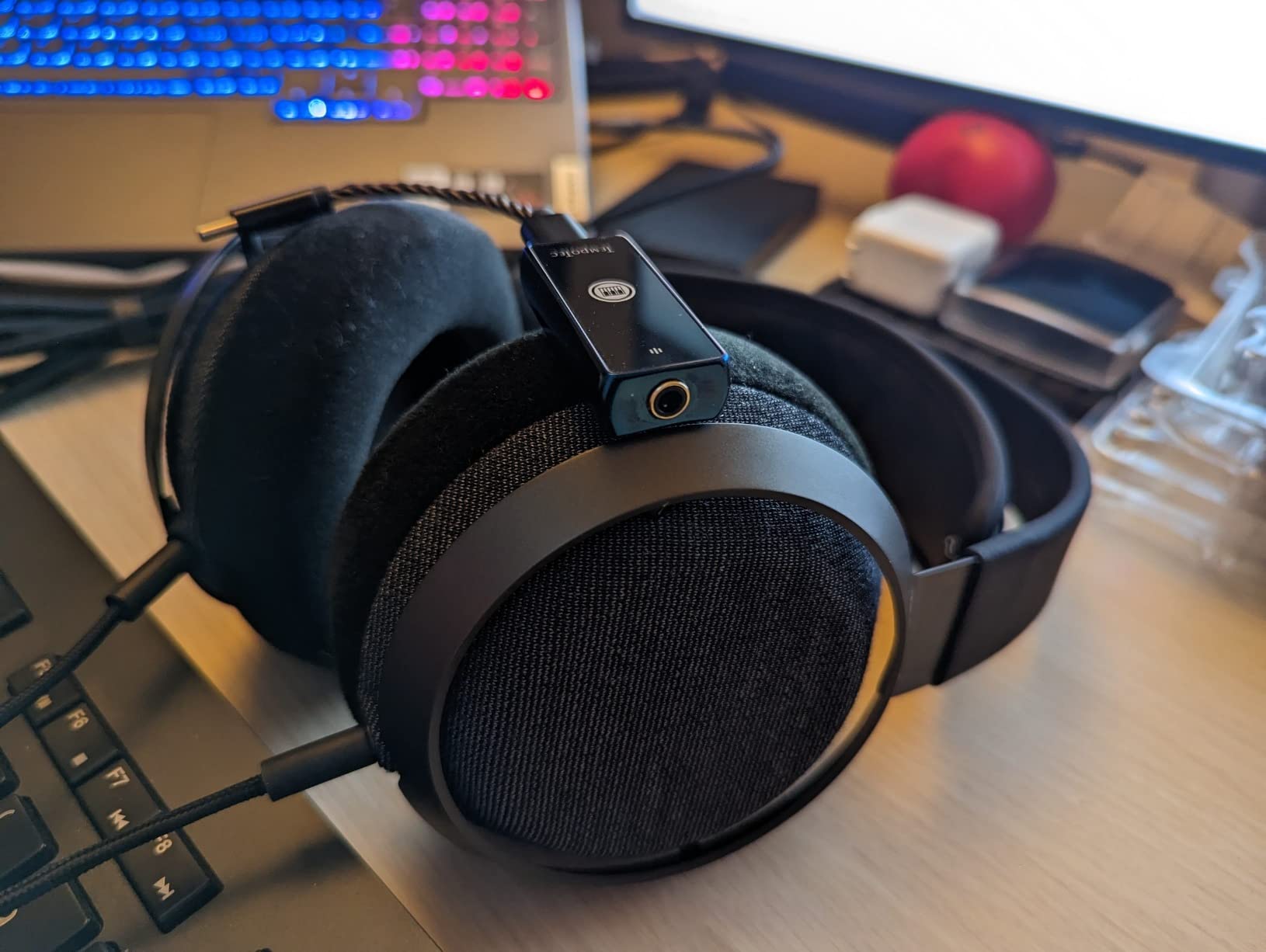
The Fidelio X3 is the open-back in this roundup that aims at style as much as accuracy, and at 4.2 stars from 2,573 reviews it is the lowest-rated pick here. What it does well, it does well: a wide, natural soundstage with uncolored sound and excellent instrument separation and imaging, from 50 mm multi-layer polymer diaphragms with dampening gel.
The build is a step above the rest of the roundup. A metal headband wrapped in Muirhead Scottish leather, acoustically transparent Kvadrat fabric on the open-back grilles, and detachable balanced and unbalanced 3 m oxygen-free cables in the box, plus a 3.5 mm to 6.3 mm adapter. Reviewers praise the premium finish and describe the fit as lightweight and requiring no adjustments.
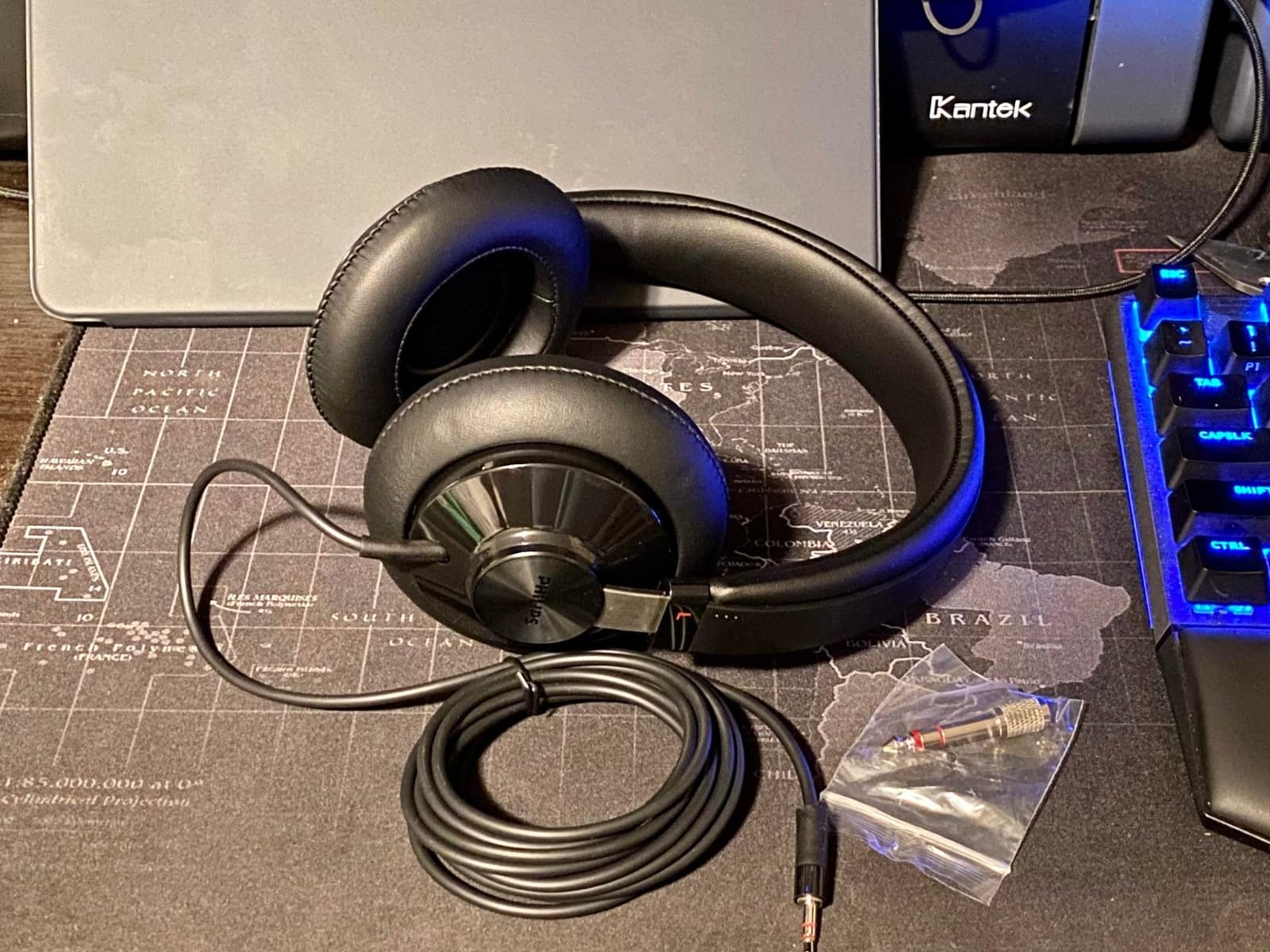
At 31.97 ohm and 103 dB sensitivity with a 5 Hz to 40 kHz range and 500 mW maximum power input, it is efficient and easy to drive, which is a genuine advantage over the DT 990 Pro for anyone whose interface has a weak headphone output.
The problems are practical. Open-back means no isolation and audible sound leakage both ways, so it is a mixing headphone only. The ear pads are very warm and cause overheating in longer sessions. The connector pins do not lock into the earcups, so cables can be pulled free, and replacement cables are expensive while third-party cables are not directly compatible. Enthusiasts like it for content creation and critical listening, but others report bright tuning.
Who the Philips Fidelio X3 suits best
It suits engineers who mix in a quiet room and want a wide, comfortable open stage without buying a headphone amp. The efficient impedance makes it one of the few open-backs here that plays properly from a decent interface headphone output or a portable DAC.
It also suits anyone who cares about how their studio tools look and feel, because the materials and finish are a step above everything else in the roundup.
Who the Philips Fidelio X3 is wrong for
It is wrong for long summer sessions in a warm room, because the pads overheat. It is wrong for tracking, and it is wrong for anyone whose cables get yanked, since the connectors do not lock and the official replacements cost more than the cable.
It is the lowest-rated pick in this roundup. If accuracy is the deciding factor, the DT 990 Pro or the ATH-M40x are better places to spend.
Buying Guide: Impedance, Amps, Comfort and Ear Pads
Impedance is the number that confuses people most, and it is the single most repeated question on audio engineering forums. The short version: impedance is how hard the headphone is to drive, measured in ohms, and the higher the number the more voltage your amplifier has to push to reach a given volume. It is not a quality rating. A 250 ohm headphone is not better than a 32 ohm headphone, it is just harder to drive.
Here is how the numbers in this roundup map to real gear. Headphones up to about 80 ohm will play at sensible levels from almost anything with a headphone output, including a laptop, a phone, a mixer, or a small interface. That covers the ATH-M20x at 47 ohm, the M40x at 35 ohm, the M50x at 38 ohm, the OneOdio A71 at 32 ohm, the Samson SR850 at 32 ohm, the TASCAM TH-02 at 32 ohm, the AKG K240 at 55 ohm, the Sony MDR7506 at 63 ohm, the HD 280 Pro at 64 ohm, the Shure SRH440A at 40 ohm, and the Fidelio X3 at about 32 ohm.
Above 80 ohm you start to need to care about the amplifier. The DT 990 Pro at 250 ohm is the only headphone here in that territory, and reviewers are explicit that the 250 ohm version needs a headphone amp to reach full volume. The question that keeps appearing in threads is whether a specific interface can drive it, and the answer is that a decent current-output headphone stage will, a weak one will not, and the fix is either a dedicated headphone amp or a lower-impedance alternative in the same family.
Comfort decides how long you keep working. The lightest pair here is the Audio-Technica M20x at 210 g, followed by the AKG K240 at 240 g and the TASCAM TH-02 at 0.3 kg, all of which suit long sessions. The heaviest are the ones with large open grilles or dense cups, and weight shows up as neck and temple pressure after three hours. A self-adjusting headband, as on the AKG K240 and the Samson SR850, is worth more in a shared or borrowed setup than any spec.
Ear pads are the running cost most buyers forget. The Audio-Technica M-series, the HD 280 Pro, the DT 990 Pro, and the AKG K240 all use replaceable pads, which is the single best predictor of whether a pair survives five years. The Sony MDR7506, the M20x, and the TASCAM TH-02 use pads you can replace but often will not bother to, and the original pad material on cheaper models is the first thing to crack, flake, or sweat through. If you have never replaced a pad, the process is usually a warm hair dryer and steady hands, and it transforms the headphone.
Finally, cables. A detachable cable is a serviceability feature, and it is the reason the M50x, the M40x, the AKG K240, and the Shure SRH440A age better than their fixed-cable rivals. A coiled cable matters for tracking and for a desk, since a straight cable in front of a keyboard is a tangle waiting to happen.
One more tool worth knowing about: headphone calibration software such as Sonarworks SoundID Reference or dsoniq Realphones stores a correction profile for a specific pair and applies it to your system. It cannot make a colored headphone flat, but it can neutralise a known response curve and make two different pairs sound closer to each other, which is genuinely useful for mix translation checks.
The 60-60 Rule and Other Safe Listening Levels
The 60-60 rule is the guideline most often repeated in studio forums and the one most often ignored. It is a volume target, not a legal limit, and it exists because daily exposure causes damage long before you notice it.
Keep the average level at no more than 60 dB on your headphone output meter.
Keep the peak level at no more than 60 dB, especially on transients like snare hits and cymbals.
Take a break of 5 to 10 minutes every hour of continuous critical listening.
Never raise the level to compensate for a fatigue-related drop in perceived loudness. That is how a 45 minute session becomes a three hour session at damaging levels.
Match levels when comparing two headphones. A louder pair always sounds better, which is why level-matched A/B testing matters more than any review.
Impedance feeds directly into this. If your interface cannot drive a 250 ohm headphone properly, your instinct is to turn the volume up, and turning up a quiet headphone is how you end up over 60 dB without a meter noticing. Either buy an amp, or buy a lower-impedance model.
How to Check a Headphone Mix on Speakers and Consumer Systems
Every headphone adds a signature. The fix is not to find a perfect headphone, it is to know yours and to cross-check deliberately. Here is the loop we use.
Mix on headphones at a level matched to a normal listening level, and note every decision you make.
Translate to monitors at the same relative level, even if your monitors are not calibrated.
Play the mix on a phone speaker and a cheap Bluetooth speaker. If the low end disappears, you have too much bass, and everyone else will hear that on a phone.
Play it in a car or on a consumer system with a good low end. If the mix sounds thin and the vocal is buried, your headphones were flattering the low-mids.
Check mono. A mix that collapses in mono has a problem no headphone reference will reveal for you.
Reference a track you love in the same genre and the same relative loudness, and match the low end, the vocal presence, and the width.
The classic headphone mistake is over-mixing the low end, because many closed-backs add bass warmth that a mix does not need. The second is under-cutting sibilance, because a bright signature or a high sensitivity makes cymbals and sibilance stand out more than they will anywhere else. Both show up immediately in step three.
Frequently Asked Questions
What are the best headphones for sound mixing?
The best headphones for sound mixing are the Audio-Technica ATH-M50x for overall work, the ATH-M20x on a tight budget, and the beyerdynamic DT 990 Pro for soundstage. All three give you a flat, uncolored frequency response and accurate stereo imaging. The M50x is closed-back and easy to drive, so it works in any room. The DT 990 Pro is open-back and needs a headphone amp, but it is far better for judging depth and placement.
What type of headphones are best for mixing?
Open-back headphones are generally best for mixing, because their open grille gives a wider, more natural soundstage and an easier sense of depth, which makes instrument placement easier to judge. Closed-back headphones are best for tracking, because they isolate well and stop headphone bleed reaching your microphone. Many producers own both, using a closed-back to record and an open-back to mix.
What is the 60-60 rule for headphones?
The 60-60 rule says keep your average headphone monitoring level at or below 60 dB, and keep peaks at or below 60 dB too. Add a short break every hour. The rule exists because hearing damage accumulates over years of daily exposure rather than from one loud session, and because an under-driven high-impedance headphone tempts you to turn the volume up past a safe level.
What are the best headphones for live sound mixing?
For live sound mixing you want a closed-back headphone with strong passive isolation, a low impedance so any console output can drive it, and a detachable or coiled cable. The Sennheiser HD 280 Pro is the isolation leader here with up to 32 dB of passive attenuation, and the Audio-Technica ATH-M50x and Sony MDR7506 are the standard all-rounders. On an open-back headphone, you will hear the room and monitor the room, not the mix.
Do I need a headphone amp for high-impedance studio headphones?
Headphones up to roughly 80 ohm play at sensible volume from almost any interface, mixer, laptop, or phone, so no amp is needed. Above that, such as the beyerdynamic DT 990 Pro at 250 ohm, a dedicated headphone amp or a strong interface headphone stage makes a real difference in volume and control. If your output is weak, you will turn the volume up further than you should, which is a hearing risk as well as an accuracy one.
Can you mix professionally on closed-back headphones?
Yes. Most mixing headphones people actually use are closed-back, including the Audio-Technica M50x and M40x, the Sony MDR7506, and the Sennheiser HD 280 Pro. What matters is that the frequency response is flat and consistent, not whether the design is open. Closed-backs trade soundstage width for isolation, so if your work depends on judging depth, add an open-back reference as a second opinion.
Conclusion
After working through all twelve, the Audio-Technica ATH-M50x remains our pick for the best studio headphones for mixing. It is flat, efficient at 38 ohm, isolated, built to be repaired, and backed by more than 33,000 reviews, which means you can read exactly what its signature does to your mixes before you commit. It works in an untreated bedroom, on a plane, and on a laptop, and it never asks you to buy anything else before your first session.
Buy the beyerdynamic DT 990 Pro instead if you want a wide open stage and can drive 250 ohm with a real headphone amp. Buy the Audio-Technica ATH-M20x if you are building a first home studio on a modest budget, and treat the fixed cable as the trade-off. Add the Sennheiser HD 280 Pro or the Sony MDR7506 when you start recording, and keep one of them for tracking and one for mixing.
Whichever you pick, learn its signature in a week, keep your levels inside the 60-60 rule, replace the pads when they go, and check every mix on a phone speaker and a car before you send it. That loop will do more for your mixes than any single upgrade in this list. If you want the tracking side covered in more depth, start with our studio headphones expert reviews guide. These are our 2026 picks, and we will keep updating them as the range changes.