
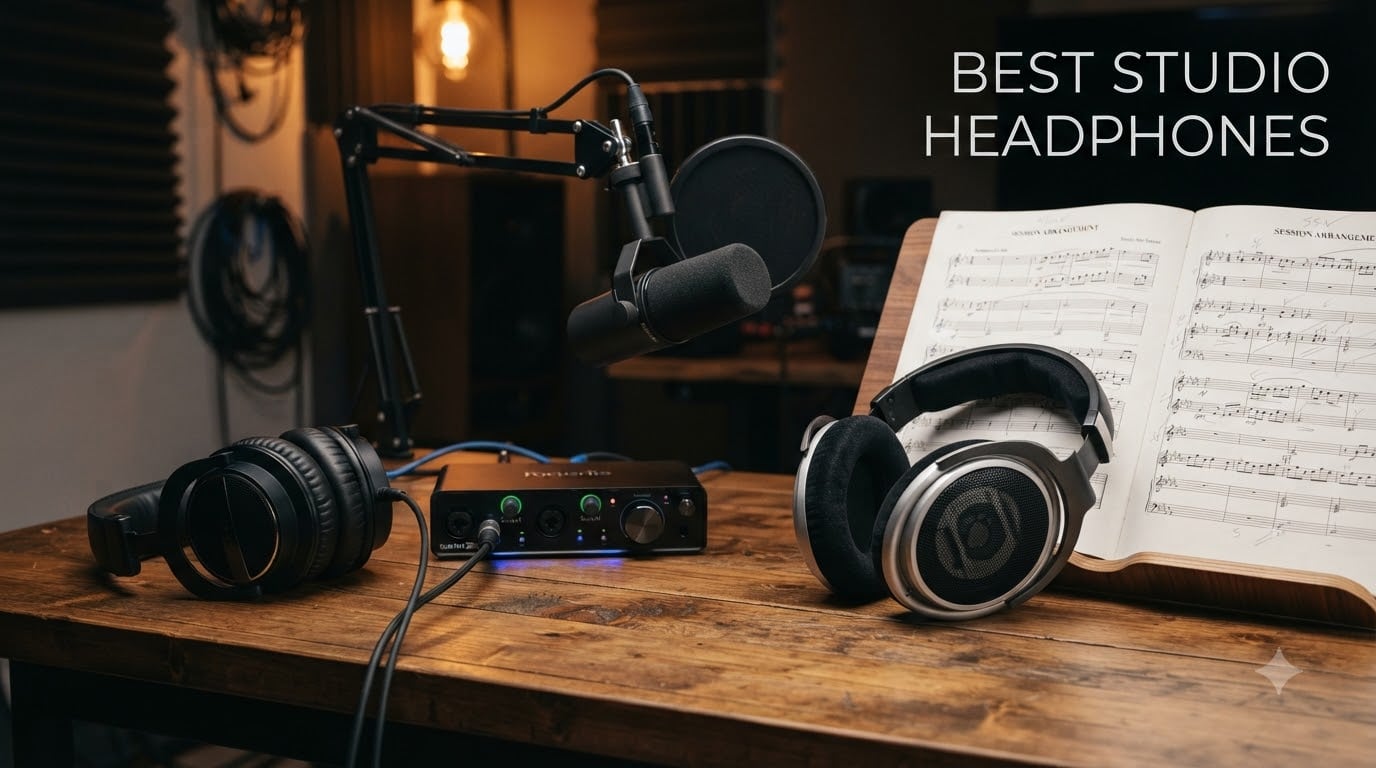
Finding the best studio headphones changed everything about how I work on music. I spent years mixing on consumer headphones and wondering why my tracks sounded completely different in the car. The bass was muddy, the highs were harsh, and my mixes just did not translate. Sound familiar? That is exactly why I put together this guide.
Studio headphones are built differently from regular listening headphones. They give you a flat, honest frequency response so you can hear every flaw in your mix. Whether you are tracking vocals, mixing an album, or mastering the final track, the right pair of professional studio headphones makes all the difference in how your music translates to the real world.
I compared 8 of the most recommended models for 2026 — from the $49 entry-level workhorses to the $549 professional reference cans. Our team looked at sound accuracy, comfort for marathon sessions, build quality, and real-world value. If you are also shopping for audio gear deals this year, check out our roundup of headphone deals to save on your setup. We also put together Sennheiser headphone deals if you are leaning toward that brand.
Table of Contents
Top 3 Picks for Best Studio Headphones

Audio-Technica ATH-M50x
- 45mm drivers
- Detachable cable
- 90 degree swivel cups
- 38 ohm impedance

Sony MDR-7506
- 40mm neodymium drivers
- Industry standard since 1991
- Foldable design
- 63 ohm impedance

Audio-Technica ATH-M20x
- 40mm drivers
- Enhanced low frequency
- Circumaural design
- 47 ohm impedance
These three cover the range most home studio owners care about. The ATH-M50x gives you the best all-around performance. The Sony MDR-7506 is the studio legend that costs less. And the ATH-M20x proves you do not need to spend much to get solid monitoring.
Best Studio Headphones in 2026
| Product | Specifications | Action |
|---|---|---|
| Audio-Technica ATH-M50x |
|
Check Latest Price |
| Sony MDR-7506 |
|
Check Latest Price |
| Audio-Technica ATH-M20x |
|
Check Latest Price |
 Beyerdynamic DT 770 PRO 80 Ohm Beyerdynamic DT 770 PRO 80 Ohm |
|
Check Latest Price |
 Beyerdynamic DT 990 PRO 250 Ohm Beyerdynamic DT 990 PRO 250 Ohm |
|
Check Latest Price |
 Sennheiser HD600 Sennheiser HD600 |
|
Check Latest Price |
 Neumann NDH20 Neumann NDH20 |
|
Check Latest Price |
 Sennheiser HD 280 Pro Sennheiser HD 280 Pro |
|
Check Latest Price |
1. Audio-Technica ATH-M50x — The All-Around Workhorse
Audio-Technica ATH-M50X Professional Studio Monitor Headphones, Black, Professional Grade, Critically Acclaimed, with Detachable Cable
45mm large aperture drivers
38 ohm impedance
Detachable cable (3 included)
Closed-back circumaural
90 degree swivel earcups
28kHz frequency response
Pros
- Critically acclaimed sonic performance
- Excellent clarity with deep accurate bass
- Detachable cable with 3 cable options included
- Professional build quality
- Sound isolating circumaural design
Cons
- Can expose bad recordings
- Clamp force may be tight for some users
- Less neutral for critical mixing
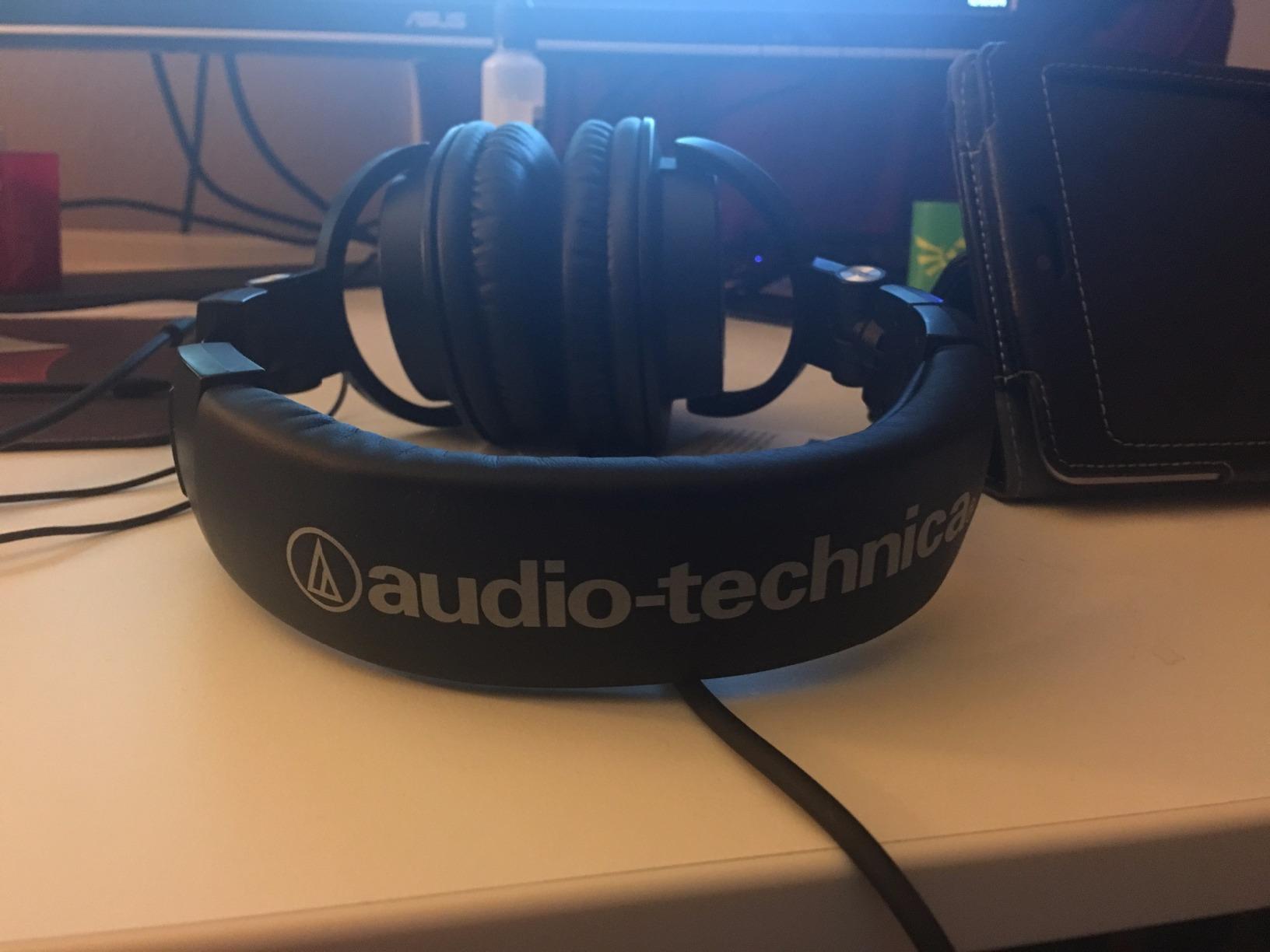
The first time I put on the ATH-M50x, I immediately understood why it has over 33,000 reviews. These are the headphones that introduced an entire generation of producers to what studio monitoring should sound like. The 45mm proprietary drivers deliver a punchy, detailed sound that makes it easy to hear every element in a mix.
What stands out most is the build quality. Audio-Technica built these to survive daily studio abuse. The earcups swivel 90 degrees for one-ear monitoring, and the detachable cable system means you get three cable options in the box. When a cable breaks — and it will eventually — you just swap it out instead of replacing the headphones.
Now, the M50x is not a perfectly flat reference headphone. It has a slight V-shaped sound signature with boosted lows and highs. This makes music sound exciting and detailed, which is great for tracking and casual listening. For critical mixing where you need absolute neutrality, you might want to pair these with an open-back option.
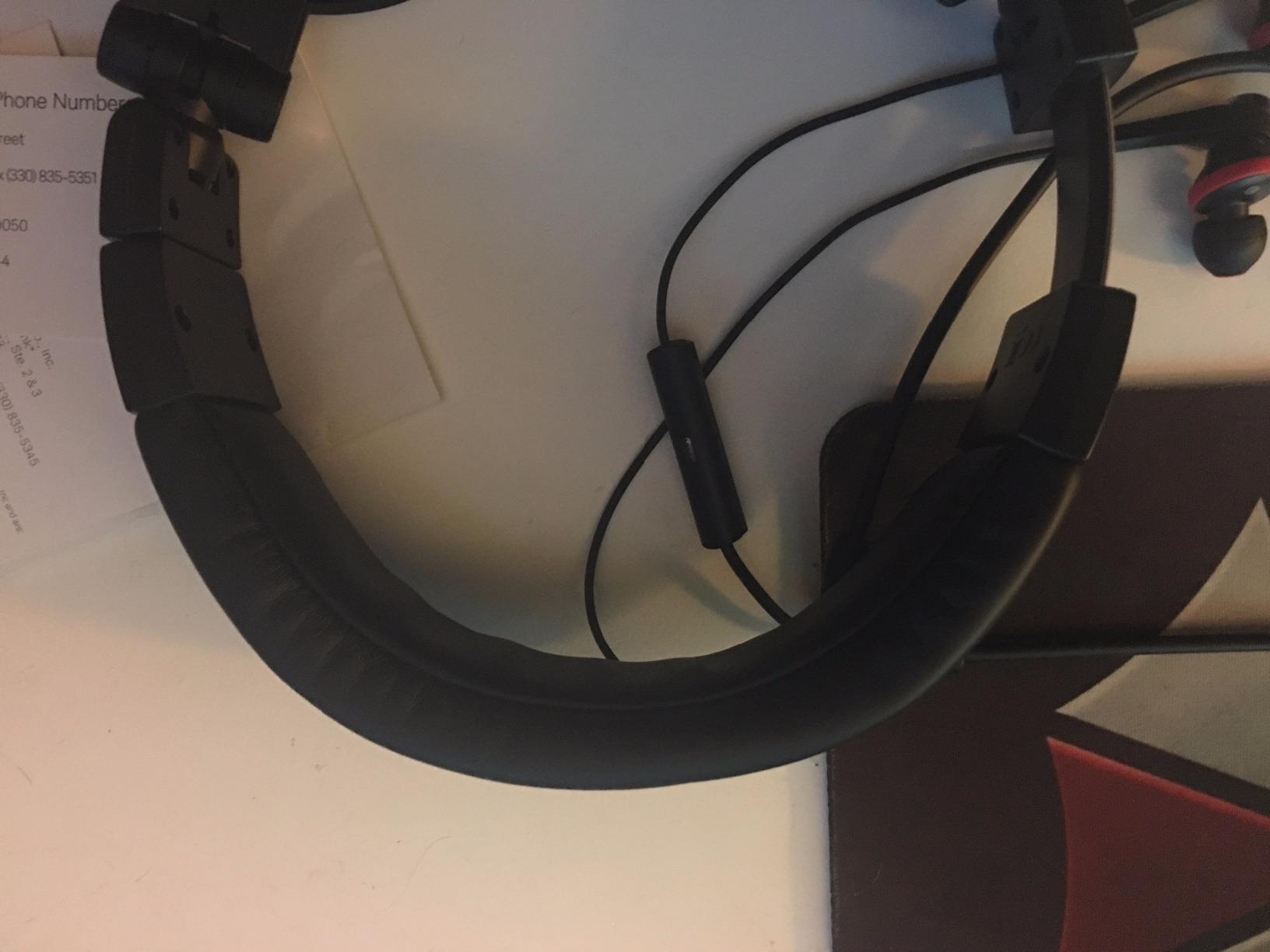
The clamp force is something to note. Out of the box, they grip pretty firmly. After a week or two of use, the headband loosens up and they become quite comfortable for multi-hour sessions. The padded ear cups do a solid job of isolating outside noise too.
Best Used For
The ATH-M50x shines as a tracking and monitoring headphone. If you record vocals, lay down guitar parts, or need reliable closed-back isolation, these handle it all. The sound signature also works well for DJ monitoring and video editing where you need to hear every detail clearly.
Producers who work primarily on headphones rather than studio monitors will appreciate how the M50x translates. Just keep in mind that the slightly boosted bass can trick you into thinking your low end is louder than it actually is on other systems.
Amplification Requirements
At 38 ohms impedance, the M50x is easy to drive from virtually any audio interface or headphone amp. You do not need a dedicated amplifier to get full performance. This makes them ideal for mobile rigs, laptop-based studios, and beginners who are just starting to build their setup.
I have run these directly from a Focusrite Scarlett interface and they get plenty loud with headroom to spare. The 99dB sensitivity rating means even weaker headphone outputs can drive them without breaking a sweat.
2. Sony MDR-7506 — The Industry Standard
Sony MDR7506 Professional Large Diaphragm Headphone
40mm neodymium drivers
63 ohm impedance
10Hz-20kHz frequency range
Closed-back design
Foldable with soft case
Gold-plated adapter included
Pros
- Industry standard since 1991
- Excellent sound clarity and detail
- Outstanding noise isolation
- Durable construction lasting decades
- Great value for professional quality
Cons
- Non-detachable cable
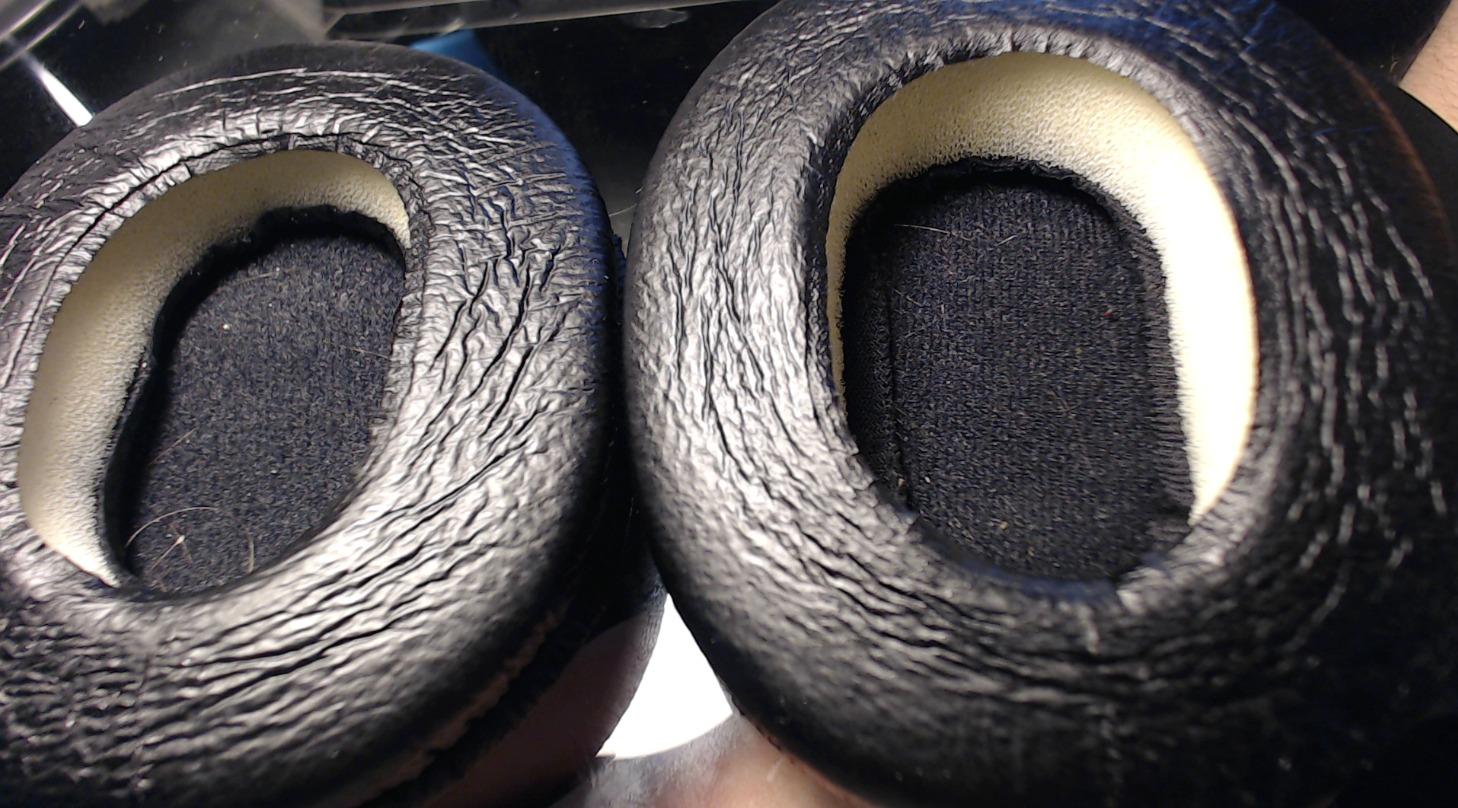
- Ear pads need replacement over time
- 9.8 foot cord may be excessive
- Bright treble at higher volumes
Walk into any professional recording studio in the world and you will find a pair of Sony MDR-7506 hanging on a hook. These have been the tracking standard since 1991, and for good reason. When I finally got a pair, I understood the obsession — they just work, every single time.
The 40mm neodymium drivers produce a sound that is instantly recognizable. The midrange is forward and detailed, making it easy to hear vocals and instruments clearly. The closed-back design provides excellent isolation, so nothing bleeds into your microphone when tracking.
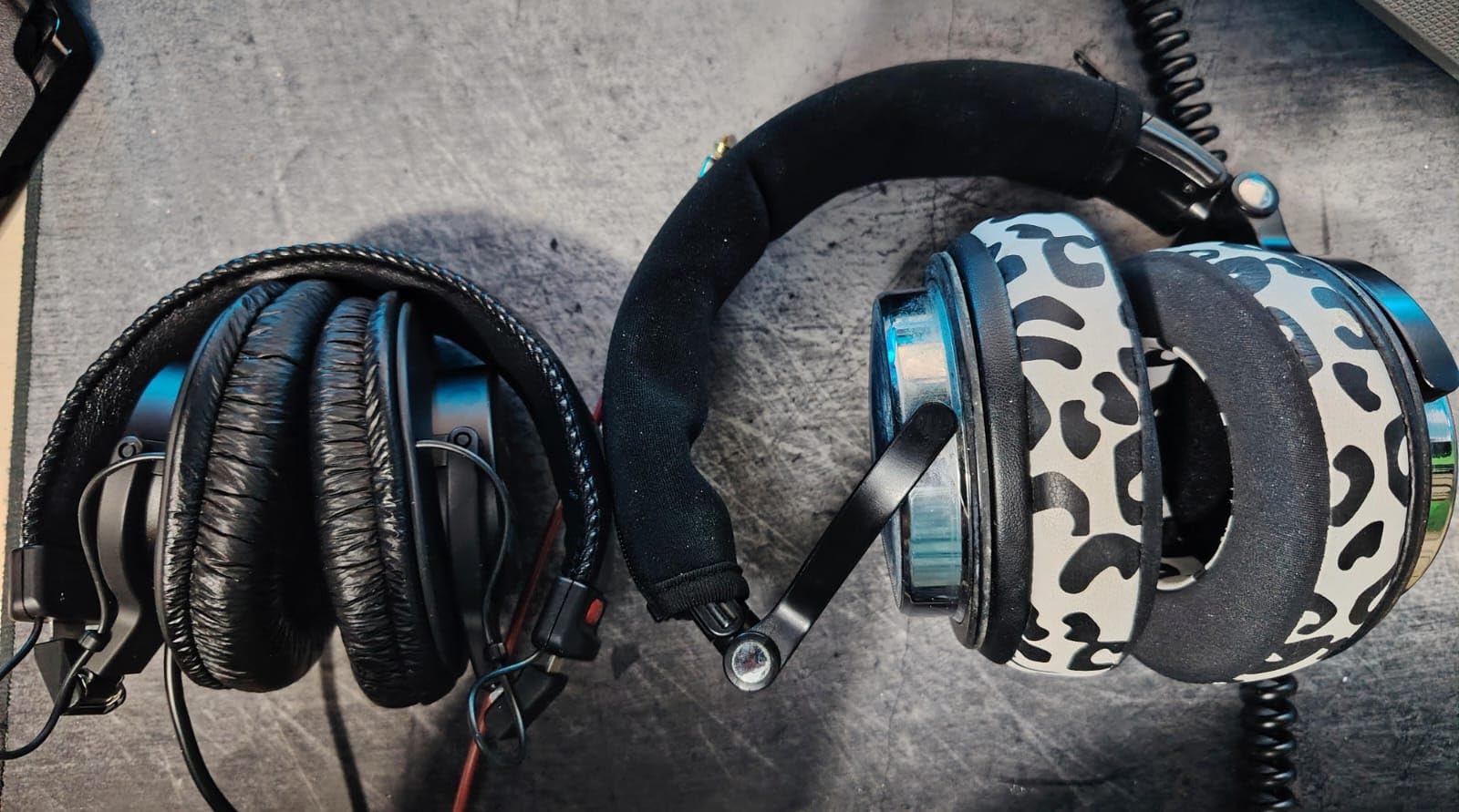
The biggest drawback is the non-detachable cable. After years of heavy use, the cable connection near the earcup is the most common failure point. Sony sells replacement parts, but you are dealing with a soldered connection rather than a simple plug swap.
At just 8 ounces, these are among the lightest professional studio headphones available. The foldable design with included soft case makes them perfect for location recording and field work. I have thrown these in a backpack for remote sessions more times than I can count.
Long-Term Ownership
The MDR-7506 is designed for longevity. Every major component — ear pads, headband padding, and even the driver units — is replaceable and affordable. Many engineers have owned the same pair for 15-plus years with just occasional pad replacements.
This is one of the best studio headphones if you value total cost of ownership. The initial purchase is modest, and replacement parts cost a fraction of buying new. You are investing in a tool, not a disposable product.
Sound Signature Translation
The MDR-7506 has a slightly bright top end that some find fatiguing at high volumes. However, this brightness actually helps when tracking because it makes it easier to hear detail in vocals and acoustic instruments. Mixes made on these tend to translate well because the frequency response is predictable and consistent.
One trick many engineers use is to learn the MDR-7506 by listening to reference tracks you know inside and out. Once your brain calibrates to their sound, you can make confident mixing decisions.
3. Audio-Technica ATH-M20x — Best Budget Option
Audio-Technica ATH-M20x Professional Studio Monitor Headphones, Black
40mm drivers with rare earth magnets
47 ohm impedance
15Hz-20kHz frequency range
Circumaural closed-back
Single-side cable exit
Enhanced low frequency
Pros
- Excellent entry-level studio monitoring
- Great value for the price
- Clear and flat sound signature
- Solid build quality with metal components
- Good noise isolation
Cons
- Cable is not detachable
- 10 foot cable may be cumbersome
- Not as refined as higher models
- Ear sweating during long sessions
If you are just starting out and every dollar matters, the ATH-M20x is the pair I recommend without hesitation. I picked these up as a backup pair and was genuinely surprised by how capable they are for the price. You get real studio monitoring at a fraction of what most professional models cost.
The 40mm drivers share the same DNA as the more expensive M-series models. The sound is tuned for enhanced low frequency performance, giving you a slightly warmer character. For tracking drums, bass, and electronic music, this tuning actually works in your favor.
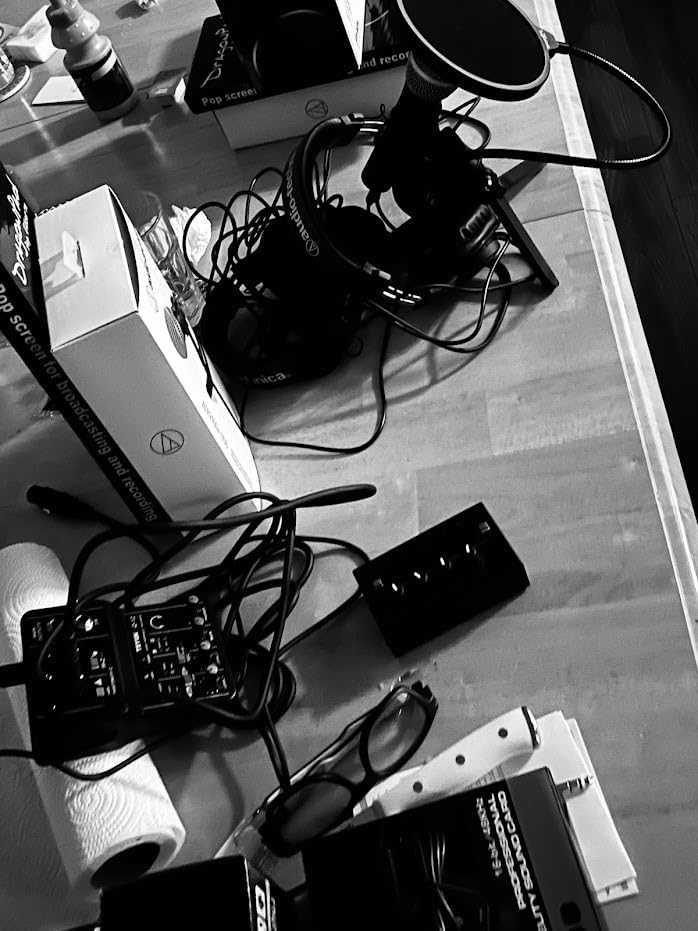
The build quality punches well above its weight class. Audio-Technica uses real metal in the construction, so these do not feel like cheap plastic toys. The circumaural design provides good passive isolation for tracking sessions.
The main compromise is the cable. It is fixed, meaning you cannot swap it out when it fails. The 10-foot single-side cable is practical for studio use but can get in the way. At this price, though, you are getting exceptional value.
Ideal First Studio Headphone
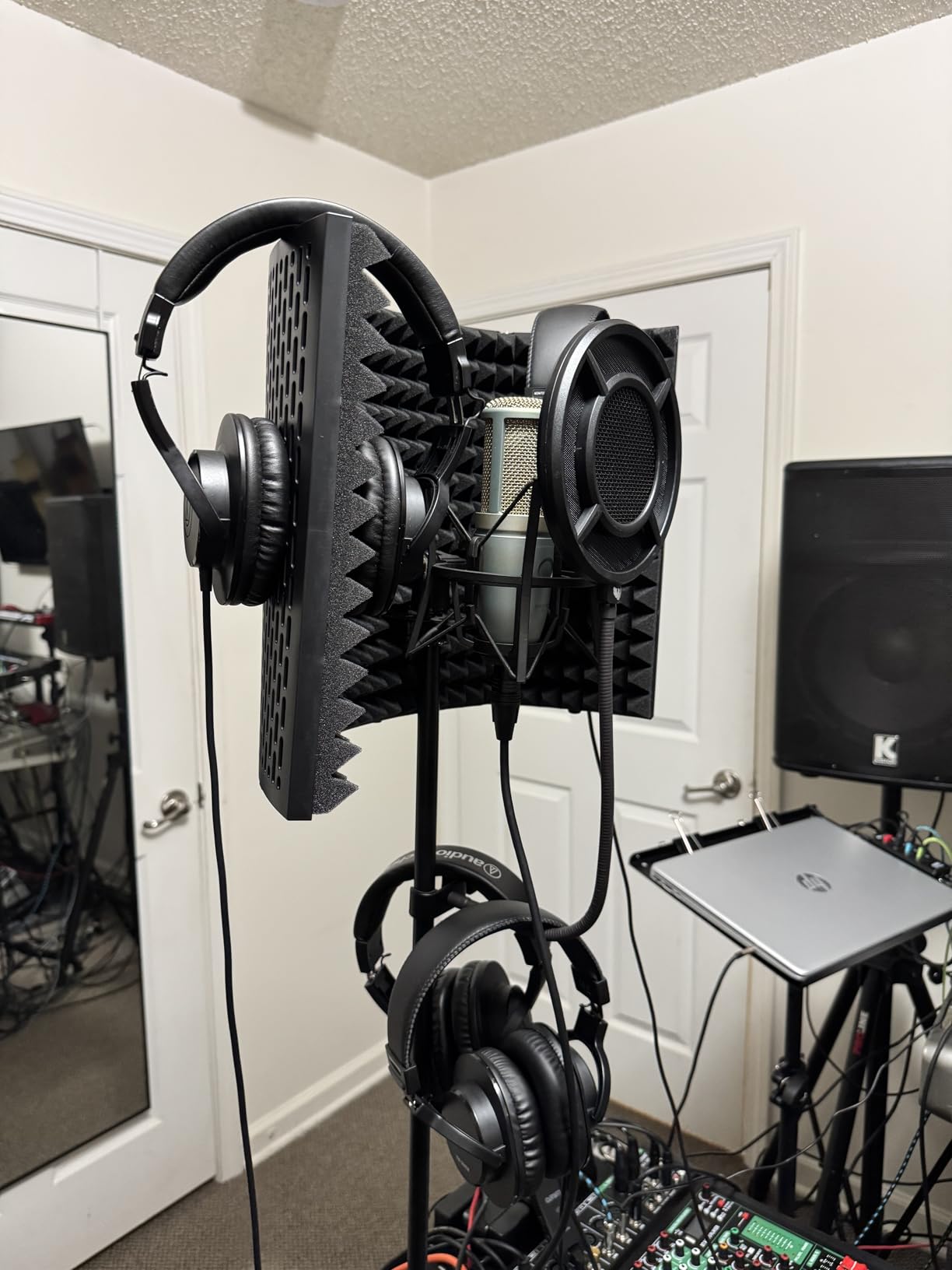
The ATH-M20x is perfect for someone building their first home studio. You get honest, usable sound without needing to understand impedance matching or headphone amplifiers. Just plug them into your interface and start working.
Many music production instructors recommend these to students specifically because they are forgiving of beginner mistakes while still being accurate enough to learn proper mixing technique.
Limitations to Expect
These are not reference-grade headphones and they do not pretend to be. The frequency response has some coloration in the lows and lower mids. For casual monitoring and tracking, this is fine. For final mix decisions on a professional release, you will eventually want to upgrade.
The ear cushions can cause sweating during long sessions since they are not ventilated. Plan on taking breaks every couple of hours, which is good practice anyway.
4. Beyerdynamic DT 770 PRO 80 Ohm — Comfort Champion
beyerdynamic DT 770 Pro (80 Ohm), Closed-Back Studio Headphones, Black
Closed-back dynamic driver
80 ohm impedance
5Hz-35kHz frequency response
Soft velour earpads
3m straight cable
Handcrafted in Germany
Replaceable parts
Pros
- Exceptional comfort with velour pads
- German craftsmanship and durability
- Replaceable parts for longevity
- Excellent noise isolation
- Smooth balanced sound across frequencies
Cons
- Ears can warm up during long sessions
- Requires headphone amp for best performance
- Bass around 210Hz can be emphasized
- Slightly bright at higher volumes
The DT 770 PRO is the headphone I reach for when I know I am going to be working for six hours straight. Nothing I have used matches the comfort of those velour pads. The German craftsmanship is immediately apparent the moment you pick them up.
The closed-back design provides excellent isolation for tracking. The sound is smooth and balanced across the frequency spectrum, with a slightly elevated bass around 210Hz that adds warmth. This tuning works beautifully for electronic music production and hip-hop where low end is critical.
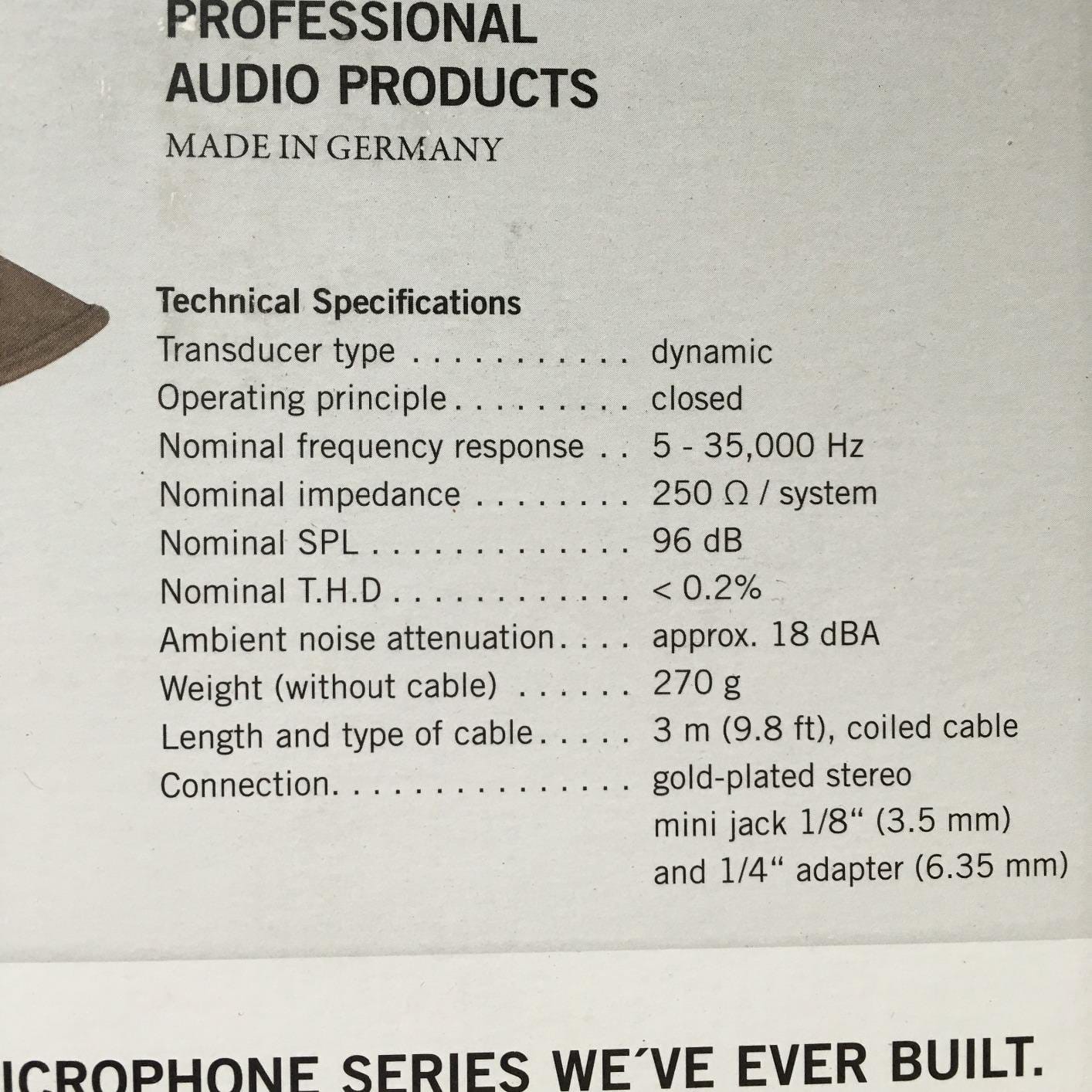
The 80-ohm version is the sweet spot for home studio owners. It is easy enough to drive from most audio interfaces while still benefiting from a dedicated headphone amp. The 5Hz to 35kHz frequency response gives you extended range on both ends.
Beyerdynamic builds these in Germany with fully replaceable components. The earpads, headband cushion, and cable can all be swapped out. This is a headphone designed to last a decade or more with basic maintenance.
Impedance Matching
The 80-ohm version works well with most modern audio interfaces without needing a separate amplifier. However, if you are using a low-power headphone output, you may not get enough volume. Consider a dedicated headphone amp like the Mackie HM-4 or Schiit Magni to unlock their full potential.
Beyerdynamic also makes 32-ohm and 250-ohm versions of the DT 770. The 80-ohm strikes the best balance between drivability and sound quality for most home studio setups.
Comfort for Marathon Sessions
The velour earpads are the star of the show here. Unlike pleather pads that trap heat and cause fatigue, velour breathes and stays comfortable for hours. The clamping force is firm enough for isolation but gentle enough to avoid headaches.
If you produce music professionally and wear headphones all day, the DT 770 PRO is one of the best studio headphones you can buy. The comfort alone justifies the investment.
5. Beyerdynamic DT 990 PRO 250 Ohm — Open-Back Mixing King
beyerdynamic DT 990 Pro (250 Ohm), Open-Back Studio Headphones, Black
Open-back dynamic driver
250 ohm impedance
5Hz-35kHz frequency response
Wide natural soundstage
Soft velour circumaural pads
3m coiled cable
Handcrafted in Germany
Pros
- Wide natural soundstage
- Exceptional comfort for extended sessions
- Precise audio clarity and detail
- Replaceable parts for longevity
- Versatile across music genres
Cons
- Open-back design leaks sound
- Requires headphone amp to drive properly
- Not suitable for noisy environments
- May need EQ adjustment
The DT 990 PRO is what happens when you take the DT 770 platform and open it up. The open-back design creates a soundstage that closed-back headphones simply cannot match. When I first mixed on these, the stereo image felt expansive and three-dimensional in a way that changed how I approached panning.
For mixing, the open-back design is a genuine advantage. You hear a more natural representation of how sounds interact in space. This helps you make better decisions about reverb, delay, and stereo placement. The result is mixes that translate more accurately to speakers.
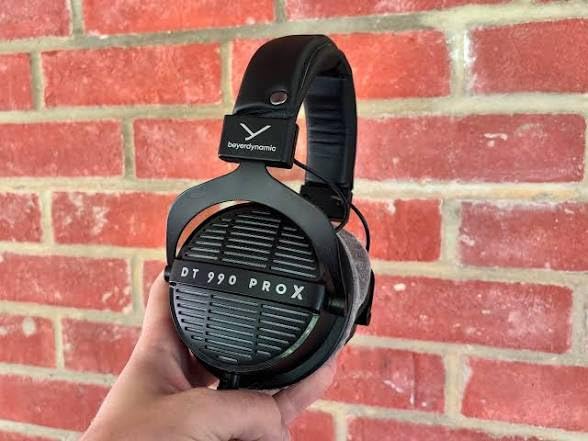
The catch is that 250 ohms requires amplification. Plugging these directly into a laptop headphone jack will leave you wanting more volume and dynamics. You need either a quality audio interface with a strong headphone output or a dedicated headphone amplifier.
The sound signature has a slight emphasis in the treble, which some listeners find fatiguing over very long sessions. Many users apply a gentle EQ cut in the 8-10kHz region to smooth this out. The velour pads provide the same excellent comfort as the DT 770.
When Open-Back Makes Sense
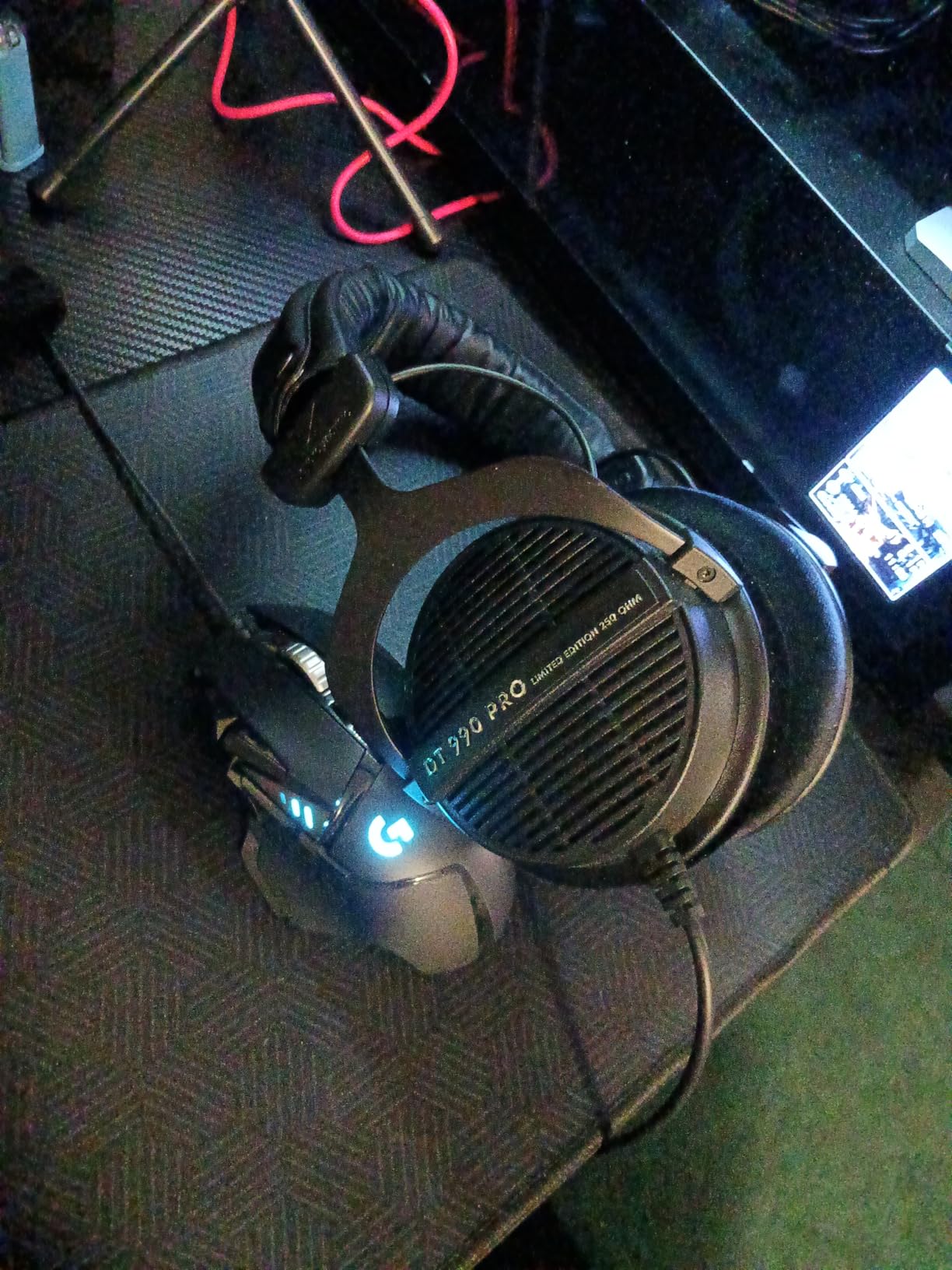
Open-back headphones like the DT 990 PRO are ideal for mixing and critical listening in a quiet environment. Because they do not seal around your ears, you get a more natural, speaker-like presentation. This makes it easier to judge spatial relationships and depth in your mix.
They are not suitable for tracking with microphones nearby, since the open design leaks sound that your mic will pick up. Use a closed-back pair for tracking and these for mixing.
Amplifier Recommendations
To get the most from 250-ohm headphones, pair them with a dedicated headphone amplifier. The Fiio E10K, Schiit Magni, or JDS Labs Atom are all excellent affordable options. A good amp unlocks the dynamics and headroom that make the DT 990 PRO sing.
If your audio interface already has a robust headphone section — like the Audient iD14 or RME interfaces — you may not need a separate amp. Check your interface specifications for its headphone output impedance and power rating.
6. Sennheiser HD600 — The Reference Legend
Sennheiser HD600 Headphones
Open-back dynamic driver
Neodymium ferrous magnets
Detachable Kevlar-reinforced cable
Audiophile-grade clarity
Plush ear pads
Premium metal mesh build
Pros
- Audiophile-grade clarity with neodymium magnets
- Extended listening comfort with plush ear pads
- Detachable Kevlar-reinforced cable
- Premium build quality
- Legendary neutral reference sound
Cons
- Open-back design does not isolate noise
- May require amplifier for optimal performance
The Sennheiser HD600 has been a mixing and mastering reference standard for over two decades. When mastering engineers talk about a headphone that disappears and lets you hear the music uncolored, they are describing the HD600. I spent three months mixing exclusively on these and my mixes improved noticeably.
The neutrality is what makes these special. Nothing is boosted, nothing is hidden. You hear the mix exactly as it is, flaws and all. This honesty is exactly what you need for mastering decisions, where accuracy matters more than excitement.
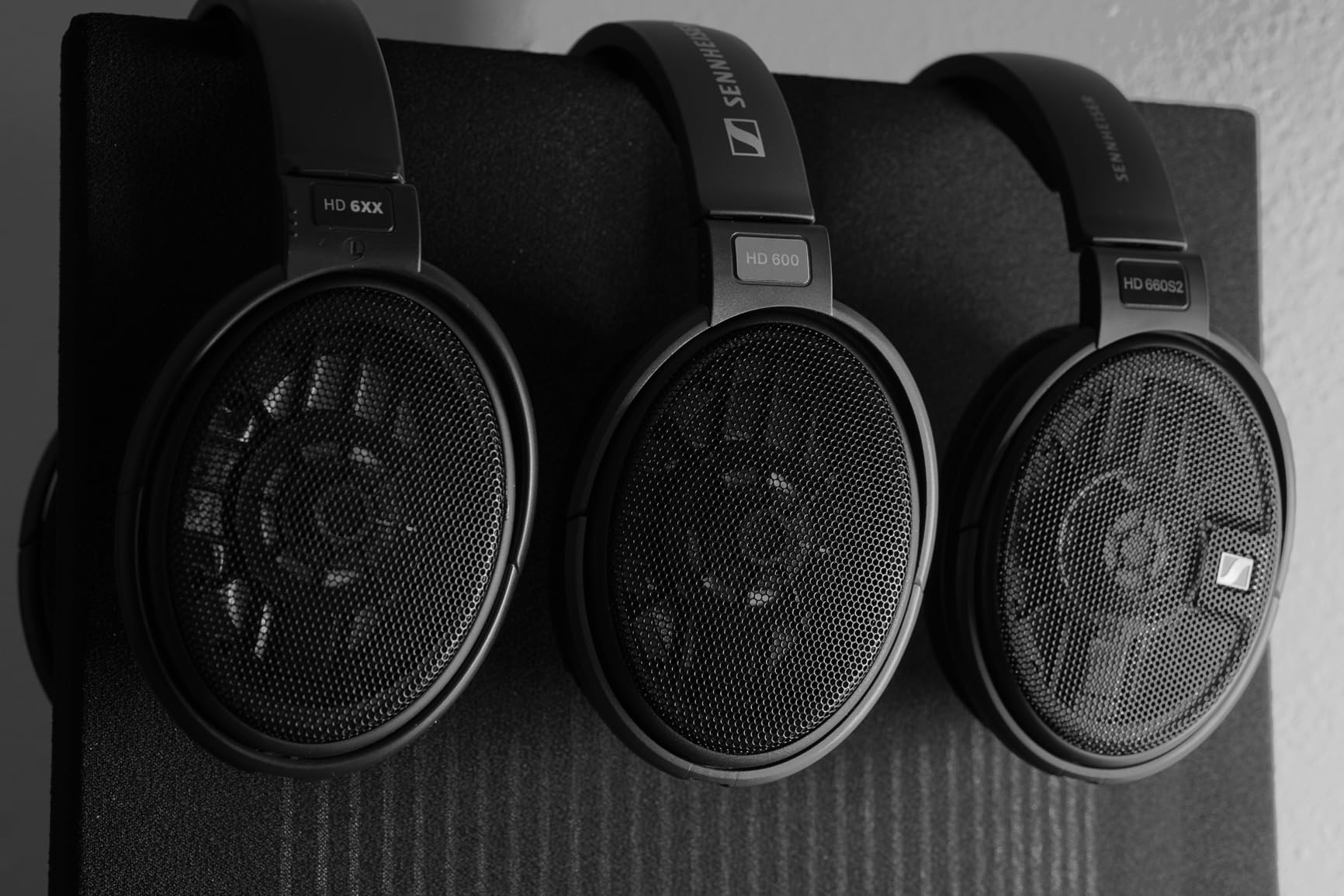
The build is understated but premium. The open metal mesh earpiece covers, the plush ear pads, and the Kevlar-reinforced oxygen-free copper cable all contribute to a product that feels built to last a lifetime. The detachable cable is a major plus for long-term ownership.
The HD600 does require amplification to perform at its best. The 300-ohm impedance means you need a capable headphone amplifier. Under-driven, these sound thin and lifeless. Properly amplified, they are among the most accurate transducers available at any price.
Why Mixing Engineers Love Them
The HD600 has a midrange presentation that is often described as the most natural of any headphone. Vocals sit perfectly in the mix. Acoustic instruments sound lifelike. When you make EQ decisions on the HD600, those decisions translate to speakers with remarkable consistency.
Many professional engineers use the HD600 as a secondary reference alongside their studio monitors. The cross-check between monitors and these headphones catches problems that either system alone might miss.
Long-Term Value
Despite the premium price, the HD600 represents exceptional long-term value. The modular design means every wearing part can be replaced. Sennheiser continues to support this model with replacement parts years after release. Many owners report a decade or more of reliable service.
If you treat the HD600 as a long-term investment in your studio, the cost per year of ownership is actually lower than replacing cheaper headphones every few years.
7. Neumann NDH20 — Professional Reference Grade
Neumann NDH20 Closed-Back Studio Headphone
Closed-back circumaural
150 ohm impedance
5Hz-30kHz frequency range
Foldable design
Two detachable cables included
Lightweight at 245 grams
2-year warranty
Pros
- Excellent noise isolation from closed-back design
- Foldable for compact transport
- Includes both straight and coiled cables
- Lightweight at 245 grams
- Wide frequency range 5Hz to 30kHz
Cons
- Higher price point at $549
- 150 ohm impedance may require headphone amplifier
Neumann is a name that commands respect in professional audio. When they entered the headphone market with the NDH20, expectations were sky-high. After spending time with these, I can confirm they live up to the Neumann reputation for precision and quality.
The NDH20 is a closed-back headphone that aims to deliver the neutrality of an open-back model. Neumann engineered the drivers and acoustic chamber to minimize the resonance peaks that typically plague closed-back designs. The result is a remarkably smooth frequency response for a sealed headphone.
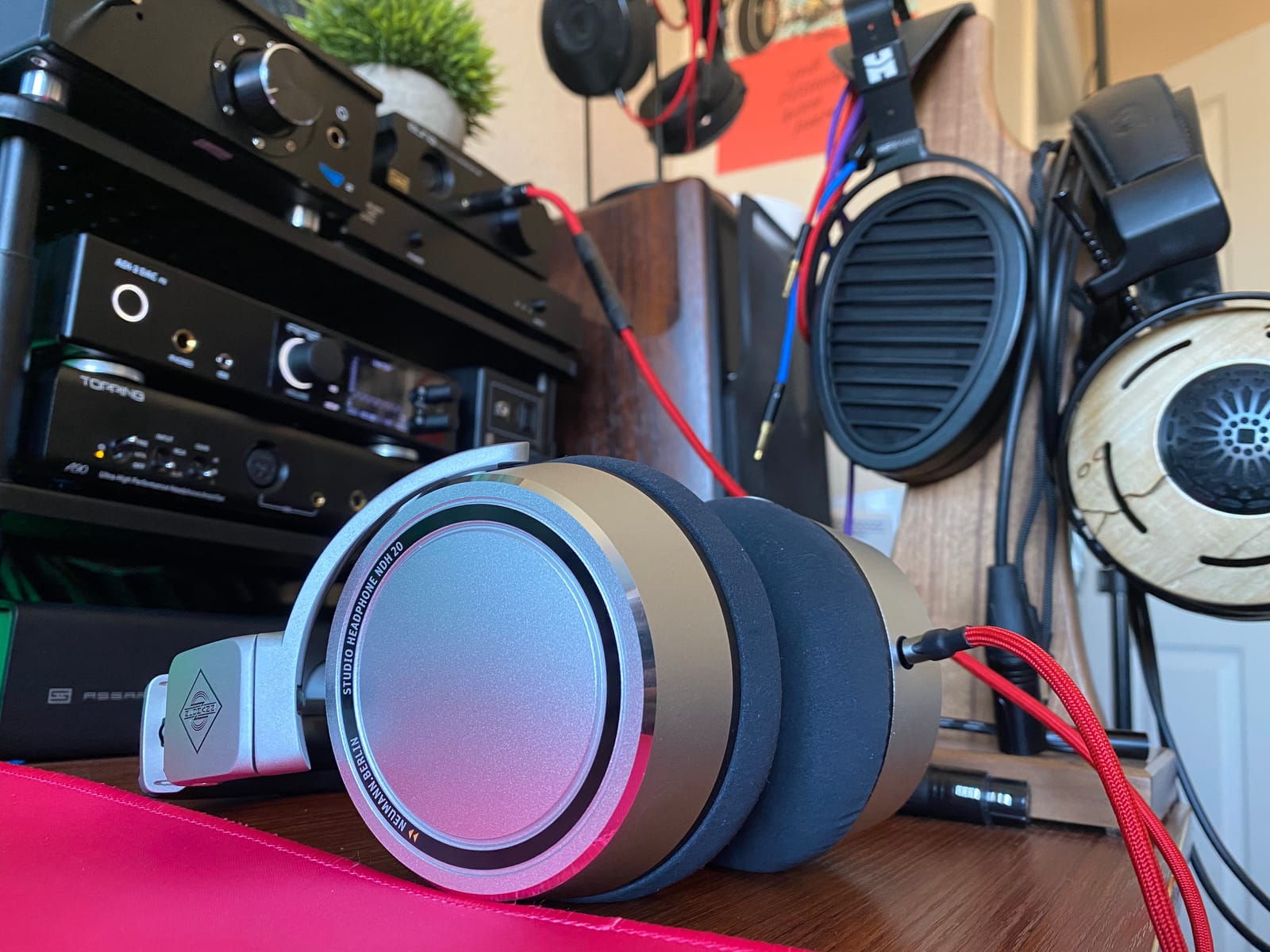
The inclusion of both straight and coiled detachable cables is a thoughtful touch. The foldable design with cloth carrying case makes these practical for location recording. At just 245 grams, they are among the lightest premium studio headphones available.
The 150-ohm impedance puts these in the middle ground for amplification requirements. A decent audio interface can drive them adequately, but a dedicated headphone amplifier brings out their full dynamic range and resolution. The investment in amplification is worth it at this price point.
Is the Premium Worth It
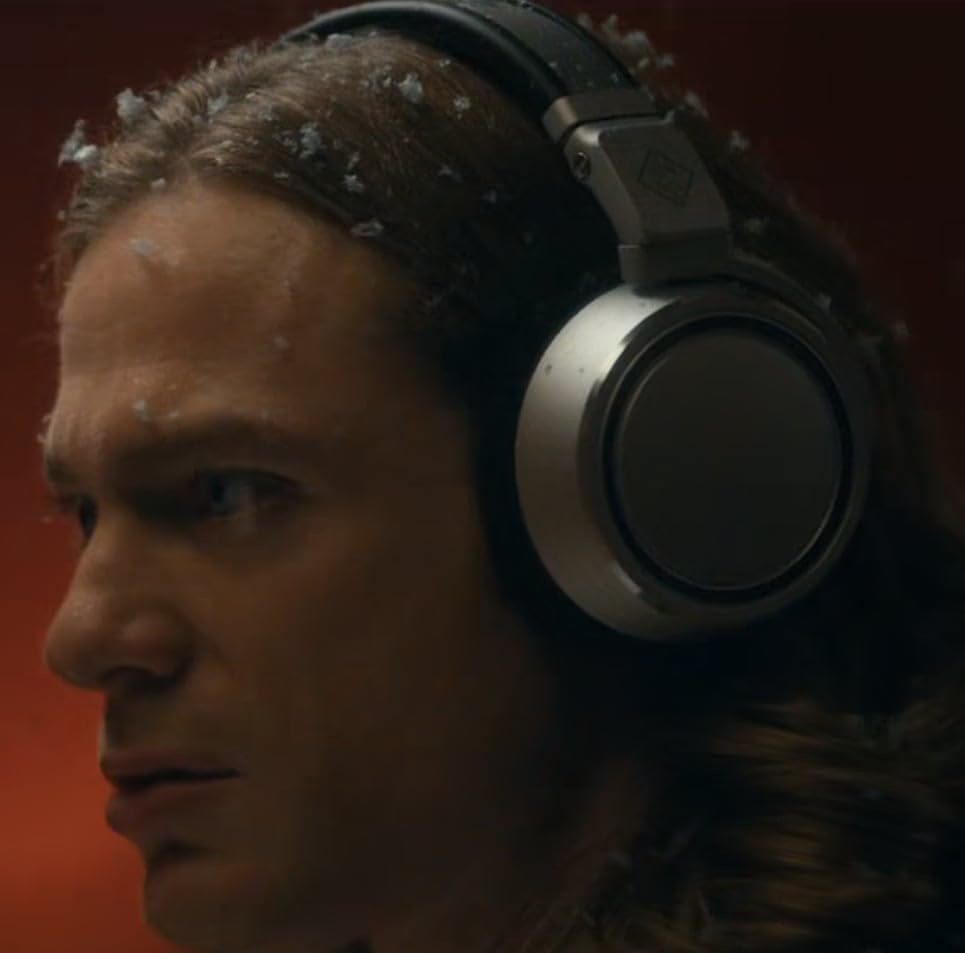
The NDH20 is designed for professionals who need a single headphone that can handle tracking, mixing, and mastering without compromise. If you are tired of switching between closed-back and open-back headphones for different tasks, the NDH20 attempts to be the one-pair solution.
For hobbyists and beginners, this is likely more headphone than you need. For working professionals whose livelihood depends on accurate monitoring, the investment is justified by the time saved and the quality of decisions you can make.
How It Compares to Competitors
In the premium closed-back category, the NDH20 competes with the Focal Listen Professional and the AKG K371. The Neumann distinguishes itself with a flatter, more reference-oriented sound signature and the brand’s legendary build quality. The foldable design gives it an edge for engineers who travel between studios.
The 2-year warranty and modular construction mean you are buying into the Neumann support ecosystem, which is among the best in the industry.
8. Sennheiser HD 280 Pro — Isolation Specialist
Sennheiser HD 280 Pro Headphone, Black
Closed-back dynamic
64 ohm impedance
8Hz-25kHz frequency response
32dB ambient noise attenuation
Collapsible earpieces
Replaceable parts
Coiled cable 3.3-9.8 feet
Pros
- Excellent noise isolation up to 32dB attenuation
- Lightweight comfortable ergonomic design
- Extended frequency response 8Hz-25kHz
- Collapsible for compact transport
- Replaceable earpads headband and cord
- Great value
Cons
- Coiled cable can be heavy and pull
- Headband padding may wear over time
- Tight clamp requires break-in period
- No wireless connectivity
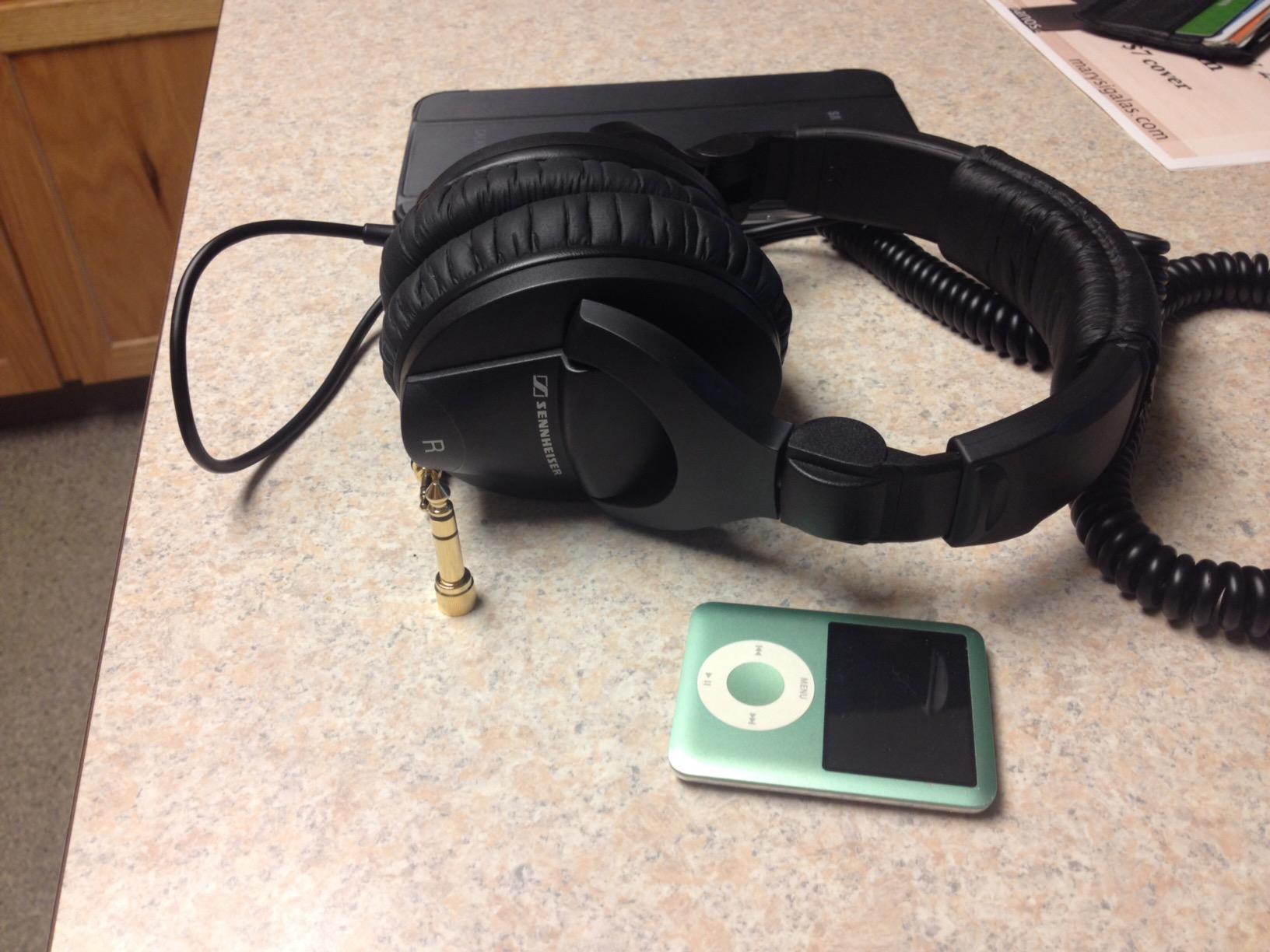
The Sennheiser HD 280 Pro is the headphone I recommend when isolation is the top priority. With up to 32dB of ambient noise attenuation, these block outside sound better than almost anything else in this price range. If you record in a less-than-ideal acoustic environment, these are a lifesaver.
The closed-ear design creates a tight seal that keeps your monitoring private and prevents bleed into microphones. I have used these for tracking vocals next to a noisy computer tower and the isolation made the session workable.
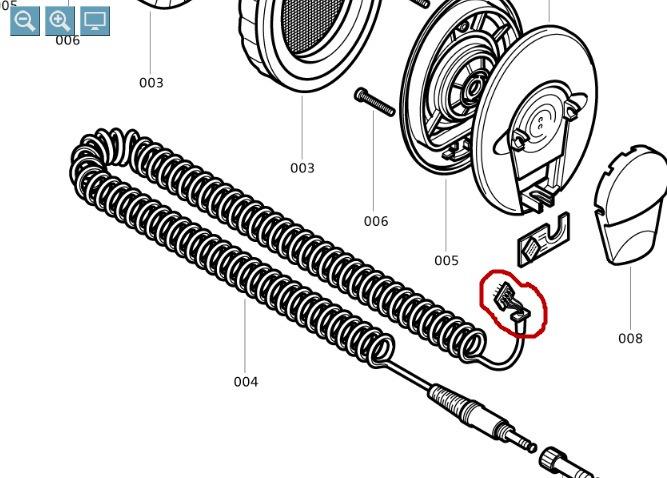
The sound is warm and natural with an extended frequency response of 8Hz to 25kHz. While not as analytically neutral as the HD600, the 280 Pro gives you an honest, usable representation of your mix. It is a practical monitoring tool rather than a surgical reference instrument.
The replaceable components are a huge plus. The earpads, headband padding, and audio cord are all user-replaceable. This extends the life of the headphones indefinitely with basic maintenance. The collapsible earpieces make them easy to pack for remote sessions.
Noise Isolation in Practice
The 32dB attenuation rating is not marketing hype. In real-world use, these headphones dramatically reduce ambient noise from air conditioning, computer fans, and traffic. This makes them ideal for tracking in untreated rooms, location recording, and monitoring in shared spaces.
Keep in mind that the tight seal requires the right fit. The clamp force is firm out of the box and needs a break-in period. Once the headband conforms to your head shape, the isolation and comfort both improve significantly.
Cable Considerations
The coiled cable extends from 3.3 to 9.8 feet, which is versatile for studio use. However, the weight of the coiled cable can pull on one side during extended sessions. Some users replace it with a lighter straight cable for desk use, though Sennheiser designed the coiled version for the flexibility of movement around a studio.
If you do a lot of stationary desk work, consider securing the cable to your desk with a clip to take the weight off the headphones. This small adjustment makes a noticeable comfort difference during long mixing sessions.
How to Choose Studio Headphones
Choosing the right studio headphones comes down to understanding your workflow and your setup. After testing dozens of models over the years, I have learned that the best pair for you depends on four key factors. Let me break them down so you can make an informed decision.
For even more options and savings, check out our guides on headphone deals and wireless earbud deals to round out your audio setup.
Open-Back vs Closed-Back: The Fundamental Choice
This is the single most important decision you will make. Closed-back headphones seal around your ears, isolating sound in both directions. Nothing leaks out, nothing gets in. This makes them essential for tracking — when you record vocals or acoustic instruments, you do not want the backing track bleeding into the microphone.
Open-back headphones allow air to pass through the ear cups. This creates a wider, more natural soundstage that resembles listening to speakers. The trade-off is that sound leaks out freely and outside noise gets in. Open-back headphones are ideal for mixing and critical listening in a quiet room.
Many professionals own both types. Use closed-back for tracking and open-back for mixing. If you can only afford one pair, closed-back is the more versatile choice since you can use it for everything, even if it is not ideal for every task.
Impedance and Amplification
Impedance, measured in ohms, determines how much power your headphones need to reach proper volume levels. Low-impedance headphones (under 50 ohms) are easy to drive from any source — laptops, phones, and budget interfaces all work fine. The ATH-M50x at 38 ohms and ATH-M20x at 47 ohms fall into this category.
Medium-impedance headphones (50 to 150 ohms) benefit from a quality audio interface or headphone amplifier. The Sony MDR-7506 at 63 ohms and DT 770 at 80 ohms work well with most interfaces but sound noticeably better with clean amplification.
High-impedance headphones (above 150 ohms) practically require a dedicated headphone amplifier. The DT 990 PRO at 250 ohms and the HD600 at 300 ohms need proper amplification to deliver their full potential. Under-driving them results in thin sound and reduced dynamics.
Comfort for Long Sessions
Studio sessions can last six, eight, even ten hours. A headphone that sounds amazing but becomes painful after an hour is not a good studio tool. Look for velour ear pads (like the Beyerdynamic models), lightweight designs (the Neumann NDH20 at 245 grams), and adjustable clamping force.
The beyerdynamic DT 770 PRO and DT 990 PRO are consistently praised for their velour pad comfort. The Sennheiser HD600 earns high marks for its plush ear pads and balanced weight distribution. Avoid headphones that clamp too tightly or trap heat, as these issues compound over hours of use.
Sound Signature and Frequency Response
For mixing and mastering, you want the most neutral frequency response possible. The Sennheiser HD600 is the gold standard for neutrality in this lineup. The Neumann NDH20 also aims for flat, uncolored sound.
For tracking, a slightly enhanced sound signature can actually be helpful. The ATH-M50x and DT 770 PRO have bass and treble emphasis that makes it easier to hear detail, which keeps performers engaged during recording sessions. Just remember that these enhanced signatures are not ideal for final mixing decisions.
Entry-level options like the ATH-M20x and Sennheiser HD 280 Pro offer usable accuracy for learning and casual work. They will not match the resolution of premium models, but they give you honest enough sound to develop your ears and make reasonable production decisions.
Frequently Asked Questions
What headphones do they use in studios?
Professional studios most commonly use the Sony MDR-7506 for tracking due to its isolation and durability since 1991. For mixing and mastering, studios rely on reference headphones like the Sennheiser HD600 or HD650, Beyerdynamic DT 990 PRO, and premium options like the Neumann NDH20. The Audio-Technica ATH-M50x is also widely used for its versatility across tracking and monitoring tasks.
What are the best professional headphones for using in the studio?
The best professional studio headphones depend on your task. For tracking, the Sony MDR-7506 and Audio-Technica ATH-M50x are industry standards. For mixing and mastering, the Sennheiser HD600 offers unmatched neutrality. The Beyerdynamic DT 770 PRO (80 ohm) is the best all-around closed-back option, while the DT 990 PRO excels for open-back mixing.
What headphones have the best sound quality ever?
For studio accuracy, the Sennheiser HD600 is widely considered to have the most natural, reference-quality sound of any headphone under $500. At higher price points, the Sennheiser HD 800 S and Audeze LCD-X are regarded as some of the best-sounding headphones ever made. In this guide, the HD600 and Neumann NDH20 represent the highest sound quality available.
What are the most comfortable studio headphones?
The beyerdynamic DT 770 PRO and DT 990 PRO are consistently rated as the most comfortable studio headphones thanks to their soft velour earpads and balanced clamping force. The Sennheiser HD600 with its plush ear pads and the lightweight Neumann NDH20 at just 245 grams are also exceptionally comfortable for extended mixing sessions.
Wrapping Up
Finding the best studio headphones for your setup does not have to be complicated. For most producers and engineers, the Audio-Technica ATH-M50x delivers the best balance of sound quality, build, and value. If you want the industry tracking standard at a lower price, the Sony MDR-7506 has earned its legendary status. And if budget is the deciding factor, the ATH-M20x proves you can get honest monitoring without spending much.
For mixing and mastering work, the Sennheiser HD600 remains the reference benchmark, while the Beyerdynamic DT 770 PRO gives you unbeatable comfort for long sessions. Match your choice to your workflow, invest in proper amplification when needed, and your headphones will serve you well for years to come in 2026.