
If you have ever found yourself wondering whether beer or wine is the better choice for your waistline or your health, you are not alone. This is one of the most common questions our team hears from readers who want to enjoy a drink without derailing their wellness goals. The truth is, both beverages have distinct profiles when it comes to calories, nutrients, and effects on your body.
In this guide, I will break down everything you need to know about beer vs wine calories, health benefits, and taste differences. I have researched the latest nutritional data, consulted scientific studies, and factored in real-world user experiences to give you a clear answer. By the end, you will know exactly which drink suits your lifestyle better.
Table of Contents
Calorie Comparison: Beer vs Wine
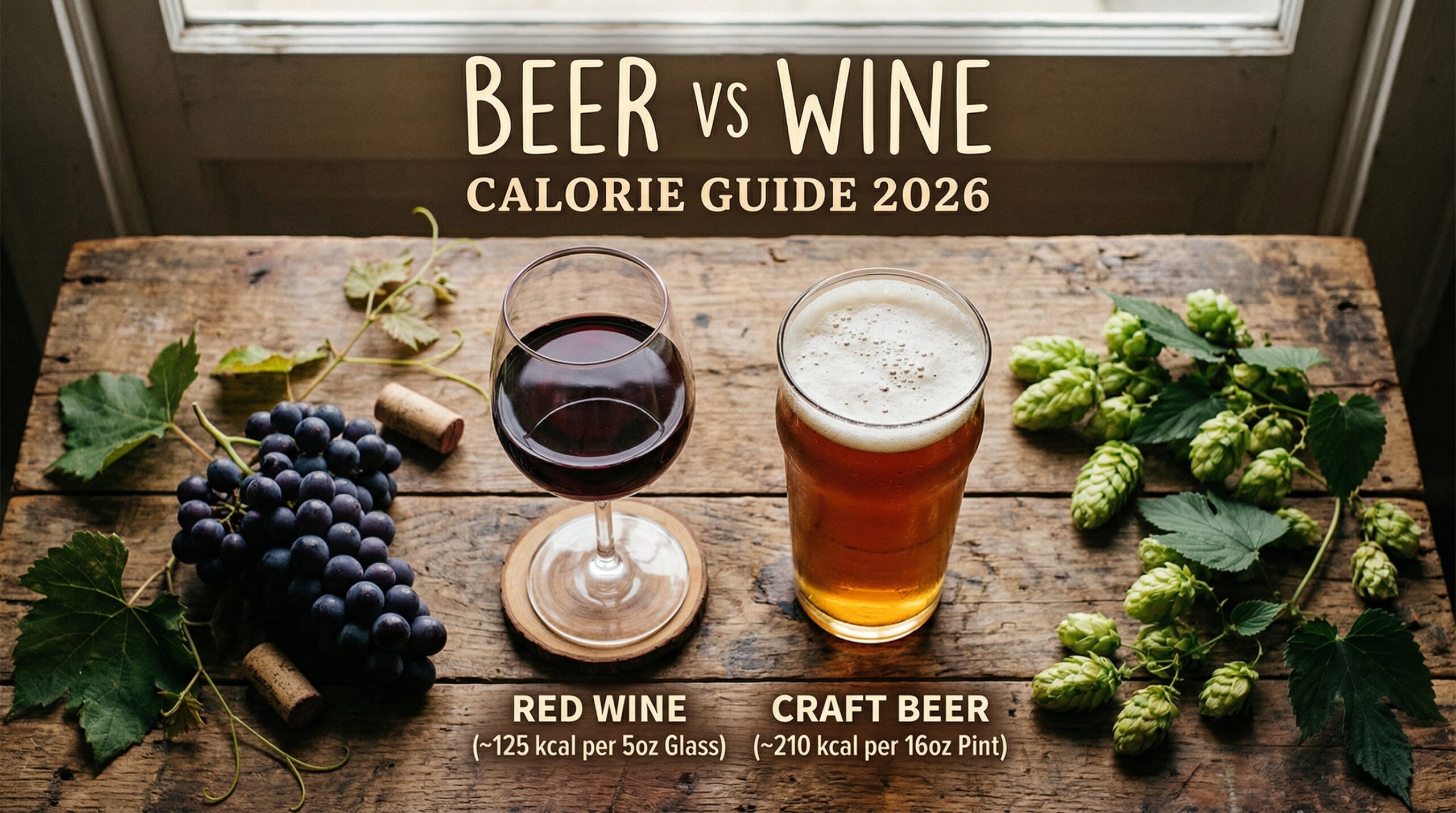
Wine typically has fewer calories than beer. A standard 5-ounce glass of wine contains approximately 120 to 130 calories, while a standard 12-ounce beer ranges from 150 to 200-plus calories depending on the style. This difference stems from how each beverage is made and their respective alcohol by volume (ABV) content.
The calorie gap becomes even more pronounced when comparing craft beers to standard pours. An India Pale Ale (IPA) can contain 200 to 300 calories per serving due to its high ABV and carbohydrate content. Meanwhile, a lean red wine like pinot noir generally stays in the 120-calorie range per glass.
Why Does Beer Have More Calories?
Beer contains more residual carbohydrates from the fermentation process. Barley and hops contribute sugars that do not fully ferment into alcohol, leaving behind carbs that add calories. Wine, particularly dry wines, has less residual sugar because the fermentation process converts most sugars into ethanol.
Alcohol itself contributes 7 calories per gram, making it nearly as calorie-dense as fat. Drinks with higher ABV automatically contain more calories. Most beers fall between 4% and 6% ABV, while wines typically range from 12% to 14% ABV. However, because wine is served in smaller portions, the total calorie count per serving remains lower.
Quick Calorie Reference
Here is a simple breakdown comparing typical servings:
- Light beer (12 oz): 80 to 100 calories
- Regular beer (12 oz): 150 to 200 calories
- Craft IPA (12 oz): 200 to 300 calories
- White wine (5 oz): 110 to 130 calories
- Red wine (5 oz): 120 to 135 calories
- Sparkling wine (5 oz): 90 to 120 calories
These numbers explain why many people transitioning from beer to wine report feeling lighter and noticing fewer scale fluctuations. However, as I will discuss later, light beers can compete favorably with wine on a calorie-for-calorie basis.
Beer Styles and Their Calorie Ranges
Not all beers are created equal when it comes to calories. Understanding the different styles helps you make smarter choices without sacrificing enjoyment. Our team has tested numerous Japanese beer brands and domestic options to bring you accurate calorie data.
Lagers vs Ales
Lagers, including pilsners and American lagers, tend to be lighter in both flavor and calories. A typical lager contains 140 to 160 calories per 12-ounce serving with ABV around 4% to 5%. These are the most diet-friendly options if you prefer beer.
Ales, on the other hand, often pack more calories. The fermentation process used for ales creates a richer, more complex flavor profile but also retains more carbohydrates. Porters and stouts can reach 250 to 300 calories per serving due to their malty richness and higher ABV.
The IPA Factor
India Pale Ales have become incredibly popular, but they come with a significant calorie premium. The heavy hopping required for IPAs creates intense flavor but also requires more malt backbone, which translates to more sugars and more calories. Expect 220 to 300 calories in a standard IPA serving.
For those watching their calorie intake, light lagers remain the safest beer choice. Brands like Miller Lite and Bud Light deliver 80 to 100 calories per serving, putting them within striking distance of a glass of wine.
Wine Types and Their Calorie Ranges
Wine calorie counts vary based on the type, sweetness, and alcohol content. Understanding these differences helps you navigate wine lists and store shelves with confidence.
Red Wine Calories
Red wines typically contain 120 to 135 calories per 5-ounce glass. Cabernet Sauvignon, Merlot, and Pinot Noir cluster around this range. The slightly higher calorie count in some reds comes from their higher tannin content and fuller body, which often correlates with higher ABV.
Red wines are also where you find the most celebrated health benefits. Compounds like resveratrol, anthocyanins, and catechins have been studied for their positive effects on heart health and longevity. A Bellini cocktail recipe demonstrates how wine can be mixed into lighter drinks, though mixing does add additional calories from juices or mixers.
White Wine Calories
White wines generally range from 110 to 130 calories per glass. Sauvignon Blanc and Pinot Grigio tend to be lighter options, while Chardonnay can run slightly higher due to its fuller body and potential oak aging.
The key distinction with white wine is dryness versus sweetness. A dry Riesling or Sauvignon Blanc has fewer residual sugars than a sweet Riesling or Moscato d’Asti. Always check the ABV if you are strictly counting calories, as drier wines tend to have converted more sugar into alcohol.
Sparkling Wines
Champagne and prosecco offer some of the lowest calorie options in the wine category. A standard 5-ounce glass of brut champagne contains approximately 90 to 100 calories. The bubbles do not add calories themselves but can make you feel fuller faster, potentially reducing overall consumption.
Health Benefits Overview: Beer vs Wine
Both beer and wine offer unique health benefits when consumed in moderation. The key is understanding what each beverage brings to the table so you can choose based on your health priorities.
Wine Health Benefits
Wine, particularly red wine, has been extensively studied for its health properties. The French Paradox sparked decades of research into why French populations could consume wine regularly yet maintain lower rates of heart disease. The answer lies in polyphenols, powerful antioxidants found abundantly in grape skins.
Resveratrol remains the most famous wine compound. This antioxidant has been linked to reduced inflammation, improved blood sugar regulation, and protective effects against heart disease. Studies suggest resveratrol may help increase HDL (good) cholesterol and prevent blood clot formation.
Other polyphenols in wine include quercetin, catechins, and anthocyanins. These compounds work together to combat oxidative stress in the body, which contributes to aging and chronic disease development. The phenolic compounds in wine also support healthy gut bacteria, potentially improving digestive health.
Beer Health Benefits
Beer might not get the same prestige as wine in health discussions, but it offers its own impressive benefits. The most unique is dietary silicon, a mineral found in higher quantities in beer than in any other common beverage. Silicon supports bone density and may help ward off osteoporosis.
Beer also contains B vitamins, particularly B6 and B12, which are essential for energy metabolism and nerve function. The fermentation process creates these nutrients, making beer a surprisingly dense source compared to other alcoholic drinks.
Like wine, beer contains polyphenols from its malt and hop components. These antioxidants provide similar benefits to those found in wine, though in different quantities and varieties. Xanthohumol, a compound found in hops, has shown particular promise in preliminary research for its anti-cancer properties.
Cardiovascular Effects: What the Research Shows
Moderate consumption of both beer and wine has been associated with improved cardiovascular health. However, the mechanisms differ between the two beverages, and the research landscape continues to evolve.
Wine and Heart Health
The cardiovascular benefits of wine are well-documented. Resveratrol helps protect the lining of blood vessels in your heart, reducing the risk of atherosclerosis. This compound also helps lower bad LDL cholesterol while maintaining or increasing good HDL cholesterol.
Wine consumption has been linked to reduced insulin resistance, a key factor in preventing type 2 diabetes. The polyphenols in wine appear to improve how your body processes glucose, potentially reducing the risk of metabolic syndrome.
Population studies consistently show that moderate wine drinkers have lower rates of heart disease than non-drinkers or heavy drinkers. However, these studies face the classic challenge of separating correlation from causation. Moderate wine drinkers may simply have healthier lifestyles overall.
Beer and Heart Health
Beer also shows cardiovascular benefits, though they operate differently. The alcohol content itself raises HDL cholesterol, which is protective against heart disease. Beer additionally contains folic acid and other B vitamins that reduce homocysteine levels, a marker associated with heart disease risk.
Studies from the Harvard School of Public Health suggest that moderate beer consumption may reduce the risk of heart disease by similar percentages to wine. The key finding is that the type of alcohol matters less than the pattern of consumption. Binge drinking negates any potential benefits and actually increases heart disease risk.
The French Paradox Explained
The French Paradox refers to the observation that French populations consume high amounts of saturated fat yet have low rates of heart disease. Wine consumption has been credited as a primary explanation, though the phenomenon remains debated among scientists.
The most plausible explanation involves the combination of moderate wine drinking with meals, particularly fatty foods. Wine phenolics may counteract some effects of saturated fats on blood vessels, while the social and cultural aspects of French dining habits contribute to overall health outcomes.
Calories and Weight Management
If weight management is your primary concern, the calorie comparison between beer and wine becomes crucial. Both drinks can fit into a balanced diet, but understanding their profiles helps you make informed decisions.
The Calorie Math for Weight Loss
Wine generally has fewer calories per standard serving than beer. For someone limiting daily calorie intake to 1,500 to 2,000 calories, choosing wine over beer saves 20 to 70 calories per drink. Over a week of moderate drinking, this difference could amount to 500 or more calories.
However, light beers have narrowed the gap considerably. A 12-ounce serving of Miller Lite (96 calories) compares favorably to a 5-ounce glass of chardonnay (120 calories). The playing field is not perfectly level, but it is more level than many assume.
The real calorie concern emerges with craft beers and high-ABV options. A single imperial IPA can contain 300 to 400 calories, equivalent to a small meal. Our team has documented how these high-calorie craft options can sabotage weight loss efforts despite their delicious flavors.
What Is the 20-Minute Wine Rule?
The 20-minute wine rule refers to how long it takes for wine to affect your blood sugar levels. After consuming wine, particularly with a meal, your liver prioritizes metabolizing the alcohol over processing carbohydrates. This pause can cause a temporary spike in blood sugar followed by a crash.
The practical application is to drink wine slowly and with food, allowing your body time to process both the alcohol and carbohydrates. Eating protein and fiber alongside wine slows absorption and reduces the blood sugar impact. This does not make wine “good” for diabetics, but it explains why moderate wine consumption with meals is generally less problematic than drinking on an empty stomach.
Low-Calorie Strategies
If you want to enjoy alcohol while managing weight, consider these strategies. First, choose lower ABV options. Light beers (3-4% ABV) and wine spritzers (wine mixed with sparkling water) significantly reduce calorie intake. Second, measure your pours. Restaurant pours often exceed standard serving sizes by 50% or more.
Third, plan your drinks ahead of time. If you know you will have two beers at a barbecue, adjust your food intake accordingly. Fourth, stay hydrated. Alcohol is dehydrating, and sometimes what feels like hunger is actually thirst. Finally, consider alcohol-free alternatives. Many craft breweries and wineries now offer non-alcoholic options that capture the flavor without the calories.
Drinking Guidelines and Moderation
Regardless of whether you choose beer or wine, moderation remains the cornerstone of any health-positive relationship with alcohol. Understanding what moderation actually means helps you enjoy these beverages without negative consequences.
What Is the 1/2/3 Rule for Drinking?
The 1/2/3 rule provides a simple framework for moderate drinking. One drink per hour allows your liver to process alcohol efficiently. Two drinks maximum on any single occasion prevents intoxication and reduces harm. Three drinks maximum per day is the upper limit, though many health experts recommend two for optimal health benefits.
This rule serves as a guideline, not a prescription. Individual tolerance varies based on weight, gender, genetics, and other factors. Some people should drink less or avoid alcohol entirely based on their health conditions or medications.
American Heart Association Guidelines
The American Heart Association recommends that if you drink alcohol, do so in moderation. This means limiting consumption to one to two drinks per day for men and one drink per day for women. They emphasize that the potential health benefits apply only to moderate drinking, not to heavy or binge drinking.
The AHA also notes that you should not start drinking for health reasons. If you do not currently drink, there is no need to start. The potential benefits of moderate alcohol consumption can be achieved through other lifestyle factors like exercise, healthy eating, and not smoking.
Signs You Are Drinking Too Much
Watch for warning signs that your drinking has crossed from moderate to problematic. These include needing a drink to relax, drinking alone frequently, forgetting what you said or did while drinking, and experiencing hangovers that interfere with daily life.
If beer or wine is affecting your relationships, work performance, or health despite your best intentions, consider seeking support. Organizations like the subreddit communities for cutting down drinking offer peer support and practical strategies for reducing consumption.
Taste Comparison: Beer vs Wine
Beyond calories and health, the taste difference between beer and wine matters for your enjoyment. These beverages offer fundamentally different flavor experiences that suit different occasions and foods.
Beer Flavor Profiles
Beer flavors range from light and crisp (pilsners, wheat beers) to dark and roasty (stouts, porters) to bitter and floral (IPAs, pale ales). The diversity within the beer world is remarkable, with styles to suit virtually any palate.
Beer pairs naturally with casual foods like pizza, burgers, barbecue, and snacks. The carbonation helps cut through fatty foods, while the bitterness contrasts with salt and umami flavors. Outdoor activities, sports events, and social gatherings have beer as a traditional companion.
Wine Flavor Profiles
Wine offers elegance and complexity that beer rarely matches. From bright citrus notes in Sauvignon Blanc to dark berry and vanilla undertones in Cabernet Sauvignon, wine provides a sophisticated tasting experience that evolves as you sip.
Wine excels at the dinner table. The acidity in white wines cuts through rich foods like seafood and poultry, while the tannins in red wines complement red meats and aged cheeses. Wine is also central to many cultural traditions around cooking and dining.
The Buzz Difference
Forum users consistently report that the feeling from wine differs from beer despite similar alcohol volumes consumed. This difference relates to how quickly you consume the drink and your blood alcohol concentration curve.
Wine is typically sipped slowly with meals, leading to gradual absorption and a smoother, longer-lasting effect. Beer is often consumed more quickly during social occasions, potentially causing faster intoxication. Additionally, the higher sugar content in many wines can intensify the subjective feeling of being tipsy.
Neither feeling is objectively better or worse. Understanding your own response patterns helps you make choices that align with your goals for an evening. If you want to enjoy a long dinner with friends, wine might be the better choice. If you are watching a game and want refreshment, beer fits better.
Frequently Asked Questions
What is healthier, wine or beer?
Both wine and beer offer health benefits when consumed in moderation. Wine, especially red wine, is richer in polyphenols like resveratrol, which support heart health and provide antioxidant benefits. Beer contains more dietary silicon for bone health and B vitamins. Neither is universally healthier. The better choice depends on your health priorities and personal tolerance.
What is the 20 minute wine rule?
The 20 minute wine rule refers to how wine affects blood sugar when consumed. Because the liver prioritizes processing alcohol over carbohydrates, wine can cause a temporary blood sugar spike followed by a crash. Drinking wine slowly with food helps minimize this effect.
What is the 1/2/3 rule for drinking?
The 1/2/3 rule provides a framework for moderate drinking: one drink per hour (to let your liver process alcohol efficiently), two drinks maximum per occasion (to prevent intoxication), and three drinks maximum per day (as the upper limit, though one to two is recommended for optimal health).
Is wine or beer worse for weight loss?
Wine typically has fewer calories per standard serving than beer (120-130 calories vs 150-200+), making it generally the better choice for weight loss. However, light beers (80-100 calories) can compete with wine on a calorie-for-calorie basis. The real concern is high-ABV craft beers and IPAs, which can contain 300+ calories per serving.
Conclusion: Making the Right Choice for You
When comparing beer vs wine calories, health benefits, and taste, there is no single winner. Both beverages have earned their place in human culture and can be part of a healthy lifestyle when consumed in moderation.
Wine generally has fewer calories per serving and offers unique polyphenol benefits, particularly for heart health. Beer provides dietary silicon, B vitamins, and a wider range of styles to explore. The best choice ultimately depends on your individual health goals, taste preferences, and the occasion.
If you are watching calories, lean toward wine or light beer options. If you prioritize heart health antioxidants, red wine offers compelling benefits. For bone health support, beer has unique advantages. Remember the 1/2/3 rule for moderation, and always prioritize your overall health and wellbeing over any specific beverage choice.
For more drink guides and recipes, explore our archive. If you enjoyed this comparison, you might also like our tequila vs mezcal comparison which follows a similar format for spirit enthusiasts.
Cheers to making informed choices in 2026.