
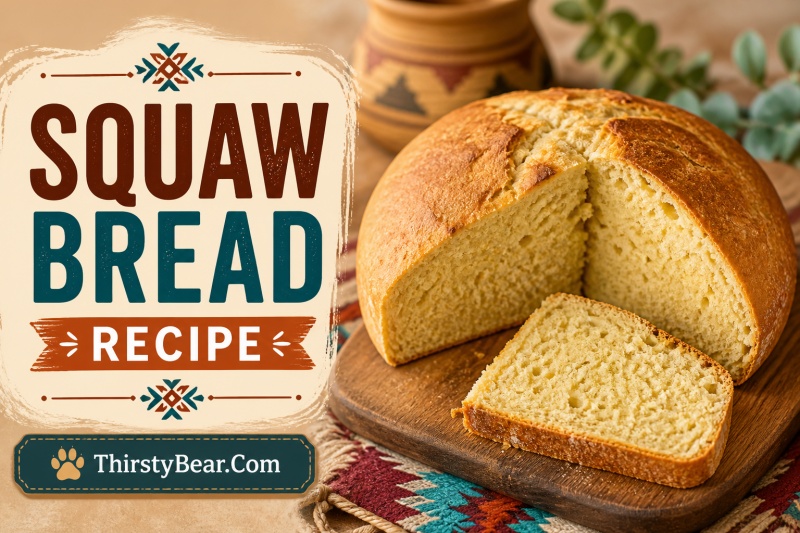
I still remember the first time I tasted squaw bread at Chart House as a kid. That basket of warm, dark loaves with their sweet molasses aroma and dense, hearty crumb felt like a special treat before dinner even started. Years later, I found myself craving that same nostalgic flavor and began testing recipes to recreate it at home.
This squaw bread recipe delivers that exact restaurant-style experience. You will learn how to combine whole wheat, rye flour, and molasses to create a loaf with the perfect balance of sweetness and earthiness. Whether you want to replicate Chart House bread, Outback Steakhouse’s honey wheat loaf, or simply bake something unique for your family, this guide walks you through every step.
By the end, you will have a dark, fragrant loaf with a tender crumb that stays fresh for days. The process takes about three hours from start to finish, including rising time, and yields two standard loaves perfect for sandwiches or serving alongside dinner.
Table of Contents
What Is Squaw Bread?
Squaw bread is a dark, sweet American bread made with whole wheat flour, rye flour, molasses, and honey. It features a dense yet tender crumb, deep brown color from the molasses and cocoa powder, and a distinctive sweet flavor that pairs perfectly with savory meals.
The bread gained popularity in American restaurants starting in the 1960s, most notably at Chart House restaurants where it became a signature appetizer bread. Outback Steakhouse later popularized a similar honey wheat loaf that many home bakers now try to replicate. Despite the name, the bread has no traditional Native American origins. The term has become controversial, and some restaurants now call it “German brown bread” or simply “brown bread.” I use the traditional name here because that is what people search for, but I want to acknowledge this history transparently.
Is Squaw Bread the Same as Brown Bread?
Squaw bread shares similarities with Boston brown bread but differs in key ways. Both use molasses for sweetness and color, but Boston brown bread is traditionally steamed rather than baked, giving it a softer, pudding-like texture. Squaw bread is baked in a loaf pan or free-form, creating a firmer crust and chewier texture suitable for slicing and sandwiches.
Is Squaw Bread the Same as Rye?
Squaw bread contains rye flour but is not the same as traditional rye bread. Classic rye bread relies primarily on rye flour, often with caraway seeds, and tends toward a sour flavor profile. Squaw bread uses rye flour as a supporting ingredient alongside whole wheat flour, with molasses and honey dominating the flavor. The result is sweeter, darker, and more complex than either plain wheat or rye bread.
Ingredients You Will Need
This squaw bread recipe uses pantry staples combined in specific proportions to achieve that signature restaurant taste. Each ingredient serves a purpose, from the molasses providing color and sweetness to the cocoa powder deepening the brown hue without adding chocolate flavor.
Complete Ingredient List
Dry Ingredients:
- 2 cups all-purpose flour
- 2 cups whole wheat flour
- 1 cup rye flour
- 2 tablespoons unsweetened cocoa powder
- 1 tablespoon active dry yeast
- 2 teaspoons salt
Wet Ingredients:
- 1 1/2 cups warm water (110-115 degrees F)
- 1/2 cup molasses
- 3 tablespoons honey
- 3 tablespoons vegetable oil or melted butter
- 1 large egg (optional, for richer texture)
Topping (Optional):
- 1 tablespoon cornmeal for dusting
Choosing Your Molasses
The type of molasses significantly affects your final flavor. Light molasses, produced after the first boiling of sugar cane, yields a milder, sweeter bread that most closely resembles restaurant versions. Dark molasses, from the second boiling, creates a more robust, less sweet loaf with stronger molasses character. Blackstrap molasses, from the third boiling, is too bitter for this recipe and should be avoided unless you specifically want an intense, almost bitter flavor profile. I recommend starting with light molasses for your first attempt.
Flour Substitutions
If you lack rye flour, substitute additional whole wheat flour, though you will lose some depth of flavor. For a lighter loaf, replace up to one cup of whole wheat flour with bread flour. Do not substitute all-purpose flour for the entire whole wheat amount, or you will lose the hearty texture that defines this bread.
How to Make Squaw Bread
This squaw bread recipe follows traditional yeast bread techniques with specific attention to the wet dough consistency that creates proper texture. Follow these steps exactly for best results.
Step 1: Proof the Yeast
Combine the warm water, molasses, and honey in a large bowl or the bowl of a stand mixer. Stir to dissolve the sweeteners, then sprinkle the yeast over the surface. Let stand for five to ten minutes until the mixture becomes foamy and smells yeasty. This step confirms your yeast is alive and ready to leaven the bread.
Step 2: Mix Dry Ingredients
In a separate bowl, whisk together the all-purpose flour, whole wheat flour, rye flour, cocoa powder, and salt. The cocoa powder is essential for achieving the dark brown color associated with restaurant squaw bread. Whisk thoroughly to distribute the cocoa and salt evenly.
Step 3: Combine Wet and Dry
Add the vegetable oil or melted butter to the yeast mixture. If using the egg, beat it lightly and add it now. Gradually add the dry ingredients to the wet mixture, stirring with a wooden spoon or dough hook until a shaggy, sticky dough forms. The dough should be tacky and wetter than typical bread dough. This moisture is essential for the tender crumb.
Step 4: Knead the Dough
Turn the dough onto a lightly floured surface. Knead for eight to ten minutes by hand, or five to six minutes with a stand mixer on medium speed. The dough will remain somewhat sticky but should become smooth and elastic. Add flour sparingly during kneading. Only add enough to prevent the dough from sticking to your hands or the counter. Over-flouring creates dense, dry bread.
Step 5: First Rise
Place the dough in a lightly oiled bowl, turning once to coat the surface. Cover with plastic wrap or a damp kitchen towel. Let rise in a warm, draft-free location for sixty to ninety minutes, or until doubled in size. Ideal rising temperature is between seventy-five and eighty-five degrees Fahrenheit. In cooler environments, rising takes longer. Be patient and let the dough fully double.
Step 6: Shape the Loaves
Punch down the risen dough to release air bubbles. Turn onto a lightly floured surface and divide in half. Shape each half into a loaf by patting into a rectangle approximately eight inches by twelve inches, then rolling tightly from the short end and pinching the seam closed. Place each loaf seam-side down into a greased 9×5 inch loaf pan. Alternatively, shape into free-form rounds and place on a cornmeal-dusted baking sheet.
Step 7: Second Rise
Cover the shaped loaves loosely with oiled plastic wrap or a damp towel. Let rise for forty-five to sixty minutes, until the dough crowns about one inch above the rim of the pan. This second rise develops flavor and ensures proper oven spring. Do not rush this step. Under-proofed bread will be dense and may split during baking.
Step 8: Bake
Preheat your oven to 350 degrees Fahrenheit. Position the rack in the center of the oven. Because squaw bread contains high sugar content from molasses and honey, it browns quickly and can burn. For best results, use glass or light-colored metal pans rather than dark nonstick pans. Bake for thirty-five to forty minutes, until the crust is dark brown and the internal temperature reaches 190 to 200 degrees Fahrenheit on an instant-read thermometer.
About halfway through baking, check the bread. If the crust is browning too quickly, tent loosely with aluminum foil for the remaining baking time. This prevents burning while allowing the interior to cook through.
Step 9: Cool
Remove the bread from the oven and immediately turn out onto a wire cooling rack. If the bread sticks, run a butter knife around the edges of the pan first. Let cool completely, at least one hour, before slicing. Cutting warm bread releases steam and can result in a gummy texture. The bread continues cooking internally as it cools.
Tips for Perfect Squaw Bread
After testing this squaw bread recipe multiple times and researching common complaints from home bakers, I have identified the key factors that separate good results from great ones.
Preventing Burnt Crust
The high sugar content in this bread makes it prone to burning. Use a glass or ceramic loaf pan, which browns more gently than dark metal. Check the bread at the twenty-five minute mark and cover with foil if the crust looks dark. Some bakers reduce the oven temperature to 325 degrees after the first fifteen minutes and extend baking time by five to ten minutes.
Achieving the Right Texture
The dough should remain tacky throughout kneading. If your bread turns out too dense, you likely added too much flour. Next time, resist the urge to add extra flour during kneading. Keep the dough slightly sticky, using a bench scraper to help handle it if needed. A wetter dough creates the open, tender crumb characteristic of restaurant squaw bread.
Rising Environment
Cold kitchens kill yeast activity. In winter months or air-conditioned spaces, create a warm proofing box by turning on your oven for sixty seconds, then turning it off and placing the covered dough inside. The oven light alone often provides enough warmth. Alternatively, place the dough on top of your refrigerator or near a heating vent.
Storage and Freezing
Store completely cooled bread in a paper bag at room temperature for up to three days. The paper allows the crust to stay crisp while preventing mold. For longer storage, wrap tightly in plastic wrap, then foil, and freeze for up to three months. Thaw at room temperature still wrapped, then unwrap and warm in a 350 degree oven for ten minutes to refresh the crust.
Squaw Bread Variations
Once you master the basic squaw bread recipe, try these adaptations to suit different needs and equipment.
Bread Machine Instructions
Halve this recipe for standard two-pound bread machines. Add wet ingredients first, then dry ingredients, with yeast last in a well on top of the flour. Select the whole wheat or basic cycle with a medium crust setting. Remove immediately after baking and cool on a wire rack. The full recipe is too large for most home bread machines and can overflow.
Dinner Rolls Version
Divide the dough into sixteen equal pieces after the first rise. Shape each into a tight ball by tucking edges underneath. Place on a parchment-lined baking sheet and let rise for thirty minutes. Bake at 375 degrees Fahrenheit for fifteen to eighteen minutes. Brush with melted butter immediately after removing from the oven for a soft, shiny crust.
Sourdough Variation
Replace one cup of the warm water with one cup of active sourdough starter. Reduce the instant yeast to one teaspoon. Extend the first rise to two hours, or refrigerate overnight for deeper flavor. The sourdough tang complements the molasses sweetness beautifully, creating a more complex loaf.
Vegan Adaptation
Substitute the egg with one flax egg (one tablespoon ground flaxseed mixed with three tablespoons water, let sit five minutes). Replace honey with maple syrup or additional molasses. Use vegetable oil instead of butter. The result is nearly indistinguishable from the original.
Frequently Asked Questions
What is squaw bread made of?
Squaw bread is made from a combination of all-purpose flour, whole wheat flour, and rye flour. The signature dark color and sweet flavor come from molasses, honey, and a small amount of cocoa powder. Active dry yeast provides leavening, while salt balances the sweetness. Optional ingredients include egg for richness and cornmeal for dusting the pan.
What is the secret to perfect squaw bread?
The secret is keeping the dough tacky and avoiding excess flour during kneading. Use light-colored or glass pans to prevent burning from the high sugar content. Allow full rising time for both rises, and tent with foil if the crust browns too quickly. Do not slice until completely cooled to prevent gummy texture.
Is squaw bread the same as brown bread?
Squaw bread is similar to brown bread but distinct. Boston brown bread is traditionally steamed, giving it a soft, pudding-like texture. Squaw bread is baked, creating a firmer crust and chewier crumb suitable for slicing. Both use molasses for sweetness and color, but squaw bread contains rye flour and honey for additional complexity.
Can squaw bread be made in a bread machine?
Yes, but halve the recipe for standard two-pound machines. Add wet ingredients first, then dry, with yeast last. Use the whole wheat cycle with medium crust setting. The full recipe produces too much dough for most home bread machines and may overflow during the rise cycle.
Conclusion
This squaw bread recipe brings restaurant-quality flavor into your home kitchen. By combining whole wheat and rye flours with molasses and honey, you create a loaf that rivals Chart House or Outback Steakhouse bread. The key is patience during rising and resisting the urge to add extra flour during kneading.
Try this recipe this weekend and experience that nostalgic flavor for yourself. The dense, sweet crumb pairs perfectly with butter for dinner, makes excellent sandwich bread, and stays fresh for days. Once you master the basic version, experiment with the sourdough or dinner roll variations to expand your baking repertoire.