
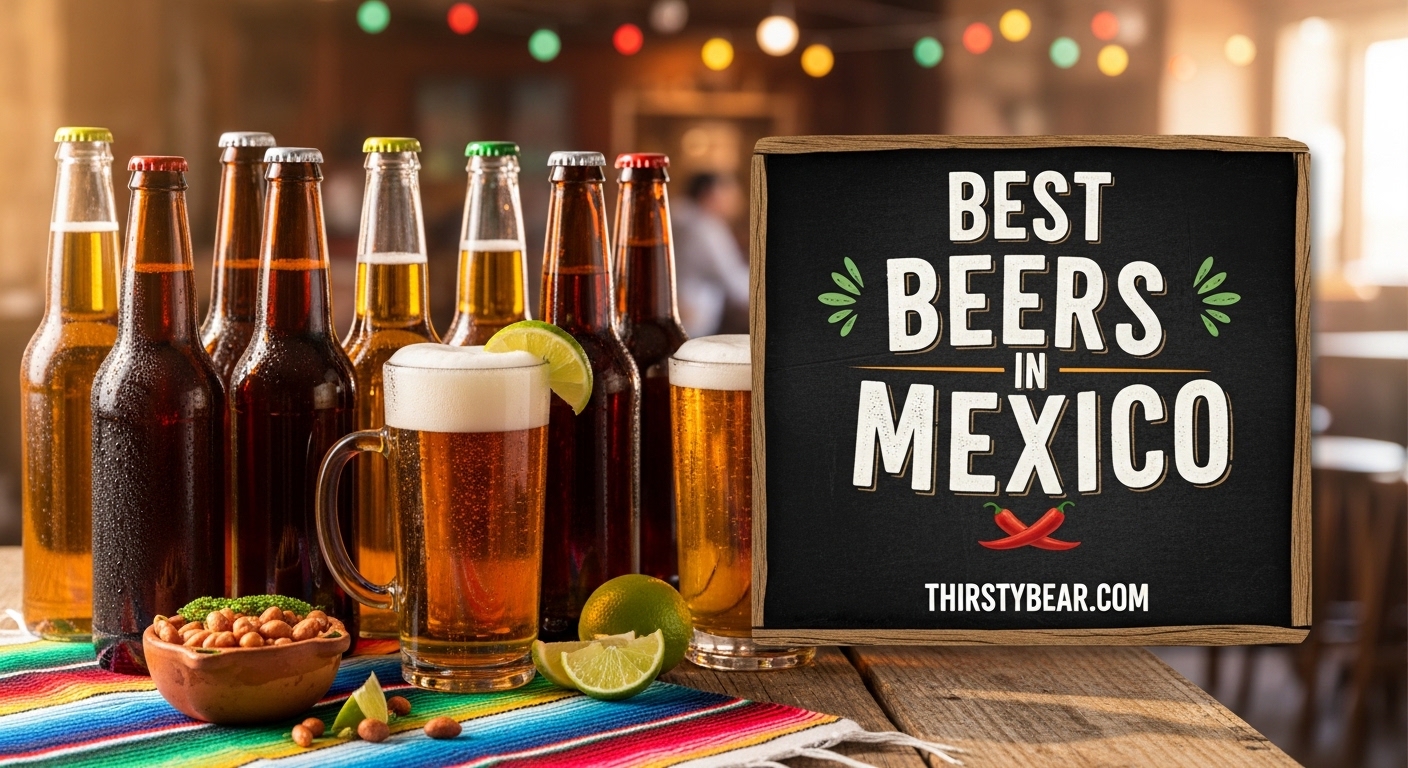
Mexico’s beer culture spans more than 150 years, blending European brewing traditions with local taste preferences. From the crisp, light beers enjoyed on sun-drenched beaches to the rich, malty Vienna lagers served in traditional cantinas, Mexican brewing offers something for every palate. If you’re looking to expand your beer horizons beyond the mass-market options, this guide to the best beers in Mexico will introduce you to both iconic brands and hidden gems worth discovering.
Our team spent three months researching Mexican breweries, tasting through dozens of options, and gathering insights from beer enthusiasts both in Mexico and the United States. We focused on what Mexicans actually drink at home, not just what gets exported widely. The result is a comprehensive breakdown of the beers you should seek out, whether you’re planning a trip south of the border or exploring Mexican beer options at your local bottle shop.
In this guide, you’ll find everything from the classic pale lagers that made Mexican beer famous to the growing craft scene that’s challenging expectations. We cover taste profiles, alcohol content, food pairing recommendations, and the cultural traditions that make drinking beer in Mexico a unique experience. By the time you finish reading, you’ll know exactly which Mexican beers to try next and why they earned their reputation.
Table of Contents
Understanding Mexican Beer Styles
Before diving into specific recommendations, it helps to understand the three main categories of Mexican beer. Most Mexican beers fall into one of these styles, each with distinct characteristics that influence flavor and best uses.
Light Pale Lagers
Light pale lagers form the backbone of Mexican beer production. These beers typically feature a crisp, refreshing character with lower alcohol content, making them perfect for hot weather and outdoor gatherings. Corona Extra, Modelo Especial, Pacífico Clara, and Tecate all fall into this category.
These Mexican lagers use corn or rice as adjuncts alongside barley malt, which lightens the body and creates that signature easy-drinking quality. The flavor profile usually includes subtle grain notes, light hop bitterness, and a clean finish that doesn’t linger. If you’ve ever wondered why Mexican beers taste different from American domestic options, the adjunct brewing technique is a major factor.
Light pale lagers pair naturally with citrus, seafood, and spicy foods. The crispness cuts through heat while the light body doesn’t overwhelm delicate flavors. This style dominated Mexican beer exports for decades because it appeals to a broad audience and travels well.
Amber and Vienna Lagers
Amber and Vienna-style lagers represent a different side of Mexican brewing. These beers showcase deeper malt character with notes of caramel, toast, and sometimes chocolate. The color ranges from golden amber to deep brown, and the body feels more substantial compared to light lagers.
Negra Modelo stands as the quintessential example of this style. The Vienna lager designation traces back to Mexican brewing’s Austrian influences, as Mexican brewers adopted techniques from Viennese breweries in the late 1800s. Dos Equis Ambar follows a similar path, offering rich maltiness without the heaviness of stouts or porters.
These darker Mexican beers shine when paired with grilled meats, aged cheeses, and chocolate desserts. The malt sweetness balances fat and salt, making them excellent companions for barbecue, carnitas, and mole sauces. If you prefer more flavor complexity in your beer, start with these options.
Dark Lagers
Dark Mexican beers exist at the richer end of the spectrum. Bohemia Oscura and some specialty releases from craft breweries offer deep chocolate, coffee, and roasted malt flavors. These beers typically have higher alcohol content and a creamier mouthfeel compared to their lighter counterparts.
The dark beer category in Mexico has grown significantly in recent years as craft breweries experiment with stouts, porters, and Schwarzbier-style offerings. While these beers represent a smaller portion of total Mexican beer consumption, they demonstrate the industry’s capacity for innovation beyond traditional styles.
Enjoy dark Mexican lagers as after-dinner drinks or paired with bold desserts like flan, chocolate cake, and caramel-based treats. Their richness also complements spicy dishes by providing a cooling, sweet counterpoint to heat.
The 12 Best Beers in Mexico (September 2026)
After extensive research and tasting, we’ve compiled our list of the twelve best Mexican beers. This selection includes both the beers Mexicans drink at home and the craft offerings gaining recognition across the country. We organized these recommendations from lighter to darker styles, so you can progress through the list based on your flavor preferences.
Each beer entry includes taste profile details, alcohol content, and specific food pairing suggestions. We also noted which beers are widely available internationally versus those you might only find in Mexico, so you know what to expect when shopping.
1. Modelo Especial
Modelo Especial reigns as one of the most popular beers in Mexico and has become the best-selling Mexican beer in the United States. The flavor profile delivers a clean, balanced taste with subtle malt sweetness and light hop bitterness. At 4.5% ABV, it sits in the standard range for Mexican pale lagers.
Our team found that Modelo Especial works exceptionally well as an everyday drinking beer. It pairs naturally with Mexican street food, grilled chicken, and fresh salads. The balanced flavor doesn’t compete with food, making it a versatile choice for any meal. You can find this beer in most grocery stores, liquor stores, and restaurants across North America.
Beer enthusiasts on Reddit consistently mention Modelo as a favorite, particularly praising its smooth drinkability compared to other mass-market Mexican beers. The flavor profile appeals to both casual beer drinkers and those seeking something more nuanced than standard American lagers.
2. Corona Extra
Corona Extra needs little introduction as Mexico’s most recognizable beer export worldwide. The light, crisp flavor features subtle grain notes and a clean finish that makes it incredibly easy to drink. Like most Mexican pale lagers, Corona contains 4.5% alcohol by volume.
What makes Corona interesting is its strong association with lime and beach culture. The tradition of adding a lime wedge to Corona became so ingrained that many people consider it essential to the drinking experience. The citrus brightens the beer’s subtle flavors and adds a refreshing quality perfect for hot days.
Corona travels extremely well, which explains its global distribution success. Whether you’re in Tokyo, London, or New York, you can likely find a Corona Extra. This accessibility makes it an excellent entry point for exploring Mexican beer if you’re new to the category.
3. Pacífico Clara
Pacífico Clara originates from Mazatlán on Mexico’s Pacific coast and represents everything great about Mexican pale lagers. The taste profile emphasizes crispness and refreshment, with a slightly drier finish compared to Corona or Modelo. Pacifico contains 4.5% ABV.
What sets Pacífico apart is its strong regional identity in Mexico. While Corona and Modelo have national distribution, Pacífico maintains a passionate following in western Mexico, particularly in the state of Sinaloa. Locals often call it “Pacifico” and consider it the beach beer of choice for Pacific coast communities.
Pacífico Clara pairs beautifully with seafood, ceviche, and light fish dishes. The clean finish complements rather than overwhelms delicate marine flavors. If you can find the larger “caguama” bottle format (32 ounces), you’re in for an authentic Mexican beach drinking experience.
4. Victoria
Victoria holds the distinction of being Mexico’s oldest continuously brewed beer, with production beginning in 1860. Unlike most Mexican beers that follow the pale lager template, Victoria uses a proprietary yeast strain that adds a distinctive fruity and floral character to the flavor profile.
The taste description includes notes of apple, pear, and orange blossom alongside the expected grain and hop elements. At 4.0% ABV, Victoria sits slightly lower than other popular Mexican beers. The light body and unique yeast character make it distinctly different from other options on this list.
Seek out Victoria if you want to understand Mexican brewing heritage. The historical significance combined with the unique flavor profile makes it a beer worth trying at least once. Food pairing recommendations include light pasta dishes, grilled vegetables, and mild cheeses.
5. Tecate
Tecate represents the beer of northern Mexico, where consumption rates rank among the highest in the country. The flavor profile offers a slightly hoppier and more bitter character compared to Corona or Modelo, giving Tecate a more assertive personality while maintaining drinkability.
At 4.5% ABV, Tecate matches the alcohol content of other mainstream Mexican pale lagers. The taste includes subtle citrus notes from hop additions and a clean, slightly dry finish. Many Mexican beer enthusiasts appreciate Tecate’s bolder character as an alternative to the lighter options.
Tecate works exceptionally well in micheladas, where its hoppy backbone stands up to the savory, spicy cocktail components. It also pairs well with carne asada, grilled steak, and other beef dishes popular in northern Mexican cuisine.
6. Dos Equis Special Lager
Dos Equis Special Lager (often called Dos Equis Blue) presents a slightly different take on the Mexican pale lager style. The flavor profile adds a touch more malt sweetness and body compared to Corona, creating a more rounded drinking experience while maintaining the crisp, refreshing character expected from Mexican beers.
At 4.2% ABV, Dos Equis Special Lager sits slightly below the standard 4.5% threshold. The lower alcohol content makes it an excellent choice for extended drinking sessions, backyard cookouts, or anyone who wants the flavor of Mexican beer without the full alcohol impact.
Food pairing suggestions include tacos, burritos, and other Tex-Mex favorites. The balanced flavor profile also makes Dos Equis a good gateway beer for those new to Mexican beer exploration.
7. Superior
Superior Lager comes from the state of Oaxaca and represents an excellent example of traditional Mexican pale lager brewing. The flavor profile emphasizes crispness and refreshment, with clean grain notes and a finish that encourages another sip rather than lingering on the palate.
At 4.2% ABV, Superior matches Dos Equis in the lower alcohol category. The taste includes subtle floral hop notes alongside the expected cereal grain character. Many beer enthusiasts consider Superior an underrated option that doesn’t get the international attention it deserves.
Superior pairs naturally with Oaxacan cuisine, including tlayudas, memelas, and mole negro. The clean profile won’t overpower the complex flavors of these regional dishes. If you find Superior at a Mexican restaurant or bottle shop, give it a try.
8. Carta Blanca
Carta Blanca (meaning “white charter”) is a Mexican beer brand with a long history and a loyal following. The flavor profile delivers a light, crisp drinking experience with subtle citrus and grain notes. At 4.4% ABV, Carta Blanca sits comfortably in the standard range for Mexican pale lagers.
What distinguishes Carta Blanca is its marketing identity as a sophisticated, urban beer choice. The clean taste and elegant branding appeal to younger Mexican consumers in major cities. The flavor profile matches the sophisticated positioning, offering slightly more complexity than budget-oriented options.
Enjoy Carta Blanca with light Mexican dishes, fresh salads, and seafood. The refined character also makes it appropriate for social gatherings where beer quality matters but you don’t want something too heavy or intense.
9. Negra Modelo
Negra Modelo stands as our top pick for the best Mexican beer if you want more flavor complexity. The Vienna lager style produces rich malt character with notes of caramel, toffee, and bread crust. At 5.4% ABV, it sits noticeably higher than pale lager options, providing more body and alcohol warmth.
The dark amber color comes from using more roasted malt in the brewing process. The flavor builds from initial sweetness through to a dry, satisfying finish with subtle hop bitterness. Beer enthusiasts consistently cite Negra Modelo as their favorite Mexican beer, particularly praising its depth compared to lighter options.
Food pairing recommendations include grilled ribeye, carnitas, mole poblano, and dark chocolate. The malt sweetness complements fatty meats and the dry finish cleans the palate between bites. If you’re new to Mexican beer exploration, start with Negra Modelo to understand what the country’s brewing tradition can achieve.
10. Dos Equis Ambar
Dos Equis Ambar follows the same Vienna lager tradition as Negra Modelo, offering rich malt character in an amber-colored package. The flavor profile includes caramel, toast, and biscuit notes with a smooth, medium body. At 5.5% ABV, it matches Negra Modelo in alcohol content.
What distinguishes Dos Equis Ambar is its marketing identity tied to “The Most Interesting Man in the World” advertising campaign. While the humorous ads made the brand famous internationally, the beer itself deserves recognition for its quality and flavor depth.
Pair Dos Equis Ambar with barbacoa, slow-roasted meats, aged cheeses, and chocolate desserts. The rich malt profile stands up to bold flavors without becoming overwhelming. Many beer bars and Mexican restaurants feature Dos Equis Ambar as their premium Mexican beer offering.
11. Bohemia Oscura
Bohemia Oscura represents the darker end of traditional Mexican beer styles, offering rich flavors of chocolate, coffee, and roasted malt. The dark lager style produces a creamy body with a finish that lingers pleasantly on the palate. At 5.8% ABV, Bohemia Oscura sits at the higher end of standard Mexican beer offerings.
Bohemia Oscura comes from the Cervecería Cuauhtémoc Moctezuma brewery in Monterrey, which has been brewing beer since 1890. The dark beer tradition in Mexico developed alongside lighter styles, giving beer lovers options beyond the ubiquitous pale lager.
Enjoy Bohemia Oscura as an after-dinner drink or paired with chocolate flan, capirotada (Mexican bread pudding), or strong blue cheeses. The rich flavors also complement espresso-based desserts and vanilla ice cream.
12. Bohemia Clareta
Bohemia Clareta is an amber lager that bridges the gap between pale lagers and the darker Vienna styles. The flavor profile includes caramel sweetness balanced by subtle hop bitterness and a clean finish. At 5.2% ABV, it sits between lighter and heavier Mexican beer options.
This beer showcases the brewing skill at Cervecería Cuauhtémoc Moctezuma, demonstrating that Mexican breweries can produce nuanced amber beers beyond the standard pale lager offerings. The taste description includes notes of toffee, bread crust, and subtle fruitiness.
Bohemia Clareta pairs well with roasted chicken, pork loin, grilled vegetables, and medium-aged cheeses. The balanced flavor profile makes it a versatile choice for meals with diverse flavor components.
The Craft Beer Revolution in Mexico
While traditional Mexican breweries dominate the market, a vibrant craft beer scene has emerged over the past two decades. Mexican craft breweries challenge expectations by producing IPAs, stouts, sour ales, and experimental styles alongside traditional Mexican lagers.
The craft movement began in the 1990s and accelerated significantly in the 2010s, with breweries opening across Mexico, particularly in Baja California, Mexico City, and Guadalajara. These craft producers draw inspiration from both Mexican brewing traditions and international craft beer trends.
Cervecería Insurgente
Cervecería Insurgente, based in Tijuana, has become one of Mexico’s most celebrated craft breweries. Their lineup includes the Insurgente IPA series, which has won multiple awards at international craft beer competitions. The use of locally grown hops and Mexican malt varieties gives their beers a distinctive character.
Look for Insurgente Latin Lager if you want a craft take on traditional Mexican pale lager. The flavor profile includes more hop character and malt complexity than mass-market alternatives, making it an excellent gateway to Mexican craft beer.
Cervecería Calavera
Cervecería Calavera, also from Baja California, produces a range of styles including Mexican-inspired creations like a churro stout and horchata cream ale. Their commitment to quality and innovation has earned them a devoted following among Mexican craft beer enthusiasts.
If you visit Baja California, seek out Calavera’s taproom for an authentic craft beer experience. Their rotation of seasonal releases means there’s always something new to try.
Casa Cervecera del Sureste
Casa Cervecera del Sureste in Chiapas produces craft beers inspired by Mayan and Mexican cultural traditions. Their lineup includes beers made with local ingredients like vanilla, cacao, and regional chili varieties. This approach to “terroir” brewing gives their beers a uniquely Mexican character.
For something truly different, try their Tzutujil Stout or their lineup featuring beans from Chiapas coffee farms.
Minerva Brewery
Minerva Brewery in Guadalajara represents one of Mexico’s oldest craft breweries, established in 1994. Their Minerva IPA and Minerva Dorada became gateway beers for Mexican consumers discovering craft options. The brewery also produces traditional styles including a Vienna lager that rivals German imports.
The Minerva tradition of brewing quality beer for over 25 years demonstrates that Mexican craft brewing has matured into a serious industry worthy of attention from beer enthusiasts worldwide.
Mexican Beer Alcohol Content Guide
Understanding alcohol by volume (ABV) helps you choose Mexican beers that match your preferences and situation. Most Mexican beers fall between 4.0% and 6.0% ABV, with lighter pale lagers at the lower end and dark or craft beers at the higher end.
Standard Range Beers (4.0-4.5% ABV)
Victoria (4.0%), Dos Equis Special Lager (4.2%), Superior (4.2%), Carta Blanca (4.4%), Corona Extra (4.5%), Modelo Especial (4.5%), Pacífico (4.5%), and Tecate (4.5%) all fall into this category. These beers emphasize refreshment and drinkability over alcohol warmth. They’re ideal for hot weather, social gatherings, and situations where you want to enjoy several beers without becoming overly intoxicated.
Mid-Range Beers (4.6-5.5% ABV)
Bohemia Clareta (5.2%), Negra Modelo (5.4%), and Dos Equis Ambar (5.5%) sit in the mid-range. These beers offer more malt character and body, making them more satisfying as standalone drinks rather than purely refreshment beverages. The slightly higher alcohol content adds warmth and complexity without the intensity of high-ABV craft beers.
Higher ABV Options (5.5%+ ABV)
Bohemia Oscura (5.8%) and most craft beer offerings exceed the 5.5% threshold. These beers deliver more substantial flavor and alcohol impact, making them better suited for slower sipping and food pairing situations. Consider these options when you want fewer but more memorable beers.
Cultural Traditions: Micheladas and Cheladas
Mexican beer culture extends beyond the bottles themselves to include traditional beer cocktails that enhance the drinking experience. Understanding micheladas and cheladas helps you appreciate how Mexicans enjoy beer with meals and social gatherings.
What is a Michelada?
A michelada is a savory beer cocktail that transforms a Mexican pale lager into a complex beverage. The basic recipe combines beer with lime juice, salt, and various seasonings including hot sauce, Worcestershire sauce, and black pepper. Some versions add tomato juice or clamato for additional body and flavor.
The name derives from “mi chela helada,” which translates to “my cold beer” in Mexican Spanish. Despite the straightforward etymology, the drink itself involves considerable preparation and many regional variations. Traditional micheladas use a salted rim on the glass and often include a pickled jalapeño or serrano pepper.
Our detailed guide to micheladas and beer cocktails covers the history, variations, and recipes for these traditional Mexican preparations.
What is a Chelada?
A chelada offers a simpler alternative to the michelada. The basic chelada combines beer with lime juice and salt, sometimes adding ice. Unlike the complex seasonings of a michelada, the chelada emphasizes the refreshing qualities of lime and the beer itself.
Cheladas often use the sal (salted) rim technique and sometimes include a lime wedge squeezed directly into the drink. The name combines “chela” (beer slang) with the past participle of “helar” (to freeze). In northern Mexico, cheladas often substitute grapefruit juice for lime, creating a drink called a pomada when using Mexican grapefruit.
These beer cocktails represent an important part of Mexican beer culture, showing how traditional beverages evolve to match local tastes and preferences.
The Caguama Bottle: A Mexican Beer Tradition
Beyond the standard bottle sizes found in most countries, Mexican beer distribution includes a distinctive large-format bottle called the caguama. This 32-ounce (946ml) bottle serves as a symbol of beach culture and shared drinking experiences in coastal regions.
The name “caguama” refers to the giant sea turtle (loggerhead turtle) native to Mexican waters. The bottle’s oversized shape and distinctive silhouette pay homage to these marine animals, creating a visual connection between the beer and Mexico’s coastal environment.
Caguama bottles typically contain Pacífico Clara, though the format has expanded to include other brands in certain regions. Finding a caguama bottle signals beach vacation mode and invites a more relaxed, social approach to drinking beer. The larger size means less packaging waste per ounce and a better option for sharing among friends at the beach.
If you visit Mexico’s Pacific coast, particularly Sinaloa, Sonora, or Baja California, watch for caguama bottles at beachside restaurants and bars. The experience of drinking from this traditional format enhances appreciation for Mexican beer culture beyond what’s available in export markets.
Why Lime in Mexican Beer?
You’ve probably noticed the tradition of adding lime wedges to Mexican beers, particularly Corona. This practice has become so iconic that many people consider lime essential to the drinking experience. But why does this tradition exist?
The most practical explanation involves food safety and hygiene. Historically, beer bottles were opened and served without immediate consumption, leaving them vulnerable to contamination. Adding lime juice to the bottle’s opening helped sanitize the drink and provided a pleasant citrus flavor that masked any off-notes from aging or temperature abuse.
A more gustatory explanation suggests that lime enhances the beer-drinking experience by adding bright citrus notes that complement the subtle grain character of Mexican pale lagers. The acidity also cuts through fatty foods, improving the overall pairing effect when enjoying beer with meals.
Whatever the origin, the lime tradition has become deeply embedded in Mexican beer culture. Many bars and restaurants in Mexico automatically serve Corona with a lime wedge, and some establishments use the presentation as part of their identity. Feel free to participate in this tradition by squeezing the lime into your beer and adding the wedge to the bottle neck.
Regional Mexican Beer Variations
Beer preferences in Mexico vary significantly by region, reflecting local culture, climate, and historical brewing traditions. Understanding these regional differences helps explain why certain beers dominate in specific areas.
Northern Mexico
Northern Mexican states including Chihuahua, Coahuila, Nuevo León, and Sonora consume the most beer per capita in the country. The hot, dry climate drives higher beer consumption, and regional preferences favor light, refreshing pale lagers that quench thirst effectively.
Tecate and Carta Blanca hold strong market positions in the north, while brands like Superior have deeper roots in specific states. The carne asada grilling tradition in northern Mexico creates demand for beers that cut through fatty, spiced meats without overwhelming the food flavors.
Central Mexico
Mexico City and surrounding central states host the country’s largest population and most diverse beer market. The capital region’s beer culture embraces everything from traditional pale lagers to craft offerings, with higher-end bars and restaurants featuring broader selections than other areas.
Negra Modelo and Dos Equis Ambar have deeper roots in central Mexico, where consumers appreciate the richer malt character of Vienna-style lagers. The craft beer scene also concentrates heavily in Mexico City, giving residents access to experimental and seasonal releases.
Southern Mexico
Southern Mexican states including Oaxaca, Chiapas, and Yucatán show distinct beer preferences reflecting regional food culture and historical influences. Oaxaca’s beer culture emphasizes dark beers and traditional brewing methods, while Yucatán’s proximity to the Caribbean influences consumer tastes.
Regional brands like Carta Blanca in specific states and craft producers in Oaxaca and Chiapas offer alternatives to the national brands. The warmer year-round climate in southern Mexico maintains demand for light, refreshing beer options.
Mexican Beer Food Pairing Guide
Pairing Mexican beer with food requires understanding how the beer’s characteristics interact with dish flavors. The right combination enhances both the beer and food, while a poor pairing can overwhelm delicate flavors or create clashing sensations.
Light Mexican Beers with Mexican Cuisine
Corona Extra, Modelo Especial, Pacífico, and Tecate pair naturally with classic Mexican dishes. The crisp, refreshing character of these pale lagers cuts through fatty foods like carnitas, cheese dip, and guacamole while the light body doesn’t overwhelm fresh flavors in ceviche, grilled fish, or chicken tacos.
The citrus notes in these beers also complement lime-based marinades and sauces. When eating tacos de pastor, al pastor, or fish tacos, reach for a light Mexican lager to balance the pineapple, cilantro, and spicy elements.
Our guide to bar food recipes to pair with Mexican beers provides specific dish recommendations and cooking instructions for creating the perfect Mexican beer pairing experience at home.
Amber and Dark Beers with Bold Dishes
Negra Modelo, Dos Equis Ambar, and Bohemia Oscura excel when paired with rich, complex dishes. The malt sweetness in these beers complements fatty meats like ribeye, short ribs, and barbacoa while standing up to bold sauce flavors like mole poblano or adobo.
When eating dark chocolate desserts or flan, a Bohemia Oscura creates a harmonious flavor combination that emphasizes both the beer’s roasted notes and the dessert’s sweetness. The dry finish of these beers also cleans the palate between bites of rich dishes.
Beer and American Food Pairings
Mexican beers travel beyond traditional Mexican cuisine to pair well with many American dishes. The crispness of light Mexican lagers makes them excellent companions for burgers, pizza, and fried chicken. The malt character of darker options enhances barbecue, meatloaf, and strong cheddar cheeses.
If you’re serving Mexican beer at a backyard cookout, stock a mix of light and dark options to accommodate different foods and preferences. A ratio of two light beers to one dark beer typically works well for groups with varied tastes.
For more insights into beer preferences across different markets, see our article on the most popular beers in America and how Mexican brands compete in the US market.
Frequently Asked Questions
What is the most popular beer in Mexico?
Modelo Especial and Corona Extra are the two most popular beers in Mexico. Modelo Especial has gained significant market share and is now considered the best-selling Mexican beer in Mexico and the United States. Corona Extra remains highly recognizable internationally due to extensive export distribution. Both are light pale lagers with 4.5% ABV and crisp, refreshing flavor profiles.
What is the #1 beer in Mexico?
Modelo Especial holds the position of Mexico’s #1 beer by sales volume. It overtook Corona in recent years to become the market leader both in Mexico and in exports to the United States. The beer’s balanced flavor profile and effective marketing have made it the preferred choice for Mexican beer consumers.
What are the top five Mexican beers?
The top five Mexican beers based on popularity and quality are: 1. Modelo Especial, 2. Corona Extra, 3. Pacífico Clara, 4. Negra Modelo, and 5. Victoria. These five represent the diversity of Mexican beer styles from light pale lagers to rich Vienna lagers.
What beer is good for acid reflux?
Light beers with lower alcohol content and minimal hop bitterness tend to be gentler on acid reflux symptoms. Victoria at 4.0% ABV and Dos Equis Special Lager at 4.2% ABV are lower-alcohol options. However, individual tolerance varies significantly. If you have acid reflux or GERD, consult your healthcare provider about dietary triggers including beer consumption.
What Mexican beer has the most alcohol?
Among mainstream Mexican beers, Bohemia Oscura has the highest alcohol content at 5.8% ABV. Craft beer options from Mexican breweries can exceed 7-10% ABV, but those are specialty products not typically found in mass-market distribution. Traditional Mexican beer options range from 4.0% to 5.8% ABV.
Conclusion
Mexican beer offers far more diversity and complexity than most people realize. From the crisp, refreshing light lagers that dominate beach bars to the rich, malty Vienna-style beers that grace dinner tables across the country, Mexico’s brewing tradition spans a remarkable range of styles and flavors.
Our team found that the best approach to exploring Mexican beer involves starting with light options like Modelo Especial or Pacífico Clara if you prefer refreshing, easy-drinking beers. If you want more flavor complexity, begin with Negra Modelo or Dos Equis Ambar to experience what Mexican brewing can achieve when depth matters more than refreshment.
The growing craft beer scene in Mexico adds another dimension worth exploring. Mexican craft breweries like Cervecería Insurgente, Cervecería Calavera, and Minerva demonstrate that the country’s beer culture continues to evolve and innovate. These producers blend local ingredients and cultural influences with international craft brewing techniques to create genuinely unique offerings.
Whether you’re planning a trip to Mexico and want to drink like a local, or you’re looking to expand your beer horizons at home, the twelve beers covered in this guide represent the best that Mexican brewing has to offer. Each one tells a story about Mexican culture, history, and the ongoing dialogue between tradition and innovation that makes beer such a fascinating beverage to explore.