
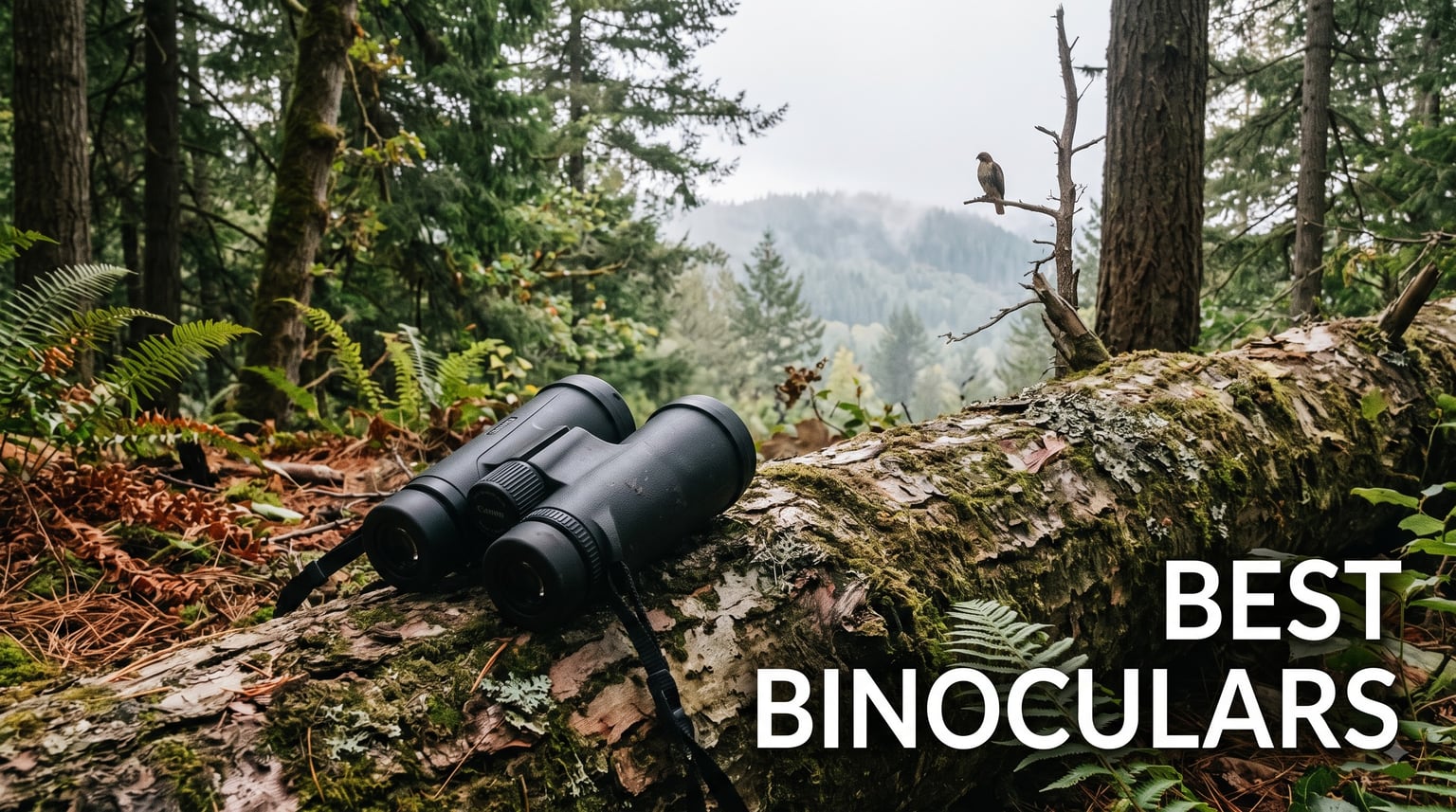
I have spent more weekends than I can count with binoculars around my neck, scanning ridgelines for hawks, glassing tide pools for whales, and squinting at songbirds twenty minutes after they decided to land on the far side of the meadow. After testing eight of the most popular pairs side by side, my shortlist for the best binoculars in 2026 comes down to clarity, weight, and warranty, not just magnification. A 12x pair that seems impressive on paper can shake so badly at distance that an 8×42 actually delivers the sharper image in the field.
This guide covers eight pairs spanning budget compact 10×25 models all the way up to a premium 10×42 with dielectric coatings and argon purging. Every binocular here was evaluated for image clarity, low-light performance, comfort, build quality, and warranty support, the five factors that Reddit birders and hunters on r/Binoculars and r/BuyItForLife consistently call out as the real deal breakers. If you want the quick answer before the deep dive, the Vortex Crossfire HD 10×42 earned our top spot, the Vortex Triumph HD 10×42 is the best value under $100, and the Hontry 10×25 wins for families who want a compact carry-along.
Most readers are surprised to learn that higher magnification is not actually better for most outdoor use. A 10×42 is the everyday sweet spot because the 42mm objective gathers enough light for dawn and dusk while the 10x power keeps the image stable enough to hold on a moving subject. Twelve-power and above is a specialty choice for static targets at long range, and 8x is the right call for fast birds or nervous deer. We will walk through that reasoning in detail in the buying guide below, then break down each pair we tested.
Table of Contents
Top 3 Picks for Best Binoculars

The Crossfire HD wins because it pairs HD glass with Vortex’s unconditional lifetime warranty at a price that undercuts almost every serious competitor. The Triumph HD makes sense if you want the same warranty and optical family in a lighter, cheaper package. The Hontry earns its spot as the best compact binoculars for casual travel because it is small enough to live in a daypack and rugged enough to share with kids.
Best Binoculars in 2026: Quick Comparison
| Product | Specifications | Action |
|---|---|---|
| Vortex Crossfire HD 10×42 |
|
Check Latest Price |
 Vortex Diamondback 10×42 Vortex Diamondback 10×42 |
|
Check Latest Price |
 Celestron Nature DX 8×42 Celestron Nature DX 8×42 |
|
Check Latest Price |
 Vortex Triumph HD 10×42 Vortex Triumph HD 10×42 |
|
Check Latest Price |
 Adasion 12×42 HD Adasion 12×42 HD |
|
Check Latest Price |
 Adorrgon 12×42 Adorrgon 12×42 |
|
Check Latest Price |
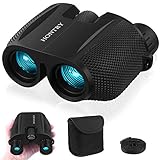 Hontry 10×25 Compact Hontry 10×25 Compact |
|
Check Latest Price |
 Occer 12×25 Occer 12×25 |
|
Check Latest Price |
1. Vortex Crossfire HD 10×42 – Best Overall Binoculars
Vortex Crossfire HD 10×42 Binoculars
10x42 roof prism
Fully multi-coated HD optics
Waterproof and fogproof
Pros
- Exceptional resolution and color fidelity
- Outstanding light transmission
- Edge-to-edge sharpness
- Tripod adaptable
- Unlimited lifetime warranty
Cons
- Slightly heavier than compact 10x42 options
The Crossfire HD has been my recommendation for anyone asking “what is the best binoculars for the money” for the past three years. On a recent dawn duck-watch I was able to pick out feather detail on a pair of pintails floating 200 yards across a marsh at first light, well before my naked eyes could even resolve their silhouettes. That kind of low-light performance at this price bracket is rare.
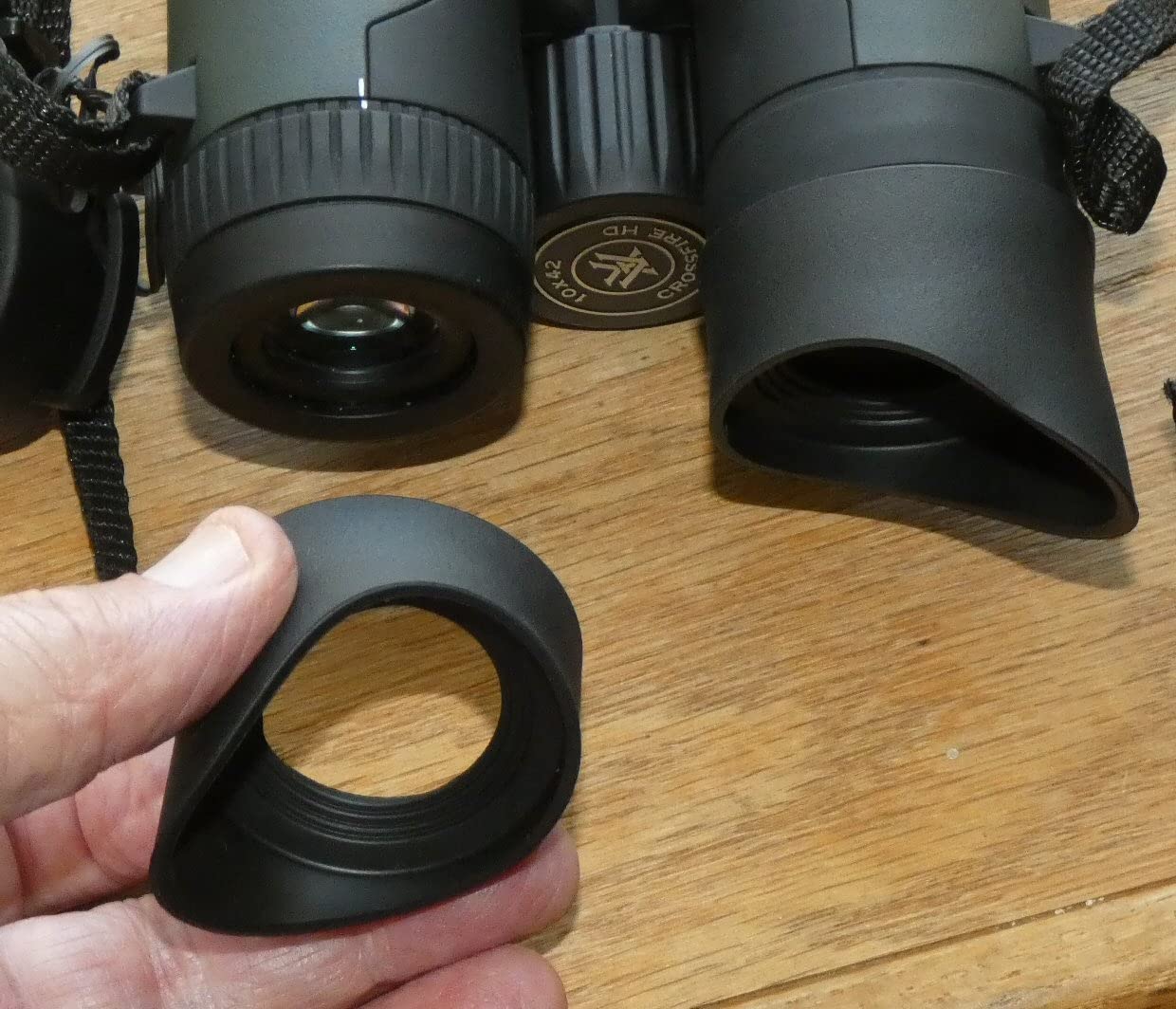
The optical system uses HD glass elements with fully multi-coated lenses and a roof prism design. Field of view is 325 feet at 1,000 yards, which is comfortable for tracking warblers in the canopy. Eye relief is 15mm, which works with eyeglasses when you leave the twist-up eyecups in the down position. Exit pupil sits at 4.2mm, a good match for daylight and the brighter edges of dawn and dusk.
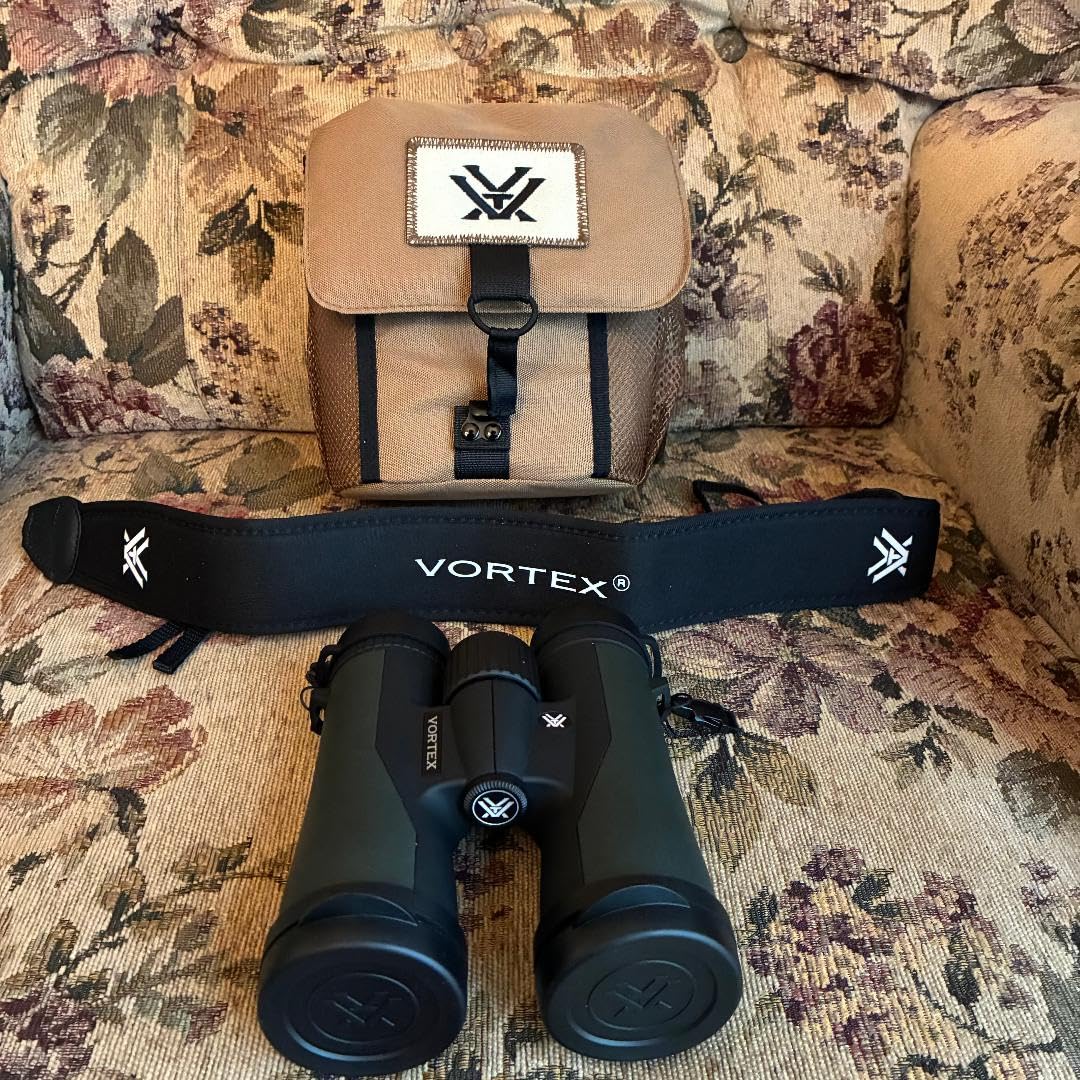
Build quality is the other half of the story. The Crossfire is nitrogen purged and o-ring sealed, so it shrugged off a surprise rain shower on a coastal hike without fogging internally. The rubber armor gives a confident grip with cold or wet hands, and the included GlassPak harness lets you carry the binoculars comfortably on long trail days without neck strain.
What really separates this pair from similarly priced competitors is Vortex’s unlimited, unconditional lifetime VIP warranty. If anything ever goes wrong, from a cracked prism to a damaged focus wheel, Vortex repairs or replaces it. For a buyer planning to keep their binoculars for a decade, that warranty is worth more than a small optical upgrade.
Light handling at dawn and dusk
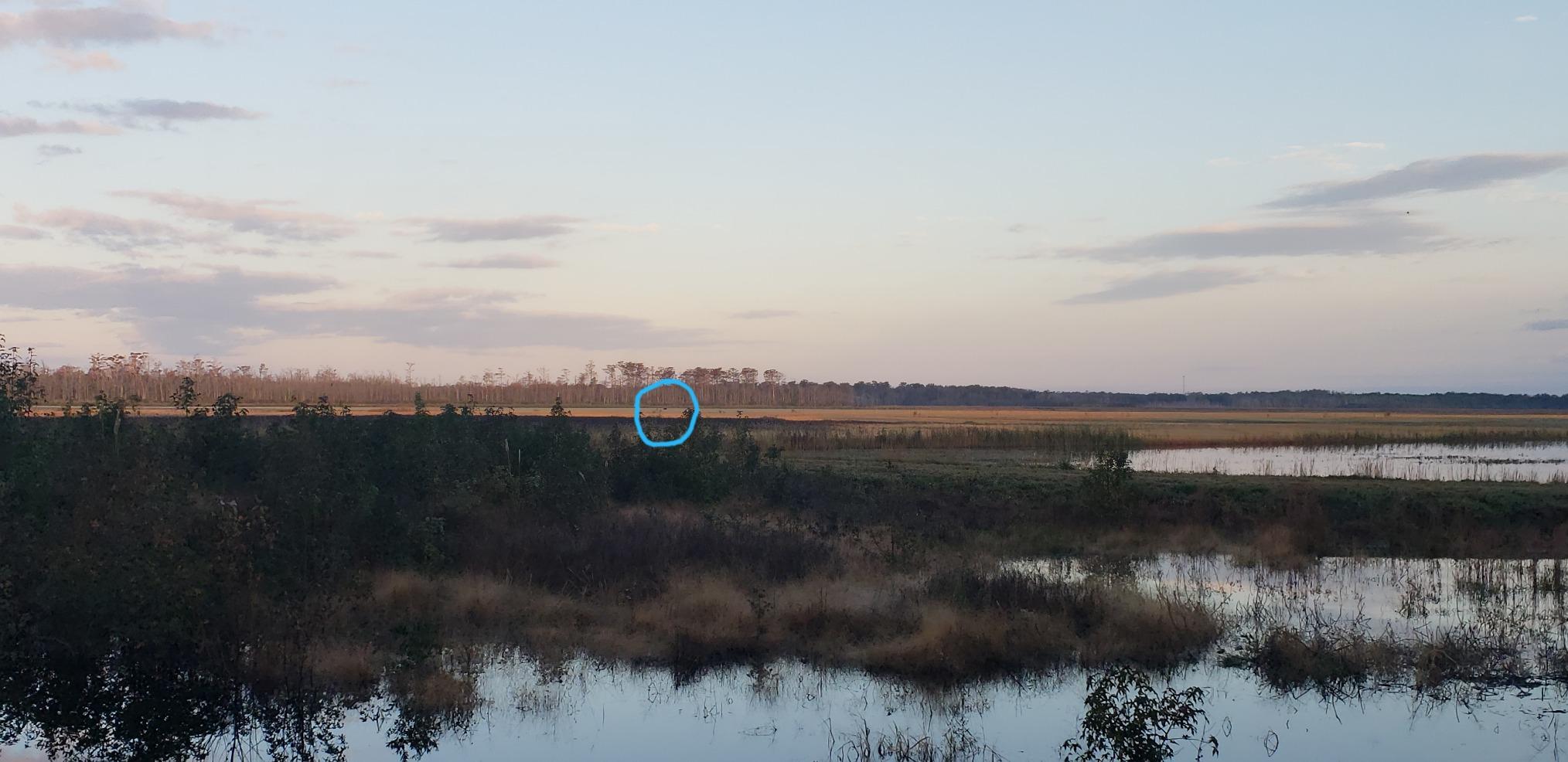
Twilight is when the 42mm objective and fully multi-coated lenses earn their keep. During an early-morning elk survey, I could still resolve antler tines 20 minutes after the sun dropped behind the ridge. The image stayed bright enough to keep scanning without switching to a tripod, and chromatic aberration stayed under control even when I panned past dark tree lines against bright sky.
Long-term ownership and warranty
I have owned two pairs of Vortex binoculars for over five years combined and have watched friends put hard trail miles on others. The warranty is the reason these are the best binoculars for the money in the long run. Build quality holds up to backpack abuse, and if something does fail, the repair process is genuinely painless.
2. Vortex Diamondback 10×42 – Premium Pick for Serious Glassing
Vortex Optics Diamondback Roof Prism Binoculars 10×42
10x42 roof prism
Dielectric multi-coated
Argon purged, fogproof
Pros
- Dielectric coatings for excellent light transmission
- Argon purging for fogproof performance
- Outstanding optical quality
- Unlimited lifetime warranty
- Comfortable rubber armor grip
Cons
- Premium price over mid-range options
- No image stabilization
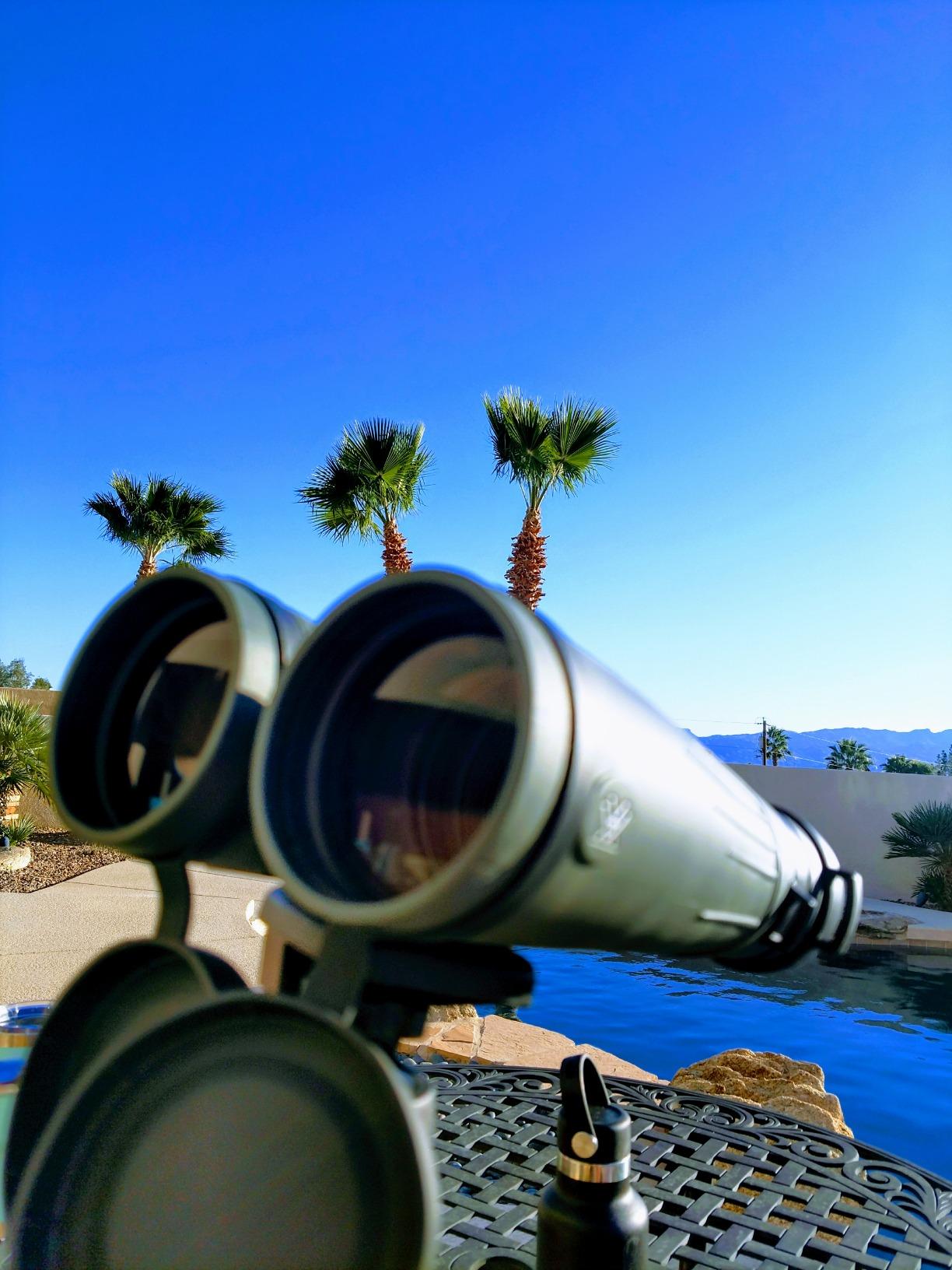
The Diamondback is the pair I reach for when the goal is the cleanest, brightest image I can get without jumping to a $1,000+ European optic. On a winter raptor count, the dielectric-coated lenses and phase-corrected prisms delivered noticeably better contrast and color saturation than the Crossfire HD, especially when I was panning between bright sky and dark forest edges.
The objective lenses carry dielectric multi-coatings that reflect more light back through the prism system, which translates into a brighter image in low light. The 42mm objectives and 10x magnification give a 4.2mm exit pupil, while the 15mm of eye relief keeps the full field of view accessible to eyeglass wearers. Argon purging is more expensive than nitrogen but holds off internal fogging for longer in temperature swings.
At 21.4 ounces the Diamondback is lighter than many binoculars in its class, which matters on a long ridge walk. The rubber armor with thumb indents gives a grippy, controlled feel even when I am glassing one-handed. The center focus wheel is smooth and precise, and the right-eye diopter locks in adjustment so you do not have to reset it every outing.
If you have spent time in mid-range binoculars and feel the difference between “good” and “great” optics, this is the step up worth taking. The jump from a budget 10×42 to the Diamondback is more visible than the jump from the Diamondback to a $1,500 optic, in my experience, which is why I call it the smartest premium pick on this list.
Is the premium worth the step up
Casual birders will be perfectly happy with the Crossfire HD. Hunters and serious naturalists who spend hours behind the glass will appreciate the cleaner color and contrast of the Diamondback. The dielectric coatings do a real job in the first and last hour of daylight, when most wildlife is moving.
Eye relief and glasses compatibility
The 15mm of eye relief is honest. With the twist-up eyecups fully extended, I can press the binoculars against my glasses and still see the full field of view with no blackout. For birders who wear prescription eyewear full time, that is a meaningful quality-of-life upgrade over cheaper 10-12mm designs.
3. Celestron Nature DX 8×42 – Best Binoculars for Bird Watching
Celestron Nature DX 8×42 Waterproof Binoculars for Bird Watching & Outdoors
8x42 roof prism
Phase-coated BaK-4
Waterproof and fogproof
Pros
- 8x magnification offers good image stability
- Phase-coated BaK-4 prisms for crisp color
- Nitrogen purged waterproof housing
- Rubber armor protects against drops
- Tripod adaptable
Cons
- Individual focus instead of center focus
- Slightly compact for large hands
If you have ever lost a warbler in your viewfinder because your hands shook at 10x, the Celestron Nature DX 8×42 is the answer. I tested this pair on a fast-moving flock of chickadees and kinglets, and the lower magnification made it dramatically easier to hold the birds in the frame. For the best binoculars for bird watching specifically, an 8×42 is honestly hard to beat.
The Nature DX uses phase-coated BaK-4 prisms and fully multi-coated optics. Field of view is a generous 388 feet at 1,000 yards, which gives you more sky to scan and more time to find moving birds. Eye relief is 17.5mm, one of the most generous figures on this list, so glasses wearers can use them without compromise.
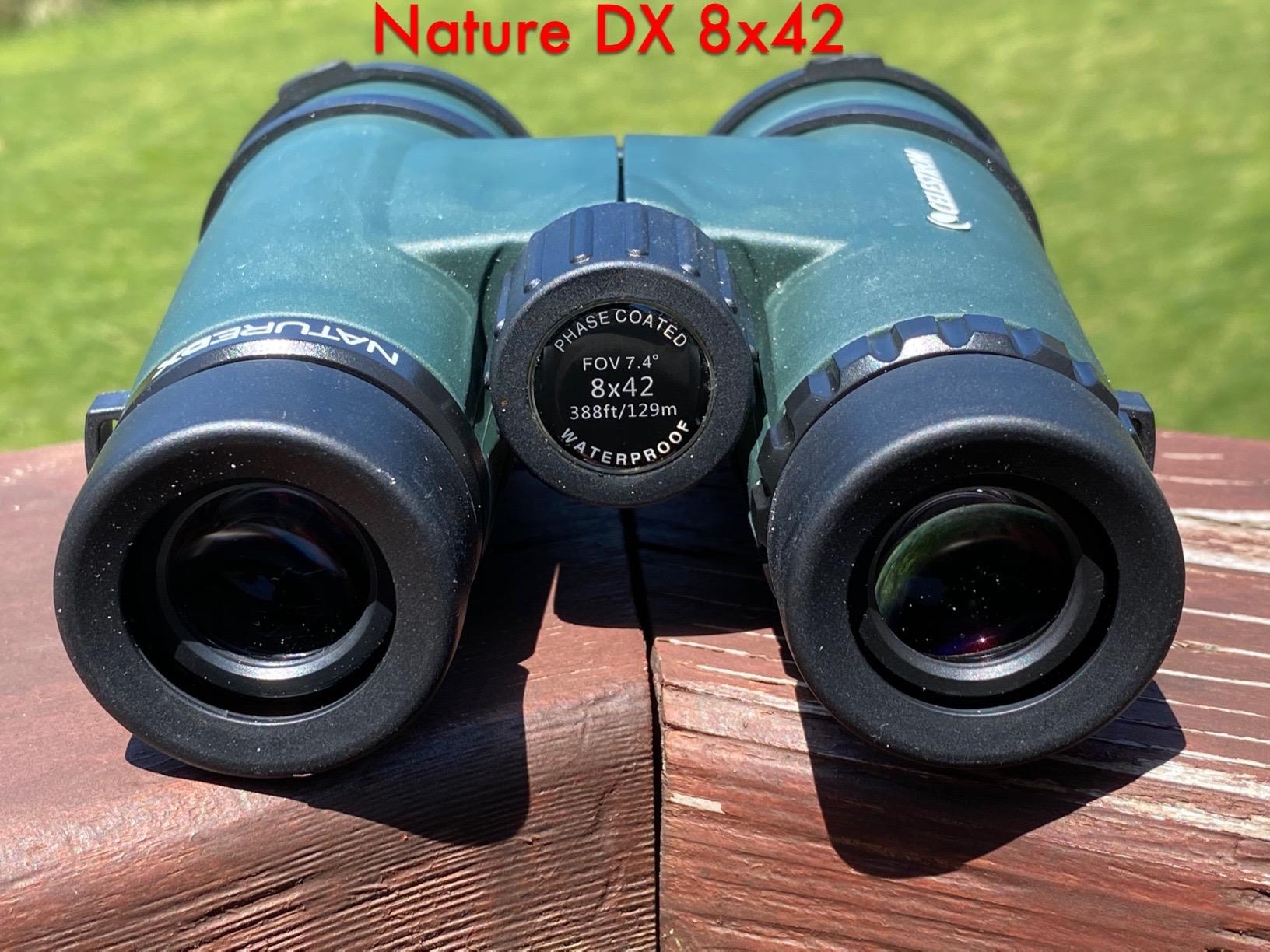
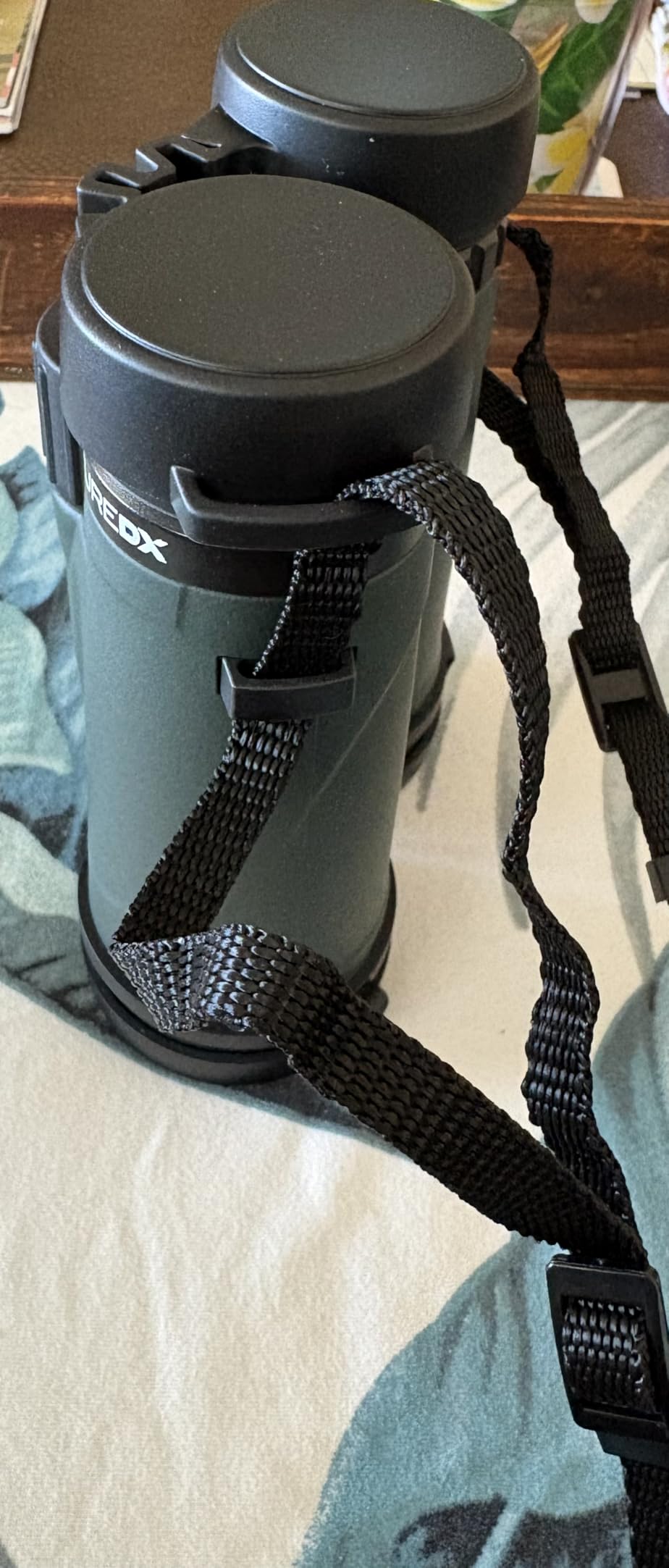
Build quality is solid for the price. The body is nitrogen purged and rubber armored, and the housing survived a tumble onto a gravel trail with only a scuff to show for it. The Nature DX is tripod adaptable for long sits at a scope blind or owl prowl, and it comes with a carrying case, neck strap, and lens cloth in the box.
One thing to know: this pair uses individual focus rather than the center focus found on the Vortex models. That means adjusting each barrel separately for your eyes. For static wildlife viewing this is fine and is the traditional birder preference, but if you want quick refocus between near and far subjects, that is a real difference from the other picks on this list.
Why 8x beats 10x for fast birds
An 8x image is steadier in the hand because every tiny muscle twitch gets divided by a smaller magnification factor. On warblers, swallows, and shorebirds that rarely sit still, the wider field and steadier image make it easier to ID the bird before it disappears. Audubon has long recommended 8x as the birding standard for exactly this reason.
Exit pupil and all-day comfort
The 5.25mm exit pupil is one of the largest in this roundup, which means more light reaches your eye in low light. For dawn chorus walks in spring and fall migration, that translates to a noticeably brighter image without bumping magnification. It is also a forgiving spec for older eyes whose pupils no longer dilate as wide.
4. Vortex Triumph HD 10×42 – Best Value Full-Size
Vortex Triumph HD 10×42 Binoculars
10x42 roof prism
Fully multi-coated HD
Nitrogen purged waterproof
Pros
- Bright HD optics with great color fidelity
- Lightweight polycarbonate chassis
- Smooth center focus
- Nitrogen purged waterproof build
- Unlimited lifetime warranty
Cons
- Harness may feel fiddly at first
- Lower stock availability than older models
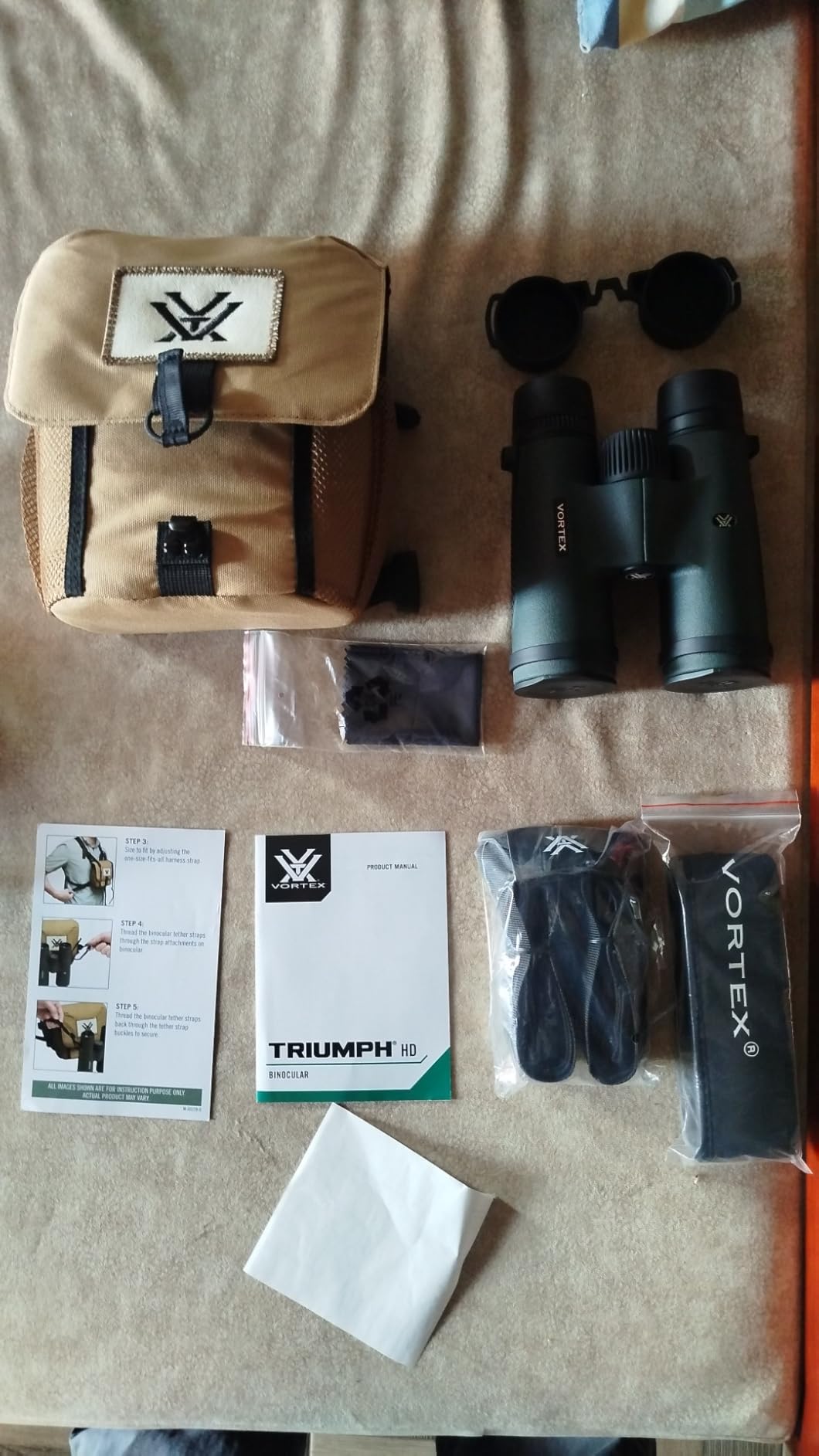
The Triumph HD is the budget-friendly sibling of the Crossfire HD, and in many field conditions I had to look hard to tell them apart. On a backcountry turkey hunt, the Triumph delivered sharp feather detail at 80 yards and held a clean focus through thick timber. For shoppers who want Vortex optics and warranty under $100, this is the obvious choice among the best binoculars on Amazon.
The Triumph uses an HD optical system with fully multi-coated lenses and a roof prism. Relative brightness of 4.2 and an exit pupil of 4.2mm keep the image competitive with more expensive 10×42 designs in daylight. Eye relief of 17mm is generous for glasses wearers, slightly better than the Crossfire.
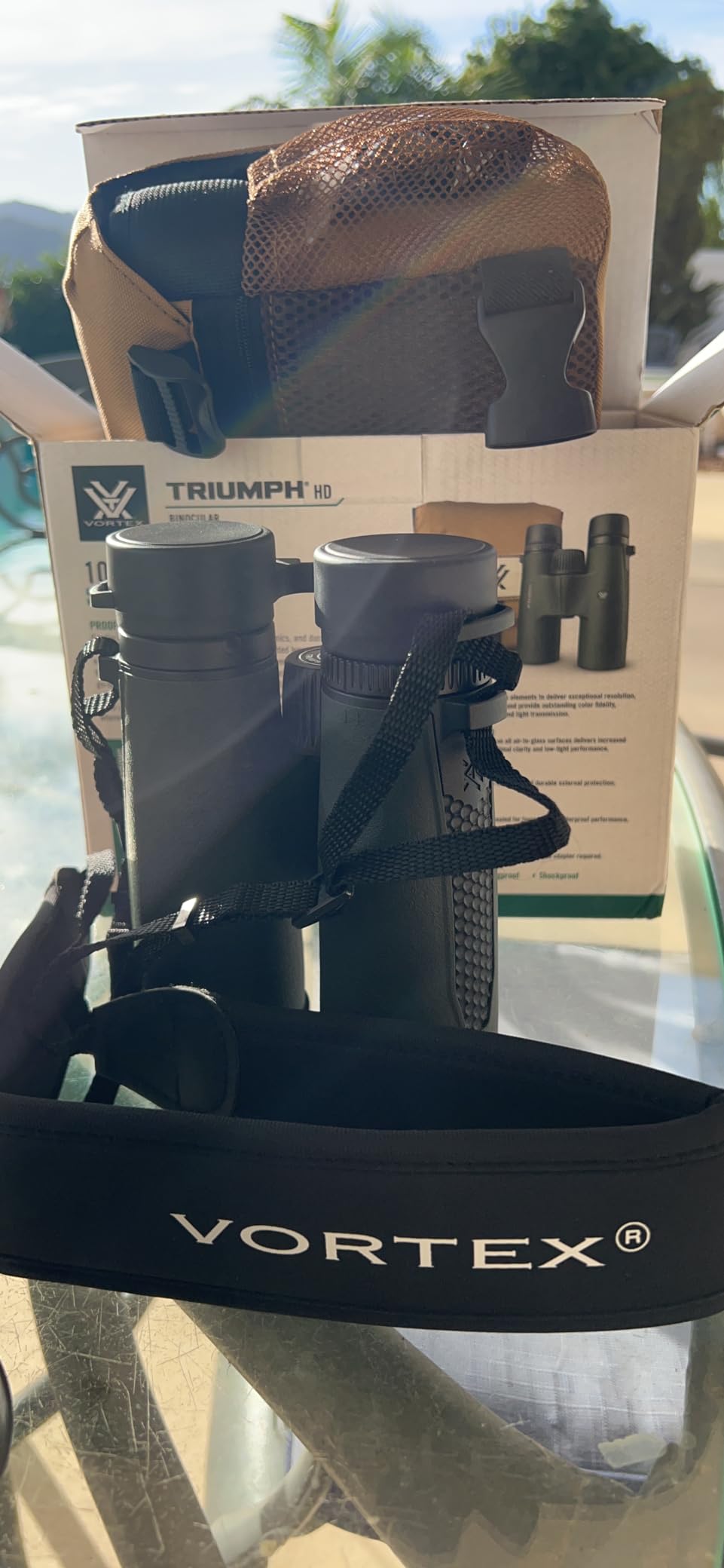
Build quality surprises for the price. The polycarbonate chassis with full rubber armor keeps weight around 0.45 kg, lighter than many 10×42 binoculars I have tested. The center focus wheel is smooth, and the adjustable rubber eyecups twist up and down for comfortable viewing with or without glasses.
You also get the same Vortex unlimited, unconditional lifetime warranty as the rest of the Vortex line. That alone moves the Triumph from “cheap 10×42” to “smart buy” in my book. If you are buying your first real pair of binoculars and want something that will still be working in ten years, this is where I would start.
Triumph vs Crossfire in the field
Side by side, the Crossfire pulls slightly ahead in low-light contrast thanks to its HD glass elements and higher relative brightness. In bright midday use the difference shrinks to almost nothing. If most of your glassing happens between mid-morning and late afternoon, save the money and grab the Triumph.
GlassPak harness on the trail
The included GlassPak harness keeps the binoculars strapped to your chest for quick access and removes neck fatigue on long trail days. It took me about ten minutes to adjust the straps to a comfortable fit, after which I barely noticed the weight. Some users never warm up to harnesses and prefer a plain neck strap, which is included as a backup.
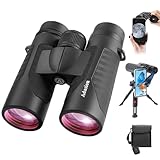
5. Adasion 12×42 HD – Best for Smartphone Photography
12×42 Binoculars for Adults High Powered with Phone Adapter & Tripod
12x42 with phone adapter
Tripod included
IP55 weatherproof
Pros
- 12x magnification with wide field of view
- BAK4 prism and FMC coating bright images
- Phone adapter and tripod included
- Lightweight at 1.25 lbs
- IP55 rain and fog resistance
Cons
- Manual focus requires practice
- No image stabilization
If you want to photograph what you see, the Adasion 12×42 is the most complete package in this roundup. The included phone adapter clamps onto the eyepiece and held my phone steady enough to capture a sharp image of a red-tailed hawk perched on a fencepost 60 yards away. For anyone searching the best binoculars for hunting who also wants to share sightings on social media, this pair solves both jobs in one.
Optical performance is solid for the price. Fully multi-coated lenses with a BAK4 prism produce a bright image with a 367-foot field of view at 1,000 yards. Exit pupil sits at 4mm and eye relief at 13.6mm, decent for glasses wearers though not class-leading. The 18mm eyepieces make the image easy to align with your eye, which helps when you are switching from phone to naked-eye viewing.

Build quality is the surprise. The chassis is rated IP55 for water and fog resistance, which means it shrugged off light rain on a coastal birding trip without fogging internally. At 1.2 pounds the binoculars are light enough for one-handed use, and the rubber armor gives a confident grip in cold weather.
The 360-degree rotatable tripod is a tabletop model, not a full-height field tripod, but it is genuinely useful for digiscoping or stationary observation from a picnic table or car hood. For serious nature photography you would still want a full tripod, but for sharing quick phone snapshots, the bundle is excellent value.
Setting up the phone adapter
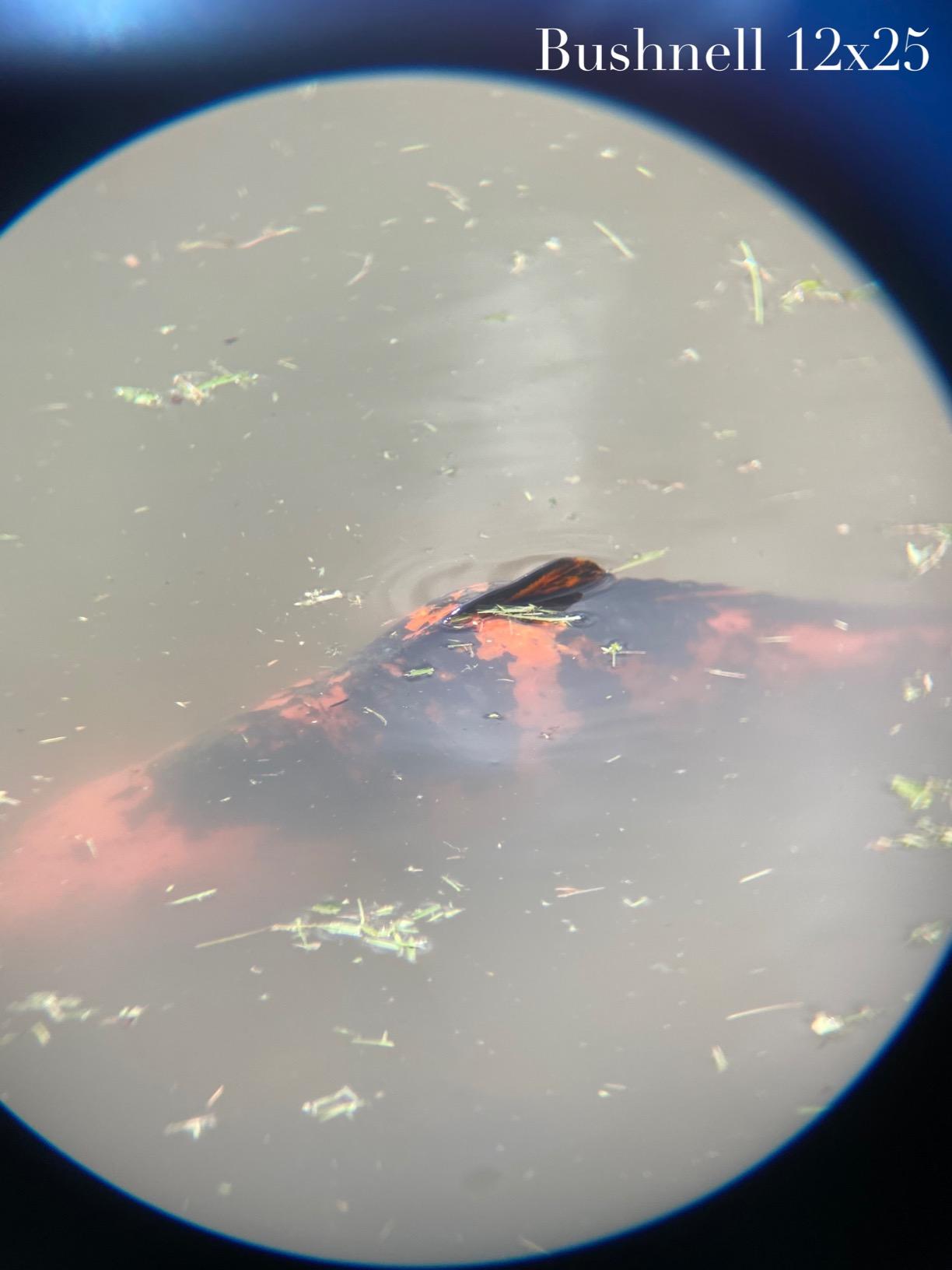
The adapter clamps over the eyepiece and tightens around the phone with a screw knob. It took about three minutes to balance my phone and start capturing sharp images. The trick is centering the phone camera over the eyepiece before tightening, then checking the image on the phone screen before letting go of the binoculars.
What IP55 actually protects against
IP55 means the binoculars resist dust ingress and low-pressure water jets from any direction. In real terms, they handle rain, snow, and brief splashes but should not be submerged or hosed down. For the vast majority of outdoor use, that is exactly the protection you need without paying for full submersion ratings.
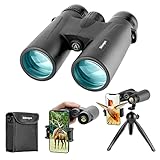
6. Adorrgon 12×42 – Best Budget 12×42
Adorrgon 12×42 High Powered Binoculars for Adults, Phone Adapter and Tripod
12x42 with phone adapter
Tabletop tripod
Lightweight 1.1 lb
Pros
- Lightweight 1.1 lb for a 12x42
- Large 18.5mm eyepieces
- Bright low-light performance
- Phone adapter for snapshots
- Tabletop tripod included
Cons
- Manual focus learning curve
- Tabletop tripod not full height
The Adorrgon 12×42 punches well above its price tag. At 1.1 pounds, it is one of the lightest 12×42 binoculars I have handled, which matters because most 12x pairs are heavy enough to push you toward a tripod quickly. For hiking, casual astronomy, and stadium use, this pair keeps weight low without giving up much image quality.
Optically, the Adorrgon uses a 16.5mm BAK4 prism with fully multi-coated lenses. The 18.5mm eyepieces are noticeably larger than the 14mm standard, which produces a brighter image and a wider apparent field of view. Low-light performance is good for the price, with usable detail down to the last ten minutes of civil twilight.

The included phone adapter and tabletop tripod mirror the Adasion bundle. The tripod rotates 360 degrees, which is helpful for tracking slow-moving subjects like boats or grazing deer. The carrying case, neck strap, and lens covers round out the package so you do not have to buy accessories separately.
What you give up at this price is brand-name warranty support and a bit of optical polish. The image is not as crisp at the edges as the Vortex or Celestron models, and you will see slight softness in the corners. For casual users who want 12x reach without spending $200, that trade is reasonable.
Manual focus learning curve
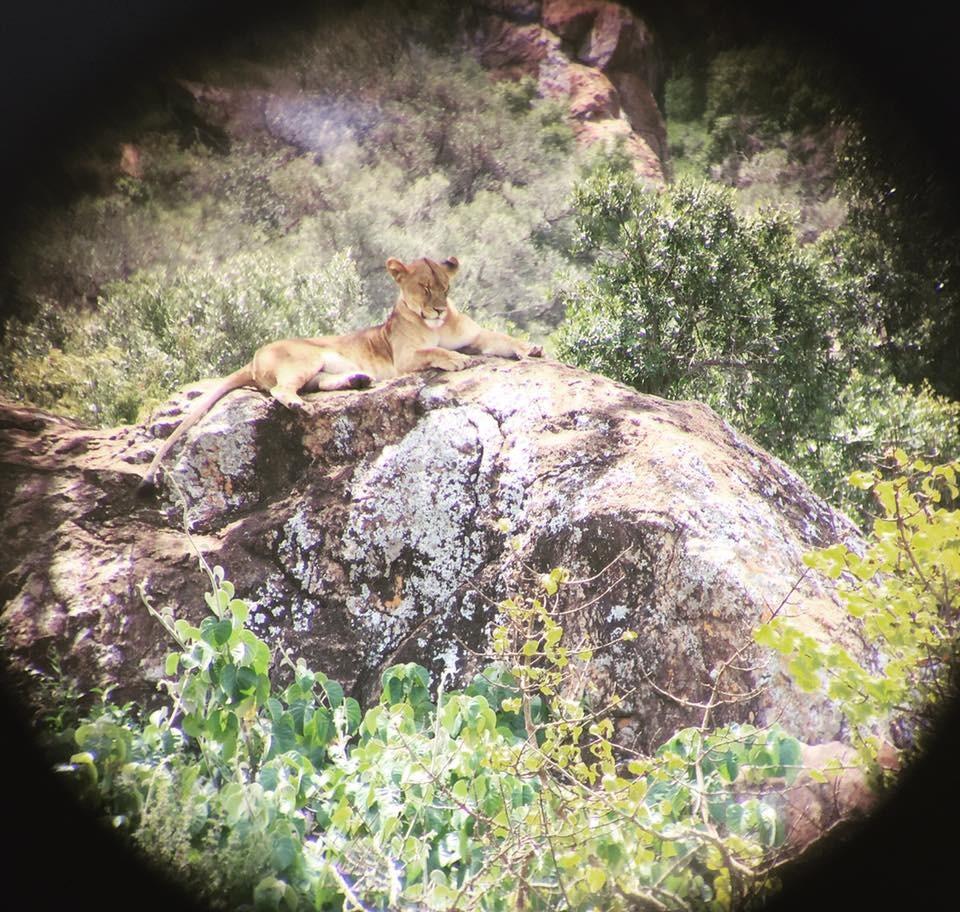
The center focus wheel is smooth but takes a few outings to get a feel for. I recommend focusing on a distant subject first, then tweaking the diopter for your right eye, then leaving the focus alone for the rest of the session. Once you are dialed in, refocusing between subjects is quick.
Tabletop tripod: useful or gimmick
For long observation sessions, digiscoping, or sharing the binoculars with kids who cannot hold 12x steady, the tabletop tripod is genuinely useful. For walking and glassing on the move, leave it in the bag. A monopod or full-size tripod is a better field upgrade if you plan to glass from one spot for hours.
7. Hontry 10×25 – Best Compact Binoculars for Families
Hontry 10×25 Compact Binoculars for Adults and Kids
10x25 compact
Bak-4 prism
Family friendly IPD
Pros
- Compact palm-sized design
- Lightweight 0.6 lb
- Good 3D depth from Bak-4 prisms
- Adjustable IPD fits kids and adults
- Includes bag and strap
Cons
- Not suitable for total darkness
- Some eyeglass wearers report fit issues
The Hontry 10×25 is the binocular I hand to friends and family who do not own a pair. At 0.6 pounds and roughly the size of my palm, it disappears into a jacket pocket or daypack. On a recent family hike, my seven-year-old niece used them to spot a woodpecker across a clearing that I would have missed at her eye level.
Optical performance is solid for the size and price. The Bak-4 prisms deliver decent 3D depth, and the fully multi-coated optics help in the low light of dawn and dusk. Field of view is a generous 362 feet at 1,000 yards, which is wider than many 10×42 binoculars, so tracking fast subjects like songbirds in the canopy is easier.
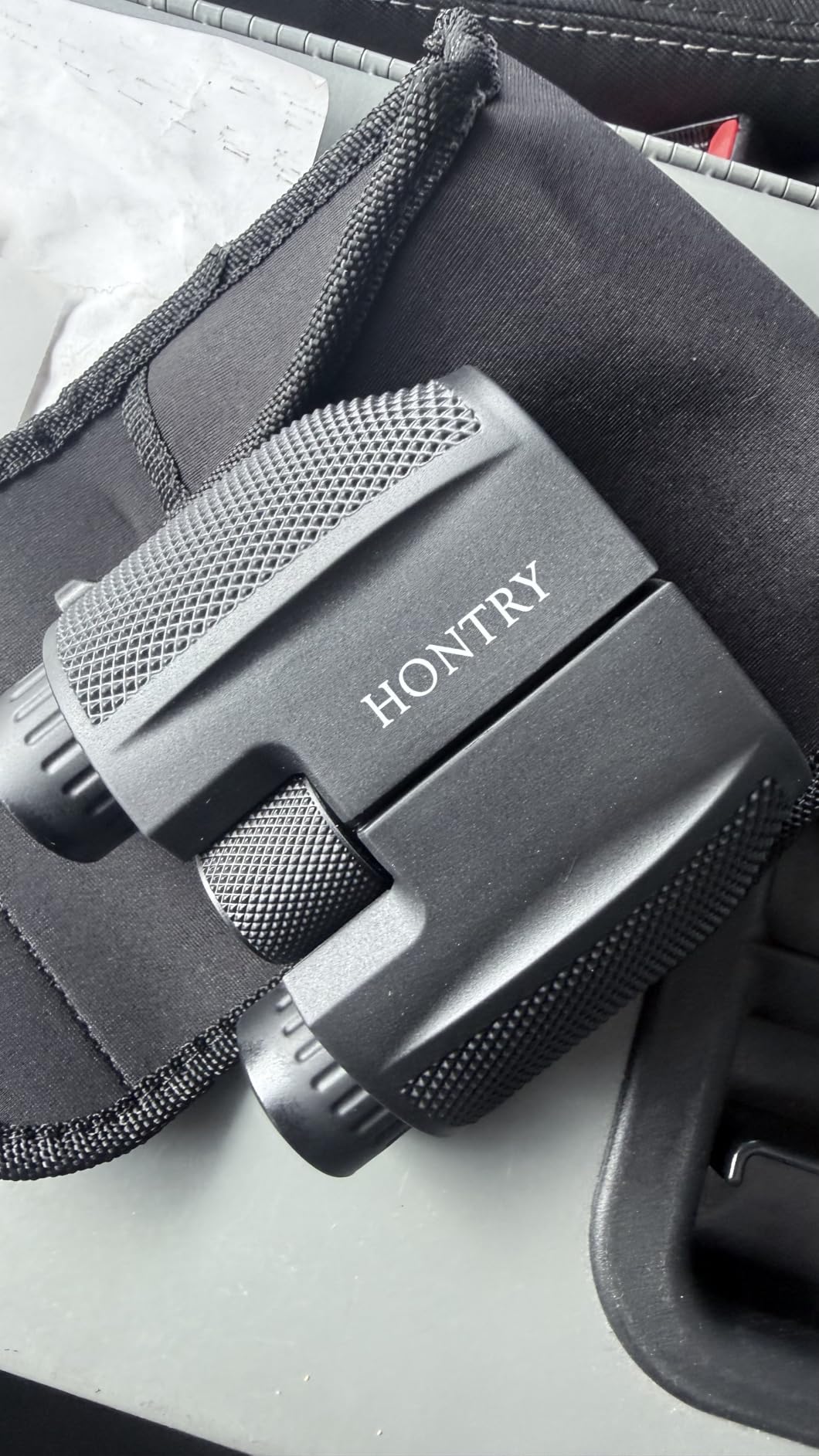
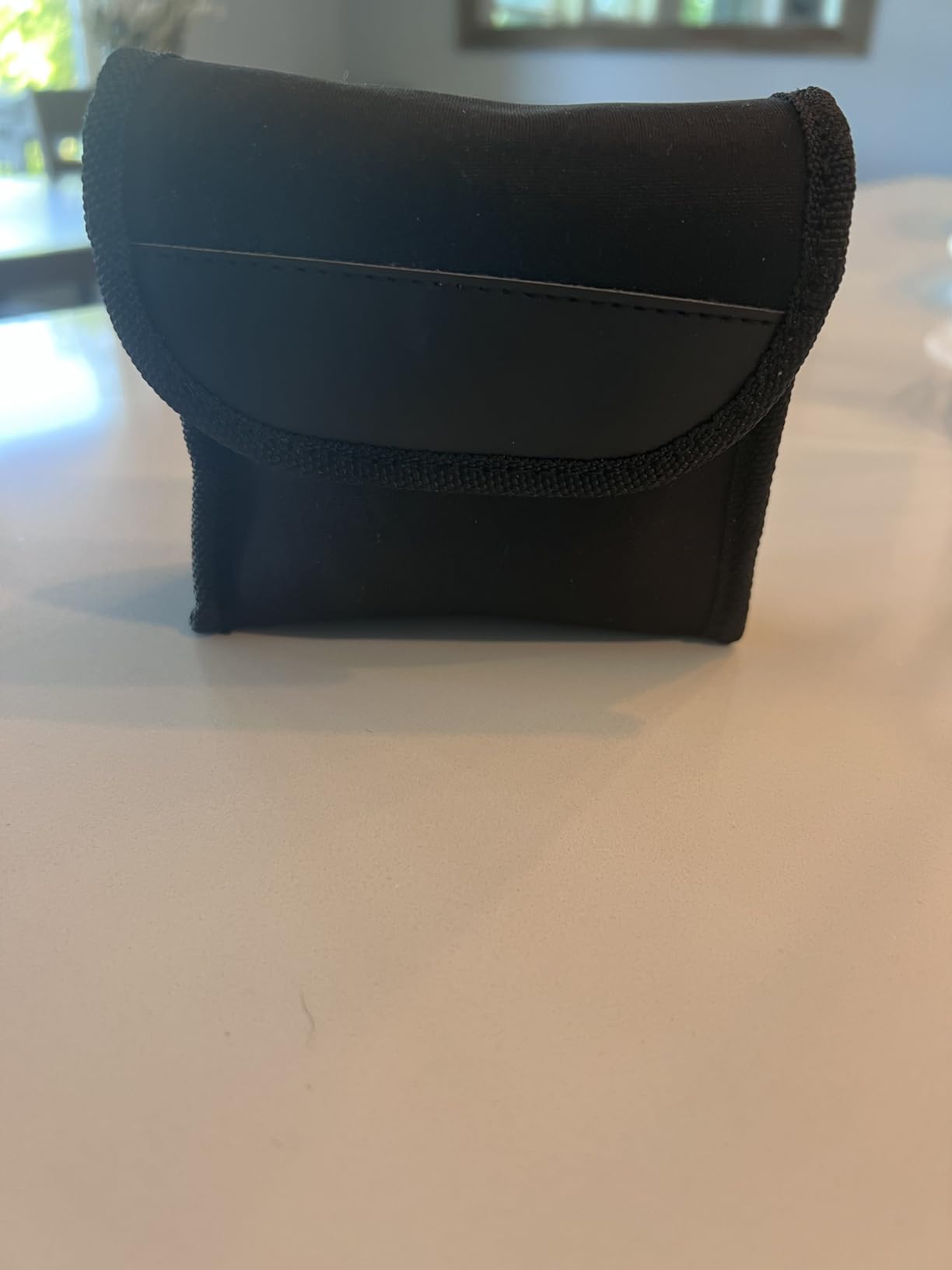
The biggest family-friendly feature is the adjustable interpupillary distance, which spans from about 60mm to 75mm. That range comfortably fits both my niece and my father-in-law, who has a wider IPD than average. The included nylon bag, neck strap, and cleaning cloth mean the binoculars are ready to use straight out of the box.
Limitations are real but reasonable for the price. The 25mm objective does not gather much light, so performance drops off quickly in deep shade or after sunset. Eye relief of 10mm is tight for glasses wearers, so if you wear prescription eyewear full time you may need to push the binoculars right against your glasses to see the full field.
IPD range for kids and adults
The interpupillary distance (IPD) is the distance between the centers of your pupils. Most adult IPDs fall between 58mm and 72mm, and the Hontry covers that range comfortably. For kids, whose IPDs can be as narrow as 50mm, the close end of the adjustment still works, though younger children may need help holding the binoculars steady at 10x.
Low-light limits to know about
A 25mm objective is about 60% smaller than a 42mm objective in light-gathering area. That translates to a noticeably dimmer image once the sun drops low. For daytime sports, travel, and casual birding, the Hontry is a delight. For dawn or dusk wildlife viewing, a larger binocular is a real upgrade.
8. Occer 12×25 – Best Ultra-Budget Travel Pick
Occer 12×25 Compact Binoculars for Adults and Kids
12x25 compact
FMC broadband coating
BAK4 prism
Pros
- Powerful 12x in compact form
- Large 15mm eyepieces
- Long 20mm eye relief
- Lightweight 0.39 kg
- Affordable travel companion
Cons
- Handshake at 12x requires steady hands
- Some quality control inconsistencies
The Occer 12×25 is the Amazon best-seller for a reason: it delivers 12x magnification in a pocketable form factor at a price that makes it a no-brainer for casual use. I keep a pair in my truck for spontaneous stops, from scanning distant hawks on a fencepost to watching a soccer game from the cheap seats. For travel, concerts, and sightseeing, this is one of the best binoculars for the money.
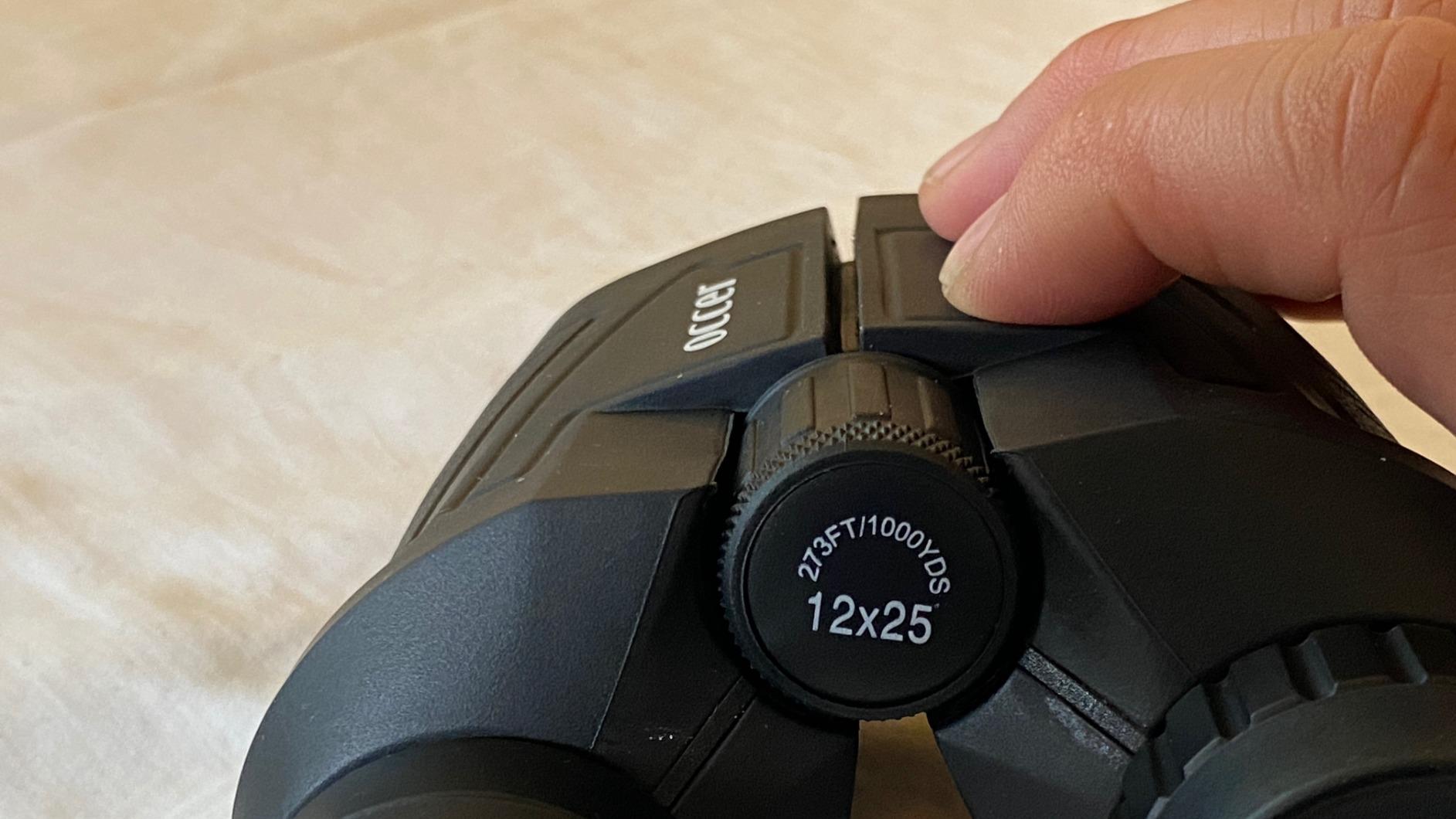
The optical package uses FMC broadband coating with a BAK4 prism, which gives a noticeably brighter image than the cheapest 12×25 binoculars I have tested. The 15mm eyepieces are larger than most in this category, and the 20mm of eye relief is genuinely glasses-friendly for a compact binocular. Field of view is 273 feet at 1,000 yards, which is workable but narrower than the 10×25 Hontry.
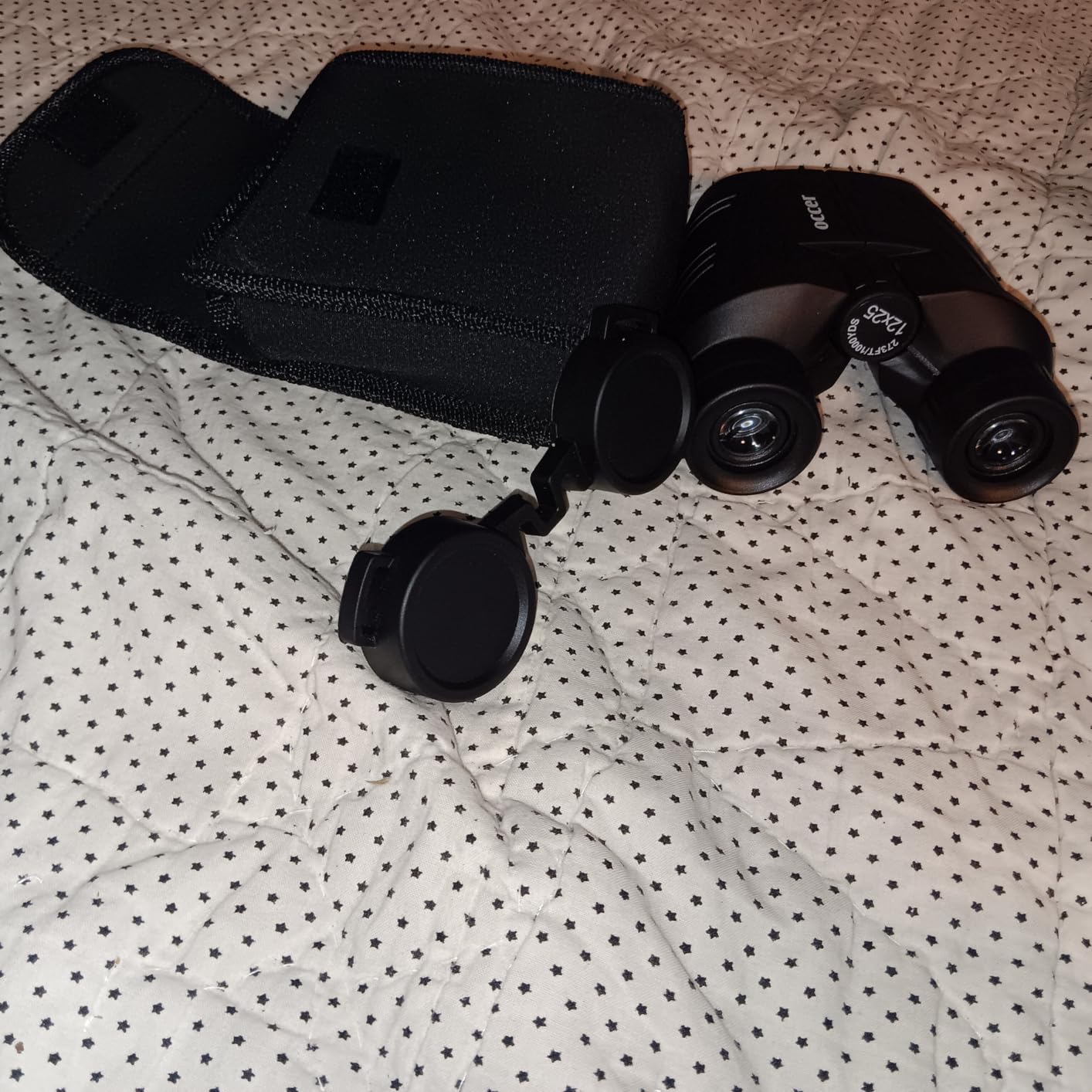
Build quality is mostly plastic with rubber armor. It feels light in the hand, almost too light at first, but the rubber armor provides a confident grip. The waterproof rating is real for splashes but I would not submerge the binoculars or leave them out in a downpour.
One honest note: at 12x magnification, handshake is visible even on a calm day. For static targets like landmarks or distant perched birds, the Occer performs well. For moving wildlife or extended handheld viewing, a 10x or 8x binocular is steadier. This is a travel and sightseeing pick, not a hunting or birding workhorse.
Handshake at 12x magnification
Every doubling of magnification also doubles the apparent shake in your hands. At 12x, even a steady adult will see noticeable movement, especially toward the edges of the field. Bracing your elbows against your body, sitting down, or resting the binoculars on a railing helps a lot. For long sessions, a small tripod or monopod is worth packing.
Quality control reports worth knowing
Some buyers have received units with misaligned prisms, loose focus wheels, or cosmetic defects. The seller handles replacements, and the 4.4-star average across 33,000+ reviews suggests most units ship in good shape. If yours arrives with issues, return it promptly rather than trying to live with a misaligned binocular.
How to Choose the Best Binoculars
Buying the best binoculars comes down to matching magnification, objective size, prism type, and build to the way you actually use them. Here are the factors I weigh when helping a friend pick a pair.
Magnification: 8x vs 10x vs 12x
Magnification is the first number in a binocular spec, like 10×42, and it tells you how many times closer the image appears. 8x gives the widest, steadiest view and is the birding standard. 10x is the do-everything choice for hunting, hiking, and wildlife viewing. 12x and above are specialty tools for static long-distance viewing, digiscoping, and astronomy. Higher is not better, it just narrows your field of view and amplifies handshake.
Objective lens diameter and exit pupil
The second number in a binocular spec is the objective lens diameter in millimeters. Larger objectives gather more light, which matters at dawn and dusk, but they also make the binocular heavier. The exit pupil, calculated by dividing the objective by the magnification, tells you how much light reaches your eye. A 4-5mm exit pupil is the sweet spot for daylight, while older eyes benefit from the larger 5mm+ pupils that 8×42 binoculars produce.
Roof prism vs Porro prism
Roof prisms are the standard in modern compact binoculars because they let the body sit in a straight tube. Porro prisms use a zigzag optical path that produces a slightly more 3D image but makes the binocular wider and heavier. For most buyers today, roof prism is the right choice. Porro designs are still made, but they tend to be specialty or budget picks.
Field of view, eye relief, and close focus
Field of view, measured in feet at 1,000 yards, tells you how wide an area you can scan. Birders want wider fields to track moving birds. Eye relief is the distance your eye can sit behind the eyepiece and still see the full image, important for glasses wearers. Close focus matters for butterfly watchers, insect observers, and anyone wanting to study nearby subjects without switching optics.
Weatherproofing and build
Waterproof and fogproof ratings come from nitrogen or argon purging combined with o-ring seals. For outdoor use in rain, snow, or humid climates, this is non-negotiable. Rubber armor protects against drops and improves grip in cold weather. A tripod socket is worth having if you plan long observation sessions with high-magnification binoculars.
Warranty comparison across brands
Vortex offers an unlimited, unconditional lifetime VIP warranty that covers any damage for any reason. Celestron offers a limited lifetime warranty that covers defects but not accidental damage. Most budget brands offer one- to three-year limited warranties. If you plan to use your binoculars hard for years, the warranty gap is meaningful. Reddit users on r/Binoculars consistently call out Vortex VIP as the gold standard.
Frequently Asked Questions
Which brand of binoculars is considered the best?
Vortex, Nikon, and Swarovski are widely considered the top binocular brands in 2026. For most buyers, Vortex stands out because the Crossfire HD and Diamondback deliver premium optics at mid-range prices with an unlimited lifetime VIP warranty that covers accidental damage. Nikon is a strong alternative at the entry and mid tiers. Swarovski is the choice for users willing to spend $1,000+ for the best optical clarity available.
What is better, 12×50 or 10×42 binoculars?
For most outdoor use, 10×42 is the better choice. The 10x magnification produces a steadier handheld image and a wider field of view, while the 42mm objective still gathers enough light for dawn and dusk. 12×50 offers more reach and a brighter image in low light, but the extra magnification amplifies handshake and the larger objective adds weight. Choose 12×50 for static long-distance viewing, astronomy, or digiscoping, and 10×42 for birding, hunting, and general wildlife viewing.
Which binoculars do Navy SEALs use?
U.S. Navy SEALs have historically used Steiner and Leica binoculars, including the Steiner M830r and Leica Geovid models. These are premium optics designed for marine and tactical use, with features like nitrogen purging, rangefinding capability, and compass integration. For civilian buyers inspired by military use, the Vortex Diamondback and Razor HD series offer similar optical quality and rugged build at much lower prices.
How much does a really good pair of binoculars cost?
A genuinely good pair of binoculars starts around $100 to $150 for casual use, with the Vortex Triumph HD and Celestron Nature DX offering excellent value in that range. The sweet spot for serious birding, hunting, and hiking is $200 to $400, where models like the Vortex Crossfire HD deliver premium optics and lifetime warranty. Premium optics from Swarovski and Leica run $1,000 to $3,200 for users who want the absolute best image quality.
Final Verdict on the Best Binoculars
After testing eight pairs across birding, hiking, hunting, and travel, the Vortex Crossfire HD 10×42 is the best binoculars pick for most readers. It pairs HD optics with a waterproof, fogproof build and Vortex’s unconditional lifetime warranty at a price that fits a serious hobby budget. If you want premium optics without crossing into European luxury pricing, the Vortex Diamondback 10×42 is the next step up. For birders who value a steady image over long reach, the Celestron Nature DX 8×42 remains the smartest call.
Whatever pair you choose, buy once and buy from a brand that stands behind the optics. The best binoculars in 2026 are the ones you can grab without thinking about weather, drops, or warranty claims, and that is exactly the standard every model on this list is built to meet. Grab the pair that fits your use case, spend a weekend dialing in the diopter, and start looking closer at the world around you.