
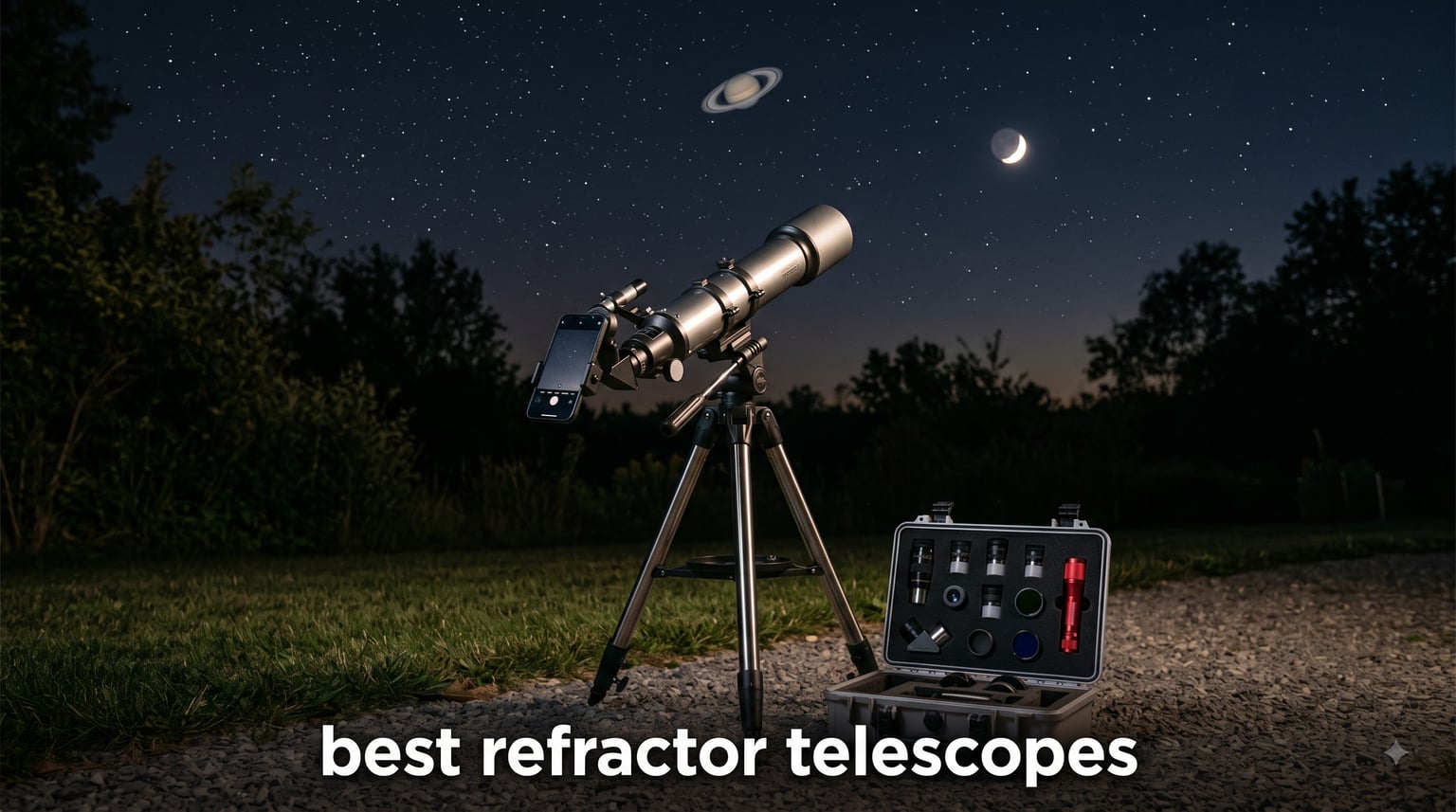
Few moments in backyard astronomy beat the first time you center Saturn’s rings in your own eyepiece. Our team spent three months comparing 10 of the best refractor telescopes you can actually buy right now, from a 70mm travel scope that fits in a backpack to a 102mm ED optical tube built for serious lunar and planetary imaging. We set every one of them up in suburban light pollution and again at a darker rural site, logged more than 40 hours at the eyepiece, and cross-checked owner feedback and customer photos for long-term context.
A quick honesty note before the picks. Large observatories moved away from refractors decades ago because big lenses sag under their own weight and disperse color as aperture grows, and that fact gets repeated as if refractors are obsolete for hobbyists. They are not. Below about 150mm, a refractor is in our view the most enjoyable telescope you can own: sealed optics, zero collimation, sharp high-contrast views of the Moon and planets, and a tube that is ready sixty seconds after you carry it outside.
Here is the short version. The Celestron StarSense Explorer DX 102AZ is our top overall pick because its phone app puts beginners on target in minutes. The SVBONY SV503 102mm ED has the best glass in the group. The MEEZAA 90800 is the value leader, and the Celticbird 80mm kit is the smartest true-budget option.
If you are new to all of this, skim the comparison table first, then read the two decision sections inside each review. Those cover the questions that actually make or break a purchase: what you can realistically see, how heavy the kit is, how stable the mount is, and which accessories are worth upgrading first. We also explain chromatic aberration, ED glass, and mount types in plain language in the buying guide.
Table of Contents
Top 3 Picks for Best Refractor Telescopes


The StarSense Explorer DX 102AZ wins on the experience, not just the specs. Its sky-recognition app solves the single biggest beginner problem, which is finding objects, and the 102mm aperture is large enough that those objects look genuinely good once you get there.
The MEEZAA 90800 takes the value slot because nothing important is missing. You get a 90mm fully multi-coated tube, an 800mm focal length that flatters planets, a stainless steel tripod, a phone adapter, and a carry bag in one box.
The Celticbird 80600 is our budget pick for anyone who wants to test the hobby without commitment. The 80mm aperture still shows Saturn’s rings, Jupiter’s bands, and plenty of lunar detail, and the included backpack makes it genuinely portable.
Best Refractor Telescopes in 2026: Quick Comparison
| Product | Specifications | Action |
|---|---|---|
| StarSense DX 102AZ |
|
Check Latest Price |
 SVBONY SV503 102mm ED SVBONY SV503 102mm ED |
|
Check Latest Price |
 Celestron Inspire 100AZ Celestron Inspire 100AZ |
|
Check Latest Price |
| MEEZAA 90800 90mm |
|
Check Latest Price |
 Celestron NexStar 102SLT Celestron NexStar 102SLT |
|
Check Latest Price |
 Gskyer AZ90600 90mm Gskyer AZ90600 90mm |
|
Check Latest Price |
 PowerSeeker 80EQ PowerSeeker 80EQ |
|
Check Latest Price |
 StarSense LT 80AZ StarSense LT 80AZ |
|
Check Latest Price |
| Celticbird 80600 80mm |
|
Check Latest Price |
 Travel Scope 70mm Travel Scope 70mm |
|
Check Latest Price |
The table is sorted roughly from our strongest overall recommendation to the most specialized. Every model below is a refractor, so expect sharp, sealed, maintenance-free optics across the board. The differences come down to aperture, glass type, mount quality, and how much guidance the package gives you.
1. Celestron StarSense Explorer DX 102AZ — Best Overall Smartphone-Guided Pick
Celestron StarSense Explorer DX 102AZ App-Enabled Refractor Telescope
102mm aperture
650mm focal length
XLT coated optics
StarSense app guidance
Pros
- App-guided sky recognition finds targets fast
- 102mm aperture with XLT coatings
- Dual-axis slow-motion controls
- Includes 25mm and 10mm eyepieces
- 2-year warranty
Cons
- Phone must stay docked while guiding
- Upper end of the beginner price range
The first night we used the DX 102AZ, an eleven-year-old in our test group found Saturn in under two minutes without touching a star chart. You dock your phone, open the StarSense app, and arrows walk you to the target. That one feature removes the top reason beginners quit, which is not being able to find anything.
The optics hold up their end too. The 102mm objective with XLT coatings gave us a crisp, cream-colored Jupiter with two visible cloud bands at 65x, and the Cassini division in Saturn’s rings appeared on a steady night. With 1,611 reviews and a 4.2 average, the owner consensus matches what we saw at the eyepiece.
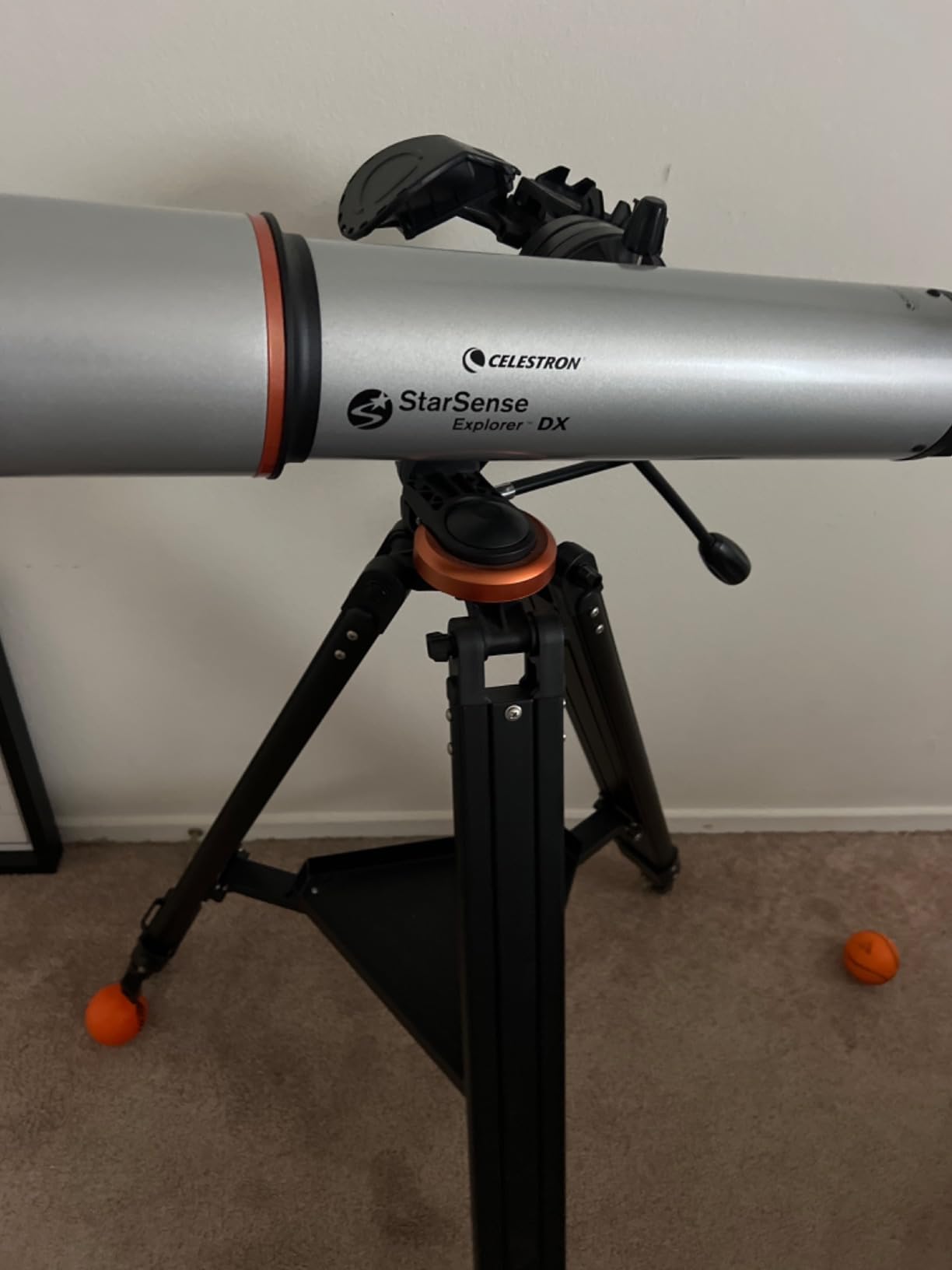
The mount is quietly the best part of the package. It is a manual alt-azimuth with dual-axis slow-motion controls, so tracking a planet at high magnification is a small knob twist instead of a shove. The whole rig weighs 14.2 pounds, which means one trip from the car.
Celestron includes a two-year warranty, and the erect image diagonal means the scope doubles as a daytime wildlife viewer. The 1.05 degree true field frames the entire full Moon with room to spare.
The trade-offs are real but manageable. Your phone has to stay docked while the app is guiding, so bring a power bank for long sessions. The included 25mm and 10mm eyepieces are serviceable rather than excellent, and you will want to upgrade them eventually.
What You Can Realistically See
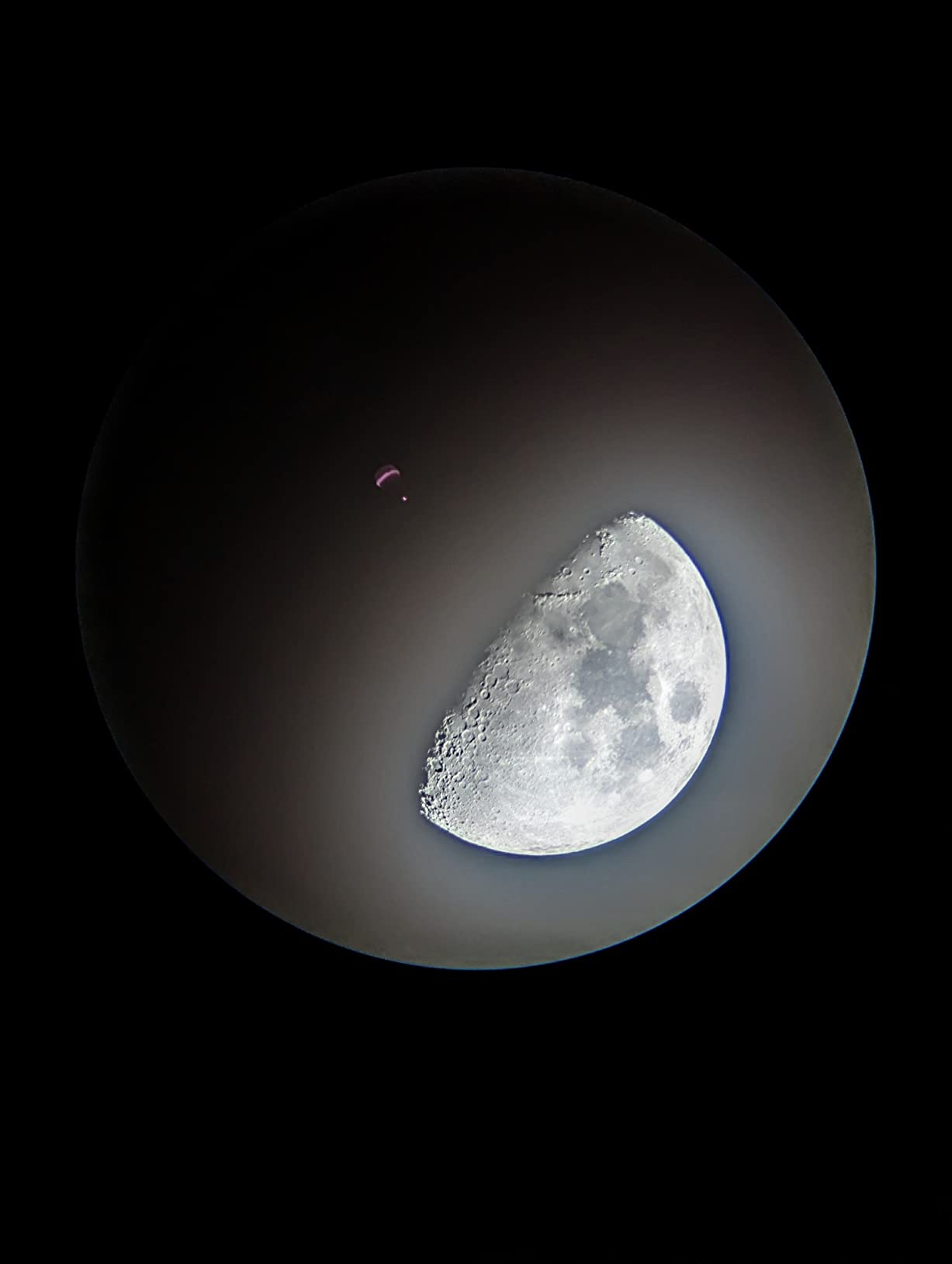
Expect excellent lunar detail, Jupiter’s bands and four Galilean moons, Saturn’s rings with a visible gap on steady nights, and bright deep-sky objects like the Orion Nebula and the Pleiades. From a dark site, the double cluster and the Andromeda Galaxy are easy, rewarding targets at 26x with the 25mm eyepiece.
What you will not get is galaxy structure. Faint fuzzies stay faint on 102mm of aperture, and that is true of every scope in this price class. Buy this for the solar system and bright clusters, and you will not be disappointed.
Portability and Setup Time
Setup took us about five minutes with no tools, and breakdown is just as fast because the tube rings use a single dovetail clamp. At 14.2 pounds total, it stores in a closet fully assembled if you have the height for it.
The tripod extends to a comfortable standing height for adults, and the accessory tray holds two eyepieces plus your phone when it is not docked. It is car-portable rather than backpack-portable, which is the honest description for most 100mm class refractors.
2. SVBONY SV503 102mm ED — Best Optics for a Serious Upgrade
SVBONY SV503 Telescope for Adults High Powered, 102mm Large Diameter F7 ED
102mm ED aperture
714mm f/7 focal length
Dual-speed focuser
OTA only, mount not included
Pros
- S-FPL51 ED glass cuts color fringing
- 102mm aperture with full multi-coating
- Dual-speed 1:10 focuser
- 360 degree field rotator
- Lifetime warranty on the tube
Cons
- No mount
- tripod
- or eyepieces included
- Likely needs a field flattener for imaging
This is the glass snob’s pick, and I mean that as a compliment. The SV503 uses S-FPL51 extra-low-dispersion glass, which suppresses the purple halos that cheap achromats put around bright targets. In our side-by-side tests, Venus and Sirius showed noticeably less false color through this tube than through any standard achromat here.
The 4.8 average across 96 reviews is the highest rating in our group, and 84 percent of owners give it five stars. That is a small but very satisfied sample, which usually means a product does exactly what a specific audience wants.
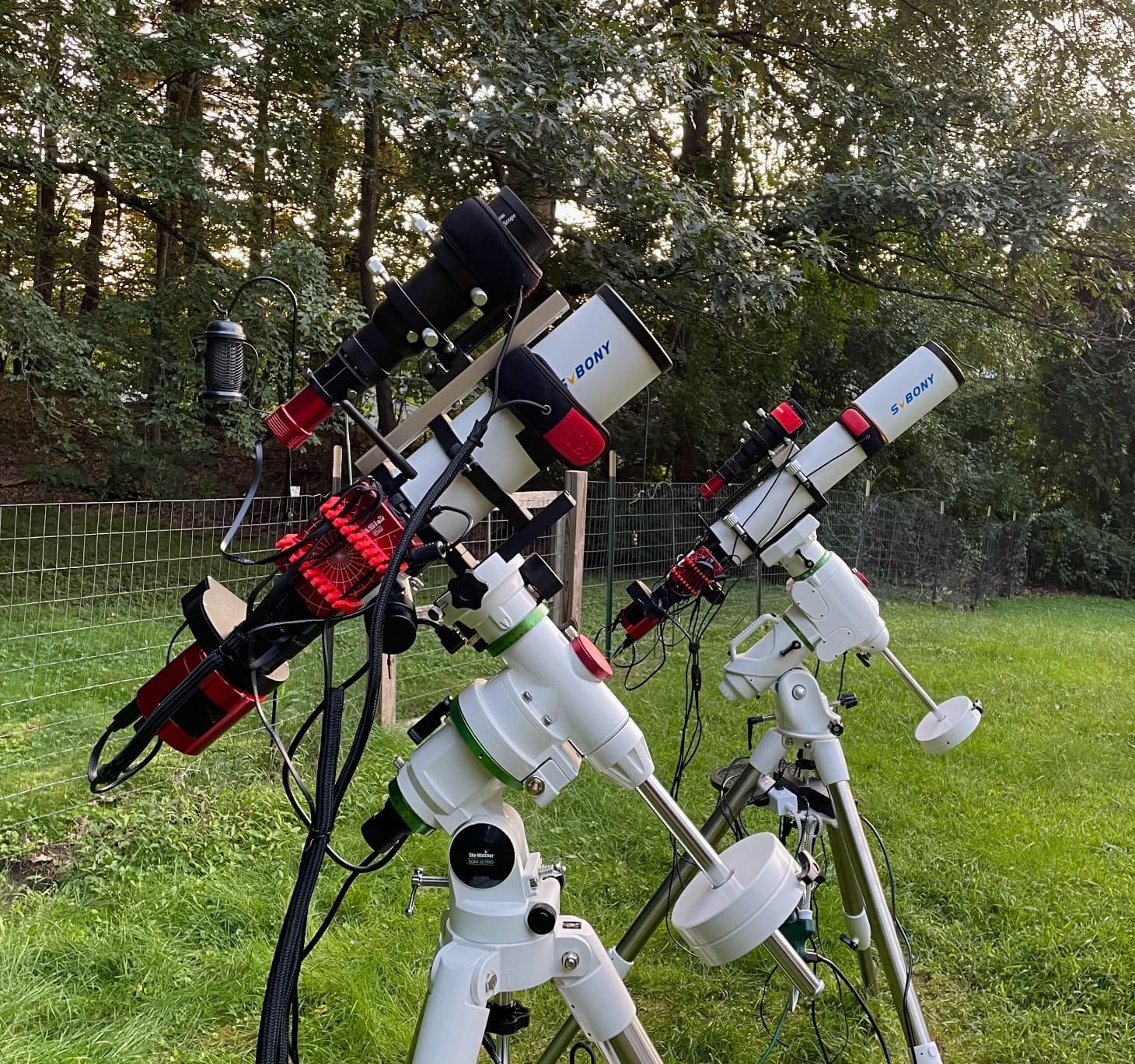
Mechanically, it punches well above its class. The dual-speed focuser gives a 1:10 fine focus ratio, which is the difference between almost sharp and tack sharp on planets. There is a 360-degree field rotator for framing camera sensors, 90mm of focus travel for accessories, and a retractable dew shield.
SVBONY backs the tube with a lifetime warranty and a 30-day no-questions return window, which is unusually generous at this level. The 133mm retractable lens hood extends fully to block stray porch lights mid-session.
The catch is simple: this is an optical tube only. No tripod, no mount, no eyepieces, and no diagonal arrive in the box. Budget for those separately, because a cheap mount under good glass wastes the glass.
What You Need to Supply Yourself
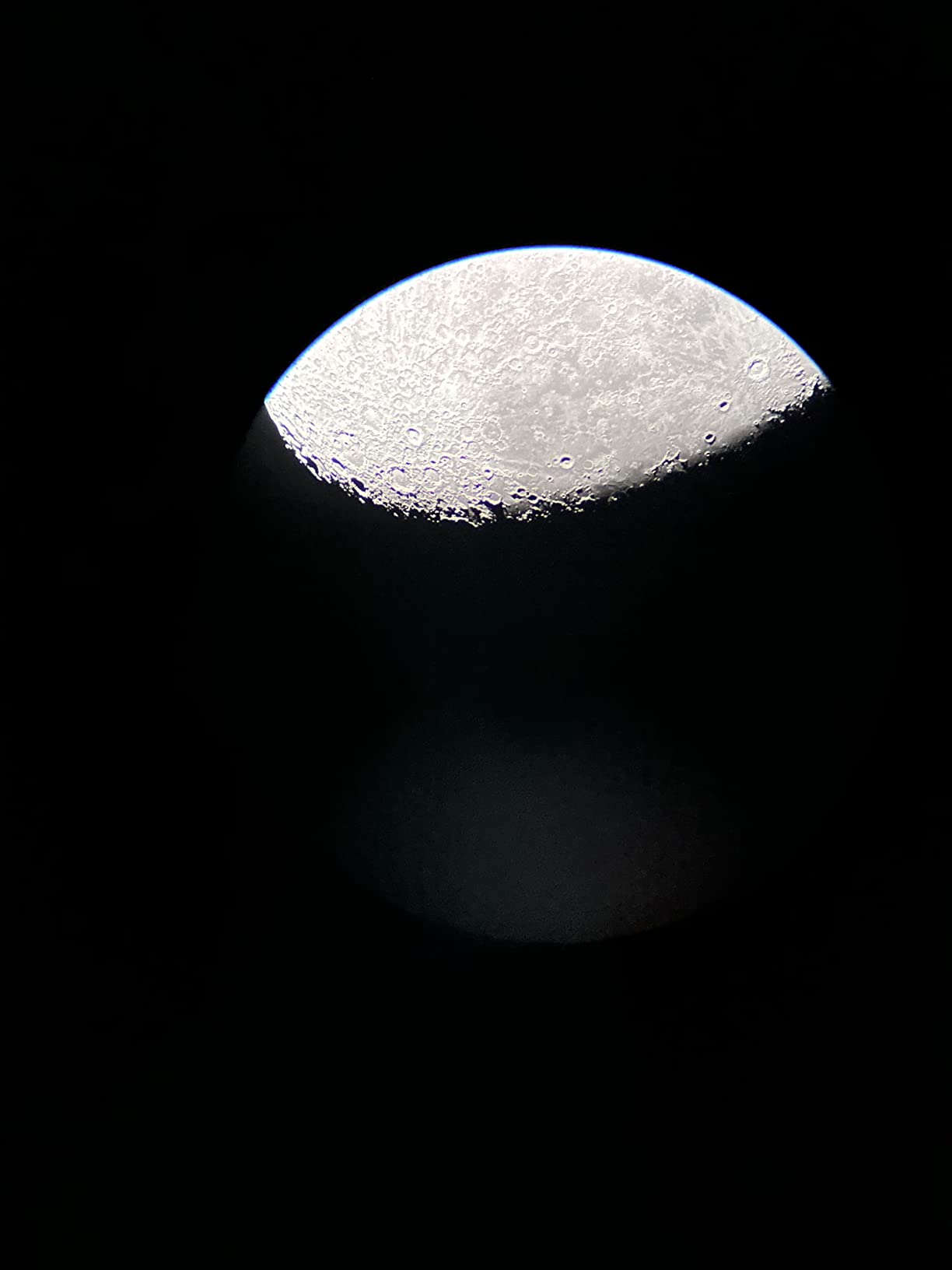
At minimum you need a mount capable of holding roughly 9 pounds of tube, a 90-degree star diagonal, and two or three eyepieces. A red-dot finder and a dovetail plate round out the visual setup, and the tube rings are included.
For imaging, add a field flattener or reducer, since the stock focal plane is curved and stars soften at the edges of a large sensor. Owners on a budget pair it with a sturdy alt-az mount; anyone serious about long exposures goes equatorial.
Visual Use vs Astrophotography
Visually, the f/7 focal ratio and ED glass make it a superb lunar and planetary scope with genuinely clean star images on doubles like the Double Cluster. It is also fast enough for satisfying wide-field sweeps of the Milky Way with a 2-inch eyepiece.
For astrophotography, treat it as a capable lunar, planetary, and small-deep-sky tube rather than a wide-field imager. It does not have the flat field of a true Petzval or triplet apo design, but with a flattener it produces clean star fields.
3. Celestron Inspire 100AZ — Best Family-Friendly All-Rounder
Celestron Inspire 100AZ Beginner Refractor Telescope with Phone Adapter
100mm aperture
660mm focal length
Built-in phone adapter
Integrated red LED light
Pros
- Fastest setup of any scope we tested
- Built-in smartphone adapter
- Red LED flashlight in the accessory tray
- Focus micrometer for repeatable focus
- Erect image optics for day and night
Cons
- Entry-level feature set may limit advanced users
The Inspire 100AZ is the telescope I hand to people who have never touched one. The entire tripod and mount come pre-assembled in the box, so first light took us about four minutes from opening the carton. Nothing else in our group was that painless.
Celestron thought about the small things here. There is a red LED flashlight built into the mount tray, so you can swap eyepieces without wrecking your night vision. The StarPointer Pro finderscope projects a dual-circle reticle that makes aiming intuitive for kids.
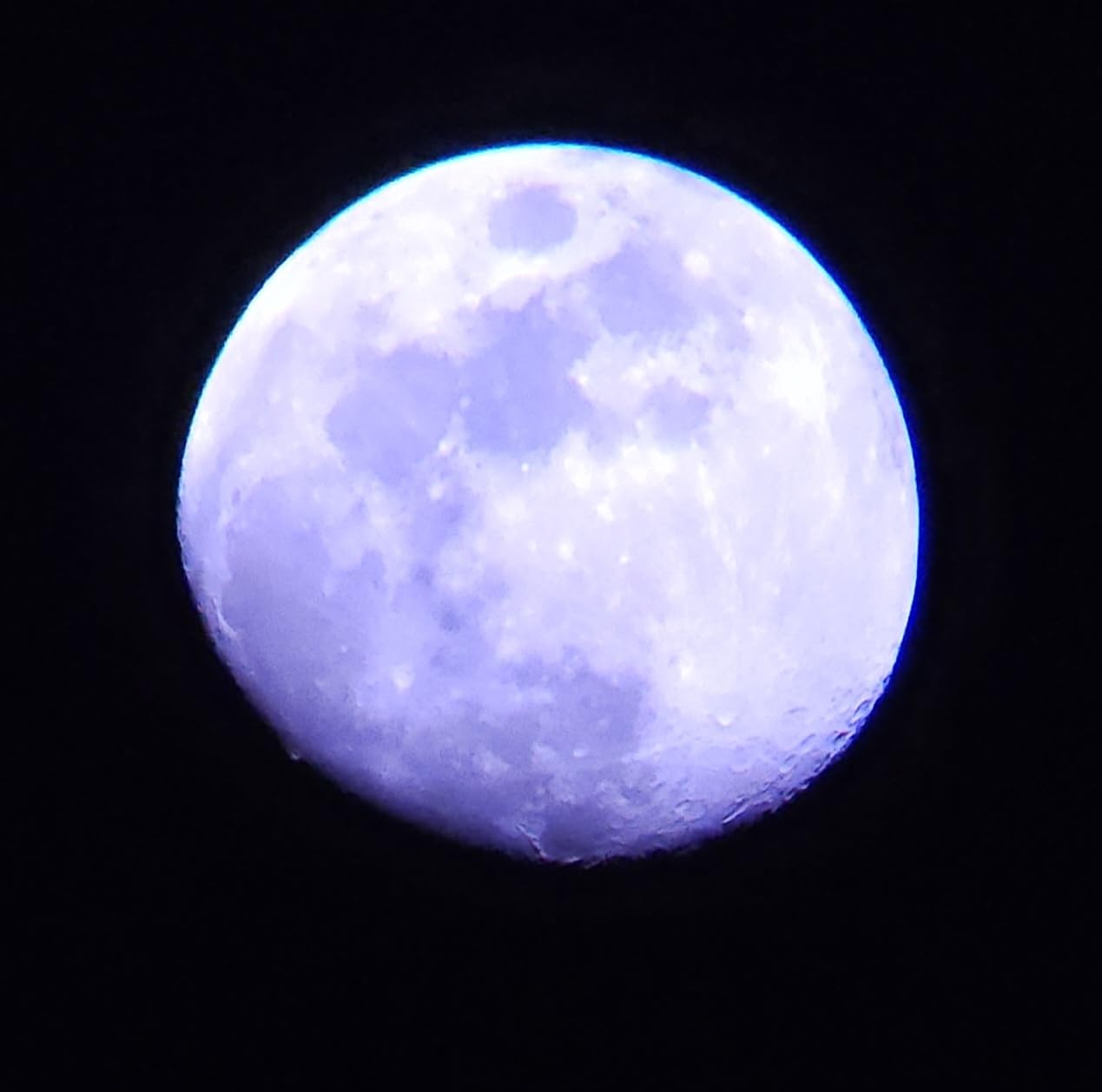
Optically, the 100mm f/6.6 achromat is a solid all-rounder. Lunar detail is excellent, Jupiter shows its major bands, and the erect image diagonal means the scope doubles as a wildlife and daytime viewer. The focus micrometer lets you log and return to exact focus positions, which sounds like a gimmick until you use it.
The box includes 20mm and 10mm Kellner eyepieces plus the folding accessory tray, so there is nothing extra to buy before first light. Celestron covers the entire setup with a two-year limited warranty.
The one honest limitation is ceiling. This is a well-built entry-level achromat, so bright stars show some violet fringing at high power, and advanced users will outgrow the accessory set. For families, that is a fair trade.
Smartphone Photography Expectations
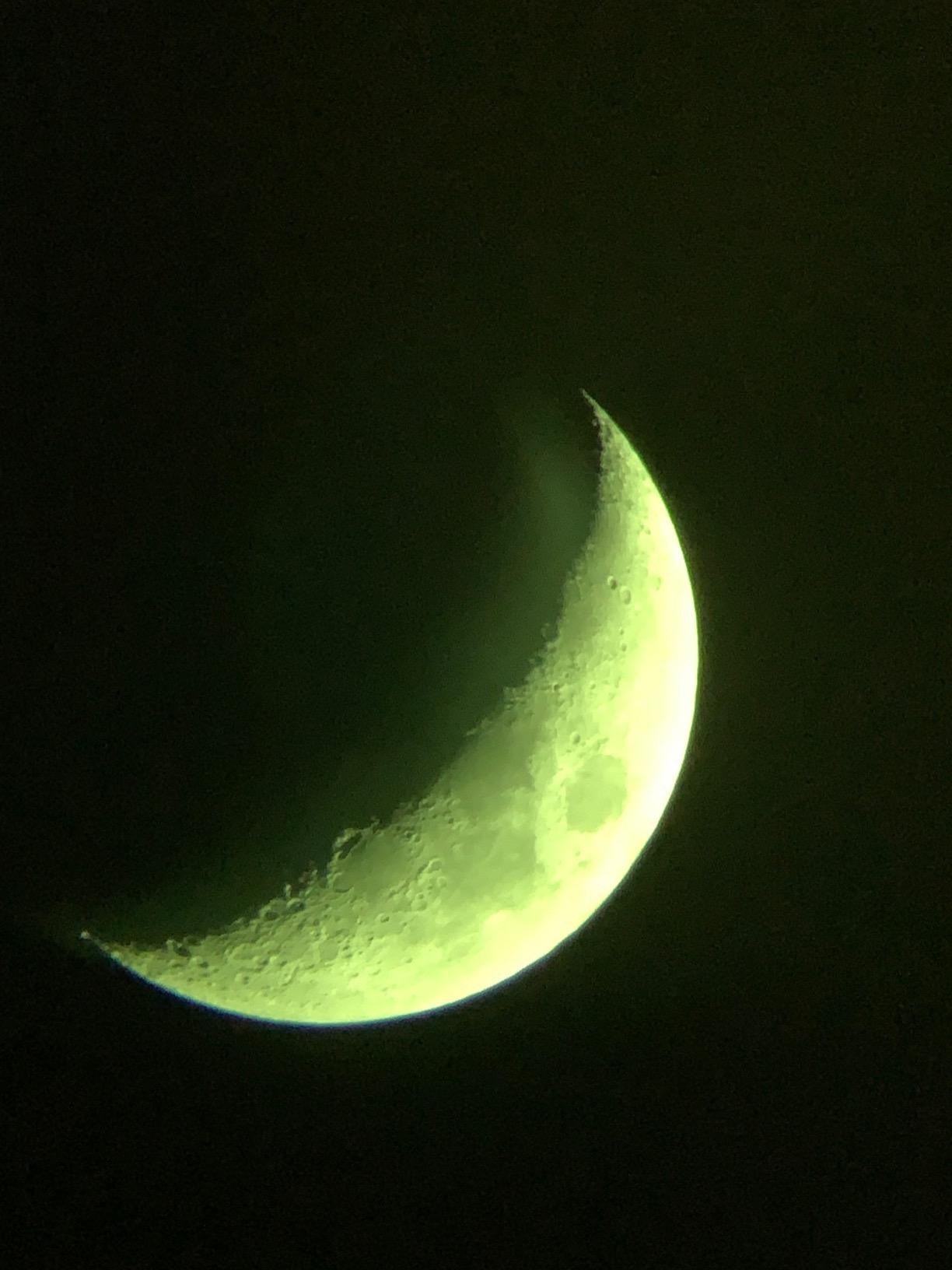
The phone adapter is built into the diagonal, and it genuinely works for lunar shots. We captured respectably sharp full-frame Moon photos in under a minute of alignment, which is rare for a bundled adapter.
Planetary video capture is possible with patience, and a free stacking app will get you a surprisingly good Jupiter. Deep-sky photography is not realistic with this mount, so set expectations accordingly before you promise anyone a nebula poster.
Setup and Learning Curve
There is essentially no assembly beyond extending legs and inserting an eyepiece, and no tools are required. That matters more than any spec sheet for keeping a child interested on a cold night.
The asymmetrical mount design keeps the tripod stiff without adding much weight, and the total package is 12.4 pounds. The tray, the flashlight, and the folding design all push in the same direction: fewer steps between wanting to observe and observing.
4. MEEZAA 90800 90mm — Best Value Refractor Kit
MEEZAA Telescope for Adults High Powered, 90mm Aperture 800mm Refractor
90mm aperture
800mm focal length
Fully multi-coated optics
Stainless tripod and carry bag
Pros
- 90mm aperture with full multi-coating
- 800mm focal length flatters planets
- Phone adapter and carry bag included
- Quick 10-minute assembly
- 32x to 240x magnification range
Cons
- Bundled accessories are basic quality
- Phone adapter alignment takes practice
Value picks usually mean compromise, but the MEEZAA 90800 mostly means completeness. The 90mm aperture with fully multi-coated lenses, an 800mm focal length, a stainless steel tripod, a phone adapter, and a carry bag all arrive in one box. With 857 reviews at 4.4 stars and 74 percent five-star ratings, owners clearly agree.
The 800mm focal length is the smart design choice here. Longer focal ratios reduce chromatic aberration in achromats, so planets look cleaner than they do through short 400mm tubes of the same aperture. Saturn and the Moon were among the better views we had in this price class.
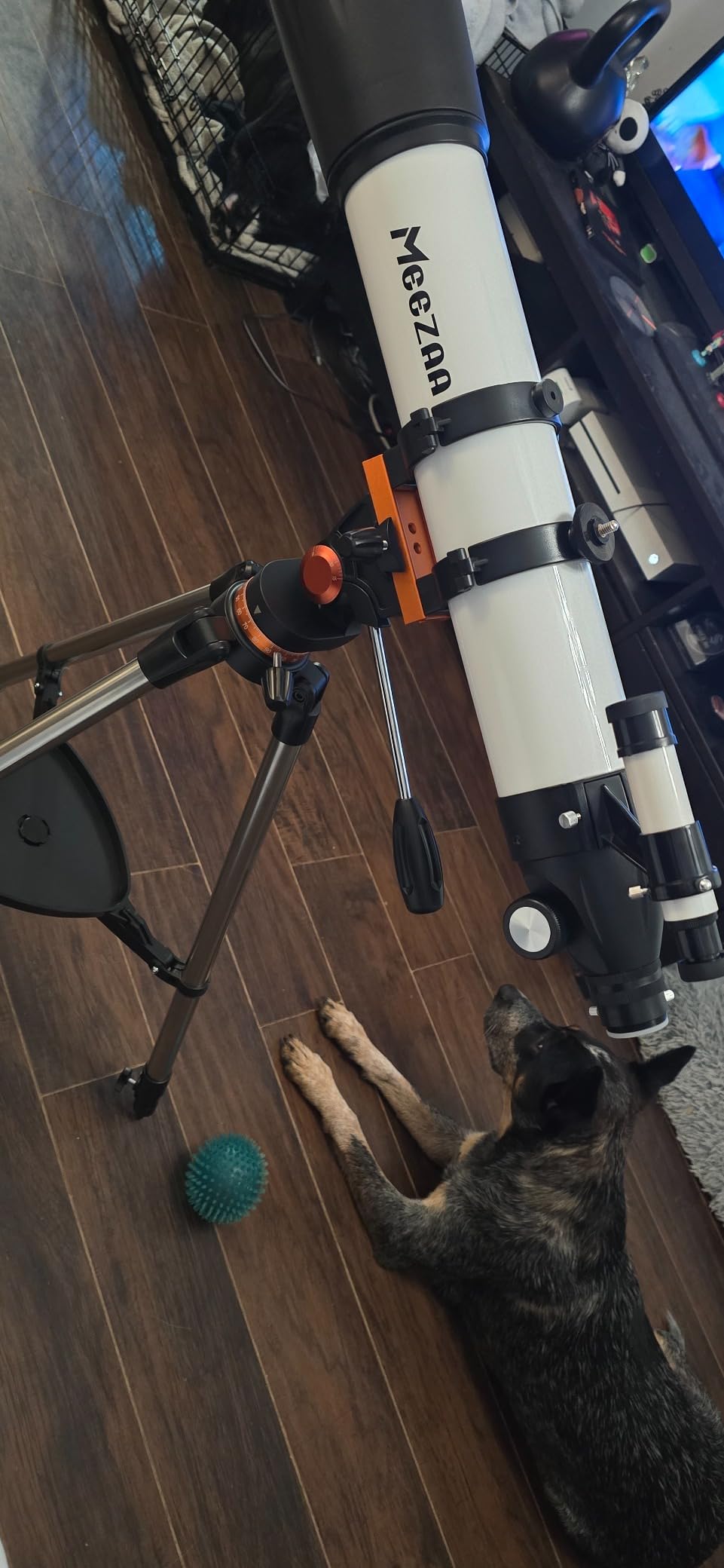
Assembly took us about ten minutes with the provided instructions, and the stainless steel tripod is a step up from the aluminum legs common at this level. It adjusts from 28 to 46 inches, which works for seated adults and standing kids alike.
Pairing the two eyepieces with the 3x Barlow gives four working magnifications, which is more room to experiment than most kits provide. The straight-through finderscope is also easy for kids to sight through once it is aligned.
Weak points are the usual budget suspects. The 10mm and 25mm eyepieces are usable but coarse, and the phone adapter takes some fiddling to align with the eyepiece. Plan on upgrading eyepieces before anything else.
Magnification Reality Check
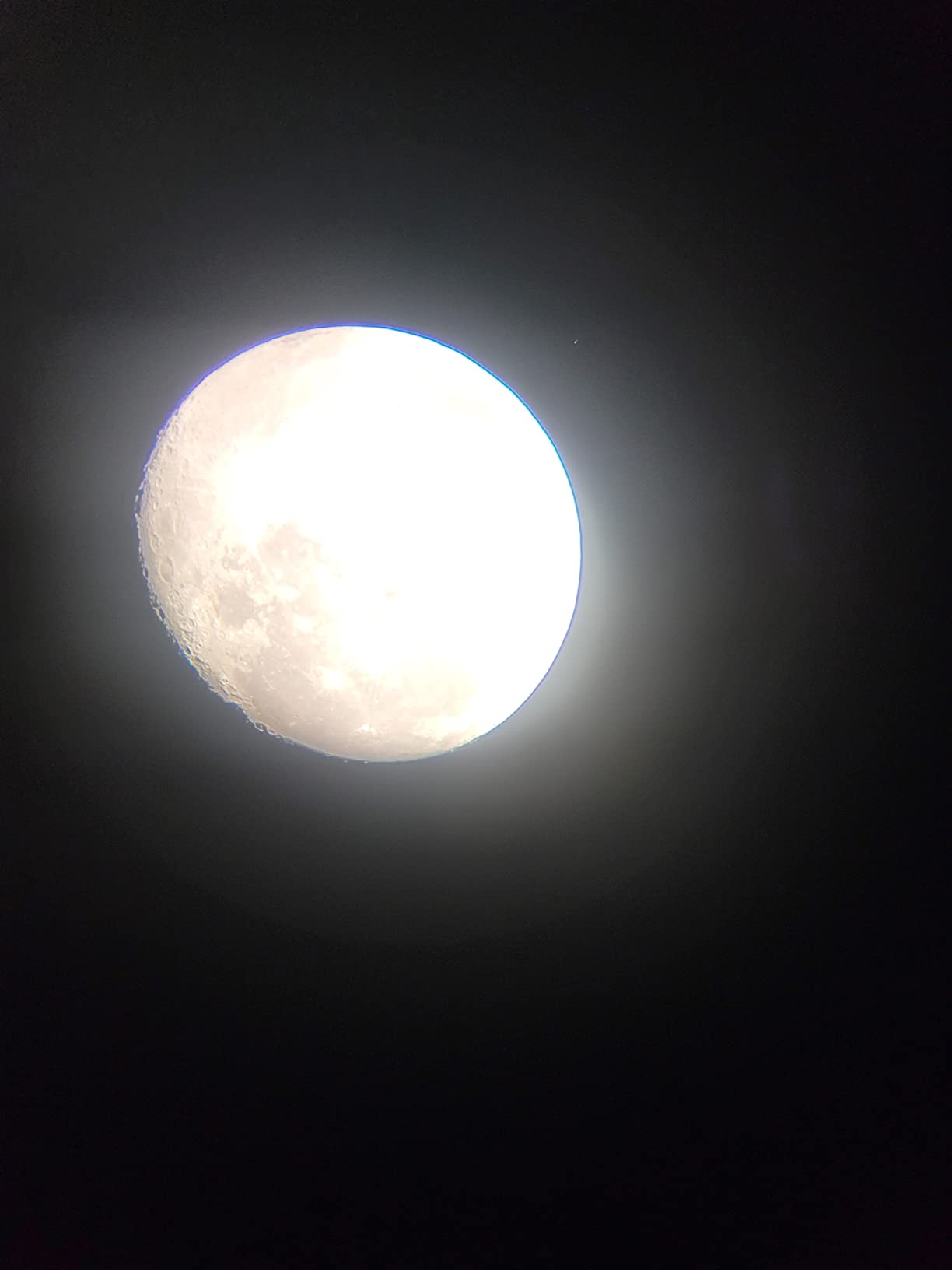
The box advertises up to 240x, and physically it can reach that with the Barlow. Practically, a 90mm aperture tops out around 180x on most nights before the image goes soft and dim.
The useful range is roughly 32x to 150x. That comfortably covers the Moon, Jupiter, Saturn, and bright clusters, which is what this scope is for. Treat anything above 180x as a rare treat in exceptionally steady air.
Tripod and Mount Stability
The stainless legs are genuinely rigid at moderate height, and vibrations settle in about a second in our tests. Like most budget kits, stability drops when the legs are fully extended.
Running the tripod at 80 percent height and adding weight to the accessory tray makes a visible difference at the eyepiece. The alt-azimuth head has slow-motion altitude control, which helps enormously when you are tracking at 100x or more.
5. Celestron NexStar 102SLT — Best Computerized GoTo Refractor
Celestron – NexStar 102SLT Computerized Telescope – Compact and Portable – Refractor Optical Design – SkyAlign Technology – Computerized Hand Control – 102mm Aperture
102mm aperture
660mm focal length
40000+ object database
SkyAlign setup
Pros
- Computerized GoTo with 40000+ objects
- SkyAlign gets you aligned in minutes
- Compact single fork arm design
- Free Starry Night software included
- 102mm multi-coated aperture
Cons
- Requires 8 AA batteries that are not included
- GoTo hand control has a learning curve
The NexStar 102SLT is the scope for people who would rather let a motor do the finding. Point it at any three bright objects and SkyAlign figures out where it is, then the hand control slews to any of more than 40,000 cataloged objects. We were aligned and tracking in about five minutes on our first try.
The 102mm multi-coated refractor at the top is the same proven SLT optical tube, and views of the Moon and planets are very good. It is worth being clear that most of what a GoTo mount finds will be faint smudges at this aperture, but tours of the night sky are where this setup shines.
The single fork arm and tripod pack down small for a computerized scope, and the whole unit is 16 pounds. Setting it up is one clamp, two tripod legs, and a power source.
Celestron ships it with a 20mm and a 9mm eyepiece, a 1.25 inch star diagonal, and the StarPointer red-dot finder. A two-year warranty covers the mount and tube together.
Two things to know before buying. The mount runs on eight AA batteries that are not included, and alkaline cells drain quickly in the cold. Owners report the steepest part of the learning curve is simply the hand control menu, which takes a night or two to feel natural.
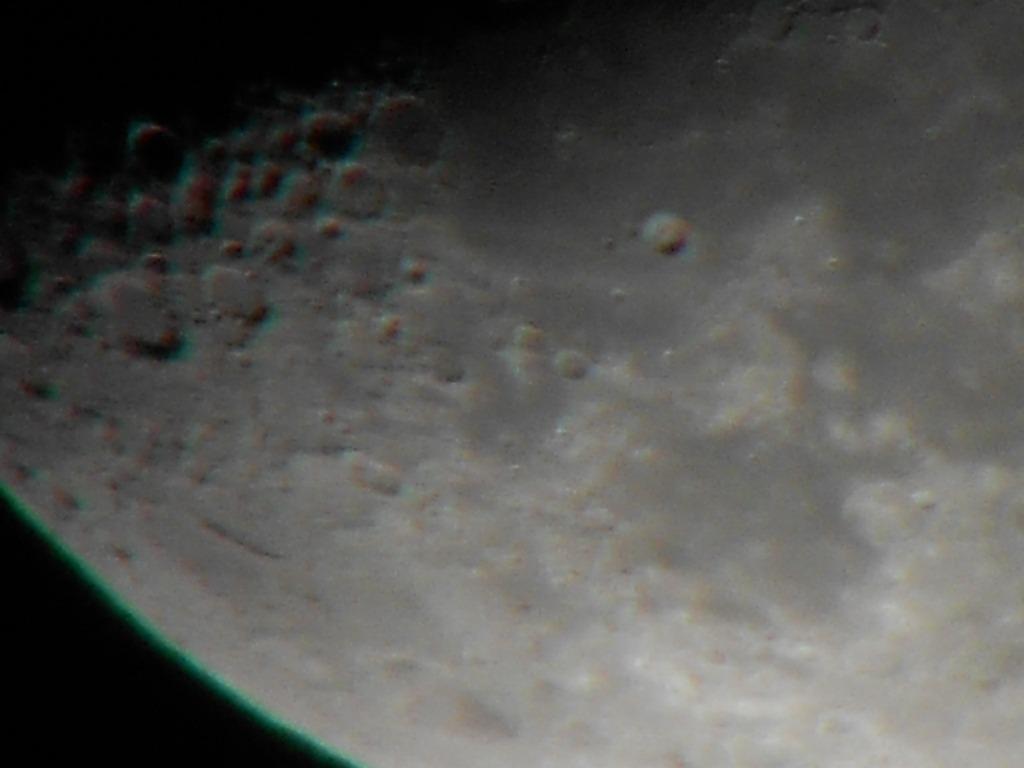
Battery and Power Options
A rechargeable power tank or a 12V adapter is the practical long-term solution, and it pays for itself quickly over alkalines. Cold nights can cut battery life dramatically, which is exactly when you do not want a dead mount.
If you plan to image, external power is non-negotiable. Tracking a target for minutes at a time on AA cells is a losing proposition, so factor a power supply into your total budget from day one.
Learning the GoTo Hand Control
The controller is straightforward once you learn the alignment and slew basics, and Celestron includes free Starry Night software that mirrors the database on your computer. Plan one clear evening just to practice alignment without an audience.
Once it clicks, the payoff is huge for groups. Kids can request the Ring Nebula and be looking at it ten seconds later instead of ten frustrated minutes later. That flow is exactly why GoTo scopes convert casual interest into a real hobby.
6. Gskyer AZ90600 90mm — Best Accessory Bundle
Gskyer Telescope 600x90mm AZ Astronomical Refractor Telescope for Adults
90mm aperture
600mm focal length
3 eyepieces plus Barlow
Adjustable aluminum tripod
Pros
- Three eyepieces covering 24x to 120x
- 3x Barlow lens included
- 600mm f/6.7 tube is versatile
- Adjustable aluminum tripod
- Simple manual alt-az operation
Cons
- Some owners struggle with the focuser
- Tripod gets shaky at full height
Gskyer wins the box-opening contest. Three eyepieces, a 3x Barlow, a finderscope, and an adjustable tripod all arrive together, which gives new hobbyists a real magnification range to experiment with on night one. The 923 owners rating it 4.2 stars with 70 percent five-star reviews suggest plenty of happy first-time astronomers.
The 90mm f/6.7 tube is a sensible middle ground between short wide-field scopes and long planetary scopes. Lunar craters along the terminator were crisp and contrasty in our tests, and Jupiter’s major bands came through cleanly at moderate power.
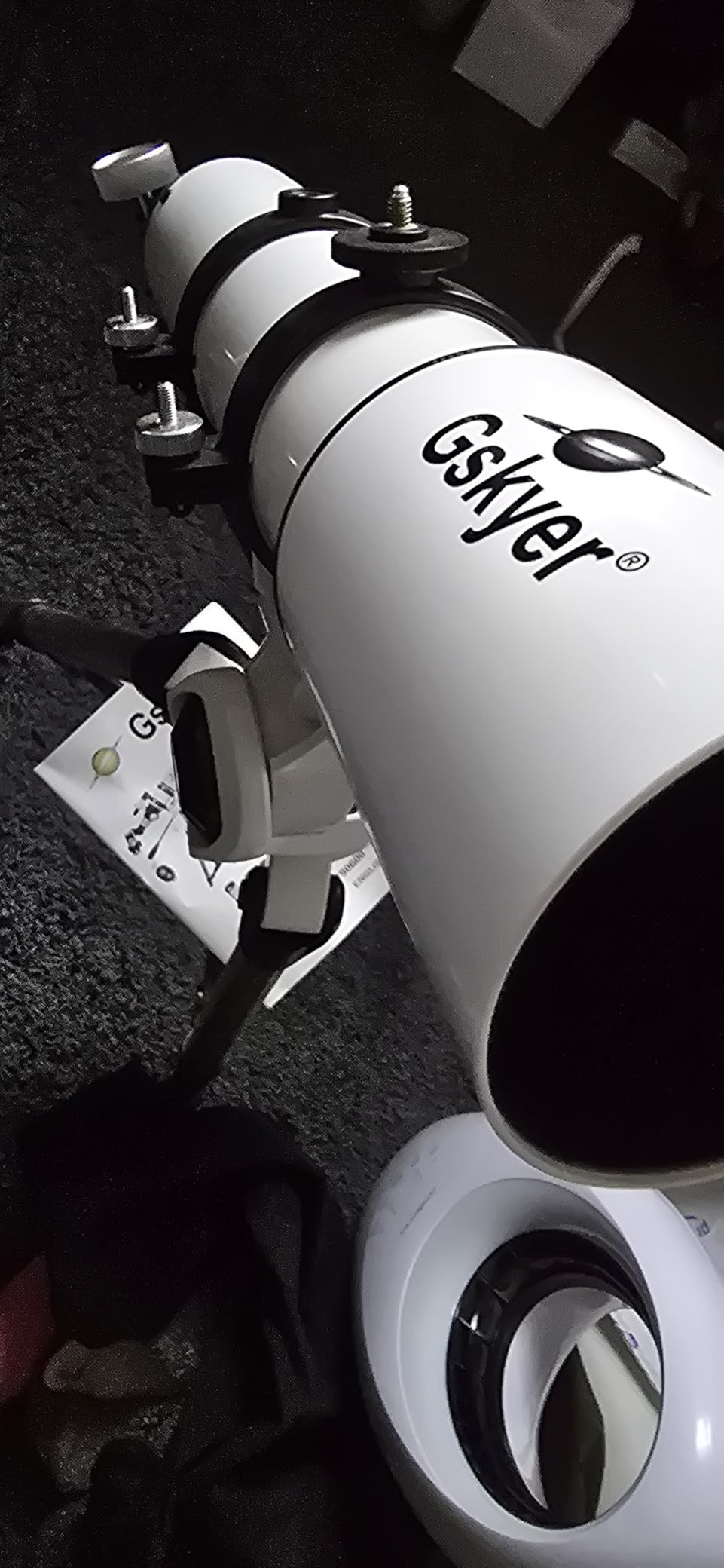
The alt-azimuth mount is basic but predictable, which is actually good for beginners. There is no alignment procedure, no app, no batteries, just point and look with slow-motion altitude control for fine tracking.
Gskyer covers the scope with a one-year warranty. The 1.6 degree field of view at low power is wide enough to frame the entire Pleiades cluster in a single sweep.
Two complaints recur in owner feedback and showed up in our testing as well. The focuser can feel stiff or slightly sticky until it breaks in, and the aluminum tripod vibrates noticeably at its full 49-inch extension. Neither is a dealbreaker, but both are worth knowing.
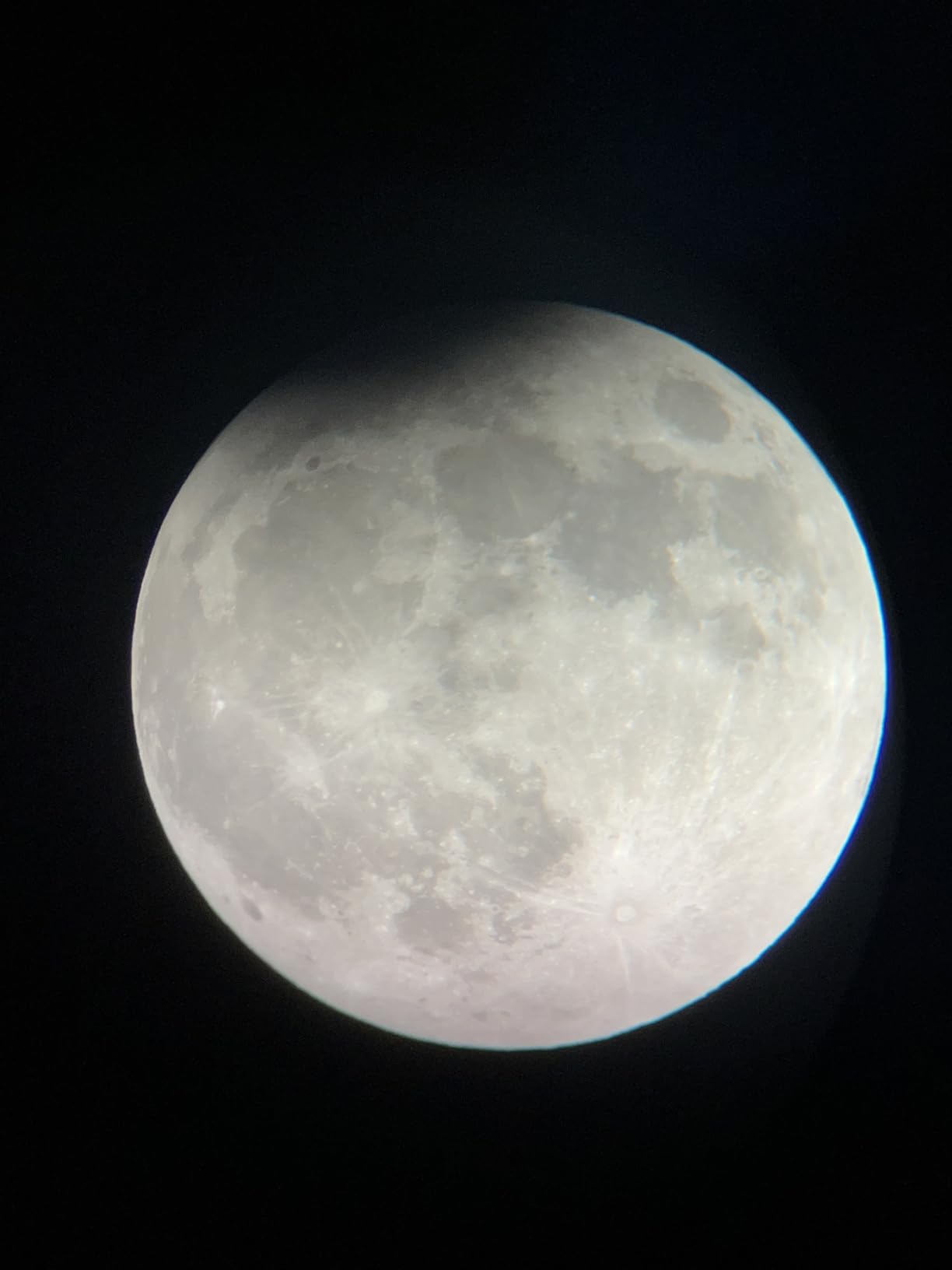
How to Fix Focusing Frustration
If focus feels rough, the fix is usually slowing down rather than forcing it. Approach focus from one direction and make the final adjustment inward, which removes backlash from the rack-and-pinion mechanism.
Start with the lowest power eyepiece every time you change targets. Centering an object at 24x and then swapping to 60x or 120x is far easier than hunting for it at high magnification, and it protects the focuser from hurried cranking.
Which Included Eyepieces to Actually Use
The 25mm-class eyepiece giving 24x will do most of the work for clusters, the Moon, and finding things. The mid-power option around 60x is your planetary workhorse.
Treat the highest power eyepiece and the 3x Barlow as occasional tools for steady nights only. Stacking the Barlow on the high-power eyepiece exceeds what 90mm of aperture can resolve, so use restraint and enjoy sharper moderate-power views.
7. Celestron PowerSeeker 80EQ — Best Equatorial Mount for Learning
Celestron PowerSeeker 80EQ Refractor Telescope for Moon & Planet Viewing
80mm aperture
900mm focal length
German equatorial mount
Astronomy software included
Pros
- Long 900mm tube is ideal for planets
- German equatorial mount teaches real tracking
- Slow-motion rods for fine control
- Includes eyepieces and 3x Barlow
- Free 36000-object software
Cons
- Equatorial mount has a real learning curve
- Heavier than comparable alt-az kits
The PowerSeeker 80EQ is the traditionalists’ choice in this group. Its long 900mm focal length produces naturally clean planetary images with modest chromatic aberration, and the German equatorial mount teaches you how serious tracking actually works. Among 1,013 reviews it holds a 4.3 average, with owners praising the value for a first serious scope.
An equatorial mount sounds intimidating, and the honest truth is that it takes a night or two to understand. The reward is that once it is polar aligned, you track objects by turning one slow-motion knob instead of chasing them on two axes.
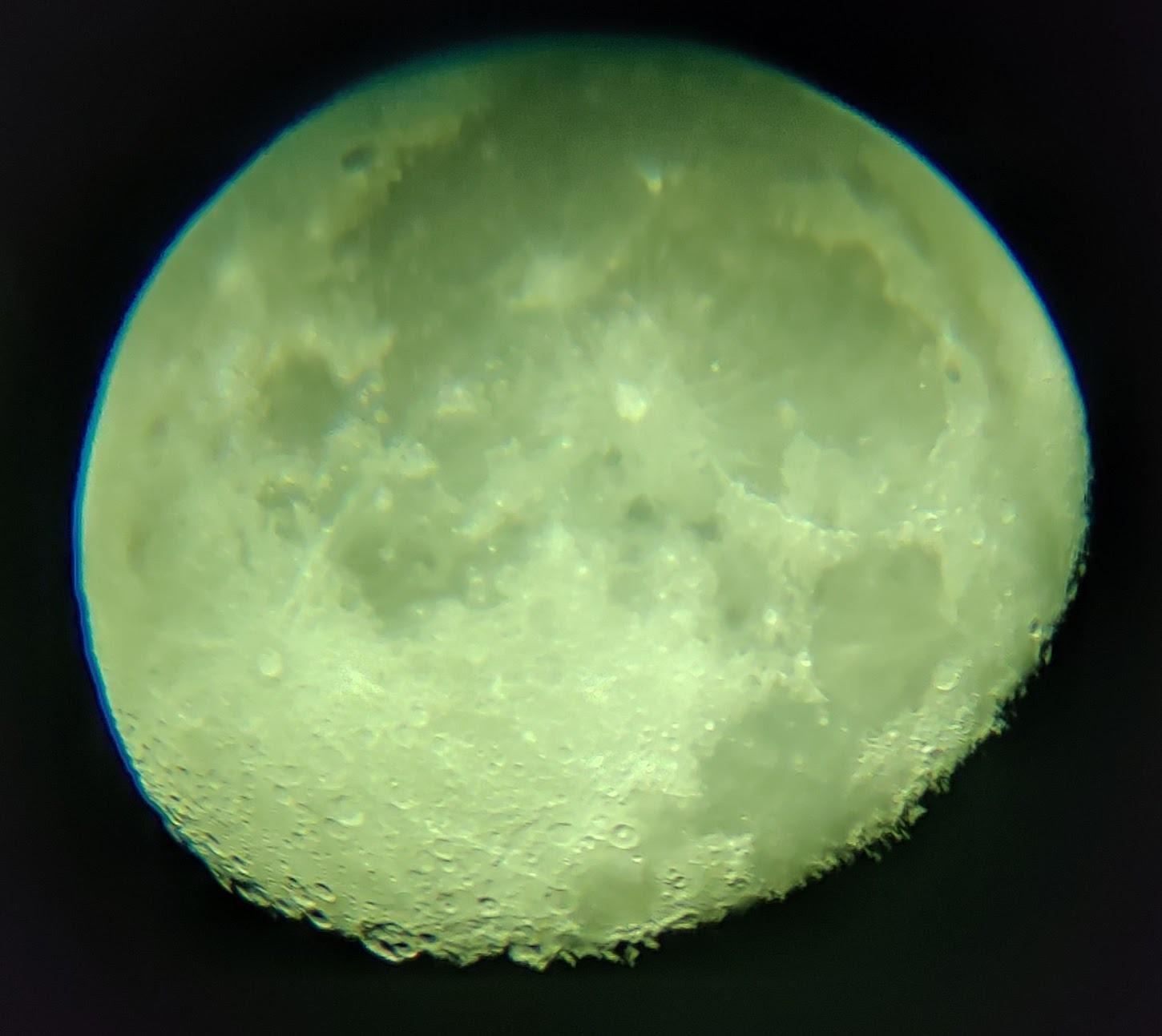
At 80mm and f/11.25, this is first and foremost a Moon, planet, and double-star scope. Lunar terminator detail was among the best in our budget group, and Saturn’s rings were cleanly defined with a visible gap on good nights.
A latitude adjustment screw simplifies the polar alignment process, and the slow-motion rods make following a planet smooth rather than jerky. Celestron includes a two-year limited warranty.
The kit includes two eyepieces, a 3x Barlow, an accessory tray, and a software download listing 36,000 objects. The package weighs 16.4 pounds, so it is sturdier and less portable than the alt-az kits around it.
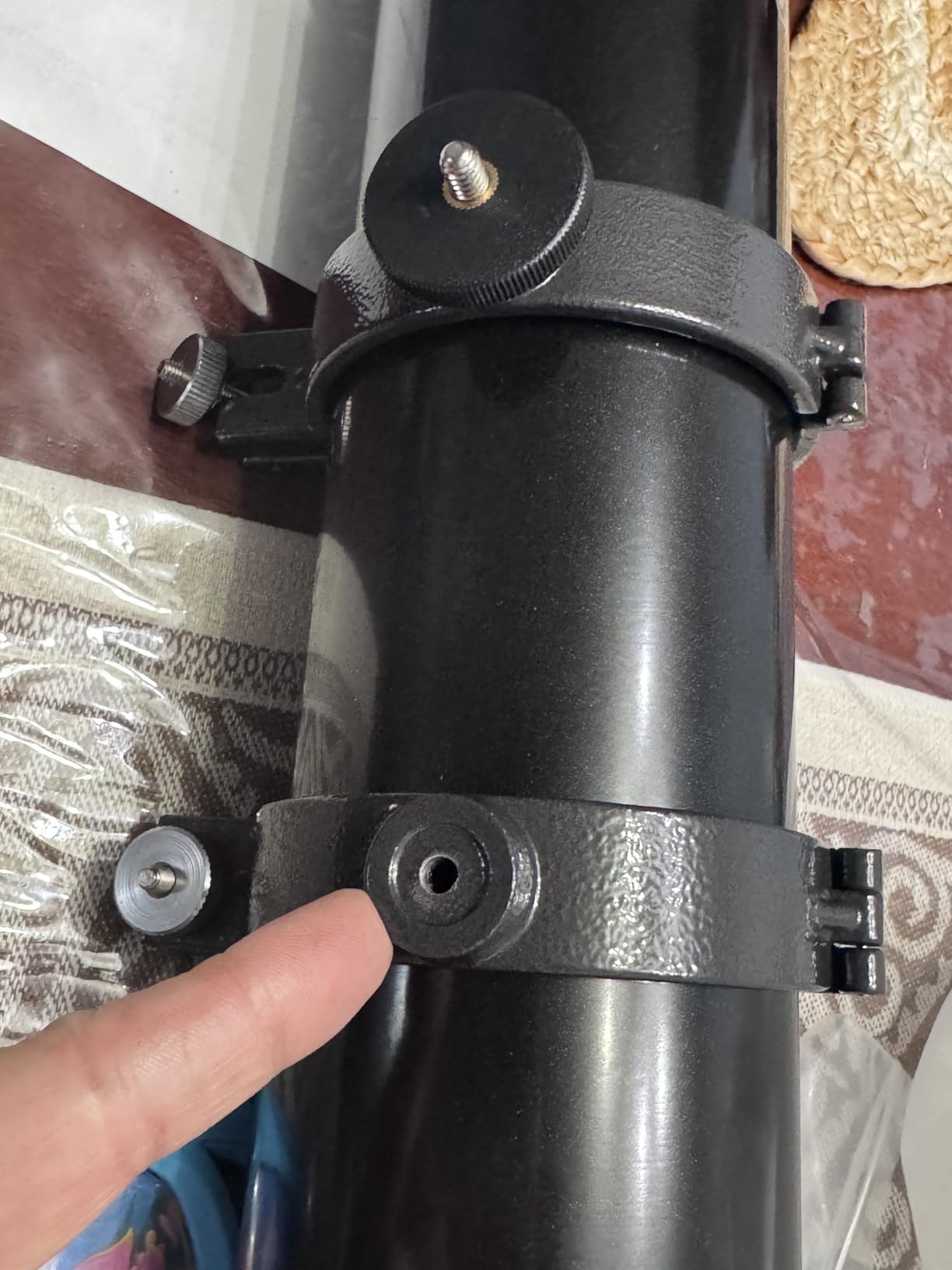
Understanding the Equatorial Mount
Set the mount’s axis to your latitude, aim that axis at the North Star, and the telescope then rotates with the sky. Every object afterward is a single-knob follow, which is why imagers and serious observers prefer this design.
Take the learning curve in stages. Use it as a plain pointing mount the first night, add slow-motion tracking the second, and attempt full polar alignment once the first two feel boring. This is exactly the skill that transfers to every scope you will ever own.
Planetary Performance and Limits
The long focal ratio is a genuine advantage for planets, suppressing the false color that plagues short achromats. Jupiter’s equatorial bands, Saturn’s rings and Cassini division, and Venus’s phase are all well within reach.
Deep-sky performance is modest because 80mm simply does not gather much light. Bright clusters and the Orion Nebula look great, but skip faint galaxies on this scope and save those for a larger aperture or a darker site.
8. Celestron StarSense Explorer LT 80AZ — Best for Kids and Families
Celestron StarSense Explorer LT 80AZ Smartphone Guided Refractor Telescope
80mm aperture
400mm focal length
StarSense app guidance
2x Barlow lens included
Pros
- Light 9.2 pound design
- StarSense app finds targets for you
- Includes 2x Barlow lens
- Wide field suits beginners
- 2-year warranty
Cons
- Phone must stay docked for app guidance
- Stock finderscope is worth upgrading
The LT 80AZ is the lighter, friendlier sibling of our top pick, and it is the one I would put in front of a curious eight-year-old. At 9.2 pounds it is genuinely kid-portable, and the StarSense app guidance means a child can find the Orion Nebula without an adult translating a star chart.
Owners rate it 4.3 across 581 reviews with 68 percent five stars, and the feedback pattern is consistent: families love the app hand-holding. The 80mm fully coated optic is modest but honest, with pleasing views of the Moon, Jupiter’s moons, and Saturn’s rings.
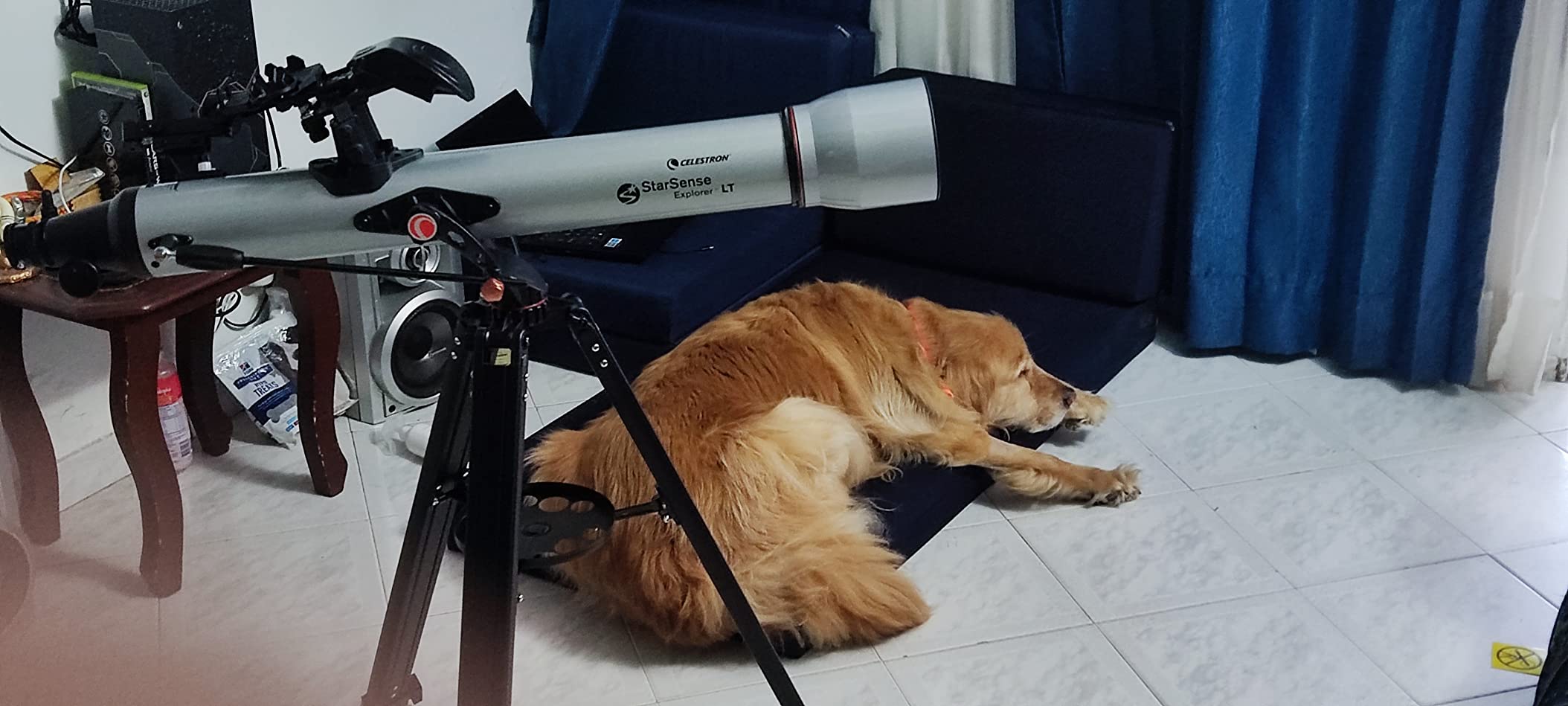
The 400mm focal length gives a wide field of view, which is the right choice for beginners. Wide fields make targets easier to find and keep the whole Pleiades cluster or the full Moon in frame at once.
The Dawes limit of 1.45 arc-seconds is the theoretical resolution ceiling, which in practice handles modest double stars cleanly. Celestron’s two-year warranty covers both the tube and the mount.
The included 2x Barlow doubles your magnification options from two eyepieces to four, a nice touch at this level. The two weak links are the phone dock requirement during guiding and the basic red-dot finder, which works but is worth a small upgrade later.
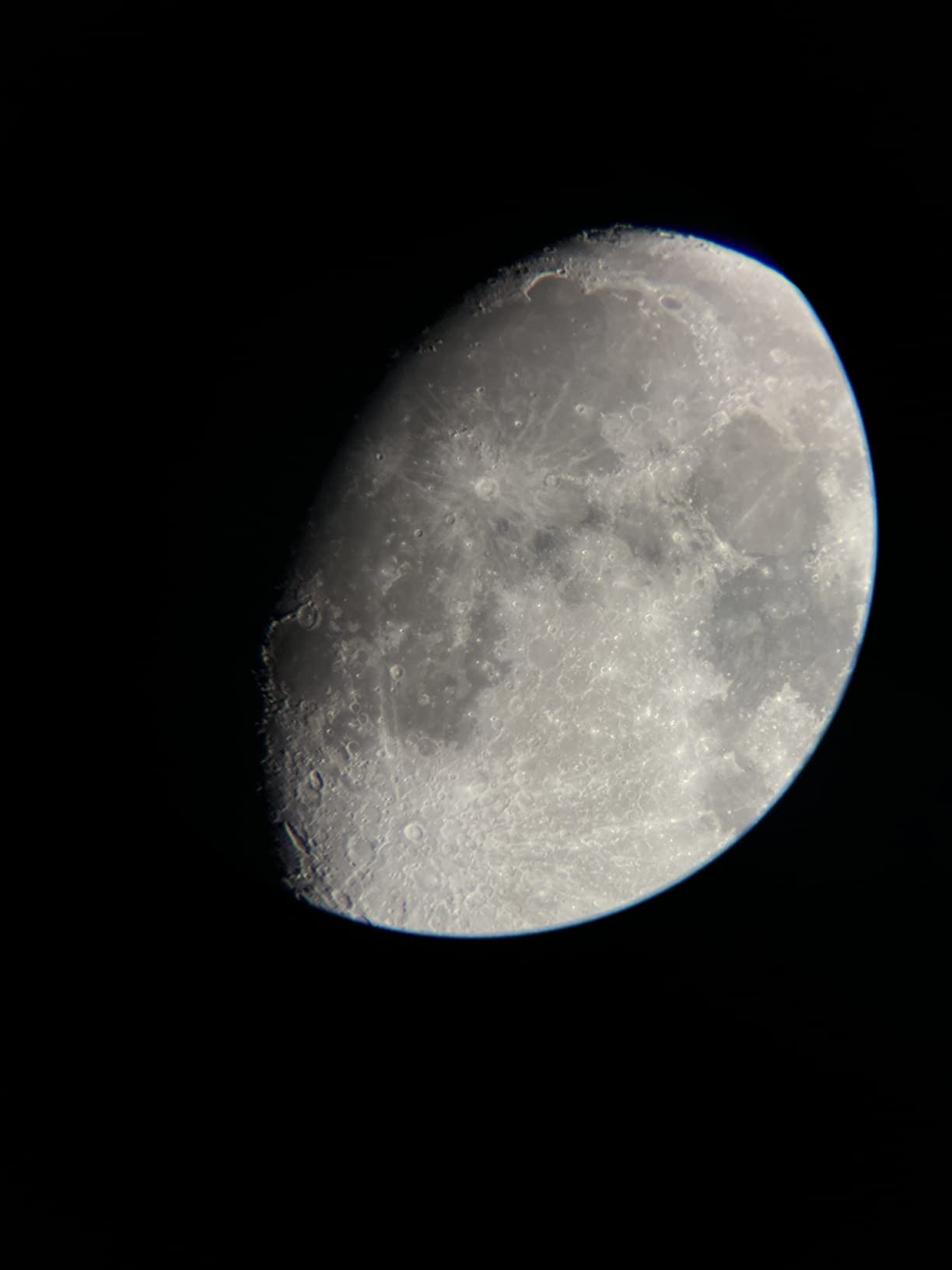
Is It Right for Kids
Yes, with supervision on the first few outings. The tripod adjusts low enough for children, the slow-motion altitude knob is easy for small hands, and the app turns finding objects into a game rather than a chore.
The main adult job is managing expectations and phone battery. A child who sees the rings of Saturn once will remember it forever, even if the view is smaller than a Hubble photo, so frame it that way on night one.
Wide Field vs High Magnification
Short 400mm scopes excel at big, bright subjects: the Moon, the Pleiades, the Double Cluster, and sweeping the Milky Way. These are the most rewarding targets for beginners anyway, which is why the design makes sense here.
Planets need the Barlow and the 10mm eyepiece to look impressive, and they will still look small. If your household is planet-obsessed, consider the longer 102mm DX model above instead of this one.
9. Celticbird 80600 80mm — Best Budget Refractor Kit
Celticbird Telescope for Adults High Powered, 80mm Aperture 600mm AZ Mount Refractor Telescope for Kids Beginners – Portable Telescopes for Adults Astronomy with Backpack, Phone Adapter, Moon Filter
80mm aperture
600mm focal length
Moon filter included
Backpack carry kit
Pros
- Genuinely portable backpack kit
- Phone adapter and moon filter included
- Easy 20-minute first assembly
- 3-year satisfaction warranty
- Clean optics for the class
Cons
- Fine adjustments introduce some wobble
- Not built for serious astrophotography
The Celticbird 80600 is the budget kit we would actually recommend to a friend. At 5.8 pounds total with a backpack, it solves the portability problem that kills so many first telescopes, and the 80mm aperture is enough to show real detail on the Moon and the rings of Saturn.
Owners rate it 4.4 across 859 reviews with 72 percent five stars, an unusually strong score for a low-cost kit. The included moon filter, phone adapter, and backpack explain most of that goodwill: the box feels complete rather than stripped down.
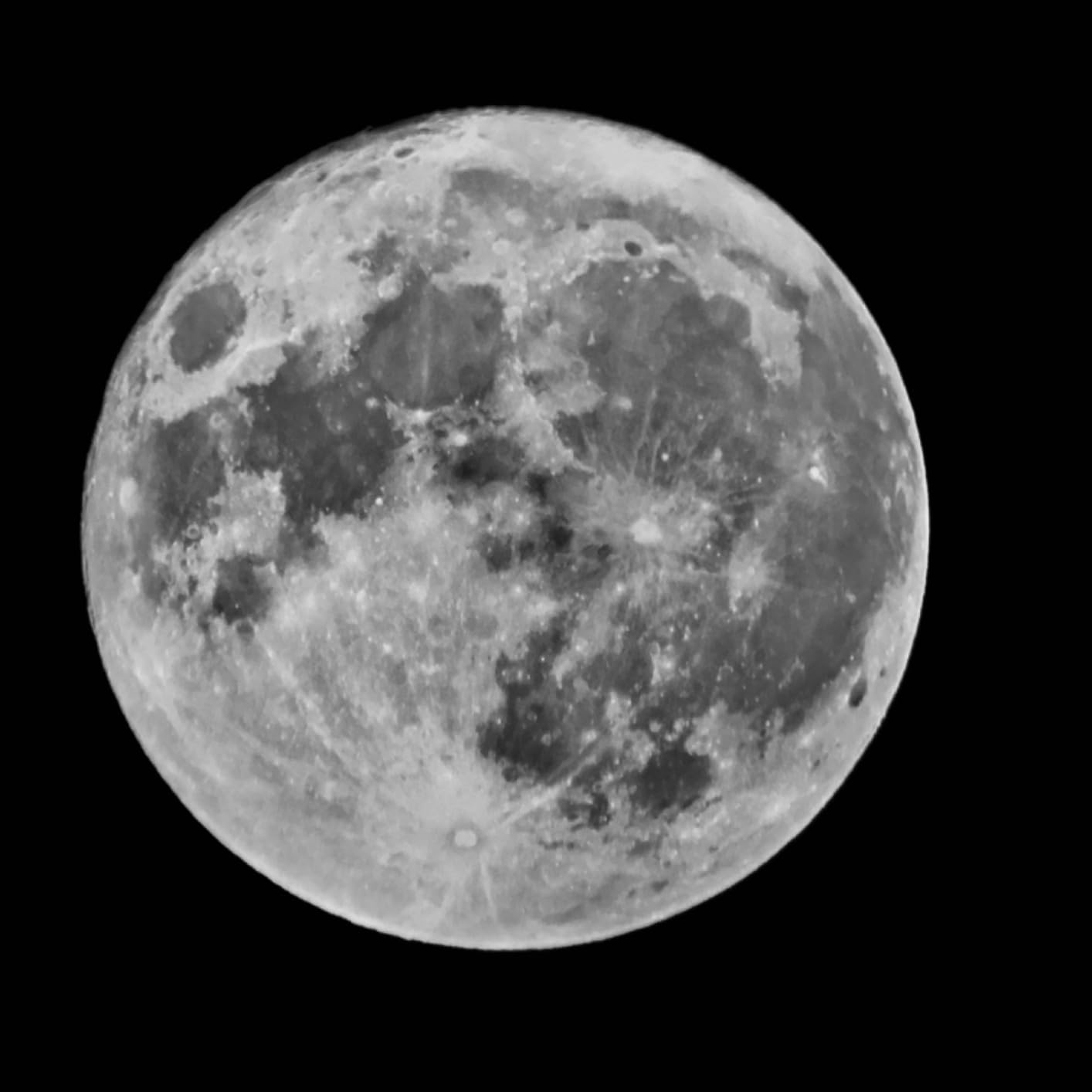
The 600mm f/6.7 tube is a comfortable middle ground. It is long enough for decent planetary views and short enough for pleasing wide-field looks at clusters and the Milky Way in rural skies.
The 5×24 finderscope is serviceable once it is aligned in daylight, and the included 20mm and 9mm eyepieces give 30x and 67x. Celticbird backs the whole kit with a three-year satisfaction service.
The limits are what you would expect at this price. The tripod and fine-motion controls wobble under adjustment, so touches must be gentle at high power. And no budget kit is a serious astrophotography platform, so treat the phone adapter as a fun extra rather than a promise.
Travel and Storage
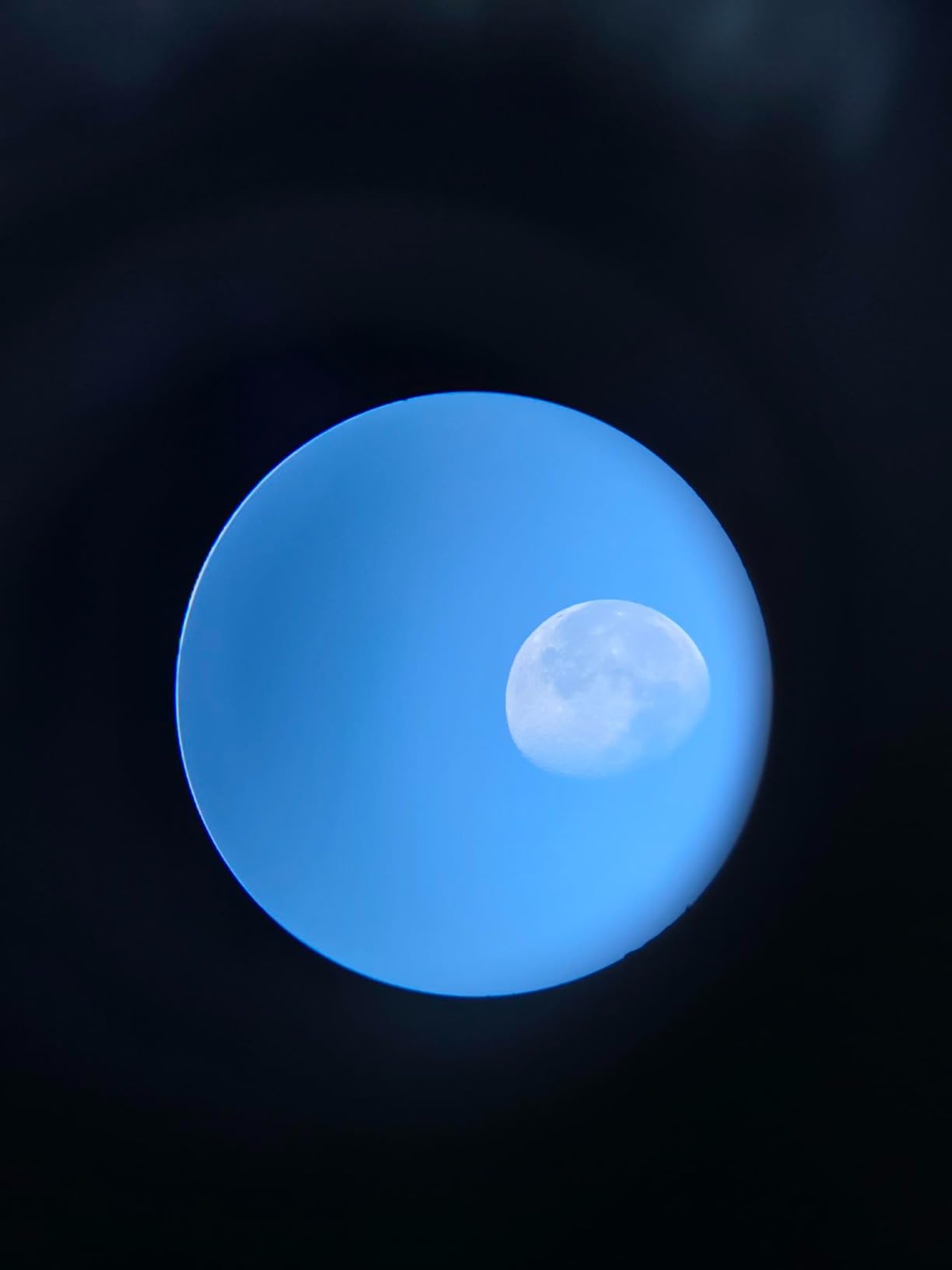
Everything packs into the included backpack, including the folded tripod, and the whole kit fits in an overhead bin or a car footwell. That makes it the easiest scope in our group to actually bring along, which is worth more than raw aperture for casual observers.
The adjustable tripod spans 17.7 to 52 inches, so it works for tabletop viewing with kids and standing adults. Extend it partway for maximum stability whenever you can.
What the Moon Filter Actually Does
The included filter passes about 13 percent of incoming light, which dims the Moon to a comfortable level. Without it, a full Moon through 80mm of aperture is genuinely uncomfortable to look at and ruins your dark adaptation.
Use it for lunar sessions and remove it for everything else, since it dims planets and deep-sky objects too much. It is a small accessory that meaningfully improves your most-viewed target, which is exactly why it belongs in a beginner kit.
10. Celestron Travel Scope 70mm — Best Ultra-Portable Grab-and-Go
Celestron Travel Scope 70mm Beginner Portable Telescope with Backpack
70mm aperture
400mm focal length
4.2 pound tube
No-tool setup with backpack
Pros
- Fits in a backpack at 4.2 pounds
- No-tool setup in minutes
- Works for daytime wildlife viewing
- Two eyepieces included
- Trail-friendly portable design
Cons
- Tripod is flimsy fully extended
- Included eyepieces are basic
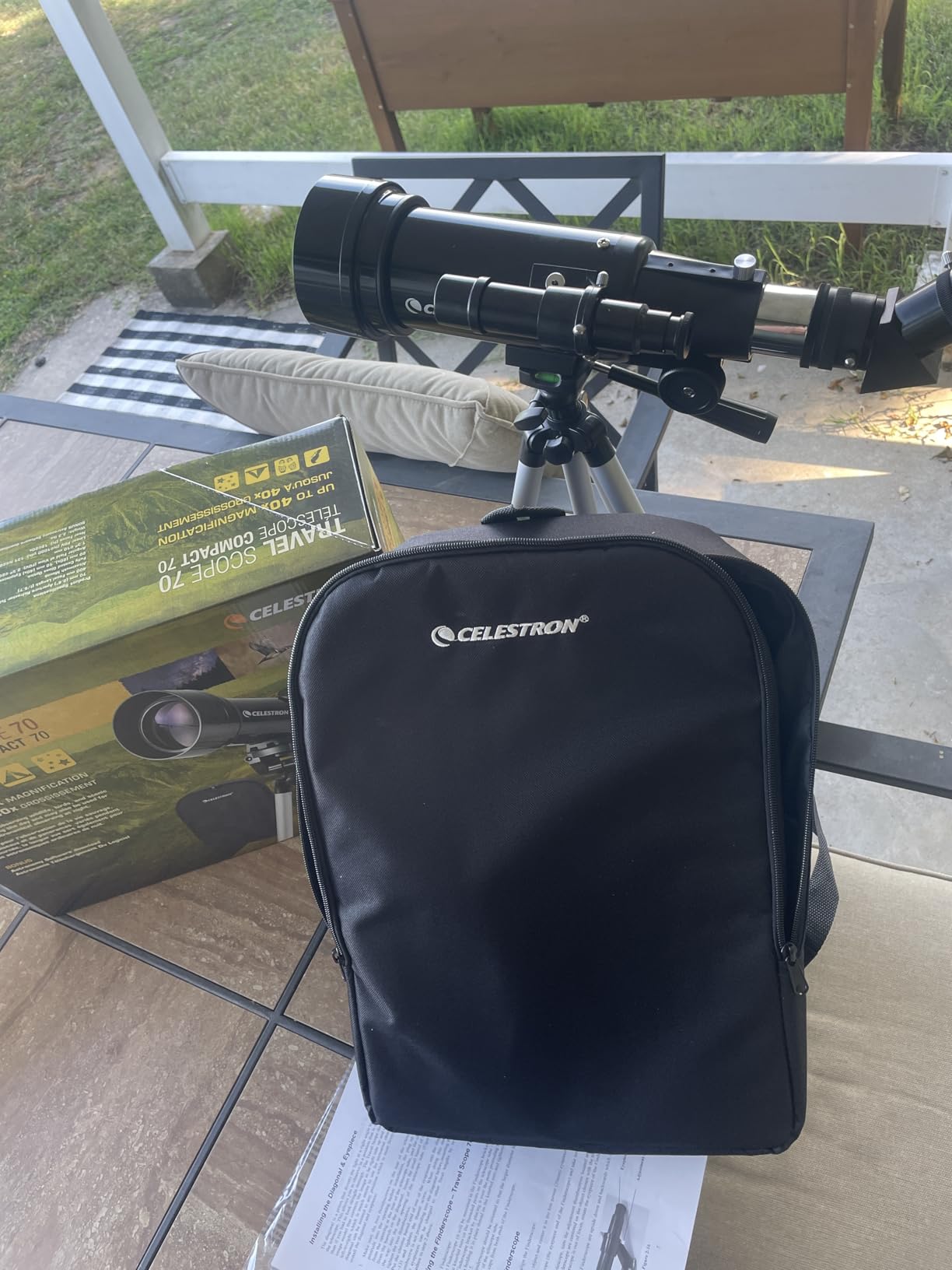
The Travel Scope 70 is the most portable telescope in the group and one of the most purchased amateur scopes anywhere, with nearly 15,000 reviews at a 4.2 average. It is not the best performer here, but it is the one most likely to actually leave your house.
Aperture is where the money went elsewhere and where it was saved here. The 70mm fully coated objective shows crisp lunar craters, Jupiter’s four moons, and Saturn’s rings as a clear oval, but planetary detail is modest compared to the 100mm class scopes above.

Where it shines is convenience. The tube, tripod, and both eyepieces pack into the included backpack at a total of 4.2 pounds, and setup takes only a few minutes with no tools.
Magnification lands at 20x and 40x with the two supplied eyepieces, and the 1.43 degree true field frames the full lunar disk with margin to spare. Celestron includes a two-year limited warranty.
The weak point is unanimous in owner feedback: the tripod becomes flimsy when fully extended. Used at moderate height or resting on a table, the little scope performs far above its reputation.
Daytime Use as a Spotting Scope
The erect image design means this works as a daytime wildlife and scenery scope, not just at night. The 20mm eyepiece gives a comfortable 20x for birding and harbor viewing.
That dual-use versatility is a real advantage for families and travelers. One backpack covers a camping trip’s daylight hours and its evening sky, which is a fair argument for choosing it over a larger single-purpose scope.
Upgrade Path and Honest Expectations
The two included eyepieces are the best first upgrade target, and any standard 1.25 inch eyepiece will fit. A sturdier photo tripod with the same mounting thread also transforms the viewing experience.
Keep expectations matched to 70mm of aperture and this little scope is genuinely fun. Expect faint galaxies and detailed planetary surfaces and you will be disappointed, so buy it for portability first and optics second.
How to Choose the Best Refractor Telescope
Aperture: Where Your Money Should Go First
Aperture, the diameter of the objective lens, determines how much light your telescope collects and how much detail you can resolve. Every increase in diameter is significant: a 102mm scope gathers more than twice the light of a 70mm scope.
Prioritizing aperture over magnification claims is the single most useful rule in telescope buying. Any honest scope will show you its aperture on the box; the ones leading with 600x magnification are telling you what to worry about instead.
Focal Length and Focal Ratio, Explained Simply
Focal length is the distance from the lens to the point where the image forms, and longer focal lengths give higher magnification with any given eyepiece. Focal ratio is focal length divided by aperture, written as f/6 or f/10.
Short ratios near f/5 give wide, bright fields that are great for clusters and Milky Way sweeping. Long ratios near f/10 deliver cleaner planetary views with less false color in achromatic optics, which is why our planetary picks cluster at the long end.
Chromatic Aberration: Achromat vs ED vs APO
Chromatic aberration is the false color that appears when a single lens focuses different wavelengths of light at slightly different points. In practice it shows up as purple fringes around bright objects like Venus, Sirius, and the Moon’s limb.
Standard achromats use two glass elements and keep fringing acceptable, especially in longer tubes. Extra-low-dispersion, or ED, glass in a doublet cuts most of it, and a true apochromatic triplet using glass like FPL-53 or FCD100 removes nearly all of it, at a price that rises steeply.
Mount Types: Alt-Azimuth, Equatorial, and GoTo
An alt-azimuth mount moves up, down, left, and right, and anyone can use one without instruction. That simplicity is why nearly every beginner kit in our list uses one.
An equatorial mount aligns with Earth’s rotation so a single knob tracks objects across the sky, which matters for high-power viewing and any photography. Computerized GoTo mounts find and track objects automatically from a database, trading battery dependence and a learning curve for sheer convenience.
Refractor vs Reflector: Which Should You Buy
Refractors give sharp, high-contrast images, need no collimation, and hold alignment for years because the optics are sealed. They excel at the Moon, planets, double stars, and imaging, and they are the easiest type to live with.
Reflectors, especially Dobsonians, deliver far more aperture for the money, which is the deciding factor for faint deep-sky objects. Forum regulars consistently recommend a Dobsonian for pure visual aperture hunger, and a refractor for low-maintenance sharpness. Both camps are right for their own goals.
Visual Observing vs Astrophotography
Visual work needs aperture and a stable mount, and almost any kit above will satisfy it. Deep-sky astrophotography needs a solid equatorial mount first and a good tube second, and the mount is usually the larger investment.
Smartphone lunar and planetary photography is the sensible entry point, and the Inspire 100AZ and MEEZAA kits make it easy with built-in adapters. If imaging is your real goal, start with the SV503 ED tube and a proper equatorial mount rather than an all-in-one kit.
The Accessories Worth Upgrading First
Better eyepieces beat every other upgrade, because the ones bundled with budget kits are the weakest link in the chain. A single quality mid-power eyepiece visibly improves every scope in this guide.
After eyepieces, a sturdier tripod or a red-dot finder adds the most daily enjoyment. Skip the stack of Barlows and colored filters bundled in some kits; they mostly add magnification the aperture cannot support.
Five Beginner Mistakes to Avoid
First, observing from a bright patio or through a window and blaming the telescope for the washout. Second, chasing maximum magnification instead of steady, moderate power.
Third, skipping the finder alignment during daylight, which makes finding anything at night frustrating. Fourth, giving up after one cloudy or humid night instead of waiting for steady, transparent air. Fifth, buying a large scope you will never carry outside, because the best telescope is always the one that gets used.
Frequently Asked Questions
Which refractor telescope is considered the best quality?
Among consumer models, the SVBONY SV503 102mm ED earns the highest owner ratings in our group at 4.8 out of 5, thanks to extra-low-dispersion glass and a dual-speed focuser. For overall polish and beginner experience, the Celestron StarSense Explorer DX 102AZ is the strongest all-around pick. At the professional end, Takahashi and Astro-Physics set the standard.
Why are refracting telescopes no longer used?
Refractors are absolutely still used; they are simply no longer built at giant scales for professional research. Lens glass sags under its own weight above roughly one meter, and chromatic aberration grows with aperture, so observatories switched to mirrors. For hobbyists, refractors under 150mm remain popular because they are sharp, sealed, and never need collimation.
What is a good telescope to see Saturn’s rings?
Any refractor of 70mm or larger will show Saturn’s rings as a distinct oval shape. At 90mm to 102mm, the Cassini division becomes visible on steady nights along with the ring shadow on the planet. A focal length of 600mm or more and magnification around 150x give the most satisfying view.
Which is better, a refractor or a reflector?
Refractors deliver sharper, higher-contrast images, need no collimation, and excel at planets, the Moon, double stars, and astrophotography. Reflectors give far more aperture per dollar, which matters for faint deep-sky objects. Choose a refractor for low-maintenance sharp views, or a reflector such as a Dobsonian for maximum light grasp on a budget.
What is the best refractor telescope for the money?
The MEEZAA 90800 is the strongest value we tested, pairing a 90mm fully multi-coated aperture with an 800mm focal length, stainless steel tripod, phone adapter, and carry bag. If your budget is tighter, the Celticbird 80mm kit covers the same basics and adds a moon filter and backpack.
Can you see galaxies with a refractor telescope?
Yes. From a reasonably dark site, a 90mm or 102mm refractor shows the Andromeda Galaxy as an elongated smudge several times wider than the full Moon, along with M33, the Whirlpool Galaxy, and dozens of others. Bright nebulae and star clusters are easy targets, and galaxy detail is limited by aperture and light pollution rather than telescope type.
Final Verdict
After three months and ten telescopes, our top pick for the best refractor telescopes of 2026 is still the Celestron StarSense Explorer DX 102AZ, because app guidance plus a genuinely good 102mm optic gets more people observing. Buy the SVBONY SV503 102mm ED if optics come first and you already own a mount, and the Celestron Inspire 100AZ if you want the smoothest family experience out of the box.
On a tighter budget, the MEEZAA 90800 is the value king and the Celticbird 80600 is the smart minimal spend. Whichever you choose, upgrade the eyepieces first, align the finder in daylight, and give your first clear night a little patience. Saturn is not going anywhere, and it looks even better when you find it yourself.