
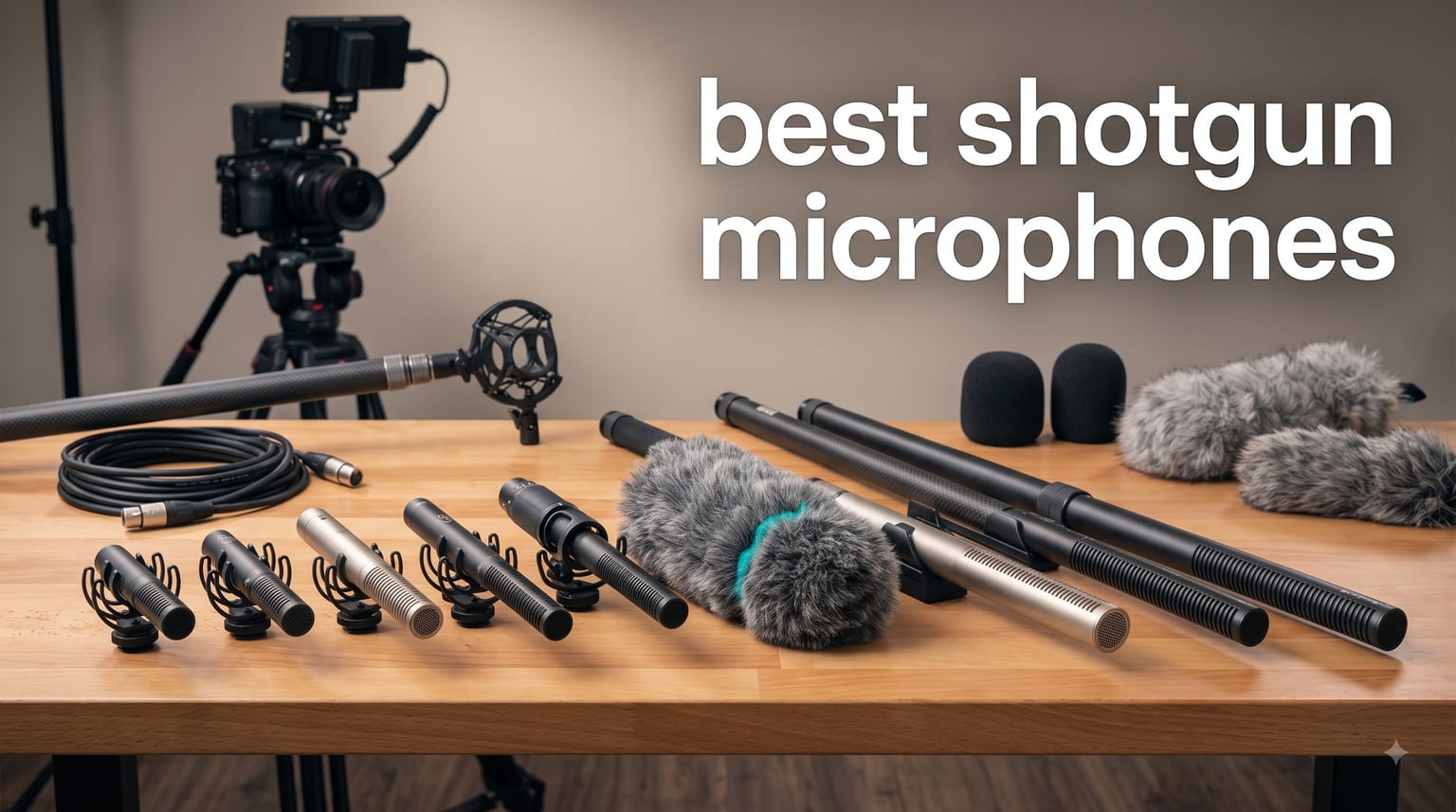
Bad audio ruins good footage faster than any soft focus ever will. That is the single reason the best shotgun microphones exist: they grab the voice in front of the camera and shove everything else to the sidelines.
Our team has spent the past few months mounting, booming, dropping and rerecording with ten of the most popular shotgun mics you can buy right now. We ran them on Canon and Sony bodies, on a Zoom field recorder, on an iPhone, and out in wind that ruined at least two takes. Prices ranged from a $36 starter mic to a $999 broadcast workhorse.
Before the picks, one thing worth understanding. A shotgun microphone is a highly directional condenser mic built around an interference tube, a slotted barrel that cancels sound arriving from the sides and rear. Sound from straight ahead passes through the tube untouched. That is why a supercardioid or hypercardioid shotgun on your hot shoe or a boom pole isolates dialogue in a way no built-in camera mic can.
This guide covers the whole spread. We name a best overall, a best value, a budget pick, plus specialist choices for booming, mobile shooting, travel and indoor interviews. We also explain the tradeoffs most guides skip: XLR versus 3.5mm, phantom power versus batteries, and why shotguns can behave strangely indoors.
Table of Contents
Our Top 3 Picks at a Glance
If you only have a minute, here is where our testing landed. The Sennheiser MKE 600 took the top spot for its professional XLR sound at a mid-range price. The Audio-Technica AT875R is the value champion under $200. And the Movo VXR10 is the cheapest mic we would actually put on a camera.

Sennheiser MKE 600
- Supercardioid XLR shotgun
- Phantom or AA battery power
- Switchable low-cut filter

Audio-Technica AT875R
- Short shotgun under 7 inches
- Tight off-axis rejection
- XLR with phantom power

One note on how we judged value. We ignored sticker price in isolation and weighed sound quality, build, warranty and versatility against what each mic costs to actually put to work, including cables and adapters.
Best Shotgun Microphones in 2026: Quick Comparison
Here is the full field of ten in one view, sorted roughly from our top pick down. Every mic below earned its place, including the two at the very bottom of the price range.
| Product | Specifications | Action |
|---|---|---|
| Sennheiser MKE 600 |
|
Check Latest Price |
 Rode VideoMic NTG Rode VideoMic NTG |
|
Check Latest Price |
| Audio-Technica AT875R |
|
Check Latest Price |
 Sennheiser MKH 416 Sennheiser MKH 416 |
|
Check Latest Price |
 Rode VideoMic Pro+ Rode VideoMic Pro+ |
|
Check Latest Price |
 Sennheiser MKE 400 Sennheiser MKE 400 |
|
Check Latest Price |
 Rode NTG-1 Rode NTG-1 |
|
Check Latest Price |
 COMICA VM20 COMICA VM20 |
|
Check Latest Price |
 Rode VideoMicro II Rode VideoMicro II |
|
Check Latest Price |
| Movo VXR10 |
|
Check Latest Price |
Now let us get into the individual reviews, with everything we liked and everything that annoyed us.
1. Sennheiser MKE 600 – Best Overall Shotgun Microphone
Sennheiser Pro Audio Sennheiser Pro Audio Wireless Microphone System, Black (MKE600)
Supercardioid XLR shotgun
Phantom or AA battery
Switchable low-cut filter
15.2 oz all-metal body
Pros
- Sound quality rivals mics twice the price
- Runs on phantom or AA for 150 hours
- Low-cut filter tames wind rumble
- Solid professional build
Cons
- Needs an XLR-to-3.5mm adapter for consumer cameras
- Battery door on XLR jack
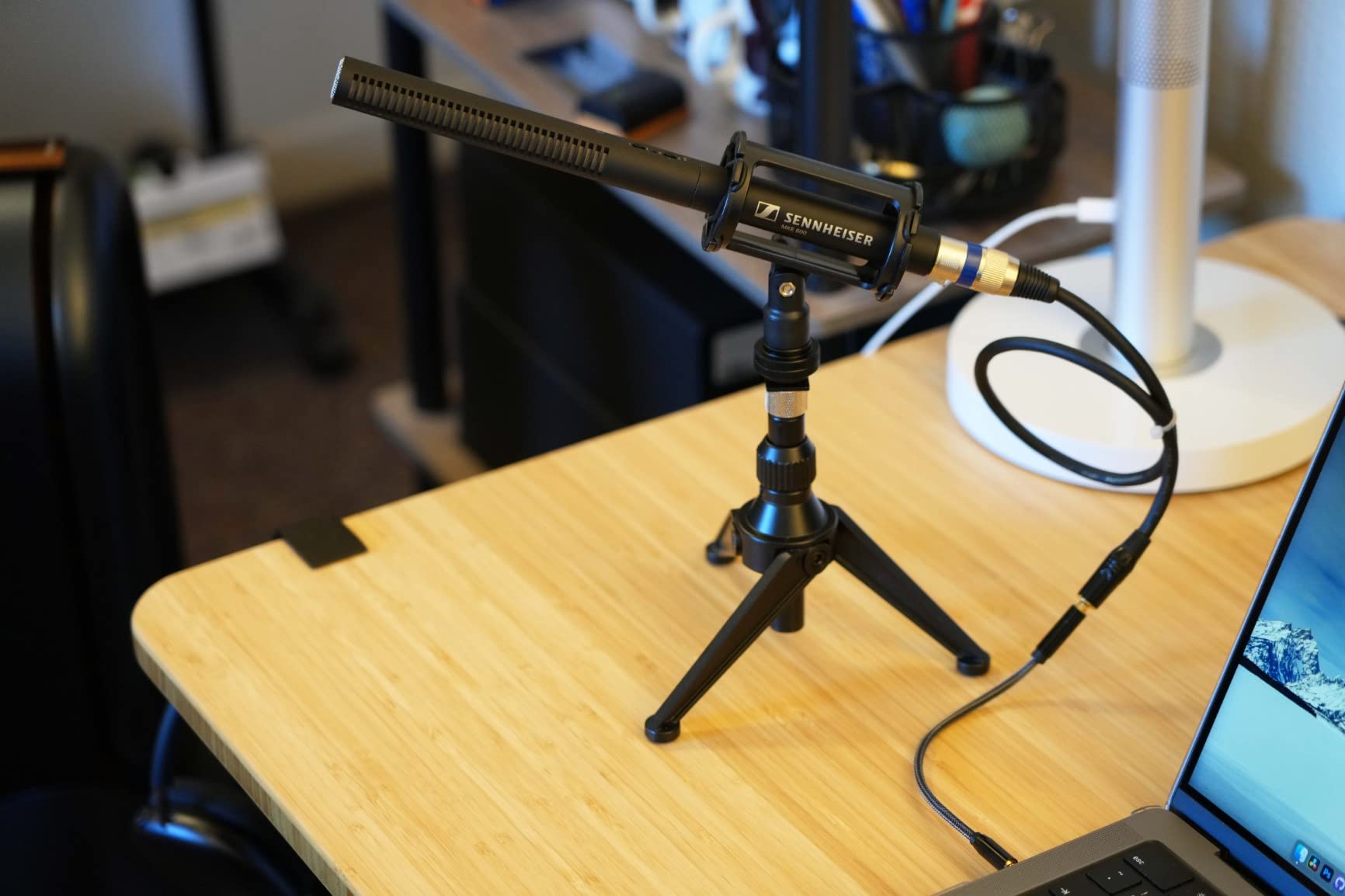
The MKE 600 is the mic I reach for when a shoot actually matters, and it earned our editor’s choice for one reason: it sounds like a $700 microphone for roughly half that. Dialogue comes through full and warm, with a natural low end and none of the thin, fizzy top you get from cheap camera mics.
Ours has lived on a tripod, on a boom pole and stuffed in a backpack for months. The all-metal body has scuffs and keeps working. On a windy beach shoot, the switchable low-cut filter stripped out the rumble before it ever hit the recorder, which saved the take.
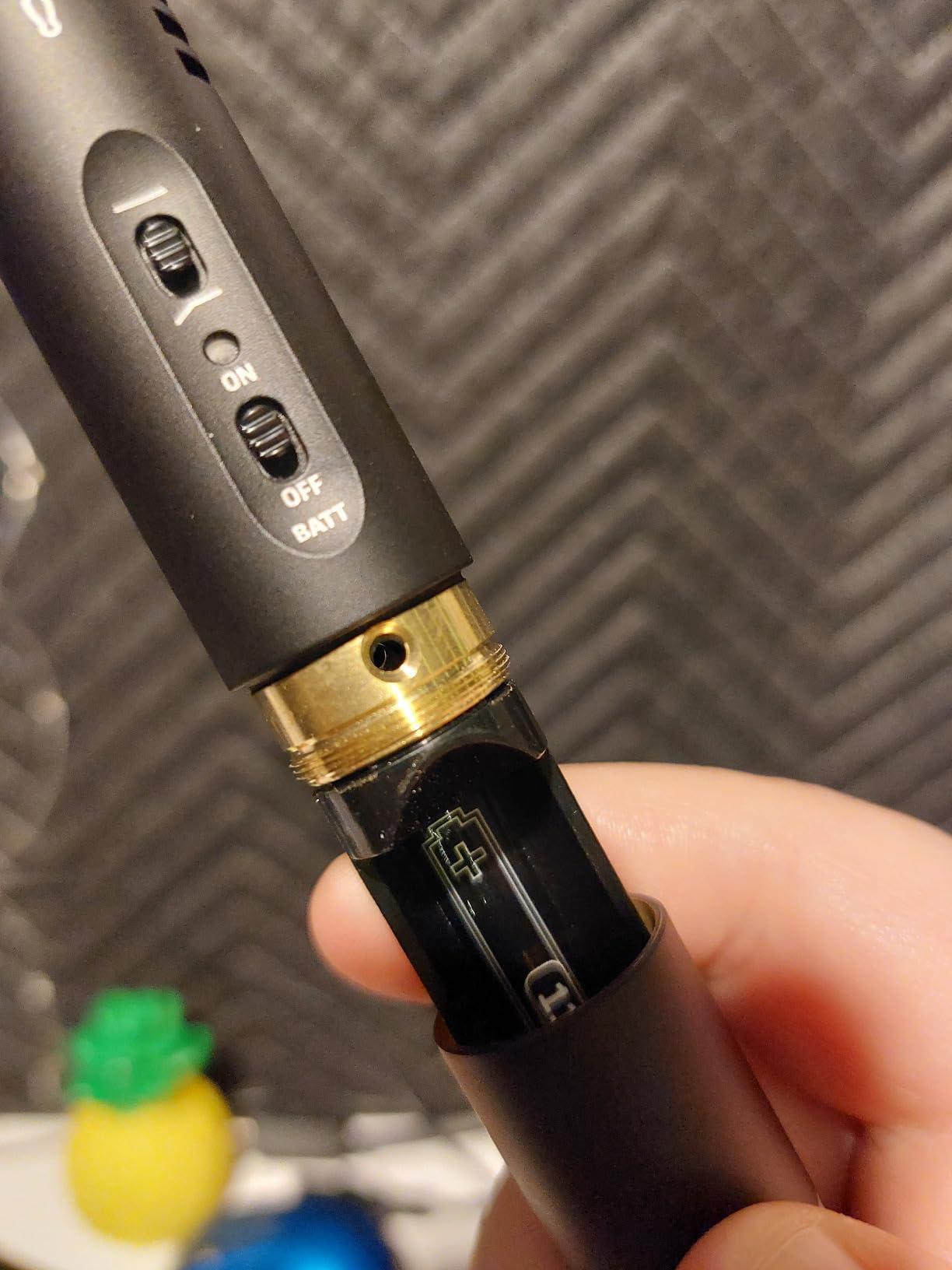
The power flexibility is the quiet genius here. Feed it 48V phantom from a recorder or interface, or drop in an AA and run camera-direct for around 150 hours. That dual power makes it one of the few mics that grows with you as your kit gets more professional.
The honest downside: it is an XLR microphone in a 3.5mm world. If you want to plug straight into a consumer DSLR or mirrorless body, you need a powered XLR adapter, and cheap unpowered ones leave you with silence. Budget for that cable.
Who the MKE 600 suits best
This is the mic for the serious hobbyist or working videographer who records to a device with XLR inputs, or plans to soon. Documentary shooters and interviewers get the biggest win, because the supercardioid pattern locks onto a subject at 6 to 10 feet beautifully. If you already own a Zoom, Tascam or a camera with XLR, this is the easiest upgrade on this list.
What to check before you buy
Confirm your recorder or camera supplies 48V phantom power, or accept that you will buy AA batteries. Check whether your camera has XLR inputs at all; most consumer bodies do not, so factor in an adapter. Also note the 10-inch length and 15.2-ounce weight, which is fine on a rig but unbalanced on a tiny gimbal.
2. Rode VideoMic NTG – Best Hybrid Camera and USB Mic
Rode VideoMic NTG Camera-mount Shotgun Microphone,Black
Supercardioid
Auto-sensing 3.5mm output
USB-C with monitoring
94 grams
Pros
- Broadcast-grade NTG5 acoustic design
- Auto-sensing 3.5mm detects cameras and phones
- Doubles as a USB microphone
- Variable gain on board
Cons
- Stock fluctuates and often is not Prime
- Auto-sensing needs a check on odd devices
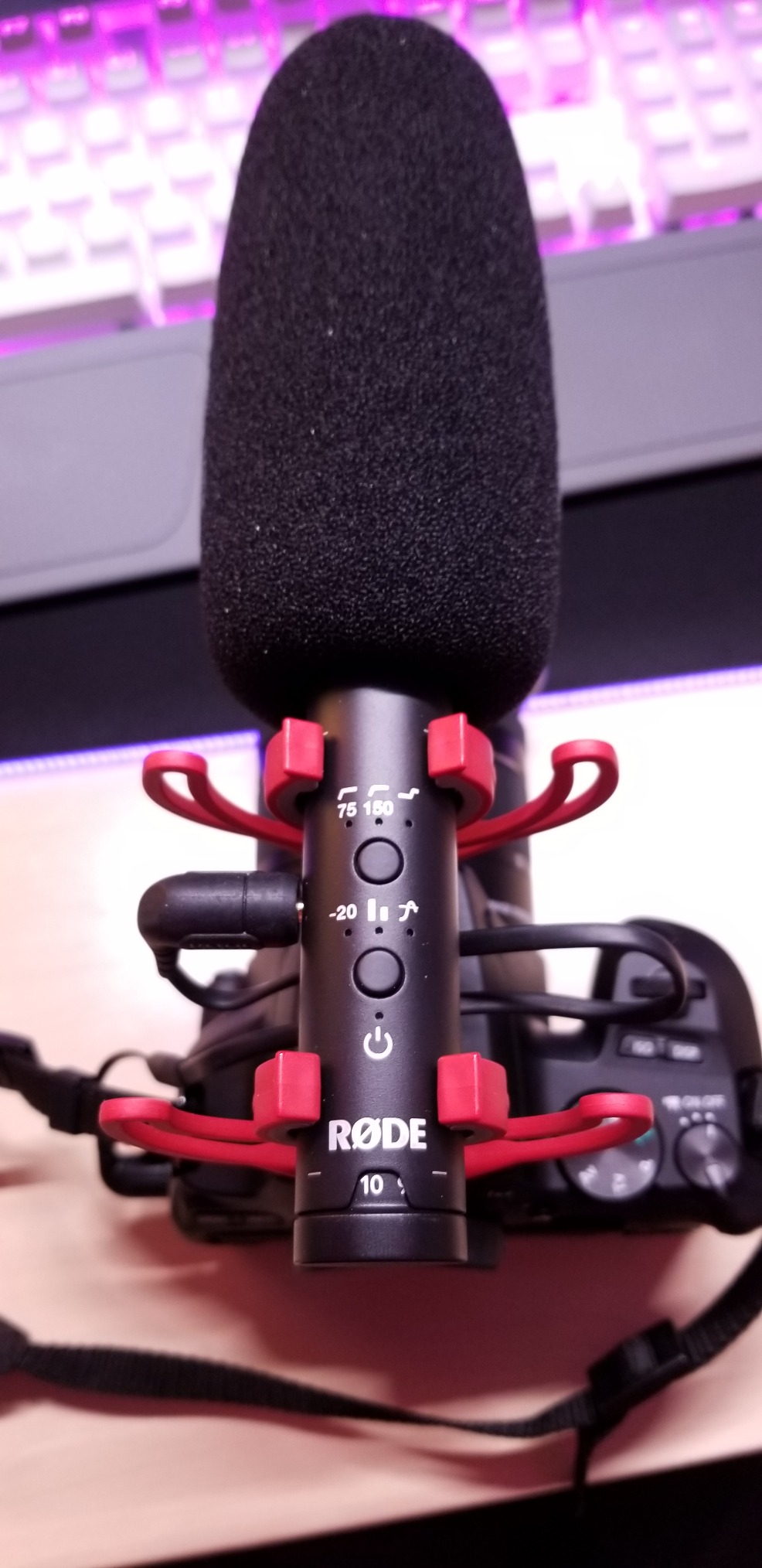
The VideoMic NTG borrows its acoustic design from Rode’s award-winning NTG5, and you can hear it. Voices sound natural and uncoloured in a way most on-camera mics simply do not manage.
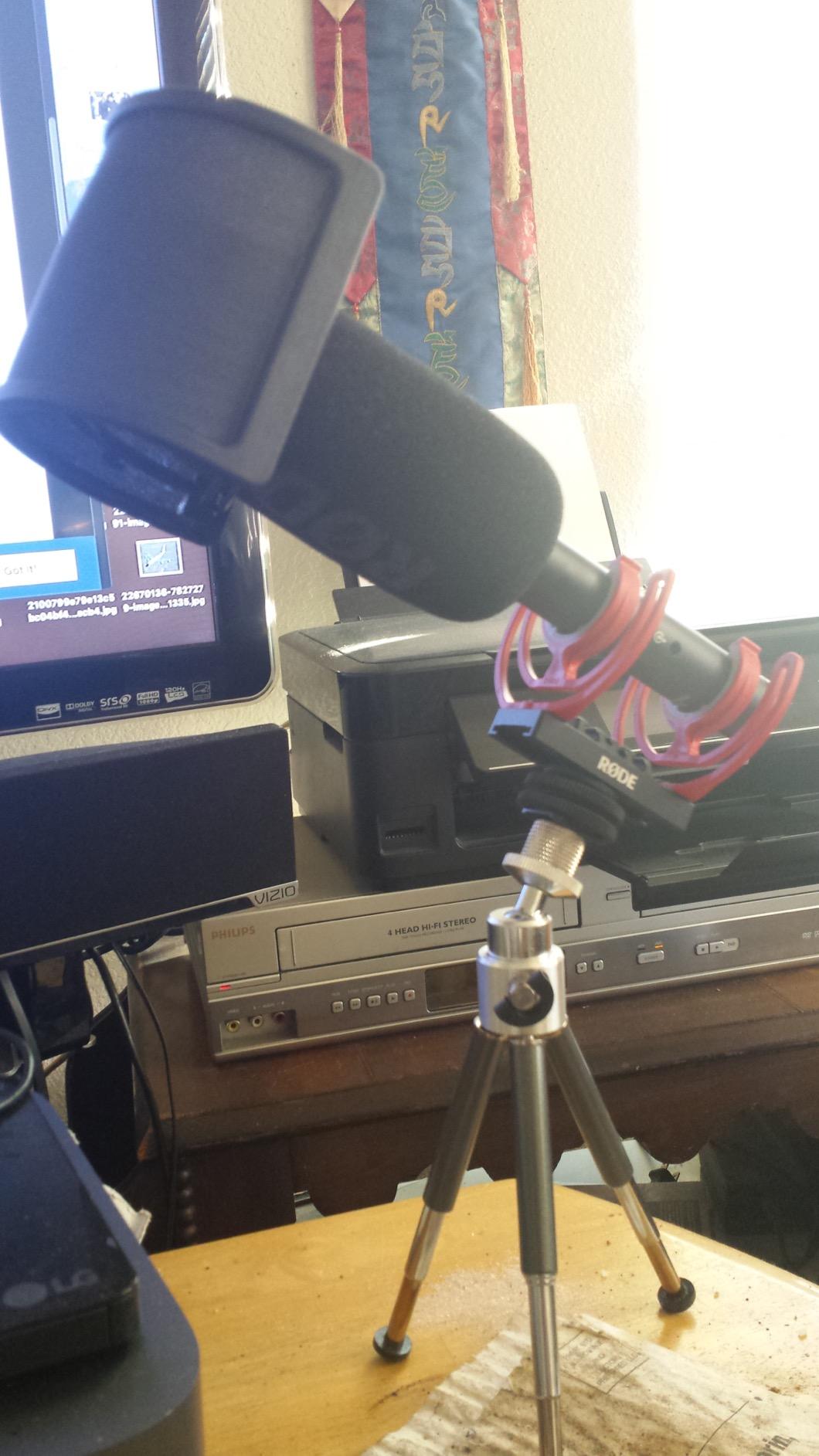
What sold our team is the connectivity. The 3.5mm output auto-senses whether it is plugged into a camera, a phone or a laptop and adjusts itself, so you are not hunting for a switch. Plug in USB-C and it becomes a full USB microphone with a headphone output for zero-latency monitoring.
In practice, that makes it two mics in one. I used it on a camera for an outdoor interview in the morning, then plugged it into a laptop to record a voiceover the same afternoon without changing anything but the cable.
The onboard digital switching covers a high-pass filter, a -20dB pad, a high-frequency boost and a safety channel, plus infinitely variable gain. My only real complaint is availability. Stock comes and goes and it is frequently not Prime eligible, so if you see it in stock, take it.
Who the VideoMic NTG suits best
Creators who split their time between cameras and computers. If you film YouTube content on a mirrorless body and also record podcast or voiceover tracks at a desk, this one mic covers both jobs. It is also the strongest choice in Rode’s on-camera range for people who want NTG-style sound without going full XLR.
What to check before you buy
Verify current stock and seller, because availability is inconsistent. If you plan to use it with a phone, confirm you have the right USB-C or 3.5mm adapter for your model. Note that it has no battery compartment for camera use; the 3.5mm connection relies on plug-in power from the device.
3. Audio-Technica AT875R – Best Value XLR Shotgun
Audio-Technica AT875R Condenser Microphone, 9.5 x 5 x 2.75 inches
Short shotgun under 7 inches
Supercardioid
XLR with phantom power
2.88 oz
Pros
- Broadcast-quality sound under $200
- Excellent side and rear rejection
- Tiny length works on compact rigs
- Tight lows and crisp top end
Cons
- No low-cut switch or pad
- Phantom power required
- Shorter tube means less rear rejection than long booms
If I had to recommend one budget shotgun microphone for filmmaking to a friend starting out with a recorder, it would be this one. The AT875R delivers clean, focused dialogue with tight lows and a crisp top end, and it does it at a price that leaves room in the budget for a decent boom pole.
The short length is the hidden advantage. At under 7 inches, it stays out of your frame on compact cameras and does not turn a small rig into a pole vault. It was the mic I trusted on a handheld gimbal build where anything longer kept dipping into shot.
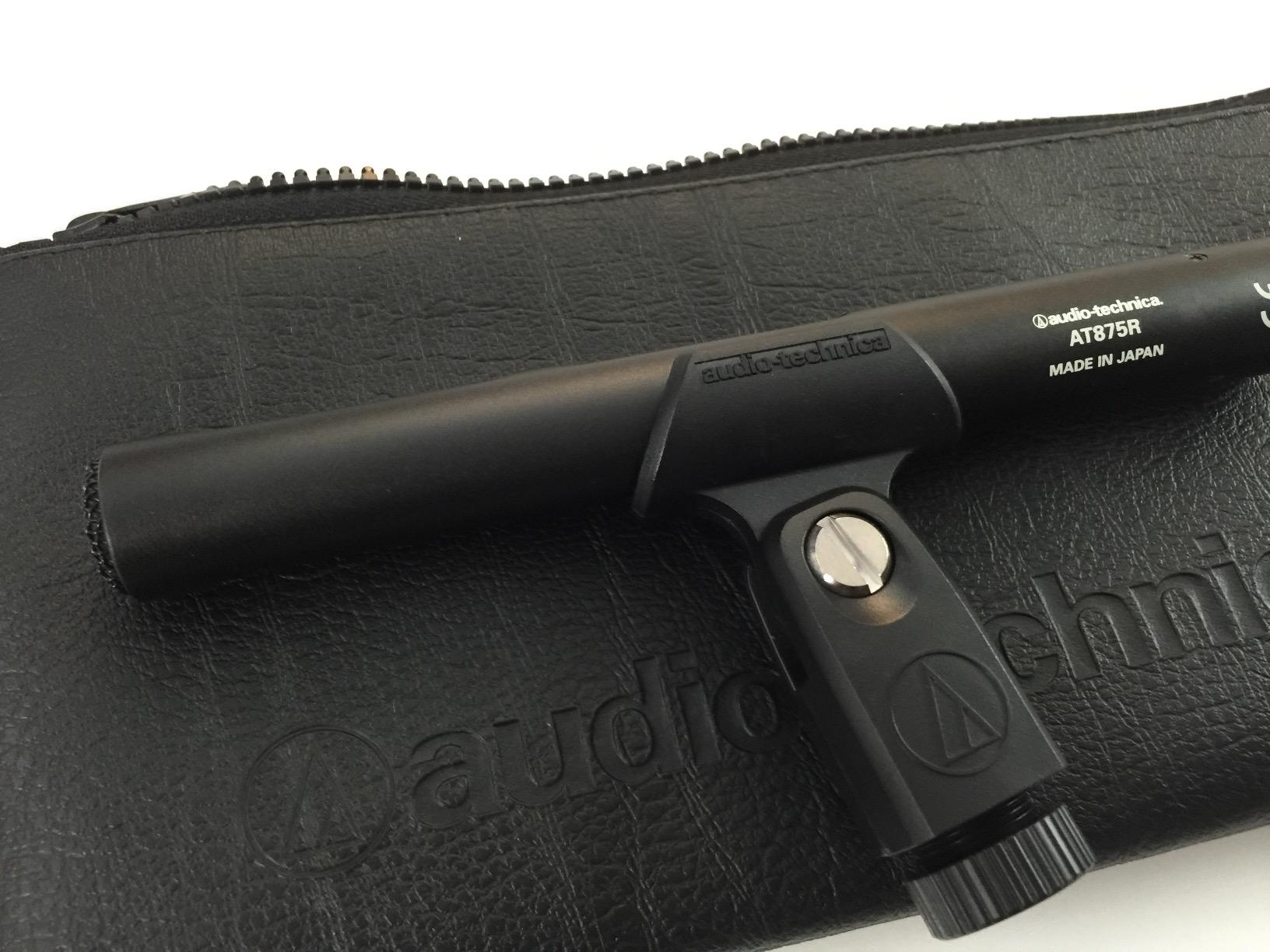
Off-axis rejection is genuinely excellent for this class. Side chatter and camera handler noise fall away sharply, which is exactly what you want when recording interviews in an uncontrolled room.
The tradeoffs are straightforward. It needs phantom power, so a 3.5mm-only camera will not work without an adapter, and there is no low-cut switch or pad on the body. Any rumble or level control has to happen in post or at the recorder. A few users also noticed it can faintly pick up headphone bleed when someone monitors loudly nearby.
Who the AT875R suits best
Anyone with XLR gear and a sub-$200 mic budget. Students, documentary crews and corporate video shooters get broadcast-clean dialogue without the broadcast invoice. It also shines as a first boom mic for scripted work, because that narrow acceptance angle holds up at distance far better than the price suggests.
What to check before you buy
Make sure you own or plan to buy a recorder, interface or camera that provides 48V phantom power. Accept that there is no onboard low-cut or pad and plan your gain staging accordingly. If your shoots are mostly in heavy wind, budget for a proper furry windshield, since the included foam is only a starting point.
4. Sennheiser MKH 416 – The Industry Standard
SENNHEISER Wired Professional MKH 416-P48U3 Short Shotgun Interference Tube Microphone,Black
Hypercardioid interference tube
RF condenser, humidity immune
XLR, transformerless output
1.1 lb metal body
Pros
- The professional broadcast standard
- RF design shrugs off humidity
- Exceptional directivity with low self-noise
- Rugged enough for decades of field abuse
Cons
- Premium price
- Needs phantom power and XLR gear
- Overkill for casual vlogging
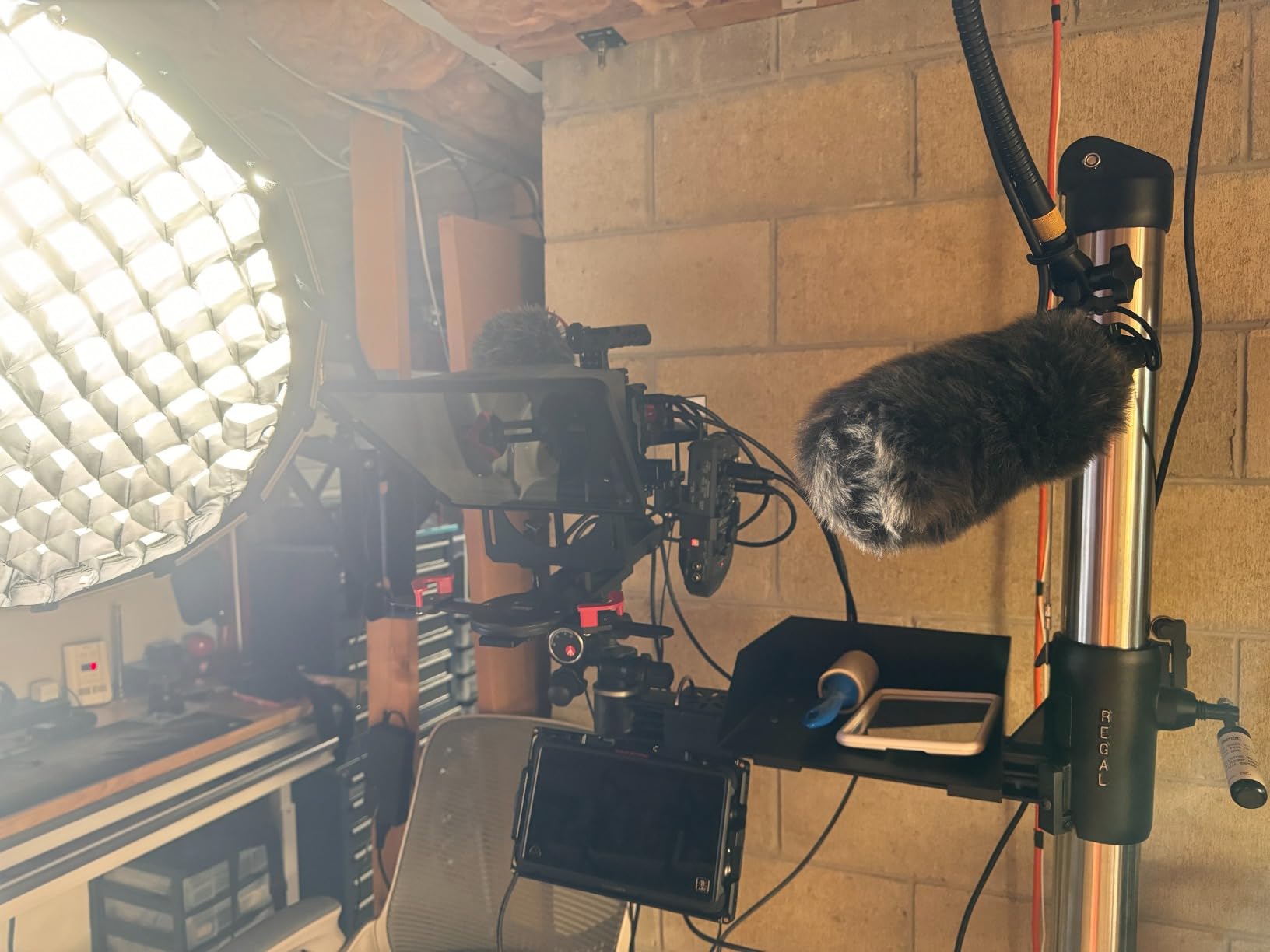
The MKH 416 is the mic you have heard a thousand times without knowing it. It is the industry standard on film sets, in ENG news bags and on foley stages, and when sound mixers on forums call something the holy grail of shotgun microphones, they usually mean this.
Using one is a lesson in what money buys. Reach and rejection are superb, self-noise sits around 13 dB, and dialogue stays intelligible in environments where cheaper mics turn to mush. The hypercardioid pattern is tighter and more honest than most.
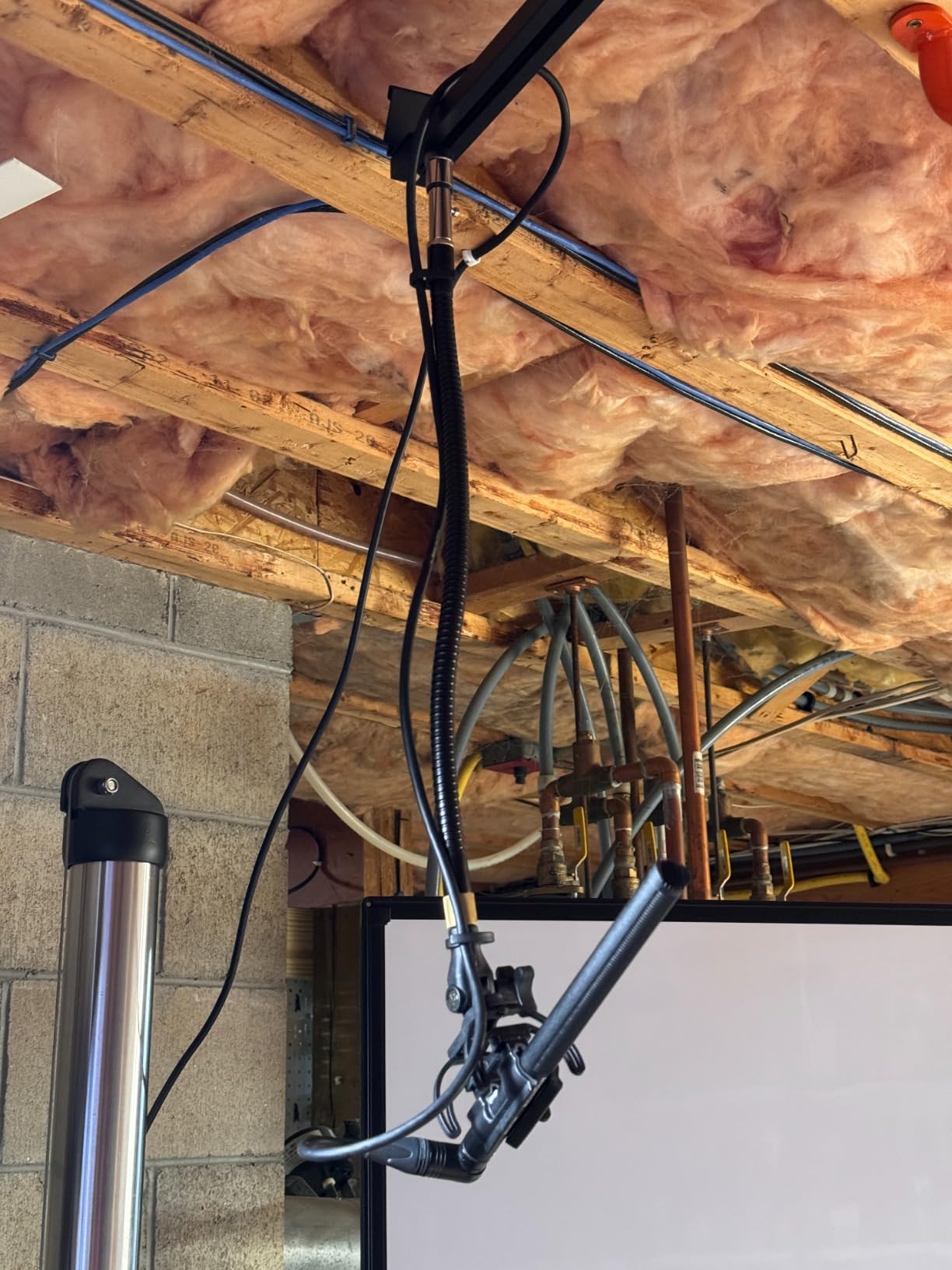
The technical story is the RF-bias condenser design. Instead of a conventional DC-polarised capsule, the 416 runs its capsule at RF, which makes it radically resistant to humidity. Where other condensers crackle in drizzle or tropical damp, this one keeps working. For anyone shooting outdoors for a living, that matters more than any spec sheet line.
The rating here sits at 4.2, lower than others on this list, and reading the reviews explains it: this is a specialist tool with a specialist price. Buyers expecting plug-and-play magic from a consumer camera are disappointed. Buyers putting it on a boom with proper preamps are delighted for years.
Who the MKH 416 suits best
Working professionals whose income depends on clean location sound. Boom operators, news crews, wildlife recordists and filmmakers who shoot in unpredictable weather. If you already own serious XLR gear, this is the endgame mic that other purchases eventually lead to.
What to check before you buy
Confirm you have 48V phantom power and quality preamps, because this mic exposes weak links in a chain. Be aware you are paying a premium for durability and reach you may not need yet. And check current pricing carefully, since it fluctuates and grey-market units circulate.
5. Rode VideoMic Pro+ – Best Classic On-Camera Mic
RØDE VideoMic Pro+ Premium On-Camera Shotgun Microphone with High-Pass
On-camera supercardioid
3.5mm output
Rechargeable, AA or USB power
Rycote Lyre suspension
Pros
- Genuine broadcast-quality camera audio
- Auto power function with plug-in detection
- Three power options including rechargeable
- 10-year warranty
Cons
- Phone use needs adapters
- Some low end may need post-processing
The VideoMic Pro+ has been the default answer to “what mic should I put on my camera” for years, and our time with it explains why. It bolts on, powers itself and instantly lifts camera audio several tiers above any built-in microphone.
The Rycote Lyre suspension is the detail you appreciate after a day of handheld shooting. Those rubbery legs soak up knocks and handling noise that would otherwise travel straight up into the capsule.
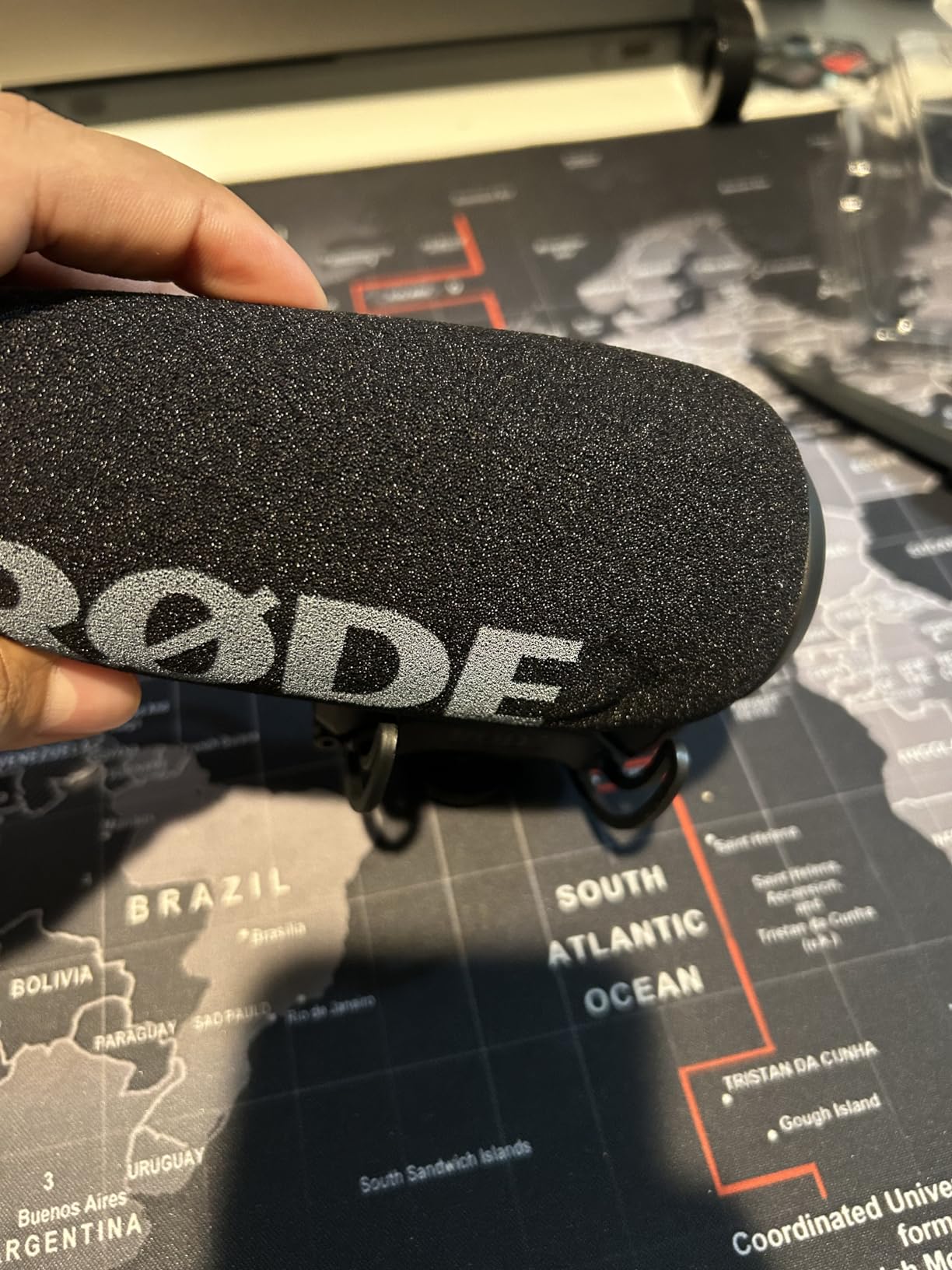
Power handling is the most thoughtful part of the design. The built-in rechargeable battery is the default, but AA batteries and USB power are backups, and the battery door means you swap cells without unmounting the mic. The automatic power function detects plug-in power and switches on by itself.
On the downside, it is camera-first hardware. Getting it onto a phone means adapters, and the slightly lifted low end can need a gentle high-pass in post. For pure camera work, neither issue ever bothered us.

Who the VideoMic Pro+ suits best
DSLR and mirrorless shooters who want one mic that mounts and disappears. Event videographers, run-and-gun news shooters and travel creators who value the set-and-forget power management. The 10-year warranty makes it a genuine long-term tool rather than a disposable accessory.
What to check before you buy
Check that your camera provides 3.5mm plug-in power, because a few bodies need a powered adapter. Remember the rechargeable battery if you shoot multi-day events without USB access, and pack AAs as insurance. If phone content is a big part of your plan, the NTG below is the better Rode.
6. Sennheiser MKE 400 (2nd Gen) – Best for Mobile and Camera
SENNHEISER Professional MKE 400 Directional On-Camera Shotgun Microphone with 3.5mm TRS and TRRS Connectors for DSLR, Mirrorless & Mobile , Connects with Auxiliary
Supercardioid on-camera
3.5mm TRS and TRRS cables
AAA battery power
Headphone output
Pros
- Swappable TRS and TRRS cables for camera and phone
- Built-in low-cut filter
- 3-step sensitivity switch
- Direct headphone monitoring
Cons
- Battery powered rather than phantom
- Some handling noise on rough rigs
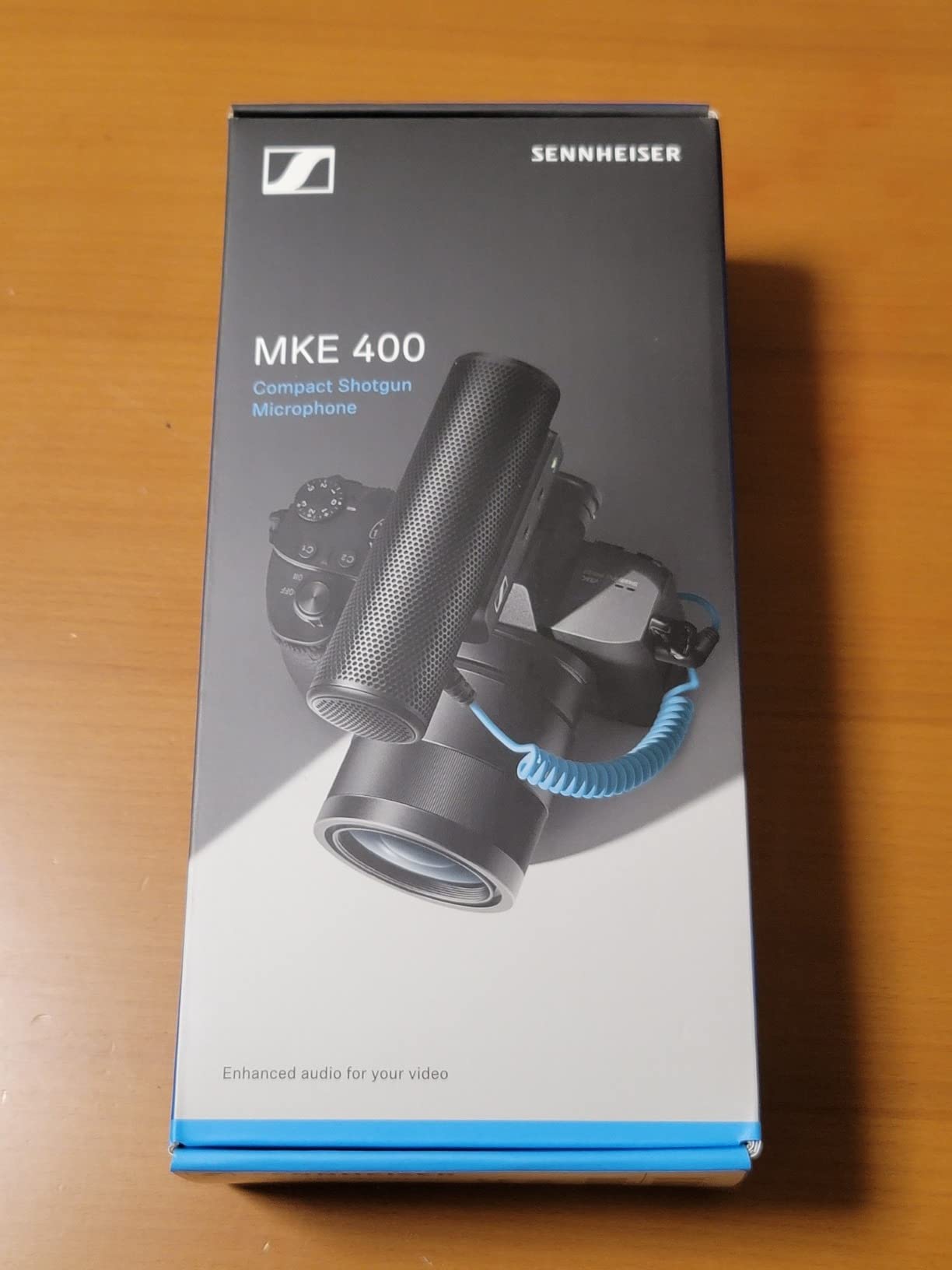
The second-generation MKE 400 solves the exact problem most guides ignore: getting decent shotgun audio into both a camera and a phone without buying two mics. In the box you get both a TRS cable for cameras and a TRRS cable for phones and tablets, and the mic treats them equally.
I shot an entire test week alternating between a Sony body and an iPhone, and the swap was just a cable change. That is rarer than it should be, and it is why this earned our mobile pick badge.
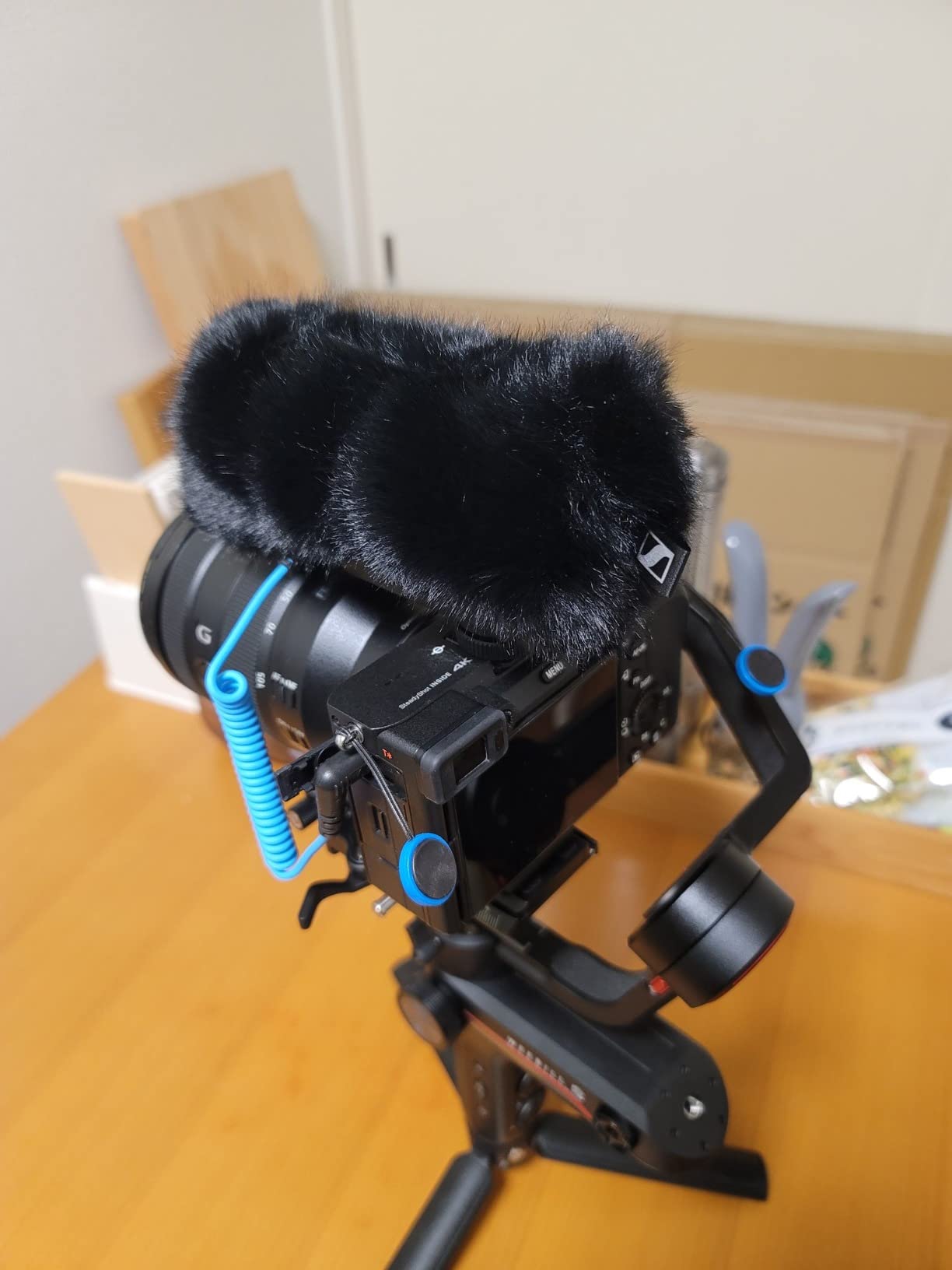
The features are sensible rather than flashy. A low-cut filter handles wind and handling rumble, a three-step sensitivity switch covers quiet interviews and loud events, and the integrated headphone output with volume control lets you monitor what you are actually recording.
The compromise is power. It runs on a single AAA rather than phantom, which is convenient until you forget spare batteries. On rough handheld rigs we also noticed occasional handling noise creeping in despite the internal suspension.
Who the MKE 400 suits best
Creators who publish from both a camera and a phone, including vloggers, journalists and social-first shooters. Anyone who needs to hear their audio while recording will love the headphone jack, something most on-camera mics omit entirely.
What to check before you buy
If you use a phone without a 3.5mm jack, confirm you have a USB-C or Lightning adapter that passes audio, and that it works with TRRS. Keep spare AAA batteries in the bag. If your work is mostly tripod interviews, the handling noise point is irrelevant and this is a very easy recommendation.
7. Rode NTG-1 – Best Lightweight Boom Mic
Rode NTG-1 Shotgun Condenser Microphone,Black
Supercardioid boom condenser
XLR with phantom power
Switchable 80Hz high-pass
105 g capsule weight
Pros
- Broadcast sound at a sensible price
- Light enough for long boom holds
- Full 20Hz to 20kHz response
- Includes foam windshield and 10-year warranty
Cons
- Phantom power only
- no battery option
- No cable included
- Full-length body is long for compact cameras
The NTG-1 is the traditionalist’s choice: a proper long shotgun condenser for boom and pole work, with no battery compartment and no compromises aimed at the camera-mount crowd. What you get instead is clean, transparent broadcast sound across a full 20Hz to 20kHz range.
Our favorite spec is the weight. Holding any mic overhead for a two-hour interview is misery with heavy mics and merely unpleasant with this one. On a pole, that difference is the whole game.
The switchable 80Hz high-pass filter quietly earns its keep, stripping traffic rumble and cable thump before they reach your recorder. Self-noise is low for the class, so quiet dialogue scenes stay clean rather than hissy.
The catches are practical rather than sonic. Phantom power is mandatory, so budget for a recorder or adapter that supplies 48V. No XLR cable ships in the box, which surprises first-time buyers. And like all long shotguns, it is awkward on a compact camera.
Who the NTG-1 suits best
Beginning boom operators and indie film crews building their first proper sound kit. Anyone recording narration, interviews or dialogue to a field recorder. If you have ever held a heavy mic overhead for a long take, the weight alone will sell you.
What to check before you buy
Confirm you have 48V phantom power available, because there is no battery option at all. Add an XLR cable to your order, since none is included. If your shooting is mostly handheld vlogging, choose a shorter on-camera mic instead.
8. COMICA VM20 – Best Battery Life and Display
COMICA VM20 Shotgun Microphone for Camera, Super-Cardioid Camera Microphone with Rycote Shockmount, Windscreen, Wind Muff, OLED Power Display, Video Mic for Smartphones, DSLR Cameras, Camcorders
Supercardioid camera mic
OLED power display
60-hour battery, USB-C
3.5mm TRS and TRRS
Pros
- OLED screen shows battery and power status
- 75/150Hz dual low-cut filters
- Stepless gain control across 10 levels
- 60-hour battery and use-while-charging
Cons
- Heavier than rivals at 500g
- Battery powered rather than phantom
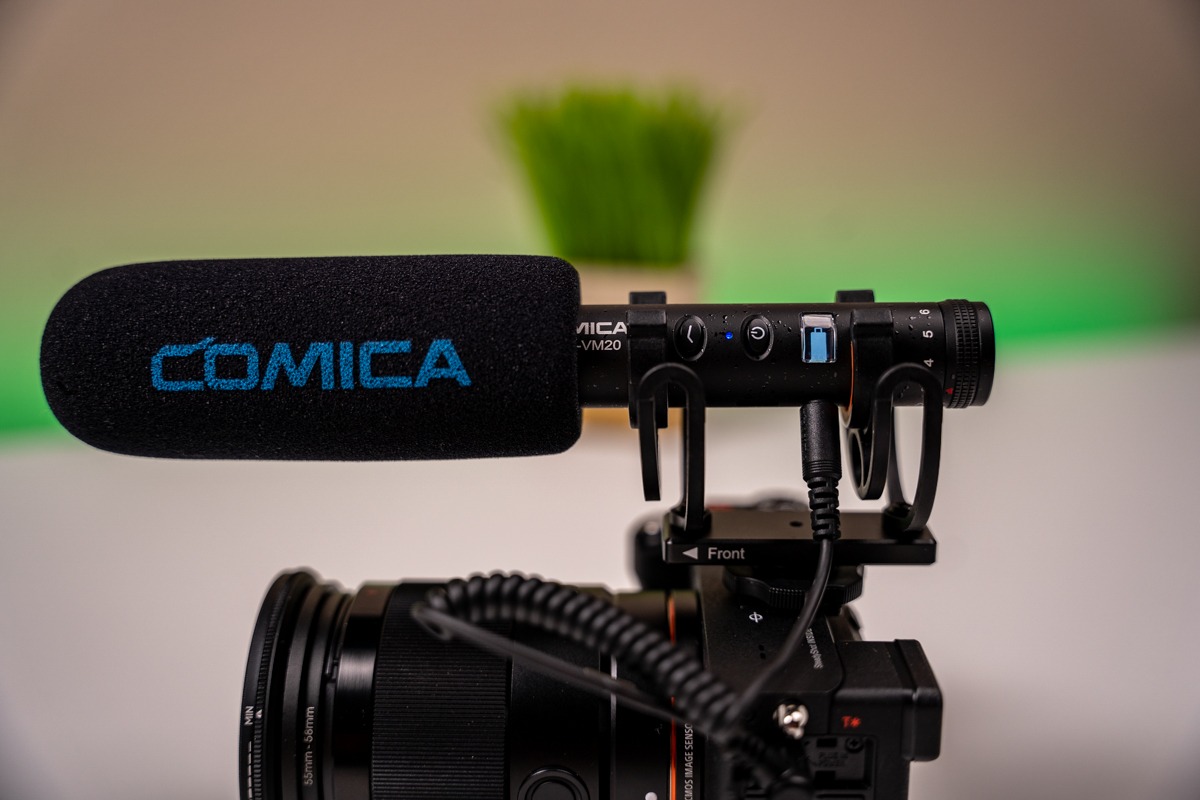
The VM20 is the mic on this list most likely to surprise people. For a very reasonable price you get an OLED display showing battery level and power status in real time, which sounds like a gimmick until you have filmed a wedding not knowing whether your mic is about to die.
Battery life is the headline: up to 60 hours on a charge, with a full recharge in three hours over USB-C. Better still, it works while charging, so a power bank in your bag turns battery anxiety into a non-issue.
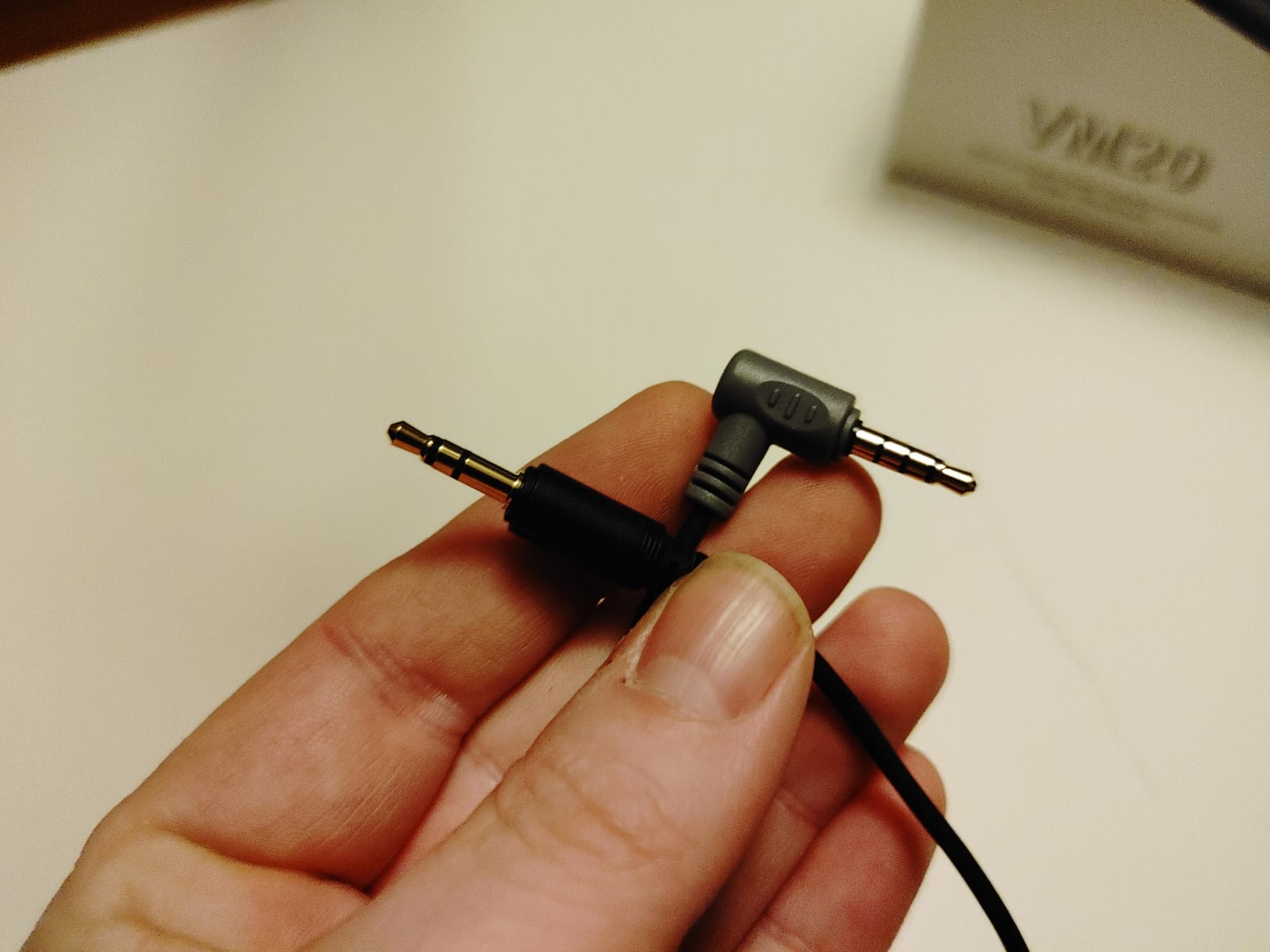
The audio hardware keeps up. Two low-cut filter options at 75Hz and 150Hz handle everything from gentle hum to serious wind, and the stepless gain knob gives real control instead of a single loud switch. Both TRS and TRRS cables are included for cameras and phones.
The main negative is mass. At roughly half a kilogram it is the heaviest mic here, and on a small mirrorless body you feel it pulling the rig off balance. The full metal construction is part of that weight, but it also shields the signal from interference.
Who the VM20 suits best
Shooters who work long days and hate surprises: wedding videographers, event coverage, conference recording. Anyone who has ever lost a take to a dead mic battery will understand the OLED screen immediately. The dual cables also make it a solid pick for mixed camera and phone work.
What to check before you buy
Check the weight against your rig, especially on gimbals where 500g matters. Confirm your camera’s 3.5mm input works with the TRS cable, or your phone’s adapter with TRRS. Note there is no XLR output, so this is a camera mic rather than a recorder-first tool.
9. Rode VideoMicro II – Best Ultra-Compact Mic
RØDE VideoMicro II Ultra-Compact On-Camera Shotgun Microphone for
Ultra-compact on-camera mic
24 g and 3.14 inches
No battery required
Helix isolation mount
Pros
- Tiny and nearly weightless on any rig
- Helix mount handles knocks and handling noise
- Needs no battery at all
- Includes foam and furry windshields
Cons
- 4.3 rating trails the rest of the list
- Some long-term durability reports
- Capsule limits extreme reach
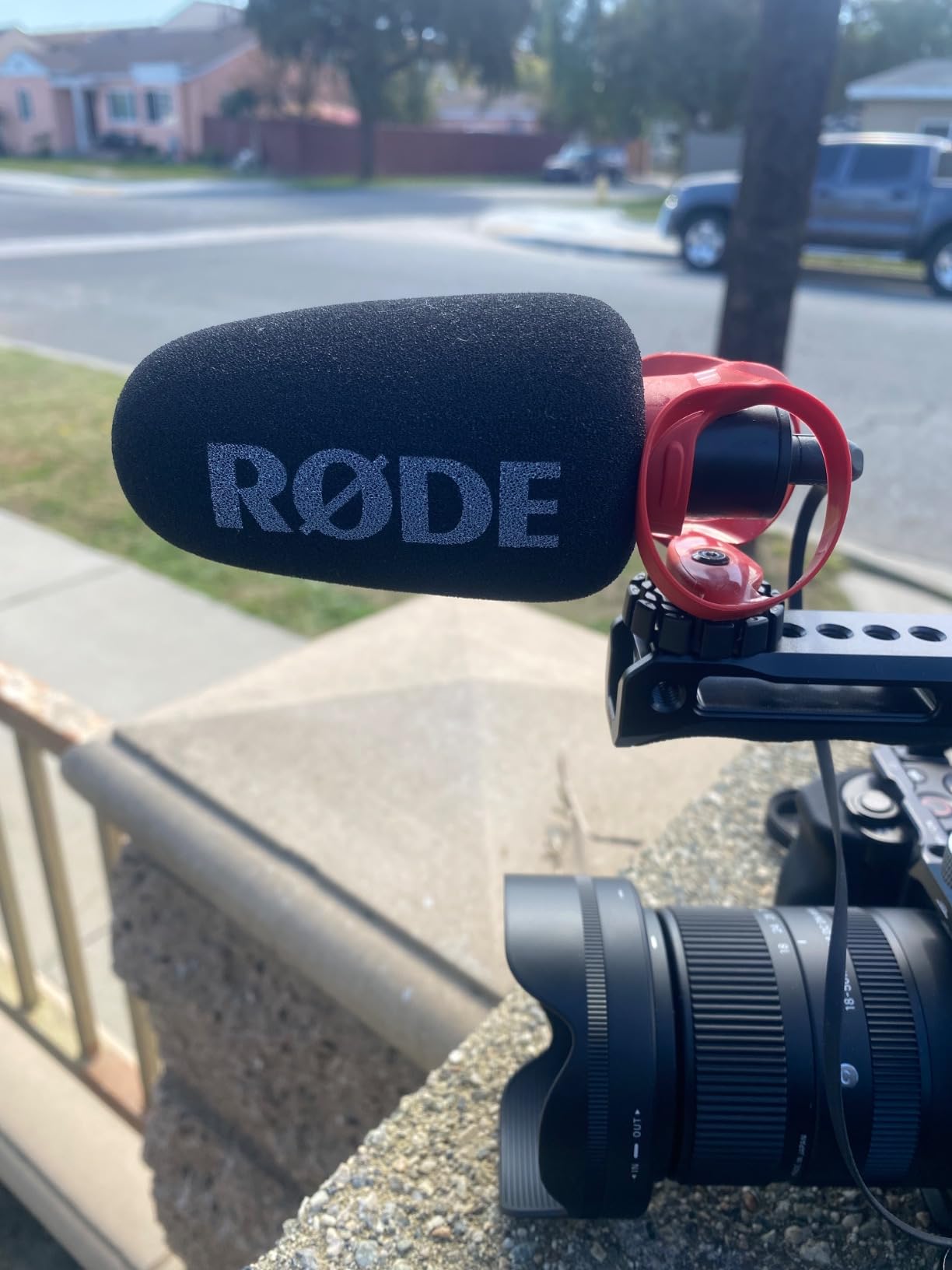
The VideoMicro II is barely bigger than a battery, and that is the entire point. It weighs about 24 grams, measures just over three inches, and draws power straight from the device it is plugged into. There is no battery to charge and no switch to forget.
On a compact mirrorless body or a small gimbal, it is the only mic here that genuinely disappears. The Helix isolation mount, a clever formed suspension, does respectable work against knocks and handling noise for something this size.
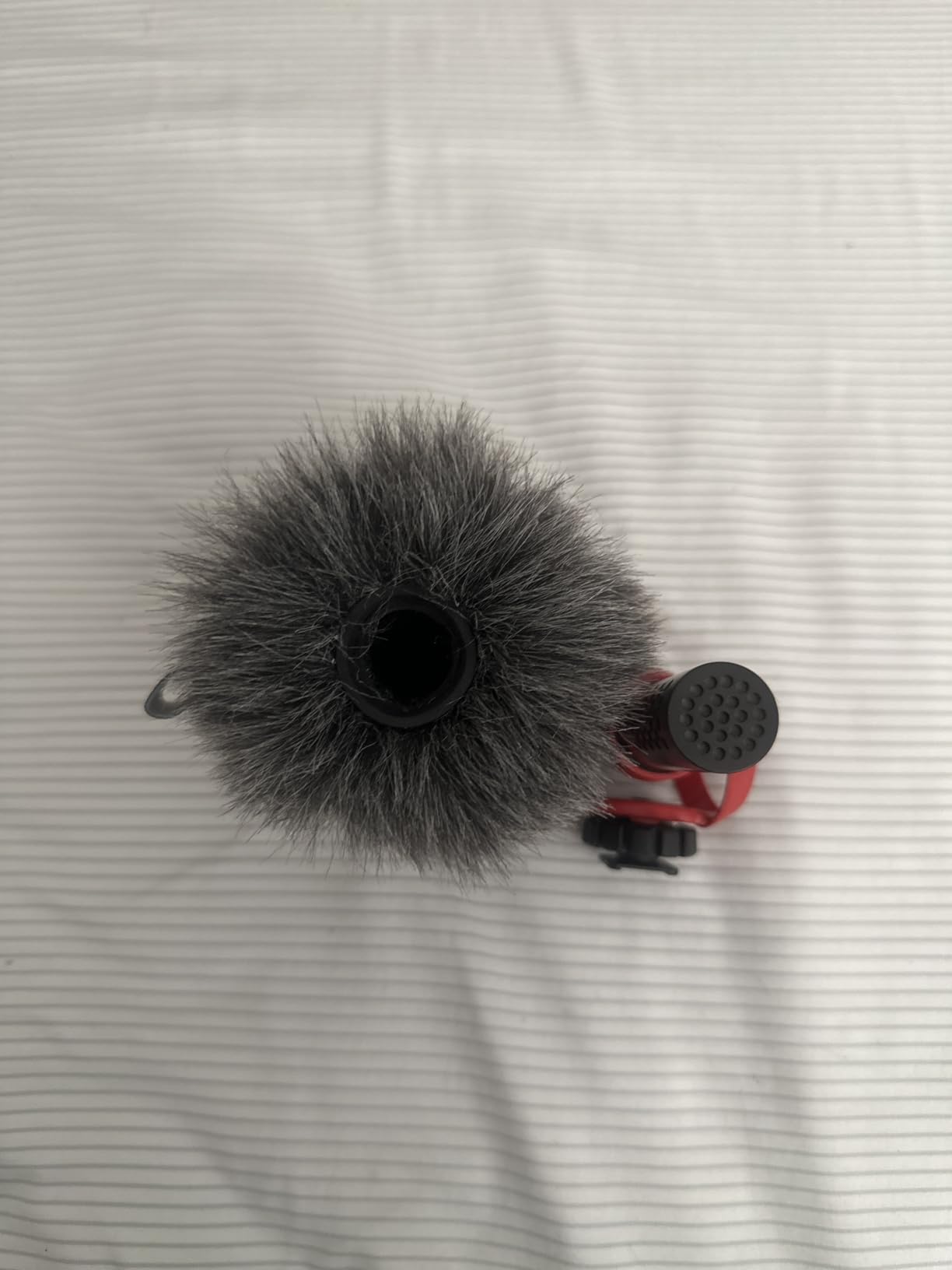
Audio quality is honest rather than spectacular: a clear step up from any built-in camera microphone, with the directionality to focus on your subject. Rode includes both a foam windshield and a furry one, so light outdoor work is covered out of the box.
The weaknesses come with the territory. Its 4.3 rating is the softest among Rode’s entries here, and a minority of owners report durability concerns over time. Physics also limits a mic this short, so it will not match a long shotgun for reach or rejection.
Who the VideoMicro II suits best
Travel creators, street photographers who shoot video and anyone running a small rig where balance matters. It is also the easiest possible first mic, since there is nothing to configure and nothing to charge. Vloggers who film themselves at arm’s length will find it ideal.
What to check before you buy
Confirm your camera supplies 3.5mm plug-in power, because the mic has no battery and depends on it. Owners of some older Canon Rebel bodies should verify external mic support. If you record subjects at a distance, choose a longer shotgun instead.
10. Movo VXR10 – Best Cheap Starter Mic
Movo VXR10 Universal Shotgun Mic for Camera
Universal 3.5mm shotgun
No battery required
Aluminum body with shock mount
Under $40
Pros
- Works with cameras
- phones
- tablets and laptops
- Plug-in power means no batteries
- Solid aluminum build
- Fuzzy windscreen
- case and cables included
Cons
- Needs 3.5mm input with plug-in power
- Some Canon Rebel bodies are incompatible
- Sound quality is good not great
The VXR10 is the least expensive microphone in this entire roundup, and with over 15,000 reviews it is also the most proven. Movo says it is trusted by more than 100,000 creators, and the review volume suggests that is not marketing spin.
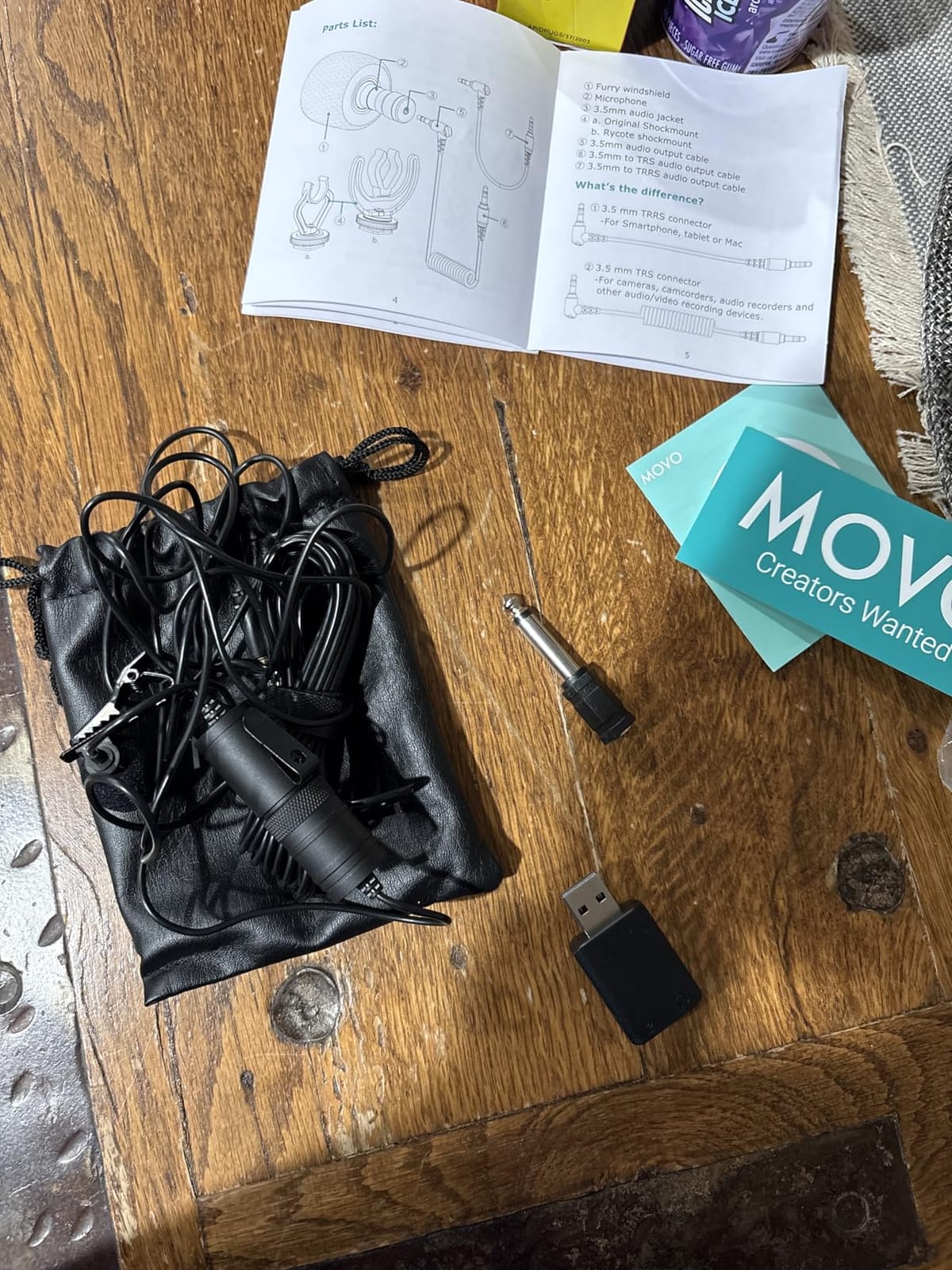
What you get for the money is unreasonable in a good way. A metal body, a built-in shock mount, a fuzzy windscreen, a carrying case and both camera and smartphone cables, all for less than the tax on a professional mic.
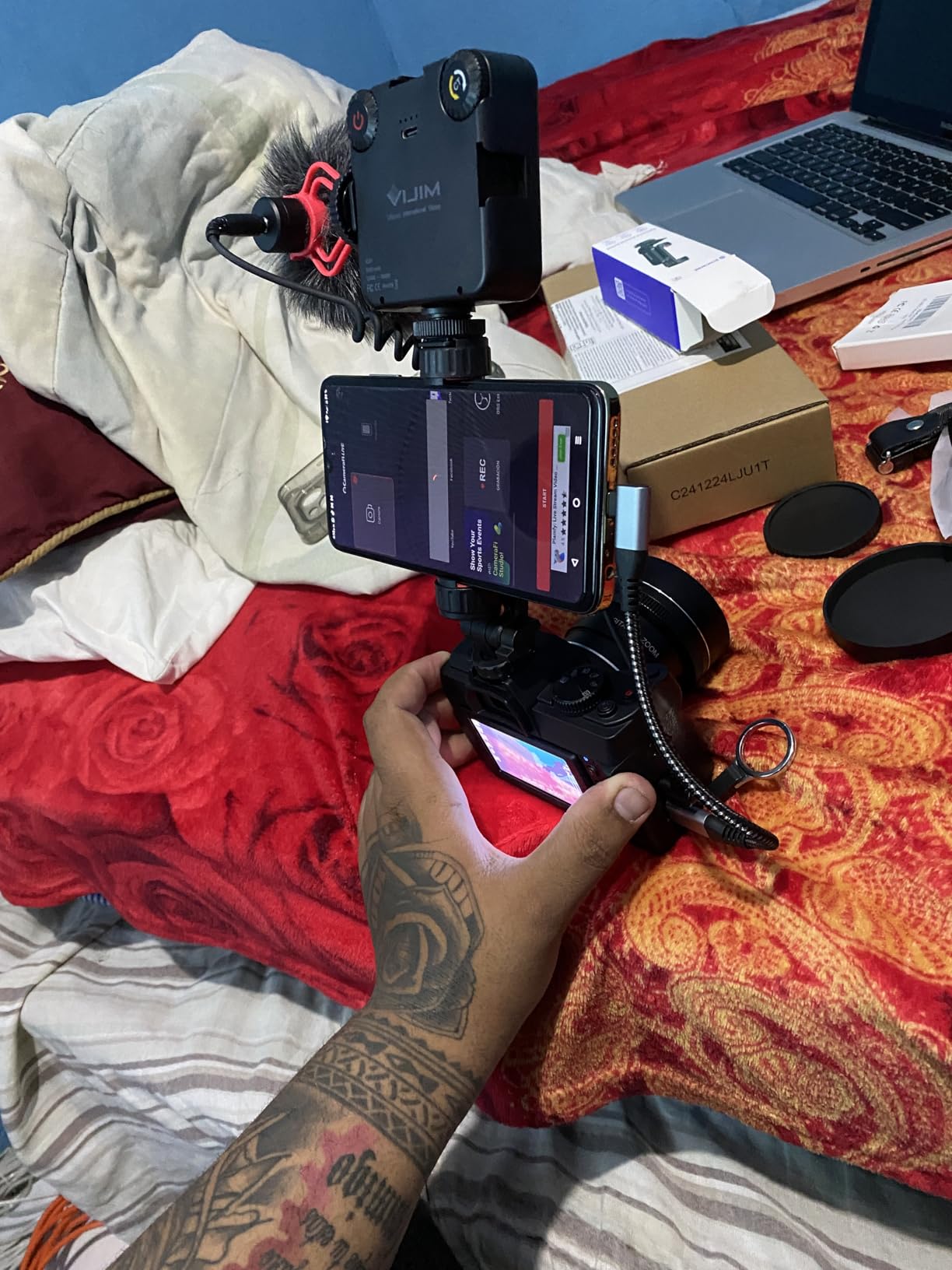
It uses plug-in power, so there is no battery to charge or forget. Mount it, plug it in, hit record. That simplicity makes it the best first shotgun microphone for anyone who wants to hear what directional audio does for their videos before spending real money.
The limits are real, though. It needs a 3.5mm input that supplies plug-in power, and some cameras, including certain Canon Rebel models, do not cooperate. And while it clearly beats any built-in microphone, it does not compete with the Sennheiser and Rode mics above on sound.
Who the VXR10 suits best
Beginners, students and anyone building a starter video kit on a tight budget. It is also a smart backup mic to leave in a bag. If you shoot occasionally and want better-than-camera audio today, this is the cheapest sensible way in.
What to check before you buy
Verify your camera actually supports external microphones with plug-in power, and that your phone has a compatible jack or adapter. Keep expectations matched to the price: this is a solid first step, not a final destination. If you can stretch further, the AT875R is the next rung up.
How to Choose a Shotgun Microphone in 2026
Choosing well means matching five decisions to how you actually shoot. Here is what matters, in the order it will bite you if you get it wrong.
1. Match the output to your gear first
This is the mistake beginners make most, and forum threads are full of it. XLR mics like the MKE 600, AT875R, NTG-1 and MKH 416 need phantom power from a recorder, interface or pro camera. A consumer DSLR with only a 3.5mm jack cannot power them without an adapter.
3.5mm mics like the MKE 400, VM20 and VXR10 plug straight into most cameras and phones. USB-capable mics like the VideoMic NTG bridge both worlds. Buy the connector you can actually use today, not the one you aspire to.
2. Understand power: phantom, battery or plug-in
Phantom power (48V) comes from your recorder or camera and enables the best-sounding condenser designs. Battery power, as on the MKE 600 and MKE 400, buys independence from gear but adds a consumable. Plug-in power, drawn from the camera’s mic jack, keeps tiny mics like the VideoMicro II and VXR10 battery-free.
There is also a technical fork worth knowing. Conventional DC-polarised condensers are common, but RF-bias designs like the MKH 416 are far more resistant to humidity. If you shoot in damp climates or unpredictable weather, that one spec can decide your purchase.
3. Read the polar pattern and interference tube
Supercardioid and hypercardioid patterns both favour the front, with hypercardioid trading a small rear lobe for a tighter front focus. A longer interference tube generally means narrower reach and stronger side rejection, which is why long booms outperform short camera mics at distance.
The catch is indoors. Reflected sound entering a long tube from the sides creates off-axis coloration, which is why experienced mixers often prefer shorter mics or small-diaphragm cardioids in hard rooms. Outdoors, the long tube wins almost every time.
4. Check self-noise against your environment
Self-noise, measured in dB, is the hiss a microphone produces on its own. Anything from 13 dB on the MKH 416 to the low twenties on good modern mics is fine for dialogue. It becomes critical when recording quiet sources, distant wildlife or hushed interviews where you will boost levels in post.
Loud environments hide self-noise entirely. A busy street or a wedding reception will mask it, so a vlogger can safely prioritise convenience, while a wildlife recordist cannot.
5. Size, weight and mounting reality
A 10-inch metal XLR mic on a pocket gimbal is a balance disaster, and a 24-gram mic on a boom pole is a waste of a good pole. Match the form factor to where it will actually live.
Also check what suspends and protects it. A shock mount or Rycote Lyre system stops handling noise, a low-cut filter kills wind rumble at the source, and a proper furry windshield is mandatory for outdoor work. The best shotgun mic budget includes wind protection, not just the mic.
Quick recommendations by use case
For vlogging and run-and-gun: MKE 400 or VideoMic Pro+. For indie film booming: NTG-1, then MKE 600. For professional location sound: MKH 416. For phones and tablets: MKE 400 or VideoMic NTG. For desk plus camera hybrid use: VideoMic NTG. For the smallest possible rig: VideoMicro II.
Frequently Asked Questions
Are shotgun mics worth it?
Yes, if you record video with a camera. A shotgun mic rejects side and rear noise that a built-in camera microphone cannot, so dialogue becomes clearer without moving the mic closer. Even a $40 model noticeably improves spoken audio, and professionals consider them essential tools.
What is the best quality shotgun microphone?
The Sennheiser MKH 416 is widely regarded as the professional benchmark for quality, thanks to its tight hypercardioid reach, roughly 13 dB self-noise and humidity-resistant RF condenser design. For most shooters the Sennheiser MKE 600 delivers nearly professional sound at a far lower cost.
What are the downsides of using a shotgun mic?
Shotgun mics need phantom power or batteries, so check your gear supports the output type. Indoors, reflected sound entering the interference tube causes off-axis coloration that can make voices sound phasey. They also pick up handling noise without a shock mount, and long tubes are awkward on compact cameras.
Which Rode shotgun mic is best?
The VideoMic NTG is Rode’s best on-camera model, using the same acoustic design as the award-winning NTG5 plus USB connectivity. For boom work the NTG-1 offers professional XLR sound, the VideoMic Pro+ is the classic camera choice, and the VideoMicro II suits minimal rigs.
How far can a shotgun mic pick up sound?
In practical terms, a shotgun mic delivers best results at roughly 3 to 10 feet when camera-mounted, and up to several feet further on a boom placed just outside the frame. Reach depends on the interference tube length, background noise and room acoustics, so quiet environments allow greater distance.
The Bottom Line
After months of testing the best shotgun microphones across cameras, phones and recorders, our verdict is simple. The Sennheiser MKE 600 is the best pick for most people, pairing professional XLR sound with flexible power. The Audio-Technica AT875R is the value champion under $200, and the Movo VXR10 is the cheapest mic we would happily recommend.
Specialists should look elsewhere on the list: the MKH 416 for professional location sound, the NTG-1 for boom work, the MKE 400 for phones, and the VideoMicro II for minimal rigs. Whatever you choose, check your power and connector compatibility before you buy, and add wind protection to the budget.
Your viewers will forgive imperfect footage. They will not forgive audio they have to strain to hear, so fix that first.