
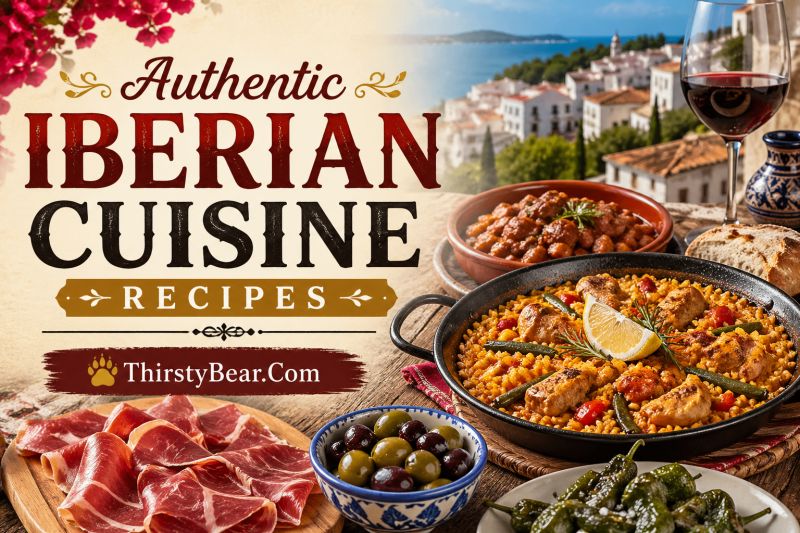
I spent three months cooking my way through Spain and Portugal, and one thing became clear immediately. Iberian cuisine is not just about recipes; it is about understanding the rhythm of life that moves slowly and savors every bite. Whether you are planning a dinner party or simply want to bring Mediterranean warmth to your weeknight meals, these Iberian cuisine recipes will transform how you cook.
Iberian cuisine encompasses the culinary traditions of Spain and Portugal, shaped by centuries of Mediterranean, Atlantic, and Moorish influences. The focus is on fresh ingredients, bold flavors, and techniques that have been passed down through generations of home cooks. You can explore our Spanish cuisine guide for a deeper look at regional variations.
In this guide, I am sharing 25 authentic recipes that range from beginner-friendly tapas to impressive main courses. You will learn essential techniques, discover regional specialties, and find wine pairings that elevate every dish. Let us get cooking.
Table of Contents
What Are the Essential Ingredients for Iberian Cuisine?
Every cuisine has its foundation, and Iberian cooking rests on a handful of ingredients that appear in nearly every dish. Understanding these staples will make your cooking more authentic and flavorful. Here is what you need to stock your pantry.
Olive Oil Is the Lifeblood of Spanish Cooking
Spanish olive oil is not merely a cooking medium; it is a flavor enhancer and finishing ingredient. Extra virgin olive oil from regions like Andalusia or Catalonia brings peppery, grassy notes that define authentic dishes. I keep two bottles on hand: one for cooking and a premium bottle for drizzling over finished plates.
Quality matters more than quantity here. Look for oils labeled with a Denominación de Origen Protegida (DOP) seal, which guarantees origin and production standards. A good bottle transforms even simple pan con tomate into something restaurant-worthy.
Garlic and Onions Form the Aromatic Base
Iberian recipes rely heavily on garlic, often using whole cloves that slowly infuse oil with deep flavor. Spanish garlic tends to be milder than other varieties, allowing you to use more without overwhelming a dish. Onions, particularly Spanish yellow onions, form the foundation of sofrito, the flavor base for countless recipes.
When a recipe calls for three or four cloves of garlic, do not reduce the amount. Trust the process. The slow cooking mellows the intensity and creates that characteristic sweet-savory balance you taste in authentic Spanish restaurants.
Paprika Comes in Three Essential Varieties
Pimentón, Spanish smoked paprika, is non-negotiable for authentic flavor. You need three types in your spice drawer: sweet (dulce), bittersweet (agridulce), and hot (picante). Each brings a different dimension to your cooking, from the gentle warmth of sweet paprika to the fiery kick of the hot variety.
Look for paprika labeled “de la Vera,” which indicates it was smoked over oak fires in the Extremadura region. This traditional smoking process creates the complex, earthy flavor that defines dishes like patatas bravas and chorizo al vino.
Saffron and Bomba Rice for Perfect Paella
Spanish saffron, particularly from La Mancha, is expensive but essential for authentic paella and other rice dishes. A little goes a long way; just a few threads will tint your entire dish with golden color and impart that distinctive floral, honey-like aroma. Always buy threads rather than powder to ensure purity.
Bomba rice, grown in Calasparra, is the traditional choice for paella because it absorbs three times its volume in liquid without becoming mushy. If you cannot find bomba, use another short-grain rice like Valencia or even Arborio in a pinch, though purists would wince.
Other Ingredients Worth Seeking Out
Quality Iberian ham (jamón ibérico) elevates everything from simple tapas to sophisticated appetizers. Spanish cured chorizo, made with pimentón, adds smoky depth to stews and rice dishes. Sherry vinegar brings nuanced acidity that lifts heavier dishes, while Spanish almonds, particularly Marcona variety, finish everything from soups to desserts.
Iberian Cuisine Recipes: Authentic Dishes to Master
These recipes represent the breadth of Iberian cooking, from quick tapas to slow-cooked stews. I have organized them by difficulty level so you can build confidence as you cook. Each recipe includes tips I learned from home cooks in Spain and Portugal during my travels.
1. Tortilla de Patatas: Spain’s Most Beloved Dish
The Spanish potato omelet is arguably Spain’s national dish, appearing in every tapas bar from Madrid to Barcelona. This simple combination of eggs, potatoes, and onions creates something far greater than the sum of its parts. Master this recipe, and you have unlocked the heart of Spanish home cooking.
Start by slicing two large potatoes thinly and frying them gently in olive oil until tender but not crispy. In a separate pan, slowly cook one sliced onion until sweet and translucent. Beat four eggs in a large bowl, then fold in the drained potatoes and onions along with salt.
Heat two tablespoons of olive oil in a non-stick skillet over medium heat. Pour in the egg mixture and cook until the edges set, about three minutes. The tricky part comes next: place a plate over the skillet, flip quickly, then slide the tortilla back into the pan to cook the other side for another two minutes. The center should remain slightly runny for the authentic Spanish texture.
Serve at room temperature, cut into small squares for tapas or larger wedges for a light meal. Every Spanish family argues about whether onions belong in tortilla, so try both versions and pick your camp. I prefer with onions for the added sweetness, but the onion-free version highlights the potato flavor more purely.
2. Gazpacho: Andalusian Summer in a Bowl
This cold tomato soup captures the essence of Spanish summers, refreshing and vibrant with ripe produce. Traditional gazpacho requires no cooking, just quality ingredients and a blender. Make it when tomatoes are at their peak for the best results.
Blend one pound of ripe tomatoes with half a cucumber, half a green bell pepper, one garlic clove, and a slice of day-old bread soaked in water. Add three tablespoons of sherry vinegar, a quarter cup of extra virgin olive oil, and salt to taste. Blend until completely smooth, then strain through a fine sieve for that silky restaurant texture.
Chill for at least two hours before serving. Garnish with diced cucumber, bell pepper, and a drizzle of olive oil. Some Andalusian families add a splash of water to thin the soup, while others prefer it thick enough to eat with a spoon. Both are correct; preference is regional.
3. Paella Valenciana: The Crown Jewel of Spanish Rice
Authentic Valencian paella contains rabbit, chicken, and sometimes snails, cooked with bomba rice over an open fire. The dish originated in the wetlands around Valencia, where farmers cooked lunch over fires made from orange tree branches. Those branches imparted a subtle fragrance that modern home cooks try to replicate.
Heat olive oil in a wide, shallow paella pan over medium-high heat. Brown half a pound each of rabbit and chicken pieces, seasoning with salt. Add half a pound of flat green beans and half a pound of white lima beans, cooking until slightly tender. Stir in grated tomato and sweet paprika, cooking until the mixture darkens slightly.
Add one and a half cups of bomba rice, stirring to coat each grain with oil. Pour in three cups of warm chicken stock infused with saffron threads. Arrange everything evenly, then do not stir again. This is the golden rule of paella: stirring releases starch and creates risotto, which is delicious but not paella.
Cook over medium heat for about twenty minutes until the liquid absorbs and the rice is al dente. You want socarrat, that prized caramelized crust on the bottom of the pan. Listen for a gentle crackling sound near the end of cooking to know you have achieved it. Rest the paella off heat for five minutes before serving directly from the pan.
4. Patatas Bravas: Crispy Potatoes with Bold Sauce
These fried potato cubes with spicy tomato sauce appear on every tapas menu for good reason. They are addictive, comforting, and surprisingly easy to make at home. The secret lies in double-frying the potatoes for that perfect crispy exterior and creamy interior.
Cut two pounds of potatoes into one-inch cubes, leaving the skin on for texture. Fry at 325 degrees Fahrenheit for five minutes until tender but pale. Remove and drain, then increase oil temperature to 375 degrees and fry again for two minutes until golden and crispy.
For the bravas sauce, sauté minced onion and garlic in olive oil until soft. Add one teaspoon of hot pimentón, half a teaspoon of sweet pimentón, and a pinch of cayenne. Stir in one cup of crushed tomatoes and simmer for fifteen minutes until thickened. Some versions add mayonnaise drizzled over the top; others keep it purely tomato-based. Both are traditional, depending on the region.
5. Gambas al Ajillo: Garlic Shrimp That Steals the Show
This dish comes together in under ten minutes but delivers restaurant-quality flavor that will impress any guest. The combination of garlic, olive oil, and shrimp creates an aroma that fills your kitchen with Spanish warmth. Serve it sizzling in a cazuela, the traditional clay dish, for maximum authenticity.
Heat half a cup of olive oil in a small skillet over medium heat. Add four thinly sliced garlic cloves and half a teaspoon of red pepper flakes. Cook until the garlic is just golden, about two minutes, then add one pound of peeled, deveined shrimp.
Cook for two to three minutes until the shrimp turn pink and opaque. Remove from heat immediately to prevent overcooking. Finish with a tablespoon of chopped fresh parsley and a squeeze of lemon juice. Serve with crusty bread to soak up the garlicky oil, which is honestly the best part of the dish.
6. Croquetas: Creamy Fritters with Endless Variations
Spanish croquetas differ from other croquettes in their béchamel base, creating an interior so creamy it nearly flows when you bite through the crispy exterior. Traditional fillings include jamón ibérico, salt cod, or mushrooms, though modern variations abound. These require patience but reward you with tapas bar perfection.
Make a thick béchamel by melting four tablespoons of butter, whisking in four tablespoons of flour, and slowly adding two cups of warm milk. Stir constantly until the mixture thickens enough to coat a spoon. Fold in one cup of finely diced jamón serrano or cooked chicken, then season with salt, white pepper, and a pinch of nutmeg.
Spread the mixture on a plate, cover, and refrigerate for at least four hours or overnight. This step is non-negotiable; warm béchamel will not hold its shape during frying. Once chilled, form into small cylinders using two spoons. Coat in flour, beaten egg, and breadcrumbs, then fry at 350 degrees until deeply golden. The contrast between the shattering crust and molten center is what makes these irresistible.
7. Fabada Asturiana: Hearty Bean Stew from Northern Spain
This white bean stew from Asturias warms you from the inside out, perfect for cold evenings when you need substantial comfort food. Fabes de la Granja, the large white beans used traditionally, create a creamy texture unlike any other bean. Canned beans work in a pinch, though dried beans soaked overnight yield the best results.
Soak one pound of dried fabes or cannellini beans overnight. Drain and place in a large pot with one whole onion, one head of garlic (unpeeled), and two bay leaves. Cover with water and simmer gently for about an hour until the beans are tender but still hold their shape.
In a separate pan, sauté half a pound of diced pancetta or bacon with half a pound of chorizo and one black pudding (morcilla), sliced. Add this mixture to the beans along with sweet paprika and saffron. Simmer together for another thirty minutes until the flavors meld. Remove the onion and garlic before serving, though some cooks mash the soft garlic cloves into the stew for extra depth.
8. Pulpo a la Gallega: Galician Octopus with Paprika
This Galician specialty transforms octopus into tender, flavorful bites dusted with paprika and coarse sea salt. The traditional cooking method involves dipping the octopus in boiling water three times before fully submerging it, which helps tenderize the meat and curl the tentacles attractively. Modern cooks can achieve similar results with proper technique.
Bring a large pot of salted water to a boil. Hold a two-pound octopus by the head and dip the tentacles into the water three times, pulling out each time. On the fourth dip, submerge completely and simmer for about forty minutes until tender when pierced with a skewer.
Remove and let cool slightly, then cut into bite-sized pieces. Arrange on a wooden platter and drizzle generously with olive oil. Sprinkle with coarse sea salt and both sweet and hot paprika. Traditional accompaniments include boiled potatoes sliced underneath the octopus, creating a complete meal. The combination of tender seafood, earthy potatoes, and smoky paprika is unforgettable.
9. Churros con Chocolate: Fried Dough for Breakfast or Dessert
Spaniards eat churros for breakfast, dipping them into thick hot chocolate that is more pudding than drink. The dough is simple, just flour, water, and salt, piped into hot oil and fried until golden. Master the piping technique, and you will recreate the churrería experience at home.
Bring one cup of water to a boil with half a teaspoon of salt and one tablespoon of vegetable oil. Remove from heat and stir in one cup of all-purpose flour all at once. Beat vigorously with a wooden spoon until the dough forms a ball and pulls away from the sides of the pan. Let cool for five minutes.
Load the dough into a piping bag fitted with a large star tip. Pipe four-inch lengths directly into 375-degree oil, cutting the dough with scissors as you pipe. Fry until golden brown, about two minutes per side. Drain on paper towels and toss with cinnamon sugar while still warm.
For the chocolate, heat two cups of whole milk with two tablespoons of cornstarch, two tablespoons of sugar, and seven ounces of chopped dark chocolate. Whisk constantly until thickened to a sauce consistency. Serve immediately for dunking those crispy, sugar-dusted churros. Weekend mornings will never be the same.
10. Crema Catalana: Spain’s Answer to Crème Brûlée
This Catalan dessert predates French crème brûlée and features a distinctive cinnamon and lemon zest flavor profile. The burnt sugar crust crackles satisfyingly when you tap it with your spoon, revealing the silky custard beneath. A kitchen torch is essential for that classic caramelized top.
Heat two cups of heavy cream with a cinnamon stick and the zest of one lemon until just simmering. Remove from heat and let infuse for fifteen minutes. Meanwhile, whisk five egg yolks with half a cup of sugar until pale and thick.
Slowly pour the warm cream into the yolk mixture, whisking constantly to prevent curdling. Return to low heat and cook, stirring constantly, until the mixture coats the back of a spoon. Strain into shallow ramekins and refrigerate for at least four hours.
Just before serving, sprinkle each custard with one tablespoon of granulated sugar. Caramelize with a kitchen torch until dark golden and bubbling. The contrast between the warm, crunchy sugar shell and the cold, creamy custard makes this dessert absolutely worth the effort.
11. Salmorejo: Thicker Gazpacho from Córdoba
Salmorejo is gazpacho’s richer cousin, a tomato and bread emulsion that is thick enough to eat with a spoon. Originating in Córdoba, this cold soup is typically garnished with diced jamón and hard-boiled egg. It showcases how a single region can transform simple ingredients into something distinct.
Blend one pound of ripe tomatoes with half a pound of day-old bread soaked in water, three tablespoons of sherry vinegar, and half a cup of olive oil. The bread creates the characteristic thickness that differentiates salmorejo from gazpacho. Blend until completely smooth and emulsified, then chill thoroughly.
Serve in shallow bowls topped with chopped hard-boiled egg, diced jamón ibérico, and a drizzle of olive oil. Some modern versions add a swirl of cream or a dollop of burrata, but the traditional version needs only those classic garnishes to shine.
12. Espinacas con Garbanzos: Andalusian Spinach and Chickpeas
This humble dish from Seville proves that vegetarian cooking in Spain is anything but boring. Spinach and chickpeas simmered with cumin, paprika, and garlic create a tapa that is simultaneously comforting and complex. It is also budget-friendly, making it perfect for weeknight dinners.
Sauté one diced onion in olive oil until soft, then add three minced garlic cloves and cook until fragrant. Stir in one teaspoon each of cumin and sweet paprika. Add one can of drained chickpeas and one pound of fresh spinach, stirring until the spinach wilts. Splash in a quarter cup of vegetable stock and simmer for ten minutes.
Finish with a splash of sherry vinegar and toasted bread crumbs for texture. Some versions include tomato, while others keep it greener. Both are authentic; the Seville version tends toward the tomato-based preparation. Serve warm or at room temperature with plenty of bread.
13. Huevos Rotos: Broken Eggs Over Fried Potatoes
Huevos rotos translates to “broken eggs,” referring to how you slice into the runny yolks at the table, letting them spill over crispy fried potatoes. It is pure comfort food that works for breakfast, lunch, or a late-night tapas craving. Add jamón on top for the deluxe version.
Fry one pound of thinly sliced potatoes in olive oil until golden and crispy. Transfer to a serving plate and season with salt. In the same pan, fry two eggs sunny-side up in a little more oil, keeping the yolks runny. Slide the eggs onto the potatoes and serve immediately.
The magic happens at the table when everyone breaks their yolks and mixes them with the potatoes. For the full experience, lay slices of jamón ibérico over the top before adding the eggs. The combination of runny yolk, crispy potatoes, and salty ham is unbeatable.
14. Berenjenas con Miel: Fried Eggplant with Honey
This Andalusian dish reflects Moorish influences on Spanish cuisine, combining fried eggplant with sweet honey or molasses. It is unexpected, addictive, and one of those dishes that surprises first-time tasters. The key is salting the eggplant properly to remove bitterness before frying.
Slice one large eggplant into quarter-inch rounds. Salt generously and let drain in a colander for thirty minutes. Rinse and pat completely dry; moisture is the enemy of crispy eggplant. Dredge in flour seasoned with salt, shaking off excess.
Fry in 350-degree oil until golden brown on both sides, about three minutes per side. Drain on paper towels, then arrange on a plate and drizzle with good-quality honey or cane honey syrup (miel de caña). Finish with a sprinkle of sea salt. The sweet-savory contrast makes this a memorable starter.
15. Pisto: Spanish Ratatouille from La Mancha
Pisto is the Spanish equivalent of French ratatouille, a slow-cooked vegetable medley that celebrates summer produce. Unlike its French cousin, pisto is often topped with a fried egg or melted Manchego cheese. It works as a side dish, a vegetarian main, or a tapa.
Dice one zucchini, one eggplant, two bell peppers, and one onion into half-inch cubes. Cook each vegetable separately in olive oil until caramelized, removing to a plate as each finishes. This individual cooking ensures each vegetable retains its texture rather than becoming mushy.
Return all vegetables to the pan with two cups of crushed tomatoes and simmer for twenty minutes until thickened. Season with salt and a pinch of sugar if the tomatoes are tart. Serve topped with a fried egg or grated Manchego, alongside crusty bread for scooping up every last bit.
16. Rabo de Toro: Andalusian Oxtail Stew
This slow-braised oxtail dish originated in Córdoba and represents the depth of Andalusian cooking. The meat becomes so tender it falls off the bone, while the sauce thickens into a rich gravy infused with wine and aromatics. This is weekend cooking at its finest.
Season two pounds of oxtail pieces with salt and pepper, then brown in olive oil in a heavy Dutch oven. Remove and sauté two diced onions, four carrots, and four celery stalks until soft. Add six minced garlic cloves and two tablespoons of tomato paste, cooking until the paste darkens slightly.
Deglaze with one cup of dry sherry, scraping up any browned bits. Return the oxtail to the pot with two cups of beef stock, a bay leaf, and a sprig of thyme. Cover and simmer on low for three to four hours until the meat is fork-tender. The sauce should coat the back of a spoon; if too thin, remove the lid for the last thirty minutes of cooking.
17. Arroz con Leche: Spanish Rice Pudding
This creamy rice pudding differs from other versions in its use of lemon zest and cinnamon, creating a lighter, more aromatic dessert. Spanish grandmothers have strong opinions about whether to use short-grain or medium-grain rice; I prefer bomba for its ability to stay intact while releasing starch for creaminess.
Bring four cups of milk, one cinnamon stick, and lemon zest to a simmer. Add half a cup of rice and cook gently, stirring frequently, for about forty-five minutes until the rice is tender and the mixture thickens. Stir in half a cup of sugar and continue cooking for ten more minutes.
Serve warm or chilled, dusted with cinnamon. Some versions add a splash of Pedro Ximénez sherry for an adult twist. The simplicity of this dessert showcases how Spanish cooking lets quality ingredients speak for themselves.
18. Torrijas: Spanish French Toast for Easter
Torrijas are Spain’s answer to French toast, traditionally eaten during Lent and Easter. Thick slices of stale bread soak up sweetened milk or wine, then fry until golden and crispy. They are richer and more decadent than American French toast, meant to be a special treat rather than everyday breakfast.
Heat two cups of milk with half a cup of sugar, a cinnamon stick, and lemon zest. Pour over eight thick slices of day-old bread and let soak for at least an hour, turning occasionally. Beat three eggs in a shallow dish and dip each soaked bread slice in the egg.
Fry in olive oil over medium heat until golden brown on both sides. Drain on paper towels, then dust with cinnamon sugar or drizzle with honey. Some regions soak torrijas in sweet wine instead of milk; both versions are worth trying depending on your mood.
19. Papas con Mojo: Canarian Potatoes with Magic Sauce
The Canary Islands have their own culinary identity, and these wrinkly potatoes with vibrant mojo sauce represent it perfectly. Small new potatoes boil in heavily salted water until the water evaporates, leaving them coated in salt crystals. The accompanying mojo sauces, either green with cilantro or red with paprika, bring the dish to life.
Place two pounds of small new potatoes in a pot with enough water to cover and a quarter cup of sea salt. Boil until the potatoes are tender and the water has nearly evaporated, leaving a salty crust on the potatoes. Shake the pot gently to rough up the skins; this helps them hold more sauce.
For green mojo, blend one cup of fresh cilantro, four garlic cloves, one teaspoon of cumin, one teaspoon of sea salt, and half a cup of olive oil until smooth. For red mojo, substitute roasted red peppers and sweet paprika for the cilantro. Serve the potatoes hot with both sauces on the side for dipping.
20. Lentejas: Spanish Lentil Stew
Spanish lentil stew is heartier than other versions, typically including chorizo, bacon, and sometimes morcilla for a deeply savory flavor. Lentils from the region of Aragon are prized for maintaining their shape during cooking. This is another budget-friendly dish that tastes like it cost much more.
Sauté one diced onion, two carrots, and two celery stalks in olive oil until soft. Add two minced garlic cloves and cook until fragrant. Stir in one cup of brown lentils, half a pound of diced chorizo, and a bay leaf. Cover with four cups of chicken stock and simmer for about forty-five minutes until the lentils are tender.
Some versions add a splash of vinegar at the end to brighten the rich flavors. Serve with crusty bread and a simple green salad for a complete meal that costs less than ten dollars but feeds four generously.
21. Empanada Gallega: Savory Pie from Galicia
Galician empanada differs from the handheld empanadas of Latin America; it is a large, rectangular pie filled with tuna, meat, or vegetables, cut into squares for serving. The yeasted dough is richer and more bread-like than flaky pastry. This makes an impressive centerpiece for gatherings.
Make a yeasted dough with three cups of flour, one packet of yeast, warm water, olive oil, and salt. Let rise until doubled. For the filling, sauté two onions until caramelized, then add two cans of drained tuna, two chopped hard-boiled eggs, and two tablespoons of tomato sauce. Season with paprika and salt.
Roll out half the dough and fit into an oiled baking dish. Spread the filling evenly, then top with the remaining dough, crimping the edges to seal. Brush with beaten egg and bake at 375 degrees for about forty minutes until golden brown. Serve warm or at room temperature, cut into generous squares.
22. Bacalhau a Bras: Portuguese Salt Cod Classic
No exploration of Iberian cuisine is complete without Portuguese contributions, and bacalhau a bras is the perfect introduction. Salt cod, shredded and mixed with fried potatoes and eggs, creates a comforting casserole that showcases Portugal’s love affair with cod. You must start this recipe a day ahead to soak the salt cod.
Soak one pound of salt cod in cold water for twenty-four hours, changing the water three times to remove excess salt. Drain and poach in fresh water for five minutes until flaky. Remove skin and bones, then shred the fish into pieces.
Fry two cups of matchstick-cut potatoes in olive oil until crispy. In a large pan, sauté one diced onion until soft, then add the cod and potatoes. Pour in four beaten eggs and stir gently until the eggs set into soft curds. Garnish with black olives and chopped parsley. The contrast of salty fish, crispy potatoes, and creamy eggs is deeply satisfying.
23. Caldo Verde: Portuguese Green Soup
This traditional soup from northern Portugal is simplicity perfected. Potatoes and collard greens combine with smoky linguiça sausage for a rustic, nourishing bowl that has sustained Portuguese families for generations. It is the kind of soup that tastes even better the next day.
Simmer one pound of diced potatoes in six cups of chicken stock until completely tender. Blend with an immersion blender until smooth. Meanwhile, sauté half a pound of sliced linguiça or chorizo until crispy. Add to the soup along with one bunch of thinly sliced collard greens.
Simmer for ten minutes until the greens are tender but still bright green. Season with salt and pepper. Some versions add a splash of olive oil to each bowl just before serving. This soup proves that the best recipes often have the shortest ingredient lists.
What Cooking Techniques Define Iberian Cuisine?
Understanding the techniques behind Iberian recipes will elevate your cooking beyond simply following instructions. These methods have been refined over centuries and form the backbone of authentic Spanish and Portuguese cooking. Master these, and you can improvise with confidence.
Sofrito: The Flavor Foundation
Sofrito is the aromatic base for countless Iberian dishes, consisting of slowly cooked onions, garlic, tomatoes, and sometimes peppers. The key is patience; rushing this step yields harsh, underdeveloped flavors. Take twenty to thirty minutes to cook the vegetables until they melt into a sweet, concentrated paste.
Start with a generous amount of olive oil over medium-low heat. Add diced onions and cook until golden and sweet, then add garlic for just a minute before adding grated fresh tomato. Cook until the mixture reduces and the oil starts to separate. This sofrito can be made ahead and refrigerated for up to a week, ready to anchor any recipe.
Rice Cooking for Perfect Paella and Beyond
Iberian rice dishes require specific techniques that differ from Asian or Italian methods. The goal is individual grains that retain a slight bite while absorbing maximum flavor. Never stir the rice after adding liquid; this releases starch and creates a creamy consistency, which is perfect for risotto but wrong for paella.
Always use a wide, shallow pan to maximize the rice’s contact with the heat source. This creates the prized socarrat, the caramelized crust at the bottom of the pan. Listen for a gentle crackling sound in the final minutes of cooking to know you have achieved it. Rest the dish for five minutes off heat before serving to allow the rice to finish absorbing liquid.
Slow Simmering for Stews and Beans
Patience defines Iberian stews, which often simmer for hours to develop complex flavors. Low, gentle heat breaks down tough cuts of meat and allows beans to cook evenly without splitting. Resist the urge to boil vigorously; bubbles should barely break the surface.
Skim any foam that rises during the first thirty minutes of cooking beans or meat stews. This removes impurities and creates a cleaner final flavor. Adding salt too early can toughen beans, so season gradually throughout the cooking process, tasting and adjusting as you go.
Pan Frying for Tapas Perfection
Many tapas dishes rely on perfect pan frying, from gambas al ajillo to patatas bravas. The key is controlling oil temperature and not overcrowding the pan. Too much food at once lowers the oil temperature, resulting in greasy rather than crispy results.
Use a thermometer for accuracy, or test with a small piece of bread; it should sizzle immediately and turn golden in about thirty seconds. Work in batches, allowing the oil to return to temperature between each batch. Drain fried foods on a wire rack rather than paper towels to maintain crispness.
Wine Pairings for Iberian Dishes
The right wine transforms a good meal into an unforgettable experience. Spanish and Portuguese wines are designed to complement their respective cuisines, with enough acidity to cut through rich dishes and enough fruit to balance spice. Here is how to pair them effectively.
Red Wines for Meat and Bean Dishes
Rioja, Spain’s most famous wine region, produces Tempranillo-based reds that pair beautifully with hearty stews and grilled meats. A Crianza offers bright fruit and vanilla notes from oak aging that complement paprika-spiked dishes without overwhelming them. For heavier stews like rabo de toro, step up to a Reserva with more structure and depth.
Ribera del Duero offers another excellent Tempranillo expression, often richer and more powerful than Rioja. These wines stand up to chorizo and aged cheese, matching intensity with intensity. Portuguese Douro reds, made from Touriga Nacional and other local grapes, bring dark fruit and spice that pair wonderfully with salt cod dishes.
White Wines for Seafood and Vegetables
Albariño from Galicia is the classic choice for seafood, offering crisp acidity and subtle salinity that echoes the ocean. It cuts through the richness of pulpo a la gallega while complementing the sweetness of gambas al ajillo. Serve well-chilled for maximum refreshment.
Verdejo from Rueda provides another excellent seafood pairing, with citrus notes and herbal undertones that match green mojo sauce perfectly. Portuguese Vinho Verde, lightly effervescent and low in alcohol, works beautifully with fried foods like bacalhau a bras, cleansing the palate between bites.
Cava and Sparkling Options
Spanish Cava, made by the traditional method like Champagne, brings celebration to any tapas spread. The bubbles and acidity cut through fried foods and creamy croquetas. A dry (brut) Cava works throughout a meal, while rosé Cava adds berry notes that complement tomato-based dishes.
Do not reserve sparkling wines for special occasions; they are remarkably food-friendly and affordable. A good bottle of Cava costs a fraction of Champagne while delivering similar complexity and refreshment. Serve with everything from tortilla de patatas to churros con chocolate for a true Spanish experience.
Frequently Asked Questions About Iberian Cuisine Recipes
What are the most traditional Spanish dishes?
The most traditional Spanish dishes include tortilla de patatas (potato omelet), paella from Valencia, gazpacho from Andalusia, fabada asturiana (white bean stew), pulpo a la gallega (Galician octopus), and croquetas. Tapas classics like patatas bravas and gambas al ajillo are also essential to Spanish cuisine. Each region has its own specialties, from seafood dishes in the north to hearty stews in the interior.
What is Spain’s national dish?
While Spain has no official national dish, tortilla de patatas (Spanish potato omelet) is widely considered the most iconic and beloved dish across all regions. It appears in every tapas bar and home kitchen, made simply with eggs, potatoes, and olive oil. Some versions include onions, sparking friendly debates among Spaniards about authenticity.
What are some easy Spanish recipes for beginners?
Beginner-friendly Spanish recipes include tortilla de patatas, gazpacho (no cooking required), gambas al ajillo (ready in 10 minutes), patatas bravas, and espinacas con garbanzos (spinach with chickpeas). These dishes require minimal ingredients and techniques while delivering authentic flavors. Start with these before progressing to more complex dishes like paella or croquetas.
What is Spanish food like?
Spanish food emphasizes fresh, quality ingredients prepared simply to let natural flavors shine. Olive oil, garlic, and paprika appear in nearly every dish. The cuisine is social and communal, built around sharing tapas and lengthy meals with family and friends. Regional diversity means coastal areas focus on seafood while inland regions feature hearty meats and stews. The overall approach is rustic rather than fussy, prioritizing flavor over presentation.
Can I make Spanish recipes without special ingredients?
Yes, many Spanish recipes use common ingredients found in any supermarket. Substitute regular olive oil for Spanish varieties, use standard paprika (though smoked paprika is worth seeking out), and replace Spanish cheese with local alternatives. However, some ingredients like saffron for paella and salt cod for bacalhau are difficult to substitute. Focus on recipes like tortilla, gazpacho, and pisto that require only basic pantry staples for authentic results.
Conclusion: Start Your Iberian Cooking Journey
Iberian cuisine recipes offer home cooks a gateway into one of the world’s most beloved culinary traditions. From the simplicity of tortilla de patatas to the complexity of paella valenciana, these dishes reward patience and quality ingredients with flavors that transport you to Spain and Portugal. The techniques you have learned here, from sofrito to proper rice cooking, will serve you across countless recipes.
Start with the beginner-friendly recipes like gazpacho and gambas al ajillo to build confidence. As you grow comfortable with Iberian flavors, tackle the slow-cooked stews and yeast-based breads. Remember that authenticity comes not from perfection but from respect for ingredients and tradition.
Invite friends over, open a bottle of Rioja or Albariño, and share these dishes the Spanish way: slowly, joyfully, and together. Your Iberian cuisine recipes journey begins with a single dish. Make it tortilla de patatas. You will understand immediately why this cuisine has captured hearts around the world.