
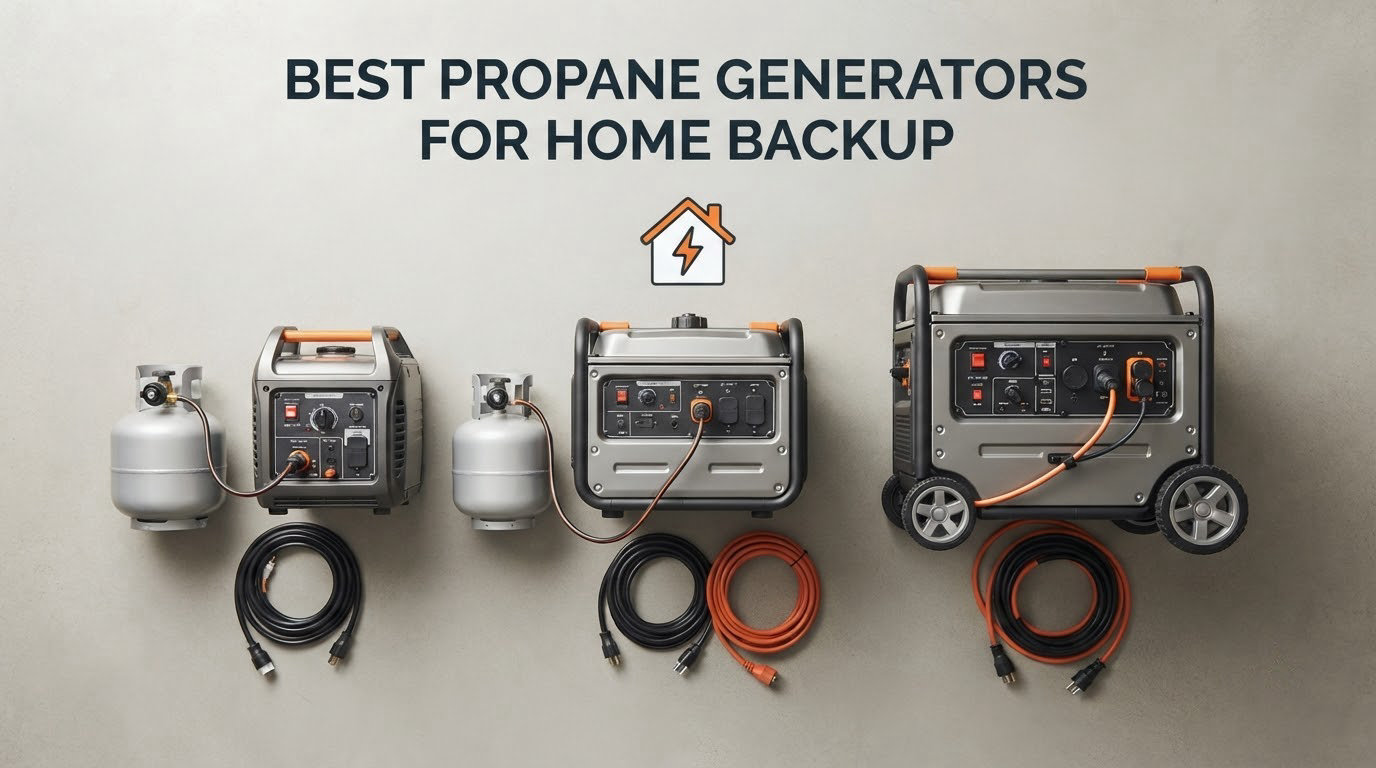
Propane is the only fuel you can park in a garage for three years and still trust on the first pull during an outage. That single property is why a dual fuel portable unit is the answer for most people searching for the best propane generators for home backup, and it is why the failure mode that ruins stored gasoline generators, a carburetor gummed with stale fuel, basically disappears. The catch is wattage. The same engine makes roughly 10 percent fewer running watts on propane than on gasoline, so a unit advertised at 10,500 running watts may only deliver 9,500 when you are actually burning LPG.
We spent weeks comparing ten dual fuel and tri-fuel machines on the numbers that decide whether a generator gets you through a storm: propane running watts, tank runtime, outlet configuration, noise, weight and carbon monoxide protection. Our short answer is that the DuroMax XP13000EH is the strongest all-round pick, the WEN DF475T is the best value entry point, and the Pulsar G12KBN is the top rated combination of power and owner satisfaction in this group. Below that, six more units earn a place for specific reasons, including two quiet inverters and one tri-fuel machine that will run on your natural gas line.
One more framing point before the picks. A 20 lb grill tank buys you an evening, not a weekend. Owners in the r/Generator and r/preppers threads we read almost universally plan around two or three cylinders of exchange propane, or step up to a 100 gallon tank, because running to the hardware store mid-storm is the part nobody plans for. If you want backup that runs for days without a refuel run, tank strategy matters as much as the machine.
If your outage plan leans more on stored electricity than engine power, it is worth reading our home battery backup system guide and our picks for the best portable power stations for home backup alongside this list. A battery covers the fridge and the Wi-Fi for a day or two, and a propane generator covers everything else after that.
Table of Contents
Top 3 Best Propane Generators for Home Backup

DuroMax XP13000EH
- 10500 running watts on gasoline
- Push button electric start
- 50A transfer switch ready outlet
- CO sensor
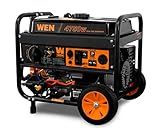
WEN DF475T
- 3500 running watts on propane
- 120V and 240V output
- Key electric start
- Oil and LPG hose included

Pulsar G12KBN
- 8550 rated watts on LPG
- Seven outlets including 50A
- 12 hours at half load
- Electric start
Best Propane Generators at a Glance in 2026
| Product | Specifications | Action |
|---|---|---|
| DuroMax XP13000EH 13,000W Dual Fuel |
|
Check Latest Price |
| WEN DF475T 4,750W Dual Fuel |
|
Check Latest Price |
| Pulsar G12KBN 12,000W Dual Fuel |
|
Check Latest Price |
 DuroMax XP13000HXT 13,000W Tri Fuel DuroMax XP13000HXT 13,000W Tri Fuel |
|
Check Latest Price |
 DuroStar DS13000MX 13,000W Dual Fuel DuroStar DS13000MX 13,000W Dual Fuel |
|
Check Latest Price |
 Champion 4,500W Dual Fuel Inverter Champion 4,500W Dual Fuel Inverter |
|
Check Latest Price |
 Champion 4,000W Dual Fuel RV Inverter Champion 4,000W Dual Fuel RV Inverter |
|
Check Latest Price |
 Champion 12,500W Tri Fuel Champion 12,500W Tri Fuel |
|
Check Latest Price |
 WEN DF451i 4,500W Dual Fuel Inverter WEN DF451i 4,500W Dual Fuel Inverter |
|
Check Latest Price |
 Westinghouse WGen11500DFc 14,500W Westinghouse WGen11500DFc 14,500W |
|
Check Latest Price |
1. DuroMax XP13000EH Review: The Best Propane Generator for Home Backup Overall
DuroMax XP13000EH 13,000-Watt Dual Fuel Portable Generator – Gas & Propane, Electric Start, Whole Home Backup Power, Transfer Switch Ready, RV & Emergency Ready
13000 starting/10500 running watts on gas
500cc 4-stroke
234 pounds
3 year warranty
Pros
- Push button electric start fires immediately
- Handled two 2-ton HVAC units plus fridge and electronics in real outages
- All-metal frame with 100 percent copper windings
- Simple knob-turn fuel switching
- Transfer switch ready 50A outlet
Cons
- Louder than expected for its class
- Arrives without engine oil
- Some reports of excess oil consumption and early engine failure
The XP13000EH is the unit we would put in a house with a central air conditioner and a freezer full of food. It carries 13,000 starting watts and 10,500 running watts on gasoline, and the outlet panel includes a 50 amp connection that a transfer switch can be wired to directly. Owners report running two 2-ton HVAC units, a refrigerator, freezers, a microwave and assorted electronics on it during real outages without a hiccup.
What earns it the top spot is not peak wattage, since the Westinghouse makes more, but the combination of a 4.5 star average across 3,991 reviews, the deepest review base in this group and a build that uses an all-metal frame and power panel with 100 percent copper windings. The push button electric start means you are not pulling a cord in the rain at 2am. Switching between gasoline and propane is a single control on the front-facing fuel selector.
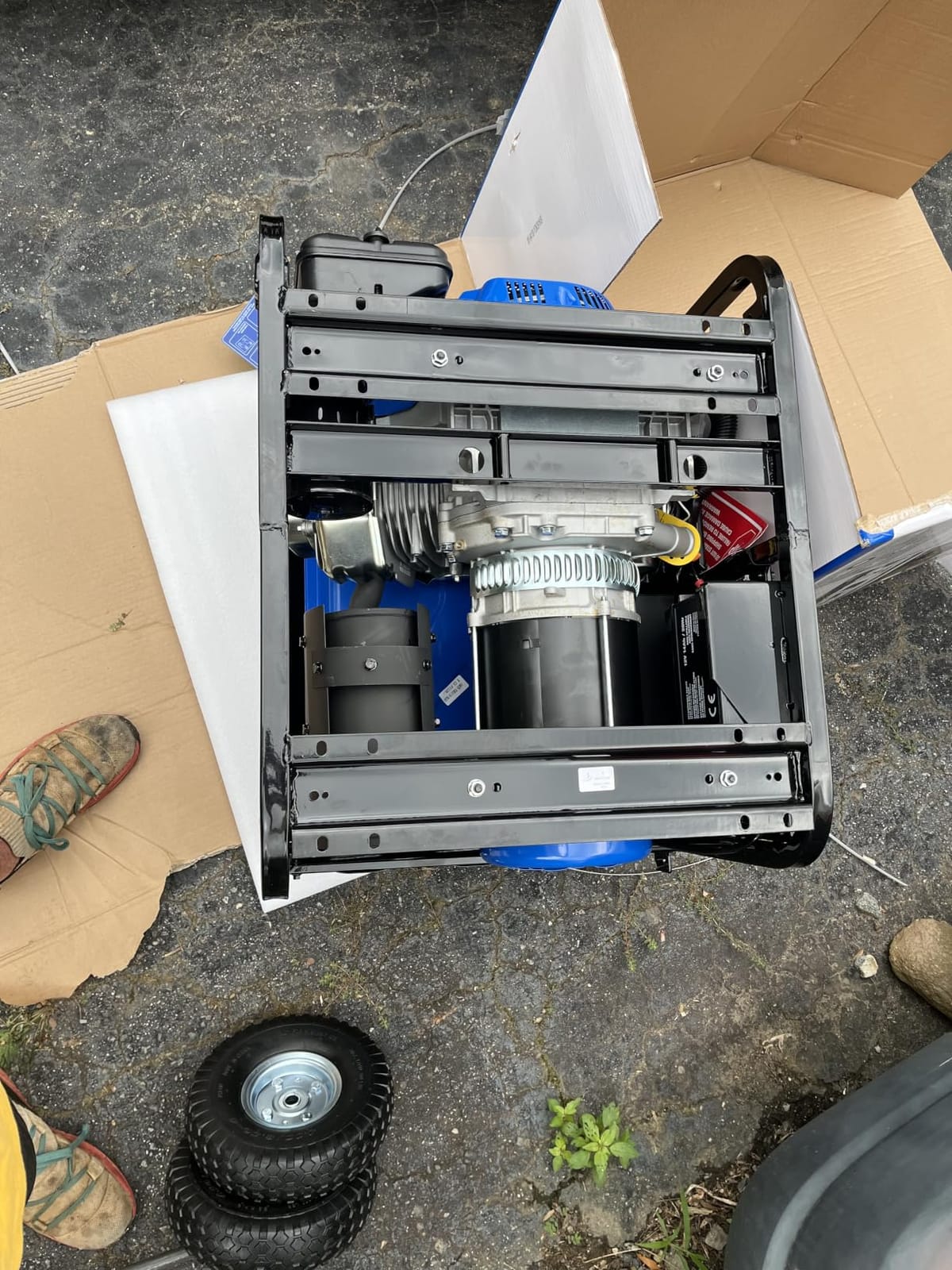
Two things about the numbers matter. First, the 500cc four-stroke engine is the same displacement used across this whole class of 13,000 watt machine, so the fuel selector is a mechanical decision about which regulator feeds the carburetor rather than a software mode. Second, the 0.5 gallon fuel tank in the specification sheet is a separate small reserve, and the design assumes propane cylinders or a larger tank feed through the included regulator and hose.
The honest negatives are worth stating plainly. This is a conventional open-frame generator, so total harmonic distortion runs higher than an inverter unit, and that matters if you plan to plug in a home office server or a sensitive audio setup. It is also the loudest class of machine we tested for this guide, at 234 pounds it needs two people to move, and a meaningful share of reviews describe higher oil consumption or early engine trouble that required warranty service.
The documentation is also sloppy in a way that costs you time. The airflow control sticker and the manual instructions were reportedly reversed, so the first start can go wrong for a completely avoidable reason. Fill the oil before anything else. The unit arrives with the oil drained, and running it dry is the fastest way to turn a warranty into a dispute.
Who the DuroMax XP13000EH suits
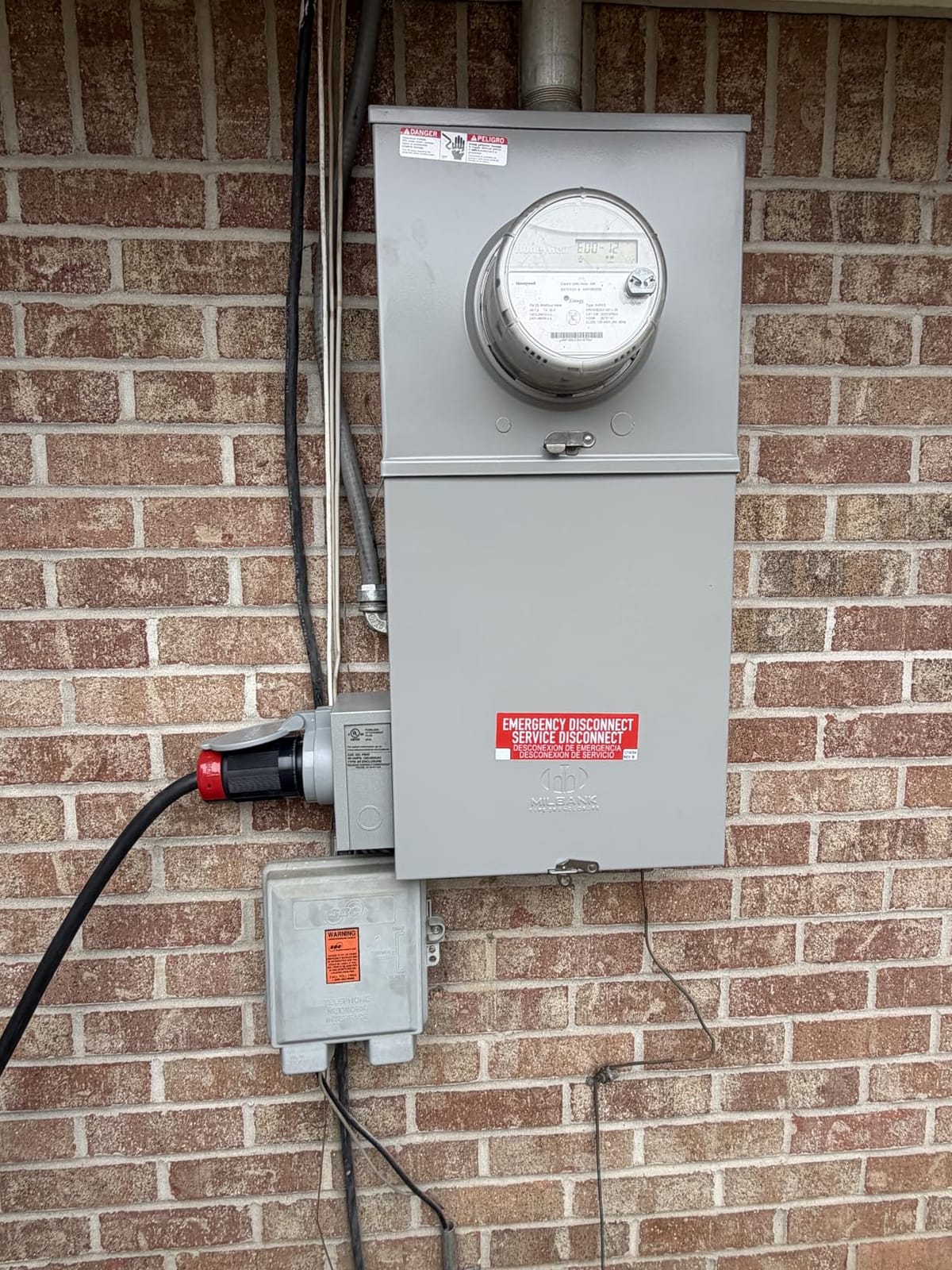
This suits a homeowner with central air or a well pump who wants one machine that covers HVAC, kitchen appliances and a transfer switch connection. The 50 amp outlet means an electrician can wire it into a panel properly, which is the difference between a backup plan and a decoration. Reviewers also report that DuroMax customer service resolved warranty claims quickly with free replacement parts, which matters for a machine this size.
It is also a reasonable pick for a homestead or small shop where you want gasoline available for a fuel hog like a welder while keeping propane as the stored standby fuel. Dual fuel across the group is the consensus default in r/Generator and r/preppers, and the standard advice is to store propane for readiness and keep gasoline for the day you need every last watt.
Who the DuroMax XP13000EH does not suit
Skip it if your only load is a refrigerator, a few lamps and a Wi-Fi router, or if you live in a neighborhood where noise matters at 5am. At 234 pounds with a full gasoline tank, this is a two-person lift, and the forum complaint about units over 200 pounds being a genuine installation problem for a single owner applies here. A small inverter in the 50 to 100 pound range does the same job for most people.
Do not buy it expecting clean power for sensitive electronics. This is an open-frame conventional unit, and pairing it with a home office or a medical device means adding a small pure sine wave inverter between the generator and the load, or choosing an inverter generator instead.
2. WEN DF475T Review: Best Value Dual Fuel Generator for a First Backup
WEN 4,750-Watt 120V/240V Dual Fuel Portable Generator with Wheel Kit and Electric Start (DF475T)
4750 surge/3800 running on gas
3500 running on propane
105.8 pounds
2 year warranty
Pros
- Key electric start with no pull cord
- Switchable 120V and 240V output
- 11 hours at half load from a 4 gallon tank
- Oil wheel kit and LPG hose included
Cons
- Open-frame design has higher total harmonic distortion
- Not intended for sensitive electronics at high surge
- 2 year warranty is shorter than most rivals
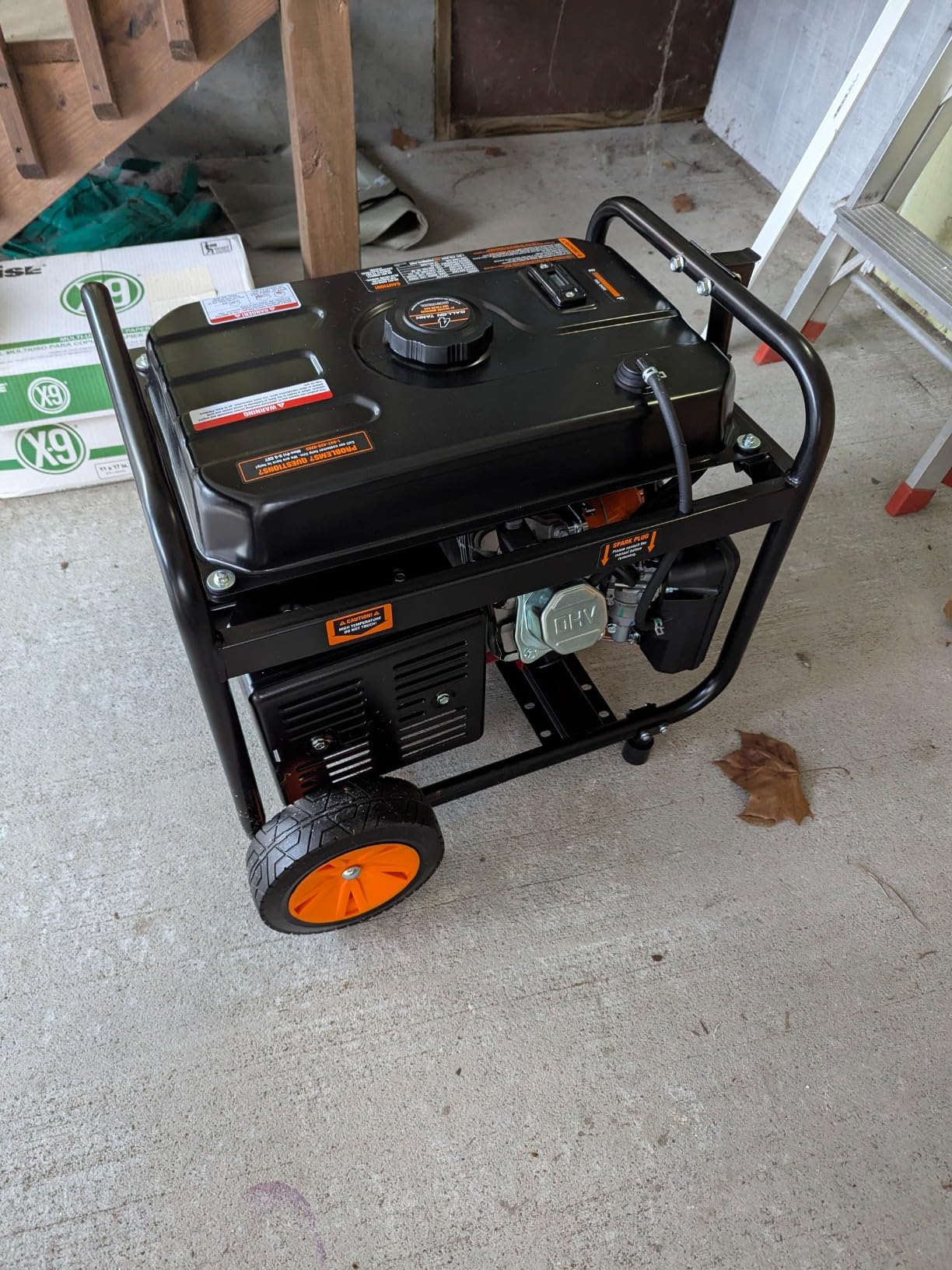
The DF475T is the reason most first-time buyers should not spend twice what they need to. It is a 224cc four-stroke with a key electric start, and its most important feature for home backup is that the output switches from 120V to 240V, which means an electrician can wire it to a 30 amp twist lock through a transfer switch. Very few machines in this price bracket can legally backfeed a house.
Owners treat it as the value entry point into dual fuel 120 and 240 volt power, and the 2,966 review count says it has been through a lot of real use. The 4 gallon tank delivers up to 11 hours at half load on gasoline, and the box includes engine oil, a wheel and handle kit and a 47 inch LPG connection hose, so there is nothing to buy before the first start.
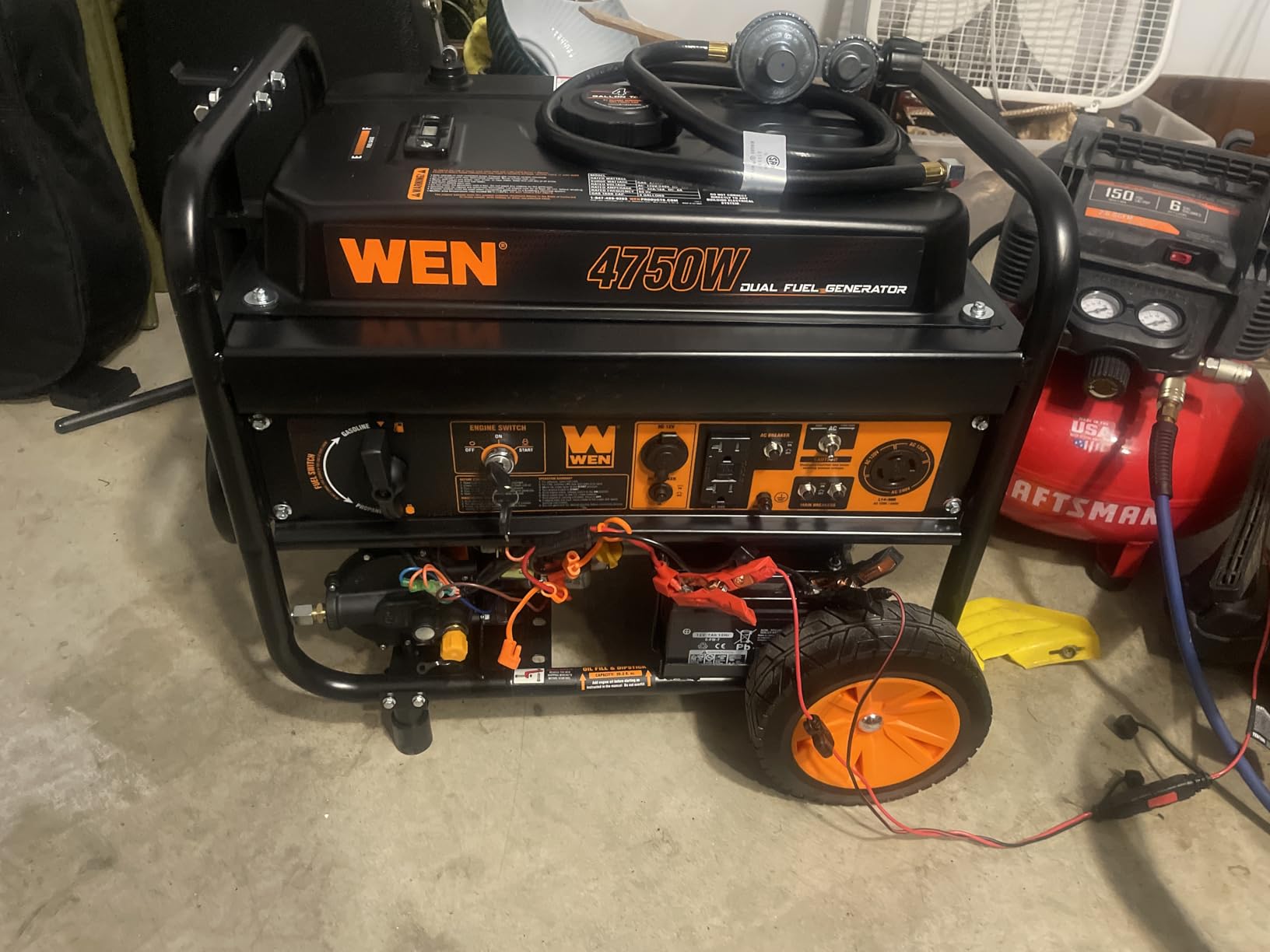
The outlet package is unusually complete: two 120V GFCI five-20R receptacles, a 120V and 240V NEMA 30A L14-30R twist lock, and a 12V DC plug. That GFCI protection matters more than it sounds, because extension cords into a damp garage or an outdoor connector are the most common shock risk in a home outage setup.
The specification sheet splits output by fuel, which is the number most people miss. Gasoline gives 4,750 surge and 3,800 running watts. Propane gives 4,350 surge and 3,500 running watts. Sizing on 3,500 rather than 3,800 is the difference between a fridge, a furnace blower, lights and a router working comfortably and a machine that trips its breaker when the freezer kicks in.
At 105.8 pounds and 23.2 by 17.5 by 18.5 inches, this is also one of the few machines here a single person can genuinely lift. Dual fuel WEN machines of this type come up repeatedly as a home backup and camping choice in the generator forum threads we read, typically running off a 20 lb propane tank for roughly half a day.
The limitation is power quality. This is an open-frame conventional generator, so it is louder than a comparable inverter and produces more harmonic distortion, and it is not meant to run sensitive electronics directly at high surge loads. The 2 year warranty is also the shortest we would like to see on a machine intended for emergency duty.
Who the WEN DF475T suits
This is the right pick if your essential load list is a refrigerator and freezer, a gas furnace blower, some lights, a router and a sump pump or well pump, and if you want true 240 volt capability without spending five figures on a standby installation. The 30 amp twist lock and switchable voltage output give an electrician everything needed to install a transfer switch.
It also suits owners with a small apartment, a shop, a cabin or an RV who need one machine for backup and weekend use. WEN units of this class are frequently named as a solid home backup or camping choice, and the 12 hour half-load figure on the gasoline tank means fewer fuel interruptions during a multi-day ice storm.
Who the WEN DF475T does not suit
Do not buy it to run central air or a heat pump. A 3,500 watt propane ceiling leaves no room for a well pump, a freezer and a window unit starting at the same moment, and undersizing is the most common and most expensive mistake in the forum threads we reviewed. Users repeatedly report buying a generator that could not carry the load and having to buy a larger one.
It is also the wrong tool for a home office full of computers, a home theater or any medical equipment, because conventional output is not as clean as inverter output. For those loads, move up to the WEN DF451i in this list, or pair this with a small pure sine wave inverter.
3. Pulsar G12KBN Review: Top Rated Power and Outlet Flexibility
Pulsar G12KBN Heavy Duty Portable Dual Fuel Generator – 9500 Rated Watts & 12000 Peak Watts – Gas & LPG – Electric Start – Transfer Switch & RV Ready – CARB Compliant
9500 rated watts on gas
8550 rated watts on LPG
457cc 4-stroke
1 year limited warranty
Pros
- 4.6 average across more than 1300 reviews
- 8550 rated watts on propane is ample for most essentials
- Seven outlets including 30A and 50A
- 12 hours at half load from the 8 gallon tank
Cons
- 1 year limited warranty is the shortest in this group
- Not inverter grade so harmonic distortion is higher
- Listed item weight in the product data appears inaccurate
The G12KBN posts the highest average rating of any machine in this guide, 4.6 stars, and it does it with 8,550 rated watts on propane. That is enough headroom for a refrigerator, a chest freezer, a furnace blower, a window air conditioner, lights and a router, all at once, which puts it in the band most homeowners actually need.
Owners highlight the outlet mix as the standout: four 120V 20A receptacles, a 120V and 240V 30A twist lock, a 50A connection and a 12V DC outlet, all in one panel. Electric start, a 3-in-1 digital meter and low oil shutoff come standard, and the 8 gallon tank gives up to 12 hours at half load on gasoline.
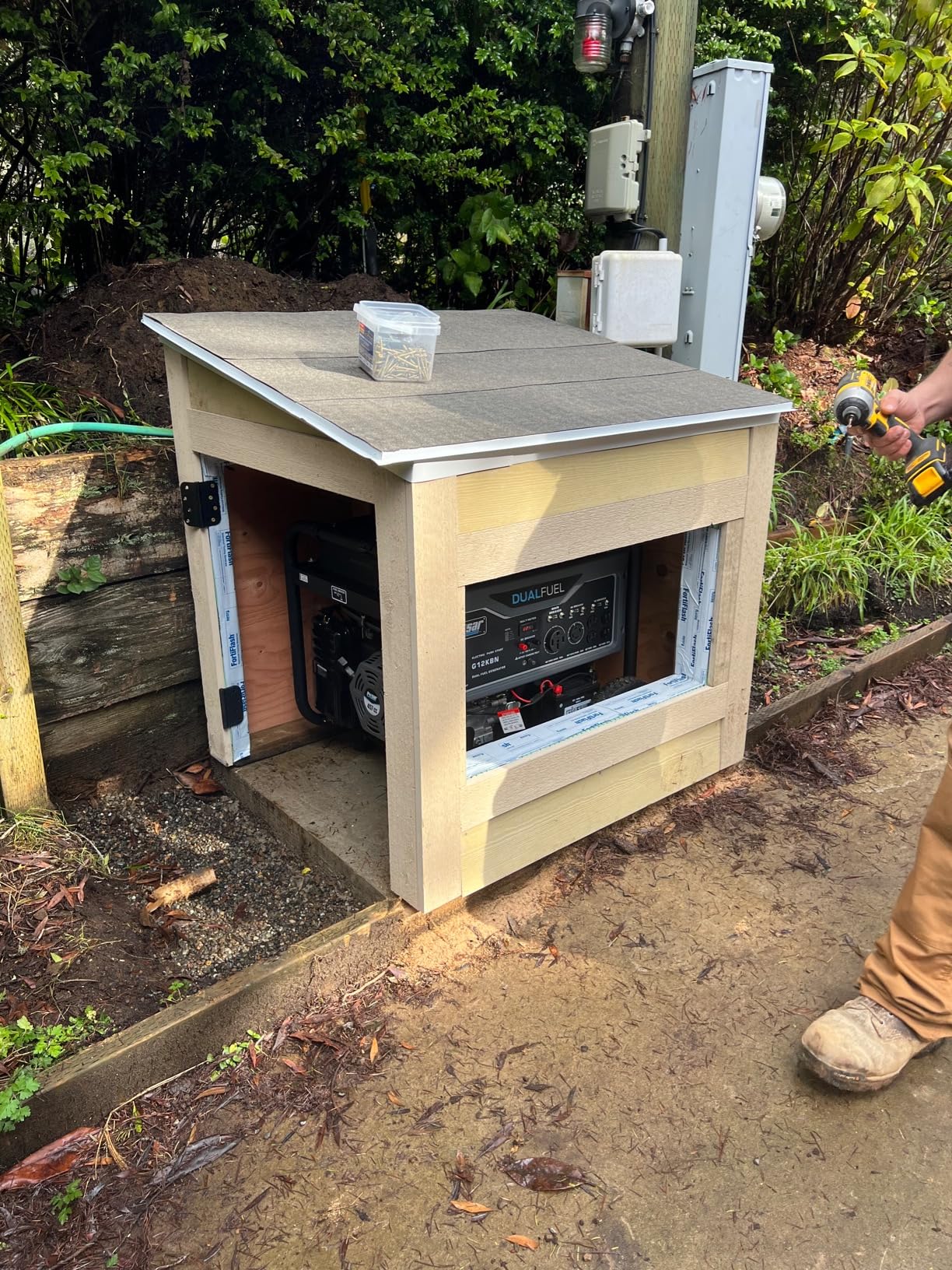
Underneath, it is a 457cc single cylinder four-stroke air-cooled OHV engine in a powder-coated frame, with drop-down handles and 10 inch never-flat wheels. It is CARB compliant and transfer switch and RV ready, so a 30 amp or 50 amp connection is available without an adapter.
The repeated reservation in reviews is the warranty. One year limited is the shortest in this group, and for a machine most people buy specifically to be ready in year three of ownership, that is a real gap. It is worth weighing against the fact that 1,360 owners have already filed reviews on this one.
One data caution: the listed item weight in the product specification is clearly wrong, so check the physical dimensions and shipping weight before you plan a move. Budget a two-person lift and a ramp for anything in this class.
Who the Pulsar G12KBN suits
This is our pick for a household that wants propane runtime without buying into a 13,000 watt machine, and for anyone who needs both 30 amp and 50 amp connections in the same outlet panel. Owners running it as an RV or travel trailer backup appreciate the seven-outlet configuration and the never-flat wheels.
It also suits buyers who want a single machine that can move between uses. At 457cc the engine is a step below the 500cc machines in this list but a step above the small inverters, which is the middle ground most whole-home buyers settle on after working out their essential load list.
Who the Pulsar G12KBN does not suit
Buyers who plan to rely on warranty service in a five year or ten year ownership horizon should look at a three year warranty instead. The one year term is not disqualifying, but it is a meaningful difference in a machine whose whole purpose is to sit and wait.
It is also not the right choice for sensitive electronics. This is a conventional open-frame design, so total harmonic distortion is higher than on the inverter units here, and it is louder at full load. If your outage plan includes powering a desktop, a NAS or a router, add an inverter unit to the shortlist.
4. DuroMax XP13000HXT Review: Best for Running on a Natural Gas Line
DuroMax XP13000HXT 13,000-Watt 500cc Tri Fuel Gas Propane Natural Gas Portable Generator with CO Alert, Black/Blue
13000 starting/10500 running on gas
500cc tri-fuel
240 pounds
3 year limited warranty
Pros
- Runs on piped natural gas as well as propane and gasoline
- Remote start lets you power up from indoors
- CO Alert carbon monoxide protection
- 50A transfer switch ready outlet among 7 outlets
Cons
- Heaviest machine in the group at 240 pounds
- Conventional design with higher total harmonic distortion
- Natural gas needs a permanent 3/4 inch supply line
- Audible under load
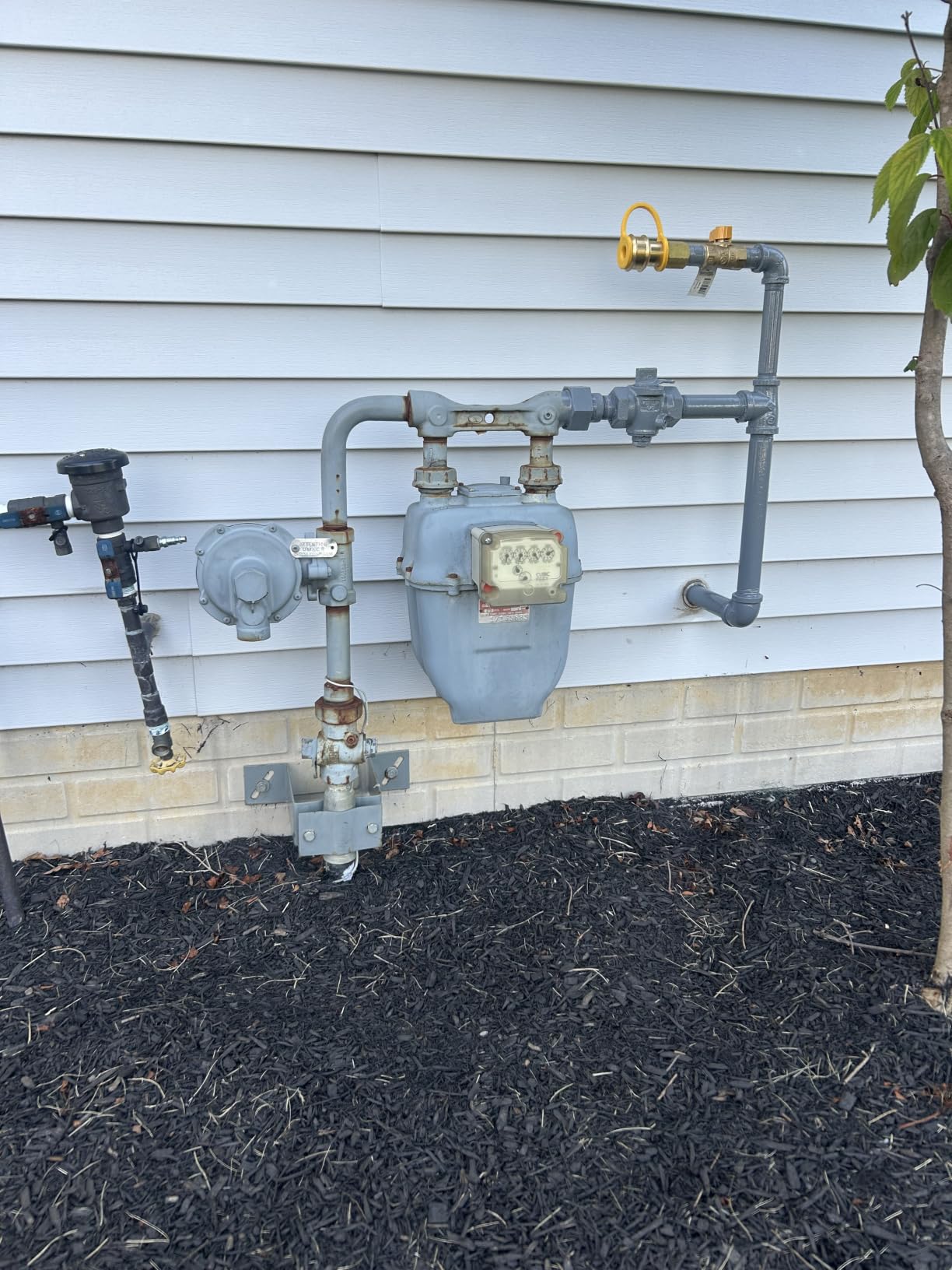
If your house already has a natural gas supply line, the XP13000HXT removes the refuel problem entirely. It is a tri-fuel machine, burning gasoline, propane or piped natural gas from the same 500cc OHV engine, and the 15 foot natural gas hose and propane regulator are both in the box. Fuel storage becomes somebody else’s problem.
Owners single out the tri-fuel capability as the decisive advantage over dual-fuel rivals, and the remote start is consistently praised as practical. You can power the machine up from inside the house, which matters when the generator is at the far end of the driveway in bad weather.
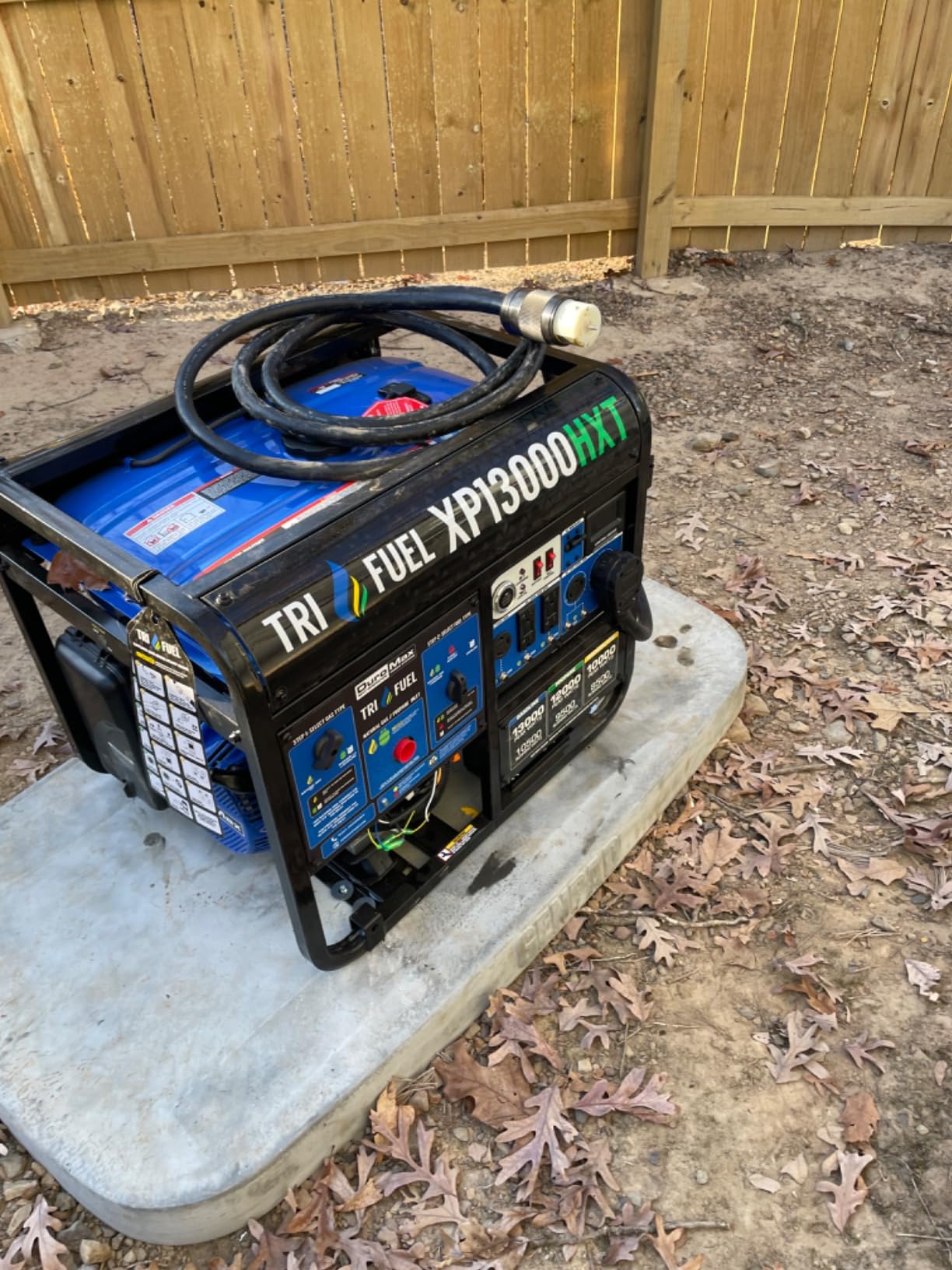
The fuel selector is front facing and switches fuel type in seconds, and the outlet panel has seven receptacles including a transfer switch ready 50 amp connection. The 13,000 starting and 10,500 running watt rating comes from the same 500cc platform as the XP13000EH, so the output is familiar even though the plumbing is not.
CO Alert adds a carbon monoxide protection layer and shuts the machine down at dangerous levels, which is a meaningful safeguard given how often owners ask about running a generator near a garage or an open window. Low total harmonic distortion is not the design goal here, so treat this as a power machine rather than a power quality machine.
Be realistic about the weight. At 240 pounds this is the heaviest portable unit in our list, and moving it alone to the other side of a driveway after a storm is not realistic. Plan its position once, before the outage, and keep it there.
Who the DuroMax XP13000HXT suits
This suits a homeowner with a natural gas line who wants 13,000 starting watts of headroom and a machine that will start on the first press after a month sitting idle. Natural gas does not go stale, does not need a regulator swap and does not need you to stand in a garage in a hurricane to check the cylinder level.
It also suits owners with a home solar inverter who want a generator as a last resort. The pattern people use in r/solarenergy threads is to size the generator so it only carries the load when the batteries are already low, which is exactly what 10,500 running watts and a switching panel can do.
Who the DuroMax XP13000HXT does not suit
Do not buy it if you have no natural gas supply and no intention of having one plumbed, because the flexibility you are paying for is unusable to you and the conversion adds a plumber as well as an electrician to the project. Renters and people in areas without a gas line get nothing from the third fuel.
Skip it for electronics-heavy homes and for anyone sensitive to noise. The 240 pound weight, the conventional power quality and the open frame mean this belongs next to a house, not next to a bedroom wall.
5. DuroStar DS13000MX Review: Best Budget Route to 13,000 Watts
DuroStar DS13000MX 13,000-Watt 500cc Dual Fuel Portable Generator – Gas and Propane, Remote Electric Start, Whole Home Power Backup, Transfer Switch Ready, RV & Emergency Ready
13000 starting/10500 running watts
500cc 4-stroke
220 pounds
3 year limited warranty
Pros
- Value entry point among 13000 watt dual fuel machines
- Remote electric start with included remote control
- CO Alert automatic carbon monoxide shutdown
- 50A transfer switch ready outlet
Cons
- Conventional open-frame design with higher total harmonic distortion
- Audible under full load
- About 10 percent of the rating distribution is 1 star
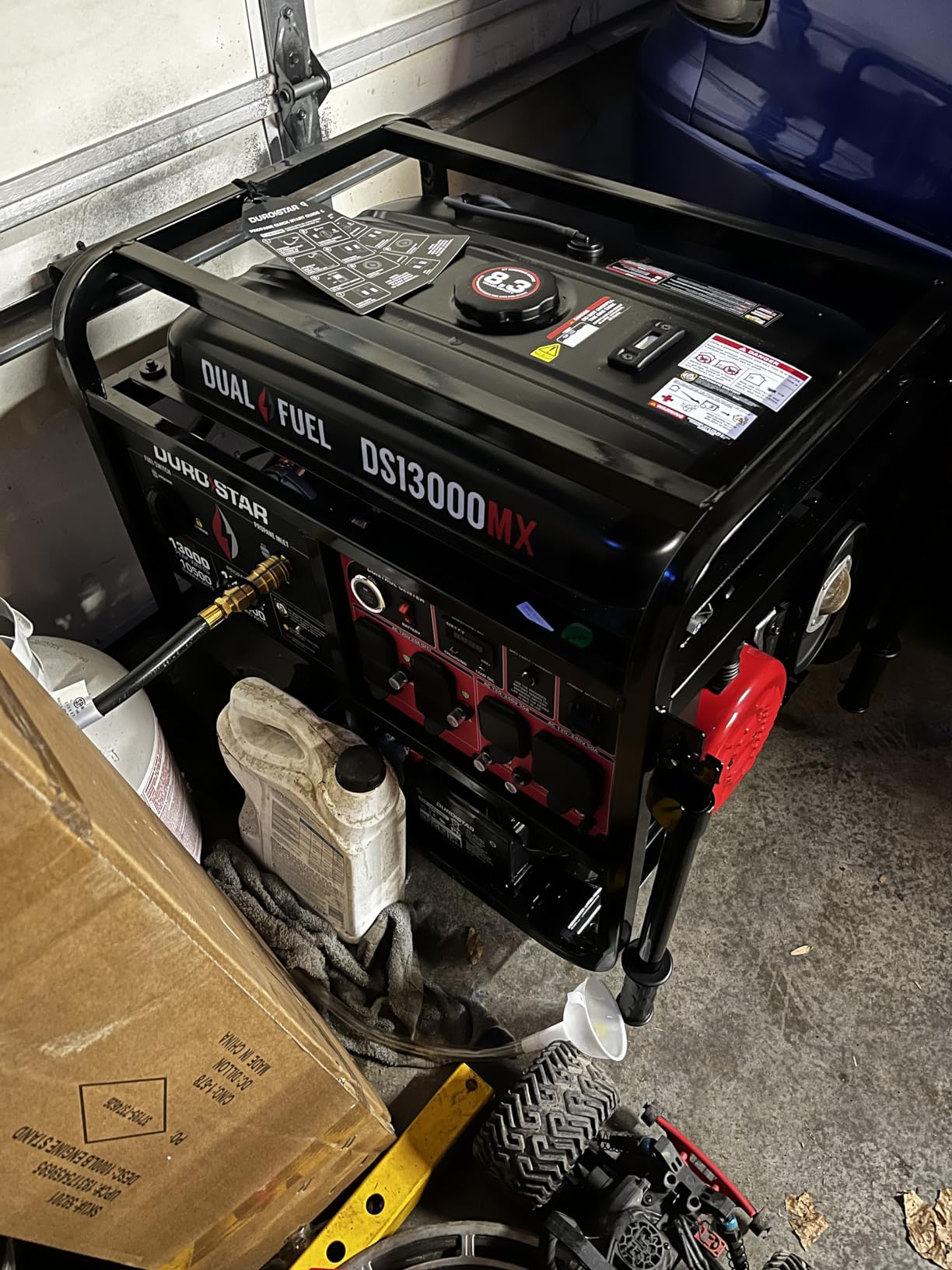
The DS13000MX gets you into the 13,000 starting watt class for less than any other unit we looked at, and it does not cut the safety features. The remote electric start comes with a remote control, and the CO Alert sensor shuts the machine down at dangerous carbon monoxide levels, which is the single most important safety feature on any generator near a house.
It is a 500cc four-stroke running 13,000 starting and 10,500 running watts from a steel frame and a reinforced metal power panel, with a front facing push button start and fuel selector. Owners highlight the well laid out control panel and the long stated runtime for the 8.3 gallon tank.
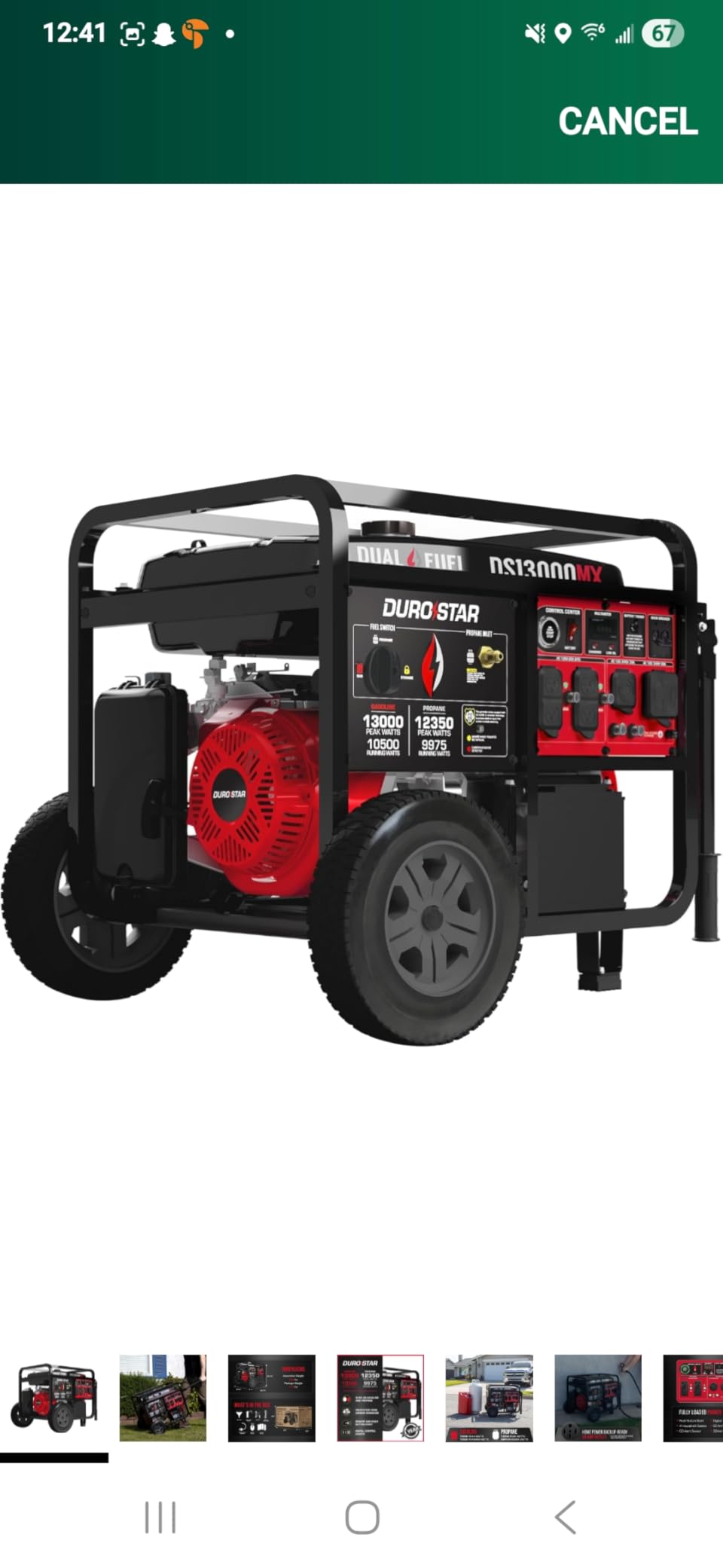
The 50 amp heavy duty outlet is transfer switch ready, so the same integration path works here as on the more expensive machines. A 3 year limited factory warranty backs it, and it holds a strong category sales rank, which usually tracks parts availability over the long term.
What to watch is the review distribution. About 10 percent of the ratings here are one star, the highest share of any machine in this list, and the complaints cluster around shipping damage and cosmetic damage on arrival from a 220 pound unit. Inspect the frame and the power panel the day it arrives.
As with the rest of the open-frame class here, harmonic distortion runs high and noise at full load is significant. Neither is a problem if your plan is lamps, fridge, freezer, blower and a transfer switch.
Who the DuroStar DS13000MX suits
This suits a household that needs central air or a heat pump running through an outage but wants to spend as little as possible on a machine with a 50 amp connection. The remote start and CO Alert mean you are not hauling a pull cord through the dark, and you get a proper transfer switch path for the electrician.
It is also a sensible second machine. Owners with a workshop and a house often keep a large open-frame unit for the shop and a quiet inverter for the living space, and pairing a DS13000MX with one of the small Champions covers both loads without two heavy units.
Who the DuroStar DS13000MX does not suit
Buyers who cannot tolerate a rough power curve should pass. A conventional generator like this is fine for motors and heaters and marginal for sensitive electronics, and anyone running a home server, a NAS or medical monitoring equipment wants an inverter unit instead.
Also consider a smaller machine if your real load is a refrigerator and a few lights. Undersizing and oversizing are both errors, and 220 pounds of open-frame generator to run a toaster oven is a lot of hardware to own and store.
6. Champion 4,500-Watt Dual Fuel Inverter Review: Best for Electronics and Moderate Backup
Champion 4500-Watt Electric Start Dual Fuel Portable Inverter Generator
4500 starting/3500 running on gas
3150 running on propane
61 dBA
3 year warranty
Pros
- Quiet at 61 dBA
- acceptable for RV and campground use
- Ran a travel trailer air conditioner and appliances without complaint
- Up to 21 hours on propane and 14 on gasoline
- Parallel ready for doubled output
Cons
- 3150 running watts on propane is low for a whole home transfer switch
- CO sensor can shut it down in confined spaces
- Some reports of early oil leaks and slow warranty service
This Champion is the compromise unit. It delivers 4,500 starting and 3,500 running watts on gasoline, 3,150 running watts on propane, and it does it at 61 dBA with inverter grade output. That combination puts it in a small space next to a camper or a bedroom window without becoming a neighbourhood problem, and the clean sine wave is safe for electronics.
Owners use it exactly that way, running a travel trailer air conditioner and appliances without complaint, and several have wired it into a transfer panel to run a refrigerator, lights, fans and a mini split through long outages. The Intelligauge power meter tracks voltage, frequency and operating hours, and the EZ Start dial simplifies startup for anyone who does not want a lever sequence.
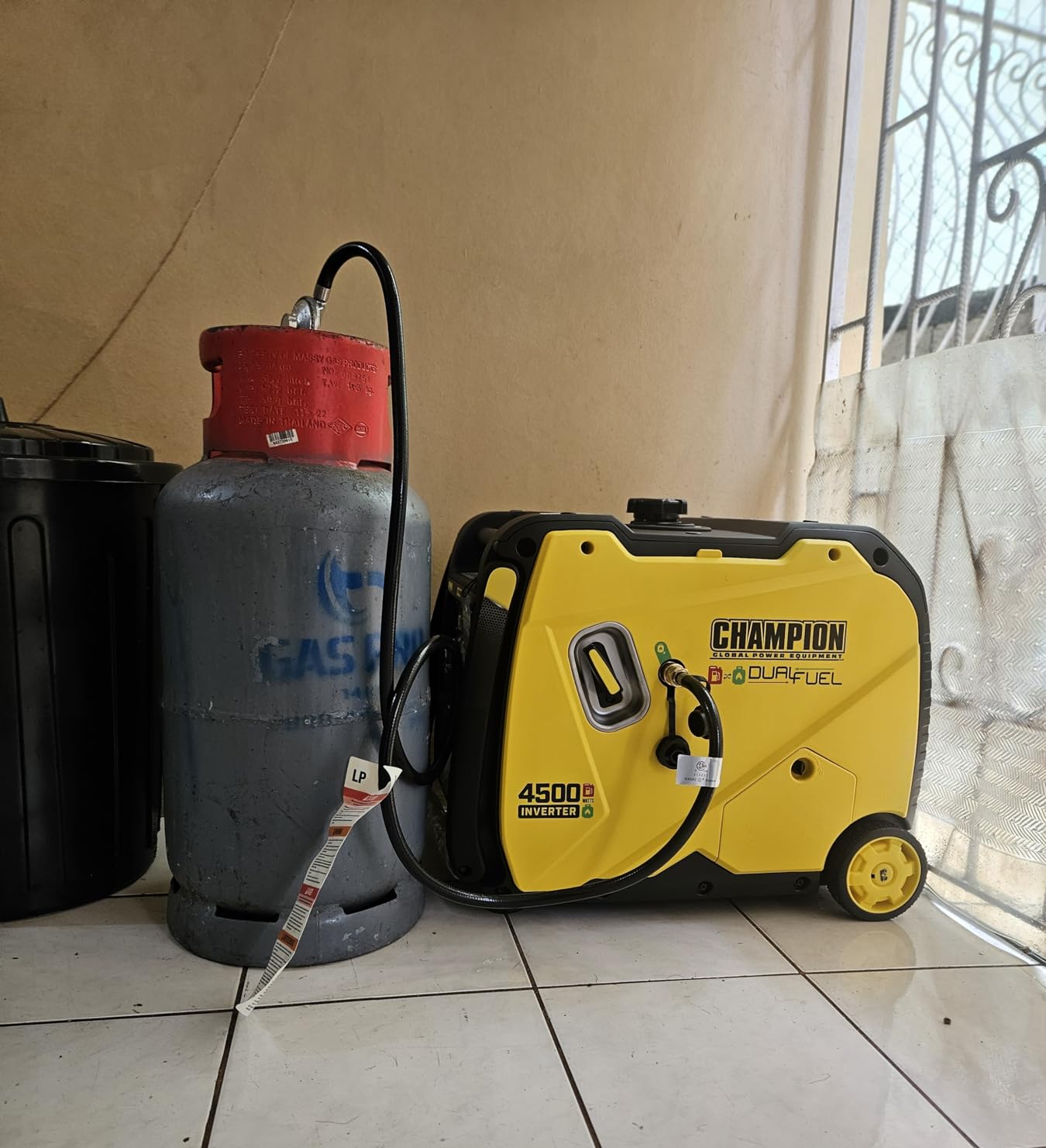
The propane runtime figure is the standout number: up to 21 hours on propane and 14 on gasoline from a 2.25 gallon tank. That is because a 3,150 watt load is well matched to a 212cc engine, so the machine is not working hard enough to drink fuel. Parallel ready ports let you add a second identical machine with an optional parallel kit to double the output.
Engine oil, a propane hose, an oil funnel, a wrench, a spark plug wrench and a screwdriver are all included, so the first run is straightforward apart from the oil fill. CO Shield provides carbon monoxide auto shutoff, and the 3 year limited warranty comes with free lifetime technical support.
The compromises are real. 3,150 running watts on propane is below what a whole-home transfer switch typically wants, and the CO sensor will shut the machine down in a confined space unless you reposition it, which is a feature behaving exactly as designed and still surprises people.
Who the Champion 4,500-Watt inverter suits
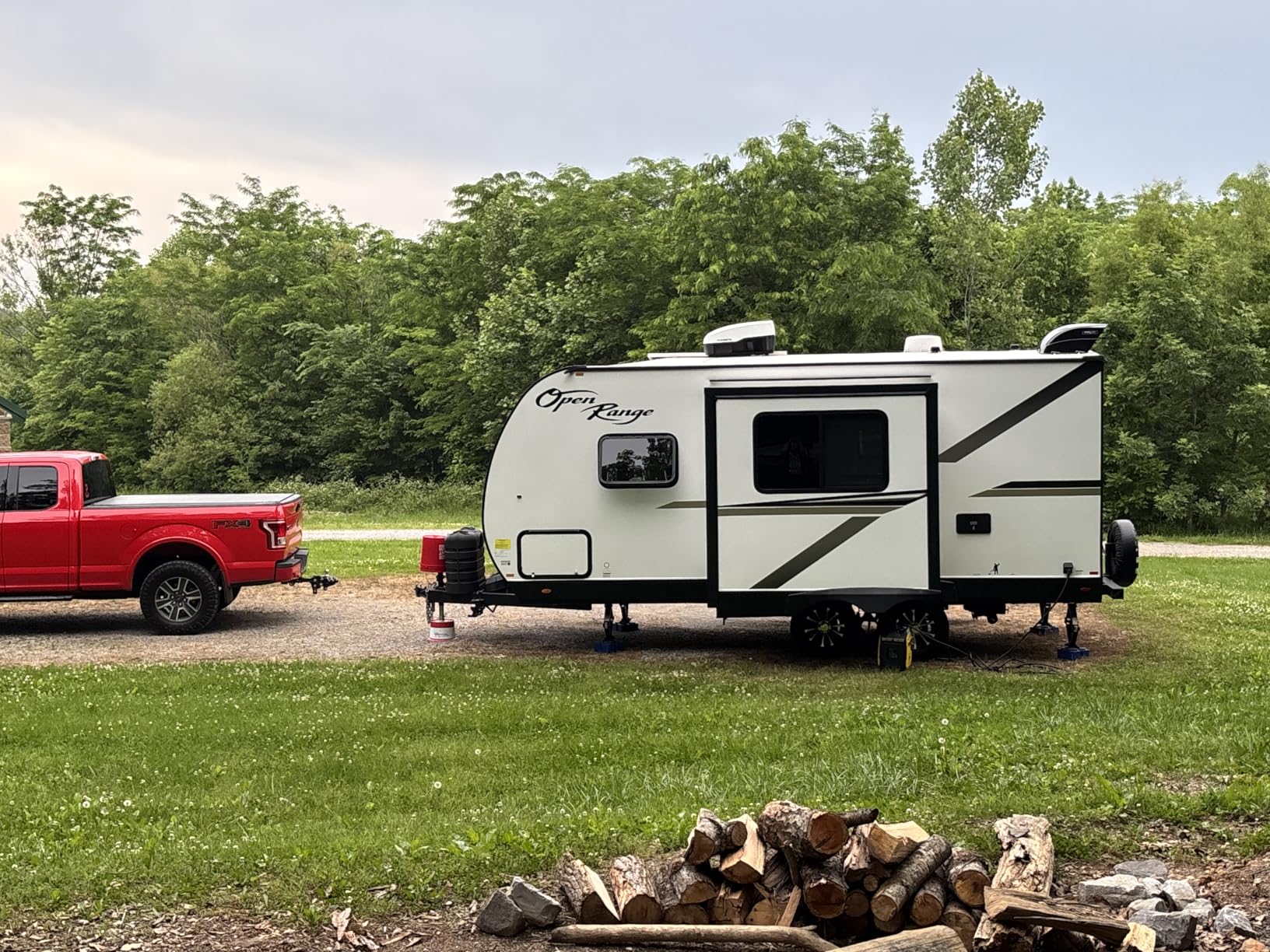
It suits RV and travel trailer owners, campground users and anyone with a home office who needs clean power more than raw quantity. Reviewers specifically note it will power a rooftop air conditioner of the 12,000 to 15,000 BTU class, which covers the most common RV complaint.
It also suits homeowners who deliberately size down and run essentials only. Running a fridge, a furnace blower, lights and Wi-Fi is a strategy several owners in the forum threads prefer, because a smaller machine runs longer on a smaller tank and is far easier to store and move.
Who the Champion 4,500-Watt inverter does not suit
It is not the answer for central air, a heat pump, a well pump and a freezer all starting at once, and attempting it leads to the undersizing story that runs through every backup forum. The parallel kit is the correct answer to that, and the kit is sold separately.
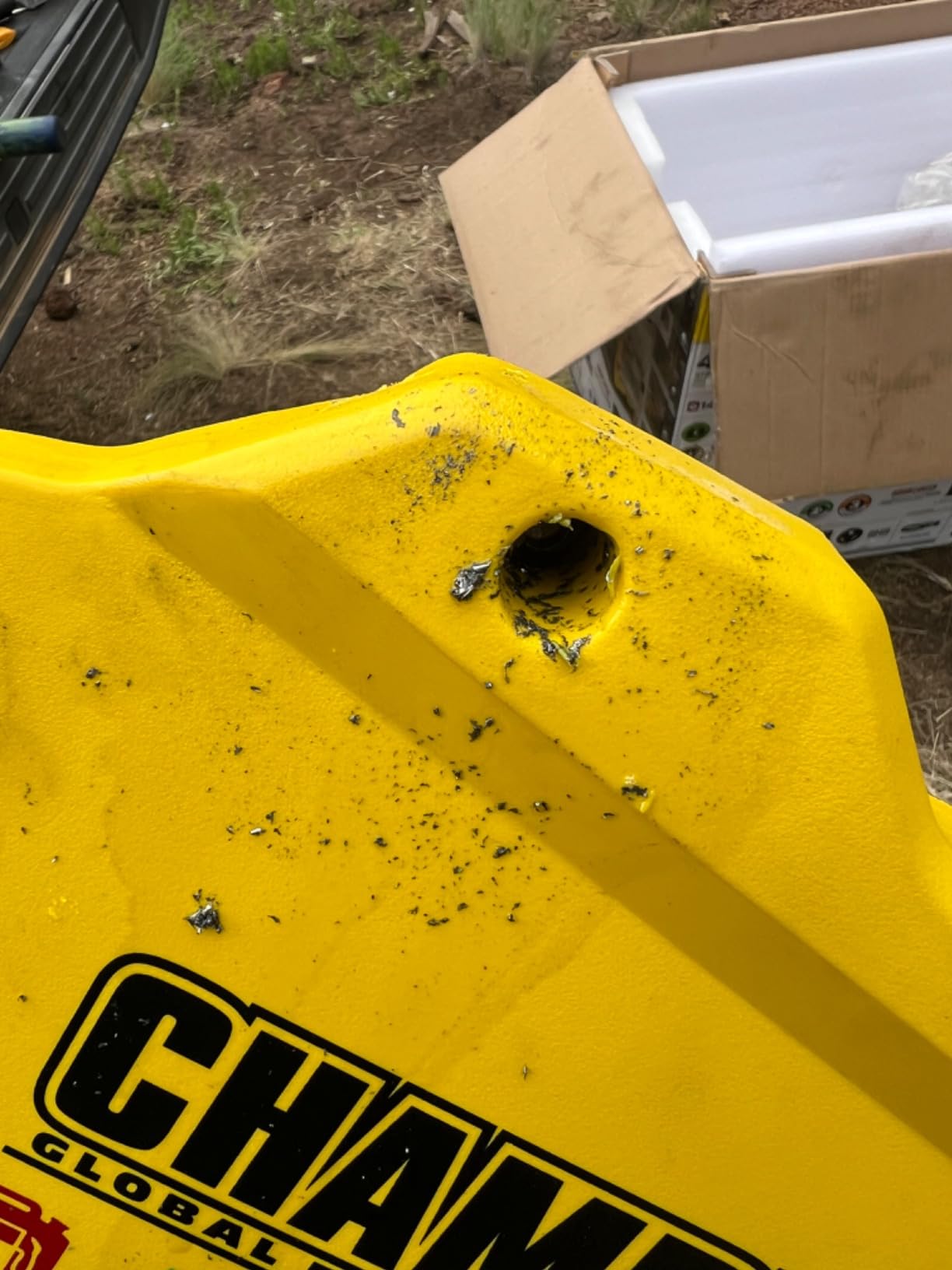
A minority of reviews report oil leaks shortly after purchase and frustration with warranty service logistics, so buy from a seller with a straightforward return path and check the crankcase during the first month.
7. Champion 4,000-Watt Dual Fuel RV Inverter Review: Best for Carrying and Light Backup
Champion 4000-Watt Dual Fuel RV Ready Portable Inverter Generator
4000 starting/3000 running on gas
2700 running on propane
64 dBA at 23 feet
51.8 pounds
Pros
- 4.6 rating with a 686 review base
- Only 51.8 pounds so one person can carry it
- Clean inverter power under 3 percent THD
- 30A TT-30R RV plug plus 20A duplex and 12V outlets
Cons
- 3000 running watts limits whole home backup
- Recoil start only on this model
- Some units struggled to start on propane until broken in on gasoline
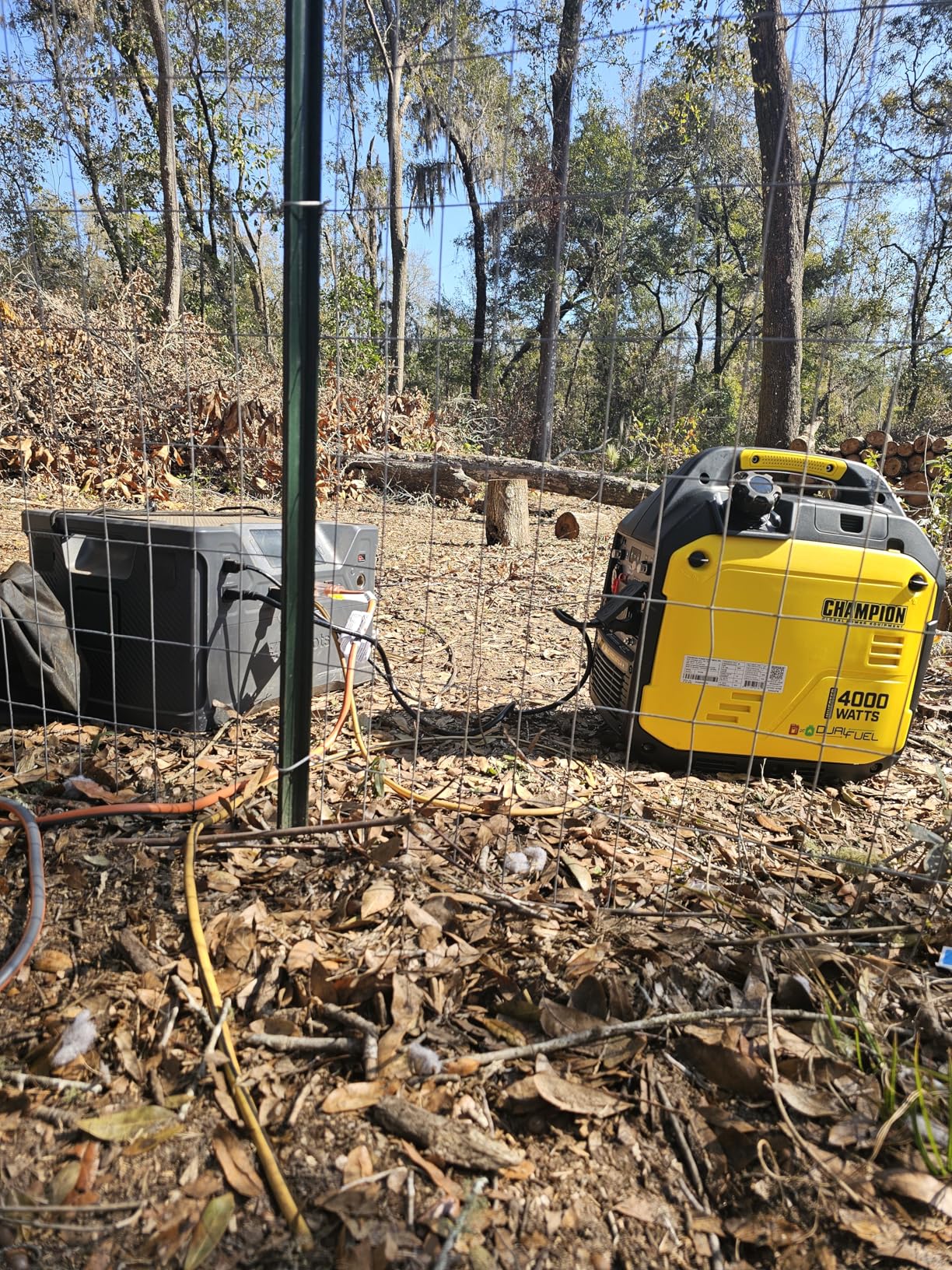
At 51.8 pounds, this is the only machine in the guide that one person can genuinely carry to the other side of a house in a storm, and that changes what a backup plan looks like during a flood or a wildfire evacuation. It is a 149cc four-stroke with 4,000 starting and 3,000 running watts on gasoline and 2,700 running watts on propane.
The 4.6 average across 686 reviews makes it the second highest rated machine here, and reviewers describe it as the best value in a quiet dual fuel inverter. The 30 amp TT-30R outlet is the RV standard, so it plugs straight into a travel trailer, and the 12V outlet and 20 amp duplex cover everything else.
Power quality is the technical headline: clean inverter output under 3 percent total harmonic distortion. That is the threshold where sensitive electronics, monitors and routers stop having problems. Reviewers specifically call out phones, computers, monitors and routers as safe loads.
Runtime is excellent for its size, up to 10 hours on gasoline and up to 25 hours on propane, because a 149cc engine is not being asked to do a 3,000 watt job at full tilt. Cold Start Technology helps in cold weather, and the included LPG hose, engine oil and oil funnel mean no extra purchases.
Two honest notes. It is recoil start only on this model, so it is a pull cord in the cold, and it is louder at 64 dBA than Champion’s smaller inverter models. Some units also struggled to start on propane until they were broken in on gasoline first, which is a known quirk of small dual fuel engines.
Who the Champion 4,000-Watt inverter suits
It suits RV and campground owners first, and second anyone whose outage list is a refrigerator, a freezer, lights, a router and a laptop. Clean power means you do not have to think about which appliance is sensitive, and the carry weight means position is not a constraint.
It also suits households in flood or wildfire zones where the generator has to live somewhere other than the garage. There is an overload reset button so you can recover from a trip without a full shutdown, and parallel outlets let you add a matching unit later if the load grows.
Who the Champion 4,000-Watt inverter does not suit
Do not try to run an RV air conditioner and a microwave at the same time on 2,700 propane watts. Capacity is the limit here, and the machine is loud enough at 64 dBA that you would not want it running beside an open bedroom window at 4am.
Skip it for anyone with a well pump, a heat pump or a central air conditioner, and skip it if recoil starting is a barrier for you. Those owners should look at the electric start models instead.
8. Champion 12,500-Watt Tri Fuel Review: Best Tri-Fuel Whole Home Backup
Champion 12,500-Watt Electric Start Tri Fuel Home Backup Portable Generator
12500 starting/10000 running on gas
9000 running on propane
500cc
231 pounds
3 year warranty
Pros
- 9000 running watts on propane is genuinely home backup capable
- Push button electric start with battery included
- Natural gas and propane hoses included
- One owner replaced a larger installed unit and runs a mini split
- fridge and lights on natural gas
Cons
- Heaviest portable unit in the group at 231 pounds
- Not an inverter so harmonic distortion is higher
- Audible under load and no inverter grade clean power
This is the tri-fuel option for a household with a gas line that wants 10,000 running watts rather than the 10,500 of the 500cc machines. The fuel split is explicit: 12,500 starting and 10,000 running watts on gasoline, 11,250 starting and 9,000 running on propane, and 10,000 starting and 8,000 running on natural gas.
All three hoses and the battery come in the box, along with a wheel kit and engine oil, so it is ready to run on whatever fuel is available. Owners value the ability to run on piped natural gas without making storm season gasoline runs, and one buyer replaced a larger installed unit entirely, running a mini split, a refrigerator, lights and fans on natural gas.
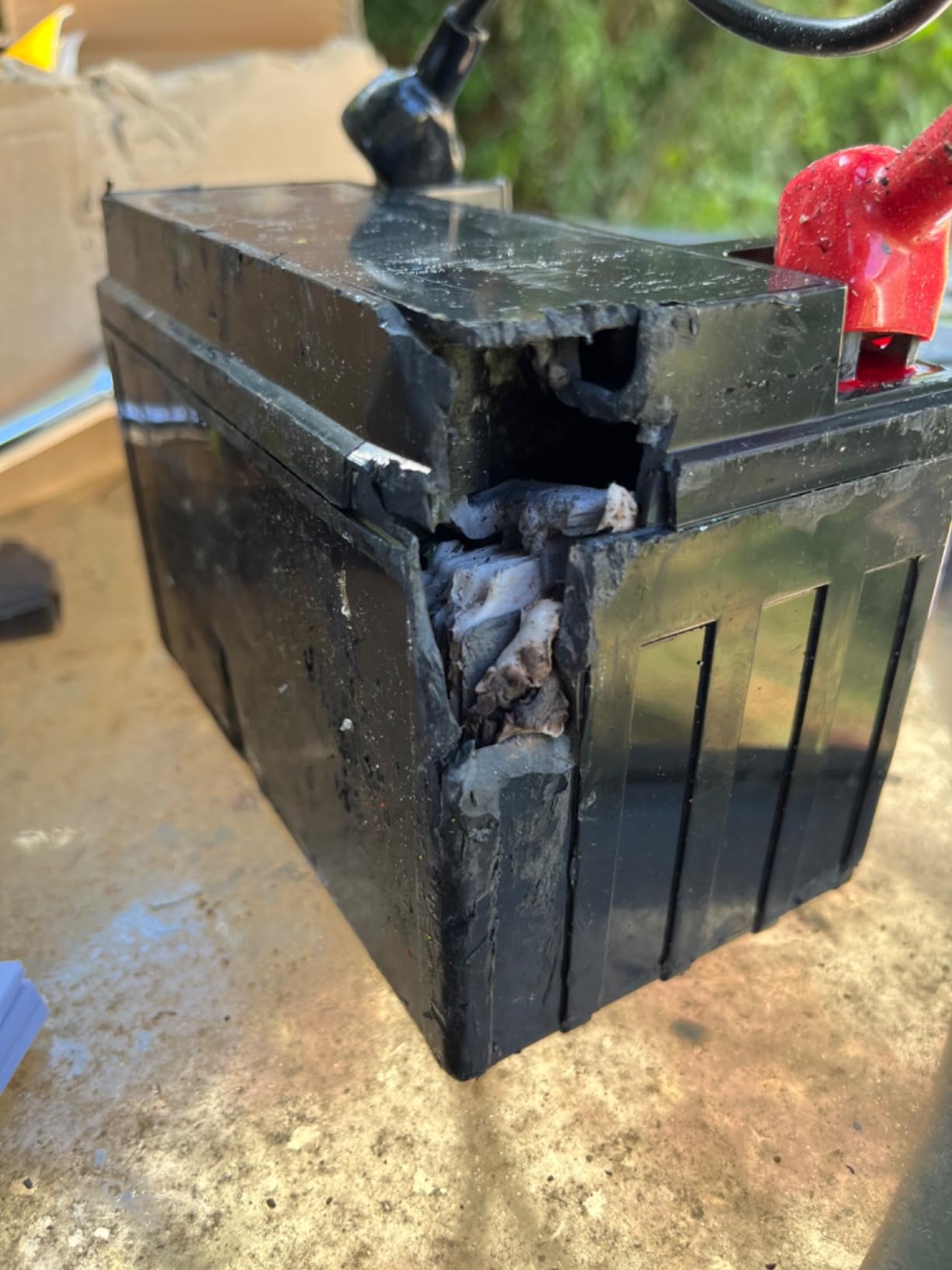
The 500cc Champion engine uses a rocker switch electric start, and the Intelligauge tracks voltage, frequency, session run time and total run time. That last figure is more useful than it sounds, because an hour meter is how you schedule oil changes and know whether a used unit has been maintained.
CO Shield provides carbon monoxide auto shutoff, automatic voltage regulation and a fuel gauge are standard, and the 3 year limited warranty carries free lifetime technical support. One owner pairs the machine with a switching panel to isolate it from city power, which is the right installation for a portable unit of this class.
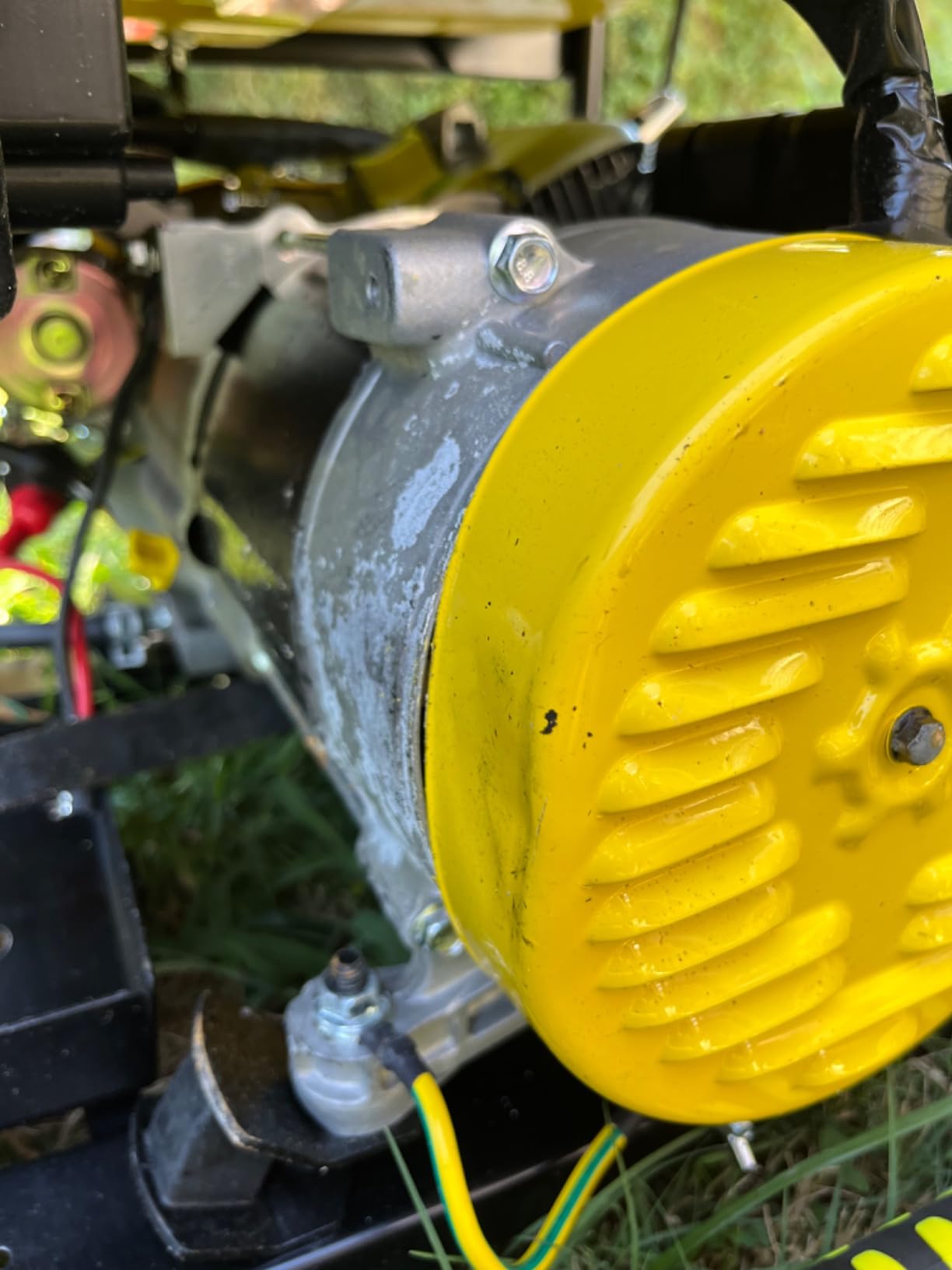
At 231 pounds it is among the heaviest machines here, and one review reported the operator panel working loose during break-in because of loose fasteners from the factory. Check the panel bolts during your first hour of use and tighten them.
Who the Champion 12,500-Watt tri fuel suits
It suits a gas-connected home that wants whole-home essential circuits without a permanent standby installation. At 9,000 running watts on propane it carries a refrigerator, a freezer, a furnace blower, a window air conditioner, lights and a router, and a mini split is within reach on natural gas.
It also suits owners who plan a switching panel installation rather than a full transfer switch, since the 120V and 240V output on a tri-fuel machine like this is a common configuration among people who already have solar and want isolation from utility power.
Who the Champion 12,500-Watt tri fuel does not suit
Skip it if you have no natural gas line and no plan to add one, since a third fuel you cannot use is dead weight in an already heavy machine. Also skip it if you want inverter grade clean power, because this is a conventional design and harmonic distortion runs higher than the small inverters in this list.
And consider a pair of smaller machines rather than one large one. Two inverters running in parallel are quieter, lighter to move and much easier to store, and they cover the same essential load in two pieces rather than one 231 pound block.
9. WEN DF451i Review: The Quiet Pick for Clean Power
WEN DF451i Super Quiet 4500-Watt Electric Start Dual Fuel RV-Ready Portable Inverter Generator with Fuel Shut-Off
4500 surge/3150 rated on propane
212cc
100 pounds
58 dBA at quarter load
Pros
- Very quiet at 58 dBA at quarter load and 22 feet
- Keyless electric start with back-up recoil starter
- Auto fuel selection extends run time
- RV ready 30A TT-30R plus 12V DC and 5V USB
- Ran 65 hours powering a 15000 BTU rooftop air conditioner
Cons
- Heaviest inverter in the group at 100 pounds so two people to load
- Oil fill is low on the side and awkward to access
- Intermittent red fault light on first power-up in some units
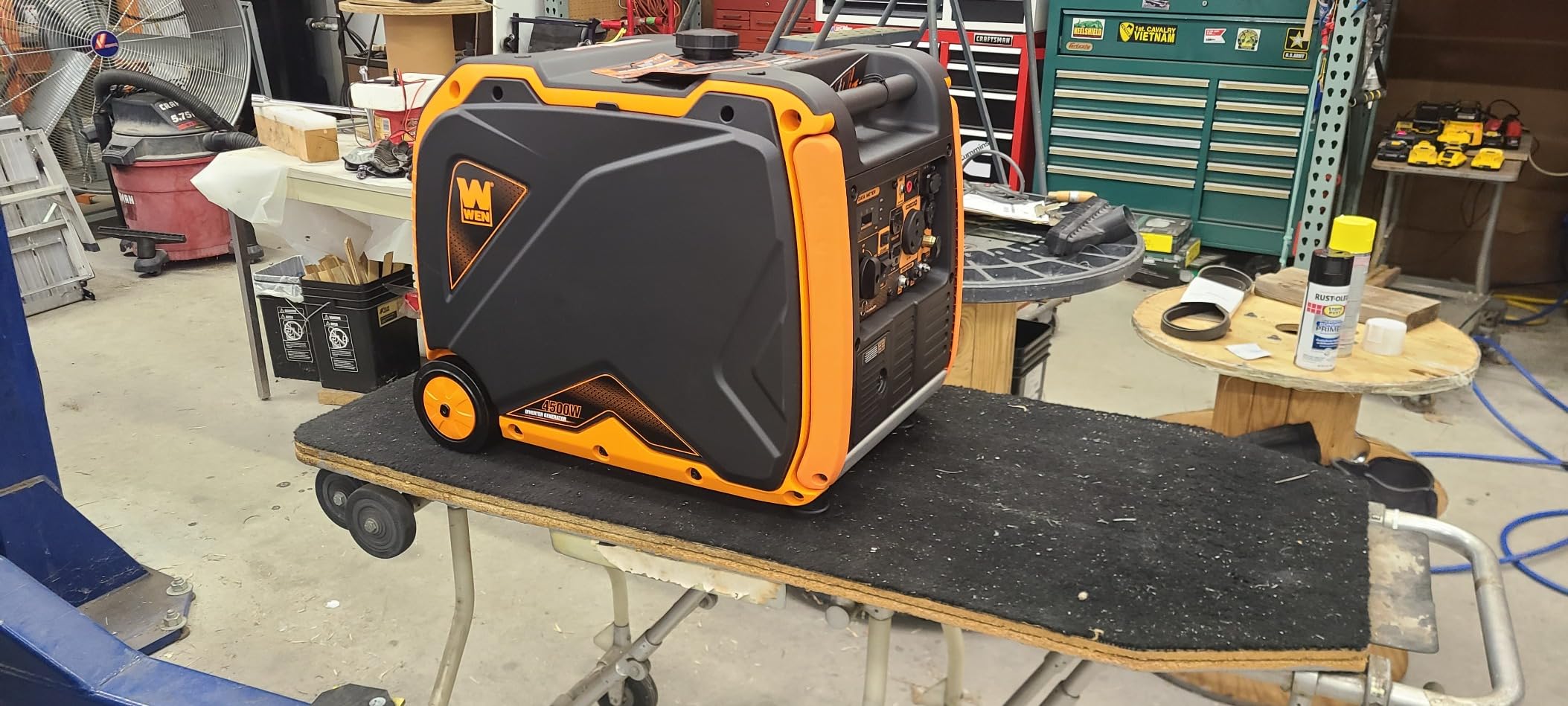
The DF451i is the quietest large-capacity option in this guide, at 58 dBA at quarter load measured 22 feet out, which reviewers compare to premium Honda class machines. It delivers 4,500 surge watts and 3,150 rated watts on propane, or 4,500 surge and 3,500 rated on gasoline, from a 212cc EPA III and CARB compliant engine.
One owner ran it for 65 hours non-stop powering a 15,000 BTU rooftop air conditioner with no problems, and reviewers who had doubted the brand came away impressed with how well engineered and easy to maintain it is. Electric start gets called out as a genuine lifesaver for people who cannot pull start.
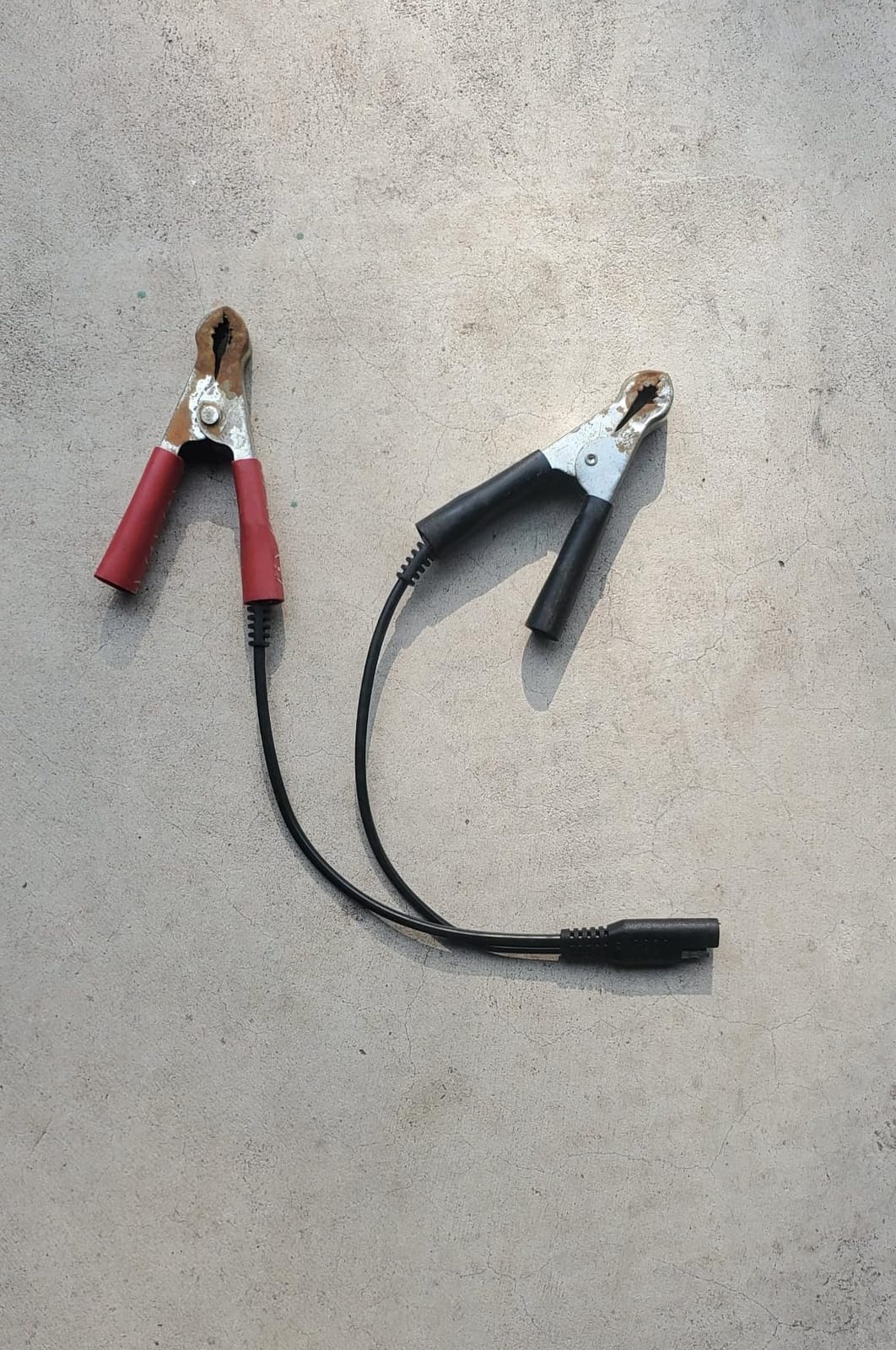
Auto Fuel Selection Technology switches from propane to gasoline for longer run times without a manual dial, which is the feature that distinguishes it from the simpler dual fuel designs. The outlet panel takes a 30 amp TT-30R RV connection, two 120V three prong receptacles, a 12V DC outlet and a 5V USB port.
There is a digital load and fuel display, onboard wheels and a carrying handle, and a fuel shut-off valve that makes maintenance far less messy. The inverter output is clean enough for smartphones, tablets, laptops and other sensitive electronics, which is the whole reason to choose this shape of machine.
At 100 pounds it is the heaviest inverter in the group, and it needs two people to load into a vehicle. The oil fill port sits low on the side and is awkward to reach, and some buyers report the digital display going blank intermittently or a red fault light on first power-up with no output until a restart cycle.
Who the WEN DF451i suits
It suits an RV owner with a rooftop air conditioner, or a homeowner who needs to run a home office, a router and a few lights without broadcasting noise to the neighbours. The built-in oil drain hose makes hot oil changes quick, which matters if you run it often.
It also suits owners who want a real transfer switch path on a smaller machine. With 4,500 surge and 3,150 rated watts on propane plus a 30 amp outlet, it can carry a fridge, freezer, furnace blower, lights and a router through a transfer switch without straining.
Who the WEN DF451i does not suit
It is not a whole home machine. A heat pump, a central air unit or a well pump will exceed 3,150 propane watts, and the fuel switch from propane to gasoline occasionally sputters and needs a manual restart according to some owners. Buy a 50 amp open-frame machine if your load is heavy.
And if weight is a factor, the 51.8 pound Champion covered earlier in this list is less than half the weight with a similar output class. Choose the DF451i for quietness and clean power, not for portability.
10. Westinghouse WGen11500DFc Review: Highest Output in the Group
Westinghouse 14500 Peak Watt Dual Fuel Home Backup Portable Generator, Remote Electric Start, Transfer Switch Ready, Gas and Propane Powered
14500 peak/11500 running on gas
13500 peak/10500 running on propane
550cc
230 pounds
Pros
- Highest wattage in the group at 14500 peak and 11500 running
- Low total harmonic distortion safe for electronics
- Started on propane in a couple of seconds
- Ran five mini splits totalling 40000 BTU plus a fridge and chest freezer
Cons
- Heavy at 230 pounds needing two people to move
- Loud as expected for its capacity
- Secondary fuel shutoff switch is undocumented and unmarked
The WGen11500DFc makes more power than anything else here, 14,500 peak and 11,500 running watts on gasoline, and 13,500 peak and 10,500 running watts on propane. That is real whole-home capacity: one owner ran five mini splits totalling 40,000 BTU alongside a refrigerator and a chest freezer in a six hour test.
Unlike most conventional machines in its class, the Westinghouse is advertised for low total harmonic distortion with durable copper windings, and owners report it started on propane in a couple of seconds in first-time testing. Phones, computers and televisions are explicitly called out as safe loads.
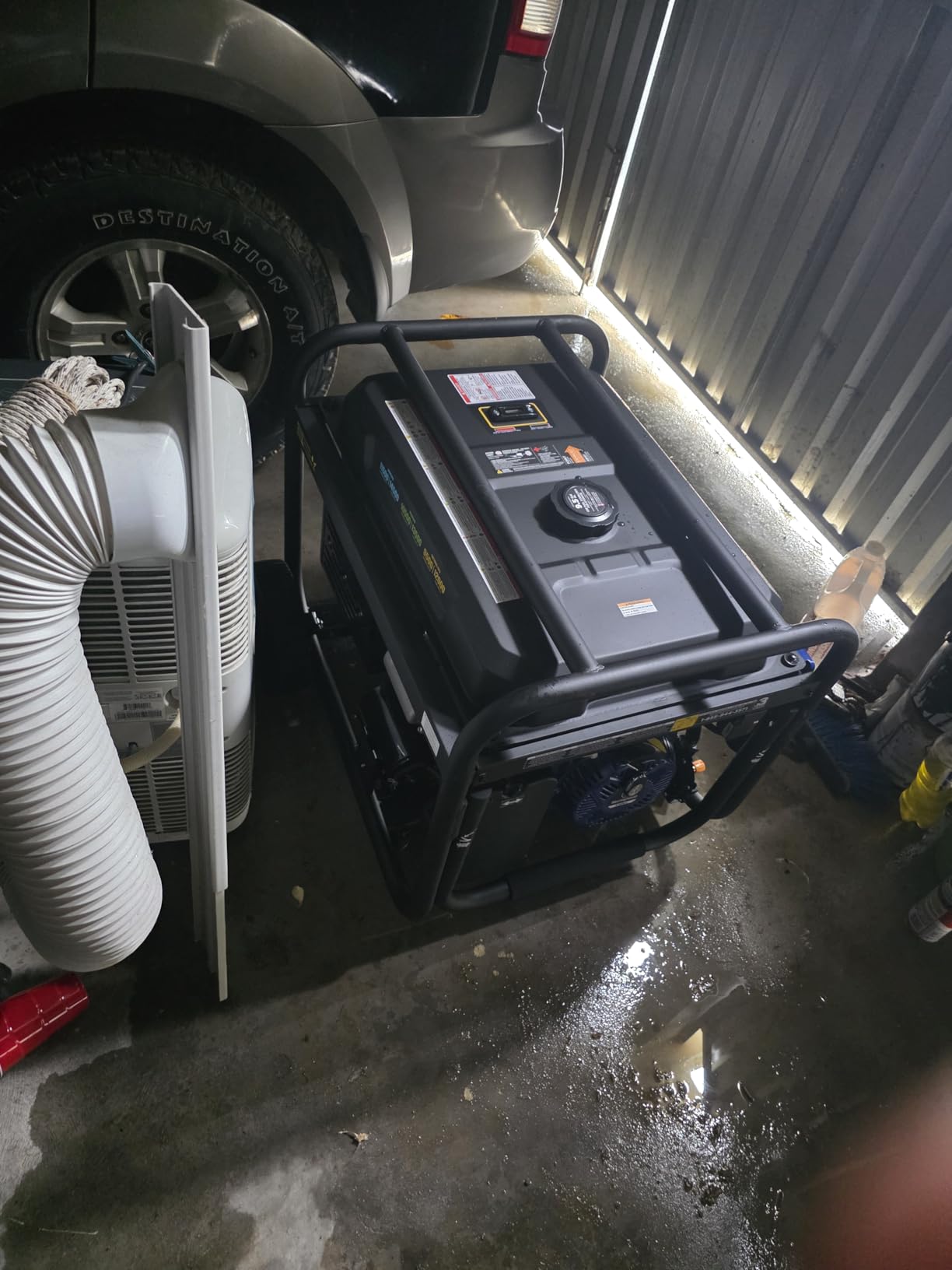
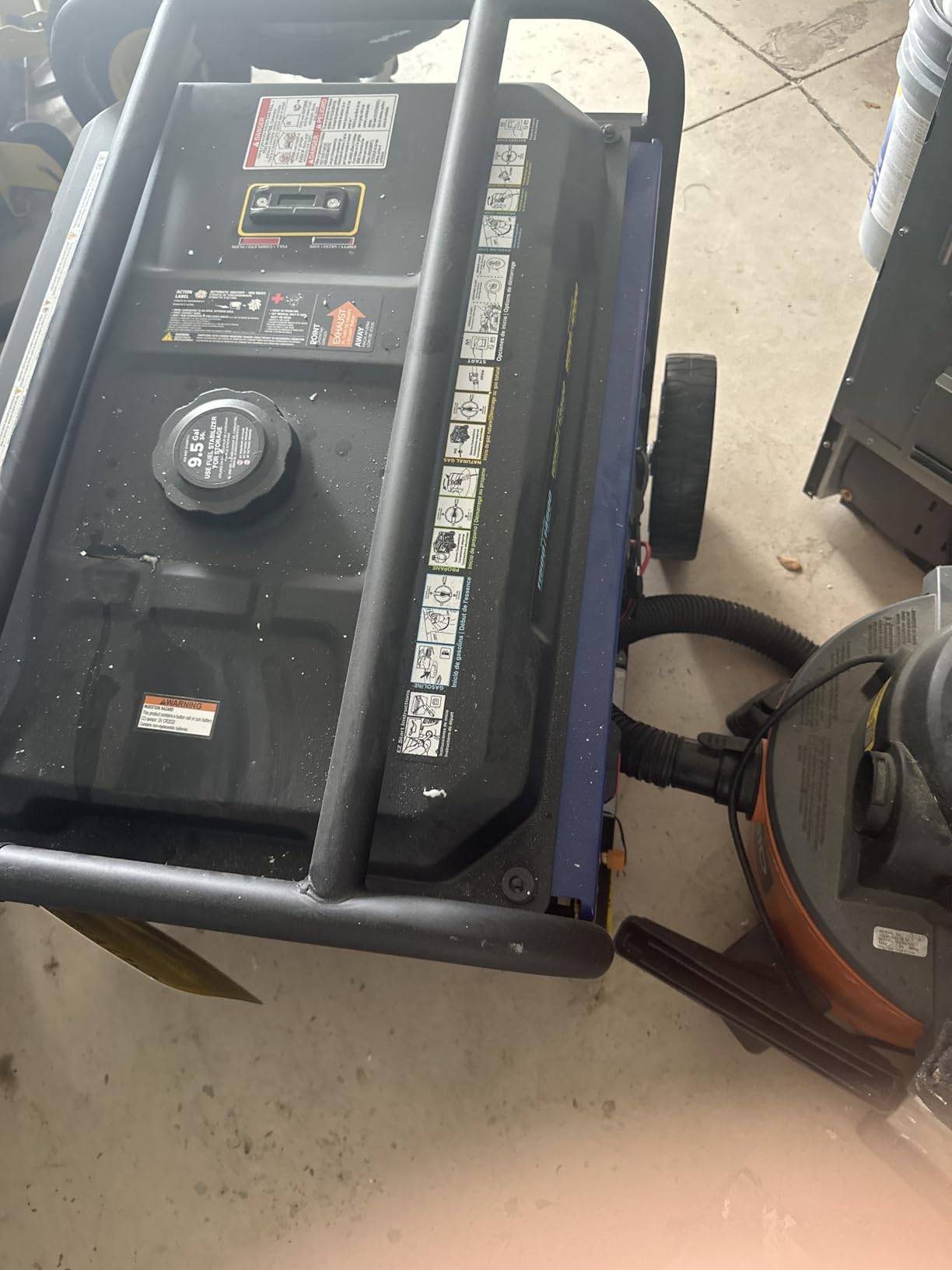
The 550cc four-stroke OHV Westinghouse engine has a durable cast iron sleeve, which is a meaningful upgrade over an aluminium bore in a machine you plan to keep for a decade. The 9.5 gallon tank delivers up to 19 hours on gasoline, and a built-in fuel gauge and hour meter remove the guesswork from planning a refill.
Remote electric start with a key fob lets you start it from inside, and the transfer switch ready configuration gives an electrician a proper integration path. CO sensor, overload protection, automatic voltage regulation and a muffler are all included, with a 3 year limited warranty behind them.
On propane, expect up to 7 hours on a 20 lb cylinder, and that figure is the single most useful number in this review for planning. Everything else in this list at a similar size class will be in the same range, so the choice comes down to features rather than fuel consumption.
Two documentation complaints come up repeatedly. The secondary fuel shutoff switch is not mentioned in the manual or the quick start guide and is not visible from standing height, which causes repeated failed pull cord attempts, and the remote control ships attached to the pull cord where it is easy to misplace. The 102 review base is also the smallest in this group, so treat early owner reports as early rather than settled.
Who the Westinghouse WGen11500DFc suits
It suits a large home with central air, multiple mini splits, a well pump and a full kitchen, where the essential load list genuinely needs more than 9,500 watts. The cast iron sleeve and copper windings are the right specification choices for a machine that will be started rarely and run hard when it is.
It also suits households that already have or are adding a home battery, because the generator can be reserved for the heaviest loads while the battery covers the small ones. Owners in r/solarenergy describe pairing a propane generator with a hybrid inverter specifically so it does not have to carry the whole house.
Who the Westinghouse WGen11500DFc does not suit
At 230 pounds it needs two people to move, which rules it out for a single owner or a renter who cannot store it permanently on site. It is also loud, as expected at this capacity, and that is a real problem for a dense neighbourhood or a bedroom-adjacent placement.
With 102 reviews it is the least proven machine here, so budget for a careful first month of testing. And if your actual load is a refrigerator, a freezer, lights and a router, you are carrying 230 pounds to power four things, when a 100 pound inverter will do it quietly.
How to Size a Propane Generator for Home Backup
Size on the propane number, never the gasoline number, and add about 2,000 watts of headroom on top of your calculated load. That is the standing advice in the backup forum threads, and it exists because people consistently size on the headline gasoline figure, lose about 10 percent of that output on propane, and then discover the shortfall when the freezer and the well pump start at the same moment.
List your essential loads and measure the largest motor. Add up the running watts of the refrigerator, freezer, furnace or gas blower, lights, router, sump pump or well pump, and any medical equipment. Then check the running and surge rating of the largest single motor, since a well pump or a compressor can draw three to five times its running watts on start.
Add the load you want, not the load you can afford. A window air conditioner, a microwave, a coffee maker and a few laptops are the usual additions. If you want central air, that decision alone usually pushes you into the 9,500 to 11,500 running watt class, because a compressor is a large motor.
Add 2,000 watts of headroom, then read the propane rating. Take your total, add the buffer, and only then compare it against the propane running watts figure. A machine rated 10,500 running on gasoline is closer to 9,500 on propane, and that is the number that has to clear your total plus the buffer.
Decide on your tank strategy before you buy the machine. A 20 lb exchange cylinder holds about 4.7 gallons. The Westinghouse WGen11500DFc above is rated for up to 7 hours on a 20 lb cylinder at its propane output, and the smaller Champions run far longer on the same tank because they work much harder relative to their size. If you need more than a day, plan a 100 gallon tank or a delivery arrangement.
Choose inverter or conventional based on your loads. Conventional open-frame machines are cheaper per watt and louder, and are fine for heaters, motors and appliances. Inverters produce a clean sine wave under low total harmonic distortion, which is what you want for computers, routers, audio equipment, medical devices and anything with a circuit board.
Two sizing bands cover most homes. Between 5,000 and 7,500 running watts handles essentials plus a window air conditioner or a small well pump. At 9,500 running watts and above you can add central air, a heat pump, a second freezer and a mini split, which is the range the top half of this list occupies.
What to switch off first when propane gets scarce matters as much as the sizing. Keep the refrigerator, the freezer, the furnace blower and one circuit of lights running, then add the router, then a sump pump, then discretionary loads like a window air conditioner or a workshop. Most generators in this class will run for an hour or two on one cylinder at essentials load and considerably less at full tilt, so the load priority list is effectively your runtime dial.
Connecting a portable generator to your house is a code matter, not a preference. The accepted options are a transfer switch or a transfer panel fitted by a licensed electrician, or an interlock kit on the main breaker that physically prevents the breaker from being thrown while the generator is running. Backfeeding a panel by plugging a male-to-male cord into a wall outlet can start a fire and will kill your insurance. If you already have a home battery or solar, read our battery backup guide before you commission the electrical work, because the inverter changes what you need.
Where the machine goes matters as much as what it runs. Outdoors only, at least 20 feet from the house, with exhaust pointed away from doors, windows and vents, and with a working carbon monoxide alarm inside. A generator running in a garage, even with the garage door open, is the cause of most generator related carbon monoxide incidents. Keep it on a dry surface, use outdoor rated extension cords in good condition, and connect appliances directly rather than chaining power strips.
First run setup is where new owners lose engines. The machine arrives with the oil drained, so fill it to the marked level before the first start, check that the fuel selector is in the position matching the fuel you connected, and run it for 30 minutes with no load. Many forum owners report engine damage or warranty problems from first runs without filling the oil, and it is entirely avoidable.
After that, run the machine for 20 to 30 minutes once a month under a light load. It keeps the carburetor clean, it keeps the battery charged, and it is the only way you will discover a failed fuel valve or a dead spark plug before the storm. Several owners in the generator forums treat that monthly test as the single most useful habit in the whole plan, alongside running a generator with propane rather than sitting on stale gasoline for years.
What Are the Downsides of a Propane Generator?
About 10 percent less power on the same engine. The propane running watt rating sits below the gasoline rating, so sizing on the headline number leaves you short when a motor starts.
Tank logistics. A 20 lb cylinder holds about 4.7 gallons and covers an evening, so you must refill during any outage that runs past a few hours.
Cold weather pressure drop. Vaporization slows as temperatures fall, and a small cylinder can starve a hard-working engine on a winter night.
Those three cover the honest cost of the fuel choice. Set against them, propane stores indefinitely without going stale, burns cleanly with less carbon buildup than gasoline, and is already sitting in your garage the day you need it, which is the failure point that takes down most stored gasoline units.
Portable or Standby: Which One Actually Fits Your Outage
A portable dual fuel unit covers the first 24 to 48 hours of most outages, which is when the overwhelming majority of grid failures end. A standby unit covers everything, indefinitely, on a large tank, with automatic weekly self testing and automatic start during a storm you are not awake for. They solve different problems and the forum consensus in r/homestead and r/Kenosha is that the price of standby plus installation plus a maintenance plan regularly lands in five figures, which pushes most owners toward a portable unit plus a manual interlock.
Beyond fuel, the deciding factor is integration. A portable unit needs an electrician for a transfer switch or an interlock kit, and that labour is the biggest surprise expense after the machine itself. A standby unit needs a concrete pad, a transfer switch, gas line work and a permitting process, all of which make the installed total far larger than the machine.
Where you live decides how often that cost is justified. In hurricane, wildfire or deep winter storm zones, or if you run medical equipment, a well pump and a furnace that you cannot be without, standby is the honest answer. Elsewhere, a portable dual fuel machine with a properly installed interlock and a two-cylinder propane plan is the better value.
If a generator is only one part of your plan, a home battery will cover the first day silently and the propane generator takes over after that. Our guide to Generac home generators covers the installed side, and a battery-first configuration is worth considering if your outage pattern is short. Heating during a cold snap is a separate problem, and our picks for the best propane heaters for emergency backup cover the part of a winter outage a generator does not solve.
Frequently Asked Questions
What are the downsides of a propane generator?
Three matter. You lose roughly 10 percent of the running watts compared with the same engine on gasoline, so you must size on the propane rating. You manage tank logistics, since a 20 lb cylinder holds about 4.7 gallons and typically covers an evening of moderate load. And cold weather slows vaporization, so a small cylinder can starve a hard-working engine in deep cold. Against that, propane stores indefinitely without going stale.
How big of a propane tank do I need to run a whole house generator?
For a portable unit running essentials, a 20 lb exchange cylinder is the starting point, and owners typically keep two or three on hand. For multi-day outages on a mid-size machine, a 100 gallon tank is the practical step up. Standby units run on 250 to 500 gallon tanks, sized to the appliance load rather than to the machine nameplate. Match the tank to the hours you actually expect to cover.
How long will a 250 gallon propane tank run a whole house generator?
It depends entirely on the propane load. A large unit running at its 10,000 watt propane rating burns on the order of three quarters of a gallon an hour, so a 250 gallon tank is good for roughly 330 running hours, or about two weeks of continuous heavy duty. On an essentials load with a refrigerator, blower, lights and a router, the same tank stretches considerably further because the engine is working at a much lower output.
Is it cheaper to run a gas or propane generator?
Gasoline generally costs less per running hour at the pump, and it also gives you about 10 percent more running watts on the same engine, so on pure fuel cost gasoline wins. Propane wins on readiness. Gasoline goes stale, gums the carburetor and is the number one reason a stored generator will not start. Propane stores indefinitely, so most owners keep propane in the machine and gasoline in a can for the day they need every last watt.
Is it better to run a dual fuel generator on gas or propane?
Run it on propane. That is the whole point of a dual fuel unit: propane is your stored standby fuel and it will still start after a year or more sitting idle, while gasoline sitting in a tank degrades and gums the carburetor. Switch to gasoline for the day you need maximum output, or for extended running where the extra 10 percent of watts and the convenience of a large fuel tank matter more.
Can I run my whole house on a 12000 watt generator?
Not all of it, unless your essential load stays well below that figure. A 12,000 starting watt machine delivers around 11,000 running watts on gasoline and closer to 10,000 on propane. That covers a refrigerator, freezer, furnace blower, lights, a router and a window air conditioner. Central air, a heat pump, a well pump and an electric water heater together will exceed it, so prioritize loads and accept that some circuits stay off.
Do I need a transfer switch for a portable generator?
If you want to power your house through extension cords inside, no, but you should not run cords through doors or windows you rely on for egress. If you want normal wiring, panel outlets and a sump pump or furnace on their existing circuits, then yes. A licensed electrician installs either a transfer switch or an interlock kit that prevents the main breaker from being thrown while the generator is running. Never backfeed a panel with a male to male cord.
Our Final Verdict on the Best Propane Generators for Home Backup
After working through all ten machines, the DuroMax XP13000EH is our pick for the best propane generators for home backup overall. Its 10,500 running watts on gasoline and 50 amp transfer switch ready outlet cover central air and a full kitchen, the all-metal frame and copper windings are the right specification choices, and 3,991 reviews at 4.5 stars is the deepest evidence base in the group. Buy the WEN DF475T instead if your load is essentials only and you want 240 volt capability at the entry level, and buy the Pulsar G12KBN if you want a 50 amp connection with more outlet flexibility and the highest rating here.
Whatever you choose, three steps decide whether it works when the power goes out. Size on the propane running watts and add 2,000 watts of headroom. Plan the propane before you plan the machine, because a single 20 lb cylinder covers an evening. And have a licensed electrician install a transfer switch or interlock before the storm arrives, not during it. Follow those three and a dual fuel portable unit is a genuinely reliable answer for 2026, at a fraction of what a standby installation costs.