
Anycubic’s Photon Mono 4 Ultra is the best resin 3D printer for miniatures for most people in 2026: a 7-inch 10K monochrome screen at 9024×5120 pixels resolves 17×17 micron features on the XY axes, the ACF film release system runs to 120mm/h, and the whole chassis is small enough to live on a normal desk. Owners printing 28mm and 32mm figures consistently call the detail razor-sharp, and 667 reviews averaging 4.4 stars is the deepest proven record in this group.
That matters more than it sounds. Resin printing is not a casual purchase. You will handle uncured liquid, run a wash station, wear gloves, and think about where the machine sits. The right printer does not remove any of that, but it does decide how often you fight the machine instead of painting the results.
Every pick below is judged on miniature outcomes rather than generic resin specs: does a 32mm face and a chainmail texture survive, how many 28mm infantry fit on one plate, how bad is the cleanup, and does the hood clear the shelf above it. We compared all seven machines here side by side, and we tell you where each one falls short, including the parts that made us hesitate.
If you are still working out whether you want resin at all, our general guide to 3D printers for miniatures covers the FDM side. The short version: filament has caught up for terrain and for large, cheap ranks, and resin still wins everything small and detailed.
Table of Contents
Top 3 Best Resin 3D Printers for Miniatures in 2026
The three machines below are the ones we would put on a shortlist. The Mono 4 Ultra is the default answer, the Elegoo Mars 5 Ultra is the gentlest first machine, and the Elegoo Saturn 4 Ultra 16K is the one to buy if you want the finest panel and do not mind a larger footprint.

Anycubic Photon Mono 4 Ultra 10K
- 17x17 micron XY pixels
- 10K 7-inch mono LCD
- 120mm/h with ACF film
- Compact 15x10x20 inch body
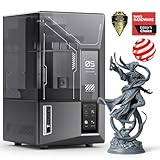
Elegoo Mars 5 Ultra
- 18 micron XY resolution
- 9K 7-inch mono LCD
- 150mm/h tilt release
- AI camera and self-leveling

Elegoo Saturn 4 Ultra 16K
- 16K resolution panel
- Heated vat at 30C
- 150mm/h tilt release
- Auto-leveling and AI camera
All Seven Printers at a Glance in 2026
Seven machines made our list, and the spread is wide: a 17-micron 10K panel on a small chassis, a 16K panel with a heated vat, and two large-plate machines aimed at armies and terrain. The table below lists the seven, then the reviews explain who each one suits.
| Product | Specifications | Action |
|---|---|---|
| Anycubic Photon Mono 4 Ultra 10K |
|
Check Latest Price |
| Elegoo Mars 5 Ultra |
|
Check Latest Price |
| Elegoo Saturn 4 Ultra 16K |
|
Check Latest Price |
 Phrozen Sonic Mini 8K S Phrozen Sonic Mini 8K S |
|
Check Latest Price |
 Anycubic Photon Mono M7 Pro Anycubic Photon Mono M7 Pro |
|
Check Latest Price |
 Elegoo Saturn 3 Ultra 12K Elegoo Saturn 3 Ultra 12K |
|
Check Latest Price |
 Anycubic Photon P1 14K Anycubic Photon P1 14K |
|
Check Latest Price |
1. Anycubic Photon Mono 4 Ultra 10K – Our Best Resin 3D Printer for Miniatures
ANYCUBIC Photon Mono 4 Ultra 10K Resin 3D Printer, 7” HD Mono Screen
7-inch 10K mono LCD at 9024x5120
17x17 micron XY pixels
Up to 120mm/h with ACF film
8.8 lb, 15x10x20 inch
Pros
- 17x17 micron XY pixels hold 32mm faces and chainmail
- Layer lines effectively invisible at this resolution
- Compact and quiet enough for a home office
- One-and-done plate leveling with setup under 30 minutes
- Resumes after a power outage
Cons
- Build plate screen and resin vats can fail early
- Default exposure and lift profiles need real tuning
- Mobile app pairing is unreliable
- Support is slow and parts are self-installed
This is the machine we keep coming back to, because it does the miniature-specific things right without asking you to buy anything else to make it work. A 7-inch 10K monochrome screen at 9024×5120 gives 17×17 micron XY pixels, and that is comfortably past the point where a painted 32mm figure shows its limits. Owners report crisp edges and textures that hold up under primer, and layer lines that effectively disappear.
Speed is the quiet strength. The ACF film and the release algorithm together reach 120mm/h, which is not the highest number in this group but is consistent enough that a squad of 28mm infantry fits in an evening rather than a weekend. That matters far more to a tabletop player than the last twenty microns of panel resolution.
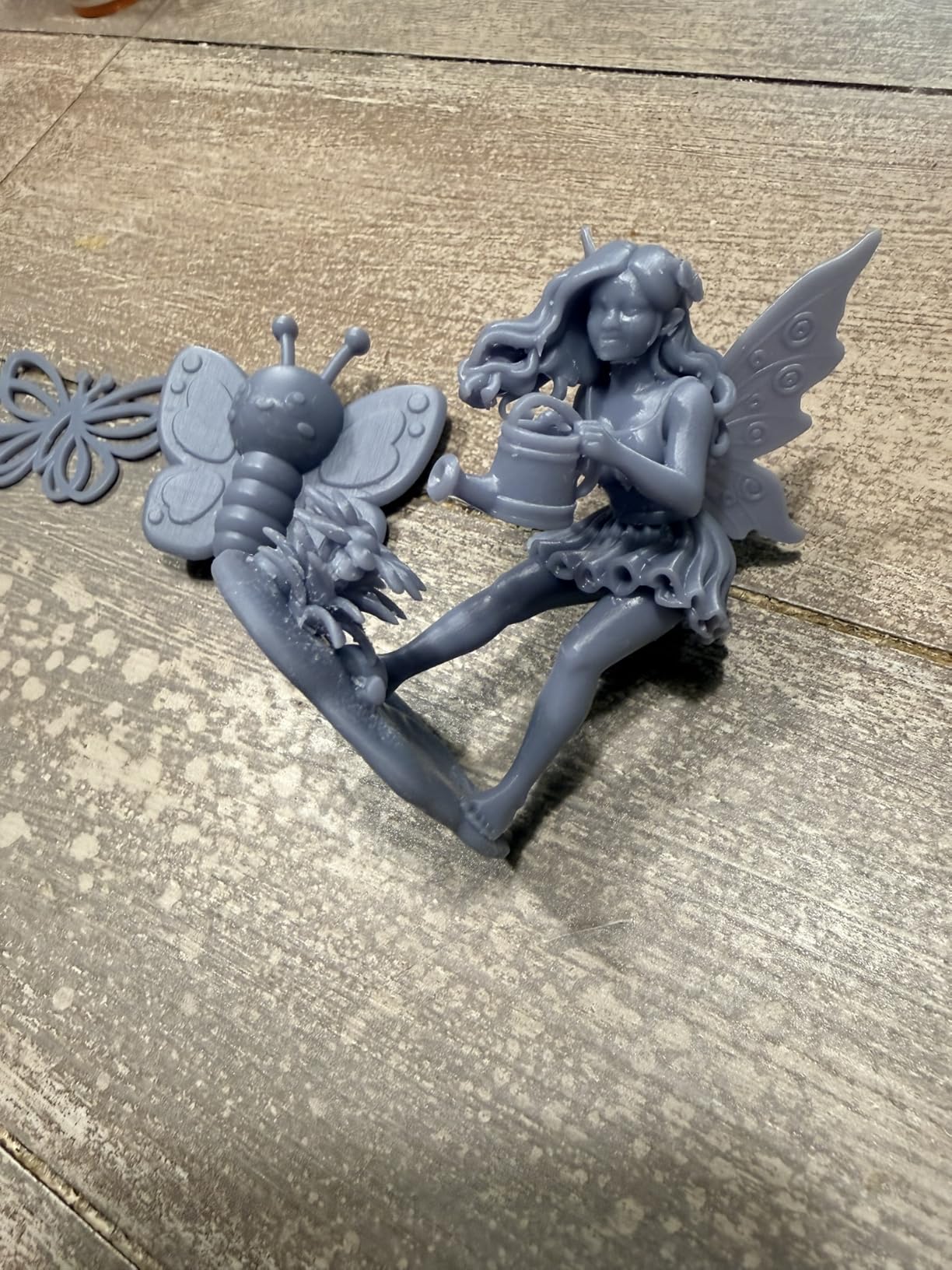
The physical design is the part I appreciate most. At 8.8 pounds and 15x10x20 inches it is a genuinely small machine, and reviewers single out the quiet, compact footprint as a reason it works in a home office. Setup is close to plug-and-play: plate leveling is a single operation, and owners report first prints inside half an hour of unboxing.
The screen is not quite the whole story on lighting, but the COB light source with Fresnel lenses holds the light angle within 3 degrees and the uniformity rate at 90% or better, which is the combination that keeps a small 28mm face from washing out in the middle of the plate. A 4.3-inch high-definition touchscreen with 8 language support handles the day-to-day controls without a phone in hand.
Why it wins for miniature detail
For a 28mm figure on a round base, pixel density matters most around the face and the sculpted texture on the armour. At 17×17 microns this panel resolves both without the printer having to be perfectly tuned, which is the part that separates it from cheaper machines. Five built-in inspection systems, including auto inspection and failed print detection, catch failures while you are at work rather than the next morning.
Because the chassis is small and the release force is low, the same machine also handles a mixed plate of a hero figure plus a rank of infantry. That flexibility is what makes it our default recommendation rather than a specialist choice.
Where it will disappoint you
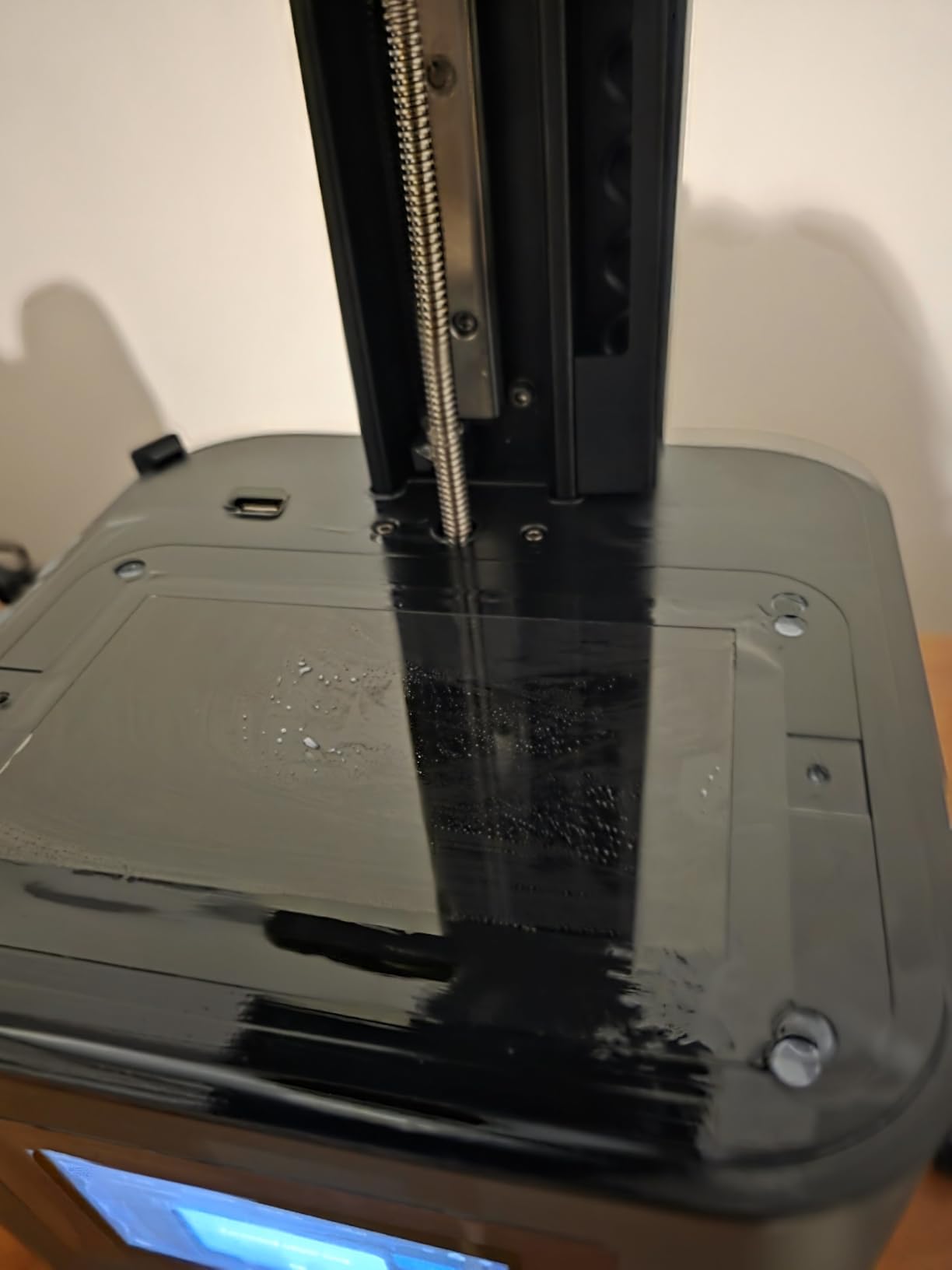
The recurring complaint in reviews is hardware durability rather than print quality. Owners report the build plate screen and the resin vats breaking early and needing replacement, and tech support resolution being slow with parts you install yourself. If you print every night for years, buy spare film and a spare vat with the machine.
Screen protection is worth a minute of your attention, too. Resin that cures on the LCD glass is the fastest way to shorten a panel’s life, and a proper screen protector film costs almost nothing next to a replacement panel.
The other honest caveat is tuning. Default profiles need meaningful work on exposure time and lift speed before they are trustworthy, so budget an evening of calibration. The mobile app and barcode pairing are also reported as unreliable, though none of that touches print quality. For a broader look at resin machines, our roundup of the best resin 3D printers goes deeper on panel technology.
2. Elegoo Mars 5 Ultra – Easiest On-Ramp Into Resin Printing
ELEGOO Mars 5 Ultra Resin 3D Printer
7-inch 9K mono LCD at 18 micron XY
Up to 150mm/h tilt release
AI camera with error detection
19.36 lb chassis
Pros
- Self-leveling plate removes the hardest beginner task
- 9K panel renders detail far beyond filament output
- Tilt release cuts layer time
- AI camera with time-lapse and failure alerts
- Three months of Chitubox Pro included
Cons
- Lid has no hinges and must be removed
- Rounded resin spout spills when pouring
- Camera view is low resolution and easily blocked
- Small plate limits larger models
If resin printing is new to you, this is the machine we would start on. The Elegoo Mars 5 Ultra solves the two things that stall new owners: bed leveling, which it does automatically, and the AI camera, which lets you watch a run and catch a failure before you waste eight hours of resin. Owners across 384 reviews describe it as easy to set up and excellent for tabletop miniatures.
The panel is a 7-inch monochrome LCD at 9K resolution giving 18 micron XY pixels. That is one micron coarser than the Mono 4 Ultra on paper, and in practice you will not see the difference on a primed and painted figure. What you will see is the tilt release vat, which runs up to 150mm/h with switchable fast and slow modes and noticeably trims cycle time.
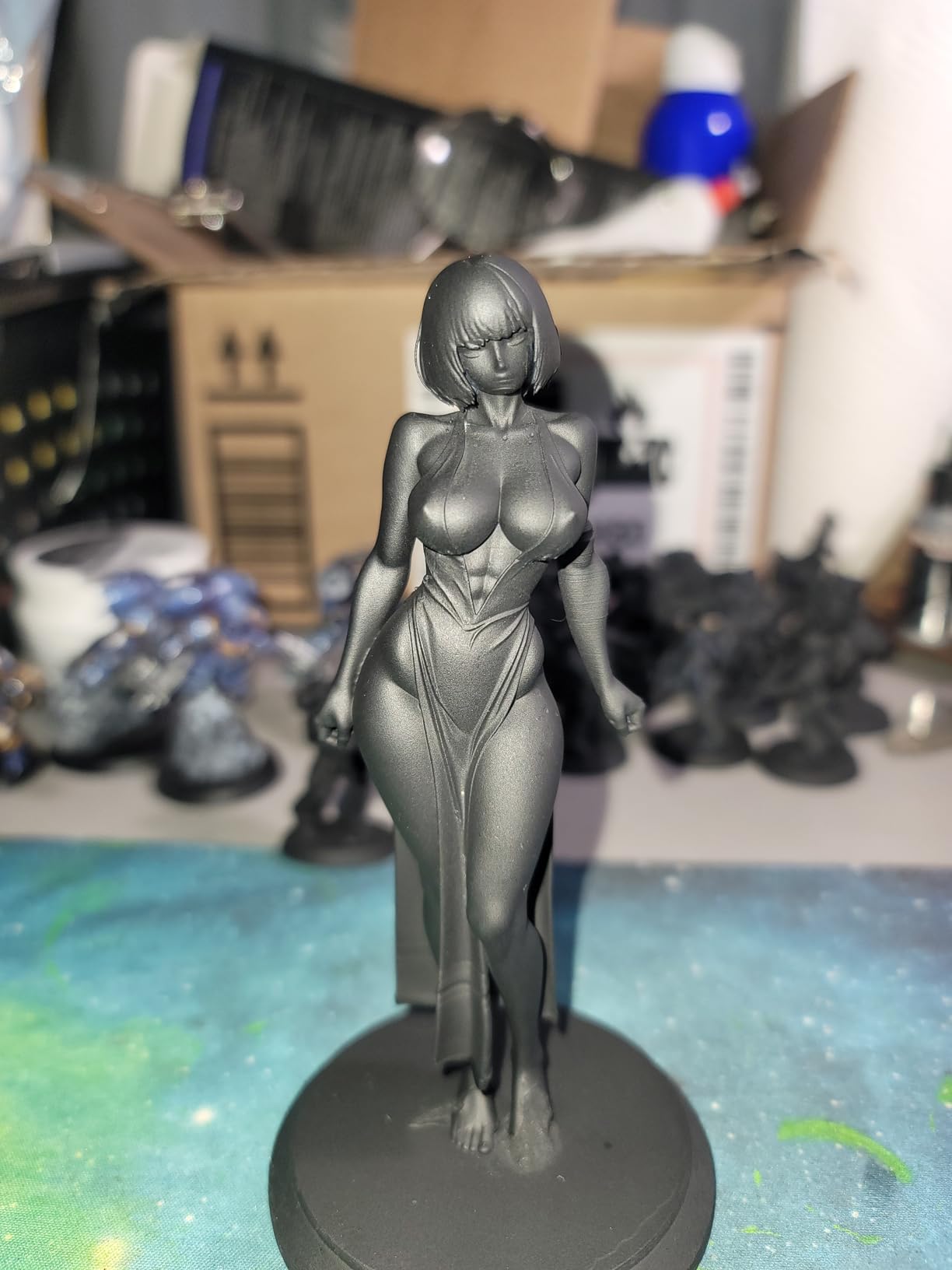
Smart sensing is the quiet hero feature. A mechanical sensor detects residual cured resin and protects the LCD, and the machine alarms on resin shortage and leveling failure. For a beginner, that is the difference between learning resin printing and learning to diagnose resin printing.
It also ships with three months of Chitubox Pro, including auto-orient and support tools, which is genuinely useful because good support placement is what determines whether a 32mm model prints cleanly at all. Wi-Fi cluster printing lets you drive several machines from one device if you ever outgrow a single plate.
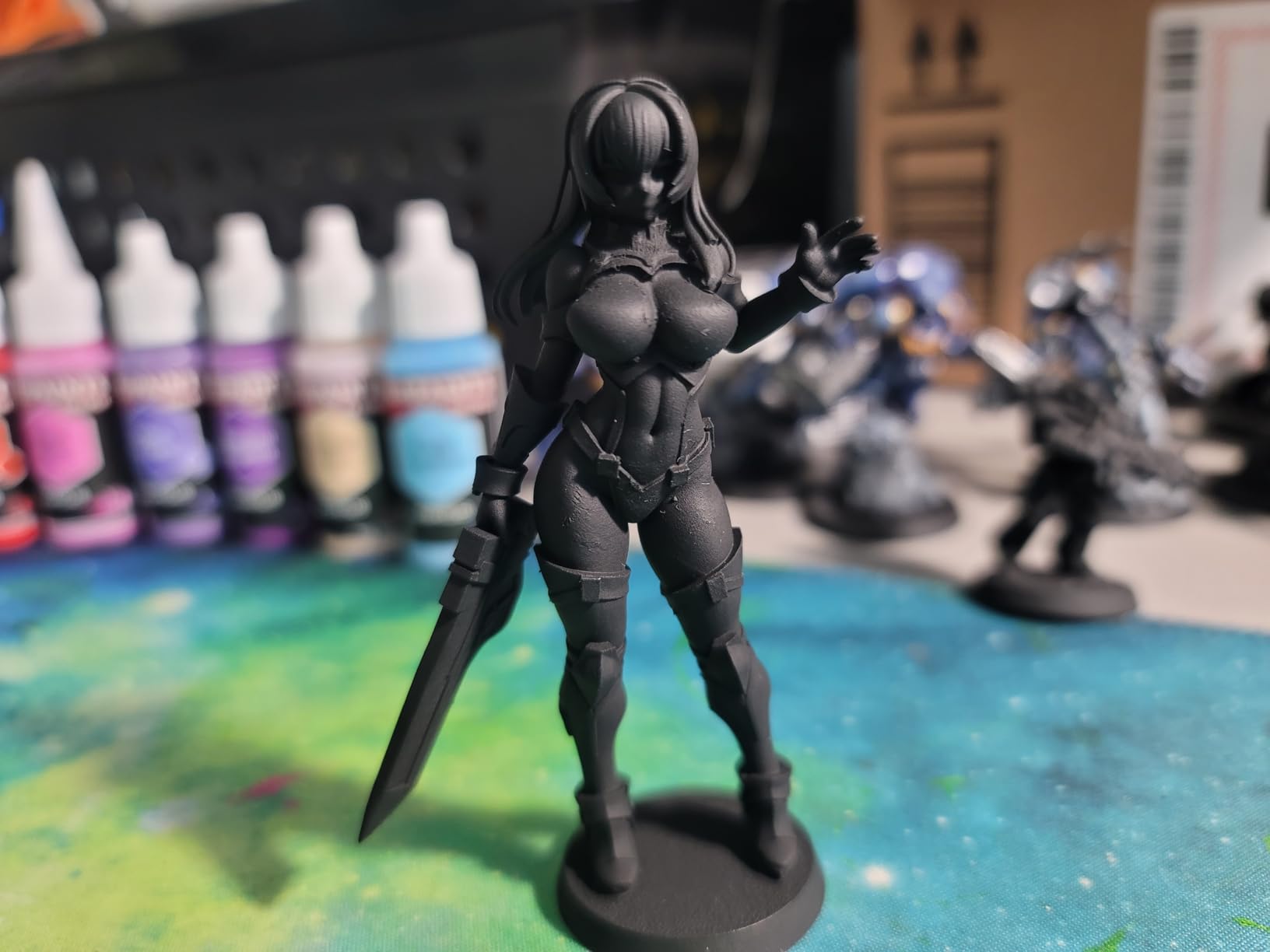
Why it suits a first resin machine
The beginner case rests on failure avoidance rather than headline detail. A self-leveling build plate, resin level detection and a camera that can spot a delamination mid-print mean the first week is not spent repeating a job. Community owners consistently describe the 9K output as well beyond what filament printers produce for highly detailed minis, which is the whole reason to switch.
For a campaign player printing a character per session, the small plate is not a limitation. The build volume suits 28mm and 32mm work, and a full plate of infantry at 150mm/h finishes while you sleep.
Where it will disappoint you
The ergonomics are the weak point. The lid has no hinges and has to be removed entirely to load the plate, which then needs somewhere to live, and the rounded resin spout makes pouring messier than a sharp-edge spout. Both are small annoyances that you feel every single time you refill.
Reviewers also note the camera view is low resolution and easily blocked by tall prints, which limits its value on a plate of standing figures, and that the small build plate rules out larger models. If your plans involve a 6-inch bust or a lot of terrain, look at the Saturn models further down instead.
3. Elegoo Saturn 4 Ultra 16K – Most Versatile With a Heated Vat
ELEGOO Saturn 4 Ultra 16K Resin 3D Printer
16K resolution panel for fine detail
Heated vat holds resin at 30C
150mm/h tilt release
Auto-leveling and AI camera with chamber light
Pros
- Finest panel in this group for tiny sculpted detail
- Heated tank cuts bubbles and layer separation
- Auto-leveling means no manual bed levelling
- Chamber light and time-lapse support unattended runs
Cons
- Largest and heaviest chassis at 35.5 pounds
- 24x17x15 inch footprint needs real desk space
- Heated vat uses more power than an unheated machine
The Saturn 4 Ultra 16K is the detail-first machine in this group. The 16K resolution panel is specified specifically for miniature work, and owners credit it with smooth surfaces, lifelike textures and crisp fine detail on models. If you paint display-quality busts and hero figures rather than rank and file, this is the panel that gives you the most to work with.
Its genuine technical advantage over the others is the intelligent tank heating, which holds resin at 30 degrees C. That is not a cosmetic feature. Colder, thicker resin traps bubbles and separates layers, and the heated tank is credited with a higher success rate and fewer layer defects. It also means winter printing in a cold room is less of a gamble.
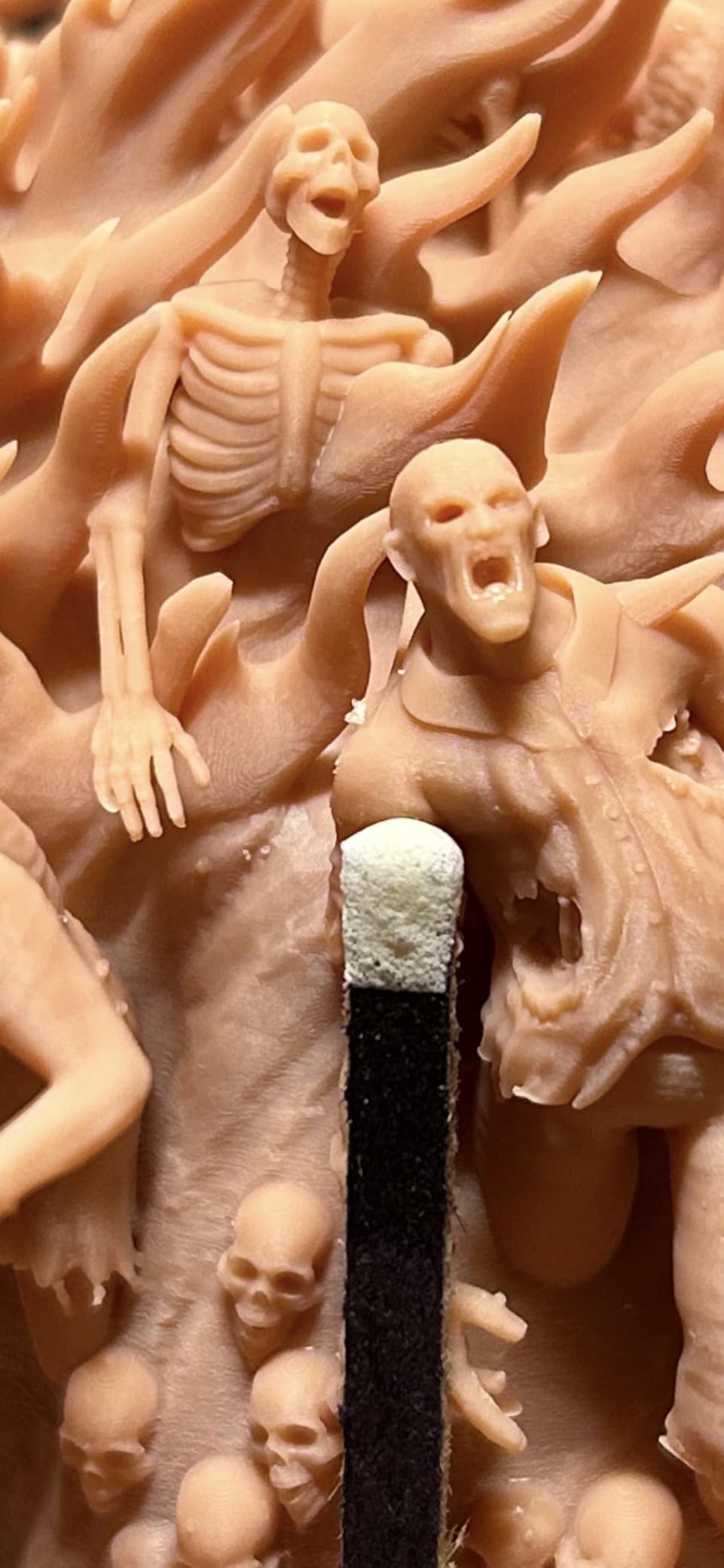
The rest is Elegoo refinement: tilt release at up to 150mm/h, automatic build plate leveling for genuinely plug-and-play operation, and a new AI camera with an integrated chamber light for all-day monitoring and time-lapse capture, with instant warp and empty-plate alerts. A mechanical sensor handles residue detection, and the machine alarms on resin shortage and leveling failure.
That combination is the reason 366 owners have rated it 4.2 stars. The specification-led satisfaction in the reviews is unusually consistent for a recent release, and the machine simply does what it says without a long calibration ritual.
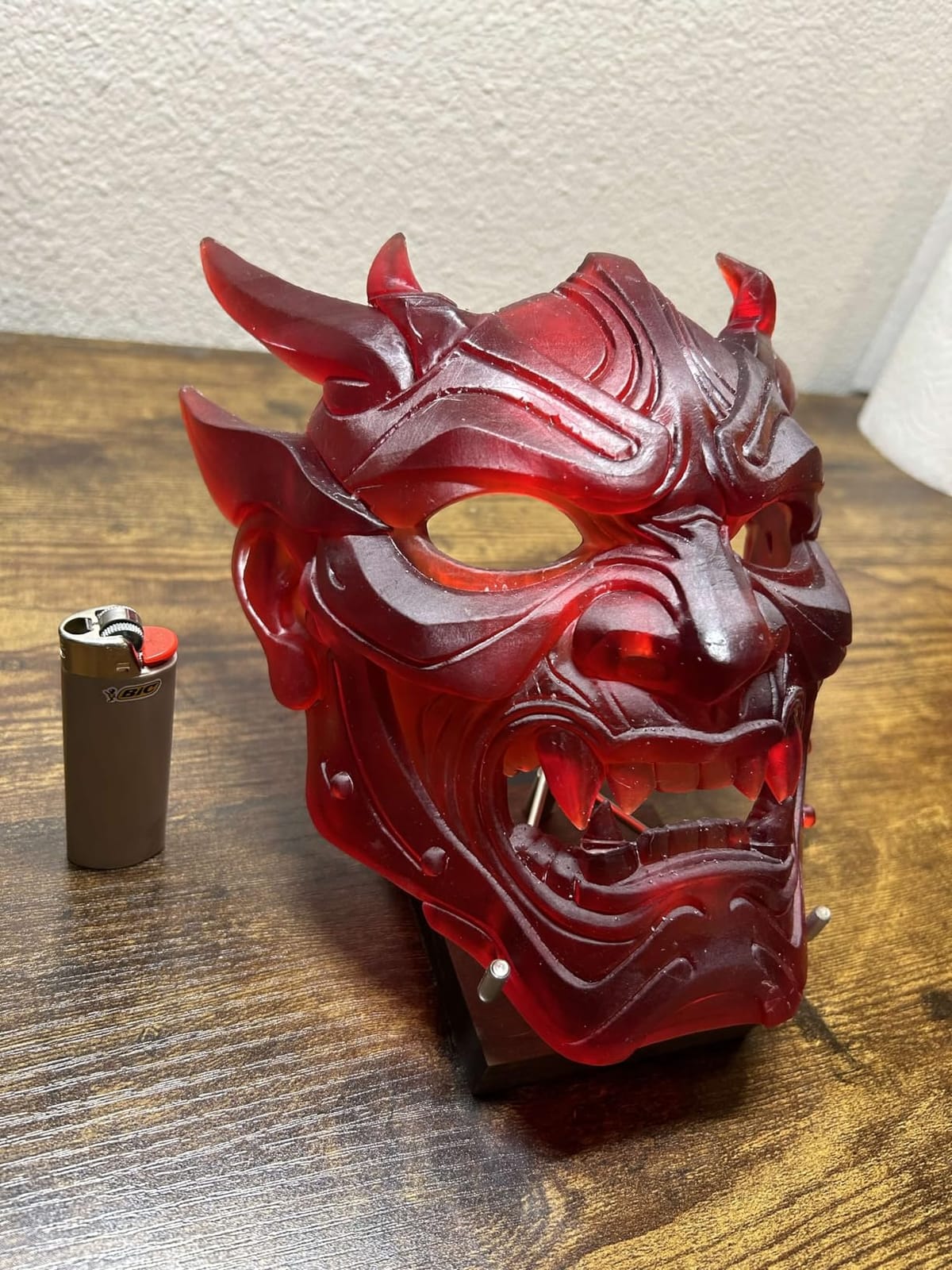
Why it suits display and hero pieces
The 16K panel earns its name on the models where the viewer gets close. A 32mm hero character at chest height, sculpted fabric folds and engraved bases are the tests that separate a 16K screen from a 10K one, and they are the tests this machine is built for. The tilt release vat keeps a run of display models moving at 150mm/h.
The heated vat is the quiet reason to stretch up to it. If you print in a basement, a garage or an unheated spare room, resin viscosity is the cause of a surprising share of failed prints, and holding it at 30C removes that variable entirely.
Where it will disappoint you
Size. At 24x17x15 inches and 35.5 pounds, this is the largest and heaviest machine here, and you need clear bench space with hood lift clearance above it. Anyone working in a small apartment should read our resin printer footprint notes before committing.
The second caveat is expectation setting. If you only ever print 28mm rank and file, the 16K panel is more than the job requires, and the resolution reality check earlier in this guide applies: a well-tuned 9K machine produces a figure you cannot tell apart after primer. This is the right machine if you paint for hours under good light, and an expensive answer if you do not.
4. Phrozen Sonic Mini 8K S – Compact 8K Panel for Small Printers
phrozen Sonic Mini 8K S LCD Resin 3D Printer, 7.1″ Monochrome LCD, Tabletop 3D Resin Printer with 22µm XY Resolution, 6.5 * 2.8 * 6.7 Inch Printing Volume for Models, Miniatures and Action Figures
8K monochrome LCD at 22 micron XY
16.5x7.2x17 cm printing volume
Precise Z-axis calibration
Open slicer compatibility
Pros
- 22 micron pixels bring out fine detail in small models
- Compact build volume suits tabletop work
- Marked beginner friendly
- Works with Lychee and Chitubox as well as Tango
Cons
- 22 micron pixels are the coarsest here
- Smallest build volume limits how many minis fit a plate
- No heated vat so cold rooms affect resin
The Phrozen Sonic Mini 8K S is the smallest machine in this roundup and one of the cleanest answers to a specific problem: you want good detail on small miniatures without a resin printer taking over the desk. Its printing volume is 16.5 x 7.2 x 17 cm, and its 8K monochrome LCD delivers 22 micron XY resolution.
Twenty-two microns is the coarsest figure here, and I want to be straight about the trade. On a 28mm figure with crisp sculpted edges it still holds up, because the panel is finer than the detail you can resolve after primer and a basecoat. Where you will notice the difference against a 17-micron panel is on a display bust with fine engraved text, where the 10K and 16K machines pull ahead.
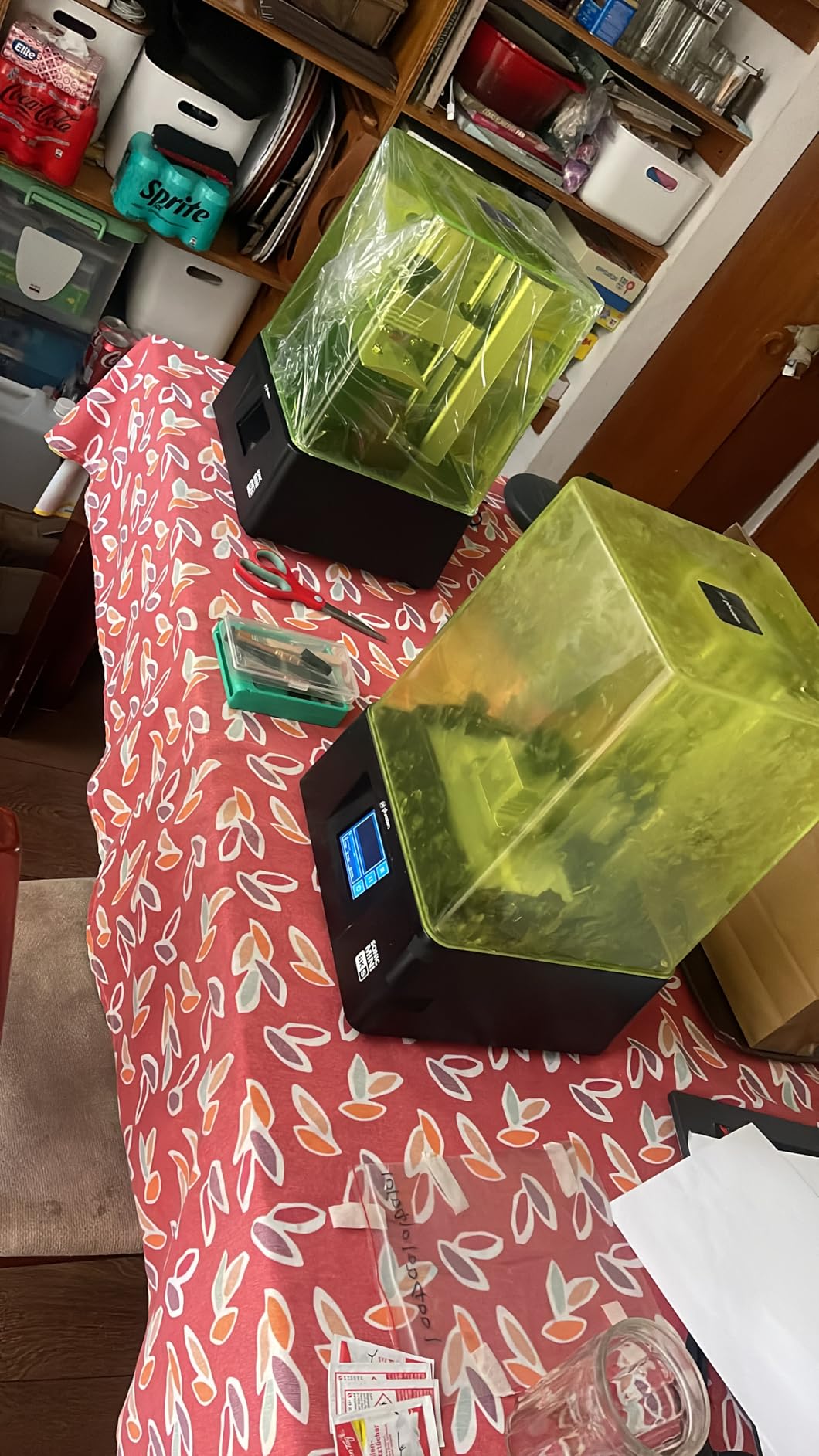
What compensates is build quality and openness. Precise Z-axis calibration gives even, accurate layers, the load capacity goes up to 22 pounds, and it works with Lychee, Chitubox and Tango slicers. That last point matters more than it sounds, because it means you are not locked to one company’s software and you can use whichever slicer handles your mini files best.
At 4.4 stars across 157 reviews, it also punches above its weight on satisfaction. People buying it for models, miniatures and action figures report that it does what the listing says without drama.
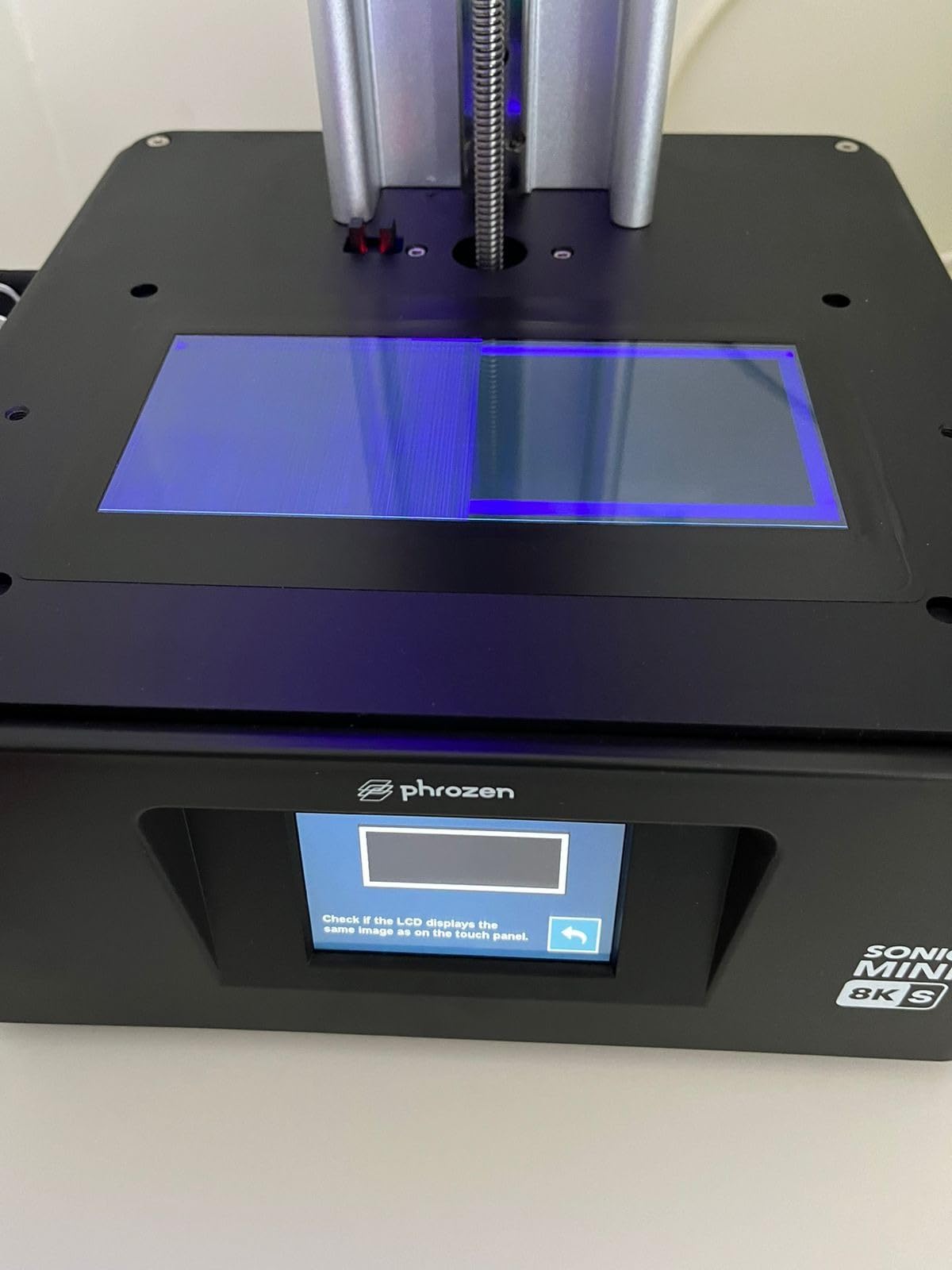
Why it suits a small bench
Footprint is the deciding factor. The chassis measures 11.4 x 11.4 x 16.9 inches, which is the easiest of these seven to find room for in an apartment or a shared hobby desk. For a campaign player printing a handful of characters a month, plate area barely registers as a constraint.
The open slicer support is the second practical win. Chitubox is the strongest tool for support placement and orientation on delicate miniatures, and being able to use it without fighting vendor-locked profiles removes a real source of frustration.
Where it will disappoint you
Batch size. This is the smallest build volume in the group, so an army project means many more plates and far more film changes. If your interest is a 2,000-point force rather than a character for next week’s session, this is the wrong tool and you would outgrow it quickly.
There is also no heated vat, so resin viscosity in a cold room remains an uncontrolled variable that you will have to manage with a resin warmer. On quality, expect the chainmail and face detail to be a visible step below the 17-micron Anycubic in hand, even if that step disappears under paint.
5. Anycubic Photon Mono M7 Pro – Fastest Plate for Army Printing
ANYCUBIC 14K Resin 3D Printer Photon Mono M7 Pro with 170mm/h High Speed
14K LighTurbo 3.0 optical system
Up to 170mm/h at 0.1mm layers
223x126x230mm build volume
Resin auto-fill and Airpure filter
Pros
- Highest stated print speed here at 170mm/h
- Very large 223x126x230mm build volume
- Auto-fill and continuous refilling suit long jobs
- Handles ultra-high viscosity resin
- Airpure filter cuts resin odour
Cons
- LCD failures reported after as few as 27 prints
- Z-axis zero point needs constant relearning
- Auto-fill and bottle sensor reported unreliable
- Bundled slicer is cumbersome
- Warranty covers parts only
On paper this is the throughput machine of the group. The Photon Mono M7 Pro prints at up to 170mm/h at 0.1mm layer thickness, which is the highest stated speed in this roundup, on a 223 x 126 x 230mm build volume. Combined with the LighTurbo 3.0 14K optical system using Fresnel lenses and reflectors at 3 degrees or less, it is built for volume rather than for a single hero piece.
For an army project that is exactly the right tool. The build volume is wide enough to lay out terrain pieces and mass infantry together, and the resin auto-fill unit supports auto refill, continuous refilling during a print and one-key resin recycling, so a long unattended job does not need babysitting. The Airpure unit handles resin odour filtration, which is a real consideration in a shared space.
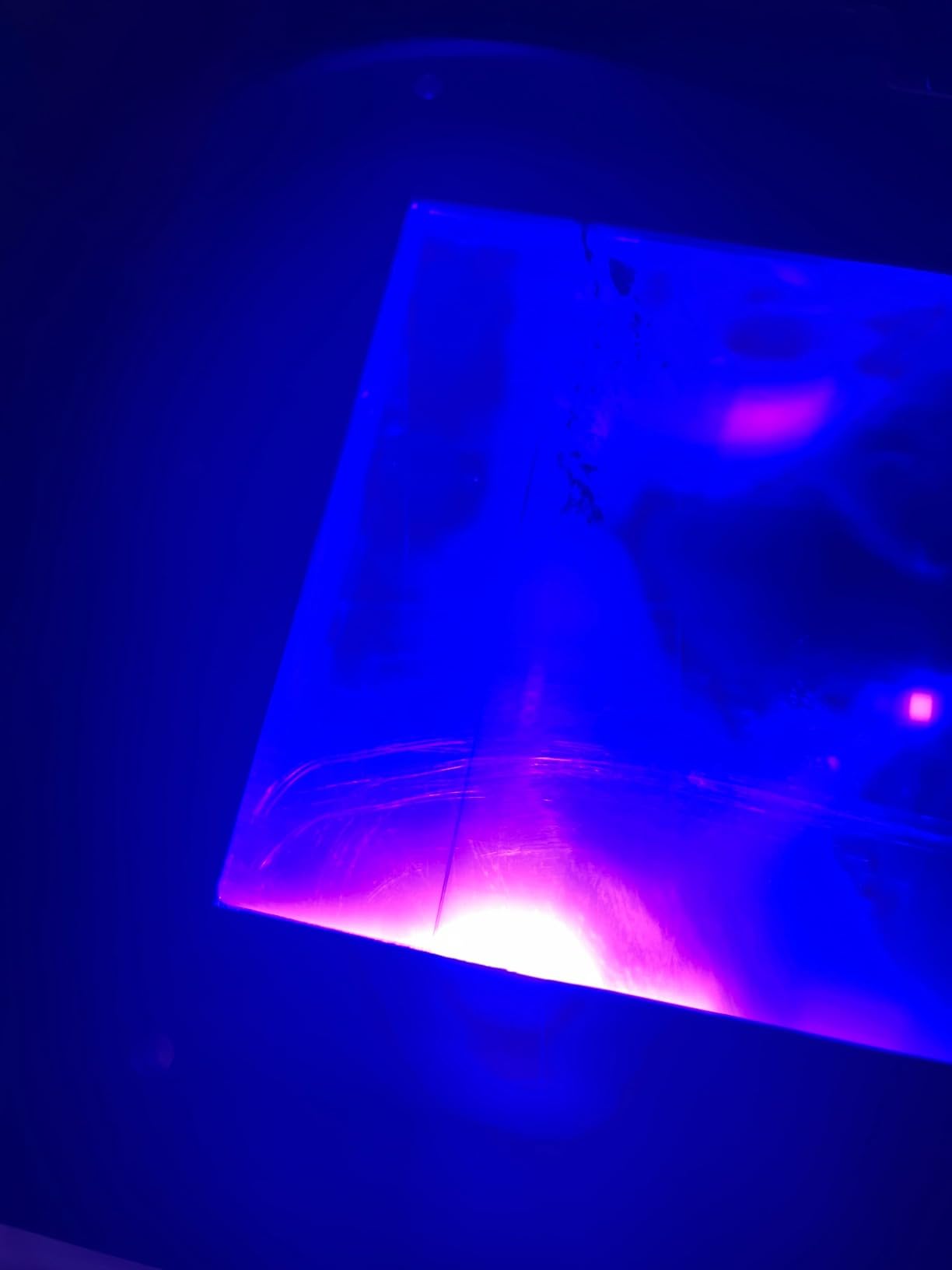
The temperature-controlled resin vat is another throughput enabler, dynamically adjusting resin temperature to raise success rates. In practice, that is the difference between a 40-plate project and a 60-plate project when you are fighting thick resin in a cold room.
Owners also report print quality good enough for threaded parts that actually fit together, which is rarer than it should be in resin printing and useful for multi-piece kits.
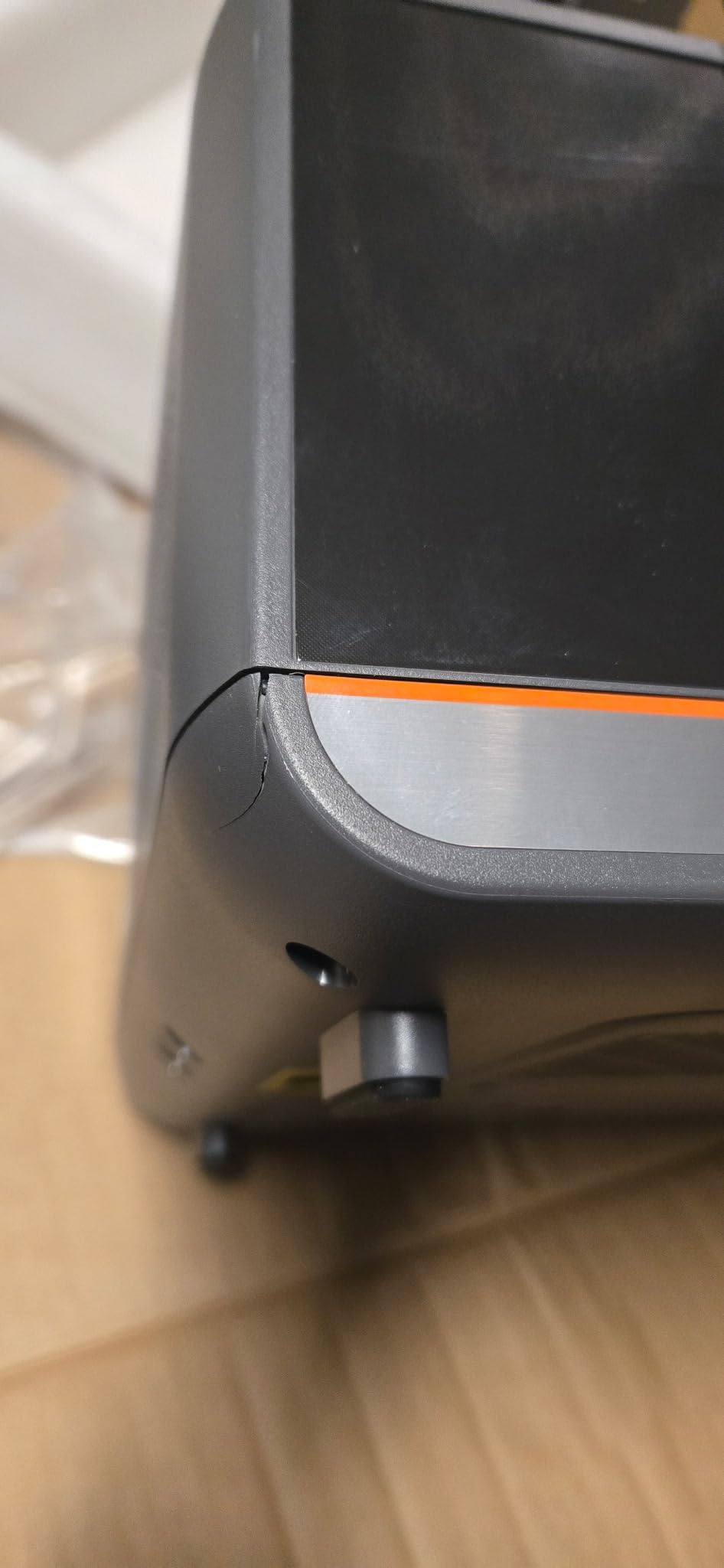
Why it suits large batches
Throughput per plate and throughput per evening are what matter for a 2,000-point army, and this machine wins on both. A wide plate means fewer level-and-release cycles, and 170mm/h means more models per night. For terrain, resin prints faster than filament at this kind of geometry.
Continuous refilling is the sleeper feature. Long unattended runs are where resin runs out mid-print on a normal machine, and the auto-fill unit removes that failure mode entirely.
Where it will disappoint you
Reliability is the honest concern, and it is why this machine sits where it does in a list ordered on proven experience. Reviews report LCD screen failures after as few as 27 to 50 prints, Z-axis motor failures and repeated loss of the Z-axis zero point that require constant relearning, and an unreliable resin auto-fill and bottle sensor.
The bundled Photon Workshop slicer is also singled out as cumbersome, lacking printer monitoring and requiring cloud steps, which is a poor experience for the support-heavy workflow an army project needs. The warranty covers parts only, so you would perform repairs yourself. At a 3.9 average this is the lowest-rated machine we include, and for a one-off character a smaller, steadier machine would serve you better. Check the full resin line-up in our resin printer guide if you want steadier options.
6. Elegoo Saturn 3 Ultra 12K – Proven Big Plate With Wireless Transfer
ELEGOO Saturn 3 Ultra 12K MSLA 3D Printer with 10″ Monochrome LCD
10-inch 12K LCD at 11520x5120
150mm/h on Elegoo rapid resin
218.88x122.88x260mm build volume
4-inch IPS touchscreen with Wi-Fi
Pros
- Large build volume for terrain and mass infantry
- Laser carved build plate and frosted ACF film aid release
- Wi-Fi file transfer removes USB stick handling
- 4-inch HD IPS touchscreen
- Linux OS for stable file transfer
Cons
- Wi-Fi can fail on a clean boot and force USB use
- Release film and FEP durability issues can leak onto the LCD
- Some third-party slicers mirror prints on the X axis
- No automatic resin feed for this vat size
The Saturn 3 Ultra 12K is the big-plate option with the most conventional, well-understood design. A 10-inch monochrome LCD at 11520 x 5120 resolution and 150mm/h print speed on Elegoo rapid resin, in a 218.88 x 122.88 x 260mm build volume. Owners call the resolution fantastic for miniature printing, and several report no failed prints at all once tuned.
The largest single upgrade from the smaller Mars chassis is volume, and that is the reason to buy this instead. Terrain pieces, a full rank of 28mm infantry and a couple of character models fit in one run, which cuts the number of level-release-wash cycles per project dramatically.
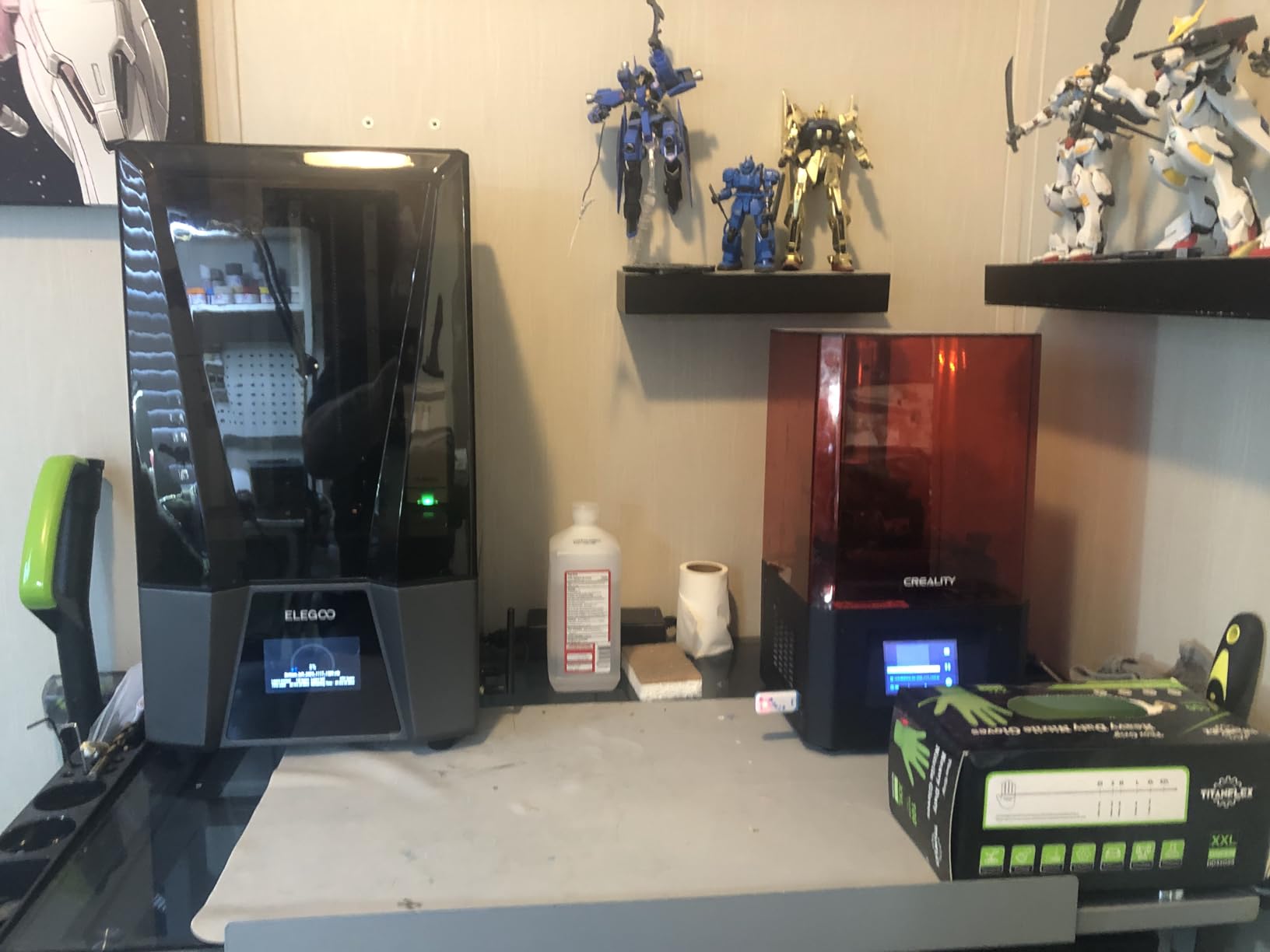
Two details make daily use easier. A new Linux OS gives more stable file transfer and faster operation, and Wi-Fi transfer with a detachable antenna removes the USB stick routine entirely, which is a genuine quality-of-life gain over machines that still need one. The Voxeldance Tango slicer offers three printing modes and an open-source GOO format.
The COB plus refractive light source with dual copper tubes and cooling fans handles heat dissipation, and a laser carved build plate improves model adhesion. Owners moving from FDM report prints around ten times faster, which is the honest comparison most people make.
Why it suits mixed plates
The 218.88 x 122.88 x 260mm volume is a genuinely useful shape rather than just a big number. A wide plate takes a terrain tile beside a row of infantry; the height takes a standing figure without tilting. That flexibility is what makes a mixed project practical in one evening.
The frosted ACF film and laser carved platform improve release, which is the difference between a plate that pops off and one you fight with a spatula. For batch work that reliability is worth more than extra microns.
Where it will disappoint you
Wireless is the main caveat. Reviewers report the Wi-Fi connection failing on every clean boot, forcing USB use, and there is no automatic resin feed for this vat size, so refills are manual on a large machine with a large vat. Some third-party slicers such as Lychee mirror prints on the X axis, which is a software workaround rather than a hardware fault.
Durability is the second concern: release film and FEP issues that cause recurrent holes and leaks onto the LCD glass, plus a reported screen failure with a replacement process that requires scanning a small QR code. Buy spare film when you order it. If you want the same big plate with fewer moving parts and no wireless headaches, the Saturn 4 Ultra above is the newer platform.
7. Anycubic Photon P1 14K – Newest Panel and Factory Auto-Leveling
ANYCUBIC Photon P1 14K Resin 3D Printer with Auto-Leveling
10.1-inch 14K mono LCD at 13312x5120
16.8x24.8 micron XY pixels
Wave release cuts release force 60 percent
Handles resin up to 8000 cps
Pros
- 14K panel resolves fine miniature detail
- Factory-calibrated Smart Leveling 3.0 removes manual levelling
- Wave release lowers release force by 60 percent
- Handles industrial viscosity resin up to 8000 cps
- 0.3mm minimum print aperture
Cons
- Newest listing with a small review base of 58
- Release force figure is manufacturer supplied
- Heavy 29.7 pound chassis with a tall 16.54 inch body
The Photon P1 is the most recent machine in this roundup, first listed in January 2026, and it pairs a 10.1-inch 14K monochrome LCD at 13312 x 5120 pixels with the highest pixel density claim here at 16.8 x 24.8 micron XY. On pure specification it leads this group for fine detail, and the 0.3 millimeter minimum print aperture suits very small miniatures.
Its other distinguishing feature is toughness. The printer handles resins up to 8000 cps with pre-configured Anycubic profiles, which is the interesting angle for miniature painters. A harder resin means a base that survives being knocked across a table and a snap-fit cape that does not snap off in a case, and the P1 can print those out of the box.
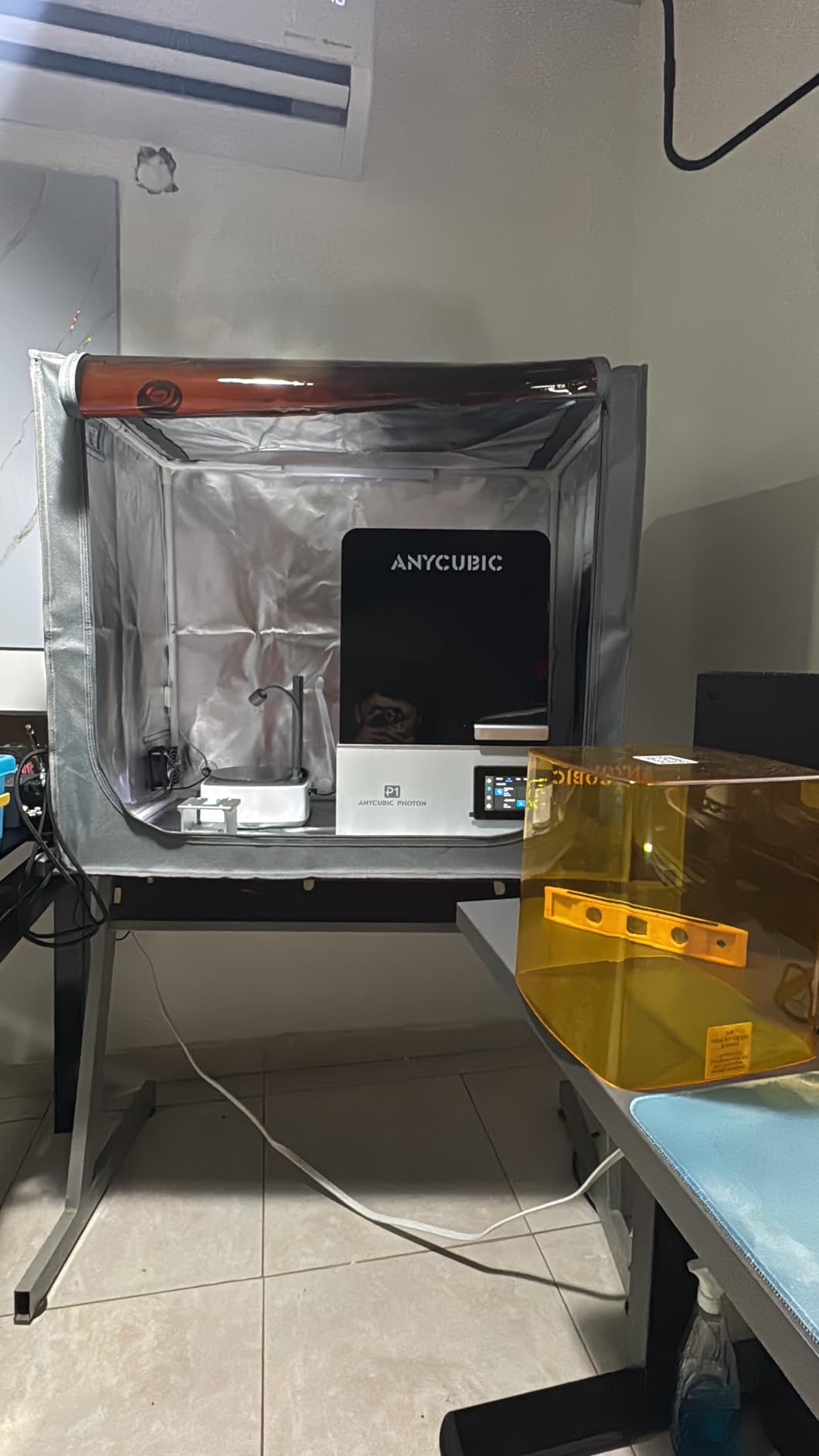
Reliability features are unusually well specified. Smart Leveling 3.0 is factory calibrated, with an automatic pre-print self-check and four-corner pressure feedback, so there is no manual bed levelling at all. AI inspection performs dual verification of build plate installation and bottom layer separation, plus resin level and residue detection.
Ball screws, precision guide rails and a precision-engineered platform minimise vibration, and Wave Release Technology generates micro-airflow that reduces release force by 60 percent, which is aimed squarely at the delamination and stuck-build-plate failures that ruin a plate of delicate miniatures.
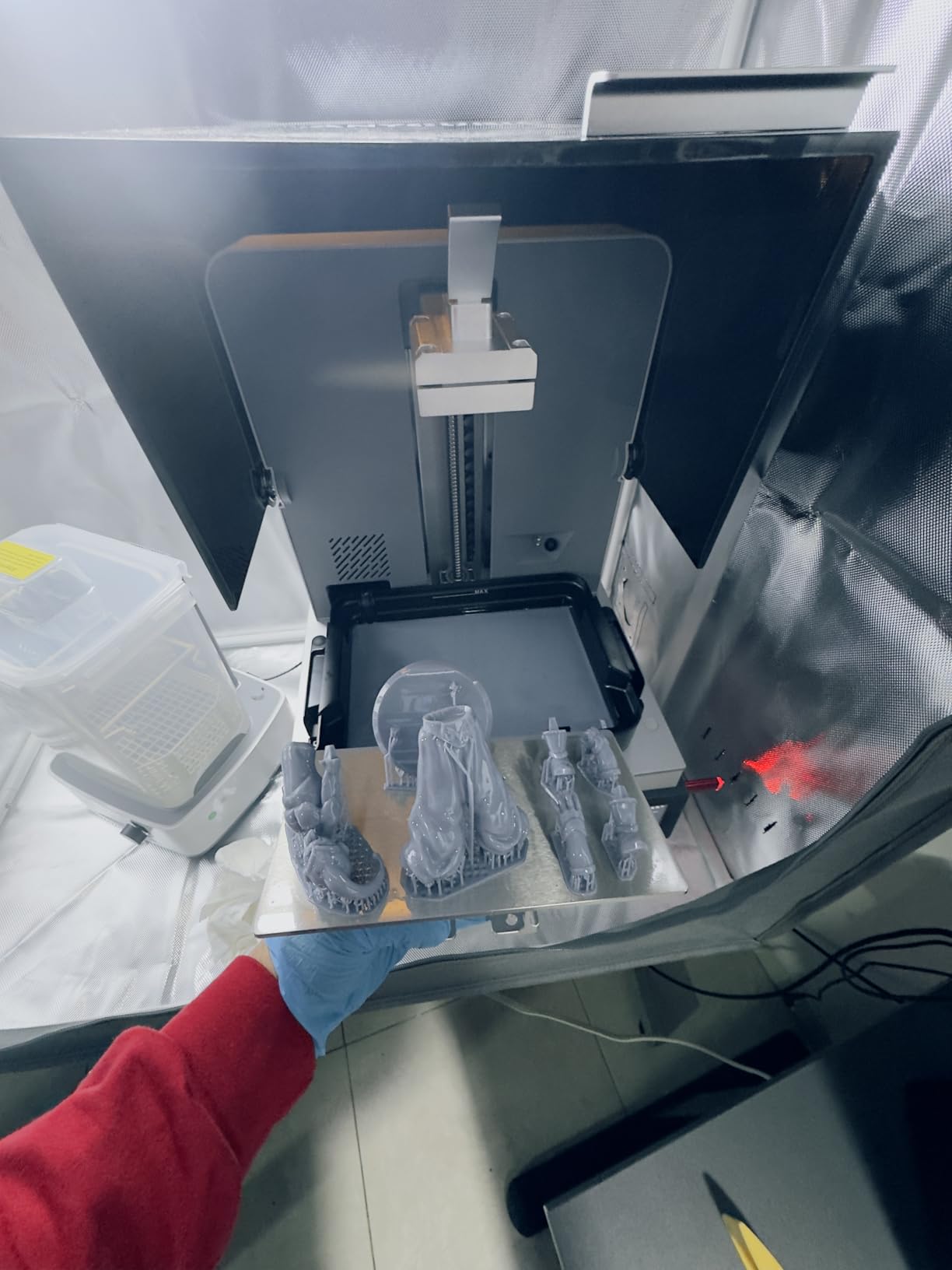
Why it suits handled miniatures
Most 28mm and 32mm minis live in a bag, a case and a shelf. A standard grey resin print will scuff and craze if you drop it, and a brittle snap-fit part will snap. The P1’s high-viscosity resin support is the practical answer, because you can print durable pieces without changing machines.
Zero manual leveling also removes the single most common beginner frustration, and factory calibration means a first plate on day one has a realistic chance of succeeding. For someone who wants fine detail and a durable print in one purchase, that combination is the reason to shortlist it.
Where it will disappoint you
It is early. The review base is 58 entries at 4.4 stars, which is thin next to the 667 behind the Anycubic Mono 4 Ultra, and long-term reliability on a new platform is unproven. Treat the specification claims as promising rather than proven, and expect firmware refinement over the first year.
Two smaller notes. The 60 percent lower release force figure comes from the manufacturer rather than independent testing, so treat it as directional. And at 29.7 pounds with a 16.93 x 24.41 x 16.54 inch chassis, it needs real bench space and hood clearance. If you would rather buy a machine with a long public track record, go back to the Mono 4 Ultra.
What Actually Matters in a Resin Printer for Miniatures
Here are the seven specifications that change how your miniatures come out, in the order they should influence a purchase. Everything else on a spec sheet is secondary for a tabletop painter, and the order is not the order the spec sheets list them in.
1. XY resolution under 20 microns. The threshold that matters for a 32mm model. Every machine in this roundup meets it, which is exactly the point: once you are at 17 to 22 microns, buying a higher number buys you almost nothing visible on a painted figure. Spend your budget on plate size or on a heated vat instead.
2. Monochrome LCD over RGB. A monochrome masking screen is faster and more even because each pixel is a simple open or closed state. RGB pixel LCDs need long exposure times per layer and are inconsistent between pixels. Do not buy an RGB machine for miniatures.
3. Build plate area and plate height, and how many figures that means. This is the number nobody publishes, so here is the arithmetic. A 28mm figure on a 30mm round base needs roughly 30mm of plate in each direction, so a 120mm by 70mm plate holds about 4 by 2, or 8 infantry.
Scale that up. A 220mm by 123mm plate holds about 7 by 4, or 28 infantry at the same base size. A 32mm hero figure on a 40mm base needs a 40mm grid, so that same large plate holds 5 by 3, or 15. Double those numbers for smaller 25mm bases and you can size a plate to your project before you buy.
4. Plate release method. Tilt release, where the vat tilts to break suction, is gentler on thin miniatures and on fragile supports. Straight suction release is harsher and is the most common cause of models snapping off the plate. Every machine here uses either tilt release or a reduced-force system, and that is a large part of why we excluded most of what is on the market.
5. Auto-leveling and resin sensing. Manual four-point leveling is tedious and a frequent source of first-print failure. All seven machines here either level automatically or are factory calibrated, and that alone removes half the early failures reported by new owners. It is the single biggest reason we would not recommend an older entry-level machine today.
6. Build volume versus desk footprint. These are different numbers and buyers confuse them constantly. A large build volume is inside a chassis that may be tall and deep. Measure the machine, then measure hood lift clearance above it, because you cannot load a plate with a fixed shelf in the way. Our miniature printer overview covers the footprint question in more detail.
7. Heated vat and temperature control. Resin thickens when it is cold, and thick resin causes layer separation and bubbles. If you print in a garage, basement or spare room in winter, a temperature-controlled vat is worth real money. Otherwise it is a comfort feature.
Also worth a mention: bundled software. Some manufacturers ship a capable open slicer, while others ship a clunky one. Being able to use a third-party slicer that handles support placement well is a genuine quality-of-life advantage, and support placement is what decides whether a delicate 32mm model prints at all.
Resin against FDM, briefly and fairly: resin wins on surface quality, faces, chainmail and anything under about 40mm. FDM has become genuinely good enough for table minis and for terrain, it needs no gloves, no wash station and no ventilation plan, and filament is cheaper per hour of machine time. If your project is large, cheap and unprimed, filament is the right answer. Our guide to the best FDM 3D printers covers that side properly.
Resin Choice, Cleanup and Where the Machine Lives
The printer is the cheapest part of resin printing. Budget for a wash and cure station, resin, nitrile gloves, filters and a ventilated space, and you will avoid the budget surprise most first owners hit. Our broader 3D printer buying guides cover the surrounding gear as well.
On resin type for minis, three choices cover almost everything. A standard grey resin gives the best surface detail and the cleanest faces, and it is the right default for display pieces you will paint and show off.
An ABS-like resin is tougher and slightly less crisp, and it is what you want for a base that gets picked up and put down every session. A tough resin covers both needs if you would rather not keep two bottles open. If you are still deciding between kits and bottles, our resin art kit guide breaks down the material differences in more detail.
Paintability is more about the print than the resin bottle. Prime, then basecoat, then detail. A surface that is well cured and lightly sanded takes acrylic cleanly, and where you should be careful is any place where sanding fills in a chainmail texture, so sand only the base and the seam lines.
Where the machine lives is a real decision. Uncured resin releases VOCs, and the peak exposure is not during the print, it is when you lift the lid. Keep the vat covered while a job runs and keep a nitrile glove box near the wash station.
Run the printer in a room you can ventilate, and use an air purifier in the same room, which home users report effectively clears the smell. Do not run resin printing in a closed closet and do not sleep in the room while it runs. Families with small children or asthma should weigh an FDM or enclosed machine instead, and our FDM guide covers the lower-fume alternatives.
Finally, a first-print routine that saves failed plates: level, run an exposure test rather than trusting the profile, do a burn-in test, and prepare the film before every job. None of it takes long and all of it prevents the failures that push people back to filament.
Frequently Asked Questions
What is the best resin for miniature printing?
A standard grey resin is the best starting point for most miniature printing because it gives the cleanest surface detail and the sharpest facial features. Use an ABS-like or tough resin instead for pieces that get handled at a table, such as character bases and snap-fit parts. Our pick for resin choice guidance is in the resin types section above.
Are resin printers better for miniatures?
Yes, for anything up to about 40mm. Resin printing resolves 17 to 22 micron pixels, so faces, armour edges and chainmail texture come out crisp where filament printers show visible layer lines. Filament is now good enough for terrain, larger models and cheap bulk ranks, and it avoids the gloves, wash station and ventilation that resin demands.
What type of 3D printer is best for miniatures?
An MSLA resin printer with a monochrome LCD, XY resolution of 18 microns or better, and automatic plate leveling. That combination covers 28mm and 32mm figures with clean detail, and the auto-leveling removes the failure rate that makes first machines frustrating. Avoid RGB pixel LCDs, which are slower and less consistent.
Which resin printer is better, Anycubic or Elegoo?
Elegoo leads on compact high-resolution machines, with the Mars 5 Ultra and Saturn 4 Ultra covering the high-detail end. Anycubic leads on large-format throughput, choice of panel sizes and built-in resin handling, including auto-fill on the M7 Pro. For a first machine on a small desk, an Elegoo Mars or an Anycubic Mono 4 Ultra are the two strongest starting points.
Are resin printer fumes harmful to health?
Uncured resin releases volatile organic compounds and is a skin irritant, so it should not be handled bare-handed. Wear nitrile gloves, keep a vat cover on during prints, and work in a ventilated room or with an air purifier nearby. Fully washed and cured prints are safe to handle once finished. Avoid a bedroom or any room where someone sleeps.
Which Elegoo printer is better, the Mars 5 or the Saturn 4?
The Mars 5 Ultra is the better first machine: it is smaller, 18 micron XY resolution, self-leveling and quicker to set up on a small desk. The Saturn 4 Ultra 16K is the better machine overall: a larger plate for more figures per run, a 16K panel, a heated vat at 30C and tilt release at 150mm/h. Buy the Saturn if you print armies, the Mars if you print characters.
What is illegal to 3d print?
The practical constraint is intellectual property rather than the printing itself. Printing commercial miniature designs, game logos or branded characters infringes copyright and trademark even for your own use. Printing your own original sculpts, public-domain models, or rules-as-written game content for your own table is generally fine. This is a hobby and rights question, not a safety one.
The Default Resin Printer for Miniatures in 2026
For most people buying one machine to print 28mm and 32mm figures they intend to paint, the Anycubic Photon Mono 4 Ultra is the pick. It pairs a 17-micron 10K panel with a small, quiet chassis, releases prints gently with ACF film at 120mm/h, and has the deepest owner record in this group at 4.4 stars across 667 reviews.
Pick the Elegoo Mars 5 Ultra instead if this is genuinely your first resin machine and you want leveling, resin sensing and a camera watching for you. Pick the Elegoo Saturn 4 Ultra 16K if you paint display pieces for hours at a time or print in a cold room, and its heated vat earns its place. Pick the Phrozen Sonic Mini 8K S if desk space is the binding constraint, and pick the Anycubic M7 Pro or the Saturn 3 Ultra only when you are committing to an army project.
Whichever you choose, buy the wash station and the gloves on the same order, keep the vat covered, and spend the saved money on resin rather than on another two K of panel resolution. If you want the wider picture across printing technologies, our complete guide to 3D printers for miniatures covers the rest.