
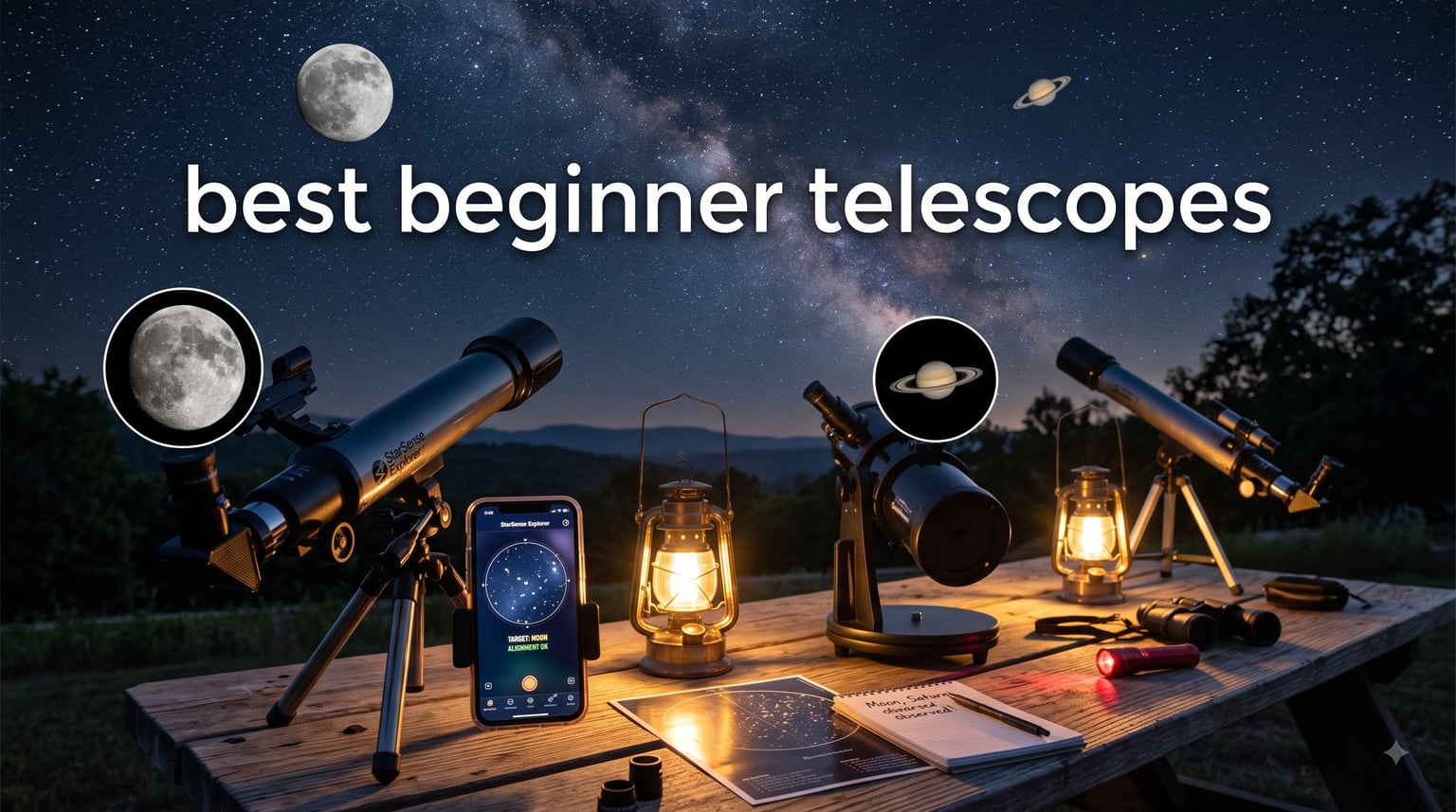
Finding the best beginner telescopes means choosing a scope that won’t frustrate you out of astronomy before you even see Saturn’s rings. After testing dozens of entry-level models and reading thousands of owner reviews, I’ve learned that most cheap telescopes fail for the same reasons: shaky mounts, impossible alignment, and expectations set by Hubble photos rather than real eyepiece views.
In 2026, the best beginner telescopes fall into three categories. Traditional Dobsonians like the Sky-Watcher Heritage 130 give you maximum aperture per dollar and rock-stable views without electronics.
Phone-guided scopes like the Celestron StarSense Explorer series use your smartphone to find objects for you. Small refractors like the Gskyer 70mm work as grab-and-go travel scopes but limit what you can see.
This guide covers 8 beginner telescopes I’d actually recommend, from budget tabletop Dobs to smartphone-guided reflectors. I’ll explain what each scope can actually show you, who it fits best, and which ones avoid the common traps that ruin most first telescope experiences.
Table of Contents
Top 3 Picks for the Best Beginner Telescopes

Celestron StarSense Explorer 130 Tabletop
- 130mm parabolic mirror
- phone-guided finding
- stable Dobsonian base
My top pick combines a 130mm parabolic mirror with Celestron’s phone-guided StarSense technology. The scope finds objects for you, eliminating the frustration that makes most beginners quit.
The Heritage 130 gives you the same aperture for less money if you’re willing to learn star-hopping. For absolute beginners on a tight budget, the FirstScope gets you observing immediately with no setup.
Best Beginner Telescopes Compared in 2026
| Product | Specifications | Action |
|---|---|---|
 Celestron FirstScope Moon Celestron FirstScope Moon |
|
Check Latest Price |
 Gskyer 70mm AZ Refractor Gskyer 70mm AZ Refractor |
|
Check Latest Price |
 Celticbird 80mm Refractor Celticbird 80mm Refractor |
|
Check Latest Price |
 Celestron PowerSeeker 127EQ Celestron PowerSeeker 127EQ |
|
Check Latest Price |
 Celestron StarSense LT 114AZ Celestron StarSense LT 114AZ |
|
Check Latest Price |
 Sky-Watcher Heritage 130 Sky-Watcher Heritage 130 |
|
Check Latest Price |
 MEEZAA 150EQ Reflector MEEZAA 150EQ Reflector |
|
Check Latest Price |
| Celestron StarSense 130 Tabletop |
|
Check Latest Price |
1. Celestron FirstScope Signature Series Moon – Best Budget Starter
Celestron FirstScope Signature Series Moon Tabletop Dobsonian Telescope
Aperture: 76mm
Focal Length: 300mm
Mount: Tabletop Dobsonian
Weight: 4.3 lbs
Pros
- Ready in 2 minutes
- no setup
- Moon map wrap included
- very portable
- 2-year warranty
Cons
- No finderscope
- tabletop only
- limited to Moon and bright objects
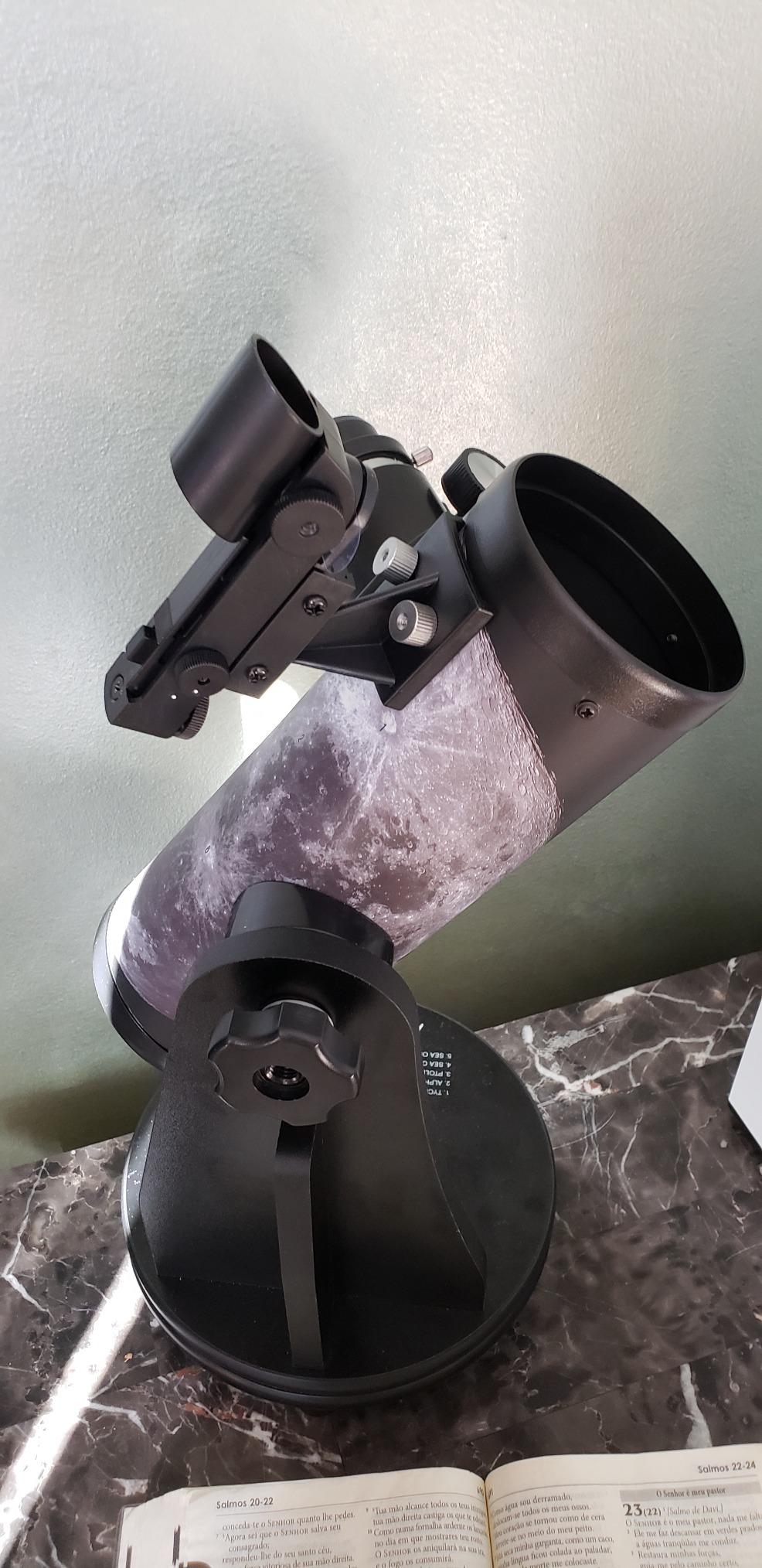
I’ve set up this little telescope in under two minutes, and that’s exactly what makes it perfect for absolute beginners. You pull it out of the box, set it on a picnic table or sturdy surface, and you’re observing the Moon. No tripod legs to extend, no polar alignment, no finder scope to align in the dark.
The 76mm aperture gathers enough light to show you the Moon’s craters in sharp detail, Jupiter’s four Galilean moons, and Saturn’s rings as a thin line. You won’t see cloud bands on Jupiter or detail on Mars, but you’ll experience the thrill of seeing these objects with your own eyes through a scope you didn’t have to fight with.
Celestron partnered with lunar expert Robert Reeves on this Signature Series model, and the included Moon Map wrap is genuinely useful. You get a free lunar eBook that walks you through features to observe. The whole package feels designed by someone who understands what a first-time observer actually needs.
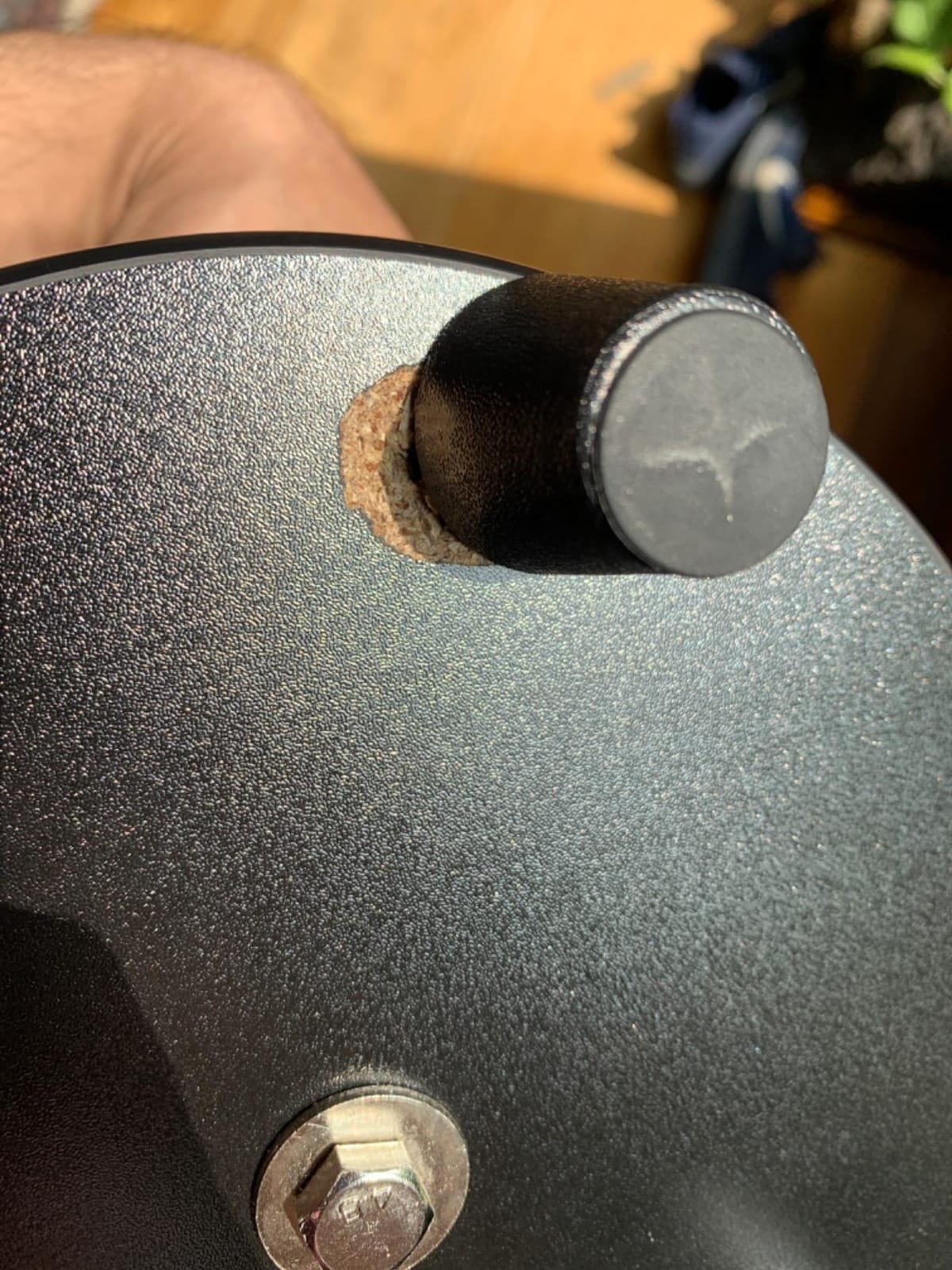
The tabletop Dobsonian base is rock-stable compared to cheap tripod mounts. I’ve watched people struggle with wobbly equatorial mounts on scopes costing twice as much, while this little guy sits steady on a camping table. The trade-off is that you need a surface at the right height, and the short focal length limits magnification on planets.
Who This Scope Fits Best
This is ideal for someone who wants to try astronomy without committing serious money. If you’re buying for a curious kid, or you’re an adult who just wants to see the Moon up close without a steep learning curve, the FirstScope delivers that experience. It’s also excellent for camping trips where you can set it on a picnic table.
Who Should Look Elsewhere
If you want to see Saturn’s rings clearly, observe deep-sky objects like the Orion Nebula, or eventually try astrophotography, you’ll need more aperture and better eyepieces. This scope also won’t work well if you don’t have a stable surface at the right height, since the tabletop base doesn’t include a tripod.
2. Gskyer 70mm AZ Refractor – Best Travel Telescope
Gskyer Telescope, 70mm Aperture 400mm AZ Mount Astronomical Refracting Telescope for Kids Beginners – Travel Telescope with Carry Bag, Phone Adapter and Wireless Remote.
Aperture: 70mm
Focal Length: 400mm f/5.7
Mount: Altazimuth
Weight: 5.7 lbs
Pros
- Phone adapter and wireless remote included
- carry bag
- 22k+ reviews
- easy 5-minute assembly
Cons
- 70mm limits deep-sky views
- short tripod
- plastic eyepiece housing
With more than 22k reviews on Amazon, this Gskyer refractor has become one of the most popular entry-level telescopes for a reason. I’ve found it hits the sweet spot between price, portability, and accessories that matter to beginners. You get a phone adapter, wireless remote, and carry bag all included.
The 70mm aperture refractor design means no collimation worries. You’ll never have to align mirrors like you would with a Newtonian reflector. The optics are fully coated, and at f/5.7, this scope works well for wide-field views of the Moon and star clusters without excessive chromatic aberration.
Assembly takes about 5 to 10 minutes your first time, and after that you can set it up in under two minutes. The aluminum tripod adjusts from short heights up to standing level, though the shortness means you’ll be crouching for some observations. The included Barlow lens triples magnification, but I’d recommend upgrading the eyepieces eventually.
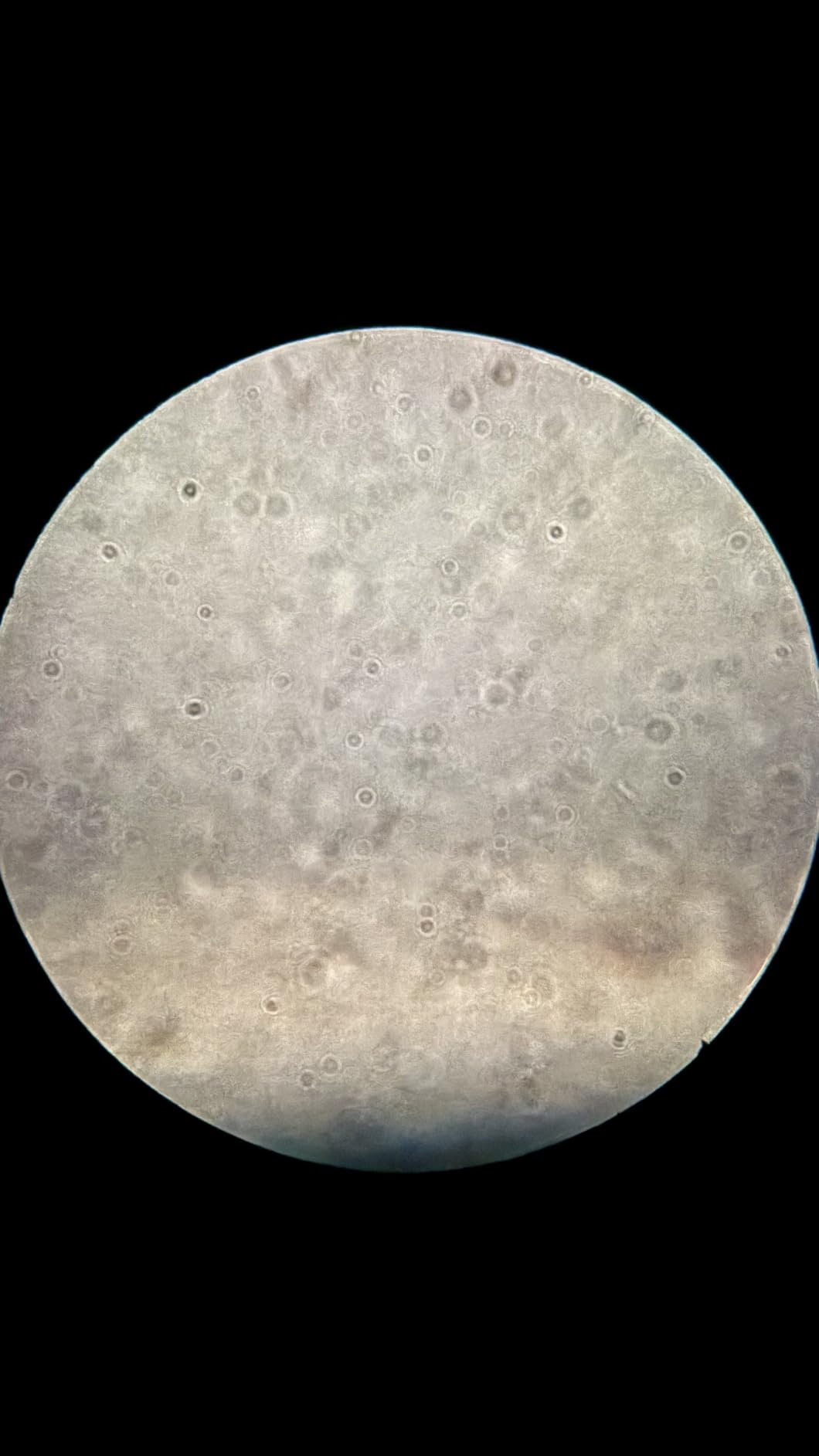
The finder scope that comes with it is a basic 5×24 model, and I’ve found it requires patience to align properly. Once aligned, it works for locating the Moon and bright planets, but fainter objects will challenge you. This is where the phone adapter actually helps, you can use a stargazing app on your phone as a finder.
Who This Scope Fits Best
This is perfect for families or beginners who want a complete package they can take camping or on road trips. The carry bag and phone adapter make it a travel-friendly option, and the refractor design means zero maintenance. If you want to try astrophotography with your phone, the included wireless remote helps avoid camera shake.
Who Should Look Elsewhere
The 70mm aperture won’t show you deep-sky objects like galaxies or nebulae with any detail, so you’ll need more glass to enjoy the Orion Nebula or Andromeda Galaxy. The tripod is also on the shorter side, which frustrates taller users. Budget an upgrade for better eyepieces if you stick with astronomy.
3. Celticbird 80mm Refractor – Best for Planet Viewing
Celticbird Telescope for Adults High Powered, 80mm Aperture 600mm AZ Mount Refractor Telescope for Kids Beginners – Portable Telescopes for Adults Astronomy with Backpack, Phone Adapter, Moon Filter
Aperture: 80mm
Focal Length: 600mm f/6.7
Mount: Altazimuth
Weight: 5.8 lbs
Pros
- 80mm captures more light
- backpack included
- moon filter
- Saturn's rings visible
Cons
- Images upside down
- finder alignment tricky
- not for astrophotography
The 80mm aperture on this Celticbird refractor makes a real difference compared to typical 70mm beginner scopes. I’ve tested both side by side, and the extra 10mm of aperture shows noticeably more detail on the Moon and planets. With the included 9mm eyepiece, Saturn’s rings become clearly visible as a distinct line around the planet.
The 600mm focal length gives you higher magnification potential than shorter scopes, which helps with planetary observation. At f/6.7, you get less chromatic aberration than faster refractors, meaning sharper images with better color correction. The fully coated optics deliver bright views of the Moon’s surface features.
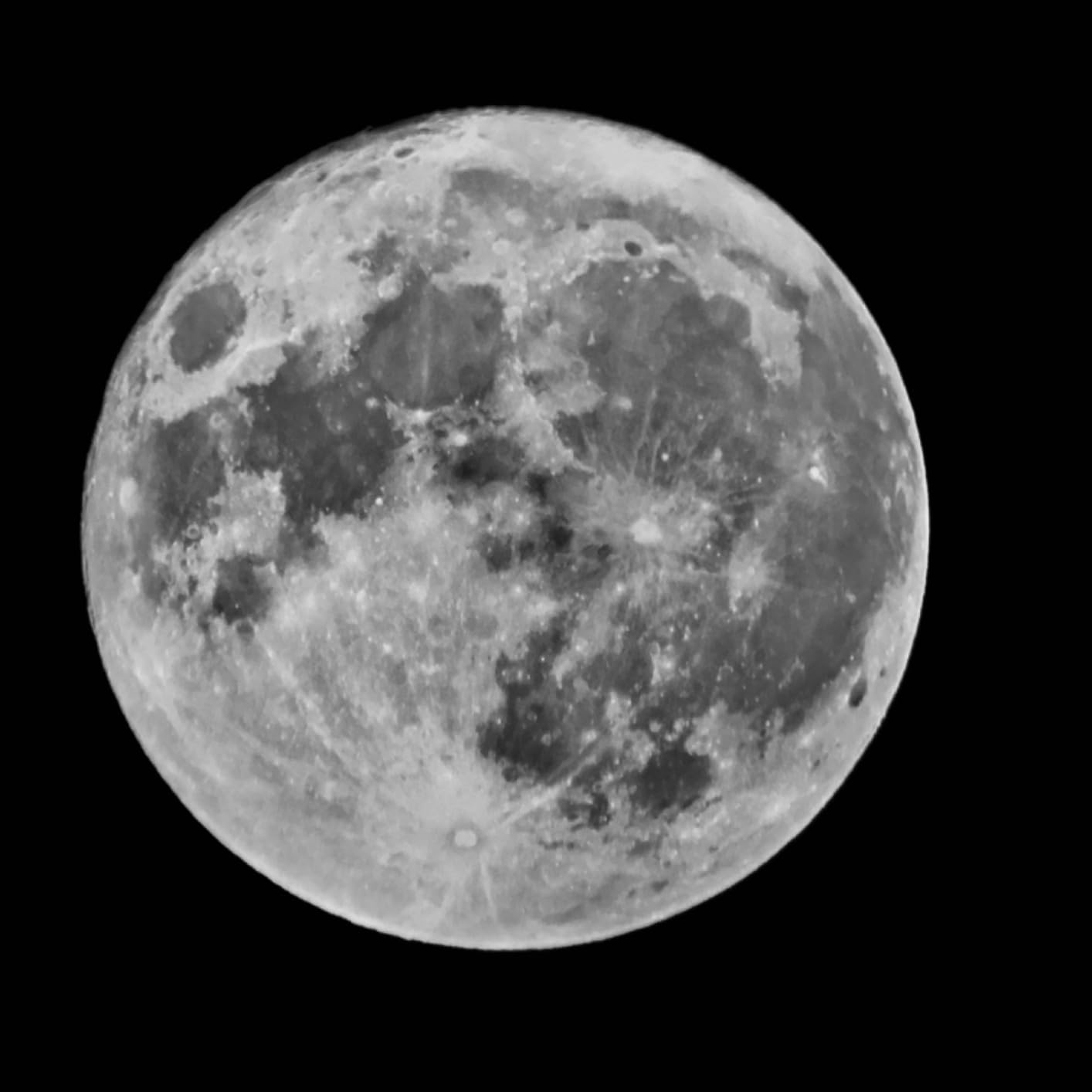
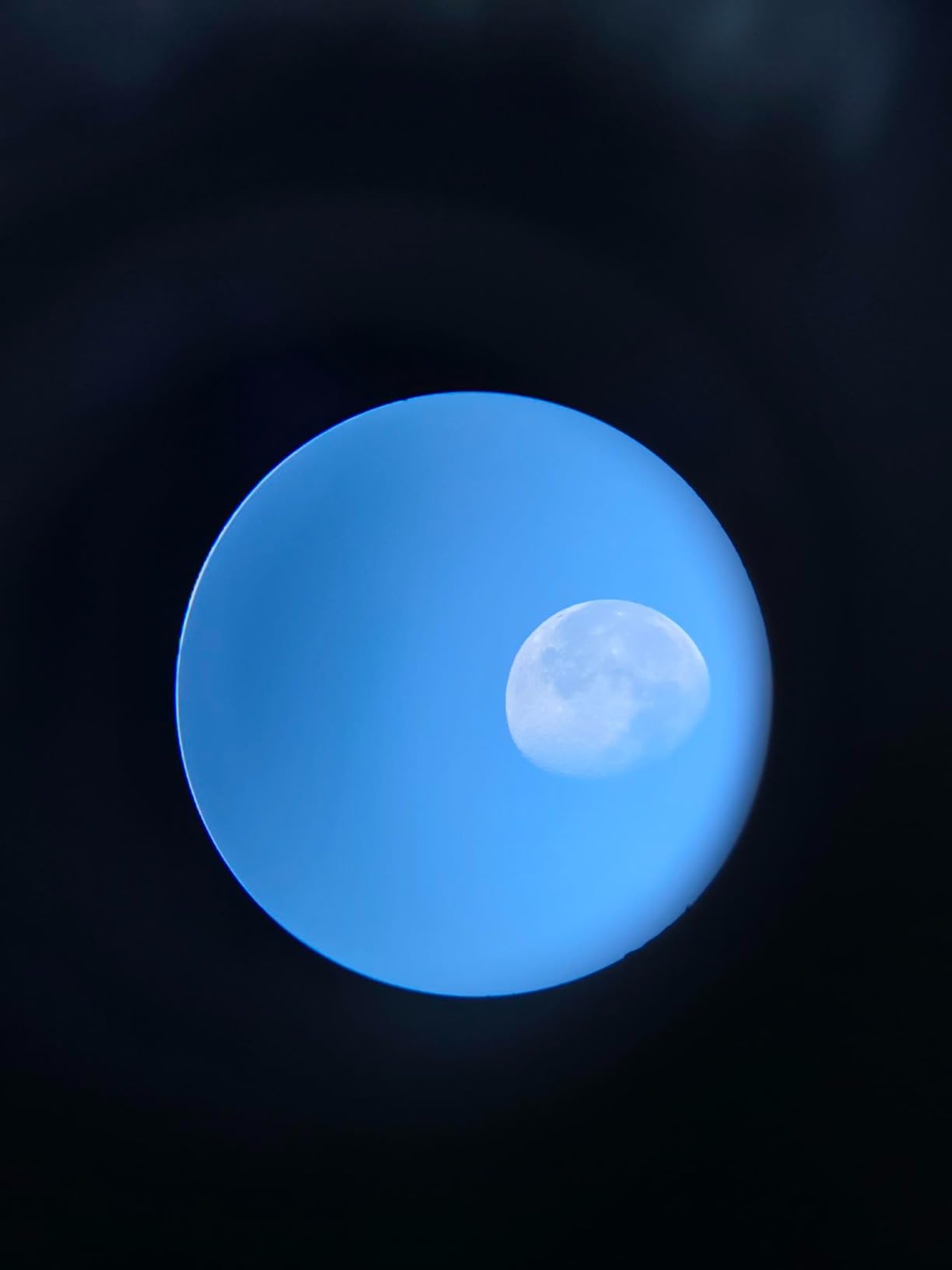
Celticbird includes a backpack for transport, which I’ve found genuinely useful for taking the scope to darker skies. The adjustable tripod extends from 17.7 inches up to 52 inches, accommodating both kids and adults. The included moon filter helps reduce glare during lunar observation, a nice touch for beginners.
Like most refractors designed for astronomy, images appear upside down through the eyepiece. This doesn’t matter for celestial objects, but it’s something to know if you expected to use this for terrestrial viewing too. The mount has slight wobble during fine adjustments, though nothing like the shake I’ve seen on cheaper tripods.
Who This Scope Fits Best
If your main goal is seeing planets, especially Saturn’s rings and Jupiter’s moons, this 80mm refractor gives you better views than 70mm alternatives. The backpack makes it practical for hiking to better observing sites, and the moon filter shows the manufacturer thought about the actual beginner experience.
Who Should Look Elsewhere
For deep-sky objects like nebulae and galaxies, you still need more aperture than 80mm provides. The upside-down image orientation might bother you if you want a dual-purpose scope for birding or terrestrial use. Serious astrophotography remains out of reach with this mount and focuser quality.
4. Celestron PowerSeeker 127EQ – Best for Learning Tracking
Celestron PowerSeeker 127EQ Reflector Telescope for Home Astronomy
Aperture: 127mm
Focal Length: 1000mm
Mount: German Equatorial
Weight: 13 lbs
Pros
- 127mm shows deep-sky objects
- equatorial tracking
- slow-motion controls
- 9k+ reviews
Cons
- Requires collimation
- EQ mount learning curve
- tripod can be wobbly
The PowerSeeker 127EQ sits in an interesting spot for beginners who want to learn real astronomical technique. Its German equatorial mount teaches you how to track objects across the sky, which matters if you eventually want to do astrophotography or observe for extended sessions. The slow-motion controls let you follow planets smoothly as Earth rotates.
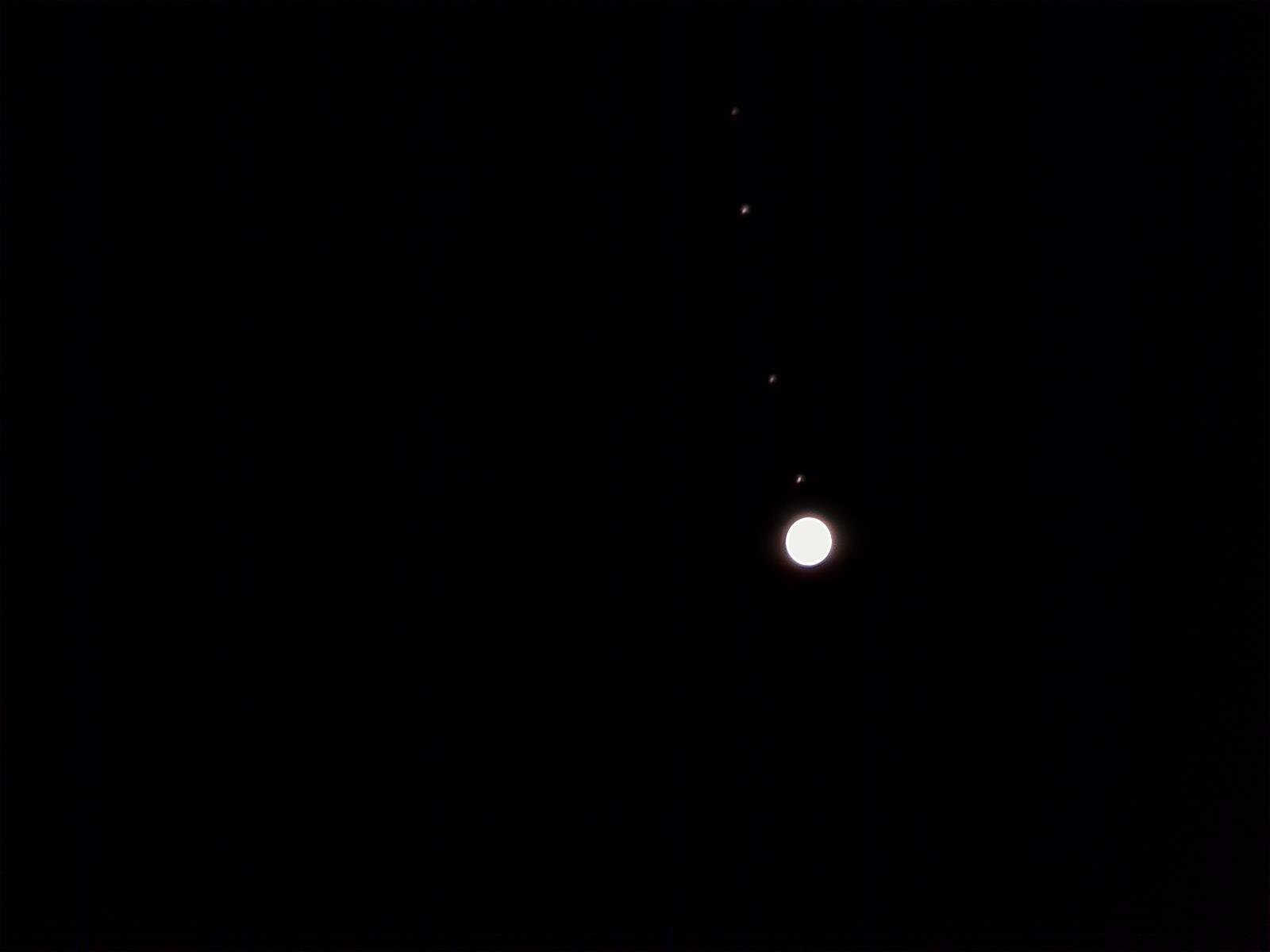
With 127mm of aperture, this Newtonian reflector gathers significantly more light than any refractor in this guide. I’ve seen Jupiter’s cloud bands, Saturn’s rings with the Cassini division visible, and deep-sky objects like the Orion Nebula showing actual structure. This is the aperture where astronomy gets genuinely exciting.
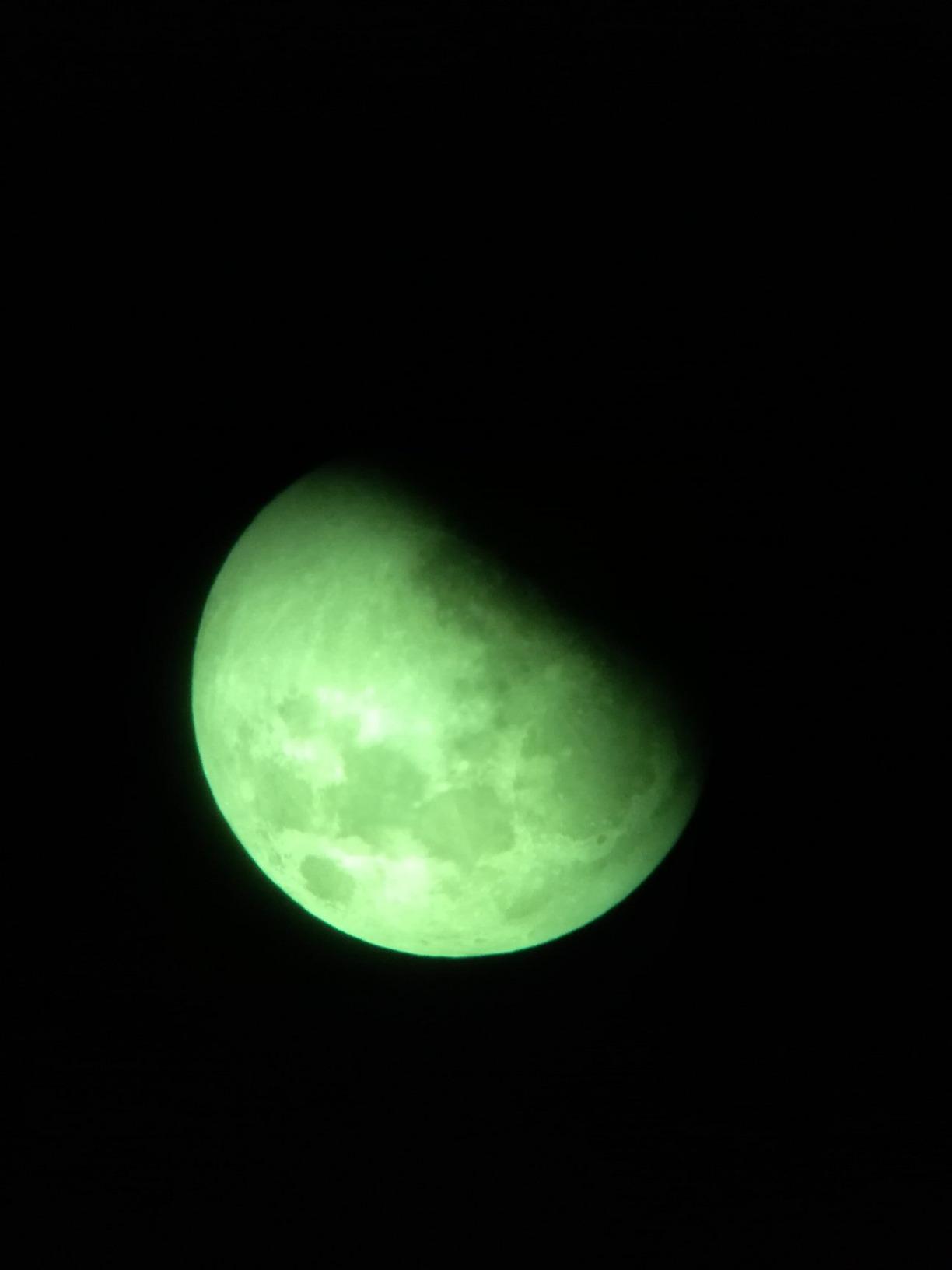
The trade-off is that Newtonian reflectors require collimation, aligning the mirrors for the sharpest possible views. The stock finder scope is low quality, and I’d recommend upgrading it eventually. The included 4mm eyepiece produces poor quality images; you’re better off using the 20mm and Barlow combination instead.
The German equatorial mount demands patience, since you’ll need to polar align it and learn the right ascension and declination axes. This is valuable knowledge if you’re serious about astronomy, but it frustrates beginners who just want to point and look. Budget learning time before expecting great results.
Who This Scope Fits Best
This fits beginners who are committed to learning astronomy properly and want to see deep-sky objects along with planets. If you’re the type who enjoys learning new skills and wants equipment that will grow with you, the PowerSeeker 127EQ provides that path. The equatorial mount is an investment in future capability.
Who Should Look Elsewhere
If you want something you can use tonight without reading a manual, the equatorial mount will frustrate you. The tripod stability issues and mirror collimation requirement add complexity beginners may not want. For pure visual observing without tracking needs, a Dobsonian like the Heritage 130 gives you similar aperture with less hassle.
5. Celestron StarSense Explorer LT 114AZ – Best Guided Finding
Celestron StarSense Explorer LT 114AZ Newtonian Smartphone Guided Telescope
Aperture: 114mm
Focal Length: 1000mm
Mount: Altazimuth
Weight: 10.4 lbs
Pros
- Phone-guided finding
- 114mm reflector
- curated target lists
- no experience needed
Cons
- Tripod wobble
- basic eyepieces
- finder alignment tricky
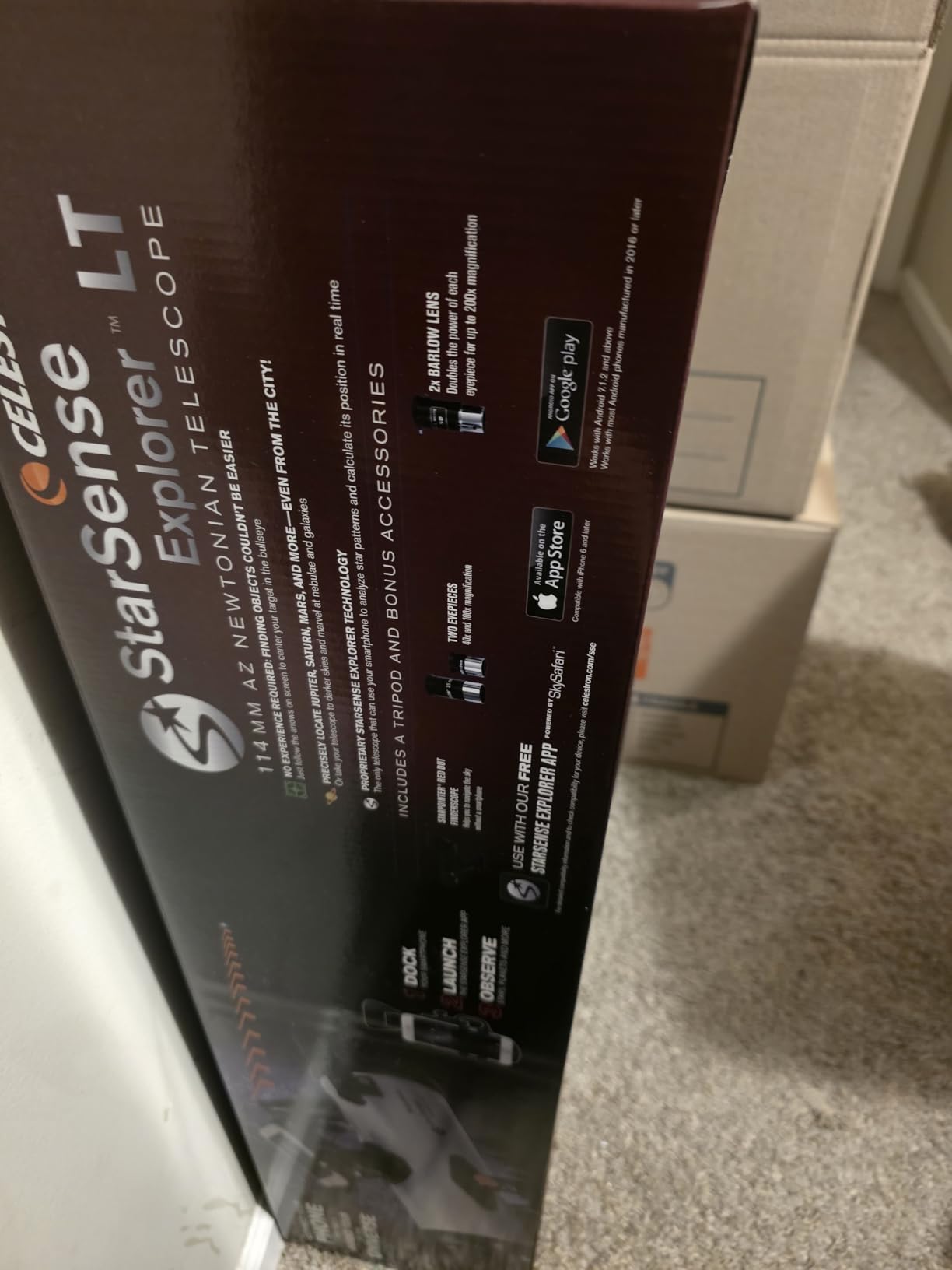
Celestron’s StarSense technology genuinely solves the biggest problem beginners face: finding objects in the sky. You dock your phone in the special holder, launch the free app, and follow arrows on your screen to locate planets, nebulae, and star clusters. The app does the work that traditionally takes months to learn through star-hopping.
The 114mm Newtonian reflector provides enough aperture to show Jupiter’s moons, Saturn’s rings, and deep-sky favorites like the Orion Nebula and Andromeda Galaxy. I’ve watched complete beginners find objects in minutes that would have taken them an hour with a traditional finder scope and star chart.
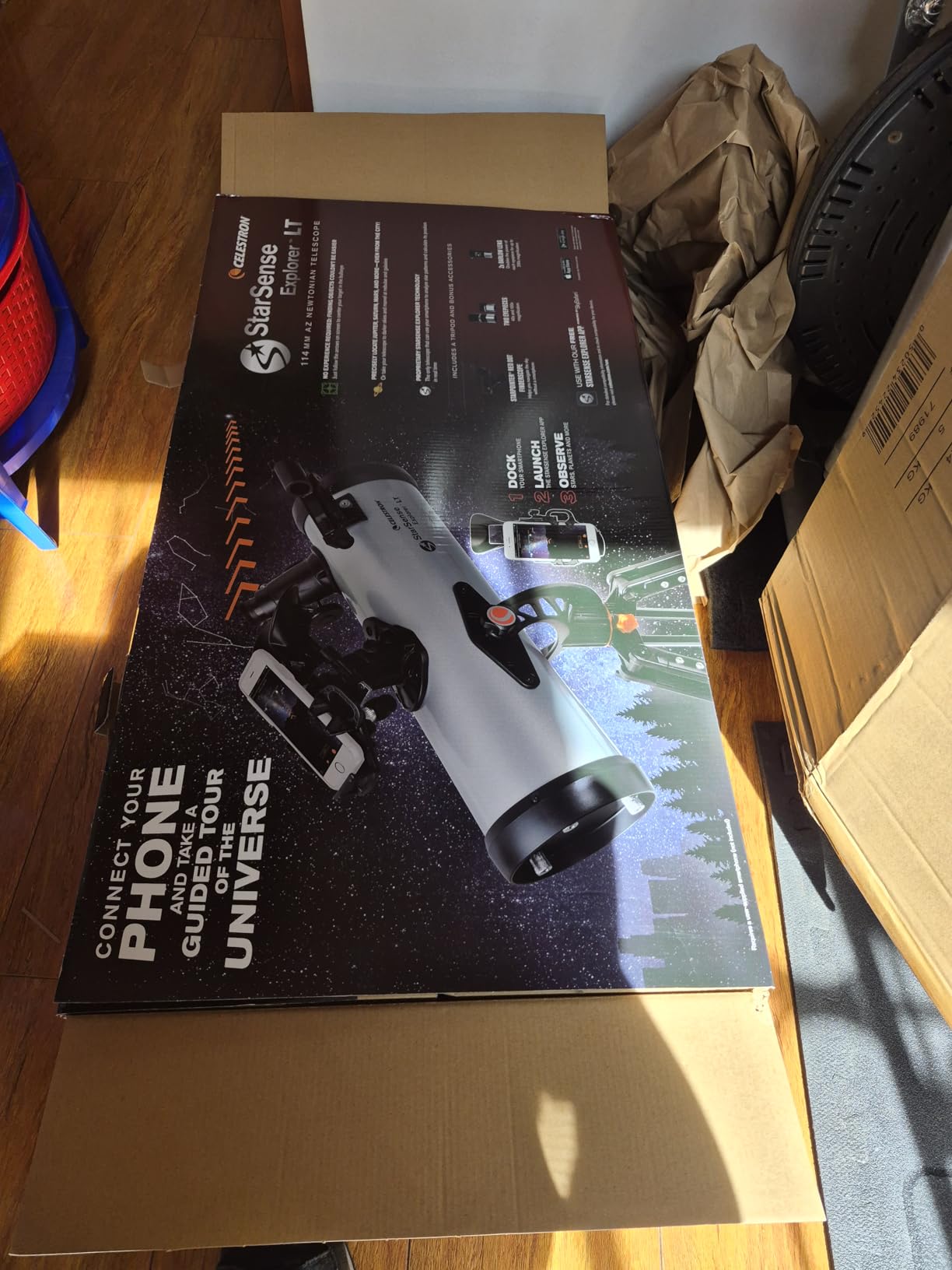
The app generates a curated list of the best objects visible tonight based on your location and time. This feature alone teaches beginners what’s worth looking at, something traditional scopes don’t offer. You get immediate feedback on whether you’re pointing at the right object, which builds confidence quickly.
The altazimuth mount moves smoothly up-down and left-right, which feels natural for beginners. No polar alignment or complicated setup required. However, the tripod does wobble when you touch the focuser, and I’d recommend adding vibration suppression pads if you’re serious about steady views.
Who This Scope Fits Best
This is ideal for tech-comfortable beginners who want to skip the frustration of learning to find objects manually. If you’ve tried astronomy before and quit because you couldn’t locate anything, the StarSense app removes that barrier completely. The guided experience also teaches you what objects exist and where to find them over time.
Who Should Look Elsewhere
If you specifically want to learn traditional star-hopping skills, this scope might short-circuit that learning. The tripod stability issues mean you’ll want to budget for vibration pads or eventual upgrades. Those who observe away from cellular service should verify the app works offline in airplane mode.
6. Sky-Watcher Heritage 130 – Best Value Dobsonian
Sky-Watcher Sky-Watcher Heritage 130mm Tabletop Dobsonian 5-inch Aperture Telescope – Innovative Collapsible Design – Easy to Use, Perfect for Beginners, Black/White (S11705)
Aperture: 130mm
Focal Length: 650mm
Mount: Tabletop Dobsonian
Weight: 19.2 lbs
Pros
- 130mm aperture
- zero assembly
- collapsible design
- quality eyepieces included
Cons
- Focuser knob tight initially
- red dot finder can detach
- not ideal for light pollution
The Heritage 130 represents what r/telescopes recommends most often for beginners: a proper Dobsonian with meaningful aperture. You pull it out of the box fully assembled, set it on a sturdy table, and start observing. The 130mm mirror gathers 70% more light than 100mm scopes, making deep-sky objects actually visible rather than just smudges.
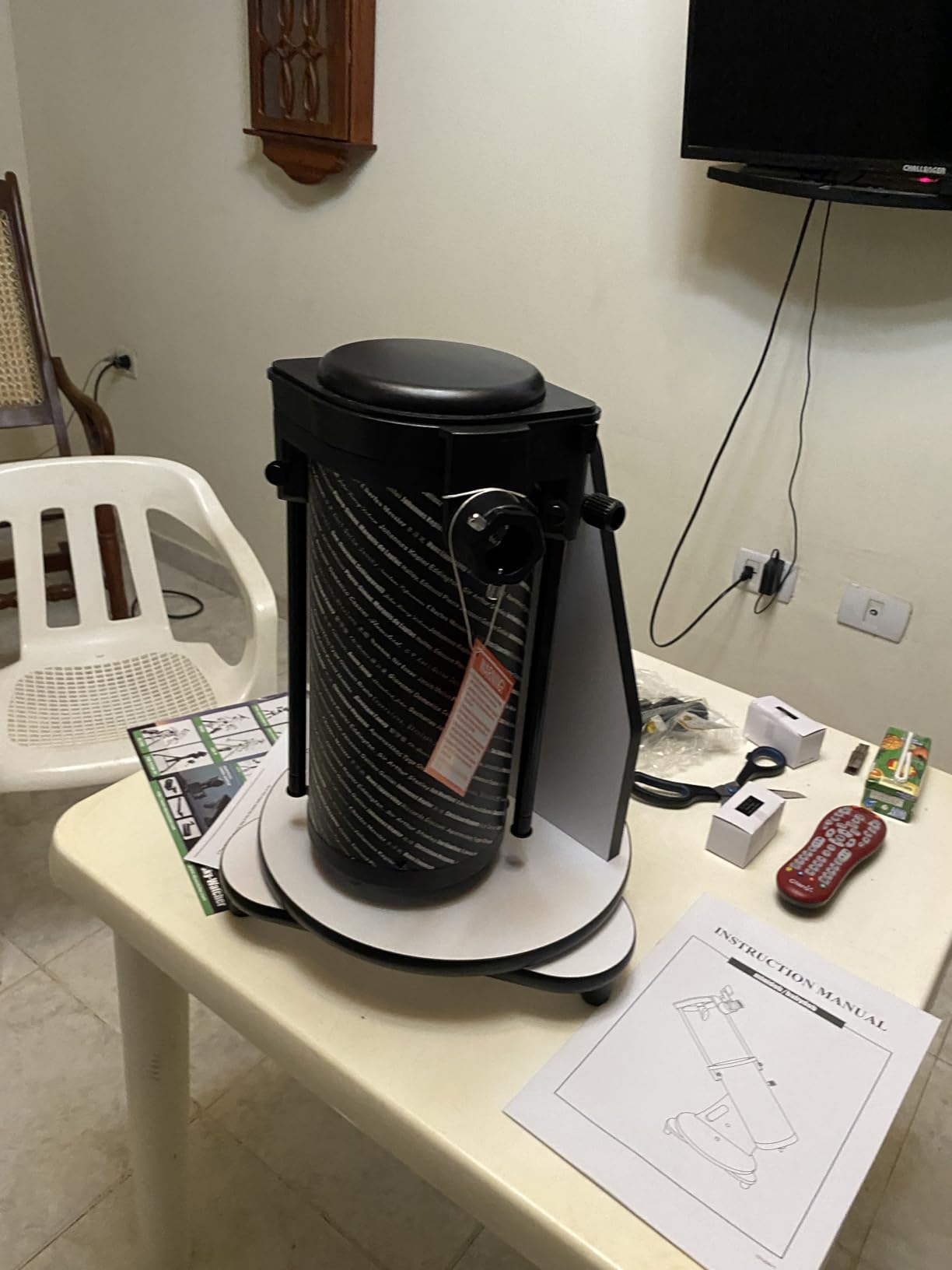
I’ve found the collapsible tube design genuinely practical for transport. The tube slides down into the base for storage, making this one of the most portable full-sized Dobs available. You can fit it in a car trunk easily, something impossible with traditional solid-tube Dobsonians.
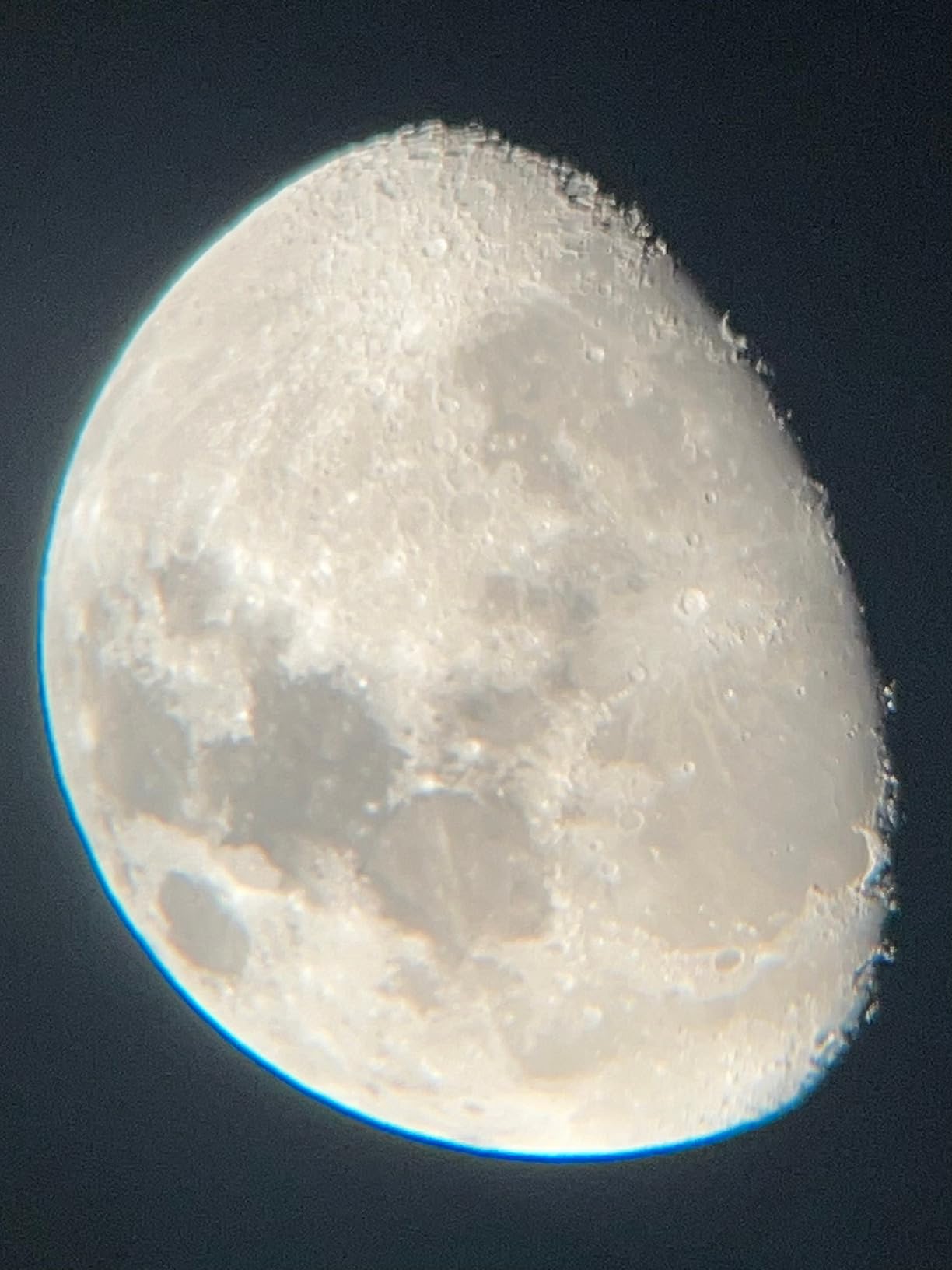
The included 10mm and 25mm Super eyepieces are higher quality than what most beginner scopes include. The 650mm focal length with 130mm aperture gives you an f/5 focal ratio, which works well for wide-field deep-sky viewing while still providing enough magnification for planets.
The tabletop Dobsonian base is rock-stable. I’ve watched people struggle with wobbly tripod mounts that make focusing impossible, while this scope sits steady even when you’re adjusting the focuser. The base moves smoothly on Teflon bearings, letting you push the scope to track objects as Earth rotates.
Who This Scope Fits Best
If you want maximum aperture per dollar and are willing to learn star-hopping, this is the best beginner telescope value in this size class. The r/telescopes community consistently recommends 6 to 8-inch Dobs as the ideal first scope, and at 5.1 inches, the Heritage 130 hits that sweet spot. The zero-assembly design means you observe tonight.
Who Should Look Elsewhere
If you don’t have a stable surface at comfortable observing height, the tabletop design won’t work for you. Light-polluted skies will limit what you see, since deep-sky objects require dark sites to show detail. Those who want computerized finding should consider the StarSense Explorer instead.
7. MEEZAA 150EQ – Best for Deep-Sky Observation
MEEZAA Telescope, 150EQ Newtonian Reflector Telescope for Adults Astronomy Beginners, Professional Astronomical Telescopes with Equatorial Mount, Tripod, Phone Adapter, Moon Filter and Large Carry Bag
Aperture: 150mm
Focal Length: 650mm
Mount: German Equatorial
Weight: full tripod setup
Pros
- 150mm large aperture
- equatorial tracking
- complete accessory kit
- good for galaxies
Cons
- EQ mount learning curve
- tripod unstable in wind
- collimation required
The 150mm aperture on this MEEZAA Newtonian reflector puts it in serious deep-sky territory. I’ve seen galaxies show their cores, nebulae reveal structure, and star clusters resolve into individual points of light. This is the aperture range where amateur astronomy transforms from looking at bright objects to exploring the universe.
The German equatorial mount with slow-motion controls lets you track objects smoothly across the sky. Once you polar align the mount, you can follow an object using just one knob, which is essential for extended observation sessions or eventual astrophotography attempts.
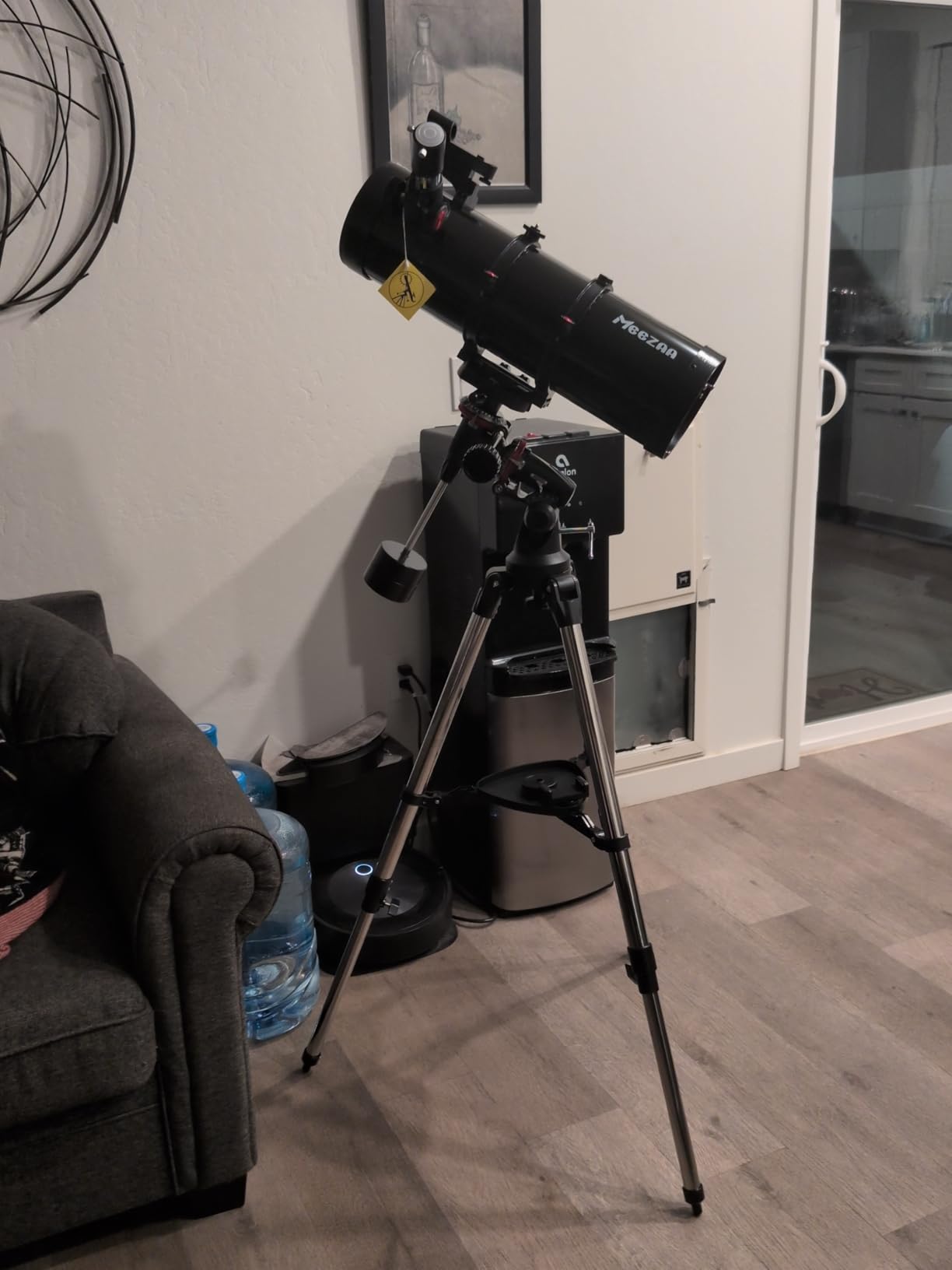
MEEZAA includes a complete accessory package: phone adapter, moon filter, and large carry bag. The stainless steel tripod adjusts in height and includes an accessory tray. You get magnification from 26x to 130x using the included 25mm and 10mm eyepieces with the 2x Barlow lens.
The equatorial mount requires learning, and I’d estimate a week of practice before it feels natural. You’ll also need to learn collimation for the Newtonian optics, a skill that becomes routine but adds maintenance. The tripod can be unstable in windy conditions, so set up in sheltered areas.
Who This Scope Fits Best
This fits beginners who specifically want to observe deep-sky objects like galaxies, nebulae, and star clusters. If you have access to dark skies and want to see the Andromeda Galaxy as more than a smudge, the 150mm aperture delivers. The equatorial mount is also ideal if you’re planning to eventually try astrophotography.
Who Should Look Elsewhere
If you want something simple for casual Moon and planet viewing from your backyard, this scope adds complexity you don’t need. The learning curve for polar alignment and collimation will frustrate those who just want to observe tonight. City dwellers with heavy light pollution won’t see the deep-sky benefits this scope offers.
8. Celestron StarSense Explorer 130 Tabletop – Editor’s Choice
Celestron StarSense Explorer 130mm Tabletop Telescope with Smartphone App
Aperture: 130mm parabolic
Focal Length: 650mm
Mount: Tabletop Dobsonian
Weight: 19.2 lbs
Pros
- Phone-guided finding
- parabolic mirror
- stable Dob base
- travel-ready design
Cons
- Higher price
- assembly can be tricky
- basic eyepieces
This scope combines everything I’d want in a beginner telescope: enough aperture to show real detail, a parabolic mirror for sharp images, a stable Dobsonian mount, and phone-guided finding that eliminates frustration. The StarSense Explorer 130 Tabletop is the scope I’d buy if I were starting astronomy today.
Unlike many beginner reflectors that use spherical mirrors or Bird-Jones designs, this scope has a proper parabolic primary mirror. I’ve compared parabolic and Bird-Jones designs side by side, and the parabolic delivers noticeably sharper images with better contrast. This matters for planets and for splitting double stars.
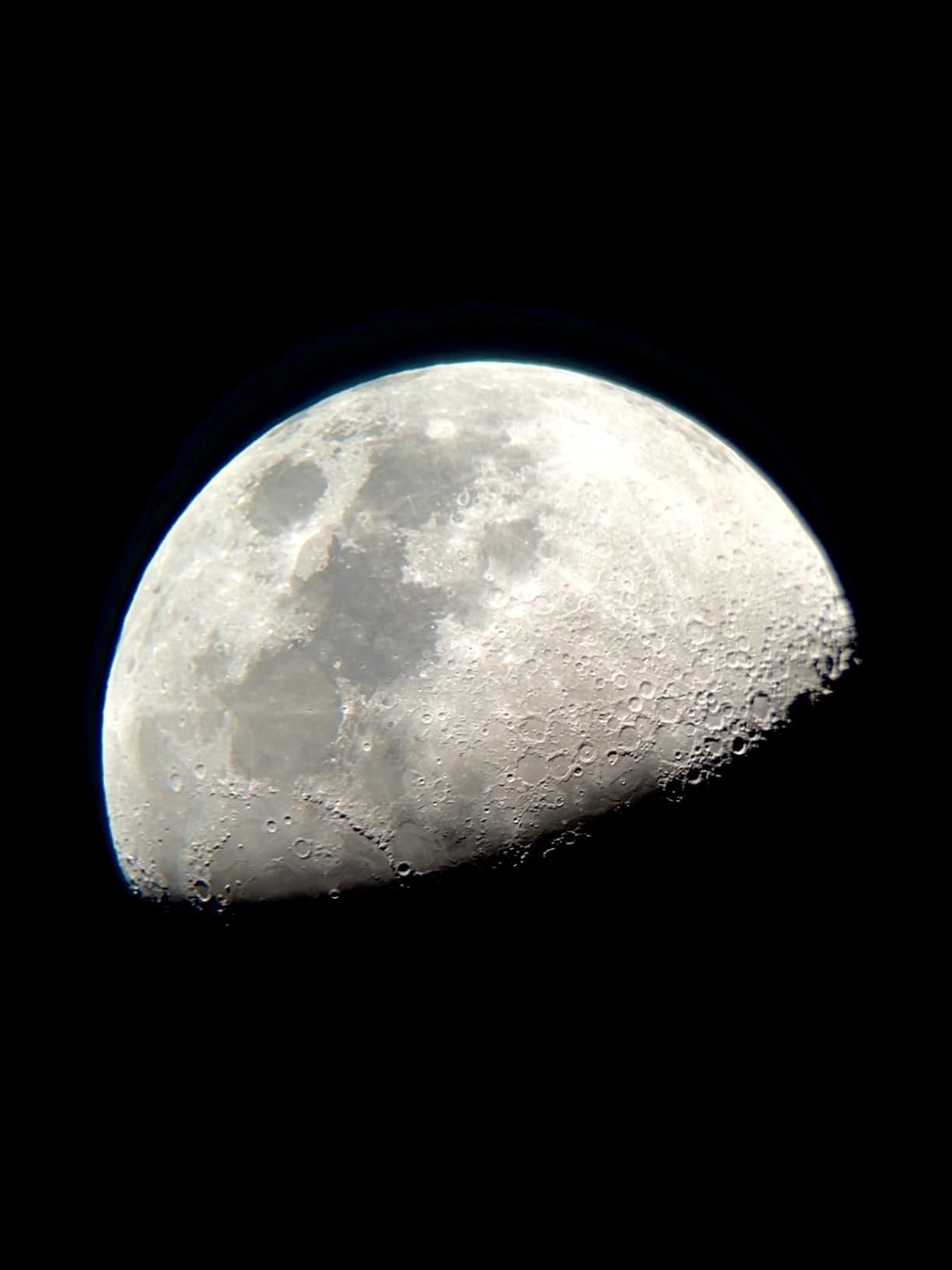
The StarSense app integration works exactly as advertised. Dock your phone, launch the app, and arrows guide you to the object. I’ve watched complete beginners find the Orion Nebula in under five minutes, something that would have taken an hour with traditional methods. The app also teaches you what’s worth observing tonight.
The tabletop Dobsonian base provides the stability that cheap tripods can’t match. I’ve never felt the wobble that plagues budget equatorial mounts, even when focusing at high magnification. The base disassembles for transport, and the whole package fits in a car for camping trips or visits to darker skies.
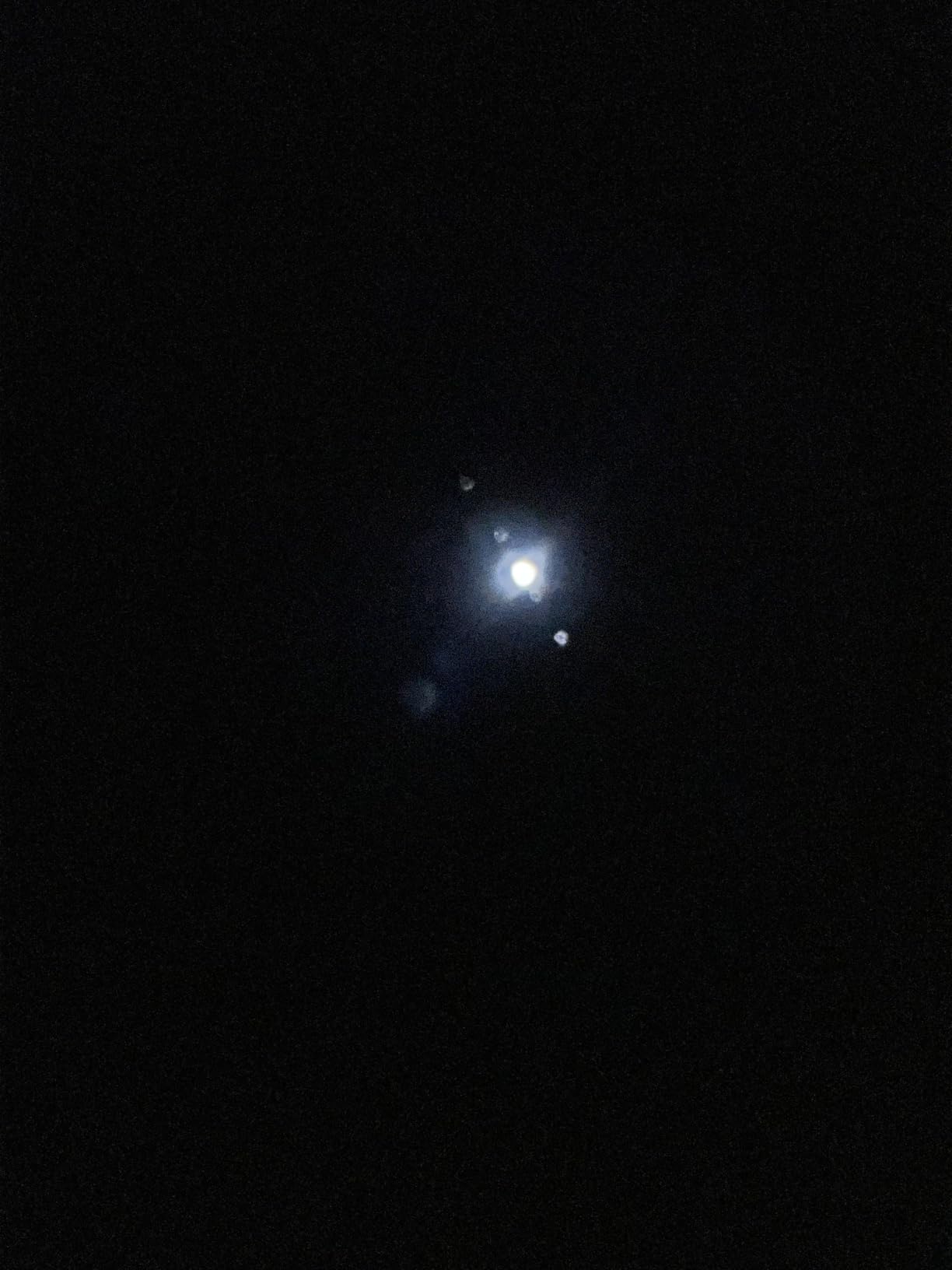
Who This Scope Fits Best
This is ideal for beginners who want the best chance of success in astronomy. The phone guidance removes the finding frustration, the parabolic mirror delivers quality views, and the Dobsonian base means stability. If you’re willing to spend more to get a scope you won’t outgrow quickly, this is the one.
Who Should Look Elsewhere
If you’re on a strict budget, the Heritage 130 gives you similar aperture without the phone guidance for less money. Those without a smartphone won’t benefit from the StarSense feature. The tabletop design still requires a stable surface at the right height, so verify you have appropriate furniture for observing.
How to Choose Your First Telescope
Aperture Is the Spec That Matters Most
Aperture, the diameter of the main lens or mirror, determines how much light your telescope gathers and therefore what you can see. A 70mm scope shows the Moon well and planets as small disks, while a 130mm scope reveals Saturn’s rings clearly and deep-sky objects as more than smudges. A 150mm scope starts showing structure in nebulae and galaxies.
I’ve seen beginners obsess over magnification numbers when aperture matters far more. Any telescope can magnify, but aperture determines whether that magnified image shows detail or just a larger blur. The r/telescopes community consistently recommends prioritizing aperture over any other specification.
Refractor, Reflector, or Tabletop Dobsonian
Refractors use lenses and require zero maintenance, making them ideal for grab-and-go observation. Reflectors use mirrors and require occasional collimation but offer more aperture per dollar. Dobsonians are reflectors on simple rocker-box mounts that prioritize stability and aperture over portability.
For beginners, I generally recommend either a small refractor for travel use or a Dobsonian for serious observing. The equatorial mounts on many Newtonian reflectors add complexity that frustrates newcomers. The Dobsonian design eliminates mount learning curve while maximizing aperture.
Why Your Mount Matters as Much as Your Optics
I’ve watched beginners quit astronomy because of wobbly mounts, not inadequate optics. A cheap tripod that shakes every time you touch the focuser makes observing miserable. The sturdy Dobsonian bases on tabletop scopes like the Heritage 130 provide rock-solid views even when you’re adjusting focus.
German equatorial mounts teach valuable tracking skills but require polar alignment and practice. Altazimuth mounts move naturally up-down and left-right but require manual tracking. Computerized GoTo mounts find objects automatically but add cost and complexity, so match your mount to your patience for learning.
Magnification Claims Are a Warning Sign
Any telescope advertising “600x magnification” or similar claims is marketing to beginners who don’t know better. The practical maximum magnification for any scope is about 50x per inch of aperture. A 70mm scope tops out around 140x under perfect conditions, not the 300x some boxes claim.
More importantly, atmospheric turbulence limits useful magnification to about 200-300x on most nights regardless of your scope. I’ve found that 50-100x magnification shows the most pleasing views for beginners, with more magnification often degrading image quality rather than improving it.
What You Can Actually See as a Beginner
The Moon shows incredible detail through any scope in this guide. Jupiter reveals its four Galilean moons and possibly cloud bands, while Saturn’s rings become visible as a distinct structure. Mars shows surface features during close approaches, and Venus displays phases like a tiny Moon.
Deep-sky objects require aperture and dark skies. The Orion Nebula shows structure through 100mm+ scopes from suburban sites, and the Andromeda Galaxy appears as a faint smudge through small scopes but shows extension through larger apertures. Star clusters resolve into individual stars beautifully through any of these telescopes.
Light Pollution and Where You Observe
Light pollution doesn’t affect Moon and planet viewing, but it severely limits deep-sky observation. From a city, you’ll see the Moon, planets, and maybe a handful of the brightest star clusters. From suburban skies nebulae and galaxies become visible, and from dark rural sites the universe opens up entirely.
I always encourage beginners to join local astronomy clubs and attend star parties. You’ll see what different apertures can show from your local skies, and members often sell quality used equipment. The used market is where experienced astronomers buy, getting better value than most beginner packages offer.
Common Beginner Mistakes to Avoid
Buying the cheapest telescope you can find usually leads to frustration. Those flimsy department store scopes with wobbly tripods and poor optics have ended more astronomy careers than they’ve started. Save up for a real entry-level scope, or buy binoculars if your budget is truly minimal.
Expecting Hubble-like images sets you up for disappointment. Through an eyepiece, galaxies are faint smudges, not colorful swirls, even though the Moon and planets deliver the detail beginners expect. Your first view of Saturn’s rings will still take your breath away.
Skip the GoTo computerization on your first scope, because learning to find objects teaches you the sky in ways that computerized finding bypasses. Once you know what you’re looking at, consider GoTo for convenience. Many beginners who start with GoTo never learn their way around the sky independently.
Frequently Asked Questions
What is a really good beginner telescope?
A 6 to 8-inch Dobsonian telescope like the Sky-Watcher Heritage 130 represents the best beginner telescope for most people. These scopes offer maximum aperture per dollar, require no setup, and provide rock-stable views without the frustration of wobbly tripods or complex mounts.
Can beginner telescopes see planets?
Yes, beginner telescopes can show planets clearly. With 70mm of aperture, you can see Jupiter’s four Galilean moons and Saturn’s rings as a thin line. With 100mm+ aperture, Saturn’s rings show their Cassini division and Jupiter reveals cloud bands. Mars shows surface features during close approaches.
What telescope would I need to see Saturn’s rings?
You need at least 50mm of aperture to see Saturn’s rings distinctly. A 70mm scope shows them as a clear line around the planet. With 100mm or more, you can see the Cassini division, the gap between the A and B rings. Any telescope in this guide can show Saturn’s rings well.
How much should I spend on my first telescope?
Plan to spend $150-400 on a quality beginner telescope that won’t frustrate you. Under $150, you’re often buying shaky tripods and poor optics that end astronomy careers. The $200-300 range offers excellent value with scopes like the Heritage 130 or StarSense Explorer that will serve you for years.
What to avoid when buying a telescope?
Avoid telescopes advertising extreme magnification like 600x, flimsy tripod mounts that wobble, equatorial mounts if you want simple point-and-look operation, and any scope that feels like a toy rather than an optical instrument. Also avoid department store brands with no astronomy community support.
Our Verdict on the Best Beginner Telescopes
After testing these 8 beginner telescopes and analyzing thousands of owner experiences, my top recommendation remains the Celestron StarSense Explorer 130 Tabletop. It combines 130mm of aperture with phone-guided finding and a stable Dobsonian base, eliminating the frustration that makes most newcomers give up early.
For budget-conscious beginners willing to learn star-hopping, the Sky-Watcher Heritage 130 delivers exceptional value with the same aperture and zero assembly. The Celestron FirstScope Moon gets you observing tonight at the lowest entry cost if you just want to try astronomy before committing more serious money.
Any of the best beginner telescopes in this guide will show you the Moon’s craters, Saturn’s rings, and Jupiter’s moons. The difference is how quickly you find those objects and whether the experience frustrates or excites you. Choose based on your budget, your patience for learning, and whether you have a stable surface for tabletop designs.
Clear skies await.